Skip to content
The production plan looked clean on the screen.
The timeline was tight but realistic. Tooling was scheduled. Material was ordered. Everyone felt ready.
Then a buyer sent me a close-up photo of a finished enclosure corner. No long message. Just one short question:
“Vincent, is this within tolerance?”
That is the moment when you realize something important. Mass production does not fail loudly at first. It fails quietly. A hole is slightly off. A bend angle drifts. A coating feels just a bit thinner than the sample. Nothing looks dramatic. But small deviations multiply fast.
Supplier auditing before mass production is critical because sheet metal problems are not isolated mistakes. They repeat. One deviation in setup becomes a thousand identical units. One weak inspection step becomes a full container of rework.
The common risks are not mysterious:
- dimensions that slowly move away from the drawing
- material batches that are not consistent
- QC that looks formal but lacks discipline
- delivery schedules that slip under pressure
The way I see it in daily work is simple. Auditing is not about whether I “trust” a supplier. It is about checking if their system can survive pressure. Because once production scales, there is no safe place to hide weak processes.
Why Is Pre-Production Supplier Audit Critical for Sheet Metal Enclosures?

People often ask me, “Is an audit really necessary if the sample looks good?”
I get the question. Samples can look perfect. That is why this topic is dangerous. A clean sample can hide a messy system.
The hard truth is this: mass production is not “sample × 1000.”
It is a different game. Different operators. Different shifts. Different pressure. Sometimes even different material batches.
The decision I make in real projects is simple: if I cannot explain how the supplier will keep the same quality at scale, I treat the sample as a lucky photo, not proof.
Cost of Failure After Mass Production
When mass production goes wrong, you do not only lose product. You lose time and control.
Here are the most common costs I see:
- Tooling modification costs
Bending tooling, punching tools, fixtures, jigs. Small changes become big invoices. - Rework, scrap, and logistics losses
Rework is slow. Scrap is direct loss. Shipping both ways burns cash. - Brand damage and customer complaints
Buyers on Amazon or Facebook do not care about your factory story. They care about fit and finish.
A quick table I use when explaining this to new buyers:
| Problem after MP starts | What it usually triggers | Why it hurts |
|---|---|---|
| Hole location shift | Assembly does not fit | You cannot “force” a PCB into place |
| Wrong thickness batch | Bending angles change | Same tooling, different result |
| Coating adhesion issue | Peeling, rust, returns | Customer sees it as “cheap” |
| Late delivery | Missed launch window | Lost sales are hard to recover |
Hidden Risks Specific to Sheet Metal Enclosures
Sheet metal has “quiet” risks that do not show up until you assemble.
Tolerance stack-up issues
One hole is 0.2mm off. One bend is 0.5° off.
You think it is fine. Then the lid does not sit flat. The gasket leaks. The connector hits the wall.
This is why I ask suppliers to show how they control critical dimensions, not just general dimensions.
Welding distortion and structural weakness
Welding adds heat. Heat adds movement. Movement adds chaos.
I have seen:
- door frames that twist after welding
- mounting studs that shift slightly and ruin alignment
- weld beads that look okay but crack under vibration
Surface treatment inconsistency (powder coating, anodizing)
Finishing is often where “good suppliers” and “average suppliers” separate.
The sample might be coated on a good day.
Mass production might be coated when the line is busy, the hooks are dirty, or the chemistry is not stable.
Audit as Risk Prevention, Not Distrust
I like to keep the audit mindset simple:
- Data beats promises.
- Systems beat confidence.
- Repeatability beats a pretty first sample.
If problems appear after mass production, it is already too late.
And now you can probably feel the next question coming: “Okay Vincent, what exactly should I check inside the factory?”
That is where we go next.
What Should You Verify About the Factory’s Manufacturing Capability?
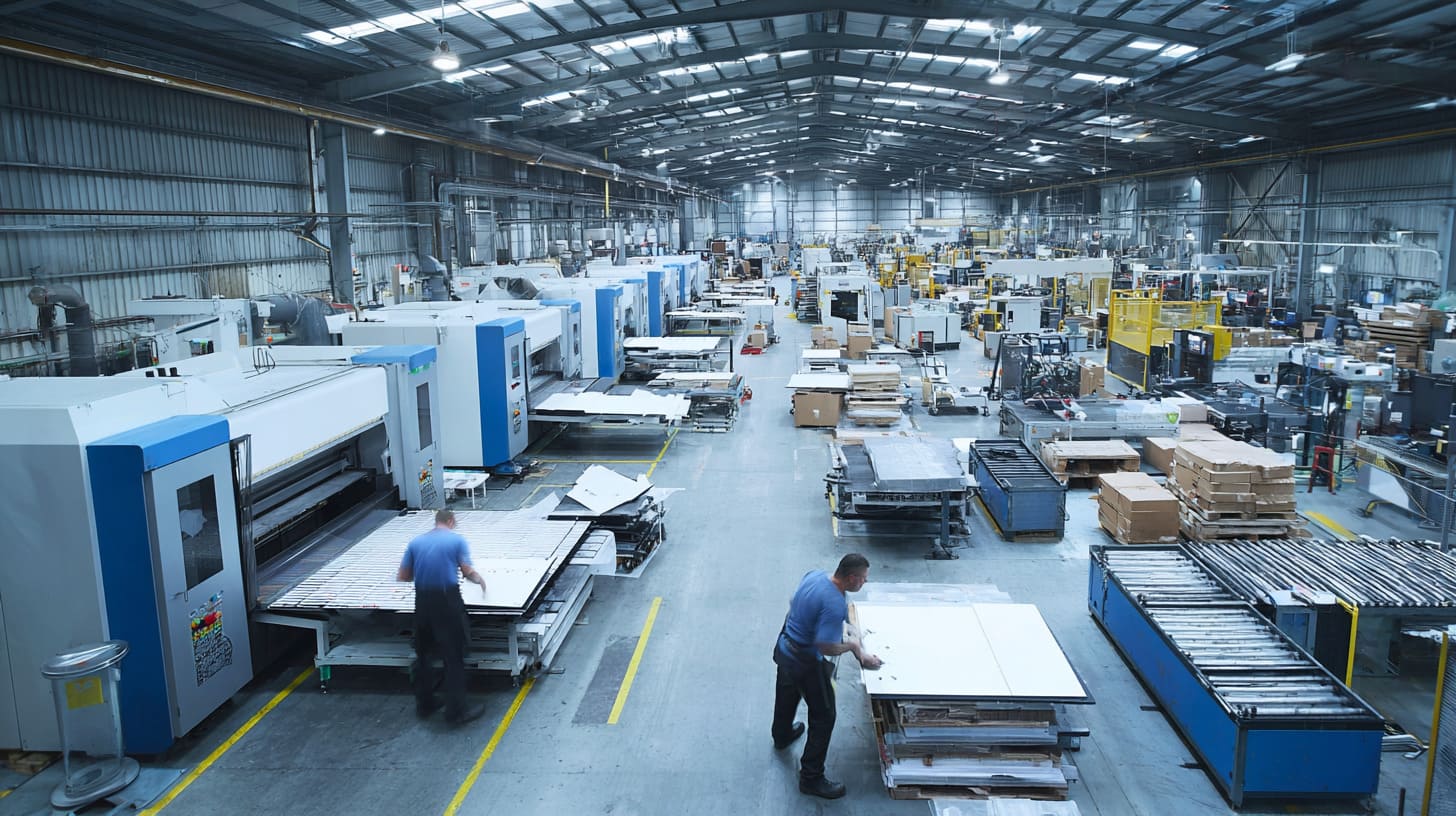
When buyers audit a factory, many start with machines.
Machines matter, yes. But machines alone do not build stable quality.
My personal rule is this: I watch the flow. If the workflow feels confused, the output will be confused, even with expensive equipment.
Machinery & Equipment
I usually check capability in three layers: cutting, forming, and joining/finishing.
CNC punching, laser cutting, bending machines
I want to know:
- Do they cut with stable accuracy?
- Do they track tool wear on punching?
- Do they have bending tooling that fits the part design?
Small detail that matters: if they use bending tooling that is “close enough,” angles drift during long runs.
Welding capability (TIG/MIG/spot welding)
Different projects need different welding.
- Spot welding for simple sheet joints, fast output
- MIG for speed, thicker sections
- TIG for cleaner welds, more control
I also look at welding fixtures.
No fixture usually means “hand feeling.” Hand feeling is not stable.
Surface treatment lines or outsourced control
If finishing is outsourced, I do not treat it as “not their problem.”
It is still their responsibility.
I ask:
- Who is the partner?
- How do they control color and thickness?
- What happens if a batch fails?
A short check table:
| Process | In-house is better when… | Outsourcing is okay when… |
|---|---|---|
| Powder coating | You need fast turnaround, high consistency | Supplier has strict incoming checks |
| Anodizing | You need stable color batch-to-batch | Partner is stable and documented |
| Plating | High compliance requirement | Supplier has strong audit records |
Engineering Support & DFM Capability
This part is often skipped, and it should not be.
Ability to review drawings
A strong supplier does not just say “OK.”
They ask questions.
Examples of good questions:
- “Is this bend radius fixed?”
- “Is this hole a mounting critical point?”
- “Do you accept a flange tolerance trade-off to reduce warp?”
If they never ask, it means they either do not understand or they do not care.
Suggest tolerance optimization
In sheet metal, you always trade cost and precision.
Sometimes the drawing asks for:
- tight tolerances on non-critical areas
- perfect flatness on a welded frame
- cosmetic finish on hidden internal surfaces
A supplier who can suggest smart changes saves you money.
Experience with OEM enclosure redesign
Many of my buyers want “similar to an enclosure they saw,” but adjusted for their PCB.
I look for evidence:
- photos of similar projects
- CAD review ability
- clear change control process
Production Capacity & Bottleneck Check
Capacity is not just “how many workers.”
It is where the bottleneck sits.
Monthly output capacity
I ask for:
- monthly output data
- peak season performance
- how many shifts they can run
Multi-line production availability
One line means one failure point.
Three lines means they can balance.
Backup equipment planning
I always ask one uncomfortable question:
“What happens if your main bending machine breaks for 3 days?”
The answer tells me if they think like a factory or like a salesman.
And once capability looks okay, I move to the next hard part: QC. Because capability without QC is like a fast car without brakes.
How Do You Evaluate Their Quality Control System?
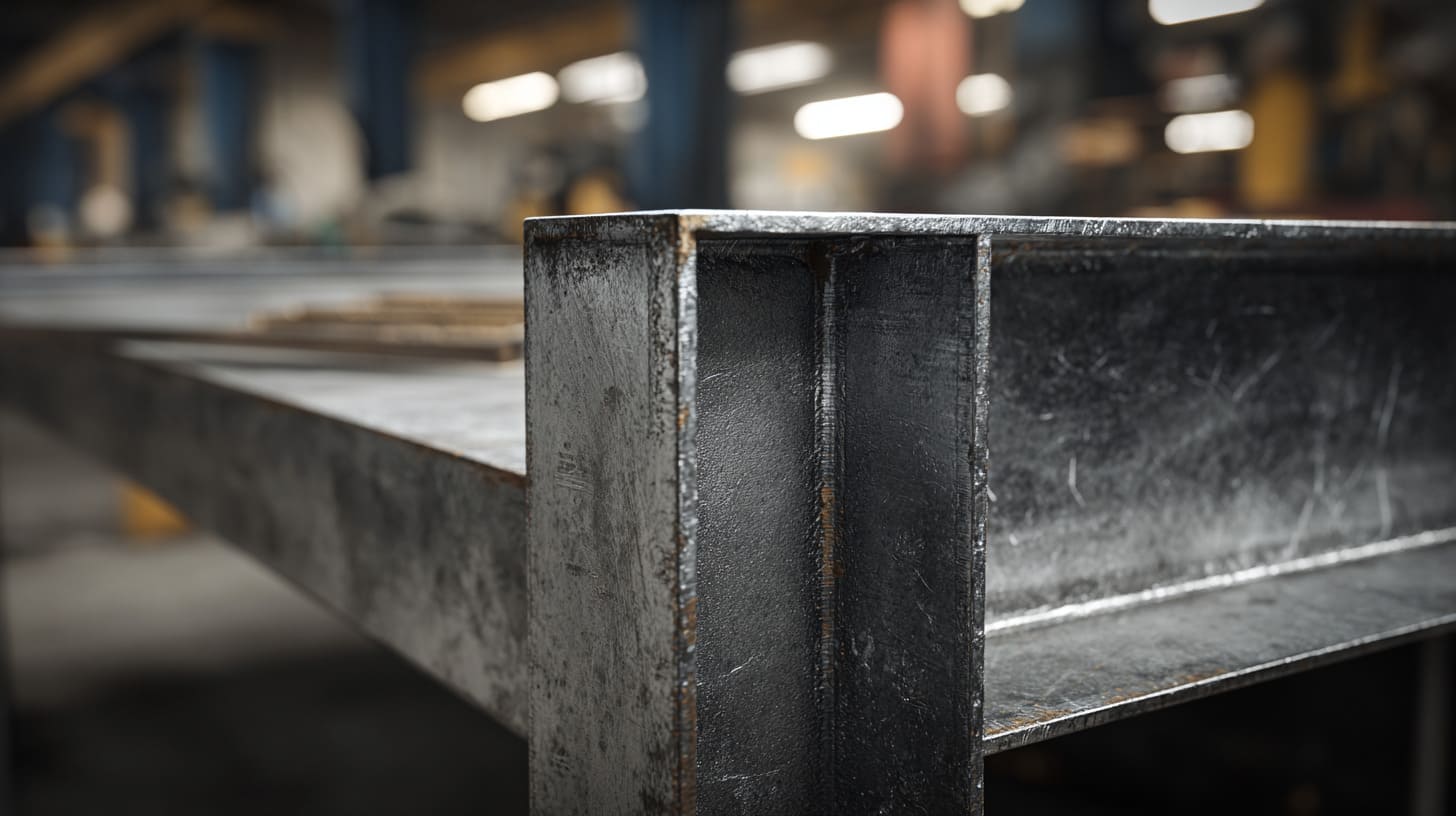
Quality control is not a checkbox. It is a habit.
And habits show up in small details.
One thing I often judge quietly is this: if the factory floor feels “rushed” all the time, QC steps will be skipped even if they have beautiful paperwork.
Incoming Material Inspection
If incoming material is wrong, everything after that becomes a rescue mission.
Steel/aluminum grade verification
I ask:
- How do they verify the grade?
- Do they keep mill certs?
- Can they show traceability for each batch?
A real risk: some suppliers mix similar materials to reduce cost.
It might “work,” but it breaks consistency.
Material thickness testing
Thickness changes bending results.
I like to see:
- thickness measurement tools on site
- simple records of checks
- rules for acceptance
Supplier traceability
When something fails, traceability tells you where the mistake started.
| What to trace | Why it matters | What proof looks like |
|---|---|---|
| Coil/sheet batch | Dimension and finish stability | Batch tags + records |
| Surface finishing batch | Color/adhesion stability | Lot number + report |
| Operator/shift | Repeatability | Shift records |
In-Process Quality Control
This is where good suppliers win.
First article inspection (FAI)
FAI should be real. Not just “we checked it.”
I want:
- actual measurement report
- photos of measuring setup
- sign-off before full run
Dimensional control methods
A factory might measure 2 points and claim they measured the whole part.
I prefer a “critical dimension list”:
- hole positions
- bend angles
- overall length/width
- flatness points
Welding quality standards
Welding quality is often judged by eye. That is risky.
I ask:
- what weld defects are not allowed
- how they check distortion
- if they do simple strength checks when needed
Final Inspection & Testing
Final inspection should match real usage, not only “looks fine.”
Assembly fit check
This is my favorite test:
- install the PCB
- install the connectors
- close the lid
- check cable clearance
If the factory never does this, many fit issues reach you.
Surface finish evaluation
I ask to see:
- scratch checks
- coating thickness checks
- visual standards (what is acceptable, what is not)
IP rating or functional testing if required
If the project needs IP protection, then testing cannot be “optional.”
Key takeaway I repeat to buyers: if the supplier cannot show documented QC procedures, verbal promises are just air.
Now, even if the factory has capability and QC, projects still fail because of one boring thing: communication. Let’s talk about that.
How to Assess Engineering Communication & Responsiveness?
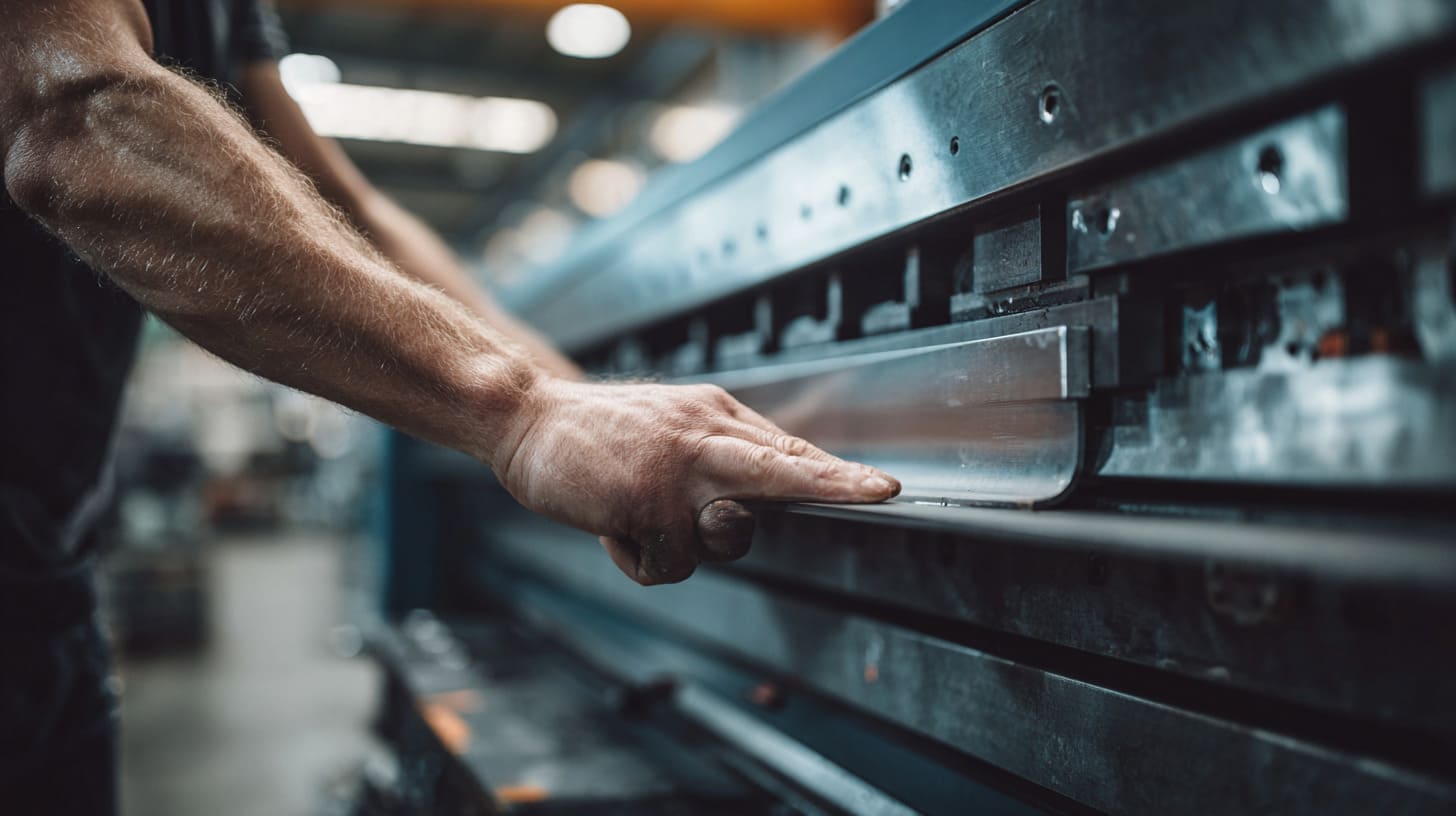
I have seen good factories lose good clients because they reply slowly or vaguely.
And I have seen average factories keep clients because they communicate like professionals.
My own standard is this: if communication is unclear during sampling, it will become chaos during mass production, because pressure rises and patience drops.
Drawing Review Process
How fast do they respond to revisions?
Speed matters, but clarity matters more.
I like replies that include:
- what they changed
- why they changed it
- what risk remains
A “yes we can do” reply with no details is not helpful.
Do they highlight potential risks?
A supplier should warn you early.
Examples:
- “This bend may crack with this radius.”
- “This hole is too close to edge for stable punching.”
- “This coating color may shift between lots.”
If they never warn you, you carry the risk alone.
Technical Understanding
Can they interpret tolerance and assembly logic?
A smart factory reads drawings like a story:
- which dimension is critical
- which area is cosmetic
- which area is hidden
- what assembly needs space
Do they ask relevant technical questions?
Good questions save your project.
Bad signs:
- they ask nothing
- they only ask about price
- they accept everything too quickly
Time Zone & Communication Workflow
Project manager assignment
One person should own the project.
If five people reply randomly, details get lost.
Update frequency
I prefer a simple rule:
- update at key steps
- update with photos
- update with measurements when needed
Sample approval turnaround time
Slow sample confirmation kills projects.
A simple expectation table:
| Stage | Good response time | Why it matters |
|---|---|---|
| Quotation + questions | 24–48 hours | Sets trust and momentum |
| Drawing review | 1–3 days | Prevents wrong tooling |
| Sample feedback loop | 3–7 days | Keeps launch schedule |
And once communication is stable, I shift to documentation. Because documents are what protect both sides when memories fade.
What Documents Should You Request Before Mass Production?

This part feels “boring.” I get it.
But boring documents are often what save you when something goes wrong.
A very practical judgment I use is this: if a supplier avoids documents, I assume they also avoid responsibility when problems appear.
Compliance & Certification
ISO certification
ISO is not magic. But it signals a system mindset.
I ask:
- which ISO standard
- audit date
- scope coverage
RoHS/REACH compliance (if required)
If you sell into Europe or strict markets, this matters.
I do not accept “yes, compliant” without:
- declarations
- supplier proof
- material statements
Process Documentation
Control plan
A control plan tells me:
- what they check
- when they check
- what tools they use
- what is the acceptance rule
Inspection standards
I want their standard to match mine.
For example:
- scratch tolerance
- color tolerance
- edge burr tolerance
Packaging standards
Packaging is part of quality.
Sheet metal can be perfect, then ruined by shipping friction.
I check:
- foam vs paper separation
- corner protection
- stacking rule
Sample & Approval Records
Golden sample confirmation
Golden sample must be:
- physically stored
- labeled
- agreed by both sides
Signed specification sheets
This is where people often get lazy.
I insist on:
- signed drawings
- final finish specs
- version control
Key idea: documentation reduces ambiguity and protects both parties.
Now comes the part many buyers love and fear at the same time: surface finishing. It looks simple, but it is not.
How to Audit Surface Treatment & Finishing Capability?
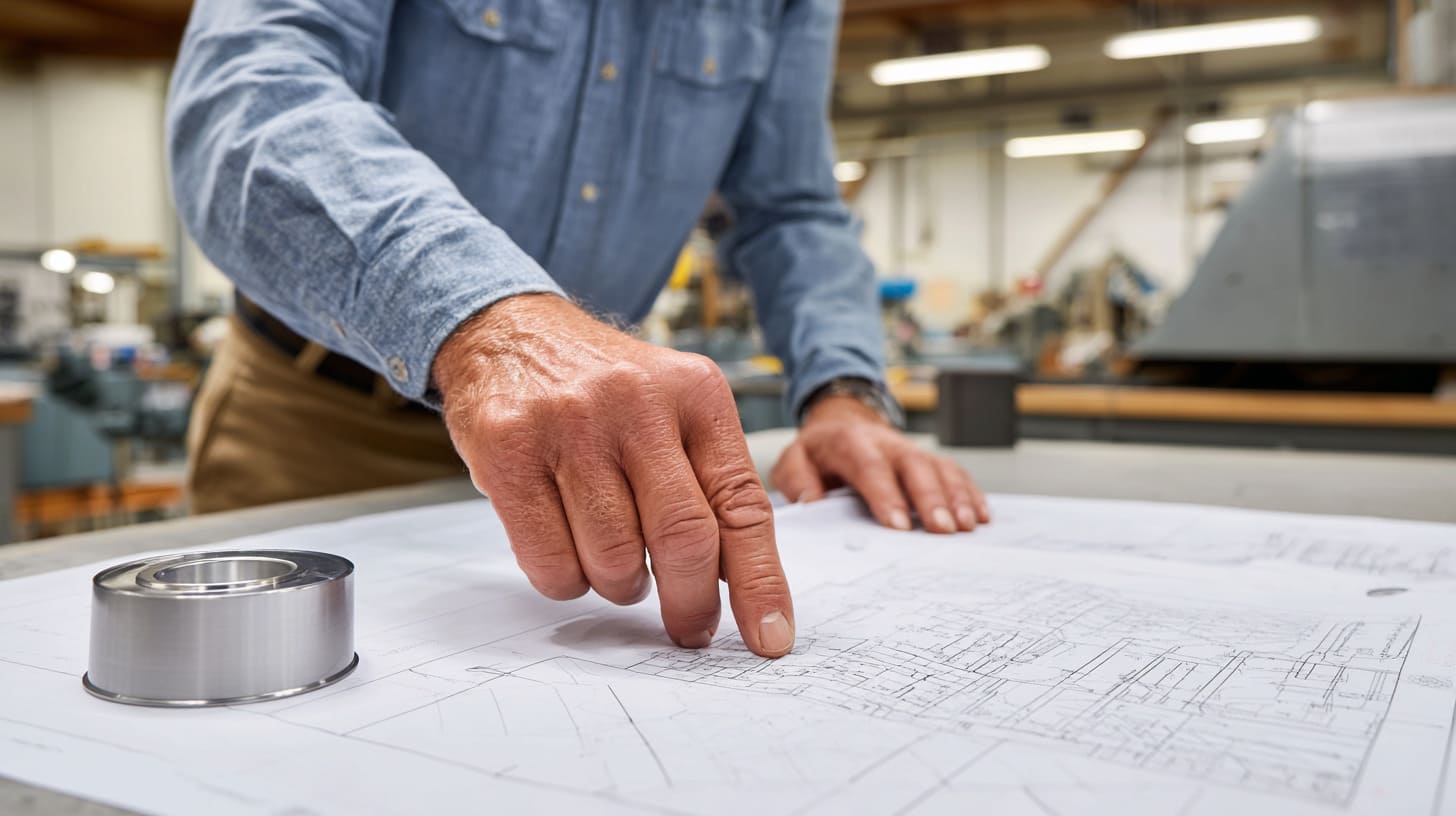
Finishing is where customers decide if your product feels “premium” or “cheap.”
It is also where factories can hide inconsistency behind lighting.
A small judgment I use is this: I always look at finish under harsh light and at an angle, because that is where defects stop hiding.
Powder Coating & Painting Control
Coating thickness measurement
Too thin: weak protection.
Too thick: fit issues on assemblies.
I ask:
- what thickness range they target
- how they measure
- how often they sample
Adhesion testing
If coating peels, the part is basically a refund.
Simple tests I like:
- cross hatch test
- tape pull
- scratch test on edge points
Color consistency (Pantone control)
This is a classic pain point for re-brand buyers.
I ask:
- do they use Pantone references
- do they keep a color master panel
- do they check batch-to-batch under same light
A table I sometimes share with buyers:
| Finish issue | What customers see | What caused it |
|---|---|---|
| Orange peel | “Cheap paint” | wrong curing / dirty line |
| Color shift | “Different batch” | unstable powder lot |
| Thin corners | Rust later | poor hanging method |
| Edge chips | “Weak quality” | poor handling / packing |
Anodizing for Aluminum Enclosures
Color uniformity
Anodizing color can change with:
- alloy difference
- surface prep
- bath condition
Surface scratch resistance
Anodizing is hard, but it is not invincible.
I ask for:
- handling rules
- packaging method
- scratch check points
Corrosion resistance testing
If the enclosure is outdoor or humid, this matters.
Third-Party or In-House Processing
Outsourcing risk
Outsourcing is not bad by itself.
But it adds a second supplier to your project.
Lead time stability
I ask:
- normal lead time
- peak season lead time
- what happens if a batch fails
My view is simple: surface finish quality defines perceived product value, so I treat it like a core process, not an accessory.
Next, let’s talk about supply chain. Because even good factories can fail you if their upstream is unstable.
How to Verify Supply Chain Stability?
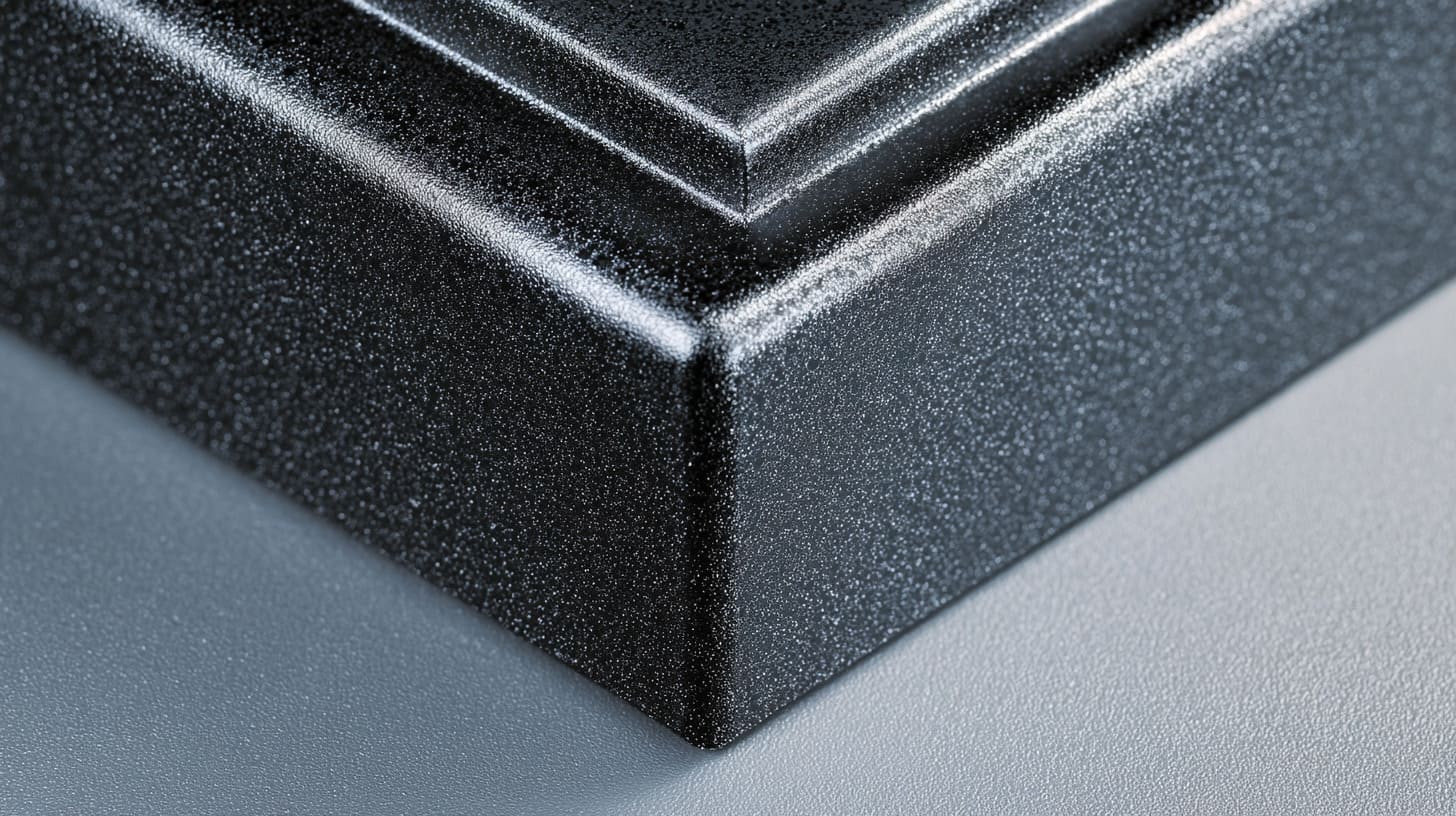
Many buyers think supply chain is just “shipping.”
It is bigger than that. It is material, subcontractors, timing, and backup plans.
A real-world judgment I make is this: if a supplier cannot tell me their top material sources and their backup plan, I assume lead time promises are guesswork.
Raw Material Source Stability
Long-term suppliers
Stable suppliers usually have:
- consistent grades
- stable delivery
- predictable pricing behavior
Price fluctuation handling
I ask:
- how they handle sudden steel or aluminum price jumps
- do they lock price for a period
- what is their policy in quotes
Lead Time Reliability
Historical delivery data
I like to see simple evidence:
- last 3–6 months performance
- on-time percentage
- reasons for delays
Shipping method options
For international orders:
- express for samples
- air for urgent
- sea for cost control
Contingency Planning
Backup vendors
If one raw material supplier fails, what happens?
Emergency production scheduling
If my project is urgent, can they shift schedule?
A stable supply chain protects your project timeline, and timeline is often what your customer remembers most.
Now, the next question is always: “Vincent, do I need to fly to the factory?”
Let’s answer that honestly.
Should You Conduct On-Site Audit or Remote Audit?

I love on-site audits because you can smell problems before you measure them.
Yes, smell. Bad ventilation, messy storage, chaotic stations. You feel it.
But remote audits can work if you do them in a structured way.
My honest judgment: if the order value is high or the project is time-sensitive, I push for on-site or third-party inspection, because video calls hide too much.
On-Site Factory Audit
Workshop organization
I look for:
- clean material separation
- clear labeling
- controlled storage
- clear process flow
Production flow efficiency
A chaotic flow often means:
- more handling
- more scratches
- more missed checks
Real-time observation of workmanship
I watch:
- how operators handle parts
- how they measure
- how they record defects
Remote Audit Methods
Live video walkthrough
I ask them to:
- walk slowly
- show station details
- show measurement in real time
Real-time measurement demonstration
I pick a random part and ask:
- measure hole distance
- measure bend angle
- measure thickness
If they refuse, that is a signal.
Sample cross-checking
I sometimes ask for:
- 3 samples from different times
- check variation
- compare finish consistency
Third-Party Inspection Option
Pre-shipment inspection
This catches:
- wrong labels
- finish defects
- fit issues
Independent audit agencies
Good for buyers who cannot travel.
Judgment: On-site is ideal, but structured remote audit can still be effective when you force real proof, not marketing videos.
Now let’s get a bit uncomfortable. Red flags. Because spotting them early can save your whole year.
What Red Flags Indicate High Risk?
Red flags are rarely dramatic.
They are small signals repeated again and again.
A very real judgment I use is this: if a supplier sounds perfect and never admits risk, I get nervous, because real factories always have trade-offs.
Overpromising Lead Time
Unrealistic delivery claims
If they say:
- “No problem, any quantity, very fast”
but cannot show a schedule, it is risky.
I prefer an honest answer like:
- “Normal is 20 days, but peak season may be 28.”
No Clear QC Documentation
Verbal-only explanations
If the supplier says:
- “We check everything”
but shows no records, it means QC is flexible.
And “flexible QC” is another way to say “sometimes skipped.”
Inconsistent Sample Quality
Variation between batches
If two samples look different, I assume:
- mass production will be worse
Even small differences matter:
- hole burr level
- coating gloss
- edge finish quality
Weak Engineering Feedback
Blindly accepting drawings without review
This is dangerous.
Because they might only discover issues after they start production.
Key takeaway: early warning signs are usually visible during sampling, if you know where to look.
And if you made it here, you now have the same mindset I use before mass production starts. Let’s wrap it up in a practical way.
Conclusion
Auditing a sheet metal enclosure supplier is not “extra work.”
It is part of manufacturing. It is part of cost control. It is part of protecting your launch plan.
Here is why I do it the way I do:
- I have seen one small hole shift create a full batch rework.
- I have seen one unstable coating partner destroy a brand’s “premium feel.”
- I have seen slow communication turn a simple change into a 3-week delay.
- I have seen buyers lose money not because the factory was evil, but because the system was weak.
The personal conclusion I always come back to is this: I do not bet a mass production schedule on a nice sample, because samples can be lucky, but processes are repeatable.
If you want, you can use this article as your audit checklist.
And if you are about to start a sheet metal enclosure project and want a second set of eyes, send me your drawing, target quantity, finish requirement, and your deadline. I can tell you what I would check first, and where the hidden risks usually sit.
You can reach me at info@maidatech.com, or visit maidatechenclosure.com to share your project details.