Skip to content
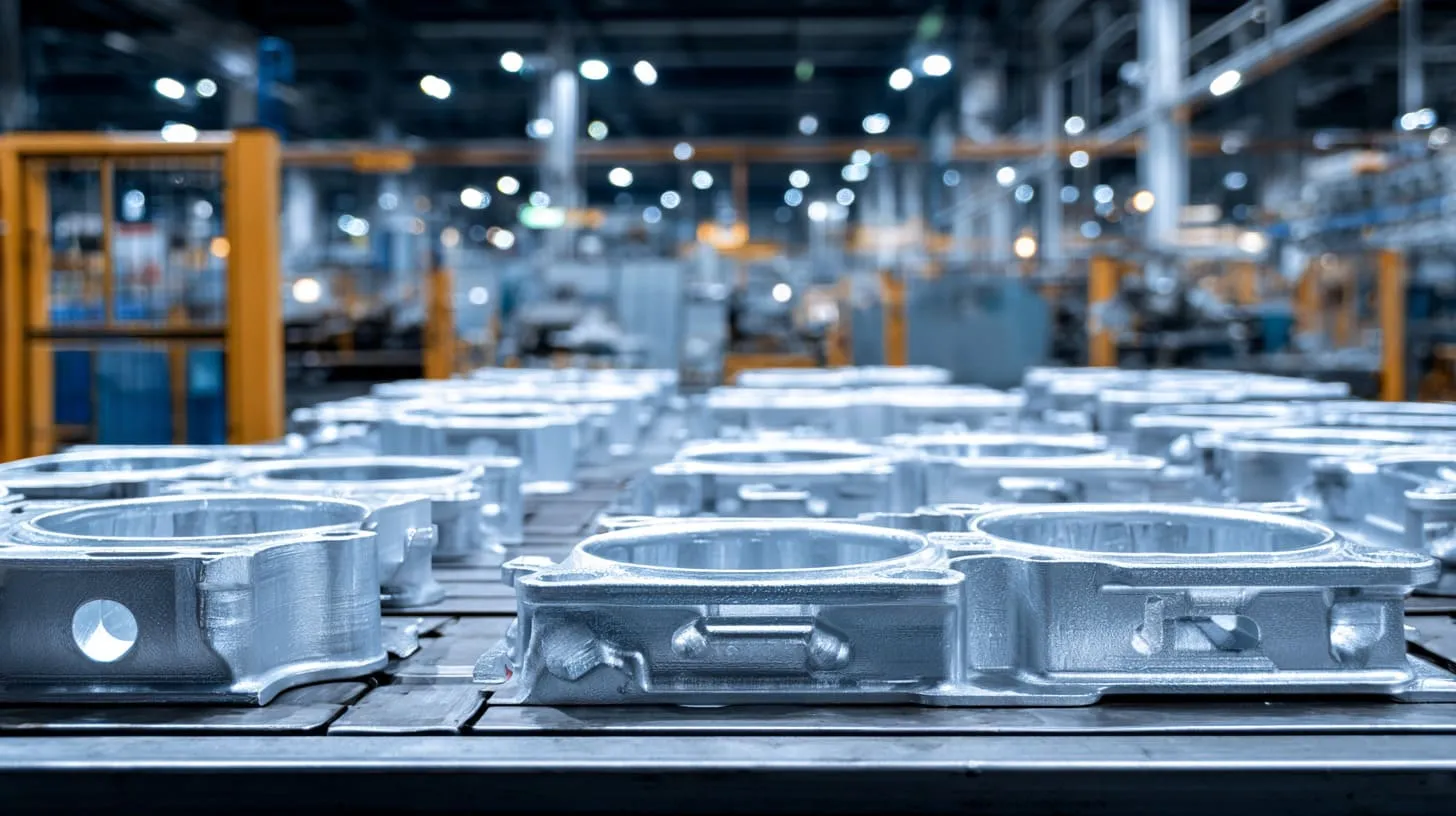
A car isn’t just metal and motion—it’s hundreds of decisions cast in aluminum and steel. Some of them, quite literally.
Many car parts—engine blocks, transmission housings, and structural brackets—are manufactured using die casting because of its speed, precision, and strength.
I once held a freshly die-cast transmission case still warm from the mold—it was light, tough, and ready to become part of a high-performance machine. That moment made me appreciate just how invisible die casting is in the cars we drive every day.
What are die casting parts in the automotive industry?
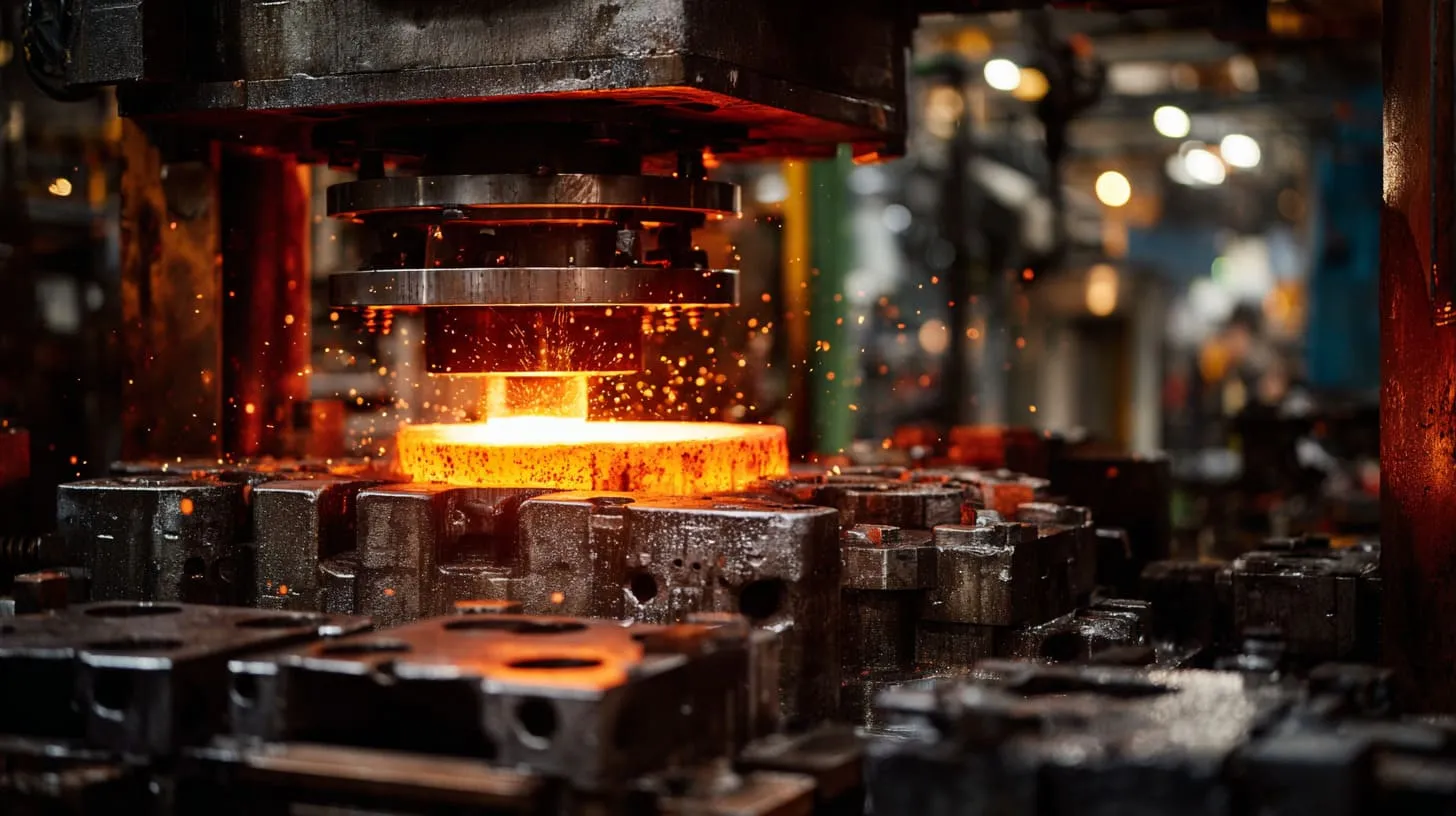
Every time I walk past a press machine, I think of how much pressure it takes to shape something essential.
Die casting parts in the automotive world include engine components, gear housings, brackets, and structural supports that require strength, low weight, and high precision.
Why die casting matters
When a car company needs thousands of identical engine mounts, die casting offers a perfect mix: fast, accurate, and repeatable. The molten metal fills every crevice of the mold, capturing fine details without the need for heavy machining later.
Typical parts include:
| Component | Material | Reason for Die Casting |
|---|---|---|
| Engine blocks | Aluminum | Lightweight + thermal stability |
| Transmission housings | Magnesium | Precision + vibration damping |
| Brackets & supports | Zinc, Aluminum | High volume + consistent shapes |
What car parts are made of cast iron?
Cast iron has a different kind of beauty—it’s heavy, grounded, and almost feels eternal.
Brake discs, engine manifolds, cylinder liners, and some suspension components are still made of cast iron for their strength and heat resistance.
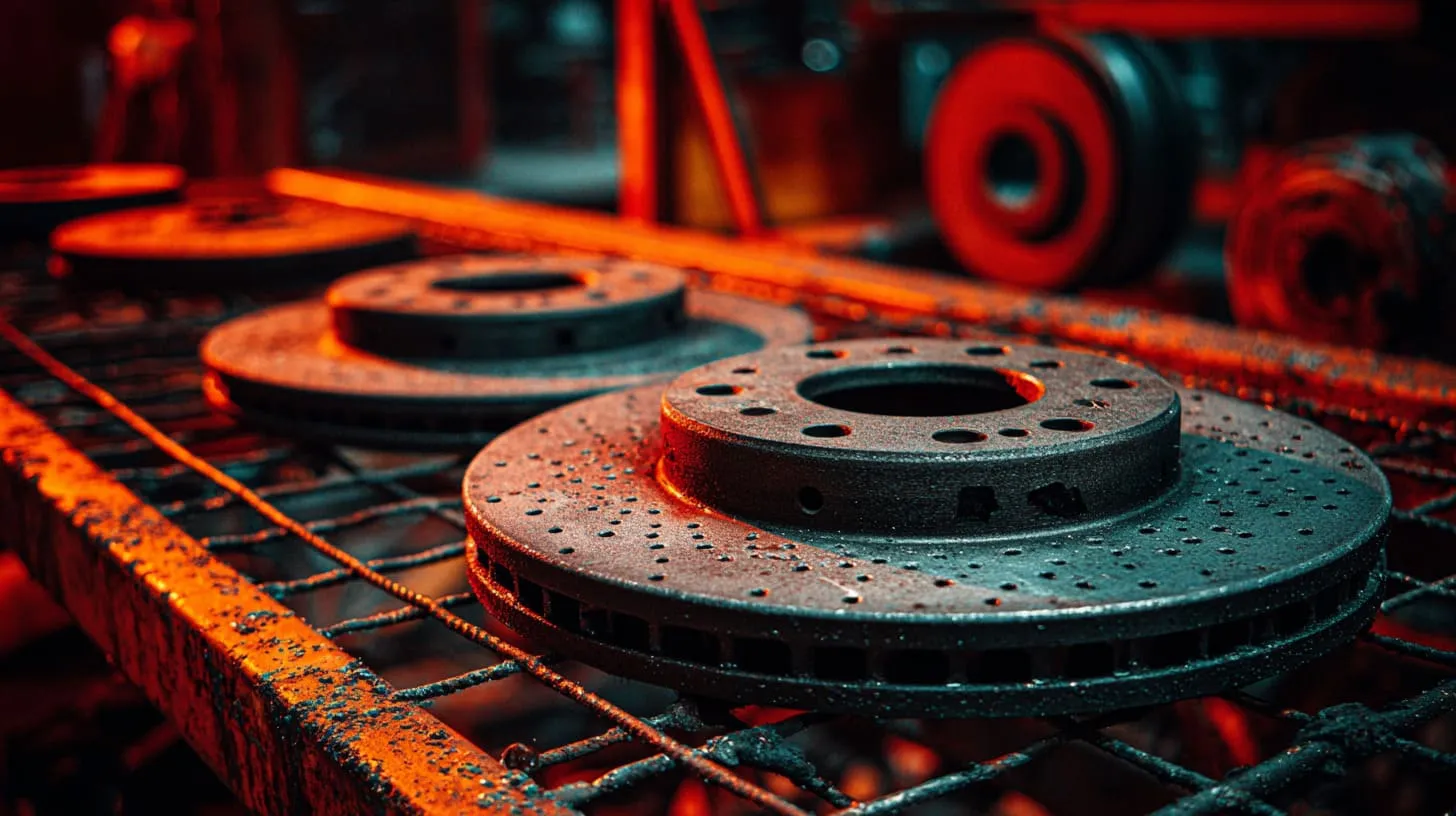
While aluminum is all about weight-saving, cast iron is about raw durability. It's not the star of the lightweight movement, but it’s still critical where heat and force are extreme.
What kind of metal are die cast cars made of?
It’s funny how something that feels like plastic can be solid metal.
Die-cast cars—both real parts and scale models—are usually made from aluminum, magnesium, or zinc alloys depending on strength and weight requirements.
In full-sized cars, aluminum leads due to its blend of lightness and strength. In smaller components, you might see magnesium for its weight or zinc for its excellent mold fill.
What are automotive components?
This one feels like a trick question because... everything is a component.
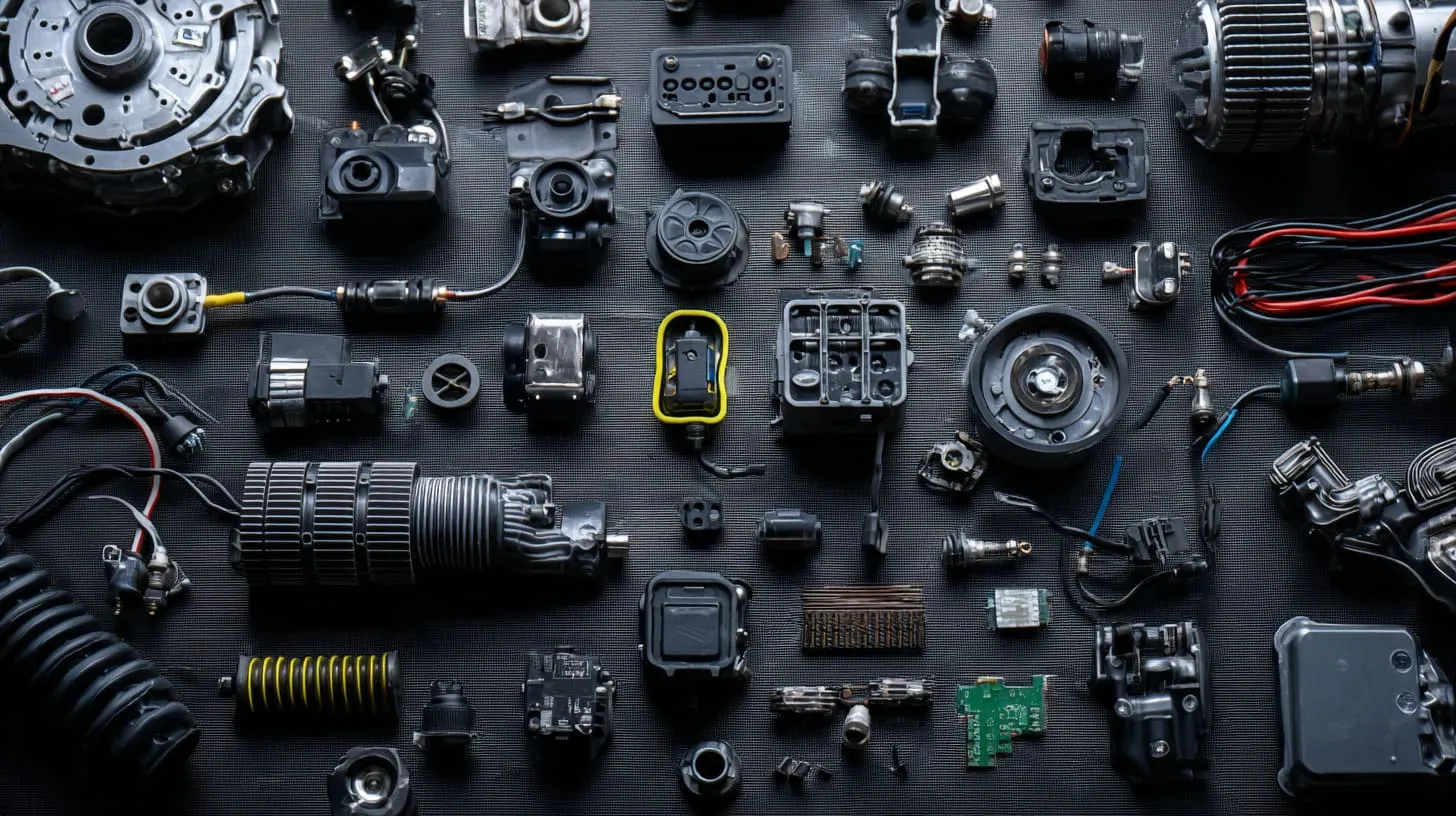
Automotive components refer to all the individual parts that make up a car, including mechanical, electrical, and structural elements.
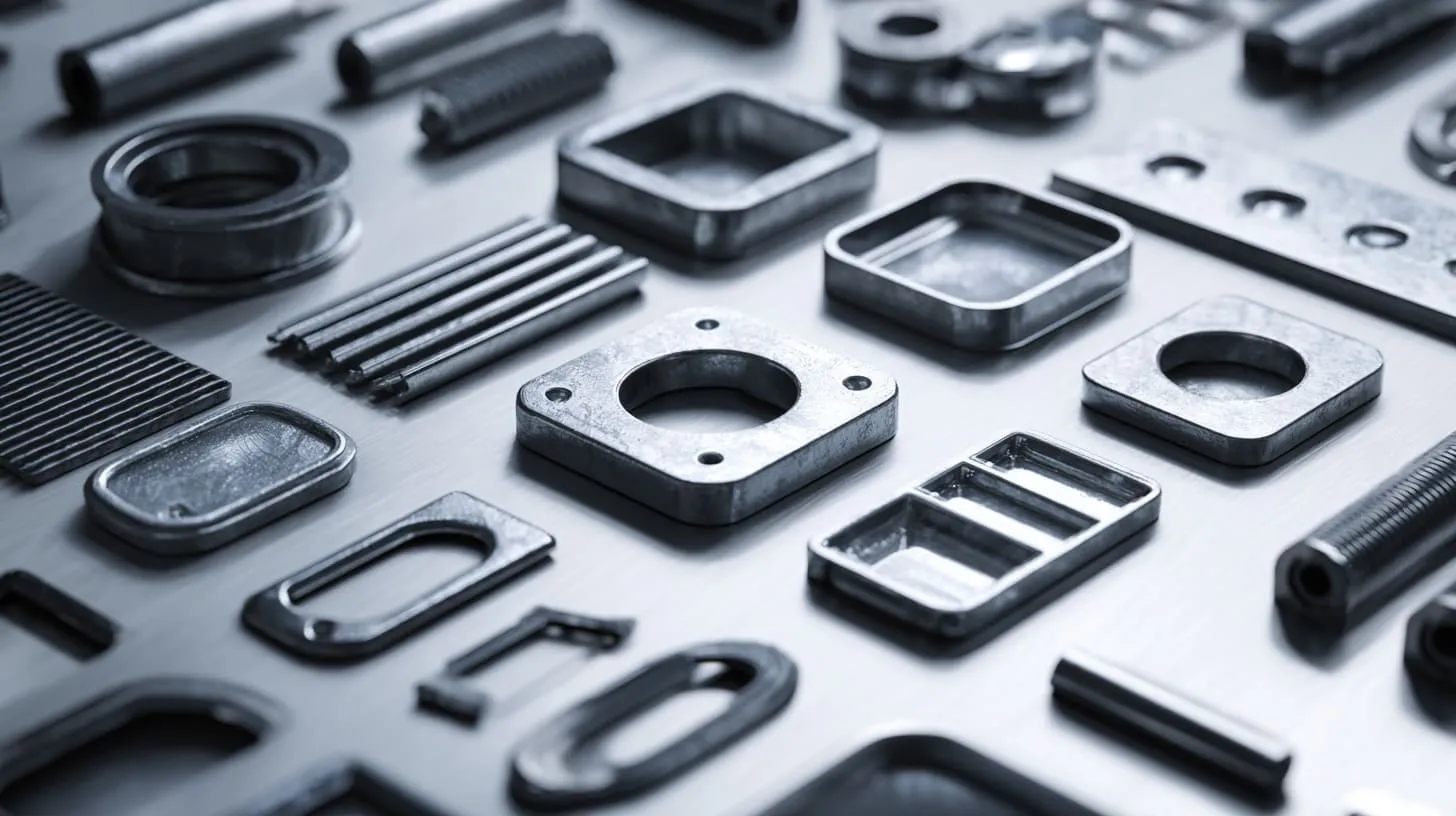
From the ignition coil to the cup holder mount—every part has a name, a purpose, and in many cases, a die-cast version.
Why is die casting preferred for automotive parts?
I've been asked this at nearly every trade show I’ve attended.
Die casting is preferred because it allows for high-speed production of lightweight, complex parts with excellent dimensional accuracy.
It’s like having the ability to create Lego blocks that also need to survive 120°C engine bays and 20 years of road vibrations.
Which engine components are commonly die cast?
Under the hood is a world of heat, vibration, and motion.
Die-cast engine parts include valve covers, oil pans, engine blocks, and timing chain covers.
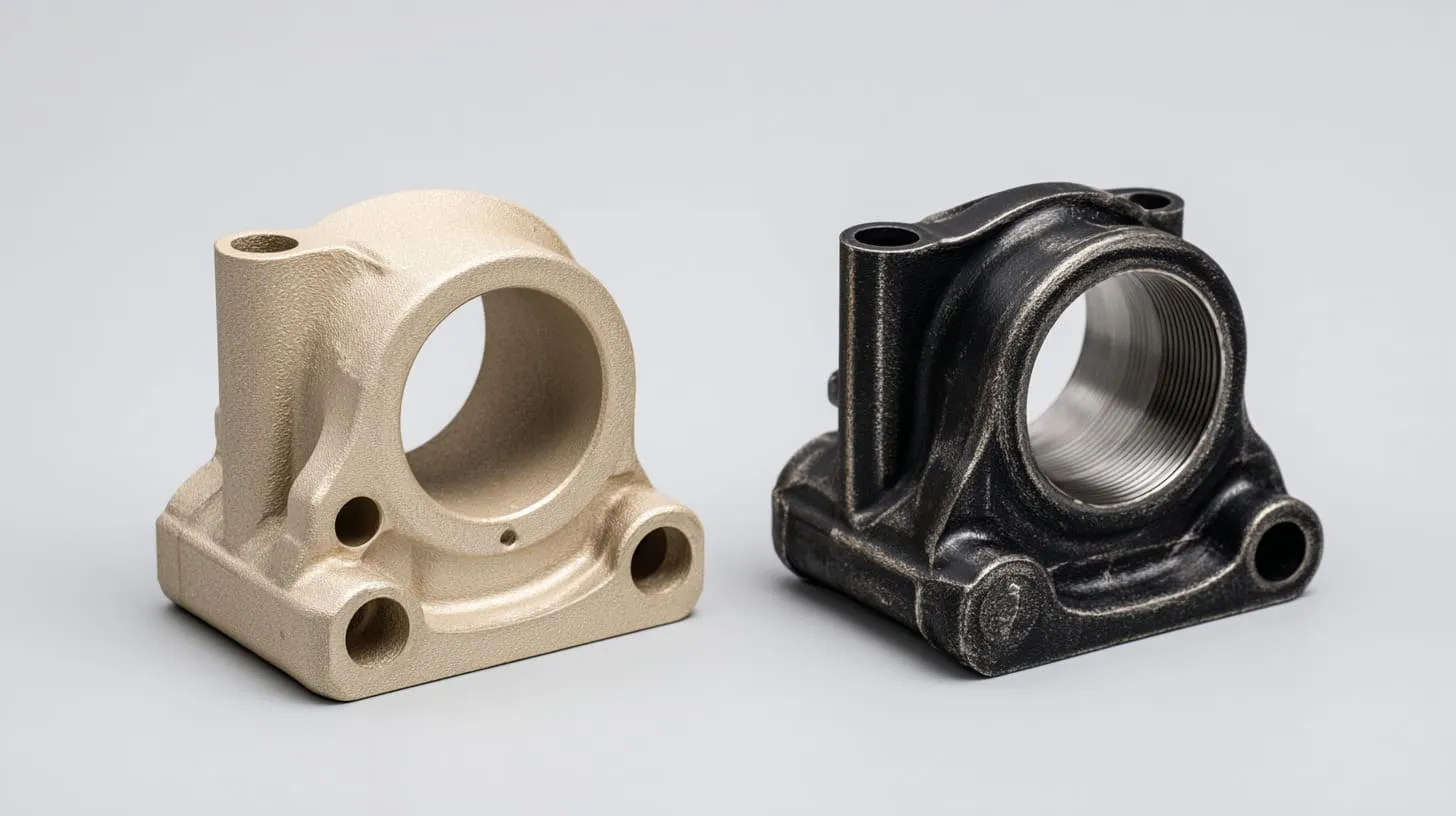
These aren’t just boxes of metal—they manage oil flow, house combustion chambers, and keep everything sealed and steady.
Heat vs Precision
- Aluminum alloys manage heat well.
- Magnesium parts are lighter but costlier.
- Zinc is rare in engines but perfect for small inserts.
Are transmission parts made using die casting?
Transmission systems are like puzzles with oil.
Yes, many transmission housings and internal supports are die-cast for precision and strength.
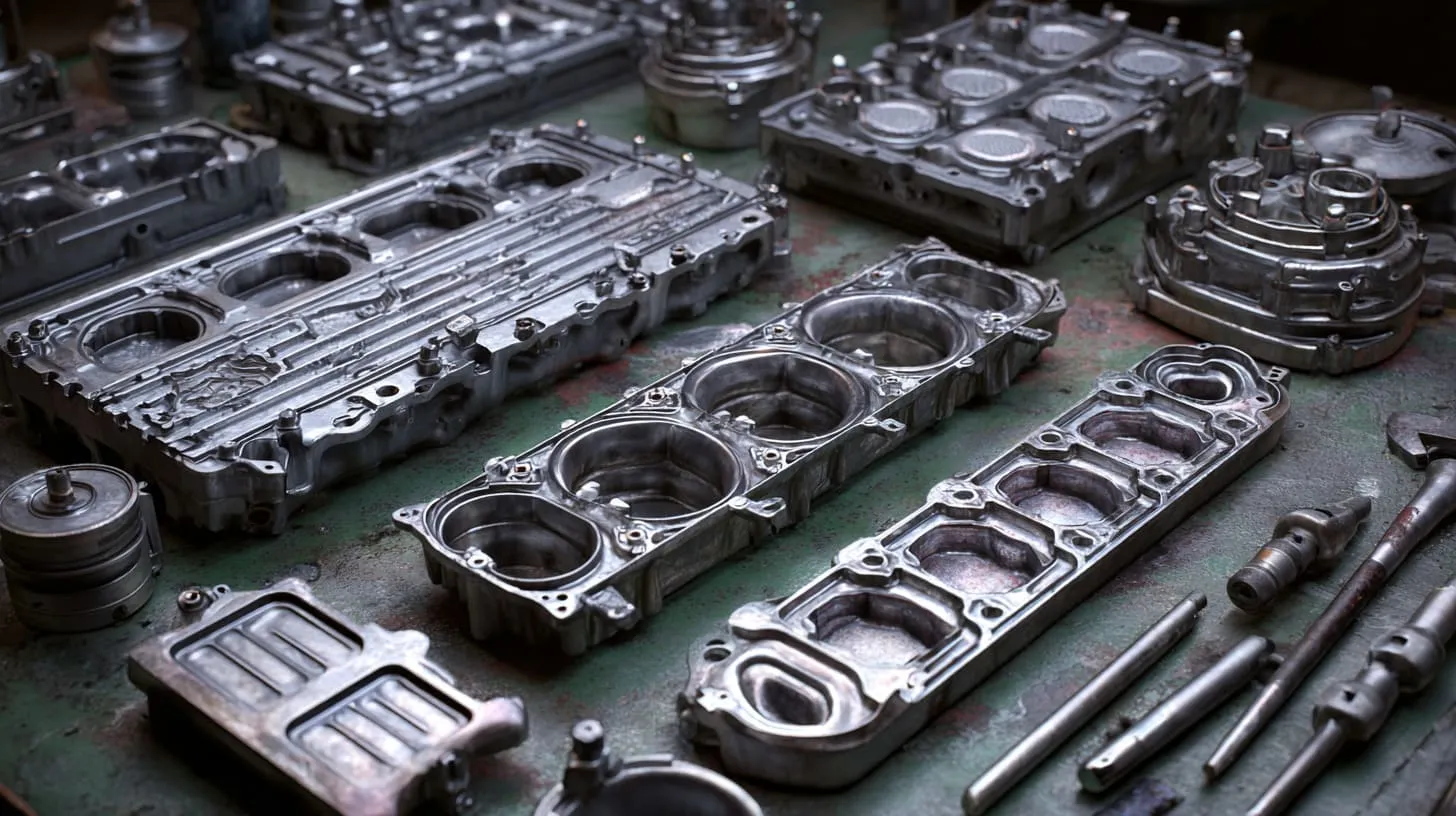
Their job? To keep gearboxes aligned and fluids sealed in—even under extreme pressure and torque shifts.
What role does aluminum die casting play in EV car parts?
The rise of EVs is changing everything—including what we cast.
Aluminum die casting enables lighter battery housings, motor housings, and cooling parts for EVs, directly improving range and efficiency.
I once toured an EV startup where they used a single die-cast aluminum frame to mount batteries, motors, and cooling loops—it saved weight, time, and money.
How does die casting improve fuel efficiency in cars?
One word: weight.
Die casting reduces the weight of components without compromising strength, helping automakers build lighter vehicles that use less fuel.
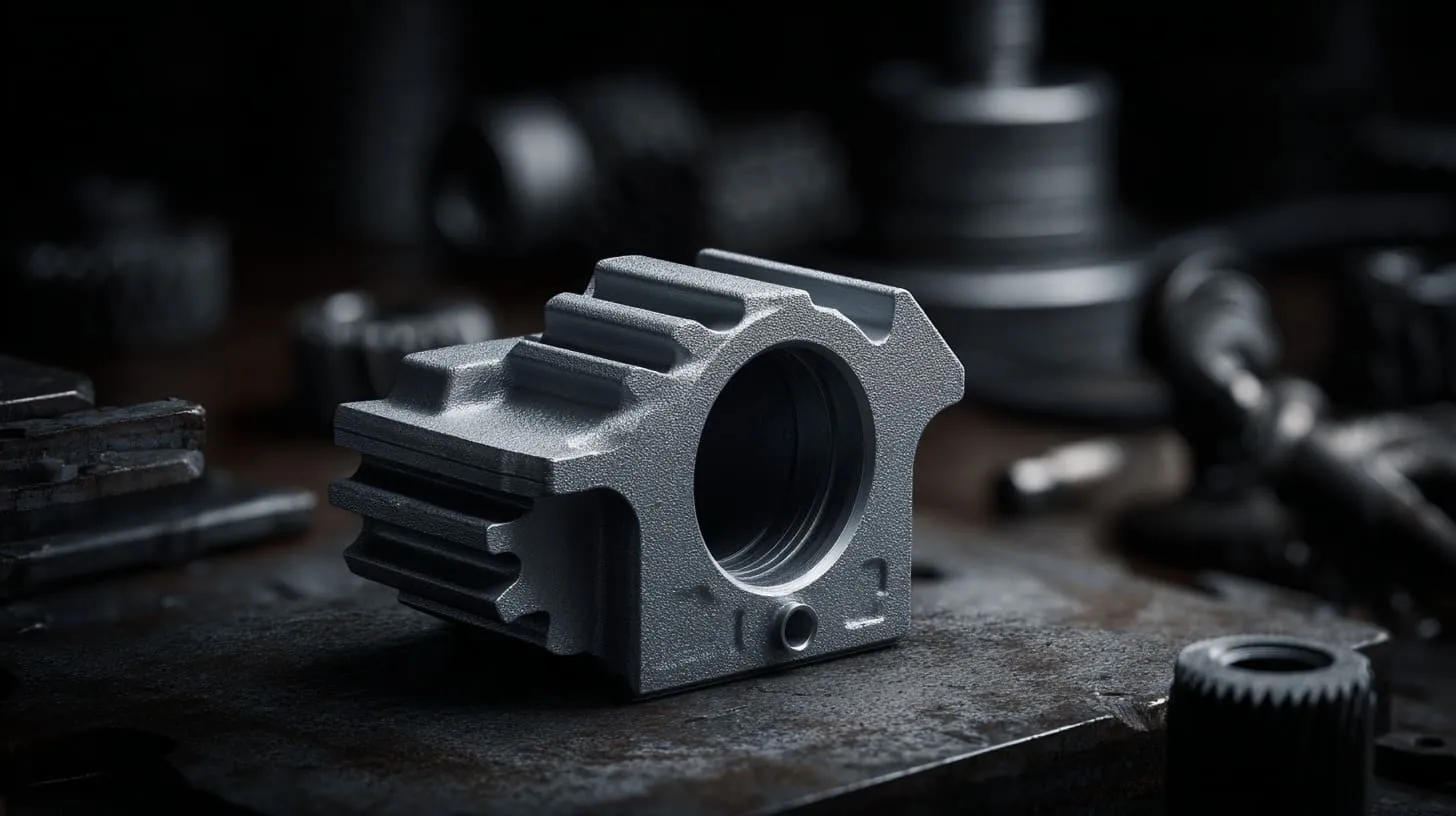
Every 10kg saved means measurable fuel savings—and die casting can save hundreds.
Weight Reduction in Practice
| Traditional Part | Die-Cast Version | Weight Savings |
|---|---|---|
| Steel engine block | Aluminum | ~40% |
| Stamped mounts | Die-cast aluminum | ~30% |
| Welded brackets | One-piece die-cast | ~50% |
What are the differences between aluminum and magnesium die cast parts in cars?
They look similar. But behave very differently.
Aluminum offers a balance of strength, weight, and cost, while magnesium is lighter but more brittle and expensive.
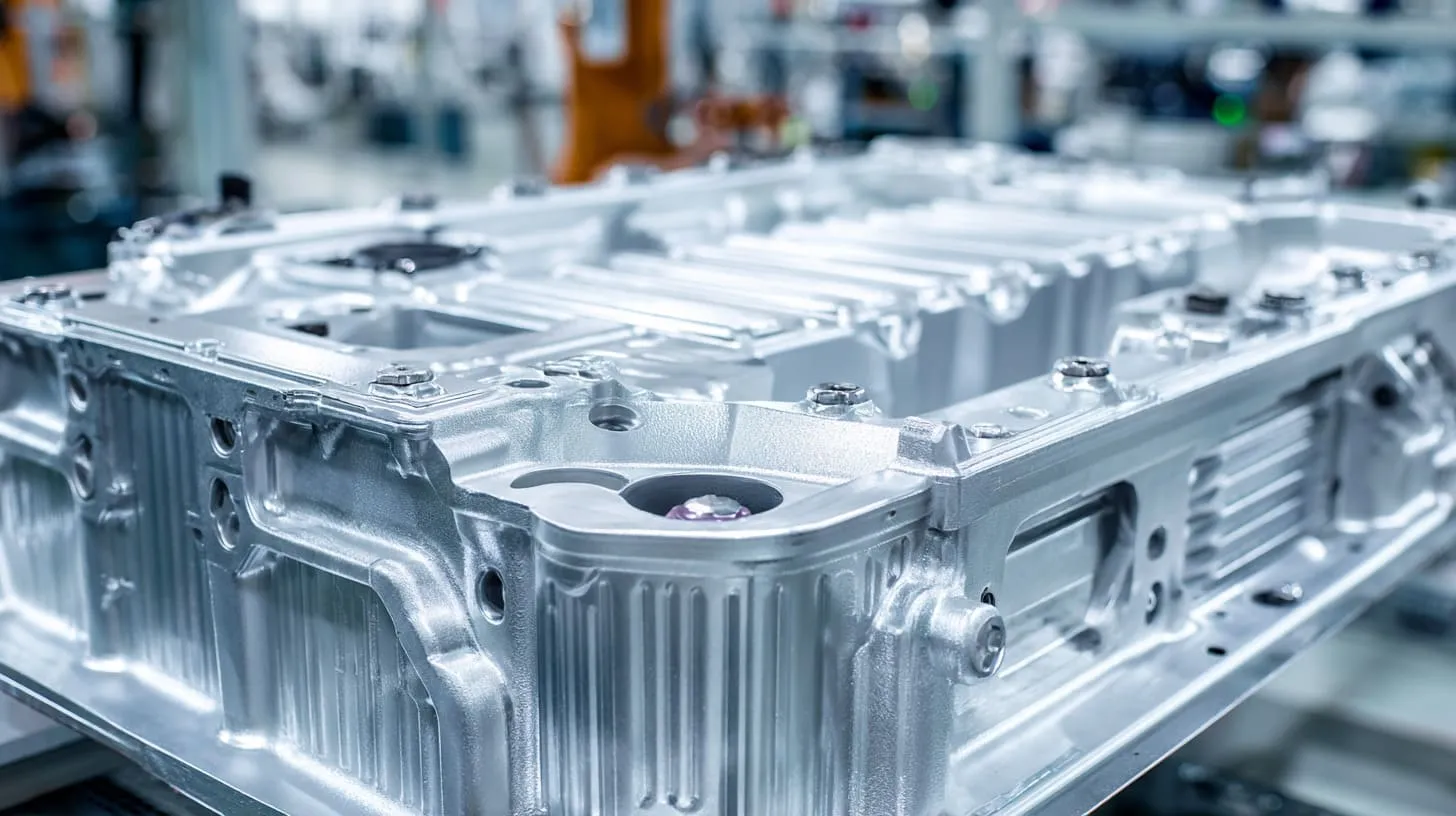
Quick Comparison
| Feature | Aluminum | Magnesium |
|---|---|---|
| Density | Higher | Lower (33% lighter) |
| Strength | Strong | Moderate |
| Corrosion resistance | Excellent | Requires coating |
| Cost | Lower | Higher |
How do automakers ensure quality in die-cast car components?
I’ve been part of those nerve-racking quality audits—they check everything.
Automakers use X-ray inspection, leak testing, pressure testing, and surface analysis to ensure die-cast components meet tight tolerances.
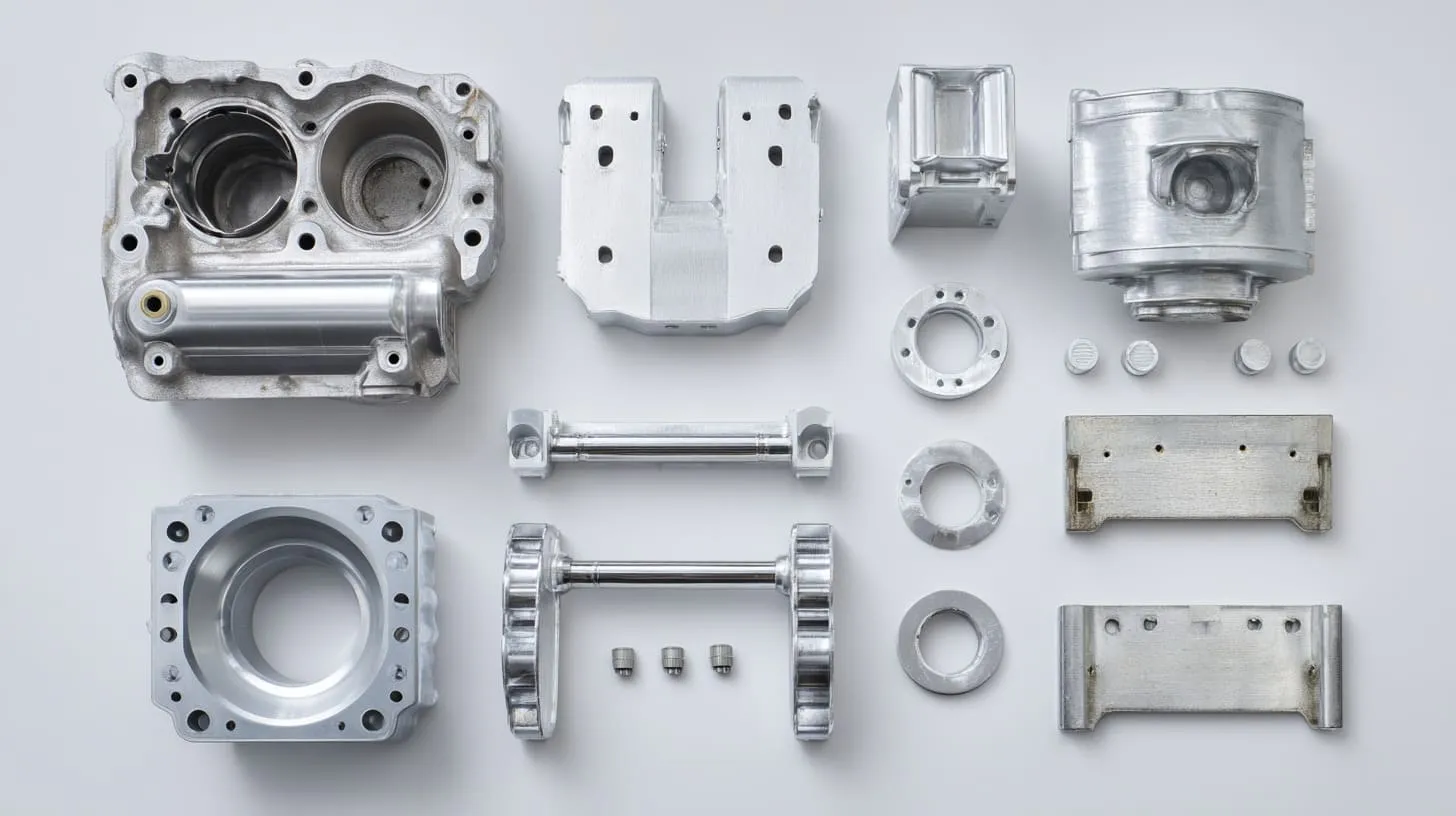
Quality is more than finish—it's about porosity control, uniform wall thickness, and structural integrity.
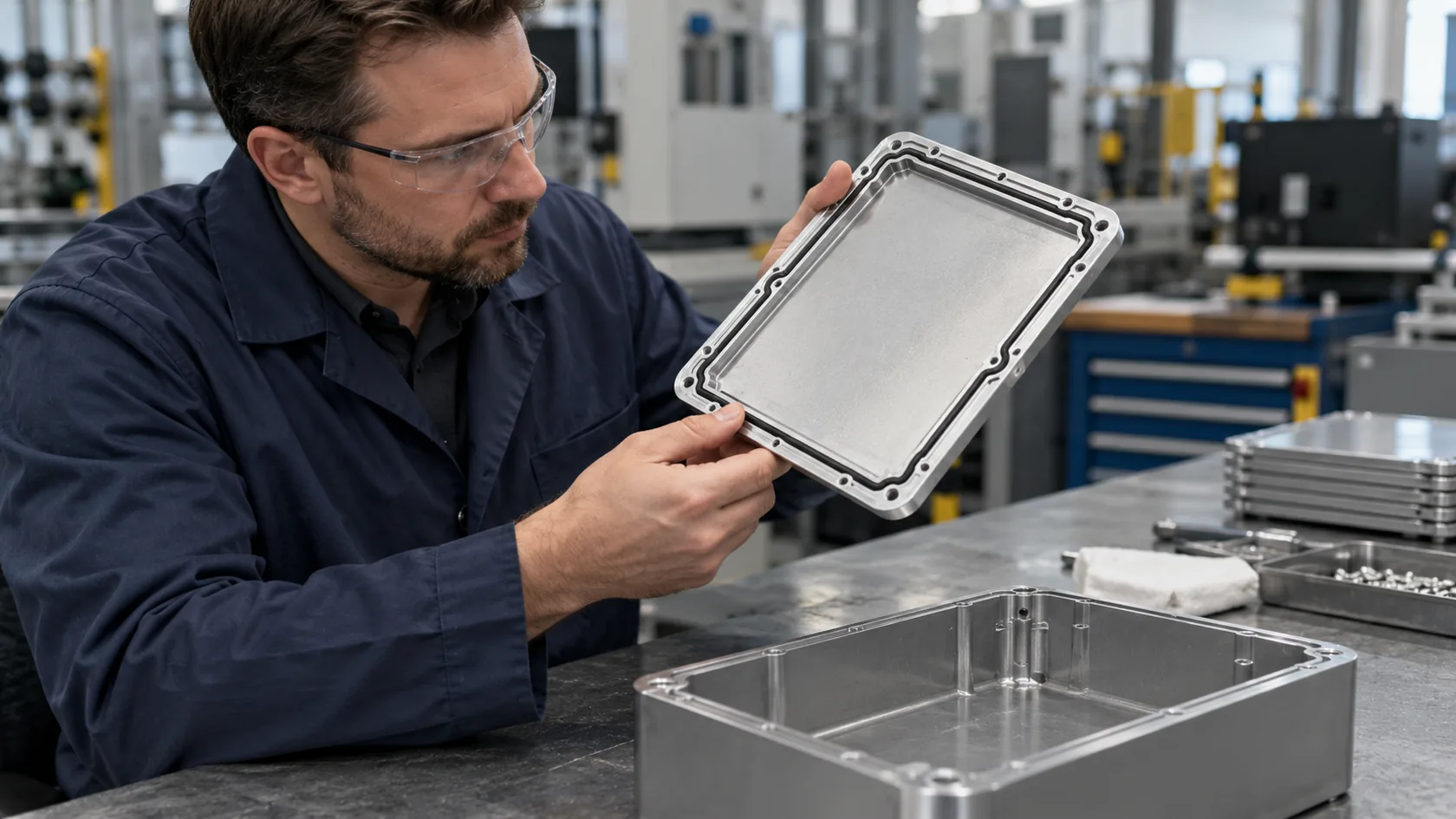
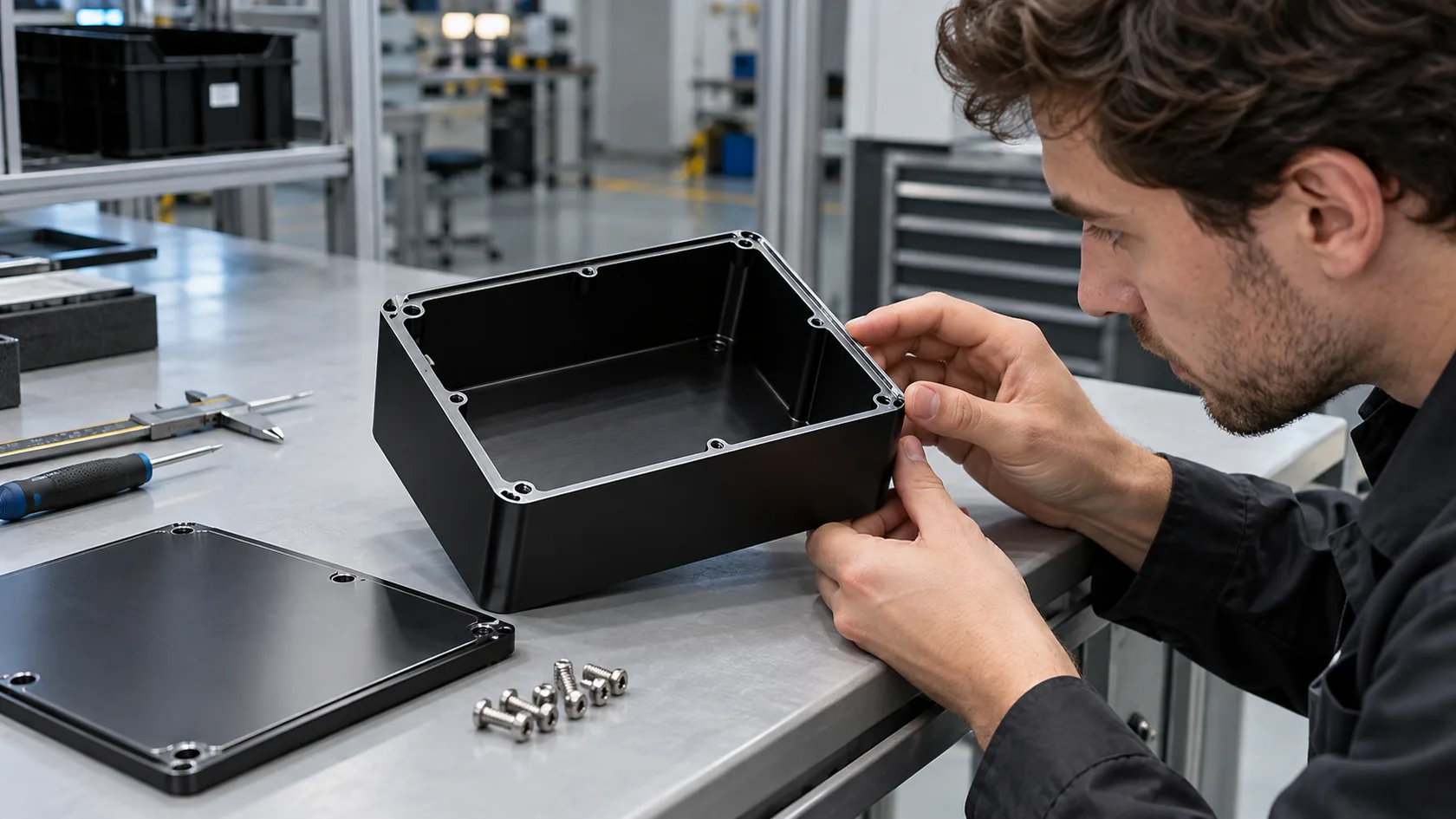
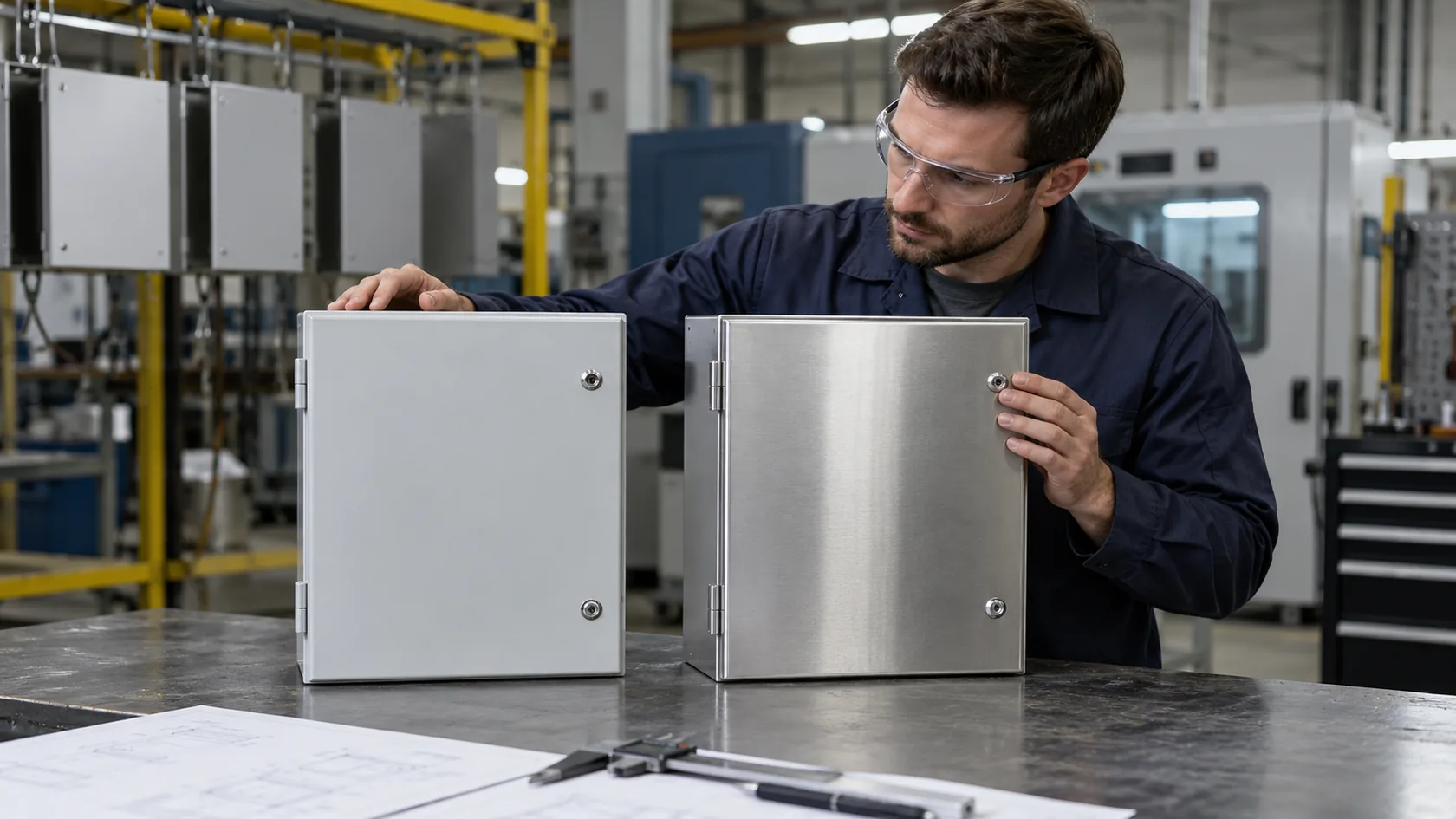
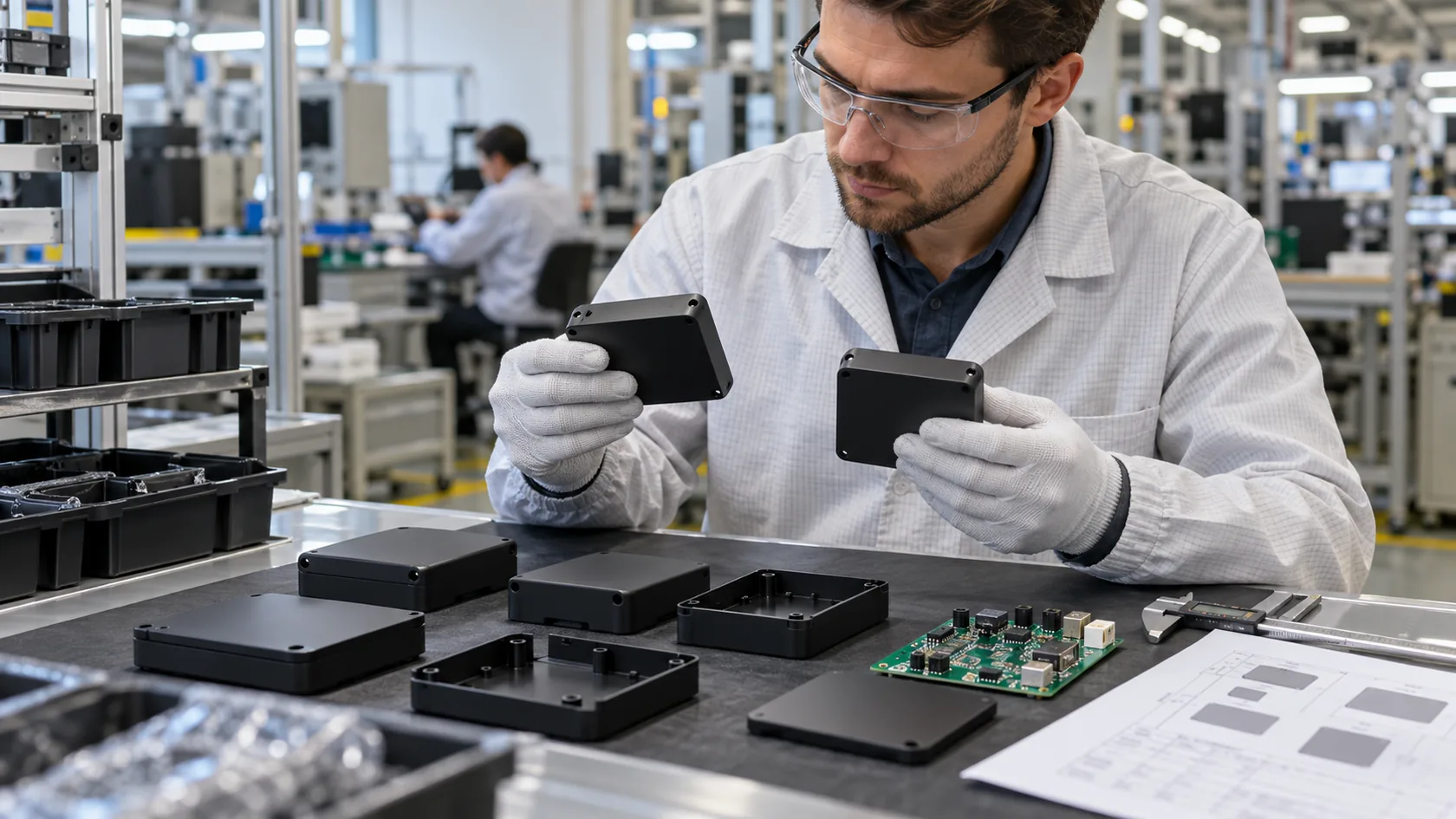
Can custom automotive enclosures be made with die casting?
Absolutely. I’ve done dozens.
Yes, custom enclosures for automotive electronics, control units, or battery modules can be die cast and tailored to fit exact dimensions and mounting needs.
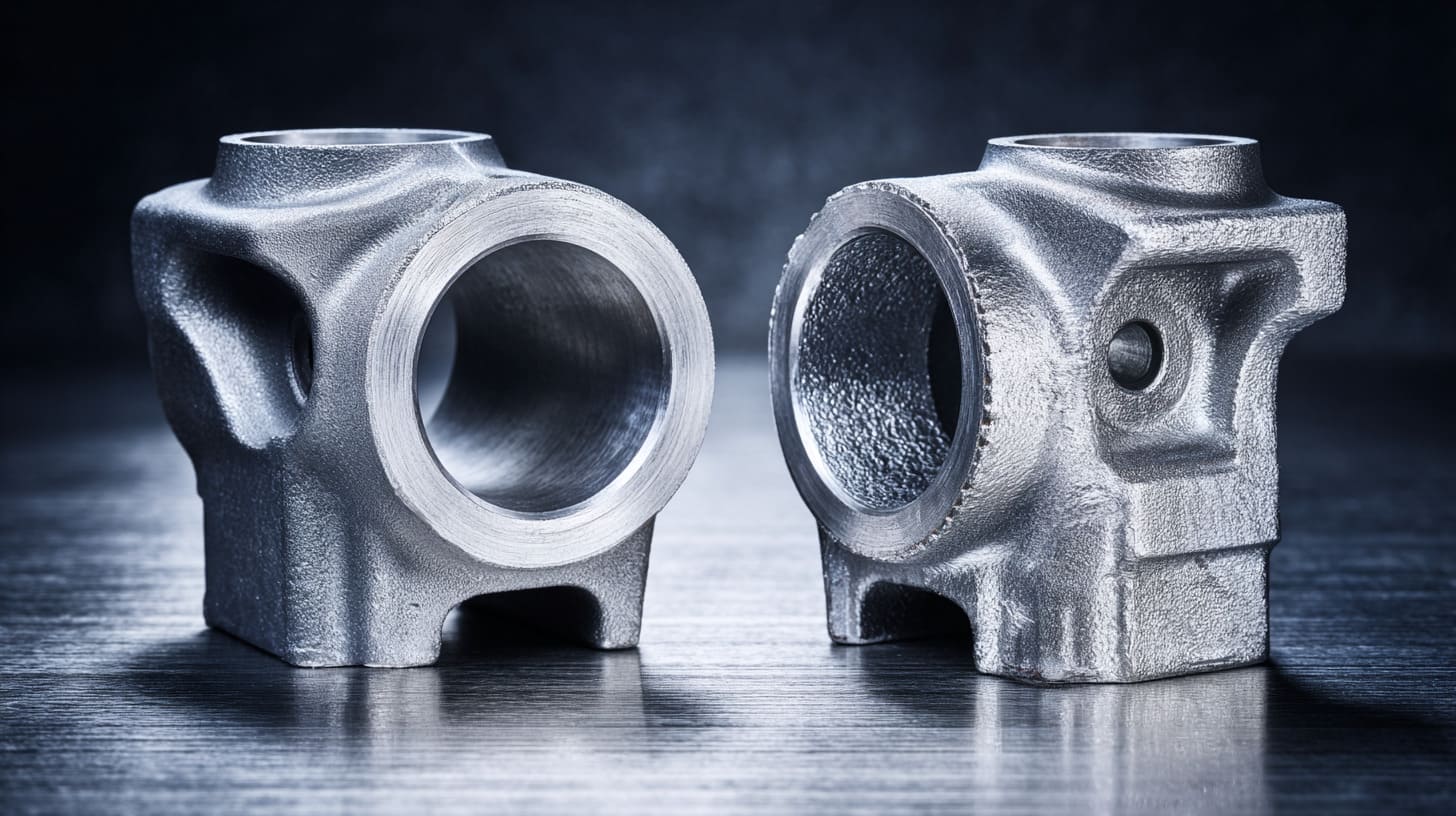
From heat sinks to sealed enclosures, we shape metal around your design—not the other way around.
What surface finishes are used on die-cast automotive parts?
Nobody likes raw, grainy metal on display.
Surface finishes include powder coating, anodizing, shot blasting, chrome plating, and painting depending on durability and appearance needs.
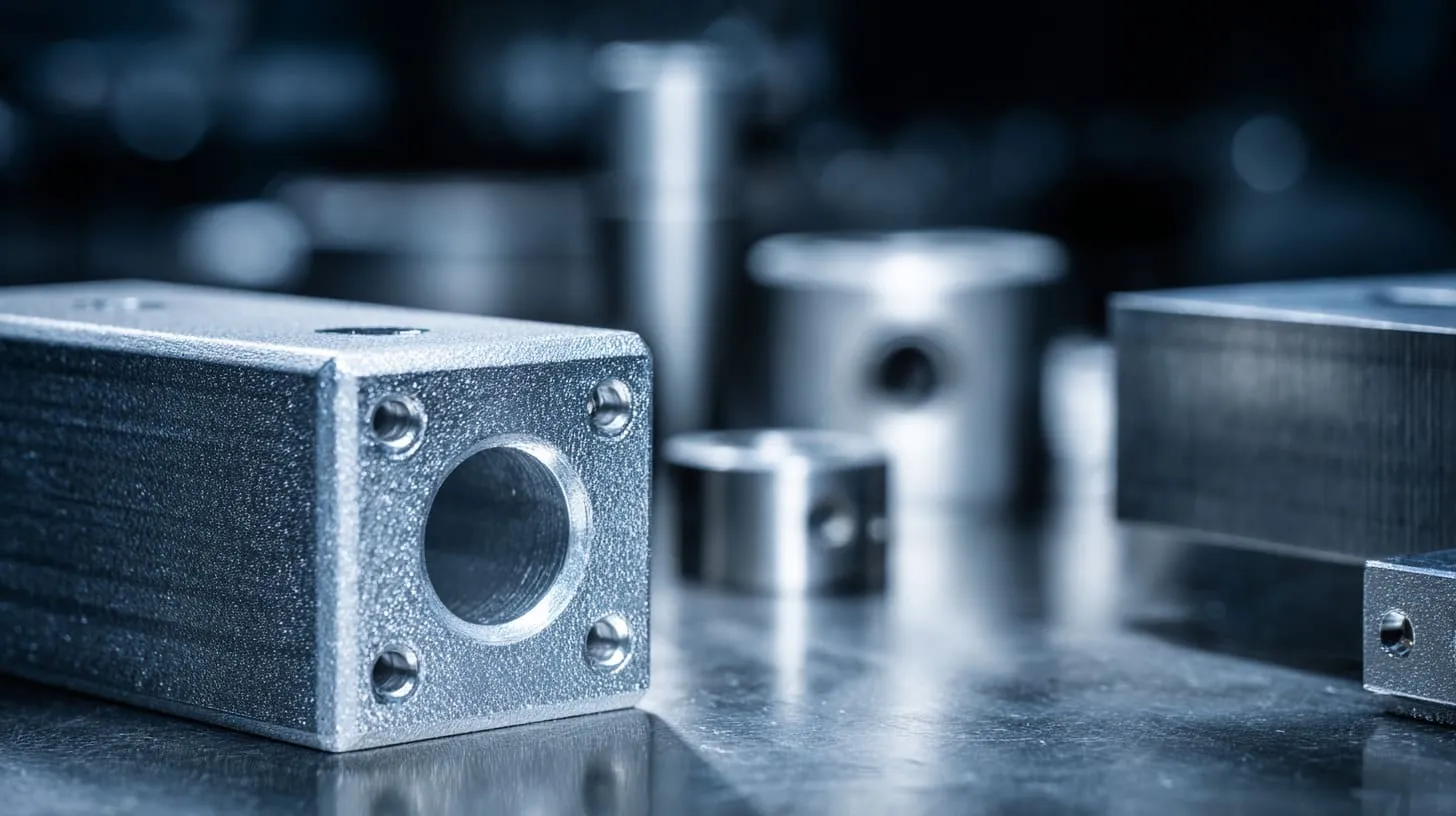
Finishing also prevents corrosion and adds branding options—like laser-engraved logos or color-coded parts.
Conclusion
Die casting shapes the parts you trust—fast, light, and built to last.