Skip to content


What prompted this comparison
Every week, I open my inbox to messages that sound oddly familiar: "Should I go with cast aluminum or die cast for this case?" It usually comes from a product engineer deep in development or a buyer fine-tuning specs before mass production. And honestly, it’s a good question—because on the surface, both methods sound similar. But the moment we get into tooling cost, wall thickness, surface finish, or volume—it becomes clear: they’re not the same at all.
Why it matters for custom enclosure manufacturers and buyers
If you’re a product engineer, a procurement manager, or a re‑brand buyer like Jackson in Germany—you need clarity. Because whether you pick cast aluminum or die‑cast can determine how your enclosure performs, how fast you get it, and how much you pay. For my B2B custom orders—wholesale, OEM/ODM—it matters a lot.
Cast Aluminum: What it is
Definition of cast aluminum
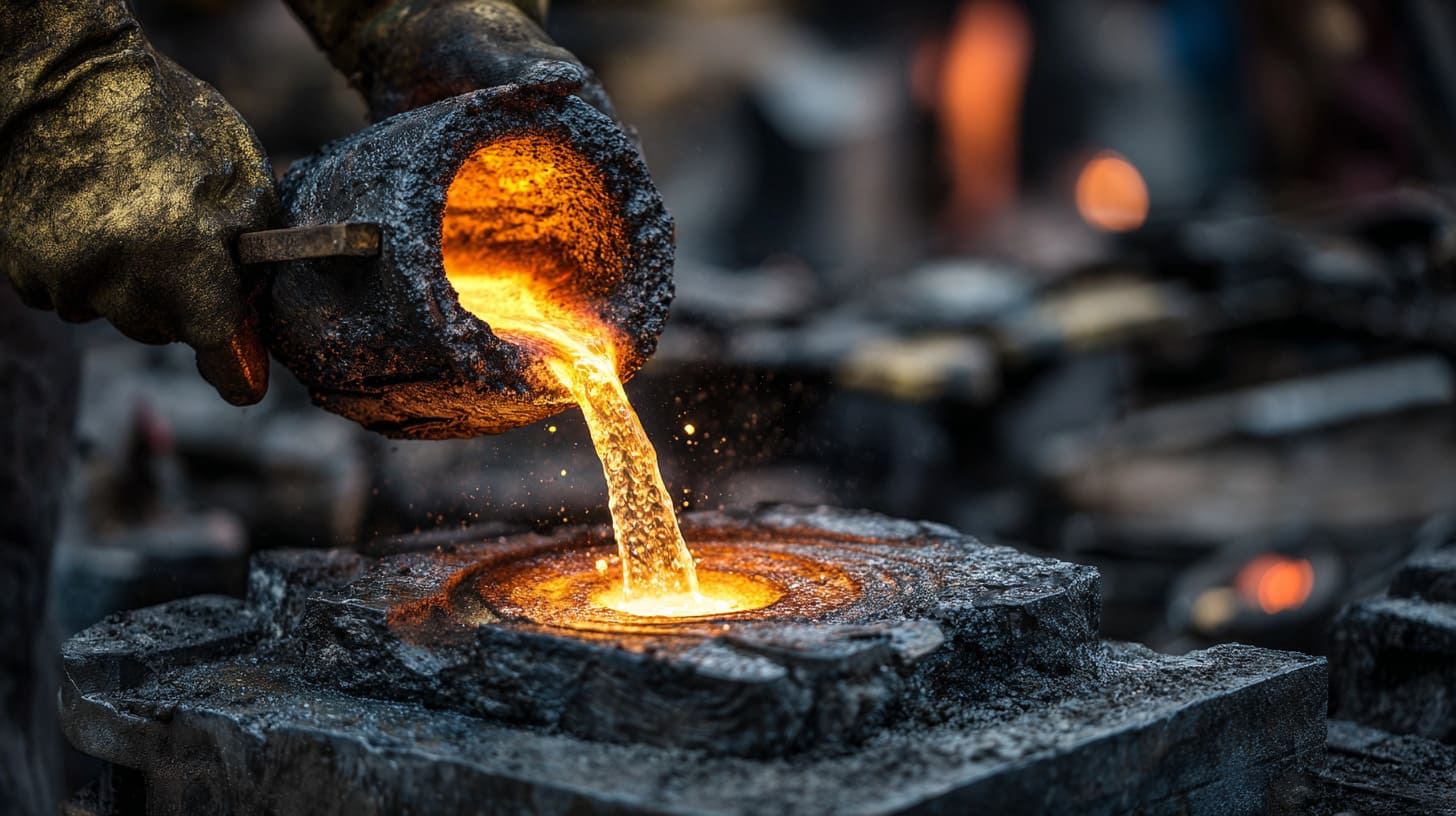
When I say cast aluminum, I mean molten aluminum poured (or otherwise placed) into a mold, allowed to solidify under gravity or other modest pressure. Unlike high‑pressure methods, it’s relatively simpler. For example, sand casting, permanent mold, gravity die—all count.
Common casting methods (sand casting, gravity die, permanent mold)
Here are a few typical methods:
- Sand casting: a sand mold shaped around a pattern, molten aluminum poured in. Good for lower volumes, larger parts.
- Gravity die casting / permanent mold: molten metal poured into a metal mold under gravity (sometimes low pressure). Better precision than sand casting.
- Permanent mold: re‑usable metal molds, slightly higher tooling investment, better finish.
I recall a client asking for a large sheet‑metal type enclosure. We chose sand casting for its size and lower tooling cost.Typical alloys and material properties
Cast aluminum alloys vary. For example, many Al‑Si alloys (silicon‑aluminum) are used because they flow well and cast easily. These tend to have decent strength, but compared to wrought or die‑cast, maybe more porosity and less uniformity.
Typical use‑cases in enclosures and industrial parts
In my factory’s experience, cast aluminum is often used when:
- The part is relatively large or thick‑walled.
- Custom shapes, limited volume, lower tooling budget.
- Robust industrial enclosure where ultra‑tight tolerances are less critical.
For example: heavy outdoor electronics housings, control boxes where shape and cost matter more than micro‑precision.
Let me shift now to the alternative (and we’ll compare)—so stay with me.
Die Cast Aluminum: What it is?
Definition of die casting process (high‑pressure)

Die casting means molten aluminum (or aluminium alloy) injected into a mold (die) under high pressure. This method yields finer shapes, thinner walls, better surface finish.
Materials and equipment considerations
Because die casting uses high pressures, tooling costs are high: the dies must handle thousands of cycles; the machines are expensive. Also, because of the fast cycle times and high volume expectations, this method suits large production runs.
Typical alloys used in die cast aluminum
In die‑cast aluminum, you often see specific alloys tailored for flow, minimal porosity, good surface finish. The alloy choice impacts everything: fluidity, surface treatment, corrosion resistance.
Typical use‑cases in enclosures and industrial parts
In my world (custom enclosures), die cast is chosen when:
- The design requires thin walls, complex geometry, fine detail.
- High volume production, where the tooling cost amortises.
- Parts where surface finish matters (branding, logos, premium consumer enclosures).
For example: compact IoT device housing, high‑volume re‑brand enclosures sold on Amazon.
Now that we have both definitions, let’s go deeper.
Key Differences Between Cast Aluminum & Die Cast
Process differences: pressure / mold / cycle time

Cast aluminum: molten metal + mold + gravity/low pressure. Die cast: molten + high pressure into steel die. Big gap in cycle times (die cast is fast), and tooling complexity (die cast higher).
Tooling and mould cost differences
Die casting tooling is expensive upfront. The steel dies must withstand high pressure and many cycles. For cast aluminum methods, tooling cost is much lower, molds can be sand, or lower grade. This changes break‑even volume.
Geometry / wall thickness / precision differences
Die casting allows thinner walls, finer detail, more precise tolerances. Cast aluminum might need thicker walls, less intricate detail due to slower fill, more shrinkage.
Material microstructure, porosity and mechanical properties
Because of the different fill times and pressures, die cast parts tend to have less porosity (though not always zero) and better structural uniformity at thin sections; cast aluminum may have more shrinkage defects, porosity depending on method.
Surface finish, post‑processing and appearance differences
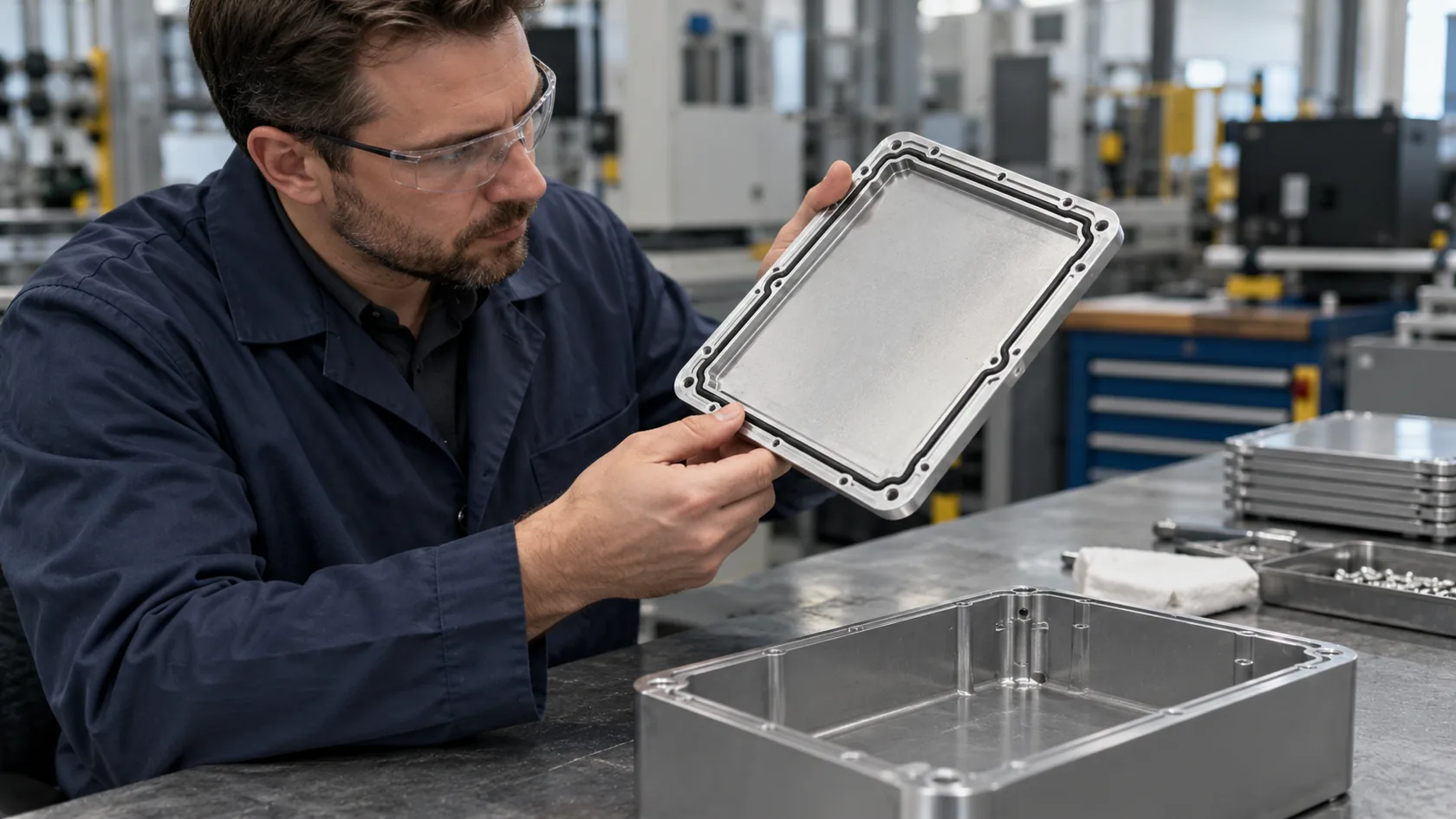
Die cast parts tend to have smoother surfaces, better as‑mold finish, requiring less machining or finishing. Cast aluminum might need more machining or finishing steps.
Volume / cost economics: when each makes sense
For low volume, tooling cost of die cast may not be justified => cast aluminum wins. For high volume, die cast can reduce unit cost despite tooling. It depends on shape, wall thickness, finish, tolerances. Some sources say die casting is “most efficient for high volume precision castings”.
Pros and cons of each method
Let’s summarise in a table:
| Method | Pros | Cons |
|---|---|---|
| Cast Aluminum | Lower tooling cost; good for larger parts; flexible molds | Less precision; thicker walls; slower cycle; more finishing |
| Die Cast Aluminum | High precision; thin walls; good finish; high volume | High tooling cost; high upfront investment; less flexible for changes |
Now that you see the differences, let’s move into how you choose for your enclosure project—this is where many of my clients get stuck… keep reading.
How to Choose Between Cast and Die Cast for Your Enclosure Project
Project volume and unit cost considerations

If you plan low volume, prototyping or custom runs (“one‑off” or 100‑500 units), cast aluminum may be more cost‑effective. If you expect 10,000+ units, die cast may pay off due to unit cost drop.
Wall thickness, complexity and shape requirements
How thin are your walls? How complex is the geometry? If you want ultra‑slim enclosure with many fins, thin ribs, die cast likely better. If more robust thickness and simpler shape, cast aluminum may suffice.
Mechanical strength, durability, and functional requirements
Does the enclosure need high impact resistance, minimal vibration, high precision? Die cast may offer better micro‑structure for thin sections. Cast aluminum still very good, but design may need to account for tolerances.
Finishing, logo/branding, anodising or powder coating implications
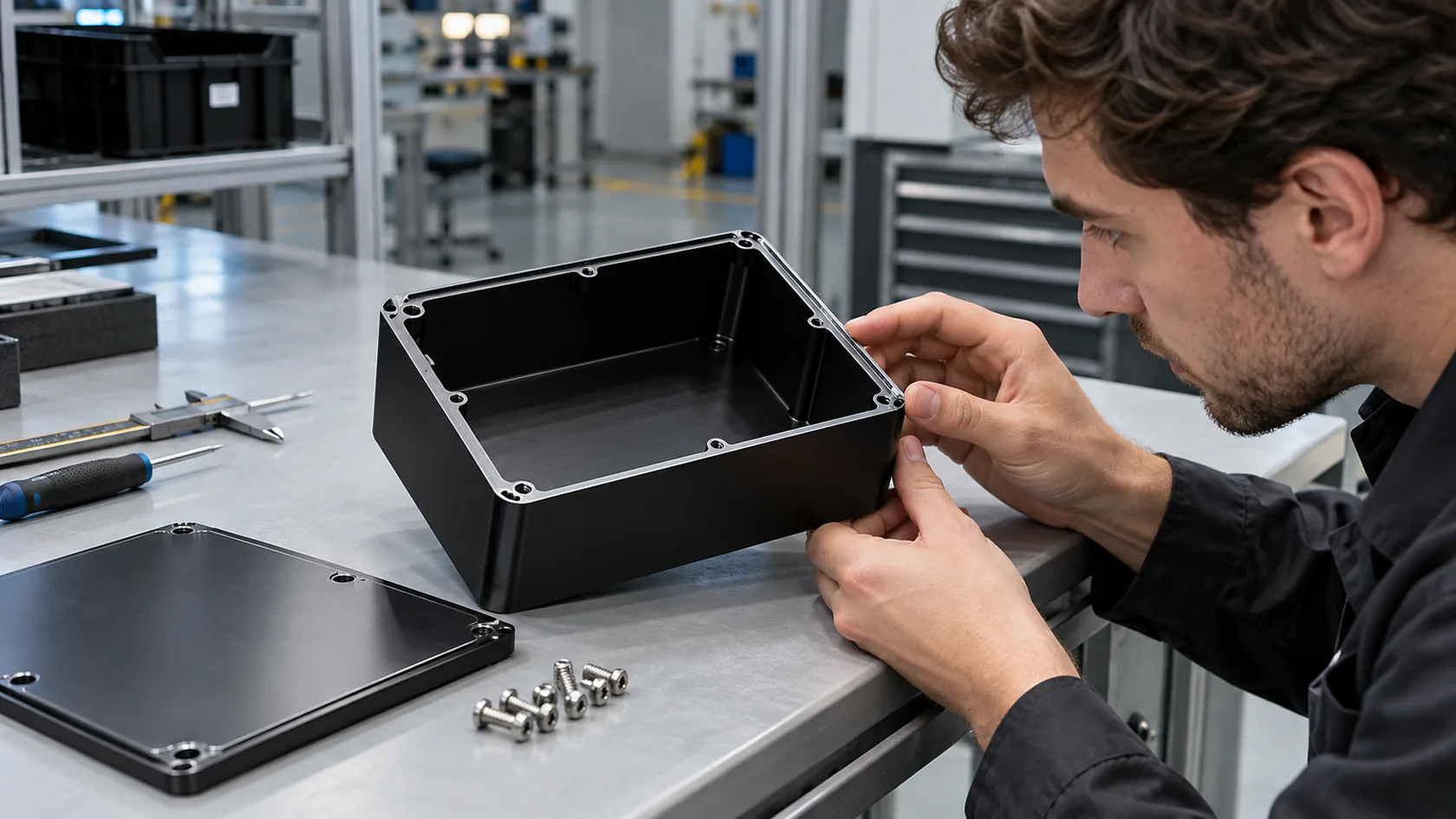
Branding is important. For example, if you want high quality finish for consumer OEM, die cast may give better surface. If industrial rugged enclosure with printed logo, cast aluminum might work and cost less.
Lead time, tooling investment and time to market
If you need a fast turnaround, cast aluminum molds can often be quicker. Die cast tooling takes more time to design and build. For your B2B custom order factory like MaidaTech, we caution: don’t pick die cast if you change design mid‑way.
Supplier capabilities and quality control considerations (especially relevant for B2B custom orders)
As a buyer (like David or John from my customers), you must check your supplier’s expertise. Can they handle high‑pressure die cast? Do they have experience finishing, handling porosity control, QC? For cast aluminum, do they understand shrinkage, finishing? At MaidaTech we emphasise communication, fast delivery, clarity on tooling cost.
Before I jump into how this matters for you as a buyer, let’s pause: have you ever been burned by choosing the wrong method? If yes, you’ll want to keep reading.
Implications for OEM/ODM Enclosure Buyers (My Audience)
What procurement engineers (like “David” in Canada) should ask of suppliers
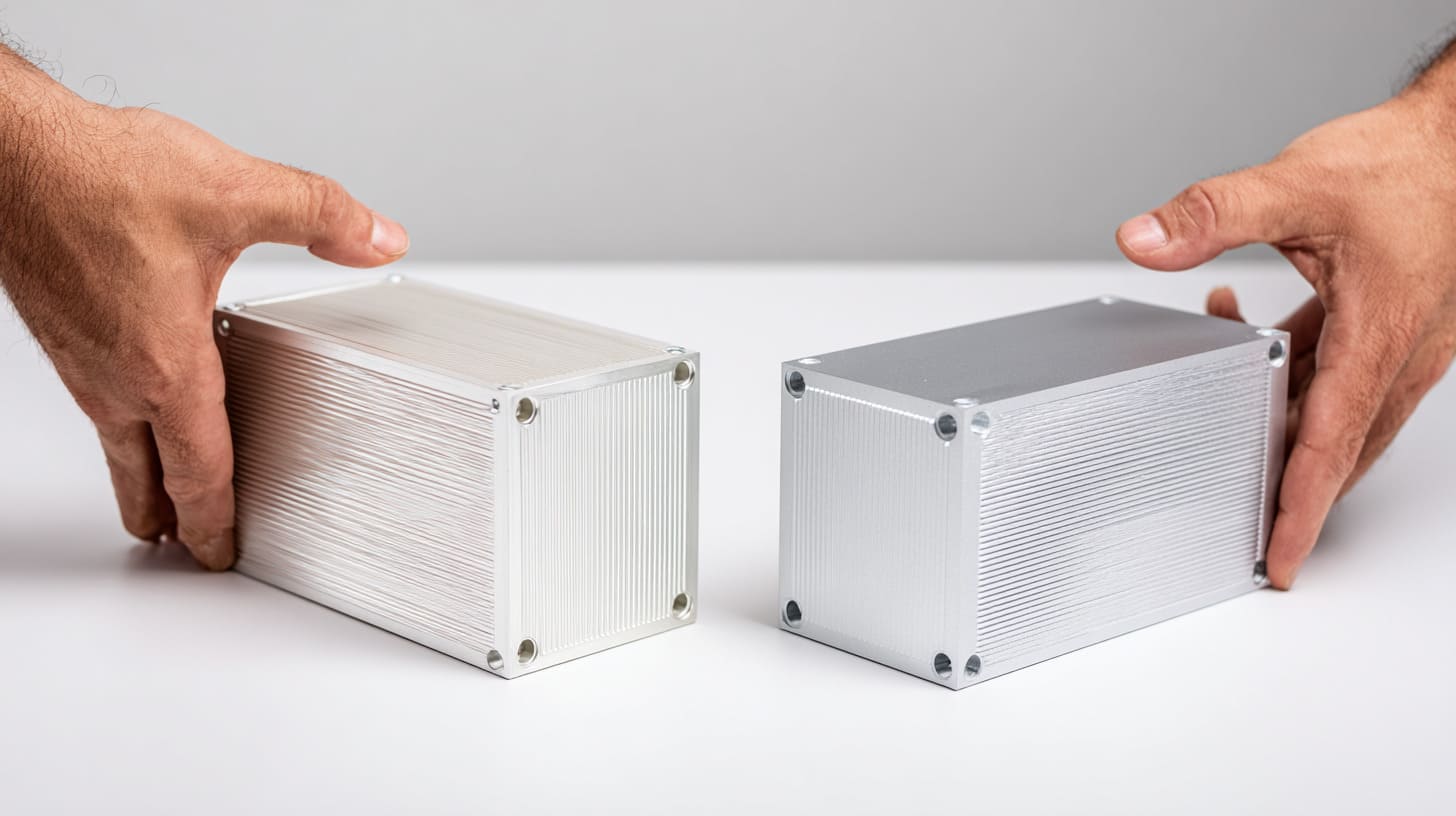
If you’re David: ask clear questions:
- What is the tooling cost for die cast vs cast?
- What is minimum wall thickness you can achieve reliably?
- What is the expected surface finish and need for machining or finishing?
- What is lead time for tooling and production?
- What QC measures do you apply (porosity test, pressure testing, finish inspection)?
What creative project‑design buyers (like “John” in Hungary) should understand
John is creative and wants to try new shapes for his project board. For him: if you’re redesigning an enclosure similar to Raspberry Pi case but want custom shape, many logos, small runs—cast aluminum may give you more flexibility. If you plan to scale, die cast may make sense—but only if your design is locked.
How MaidaTech’s factory capabilities align (custom enclosures, logo/engrave, etc)
At MaidaTech (that’s me and my team in China): we’ve got 9 years’ experience, 3 advanced production lines, capability for both custom sheet‑metal enclosures and aluminium enclosures. We offer OEM & ODM services, custom logo/brand printing or engraving, re‑design option, huge wholesale stock. For many of our clients we propose cast aluminum for lower volume custom jobs (with our logos, etc), and advise die cast when they plan larger scale.
Best practices when specifying cast vs die cast in enclosure design
- Lock your design early if you go die cast.
- Specify wall thickness, surface finish, post‑machining budget.
- Ask for tooling cost breakdown: is it amortised over 10 000 units?
- Don’t forget logistics: lead time, shipping from China, customs.
- Build in supplier communication checks: timezone, sample approvals, prototypes.
- Get material spec and QA certification: especially for B2B clients in North America, Europe, Japan.
Common Misconceptions and Pitfalls
“Die cast = always stronger” myth

Many buyers assume “die cast must be stronger than cast” — but it’s not always so. Strength depends on alloy, wall‑thickness, porosity, design. Just because something is die cast doesn’t guarantee better mechanical properties.
Under‑estimating tooling cost for die casting
I’ve seen buyers shocked: tooling for die cast was tens of thousands USD; then volume didn’t meet expectation, cost per unit stayed high. Always calculate break‑even volume.
Ignoring porosity or shrinkage in cast aluminum
Cast aluminum methods often face shrinkage cavities or porosity—if you ignore this early in design, you may get weak spots or leaks. It’s not “cheap” unless you account for it.
Overlooking surface‑finish limitations or additional machining
Even die cast parts may need secondary machining, deburring, finishing—especially if you require logo engraving, anodising. Budget for this.
Mistakes in alloy selection or supplier communication
Choosing the wrong alloy for the method can lead to defects (hot cracking, die soldering) per the process. Also poor supplier communication (time‑zones, sample delays, unclear specs) is a top pain‑point for my clients (like David and John).
Conclusion
Recap of major take‑aways
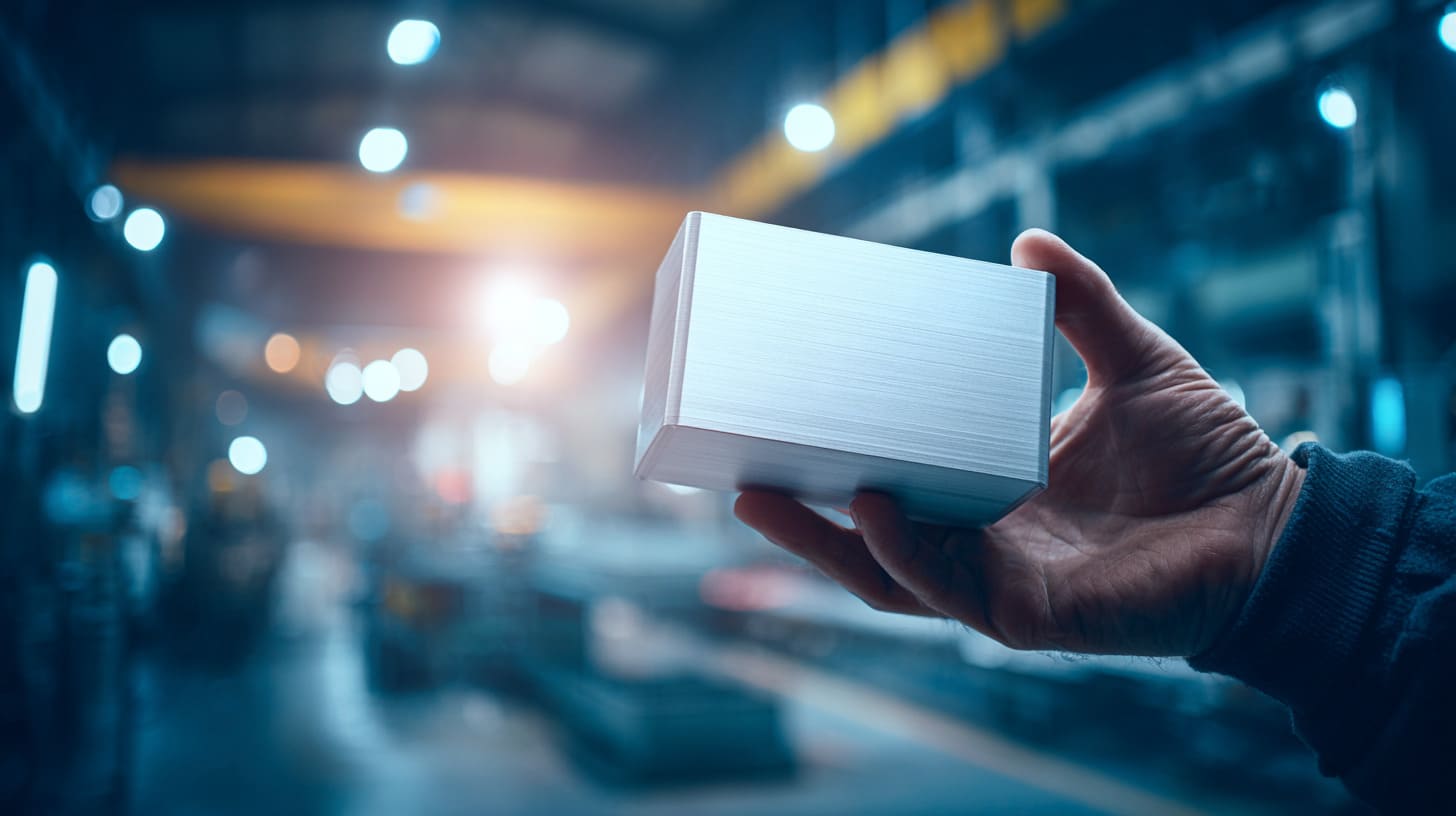
Choosing between cast aluminum and die cast aluminum isn’t just about the surface finish or cost—it’s about how your product needs to function, what kind of quantities you're working with, and how flexible your design needs to be. Cast aluminum gives you freedom for low-volume, thick-walled parts with fewer tooling demands. Die casting steps in when you need high precision, thinner walls, and large production runs where unit cost matters.
Which method tends to suit which scenario (summary table)
| Project Situation | Better Fit |
|---|---|
| Prototyping, low quantity, custom shapes | Cast Aluminum |
| Mass production with complex, thin-walled geometry | Die Cast Aluminum |
| Lower tooling cost and quick mold changes | Cast Aluminum |
| Premium finish with tight tolerances and sleek surfaces | Die Cast Aluminum |
| Heavy-duty outdoor or industrial enclosures | Cast Aluminum |
| Branded consumer enclosures with high visual appeal | Die Cast Aluminum |
Final advice for custom enclosure buyers and manufacturers
If you’re unsure which way to go—start by asking yourself: how many pieces am I really making? Then think about the look, the feel, and the engineering details your enclosure needs. Don’t just choose the more expensive option hoping it’ll be better. Match the process to your design, your goals, and your timeline. And always—always—talk with your supplier early. The wrong method can cost you time, budget, and headaches.
Invitation to contact MaidaTech for tailored advice
If you're working on a project and need help deciding which method fits best—we're here. At MaidaTech, we’ve supported clients across North America, Europe, Japan, and more. Whether you’re a product engineer like David, or a creative buyer like John—we’ll walk through the details with you.
Just drop me a message at info@maidatech.com, or explore more on maidatechenclosure.com. Let’s build something that works beautifully—for your product, and your business.