Skip to content
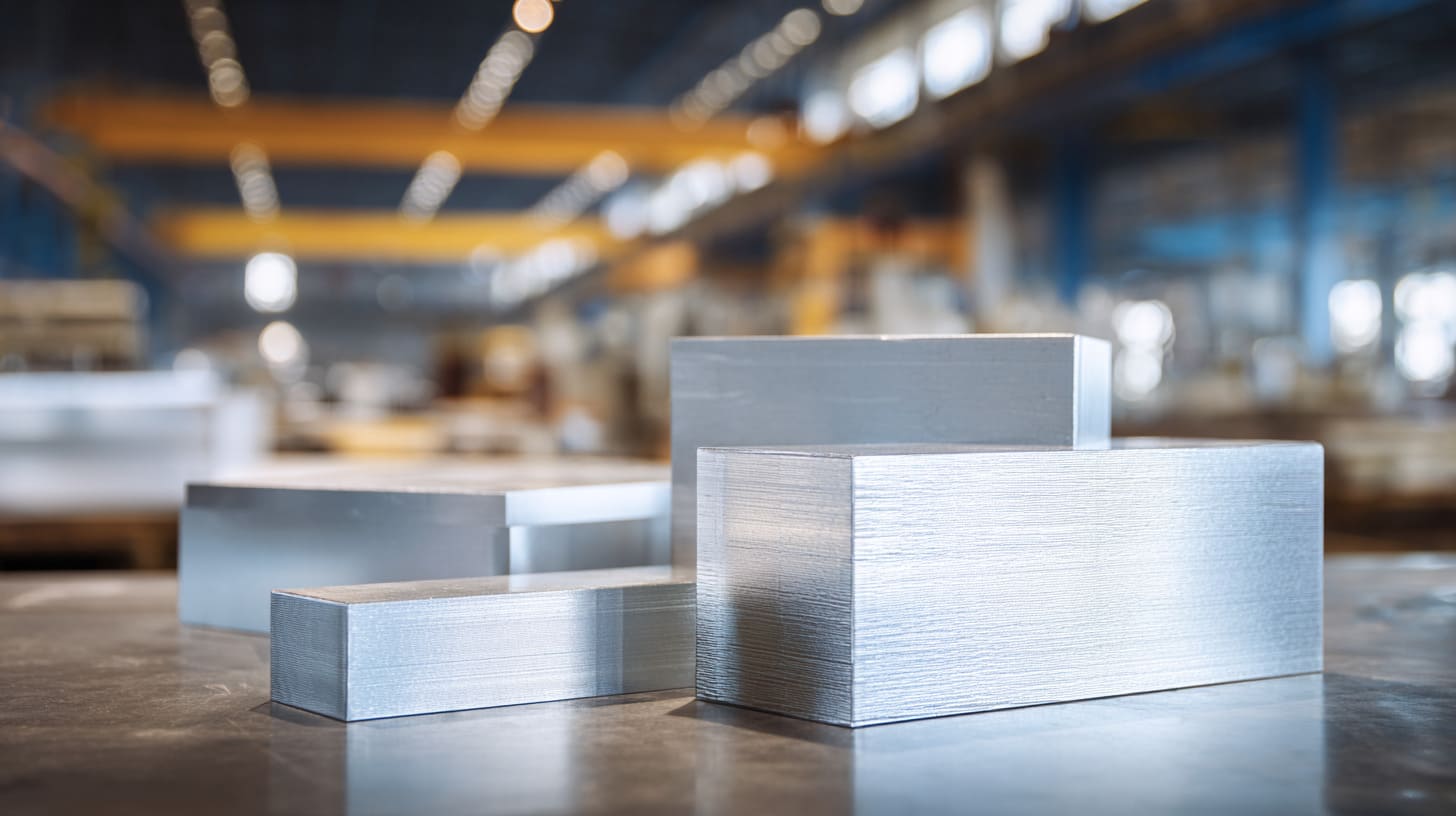
6061 aluminum shows up everywhere in enclosure work. I see it in RF boxes, controller housings, and “clean looking” products that need anodizing. People like it for a good reason: it is strong, it is stable, and it is easy to source.
But I also see a quiet pattern. A buyer sends me a neat drawing for a sheet metal enclosure, and they write one line: “Material: 6061-T6.” Then the first prototype comes back with small cracks at the bend. Or the cost jumps. Or the finish looks “odd” at the corners. Nobody planned to lose time, but time gets lost anyway.
This is where my thinking gets simple: if an enclosure is mostly sheet metal work, I do not treat 6061 like a default. I treat it like a choice that must earn its place.
In this article, I will show when not to use 6061 for sheet metal enclosures, and what I use instead when bending, cost, fabrication risk, or long-term durability matters.
Before we talk about the “no” cases, I want to be fair to 6061. It became popular for real reasons.
What Makes 6061 Popular in the First Place?
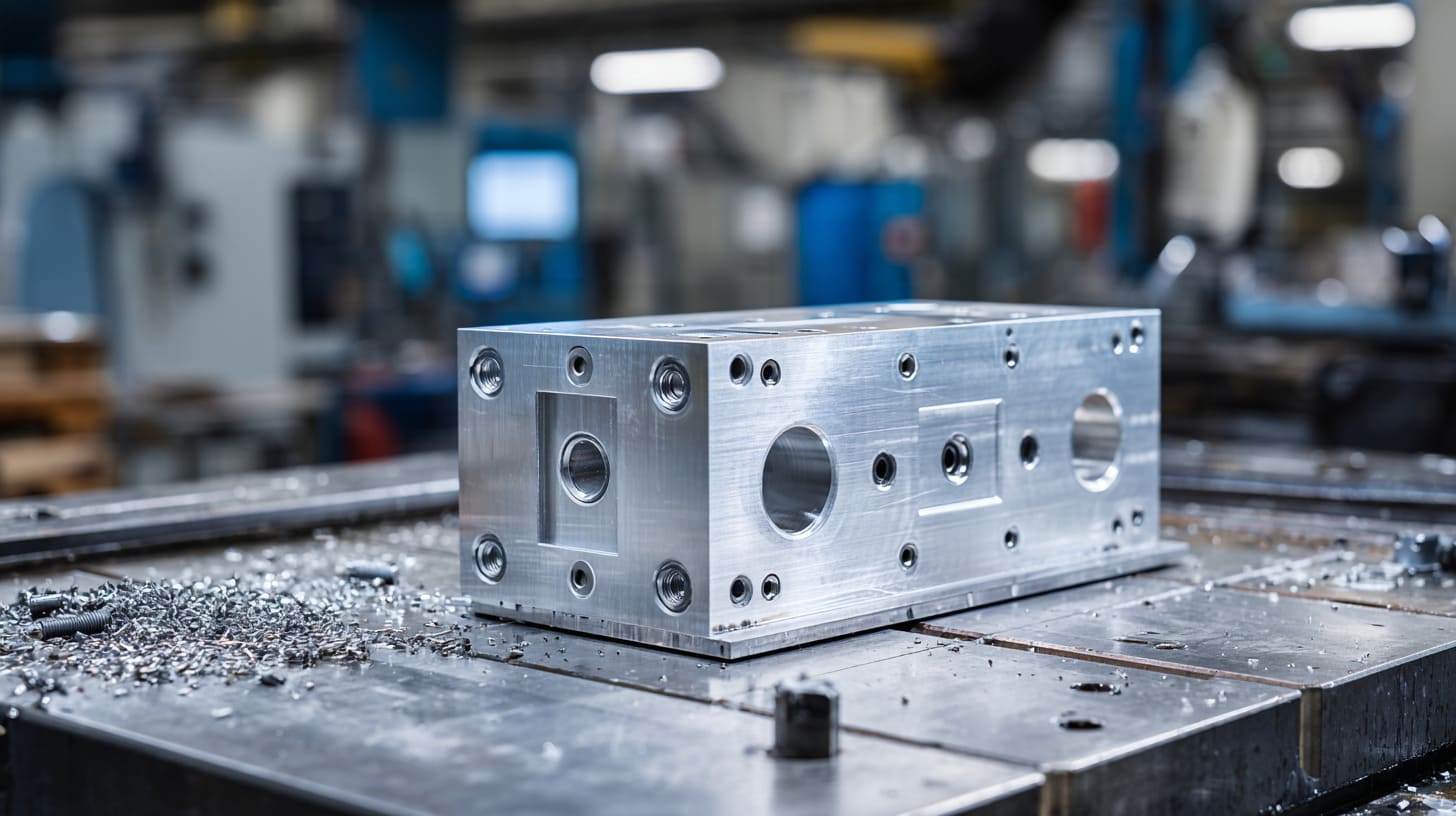
6061 is the alloy many engineers trust. I get it. It behaves in a predictable way in machining, and it looks good after anodizing. If you need stiffness, it can feel like the safe bet.
My own rule is not “6061 is good” or “6061 is bad.” My rule is: I only keep 6061 in the plan when the enclosure needs what 6061 is truly good at, not just what people say about it.
Mechanical Strength and Structural Stability
6061 has higher strength than 5052 in many common tempers. That strength is real value when a part must stay flat, hold threads, or carry load.
I often use 6061 when the enclosure includes:
- CNC-machined features like pockets and steps
- threaded holes that take repeated assembly
- parts that act like a structural bracket, not just a cover
Here is a quick way I frame it for buyers on calls:
| Need | 6061 often makes sense | 6061 often wastes money |
|---|---|---|
| Structural stiffness | Frames, brackets, load-bearing panels | Simple covers, cosmetic shells |
| Threading | Frequent service, repeated screw cycles | One-time assembly, rivets, PEM nuts |
| Precision pockets | CNC housing, tight tolerances | Mostly bends and flat panels |
Corrosion Resistance and Surface Finishing
6061 can anodize well, and it can look premium. That matters when a buyer sells the product as a “finished device,” not as a hidden industrial box.
Still, surface finish is not only about the alloy. It is also about what the metal went through before finishing. A strong alloy can still look terrible if the bend work creates stress marks.
Availability and Global Supply
6061 is widely available. That helps a lot when a customer wants consistent sourcing across regions.
In MaidaTech projects, I see this benefit most when a customer needs both:
- sheet parts
- and CNC parts
and they want the same “family” of aluminum for supply simplicity.
Now here is the turn: what makes 6061 strong and stable can also make it stubborn in bending. That is where many sheet metal enclosures start to suffer.
When Tight Bending Is Required
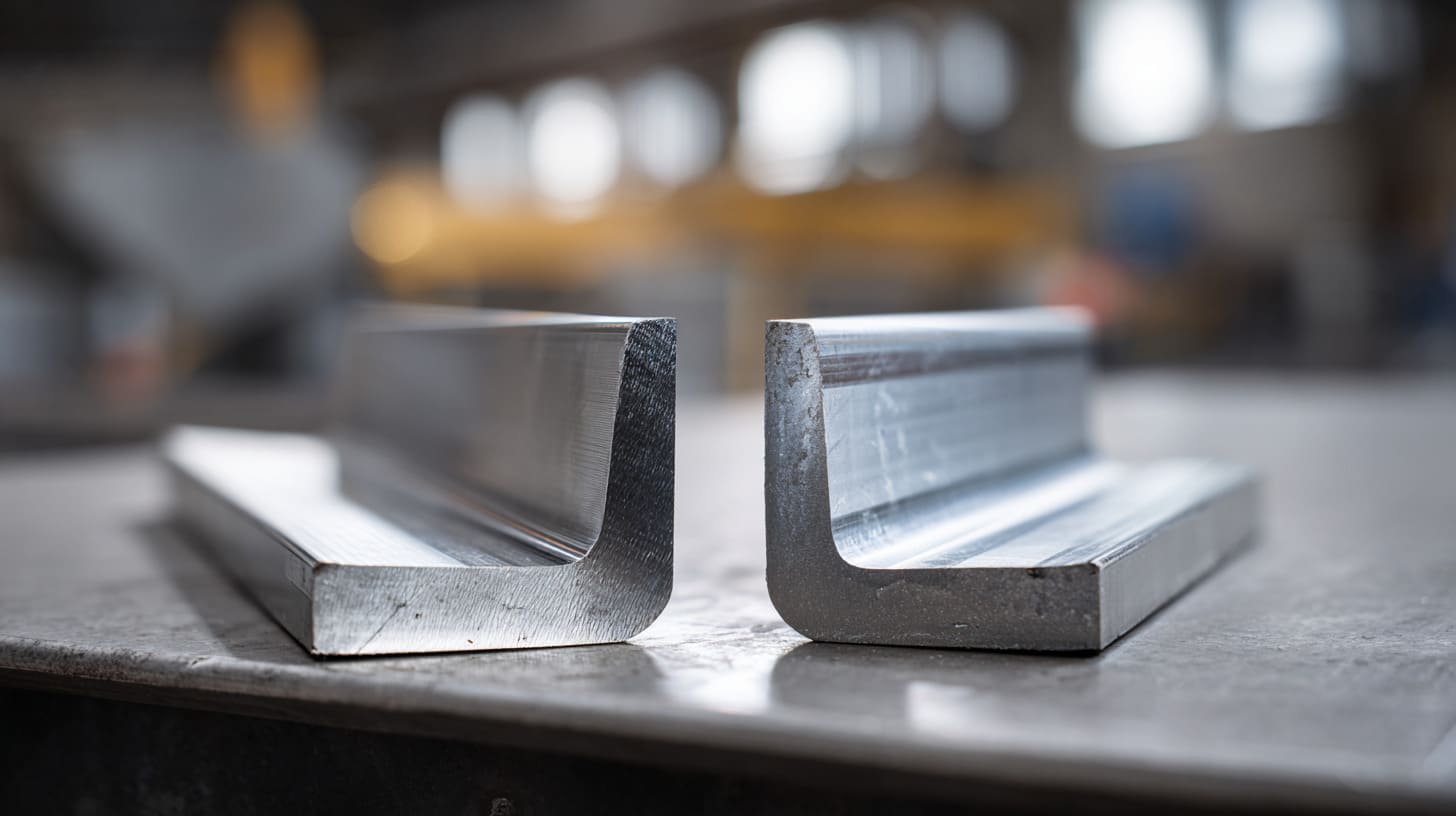
A sheet metal enclosure lives and dies at the bend lines. The flat shape is easy. The bend is where the alloy shows its true personality.
What I watch for is not the drawing’s beauty. I watch for how tight the designer made the corners, because tight corners are where 6061 starts to complain.
6061-T6 Is Not Forming-Friendly
6061-T6 is strong, but it is not very forgiving. When you bend it tight, the outer surface stretches, and the material can crack instead of flowing.
5052, by comparison, usually bends with less drama.
Here is a plain comparison that helps buyers understand the risk:
| Topic | 6061-T6 | 5052-H32 |
|---|---|---|
| Strength | Higher | Lower |
| Ductility (bend friendliness) | Lower | Higher |
| Tight bend risk | Higher | Lower |
| Typical use in enclosures | Machined + some bends | Mostly bent shells |
Minimum Bend Radius Limitations
Many drawings use a sharp looking corner because it looks “clean.” But sharp is not always realistic.
I do not try to argue with the designer’s taste. I just ask one question: “Do you want a sharp corner, or do you want a stable part?”
For sheet metal enclosures, bend radius rules matter. If the designer pushes the radius too small, 6061 is the alloy that will punish you first.
A simple decision table I use:
| If the design has… | 6061 sheet risk | My usual move |
|---|---|---|
| Very small inside radius | High | Switch to 5052 or increase radius |
| Many bends in one part | Medium to high | 5052 for shell, 6061 for machined plates |
| Thin sheet + tight bends | Very high | Redesign or change alloy |
Real Production Risk
Cracks are not always obvious at first. Sometimes the part looks fine right after bending. Then anodizing makes the bend line look like it has “hairline marks.” Or the part fails later in shipping vibration.
I have seen a prototype pass visual check, then fail after a small drop test, because the bend had micro-cracks that nobody noticed.
If you keep reading, the next trap is not cracking. It is cost that grows in quiet ways, like small leaks in a boat.
When Cost Efficiency Is the Priority
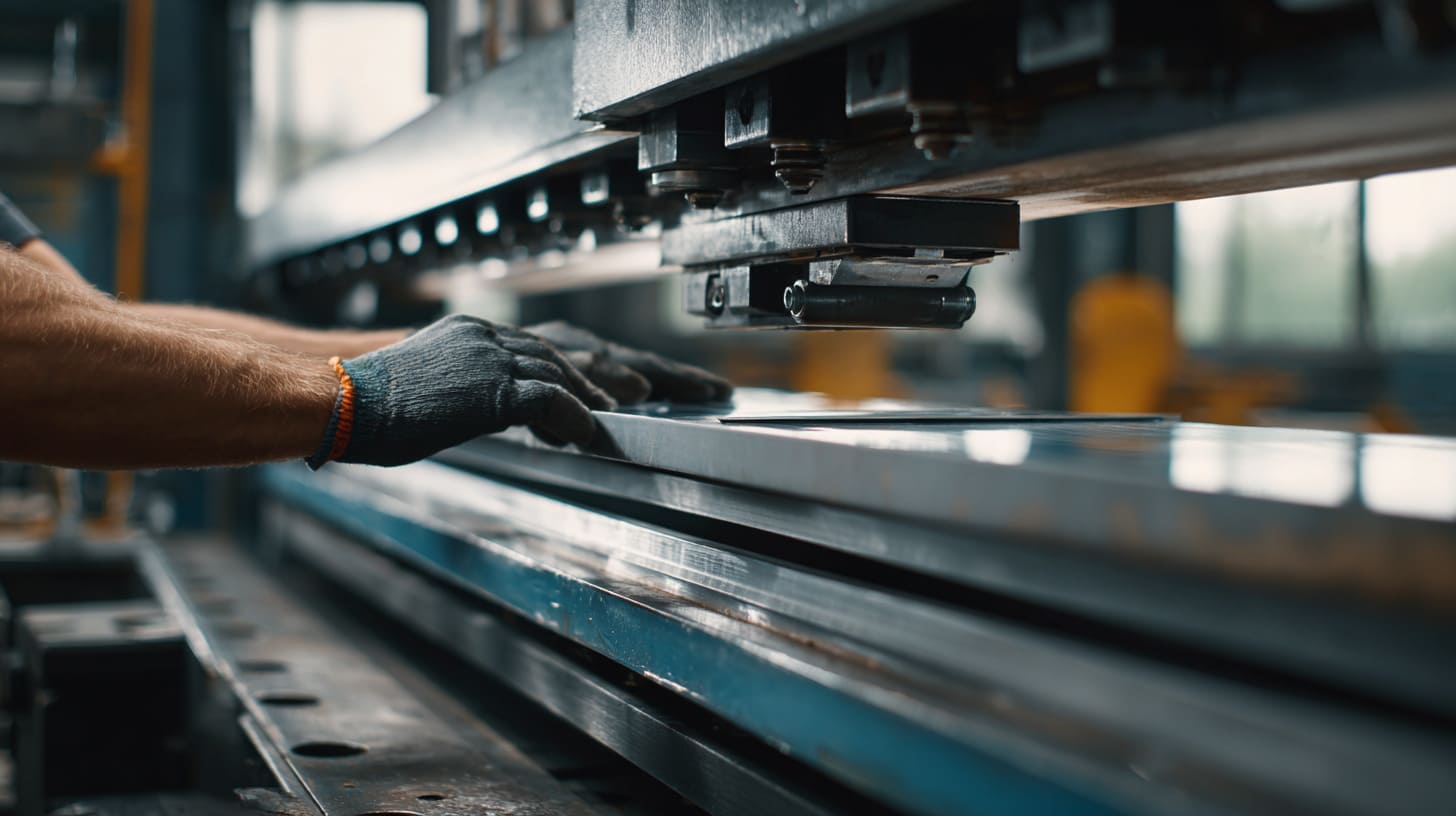
Many buyers tell me they want “the best alloy,” and they also want a low unit cost. Those two wishes can fight each other.
The way I judge cost is simple: I do not look at price per kilogram first. I look at total cost after scrap, setup, and rework. That is where 6061 can turn expensive fast.
Higher Raw Material Cost vs 5052
In many markets, 6061 sheet costs more than 5052 sheet. That difference might look small per sheet, but it grows when:
- quantities go up
- parts are large
- yield loss happens
Even worse, buyers often pay for strength that the enclosure does not use.
Processing Cost Differences
6061 can add cost in bending work. The setup can be slower. The forming window feels tighter. Operators must be more careful with tooling and bend sequence.
I will give you a real style example I see:
- A buyer wants a simple U-shape enclosure.
- They pick 6061-T6 “for strength.”
- The bend cracks in pilot run.
- The team tries annealing or switching temper, and they lose time.
- The buyer pays twice: once in delay, and once in wasted parts.
A small table that shows where cost hides:
| Cost area | Why 6061 can cost more | What it looks like in real work |
|---|---|---|
| Scrap | Cracks during forming | Higher rejection in pilot run |
| Setup | More caution in bending | Slower line speed |
| Rework | Extra inspection or redesign | More emails, more samples |
| Finish | Bend marks show up | More cosmetic rejects |
Over-Engineering Risk
If the enclosure is not a load-bearing part, 6061 strength can be “unused strength.”
I tell buyers this in a direct way: if you do not need the strength, you are paying for a feature you will never feel.
Next, I want to talk about a mistake I see even in experienced teams: they choose 6061 because someone said it machines well, but the enclosure is not a machining project at all.
When the Enclosure Is Mostly Bent Sheet, Not Machined
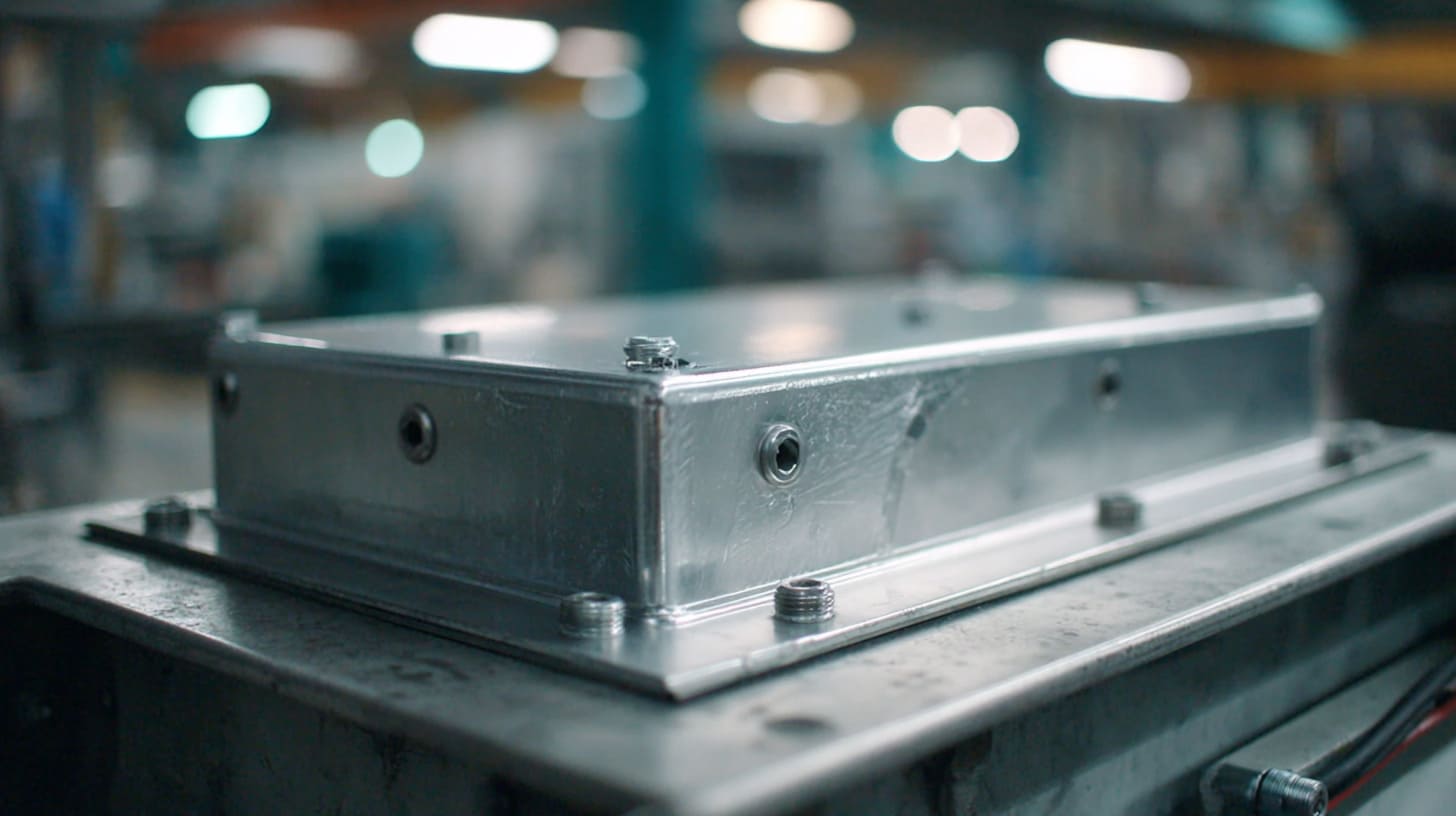
Sheet metal enclosures are usually about cutting and bending. CNC machining might be only a small piece of the work, like a front panel.
My personal “sniff test” is fast: if the BOM is mostly laser-cut sheets and press brake steps, I lean away from 6061 unless there is a strong reason to keep it.
6061 Is Optimized for Machining
6061 shines in CNC work. It is stable, it holds tolerances, and it cuts cleanly.
That is why you see it in:
- machined electronics housings
- heat sink bases
- precision mounting plates
If your enclosure is truly a machined housing, 6061 can be excellent.
Sheet Metal Enclosures Are Forming-Driven
If your enclosure is mostly sheet metal forming, the value of 6061 drops. You are not using its best skill. You are stressing its weak spot.
This is where 5052 often wins. It bends well, it behaves in press brakes, and it reduces crack risk.
A decision matrix I use with engineers:
| Enclosure type | Best default | Why |
|---|---|---|
| Mostly bends (shell) | 5052 | Better forming, lower crack risk |
| Mostly CNC (housing) | 6061 | Better machining, stiffness |
| Mixed build | Hybrid | 5052 shell + 6061 machined parts |
Now let’s get a bit more physical. If the enclosure sees impact, vibration, or rough handling, the alloy’s “feel” matters more than its datasheet strength.
When Impact Resistance and Ductility Matter
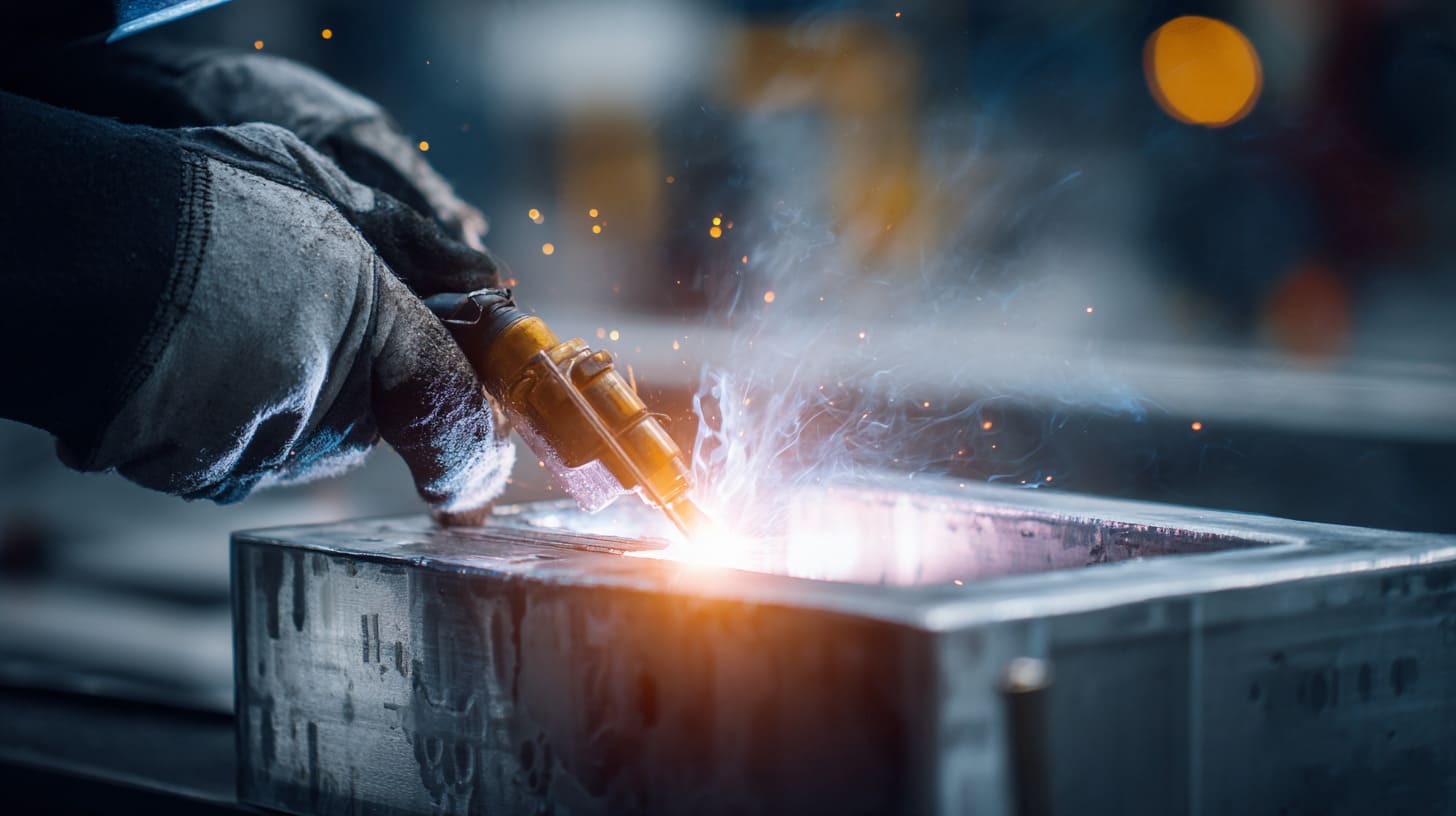
A lot of enclosures live an ugly life. They get shipped. They get dropped. They get mounted near vibrating motors. They get opened and closed by technicians in a hurry.
The way I think about it is practical: I care less about “ultimate strength” and more about how the metal behaves when something goes wrong.
Lower Ductility Compared to 5052
6061 is more rigid. That can sound good. But rigid can also mean it cracks instead of bending and surviving.
5052 often takes abuse better in formed shapes because it has higher ductility in many common sheet tempers.
Here is a simple “failure style” comparison:
| Situation | 6061 sheet tends to do | 5052 sheet tends to do |
|---|---|---|
| Sharp hit near a bend | Crack risk rises | Dents more, cracks less |
| Long vibration life | Higher fatigue concern at stress points | Often more forgiving |
| Rough field handling | Can show fractures later | Often survives with cosmetic damage |
Field Use in Harsh Environments
I had a customer who mounted a small controller box on a machine frame. It was not a huge load. But the machine vibrated every day. The enclosure looked fine for weeks, then a corner started to show a tiny line near the bend. It was not dramatic, but it was enough to scare them, because they sold that product to others.
That is when I asked them a blunt question: “Do you want a stronger alloy on paper, or a tougher enclosure in real life?” In that case, 5052 shell solved the worry.
Next comes another hidden trap: welding. Many engineers assume aluminum welding is “normal.” It is normal, but not simple.
When Welding Is Required
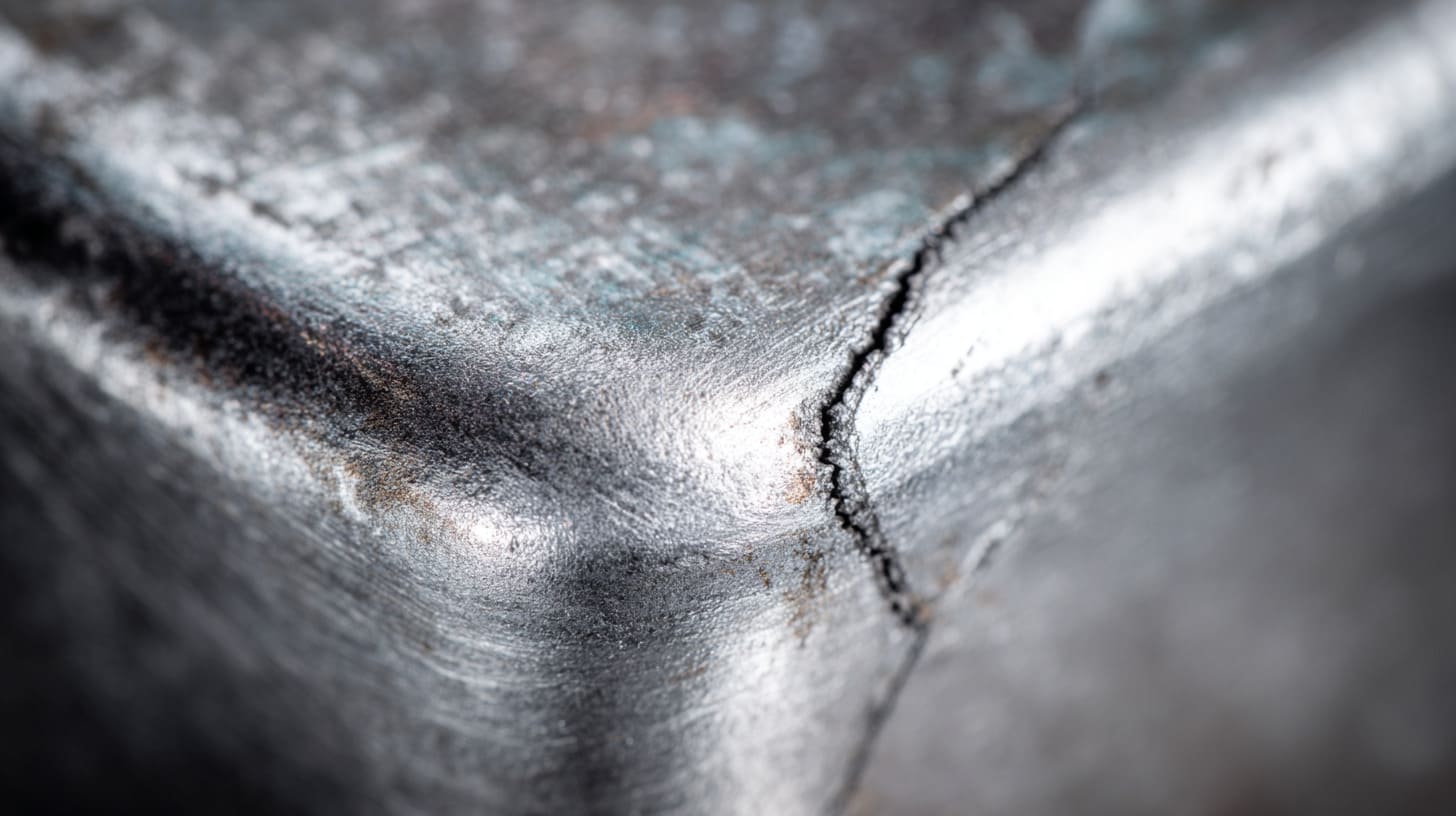
When a design needs welding, alloy choice becomes more sensitive. Welding changes the material, not only the shape.
My gut check is this: if a project needs welded corners and the team expects T6 strength everywhere, I slow the project down on purpose, because this is where wrong assumptions create expensive surprises.
Heat-Affected Zone Softening
6061-T6 loses its T6 temper strength in the heat-affected zone after welding. That means the welded area becomes weaker than the rest.
So if you chose 6061 “because it is strong,” welding can quietly remove that strength right where the structure needs it.
Post-Weld Treatment Complexity
Yes, you can restore properties with heat treatment in some cases. But that is not practical for many enclosure projects, especially custom OEM runs with fast timelines and cost limits.
If the enclosure needs welding and still needs good forming behavior, I often consider:
- different alloy
- different design (like tab-and-slot + fasteners)
- or a hybrid build
Now let’s talk about the part that buyers feel first: the look. Cosmetic finish can be the reason a customer says “yes” or “no,” even when the enclosure works.
When Complex Cosmetic Finishes Are Critical
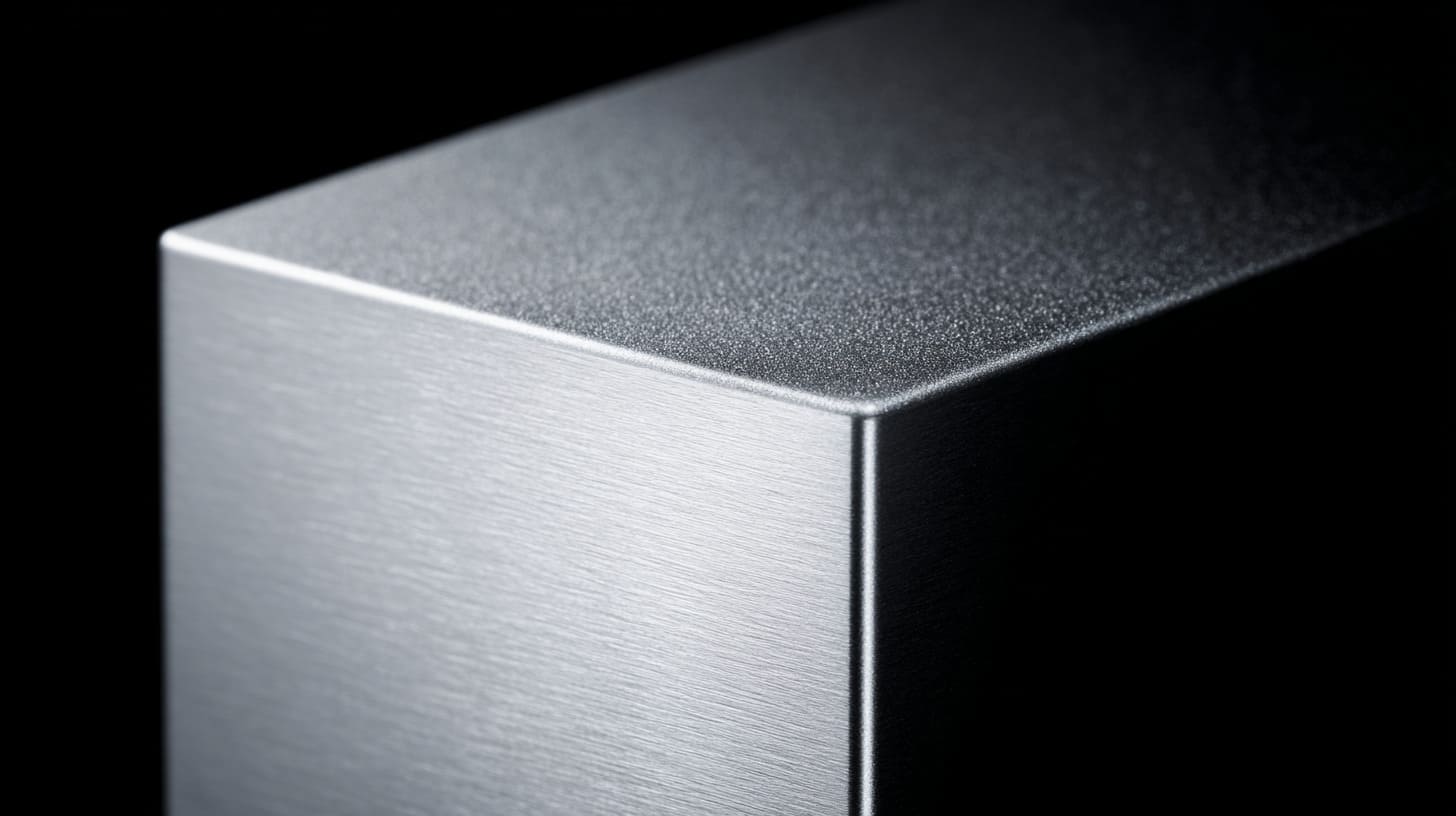
I have seen buyers accept a small scratch. I have also seen them reject a whole batch because the corners looked “stressed.” Cosmetic standards can be strict, especially for products sold online.
My personal rule here is simple: if the enclosure sells on appearance, I design the material choice around the finish, not the other way around.
Anodizing After Bending
Anodizing can make bend stress more visible. If 6061 already struggled at the bend, anodizing can expose it.
What you might see:
- color shift near bend lines
- fine crack marks that look like hair
- uneven surface reflection at corners
That can create customer complaints, even if the enclosure is mechanically “okay.”
Brushed + Bend Appearance
Brushing looks nice on flat parts. But after bending, the grain can distort. The corners can look inconsistent, like the metal got “pulled.”
I often warn buyers: brushed + bent corners are where perfectionists lose sleep.
A quick finish risk table:
| Finish type | 6061 bent shell risk | What I do to reduce risk |
|---|---|---|
| Clear anodize | Medium | Increase radius, reduce bend stress |
| Color anodize | Higher | Consider 5052, test samples early |
| Brushed + anodize | High at corners | Use separate machined panels, not one bent shell |
| Powder coat | Lower | Powder hides more, but bend cracks still matter |
If this sounds like “too many risks,” that is the point. Material choice is often about risk control, not about chasing the strongest spec.
And risk control matters most when time is tight.
When Fast Turnaround and Low Risk Are Needed
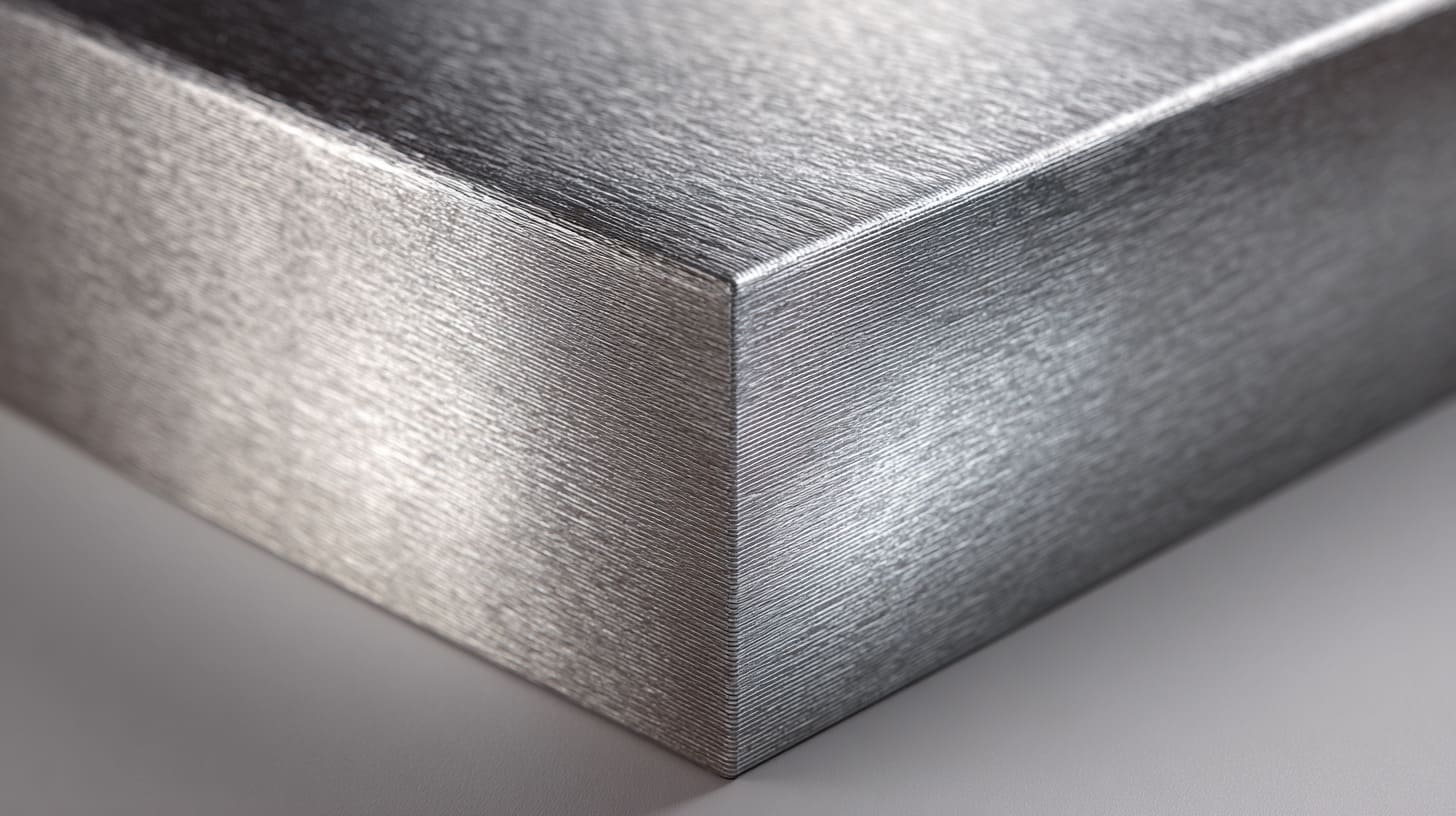
Some projects have no patience. A customer needs samples in two weeks. A launch date is fixed. A distributor is waiting.
My practical judgment is this: when the schedule is sharp, I choose the material that reduces unknowns, even if it is not the “most impressive” alloy on the datasheet.
Higher Risk of Rework
If a team chooses 6061 and then finds cracking, they might need:
- redesign for larger radius
- different temper
- different alloy
- more test samples
Each step costs time and attention. In B2B work, attention is expensive.
For First-Time OEM Projects
First-time projects have more unknowns already:
- assembly fit
- EMI gasket behavior
- screw selection
- packaging vibration
So I avoid adding a material risk on top, unless there is a strong payoff.
A simple timeline risk view:
| Project stage | What can go wrong with 6061 shell | Safer move |
|---|---|---|
| First prototype | Bend cracks, stress marks | 5052 shell |
| Pilot run | Scrap rate surprises | 5052 or hybrid |
| Mass production | Cosmetic consistency issues | Lock finish + alloy early |
Now let me give you options that work in real factories, not only in engineering talk.
What to Use Instead of 6061 in These Situations?
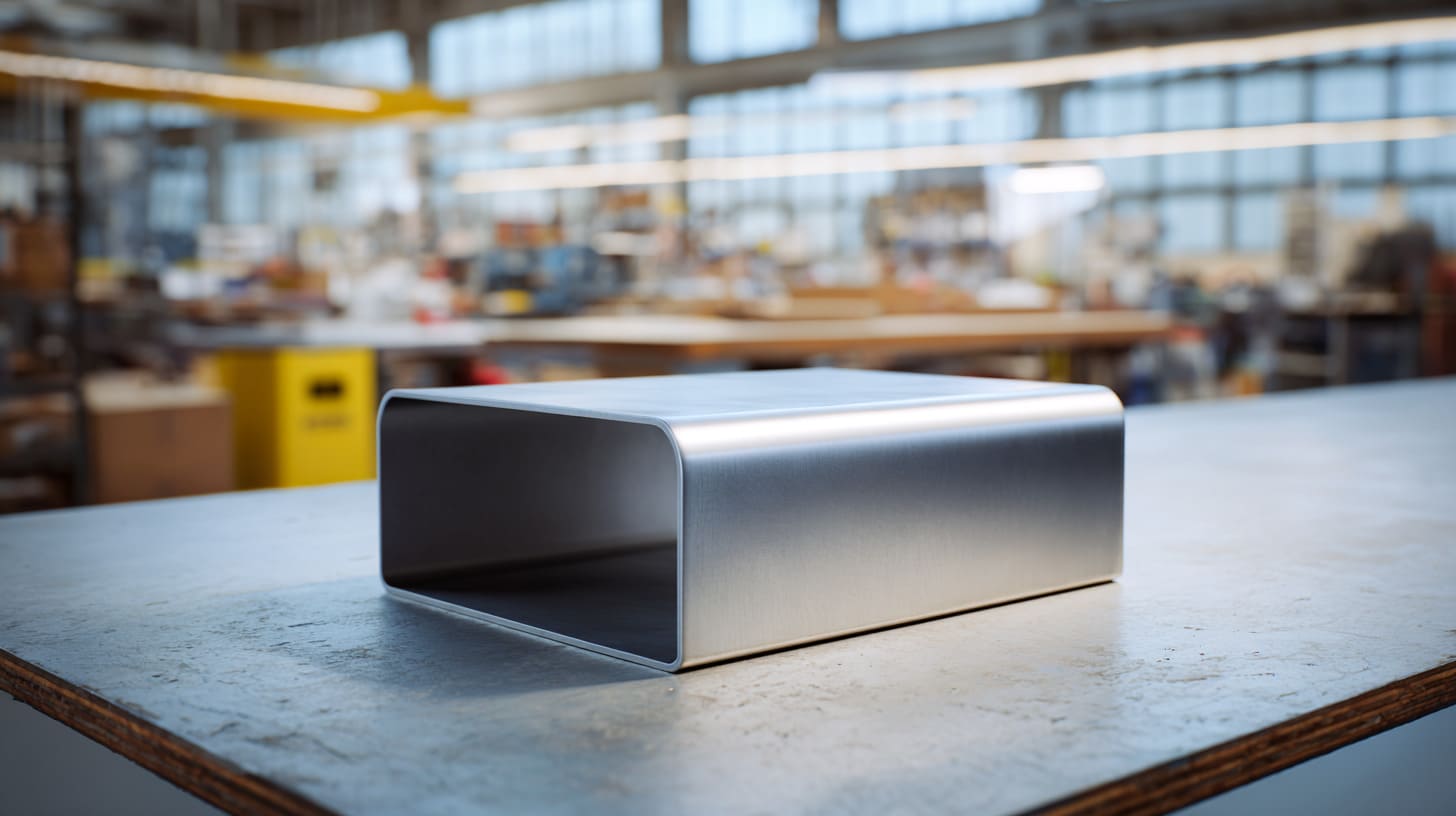
I do not like “one alloy” answers. I like matching the alloy to the job. That is how you protect cost, quality, and delivery at the same time.
My decision habit is simple: I pick the shell material for forming and toughness, then I pick the panel material for machining and looks.
5052 for High-Forming Enclosures
5052 is my go-to for bent shells. It forms well and reduces crack risk.
It works well for:
- U-shape shells
- wrap-around covers
- enclosures with many bends
- parts that take vibration
It also helps when you need consistent bending across batches.
3003 for Light-Duty Applications
3003 can be great for simple forming and light duty. It is often easier to form than 6061.
I use it when:
- strength demand is low
- cosmetics are not extreme
- cost needs to stay tight
- the enclosure is more like a cover than a frame
Hybrid Strategy
Hybrid is often the best answer for modern products.
A common build I suggest:
- 5052 for the bent shell
- 6061 for the CNC front panel, heat sink area, or precision mounting plate
That way you get:
- safe forming where bends exist
- stiffness and machining where it matters
Here is a clean comparison table that many buyers like:
| Build strategy | Shell material | Panel material | Best for |
|---|---|---|---|
| All 6061 | 6061 | 6061 | Machined housings, fewer bends |
| All 5052 | 5052 | 5052 | High-forming shells, fast runs |
| Hybrid | 5052 | 6061 | Mixed needs, clean look + low risk |
| Budget light-duty | 3003 | 3003/5052 | Simple covers, cost focus |
If you are still unsure, I often ask buyers one last “human” question: what will hurt more, a slightly softer alloy, or a late delivery with cosmetic issues?
Conclusion
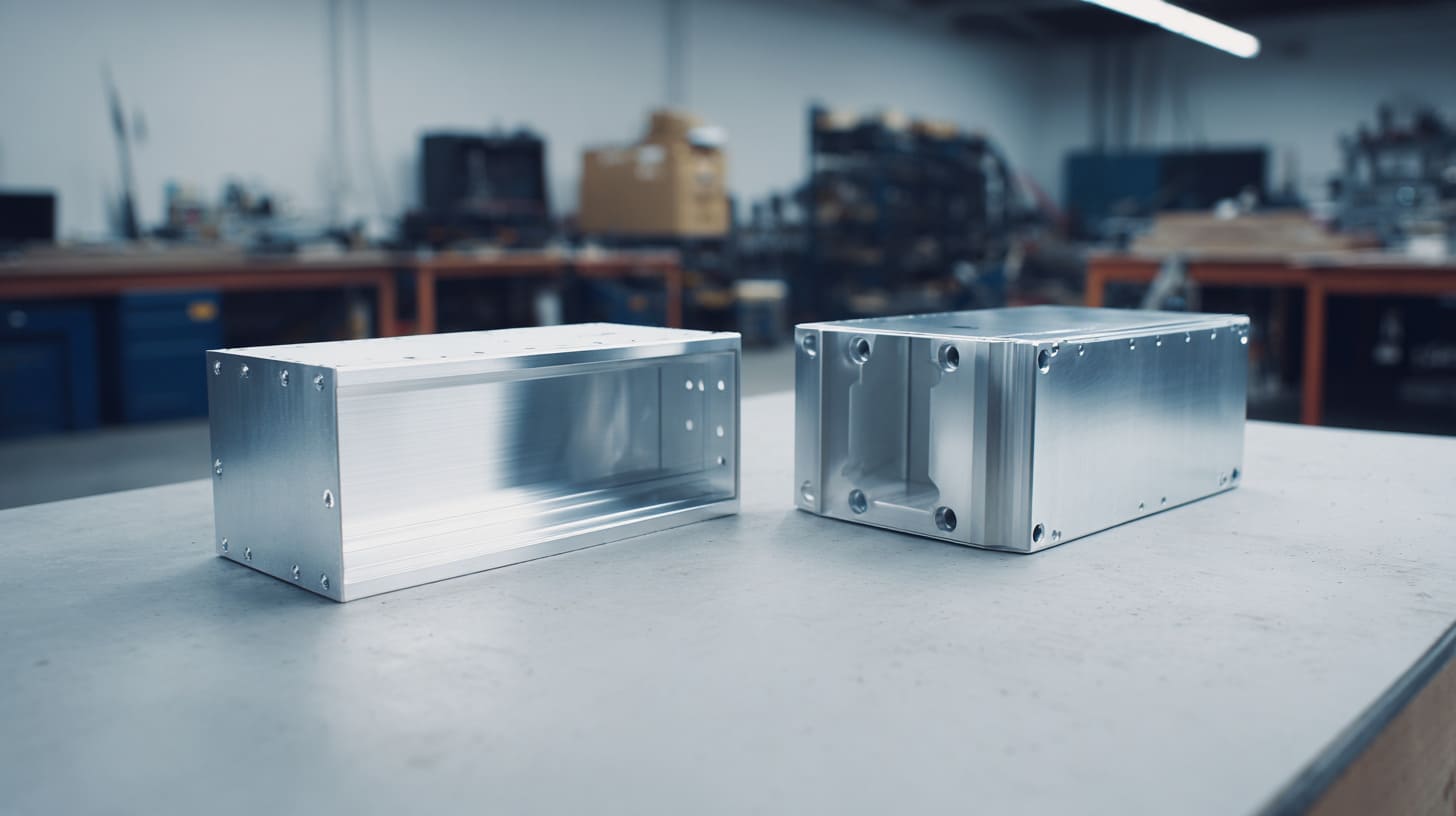
I do not avoid 6061 because I dislike it. I avoid it in sheet metal enclosures because I have watched the same failure modes repeat: tight bends crack, anodizing exposes stress, welding kills temper strength, and cost climbs through scrap and rework. I learned to respect what 6061 is best at, and I stopped forcing it into jobs that are mostly forming.
This is why I think the right question is not “Which alloy is stronger?” The right question is “Which alloy will survive my real process with the least risk?” If the enclosure is a bent shell, I often trust 5052 more. If the enclosure is a machined housing, 6061 can shine. If the project is mixed, hybrid builds can keep both quality and schedule stable.
If you want, you can send me your drawing and your target finish (anodize, powder coat, brushed, or raw). I can tell you where 6061 might bite you, and what I would change before the first prototype. You can reach me at info@maidatech.com, and I will reply with a clear material suggestion and the reasons behind it.
``