Skip to content
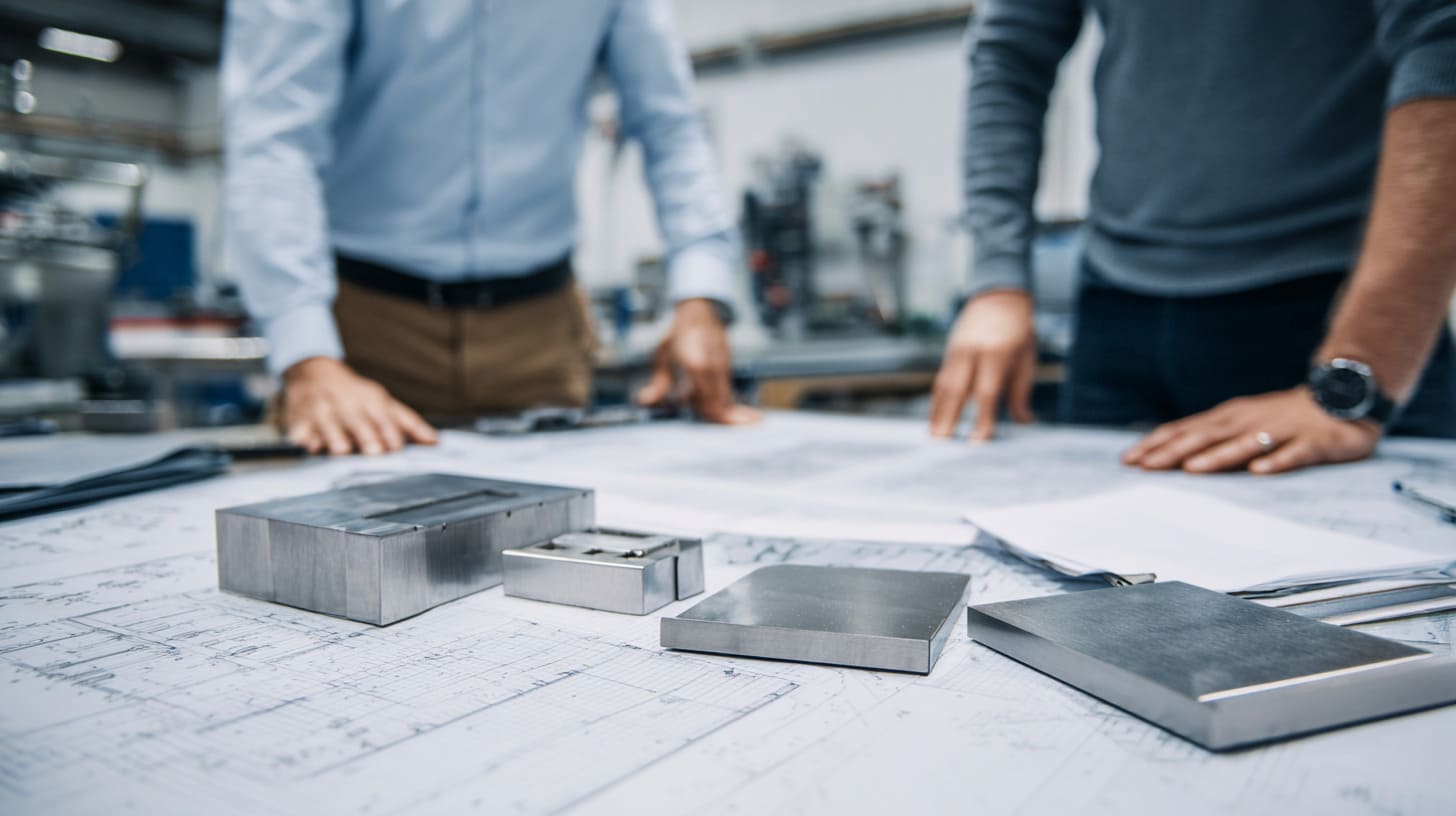
A stainless steel enclosure can look simple on a drawing and still create a surprisingly emotional argument once material choice comes up. I have seen that happen many times. The drawing is clear. The size is fixed. The cutouts are confirmed. Then somebody asks, “Should we use 316 just to be safe?” That one sentence can quietly push the whole project in the wrong direction.
I do not blame buyers for that reaction. Corrosion sounds expensive. Failure sounds embarrassing. A bad material call can hurt a product, delay a launch, and damage trust with end users. So a lot of people reach for the more expensive grade because it feels safer. That feeling is real. The logic behind it is often weak.
I work with buyers who know products well. Some of them are engineers. Some of them are brand owners. Some of them are building a new enclosure around a board that is still changing every week. They are not careless people. Still, I often notice the same pattern: they do not choose 316 because the environment clearly demands it. They choose it because nobody wants to be the person who approved 304 and later got blamed for rust.
That is exactly why I think this topic matters.
The choice between 304 and 316 should not come from fear, habit, or vague caution. It should come from the real working environment. It should come from how the enclosure will be used, cleaned, stored, transported, and exposed over time. If I skip that thinking, I can easily create two bad results at once: a product that costs too much, or a product that fails too early.
The part I care about most is not the steel itself. It is the thinking behind the choice. A good project usually starts getting stronger when the buyer stops asking, “Which one is better?” and starts asking, “What will this enclosure really face?”
I do not treat material choice as a line item. I treat it like a judgment call that affects pricing, durability, sales confidence, and even how smoothly the project moves later.
That question takes us straight to the real technical gap between 304 and 316.
What Is the Real Difference Between 304 and 316 Stainless Steel?
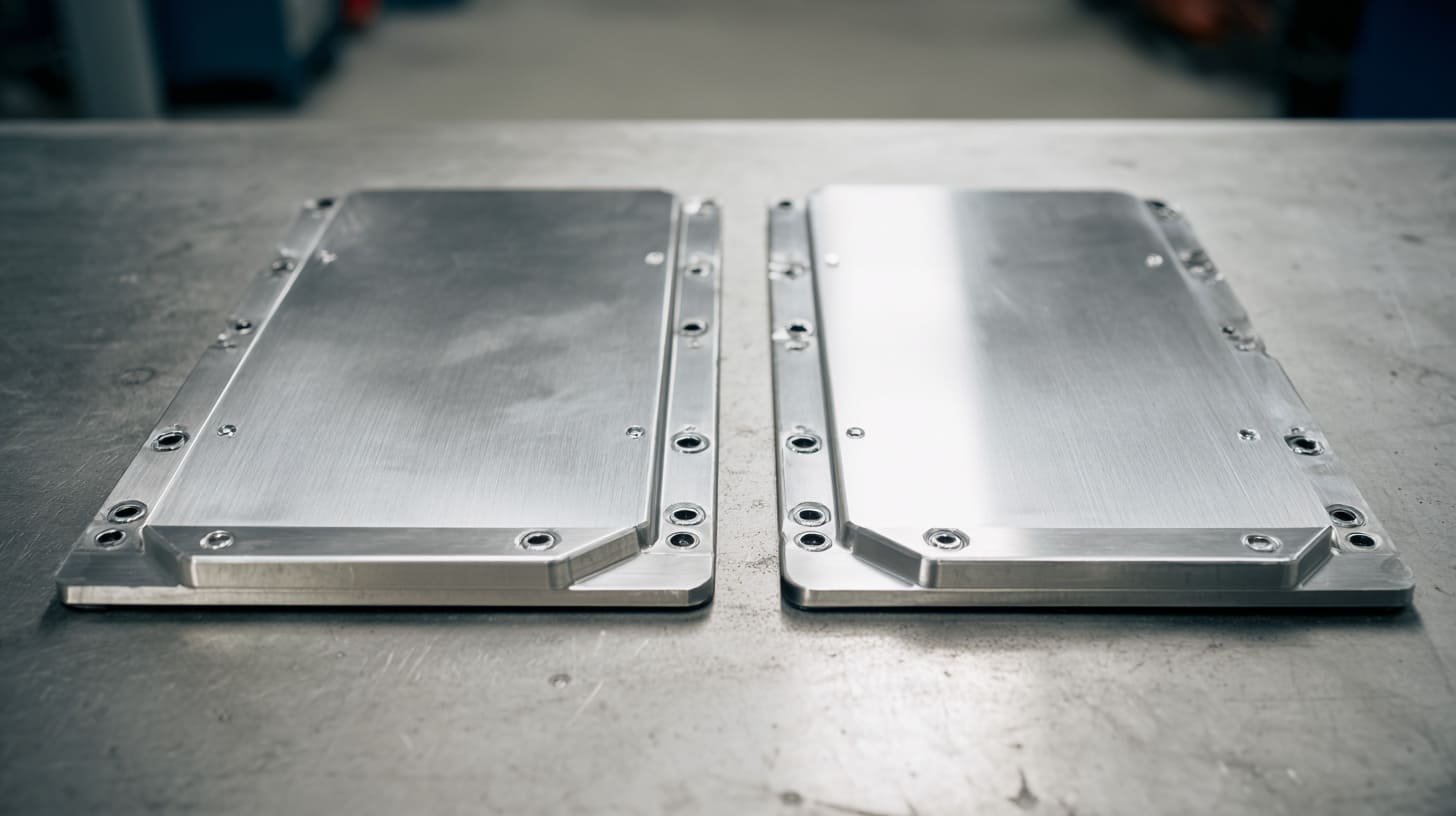
When buyers first compare 304 and 316, the conversation often sounds bigger than the actual difference. One side gets framed as “standard.” The other gets framed as “premium.” That language makes the choice feel dramatic. In real work, I think it is more useful to slow down and look at what actually changes.
One thing I pay close attention to is whether the buyer is reacting to the label or reacting to the exposure, because those are two very different ways to make a material decision.
Chemical Composition and Key Elements
304 and 316 are both austenitic stainless steels. Both are widely used. Both look similar to many buyers. Both can work very well in enclosure projects. The key chemical difference is simple: 316 includes molybdenum, and 304 does not.
That extra element matters because it improves resistance to corrosion, especially in environments with chlorides. Salt is the famous example. That is why marine and washdown discussions often move toward 316 very quickly.
Here is the simple comparison I usually keep in mind:
| Grade | Main Alloy Elements | Key Advantage | Main Weak Point |
|---|---|---|---|
| 304 | Chromium + Nickel | Strong general corrosion resistance and good value | Less resistant to chlorides |
| 316 | Chromium + Nickel + Molybdenum | Better corrosion resistance in salt and harsh chemical settings | Higher cost |
Now, on paper, that seems easy. Add molybdenum, get better corrosion resistance, choose 316. But that is exactly where many people stop too early.
Core Performance Differences
The biggest real-world difference is corrosion resistance in more aggressive environments. That matters a lot near salt water, in chemical plants, in some food processing lines, and in cleaning-heavy spaces where the enclosure keeps meeting harsh agents.
Still, I think people often exaggerate the difference in other areas.
Corrosion Resistance
316 is better when chlorides enter the picture. That part is true, and it matters.
304 still performs very well in many indoor and mild outdoor conditions. I would not treat it like a weak material just because it is not 316.
Strength and Durability
Many buyers assume 316 is stronger in a broad sense. In everyday enclosure work, that is not usually the point that drives the decision. Both grades can provide good structural performance for cabinets, housings, covers, and custom fabricated enclosures.
Cost
This is where the choice starts getting more serious. 316 can cost much more than 304, and that increase does not stay trapped in the raw material line. It can affect the whole quote, the margin, the resale price, and the buyer’s ability to compete in their own market.
| Factor | 304 | 316 |
|---|---|---|
| General indoor use | Very suitable | Usually more than needed |
| Coastal exposure | Riskier | Safer choice |
| Chemical cleaning exposure | Depends on cleaner | Often better |
| Material cost | Lower | Higher |
| Price pressure projects | Better fit | Can hurt competitiveness |
Why These Differences Matter in Real Projects
This is where I think the issue becomes practical instead of academic.
A buyer may send me a drawing for an enclosure used in a dry indoor control room. No salt. No washdown. No harsh chemical cleaning. No outdoor weather. In that case, the extra cost of 316 may add almost no real value. The part may still work beautifully, but the project pays for performance it never actually uses.
I have seen this happen with OEM enclosure buyers who are already fighting cost pressure from every angle. The board cost rises. The packaging cost rises. Freight becomes unstable. Then material choice quietly adds more cost again. Nobody notices at first, because “316 sounds safer.” But later the buyer starts asking why margins are so tight.
That is where I usually get very direct: if the environment is mild, over-specifying the steel is not caution. It is waste.
A small alloy difference can create a big business difference. That is why I never like vague answers here.
Once buyers understand the real material gap, the next question usually becomes even more human: why do so many smart people still lean toward 316 when they do not need it?
Why Do Buyers Often Choose 316 Out of Fear?

I think fear is underrated in engineering decisions. People talk about data, specs, and standards, and yes, those matter. But I have sat in enough project conversations to know that emotion often sneaks in through the back door. Material choice is one of those places where it happens all the time.
What often makes me pause is not the request for 316 itself, but the silence around why the buyer wants it.
Psychological Factors in Material Selection
A buyer does not always say, “I am scared this may fail.” Usually the language is softer.
They say things like:
- “We want to be safe.”
- “Maybe better to upgrade.”
- “We do not want future complaints.”
- “Let’s not take any risk.”
That sounds reasonable. Sometimes it is reasonable. But sometimes it is just fear wearing a polite shirt.
I understand why. Corrosion sounds ugly. It can make a product look cheap. It can lead to warranty issues. It can hurt a new brand badly. For a company owner or engineer, the fear is not just technical failure. It is reputation failure.
I have worked with buyers who would rather overpay than feel exposed. In emotional terms, 316 becomes a kind of insurance blanket. The problem is that not every blanket is needed, and some of them are expensive.
Common Misconceptions
A lot of 316 decisions grow out of simple misunderstandings.
“316 is always better”
I do not agree with that sentence as a working rule.
316 is better for certain environments. It is not automatically better for every project. If a project does not face the kind of corrosion risk that 316 is built to resist, then “better” becomes an empty word.
“Higher price means higher reliability”
This idea creates a lot of bad purchasing decisions. Price can reflect extra capability. That does not mean the project needs that capability.
I sometimes explain it like this: buying 316 for a dry indoor enclosure is a bit like buying heavy snow tires for a car that never leaves warm roads. The product is not bad. The match is bad.
Here is the thinking gap I see again and again:
| Buyer Assumption | What I Think Instead |
|---|---|
| 316 is the premium choice, so it must be safer | It is only safer if the environment creates the right kind of corrosion risk |
| 304 is the “cheap” option | 304 is often the correct option |
| More expensive steel reduces all failure risk | It only reduces specific risk |
| Upgrading material always adds value | Sometimes it only adds cost |
Real-World Consequences of Over-Specification
The damage from over-specifying material is not dramatic at first. That is why it gets overlooked.
It shows up in quieter ways:
- Higher unit cost
- Harder pricing in the buyer’s market
- Lower margin
- Less flexibility for packaging, branding, or accessories
- Slower approval because cost discussions drag on
I once saw a buyer push hard for 316 on a mild-use enclosure that was meant for indoor electronics. Later, the same buyer tried to reduce cost by removing a useful surface treatment detail and simplifying packaging too aggressively. That always feels backwards to me. The project paid extra for a material advantage it did not need, then started cutting corners in places the end user would actually notice.
That is why I do not think fear is harmless in material selection. Fear often spends money in the wrong place.
Once that becomes clear, the next step is obvious: stop guessing and study the environment itself.
What Environmental Factors Actually Matter?
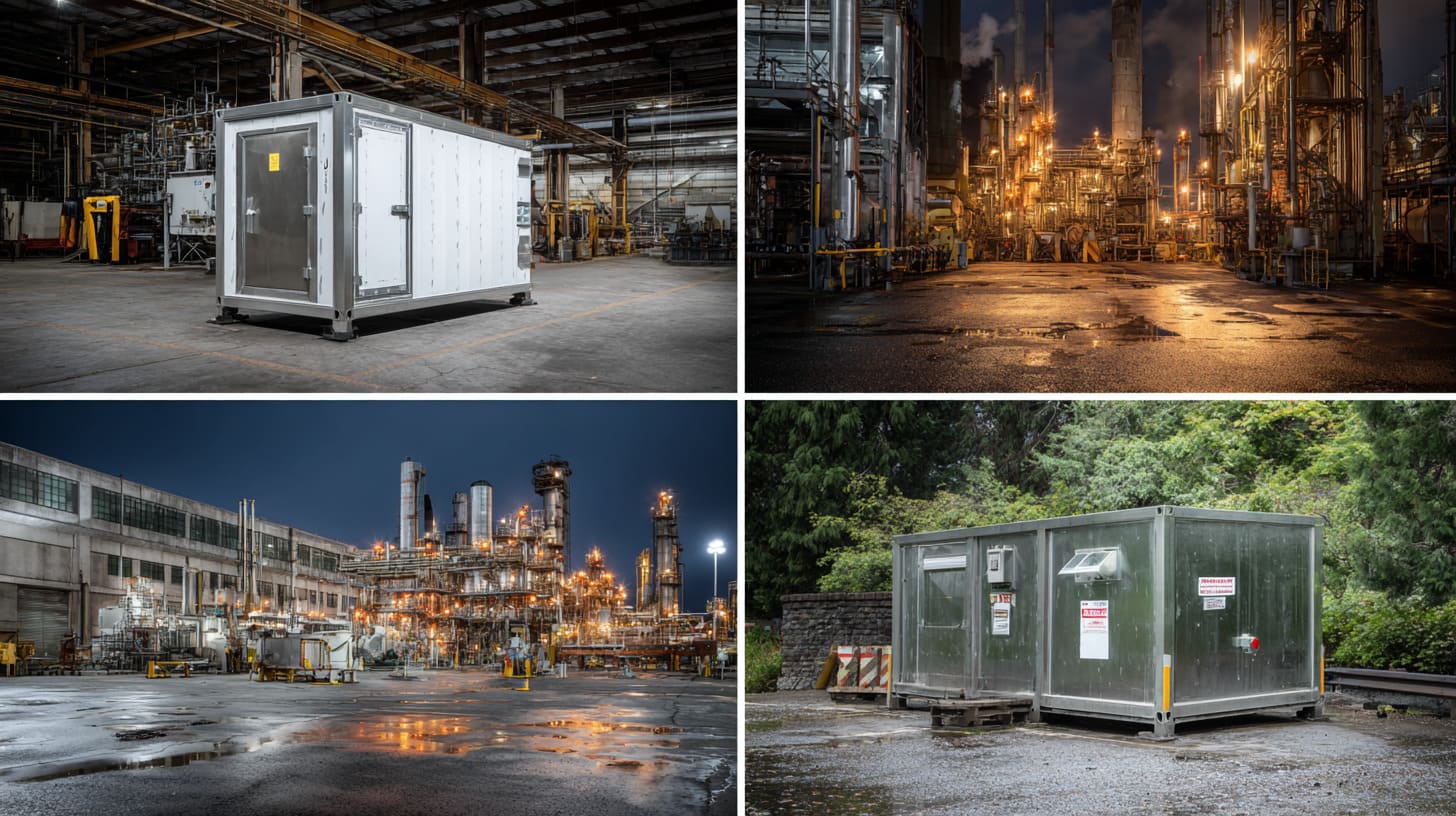
This is the part I trust the most. Environments do not care about assumptions. They do not care about what grade sounds impressive in a meeting. They simply expose the product to real conditions, day after day, and the material responds.
I do not start with the alloy name. I start with the place where the enclosure will live, because that place usually tells me more truth than the drawing does.
Indoor vs Outdoor Conditions
A lot of bad material calls begin with a very broad description. Someone says “industrial use” or “commercial use,” and that sounds helpful. It usually is not enough.
Indoor and outdoor conditions are already a major split.
Dry Indoor Environments
Many indoor environments are mild. That includes:
- Office installations
- Control panels in clean workshops
- Electronics housings in protected areas
- Retail equipment enclosures
- Indoor automation boxes
In those settings, 304 is often a very sensible choice.
Outdoor Exposure
Once the enclosure goes outdoors, the risk changes. Rain, humidity, pollution, temperature swings, and surface contamination start to matter more. That still does not mean 316 is always required, but it does mean I look harder at exposure details.
| Condition | Material Pressure Level | My Usual Reaction |
|---|---|---|
| Clean, dry indoor use | Low | 304 often makes sense |
| General outdoor use, non-coastal | Medium | Review details carefully |
| Coastal outdoor use | High | 316 becomes much more attractive |
| Outdoor with poor maintenance | High | I get more cautious |
Presence of Chlorides and Salt
This is one of the biggest turning points in the whole discussion.
Salt is not just a “marine industry” issue. Chlorides can appear in more places than buyers expect:
- Coastal air
- Seaside buildings
- Road salt near transport infrastructure
- Cleaning agents
- Some process environments
A product does not need to be sitting on a boat to suffer from chloride exposure.
I have seen buyers say, “It is not a marine project,” while the enclosure is still going to be installed near the coast where salt mist stays in the air. That is exactly the kind of detail that changes my recommendation.
Marine and Coastal Areas
If an enclosure will face regular salty air, direct sea spray, or a seaside industrial setting, I take that seriously. This is where 316 usually earns its price.
Road Salt and Urban Exposure
In colder regions, road salt can create its own corrosion risk. This gets missed because the project is not labeled “marine,” so the buyer assumes the danger is low.
Chemical Exposure
Chemical contact can be obvious or hidden.
Some projects sit in plants with known chemical handling. That is easy to flag. Other projects are more subtle. The enclosure itself may not touch chemicals directly, but it may be cleaned with aggressive agents every week. Over time, that matters.
This is one place where drawings almost never tell the full story.
Cleaning Agents
Food equipment, medical spaces, and sanitary production lines often involve repeated cleaning. That cleaning routine can matter more than the base room condition.
Industrial Chemicals
Acids, alkaline cleaners, and process chemicals can all shift the corrosion risk. I do not treat “indoor use” as safe by default if the chemical side is real.
Temperature and Humidity Levels
Humidity is easy to underestimate because it feels less dramatic than salt or chemicals. I still pay attention to it.
A humid environment can speed up corrosion, especially when combined with poor ventilation, dirt, or chemical residues. Heat can make the whole situation worse by helping reactions happen faster.
| Environmental Factor | Why It Matters | What I Think About |
|---|---|---|
| Humidity | Helps corrosion develop over time | Is moisture constant or occasional? |
| Heat | Can speed reactions | Is the enclosure near equipment or process heat? |
| Cleaning frequency | Repeated exposure adds stress | What chemicals are used and how often? |
| Salt presence | Major risk for stainless choice | Airborne, splash, or residue? |
The moment I finish checking the environment, the material choice usually gets much clearer. And in many cases, that clarity points straight back to 304.
When Should You Choose 304 Stainless Steel?
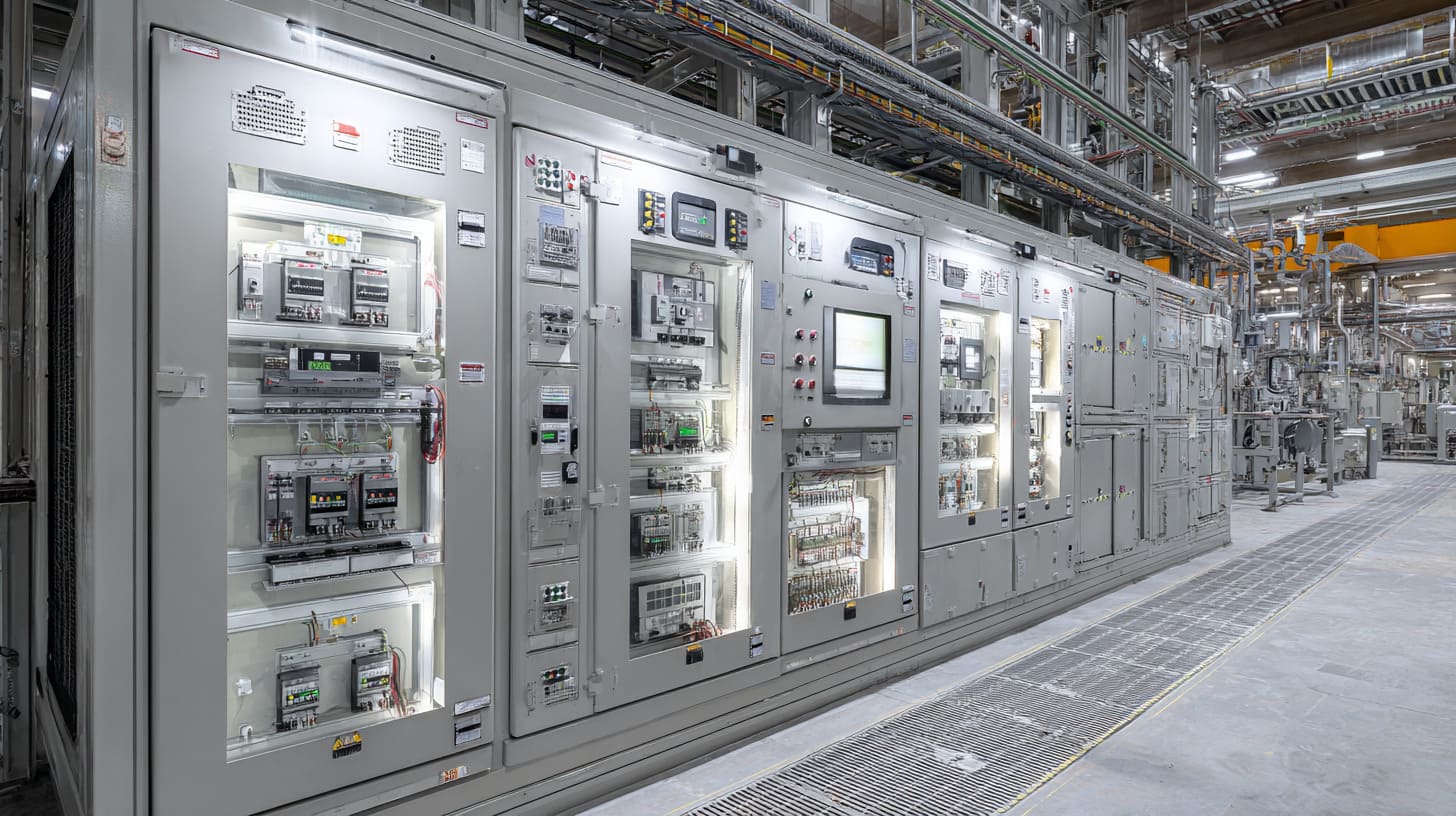
I think 304 sometimes gets treated unfairly in material discussions. It gets framed as the lower-tier option, the compromise option, or the “budget” option. I do not see it that way. In the right environment, 304 is not a compromise at all. It is simply the correct choice.
The mistake I try to avoid is confusing restraint with weakness, because smart cost control often looks modest at first.
Ideal Use Cases for 304
304 works very well in many standard enclosure applications. That includes projects where corrosion risk is present in a general sense but not aggressive enough to justify 316.
Common good-fit examples include:
- Indoor control cabinets
- Equipment enclosures in dry factories
- Retail or office-installed metal housings
- Consumer electronics housings
- General industrial covers in protected spaces
- Instrument cases away from salt and harsh chemical exposure
I like 304 when the project has to balance decent corrosion resistance, clean appearance, and cost discipline.
Cost-Performance Balance
This is where 304 often wins quietly.
A lot of buyers do not need the highest possible corrosion resistance. They need enough corrosion resistance for the actual environment, plus a price that still allows the final product to compete.
That is a different mindset. It is more commercial. It is also more honest.
Why 304 Often Makes Business Sense
| Benefit | Why It Matters |
|---|---|
| Lower raw material cost | Helps protect margin |
| Good processing familiarity | Easier for many manufacturers to handle routinely |
| Strong general corrosion resistance | Enough for many indoor and mild-use settings |
| Better fit for price-sensitive OEM work | Keeps the product commercially viable |
I have worked on many custom enclosure projects where 304 allowed the buyer to keep useful details in the product. Better branding finish. Better packaging. Better accessory quality. Better margin. That matters.
Example Scenarios
Let me make this more concrete.
Scenario 1: Electrical Control Box in a Dry Factory
The box is installed indoors. No washdown. No chloride-heavy cleaning. No coastal air. No chemical splashing. In that case, I would feel very comfortable reviewing 304 first.
Scenario 2: Branded Electronics Enclosure for Indoor Use
A buyer wants a stainless enclosure for image, durability, and surface appearance. The product will be used indoors in controlled spaces. Again, 304 is often the practical answer.
Scenario 3: OEM Housing With Tight Cost Targets
The buyer wants custom cutouts, logo work, and a stable price. The environment is mild. Here, 304 may protect both product quality and project viability.
| Scenario | My Likely Direction |
|---|---|
| Indoor control panel | 304 |
| Indoor electronics enclosure | 304 |
| Protected industrial cabinet | 304 |
| Coastal installation | Review 316 seriously |
| Chemical washdown area | Review 316 seriously |
I do not choose 304 because it is cheaper. I choose it when the environment says the extra cost of 316 is not doing real work.
Of course, there are cases where 304 stops being enough, and that is when 316 becomes more than a cautious upgrade. It becomes a real requirement.
When Is 316 Stainless Steel Truly Necessary?
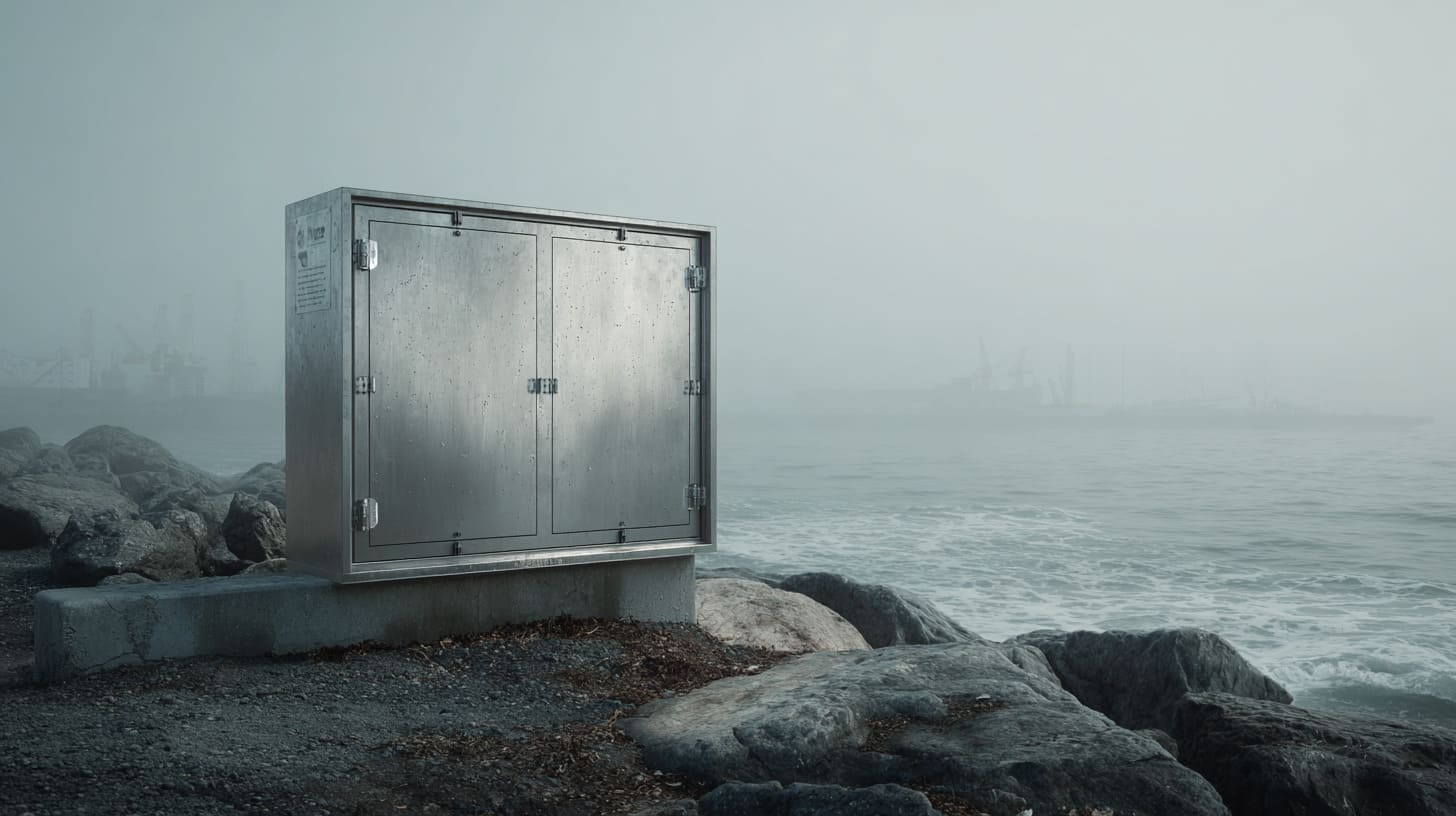
This is the part where I like to be very fair to 316. I do not push back against it just to save money. That would be a bad habit too. There are environments where 316 is the more responsible choice, and I think pretending otherwise is just another kind of mistake.
My own warning sign is simple: once the enclosure will face repeated chloride or chemical stress, I stop trying to squeeze value out of 304.
High-Risk Environments
Some environments are naturally harder on stainless steel. In those cases, the extra corrosion resistance of 316 is not a luxury. It is part of risk control.
Marine and Coastal Applications
This is the classic example because it deserves to be. Salt air, spray, and residue can slowly attack materials in ways buyers underestimate.
I get cautious quickly when the enclosure will be used in:
- Harbors
- Coastal factories
- Seaside buildings
- Marine support equipment
- Offshore-adjacent installations
Chemical Processing Plants
Chemical settings can punish materials over time, especially when exposure is repeated and cleaning is aggressive. Here, the better corrosion resistance of 316 can make the product more stable over its working life.
Chloride-Heavy Conditions
This is the heart of the 316 case.
Not all corrosion risk looks dramatic. Sometimes it is just repeated low-level exposure that keeps building up over time.
Salt Spray Exposure
Salt spray is one of those details that ruins lazy material selection. Even when direct contact seems limited, airborne salt can still matter.
Food and Pharmaceutical Cleaning Processes
Many buyers forget to think about the cleaning cycle instead of only the operating cycle. A room may look clean and controlled, but if the enclosure is cleaned often with chloride-containing agents or harsh sanitizing chemicals, the material demand rises.
| Condition | Why 316 Helps |
|---|---|
| Coastal salty air | Better resistance to chloride attack |
| Salt spray contact | More stable long-term surface performance |
| Frequent harsh cleaning | Better fit for repeated chemical stress |
| Demanding hygiene environments | More protection over time |
Long-Term Durability Requirements
The harsher the environment and the longer the expected service life, the more reasonable 316 becomes.
If a buyer tells me:
- the product must last many years,
- maintenance access is poor,
- replacement is expensive,
- corrosion would damage brand trust,
then I become much more open to 316.
I do not only ask, “Can 304 survive?” I also ask, “What is the cost of being wrong?”
That question changes the tone of the whole decision.
Situations Where I Lean Hard Toward 316
| Project Type | Why I Lean Toward 316 |
|---|---|
| Coastal outdoor enclosure | Salt risk is too real |
| Washdown food equipment housing | Repeated cleaning exposure |
| Pharma process environment | Cleaners and strict durability needs |
| Marine-adjacent electronics housing | Long-term corrosion pressure |
| Hard-to-replace installed unit | Failure cost is high |
When 316 is truly needed, I do not see it as expensive. I see it as correctly priced protection.
Still, the best decisions usually come from a process, not a guess. That is why I like to evaluate the environment in a clear order.
How to Evaluate Your Project Environment Step by Step
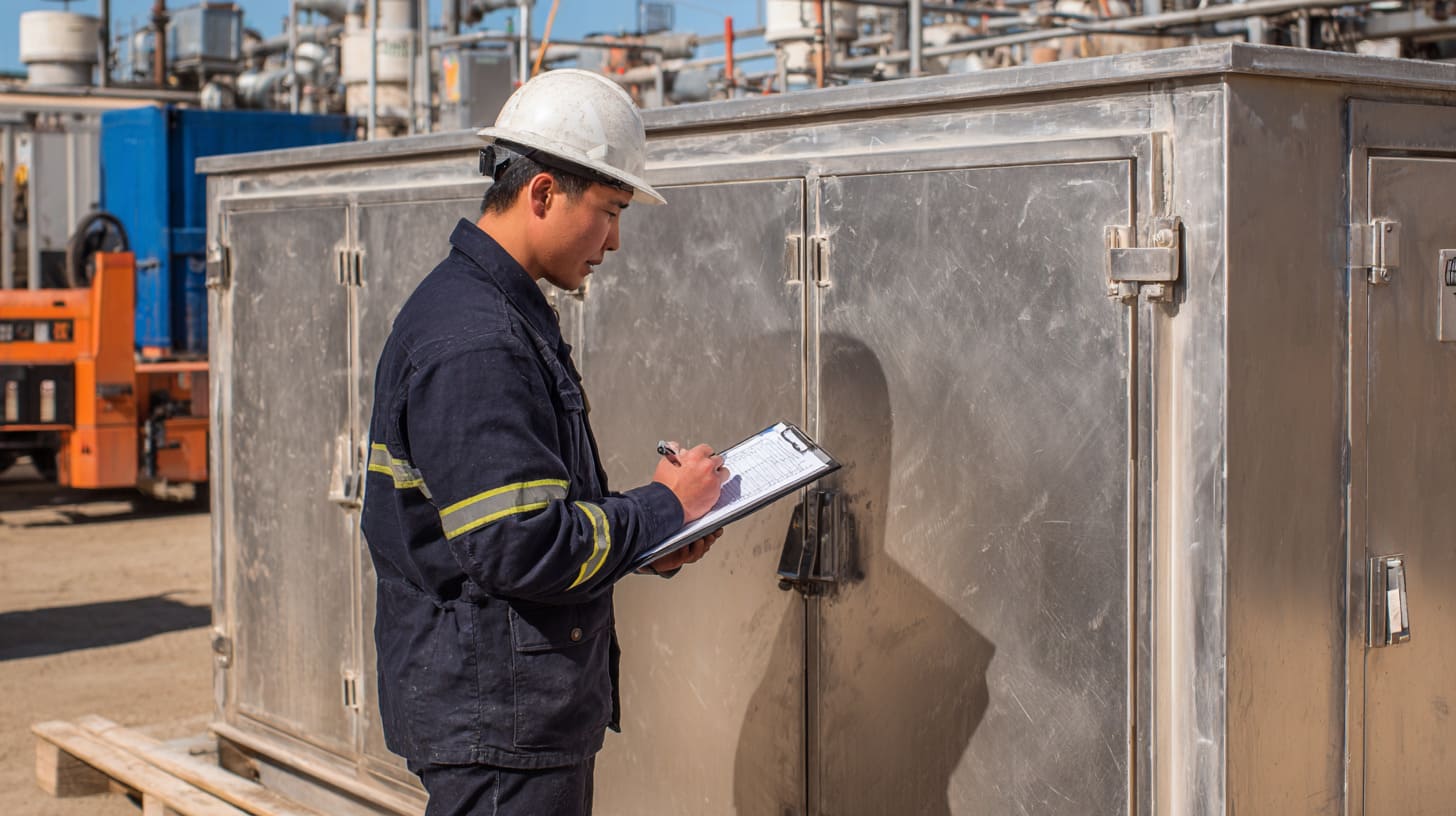
I do not like making this decision from one email and one material request. That is how people end up buying confidence instead of buying fit. Over time, I built a simple way to think through it. It is not fancy. It just helps me ask better questions before the quote becomes locked.
A small detail I never ignore is whether the enclosure is living in a controlled environment on paper but a messy one in daily use, because reality often beats specification sheets.
Step 1: Identify Exposure Conditions
I start with the basic setting.
Questions I Ask First
- Is the enclosure indoor or outdoor?
- Is it in a dry room or a humid one?
- Will it face rain, condensation, or spray?
- Is it near the coast?
- Is it close to machines that generate heat or moisture?
This first layer already removes a lot of confusion.
| First Check | Why I Ask |
|---|---|
| Indoor or outdoor | Exposure level changes fast here |
| Direct or indirect exposure | Splash and contact matter |
| Stable or changing climate | Fluctuation affects moisture and corrosion |
| Clean or dirty environment | Residue can make corrosion worse |
Step 2: Analyze Corrosion Risks
After the broad setting, I get more specific.
Corrosion Risk Questions
- Is there salt in the air?
- Are there chloride cleaners?
- Are chemicals used nearby?
- Does the enclosure get wiped down often?
- Can residue stay on the surface?
A lot of projects sound safe until these questions show up.
Step 3: Define Product Lifespan Expectations
The expected life of the enclosure matters more than many buyers admit.
If a product only needs to perform in a mild-use setting for a shorter cycle, 304 may be fine. If it must last for many years in a rough environment with low maintenance, I become stricter.
Things I Consider
- How many years should it last?
- How easy is replacement?
- Will end users maintain it well?
- Will appearance matter as much as function?
| Lifespan Factor | Why It Changes the Decision |
|---|---|
| Short service cycle | Less pressure to overbuild |
| Long service cycle | Greater need for durable resistance |
| Easy replacement | Lowers risk of choosing 304 in some cases |
| Hard replacement | Pushes me toward safer material choices |
Step 4: Balance Cost vs Risk
This is the point where I try to be brutally honest.
If 316 costs more, what exact risk is it reducing? If I cannot answer that clearly, the upgrade may be weak. If I can answer it clearly, then the extra spend may be smart.
I usually reduce the whole decision to this table:
| Question | If Answer Is “Yes” | What It Suggests |
|---|---|---|
| Is chloride exposure real? | Yes | 316 becomes stronger |
| Is the setting mild and protected? | Yes | 304 may be enough |
| Is replacement costly or difficult? | Yes | 316 gains value |
| Is price pressure high? | Yes | Avoid unnecessary over-specification |
| Is appearance over time critical? | Yes | Review exposure more carefully |
That process is simple on purpose. I do not think material decisions improve when the language becomes complicated. They improve when the questions become honest.
And once cost enters the room, the decision gets even sharper.
Cost Comparison: Is 316 Worth the Extra Investment?

I have noticed something interesting about stainless steel cost discussions. Buyers usually ask whether 316 costs more. They ask that quickly. What they do not always ask is whether the extra money is producing useful protection or just emotional comfort.
The point where I slow the conversation down is when a buyer treats material cost as isolated, because that extra number usually spreads through the whole project.
Material Cost Differences
In many cases, 316 is roughly 20% to 40% more expensive than 304 in raw material terms. Sometimes the gap shifts with market conditions, but the important point stays the same: 316 is not a tiny upgrade.
Even a moderate percentage increase can matter once the enclosure is large, thick, or part of a bigger assembly.
| Cost Area | 304 | 316 |
|---|---|---|
| Raw material cost | Lower | Higher |
| Quote competitiveness | Better for price-sensitive jobs | Harder in some markets |
| Margin pressure | Lower | Higher |
| Justification need | Easier | Must be clearer |
Total Project Impact
The steel price is only the beginning.
Once the material cost rises, the buyer may start adjusting other things:
- reducing order quantity,
- simplifying packaging,
- lowering accessory quality,
- delaying approval,
- pushing harder on supplier pricing.
I have seen projects where the buyer chose 316, then became so sensitive about total cost that every other discussion turned tense. That creates friction. It slows the project. It also damages trust between buyer and supplier.
ROI Perspective
The right question is not, “Can I afford 316?” The better question is, “What does 316 protect me from in this project?”
If the answer is clear and important, then the extra spend may be wise.
If the answer is vague, then the extra spend may just weaken the business case.
When 316 Usually Feels Worth It to Me
- Coastal exposure is real
- Harsh cleaning is frequent
- Replacement cost is high
- Failure would damage a premium product badly
- Maintenance access is poor
When 316 Usually Feels Weak to Me
- Dry indoor use
- General protected environments
- No meaningful chloride exposure
- Heavy cost pressure
- Shorter or moderate service expectations
| Situation | My View on 316 Cost |
|---|---|
| Dry indoor enclosure | Usually not worth it |
| Coastal installation | Often worth it |
| Harsh washdown area | Often worth it |
| General OEM electronics case | Often excessive |
| Hard-to-service remote install | Can be worth it |
Money has a way of exposing weak thinking. That is why I think cost review is healthy. It forces the team to explain what risk they are actually buying against.
And when teams skip that thinking, the same few mistakes tend to appear again.
Common Mistakes Engineers and Buyers Make
I do not say this to criticize buyers. I say it because I have watched the same patterns repeat in project after project. Smart people can still make weak material decisions, especially when the deadline is tight and nobody wants to argue over a steel grade.
The moment I get uneasy is when the material is chosen before the environment is described, because that usually means the decision is running on habit.
Choosing Based on Habit Instead of Data
Some teams always choose 316 when they see stainless steel. Other teams always choose 304 because that is what they used last time. Both habits can fail.
A previous project does not automatically match the next one.
Why Habit Is Dangerous
- The use case may change
- Cleaning conditions may change
- The install location may change
- The service life target may change
- The buyer’s cost pressure may change
Ignoring Environmental Details
This happens a lot when the project description is too broad.
A buyer may say “industrial application,” but that tells me very little. Is it indoor? Outdoor? Humid? Near salt? Cleaned daily? Near chemicals? Those details matter more than the category label.
I have seen an enclosure described as “indoor safe,” only to learn later that it sat near a process area with regular chemical cleaning. That changes the story fast.
| Missed Detail | Why It Causes Trouble |
|---|---|
| Coastal location not mentioned | Salt risk gets underestimated |
| Cleaning chemicals ignored | Corrosion risk gets hidden |
| Humidity not discussed | Long-term exposure is misread |
| Maintenance reality skipped | Lifespan judgment becomes too optimistic |
Lack of Communication With Suppliers
This one frustrates me because it is so avoidable.
A good supplier can often spot risk early, but only if the buyer shares the real application details. If the buyer sends only a drawing and asks for a quote by material name, the conversation stays shallow.
I prefer when buyers tell me:
- where the enclosure will be used,
- how it will be cleaned,
- how long it should last,
- what cost pressure exists,
- what failure would mean for them.
That gives me something real to think with.
A project usually gets safer when the buyer shares more context, not when they hide uncertainty behind a more expensive material choice.
Once that supplier-buyer communication becomes better, the steel decision gets easier, and that is where a manufacturer like MaidaTech can be genuinely useful.
How Suppliers Like MaidaTech Can Help Optimize Your Choice
I think a supplier should do more than repeat the material name the buyer typed in the email. That may feel efficient for a moment, but it does not always help the project. If I already know the buyer is dealing with price pressure, timeline stress, and technical trade-offs, then I think my job is to help them think more clearly, not just process the order.
I become most useful when I can challenge a weak assumption early, before the wrong material choice turns into a costly habit.
Engineering Support for Material Selection
At MaidaTech, I would rather ask a few practical questions first than rush into a quote that looks clean but solves the wrong problem.
What I Want to Understand
- Where will the enclosure be installed?
- What environment will it face every day?
- Does it face salt, moisture, or chemical cleaning?
- Is the buyer optimizing for cost, life, image, or all three?
- Is there room to improve performance through design, not just material?
That last point matters a lot.
Sometimes buyers focus so hard on 304 versus 316 that they miss other ways to improve durability.
Custom Enclosure Design Based on Environment
Material is only one part of enclosure survival.
I also think about:
- sealing strategy,
- drainage,
- surface finish,
- edge design,
- mounting position,
- ventilation path,
- coating options where suitable.
A weak design will not become wise just because it uses a more expensive steel.
| Design Factor | Why It Matters |
|---|---|
| Mounting orientation | Can reduce water retention |
| Surface finish | Affects appearance and maintenance |
| Seal design | Helps protect internal components |
| Structural details | Can reduce long-term failure points |
| Material choice | Must match real exposure |
Faster Decision Making With Expert Input
Buyers like Davide and John usually do not want theory for its own sake. They want a decision they can trust. They want to move faster without feeling careless.
That is where supplier input helps most. Not by pushing the highest grade. Not by saying yes to everything. But by narrowing the problem honestly.
I think a good supplier should be able to say:
- “304 is enough here.”
- “316 is worth it here.”
- “You may be solving the wrong risk.”
- “Your environment matters more than your fear.”
- “We can redesign this detail instead of blindly upgrading material.”
That kind of support saves time. It also saves buyers from paying for uncertainty.
And after all of that, the final view I come back to is very simple.
Conclusion
I do not believe the 304 versus 316 question should be treated like a status contest. I do not think one grade wins because it sounds stronger, costs more, or feels safer in a nervous meeting. I think the real answer comes from the environment. That is why I hold this view so firmly.
I have reached this opinion by watching how projects behave in real life, not just on spec sheets. I have seen buyers spend more on 316 and gain almost nothing because the enclosure lived in a mild indoor setting. I have also seen cases where trying to save money with 304 would have been shortsighted because the product faced salt, harsh cleaning, or long-term corrosion pressure. Those experiences shaped how I judge the choice now.
My thinking is simple: I want the material to do a real job, not an emotional job. If 316 is truly protecting the product from a meaningful environmental risk, then I support it. If the environment is mild and controlled, I would rather protect the buyer’s cost, margin, and competitiveness with 304. That is not cheap thinking. That is disciplined thinking.
I also believe buyers deserve more than a fast quote and a vague promise. They deserve a supplier who can look at the project, ask the right questions, and help them avoid both under-specifying and over-specifying. That balance matters. It matters for product life. It matters for project cost. It matters for trust.
If you are reviewing a stainless steel enclosure project now, I suggest one thing first: stop asking which grade sounds better and start checking what the enclosure will really face. That small shift usually leads to a much better decision.
If you want, send me your enclosure drawing, use environment, and expected service condition. I can help you review whether 304 or 316 makes more sense for your project, and I can also suggest a better enclosure design if the environment demands it.