Skip to content

You’d be surprised how often this simple question comes up in my inbox. Engineers, buyers, even designers new to enclosure projects—everyone runs into the same wall.
A 19-inch rack is a standardized frame or enclosure for mounting electronic equipment, commonly used in IT, telecom, and industrial control.
It sounds basic, but the devil is in the dimensions, the mounting rules, and how you build around them. Let’s unpack it in human terms.
What does rack size mean?
Rack size usually refers to width and height, but the real meaning lives in how much gear you can fit—and how cleanly it fits.
Rack size defines both the equipment layout and the structure required to mount it, based on industry standards.

I’ve learned not to just ask “how big is the rack,” but “what are you trying to put inside?” That always changes the answer.
How wide is a 19-inch rack?
The number sounds bigger than it is. And no, it’s not about external width.
A 19-inch rack has rails spaced 19 inches apart center-to-center, allowing standardized equipment to mount securely.

In most cases, the outer frame is closer to 22 inches wide. I’ve seen buyers make mistakes here when designing tight cabinets or walls.
What usually catches people off guard is that the 19-inch label refers to rail spacing, not total external width. That’s a recipe for misfitting parts.

| Term | Measurement |
|---|---|
| Rail spacing | 19 inches |
| Outer width | ~21.9 inches |
| Hole spacing | Standard EIA |
How tall is a 19-inch rack?
Height is measured differently. Instead of inches, we use “rack units” or “U”.
One rack unit (1U) equals 1.75 inches. Rack height is just the number of these units stacked vertically.
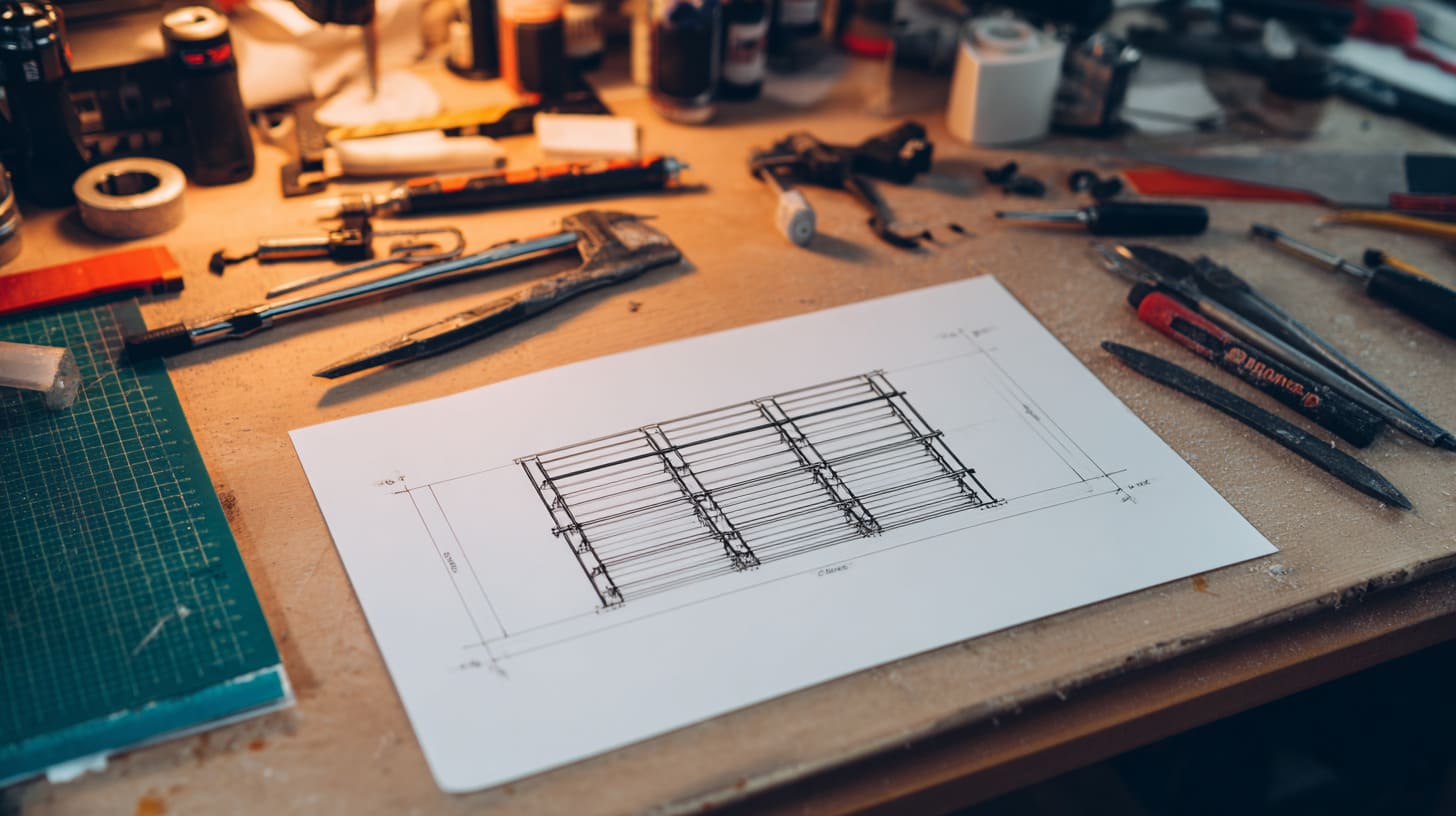
I’ve installed everything from 6U wall mounts to 48U floor-standing beasts. It all depends on how many devices you need and how they breathe.
What I double-check before quoting a rack build is the actual usable height vs. cable space. You lose a few units if you don’t plan for airflow or cable trays.
What is the difference between 10-inch and 19-inch rack?
At a glance, it’s just width. But the implications run deep.
10-inch racks are used for small gear or SOHO setups, while 19-inch racks are for industrial-grade, standardized equipment.

If you’re planning custom aluminum enclosures, 19-inch makes scaling and sourcing easier. 10-inch racks often require boutique fittings.
In my experience, 10-inch racks are rare in B2B projects unless you're working on smart home hubs or small media centers.
Why Is a 19-Inch Rack the Industry Standard?
History, compatibility, and inertia. Standards win because everyone agrees to build around them.
The 19-inch rack standard offers predictable dimensions, easier manufacturing, and cross-compatibility across industries.

I can’t count how many clients saved weeks of lead time just by choosing a 19-inch-compatible case.
One thing I often remind ODM clients: reinventing dimensions adds cost. Standard racks mean faster production and better vendor support.
What Equipment Is Designed to Fit a 19-Inch Rack?
So much more than just servers—this format is everywhere.
You’ll find routers, patch panels, audio gear, switches, industrial controllers, and even some power supplies built for 19-inch racks.

I’ve even helped mount Raspberry Pi enclosures inside 1U sliding trays. It’s all about the brackets.
A trick I use before fabricating anything custom: check if an off-the-shelf shelf or tray can do the job. Saves time and tooling.
What Does “Rack Unit (U)” Mean in a 19-Inch Rack?
It’s the building block of rack design.
“U” stands for “rack unit,” and one U equals 1.75 inches in vertical height.

This measurement defines the stacking height of each device, and manufacturers label their products accordingly (e.g. 1U switch, 2U firewall).
One mistake I often see: assuming 1U = 1 inch. That 0.75 inch missing might mean squeezed cables or blocked vents.
What Are the Common Dimensions of a 19-Inch Rack Cabinet?
You’ll see some patterns in the wild, but they all play with the same variables.
Typical dimensions are 600mm wide, 800–1000mm deep, and between 12U to 48U tall.

That said, depth can vary a lot depending on cable management and airflow design.
| Size (U) | Approx. Height (inches) |
|---|---|
| 6U | 10.5" |
| 12U | 21" |
| 24U | 42" |
| 48U | 84" |
What I measure first—always—is usable depth for connectors. Especially rear ports. That’s where designs go wrong.
What Is the Difference Between a 19-Inch Rack and a Server Cabinet?
They look similar. But the intent is different.
A 19-inch rack refers to the mounting format. A server cabinet is the enclosure—rack-based or not—that houses servers.

Think of a rack as the skeleton and the cabinet as the house. You can have open racks, enclosed cabinets, or hybrid versions.
When I help clients decide, I ask: Do you need security, airflow, or just structural support? That answer guides the form.
Is a 19-Inch Rack Suitable for Custom Aluminum Enclosures?
Absolutely—if you build smart.
Yes, a 19-inch rack format is widely compatible with custom aluminum enclosures, especially with standardized mounting holes.
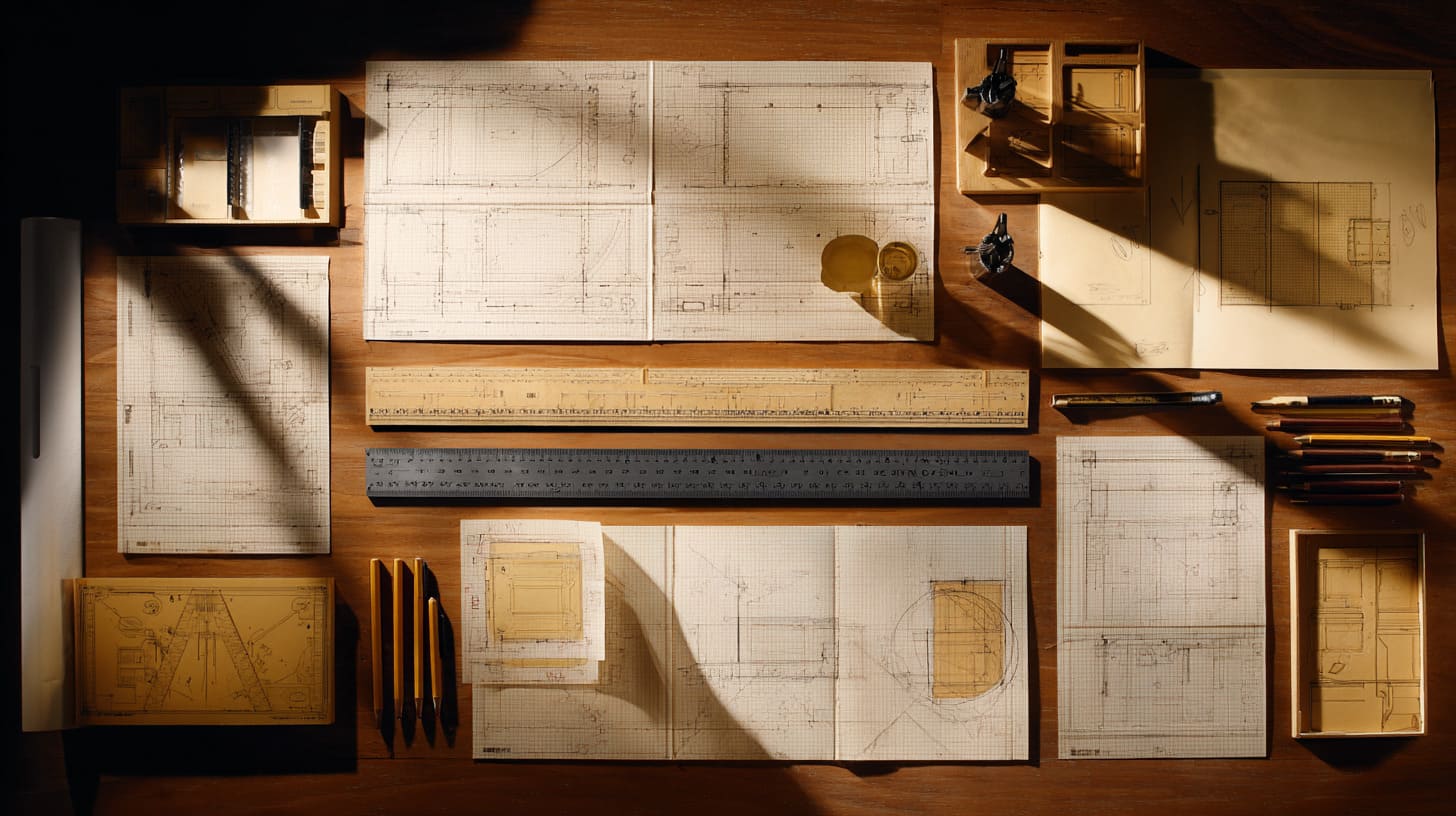
We regularly help OEM clients design faceplates and brackets for 1U, 2U, or even custom U heights.
I always confirm front panel tolerances with the client—0.5mm makes a difference in how well the screw holes align under load.
How Do You Mount Devices in a 19-Inch Rack?
This is where it gets hands-on.
Devices are typically mounted using rack ears or mounting brackets secured to vertical rails with M6 or 10-32 screws.

Slide rails or shelves are added for heavy gear. Cable trays keep everything clean behind.
When mounting, I test for sag by temporarily mounting only one side. If it bends even slightly, I know I’ll need reinforced brackets.
What Industries Commonly Use 19-Inch Racks?
More than you’d expect. Once you start looking, they’re everywhere.
IT, telecom, audio-visual, industrial control, medical labs, and even transport systems rely on 19-inch racks.

I’ve supplied racks for train control rooms and airport security systems. It’s not just servers anymore.
What surprised me most: even aquarium automation companies use 19-inch racks for control systems and sensors.
What Is the Difference Between a 19-Inch Rack and a 23-Inch Rack?
It’s just 4 inches—but it matters.
23-inch racks offer more space for larger equipment, often used in telecom or legacy systems.

However, they are less common and harder to source parts for.
My rule: if you’re designing new, stick to 19-inch. If you’re retrofitting old telco hardware, check if 23-inch is needed.
Can You Customize a 19-Inch Rack Enclosure for OEM or ODM Projects?
This is where things get fun for me.
Yes, 19-inch racks can be fully customized for OEM or ODM projects—including size, materials, color, and mounting features.

At MaidaTech, we’ve helped clients create branded rack cases with silk-screened logos, ventilation cutouts, and custom brackets.
Before customizing, I always ask clients what problem they’re solving. Not just what color they want. That’s where real value begins.
Conclusion
19-inch racks aren't just hardware—they're a system. I’ve worked on enough projects to know that understanding the details here saves days, even weeks, of back-and-forth later.
If you’re designing a custom enclosure, or just figuring out how to mount your next device, start with the rack. Think in U’s. Measure twice. And if you need help, I’m always here.
Ready to design your custom 19-inch enclosure?
Email me at info@maidatech.com or visit maidatechenclosure.com—we make it easy to go from idea to perfect fit.