Skip to content
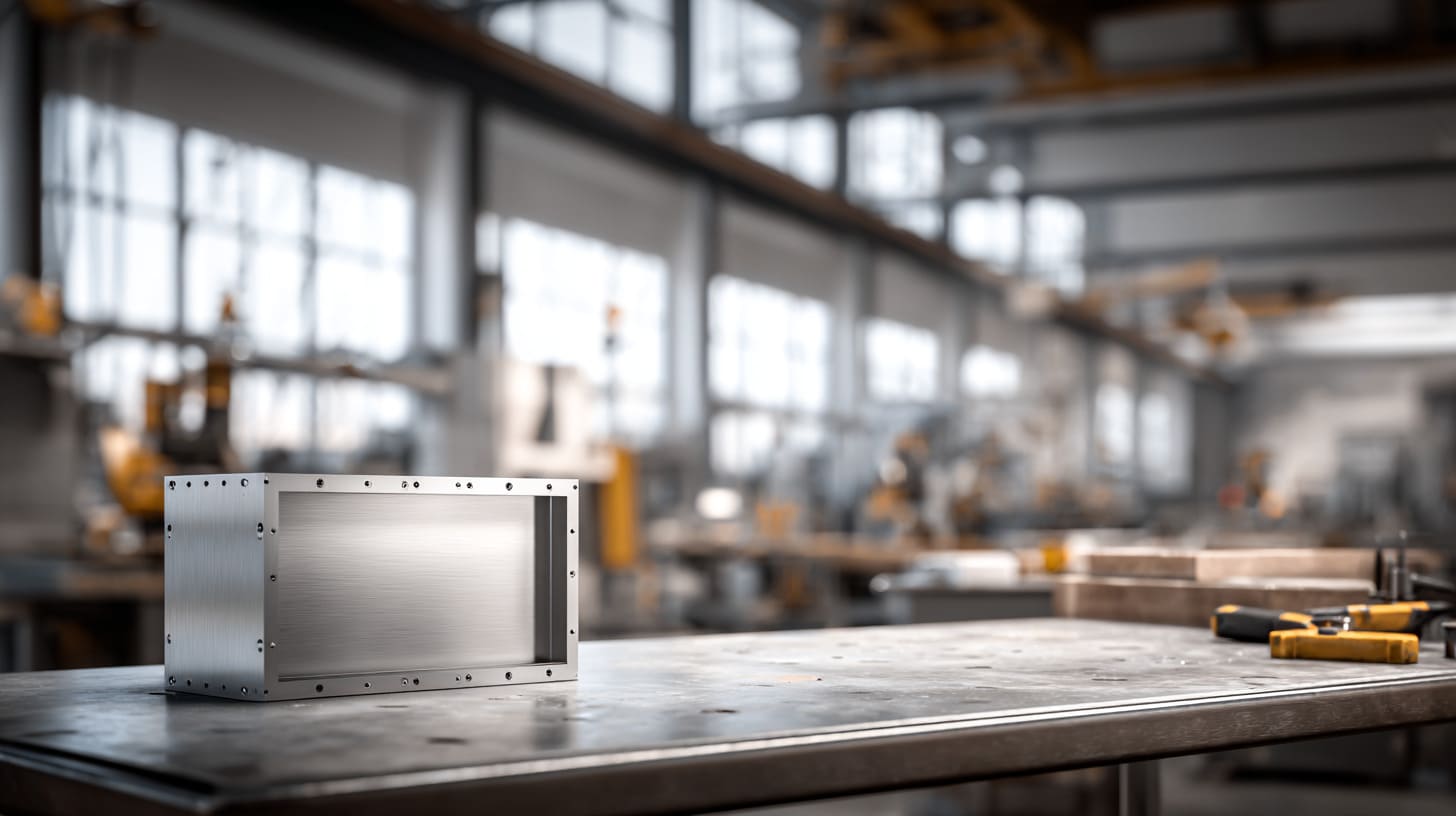
A stainless steel enclosure can look like a simple line item on a quote. Then the questions start. Should it be 304? Should it be 316? Should I pay more now to avoid trouble later? I have had this talk with buyers more times than I can count, and the strange part is this: the more expensive option often makes people feel safer long before anyone checks whether that extra cost solves a real problem.
I have seen this happen with enclosure buyers who were smart, experienced, and careful. One buyer sent me a drawing for a clean indoor control enclosure. Good layout. Good dimensions. Good branding plan. Then he asked for 316 stainless steel because he did not want to “take any risk.” I asked him one simple question: What exactly is the risk here? The enclosure was going into a dry indoor room, away from salt, away from chemicals, and away from washdown cleaning. At that point, 316 was not solving danger. It was solving anxiety.
That is the heart of this topic for me. I do not think 316 is a bad material. Not at all. I think it is a very useful material in the right place. But I also think buyers can waste real money by treating 316 like a magic upgrade. It is not magic. It is a tool. Like any tool, it works well when the job is right, and it does very little when the job is wrong.
I write this from the view of someone who works with custom enclosures, OEM projects, redesign jobs, and buyers who need to balance price, quality, lead time, and real-world use. For readers like Jackson, Davide, or John, this is not just a theory question. It affects quoting, design decisions, product margin, and even customer trust later.
My view is simple: I choose material by environment, not by fear, not by habit, and not by the feeling that higher price must mean higher wisdom.
A lot of confusion starts because the two grades sound close, look close, and are sold with the same confident tone. So before I talk about mistakes, I need to make one thing clear: what 304 and 316 really are, and why people keep mixing them up.
What Are 304 and 316 Stainless Steel?
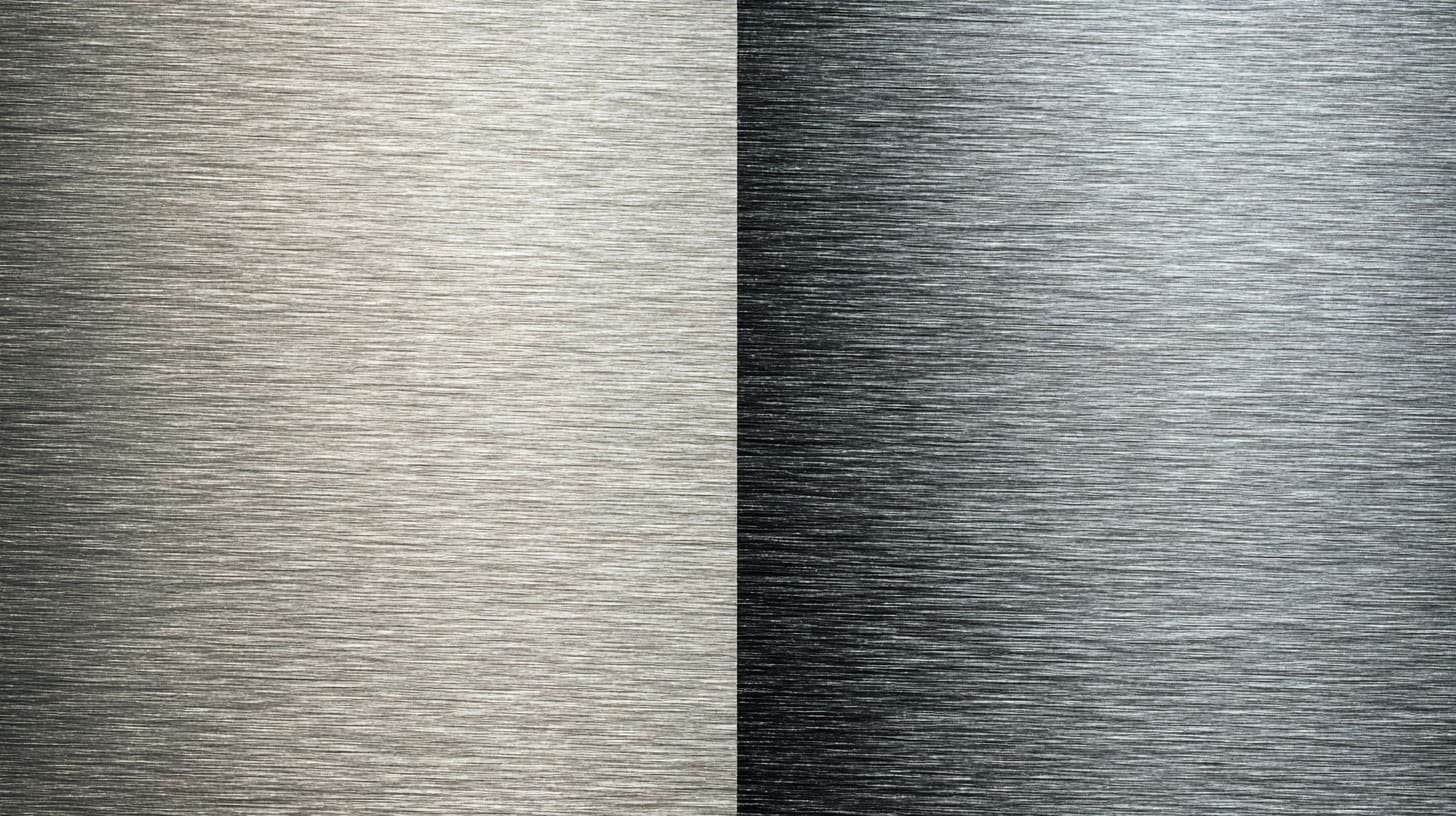
When I talk with buyers about stainless steel, I notice that many people know the names before they know the difference. They have heard that 304 is common. They have heard that 316 is better. That sounds neat on paper. Real work is not that neat.
I do not judge these two grades by the label first. I judge them by what they need to survive, how the enclosure will be used, and whether the project is paying for a real benefit or just a comfortable story.
Chemical Composition Differences
The biggest technical difference is not hard to say, but it matters a lot in the right setting.
- 304 stainless steel usually contains about 18% chromium and 8% nickel
- 316 stainless steel is similar, but it also adds 2–3% molybdenum
- That added molybdenum helps 316 resist pitting and corrosion, especially in chloride-rich places
That small chemistry change is why 316 gets so much attention. Salt, strong cleaners, and harsh industrial exposure can punish metal over time. In that kind of environment, 316 has a real job to do.
Here is a simple comparison table I often keep in mind:
| Property | 304 Stainless Steel | 316 Stainless Steel |
|---|---|---|
| Main alloy traits | Chromium + nickel | Chromium + nickel + molybdenum |
| Corrosion resistance | Very good in normal use | Better in salt and harsh chemical use |
| Cost | Lower | Higher |
| Common use | Indoor, standard industrial, commercial | Marine, washdown, chemical exposure |
| Buyer perception | Standard choice | Premium choice |
Structural and Mechanical Similarities
This is where many buyers get surprised. They expect 316 to beat 304 in every practical way. In many enclosure jobs, that is just not what happens.
Both grades are:
- Strong enough for many enclosure structures
- Good for forming and fabrication
- Good for welding in normal project settings
- Similar in appearance
- Reliable in many non-aggressive environments
If an enclosure sits in a dry factory room, an indoor utility space, or a commercial installation with no salt and no chemical attack, the daily performance gap can be very small. Sometimes it is basically invisible to the end user.
That matters because buyers do not buy chemistry for fun. They buy outcomes. If the outcome is the same, the upgrade needs a better reason.
Why They Are Often Confused
I think the confusion comes from three things:
- They look very similar
- Suppliers often simplify the story too much
- Buyers want a safe answer quickly
I understand that pressure. A buyer wants to avoid complaints. An engineer wants to avoid failure. A product manager wants to avoid blame. So 316 starts to sound like an insurance policy. But material selection is not just about avoiding blame. It is about matching the grade to the actual risk.
I have seen projects where the buyer asked for 316 because a competitor mentioned it, not because the site conditions required it. That is common. It is also expensive.
Here is the short version:
| Question | 304 | 316 |
|---|---|---|
| Is it stainless steel? | Yes | Yes |
| Is it suitable for many enclosures? | Yes | Yes |
| Is it automatically better for every job? | No | No |
| Does it earn its extra cost in harsh environments? | Sometimes not | Often yes |
Once that basic difference is clear, the next question gets more useful: what problem was 316 actually made to solve in the first place?
What Problem Is 316 Actually Designed to Solve?
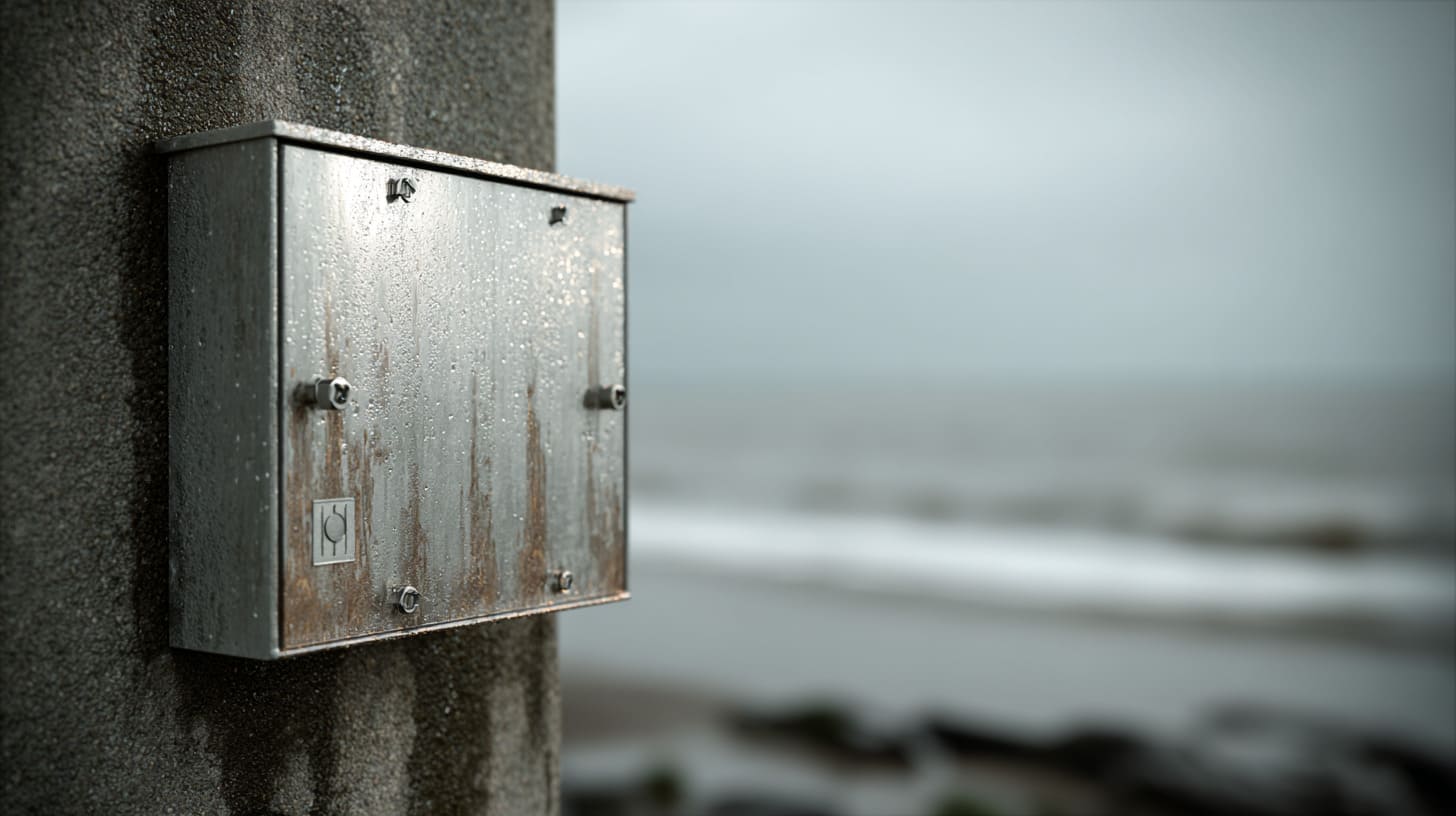
I think this is the section many buyers skip too fast. They jump from “316 costs more” to “316 must protect me better,” but they never pause and ask, protect me from what, exactly? That missing question causes a lot of waste.
The real test for 316 is not whether it sounds premium. The real test is whether the enclosure will face the kind of environment that slowly attacks 304 until the extra alloy starts to matter.
Resistance to Chlorides and Salt
This is the big one. Salt is not dramatic at first. It does not always announce itself like a machine crash or a broken hinge. It works slowly. Quietly. Then one day the surface looks worse than expected, and the buyer starts asking why the enclosure aged so badly.
316 was built to fight that kind of problem better than 304.
Places where this matters include:
- Coastal outdoor sites
- Marine equipment areas
- Ports and docks
- Offshore systems
- Roadside equipment in salty winter areas
- Sites cleaned with chloride-containing solutions
The molybdenum in 316 improves resistance to pitting corrosion, which is one of those ugly little failures that can start small and become a bigger maintenance issue later.
I once reviewed an outdoor enclosure request for a buyer near the coast. He first asked for 304 because he wanted to hold cost down. That was understandable. But the enclosure was going to live in salty air year after year. At that point, saving money at the quote stage would have created a more expensive problem later. That was a case where 316 made sense.
Performance in Chemical and Harsh Industrial Environments
Not every industrial site is the same. I think this gets overlooked all the time. A standard indoor assembly area is not the same as a chemical plant. A normal equipment room is not the same as a food processing washdown zone.
316 becomes more useful when the enclosure faces:
- Frequent chemical cleaning
- Aggressive washdown routines
- Strong moisture plus cleaning agents
- Corrosive vapors
- Harsh production environments that attack metal surfaces over time
Here is a practical comparison:
| Environment | 304 Performance | 316 Performance |
|---|---|---|
| Dry indoor control room | Usually excellent | Usually excellent |
| Coastal outdoor site | Can struggle over time | Better choice |
| Food washdown area | May be at risk | Often safer |
| Chemical exposure zone | Depends on severity | Often more reliable |
| Indoor retail or office use | Fully sufficient | Usually unnecessary |
This is where I stop buyers from using broad words like “industrial.” Industrial is too vague. I need details. Is there washdown? Is there salt? Is there chemical mist? Is there standing moisture? Is the enclosure touched by harsh cleaners every day? Those answers matter more than the word industrial.
Long-Term Corrosion Stability
Some buyers focus too much on how the enclosure looks on day one. I care more about year two, year three, and year five.
316 helps when the enclosure needs to hold its condition under long-term stress from corrosive surroundings. That can reduce:
- Surface damage
- Maintenance needs
- Early replacement
- Customer complaints
- Brand damage from visible corrosion
Still, I do not think long-term stability should be used as a vague excuse. Every buyer wants long-term stability. The question is whether the environment is harsh enough to demand the upgrade.
That is the little trap here. A real advantage can easily turn into an imaginary advantage when people stop checking the site details.
And that leads to the harder truth, the one many suppliers do not say clearly enough: sometimes 316 solves absolutely nothing.
When Does 316 Stainless Steel Solve Nothing?
This is the part I care about most, because this is where buyers lose money while still feeling smart. That combination is dangerous. Nobody likes wasting budget, but it happens all the time when a material upgrade feels responsible even when it changes nothing in real use.
I get skeptical the moment someone asks for 316 “just to be safe” without telling me what the enclosure will face, because that sentence usually hides a missing technical reason.
Indoor and Controlled Environments
If an enclosure lives indoors in a stable, controlled place, 316 often adds cost and very little else.
I am talking about places like:
- Electrical rooms
- Indoor control cabinets
- Clean production areas
- Office or commercial installations
- Equipment housings in dry environments
In those conditions, 304 is usually already doing the job well.
One buyer once wanted 316 for an indoor monitoring system enclosure. No outdoor exposure. No chemical wash. No salt. No special humidity problem. He had simply heard that 316 was “for high-end jobs.” That sounded nice, but nice is not a technical standard.
Dry or Low-Humidity Applications
A lot of electronics and control enclosures sit in places where corrosion is not the main threat. Heat, layout, cable access, sealing, finish, and assembly quality may matter more.
If the environment is dry or only mildly humid, 304 usually performs just as well in practice.
Here is a quick reality check table:
| Application Type | Main Risk | Does 316 Help Much? |
|---|---|---|
| Indoor electronics enclosure | Heat, fit, cable routing | Usually no |
| Indoor control panel housing | Layout, access, finish | Usually no |
| Retail display equipment | Appearance, fabrication | Usually no |
| Server or telecom indoor box | Ventilation, structure | Usually no |
That is why I tell buyers not to confuse material prestige with project value. A higher grade on paper does not always improve the final product in a meaningful way.
Over-Specification in OEM Projects
OEM projects are especially vulnerable to this. A buyer wants to impress their own customer. A project manager wants fewer complaints. A reseller wants to say the enclosure uses a premium material. So 316 gets selected without a clear environmental reason.
That creates a chain reaction:
- Material cost rises
- BOM cost rises
- Quoted price rises
- Margin gets squeezed
- Lead time may get tighter
- The end product may perform no better
I have watched this happen in custom enclosure quoting. A buyer insists on 316. Then later the same buyer starts negotiating hard on price, packaging, machining cost, and shipping. That is the strange part. They spend money where it does not help, then fight over smaller costs that might actually affect the project.
Here are common signs that 316 may be solving nothing:
- The site is indoor and dry
- There is no salt exposure
- There is no chemical washdown
- The enclosure will be powder-coated anyway
- The buyer cannot name the corrosion risk clearly
- The choice is based on image, not use
The funny thing is, 304 often gets treated like the “cheaper compromise,” when in many normal applications it is simply the correct answer. So it makes sense to ask a better follow-up: where does 304 actually perform just as well?
Where Does 304 Stainless Steel Perform Just As Well?
I think 304 sometimes suffers from a branding problem. It is common, so people assume it is ordinary. It is lower cost than 316, so people assume it is weaker in every meaningful way. That is not how I see it. I see 304 as a material that performs very well in a large number of enclosure jobs when the environment is normal.
I pay close attention to where the enclosure will actually live, because a “standard” material can be the smartest choice when the site itself is standard.
Standard Industrial Applications
A lot of industrial enclosure work does not happen in brutally corrosive conditions. It happens in normal factory settings, machine areas, utility spaces, and equipment rooms where the exposure is real but not extreme.
In these kinds of jobs, 304 often performs just fine for:
- Equipment housings
- Machine covers
- Indoor electrical enclosures
- General-purpose industrial cabinets
- Utility enclosures in protected areas
I think many buyers underestimate how capable 304 already is. It is not a fragile material. It is not a bargain-bin shortcut. It is a well-established stainless steel grade that covers a lot of practical use cases very well.
Consumer and Commercial Products
This is another area where 316 often adds little value. Commercial and consumer-facing enclosures usually care about:
- Clean appearance
- Good fabrication quality
- Reliable structure
- Consistent finish
- Cost control
304 can meet these needs very well in many cases.
For example:
| Use Case | Is 304 Usually Enough? | Why |
|---|---|---|
| Indoor kiosk enclosure | Yes | Dry indoor use |
| Display or branded equipment housing | Yes | Low corrosion exposure |
| Indoor control box for commercial building | Yes | Protected setting |
| Counter-mounted equipment shell | Yes | Appearance and structure matter more |
A buyer may still choose 316 for marketing reasons, but that is a business decision, not always an engineering need. I think it is important to keep those two ideas separate.
Powder-Coated or Painted Enclosures
This is where things get even more interesting. If the enclosure will be powder-coated or otherwise protected on the surface, the value of upgrading from 304 to 316 can shrink fast, depending on the use environment.
A good coating can already provide strong surface protection. So when a buyer tells me they want:
- 316 stainless steel
- plus powder coating
- for an indoor application
- with no salt and no chemical attack
I start asking harder questions.
Here is the trade-off in simple form:
| Material + Finish | Likely Value in Mild Environment |
|---|---|
| Raw 304 | Often enough |
| Powder-coated 304 | Often very strong value |
| Raw 316 | May be overkill |
| Powder-coated 316 | Often paying twice for the same peace of mind |
I am not saying coating removes all need for material judgment. It does not. But I am saying that coating changes the equation, and many buyers fail to update their thinking after that.
That is why a lower-cost option can still be the more intelligent option. Still, there are sites where I would not try to save money this way. Some environments punish shortcuts very quickly, and that is exactly where 316 becomes the right call.
When Is 316 Stainless Steel Truly Necessary?
I do not like telling buyers to spend more unless I can defend that choice with a straight face. But there are absolutely cases where I would push for 316 and feel good about doing it. Those are the jobs where the environment keeps applying pressure, day after day, until the lower-cost material starts to lose the fight.
The detail I never ignore is how often the enclosure will face the same corrosive stress over time, because repeated exposure changes a small risk into a predictable failure.
Marine and Coastal Installations
Salt air is one of the clearest reasons to move to 316.
Typical examples include:
- Coastal infrastructure
- Marine equipment housings
- Dockside electrical enclosures
- Outdoor seaside installations
- Offshore support systems
304 can still look fine early on, and that is part of the problem. Buyers may think the decision was good because the enclosure looked clean after installation. Then months pass. Or years. Then corrosion marks show up where the site kept pushing the metal.
I would rather spend more upfront than explain surface failure later in a salty environment.
Food Processing and Washdown Environments
Food and beverage sites can be tough on enclosures, especially when daily cleaning is aggressive. Water alone is one thing. Water plus chemicals plus routine washdown is another thing completely.
316 often makes more sense when the enclosure faces:
- Repeated washdown
- Cleaning chemicals
- Moist processing areas
- Hygiene-sensitive zones
- Long-term exposure to demanding cleaning routines
This is not just about corrosion. It is also about confidence. A buyer in food equipment work often cannot afford surface deterioration that looks dirty, weak, or badly chosen.
Chemical and Corrosive Industrial Sites
Chemical plants and harsh industrial sites are the places where vague thinking gets punished. If the site has corrosive vapor, splash risk, aggressive agents, or harsh maintenance routines, I do not want to choose material based on hope.
In these environments, 316 can earn its cost by:
- Extending service life
- Lowering maintenance
- Reducing replacement risk
- Protecting appearance longer
- Supporting reliability in harsher exposure
Here is a simple decision guide:
| Environment | My Lean |
|---|---|
| Dry indoor utility area | 304 |
| Standard indoor factory area | 304 |
| Outdoor inland area with mild exposure | Depends on details |
| Coastal outdoor site | 316 |
| Frequent washdown zone | 316 |
| Chemical exposure area | 316 |
I think this is where buyers need courage in both directions. They need courage to avoid overpaying when 316 is unnecessary. They also need courage to approve the upgrade when the site really demands it.
Once that decision becomes real, the next pain point shows up fast: cost. And cost is where many projects start making emotional choices instead of practical ones.
Cost Difference: What Are You Really Paying For?
I have watched buyers argue over a few dollars in packaging while quietly accepting a much larger material cost increase they never fully checked. That happens because material upgrades feel important. They sound technical. They seem wise. But cost only makes sense when the value is real.
I never look at the material price alone. I look at how that choice spreads across the whole enclosure quote, because small unit increases can become painful once quantity, processing, finish, and shipping all stack together.
Material Cost Comparison
In many markets, 316 costs noticeably more than 304. The exact gap moves with raw material pricing, but a rough working range is often something like:
- 316 costs around 20% to 40% more than 304
- In some supply moments, the gap can feel even worse
- The increase is tied in part to nickel and molybdenum price movement
That extra cost may be worth it. Or it may be dead weight.
Here is the basic cost view:
| Cost Area | 304 | 316 |
|---|---|---|
| Raw material | Lower | Higher |
| Budget pressure | Easier to manage | More pressure |
| Best value in mild environment | High | Often lower |
| Best value in harsh environment | Medium | High |
Fabrication and Processing Impact
The story does not end with raw sheet cost. Material choice can also affect:
- Machining cost
- Polishing cost
- Lead time
- Stock availability
- Supplier sourcing options
Sometimes the difference is modest. Sometimes it is annoying enough to slow the project or squeeze price harder than expected.
For custom enclosure projects, this matters because buyers may also need:
- CNC holes and cutouts
- Welding
- Brushed finish
- Logo engraving
- Custom packaging
- Assembly support
That means the material upgrade touches more than one part of the job.
Total Project Cost Influence
This is where I see buyers lose the plot. They focus on the material decision as if it sits alone. It does not. It affects the full project.
A more expensive stainless grade can push up:
- Enclosure unit price
- Sample price
- MOQ pressure
- Cash flow burden
- Retail margin
- Project risk if the product is price-sensitive
I like to think of it this way:
| Question | If Answer Is “No” |
|---|---|
| Does the environment truly need 316? | Stay cautious |
| Will the end user notice a real performance gain? | Upgrade may be weak |
| Will the upgrade reduce actual failure risk? | Upgrade may be wasted |
| Can the project still hold margin comfortably? | Recheck the material choice |
I have had buyers come back months later and admit that the 316 spec looked strong in the beginning but made the final quote harder to sell. That happens more than people say.
This is why I prefer a decision method, not a material reflex. A clear framework saves both money and future regret.
How to Choose: A Practical Decision Framework
When a buyer asks me whether they should choose 304 or 316, I do not answer in one sentence unless the case is obvious. I walk through a simple chain of thought. It keeps the discussion grounded. It also stops people from buying based on fear, image, or habit.
I tend to trust a boring, fact-based decision more than a confident guess, because stainless steel mistakes often begin with vague words like “maybe,” “probably,” or “just in case.”
Step 1: Define the Real Environment
I always start with the real operating environment, not the brochure language.
I want to know:
- Is it indoor or outdoor?
- Is it near the coast?
- Is it exposed to salt spray?
- Is it cleaned with chemicals?
- Is there high humidity?
- Is there vapor, splash, or standing moisture?
- Will the enclosure be protected or fully exposed?
That sounds basic, but it solves a lot of confusion.
Step 2: Evaluate Risk vs Cost
Then I ask what failure would actually mean.
- Would corrosion be only cosmetic?
- Would it affect sealing or structure?
- Would replacement be easy or expensive?
- Would brand image suffer?
- Would downtime matter?
That matters because not every risk deserves the same response. A low-risk indoor enclosure and a high-risk coastal control box should not be treated like twins.
Step 3: Avoid Spec Inflation
This is where many projects drift off course. A buyer hears a premium material name and starts inflating the spec beyond what the use case needs.
I try to block that by asking one blunt question: If I remove the grade name, what problem is the project still trying to solve?
That question clears out a lot of noise.
Common reasons for spec inflation:
- Wanting to sound premium
- Copying another project blindly
- Fear of complaints
- Pressure from a customer who uses broad terms
- Confusing “better” with “more suitable”
Step 4: Consult the Manufacturer Early
I think buyers make better choices when they involve the manufacturer early, especially in custom enclosure work.
A good supplier can help judge:
- Material fit
- Surface finish options
- Cost impact
- Fabrication limits
- Better alternatives
- Whether coating changes the decision
Here is the framework I would actually use on a live project:
| Decision Step | What I Ask |
|---|---|
| Environment | What will touch the enclosure? |
| Exposure time | How often and how long? |
| Failure risk | What goes wrong if corrosion starts? |
| Surface finish | Is there coating or other protection? |
| Cost impact | Does the upgrade still make business sense? |
| Supplier feedback | Does the factory see a smarter route? |
This kind of framework looks simple. That is why it works. Good decisions in manufacturing are often simple after the right questions get asked.
Still, buyers make the same mistakes again and again. And those mistakes are worth naming clearly, because once I started seeing the pattern, I could not unsee it.
Common Buyer Mistakes in Material Selection
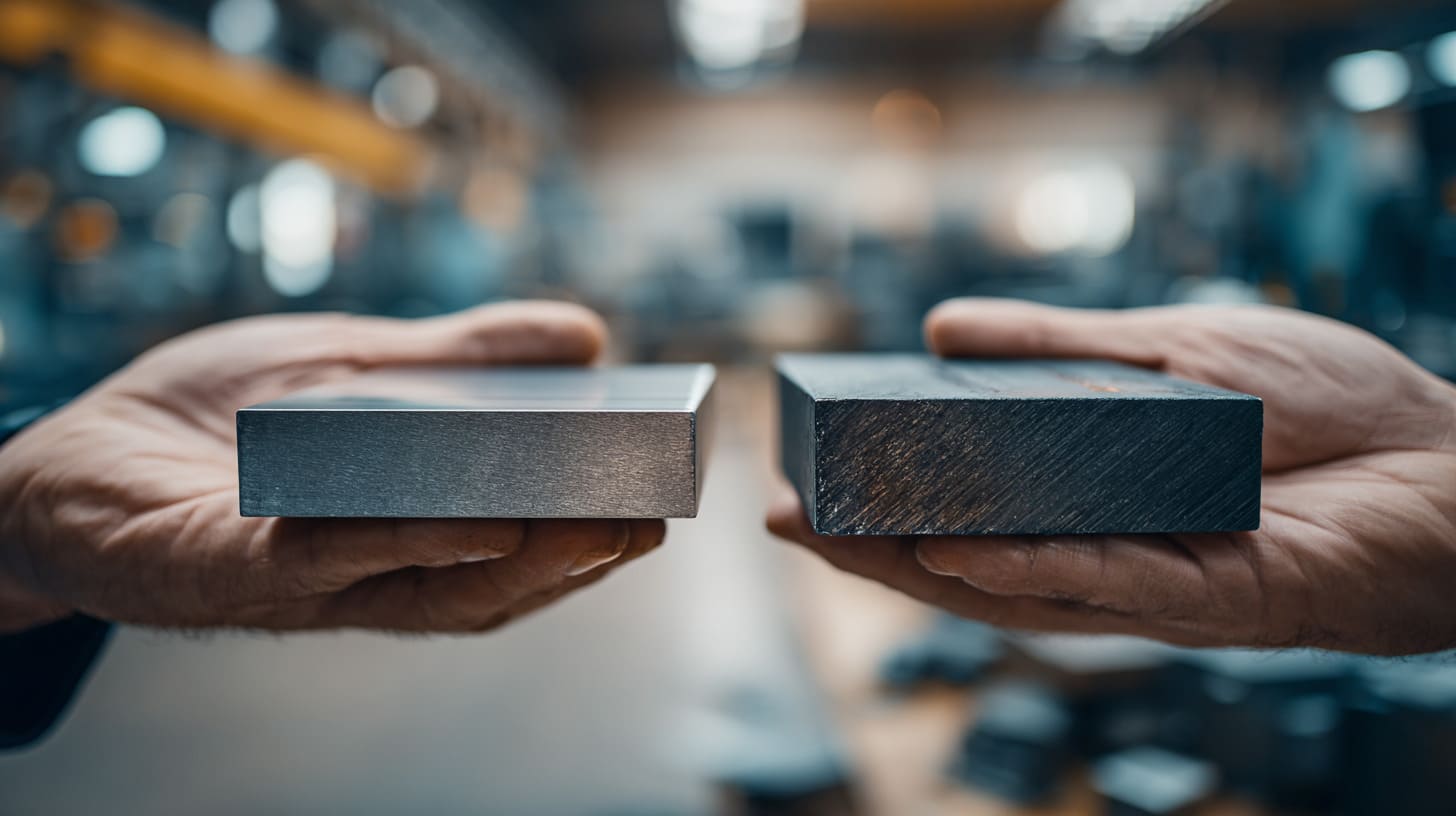
I do not think buyers make bad material choices because they are careless. Most of the time, they make them because the wrong signals feel persuasive. A higher price looks safer. A familiar claim sounds trustworthy. A vague warning creates fear. Then a poor choice starts to feel like a responsible one.
What usually tells me a project is heading toward the wrong grade is not the material itself, but the weak logic wrapped around it.
Choosing Based on Price Assumptions
The first mistake is very human: people assume the more expensive option must be the better answer.
I get it. We all do this in some part of life. More expensive coffee. More expensive shoes. More expensive hotel room. Sometimes the higher price really does buy something better. Sometimes it just buys a story.
With 304 and 316, the better answer depends on environment, not ego.
Ignoring Coatings and Surface Treatments
Another common mistake is treating the base metal as if no finish exists. But in many enclosure projects, finish matters a lot.
A buyer may forget to ask:
- Will the enclosure be powder-coated?
- Will it be brushed or passivated?
- Will it sit indoors after finishing?
- Does the finish already reduce the practical benefit of upgrading?
I have seen coated 304 make much more sense than raw 316 in mild conditions. Not always. But often enough that buyers should think twice before paying extra automatically.
Overlooking Real Use Conditions
This one causes more trouble than it should. Buyers sometimes describe the site in broad, dramatic language, but the actual conditions are mild.
They say things like:
- “Industrial”
- “Heavy-duty”
- “Demanding”
- “Professional environment”
Those words are not useless, but they are not enough. I need facts, not mood.
I want to know:
- Is there salt?
- Is there washdown?
- Is there chemical splash?
- Is it outdoors?
- Is it sheltered?
- How often is it cleaned?
Poor Communication with Suppliers
This problem hits hard in global sourcing. Time zones, language gaps, rushed quotes, and short emails all make it easier for the material choice to become sloppy.
A buyer writes:
Need stainless enclosure. Use 316 for quality.
That is not enough.
A stronger message would explain:
- Site location
- Indoor or outdoor use
- Cleaning method
- Exposure risks
- Finish requirements
- Price sensitivity
Here is a table of mistakes I see often:
| Mistake | What Happens |
|---|---|
| Choosing 316 for image | Cost rises without benefit |
| Choosing 304 near salt exposure | Corrosion risk rises |
| Ignoring coating effect | Over-specification |
| Using vague site descriptions | Wrong technical judgment |
| Poor supplier communication | Wrong quote, wrong material, delays |
The pattern is clear. When material choice becomes lazy, the project usually pays for it later.
And nothing teaches this lesson faster than real project mistakes. A clean example can do more than ten technical definitions.
Real Project Examples: Where Buyers Got It Wrong
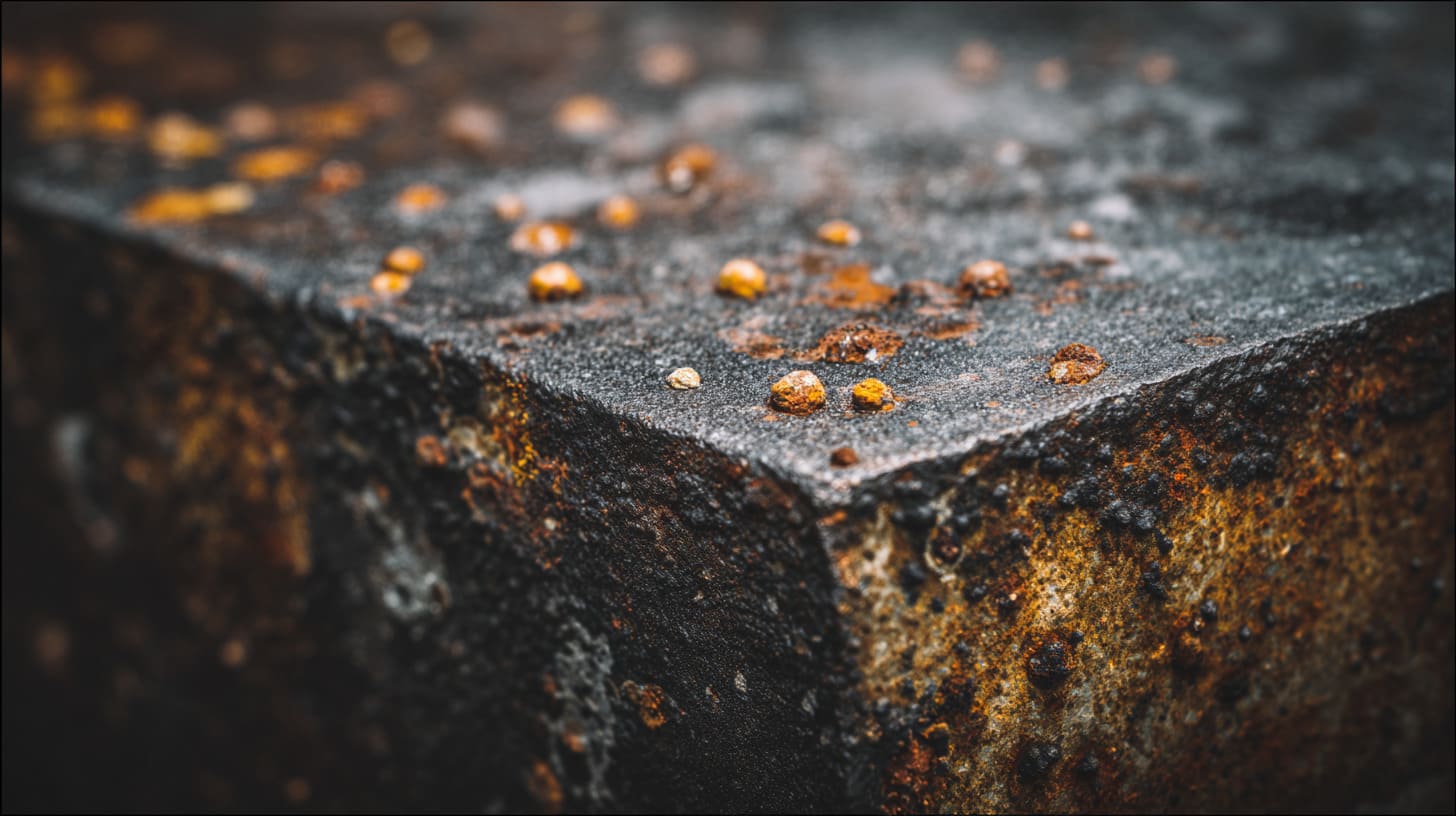
I have learned a lot from projects that looked reasonable at the quote stage and much less reasonable later. Material mistakes are rarely loud in the beginning. They show up later as wasted cost, premature corrosion, or the quiet frustration of realizing the project could have been handled better.
When I review old decisions, I do not just ask whether the metal survived. I ask whether the buyer paid for the right kind of protection, because survival alone is not always proof of a good decision.
Case 1: Indoor Control Box Using 316
A buyer asked for a custom stainless control box for indoor equipment use. The environment was dry. The room was clean. No salt. No chemical cleaning. No outdoor exposure.
Still, he wanted 316.
Why?
Because his customer associated 316 with “industrial quality.”
That choice increased cost and made the quote less competitive. The enclosure would have performed just as well in 304. Nothing in the real use case justified the extra spend.
My takeaway was simple: the job was real, but the reason for the upgrade was emotional, not technical.
Case 2: Coastal Installation Using 304
This one went the other way. A buyer wanted to reduce budget on an outdoor enclosure near the coast. At first glance, 304 looked like a tempting savings.
But the site had salt in the air. It had long-term exposure. It had the kind of outdoor condition that slowly punishes wishful thinking.
After some time, visible corrosion signs appeared. Then the buyer faced a bigger cost:
- Replacement
- Rework
- Reputation pressure
- More internal debate than the original material upgrade would have caused
This was not a case of 304 being “bad.” It was a case of 304 being asked to do the wrong job.
Case 3: Powder-Coated 304 vs Raw 316
I remember a buyer comparing two options for a mild-use enclosure:
- Powder-coated 304
- Raw 316
At first, raw 316 sounded stronger because the material name felt premium. But once we looked at the full situation, the picture changed.
The enclosure was:
- In a controlled setting
- Not near the sea
- Not exposed to harsh chemicals
- Already planned with a protective finish
In that case, powder-coated 304 gave a better cost-performance balance. The buyer saved money and still got a product that fit the real need.
Here is a quick summary of those cases:
| Case | Material Chosen | Real Environment | Result |
|---|---|---|---|
| Indoor control box | 316 | Dry indoor | Overpaid |
| Coastal outdoor site | 304 | Salt exposure | Under-specified |
| Coated mild-use enclosure | Powder-coated 304 | Mild controlled use | Smart balance |
Stories like these matter because they show the real shape of the decision. Material choice is not about being conservative all the time. It is about being accurate.
That is the point I keep coming back to, and it is also where I land in the end.
Conclusion
I do not believe 316 stainless steel is the better choice in every enclosure project. I believe it is the better choice when the environment gives it a real problem to solve. That is a very different statement, and for me, that difference matters.
I came to this view because I have seen what happens on both sides. I have seen buyers pay extra for 316 in clean indoor jobs where the upgrade changed nothing except the quote. I have also seen buyers push 304 into coastal or corrosive settings where the savings looked smart at first and expensive later. Those experiences shaped how I think. I do not like waste, and I do not like false safety either.
304 is often enough. In many enclosure applications, it is not the weaker compromise. It is the right material for the real conditions. 316 is more specialized. It earns respect in marine, washdown, and harsh chemical settings. Outside of those, I think buyers should slow down before paying for the label.
What matters most to me is not whether a material sounds premium. What matters is whether it fits the site, protects the enclosure, supports the project budget, and helps the buyer avoid avoidable mistakes.
That is why I keep coming back to the same question: What is this enclosure truly going to face in the real world? Once I answer that honestly, the material choice usually becomes much clearer.
If you are working on a stainless steel enclosure project and you are not fully sure whether 304 or 316 makes more sense, send the application details, the environment, and the drawing requirements early. I would rather help you judge the material correctly before production than watch you pay more for nothing or save money in the wrong place.