Skip to content
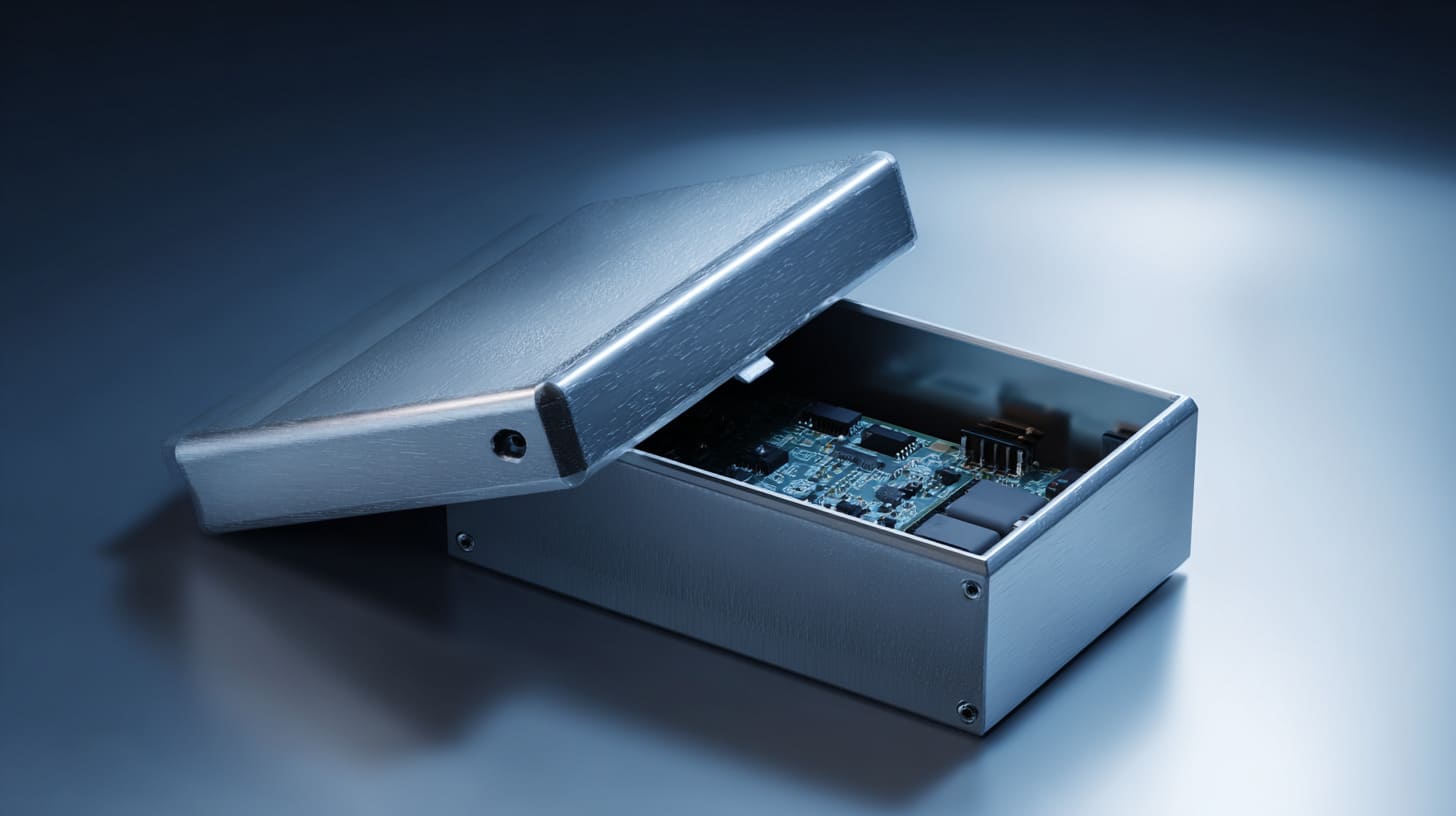
Electronic products can fail quietly. A device looks fine outside, but hidden interference can ruin signals, trigger errors, and cause painful product delays.
EMI shielding in aluminum enclosures means using the metal case to block or reduce unwanted electromagnetic interference. It matters because it helps electronic products stay stable, pass compliance tests, protect signals, and avoid costly failures in real use.
I have seen enclosure projects look simple on paper, then turn stressful when noise problems show up near the end. That is why I never treat EMI shielding like a small technical footnote.
What is EMI shielding and why is it important in electronic enclosures?
Small invisible noise can create very visible trouble. A device may restart, lose signal, fail a test, or act strange for reasons that confuse everyone first.
EMI shielding is the control of unwanted electromagnetic energy by using conductive materials to block, reflect, or absorb it. In enclosures, it is important because it protects circuit performance, reduces interference, and helps products meet regulatory requirements.
I learned early that many buyers focus on wall thickness, cutouts, and logos first. Then EMI enters the conversation late, usually after a test problem or customer complaint. That timing is expensive.
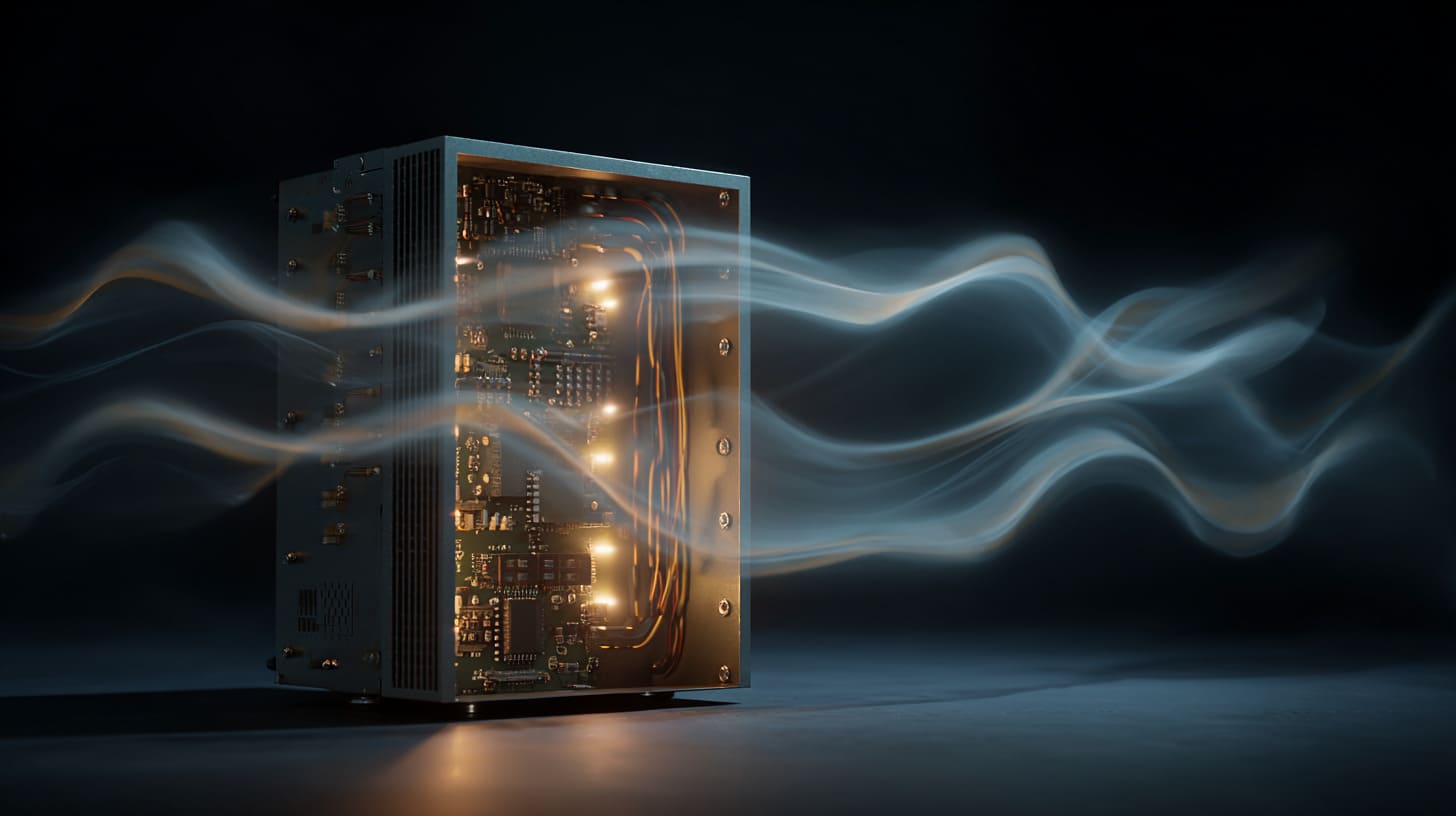
A lot of people mix up EMI and EMC. I get why. They are close, and the terms often travel together.
EMI vs EMC
| Term | Simple meaning | Why it matters |
|---|---|---|
| EMI | Unwanted electromagnetic noise | It can disturb your own device or nearby devices |
| EMC | Electromagnetic compatibility | It means the product works without causing or suffering too much interference |
EMI is the problem. EMC is the goal.
Why enclosures matter so much
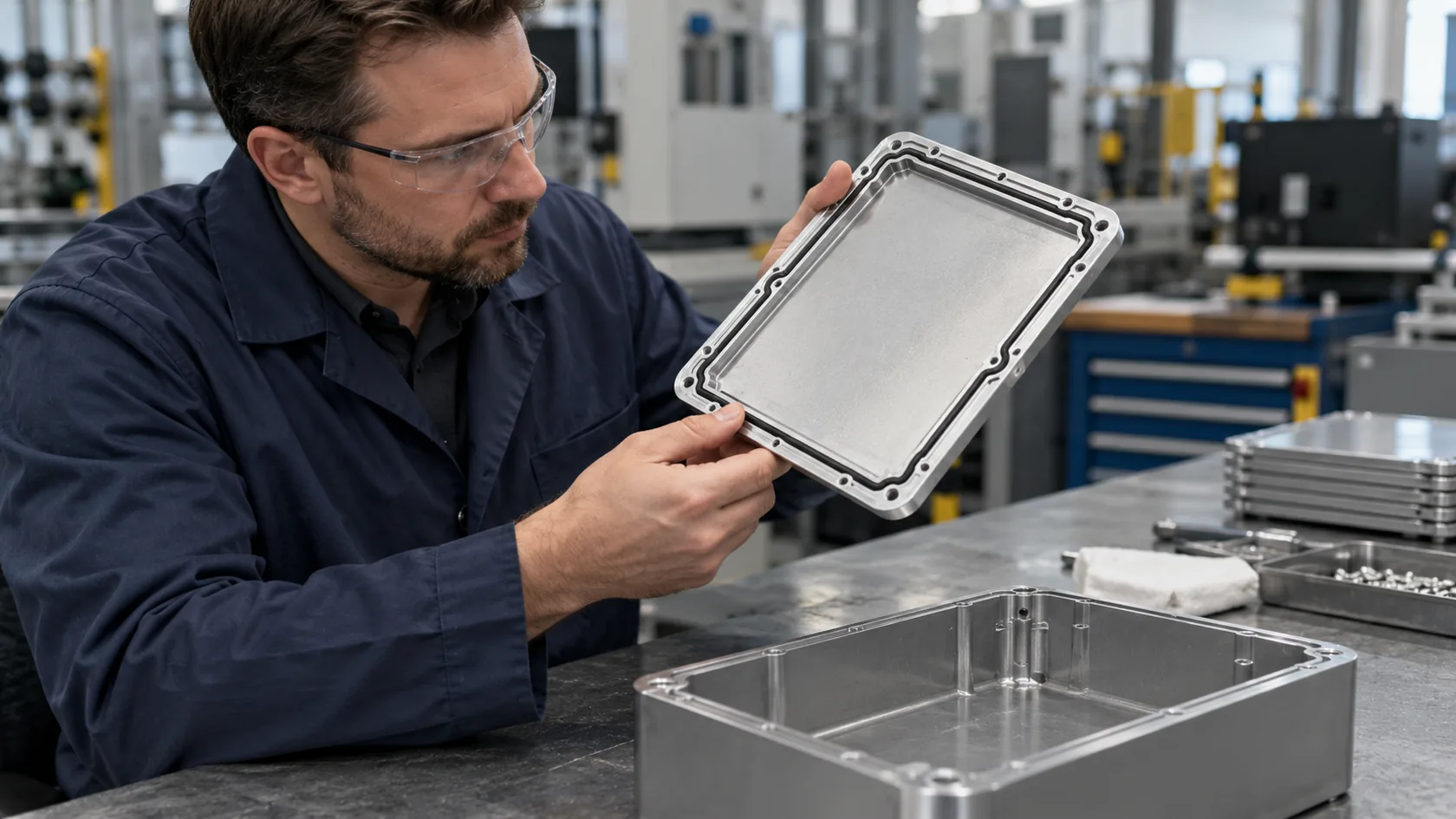
The enclosure is not just a box. It is often the first physical barrier between the electronics and the outside world. If that barrier is weak, noise can move in or out more easily.
Here is where EMI shielding helps:
- Protects internal circuits from outside interference
- Reduces radiation from internal components
- Improves product stability
- Helps pass CE, FCC, or other test work
- Lowers the risk of field failures
I do not judge EMI risk by product size alone. A small enclosure with a fast processor, switching power supply, or wireless module can become more troublesome than a larger and simpler box.
Common sources of EMI inside products
Many enclosure buyers think EMI comes from some mysterious outside force. Sometimes it does. But often the product creates its own headache.
Typical internal EMI sources
- DC-DC converters
- High-speed processors
- Clock lines
- Displays and cables
- Wireless modules
- Motor drivers
- Power entry sections
Why ignoring EMI becomes costly
The painful part is not just technical failure. It is the chain reaction after that.
| Problem | What happens next |
|---|---|
| Failed compliance test | Retesting cost, time loss, design changes |
| Signal instability | Product complaints, debugging time |
| Noise leakage | Reputation damage, weak user trust |
| Late design fix | New tooling, rework, shipment delay |
That is why I like to talk about EMI shielding early, even when the buyer mainly wants a clean-looking aluminum enclosure.
How does an aluminum enclosure provide EMI shielding?
Aluminum looks simple from the outside. But when it is designed well, it can act like a quiet bodyguard around the electronics inside.
An aluminum enclosure provides EMI shielding because aluminum is conductive. It can reflect and redirect electromagnetic energy, and when the enclosure is continuous and well-grounded, it forms a barrier that limits noise entering or leaving the product.
I never assume the metal alone is enough. A nice aluminum shell can still perform poorly if the lid contact, cutouts, and grounding path are handled carelessly.
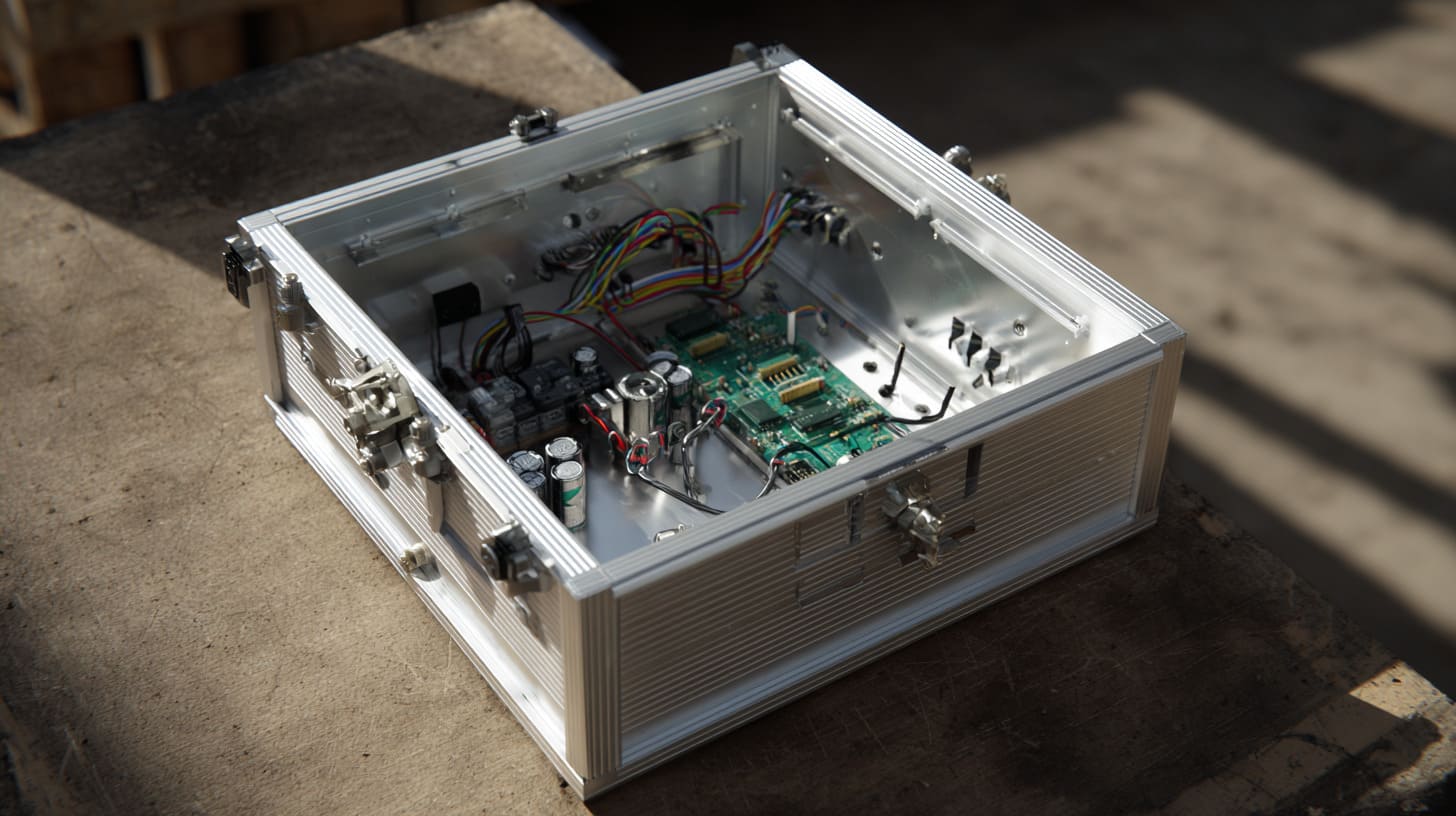
The basic idea is easy to understand. Electromagnetic waves do not move through a well-designed conductive barrier as easily as they move through open space or plastic.
What aluminum actually does
Aluminum shielding usually works through these effects:
- Reflection of electromagnetic energy
- Conduction of surface currents
- Containment of internal noise
- Reduction of leakage through the enclosure body
Why conductivity matters
Because aluminum conducts electricity, it can carry induced currents on its surface. That helps spread and redirect electromagnetic energy instead of letting it pass straight through.
That said, EMI shielding is not magic. It depends on the whole structure, not just the material label.
A simple way to think about it
I often explain it like this: a good aluminum enclosure is like a raincoat with sealed seams. The main fabric matters, yes. But the openings decide whether the water still gets in.
Conditions for effective shielding
An aluminum enclosure works better when it has:
| Design feature | Why it helps |
|---|---|
| Continuous conductive body | Reduces leakage paths |
| Tight lid contact | Maintains shielding continuity |
| Controlled cutouts | Limits weak points |
| Proper grounding | Gives noise a better path |
| Good seam design | Lowers slot antenna effects |
What weakens the shielding effect
Even with aluminum, these issues can hurt performance fast:
- Large cable openings
- Loose covers
- Poor screw spacing
- Isolated panels with bad contact
- Thick non-conductive surface layers at contact points
That is why I do not look at EMI shielding as a material question only. I treat it as a structure question.
What level of EMI shielding effectiveness can aluminum enclosures achieve?
Many buyers want one number. I understand that. Still, EMI shielding does not behave like a simple fixed label on a carton.
Aluminum enclosures can achieve good to very high EMI shielding effectiveness, often enough for many industrial and commercial electronic products. The real result depends on frequency, wall design, seams, openings, surface treatment, and how well the enclosure is assembled.
When I review a project, I pay more attention to the weak points than the ideal lab number, because real products usually fail at openings and joints, not at the solid wall.

Shielding effectiveness is usually measured in dB, or decibels. Higher numbers mean better attenuation.
What shielding effectiveness means
| Shielding effectiveness | General meaning |
|---|---|
| 20 dB | Basic reduction |
| 40 dB | Moderate control |
| 60 dB | Strong shielding |
| 80 dB+ | Very strong shielding in the right design |
These are broad reference points, not promises.
Why the number changes
An aluminum enclosure may look strong in theory, but actual performance changes with:
- Frequency range
- Slot size
- Vent patterns
- Cable entries
- Contact resistance
- Internal layout
- Grounding method
Lab result vs real result
This gap catches people all the time.
In a controlled setting:
- Clean assembly
- Ideal contact points
- Minimal cable leakage
- Stable geometry
In real production:
- Finish variation
- Assembly tolerance
- Loose screws
- Inconsistent seam pressure
- More ports and cables
A clean sample can perform much better than a production unit. That is not unusual. It is one reason I prefer cautious expectations over pretty claims.
Rough performance view
| Enclosure condition | Likely shielding outcome |
|---|---|
| Solid aluminum body with tight fit | Strong |
| Aluminum body with many open seams | Moderate or inconsistent |
| Aluminum body with large cutouts | Lower |
| Aluminum body plus gasket and smart grounding | Stronger and more stable |
I have found that buyers become much calmer once they stop chasing one big dB number and start looking at the full enclosure system.
What factors affect EMI shielding performance in aluminum enclosures?
A metal box is only the starting point. After that, a lot of small decisions begin to matter more than people expect.
EMI shielding performance in aluminum enclosures is affected by material conductivity, wall thickness, seam design, cutout size, contact quality, grounding, surface finish, internal layout, cable entry points, and assembly consistency.
One thing I always watch is whether the design team is treating EMI as a late fix. Once that happens, even small problems start multiplying across cost, tooling, and delivery.
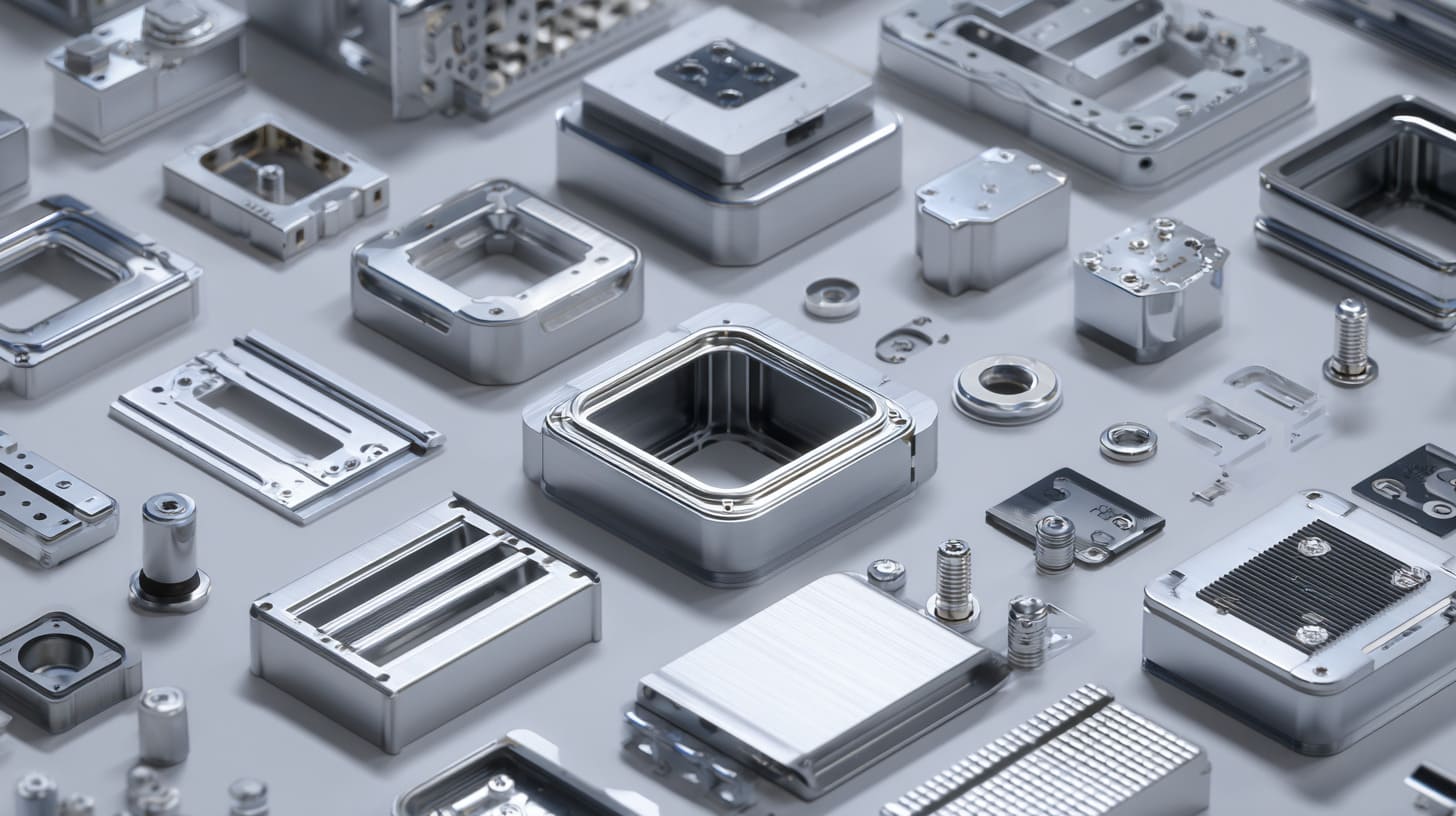
The main performance factors
| Factor | Effect on shielding |
|---|---|
| Material conductivity | Supports current flow on the surface |
| Enclosure continuity | Reduces leakage |
| Seams and joints | Can become weak points |
| Openings and slots | Let energy escape or enter |
| Surface finish | May block conductive contact |
| Grounding | Helps control unwanted energy |
| Assembly pressure | Affects contact consistency |
Material thickness: important, but not everything
A lot of people assume thicker walls always solve EMI problems. Sometimes they help. But thickness alone is not the hero.
If a thick enclosure has poor seam contact and oversized openings, it can still perform worse than a thinner enclosure with better design control.
Cutouts often decide the real result
Openings for:
- USB
- HDMI
- Ethernet
- power input
- switches
- screens
- vents
These are often the true troublemakers.
Why cutouts matter so much
Every opening interrupts the conductive shield. And long narrow openings can behave like antennas at certain frequencies. That is why layout discipline matters.
Grounding and bonding
Good grounding does not replace shielding, but it often supports it.
| Grounding condition | Result |
|---|---|
| Stable and intentional | Better noise control |
| Accidental or weak | Unstable performance |
| Ignored | More risk during testing |
Manufacturing quality matters too
This part gets overlooked. A design may be fine, yet production variation creates EMI trouble later.
I have seen problems caused by:
- inconsistent anodizing thickness on contact areas
- uneven lid pressure
- missing screws
- rough mating edges
- poor fit after redesign
So yes, the drawing matters. But the factory process matters too.
How do seams, gaps, and joints impact EMI shielding performance?
This is where many nice-looking enclosures lose their strength. The wall may be metal, but the weak line between two metal parts can still let noise leak through.
Seams, gaps, and joints can sharply reduce EMI shielding performance because they interrupt electrical continuity. Even small openings can become leakage paths, especially at higher frequencies, where they behave like slot antennas and weaken the enclosure’s shielding ability.
A lot of EMI trouble lives in places that look harmless to the eye. A gap can seem tiny on the bench and still become the reason a product fails later.
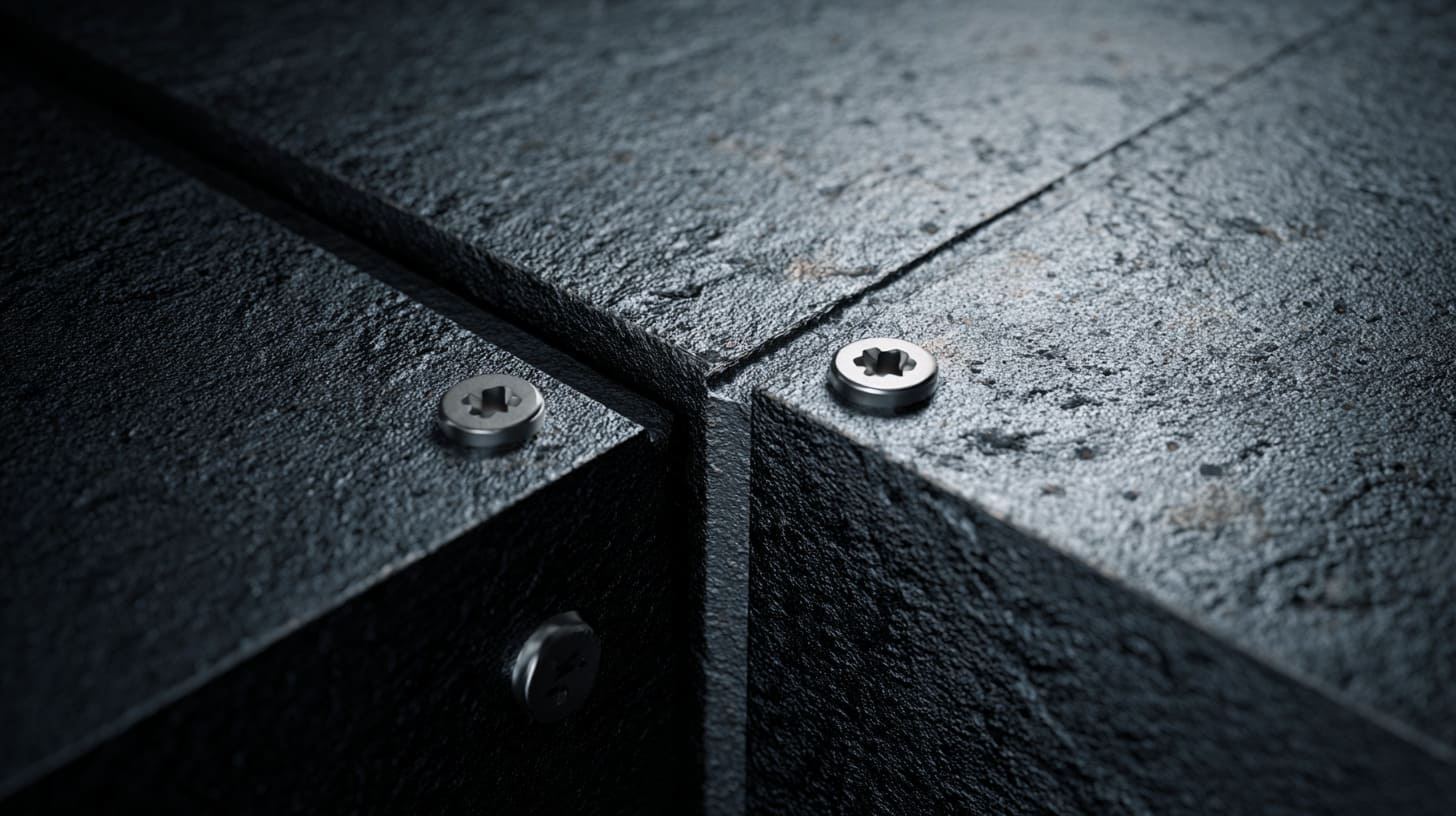
Why seams are risky
A fully closed conductive shell is strong. A broken conductive path is weaker. It is that simple.
Common trouble areas include:
- lid-to-body joints
- front and rear panels
- removable access covers
- door edges
- vented sections
- assembled corner joints
The slot antenna problem
A seam or long gap can act like a slot antenna. That means it can radiate or admit electromagnetic energy more easily than people expect.
The longer the gap, the more careful I become. A long thin opening can be worse than a small round hole.
High-frequency behavior gets tougher
At lower frequencies, some enclosure issues may stay hidden. At higher frequencies, seams and poor contacts become far more sensitive.
| Joint condition | EMI risk |
|---|---|
| Tight conductive contact | Lower |
| Small repeated gaps | Higher |
| Long unbroken slot | Much higher |
| Gasketed seam | Often lower |
What I look at in seam design
Screw spacing
If screws are too far apart, the lid may not press evenly.
Contact pressure
Weak pressure means weak continuity.
Mating surface condition
Rough, coated, or dirty surfaces can reduce good contact.
Panel flatness
Warped covers create uneven seam gaps.
This is the point where I stop trusting a drawing and start imagining the assembled unit in real hands, with real tolerances, real tools, and rushed production pressure.
Practical seam control methods
- Add more fastening points where needed
- Shorten unsupported seam spans
- Use conductive gasketing if required
- Keep mating surfaces clean and conductive
- Avoid decorative choices that block contact at critical points
A smooth-looking enclosure can still be electrically messy. That contrast causes a lot of avoidable pain.
Does anodizing aluminum reduce EMI shielding effectiveness?
This question comes up often, and for good reason. Buyers love anodizing, and honestly, so do I for many projects. But EMI changes the conversation.
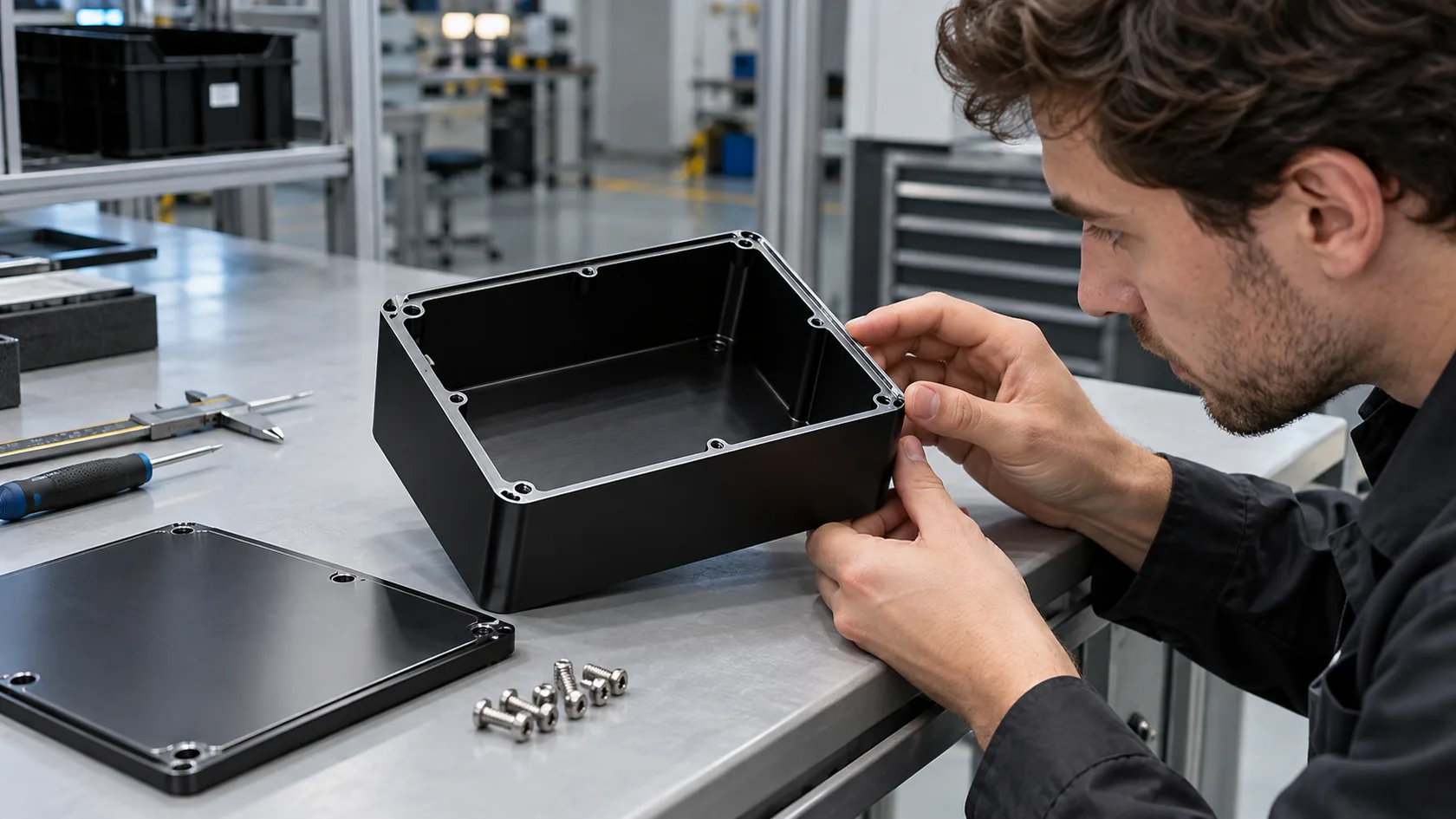
Yes, anodizing can reduce EMI shielding effectiveness at contact areas because the anodized layer is electrically insulating. The aluminum body still has shielding value, but poor conductive contact across seams, screws, and joints can weaken overall performance.
I do not reject anodizing by default. I just stop treating it as purely cosmetic once EMI matters, because surface finish can quietly change electrical behavior.
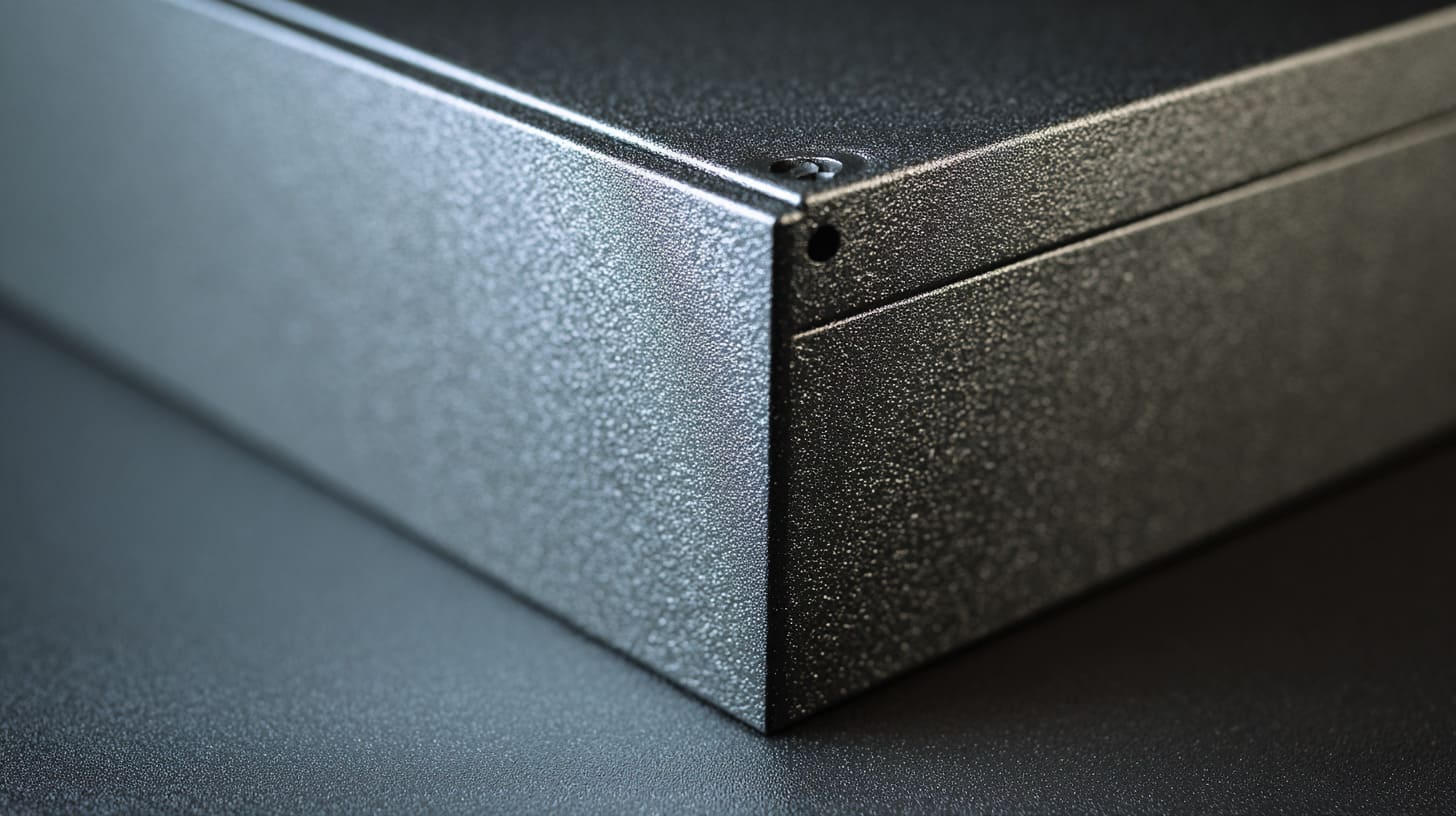
Anodizing creates an oxide layer on the aluminum surface. That layer improves corrosion resistance and appearance, but it also reduces surface conductivity.
Why this becomes a problem
The issue is usually not the middle of a solid wall. The issue is the connection points.
Problem areas often include:
- lid contact edges
- screw contact zones
- panel mating faces
- grounding points
- bracket connection surfaces
Where anodizing hurts most
| Area | Effect of anodizing |
|---|---|
| Large solid wall | Less critical |
| Seam contact line | More critical |
| Screw seat area | More critical |
| Ground lug point | Very critical |
Type and thickness matter too
Not all anodizing behaves the same in practice.
- Thin decorative anodizing may be easier to manage
- Thick hard anodizing can create more contact trouble
- Uneven finish thickness can make results inconsistent
Common ways to manage the issue
Masking contact areas
Leave key contact zones uncoated.
Removing anodizing locally
Machine or strip small areas for conductivity.
Using conductive hardware methods
Help break through light surface barriers in some designs.
Adding conductive gaskets
Support continuity across seams.
I get cautious when a project asks for beautiful full anodizing and strong EMI performance at the same time without any contact strategy. That combination sounds neat in a meeting, but it often turns messy on the bench.
Good finish choice needs balance
| Goal | Best thinking approach |
|---|---|
| Premium appearance | Anodizing may be great |
| Strong seam conductivity | Mask or open contact areas |
| Hard wear resistance | Review Type III carefully |
| EMI-sensitive design | Never ignore contact planning |
So no, anodizing is not “bad.” It just needs smarter design when shielding matters.
How can you improve EMI shielding in custom aluminum enclosures?
The good news is this: EMI problems are not always solved by changing the whole enclosure. Many times, smart details make the biggest difference.
You can improve EMI shielding in custom aluminum enclosures by strengthening conductive continuity, controlling seam gaps, reducing opening size, improving grounding, masking finish at contact points, adding conductive gaskets, and designing the enclosure around EMI needs from the start.
When I need better EMI performance, I usually start with the simplest mechanical weak points first, because they often give the fastest and cheapest improvement.
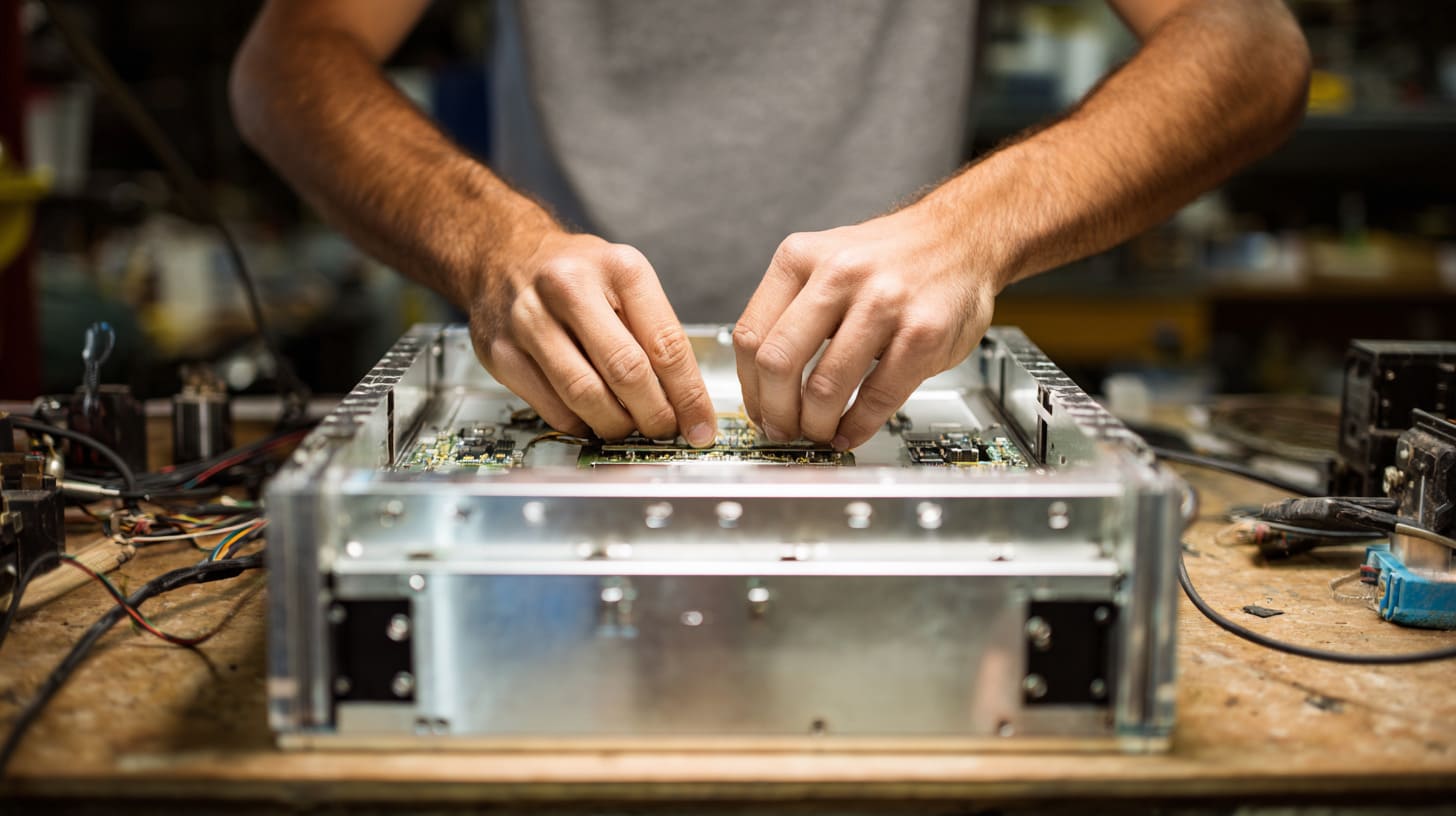
The most effective improvement areas
| Improvement method | Why it helps |
|---|---|
| Better seam contact | Reduces leakage |
| More fastening points | Improves lid pressure |
| Smaller cutouts | Limits weak openings |
| Conductive gasket | Maintains continuity |
| Finish masking | Preserves conductive paths |
| Better grounding | Supports noise control |
Practical design steps
1. Plan EMI early
Do not wait until testing day.
2. Control openings
Keep ports and vents as tight as practical.
3. Design better mating surfaces
Flat, clean, conductive contact matters.
4. Review surface finish strategy
Make sure appearance choices do not block critical current paths.
5. Add conductive gasketing when needed
Useful for removable covers and doors.
6. Improve assembly consistency
A great design still fails if production contact quality changes unit to unit.
A useful checklist
- Are seam lengths too long?
- Are screw intervals too wide?
- Are contact areas coated?
- Are cable entries leaking noise?
- Are vents placed wisely?
- Is grounding intentional?
Mechanical fixes vs material fixes
| Approach | Typical value |
|---|---|
| Better seam and fit | Often very high |
| Thicker wall only | Sometimes limited |
| Conductive gasket | Often high |
| Internal absorber only | Depends on problem type |
I have seen teams rush to special materials before fixing obvious seam and contact problems. That is usually the wrong order, and it burns both time and budget.
One thing buyers should not ignore
Custom enclosure work often changes over time. One extra cutout, one logo adjustment, one panel redesign. Small changes like these can shift EMI behavior more than expected.
That is why I like to review the enclosure again after design changes, not just after the first concept.
What are the differences between aluminum and steel for EMI shielding?
Both materials can work. The right choice depends on the product, the noise source, the cost target, and the full design around it.
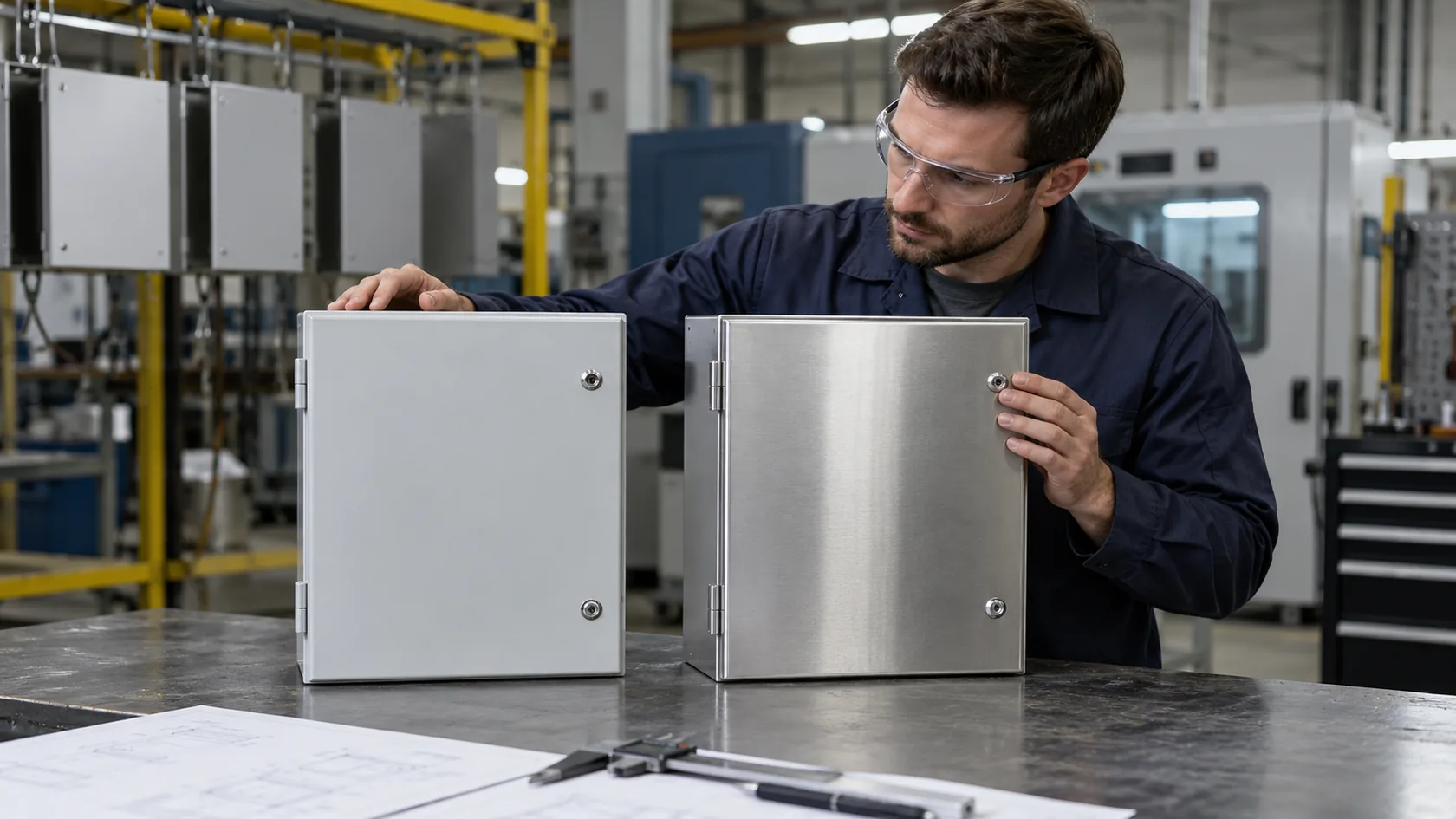
Aluminum and steel both provide EMI shielding, but they differ in conductivity, magnetic behavior, weight, corrosion resistance, cost handling, and manufacturing trade-offs. Aluminum is light and practical for many enclosures, while steel can be stronger for certain shielding demands, especially involving magnetic fields.
When I compare aluminum and steel, I do not ask which one is “better” in general. I ask which one creates fewer problems for this exact product.
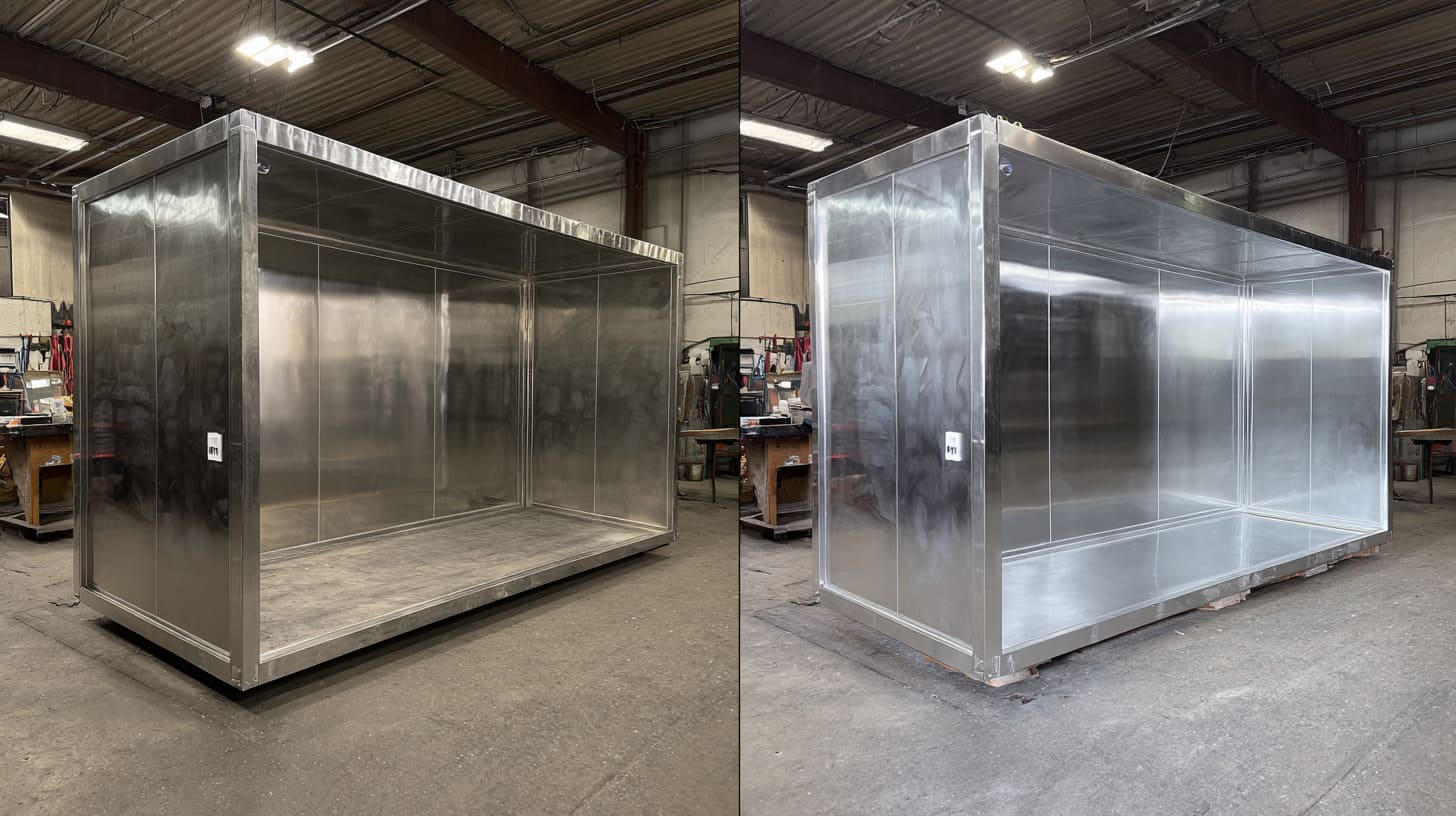
Basic comparison
| Factor | Aluminum | Steel |
|---|---|---|
| Weight | Light | Heavy |
| Corrosion resistance | Good | Often needs coating |
| Conductivity | Good | Lower than aluminum |
| Magnetic shielding | Weaker | Better |
| Machining | Easier in many cases | Can be tougher |
| Appearance | Clean, premium feel | More industrial feel |
| Shipping cost | Lower due to weight | Higher due to weight |
Where aluminum shines
- Lightweight products
- Portable devices
- Premium-looking electronics
- Corrosion-sensitive environments
- CNC-machined custom enclosures
Where steel may win
- Stronger mechanical body needs
- Some low-frequency magnetic field concerns
- Heavy-duty industrial cabinets
- Cost structures that favor sheet steel fabrication in volume
EMI is not one single problem
This point matters a lot. Different frequencies behave differently. Electric field shielding and magnetic field shielding are not the same thing.
That is why a steel enclosure may outperform aluminum in one kind of situation, while aluminum may be fully suitable in another.
Decision thinking in real work
One detail often decides my choice faster than theory: if the product needs light weight, clean machining, corrosion resistance, and decent EMI shielding together, aluminum usually gives me a more balanced answer.
Quick decision table
| Project need | Often better fit |
|---|---|
| Lightweight custom electronics enclosure | Aluminum |
| Strong magnetic shielding concern | Steel |
| Premium branded case | Aluminum |
| Heavy industrial cabinet | Steel |
| Portable OEM product | Aluminum |
I like aluminum for many custom electronic enclosures because it gives a practical mix of shielding, machining freedom, and visual quality without making the product feel bulky.
When do you need additional EMI shielding materials inside an enclosure?
Sometimes the aluminum shell is enough. Sometimes it is not. The trick is knowing when the enclosure alone has stopped being the full answer.
You need additional EMI shielding materials inside an enclosure when the product has high noise sources, strict compliance targets, sensitive circuits, many openings, removable sections, or design limits that reduce the shielding value of the main aluminum housing.
I become suspicious of “metal box is enough” thinking when a product has fast electronics, messy cable paths, and too many openings packed into a small enclosure.
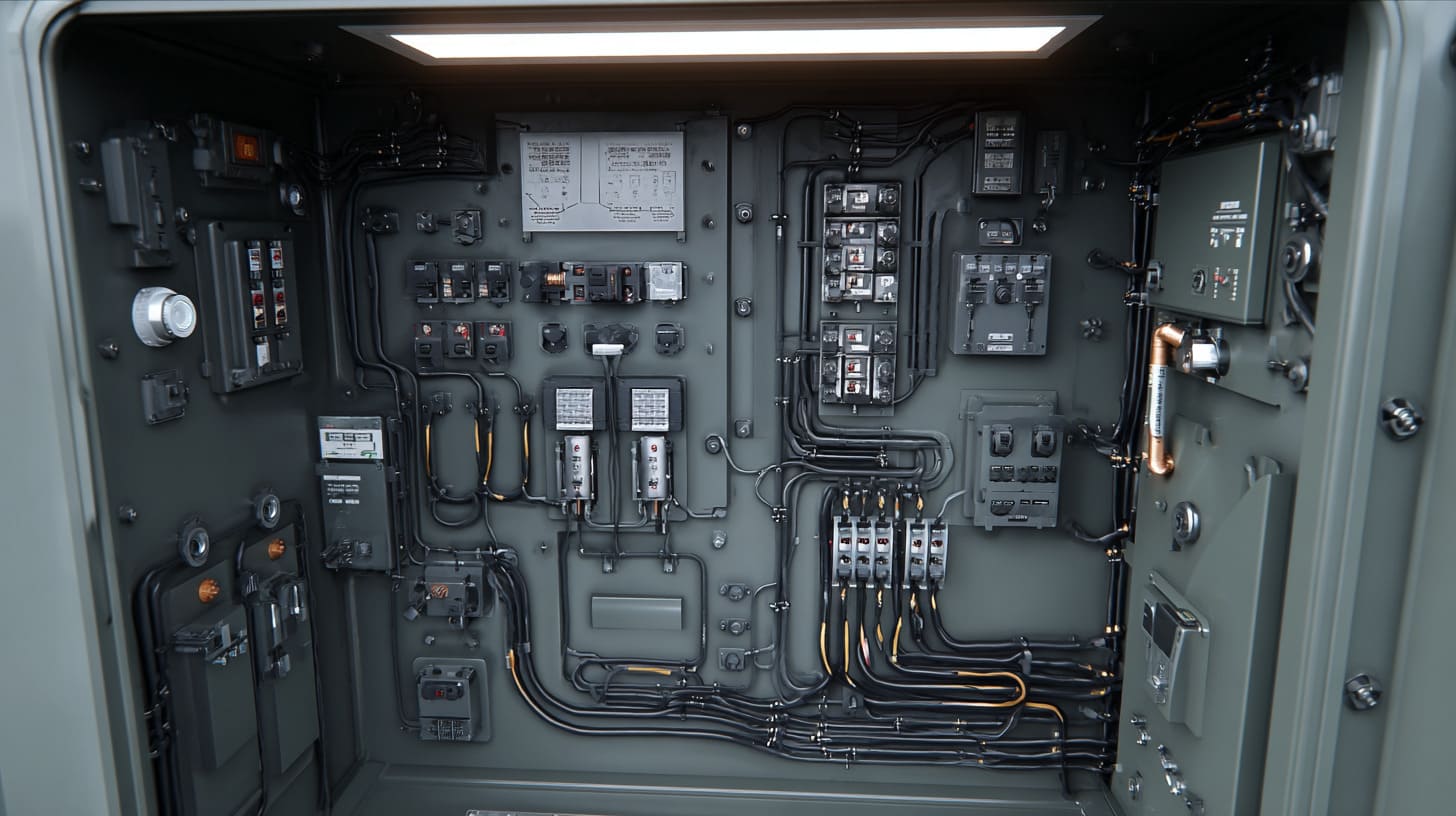
Situations that often need extra help
- High-speed digital designs
- Mixed analog and digital circuits
- Dense power electronics
- Wireless and wired systems in one compact box
- Many I/O openings
- Weak seam control
- Tight compliance margins
Common additional shielding materials
| Material or method | Typical use |
|---|---|
| Conductive gasket | Seam continuity |
| EMI foam | Light contact shielding |
| Conductive fabric-over-foam | Door or panel edges |
| Shielding tape | Local fixes or bonding |
| Board-level shield can | Specific noisy circuit areas |
| Conductive coating | Plastic internal parts or local surfaces |
| Ferrites | Cable noise control |
When board-level shielding makes sense
Sometimes the problem is too local for the whole enclosure to solve neatly.
Example cases
- one noisy DC-DC zone
- a sensitive RF section
- clock source leakage
- cable connector emissions
In those cases, local shielding can be smarter than forcing the main enclosure to do all the work.
Extra material is not always the first fix
This is where teams can waste money. If the seam design is poor, adding more internal shielding material may only hide the real issue for a while.
I prefer this order:
- Fix obvious enclosure weaknesses
- Review grounding and cable paths
- Retest
- Add internal shielding only where needed
Smart use of extra shielding
| Situation | Better response |
|---|---|
| Leaking seam | Improve seam contact first |
| Noisy cable exit | Add ferrite or entry treatment |
| One hot circuit area | Add local shield can |
| Removable lid weakness | Add conductive gasket |
Extra material should solve a defined problem, not calm panic.
What industries require EMI shielding in aluminum enclosures?
EMI shielding is not a niche luxury. In many industries, it is part of basic product survival.
Industries that often require EMI shielding in aluminum enclosures include industrial electronics, telecom, medical devices, aerospace, defense, automotive electronics, energy systems, test equipment, and high-performance consumer or commercial electronics.
When a product works near sensitive signals, fast switching, wireless communication, or strict compliance rules, I assume EMI deserves attention early, not after a failure.
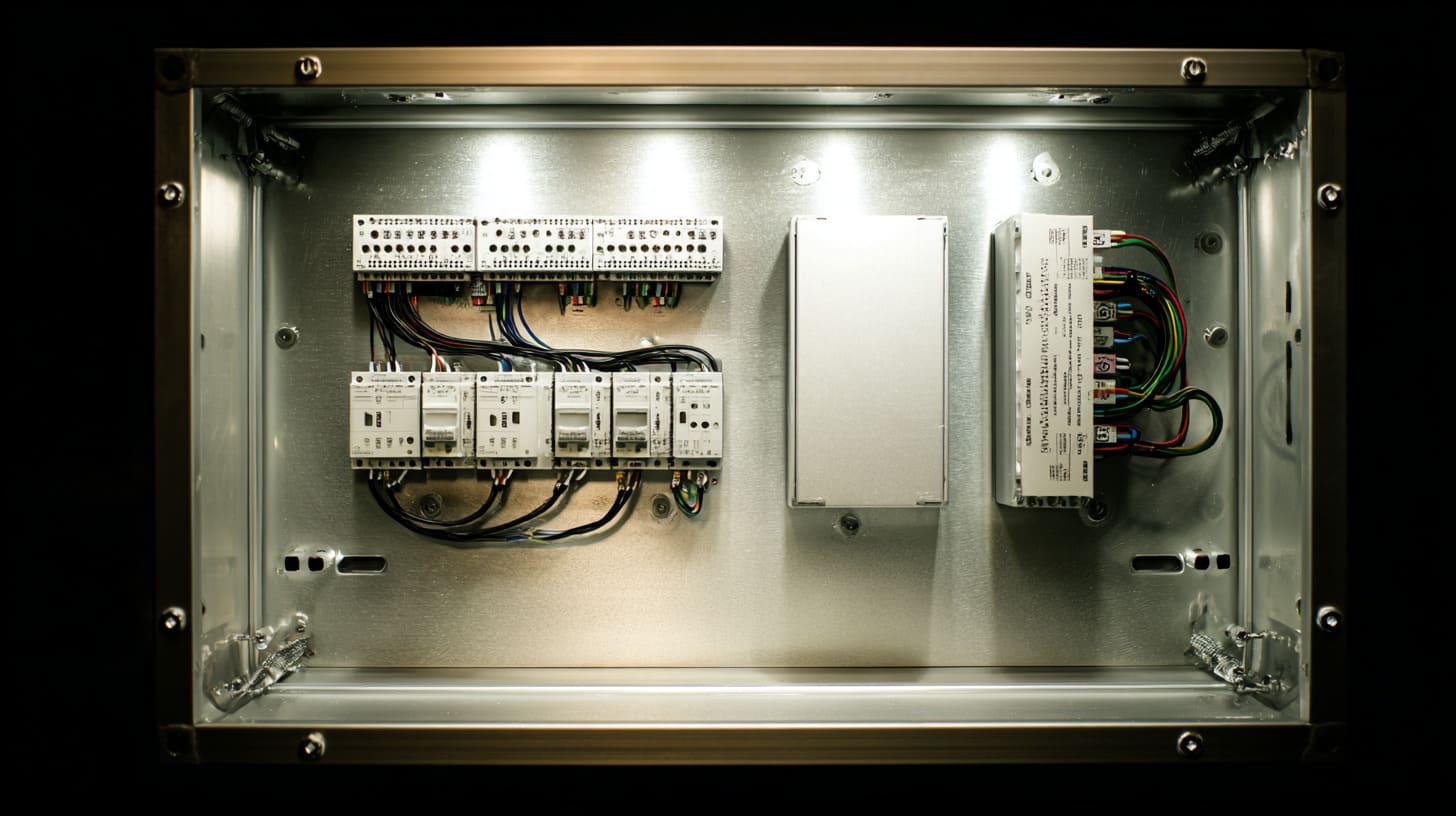
Industries where EMI shielding matters a lot
| Industry | Why EMI shielding matters |
|---|---|
| Industrial control | Noise from drives, motors, switching systems |
| Telecom | Signal integrity and dense electronics |
| Medical devices | Reliability and safety expectations |
| Aerospace | Harsh environments and strict standards |
| Defense | Sensitive electronics and mission risk |
| Automotive electronics | Crowded electrical environment |
| Energy systems | Inverters, converters, switching noise |
| Test equipment | Accuracy and measurement stability |
Industrial electronics
Factories are noisy places in the electrical sense. Motors, inverters, relays, and power systems create a rough environment for electronics.
That is why many industrial buyers care about more than looks. They want stable performance, fewer surprises, and faster approvals.
Medical and lab equipment
Medical and test devices often need clean signal behavior. Small interference can affect readings, communication, or trust in the device.
That makes shielding a practical issue, not just a technical detail.
Telecom and networking products
These products often combine:
- high-speed data
- dense PCB layout
- many ports
- tight space
- strict performance expectations
That mix can make shielding design much more important.
Automotive and transport electronics
Cars and transport systems are full of electrical activity. Electronics inside those systems need to survive noise, vibration, heat, and packaging limits all at once.
Consumer and branded electronics
Not every consumer product needs heavy shielding. But once speed, wireless, power conversion, and compact layout increase, EMI starts becoming more serious.
I do not decide shielding need by industry name alone. I look at what the product is doing, how dense the electronics are, how close the signals sit, and how painful failure would be after launch.
Conclusion
I believe EMI shielding deserves early attention because I have seen small enclosure details create big failures. If you are planning a custom aluminum enclosure, contact me and I will help you review the risks before they become expensive.