Skip to content

A drawing lands in my inbox. Clean lines. Clear cutouts. Logo already placed. Everything looks settled. Then one small question shows up at the bottom:
“Should we use 304 or 316?”
I see this more often than people think. And I understand why. Nobody wants corrosion. Nobody wants complaints from end users. At the same time, nobody wants to pay extra for something that does not really help.
I have worked with many buyers like Davide and John. They are not new. They know materials. Still, this decision slows them down. Because this is not only about metal. It is about risk, cost, and responsibility.
What makes this tricky is simple. On paper, 316 always looks better. In real projects, that is not always true.
One thing I always remind myself is this: the wrong material choice rarely fails fast. It usually fails slowly, quietly, and expensively.
So in this article, I will walk through how I think about 304 and 316. Not from a textbook. From real enclosure work.
Before we compare them, we need to understand what they really are.
What Are 304 and 316 Stainless Steel?
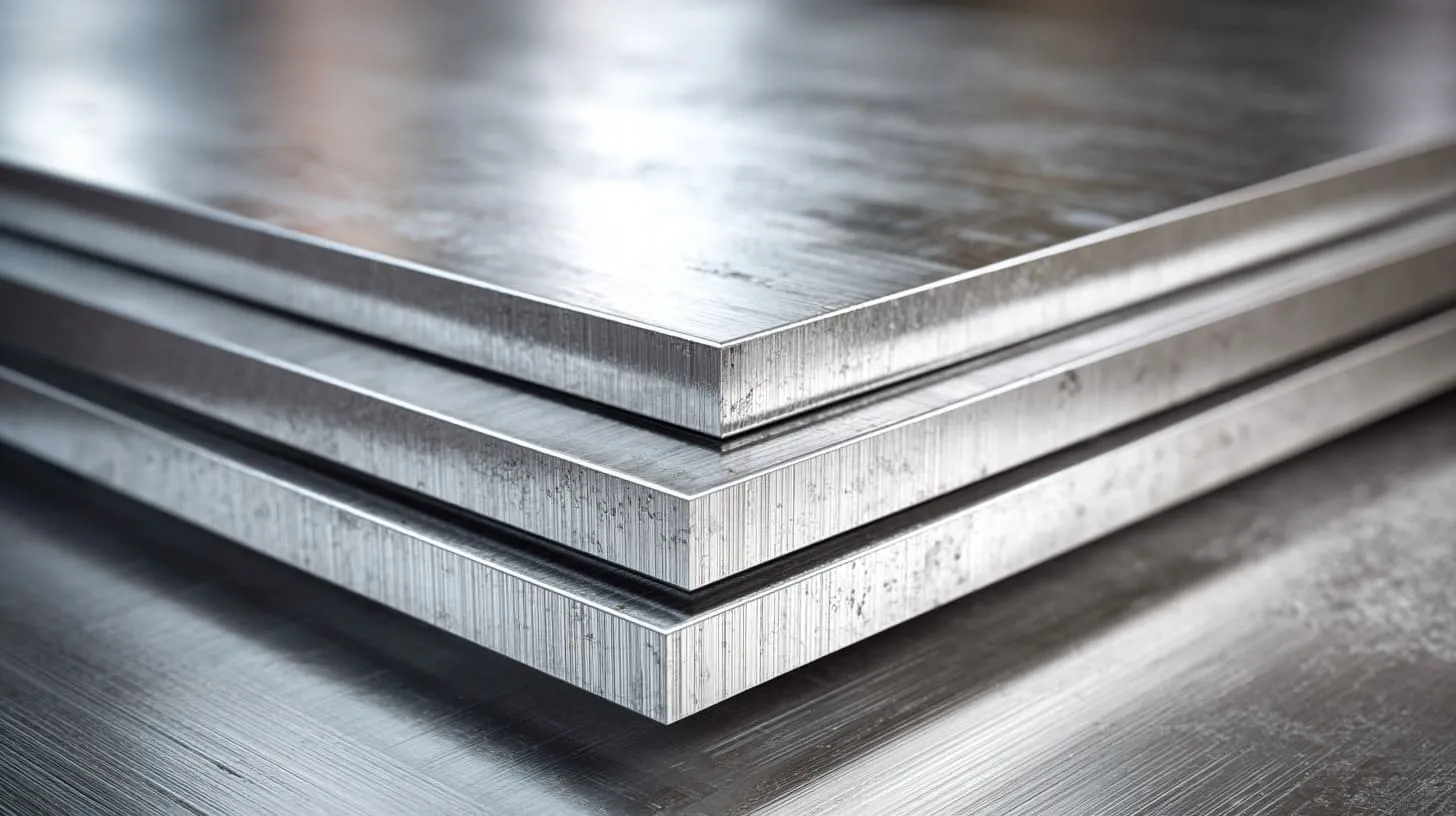
When I first started working with enclosures, stainless steel felt simple. It looked clean. It felt strong. It did not rust easily. That was enough—until it wasn’t.
Basic definition of stainless steel grades
Stainless steel is not one material. It is a family.
The key element is chromium. Once chromium reaches around 10.5%, it forms a thin protective layer on the surface. This layer blocks rust.
Other elements matter too:
- Nickel improves toughness and stability
- Molybdenum improves corrosion resistance
- Carbon affects hardness
Composition of 304 stainless steel
304 is the most common grade I use.
| Element | Typical Content |
|---|---|
| Chromium | 18–20% |
| Nickel | 8–10.5% |
| Molybdenum | None |
It is a good general-purpose material. It works well in most indoor and mild outdoor environments.
Composition of 316 stainless steel
316 looks similar, but one small change makes a big difference.
| Element | Typical Content |
|---|---|
| Chromium | 16–18% |
| Nickel | 10–14% |
| Molybdenum | 2–3% |
That molybdenum is the key. It helps resist corrosion, especially from salt and chemicals.
When I review a drawing, I do not look at the grade first. I look at where the enclosure will live. That usually tells me more than the material label itself.
And once you see that, the next question becomes clearer: what really separates these two?
What Is the Key Difference Between 304 and 316?
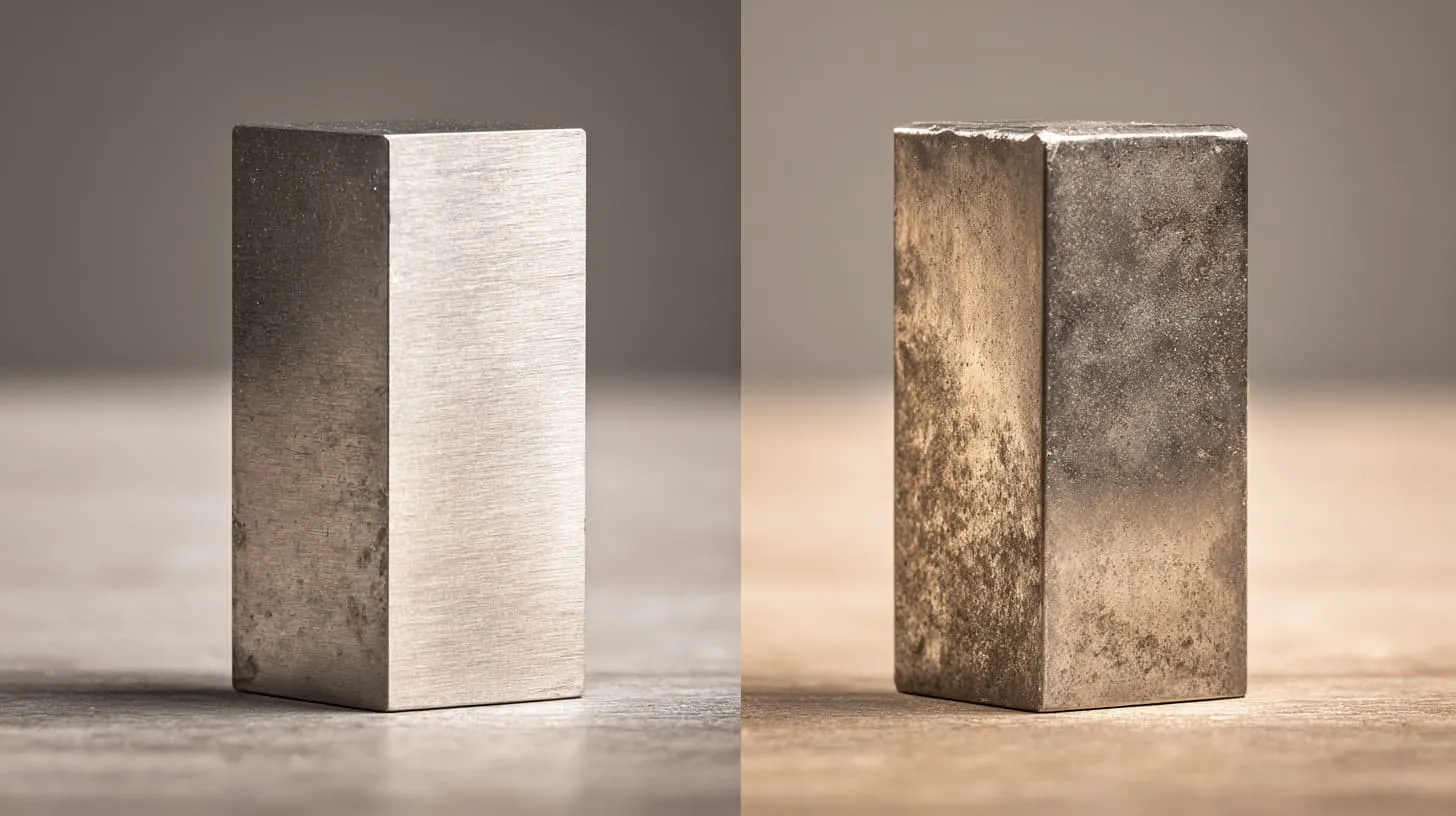
At first glance, 304 and 316 look almost the same. Same finish. Same feel. Same machining process. But small differences create big results over time.
Chemical composition comparison
| Property | 304 | 316 |
|---|---|---|
| Chromium | High | High |
| Nickel | Medium | Higher |
| Molybdenum | No | Yes |
That one extra element—molybdenum—changes how the steel behaves in tough environments.
Corrosion resistance differences
304 works well in:
- Indoor spaces
- Dry environments
- Light outdoor use
316 performs better in:
- Coastal areas (salt air)
- Chemical exposure
- High humidity
I have seen 304 perform perfectly for years in one project, and fail in months in another. The difference was not the steel. It was the environment.
Mechanical properties comparison
| Property | 304 | 316 |
|---|---|---|
| Strength | Similar | Similar |
| Toughness | Good | Slightly better |
| Heat resistance | Good | Slightly better |
The truth is simple. Mechanically, they are close. The real difference is corrosion.
A lot of people focus on strength. I rarely do. For enclosures, corrosion usually decides the lifespan, not strength.
Now this naturally leads to the next question: what happens outside?
Which Material Performs Better in Outdoor Environments?
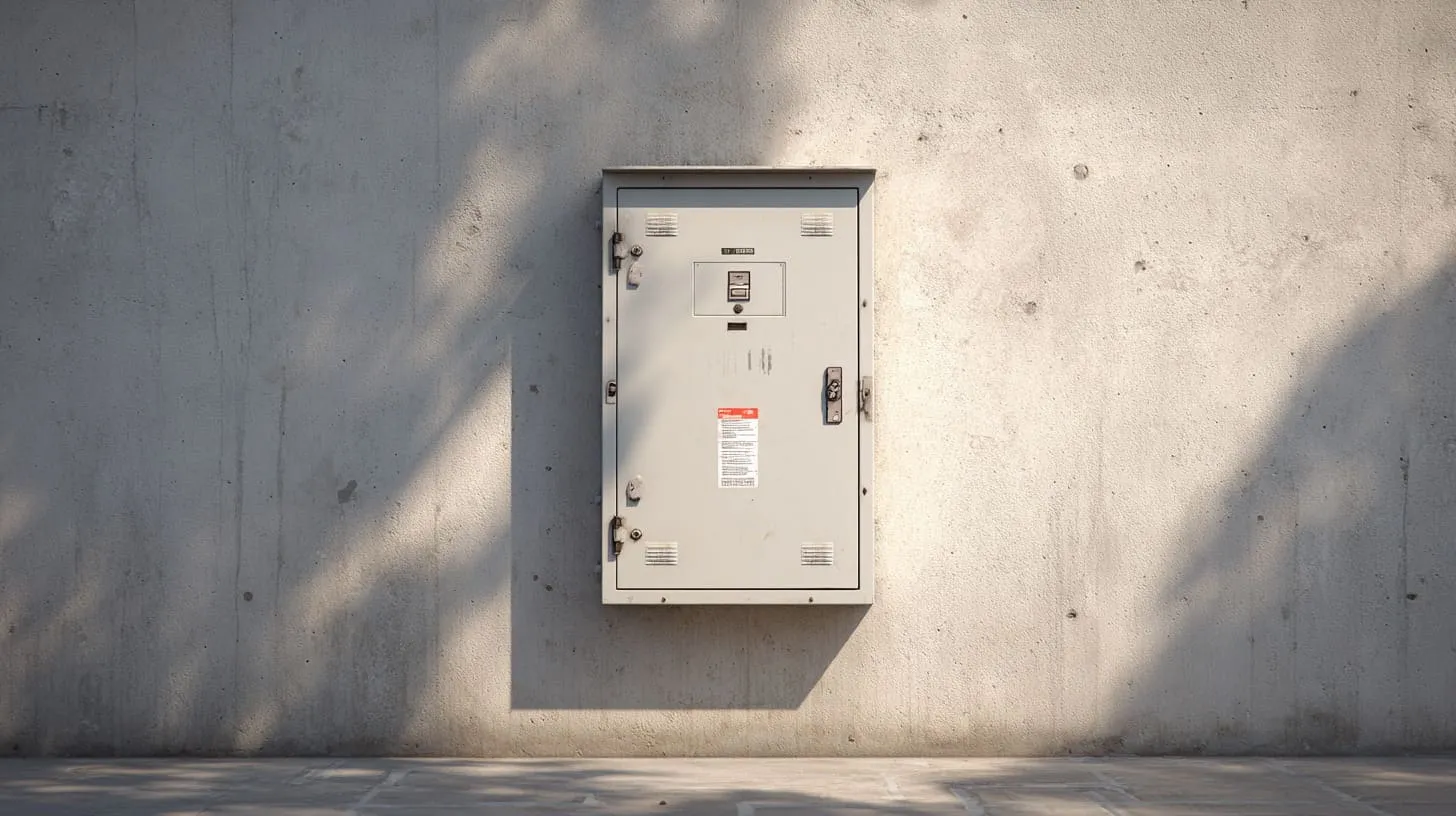
Outdoor sounds simple. It is not.
I always ask one question: what kind of outdoor?
304 stainless steel in outdoor use
304 works fine in:
- Urban environments
- Low humidity areas
- Light exposure conditions
But it struggles in:
- Coastal zones
- Areas with pollution or chemicals
316 stainless steel in harsh environments
316 is built for tougher conditions:
- Salt air near the ocean
- Industrial chemical exposure
- Constant humidity
It lasts longer. It stays cleaner.
Environmental decision factors
Here is how I break it down:
| Environment | Recommended Material |
|---|---|
| Indoor / Dry | 304 |
| Urban outdoor | 304 (usually enough) |
| Coastal / Marine | 316 |
| Chemical exposure | 316 |
One mistake I see often is this: people label something as “outdoor” without defining it. That word hides too much risk.
When I hear “outdoor,” I always ask for more detail. That small step has saved many projects.
And once we bring this into enclosure design, things get even more interesting.
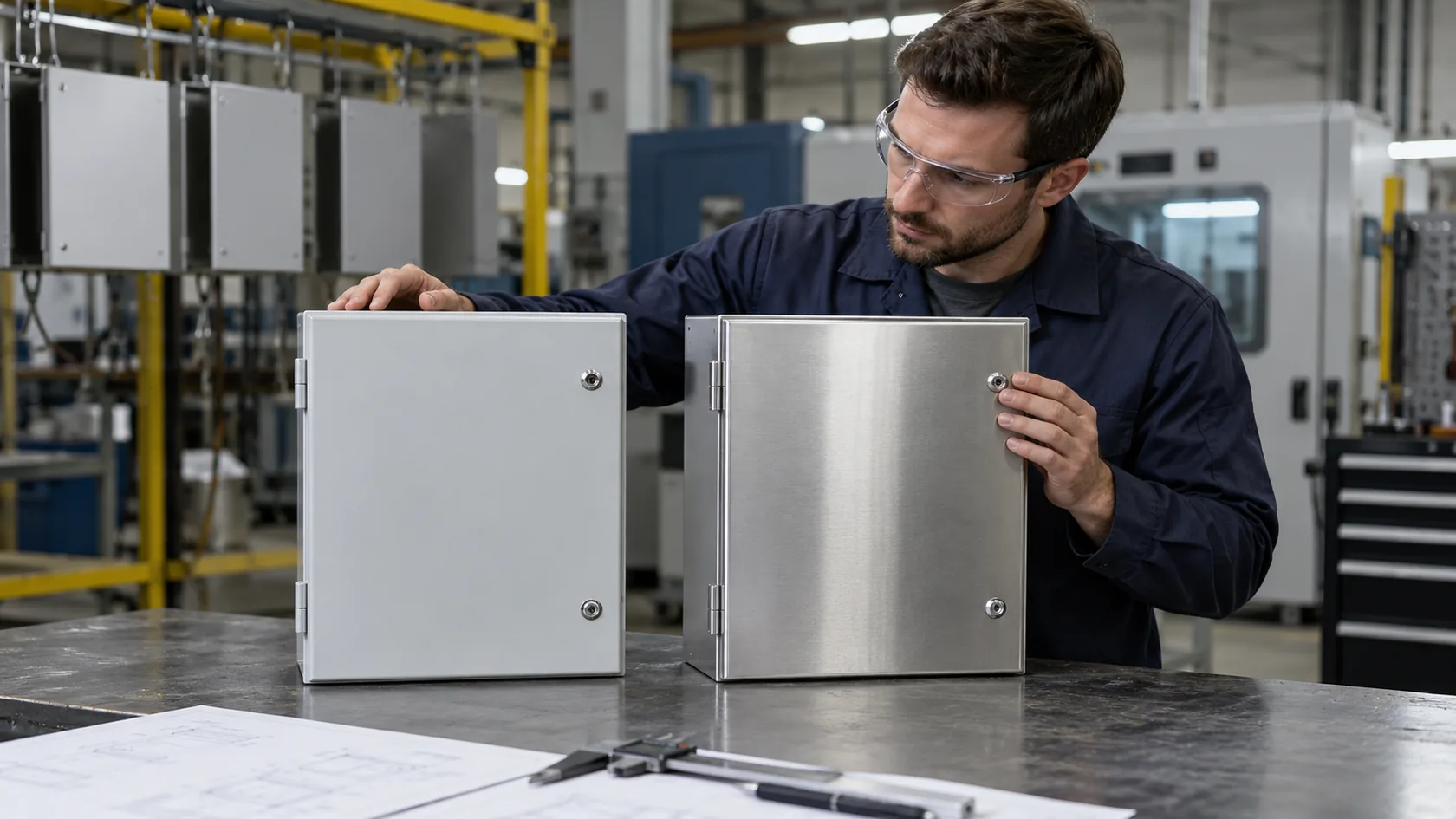
How Do 304 and 316 Compare in Electrical Enclosures?
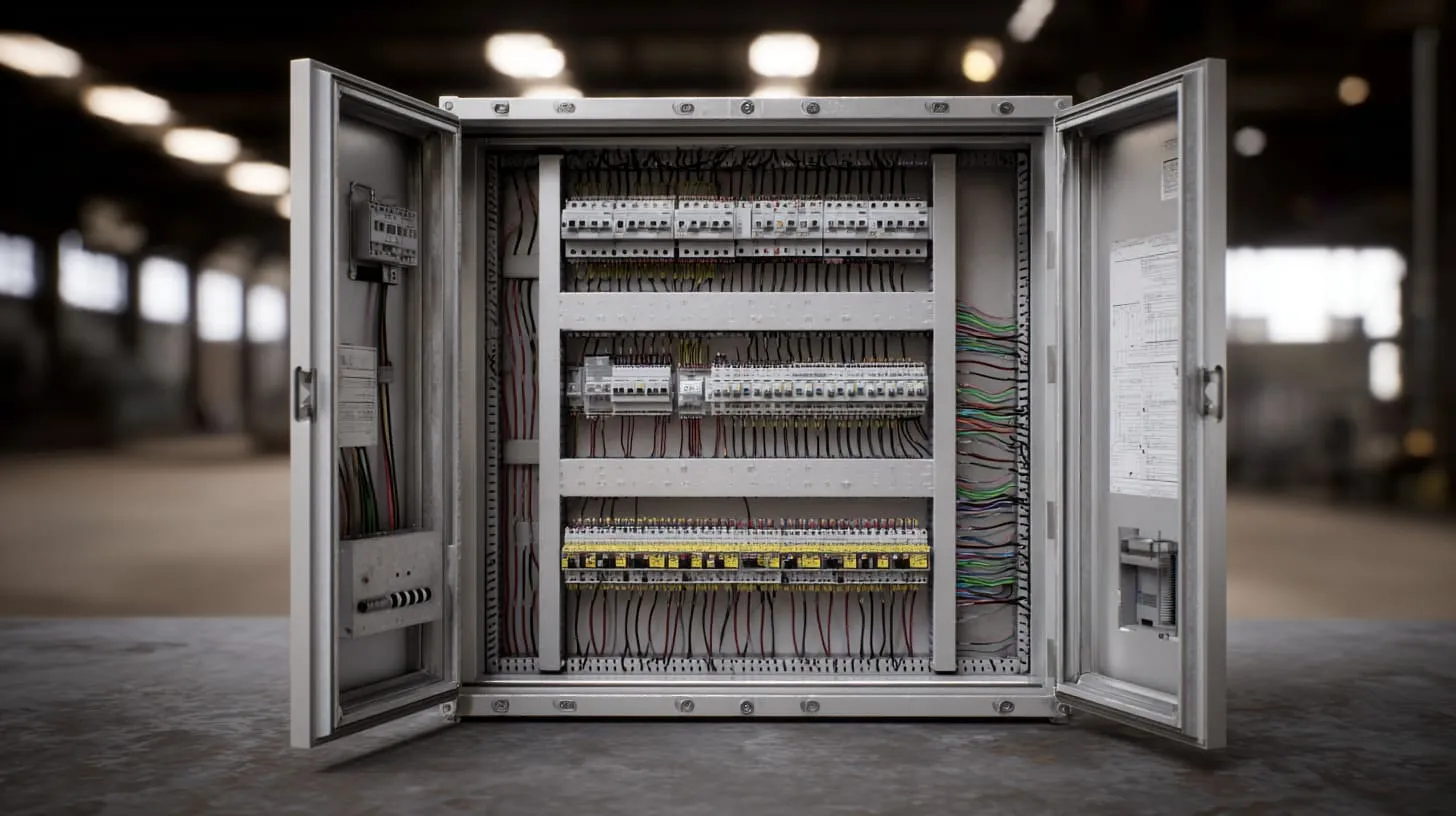
Electrical enclosures are not just boxes. They protect systems that cannot fail.
Protection performance (IP/NEMA considerations)
Material does not create IP rating alone. Design does.
But corrosion affects:
- Sealing surfaces
- Door alignment
- Long-term protection
Application scenarios
| Application | Recommended Material |
|---|---|
| Indoor cabinet | 304 |
| Outdoor control box | 304 or 316 |
| Marine enclosure | 316 |
Longevity and maintenance
304:
- Needs occasional cleaning
- May show surface rust in harsh areas
316:
- Requires less maintenance
- Keeps appearance longer
I always pay attention to one detail here. If corrosion starts near hinges or seals, the whole enclosure can lose protection. That is where problems begin.
And this brings us to a common misunderstanding.
Is 316 Always Better Than 304?
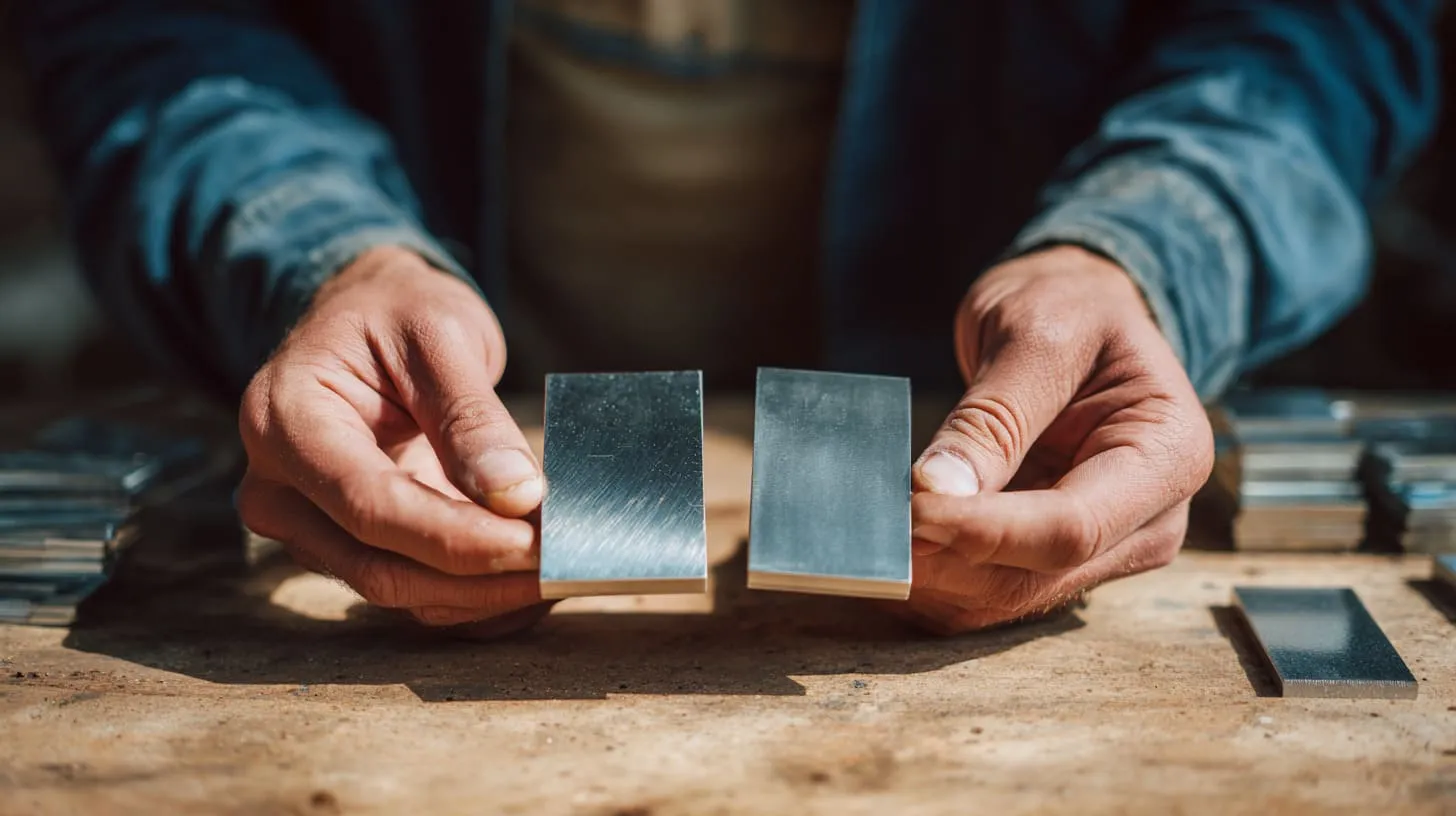
I hear this a lot: “Let’s just use 316 to be safe.”
It sounds careful. But it is not always smart.
The myth of “higher grade equals better”
316 is not “better” in every case. It is just more resistant.
If the environment does not need it, it becomes waste.
Cost vs performance trade-off
| Factor | 304 | 316 |
|---|---|---|
| Cost | Lower | Higher |
| Performance | Good | Better in harsh conditions |
Practical decision mindset
I usually ask:
- What is the real environment?
- How long should it last?
- What is the cost pressure?
Sometimes 316 solves a real problem. Sometimes it just reduces anxiety.
One pattern I notice is this: when buyers feel unsure, they tend to choose the more expensive option. That feeling does not always match reality.
So naturally, the next question comes up—how much more are we paying?
How Much More Expensive Is 316 Than 304?

Cost is where many decisions change direction.
Raw material cost comparison
Typically:
- 316 is 10%–30% more expensive than 304
- Price changes with market conditions
Fabrication and processing cost impact
316 can also increase:
- Machining cost
- Welding complexity
- Lead time
Total project cost influence
For small orders, the difference feels small.
For large OEM projects, it adds up fast.
| Project Size | Cost Impact |
|---|---|
| Small batch | Low |
| Mass production | Significant |
I have seen projects where material upgrade increased total cost by thousands, without adding real value.
So the real question becomes: when should we stay with 304?
When Should You Choose 304 Stainless Steel?
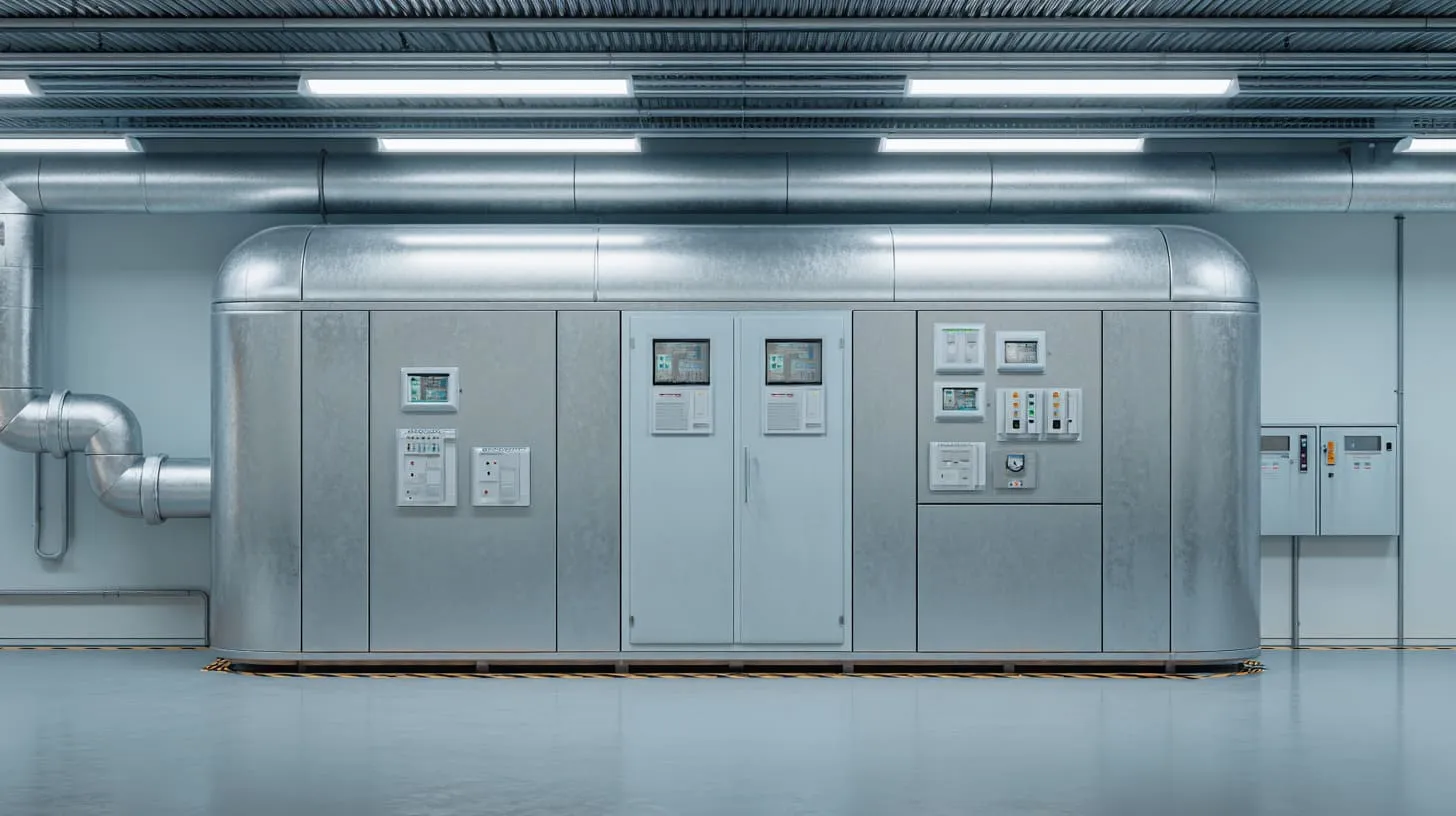
304 is not the “cheap option.” It is the right option in many cases.
Ideal use cases
- Indoor enclosures
- Dry environments
- Light outdoor exposure
Cost-sensitive projects
- Large volume orders
- Competitive markets
Typical industries
- Electronics
- Automation
- Indoor control systems
When I review a project and see no strong corrosion risk, I lean toward 304. It keeps cost under control and still performs well.
But there are situations where I will not compromise.
When Should You Choose 316 Stainless Steel?
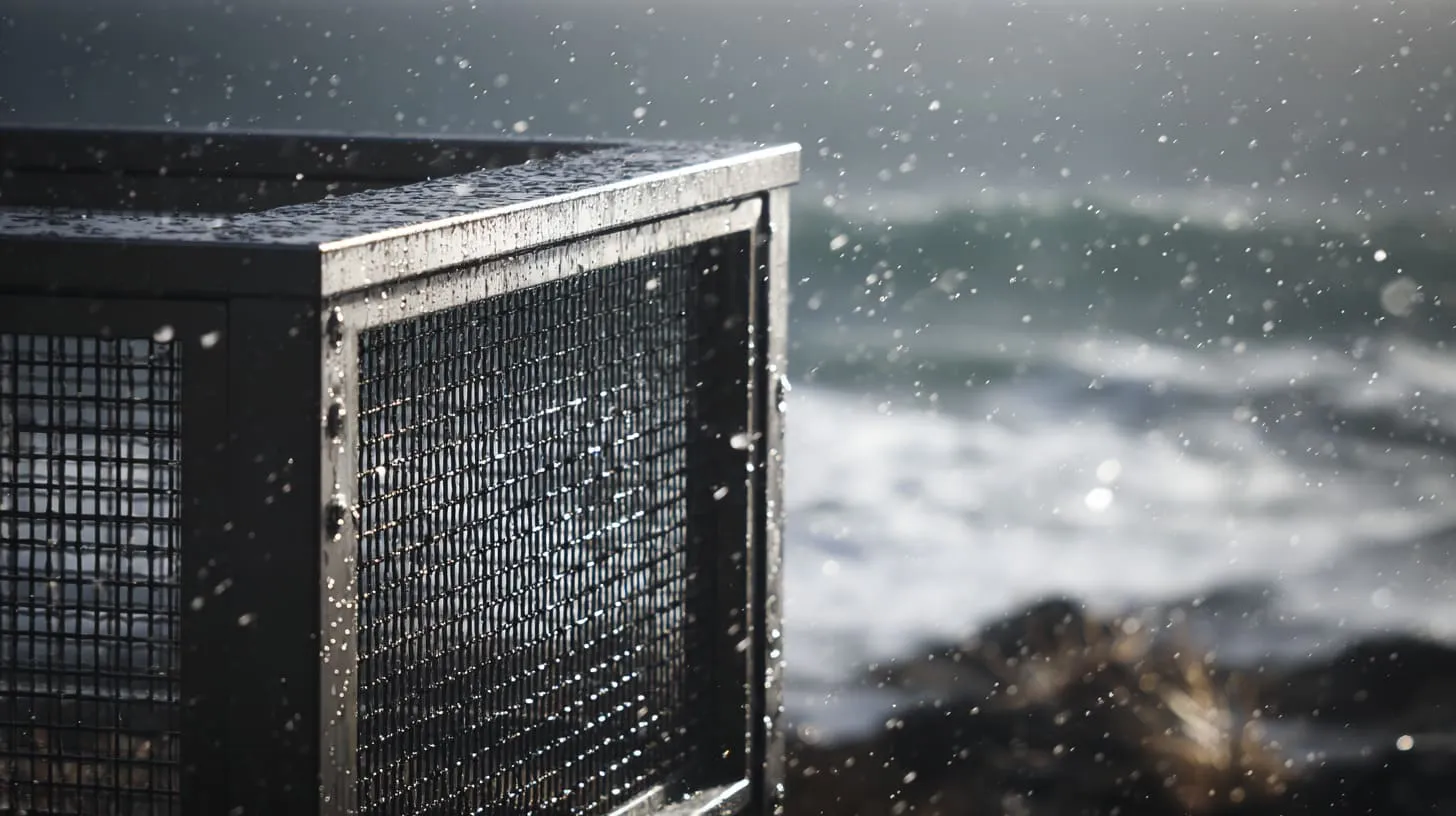
Some environments are simply too aggressive.
Harsh environment applications
- Coastal areas
- Offshore installations
- Chemical plants
High durability requirements
- Long lifecycle products
- Low maintenance needs
Compliance and certification needs
- Food industry
- Marine standards
If failure is not acceptable, and corrosion risk is high, I move to 316 without hesitation.
I have learned this the hard way. Saving money upfront can cost much more later.
Now let’s step back and look at the bigger picture.
What Factors Should Buyers Consider Before Choosing?
Material choice is never just about material.
Environmental conditions
- Salt exposure
- Chemicals
- Humidity
Product lifecycle expectations
- Short-term use
- Long-term durability
Budget constraints
- Cost limits
- Target pricing
Customization and design considerations
- Thickness
- Surface finish
- Sealing design
I often notice this: good buyers do not ask “which is better?” They ask “which fits this job best?”
That mindset changes everything.
Still, mistakes happen.
Common Mistakes When Choosing Stainless Steel for Enclosures
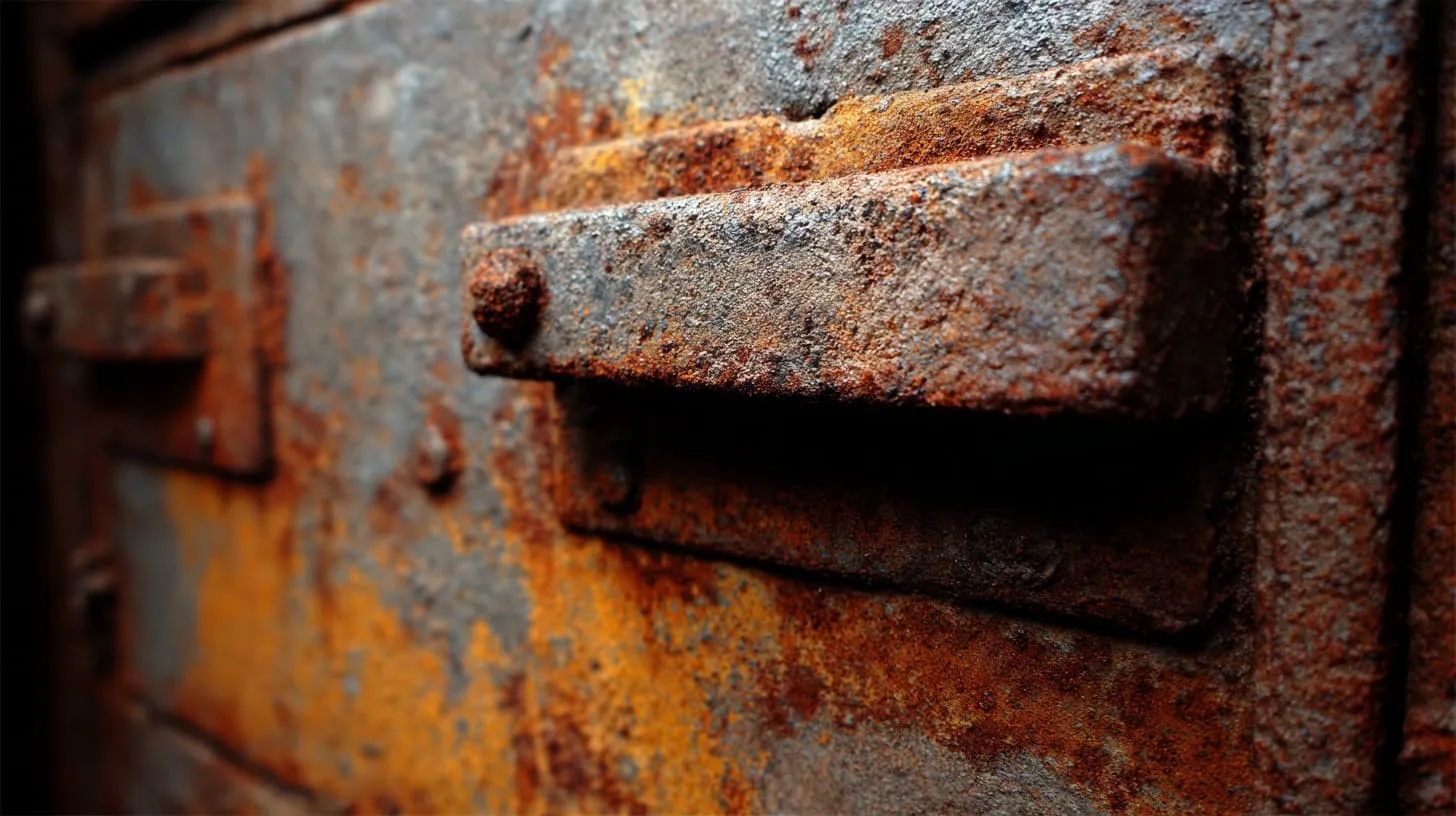
I have seen the same mistakes repeat across projects.
Over-specifying material grade
Choosing 316 without real need.
Ignoring environment details
Not checking actual exposure conditions.
Focusing only on material, not design
Poor sealing can ruin even the best material.
Poor supplier communication
Missing details lead to wrong decisions.
The most expensive problems I see are not caused by bad materials. They come from incomplete thinking.
And this is where a good manufacturer makes a big difference.
How Can a Reliable Manufacturer Help You Decide?
A supplier should not just quote. They should think with you.
Engineering support and material recommendations
- Review drawings
- Suggest suitable materials
Sample testing and validation
- Corrosion tests
- Real environment checks
Cost optimization suggestions
- Alternative materials
- Design improvements
OEM/ODM customization support
- Logo engraving
- Custom packaging
- Fast production
When I work with clients, I do not start with price. I start with questions. That is how we avoid problems later.
And after all this, the answer becomes clear.
Conclusion
304 and 316 are both good materials. The difference is not about good or bad. It is about fit.
304 works well for most indoor and mild environments. It keeps cost low and performance stable.
316 performs better in harsh conditions. It handles salt, chemicals, and long exposure more reliably.
The real mistake is not choosing the wrong grade. It is choosing without understanding the environment.
If you are working on a new enclosure project and feel unsure, you can share your drawings or application details with me. I will help you look at the real risks, not just the material label. That way, we make a decision that works not only on paper, but in real use.