Skip to content

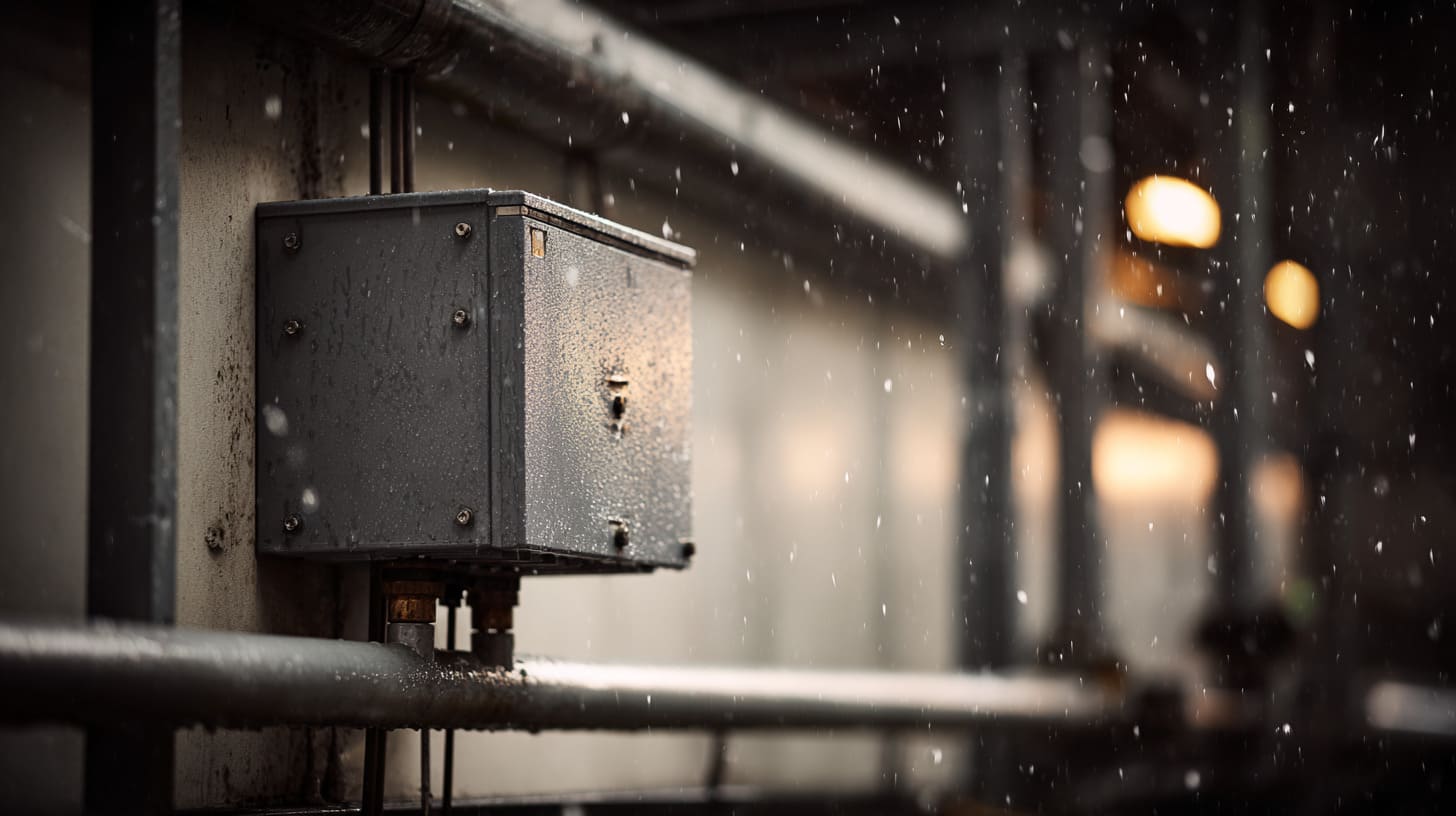
A wrong enclosure rating can look harmless on a drawing. Then dust, dripping water, and factory air slowly turn that small choice into a product problem.
A NEMA 5 enclosure rating means the enclosure is made for indoor use and protects electrical equipment from falling dirt, settling airborne dust, lint, fibers, and dripping or light splashing water. It is not designed for outdoor weather or hose-directed water.
I have seen buyers treat NEMA ratings like simple labels. But in real enclosure projects, that small label affects material, gasket design, cost, delivery time, and even whether the final product can pass inspection.
What Does a NEMA 5 Enclosure Rating Mean?
NEMA 5 sounds like a simple technical name. But for buyers, it is really a promise about indoor protection.
A NEMA 5 enclosure protects electrical equipment from indoor dust, falling dirt, lint, fibers, dripping water, and light splashing water. It is stronger than a basic indoor enclosure, but weaker than washdown or outdoor-rated enclosures.
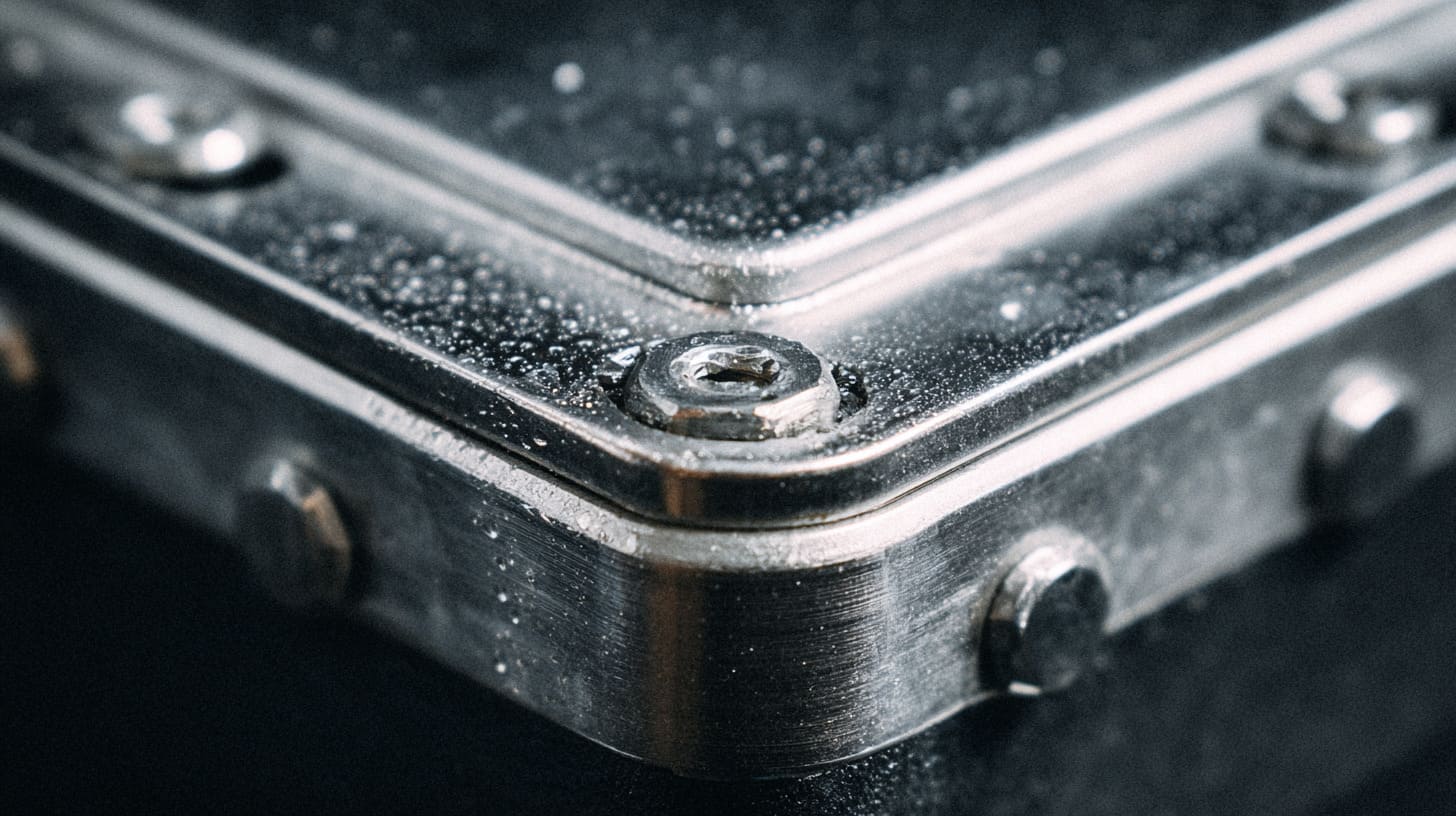
A NEMA 5 enclosure is mainly used when the inside components need more protection than a basic indoor box can offer.
I usually read NEMA 5 as a “controlled indoor but not perfectly clean” rating. That is the small detail many buyers miss. The room may be indoors, but dust, lint, moisture, and dirty air can still cause real problems.
What NEMA 5 Usually Protects Against
| Protection factor | NEMA 5 performance | Simple meaning |
|---|---|---|
| Falling dirt | Yes | Dirt from above should not easily enter |
| Settling dust | Yes | Dust in the air should be reduced |
| Lint and fibers | Yes | Good for light industrial indoor spaces |
| Dripping water | Yes | Handles limited dripping water |
| Light splashing water | Yes | Handles small splashes, not washdown |
| Hose-directed water | No | Not suitable for strong water spray |
| Outdoor rain | No | Not a weatherproof outdoor rating |
Why This Rating Matters In Real Projects
I have seen some buyers choose an enclosure only by size and material. The drawing looks correct. The holes are correct. The color is correct.
Then the product goes into a dusty workshop.
After a few months, the inside looks tired. Dust collects around terminals. Small fibers stick near vents. Moisture marks appear around weak seams.
That is when the rating starts to matter.
A NEMA 5 enclosure is not just about “having a cover.” It is about reducing the ways dirt and moisture can enter the enclosure during normal indoor use.
What Is a NEMA 5 Enclosure Used For?
A NEMA 5 enclosure is used for indoor electrical and electronic equipment that needs protection from dust, lint, falling dirt, and limited dripping or splashing water.
NEMA 5 enclosures are commonly used for control panels, power distribution parts, automation devices, indoor machinery controls, electrical junctions, and equipment placed in dusty or slightly damp indoor industrial areas.
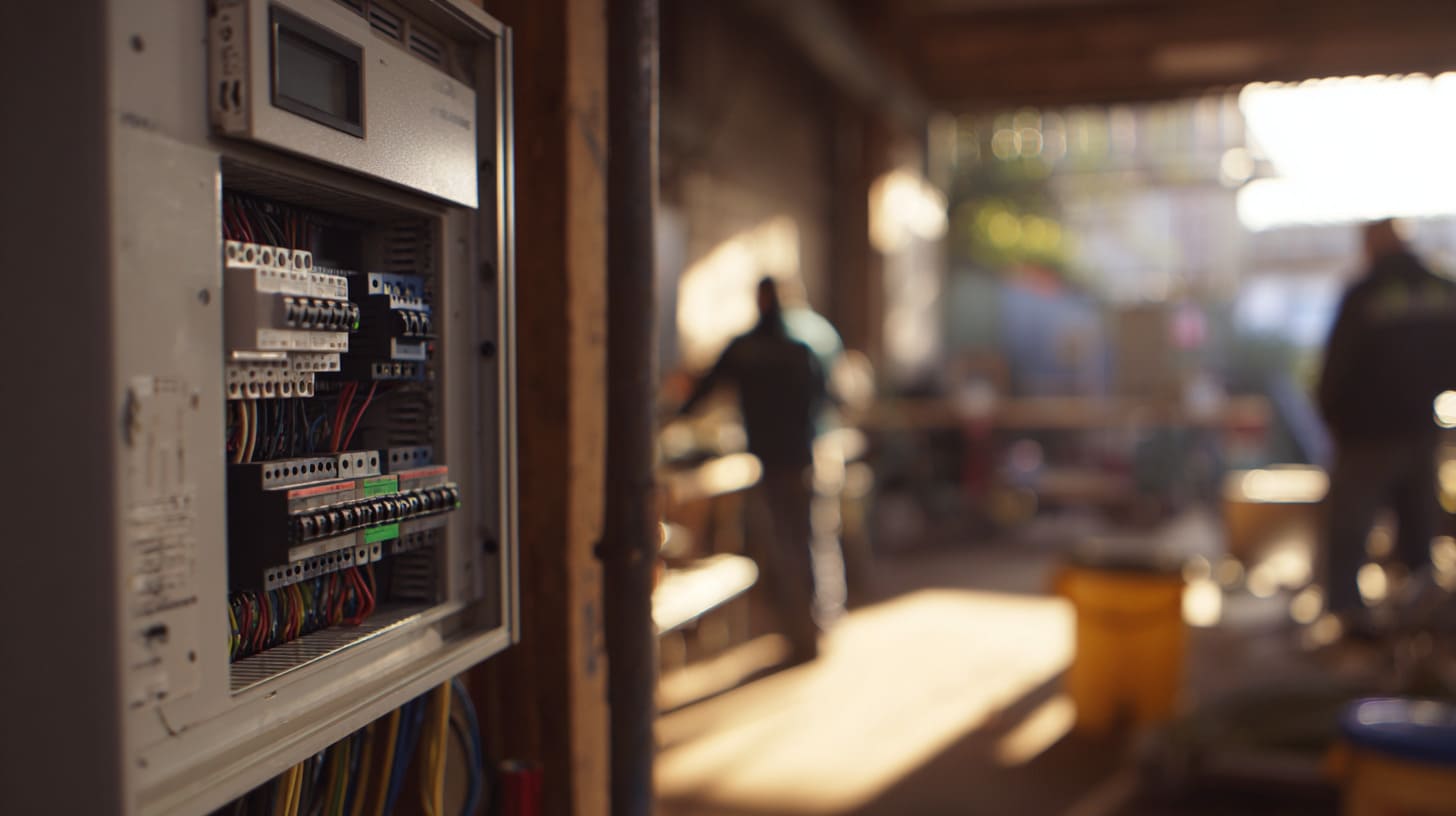
I often see NEMA 5 used when the buyer wants better indoor protection but does not want to pay for a stronger outdoor or washdown rating.
For real factory work, I do not ask only, “Where will it be installed?” I also ask, “What will happen around it every day?” That answer tells me more than the room name.
Common Applications
| Application | Why NEMA 5 may fit |
|---|---|
| Indoor control box | Protects wiring and control parts from dust |
| Factory machine control panel | Helps block lint, dirt, and light moisture |
| Electrical junction box | Gives better indoor sealing than a basic box |
| Automation equipment housing | Protects sensitive components in dusty areas |
| Warehouse electrical enclosure | Handles dust and limited dripping water |
| HVAC indoor control enclosure | Useful where dust and condensation may appear |
| Light industrial power box | Good for indoor areas without hose cleaning |
A Simple Example From Factory Thinking
A buyer may send me a design for an indoor machine control box. The parts inside are not very expensive, but the machine cannot stop during production.
The buyer may say, “It is only indoors.”
That sentence always makes me slow down.
Indoor does not mean clean. Indoor does not mean dry. Indoor does not mean safe from dust.
A packaging workshop can have paper dust. A textile area can have fibers. A warehouse can have dirty air. A machine room can have light water drops from nearby pipes or cooling systems.
So I look at the daily environment, not just the building.
Is a NEMA 5 Enclosure Waterproof or Weatherproof?
A NEMA 5 enclosure is not fully waterproof or weatherproof. It can protect against dripping water and light splashing water, but it is not designed for outdoor rain, hose spray, or washdown conditions.
NEMA 5 is water-resistant in a limited indoor sense, but it is not waterproof. It should not be treated as an outdoor enclosure or a washdown enclosure. For stronger water protection, NEMA 4 or NEMA 4X is usually more suitable.
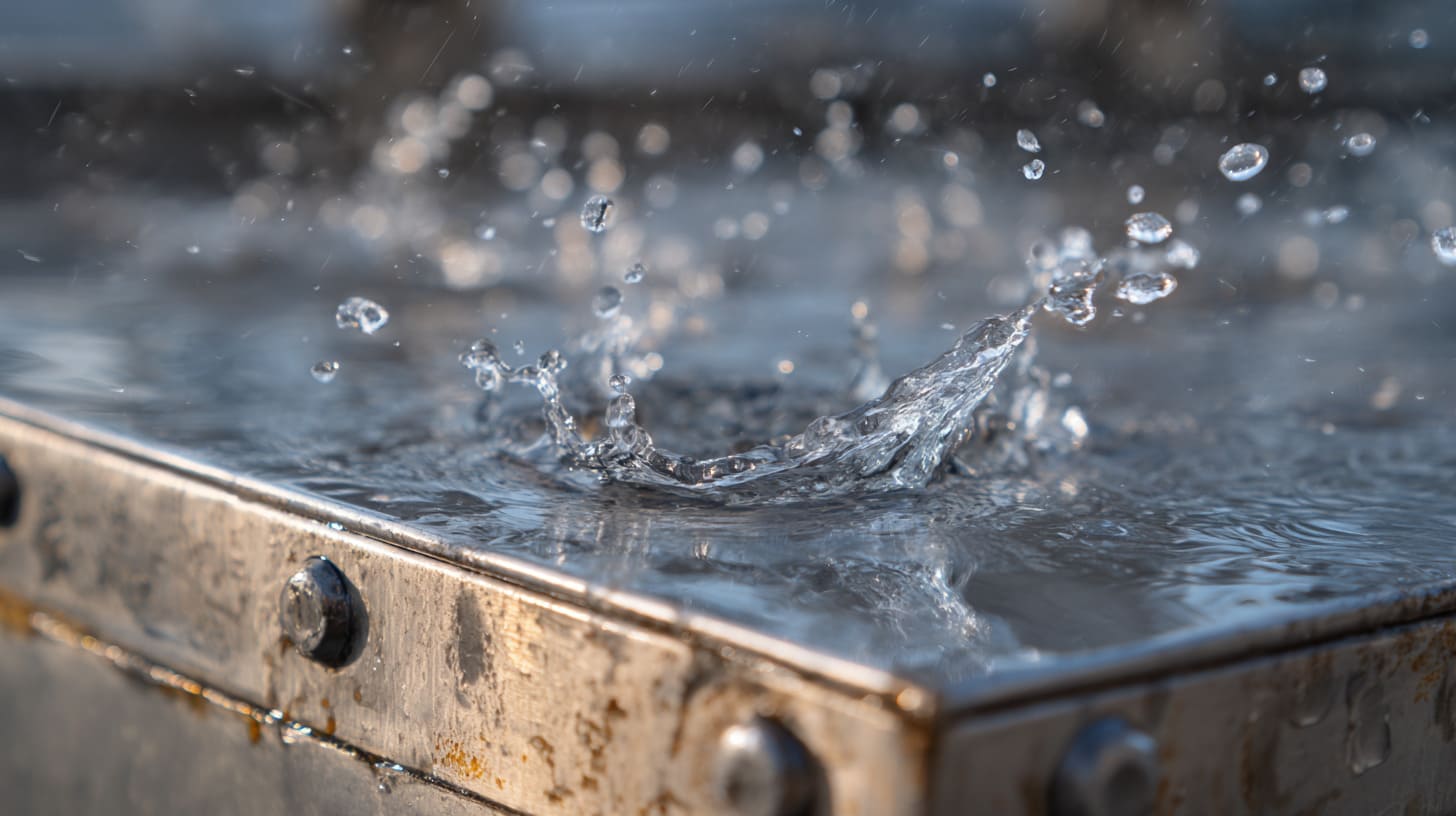
This is one of the most common misunderstandings I see. Buyers see water protection, then they think it means waterproof.
The word I pay attention to is not “water.” It is “how much water, from which direction, and under what pressure.” That small difference can save a project from a painful mistake.
Waterproof vs Water-Resistant
| Term | Meaning | NEMA 5 situation |
|---|---|---|
| Drip-resistant | Handles water falling down in small amounts | Yes |
| Splash-resistant | Handles limited light splashes | Yes |
| Waterproof | Can resist stronger water exposure | No |
| Weatherproof | Can handle outdoor weather | No |
| Washdown-rated | Can handle hose-directed water | No |
Why The Difference Matters
Water is tricky.
A few drops from above are one thing. A hose spraying from the side is another thing. Outdoor rain with wind is another thing again.
A NEMA 5 enclosure is not built for every water direction and every water force. It is made for indoor use where moisture risk exists, but the water exposure is limited.
If a customer tells me the enclosure may be cleaned with water, I do not treat NEMA 5 as safe. I ask how they clean it.
- Do they wipe it with a wet cloth?
- Do they use a low-pressure spray?
- Do they use a hose?
- Do they use chemicals?
- Does water hit the enclosure from the side?
- Does water collect near the gasket?
These questions sound simple. But they decide whether NEMA 5 is enough or not.
What Is the Difference Between NEMA 5 and NEMA 4 Enclosures?
NEMA 5 is mainly for indoor dust and limited water protection. NEMA 4 offers stronger protection against rain, splashing water, and hose-directed water, so it can be used in tougher indoor or outdoor environments.
The main difference is water protection. NEMA 5 handles indoor dust, dripping water, and light splashing. NEMA 4 handles those risks plus stronger water exposure, including hose-directed water and outdoor weather conditions.
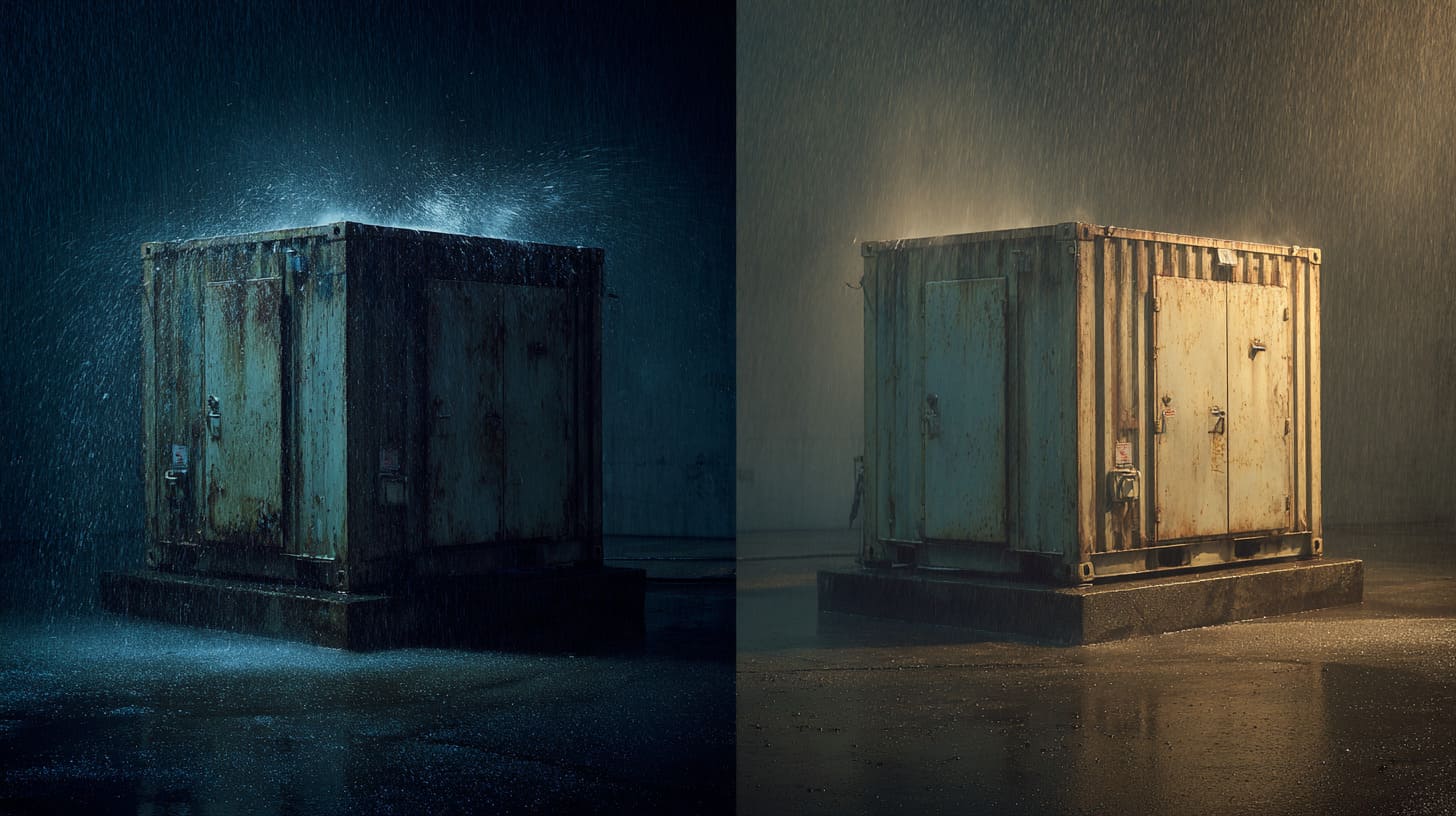
Many buyers compare NEMA 5 and NEMA 4 because both sound like protective ratings. But they are not built for the same level of water risk.
When I compare these two ratings, I normally look at cleaning method first, not price first. A cheaper rating becomes expensive very fast if the customer uses water around the enclosure.
NEMA 5 vs NEMA 4
| Factor | NEMA 5 | NEMA 4 |
|---|---|---|
| Main use | Indoor | Indoor or outdoor |
| Dust protection | Good | Good |
| Dripping water | Yes | Yes |
| Light splashing water | Yes | Yes |
| Hose-directed water | No | Yes |
| Outdoor weather | No | Yes |
| Typical cost | Lower | Higher |
| Sealing demand | Medium | Higher |
| Best for | Dusty indoor areas | Wet, outdoor, or washdown areas |
When NEMA 5 Makes Sense
NEMA 5 can be a smart choice when the project is indoors and the buyer does not need hose spray protection.
It can reduce cost. It can simplify production. It can be easier to customize. It can also help avoid over-design.
Over-design is not always smart. I have seen buyers request a higher rating than they need. The enclosure becomes more expensive. The gasket design becomes harder. The lead time becomes longer. The final product does not gain much real value.
When NEMA 4 Is Safer
NEMA 4 makes more sense when the enclosure may face:
- Outdoor rain
- Hose cleaning
- Wet processing areas
- Water spray from machines
- Harsh cleaning routines
- More serious moisture exposure
A customer once asked for a simple indoor box. Then during the call, he mentioned that workers cleaned the nearby equipment every Friday with water spray.
That one sentence changed the enclosure choice.
The drawing did not show that risk. The working habit did.
What Environments Are Suitable For NEMA 5 Enclosures?
NEMA 5 enclosures are suitable for indoor industrial and commercial environments where electrical parts need protection from dust, lint, fibers, falling dirt, dripping water, or small water splashes.
Suitable environments for NEMA 5 include indoor factories, warehouses, machine rooms, packaging areas, textile areas, control rooms, and other indoor spaces where dust or light moisture may be present.
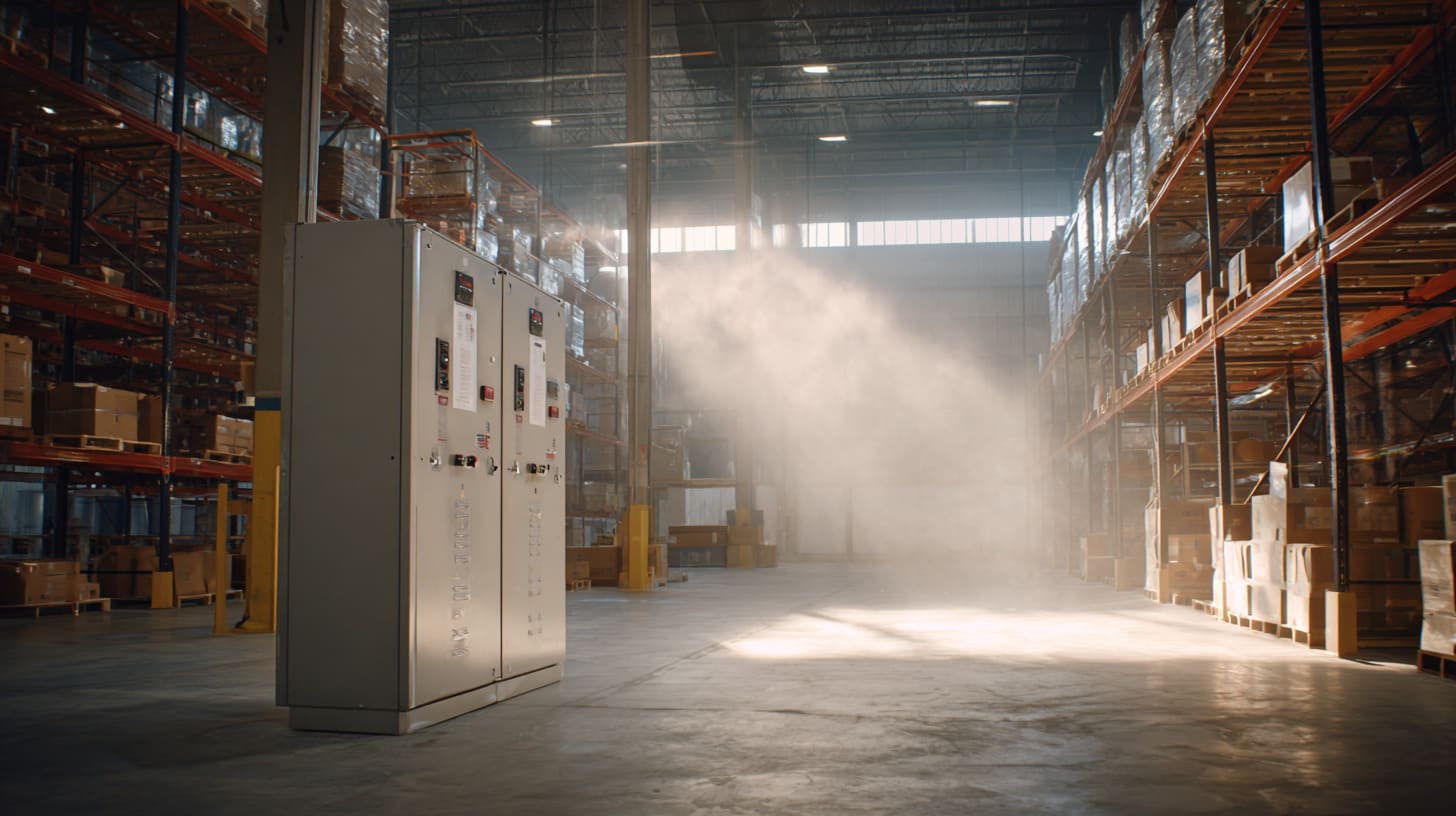
A suitable environment is not always a clean environment. It is an environment where the risks match what NEMA 5 can handle.
The detail I do not ignore is air quality. If the air carries dust, powder, fibers, or small particles every day, a normal indoor enclosure may not be enough.
Good Environment Matches
| Environment | NEMA 5 suitability | Reason |
|---|---|---|
| Indoor warehouse | Good | Dust and falling dirt may exist |
| Light manufacturing area | Good | Protects from dust and small splashes |
| Packaging workshop | Good | Paper dust and fibers may be present |
| Textile area | Good | Lint and fibers are common |
| Indoor machine room | Good | Dust and dripping moisture may appear |
| Office area | Usually more than needed | Basic enclosure may be enough |
| Outdoor wall | Poor | Weather exposure is too high |
| Washdown room | Poor | Water spray risk is too high |
The Environment Is More Than The Building
I do not trust the word “indoor” alone.
An indoor electronics lab and an indoor packaging workshop are very different. One may be clean and controlled. The other may have dust in the air all day.
The same enclosure can perform well in one place and fail in another.
So I usually think through three simple questions:
- What can fall onto the enclosure?
- What can float in the air around it?
- What kind of water can touch it?
Those three questions tell me more than a long technical paragraph.
Can a NEMA 5 Enclosure Be Used Outdoors?
A NEMA 5 enclosure should not be used outdoors because it is not designed for rain, snow, wind-driven water, sunlight exposure, or changing outdoor temperatures.
NEMA 5 is an indoor rating. It should not be used outdoors unless there is extra protection, such as a weatherproof shelter, and even then, a higher outdoor-rated enclosure is usually the safer choice.
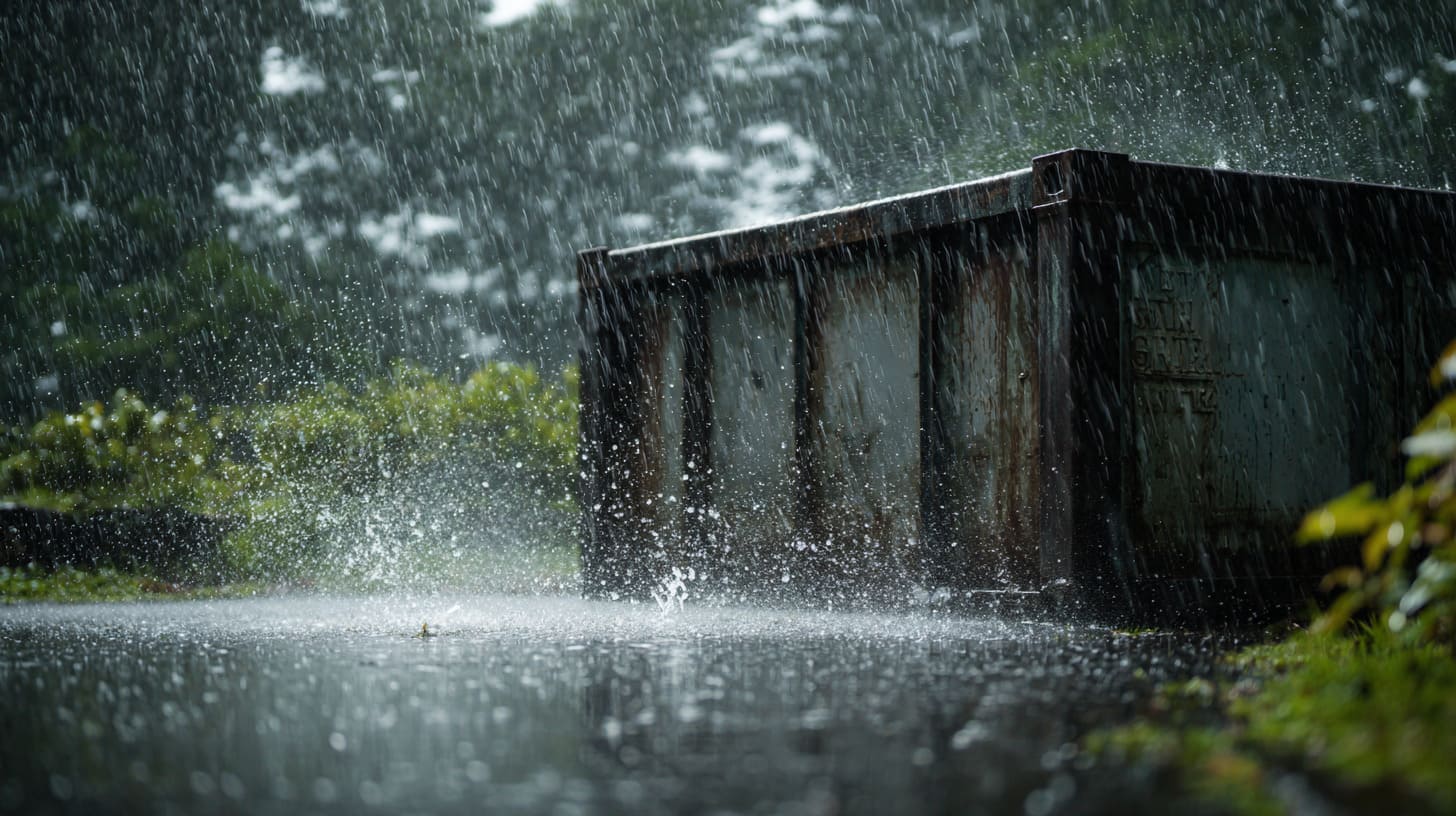
This question comes up often because many buyers want to control cost. I understand that. Outdoor-rated enclosures can be more expensive.
But I get careful when a buyer says, “It will be outside, but only a little.” Outdoor risk does not care about our budget, and rain has a bad habit of finding the weakest corner.
Why Outdoor Use Is Risky
| Outdoor factor | Risk for NEMA 5 |
|---|---|
| Rain | Water may enter through seams or openings |
| Wind-driven rain | Water can hit from directions not expected |
| UV exposure | Plastic or coating may age faster |
| Temperature change | Gaskets may shrink, harden, or lose pressure |
| Condensation | Moisture may form inside |
| Dust and insects | Extra sealing may be needed |
| Snow or ice | Pressure and moisture can damage the enclosure |
Can It Work Under A Roof?
Sometimes a buyer asks if NEMA 5 can be used under a roof or inside a covered shed.
My answer is careful.
It may reduce direct rain. But it does not remove outdoor moisture, wind, dust, heat, UV, or condensation.
A covered outdoor space is still not the same as an indoor controlled environment.
If the enclosure protects low-risk parts, the buyer may accept the risk. But if the enclosure holds control electronics, power parts, communication devices, or customer-facing equipment, I would usually move toward a true outdoor rating.
The cost difference may feel uncomfortable at first. But replacing failed enclosures in the field feels worse.
How Does NEMA 5 Protect Against Dust And Moisture?
NEMA 5 protects against dust and moisture through a closed enclosure structure, better seams, cover design, gasket contact, controlled openings, and material choices that reduce dirt and water entry.
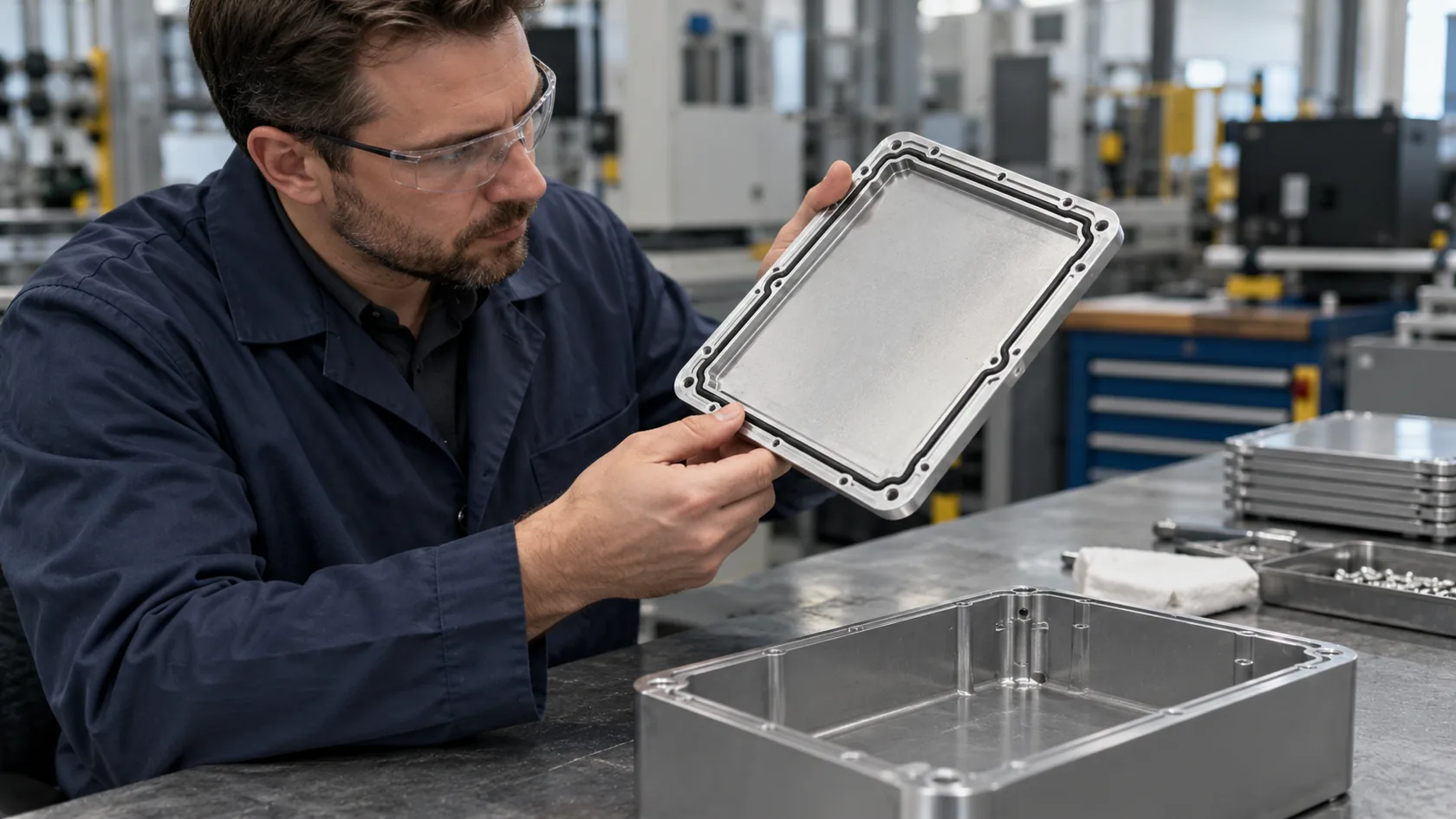
NEMA 5 protection comes from enclosure design, not only from the material. The cover, seams, gasket, screw pressure, cable openings, and mounting points all work together to block dust, lint, dripping water, and light splashing.
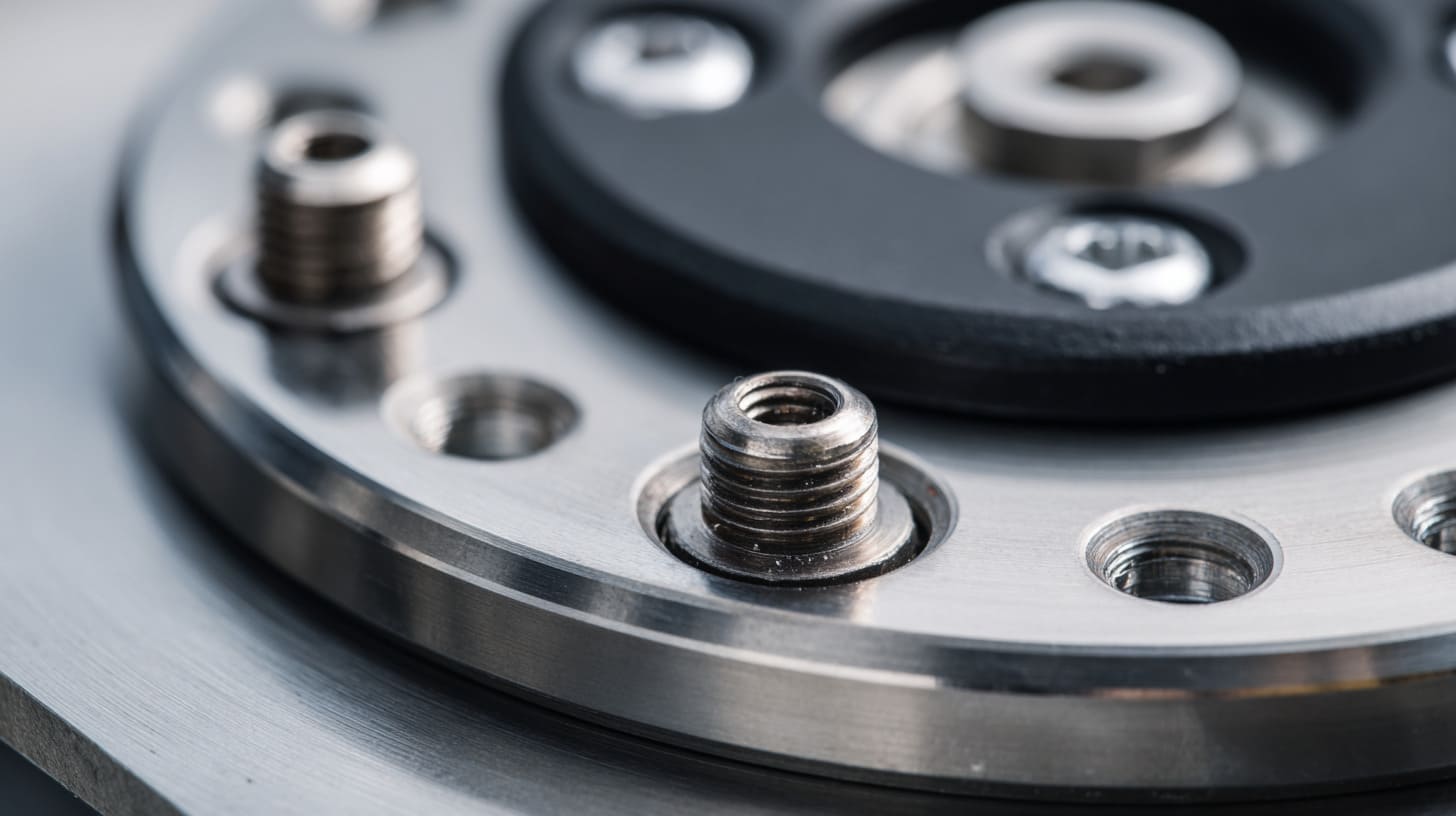
A good enclosure is like a good door. The panel may look strong, but the real protection often depends on the edges.
The part I check with extra care is the sealing path. A beautiful enclosure can still fail if dust can enter through cable holes, loose covers, or weak gasket pressure.
Main Protection Details
| Design detail | Why it matters |
|---|---|
| Cover overlap | Helps reduce direct dust and water entry |
| Gasket | Helps seal the gap between cover and body |
| Screw spacing | Helps keep even pressure on the gasket |
| Cable glands | Reduce entry points around wires |
| Knockouts | Must be sealed after use |
| Mounting holes | Need careful placement and sealing |
| Material thickness | Helps keep the structure stable |
| Surface finish | Helps resist corrosion and wear |
Dust Protection Is Not Magic
Dust protection does not mean the enclosure becomes a sealed metal brick.
Every opening is a possible weak point.
A buyer may focus on the enclosure body, but the cable entry may be the real problem. Another buyer may choose a gasket, but the screw spacing may be too wide. The gasket looks good, but the pressure is not even.
That is why I do not separate rating from design.
A NEMA 5 enclosure needs the full system to work together.
Moisture Protection Needs Direction Thinking
Moisture protection depends on how water reaches the enclosure.
Water from above is different from water from the side. A few drops are different from constant spray. A damp room is different from a cleaning area.
So I always think about water direction before I think about gasket thickness.
That small habit helps avoid many wrong assumptions.
What Materials Are Commonly Used For NEMA 5 Enclosures?
NEMA 5 enclosures are commonly made from sheet metal, aluminum, stainless steel, and plastic materials, depending on strength, corrosion needs, weight, cost, and customization requirements.
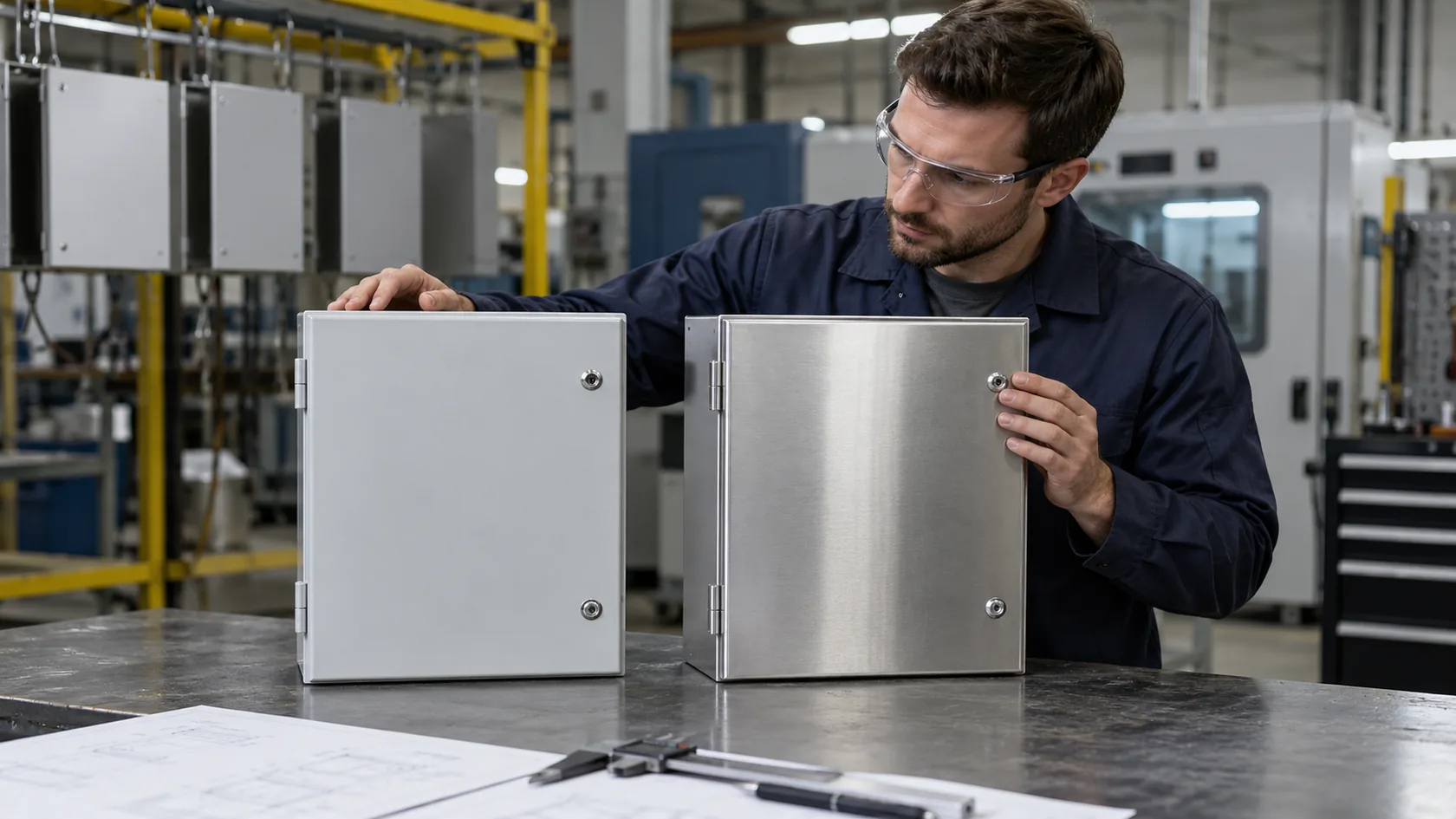
Common NEMA 5 enclosure materials include painted steel, aluminum, stainless steel, ABS plastic, polycarbonate, and other engineering plastics. The best choice depends on the environment, budget, weight, corrosion risk, and required custom processing.
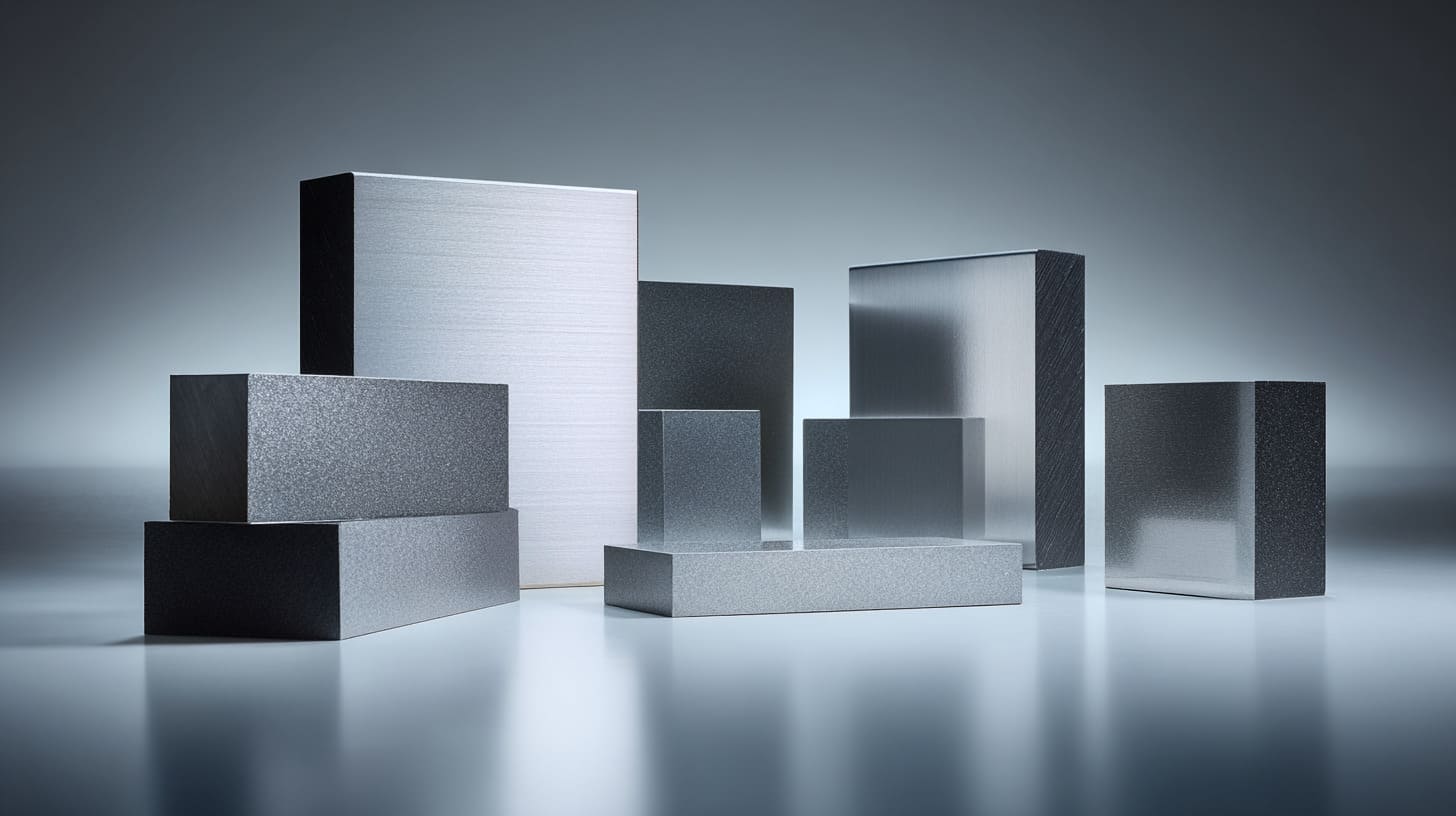
The material choice is not only about strength. It also affects cost, appearance, machining, heat, corrosion, and branding.
I usually do not choose material by “best” material. I choose it by the problem the enclosure must survive.
Common Material Options
| Material | Strength | Corrosion resistance | Weight | Cost level | Common use |
|---|---|---|---|---|---|
| Painted steel | High | Medium | Heavy | Medium | Industrial control boxes |
| Aluminum | Medium to high | Good | Light | Medium | Custom electronic enclosures |
| Stainless steel | Very high | Very good | Heavy | High | Harsh indoor areas |
| ABS plastic | Medium | Good | Light | Lower | Light electrical housings |
| Polycarbonate | High | Good | Light | Medium | Impact-resistant plastic enclosures |
Aluminum For Custom Enclosures
For many custom projects, aluminum is a practical choice.
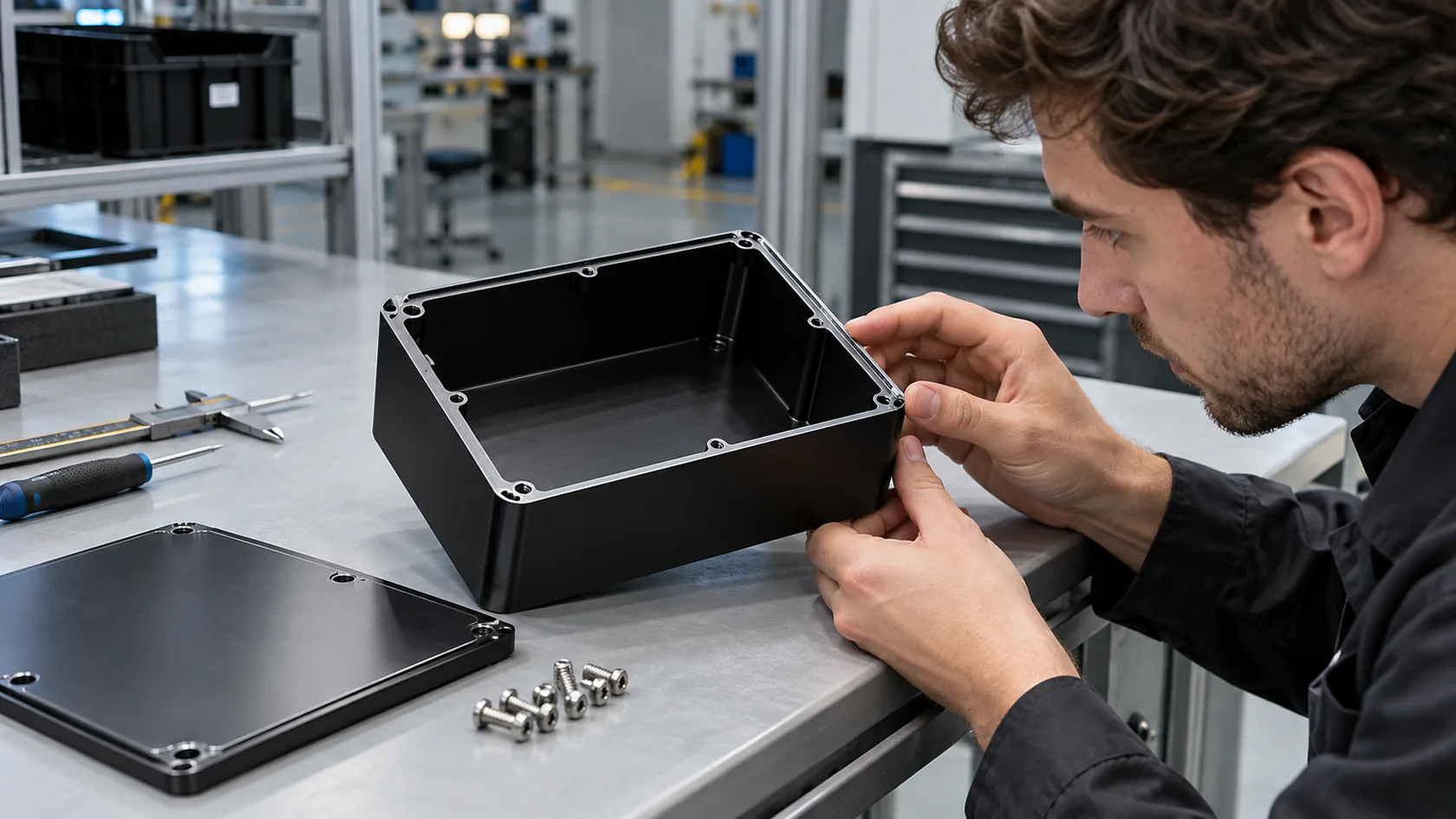
It is light. It machines well. It can be cut, bent, drilled, milled, anodized, painted, or printed. It also gives a clean industrial look.
For product engineers and re-brand customers, aluminum can be useful because it supports small design changes better than many molded plastic options.
But aluminum is not perfect.
If corrosion is a major concern, stainless steel may be better. If insulation is more important, plastic may be better. If the buyer needs low cost for large volume, the whole structure may need to be reviewed again.
Plastic For Lighter Indoor Use
Plastic can work well when the enclosure does not need heavy mechanical strength.
Plastic is often easier for light products. It can reduce weight. It can also avoid some grounding issues.
But plastic also brings questions:
- Will the enclosure face impact?
- Will heat build up inside?
- Will UV exposure exist?
- Will screw bosses stay strong?
- Will the surface need logo printing?
- Will the buyer need flame-retardant material?
A material is never just a material. It is a set of trade-offs.
How Do I Choose Between NEMA 5 And Other NEMA Ratings?
You should choose NEMA 5 when the enclosure is used indoors and needs protection from dust, lint, falling dirt, dripping water, and light splashing, but not outdoor weather or hose spray.
Choose NEMA 5 for dusty or slightly damp indoor environments. Choose a lower rating for clean indoor spaces, NEMA 4 for hose spray or outdoor use, and NEMA 4X when corrosion resistance is also important.

Choosing a NEMA rating is not about picking the highest number. It is about matching the rating to the real risk.
The mistake I try to avoid is paying for protection the customer does not need while missing the one risk that can actually destroy the product.
Simple Rating Comparison
| Need | Possible rating direction |
|---|---|
| Clean indoor basic protection | NEMA 1 may be enough |
| Indoor dust and limited dripping water | NEMA 5 may fit |
| Outdoor rain or hose spray | NEMA 4 is safer |
| Outdoor or wet areas with corrosion risk | NEMA 4X is safer |
| Strong dust protection in special industrial areas | Check exact standard needs |
| Hazardous locations | Special ratings may be required |
My Basic Selection Questions
Before I suggest a rating, I like to ask plain questions.
Not fancy questions. Real questions.
- Will this enclosure stay indoors?
- Will workers clean nearby machines with water?
- Will dust float in the air?
- Will the enclosure be near pipes, cooling systems, or dripping areas?
- Will the customer mount it on a wall, machine, or frame?
- Will cables enter from top, side, or bottom?
- Will the enclosure need logo printing or brand finishing?
- Will the buyer need samples fast?
- Will the final product need inspection or certification?
These questions help me avoid blind quoting.
Cost Should Not Be The First Filter
I understand price pressure. Many buyers are comparing suppliers from China, Vietnam, Europe, and local markets.
But if the enclosure rating is wrong, the lowest price becomes noise.
A good price only matters when the enclosure can survive the real working environment.
That is why I prefer to confirm the use condition before I push the buyer toward a cheaper design.
What Are The Limitations Of A NEMA 5 Enclosure?
The main limitations of a NEMA 5 enclosure are that it is not suitable for outdoor weather, hose-directed water, washdown areas, strong corrosion, submersion, or harsh industrial chemical exposure.
NEMA 5 is useful for indoor dust and light moisture protection, but it has clear limits. It should not be used where rain, hose spray, heavy water, corrosive chemicals, or outdoor exposure are expected.
Every rating has a boundary. NEMA 5 is no different.
The danger is not that NEMA 5 is weak. The danger is using it in the wrong place because the environment was not described clearly at the start.
Key Limitations
| Limitation | Why it matters |
|---|---|
| Not outdoor-rated | Rain and weather can cause water entry |
| Not hose spray-rated | Strong water can pass weak points |
| Not corrosion-focused | Material and finish still matter |
| Not submersible | It cannot handle being underwater |
| Not for harsh chemicals | Cleaning chemicals may damage gasket or finish |
| Not always enough for heat | Ventilation may reduce sealing performance |
| Not a replacement for good design | Poor openings can ruin protection |
The Hidden Limit: Custom Openings
Custom enclosures often need holes.
That is normal.
A buyer may need:
- Cable holes
- USB ports
- Switch holes
- Display windows
- Vent slots
- Mounting holes
- Logo plates
- Connector openings
Each hole can weaken the protection if it is not handled correctly.
A NEMA 5 enclosure body may be well designed, but after adding many custom cutouts, the final protection level can change.
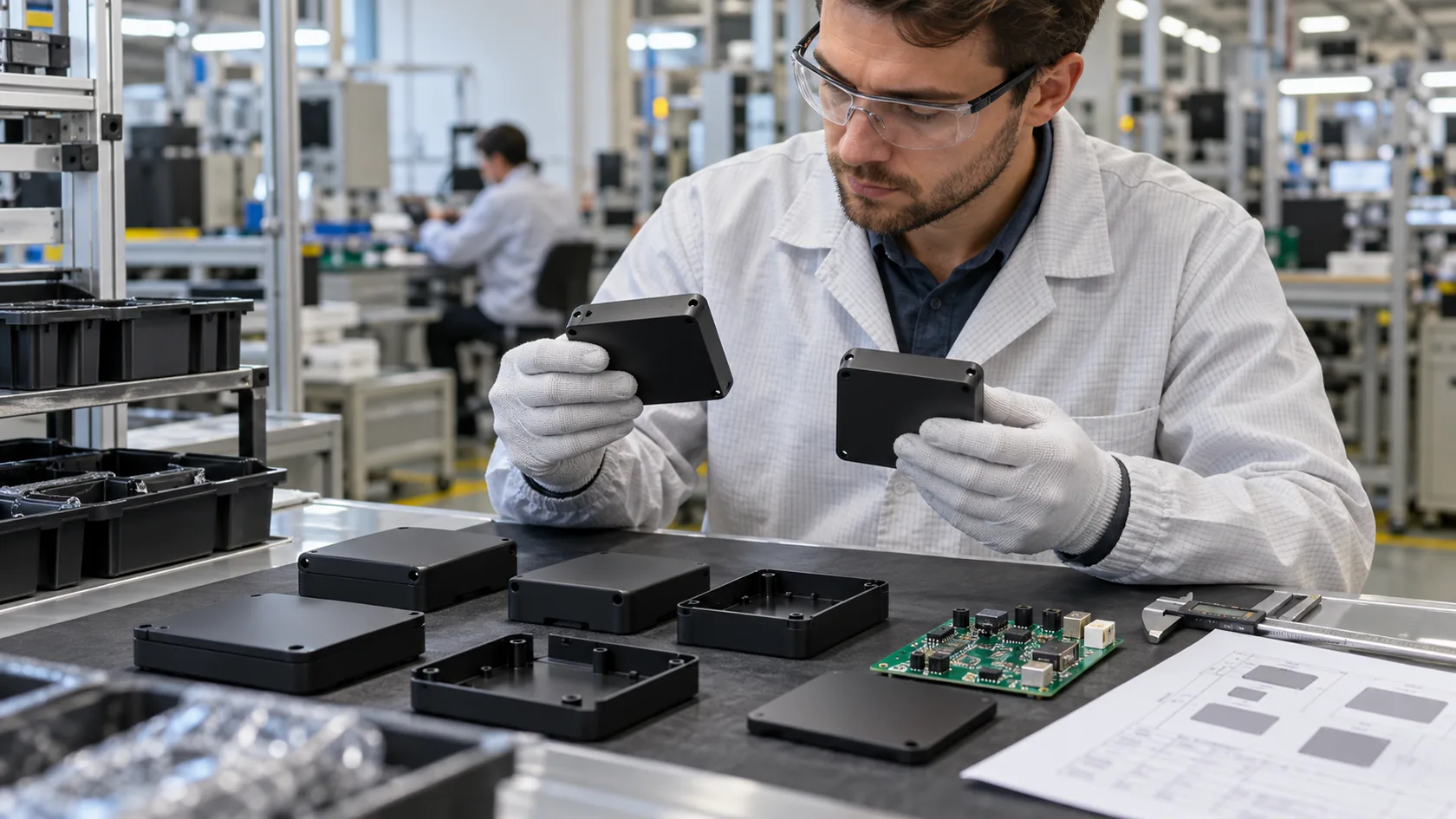
This is especially important for custom aluminum enclosures and OEM projects. The buyer may focus on the outside look. I need to think about what every hole does to dust and moisture protection.
The Limit Is Also About Maintenance
A good enclosure can still fail if people treat it badly.
If workers leave the cover loose, the gasket cannot work. If cable glands are not tightened, dust can enter. If the enclosure is cleaned with strong water, the rating may not be enough.
So I see NEMA 5 as a starting point, not a magic shield.
Conclusion
I choose NEMA 5 when the project is indoor, dusty, and slightly wet, but not outdoor or washdown. If your enclosure needs custom design, logo printing, or OEM production, I would rather confirm the real working environment first than quote a beautiful box that fails later.