Skip to content
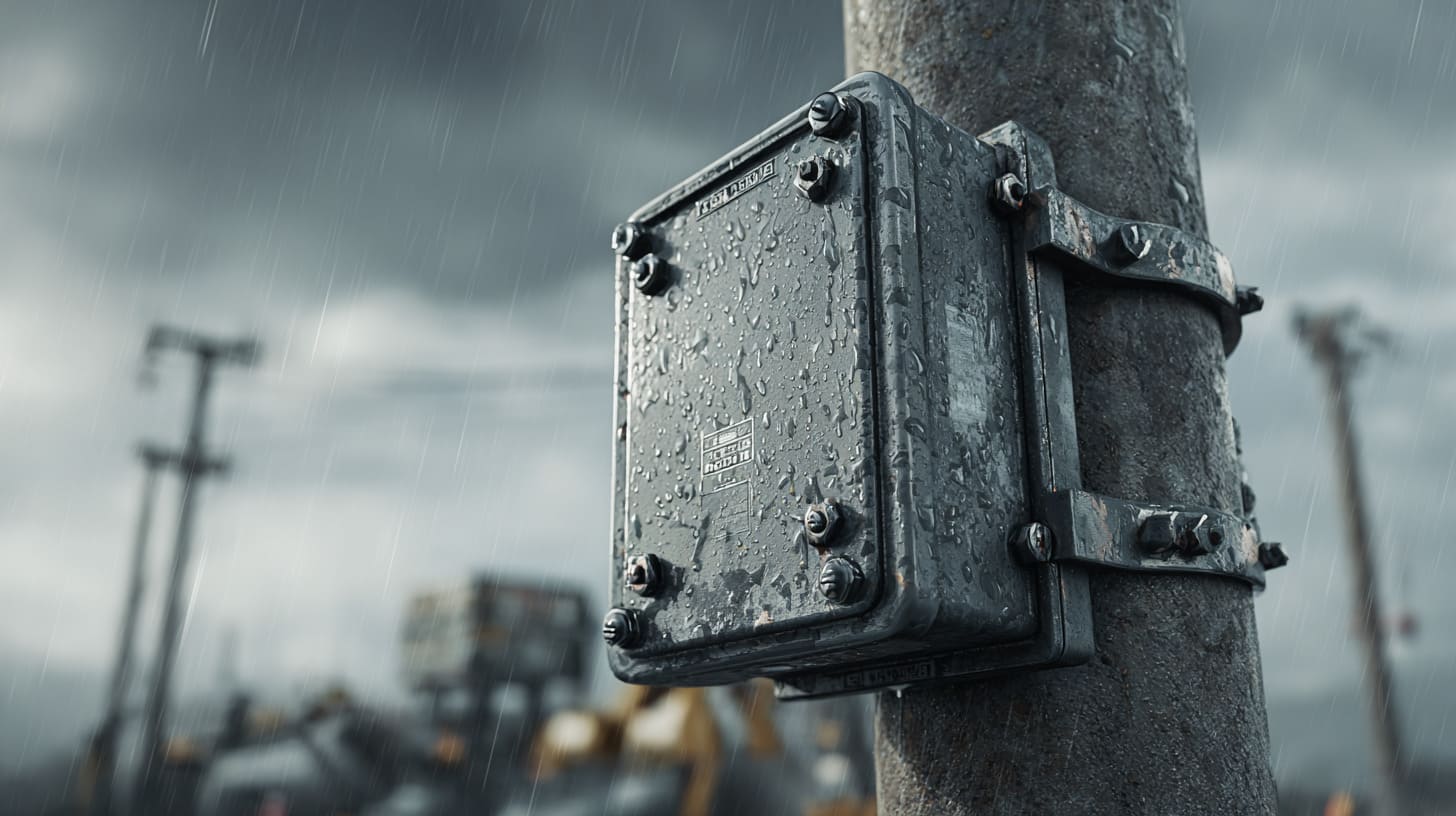
I have seen many outdoor enclosure projects start with one simple sentence:
“We need a waterproof box.”
That sentence always sounds easy. It feels clean. It feels safe. It feels like the job is already half done.
But in real factory work, this sentence can also be dangerous.
Because an outdoor enclosure is not just a box. It is a small battlefield. Sunlight attacks it every day. Rain tests every edge. Heat pushes the material. Cold pulls it back. Dust finds small gaps. Salt air waits patiently. Cable glands, screws, gaskets, coatings, and mounting holes all get tested again and again.
And the funny part?
The electronics inside may still be fine.
The enclosure often fails first.
I have worked with many OEM enclosure buyers, product engineers, and project owners. Some of them care a lot about the circuit board. Some care about heat dissipation. Some care about IP rating. Some care about price. All of these things matter.
But outdoor failure usually comes from the small things people do not like to talk about at the beginning.
A cable gland that does not match the cable diameter.
A black enclosure placed under direct summer sun.
A powder coating that looks beautiful in the sample but gets scratched during installation.
A mounting direction that lets water sit on the bottom edge.
This is where I usually slow down before confirming an outdoor enclosure design, because a beautiful sample on the desk can still become a weak product in the field.
In this article, I want to walk through why outdoor enclosures fail before the electronics do. I will not talk like a textbook. I will talk like someone who has seen drawings, samples, mistakes, complaints, redesigns, and production pressure.
Because for outdoor enclosures, the real question is not only:
“Can this box pass a test?”
The better question is:
“Can this box survive the place where the customer will really use it?”
Why Do Outdoor Enclosures Fail Faster Than Expected?
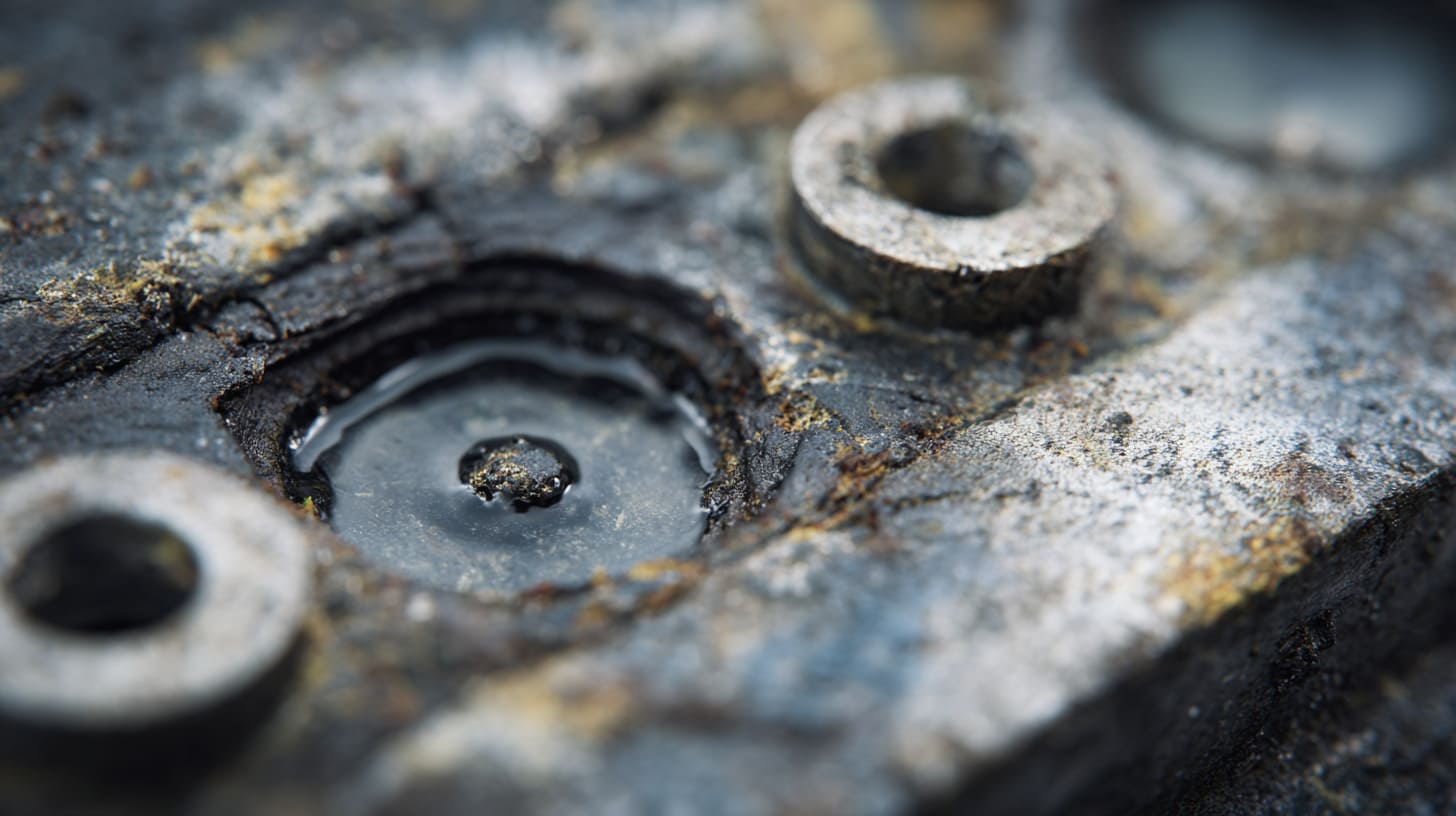
Outdoor enclosures fail faster than expected because the real world is not polite.
A lab test is controlled. A datasheet is controlled. A drawing is controlled. But outdoor use is messy. One project may face hot sun, heavy rain, dust, vibration, careless installation, and salty air at the same time.
That mix is what kills enclosures.
A buyer may say, “We need IP65.” Another buyer may say, “We need NEMA 4.” These ratings help. I respect them. But I never treat them as a magic shield.
A rating tells me one part of the story. It does not tell me how the enclosure will age after two summers, two winters, and ten maintenance openings.
Environmental Conditions Are More Aggressive Than Lab Testing
Outdoor environments do not attack one part at a time. They attack everything together.
UV weakens plastic. Heat makes seals age faster. Rain finds gaps. Humidity stays inside. Salt and pollution create corrosion. Thermal cycling makes materials expand and shrink.
It is like asking one product to fight five different enemies every day.
| Outdoor Factor | What It Attacks | Common Result |
|---|---|---|
| UV sunlight | Plastic, coating, transparent cover | Brittleness, fading, cracking |
| Rain and humidity | Gaskets, cable entries, seams | Leakage, condensation, rust |
| Salt air | Aluminum, steel, fasteners | Corrosion, coating damage |
| Heat | Seals, plastic, electronics | Aging, deformation, failure |
| Cold | Plastic, seals, joints | Shrinking, cracking, gaps |
| Dust | Gasket surfaces, vents, hinges | Seal damage, blocked airflow |
I often tell customers that the enclosure is not fighting the weather for one day. It is fighting the weather quietly for years.
UV Exposure Slowly Weakens Plastics and Coatings
UV damage is sneaky.
At first, the enclosure only looks a little faded. The buyer may not worry. The end user may not notice. But the material is already changing.
For plastics, UV can make the surface brittle. ABS is especially risky if it is not UV-stabilized. It may look fine in an indoor sample, but outdoor sunlight can turn it into a tired old biscuit. It becomes dry. It becomes weak. Then it cracks near screws, corners, hinges, or cable holes.
For coatings, UV can fade color and reduce surface protection. If the coating breaks, metal underneath becomes exposed. Then water and corrosion have a door.
Rain, Humidity, and Condensation Attack Hidden Areas
Rain is easy to imagine. Water falls from the sky. It hits the enclosure. It tries to enter through seams and holes.
But humidity is more dangerous because it does not look dramatic.
Humidity can enter slowly through pressure changes, poor cable glands, or repeated opening. Once it is inside, it may stay there. At night, when the temperature drops, that moisture can turn into condensation.
Then the enclosure becomes a tiny wet room.
The electronics may not fail on day one. But connectors, screws, terminals, and PCB surfaces start to suffer. Corrosion does not need permission. It only needs time.
Salt Air and Industrial Pollution Accelerate Corrosion
A normal outdoor enclosure in a dry inland area is one thing.
An enclosure near the sea is another animal.
Salt air is aggressive. It sticks to surfaces. It stays after water evaporates. It attacks fasteners, hinges, locks, grounding points, and exposed metal edges.
Industrial pollution can also be harsh. Some factories have chemicals, oil mist, dust, or acidic air. If the enclosure material and finish are not chosen well, the surface may fail much faster than expected.
Thermal Cycling Creates Expansion and Sealing Fatigue
Outdoor enclosures expand and shrink every day.
In the afternoon, the sun heats the enclosure. At night, the temperature drops. The body expands. Then it contracts. Screws, gaskets, plastic parts, metal parts, transparent windows, and bonding areas all move a little.
One movement is not scary.
Thousands of movements are scary.
This repeated movement can weaken seals, loosen fasteners, and open small gaps.
Real-World Installation Conditions Are Unpredictable
A product can be designed well and still fail because of installation.
This hurts, but it is true.
A technician may overtighten screws. Another person may undertighten them. Someone may drill extra holes. Someone may mount the enclosure upside down. Someone may use a cable gland that does not fit the cable.
I have seen projects where the enclosure body was not the real problem. The problem was the way people used it.
| Installation Problem | Why It Matters | Possible Failure |
|---|---|---|
| Wrong cable gland size | Cable does not seal tightly | Water entry |
| Poor mounting angle | Water stays on surface | Seal fatigue |
| Extra holes drilled onsite | No proper sealing | Leakage |
| Uneven screw torque | Gasket pressure is uneven | Gap at seam |
| No drip loop on cable | Water follows cable into gland | Moisture ingress |
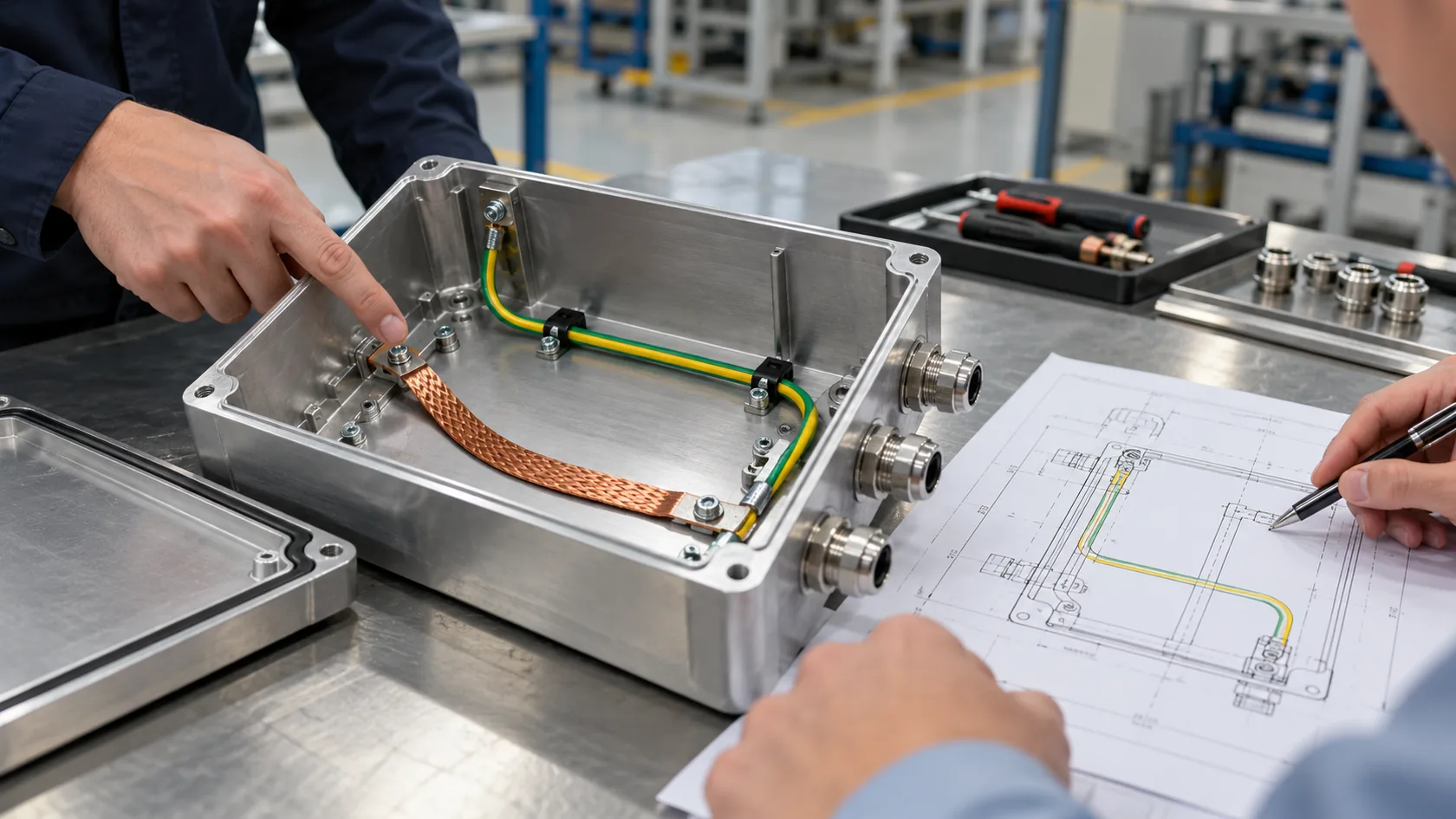
One detail I like to check early is the cable entry plan, because many waterproof failures do not start from the enclosure wall; they start from the place where the cable enters the box.
Poor Cable Gland Installation Causes Water Ingress
Cable glands look simple. They are not simple.
The cable diameter must match the gland range. The gland material must suit the outdoor environment. The thread must seal well. The installer must tighten it correctly. The cable should not pull or bend in a way that breaks the seal.
If the gland is cheap or wrongly selected, the enclosure rating becomes almost meaningless.
It is like buying a good door and leaving the keyhole open.
Incorrect Mounting Positions Trap Water Inside
Some enclosure designs pass testing because water drains away in the test position. But in real use, the mounting angle may be different.
Water can sit on the lid. Water can collect near the gasket line. Water can flow along the cable. Water can stay around screws or bottom folds.
If water stays long enough, it will test every weak point.
Outdoor Vibration Loosens Fasteners and Seals
Outdoor enclosures are often mounted on poles, machines, vehicles, walls, or industrial frames. They may face wind, machine vibration, road vibration, or human contact.
A screw that feels tight today may not stay tight forever.
Vibration can also affect hinges, locks, mounting brackets, and gasket compression. This is why screw design, torque control, and thread locking methods matter more than many buyers expect.
Sun-Facing Installations Create Internal Overheating
A sun-facing enclosure can become much hotter than the air around it.
This matters a lot for black enclosures, dark powder-coated surfaces, and sealed boxes with heat-generating electronics inside.
The electronics may be rated for a certain temperature. But the internal temperature may climb above that because the enclosure becomes a small oven.
And once heat stays inside, seals age faster. Plastic weakens faster. Adhesive gets tired faster.
Heat is a quiet bully.
Many Enclosure Failures Begin With Small Overlooked Details
Big failures often begin as small details.
A sharp burr.
A screw boss that cracks.
A cable gland that is “almost correct.”
I do not like the word “almost” in outdoor sealing work. Almost sealed means not sealed. Almost protected means exposed.
Tiny Gasket Gaps Become Major Leakage Points
A gasket does not need a big opening to fail. A very small gap can allow moisture to enter slowly.
The scary part is that slow leakage may not show during a quick test. The enclosure may look fine after one spray test. But after months of rain, heat, pressure changes, and dust, that small gap becomes a real problem.
Sharp Metal Edges Damage Sealing Materials
Metal edges, burrs, and rough corners can cut or press into soft seals.
A gasket may look good after assembly. But if it is pressed against a sharp edge, it can slowly tear or deform. Then the seal loses pressure.
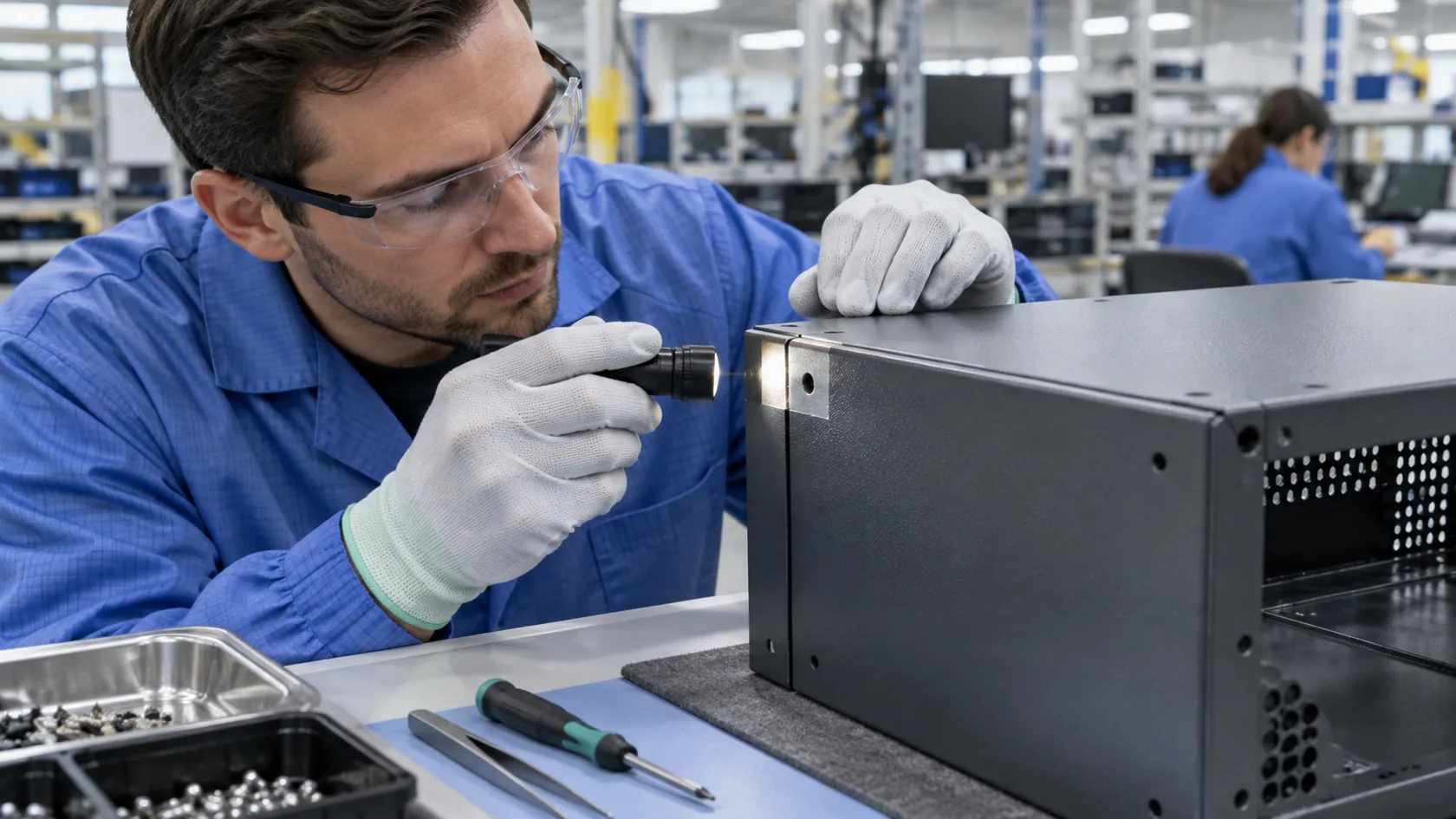
This is why finishing, deburring, and edge control matter.
Not glamorous. Very important.
Poor Screw Torque Creates Uneven Compression
A gasket needs even pressure.
If one screw is too tight and another is too loose, the gasket does not compress evenly. The tight area may crush the seal. The loose area may leave a gap.
This is one reason I do not only look at the gasket material. I also look at screw positions, spacing, inserts, and assembly method.
Drainage and Ventilation Are Often Ignored
A fully sealed enclosure may sound safe. But it can trap moisture and heat. A ventilated enclosure may sound risky. But it may solve condensation and overheating if the vent is designed well.
Outdoor design is full of trade-offs.
That is why I do not ask, “Is it sealed?” only.
I ask, “What happens to heat and moisture after the enclosure is installed?”
The answer often reveals the real weakness.
Before we talk about water, we need to talk about heat first. Heat is not as visible as rain, but in many projects, heat starts the failure story.
How Does Heat Destroy Outdoor Enclosures?
Heat destroys outdoor enclosures by speeding up almost every aging process.
It makes plastic weaker. It makes rubber harder. It makes adhesives softer. It makes coatings tired. It increases internal pressure. It also pushes electronics closer to their limit.
And heat often works with sunlight.
This is why a black outdoor enclosure under direct sun can become a problem even when the electronics inside are not very powerful.
I do not judge outdoor heat only by the local weather report, because the air temperature does not tell me how hot the enclosure surface and internal space can become under direct sunlight.
Heat Buildup Is One of the Biggest Hidden Killers
Many people think rain is the biggest outdoor risk. I understand that. Rain looks dangerous. Water is easy to fear.
But heat can be worse because it does not leave obvious marks at first.
The enclosure may still look normal. The customer may only say, “It stopped working sometimes.” Then the team opens the box and finds signs of heat stress, dried seals, warped plastic, or aged components.
Direct Sunlight Can Raise Internal Temperatures Dramatically
Direct sunlight adds heat from outside. Electronics add heat from inside.
If the enclosure is sealed, that heat has limited places to go.
A small controller board may be fine indoors. Put the same board inside a closed outdoor box under summer sun, and the story changes.
| Heat Source | Where It Comes From | Why It Matters |
|---|---|---|
| Sunlight | External surface heating | Raises enclosure skin temperature |
| Electronics | PCB, power supply, relays, converters | Adds internal heat |
| Dark color | Surface absorbs more solar energy | Increases heat buildup |
| No airflow | Sealed structure | Traps heat inside |
| Poor mounting | No shade, no gap from wall | Reduces cooling |
For outdoor use, I often prefer to know where the enclosure will be installed before finalizing the material and color. A shaded wall and a south-facing pole are not the same project.
Dark-Colored Enclosures Absorb More Heat
Dark colors look nice. Black looks clean. Black also hides dirt well.
But black absorbs more heat.
A customer may choose black because it matches their product brand. That is understandable. Branding matters. But if the enclosure sits under direct sunlight, color becomes an engineering decision, not only a design decision.
Sometimes I will suggest a lighter color, a sun shield, a larger enclosure, or a different mounting method.
The best-looking enclosure is not always the longest-lasting enclosure.
Internal Electronics Generate Additional Thermal Stress
Outdoor enclosures often hold power supplies, sensors, routers, controllers, batteries, or small computers.
Some electronics generate little heat. Some generate more heat than the buyer expects. Power adapters and converters can be especially tricky.
If the internal heat source is close to a plastic wall, gasket, cable, or transparent window, local heat damage can happen.
This is why layout matters.
A good enclosure is not only about the box. It is also about how the components sit inside the box.
Heat Accelerates Material Aging and Seal Degradation
Rubber seals age faster under heat. Some seals harden. Some take a compression set. Some lose elasticity.
Plastic also suffers. It can warp, soften, or become brittle after long exposure.
Coatings may fade or crack faster.
Adhesives may lose strength.
Heat does not need to break the enclosure in one day. It can slowly reduce the safety margin until one rainy week finishes the job.
Thermal Expansion Creates Long-Term Structural Problems
Every material moves with temperature.
Aluminum moves.
Plastic moves.
Steel moves.
Rubber moves.
The problem is that they do not move in the same way.
A mixed-material enclosure may look perfect at room temperature. But after many hot and cold cycles, stress can build at joints, screws, windows, and bonded areas.
Aluminum and Plastic Expand Differently
Aluminum and plastic have different expansion behavior. If they are fixed together tightly, temperature change can create stress.
For example, a plastic window installed in an aluminum enclosure may expand and contract at a different rate than the metal frame. If the design does not allow enough movement, the window may crack, leak, or lose its seal.
| Material Pair | Common Risk | Design Point |
|---|---|---|
| Aluminum body + plastic window | Stress at window edge | Allow movement and use proper seal |
| Metal enclosure + rubber gasket | Seal fatigue | Choose gasket with good recovery |
| Plastic body + metal insert | Cracking near insert | Control boss design and torque |
| Powder-coated metal + screws | Coating damage | Protect contact areas |
The weak point is often not the strongest material. It is the joint between two materials.
Repeated Expansion Weakens Bonded Joints
Bonding can be useful. Adhesive can seal, fix, and reduce visible fasteners.
But outdoor heat cycles can challenge bonded joints.
The adhesive must handle temperature change, moisture, UV, and material movement. If the wrong adhesive is used, the joint may peel or crack later.
This is why I am careful when a design depends too much on glue. Glue can help. Glue can also hide risk.
Window Panels and Transparent Covers Often Fail First
Transparent covers are common in outdoor enclosures. Customers may need to see indicators, displays, sensors, or status lights.
But transparent materials face UV, heat, scratches, and sealing stress.
A clear cover may yellow. It may become cloudy. It may crack near screws. It may leak around the edge.
I usually treat transparent windows as high-risk parts. They need better material selection and better sealing detail.
Thermal Warping Affects Waterproof Performance
If a plastic lid warps, the gasket pressure changes.
If a metal cover bends from heat or stress, the seam may not seal evenly.
Warping does not need to be large. Even a small deformation can reduce waterproof performance.
This is why wall thickness, rib design, screw spacing, and material choice are important.
Poor Thermal Design Damages Both Enclosure and Electronics
Heat affects the enclosure and the electronics together.
If the enclosure traps too much heat, electronics may fail. If the electronics overheat, they may heat the enclosure materials. Then seals and plastics age faster. It becomes a loop.
Lack of Airflow Traps Moisture and Heat
A fully sealed enclosure can protect against water. But it can also trap heat and moisture.
This is a classic outdoor design conflict.
If you seal too much, heat and condensation may become worse.
If you ventilate too much, dust and water may enter.
The answer is not always “seal more.” Sometimes the answer is “seal smarter.”
Completely Sealed Boxes May Worsen Condensation
A sealed box can still have moisture inside.
Moist air may enter during assembly. Moisture may enter through cables. Pressure changes may pull in humidity. Once inside, moisture may condense when the temperature drops.
This is why a sealed enclosure can still have water droplets inside.
That surprises many buyers.
But it happens.
Incorrect Heatsink Placement Reduces Cooling Efficiency
If the electronics need heat dissipation, the heat path must be planned.
A heatsink inside a sealed plastic box may not help much if the heat cannot reach outside air. A metal enclosure can help, but only if the heat source contacts the metal body correctly.
For Raspberry Pi style cases or industrial controller cases, I often look at the heat path from the chip to the enclosure wall.
If the heat path is broken, the enclosure is just a warm container.
Ventilation Without Protection Introduces Contamination
Ventilation helps heat and pressure. But outdoor vents must be protected.
A simple hole is not a venting solution. It is a welcome sign for water, insects, and dust.
Outdoor vents may need membranes, filters, covers, or special placement.
| Venting Choice | Benefit | Risk |
|---|---|---|
| No vent | Better simple sealing | Heat and condensation buildup |
| Open hole | Low cost airflow | Water, dust, insects |
| Filter vent | Better dust control | Maintenance needed |
| Membrane vent | Pressure equalization | Higher cost, must choose correctly |
| Louvered cover | Rain protection | Direction and placement matter |
Heat has one strange habit. It prepares the enclosure for water failure. It dries the gasket. It warps the cover. It weakens the coating. Then the rain comes and takes the blame.
Why Does Water Still Enter “Waterproof” Outdoor Enclosures?
Water enters “waterproof” outdoor enclosures because waterproofing is not a single part. It is a system.
The enclosure body matters.
The gasket matters.
The screws matter.
The cable glands matter.
The mounting direction matters.
The installation worker matters too.
This is why I never like to promise waterproof performance based only on one word. A waterproof enclosure can still fail if one part of the system is weak.
My first concern is not whether a catalog says “waterproof”; my first concern is where water will travel when gravity, cable direction, and wind all work against the design.
Waterproof Ratings Are Often Misunderstood
IP and NEMA ratings are useful. They create a common language. They help buyers compare products.
But a rating is not the same as lifetime protection.
A rating usually comes from controlled testing. Real outdoor use is different. Water may hit from odd angles. Wind may push rain into gaps. Dust may sit on gaskets. Heat may age seals. The enclosure may be opened many times.
A test is a moment.
Outdoor use is a long movie.
IP and NEMA Ratings Are Controlled Laboratory Tests
A lab test follows rules. The product is tested in a certain way.
That is good.
But the test does not always include all field problems.
For example, a product may pass a spray test when new. But after two years of UV, heat, vibration, and maintenance, the seal may not perform the same.
This is why I see IP and NEMA ratings as the starting point, not the finish line.
Real Outdoor Weather Is More Complicated
Rain does not always fall straight down. Wind can push water sideways. Snow can melt slowly. Ice can expand. Dust can mix with water and form dirty paste around seals.
Outdoor exposure also changes by region.
| Outdoor Condition | Why It Is Different From Simple Testing |
|---|---|
| Wind-driven rain | Water hits from unexpected angles |
| Snow and ice | Freeze-thaw stress can open gaps |
| Coastal air | Salt stays after water dries |
| Tropical humidity | Moisture remains almost all the time |
| Desert dust | Fine particles damage seals and vents |
| Industrial sites | Chemicals may attack coatings and seals |
A design that works in one region may not survive in another.
Pressure Changes Can Pull Moisture Into the Enclosure
When temperature changes, internal air pressure changes too.
If the enclosure heats up, air expands. If it cools down, pressure drops. That pressure difference can pull moist air through small paths.
This is why pressure equalization matters in some outdoor designs.
Waterproofing is not only about blocking rain. It is also about managing air movement and moisture.
Water Ingress Usually Happens Slowly, Not Suddenly
Most water ingress is not like a movie scene where water pours in.
It is slow.
A little moisture enters today. A little more enters next week. Then condensation forms. Then corrosion starts. Then the electronics become unstable.
By the time the end user notices, the problem has been growing for a long time.
Condensation Is More Dangerous Than Rainwater
Rainwater is visible. Condensation is quiet.
Condensation can happen inside a sealed box. That is why it surprises people.
A customer may open the enclosure and say, “How did water get inside? The box was sealed.”
The answer may be simple: the water was already in the air.
Temperature Differences Create Internal Moisture
Warm air can hold more moisture. Cool air holds less.
When the temperature drops at night, moisture inside the enclosure can condense on cooler surfaces. Metal walls, screws, connectors, and the inside cover may get tiny water droplets.
Those droplets may not look dramatic. But electronics hate them.
Condensation Forms Even in Sealed Enclosures
A sealed enclosure is not always dry inside.
Moisture can enter during assembly. It can enter when the enclosure is opened for maintenance. It can enter through cables or tiny gaps. It can also remain trapped if the enclosure has no way to breathe.
This is why desiccant, vents, drainage, and layout may matter.
Electronics Fail From Invisible Long-Term Humidity
Humidity does not always create immediate failure.
It may create unstable signals, corrosion, leakage current, connector problems, or sensor errors.
For product engineers, this is painful because the failure may look random.
One unit works.
One unit fails.
One unit fails only after rain.
One unit fails only in winter.
Outdoor moisture makes troubleshooting messy.
Corrosion Starts Before Users Notice Problems
Corrosion often starts in hidden places.
It may start under a screw head, under coating damage, inside a connector, or near the cable entry.
By the time rust or green corrosion becomes visible, the damage may already be serious.
That is why inspection should focus on hidden areas, not only the outside surface.
Cable Entry Areas Are the Most Common Leak Points
Cable entries are the troublemakers of outdoor enclosure design.
The enclosure can be well-made, but every cable entry creates a new risk. More cables mean more sealing points. More sealing points mean more chances for mistakes.
Cheap Cable Glands Lose Sealing Performance Quickly
A cheap cable gland may look almost the same as a better one.
This is the trap.
The difference may be in rubber quality, thread accuracy, UV resistance, sealing pressure, and long-term aging.
For indoor use, the cheap option may survive. For outdoor use, it may fail early.
Incorrect Cable Diameter Selection Causes Gaps
Every cable gland has a sealing range.
If the cable is too small, the seal may not grip enough. If the cable is too large, the gland may not compress correctly.
This is a small detail, but it can decide the whole project.
| Cable Gland Issue | What Happens |
|---|---|
| Cable too small | Seal does not press tightly |
| Cable too large | Gland cannot close correctly |
| Wrong thread seal | Water enters around threaded hole |
| Poor material | UV and heat damage the seal |
| Cable bends near gland | Seal gets pulled sideways |
Installer Mistakes Compromise Waterproofing
Even a good gland can fail if installed badly.
The installer may forget a washer. The thread may not be sealed. The gland may not be tightened enough. The cable may be pulled sideways. The hole may be rough.
This is why clear installation instructions matter.
A good design should reduce the chance of human error.
Multiple Cable Entries Increase Leakage Risk
Every extra hole is another possible failure point.
Sometimes buyers request many cable holes because they want flexibility. I understand that. But for outdoor use, flexibility has a cost.
If a hole is not needed, I prefer not to add it.
If a hole is needed, I want it properly sealed, positioned, and protected.
Water is patient. If we give it ten possible paths, it will test all ten.
After water, the next enemy is sunlight. Sunlight does not knock on the door. It just sits there every day, slowly changing the material.
How Does UV Exposure Damage Outdoor Enclosures?
UV exposure damages outdoor enclosures by slowly aging the material surface.
This is not always obvious in the beginning. The enclosure may still look strong. It may still close properly. It may still protect the electronics.
But the surface has started to change.
UV can weaken plastic, fade coating, yellow transparent covers, and reduce long-term appearance. For branded OEM products, this matters a lot. The enclosure is not only protection. It is also part of the customer’s product image.
When I see an outdoor project with plastic parts or transparent covers, I always ask how much sunlight the product will face, because UV damage is not a small cosmetic issue when the material becomes brittle later.
Sunlight Slowly Destroys Enclosure Materials
Sunlight is one of the most underestimated outdoor risks.
It does not look aggressive like rain or corrosion. It feels normal. It feels harmless.
But day after day, UV radiation can break down material surfaces.
UV Radiation Weakens Plastic Molecular Structure
Standard plastics may not handle outdoor sunlight well.
ABS is common and useful, but normal ABS is not my first choice for strong outdoor UV exposure unless it has UV protection. It may become brittle and crack.
Polycarbonate can perform better outdoors, but it also needs proper grade selection.
Plastic is not just “plastic.” The grade matters.
Low-Quality ABS Becomes Brittle and Cracks
Low-quality ABS may look fine in the sample stage.
This is one of the biggest traps in sourcing.
The sample can be smooth. The color can be nice. The dimensions can be correct. But after long outdoor use, the material may dry out and crack near stress points.
Common crack areas include:
- Screw bosses
- Corners
- Cable holes
- Hinges
- Mounting points
- Thin wall sections
A crack near a screw may look small, but it can break the seal or weaken the structure.
Surface Discoloration Signals Deeper Material Aging
Color fading is not only about appearance.
It may signal material aging. If the surface changes color, the material may also be losing strength or becoming more brittle.
For re-brand customers, faded color can hurt their product image. Their end user may think the whole product is low quality, even if the electronics still work.
That is painful.
Because the enclosure becomes the face of the product.
Transparent Covers Become Yellow and Cloudy
Transparent windows and covers are sensitive.
They may yellow under UV. They may become cloudy. They may lose clarity. They may also crack if the design creates stress.
If the customer needs to see lights, sensors, or displays through the cover, clarity matters.
A cloudy window can make a good product look old.
Coatings and Finishes Also Degrade Outdoors
Metal enclosures also face UV problems.
Aluminum and steel may not become brittle like plastic, but their surface treatments can degrade.
Powder coating, painting, anodizing, and plating all need to match the environment.
Powder Coating Can Peel After Prolonged Exposure
Powder coating can be durable when done well. But outdoor performance depends on surface preparation, coating type, thickness, curing, and environment.
If the base metal is not prepared well, the coating may peel. If the coating gets scratched, corrosion may begin under the damaged area.
The surface may look beautiful when new. But outdoor use is not kind to weak surface treatment.
Painted Surfaces Crack Under Thermal Cycling
Painted surfaces may crack when the enclosure expands and contracts.
Small cracks can allow water to reach the metal. Once water enters under the finish, corrosion may spread.
The top layer is only useful if it stays attached.
Cheap Anodizing Fades or Corrodes Faster
Anodizing is common for aluminum enclosures. It can look clean and premium.
But not all anodizing is equal.
Outdoor use may need better thickness, better sealing, and better quality control. Cheap anodizing may fade, stain, or corrode faster, especially in salty or polluted environments.
Surface Damage Exposes Raw Metal Underneath
Scratches matter.
During shipping, installation, or use, the enclosure can be scratched. If the scratch exposes raw metal, corrosion risk increases.
This is why packaging and installation protection are part of outdoor reliability too.
| Finish Type | Strength | Risk |
|---|---|---|
| Powder coating | Good color and protection | Can peel if preparation is poor |
| Anodizing | Good for aluminum appearance | Quality varies by thickness and sealing |
| Painting | Flexible color options | Can crack or chip outdoors |
| Stainless steel surface | Good corrosion resistance | Grade selection matters |
| Bare aluminum | Simple and clean | Oxidation and staining possible |
Material Selection Directly Affects Outdoor Lifespan
Material choice is not only about cost.
It decides how the enclosure fights sunlight, heat, water, corrosion, and impact.
A cheaper material may save money today and create complaints later.
A more expensive material may be worth it if the project needs long outdoor life.
Polycarbonate Usually Outperforms Standard ABS Outdoors
For plastic outdoor enclosures, polycarbonate is often stronger than standard ABS for impact and outdoor use.
But it is not automatic.
The grade must be suitable. UV protection matters. Wall thickness matters. Design matters.
A good material used in a bad design can still fail.
Aluminum Handles UV Better Than Many Plastics
Aluminum does not degrade under UV the same way many plastics do.
This makes aluminum attractive for outdoor electronic enclosures. It also helps with heat dissipation.
But aluminum still needs proper surface treatment and corrosion protection.
Aluminum is not a free pass. It is a strong choice when used correctly.
Stainless Steel Performs Better in Coastal Regions
For coastal or harsh industrial environments, stainless steel may be better than regular steel or aluminum in some cases.
But stainless steel grade matters.
304 and 316 are not the same. For salty environments, 316 stainless steel may be a better choice, but it costs more.
This is where buyers need to balance budget and risk.
UV-Stabilized Materials Increase Service Life
For outdoor plastic parts, UV-stabilized materials can improve service life.
This may apply to enclosure bodies, cable glands, seals, covers, and external plastic accessories.
One weak plastic accessory can become the failure point of the whole enclosure.
UV damage is slow, but seals can fail even faster. The gasket is small, soft, and easy to ignore. Sadly, it often carries the whole waterproof promise on its back.
Why Do Gaskets and Seals Become Failure Points?
Gaskets and seals become failure points because they work harder than they look.
A gasket looks like a simple strip of rubber or foam. But it must handle pressure, heat, UV, moisture, dust, opening, closing, compression, and time.
The enclosure body may be strong. The gasket may not be.
That is why I pay close attention to gasket design. A good enclosure with a bad gasket is like a strong house with a leaking roof.
For real projects, I do not only ask what the gasket material is; I also check how the gasket is compressed, where it sits, how the screws pull the cover, and how many times the customer may open the box.
The Sealing System Is Often the Weakest Part
The seal is usually softer than the enclosure body.
That makes sense. It needs to compress. It needs to fill small gaps. It needs to recover after pressure.
But softness also means risk.
It can age.
It can take shape.
It can tear.
It can harden.
It can collect dust.
Gaskets Age Faster Than Enclosure Bodies
Metal and thick plastic can last for many years.
A gasket may age faster because it is exposed to heat, moisture, pressure, and sometimes UV.
This means the enclosure may still look fine outside while the seal is already weak.
Compression Set Reduces Sealing Effectiveness
Compression set means the gasket gets pressed for a long time and does not fully return to its original shape.
This is a big problem.
If the gasket does not recover, it cannot keep pressure against the lid. A small gap can form. Water and moisture can enter.
| Gasket Problem | What It Means | Result |
|---|---|---|
| Compression set | Gasket stays flattened | Lower sealing pressure |
| Hardening | Rubber loses flexibility | Cracks or gaps |
| Tearing | Surface gets damaged | Direct leakage path |
| Dust contamination | Dirt sits on seal surface | Uneven sealing |
| Wrong thickness | Not enough or too much compression | Poor sealing |
Rubber Hardens Under Heat and UV Exposure
Rubber materials do not all age the same way.
Some can handle heat better. Some can handle UV better. Some are cheaper but weaker outdoors.
If the gasket is exposed near the edge or not protected well, sunlight and heat can reduce its life.
A hardened gasket cannot seal well.
It becomes more like a plastic strip than a soft seal.
Low-Cost Foam Seals Fail Prematurely
Foam seals are common because they are low cost and easy to apply.
But not all foam seals are good for outdoor use.
Low-cost foam may absorb water, collapse, or lose recovery. It may work in the sample, then fail in the field.
For serious outdoor OEM projects, I prefer to review gasket material carefully instead of choosing the cheapest strip that fits the groove.
Seal Design Mistakes Create Long-Term Problems
A good gasket material still needs a good design.
The groove shape, lid stiffness, screw spacing, corner design, and compression amount all matter.
A seal does not work by itself. The whole structure must support it.
Uneven Screw Spacing Creates Pressure Imbalance
If screws are too far apart, the lid may not press the gasket evenly.
Water will find the low-pressure area.
This is especially important for larger enclosures. A small enclosure can be easier to seal. A large flat cover needs better support and better screw spacing.
Thin Gasket Channels Reduce Durability
A gasket groove that is too thin or shallow may not hold the seal well.
The gasket may shift during assembly. It may be crushed. It may not have enough space to compress correctly.
Designers sometimes try to save space. But a weak gasket channel can cost much more later.
Sharp Corners Weaken Sealing Performance
Corners are difficult.
A gasket must bend around corners. If the corner is too sharp, the gasket may stretch, thin out, or lift.
Molded gaskets can help in some projects. But they cost more.
For many custom enclosures, corner design needs careful review.
Repeated Maintenance Damages Seals Over Time
Outdoor enclosures are often opened for checking, cable changes, battery replacement, or repair.
Every opening is a small risk.
Dust may land on the gasket. Screws may be tightened differently. The gasket may shift. The lid may not sit the same way.
Maintenance is part of the product life, not an accident.
Maintenance Conditions Affect Seal Lifespan
A product that is never opened has one sealing challenge.
A product opened every month has another.
If the end user will open the enclosure often, the seal design must be more forgiving and easier to inspect.
Frequent Opening Accelerates Gasket Wear
Every time the lid opens, the gasket relaxes. Every time it closes, the gasket compresses again.
This cycle can wear the seal.
If technicians are in a hurry, they may damage the gasket without noticing.
Dust Contamination Damages Sealing Surfaces
Dust on a gasket can create a small path for water.
In outdoor sites, dust is common. In industrial sites, dust may mix with oil or chemical particles.
A dirty seal surface cannot perform like a clean test sample.
Improper Replacement Seals Reduce Protection
Sometimes users replace gaskets after damage.
That sounds good.
But if they use the wrong material, wrong thickness, or wrong shape, the enclosure may lose its rating.
Replacement parts should be controlled if outdoor reliability matters.
Lack of Inspection Allows Gradual Failures
Many gasket failures are visible if someone checks early.
Cracks, flattening, hardening, dirt, and loose corners can be found.
But in real life, many users only check after failure.
That is why design should make inspection easier.
Seals fail quietly. Corrosion is not so polite. Once corrosion starts, it can turn a strong enclosure into a weak one from the outside and the inside at the same time.
How Does Corrosion Destroy Outdoor Enclosures?

Corrosion destroys outdoor enclosures by attacking metal surfaces, fasteners, hinges, locks, grounding points, and internal connections.
It can start outside. It can start inside. It can begin at one scratch, one screw, one edge, or one trapped water area.
Corrosion is also emotional for buyers. Nobody wants to see rust on a product they sell under their own brand. It makes the whole product look cheap, even if the electronics are expensive.
When I review a metal outdoor enclosure, I pay close attention to the small hardware parts, because fasteners, hinges, and locks often show corrosion problems before the main enclosure body does.
Corrosion Attacks Both Metal and Hardware
People often think about the enclosure body first.
But outdoor corrosion often starts with smaller parts.
Screws.
Hinges.
Locks.
Mounting brackets.
Grounding points.
Cable gland threads.
These parts may use different metals. If they are not selected well, they may fail faster than the main panel.
Coastal Environments Accelerate Oxidation
Coastal air is harsh because it carries salt.
Salt helps moisture stay active on metal surfaces. It also speeds up corrosion.
For coastal projects, I do not like to use a normal indoor material plan. The enclosure may need better coating, stainless steel hardware, sealed edges, or a more corrosion-resistant material.
Stainless Steel Grades Perform Differently Outdoors
Stainless steel sounds simple. But the grade matters.
304 stainless steel is common. 316 stainless steel usually performs better in salty environments because it has better corrosion resistance.
But 316 costs more.
So the question is not only “Can we use stainless steel?”
The real question is:
“Which grade does this environment need?”
Galvanic Corrosion Occurs Between Mixed Metals
When different metals touch each other in the presence of moisture, galvanic corrosion can happen.
This is a hidden risk in outdoor assemblies.
For example, screws, inserts, brackets, and panels may not all be the same metal. If the wrong combination is used, one metal can corrode faster.
Fasteners Often Fail Before Enclosure Panels
Fasteners are small, but they matter.
A rusted screw can break the seal. A seized screw can make maintenance difficult. A weak mounting bolt can create safety risk.
For outdoor projects, screw material is not a minor detail.
| Part | Common Corrosion Risk | What I Check |
|---|---|---|
| Screws | Rust, seized threads | Material and coating |
| Hinges | Sticking, rust stains | Grade and water exposure |
| Locks | Jamming | Outdoor-rated design |
| Mounting brackets | Rust, bending | Strength and finish |
| Grounding points | Poor contact | Clean metal contact and protection |
Water and Contaminants Create Hidden Corrosion Zones
Corrosion loves hidden places.
Water that sits inside a fold, under a screw, behind a bracket, or along a bottom seam can cause long-term damage.
This is why drainage and geometry matter.
Standing Water Damages Enclosure Bottoms
If water cannot drain, it will stay.
Standing water attacks coatings, seams, and bottom edges. It also collects dirt and salt.
Even a strong material can fail faster when water sits on it again and again.
Salt Deposits Remain After Evaporation
After salty water dries, salt remains.
Then the next moisture cycle reactivates it. This repeats many times.
That is why coastal corrosion can continue even when the enclosure looks dry.
Industrial Chemicals Attack Protective Finishes
Industrial sites may have chemicals in the air.
Oil mist, cleaning chemicals, acidic gases, or alkaline dust can attack coatings and seals.
For these environments, normal outdoor assumptions may be too weak.
A factory wall and a garden wall are not the same wall.
Corrosion Spreads Under Damaged Coatings
A scratch can expose metal.
Then corrosion may start under the coating. It may spread quietly. The outside may show bubbling, peeling, or stains later.
This is why packaging, handling, and installation tools matter.
A careless installation can damage the finish before the product even starts working.
Corrosion Affects Structural Reliability
Corrosion is not only ugly.
It can weaken mounting points, reduce grounding performance, seize hinges, and damage internal electrical connections.
That means corrosion can become a safety and function issue.
Hinges and Locks Seize Over Time
Outdoor hinges and locks must move.
If they corrode, maintenance becomes difficult. A technician may force the door open and damage the gasket or frame.
One stuck hinge can lead to three more problems.
Grounding Performance May Degrade
Metal enclosures often need grounding.
Corrosion at grounding points can increase resistance or create unreliable contact.
This is not only a cosmetic issue. It can affect safety and electrical performance.
Rust Weakens Mounting Systems
A wall-mounted enclosure depends on its mounting system.
If brackets, screws, or anchors corrode, the enclosure may loosen or fall.
For outdoor industrial projects, mounting strength should be considered part of enclosure reliability.
Internal Corrosion Damages Connectors and PCBs
If moisture enters, internal corrosion can attack connectors, terminals, and PCB areas.
Sometimes the enclosure outside still looks acceptable, but inside parts are already damaged.
That is why water ingress and corrosion often appear together.
Corrosion usually starts from practical mistakes. The same is true for design. Many failures are not caused by bad material alone. They are caused by design choices that looked harmless at the beginning.
What Design Mistakes Shorten Outdoor Enclosure Lifespan?
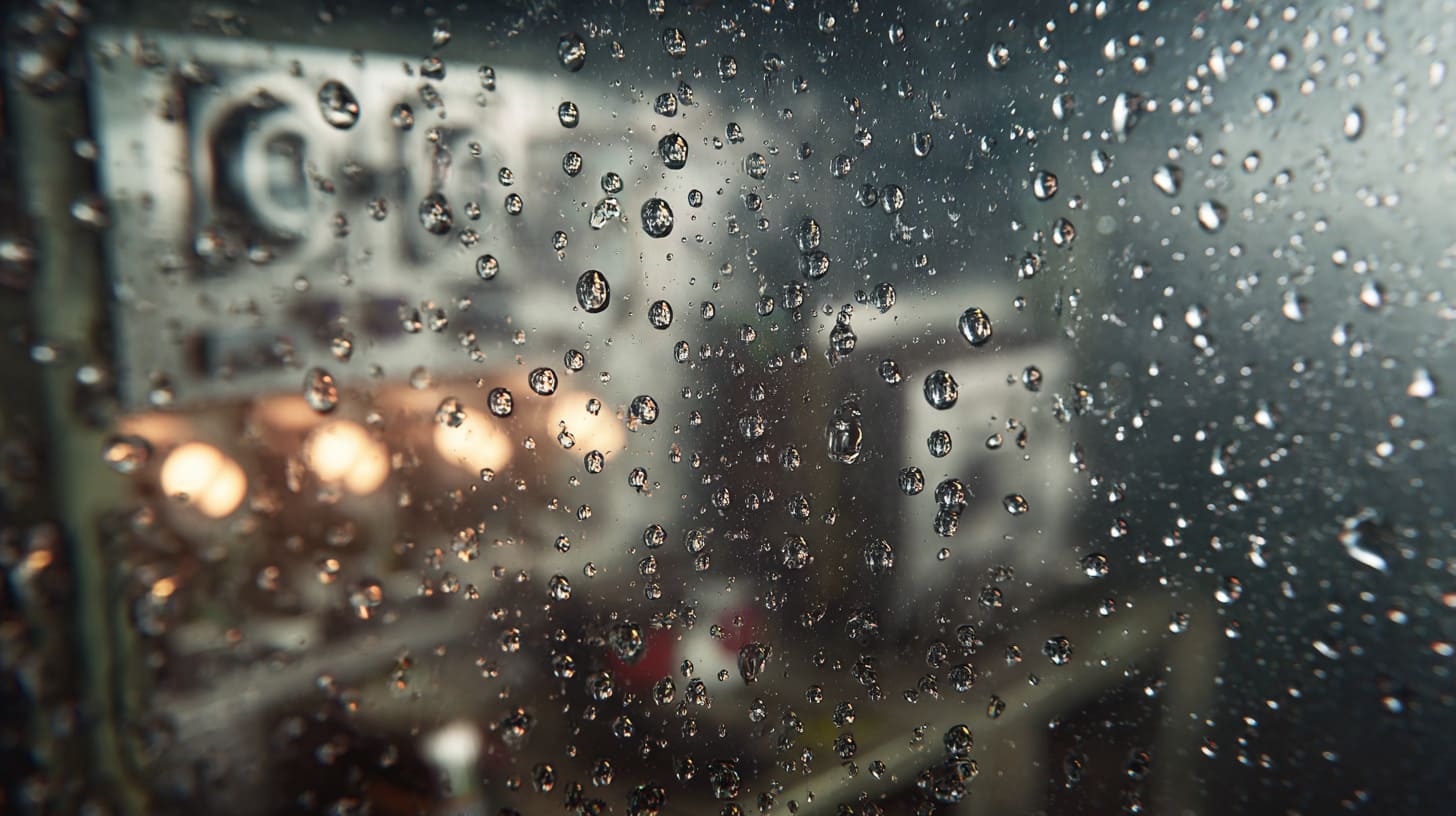
Design mistakes shorten outdoor enclosure lifespan because outdoor protection is a balance.
If we only chase waterproofing, we may trap heat.
If we only chase heat dissipation, we may open paths for water and dust.
If we only chase low cost, we may use weak materials.
If we only chase appearance, we may ignore maintenance.
A good outdoor enclosure is not one decision. It is many small decisions that support each other.
During design review, I try to find the conflict first, because the part that looks like an advantage on paper may become the failure point in the field.
Overengineering Waterproofing Can Create New Risks
This may sound strange, but too much sealing can create problems.
A fully sealed enclosure may protect against rain. But it may also trap moisture and heat.
Outdoor protection is not always about closing every hole. Sometimes it is about controlling how air, heat, and moisture move.
Completely Sealed Designs Trap Condensation
A sealed enclosure can trap moist air.
When the temperature drops, condensation forms. If there is no venting, drainage, or moisture control, water stays inside.
This is why “fully sealed” is not always the safest answer.
No Ventilation Increases Thermal Stress
If the electronics generate heat, the enclosure needs a heat path.
No ventilation and no heat transfer can turn the enclosure into a hot box.
The seal may survive. The electronics may not.
Or the heat may age the seal until waterproofing fails later.
Improper Vent Placement Introduces Contamination
A vent is only useful if it is placed correctly.
A vent near direct water spray, standing water, or dust flow can become a problem.
Vents should support pressure balance and heat control without inviting water inside.
Lack of Pressure Equalization Damages Seals
Pressure changes can stress seals.
When an enclosure heats and cools, pressure moves. If the enclosure has no way to equalize pressure, the seals may be pulled and pushed repeatedly.
Over time, this can reduce sealing performance.
Mechanical Design Errors Create Durability Issues
Outdoor enclosures need strength.
They face mounting stress, vibration, handling, wind, and maintenance. If the structure is too weak, sealing and alignment can suffer too.
A flexible cover may not compress the gasket evenly.
A weak bracket may vibrate.
A thin wall may deform.
Thin Wall Thickness Reduces Rigidity
Thin walls save material cost. That is attractive.
But thin walls can bend, warp, or vibrate more easily.
For larger enclosures, wall thickness and reinforcement ribs matter because the cover must stay flat enough to seal.
Weak Mounting Brackets Fail Under Vibration
Mounting brackets are often treated as simple accessories.
They are not.
They carry the enclosure weight. They resist vibration. They handle wind and installation force.
A weak bracket can create movement. Movement can loosen fasteners and damage seals.
Poor Weld Quality Introduces Crack Points
For sheet metal enclosures, weld quality matters.
Poor welding can create weak points, gaps, distortion, and corrosion zones.
A weld may look acceptable after grinding and coating, but if the structure is weak, outdoor stress may expose the problem later.
Incorrect Material Combinations Create Stress
Mixing materials can create many problems.
Different expansion rates, different corrosion behavior, different stiffness, and different surface finishes can create stress.
Material mixing is sometimes necessary. But it must be planned.
| Design Choice | Possible Benefit | Hidden Risk |
|---|---|---|
| Full sealing | Better rain protection | Condensation and heat buildup |
| Thin walls | Lower cost | Warping and weak sealing |
| Dark finish | Better brand appearance | Higher heat absorption |
| Many cable holes | Flexible installation | More leak points |
| Mixed materials | Better function | Expansion and corrosion risk |
| Transparent window | Easy viewing | UV, seal, and cracking risk |
Many OEM Projects Underestimate Field Conditions
Prototype success is useful.
But it does not prove outdoor success.
A prototype is often tested gently. It is handled by careful engineers. It is checked in clean conditions. Real users may not treat it that way.
Prototype Success Does Not Guarantee Mass Production Reliability
One perfect sample can hide production risk.
Mass production adds variation. Material batches vary. Workers assemble many units. Screws may have torque differences. Gasket placement may shift. Packaging may affect parts.
This is why production control matters.
Laboratory Tests May Not Reflect Real Outdoor Use
A lab test may not include all environmental conditions.
It may not include UV aging, vibration, shipping damage, repeated maintenance, or incorrect installation.
Testing should match the real use case as much as possible.
Shipping Damage Affects Sealing Performance
Shipping can bend covers, scratch coatings, damage corners, or deform gaskets.
An enclosure can pass inspection at the factory and arrive with hidden damage if packaging is weak.
For export projects, packaging is part of product protection.
Installer Variability Changes Real-World Performance
Different installers work differently.
One person may tighten carefully. Another may rush. One may use the right cable gland. Another may drill extra holes.
A good outdoor enclosure design should be tolerant of normal human mistakes.
Not all mistakes, of course.
But some.
Once we accept that outdoor failure is a system problem, the next question becomes much clearer: how can engineers design for the real world instead of the perfect world?
How Can Engineers Improve Outdoor Enclosure Reliability?
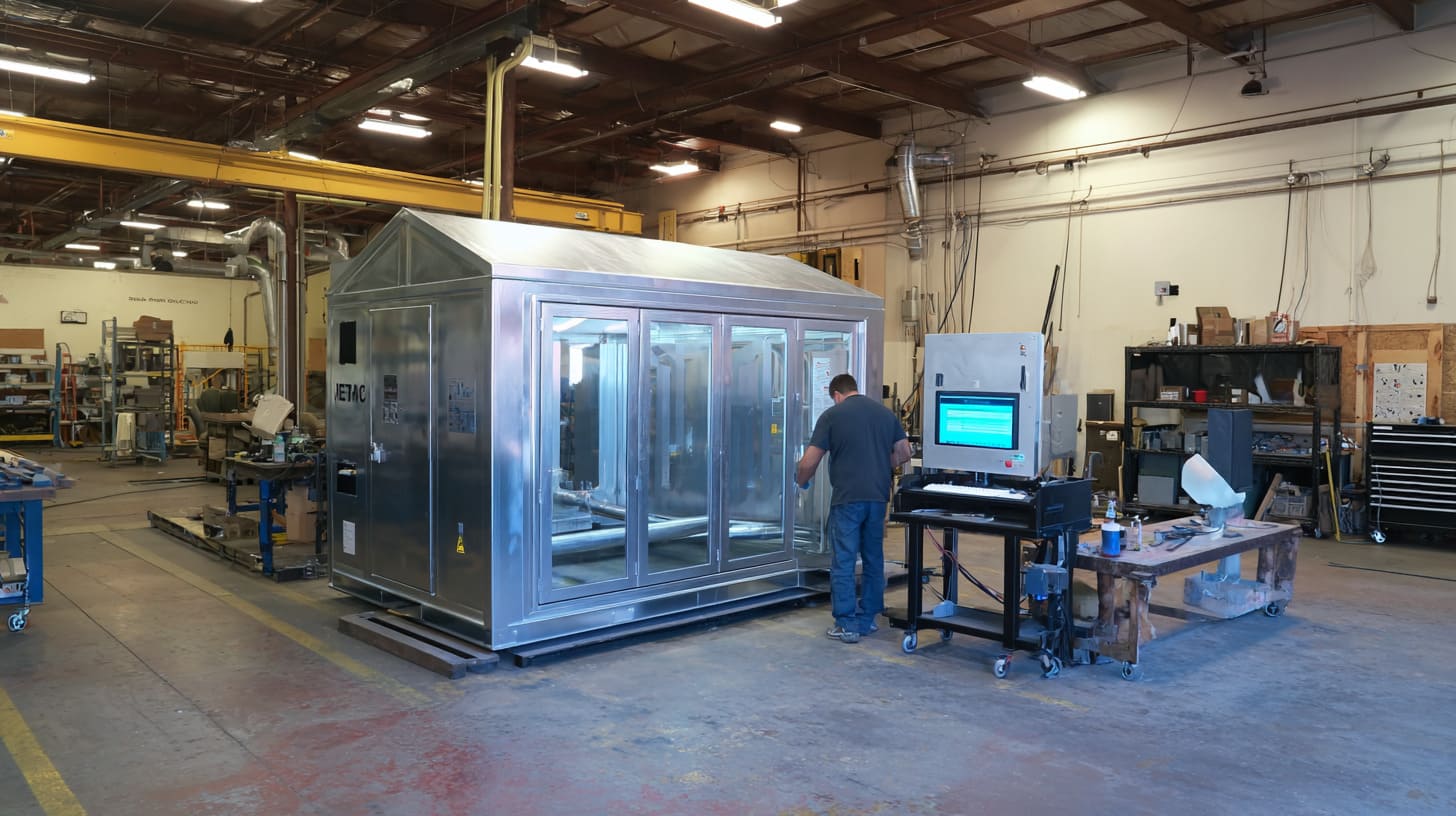
Engineers can improve outdoor enclosure reliability by starting with the real use environment, not the enclosure catalog.
I like catalogs. I like datasheets. I like ratings. But they cannot replace project thinking.
Before choosing the enclosure, we need to understand the sun, rain, humidity, dust, salt, heat load, installation position, cable direction, maintenance plan, and expected service life.
That sounds like a lot.
But it is cheaper to ask these questions early than to redesign after failure.
My best outdoor projects usually begin with boring questions, because boring questions often catch the expensive problems before they become real complaints.
Start With Realistic Environmental Analysis
A good outdoor enclosure begins with a simple idea:
Where will this product live?
Not where will it be tested.
Where will it live?
Evaluate Sunlight, Humidity, Dust, and Chemicals
Different environments need different priorities.
A solar equipment enclosure may face strong sunlight and heat.
A marine enclosure may face salt and moisture.
A factory wall enclosure may face dust, oil, chemicals, or vibration.
A telecom box may need heat control and cable management.
| Application Area | Main Risks | Design Focus |
|---|---|---|
| Solar equipment | UV, heat, rain | UV material, thermal design |
| Coastal device | Salt, humidity | Corrosion-resistant materials |
| Industrial site | Dust, oil, chemicals | Finish, gasket, cable sealing |
| Outdoor sensor | Condensation, small size | Venting, drainage, sealing |
| Telecom box | Heat, cables, maintenance | Cable layout and thermal control |
| Vehicle-mounted box | Vibration, rain, impact | Fasteners and mounting strength |
Understand Regional Weather Differences
Outdoor does not mean one thing.
Canada, Finland, Hungary, Japan, coastal Europe, and inland China all create different outdoor challenges.
Cold weather may create ice and contraction. Hot weather may create heat aging. Tropical areas may create constant humidity. Coastal areas may create salt corrosion.
The same enclosure may need small changes for different markets.
Consider Installation Orientation and Airflow
Mounting direction changes everything.
Will the enclosure face the sun?
Will water sit on the top?
Will cables enter from the top, bottom, or side?
Will there be airflow behind the enclosure?
Will it be mounted on metal, concrete, wood, or a pole?
A drawing does not always show the real installation story.
Analyze Long-Term Maintenance Access
Outdoor enclosures may need maintenance.
If the user opens the enclosure often, the gasket, screws, hinges, and internal layout must support that.
If maintenance is difficult, users may force parts, lose screws, damage seals, or skip inspection.
Design should respect user behavior.
Users are not robots.
They are busy people with tools in their hands.
Choose Materials Based on Actual Application Risks
Material selection should match risk.
I do not believe there is one best enclosure material for every outdoor project.
Aluminum, stainless steel, polycarbonate, ABS, and sheet metal all have their place.
The wrong choice is not always the cheapest choice. The wrong choice is the material that does not match the environment.
Use UV-Stabilized Plastics for Sunlight Exposure
If plastic is used outdoors, UV stabilization matters.
This is especially important for enclosure bodies, covers, clips, cable glands, and external brackets.
A small plastic part can fail before the main enclosure body.
Select Proper Metal Finishes for Corrosion Resistance
Metal enclosures need surface protection.
Powder coating, anodizing, plating, passivation, and stainless steel grade all need review.
For outdoor use, I do not only ask how the surface looks. I ask how it will age.
Match Gasket Materials to Operating Temperatures
Gasket material should match temperature, UV exposure, compression, moisture, and maintenance frequency.
A low-cost gasket may save a little money per unit. But if it fails, the total cost becomes much higher.
Avoid Unnecessary Material Mixing
Mixed materials can solve design problems. But they can also create new ones.
If the design mixes aluminum, steel, stainless steel, plastic, rubber, and adhesive, I want to understand how each material behaves outdoors.
Simple designs often age better.
Design for Real-World Reliability Instead of Ideal Conditions
Outdoor reliability comes from practical design choices.
The design must consider heat, moisture, pressure, drainage, mounting, cables, and maintenance.
The goal is not to make the enclosure perfect on paper.
The goal is to make it forgiving in real use.
Add Pressure Equalization Vents Where Needed
Pressure vents can help reduce pressure stress and condensation risk.
But they must be chosen carefully. Outdoor vents should block water and dust while allowing air pressure to balance.
The vent location also matters.
Improve Drainage and Condensation Management
Water should not sit where it can attack seals or coatings.
A good design may include drainage paths, raised mounting, sloped surfaces, or internal layout that keeps sensitive electronics away from condensation zones.
Use Higher-Quality Cable Glands and Fasteners
Cable glands and fasteners are small cost items, but they carry big risk.
For outdoor projects, I prefer to use reliable glands and corrosion-resistant screws. The saving from cheap parts is often too small compared with the cost of field failure.
Design for Maintenance and Field Servicing
A good outdoor enclosure should be easy to inspect, open, close, and reseal.
This may include:
- Clear screw positions
- Good gasket visibility
- Strong hinges
- Replaceable seals
- Enough internal space
- Proper cable routing
- Simple installation instructions
Good design helps the installer do the right thing.
Engineers can design better, but buyers also need to ask better questions before production. A smart purchasing decision is not only about price. It is about finding the hidden risks before the order becomes thousands of units.
What Should OEM Buyers and Product Engineers Evaluate Before Production?
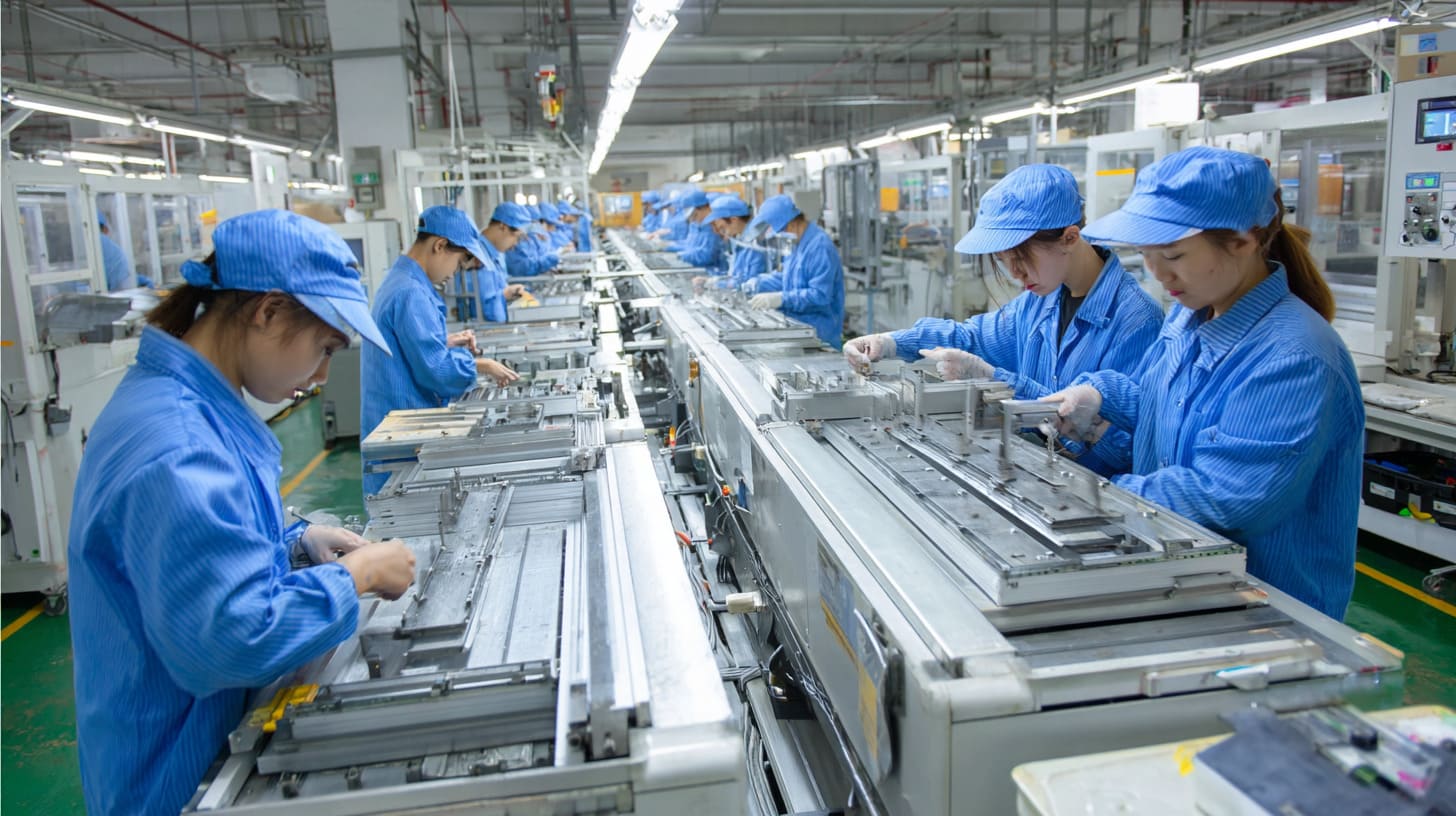
OEM buyers and product engineers should evaluate the complete outdoor protection system before production.
That means the enclosure body, material, finish, gasket, cable entry, thermal design, installation method, packaging, and supplier control.
I understand why buyers focus on price and delivery time. Projects have deadlines. Budgets are real. Customers push hard. But outdoor enclosure mistakes can become very expensive after shipment.
Before I confirm a production plan, I like to separate “nice sample quality” from “repeatable outdoor reliability,” because one good sample does not mean the factory can control every small detail in mass production.
Buyers Should Go Beyond IP and NEMA Ratings
IP and NEMA ratings are important.
But buyers should not stop there.
They should ask how the enclosure performs over time. They should ask what material is used. They should ask what gasket is used. They should ask how cable entries are sealed. They should ask how heat is handled.
Ask About Long-Term Outdoor Aging Performance
A good supplier should be able to discuss outdoor aging risks.
This includes UV exposure, gasket aging, coating durability, corrosion resistance, and heat effects.
If the supplier only says “No problem, waterproof,” I become nervous.
Outdoor projects deserve more detail.
Request UV and Corrosion Resistance Data
For outdoor plastic parts, buyers should ask about UV stability.
For metal enclosures, buyers should ask about finish and corrosion protection.
For coastal or industrial projects, normal material may not be enough.
Verify Gasket Material Specifications
The gasket is too important to ignore.
Buyers should ask:
- What material is the gasket?
- Is it suitable for outdoor temperature?
- Will it resist compression set?
- Is it glued, foamed, molded, or installed in a groove?
- Can it be replaced?
- How is compression controlled?
These questions are not small. They are practical.
Evaluate Cable Entry System Quality
Cable entry is often the weakest point.
Buyers should confirm gland size, gland material, thread sealing, cable direction, and unused hole protection.
If possible, the supplier should know the real cable diameter before production.
Prototype Testing Should Simulate Real Outdoor Conditions
A prototype should not only be checked for size and appearance.
For outdoor use, it should be tested like it will live outside.
That may include heat, water, UV, vibration, humidity, and installation checks.
Perform Thermal Cycling Tests
Thermal cycling helps reveal expansion, contraction, seal fatigue, and material stress.
Even simple hot-cold testing can show useful problems.
If the enclosure warps or leaks after cycling, it is better to know before mass production.
Conduct UV Aging Evaluations
UV testing is important for plastic enclosures, plastic accessories, cable glands, and transparent covers.
If the product will be used under strong sunlight, UV performance should not be guessed.
Test Condensation and Humidity Resistance
Humidity testing helps reveal internal moisture risk.
For sealed outdoor electronics, condensation management should be part of the design review.
Simulate Shipping and Installation Stress
Shipping and installation are part of real life.
The prototype should be packed, transported, handled, mounted, opened, and closed.
A product that only survives on a clean desk is not ready for outdoor use.
| Test Area | What It Reveals |
|---|---|
| Water spray | Basic sealing performance |
| Thermal cycling | Expansion and gasket fatigue |
| UV exposure | Material aging risk |
| Humidity test | Condensation and corrosion risk |
| Vibration | Fastener and mounting weakness |
| Packaging drop/check | Shipping damage risk |
| Installation trial | Human error and usability problems |
Supplier Engineering Capability Matters Greatly
A good supplier does more than produce parts.
A good supplier helps find risks early.
This matters a lot for custom OEM enclosure projects, because the customer may have a product idea, but the factory sees production details every day.
Detail Control Determines Outdoor Reliability
Outdoor enclosure quality depends on many small controls:
- Material grade
- Wall thickness
- Surface treatment
- Gasket placement
- Screw torque
- Hole tolerance
- Cable gland fit
- Packaging method
- Inspection process
If the supplier ignores small details, outdoor reliability becomes luck.
I do not like luck in mass production.
Communication Reduces Hidden Design Risks
Good communication saves projects.
A supplier should confirm drawings clearly. A buyer should share the real use environment. Both sides should ask questions before production.
Many failures come from assumptions.
The buyer assumes the supplier understands outdoor use.
The supplier assumes the buyer only needs standard waterproofing.
Then the field teaches both sides a lesson.
Manufacturing Consistency Affects Sealing Quality
Mass production is different from one sample.
The supplier must control tolerance, gasket installation, coating thickness, assembly, and inspection.
A small change in production can affect sealing.
Experienced Factories Identify Weak Points Earlier
Experience matters because outdoor enclosure failure is often familiar.
A factory that has handled many OEM enclosure projects may notice risks in the drawing before production starts.
For example:
- A cable hole is too close to the edge.
- A lid is too large and may not press the gasket evenly.
- A transparent window may crack under thermal stress.
- A dark color may overheat outdoors.
- A thin bracket may vibrate loose.
- A low-cost gasket may not last outside.
These comments are not criticism. They are protection.
A good supplier should protect the project, not only take the order.
Conclusion
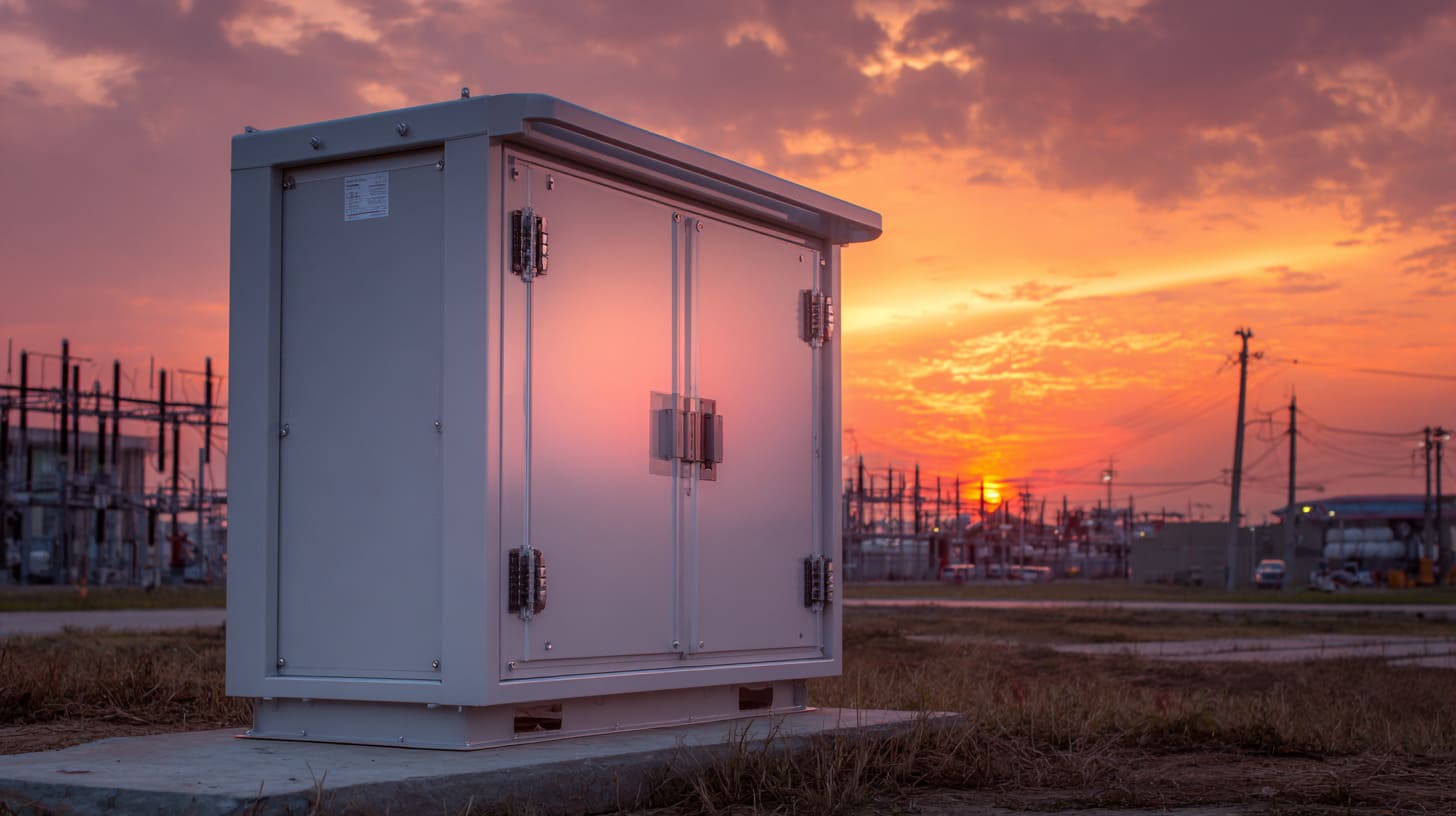
Outdoor enclosures rarely fail because of one big dramatic event.
They usually fail because small risks stack together.
Heat dries the gasket.
UV weakens the plastic.
Water finds a tiny gap.
Condensation forms inside.
Salt attacks the screws.
A cable gland is installed badly.
A mounting direction traps rain.
A technician opens the box and closes it with uneven screw pressure.
One detail is not always enough to kill the product. But five small details can do the job quietly.
This is why I do not see outdoor enclosures as simple boxes. I see them as protection systems.
I think this way because I have seen how real projects fail. The drawing may look clean. The sample may look beautiful. The buyer may feel confident after seeing “IP65” or “NEMA 4.” But the outdoor environment does not care about confidence. It only tests the design.
I also think this way because OEM buyers and product engineers carry real pressure. They need cost control. They need fast delivery. They need the enclosure to match their brand. They need the project to launch on time. But if the enclosure fails in the field, the cost is not only money. It is also trust.
So my view is simple.
Do not choose an outdoor enclosure only by rating.
Choose it by environment, material, sealing design, cable entry, thermal behavior, corrosion risk, maintenance method, and supplier detail control.
If you are working on a custom outdoor enclosure project, you can share your drawing, size, board layout, cable position, installation environment, and branding needs with us. At MaidaTech, we can help review the enclosure design from a manufacturing and real-use angle, then support custom aluminum enclosures, plastic enclosures, sheet metal enclosures, Raspberry Pi style cases, logo printing, engraving, packaging, and OEM/ODM production.
A good outdoor enclosure should not only look strong on the first day.
It should still protect the electronics after the weather has had enough time to be annoying.