Skip to content
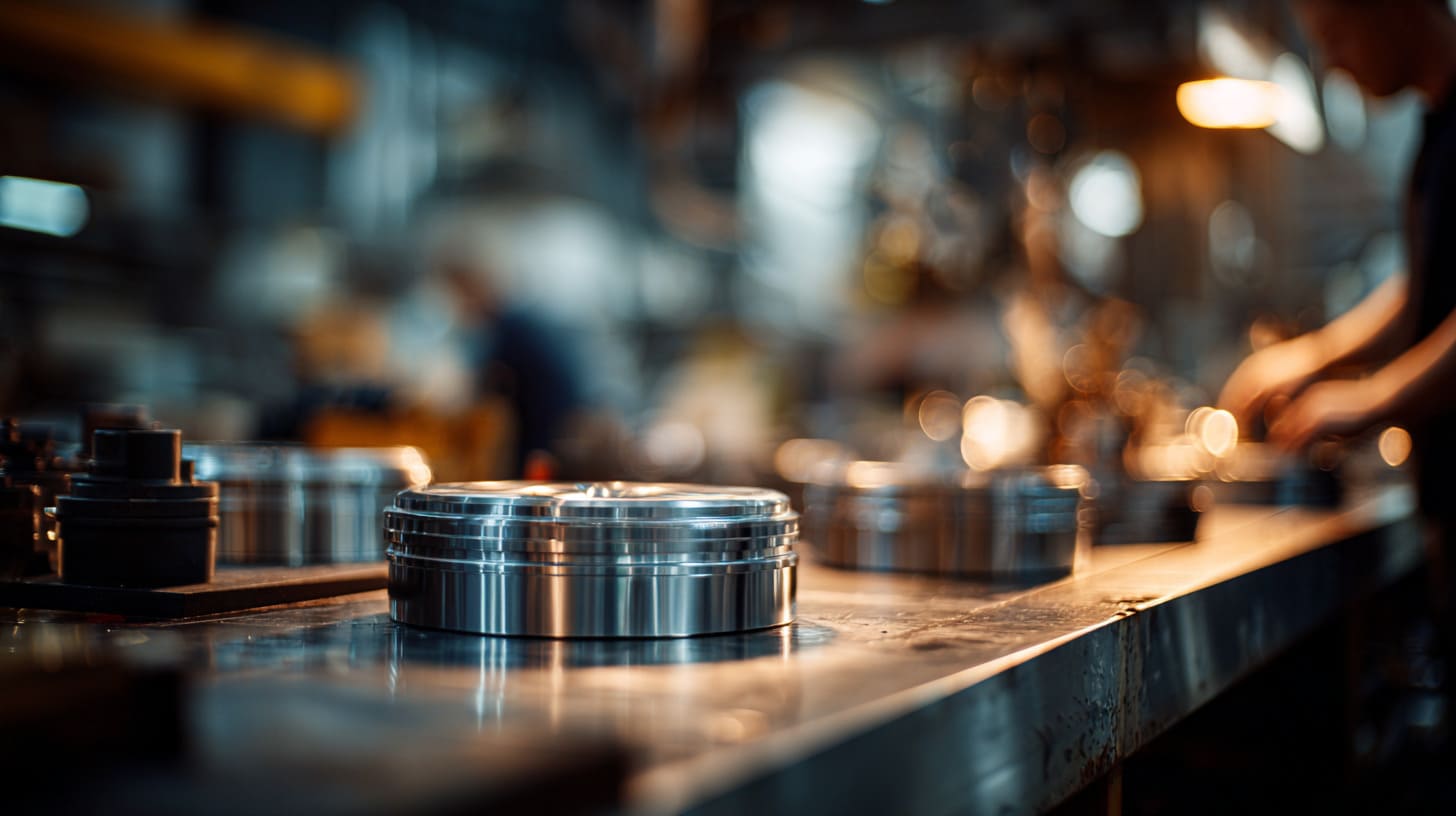
Stainless steel has a strong smell of “premium” in the enclosure world.
I do not mean a real smell, of course. I mean the feeling it gives people.
When a buyer says, “We want stainless steel,” the project suddenly sounds more serious. More durable. More expensive. More professional. I understand that feeling very well. Many engineers and buyers want to avoid risk, so they choose the material that sounds safest.
I have seen this many times in custom enclosure projects.
A customer sends a drawing. The enclosure is for an indoor control device. The room is dry. There is no salt spray. No chemical cleaning. No heavy outdoor exposure. But the first requirement says:
Material: stainless steel.
At that moment, I usually slow down and ask one simple question:
“Where will this enclosure be used?”
That question sounds small. But it can save money, lead time, shipping cost, and sometimes the whole project schedule.
Stainless steel enclosures are useful when the environment truly needs strong corrosion resistance, washdown protection, or long-term exposure resistance. But stainless steel can become an expensive mistake when buyers choose it only because it sounds better, not because the real application needs it.
For many custom enclosure projects, stainless steel is not the problem. The problem is choosing stainless steel too early.
Before the environment is clear.
Before the heat is checked.
Before the weight is considered.
Before the budget is real.
In my work, I do not judge an enclosure material by how impressive it sounds on paper. I judge it by what happens after the product is installed, shipped, touched, opened, heated, cleaned, and used every day.
That is where the truth comes out.
And sometimes, the truth is not shiny.
Stainless steel may look like a safe road. But if we follow the wrong road with confidence, we still arrive at the wrong place.
So let us look at where stainless steel makes sense, where it becomes overkill, and how buyers can avoid paying for protection they do not really need.
A nice material can still make a bad decision. That is the part many projects learn too late.
Why Do Buyers Automatically Choose Stainless Steel Enclosures?

Many buyers choose stainless steel because it feels like the “serious” option.
I get it.
When people compare materials, stainless steel often wins the beauty contest before the engineering discussion even starts. It looks clean. It sounds strong. It gives confidence. For many industrial buyers, stainless steel feels like the safe answer before anyone asks the hard questions.
But the safest-sounding answer is not always the best answer.
One buyer once told me, “My customer likes stainless steel. It looks more professional.”
That was honest. Very honest.
The enclosure was not going into a food plant. It was not going near seawater. It was not exposed to chemical washdown. It was going inside a machine room. The real reason was appearance and customer perception.
That is common.
Stainless steel’s reputation in industrial markets
Stainless steel has a good name for a reason.
It can resist corrosion better than many common metals. It has a clean surface. It can last a long time in difficult environments. In some industries, it is not just a better choice. It is almost expected.
| Reason buyers like stainless steel | Why it sounds attractive | What I check before agreeing |
|---|---|---|
| Corrosion resistance | It sounds safer for harsh environments | Is there real corrosion exposure? |
| Premium appearance | It looks clean and high-end | Is appearance more important than cost? |
| Long service life | It feels like a long-term investment | Will the enclosure actually face harsh use? |
| Industry habit | Other suppliers use it | Is it required, or just copied? |
Stainless steel has value. I never deny that.
But value depends on the situation. A raincoat is valuable in a storm. It is silly inside a dry office.
The same logic applies here.
Common industries that frequently request stainless steel
Some industries really do need stainless steel enclosures.
Food processing is one example. Many machines need frequent cleaning. Some areas may face water, steam, cleaning chemicals, and strict hygiene expectations.
Marine projects are another example. Salt air is cruel. It does not care about your budget. It slowly attacks weak material choices.
Pharmaceutical and medical-related equipment can also need stainless steel because cleanliness, cleaning, and surface finish matter.
Outdoor telecom may request stainless steel when the site has high humidity, coastal air, or public exposure.
| Industry | Why stainless steel is requested | Is it always needed? |
|---|---|---|
| Food processing | Washdown, cleaning, hygiene | Often yes, but grade matters |
| Marine | Salt, moisture, corrosion | Often yes |
| Pharmaceutical | Clean surface, chemical cleaning | Sometimes yes |
| Outdoor telecom | Weather and long service life | Depends on location |
| Indoor electronics | Often requested for “premium” feel | Often no |
The tricky part is this: buyers sometimes copy material choices from these industries and apply them to normal projects.
That is where money starts leaking.
Why engineers and purchasing teams often over-specify materials
I do not blame engineers for being careful.
A failed enclosure can create big trouble. It can damage electronics. It can cause warranty claims. It can make the buyer look bad in front of their customer.
So many teams over-specify.
They choose thicker material.
They choose higher IP ratings.
They choose stainless steel.
They add safety margin on top of safety margin, like putting three locks on a door inside a locked building.
This is where projects often get expensive without getting better: I usually ask whether the material choice protects the product from a real risk, or only protects the buyer from feeling nervous.
That small difference matters.
Fear can be useful. It makes us check details. But fear can also make us spend money in the wrong place.
For example, if the real risk is heat, stainless steel may not solve it. Aluminum may be better.
If the real risk is impact, the structure and thickness may matter more than the material name.
If the real risk is poor sealing, the gasket and cable glands may matter more than the enclosure body.
This is why I like to slow down the first material discussion.
Not because I want to push one material.
Because I want the project to survive reality.
The first mistake is often made before production starts. It happens when a buyer says “stainless steel” and everyone stops asking questions.
When Does Stainless Steel Become an Unnecessary Expense?
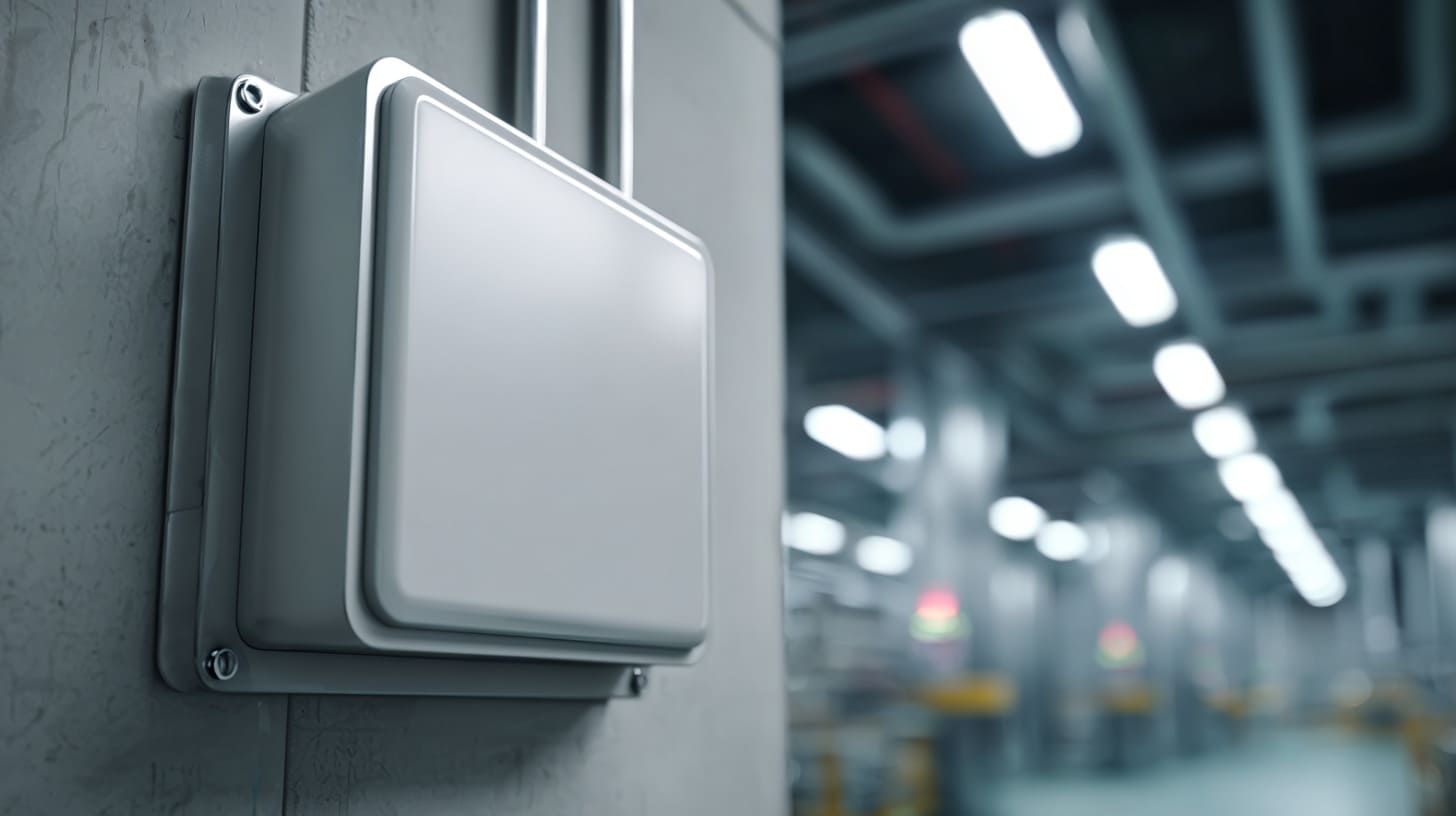
Stainless steel becomes unnecessary when it solves a problem that does not exist.
That sounds obvious. But in real projects, it happens more often than people admit.
A buyer may choose stainless steel because the end customer likes it. Or because a previous project used it. Or because the drawing template already says stainless steel. Sometimes nobody remembers why.
That is dangerous.
Not because stainless steel is bad.
Because every unnecessary specification has a cost.
Indoor applications with low corrosion exposure
Many indoor applications do not need stainless steel.
For example:
- Factory control systems in dry areas
- Indoor automation cabinets
- Office-installed electronics
- Testing equipment
- Wall-mounted control boxes
- Small electronic device housings
- Raspberry Pi style industrial project boxes
If the enclosure stays in a dry room, away from chemicals, salt air, and frequent washdown, stainless steel may be more than the project needs.
| Application | Common environment | Stainless steel risk |
|---|---|---|
| Indoor control box | Dry factory area | Often over-specified |
| Office electronics | Clean indoor space | Usually unnecessary |
| Machine control panel | Depends on workshop | Needs environment check |
| Lab device housing | Clean but may face chemicals | Depends on chemical exposure |
| Indoor IoT gateway | Low exposure | Usually not needed |
A simple truth helps here:
Indoor does not automatically mean easy, but indoor does reduce many corrosion risks.
Some indoor factories are still harsh. Oil mist, dust, humidity, coolant, and cleaning chemicals can change the answer.
So I do not only ask, “Indoor or outdoor?”
I ask, “What is in the air?”
That question is less pretty. But it is more useful.
Cases where aluminum or powder-coated steel perform equally well
For many projects, aluminum or powder-coated steel can do the job very well.
Aluminum is lighter. It is easier to machine. It has better heat transfer. It is a strong choice for electronic enclosures, especially when heat and weight matter.
Powder-coated steel can be a good option for indoor industrial use. It has good strength and a lower cost than stainless steel in many cases.
Plastic can also work well when the product needs lightweight, insulation, and lower cost.
| Material | Good for | Main advantage | Main weakness |
|---|---|---|---|
| Aluminum | Electronics, outdoor devices, heat-sensitive products | Lightweight and good heat dissipation | Surface treatment must be chosen well |
| Powder-coated steel | Indoor industrial cabinets | Strong and cost-effective | Coating damage may expose steel |
| Plastic | Lightweight electronics, handheld or small devices | No rust, lower weight | Lower strength and heat limits |
| Stainless steel | Washdown, marine, chemical areas | Strong corrosion resistance | Higher cost and weight |
The right material should match the real working condition.
Not the buyer’s fear.
Not the competitor’s brochure.
Not the most expensive option.
On actual projects, I pay close attention to whether the enclosure needs corrosion resistance or only needs a clean surface, because those two needs can look similar in a meeting but cost very different money in production.
Real-world examples of over-engineered enclosure projects
Let me give a simple example.
A buyer wants an enclosure for an indoor testing device. The unit sits on a workbench. The electronics generate heat. The design needs several CNC holes, logo engraving, and a nice black surface.
The buyer asks for stainless steel.
At first, stainless steel sounds fine. But then the problems start:
- The enclosure becomes heavier.
- The machining cost goes up.
- The lead time becomes longer.
- The heat performance is not ideal.
- The surface finishing cost increases.
- The shipping cost rises.
In this case, aluminum may be better. It can look professional. It can be anodized or powder coated. It can be easier to customize. It can handle heat better.
Another example is an indoor cabinet in a clean industrial room. The buyer chooses marine-grade stainless steel because “we want the best.” But the environment has no salt, no rain, no chemical washdown.
That is like buying winter boots for a carpeted office.
Strong? Yes.
Useful? Not really.
Expensive? Absolutely.
The phrase “just to be safe” is expensive.
I hear it often.
Sometimes it is smart. Sometimes it is lazy.
If the environment is unclear, the buyer may choose stainless steel “just to be safe.” But that choice can hide many other issues.
| “Just to be safe” choice | Possible hidden result |
|---|---|
| Stainless steel body | Higher material and processing cost |
| Thicker plate | Heavier enclosure and higher freight |
| Higher IP rating | More gasket and assembly complexity |
| Polished surface | More labor and scratch risk |
| Complex welding | Longer production time |
Safety should be based on risk.
If there is no real risk, the extra cost does not buy safety. It buys comfort.
And comfort is nice, but it should not destroy the project budget.
A material can look cheap at the quote stage and become expensive after machining, finishing, packing, and shipping. That is why I never look at raw material alone.
How Much More Expensive Is Stainless Steel Compared to Other Materials?
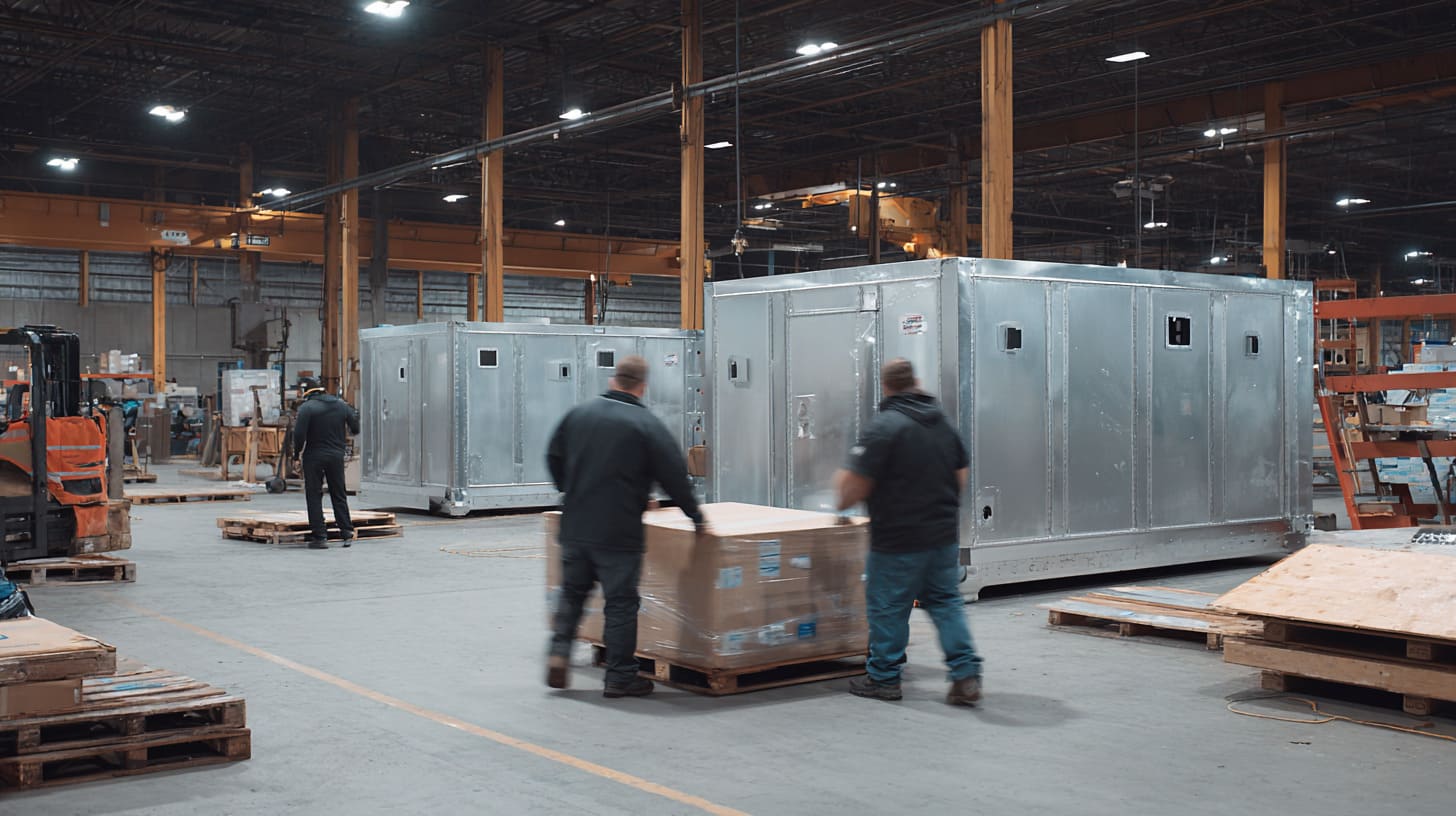
Stainless steel is not only expensive because the sheet costs more.
That is the part many buyers see first. But it is not the whole story.
The real cost comes from the full chain:
Material.
Cutting.
Bending.
Welding.
Polishing.
Tool wear.
Surface handling.
Packing.
Shipping.
Installation.
When we add everything together, stainless steel can become much more expensive than expected.
Raw material price differences
Stainless steel normally costs more than carbon steel. It also often costs more than many aluminum options, depending on grade, thickness, and market price.
Plastic can be cheaper for many small or medium enclosure designs, especially when the structure is not very demanding.
But raw material price is only the first layer.
| Material | Raw material cost level | Cost stability | Notes |
|---|---|---|---|
| Plastic | Low to medium | Depends on resin type | Good for lightweight products |
| Carbon steel | Low to medium | Usually stable | Needs coating for rust protection |
| Aluminum | Medium | Can change with market | Good balance for electronics |
| Stainless steel | Medium to high | Grade-sensitive | Higher cost for harsh environments |
For stainless steel, grade matters a lot.
304 stainless steel and 316 stainless steel are not the same. 316 is often used for stronger corrosion resistance, especially in marine or chemical environments. But it costs more.
So a buyer should not only say “stainless steel.”
They should ask:
- Which grade?
- Which finish?
- Which thickness?
- Which environment?
- Which life expectation?
Without these details, the quote is floating in the air.
Manufacturing cost increases
Stainless steel is harder to process than many other enclosure materials.
It can be tougher on tools. It can take longer to cut. It can need more care during bending and welding. If the enclosure needs a clean visible surface, the handling becomes even more careful.
| Process | Stainless steel challenge | Cost impact |
|---|---|---|
| Laser cutting | Slower cutting for some thicknesses | Higher machine time |
| CNC machining | More tool wear | Higher processing cost |
| Bending | More force and springback control | More setup attention |
| Welding | Heat marks and distortion risk | More skilled labor |
| Polishing | Labor-intensive | Higher finishing cost |
| Packing | Scratch protection needed | More packaging care |
This is one place where quotes can surprise buyers.
They may compare only the sheet price and say, “Why is stainless steel so much more?”
The answer is simple:
The machine also has an opinion.
The worker also has an opinion.
The surface also has an opinion.
And none of them care about the buyer’s budget.
For cost checking, I usually separate the price into material cost, processing cost, finishing cost, and delivery cost, because stainless steel can look acceptable in one line but become painful when the whole job is added together.
Hidden logistics and shipping costs
Stainless steel is heavy.
That sounds like a small point until the project has 500 pieces, 1,000 pieces, or a large cabinet size.
A heavier enclosure affects freight cost, carton strength, pallet loading, and sometimes installation work.
For e-commerce sellers or distributors, weight can hurt margin again and again. Every shipment repeats the cost.
| Cost area | Why stainless steel can increase cost |
|---|---|
| Express freight | Weight-based pricing becomes higher |
| Sea freight | More weight and stronger packing needed |
| Carton design | Stronger carton may be required |
| Pallet loading | Fewer units per pallet in some cases |
| Installation | More labor or stronger support may be needed |
| Returns or damage | Scratched surfaces may cause complaints |
If the enclosure is wall-mounted, weight also affects screws, brackets, and safety.
A small weight difference may not matter.
A large one can matter a lot.
Stainless steel cost is not only paid once
Some buyers think cost only means the purchase price.
I do not see it that way.
An enclosure creates cost through its whole life.
| Cost stage | Question I ask |
|---|---|
| Design | Does stainless steel limit the shape or structure? |
| Sampling | Will changes be expensive? |
| Production | Will tooling and labor increase? |
| Finishing | Will the surface need extra protection? |
| Shipping | Will weight increase freight? |
| Installation | Will the customer need stronger mounting? |
| Maintenance | Will scratches or cleaning marks matter? |
A cheap decision is not always a low-price decision.
A good decision is the one that keeps the whole project under control.
Price is not only what appears on the invoice. Sometimes it hides inside freight, delays, scratches, and angry emails from the end customer.
Why Can Stainless Steel Slow Down Manufacturing and Delivery?
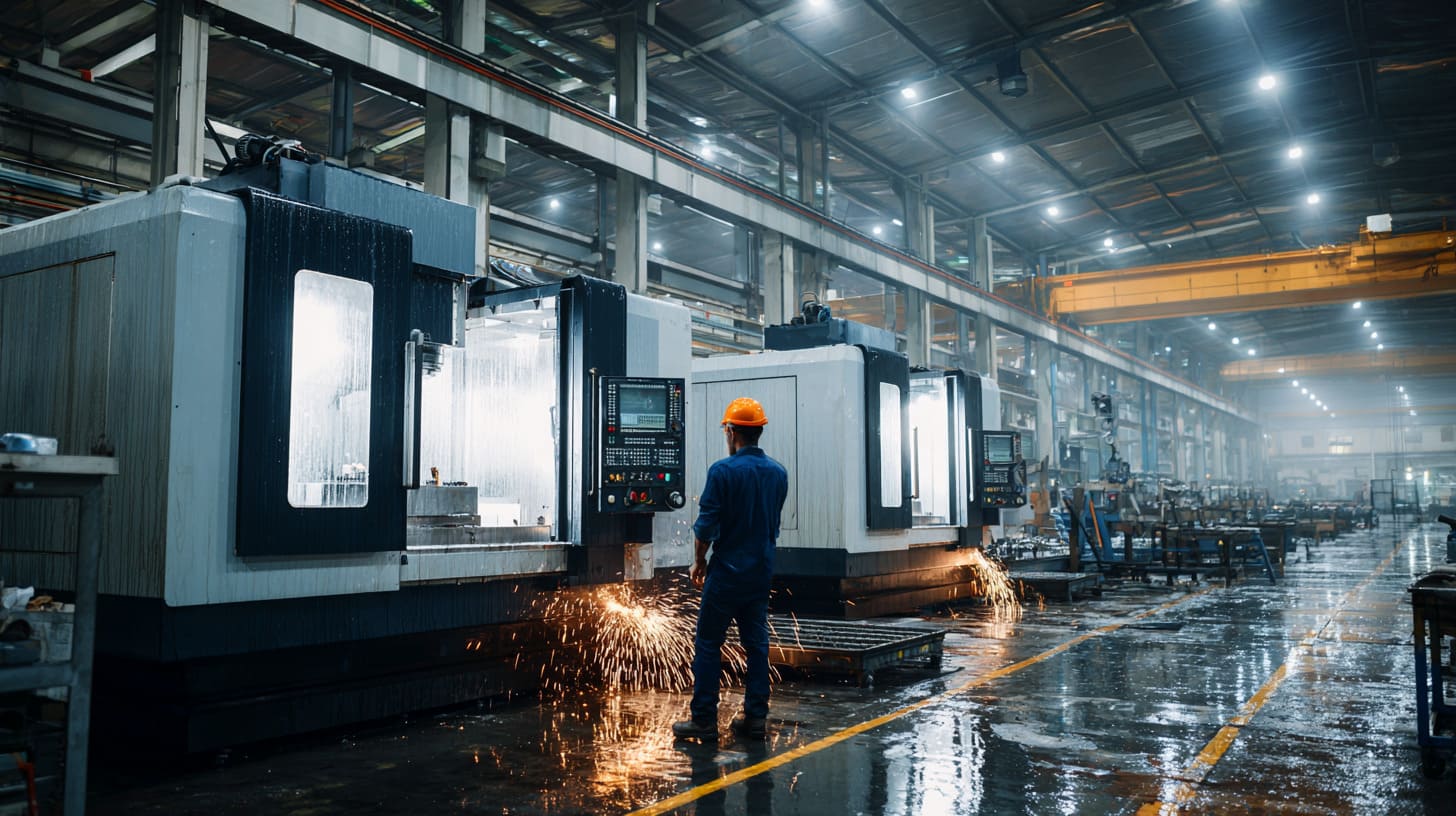
Stainless steel can slow a project down because it asks for more care at almost every step.
A custom enclosure is not only a box. It is a chain of small actions.
Cut the sheet.
Bend the part.
Weld the corners.
Polish the surface.
Drill the holes.
Install the hardware.
Check the fit.
Pack it safely.
When stainless steel enters this chain, the chain can move slower.
Longer machining time
Stainless steel is harder to machine than aluminum and many plastics.
For simple designs, this may not be a big issue. But for custom enclosures with many holes, cutouts, slots, countersinks, threaded holes, and special edges, the difference grows.
| Design feature | Stainless steel production concern |
|---|---|
| Many small holes | Tool wear and slower machining |
| Tight tolerance cutouts | More checking needed |
| Threaded holes | More tool stress |
| Deep bends | Springback and deformation control |
| Complex corners | Welding and finishing difficulty |
| Visible surface | Scratch control during handling |
If the project has a tight deadline, this matters.
A buyer may approve a stainless steel design because it looks strong. But later, production needs more time. Then delivery slips. Then the end customer asks why the project is late.
Nobody wants that conversation.
The difficult part is that stainless steel delays are often not dramatic at the beginning; they appear as small slowdowns in cutting, bending, welding, and finishing, and those small slowdowns pile up quietly.
Tool wear issues
Tool wear is not exciting.
Nobody writes a beautiful sales story about tool wear.
But in manufacturing, tool wear is real money.
When cutting or machining stainless steel, tools can wear faster. This affects cost and timing. If the part needs clean edges and accurate holes, the factory must control the process carefully.
| Material | Tool wear level | Production feeling |
|---|---|---|
| Plastic | Low | Easy for many cuts |
| Aluminum | Low to medium | Friendly for CNC work |
| Carbon steel | Medium | Common for sheet metal |
| Stainless steel | Medium to high | Needs more control |
This does not mean stainless steel is impossible.
Of course not.
It means the buyer should understand what they are asking the factory to do.
A simple stainless steel box may be fine.
A stainless steel box with complex machining, visible surfaces, welded seams, and urgent delivery is a different animal.
That animal bites.
Welding and polishing complications
Welding stainless steel needs care.
Heat can leave marks. It can cause distortion. The surface may need polishing or brushing after welding. If the enclosure must look beautiful, the labor becomes more demanding.
For many industrial users, a small welding mark may not matter. For consumer-facing or branded products, it may matter a lot.
| Requirement | Production impact |
|---|---|
| Fully welded corners | More labor and heat control |
| Smooth visible surface | More polishing work |
| Brushed finish | Direction and consistency matter |
| Mirror finish | High labor and scratch risk |
| Logo engraving | Surface quality must be controlled |
| Tight assembly | Distortion must be minimized |
This is why I like to confirm the surface expectation early.
“Industrial acceptable” and “beautiful retail product” are not the same standard.
One saves money.
The other needs more work.
If the buyer does not explain this clearly, the factory may produce something technically correct but visually disappointing.
Supply chain delays for custom stainless projects
Material availability can also affect stainless steel delivery.
Common grades and thicknesses are usually easier. Special grades, special finishes, or unusual thicknesses can take longer.
Custom stainless projects may also need more scheduling time because the factory may need to arrange specific machines, skilled workers, or finishing steps.
| Delay source | Why it happens |
|---|---|
| Special stainless grade | Material may not be in stock |
| Unusual thickness | Sheet sourcing may take time |
| Special surface finish | Extra supplier or process needed |
| Complex welding | Skilled labor scheduling |
| High cosmetic standard | More inspection and rework risk |
For urgent projects, stainless steel should not be chosen casually.
Speed and stainless steel can work together, but the design must be realistic.
A buyer once asked for a fast sample, complex stainless welding, beautiful brushed finish, and low price. That combination is like asking for a taxi, a limousine, and a bicycle in the same order.
Something has to give.
And usually, the deadline gives first.
The next problem is not only time. Stainless steel can also fight against the product designer’s goals.
What Problems Can Stainless Steel Create for Product Designers?
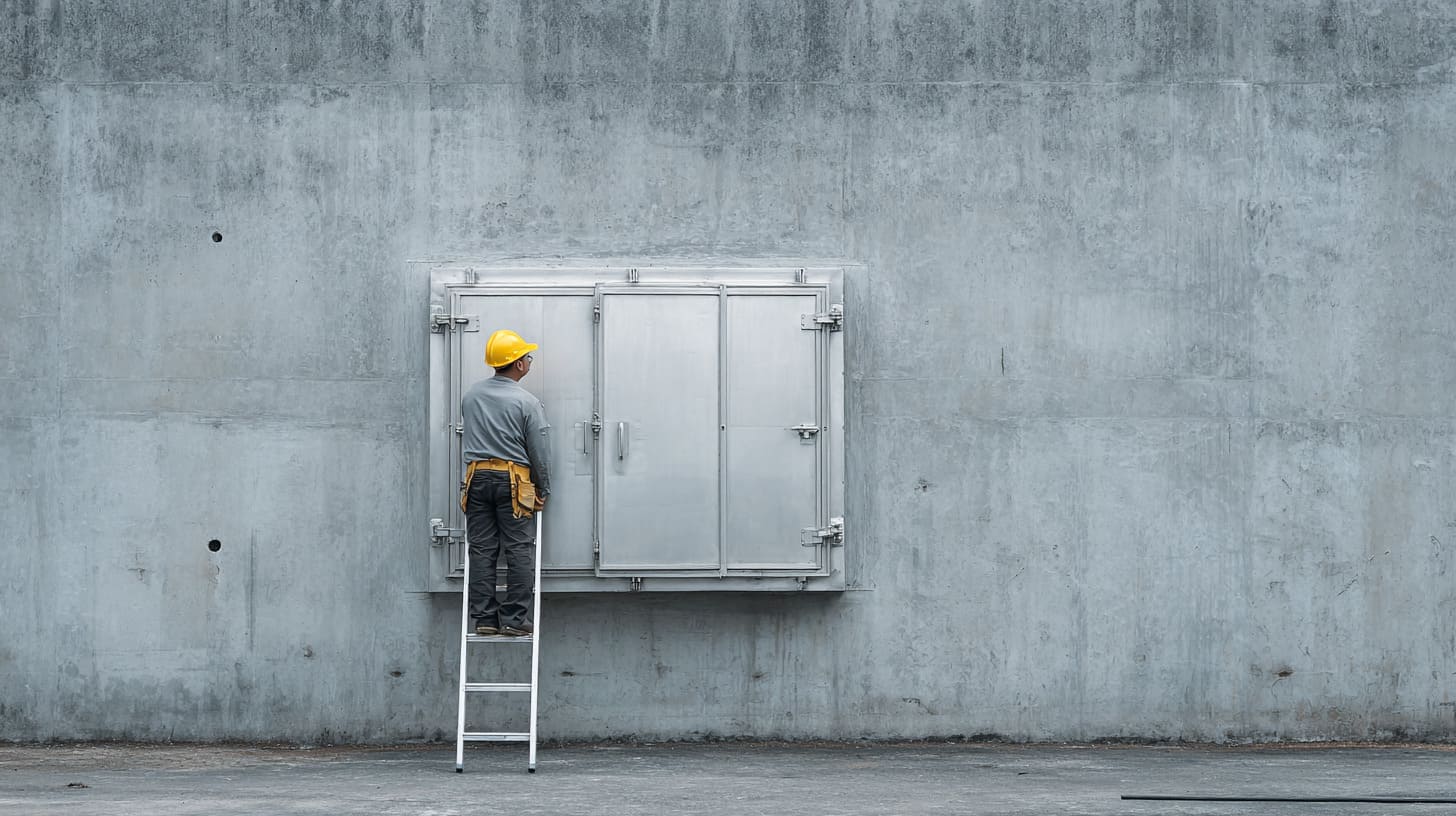
Product designers often love clean materials.
I understand that. A stainless steel enclosure can look calm, strong, and professional. It can make a product feel serious.
But design is not only appearance.
Design is also weight, heat, assembly, maintenance, cost, and user behavior.
A beautiful enclosure that is hard to install is not a beautiful product in the real world.
Weight issues in portable or wall-mounted equipment
Stainless steel is heavy compared with aluminum and many plastics.
For a small enclosure, the difference may feel acceptable. For a portable device, wall-mounted unit, or large control cabinet, the weight can create many problems.
| Product type | Weight concern |
|---|---|
| Portable device | User fatigue and handling difficulty |
| Wall-mounted enclosure | Stronger brackets and screws needed |
| Outdoor pole-mounted box | Higher structural load |
| Large cabinet | More installation labor |
| E-commerce product | Higher shipping cost and return pressure |
Weight is easy to ignore during drawing review.
On the screen, every material looks weightless.
In the warehouse, nothing is weightless.
For wall-mounted projects, I always think about the installer, not only the engineer, because the installer is the person who will feel every extra kilogram while holding the enclosure against the wall.
That small human detail matters.
A design that looks good in CAD may become annoying on a ladder.
And if the installation is annoying, the customer remembers.
Thermal management disadvantages
For electronic enclosures, heat is often a quiet enemy.
It does not complain during the meeting. It waits until the product runs.
Aluminum usually performs better than stainless steel for heat dissipation. That is one reason aluminum is widely used for electronic housings, LED products, power devices, Raspberry Pi style cases, and many custom electronics.
| Material | Heat dissipation performance | Common use |
|---|---|---|
| Aluminum | Good | Electronics, heatsink-style enclosures |
| Stainless steel | Lower than aluminum | Harsh environments, washdown |
| Plastic | Low | Low-power electronics |
| Powder-coated steel | Medium to low | Cabinets and indoor equipment |
If the device generates heat, stainless steel may not be the smartest body material.
The buyer may need:
- More vents
- Larger enclosure size
- Internal heatsinks
- Fans
- Thermal pads
- Aluminum heat spreaders
- Better layout design
All of these add cost or complexity.
So the material choice must support the product’s function.
Not fight it.
Design flexibility limitations
Stainless steel can be customized, but it is not always friendly to complex design changes.
If the buyer needs many prototypes, fast modifications, or small-batch ODM development, aluminum or plastic may sometimes be easier.
This is especially true for project-based buyers who are still testing the product.
John-type customers often come with a creative idea. They want to redesign a Raspberry Pi style case to fit their own board. They may change the PCB size. They may move the ports. They may adjust mounting holes after the first sample.
In that type of project, flexibility is valuable.
| Design need | Stainless steel concern | Possible alternative |
|---|---|---|
| Fast prototype changes | Higher rework cost | Aluminum |
| Many CNC cutouts | Higher machining cost | Aluminum |
| Lightweight body | Too heavy | Aluminum or plastic |
| Heat dissipation | Not ideal | Aluminum |
| Low-cost testing | Too expensive | Plastic or sheet metal |
| Premium harsh-use body | Good fit | Stainless steel |
A material that is strong can still be stubborn.
That is the design trade-off.
Surface expectations can trap the designer
Stainless steel surfaces can look beautiful, but they also show problems.
Scratches.
Fingerprints.
Polishing marks.
Welding marks.
Uneven brushing.
If the enclosure is hidden inside a machine, this may not matter. If it is visible to users, it matters a lot.
| Surface expectation | Risk |
|---|---|
| Industrial finish | Usually easier |
| Brushed finish | Direction must be consistent |
| Mirror finish | Easy to scratch |
| Logo engraving | Surface must stay clean |
| Retail display quality | High rejection risk |
This is why I like to ask whether the product is “used by engineers” or “seen by customers.”
Those are different worlds.
An engineer may accept a small surface mark.
A retail customer may treat it like a disaster.
Same enclosure.
Different eyes.
And different eyes create different costs.
Outdoor projects make this discussion even more interesting, because many people hear “outdoor” and jump straight to stainless steel.
Are Stainless Steel Enclosures Always Better for Outdoor Use?
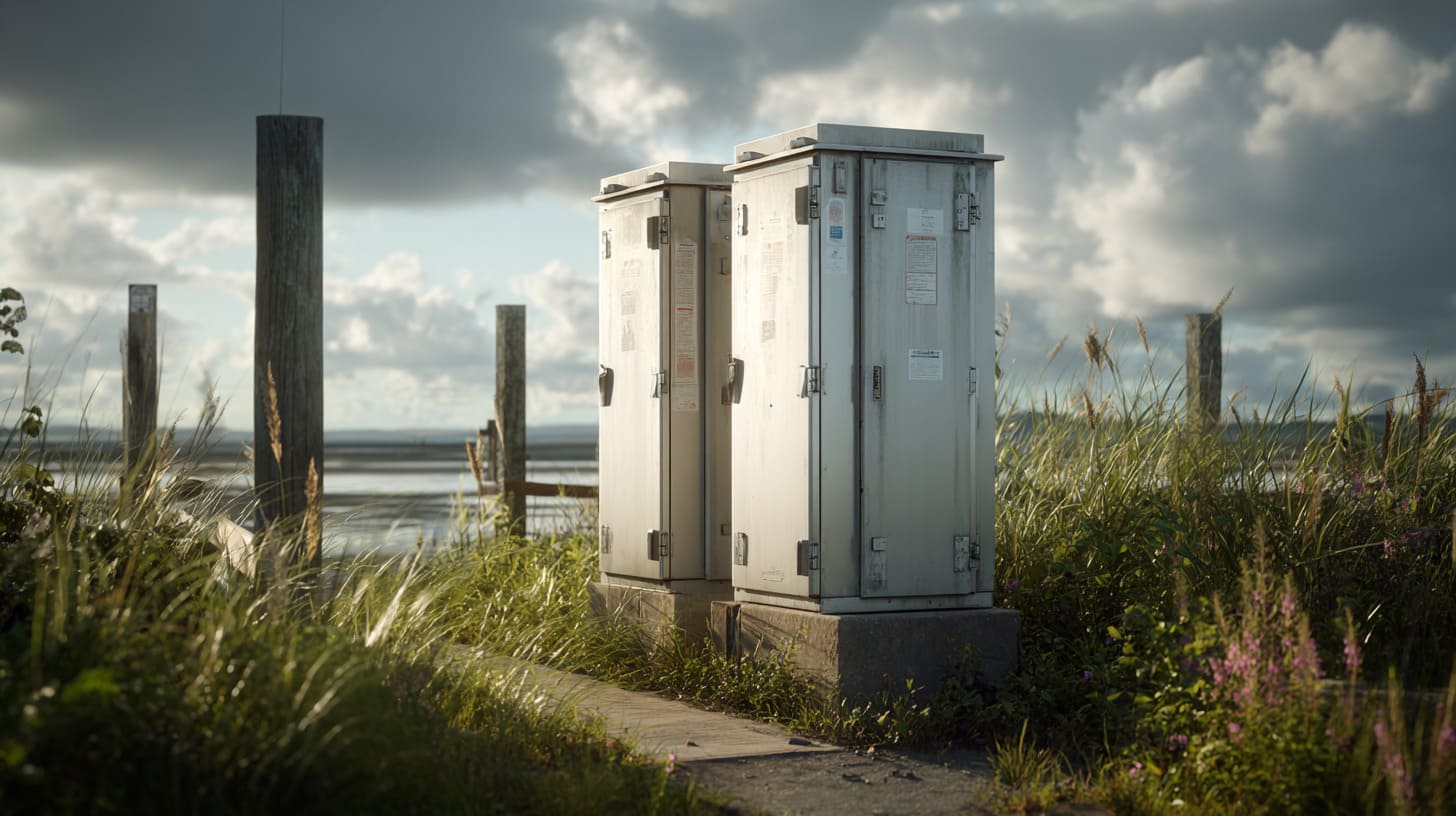
No, stainless steel enclosures are not always better for outdoor use.
Outdoor is not one environment.
A dry outdoor wall in Germany is not the same as a coastal telecom site. A shaded outdoor sensor is not the same as a washdown food machine. A solar-powered control box in a hot area has different needs from a marine control panel.
So when someone says “outdoor,” I do not stop there.
I ask, “What kind of outdoor?”
Situations where stainless steel truly matters
Stainless steel can be the right choice when the environment is aggressive.
For example:
- Coastal areas with salt air
- Marine equipment
- Chemical washdown zones
- Food processing cleaning areas
- High-humidity outdoor sites
- Locations with strong corrosion risk
- Public environments where long service life is important
| Environment | Why stainless steel may be needed |
|---|---|
| Coastal outdoor | Salt air attacks many materials |
| Marine | Constant moisture and corrosion |
| Food washdown | Water and cleaning chemicals |
| Chemical plant | Corrosive gases or liquids |
| High humidity site | Long-term rust risk |
| Harsh public outdoor area | Durability and maintenance matter |
In these cases, stainless steel is not wasteful.
It may be the correct insurance.
But the grade still matters.
304 may work for some environments. 316 may be needed for stronger corrosion resistance. The design also matters. Bad sealing, poor fasteners, and wrong cable glands can still ruin a stainless enclosure.
The material is only one part of protection.
Outdoor applications where aluminum works better
Aluminum can be better for many outdoor electronics.
Why?
Because many outdoor electronic products need both protection and heat control.
For example:
- Outdoor IoT gateways
- Solar-powered electronics
- Communication boxes
- LED control boxes
- Battery management housings
- Sensor enclosures
- Compact outdoor control units
Aluminum is lighter than stainless steel. It can dissipate heat better. It can be anodized or powder coated. It can also be easier to machine for custom ports and mounting holes.
| Outdoor product need | Why aluminum may fit better |
|---|---|
| Heat dissipation | Aluminum transfers heat better |
| Lightweight mounting | Easier for wall or pole installation |
| Custom ports | Easier CNC machining |
| Branded finish | Good anodizing or coating options |
| Medium corrosion exposure | Coating can protect the surface |
For outdoor electronic enclosures, I usually care about heat and sealing at the same time, because a waterproof box that slowly cooks the PCB is still a failed box.
That is a detail some buyers miss.
They focus only on water.
But heat also kills products.
The misconception about “outdoor = stainless steel”
“Outdoor” should not automatically mean stainless steel.
Outdoor protection depends on several things:
- Rain exposure
- Sun exposure
- Salt air
- Humidity
- Temperature
- Dust
- Impact
- Cleaning method
- Mounting position
- Maintenance schedule
- IP rating
- Gasket quality
- Coating system
- Cable entry design
A stainless enclosure with poor sealing can fail.
An aluminum enclosure with good design and proper coating can perform very well.
| Factor | Why it matters |
|---|---|
| IP rating | Controls dust and water protection |
| Gasket design | Protects the opening area |
| Cable glands | Often a weak point |
| Coating quality | Protects surface in outdoor use |
| Drainage design | Avoids trapped water |
| Fastener material | Prevents rust around screws |
| Heat path | Keeps electronics safer |
The enclosure is a system.
Not just a material.
If a buyer only focuses on stainless steel, they may miss the real failure points.
Outdoor decision example
Let us say the enclosure is for an outdoor monitoring device.
It will be installed under a roof. It is not near the sea. It has a PCB inside. It generates some heat. It needs custom holes for connectors. The buyer wants logo engraving and 500 pieces.
In this case, I would not jump to stainless steel.
I would compare aluminum with proper surface treatment first.
Why?
Because the real needs are:
- Weather protection
- Heat control
- Custom machining
- Reasonable weight
- Stable appearance
- Cost control
Stainless steel may still work. But it may not be the best balance.
Now, if the same device goes near the coast or into a chemical washdown area, the answer may change.
That is the point.
Good material choice is not about loyalty.
It is about fit.
Many expensive mistakes start with one sentence: “Our customer said stainless steel, so we did not ask more.”
What Are the Most Common Buyer Mistakes When Selecting Stainless Steel Enclosures?
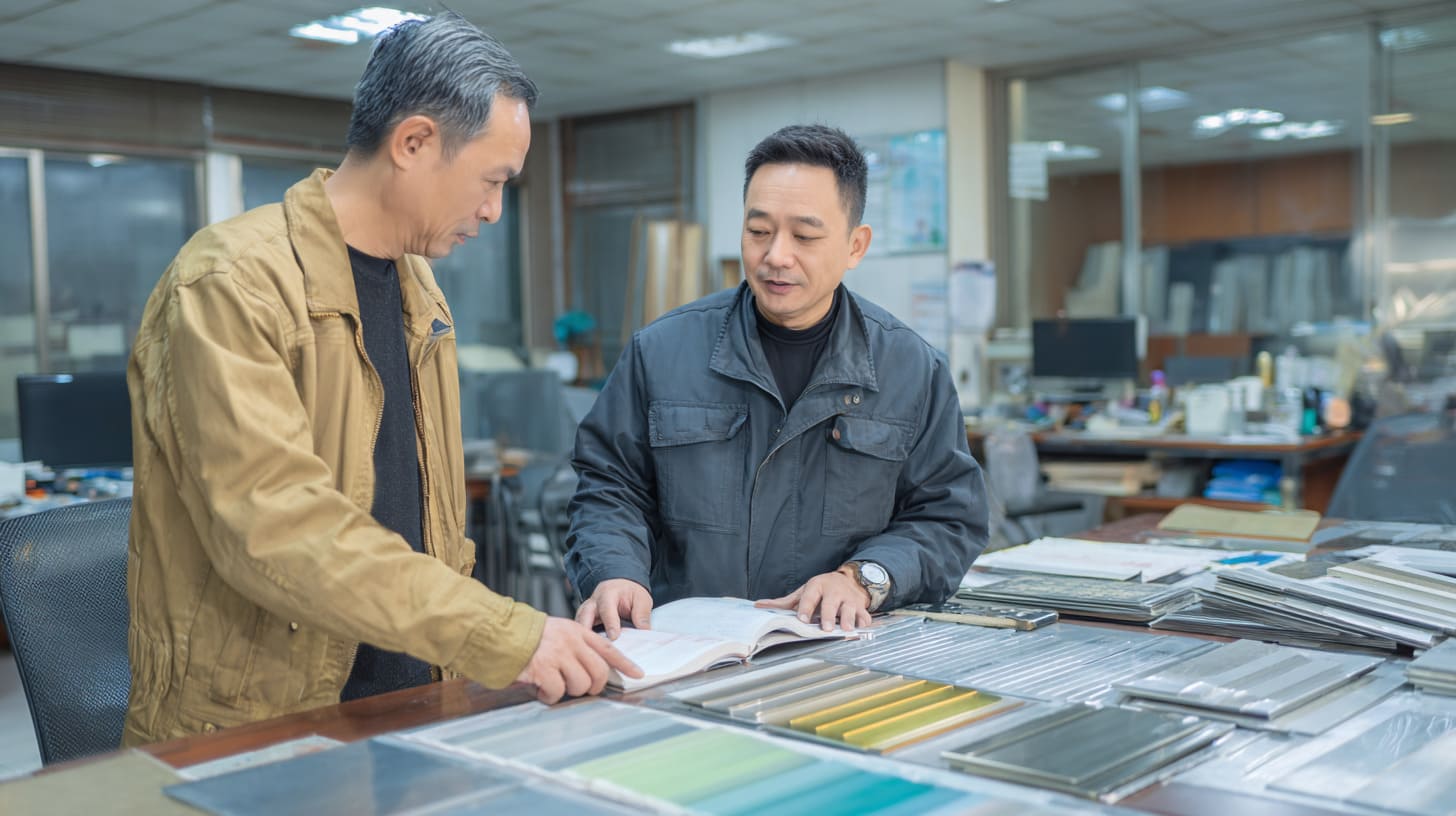
The biggest stainless steel mistakes do not happen in production.
They happen before the purchase order.
They happen when people assume too much and check too little.
I have learned that many buyers are not careless. They are busy. They have deadlines. They have customer pressure. They want to move fast.
But fast decisions can create slow problems.
Choosing material before understanding the environment
This is the most common mistake.
The buyer chooses stainless steel before checking the real use environment.
That reverses the process.
The better order should be:
- Understand the environment.
- Understand the electronics or product inside.
- Understand the mechanical needs.
- Understand the cost target.
- Choose the material.
Not the other way around.
| Question | Why it matters |
|---|---|
| Is it indoor or outdoor? | Basic exposure level |
| Is there salt air? | Corrosion risk |
| Is there washdown? | Water and chemical exposure |
| Is there heat inside? | Material and vent design |
| Is it wall-mounted? | Weight concern |
| Is it visible to end users? | Surface finish standard |
| Is the budget fixed? | Material choice limit |
I often see buyers focus on corrosion while ignoring heat, weight, and assembly, and that is when stainless steel becomes a very expensive answer to only one part of the problem.
A good enclosure protects the full project.
Not just one fear.
Copying competitor specifications blindly
Some buyers copy competitor material specs.
I understand why.
If a competitor uses stainless steel, it feels safe to do the same. Nobody wants to explain a different choice to a customer.
But competitor specs do not always tell the full story.
Maybe their product is used in a harsher environment.
Maybe their margin is higher.
Maybe their volume is lower.
Maybe they made a mistake too.
Maybe they choose stainless steel because their customer asked for it years ago, and nobody changed the drawing.
Copying without checking is not engineering.
It is guessing with confidence.
| Copied spec | Hidden question |
|---|---|
| Stainless steel material | What environment did they design for? |
| Thick wall | Was it for strength or old habit? |
| High IP rating | Was water exposure real? |
| Polished finish | Was appearance required? |
| Heavy bracket | Was installation condition different? |
A copied specification can be useful as a reference.
But it should not become a prison.
Ignoring total project cost
Some buyers look only at the enclosure unit price.
That is not enough.
The total cost includes many pieces.
| Cost type | What buyers may forget |
|---|---|
| Material cost | Stainless grade and thickness |
| Processing cost | Cutting, bending, welding, CNC |
| Finishing cost | Polishing, brushing, passivation |
| Packing cost | Scratch protection |
| Shipping cost | Weight and carton size |
| Installation cost | Mounting labor and hardware |
| Maintenance cost | Cleaning, repair, replacement |
| Delay cost | Missed project timeline |
A stainless steel enclosure can be acceptable at 50 pieces but painful at 1,000 pieces.
A heavy enclosure can look fine in the sample stage but hurt profit in bulk shipping.
A polished surface can look beautiful in photos but create complaints if it scratches during use.
This is why I like to discuss the full path from factory to final installation.
The quote is only one page.
The product life is much longer.
Failing to discuss alternatives with enclosure manufacturers
A good manufacturer should not only say yes.
If the buyer asks for stainless steel, the manufacturer should check why.
Not to challenge the buyer.
To protect the project.
Sometimes a lower-cost material can meet the same need. Sometimes a design change can reduce cost. Sometimes aluminum with the right finish can be better. Sometimes powder-coated steel can do the job.
| Buyer request | Possible manufacturer suggestion |
|---|---|
| Stainless steel for indoor box | Powder-coated steel or aluminum |
| Stainless steel for heat-sensitive device | Aluminum enclosure |
| Stainless steel for low-volume prototype | CNC aluminum sample |
| Stainless steel for visible product | Brushed stainless with clear surface standard |
| Stainless steel for outdoor coastal use | 316 stainless with proper sealing |
Many buyers lose money because they do not invite the supplier into the thinking process early enough.
They send a finished drawing and ask for a price.
That is fine for simple projects.
But for custom enclosures, early discussion often saves real money.
The right question is not “Can you make it?”
The better question is “Can we make it smarter?”
After seeing these mistakes so many times, I like to use a simple decision process before I accept stainless steel as the final answer.
How Can Buyers Decide Whether Stainless Steel Is Really Necessary?
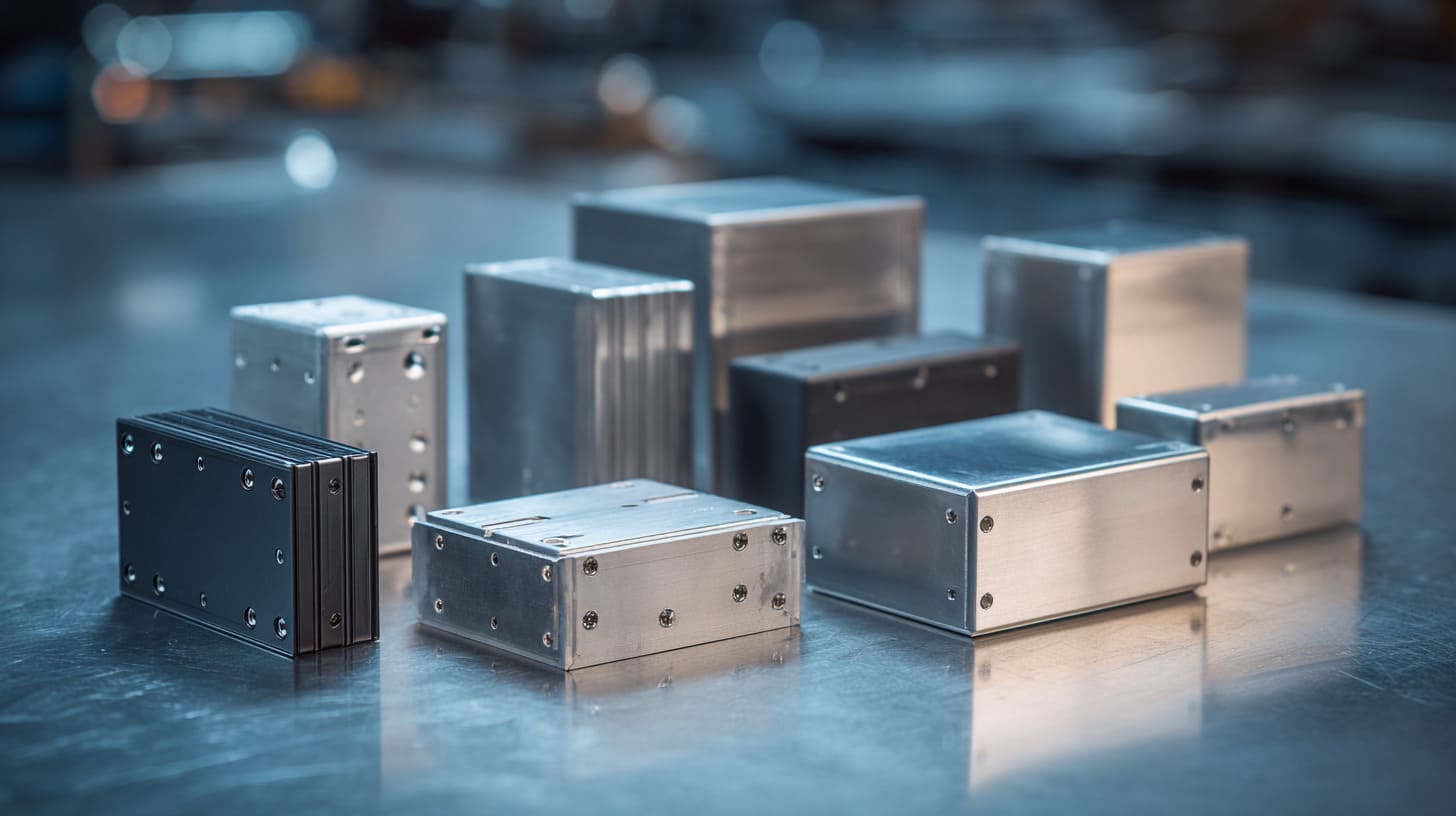
Buyers can decide by asking practical questions before choosing the material.
Not fancy questions.
Real questions.
Where will it be used?
Who will install it?
What is inside?
What can damage it?
What will the customer complain about?
What cost level can the project accept?
These questions are simple. But they force the project to face reality.
Questions engineers should ask before selecting materials
Before I suggest a material, I like to understand the working condition first.
Here is a simple checklist.
| Question | Why I ask it |
|---|---|
| Is the enclosure indoor or outdoor? | Exposure changes material needs |
| Is there humidity or salt air? | Corrosion risk may increase |
| Is there chemical exposure? | Stainless steel may be needed |
| Will it face washdown? | Sealing and material both matter |
| Does the device generate heat? | Aluminum may be better |
| Is the enclosure portable? | Weight becomes important |
| Will it be wall-mounted? | Mounting strength matters |
| Is the surface visible to customers? | Finish quality matters |
| What is the order quantity? | Cost difference grows with volume |
| What is the deadline? | Stainless steel may slow production |
One detail I always test in my mind is the failure mode: if this enclosure fails, will it fail by rust, heat, weight, water leakage, bad appearance, or installation trouble?
That question changes the discussion.
Because different failure risks need different solutions.
Rust risk may point to stainless steel.
Heat risk may point to aluminum.
Water leakage may point to gasket and IP design.
Installation risk may point to lighter material.
Appearance risk may point to surface treatment and packing.
There is no single magic material.
Comparing stainless steel with alternative enclosure materials
A buyer should compare materials by project needs, not by reputation.
Aluminum
Aluminum is one of my favorite options for many electronic enclosures.
It is light. It is easier to machine. It dissipates heat better than stainless steel. It can look clean after anodizing, powder coating, or other surface treatments.
| Aluminum is strong when... | Buyer should watch out for... |
|---|---|
| The product needs heat dissipation | Surface treatment must match environment |
| The design needs many CNC holes | Deep scratches can affect appearance |
| The enclosure needs lower weight | Not ideal for all chemical environments |
| The buyer needs custom branding | Finish color consistency should be checked |
For custom Raspberry Pi style enclosures, power device boxes, communication products, and many OEM electronics, aluminum often gives a good balance.
Not always.
But often.
Powder-coated steel
Powder-coated steel can work well for indoor industrial enclosures.
It is strong. It is more cost-effective than stainless steel in many cases. It can be painted in different colors. It is useful for cabinets, control boxes, and equipment housings in dry areas.
| Powder-coated steel is strong when... | Buyer should watch out for... |
|---|---|
| The product is used indoors | Coating damage may expose steel |
| Strength is important | Rust risk increases if coating is broken |
| Budget is controlled | Not ideal for washdown areas |
| The enclosure is larger | Weight may still be an issue |
This material does not sound as premium as stainless steel.
But sometimes it is the smarter business choice.
And in B2B manufacturing, smart beats shiny.
Plastic enclosures
Plastic enclosures can be very practical.
They do not rust. They are lightweight. They can reduce cost. They can be good for small electronics, sensors, indoor devices, and some outdoor products with the right material and design.
| Plastic is strong when... | Buyer should watch out for... |
|---|---|
| The device is lightweight | Heat resistance may be limited |
| Electrical insulation matters | Strength may be lower than metal |
| Corrosion is a concern | UV resistance must be checked outdoors |
| Cost control matters | Mold cost may apply for custom shapes |
Plastic is not “cheap” in a bad way.
It is a tool.
Like every material, it is good when used in the right place.
Why application-based engineering matters more than material reputation
The best enclosure material is the one that fits the application.
That sounds simple, but it is the heart of the topic.
A buyer may want the strongest material. But the product may need the lightest useful material. Or the best heat path. Or the best surface finish. Or the fastest lead time.
Let me make it very clear:
| If the main risk is... | Material or design direction may be... |
|---|---|
| Salt corrosion | 316 stainless steel |
| General outdoor use | Aluminum with proper coating |
| Heat from electronics | Aluminum |
| Indoor industrial use | Powder-coated steel |
| Lightweight device | Aluminum or plastic |
| Low-cost electronics | Plastic |
| Washdown cleaning | Stainless steel with good sealing |
| Custom branding | Aluminum or stainless, depending on finish |
This is why I like engineering discussion before quotation.
A quote without understanding is just a number.
A quote after real discussion is a solution.
A simple decision path I use
Here is a simple way to think.
| Step | Decision question | Possible direction |
|---|---|---|
| 1 | Is there strong corrosion exposure? | If yes, consider stainless |
| 2 | Is heat dissipation important? | If yes, consider aluminum |
| 3 | Is the product weight-sensitive? | Avoid heavy stainless if possible |
| 4 | Is it indoor and dry? | Powder-coated steel or aluminum may work |
| 5 | Is the order high volume? | Check total cost carefully |
| 6 | Is appearance very important? | Define finish standard early |
| 7 | Is delivery urgent? | Avoid complex stainless if not needed |
This process is not complicated.
But it prevents many expensive mistakes.
The next step is also important: the buyer should not do this alone if the project is custom.
How Can a Good Manufacturer Help Prevent Costly Material Mistakes?
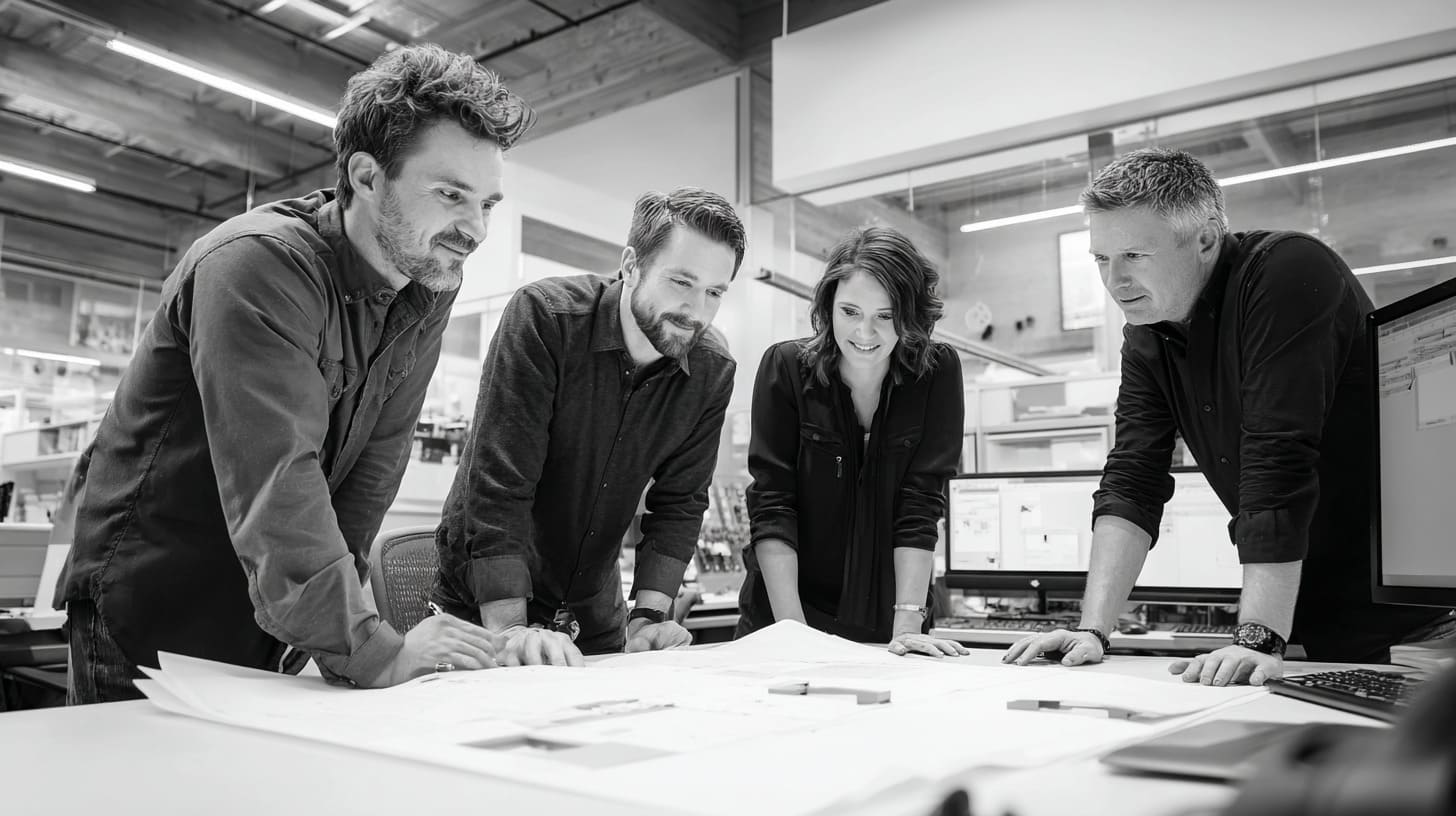
A good manufacturer should help buyers think before production starts.
Not after the sample fails.
Not after the cost becomes too high.
Not after the delivery date is already in danger.
For custom enclosure projects, the supplier should not only be a machine with an email address. The supplier should be part of the engineering conversation.
That is how expensive mistakes get stopped early.
Engineering consultation before production
When a buyer sends us a drawing, I do not only look at the shape.
I look at the purpose.
Where is it used?
What is inside?
What is the quantity?
What is the expected finish?
What is the budget pressure?
What is the deadline?
A good enclosure discussion should include both technical and business questions.
| What I check | Why it matters |
|---|---|
| Use environment | Material selection |
| Internal electronics | Heat and layout |
| Mounting method | Weight and structure |
| Surface requirement | Finishing process |
| Quantity | Cost optimization |
| Deadline | Production process choice |
| Branding needs | Logo and surface method |
| Packing and shipping | Damage prevention |
For custom projects, I try to find the expensive weak point before it becomes real, because changing a drawing is cheap but fixing 500 wrong enclosures is not.
That is the kind of boring wisdom factories learn the hard way.
Suggesting lower-cost alternatives without sacrificing performance
A good manufacturer should be brave enough to suggest alternatives.
If the buyer asks for stainless steel but aluminum is better, we should say it.
If powder-coated steel is enough, we should explain it.
If plastic can reduce cost without hurting function, we should mention it.
This is not about selling the cheapest option.
It is about matching the option to the job.
| Original request | Possible better option | Why |
|---|---|---|
| Stainless steel for indoor dry box | Powder-coated steel | Lower cost, enough protection |
| Stainless steel for hot electronics | Aluminum | Better heat dissipation |
| Stainless steel for portable device | Aluminum or plastic | Lower weight |
| Stainless steel for prototype testing | Aluminum CNC sample | Faster changes |
| Stainless steel for marine use | 316 stainless steel | Real corrosion protection |
A factory that always says yes may look easy to work with.
But sometimes “yes” is not help.
Sometimes “yes” is just quiet risk.
Helping buyers balance quality, delivery speed, and budget
Every custom project has three hungry mouths:
Quality.
Delivery speed.
Budget.
All three want to eat.
But they do not always eat peacefully together.
If the buyer wants stainless steel, perfect finish, urgent delivery, low price, and complex customization, the project may become tense.
So the manufacturer should help balance the trade-offs.
| Buyer priority | What may need adjustment |
|---|---|
| Lowest cost | Simpler material or finish |
| Fastest delivery | Common material and easier process |
| Best appearance | More finishing time and careful packing |
| Best corrosion resistance | Stainless grade and sealing upgrade |
| Best heat performance | Aluminum or thermal design |
| Best customization | CNC-friendly structure |
This is especially important for OEM and ODM buyers.
Many buyers like David already understand Chinese factories and custom production. They care about speed and quality. But they may lose patience when communication is slow.
John-type buyers may be more patient, but they need guidance because they are still developing the idea.
Both need clear communication.
Not vague promises.
Not endless back-and-forth.
Clear choices.
Clear risks.
Clear cost impact.
Importance of communication during custom enclosure development
Custom enclosure projects fail when small details stay unclear.
A hole is 2 mm off.
A connector cutout is not confirmed.
The logo method is misunderstood.
The surface finish expectation is different.
The stainless grade is not specified.
The gasket requirement is missing.
These small things can become expensive.
| Detail to confirm | Why it matters |
|---|---|
| Material grade | 304 and 316 are different |
| Thickness | Strength, weight, cost |
| Surface finish | Appearance and labor cost |
| IP rating target | Sealing design |
| Drawing version | Avoid old-file mistakes |
| Logo file | Printing or engraving accuracy |
| Sample approval | Prevent bulk mistakes |
| Packing method | Avoid scratches and damage |
I like simple confirmation.
One drawing version.
One material note.
One surface standard.
One clear order requirement.
Less confusion. Fewer surprises.
What a useful manufacturer conversation sounds like
A useful conversation does not sound like this:
“Yes, we can make it.”
That is too easy.
A useful conversation sounds more like this:
- “Where will this enclosure be installed?”
- “Does it need to face washdown?”
- “Is heat dissipation important?”
- “Can we use aluminum to reduce weight?”
- “Is stainless steel required by your customer?”
- “Do you need 304 or 316?”
- “What surface standard do you expect?”
- “Is this for sample testing or final production?”
- “Do you want us to redesign the structure for easier production?”
This kind of conversation may feel slower at first.
But it saves time later.
Good custom work is not only about machines.
It is about asking the right question before the machine starts.
Conclusion
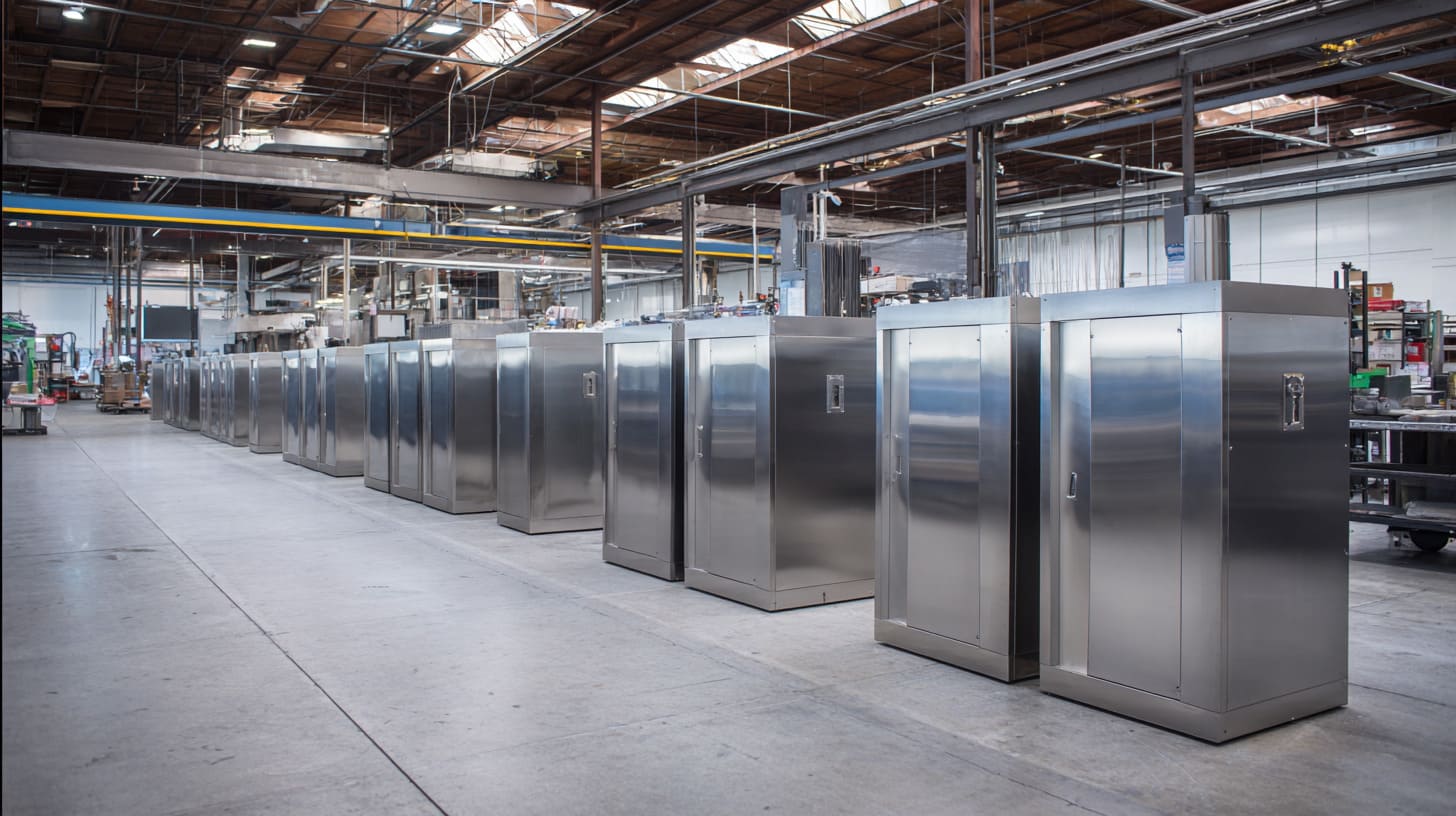
Stainless steel is valuable.
I want to say that clearly.
I do not dislike stainless steel. I do not think buyers should avoid it. I have seen many projects where stainless steel was the correct choice. Marine environments need respect. Food processing areas need clean and durable materials. Chemical washdown areas can destroy weak material choices.
But I also know this from real enclosure work:
The most expensive enclosure is often not the one with the highest unit price. It is the one with unnecessary specifications, slow production, high freight, poor heat performance, and no real benefit for the final application.
That is why I do not like choosing stainless steel only because it sounds premium.
I prefer to start from the real use environment.
I ask what can damage the enclosure. I ask what is inside the box. I ask how it will be installed. I ask whether heat matters. I ask whether the surface is visible. I ask whether the buyer needs a long-term product or only a test sample.
I do this because custom enclosure manufacturing is not only about making a metal box.
It is about protecting the buyer’s product, budget, timeline, and customer trust at the same time.
In my experience, good enclosure decisions come from balance:
| Good decision factor | Why I care |
|---|---|
| Real environment | It decides material needs |
| Heat performance | It protects electronics |
| Weight | It affects shipping and installation |
| Surface finish | It affects customer perception |
| Cost | It affects project profit |
| Lead time | It affects market schedule |
| Communication | It prevents wrong production |
I believe stainless steel should be chosen with a clear reason.
Not because it sounds safer.
Not because a competitor used it.
Not because the drawing template says so.
If the environment truly needs stainless steel, I will support that choice. If aluminum, powder-coated steel, or plastic can do the job better, I will say that too.
That is how I think a responsible custom enclosure supplier should work.
If you are developing a custom aluminum enclosure, stainless steel enclosure, plastic enclosure, sheet metal enclosure, or Raspberry Pi style project box, you can share your drawing, application environment, quantity, and surface requirements with us.
At MaidaTech, we help B2B buyers check the material choice before production begins. We can support OEM and ODM custom enclosures, logo printing or engraving, custom packaging, redesign suggestions, and wholesale supply.
You can visit maidatechenclosure.com or contact me directly.
I am Vincent Li from MaidaTech.
And before we make the box, I would rather help you make the right decision.