Skip to content

A buyer once sent me a clean enclosure drawing with a very simple note beside the material requirement:
“NEMA 5 is enough. Indoor use only.”
At first, that sentence looked harmless.
The box was not for outdoor use. It would not sit under rain. It would not be placed beside the sea. It would not face snow, sunlight, or a harsh chemical yard. So from the buyer’s side, NEMA 5 felt like a smart and practical choice.
I understood him.
In custom enclosure projects, every dollar has pressure behind it. The product engineer wants protection. The purchasing manager wants cost control. The sales team wants a nice finished product. The end customer wants fewer problems. Everyone wants the enclosure to do its job without making the project too expensive.
But the word “indoor” can be tricky.
A quiet office is indoor.
A CNC workshop is also indoor.
A packaging room full of fibers is indoor.
A factory corner where workers wash the floor every evening is also indoor.
These places are not the same. They only share one word.
That is why NEMA 5 enclosures sometimes fail in factory environments. Not because NEMA 5 is useless. Not because the buyer is careless. And not because the supplier wants to sell a more expensive enclosure.
The real problem is usually simpler.
The enclosure rating does not match the real environment.
For me, this is where I slow down before quoting a project: I do not judge NEMA 5 only by whether the enclosure is used indoors; I judge it by what the enclosure will actually meet during its working life.
That small difference can save a project.
And sometimes, it can save a customer from a painful complaint six months later.
What Does a NEMA 5 Enclosure Actually Protect Against?
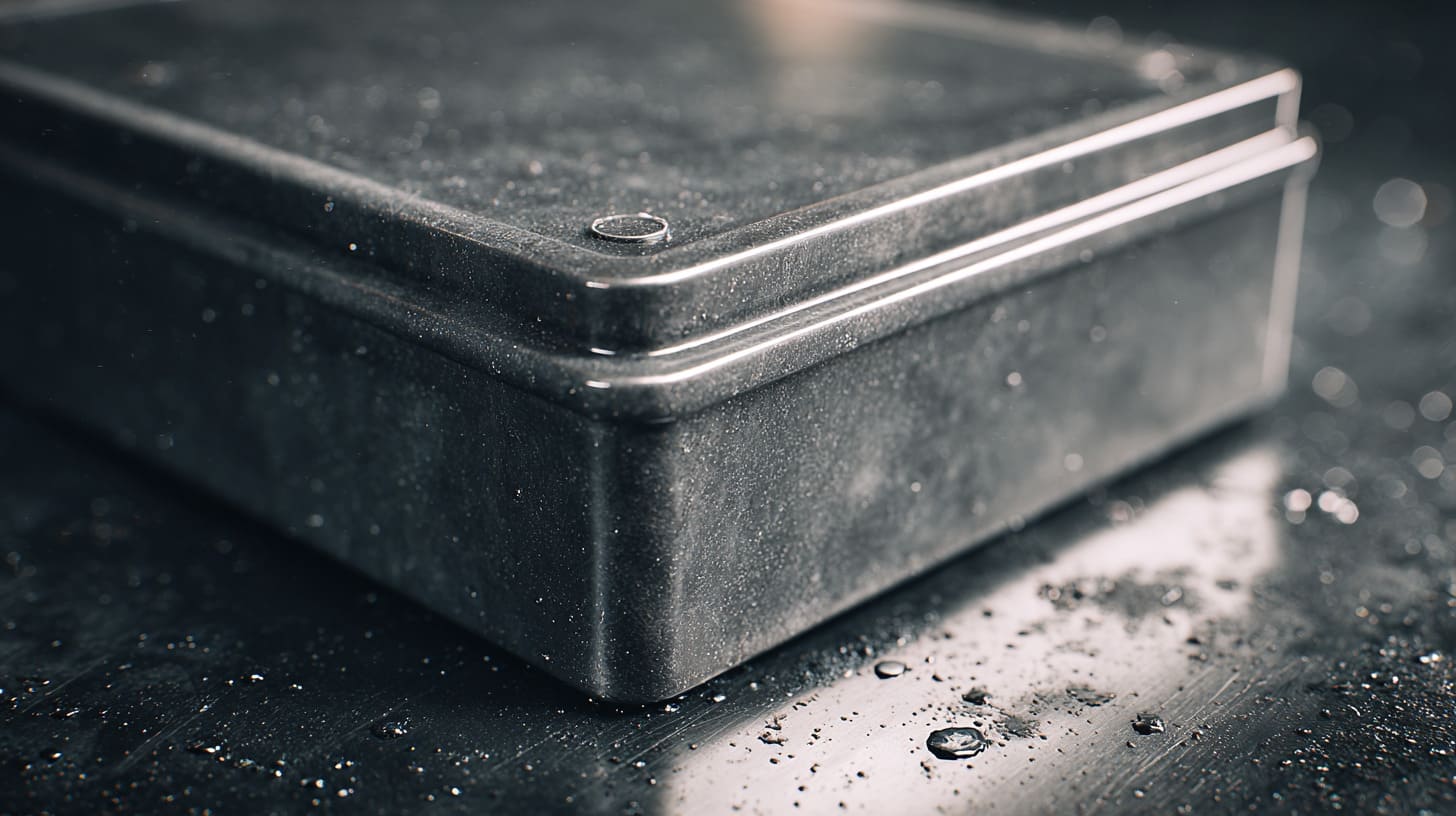
A NEMA 5 enclosure is not a weak enclosure.
I want to say that clearly first.
It has a real purpose. It can protect electrical equipment from falling dirt, settling airborne dust, lint, fibers, and light dripping or splashing liquids. For many indoor applications, this is useful protection.
But the problem starts when people stretch the meaning too far.
Some buyers hear “dust protection” and imagine strong industrial dust protection. Some hear “splashing water” and imagine cleaning water. Some hear “indoor” and imagine safety.
That is where the rating becomes misunderstood.
Basic protection scope
NEMA 5 is usually considered for indoor environments where the enclosure may face dirt, dust, lint, fibers, and light liquid contact.
That sounds simple. But in real projects, I like to separate the protection scope into plain language.
| Protection item | What it usually means | What buyers may wrongly imagine |
|---|---|---|
| Falling dirt | Dirt dropping onto the enclosure | Heavy dirty factory environment |
| Settling dust | Dust floating and settling slowly | Continuous fine dust exposure |
| Lint and fibers | Light fibers from packaging or textiles | Thick fiber buildup around vents |
| Dripping liquid | Small amount of liquid from above | Regular cleaning water |
| Light splashing | Small accidental splash | Hose-down washing |
This table looks almost too simple.
But many enclosure mistakes start from this simple misunderstanding.
A buyer may say, “There is dust in the factory, so NEMA 5 should be okay.”
Then I need to ask:
What kind of dust?
How much dust?
Is it plastic dust?
Is it metal dust?
Is it dry dust?
Is it conductive dust?
Does it float in the air all day?
Does it collect around the cable entry?
These questions matter.
Because dust is not just dust.
What it does NOT protect against
NEMA 5 should not be treated like a universal factory enclosure rating.
It is not designed for every indoor industrial condition.
Here are some common limits I watch carefully:
| Risk | Why NEMA 5 may not be enough |
|---|---|
| Hose-down cleaning | Water pressure can push past weak sealing points |
| Water jets | The sealing design may not handle directed water |
| Oil mist | Oil can travel into small gaps and affect gaskets |
| Coolant spray | Coolant can attack sealing areas and leave residue |
| Chemical exposure | Some chemicals can weaken material or coating |
| Fine conductive dust | Small particles can enter and cause electrical risks |
| Heavy dust load | Dust can build up around openings and seals |
This is not just a technical point.
It is a business point.
If a buyer chooses NEMA 5 only to reduce cost, but the enclosure fails in a factory, the real cost can become much higher. The end user may complain. The product may need replacement. The brand may lose trust. The engineer may need to redesign the enclosure under pressure.
Nobody likes that kind of pressure.
Key misunderstanding
The biggest mistake is this:
Indoor does not mean clean. Indoor does not mean dry. Indoor does not mean safe.
I have seen indoor areas that are harsher than some outdoor covered areas. A factory may have no rain, but it may have oil mist, metal dust, vibration, hot air, cold surfaces, cleaning water, and workers opening equipment panels every week.
That is a different world.
My real decision point is not the word printed on the drawing; it is the gap between the written requirement and the actual factory behavior.
A small note like “indoor use only” can hide many risks.
And once we understand that, the next question becomes more interesting: why are indoor factories often harder on enclosures than buyers expect?
Why “Indoor” Factory Environments Are More Harsh Than Expected
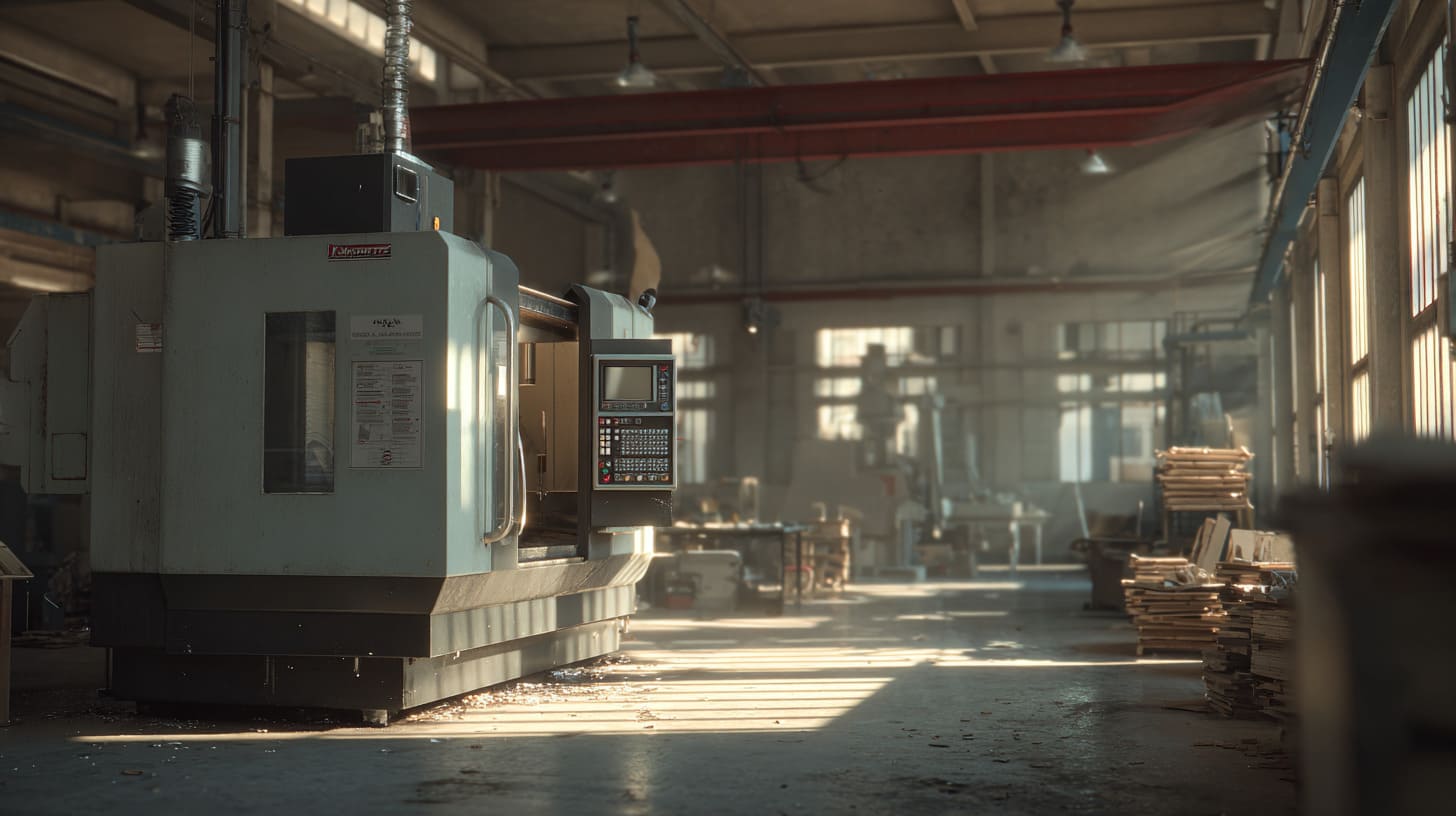
Many people imagine indoor factory space as controlled space.
I understand why.
There is a roof. There are walls. There is no rain. The machine is not outside. So it feels safer.
But factory air has its own personality.
Some factory air is dry and clean. Some factory air is wet, oily, dusty, and full of tiny particles. Some factory air looks clean to the eye, but after three months, every surface has a thin gray skin.
I have seen this many times.
The enclosure looks fine during installation. The first inspection looks fine. Then after a few months, dust starts collecting near the lid gap, cable gland, vent, or screw area. The outside still looks acceptable. The inside tells another story.
Presence of airborne contaminants
In many factories, contaminants do not arrive like a big accident.
They arrive slowly.
A little dust today.
A little fiber tomorrow.
A little oil film next week.
Then one day, the enclosure is not really clean anymore.
Common airborne contaminants include:
| Factory process | Possible contaminant | Enclosure risk |
|---|---|---|
| CNC machining | Metal dust, coolant mist | Short circuit, corrosion, gasket damage |
| Plastic cutting | Plastic powder | Dust buildup, heat issues |
| Packaging | Paper dust, cardboard fibers | Fiber accumulation around openings |
| Textile work | Lint, thread fibers | Clogged vents, dirty seals |
| Woodworking | Fine wood dust | Fire risk, dust ingress |
| Assembly line | Mixed dust and handling dirt | Long-term contamination |
A buyer may say, “The enclosure is not close to the machine.”
But air moves.
Workers move.
Fans move.
Doors open.
Forklifts pass.
Dust does not respect the neat layout in a drawing.
Industrial moisture sources
Water risk inside factories is also easy to underestimate.
Many buyers think only about rain. But factory moisture can come from many smaller sources.
| Moisture source | Why it matters |
|---|---|
| Condensation | Temperature changes can create water on surfaces |
| Coolant mist | Mist can settle slowly on enclosure surfaces |
| Cleaning process | Workers may splash water near equipment |
| Dripping pipes | Small leaks can continue for weeks |
| Wet floor areas | Water can splash upward during movement |
| High humidity | Moisture can affect electronics over time |
Condensation is especially annoying.
It does not look dramatic. There is no broken pipe. No heavy water. No flood.
Just a small amount of moisture forming again and again.
For sensitive electronics, small moisture can be enough to create trouble.
Human and operational factors
Factories are not laboratories.
People work there. People clean. People repair. People move things. People open doors. People make practical choices under time pressure.
That human factor is often missing from drawings.
Here are a few real-world behaviors that can change the enclosure risk:
- A worker opens the lid and forgets to tighten all screws evenly.
- A cable is added later through a new hole.
- A maintenance team removes a gasket and installs it poorly.
- A cleaning worker sprays water near the machine.
- A fan is added because the device runs hot.
- A low-cost cable gland replaces a better one during repair.
- The enclosure is installed near a process that changed after the first design.
None of these things look shocking.
They are normal factory life.
The environment I worry about most is not always the dirtiest one; it is the one where small changes happen often, because every small change can slowly reduce the protection level.
This is why “indoor” can become a dangerous shortcut in enclosure selection.
It describes the location.
It does not describe the life of the product.
And that life is where failures usually begin.
Where NEMA 5 Enclosures Typically Fail in Practice
When an enclosure fails, people often look at the strongest part first.
They touch the metal body.
They check the wall thickness.
They look at the powder coating.
They ask if the material is strong enough.
But the enclosure usually does not fail through the strongest wall.
It fails through the weakest path.
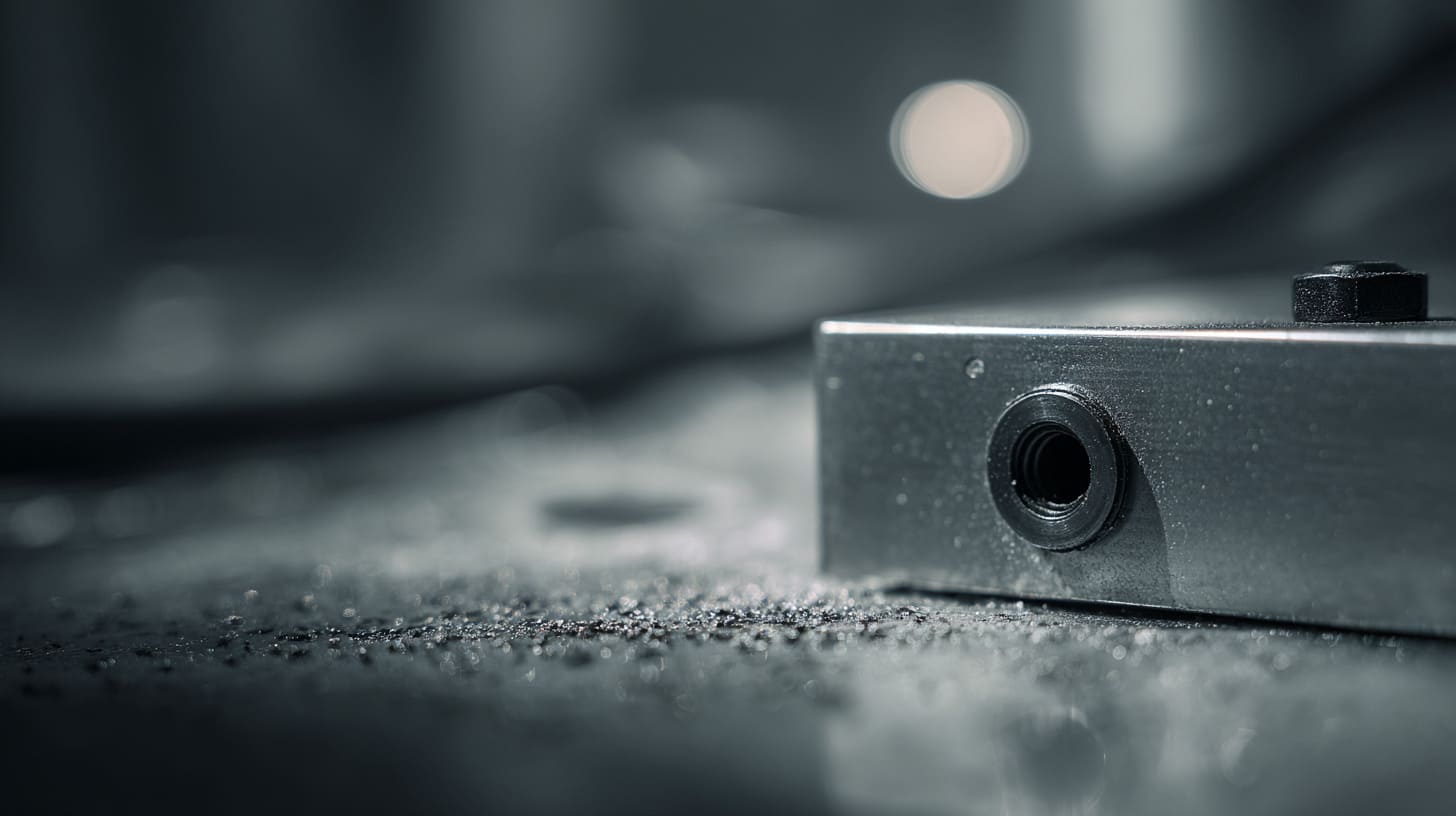
That path may be a small gap, a cable entry, a poorly compressed gasket, a vent, a screw hole, or a display cutout.
This is why I always treat openings with respect.
A small hole can become the real boss of the whole enclosure.
Dust ingress through weak sealing points
Dust ingress often starts quietly.
It may enter around:
- Door seams
- Lid gaps
- Cable glands
- Screw holes
- Ventilation slots
- Display windows
- Poorly fitted gaskets
- Warped panels
At the beginning, the dust may not cause visible failure. The device still works. The customer still feels safe.
Then the dust builds up.
It may cover terminals. It may block airflow. It may absorb moisture. It may stick to oily surfaces. It may create strange electrical behavior.
The failure may look random.
That is the frustrating part.
| Weak point | Common cause | Possible result |
|---|---|---|
| Door seam | Uneven gasket pressure | Dust path along the edge |
| Cable entry | Wrong gland size | Dust entering around cable |
| Vent | No filter or poor filter | Dust buildup inside |
| Lid screws | Uneven tightening | Small opening under pressure |
| Display cutout | Weak sealing tape | Dust behind the window |
A buyer may ask for a clean front panel, a USB opening, and a small ventilation area. All are reasonable requests.
But each request creates one more sealing challenge.
Water intrusion from unexpected sources
Water intrusion in indoor factories is often not dramatic.
It may come from small and boring sources.
A pipe drips. A floor is washed. A worker spills liquid. A coolant mist settles. A cleaning team uses more water than expected.
The enclosure may not face direct water every day. But one bad day can be enough.
Common indoor water risks include:
| Water source | Why it surprises buyers |
|---|---|
| Dripping pipe | It may not exist during installation |
| Condensation | It comes from temperature change, not rain |
| Accidental splash | It happens during normal work |
| Cleaning water | Cleaning teams may not know the enclosure limit |
| Nearby machine coolant | Mist travels farther than expected |
This is where I often ask a simple question:
Who will clean the area, and how will they clean it?
That question sounds too basic.
But it can reveal more than a technical drawing.
If the area is cleaned with dry cloth, NEMA 5 may be fine.
If the area is cleaned with water spray, the discussion changes.
Failure at modification points
Custom enclosures usually need modifications.
That is normal.
A standard box often cannot fit the product perfectly. A buyer may need a cable hole, display window, power switch, USB port, logo, mounting bracket, heat vent, or internal stud.
As a custom factory, we do this kind of work all the time.
But every modification changes the protection path.
| Modification | Main risk | What I check |
|---|---|---|
| Cable gland | Wrong size or poor seal | Cable diameter and gland rating |
| Ventilation hole | Dust and moisture entry | Filter, location, airflow direction |
| Display cutout | Weak edge sealing | Window material and sealing method |
| Switch hole | Loose fit over time | Panel thickness and sealing washer |
| USB port | Open access point | Cover cap or sealed connector |
| Logo engraving | Coating or surface change | Depth and location |
A drawing can look perfect on the computer.
But factory use is not a computer screen.
The moment we cut the enclosure, we create new risk points. Good design controls those points. Poor design pretends they are not there.
For me, a NEMA 5 enclosure with many custom openings is no longer a simple NEMA 5 discussion; it becomes a full sealing design discussion.
That is why the next risk deserves its own section.
Dust is not always visible.
And the dust you cannot see clearly may be the dust that hurts the electronics most.
The Hidden Risk of Fine and Conductive Dust
Large dust looks dirty.
That is the difference many buyers miss.
Large particles sit on surfaces. Fine particles travel deeper. They move with airflow. They pass through small gaps. They settle inside corners. They stick to surfaces that look clean from the outside.
And if that dust is conductive, the problem becomes more serious.
A little metal dust inside an electrical enclosure is not just dirt.
It can become a small bridge between two points that should never meet.
Difference between visible dust and fine particles
Visible dust is easy to understand.
You can see it. You can wipe it. You can show it in a photo.
Fine dust is more dangerous because it hides better.
| Dust type | What it looks like | Main concern |
|---|---|---|
| Large dust | Easy to see on surfaces | Dirt buildup and blocked airflow |
| Fine dust | Thin layer or almost invisible | Deep entry into small gaps |
| Fibers | Threads or lint | Clogged vents and dirty seals |
| Sticky dust | Mixed with oil or moisture | Hard to clean and may damage parts |
| Conductive dust | Metal or carbon particles | Electrical failure risk |
Fine dust also becomes worse when the enclosure has airflow.
If the device generates heat, engineers may add vents or fans. That may solve one problem but create another one.
Heat goes out.
Dust comes in.
This is the trade-off.
Conductive dust risks
Conductive dust deserves more respect than normal dust.
Metal processing areas can produce small metal particles. Some factories also have carbon dust or mixed industrial dust. If these particles enter the enclosure, they can create electrical problems.
Possible issues include:
- Short circuits
- Signal interference
- Sensor malfunction
- Terminal contamination
- Unexpected shutdown
- Heat buildup
- Corrosion when mixed with moisture
These failures may not happen on day one.
That makes them harder to catch.
The sample test may pass. The first batch may look good. The installation may seem fine.
Then after months of operation, the customer reports a strange failure.
One unit stops.
Another unit restarts randomly.
Another unit only fails on humid days.
This is the kind of problem that makes everyone tired.
Long-term reliability impact
Many enclosure problems are not instant failures.
They are slow failures.
That is why they are dangerous for B2B products.
If an enclosure fails immediately, people can find the reason quickly. If it fails after six months, many things become unclear. The customer may blame the electronics. The engineer may blame installation. The supplier may blame use conditions. The distributor may be stuck in the middle.
Nobody wins.
Here is how small contamination can become long-term trouble:
| Stage | What happens | Why it matters |
|---|---|---|
| Month 1 | Small dust enters | No visible problem |
| Month 3 | Dust collects around hot parts | Heat and dirt start to combine |
| Month 6 | Dust mixes with moisture | Electrical risk increases |
| Month 9 | Intermittent failure appears | Hard to diagnose |
| Month 12 | Customer loses confidence | Brand damage begins |
I pay special attention when a buyer says, “The factory has only a little dust,” because a little dust every day can become a lot of dust over the product’s life.
This is not fear.
This is experience.
And once custom openings enter the design, fine dust becomes even harder to control.
How Custom Modifications Break NEMA 5 Protection
Custom work is the heart of many enclosure projects.
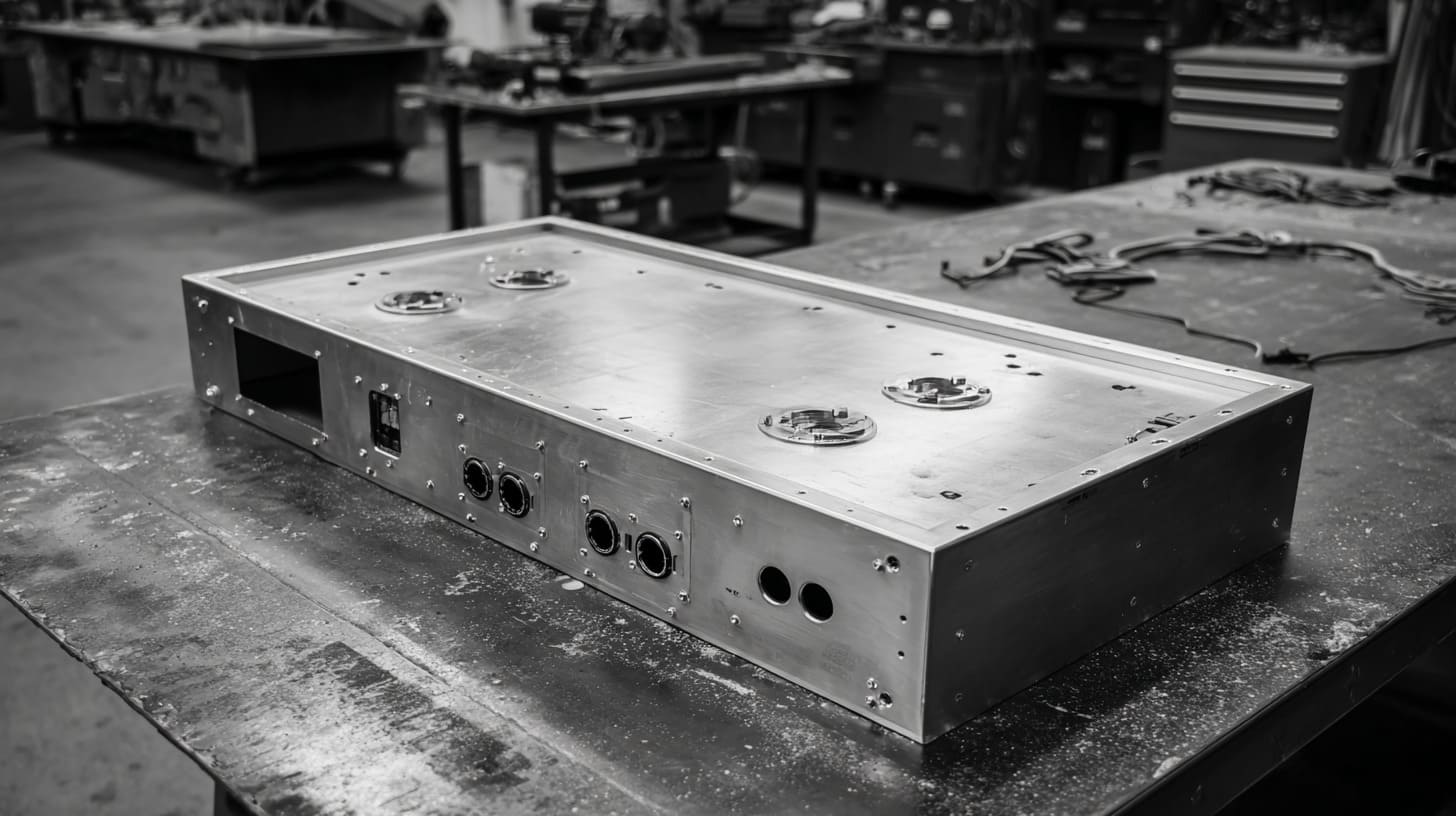
A buyer sends a board size. He sends a connector position. He sends a logo file. He wants mounting holes, labels, package design, and maybe a small screen window. That is normal for OEM and ODM work.
At MaidaTech, many customers come to us exactly for this reason.
They do not want a plain empty box.
They want an enclosure that fits their product, their brand, and their market.
But here is the uncomfortable truth:
The more we customize an enclosure, the more carefully we must protect the rating.
Customization is useful.
Customization is also risk.
Impact of cutouts and machining
A cutout changes the enclosure immediately.
Even a small one.
Common custom features include:
- USB ports
- Power switches
- LED windows
- Screen openings
- Cable holes
- Ventilation slots
- Antenna holes
- Mounting holes
- Branding plates
- Connector panels
Each one may look small. But each one creates an edge, a gap, or a sealing surface.
| Custom feature | Useful purpose | Hidden risk |
|---|---|---|
| USB opening | Easy user access | Dust and splash entry |
| Display window | Better user interface | Edge sealing weakness |
| Vent slot | Heat control | Dust path |
| Cable hole | Wiring access | Poor gland fit |
| Switch hole | Operation control | Washer or nut loosening |
| Antenna hole | Signal function | Seal compression issue |
A product engineer may focus on function.
That is natural.
The device needs to work. The user needs access. The board needs cooling. The cable needs to pass through the wall.
But the enclosure also needs to protect.
These two goals often fight each other.
Poor sealing solutions
A custom cutout is not the real problem.
A poor sealing solution is the problem.
For example, a display window can work well if the material, adhesive, gasket, pressure, and edge design are correct. A cable entry can work well if the gland matches the cable diameter and environment. A vent can work better if the filter is selected and placed correctly.
But low-cost shortcuts cause trouble.
Common sealing mistakes include:
| Mistake | Why it happens | Result |
|---|---|---|
| Wrong gasket thickness | Supplier uses available stock | Uneven compression |
| Poor cable gland | Cost saving | Weak dust or water seal |
| Weak adhesive tape | Easy assembly | Edge lifting over time |
| Oversized hole | Loose machining control | Poor contact surface |
| No filter on vent | Heat is prioritized | Dust enters freely |
| Uneven screw pressure | Manual assembly issue | Small gaps around lid |
This is why I do not like to quote only from a 2D drawing when the enclosure has many openings.
I prefer to understand the actual use.
Where is the cable? How often will the user touch the switch? Is the display exposed to splash? Does the inside need airflow? Will the installer open the lid many times?
The answer changes the design.
Design vs. real-world assembly gap
A perfect design can still fail during assembly.
That is another detail many people overlook.
In real production, workers install gaskets. They tighten screws. They place windows. They assemble cable glands. They pack parts. Then another team may install the enclosure in another country.
Every step has variation.
| Design assumption | Real-world issue |
|---|---|
| Gasket is evenly compressed | Screws may be tightened unevenly |
| Cable gland is installed correctly | Installer may use wrong torque |
| Window seal is clean | Dust or oil may affect bonding |
| Vent filter is maintained | User may never replace it |
| Lid is always closed | Maintenance team may open it often |
The drawing only shows intention.
Assembly shows reality.
A detail I care about during custom projects is not only whether the design can pass on paper, but whether normal workers can build it again and again without creating hidden weak points.
That is why supplier experience matters.
Not in a big slogan way.
In a small detail way.
And this leads to a painful question: if NEMA 5 has these risks, why do buyers still choose it so often?
Why Buyers Choose NEMA 5 (And Why It Backfires)

I do not blame buyers for choosing NEMA 5.
Most buyers are not trying to take a risk. They are trying to balance cost, function, delivery time, and customer requirements.
That is real business.
A product engineer may know the environment is not perfect. But he may also face pressure from the purchasing team. A distributor may want a lower price. An Amazon or local market seller may need a competitive final cost. A startup buyer may not have enough budget for overbuilding.
So NEMA 5 becomes attractive.
It feels reasonable.
Until the environment proves otherwise.
Cost-driven decisions
Cost pressure is real.
Higher protection ratings often need better sealing, more careful structure, stronger accessories, tighter quality control, and sometimes more expensive materials or finishing.
So buyers may choose NEMA 5 to keep the project moving.
| Buyer concern | Why NEMA 5 looks attractive |
|---|---|
| Lower unit cost | Easier to meet target price |
| Faster production | Simpler structure may reduce lead time |
| Less material cost | May avoid stronger sealing design |
| Easier sourcing | More suppliers can make basic enclosures |
| Competitive resale price | Helps wholesalers and rebranders |
This thinking is not foolish.
It is normal.
But a lower price only helps if the enclosure still works.
If the wrong rating causes failure, the cheap choice becomes expensive.
Over-simplified environment assumptions
The second reason is simple thinking around the word “indoor.”
A buyer may think:
- No rain means no water risk.
- No outdoor exposure means no serious sealing issue.
- Small dust means no real danger.
- A light splash is rare, so it does not matter.
- The customer did not ask for NEMA 12 or NEMA 4, so NEMA 5 is enough.
These thoughts are easy to understand.
But they leave too much to luck.
The mistake I try to avoid is accepting the cheapest rating before I know who will touch the enclosure, how the area is cleaned, and what kind of dust or liquid appears during normal work.
Small questions can prevent large problems.
Lack of system-level thinking
An enclosure is not alone.
It is part of a system.
It works with:
- The electronic board
- Heat generation
- Cable routing
- User access
- Maintenance habits
- Installation position
- Cleaning methods
- Nearby machines
- Factory air quality
When buyers select an enclosure only by box size and rating label, they may miss the system.
For example, a device may need ventilation because the board gets hot. But the same ventilation may let dust enter. A display window may improve user experience. But the same window may become a sealing weakness. A cable gland may look minor. But it may be the first place where dust enters.
This is the trade-off.
| Requirement | Benefit | Risk |
|---|---|---|
| Add ventilation | Lower internal heat | More dust entry |
| Add display window | Better user interface | More sealing points |
| Add USB port | Easy service access | Open path for dirt |
| Reduce cost | Better selling price | Higher failure risk |
| Use lighter structure | Easier handling | Lower durability |
The enclosure is like a small house for electronics.
A house with too many open windows cannot complain when dust comes in.
That sounds a little funny, but it is true.
Still, NEMA 5 has its place.
The key is knowing when the place is right.
When NEMA 5 Is Actually the Right Choice
I do not like extreme thinking in enclosure selection.
Some people treat NEMA 5 as enough for everything indoor.
That is wrong.
Some people treat NEMA 5 as useless.
That is also wrong.
NEMA 5 can be a very practical choice when the environment is controlled and the design does not fight against the rating.
The important part is honesty.
Not hope.
Honesty.
Suitable environments
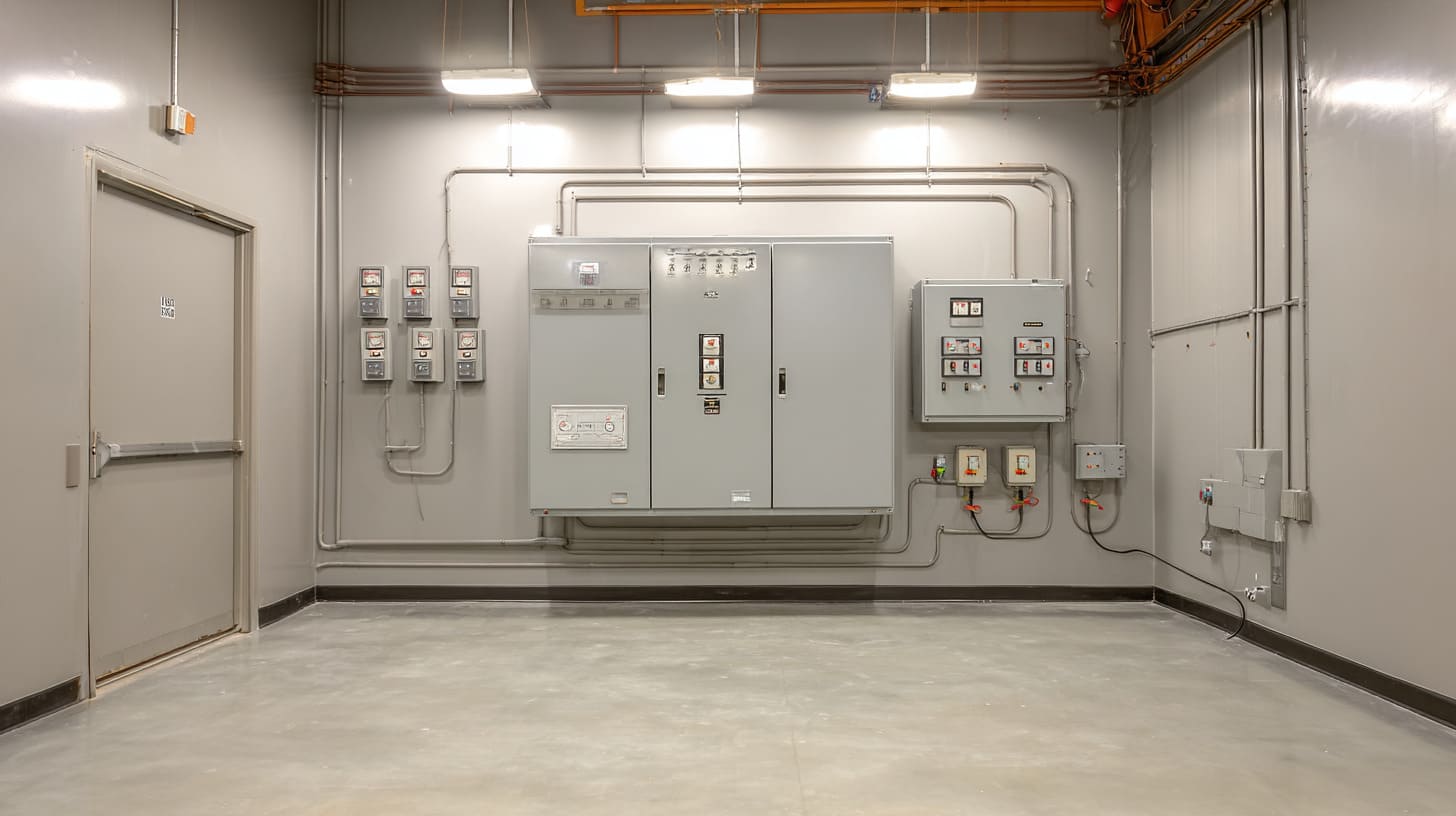
NEMA 5 can work well in clean, dry, low-risk indoor spaces.
For example:
| Environment | Why NEMA 5 may work |
|---|---|
| Control room | Usually clean and dry |
| Office equipment area | Low dust and low splash risk |
| Light assembly space | Limited contamination |
| Indoor retail equipment | Controlled environment |
| Dry storage area | Low moisture exposure |
| Simple electrical protection area | Limited opening and handling |
These environments are not harsh.
They do not have strong water exposure. They do not have heavy dust. They do not have oil mist. They do not need frequent washdown.
In these cases, choosing a higher rating may not always be necessary.
Conditions for success
For NEMA 5 to work well, I usually want to see several conditions.
| Condition | Why it matters |
|---|---|
| Low dust level | Less chance of internal buildup |
| No regular liquid exposure | Less sealing stress |
| Stable temperature | Lower condensation risk |
| Few custom openings | Fewer weak points |
| Good installation control | Better long-term sealing |
| Limited maintenance opening | Lower chance of gasket damage |
The enclosure does not need to be overbuilt if the environment is truly mild.
But the word “truly” matters.
A clean room on paper may not be clean in daily operation. A dry area may become wet during cleaning. A low-dust zone may change after a new machine is installed nearby.
That is why I like to ask about future use, not only current use.
Key judgment
NEMA 5 works best when the enclosure is used in a controlled indoor area with limited dust, limited moisture, and limited modification.
That sounds simple.
But it takes discipline to confirm.
My judgment changes fast when the buyer adds vents, ports, frequent access, or nearby cleaning water, because those details can turn a safe NEMA 5 project into a risky one.
This is why I never want to sell the rating only.
I want to match the rating to the real job.
And if the real job is tougher than NEMA 5 can handle, we should talk about better options before the customer has a failure.
Better Alternatives for Typical Factory Conditions
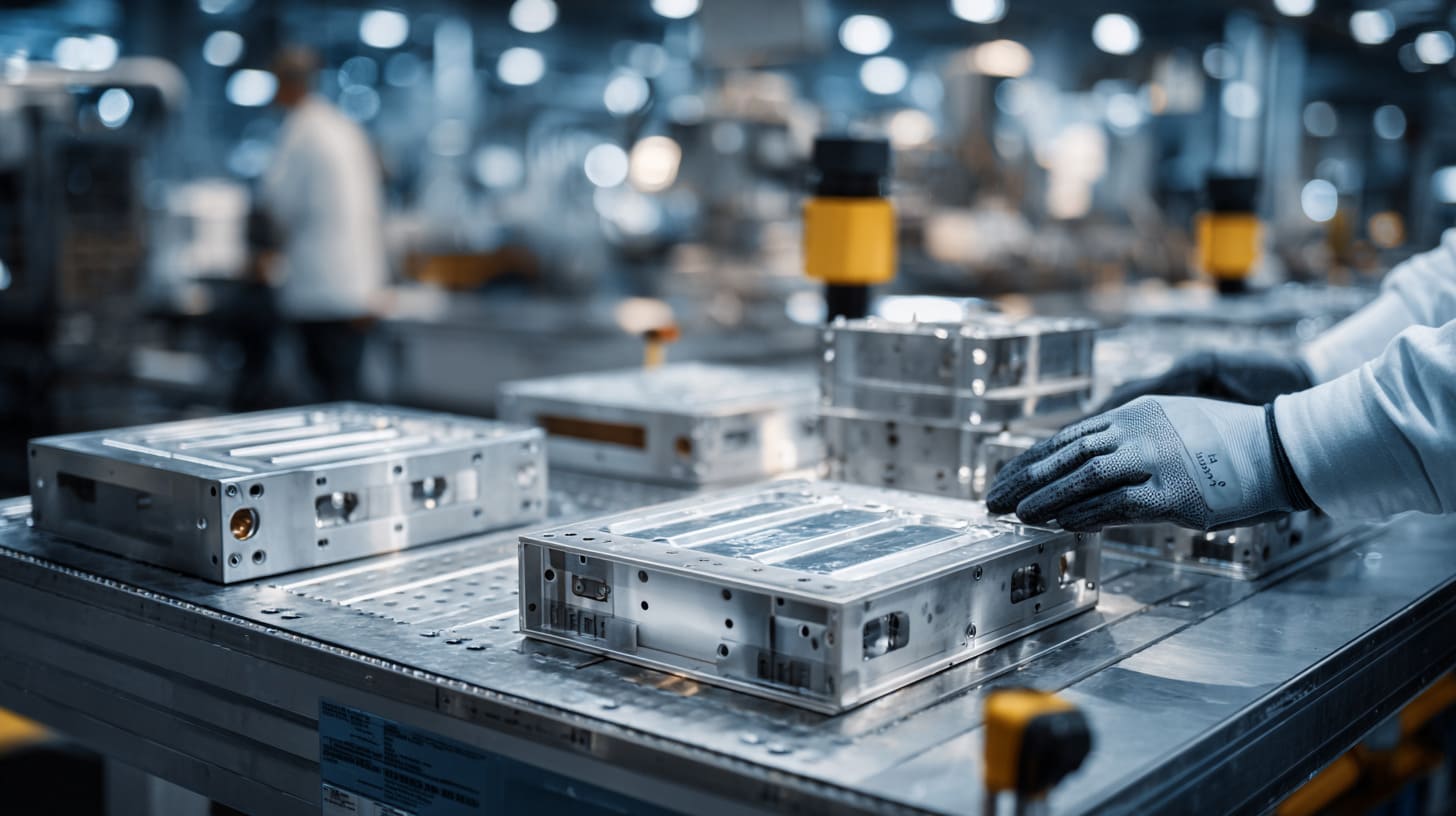
Sometimes the best way to save money is to spend a little more at the right place.
I know that sounds strange.
But in industrial enclosure projects, the cheapest enclosure can become expensive if it causes field failure, product returns, urgent redesign, or customer complaints.
NEMA 5 may be enough for controlled indoor use. But for many real factory environments, another rating may be safer.
NEMA 12 for industrial dust and oil environments
NEMA 12 is often considered when the enclosure needs better protection against circulating dust, dirt, and dripping non-corrosive liquids.
It may be a better fit for many indoor industrial areas.
| Situation | Why NEMA 12 may be better |
|---|---|
| Dusty workshop | Better protection against circulating dust |
| Light oil mist area | More suitable than basic indoor protection |
| Machine control box | Better industrial match |
| Packaging equipment | Helps against fibers and dust |
| Dry factory with contamination | Better long-term reliability |
NEMA 12 is not the answer to everything.
It is not a washdown enclosure.
But for many indoor industrial uses, it may match the environment better than NEMA 5.
NEMA 4 / 4X for water and washdown environments
If the enclosure may face splashing water, hose-directed water, or washdown cleaning, NEMA 4 or NEMA 4X may be more suitable.
NEMA 4X also adds better corrosion resistance, depending on material and design.
| Rating | Common use direction | Main reason to consider |
|---|---|---|
| NEMA 4 | Indoor or outdoor water exposure | Better sealing against splashing and hose water |
| NEMA 4X | Water plus corrosion concern | Better choice for corrosive environments |
| NEMA 12 | Dust and dripping liquid | Better indoor industrial protection |
| NEMA 5 | Basic indoor dust and light liquid | Good for controlled indoor use |
The choice is not about picking the highest number.
The choice is about matching the risk.
A higher rating can add cost. It can add weight. It can affect lead time. It can make customization more complex.
So I do not suggest higher ratings blindly.
Cost vs risk trade-off
The real question is not:
“Which enclosure is cheaper?”
The better question is:
“Which enclosure is cheaper after one year of real use?”
This changes the thinking.
| Option | Lower upfront cost | Lower long-term risk | Best fit |
|---|---|---|---|
| NEMA 5 | High | Medium to low in harsh factories | Clean indoor areas |
| NEMA 12 | Medium | Higher in dusty factories | Industrial dust and oil areas |
| NEMA 4 | Lower than 4X in many cases | Higher in wet areas | Washdown or splash environments |
| NEMA 4X | Lower cost advantage may be limited | High in wet/corrosive areas | Harsh water or corrosion environments |
A buyer may save a small amount per unit with NEMA 5.
But if the end customer reports failures, the cost can move into another category.
Replacement cost.
Air freight cost.
Reputation cost.
Engineer time.
Stress.
The practical question I ask myself is whether the customer is trying to save material cost or reduce total project risk, because those two goals are not always the same.
That is why evaluation should happen before quoting, not after failure.
How Engineers Should Evaluate the Environment Before Choosing

Good enclosure selection starts with better questions.
Not with the rating.
Not with the price.
Not even with the drawing.
The drawing tells me what the buyer wants to build. The environment tells me what the enclosure must survive.
Both matter.
But if they fight, the environment usually wins.
Ask the right questions
Before choosing NEMA 5, I like to ask practical questions.
Not complicated questions.
Just honest ones.
| Question | Why I ask it |
|---|---|
| What kind of dust is in the area? | Dust type changes risk |
| Is the dust conductive? | Metal or carbon dust can cause electrical trouble |
| Is there oil mist or coolant mist? | Mist can travel and stick to seals |
| Is the area washed with water? | Cleaning method affects rating choice |
| Will workers open the enclosure often? | Maintenance affects gasket life |
| Are there vents or fans? | Airflow pulls contaminants inward |
| Are there cable entries or cutouts? | Openings create weak points |
| Is condensation possible? | Moisture can appear without direct water |
| Will the process change later? | Future machines may change the environment |
These questions may feel simple.
But simple questions often reveal hidden risk.
A buyer may answer, “No water.”
Then later he says, “Only the floor is washed every night.”
That changes everything.
Observe real factory conditions
Specifications are useful.
Photos are useful.
But real workflow matters more.
I like when customers send site photos or short videos. A photo can show dust on the floor, machine spacing, nearby pipes, cable routing, and cleaning areas. A video can show movement, airflow, and worker habits.
A clean drawing cannot show these things.
| Information source | What it can reveal |
|---|---|
| Drawing | Size, holes, structure |
| Site photo | Real environment and nearby risks |
| Short video | Workflow and movement |
| Maintenance notes | How often the enclosure is opened |
| Cleaning method | Water and chemical exposure |
| Existing failure photos | Weak points and past mistakes |
This is especially helpful for ODM projects.
A creative buyer may have a new product idea, but not a full industrial enclosure background. That is normal. In that case, the supplier should help ask better questions.
Not to make the project harder.
To make the product safer.
Consider lifecycle factors
Many buyers evaluate the enclosure at the moment of delivery.
But the enclosure must work after installation, use, cleaning, repair, and maybe rough handling.
So I like to think through the lifecycle.
| Lifecycle stage | Possible risk |
|---|---|
| Production | Gasket placement, machining tolerance |
| Shipping | Deformation, coating scratch |
| Installation | Wrong cable gland, loose screws |
| Daily use | Dust, heat, vibration |
| Maintenance | Lid opened, seal damaged |
| Cleaning | Water or chemical exposure |
| Long-term operation | Aging gasket, dust buildup |
The hardest problems often appear after several small events.
One screw is loose.
One gasket is slightly compressed.
One cable hole is changed.
One cleaning worker sprays water nearby.
One vent filter is not replaced.
No single thing looks serious.
Together, they create failure.
Before I decide the rating, I try to imagine the enclosure after one year of use, not only on the day it leaves our factory.
That one-year view is very useful.
It keeps the decision honest.
And even when NEMA 5 is chosen, there are still ways to make the design more reliable.
Design Tips to Improve Reliability Even with NEMA 5
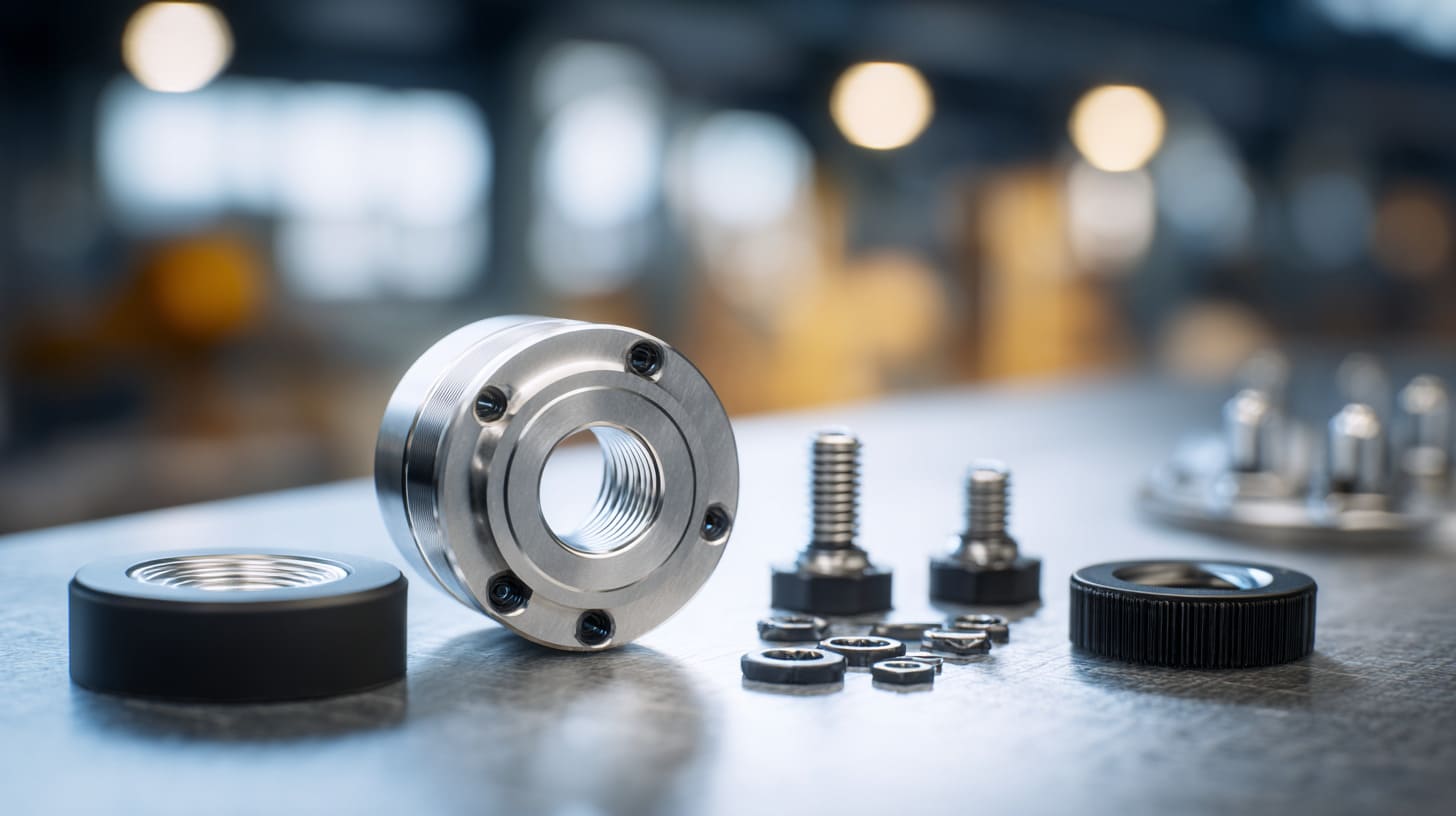
Sometimes the buyer really does need NEMA 5.
The environment is controlled. The budget is fixed. The product does not need a higher rating. The design is simple enough.
In that case, the goal is not to scare the buyer into another rating.
The goal is to make NEMA 5 perform as reliably as possible.
Small design choices matter here.
Very much.
Improve sealing quality
Sealing is not only about adding a gasket.
It is about making the gasket work.
A gasket needs the right material, thickness, shape, compression, and surface contact. If the lid is uneven or the screws are poorly placed, the gasket may not seal well.
| Sealing detail | Why it matters |
|---|---|
| Gasket material | Must match dust, moisture, and temperature |
| Gasket thickness | Affects compression and sealing force |
| Screw spacing | Helps keep pressure even |
| Panel flatness | Prevents small gaps |
| Surface finish | Affects gasket contact |
| Assembly control | Reduces human error |
A good gasket with poor compression is not a good seal.
It is just rubber inside a weak design.
Minimize openings
Every opening is a trade-off.
Some openings are necessary. Some are not.
Before machining, I like to review which openings are truly needed.
| Opening request | Question I ask |
|---|---|
| Vent slots | Can heat be managed another way? |
| USB port | Does it need outside access all the time? |
| Display window | Can it be smaller or better sealed? |
| Cable hole | Can the cable route be simplified? |
| Extra switch | Is it needed for daily use or only service? |
| Large cutout | Can the design use a sealed accessory? |
This does not mean we should reject customer design ideas.
It means we should protect the customer from hidden risk.
A clean enclosure with fewer weak points usually performs better.
Add protective accessories
Sometimes small accessories can improve reliability without changing the whole rating strategy.
Examples include:
| Accessory | Possible benefit |
|---|---|
| Better cable gland | Improves cable entry protection |
| Dust filter | Helps reduce dust through vents |
| Protective cap | Covers ports when not in use |
| Internal shield | Adds protection for sensitive parts |
| Drip cover | Helps reduce direct liquid contact |
| Raised mounting position | Keeps enclosure away from floor splash |
| Better gasket | Improves long-term sealing |
These details may not look exciting.
But industrial products are often protected by boring details.
A better gland. A better seal. A better screw layout. A cleaner cable path.
That is real engineering.
The small choice I care about most is the one the end user will never notice, because if the end user never notices it, it probably means it worked.
That is the kind of enclosure design I like.
Not loud.
Just reliable.
Conclusion
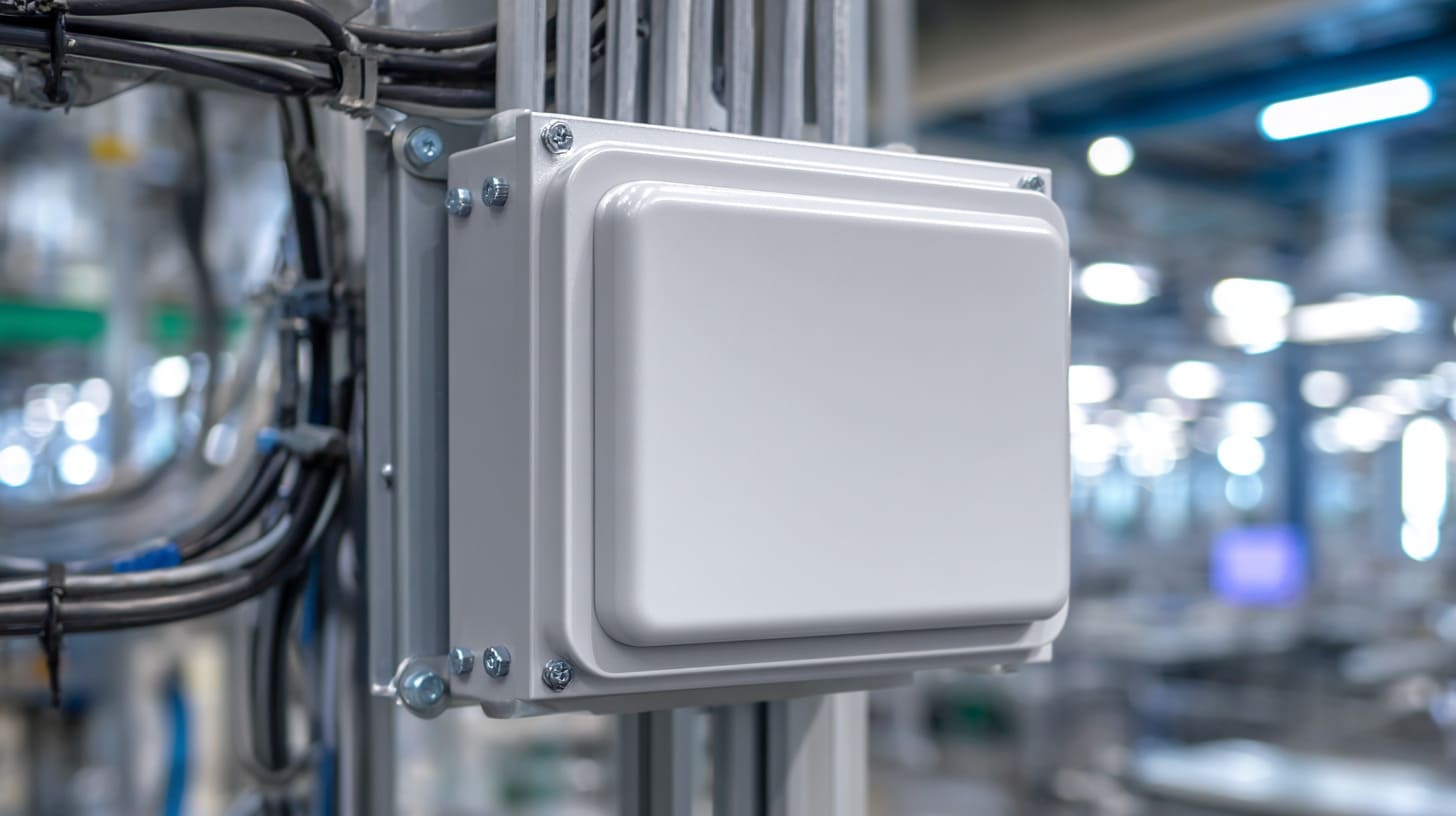
NEMA 5 enclosures do not usually fail because the rating is bad.
They fail because people ask them to do a job they were not meant to do.
That is my honest view after working with many custom enclosure projects.
A buyer may say “indoor factory,” but that phrase can hide dust, mist, cleaning water, vibration, human handling, maintenance habits, cable changes, heat problems, and future process changes. If we do not ask enough questions, the enclosure may look correct on the drawing and still fail in real use.
I do not believe every indoor project needs a higher rating.
That would be lazy thinking.
I also do not believe NEMA 5 is always enough because the product stays under a roof.
That is also lazy thinking.
My approach is simple:
I look at the real environment.
I look at the custom openings.
I look at the dust and moisture risk.
I look at how people will install, clean, and maintain the enclosure.
Then I decide whether NEMA 5 is enough, or whether NEMA 12, NEMA 4, or NEMA 4X is a safer choice.
This is why I often ask more questions before quoting. I know some buyers want a fast answer. I respect that. But a fast wrong answer is not service. A careful answer can save time later.
If you are designing a custom aluminum enclosure, sheet metal enclosure, plastic enclosure, or Raspberry Pi style project enclosure for a factory environment, I suggest you do one thing before choosing the rating:
Do not only ask where the enclosure will be used. Ask what the enclosure will live with.
Dust.
Water.
Oil.
Heat.
Workers.
Cleaning.
Cables.
Maintenance.
Those details tell the real story.
If you already have a drawing or a project idea, you can send it to us at MaidaTech. I can help you review the enclosure structure, custom openings, sealing points, logo or branding needs, and possible rating risks before production.
A good enclosure is not only a box.
It is a quiet promise to the product inside.
And that promise should be based on real factory life, not only one word: indoor.