Skip to content
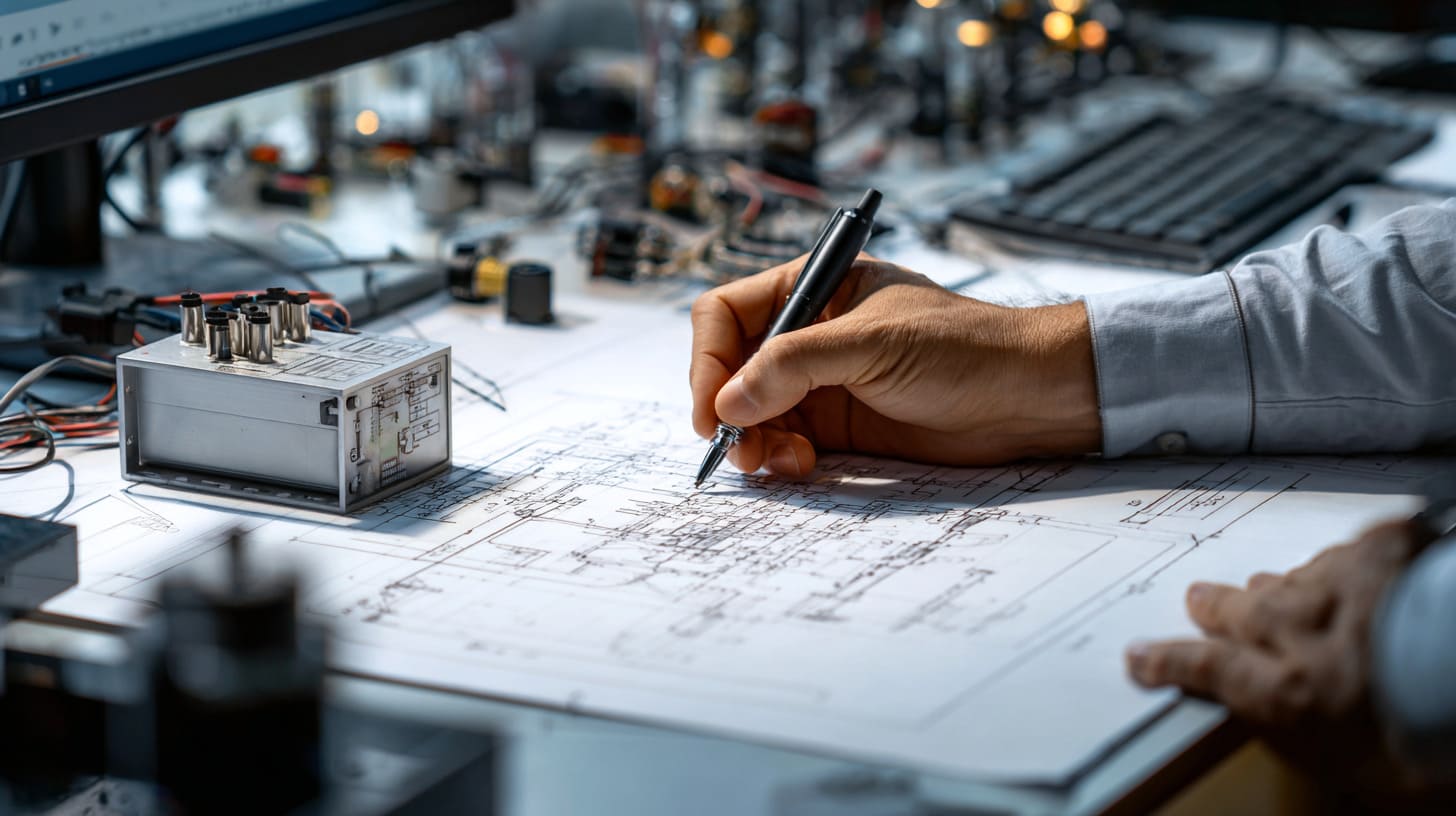
A NEMA rating can look like a small line on a drawing.
One small label.
One short note.
One simple request from a customer: “Please make this enclosure NEMA 5.”
At first, it sounds clear. But in real custom enclosure work, that small label can open many questions. Where will the enclosure be used? Is the area dry? Is there dust? Will workers clean the machine with water? Will the customer add cable holes, air vents, switches, or a display window?
This is where many projects become more complicated than they look.
A NEMA 5 enclosure is an indoor enclosure designed to protect electrical equipment from falling dirt, settling airborne dust, lint, fibers, and dripping or light splashing water. It is useful for many indoor industrial and commercial applications, but it is not made for outdoor weather, washdown cleaning, heavy dust, or corrosive environments.
I have seen buyers misunderstand NEMA ratings because the numbers feel like a simple ladder. NEMA 1 sounds basic. NEMA 5 sounds stronger. NEMA 12 sounds even stronger. NEMA 4X sounds best. So people may think a higher number always means a better enclosure.
But enclosure selection does not work like shoe size.
A rating is not only about “better” or “worse.” It is about the real environment. A good enclosure in the wrong place can still fail. A low-cost enclosure in the right place can work very well.
When I look at a NEMA 5 request, I do not only ask, “Can we make it?” I ask, “Will it survive the customer’s real use?”
That one question saves many headaches.
The wrong enclosure rating may not fail on day one. It may fail slowly. Dust enters through a small gap. Water drips near a cable opening. The surface starts to corrode. A board inside the box gets dirty. A customer calls three months later and says the product stopped working.
Nobody likes that call.
So let us look at NEMA 5 in a practical way. Not like a cold textbook. More like a factory conversation between people who need the product to work, ship on time, and avoid trouble later.
Before we talk about where NEMA 5 is used, we need to understand what it really means.
What Is a NEMA 5 Enclosure?
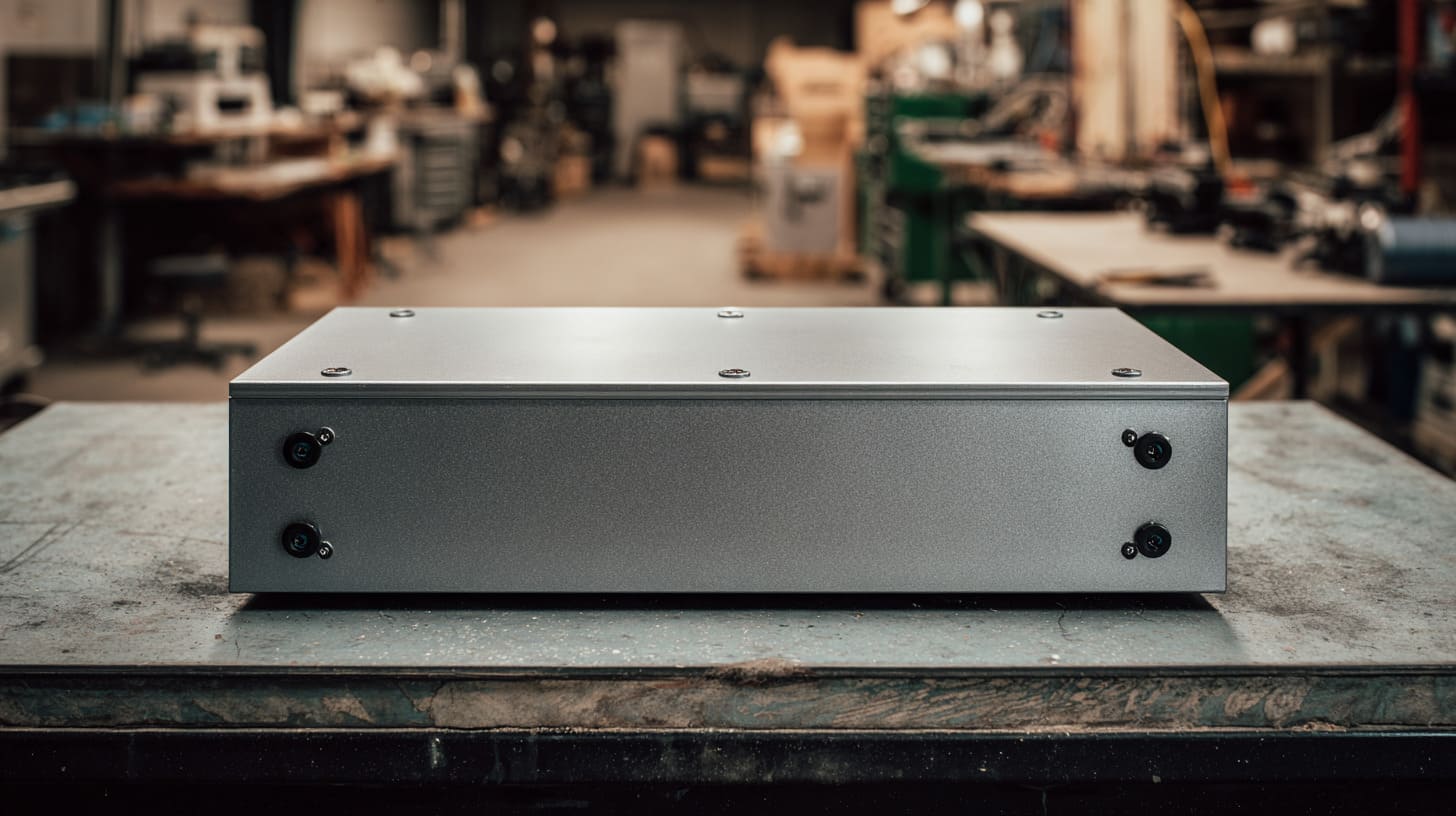
A NEMA 5 enclosure is an indoor protective enclosure for electrical equipment. It is designed to give a higher level of indoor protection than a very basic indoor box.
In simple words, it protects against common indoor problems like falling dirt, some settling dust, lint, fibers, and dripping or light splashing water.
That sounds simple.
But I always slow down here, because many buyers hear “dust and water protection” and imagine something much stronger than NEMA 5 actually provides.
The detail I care about most is not the number 5 itself, but the words around it, because those words tell me what kind of dust and what kind of water the enclosure is expected to face.
Definition and Standard Meaning
A NEMA 5 enclosure is mainly used indoors. It is built to protect electrical components from some normal indoor hazards.
These can include:
- Falling dirt
- Settling airborne dust
- Lint
- Fibers
- Dripping water
- Light splashing water
It is often used when equipment needs more protection than a simple indoor box, but does not need heavy-duty outdoor or washdown protection.
Here is a simple way to look at it:
| Protection Area | What NEMA 5 Is Meant to Handle | Practical Meaning |
|---|---|---|
| Dirt | Falling dirt | Dust or small particles falling from above |
| Dust | Settling airborne dust | Light indoor dust that settles over time |
| Fibers | Lint and fibers | Textile dust, packing area fibers, or light shop dust |
| Water | Dripping or light splashing water | Small indoor water contact, not strong water pressure |
| Location | Indoor use | Controlled or semi-controlled environments |
For a product engineer, this rating can be useful when the enclosure is placed in a factory, warehouse, indoor machine area, or commercial building.
For a buyer, this rating can feel like a safe middle point.
For me, it is useful only when the environment matches the rating.
What NEMA 5 Does NOT Protect Against
This is the part that matters more than many people think.
NEMA 5 does not mean waterproof.
It does not mean weatherproof.
It does not mean dust-tight in every industrial condition.
It does not mean the enclosure can be cleaned with a hose.
It does not mean the enclosure can sit outdoors in rain, sunlight, and temperature changes.
A NEMA 5 enclosure is not the right choice when the product will face:
| Risk | Why NEMA 5 May Not Be Enough |
|---|---|
| Outdoor rain | Rain can attack the enclosure from many directions |
| Hose-down cleaning | Water pressure can force water through gaps |
| Heavy powder dust | Fine dust may enter through seams or openings |
| Chemical mist | Material and sealing may not resist corrosion |
| Oil mist | Oil can reach seals, gaps, and internal parts |
| Strong humidity | Long-term moisture may create failure risk |
I once saw a customer send a drawing for an indoor machine enclosure. The design looked fine. Then I asked one extra question: “How will your team clean the machine?”
He said, “Just normal cleaning. Maybe water spray every day.”
That small sentence changed the whole discussion.
The drawing did not look risky. The environment did.
That is why NEMA 5 should not be judged only from the CAD file. It should be judged from the real use.
And once we understand what it is, the next question becomes more practical: what kind of protection does it actually give?
What Types of Protection Does a NEMA 5 Enclosure Provide?
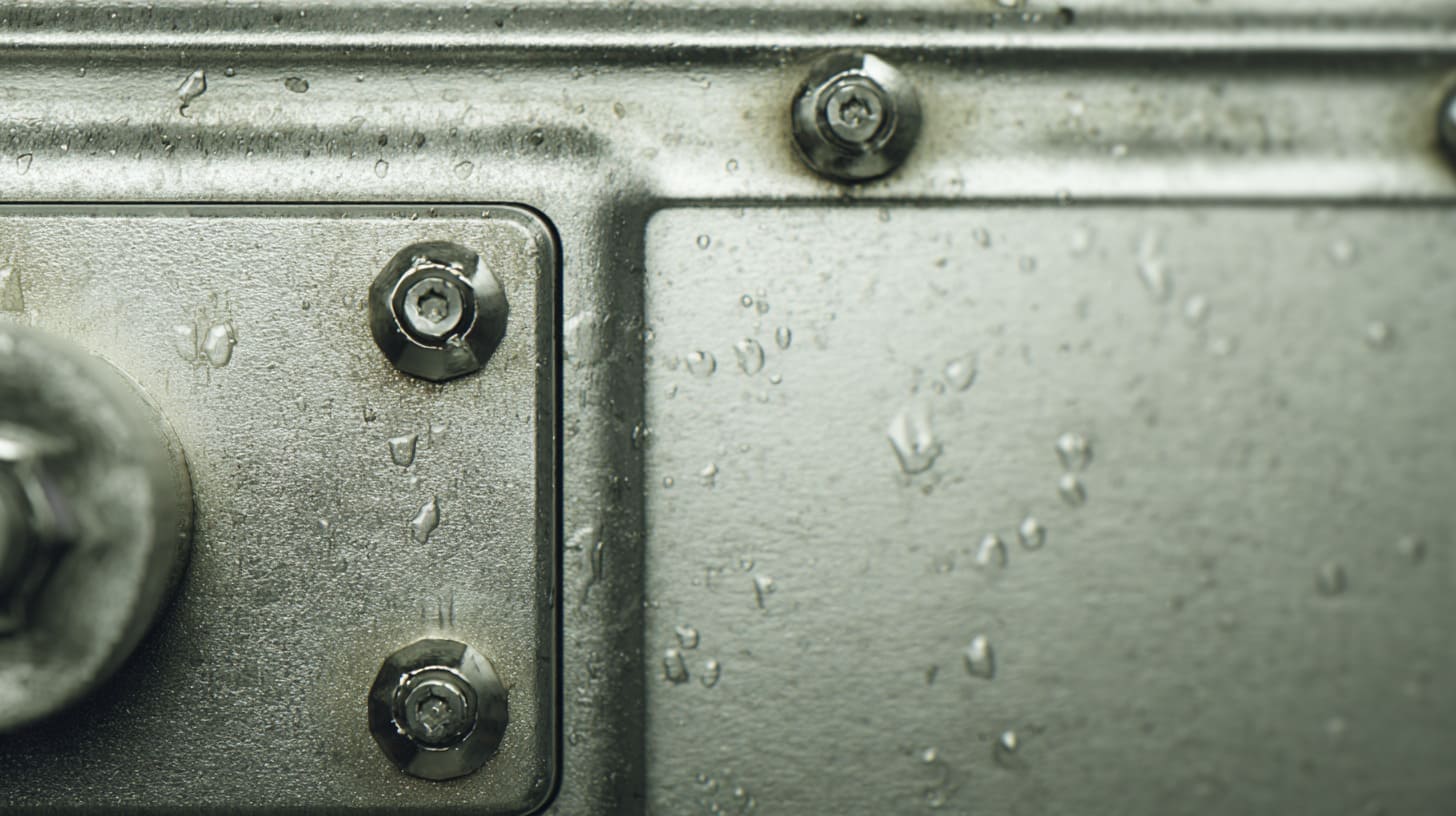
A NEMA 5 enclosure provides a useful level of indoor protection, but the protection is not magic. It comes from the enclosure structure, the cover design, the seams, the openings, and sometimes the gasket.
A strong wall does not save a weak joint.
A thick metal panel does not stop water if the cable hole is open.
A nice powder coating does not stop dust if the lid gap is too large.
When I review this kind of enclosure, I usually look for the weakest path first, because dust and water do not care about the strongest part of the box.
Solid Particle Protection
NEMA 5 is designed to protect against falling dirt and settling airborne dust. This means the enclosure can help keep general indoor debris away from electrical parts.
But not all dust behaves the same.
Large particles fall. Fine powder floats. Fibers collect around edges. Metal dust may be more dangerous than normal dust. Plastic dust may build up because of static.
This is why “dust protection” can be a tricky phrase.
| Particle Type | Example Environment | NEMA 5 Suitability |
|---|---|---|
| Falling dirt | Indoor workshop, storage room | Usually suitable |
| Light settling dust | Warehouse, machine area | Often suitable |
| Lint and fibers | Textile area, packaging area | May be suitable if exposure is light |
| Fine powder | Cement, flour, powder coating area | Often not enough |
| Conductive dust | Metal grinding, machining dust | Higher caution needed |
| Heavy dust clouds | Harsh industrial process | Usually needs stronger protection |
For normal indoor use, NEMA 5 can make sense.
For fine powder or conductive dust, I become careful. The problem is not only whether dust enters. The problem is what that dust does after it enters.
Some dust only makes the inside dirty.
Some dust damages electronics.
Some dust creates short circuits.
That is a very different story.
Water Protection Scope
NEMA 5 can protect against dripping water and light splashing water. But water direction and water force matter a lot.
A drop from above is different from a spray from the side.
A small splash is different from hose pressure.
A short water event is different from daily cleaning.
I like to explain it like this: a raincoat is useful in light rain, but it is not a diving suit.
| Water Situation | NEMA 5 Fit | Reason |
|---|---|---|
| Dripping water from above | Usually acceptable | This is within the general idea of the rating |
| Small indoor splash | Sometimes acceptable | It depends on direction and enclosure design |
| Water spray from a hose | Not suitable | Pressure may push water into gaps |
| Outdoor rain | Not suitable | Rain can hit from many directions |
| Washdown cleaning | Not suitable | Repeated water pressure increases risk |
| Constant humidity | Needs review | Long-term moisture may create corrosion risk |
I have seen buyers say, “There is no water nearby.”
Then later they mention that workers clean the floor every night.
Water does not need to be part of the machine to become part of the risk.
Mechanical Structure Role
The enclosure body matters, but the small details matter more.
A NEMA 5 enclosure can lose protection if the design has poor joints, bad screw spacing, rough cutouts, or loose cable entries.
Common weak points include:
- Lid seams
- Screw holes
- Cable glands
- Ventilation slots
- Display windows
- Push button openings
- Connector cutouts
- Poor gasket contact
- Uneven panel edges
A simple box with no openings is easier to protect.
A custom OEM box with many openings needs more thinking.
Here is a practical view:
| Design Detail | Risk | Better Practice |
|---|---|---|
| Large cover gap | Dust or water can enter | Improve bending, machining, or gasket contact |
| Too few screws | Uneven pressure on lid | Add better screw layout |
| Open cable hole | Direct entry path | Use cable gland or sealed connector |
| Vent slot | Dust and splash path | Add internal shield or change location |
| Display window | Edge leakage risk | Use seal, adhesive, or gasket |
| Poor gasket compression | Weak sealing | Check gasket height and pressure |
This is why I never treat a rating as only a material question. A plastic enclosure can work. A metal enclosure can work. But a poor design can make both fail.
Now let us place the enclosure into real working environments, because that is where the rating starts to make sense.
Where Are NEMA 5 Enclosures Commonly Used?
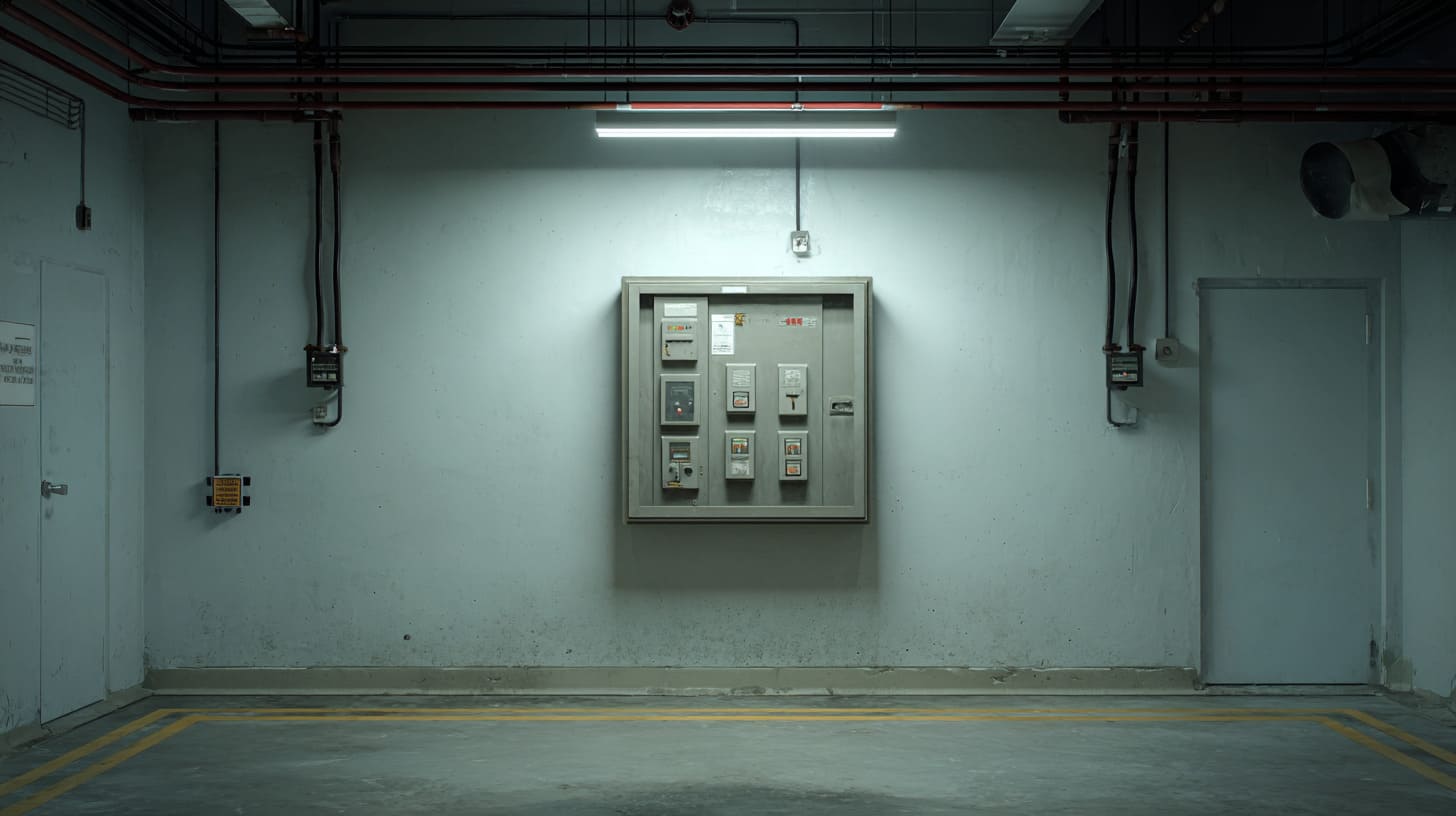
NEMA 5 enclosures are commonly used in indoor areas where equipment needs protection from normal dirt, dust, lint, fibers, and small water contact.
They are not for extreme conditions.
They are for controlled or semi-controlled indoor environments.
I think of NEMA 5 as a practical middle choice when the buyer needs more than a basic indoor box, but does not want the cost, size, or sealing level of a higher-rated enclosure.
Indoor Industrial Environments
Factories are not always dirty in the same way.
Some factory areas are dry and controlled. Some areas have light dust. Some areas have fibers from packaging. Some areas have small water risks near pipes or machines.
NEMA 5 can be used in indoor industrial environments such as:
- Light-duty production areas
- Machine control zones
- Dry assembly areas
- Indoor packaging lines
- Workshop electrical control areas
- Factory equipment rooms
For example, a customer may need an aluminum enclosure for a control board inside a machine. The machine works indoors. There is no outdoor exposure. There is no hose-down cleaning. But there is dust from normal factory movement.
In that case, NEMA 5 may be a reasonable choice.
But I still ask about cleaning, airflow, and nearby processes. A clean-looking factory corner can still have dust, oil mist, or water from daily work.
Commercial and Utility Applications
NEMA 5 can also appear in commercial and utility settings. These applications may not look as harsh as industrial settings, but they still need protection.
Common examples include:
| Application | Why NEMA 5 May Be Used |
|---|---|
| Indoor electrical cabinets | Protection from dirt and light indoor dust |
| Utility control boxes | Better protection than a simple indoor cover |
| Power distribution boxes | Helps protect internal components |
| Equipment control stations | Suitable for dry indoor locations |
| Building service rooms | Protects against dirt and minor water risk |
In commercial spaces, the risk is often not dramatic. It is small and boring.
Dust.
Drips.
Maintenance mistakes.
A worker opens the room door. A pipe sweats. A cleaner uses too much water. Someone stores cartons near the cabinet.
Small things.
But small things can damage electronics over time.
Light-Duty Equipment Protection
NEMA 5 can also be useful for light-duty equipment protection. This may include devices in warehouses, storage areas, test rooms, or indoor project setups.
These are not always heavy industrial environments. They may be places where the enclosure only needs moderate protection.
Examples include:
- Indoor sensor control boxes
- Small power supply enclosures
- Warehouse equipment boxes
- Light-duty automation cabinets
- Indoor monitoring device housings
- Custom project enclosures for electronics
For OEM buyers, this is often where the decision becomes practical.
They do not want to overbuild. They do not want to pay for unnecessary sealing. They need a reliable enclosure, but the product may not face strong water or harsh dust.
A buyer once told me, “Our customer just wants the box to look professional and protect the board indoors.”
That sounds simple. But I still asked for the real installation photo.
A photo often tells the truth faster than a paragraph.
And just because NEMA 5 works in many indoor areas does not mean it works everywhere. The danger starts when people stretch the rating too far.
Where Should You NOT Use a NEMA 5 Enclosure?
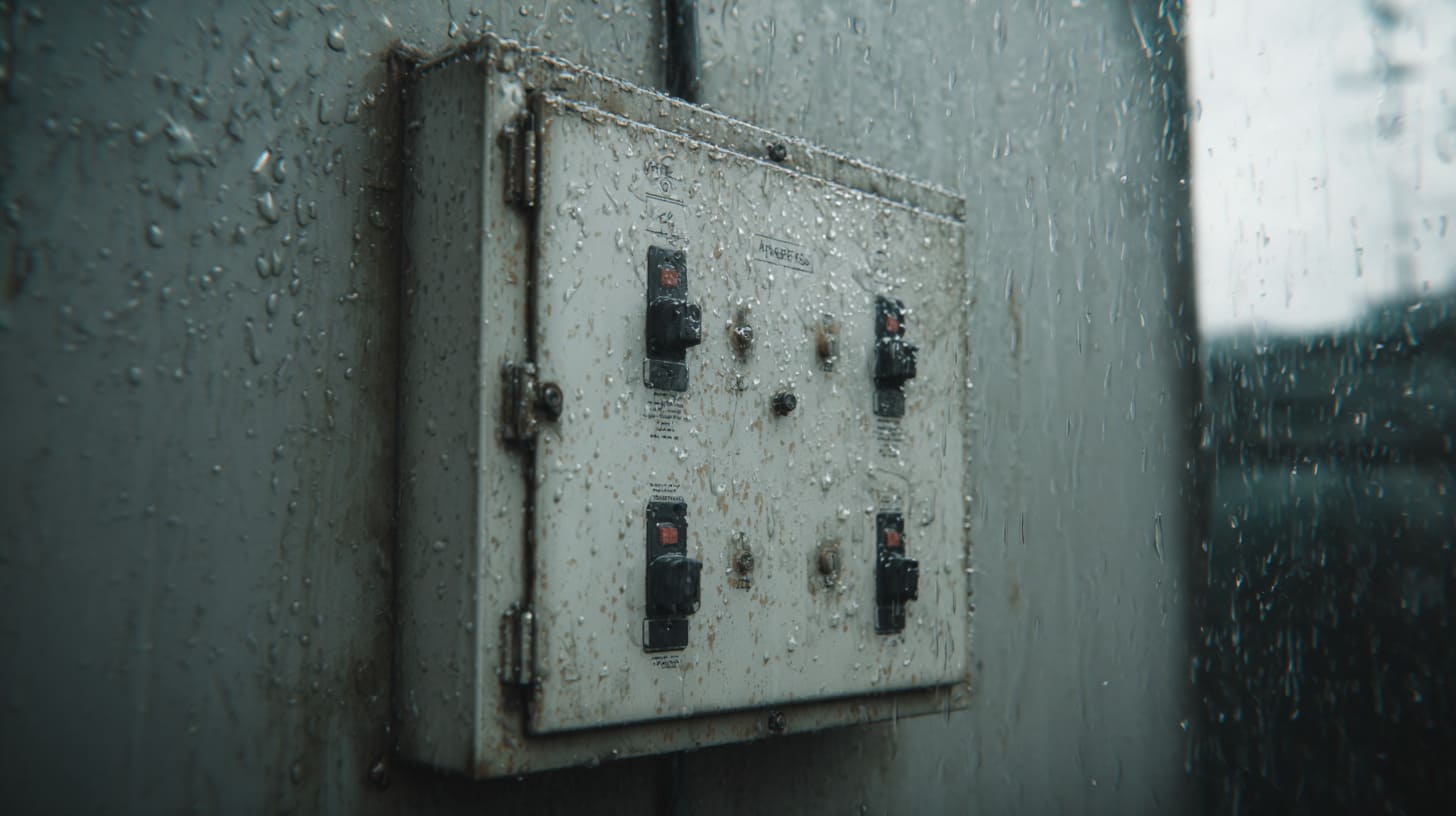
A NEMA 5 enclosure should not be used in outdoor, washdown, corrosive, or harsh dust environments.
This is not because NEMA 5 is bad.
It is because NEMA 5 has a job, and that job is not everything.
The mistake I try to avoid is using a rating because it is cheaper today, while ignoring the repair cost, complaint cost, and reputation cost tomorrow.
Outdoor Installations
Outdoor use is one of the clearest areas where NEMA 5 is not the right choice.
Outdoor enclosures face many problems at the same time:
- Rain
- Wind
- Dust
- Sunlight
- UV exposure
- Temperature changes
- Condensation
- Humidity
- Corrosion
- Insects or small debris
A NEMA 5 enclosure is mainly for indoor use. It is not designed to handle weather.
Outdoor water can hit from the top, side, and bottom. Wind can push rain into seams. Temperature changes can create condensation inside the enclosure. Sunlight can damage plastic or coating over time.
This is why an enclosure that looks fine indoors can fail quickly outdoors.
| Outdoor Risk | Possible Result |
|---|---|
| Rain from side direction | Water may enter through seams or openings |
| Strong sunlight | Plastic may age or coating may fade |
| Temperature change | Condensation may form inside |
| High humidity | Corrosion risk increases |
| Wind-blown dust | Dust may enter through gaps |
| UV exposure | Material life may become shorter |
If a buyer says, “It will be under a roof,” I still ask more questions.
Is the side open?
Can wind push rain inside?
Is the wall wet during storms?
Is the enclosure near the floor?
A roof is helpful, but it is not always full protection.
Washdown or Cleaning Environments
Washdown cleaning is another area where NEMA 5 can become risky.
Many buyers do not think about cleaning during the design stage. They focus on the machine function. They focus on the circuit board. They focus on the hole positions.
Then the product goes into a factory, and the cleaning team uses water spray every day.
That changes everything.
Washdown environments may include:
- Food processing areas
- Beverage production areas
- Chemical handling rooms
- Medical or hygiene-sensitive areas
- Machines cleaned with water spray
- Areas with daily floor washing
NEMA 5 is not meant for hose-directed water.
The problem is water pressure. Water can be forced into small gaps, cable openings, button holes, and poor gasket areas.
| Cleaning Method | NEMA 5 Risk Level |
|---|---|
| Dry wiping | Low risk |
| Light damp cloth | Usually manageable |
| Occasional small splash | Needs design review |
| Hose spray | High risk |
| Pressure washing | Not suitable |
| Chemical washing | Not suitable without special design |
I always like to ask, “How will people clean around this product when nobody from engineering is watching?”
That question sounds funny, but it is honest.
Real use is not always gentle.
Harsh Industrial Conditions
Some indoor environments are still too harsh for NEMA 5.
Indoor does not always mean safe.
A metal processing plant, powder coating workshop, woodworking area, chemical room, or food powder area can be indoors and still very aggressive.
NEMA 5 may not be suitable when the enclosure faces:
- Heavy dust
- Fine powder
- Conductive dust
- Oil mist
- Chemical vapor
- Corrosive air
- Constant vibration
- High humidity
- Frequent impact
This is where a buyer needs to think beyond the word “indoor.”
| Environment | Why NEMA 5 May Fail |
|---|---|
| Metal grinding area | Conductive dust may enter and damage electronics |
| Cement or powder area | Fine particles can enter small gaps |
| Chemical storage room | Corrosion may attack material or finish |
| Food powder production | Dust can build up and create hygiene or safety issues |
| Oil mist area | Oil can affect seals and internal components |
| High humidity room | Moisture may lead to corrosion or electrical failure |
I do not like to scare buyers. But I do like to be honest early.
A stronger rating may feel expensive before the order.
A failed enclosure feels expensive after delivery.
And this naturally brings us to the next question: how is NEMA 5 different from other NEMA ratings buyers often compare?
What Is the Difference Between NEMA 5 and Other NEMA Ratings?
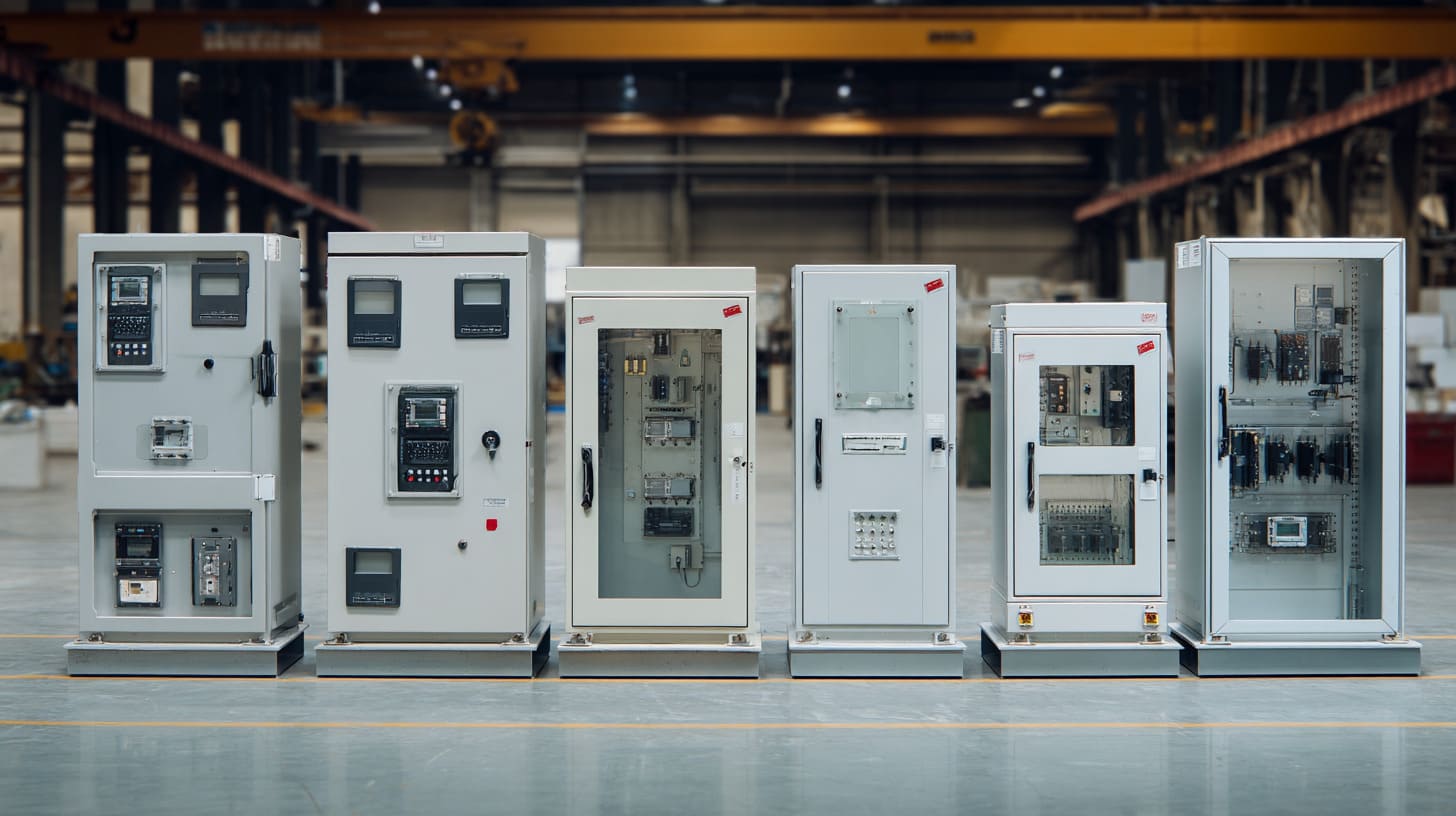
NEMA ratings can feel confusing because the numbers do not always tell the full story. NEMA 5 is not simply “better than NEMA 1” and “worse than NEMA 12” in every possible way. Each rating has a different use case.
I compare NEMA ratings by asking what problem the enclosure must block, not by looking for the highest number first.
NEMA 1 vs NEMA 5
NEMA 1 is a basic indoor enclosure rating. It gives basic protection against accidental contact and some falling dirt.
NEMA 5 gives more indoor protection than NEMA 1. It includes protection against settling airborne dust, lint, fibers, and dripping or light splashing water.
Here is a simple comparison:
| Rating | Main Use | Protection Level | Typical Thinking |
|---|---|---|---|
| NEMA 1 | Basic indoor use | Basic protection | Good when the environment is clean and dry |
| NEMA 5 | Indoor use with more dust/water concern | Better indoor protection | Good when light dust, fibers, or dripping water may exist |
If the enclosure is used in a clean office-like space, NEMA 1 may be enough.
If the enclosure is used in a factory, warehouse, or utility room, NEMA 5 may offer a better safety margin.
But I do not upgrade only because “higher sounds safer.” I upgrade when the environment gives me a reason.
NEMA 5 vs NEMA 12
NEMA 12 is often used in industrial environments where protection against dust, dirt, dripping water, and non-corrosive liquids is important.
The big practical difference is that NEMA 12 is often chosen when the buyer needs better protection against dust and industrial contaminants.
| Rating | Typical Location | Dust Protection | Water/Liquid Protection | Common Use |
|---|---|---|---|---|
| NEMA 5 | Indoor | Moderate indoor dust protection | Dripping/light splash | Light industrial or commercial indoor use |
| NEMA 12 | Indoor industrial | Stronger protection against dust and dirt | Dripping/non-corrosive liquids | Industrial controls, machinery, automation |
NEMA 12 may be a better choice when:
- The factory has more dust
- The enclosure is near machines
- The equipment needs stronger industrial protection
- The internal electronics are more sensitive
- The cost of failure is high
But NEMA 12 may also cost more. It may require better sealing, stronger structure, and tighter production control.
That is the trade-off.
Better protection often means higher cost, longer production steps, and more design attention.
NEMA 5 vs NEMA 4 / 4X
NEMA 4 and NEMA 4X are much stronger for water exposure.
NEMA 4 is often used where hose-directed water and outdoor conditions may exist. NEMA 4X adds corrosion resistance, so it is often used in marine, chemical, food, or corrosive environments.
| Rating | Indoor/Outdoor | Water Protection | Corrosion Resistance | Typical Use |
|---|---|---|---|---|
| NEMA 5 | Indoor | Dripping/light splash | Not the main focus | Light indoor industrial use |
| NEMA 4 | Indoor/outdoor | Hose-directed water | Depends on material | Outdoor or washdown areas |
| NEMA 4X | Indoor/outdoor | Hose-directed water | Stronger corrosion resistance | Corrosive or washdown areas |
If a customer says the enclosure may face rain, hose cleaning, or wet outdoor conditions, I usually do not recommend NEMA 5.
If chemical corrosion is involved, I become even more careful.
NEMA 4X may be needed, but material selection also matters. Stainless steel, aluminum, plastic, and coatings all behave differently.
A rating gives a direction.
The material and design decide the real performance.
So let us talk about materials next, because the same NEMA 5 idea can look very different in aluminum, steel, or plastic.
What Materials Are Used for NEMA 5 Enclosures?
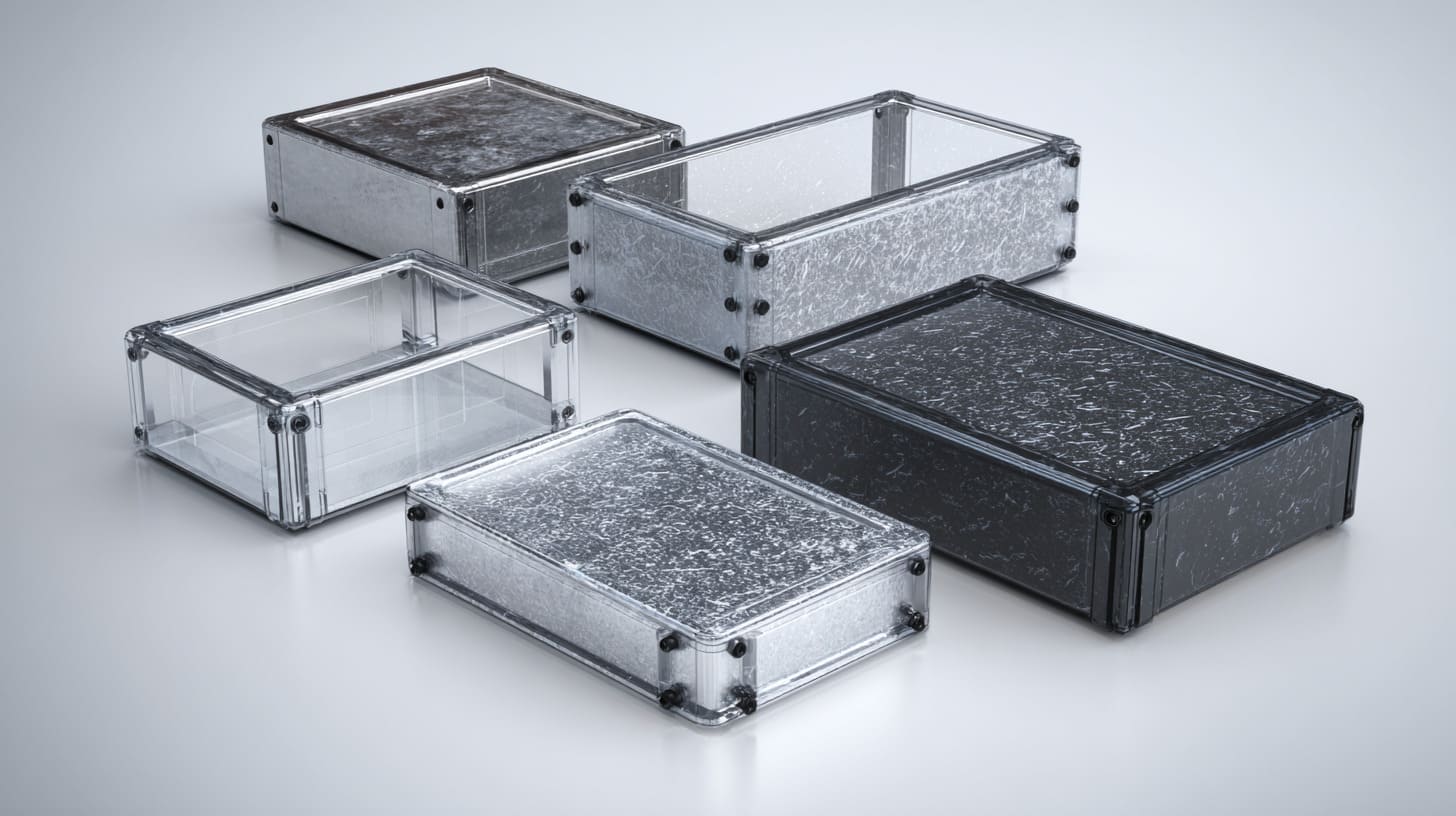
NEMA 5 enclosures can be made from different materials, including aluminum, steel sheet metal, ABS plastic, and polycarbonate. Each material has its own strength, weakness, cost, and appearance.
Material choice is not only a technical decision.
It affects weight, cost, surface finish, MOQ, lead time, branding, machining, and the final feeling of the product.
When I choose material for a custom enclosure, I do not ask which material is best in general; I ask which material fits the use, the budget, the quantity, and the buyer’s brand image.
Common Material Options
Different buyers come to us with different starting points.
Some want aluminum because it feels premium and strong.
Some want sheet metal because it is cost-effective for cabinets and panels.
Some want plastic because it is lighter, easier to mold for certain shapes, or more suitable for wireless products.
Here is a simple comparison:
| Material | Strengths | Weak Points | Common Use |
|---|---|---|---|
| Aluminum | Lightweight, strong, premium look, good machining | Higher material cost than some plastics | OEM electronics, Raspberry Pi-style cases, control boxes |
| Steel sheet metal | Strong, cost-effective, good for larger boxes | Can rust if finish is poor | Electrical cabinets, control panels |
| ABS plastic | Lightweight, lower cost, easy for many electronic housings | Lower heat and impact resistance than some materials | Indoor electronics, light-duty boxes |
| Polycarbonate | Stronger impact resistance, good durability | Usually higher cost than ABS | Industrial plastic enclosures, safety-related housings |
For many custom aluminum enclosure projects, buyers care about both function and appearance. They want the product to protect electronics, but they also want it to match their brand.
That is common for OEM and rebrand customers.
The enclosure is not only a box.
It becomes part of the product.
Material Selection Based on Application
A NEMA 5 enclosure used for a small indoor electronic device may not need the same material as a larger industrial control cabinet.
The decision should match the real use.
| Project Need | Better Material Direction |
|---|---|
| Premium appearance | Aluminum |
| Lower cost for larger cabinet | Steel sheet metal |
| Lightweight indoor device | ABS plastic |
| Higher impact resistance | Polycarbonate |
| Better heat spreading | Aluminum |
| Stronger panel structure | Steel or aluminum |
| Wireless signal needs | Plastic may be better than metal |
I often see buyers focus only on price per piece.
I understand that. Price matters. In B2B projects, price is not decoration. It affects profit.
But if the material creates later problems, the lowest price becomes expensive.
For example, if the product has a heat-generating board, aluminum may help with heat dissipation better than plastic. If the device needs Wi-Fi or Bluetooth, a full metal enclosure may block signal unless the design is adjusted.
That is why material choice should not be separated from product function.
Surface Treatment and Finishing
Surface treatment also matters.
For metal enclosures, common finishing options include:
- Powder coating
- Anodizing
- Brushing
- Sandblasting
- Painting
- Plating
- Laser engraving
- Screen printing
For plastic enclosures, common finishing options include:
- Texture
- Painting
- Printing
- Labeling
- Pad printing
- Silk screen printing
| Finish | Benefit | Watch-Out Point |
|---|---|---|
| Powder coating | Durable, good color options | Thickness can affect assembly fit |
| Anodizing | Clean aluminum look, good surface feel | Color control needs attention |
| Painting | Flexible appearance | Scratch resistance depends on process |
| Laser engraving | Durable logo effect | Works best on suitable surfaces |
| Screen printing | Cost-effective branding | Ink adhesion must be checked |
| Texture on plastic | Hides small scratches | Mold or surface process must be controlled |
A nice finish can make a product feel more valuable.
But finishing can also create problems if nobody checks tolerance, grounding areas, assembly contact, or logo position.
I have seen beautiful coatings create ugly assembly problems.
The eye says yes.
The screw says no.
That is why custom design changes must be reviewed carefully, especially when buyers add cutouts, holes, and branding.
How Do Design Changes Affect NEMA 5 Protection?
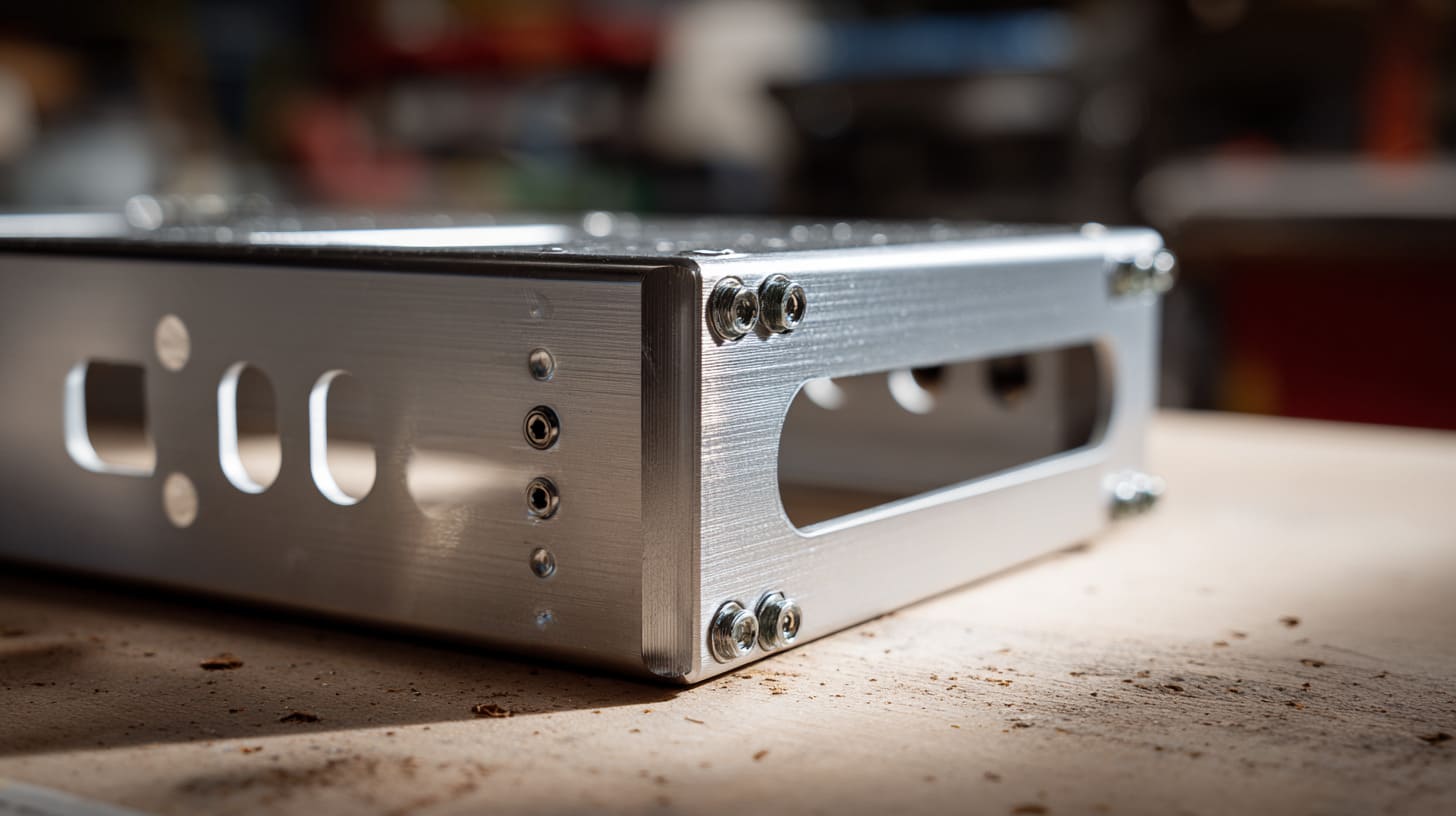
Design changes can reduce NEMA 5 protection quickly. A standard enclosure may have a certain protection level, but once we add holes, slots, windows, connectors, or special cuts, the protection path changes.
This is one of the biggest risks in custom OEM enclosure projects.
The box may start as NEMA 5.
The final design may not perform like NEMA 5 anymore.
The moment a customer asks for extra openings, I stop thinking only about machining and start thinking about what those openings will let in.
Cutouts and Openings
Custom enclosures almost always need openings.
A product may need:
- Cable holes
- USB ports
- HDMI ports
- Switch holes
- Button holes
- LED holes
- Display windows
- Ventilation slots
- Mounting holes
- Antenna holes
- Fan openings
Each opening has a purpose.
Each opening is also a possible weak point.
| Opening Type | Why It Is Needed | Possible Risk |
|---|---|---|
| Cable hole | Power or signal entry | Dust and water path |
| USB/HDMI cutout | User access | Large exposed gap |
| Button hole | Control function | Poor sealing around button |
| Display window | User viewing | Edge sealing problem |
| Vent slot | Heat release | Dust and splash entry |
| Fan opening | Cooling | Large direct path to inside |
| Mounting hole | Installation | Water or dirt entry if not sealed |
This does not mean openings are bad.
A product needs function.
But openings need design control.
For example, if the enclosure needs ventilation, we may need to place the vents away from direct splash direction. We may need an internal shield. We may need a filter. We may need to tell the buyer that the rating may change.
That conversation is much better before production than after complaint.
Sealing and Assembly Issues
Sealing depends on small physical details.
A gasket needs pressure.
A lid needs flat contact.
A screw pattern needs balance.
A panel edge needs consistency.
If one corner is loose, dust and water may find that corner first.
| Assembly Detail | Good Result | Bad Result |
|---|---|---|
| Even screw spacing | Better lid pressure | Uneven sealing |
| Flat lid surface | Better contact | Gaps appear |
| Correct gasket height | Good compression | Too loose or too tight |
| Clean panel edge | Better fit | Poor sealing path |
| Controlled tolerance | Stable assembly | Random gap changes |
| Proper cable gland | Protected entry | Open leakage path |
Many buyers do not see this from the outside.
They only see a neat enclosure.
But protection depends on contact pressure, not only appearance.
A lid can look closed and still have a sealing problem.
This is why sample testing is important when the project has real protection requirements.
Custom OEM Design Considerations
Custom OEM projects often need a balance.
The buyer wants a beautiful enclosure.
The engineer wants cooling.
The sales team wants branding.
The purchasing team wants lower cost.
The end user wants reliability.
All of them are right.
But the enclosure cannot obey every request without trade-offs.
Here is how I usually think about it:
| Design Requirement | Possible Trade-Off |
|---|---|
| More ventilation | More dust and water entry risk |
| More ports | More sealing points |
| Lower cost | Fewer sealing parts or simpler finish |
| Better appearance | More finishing control needed |
| Faster delivery | Less time for testing or redesign |
| Smaller size | Harder heat and cable management |
| Stronger protection | Higher cost and more complex assembly |
A buyer may ask for a beautiful aluminum enclosure with many cutouts, fast delivery, low cost, good heat release, and strong protection.
I understand the wish.
But the design must choose priorities.
If the environment is clean and dry, we can keep the structure simpler.
If the environment is risky, we need better sealing, better parts, or a stronger rating.
This brings us to the most important decision: how should you choose the right enclosure rating before the project starts?
How to Choose the Right Enclosure Rating for Your Project?
Choosing the right enclosure rating starts with the real environment, not the drawing. The drawing shows shape. The environment shows risk.
A beautiful drawing does not show rain.
A CAD file does not show dust.
A quotation sheet does not show how workers clean the machine at night.
Before I recommend NEMA 5, I try to understand the daily life of the enclosure, because the daily life decides the failure risk better than the product name.
Key Questions to Ask Before Selection
Before choosing NEMA 5, I like to ask simple questions.
Not fancy questions.
Real questions.
| Question | Why It Matters |
|---|---|
| Will the enclosure be used indoors or outdoors? | NEMA 5 is mainly for indoor use |
| Is there dripping water nearby? | Water direction affects risk |
| Will workers clean with water? | Hose or spray cleaning may require higher rating |
| Is there dust in the environment? | Fine dust may need stronger protection |
| Is the dust conductive? | Conductive dust can damage electronics |
| Are chemicals nearby? | Corrosion and seal damage may happen |
| Does the enclosure need ventilation? | Ventilation may weaken protection |
| Are there many cable openings? | Each opening needs sealing control |
| What is inside the enclosure? | Sensitive electronics need better protection |
| What happens if it fails? | Failure cost changes the decision |
I like these questions because they are easy for buyers to answer.
A buyer may not know every standard detail.
But he usually knows where the product will be used.
He knows if the area is wet.
He knows if workers clean with water.
He knows if the enclosure is inside a machine or mounted on a wall.
That information is gold.
Risk-Based Selection Approach
The right enclosure rating is not always the strongest rating. It is the rating that matches the risk.
Over-specification can waste money.
Under-specification can create failure.
Both are bad in different ways.
| Choice | Benefit | Risk |
|---|---|---|
| Choose lower rating | Lower cost, simpler design | Higher failure risk |
| Choose exact matching rating | Balanced cost and protection | Requires clear environment information |
| Choose higher rating | More protection margin | Higher cost, heavier design, longer production |
| Choose wrong rating | Looks cheaper at first | May cause repair, return, or reputation damage |
For many OEM buyers, the decision is also tied to business.
If the enclosure is sold with their product, a failure may hurt their brand.
If the product is used in a customer’s machine, a failure may stop a project.
If the product is sold online, a failure may create bad reviews.
So the enclosure rating is not only a technical detail. It is also a business risk.
When to Upgrade from NEMA 5
NEMA 5 may be enough for dry indoor areas with light dust and minor water risk.
But you may need to upgrade when the environment becomes more aggressive.
| Situation | Possible Better Direction |
|---|---|
| More industrial dust | Consider NEMA 12 |
| Hose-down cleaning | Consider NEMA 4 |
| Outdoor rain exposure | Consider NEMA 4 |
| Corrosive environment | Consider NEMA 4X or suitable material |
| Food or chemical area | Review washdown and corrosion needs |
| High humidity | Review sealing and material carefully |
| Sensitive electronics | Consider stronger protection margin |
I do not always push buyers to upgrade.
That would be lazy advice.
Sometimes NEMA 5 is enough.
Sometimes a simple indoor enclosure is enough.
Sometimes the buyer needs NEMA 12, 4, or 4X.
The real skill is knowing the difference.
And many mistakes happen because buyers skip that thinking step.
Common Mistakes Buyers Make When Choosing NEMA 5

Buyers usually do not choose the wrong enclosure rating because they are careless. Most of the time, they choose wrong because the risk is hidden.
The drawing looks simple.
The location sounds indoor.
The price looks better.
The sample looks clean.
Then the real use starts.
This is where I often see trouble begin: the buyer checks the product shape, but the environment quietly checks the product weakness.
Assuming “Indoor” Means “Safe”
This is probably the most common mistake.
Many people think indoor use means low risk.
But indoor environments can still have:
- Dust
- Moisture
- Oil mist
- Cleaning water
- Heat
- Vibration
- Fibers
- Chemical vapor
- Poor airflow
- Maintenance mistakes
An indoor machine near a cleaning area may face more water than an outdoor box under a roof.
An indoor cabinet near a powder process may face more dust than a box in a clean outdoor shelter.
So “indoor” is only the beginning.
It is not the answer.
Ignoring Small Design Details
Another common mistake is ignoring small design details.
A buyer may focus on the large parts:
- Material
- Size
- Thickness
- Color
- Logo
- Price
- Delivery time
These things matter.
But small details often decide protection:
| Small Detail | Why It Matters |
|---|---|
| Lid gap | Dust or water can enter |
| Cable entry | Direct path into the enclosure |
| Screw spacing | Affects gasket pressure |
| Vent location | Can invite dust or splash |
| Gasket material | Affects sealing life |
| Coating thickness | Can affect assembly fit |
| Window seal | May leak at edges |
| Bottom holes | Can collect or pass water |
A small hole can become the boss of the whole enclosure.
I say this often because it is true.
The enclosure does not fail at the strongest wall. It fails at the easiest path.
Focusing Only on Price
Price matters. I know this very well.
Many buyers compare suppliers from China, Vietnam, Europe, and local markets. They need competitive pricing. They need margin. They need to control project cost.
That is normal.
But focusing only on price can create hidden cost.
| Low-Price Shortcut | Possible Later Cost |
|---|---|
| Thinner material | Lower strength or poor feel |
| Poor sealing | Water or dust ingress |
| Cheap coating | Scratches, corrosion, poor appearance |
| No design review | Wrong cutouts or weak protection |
| No sample testing | Problems found after mass production |
| Poor packaging | Damage during shipping |
| Weak communication | Wrong details and delays |
The cheapest enclosure is not always the lowest-cost enclosure.
If the product fails, the buyer may pay for replacement, shipping, repair, lost time, and customer complaints.
That is a heavy bill.
Lack of Communication with Suppliers
Communication problems create many enclosure problems.
A buyer may send a drawing and assume the supplier understands the environment.
A supplier may quote quickly and assume the drawing is enough.
Both sides may be busy.
Then one small detail gets missed.
Common missing details include:
- Real installation location
- Cleaning method
- Dust type
- Cable gland requirement
- Logo position
- Surface finish standard
- Packaging method
- Screw type
- Gasket need
- Testing requirement
For custom OEM enclosures, fast communication is important. But fast does not mean careless.
I prefer to confirm a few more details early, even if it takes more time. A clear question before production is much cheaper than a correction after shipment.
And this is where a good OEM/ODM manufacturer can make a real difference.
How OEM/ODM Manufacturers Support Custom NEMA 5 Enclosures

A good OEM/ODM manufacturer does more than cut metal or mold plastic. The supplier should help the buyer turn a design idea into a stable, manufacturable enclosure.
This is especially important for NEMA 5 enclosures because custom changes can affect protection.
A supplier should not only ask, “What size do you need?” A supplier should also ask, “Where will this enclosure be used, and what risks must it handle?”
The value I try to bring is not only production capacity; it is catching small problems before they become expensive problems.
Custom Design and Engineering Support
Many buyers send us drawings, sketches, samples, or ideas.
Some designs are already mature.
Some are still in early development.
For a custom NEMA 5 enclosure, engineering support may include:
- Reviewing drawings
- Checking wall thickness
- Suggesting material options
- Adjusting screw positions
- Improving cutout layout
- Reviewing cable entry design
- Checking assembly method
- Suggesting sealing options
- Improving manufacturability
- Supporting prototype samples
This support is important because a design may look good on screen but become difficult in production.
For example, a buyer may place ports too close to a bend.
Or a screw hole may be too near an edge.
Or a logo may be placed where the surface is not suitable.
Or a ventilation slot may weaken protection too much.
A small change on the drawing can save a lot of trouble later.
Logo, Branding, and Finishing Options
For many OEM and rebrand buyers, the enclosure is part of the product identity.
They want the enclosure to protect the electronics, but they also want it to look like their own product.
Common branding options include:
| Option | Best For | Watch-Out Point |
|---|---|---|
| Laser engraving | Durable logo on metal | Surface must match engraving effect |
| Screen printing | Clear logo and text | Ink adhesion should be checked |
| Pad printing | Small logo or curved areas | Color control matters |
| Custom color | Brand matching | Color sample approval is needed |
| Custom packaging | Retail or distribution | Packaging strength must match shipping |
| Labeling | Flexible small-batch branding | Label material must fit use environment |
A clean logo can make the product feel professional.
But branding should not damage function.
For example, a logo should not block a ventilation area. A thick coating should not affect assembly. A printed mark should not be placed where users often rub or touch.
This is the kind of detail that buyers may not notice at first, but end users will notice later.
Quality Control and Production Capabilities
Quality control is not only final inspection.
It starts from material, drawing review, tooling, process control, surface treatment, assembly, and packaging.
For NEMA 5 enclosure projects, quality control may include:
- Material inspection
- Dimension checking
- Cutout position checking
- Surface finish inspection
- Assembly fit checking
- Screw and hardware checking
- Gasket or sealing part checking
- Logo position checking
- Packaging protection checking
| QC Point | Why It Matters |
|---|---|
| Dimension control | Ensures assembly and component fit |
| Cutout accuracy | Prevents port misalignment |
| Surface inspection | Protects product appearance |
| Screw fit | Supports stable assembly |
| Gasket contact | Helps protection performance |
| Packaging check | Reduces shipping damage |
| Sample approval | Reduces mass production mistakes |
For overseas buyers, supplier communication is also part of quality control.
If details are slow to confirm, projects get delayed.
If drawings are misunderstood, samples are wrong.
If shipping is not planned well, deadlines get missed.
This is why I believe a supplier should provide clear feedback, not only a price.
A low price is useful.
But a clear answer at the right time may save the whole project.
And after all these details, we can now bring the topic back to one simple idea: NEMA 5 is useful, but only when it is used in the right place.
Conclusion
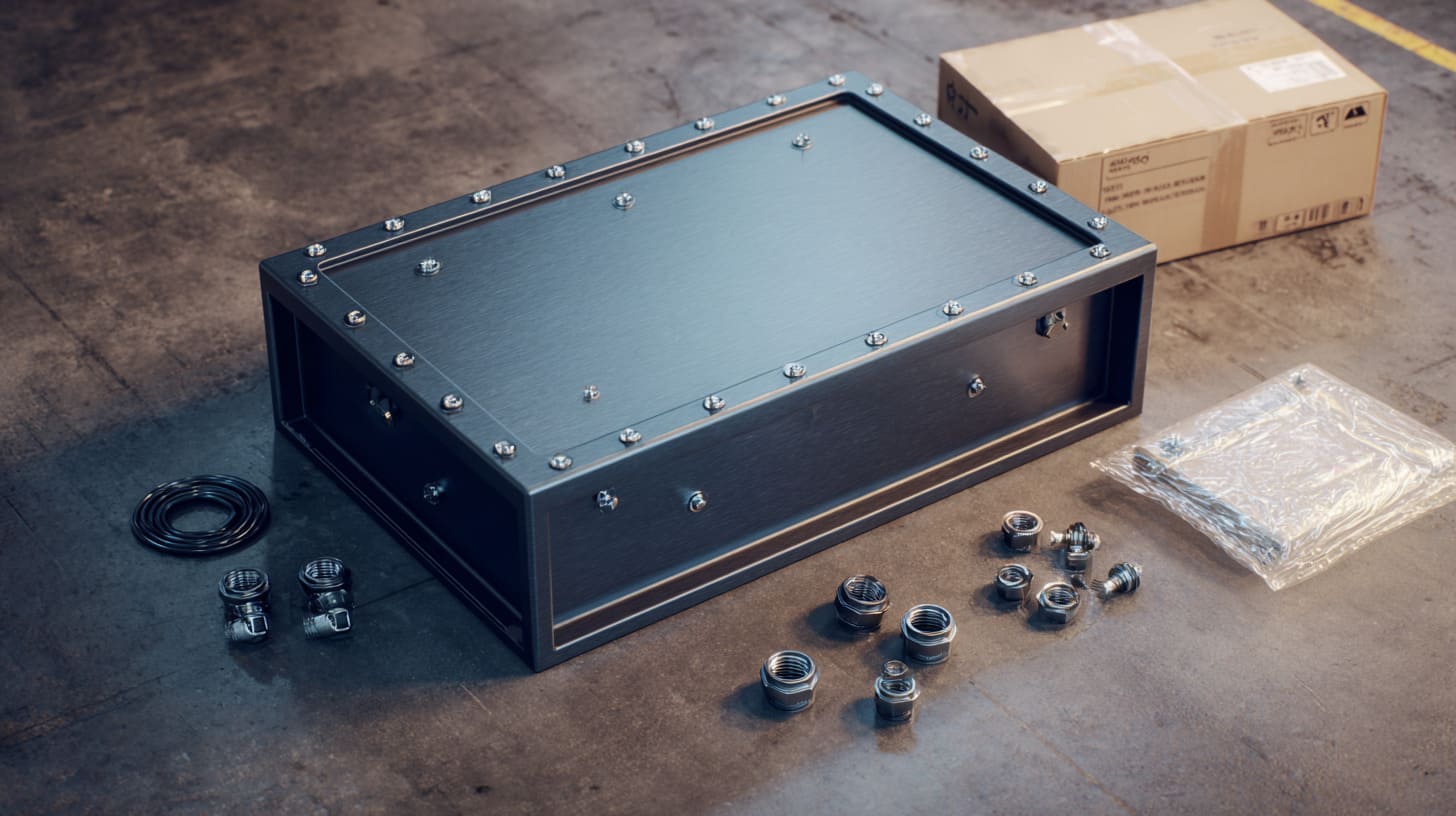
A NEMA 5 enclosure is an indoor enclosure used to protect electrical equipment from falling dirt, settling airborne dust, lint, fibers, and dripping or light splashing water.
It is a practical rating for many indoor industrial, commercial, utility, warehouse, and light-duty equipment applications.
But it is not a universal enclosure solution.
It is not made for outdoor weather.
It is not made for hose-down cleaning.
It is not made for harsh chemical areas.
It is not always enough for heavy dust, fine powder, oil mist, or corrosive air.
The way I see it, NEMA 5 is like a good work jacket. It protects well in the right setting. But you should not wear it into a storm and blame the jacket for getting wet.
For custom OEM and ODM enclosure projects, the rating is only one part of the decision. The real result also depends on material, surface finish, cutouts, sealing, assembly, cable entries, ventilation, and quality control.
So before choosing NEMA 5, I always suggest checking the real environment first.
Ask simple questions:
- Will the enclosure be used indoors or outdoors?
- Is there dust, fiber, or powder nearby?
- Will water drip, splash, spray, or wash over it?
- How will people clean the area?
- What happens if the electronics fail?
- Are there many custom openings?
- Does the product need a stronger rating like NEMA 12, NEMA 4, or NEMA 4X?
These questions may feel small, but they can protect the whole project.
If you are developing a custom enclosure for your product, you can share your drawing, use environment, material idea, and branding needs with our team at MaidaTech. We can help review the design, suggest suitable enclosure options, and support OEM or ODM production based on your real application.
A good enclosure should not only look correct on paper.
It should survive the place where your customer actually uses it.