Skip to content
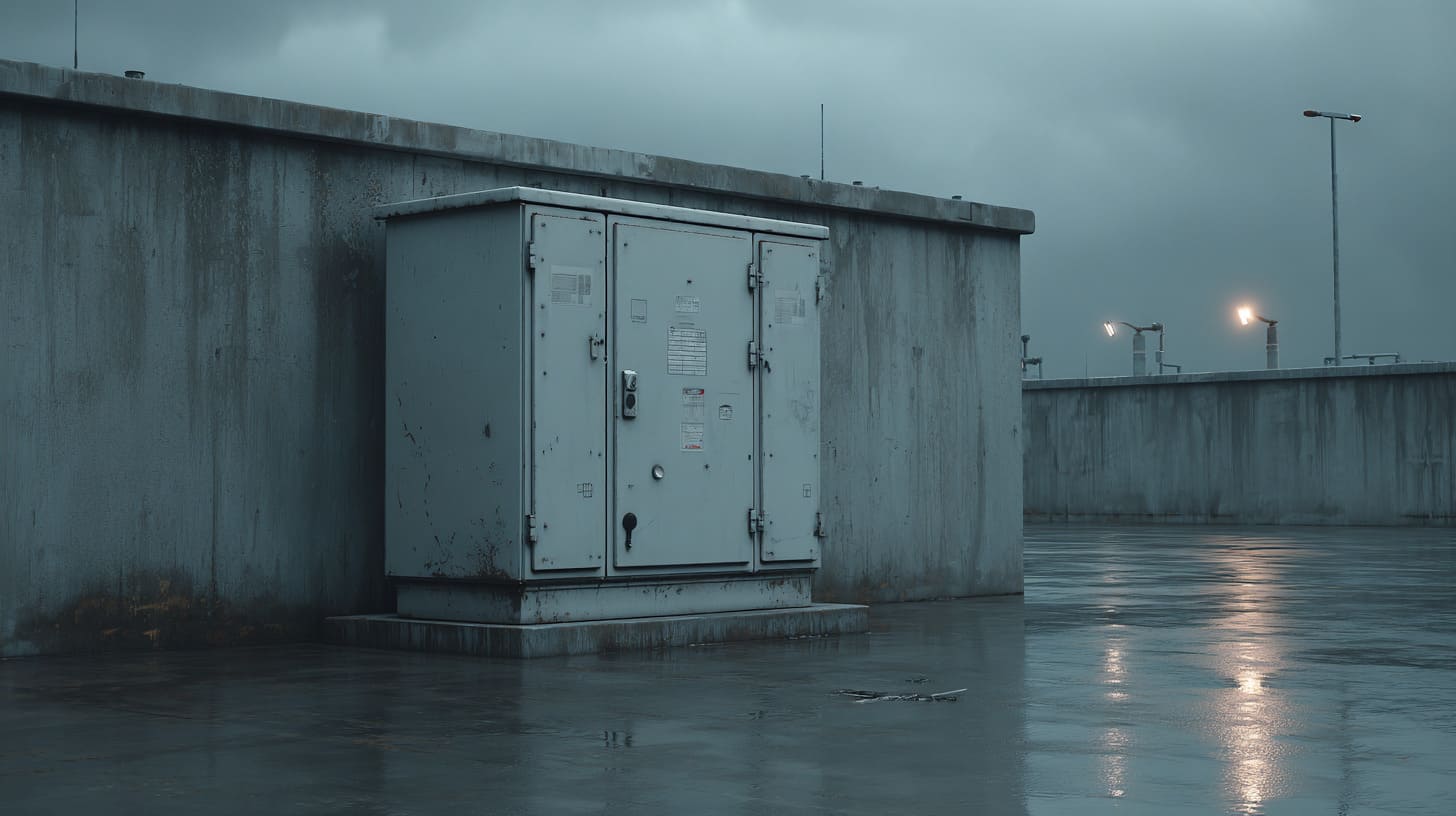
A wrong enclosure rating looks harmless on paper. Then rain, dust, oil, or washdown water finds one tiny gap. That is when the real cost begins.
NEMA ratings tell us what kind of environmental protection an electrical enclosure can provide, such as protection against dust, rain, splashing water, hose-directed water, corrosion, oil, or indoor dirt.
I have seen buyers focus only on size, thickness, or price. I understand that. Everyone has a budget. But the rating is often the quiet detail that decides whether the project runs smoothly or becomes a painful repair story.
What Do Different NEMA Ratings Mean for Electrical Enclosures?
NEMA ratings are like weather reports for enclosures. They tell me what the box is ready to face before I put electronics inside.
Different NEMA ratings describe different protection levels. Some ratings are for indoor dust. Some are for rain. Some handle hose-directed water. Some add corrosion resistance for harsh places.
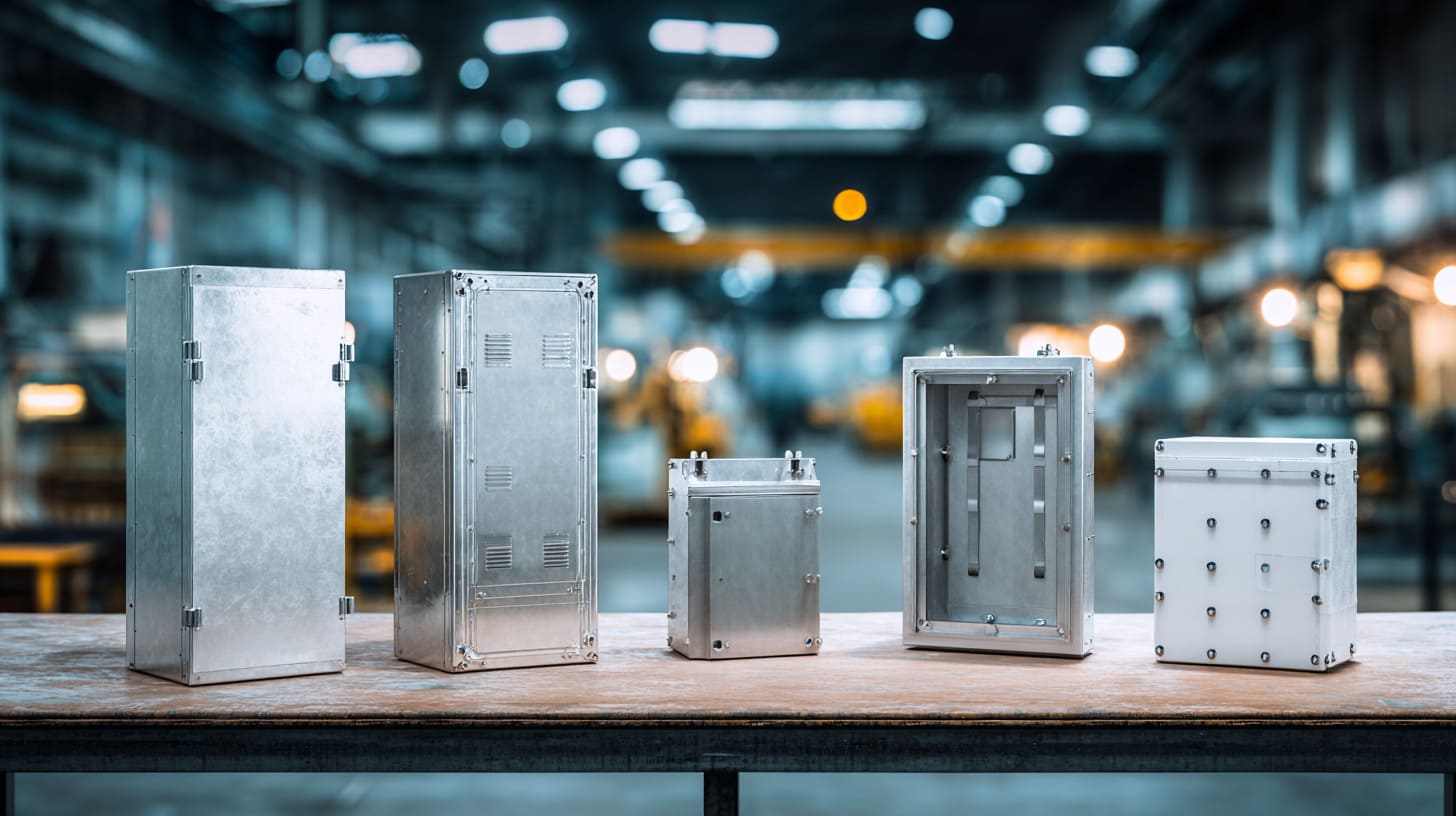
The simple way I explain NEMA ratings
I do not treat NEMA numbers like a ladder.
A higher number does not always mean “better” for every project. A NEMA 12 enclosure can be a smart choice for an indoor machine panel. A NEMA 4X enclosure can be better for outdoor or washdown use. They solve different problems.
Here is a simple comparison:
| NEMA Type | Common Use | Main Protection | Typical Environment |
|---|---|---|---|
| NEMA 1 | Basic indoor use | Touch protection and falling dirt | Clean indoor rooms |
| NEMA 3R | Outdoor basic protection | Rain, sleet, snow | Outdoor walls, utility areas |
| NEMA 4 | Indoor or outdoor | Windblown dust, rain, splashing water, hose-directed water | Washdown or wet areas |
| NEMA 4X | Indoor or outdoor | Same as NEMA 4, plus corrosion resistance | Marine, food, chemical areas |
| NEMA 12 | Indoor industrial use | Dust, dirt, dripping non-corrosive liquid | Factories, control cabinets |
| NEMA 13 | Indoor industrial use | Dust, water spray, oil, coolant | Machine tool areas |
The mistake I try to avoid is choosing by name only, because the real question is not “Which rating sounds stronger?” but “What will attack this enclosure every day?”
Why this matters in real work
A customer may say, “I need a waterproof box.”
That sounds clear.
But I still need to ask more:
- Is it indoor or outdoor?
- Is there direct rain?
- Is there hose washing?
- Is there salt air?
- Is there oil mist?
- Is there powder dust?
- Is the enclosure mounted under a roof?
- Will workers open it often?
Small details change the answer. A box used in a warehouse is not the same as a box used near a seafood processing line. A cabinet under light rain is not the same as a cabinet hit by pressure cleaning every night.
How Do I Choose the Right NEMA Rating for My Enclosure Project?
Choosing the right NEMA rating starts with the working environment. I always look at water, dust, corrosion, temperature, cleaning method, and how often the door opens.
To choose the right NEMA rating, I first check where the enclosure will be used, what can enter it, how it will be cleaned, and what failure would cost if protection is not enough.

My practical selection path
When a buyer sends me a drawing, I do not jump straight into quotation. I first try to understand the “life” of the enclosure.
Here is the basic path I use:
| Question | Why I Ask It | Possible Result |
|---|---|---|
| Is it indoor or outdoor? | Outdoor use brings rain, UV, and temperature change | NEMA 3R, 4, or 4X may be needed |
| Is there hose washing? | Hose water is stronger than rain | NEMA 4 or 4X may be needed |
| Is there corrosion? | Salt, chemicals, and cleaning agents attack materials | NEMA 4X may be needed |
| Is there oil or coolant? | Oil can damage seals and create residue | NEMA 12 or 13 may be better |
| Is dust heavy? | Fine dust can enter gaps and vents | Dust-tight design becomes important |
| Will the door open often? | Frequent opening weakens real protection | Better gasket and hardware may be needed |
One small thing I often check is the cleaning habit of the factory, because a project that “only needs indoor protection” can suddenly become a wet project if workers wash the area every evening.
The rating is not the only decision
NEMA rating is important, but it is not the whole story.
I also look at:
- Material thickness
- Gasket type
- Door structure
- Hinge quality
- Locking method
- Cable gland position
- Ventilation needs
- Heat inside the enclosure
- Surface treatment
- Mounting direction
A good rating with poor cable entry design is still risky. Water does not care about the label on the door. It looks for the easiest path.
A simple selection table
| Project Condition | Rating I Usually Consider |
|---|---|
| Clean indoor control box | NEMA 1 |
| Indoor dust and dripping liquid | NEMA 12 |
| Outdoor rain but no washdown | NEMA 3R |
| Outdoor rain and hose-directed water | NEMA 4 |
| Outdoor, washdown, and corrosion | NEMA 4X |
| Machine tool with oil or coolant | NEMA 13 |
What Is the Difference Between NEMA and IP Ratings for Enclosures?
NEMA and IP ratings both describe enclosure protection, but they do not measure protection in the same way. This is where buyers often get confused.
IP ratings focus mainly on solid object and water ingress. NEMA ratings cover ingress protection too, but they can also include corrosion, gasket performance, ice, oil, coolant, and construction details.
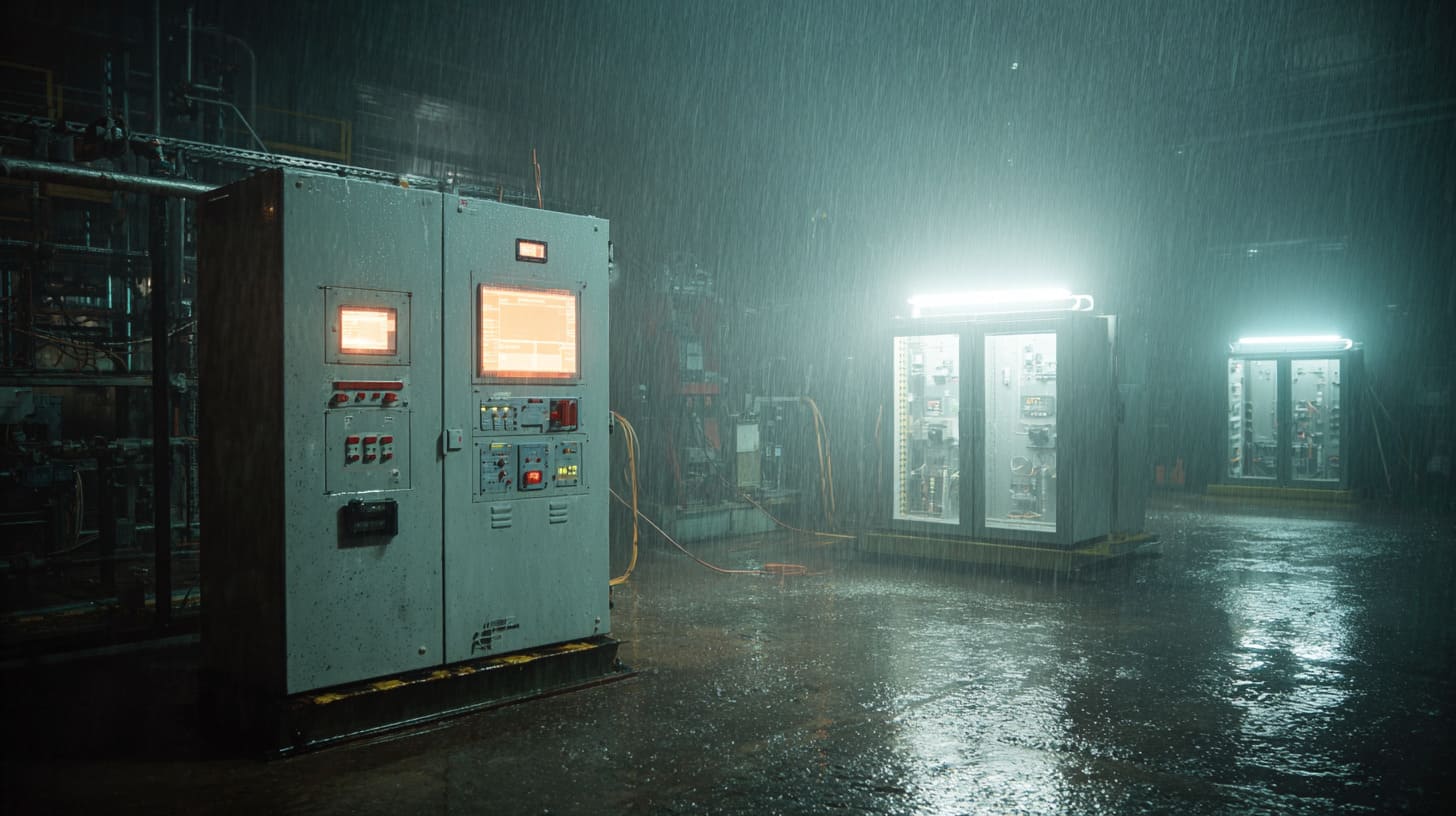
The short difference
IP ratings are built from two numbers.
For example, IP65:
- The first number describes dust protection.
- The second number describes water protection.
NEMA ratings use type numbers, such as NEMA 4 or NEMA 12. They describe a wider use condition.
| Rating System | Main Focus | Common Example |
|---|---|---|
| IP | Dust and water ingress | IP54, IP65, IP66 |
| NEMA | Use environment and protection type | NEMA 1, 3R, 4, 4X, 12 |
The trap I watch for is reverse conversion, because saying “NEMA 4 is similar to IP66” does not mean every IP66 enclosure gives the same full protection as NEMA 4.
Why conversion is not always clean
Many buyers ask me, “Can you make this NEMA 4 or IP66?”
That is a fair question.
But I still need to understand the market and application. If the product sells in North America, NEMA language may matter more. If the product sells in Europe or Asia, IP rating may be more familiar.
A rough comparison can help:
| NEMA Rating | Often Compared With IP Rating | Important Note |
|---|---|---|
| NEMA 1 | IP10 | Basic indoor protection |
| NEMA 3R | IP14 | Outdoor rain protection, not dust-tight like NEMA 4 |
| NEMA 4 | IP56 or stronger comparison in many charts | Hose-directed water protection matters |
| NEMA 4X | Similar ingress idea to NEMA 4, plus corrosion resistance | The “X” is the big difference |
| NEMA 12 | IP52 | Indoor dust and dripping liquid |
My business view
For custom enclosures, I do not like blind rating matching.
I prefer to confirm:
- Which country will use the product?
- Does the customer need a certificate?
- Is the rating only for design reference?
- Will the final product be tested by a third party?
- What cable glands and connectors will be used?
The enclosure body can be well made, but the final assembly can still fail if the accessories do not match the same protection level.
Which NEMA Enclosure Rating Is Best for Outdoor Use?
Outdoor use usually needs more than a basic indoor enclosure. Rain, snow, wind, UV, and temperature changes all make the enclosure work harder.
For outdoor use, NEMA 3R is common for basic rain protection, while NEMA 4 is better for windblown dust and hose-directed water. NEMA 4X is better when corrosion is also a risk.
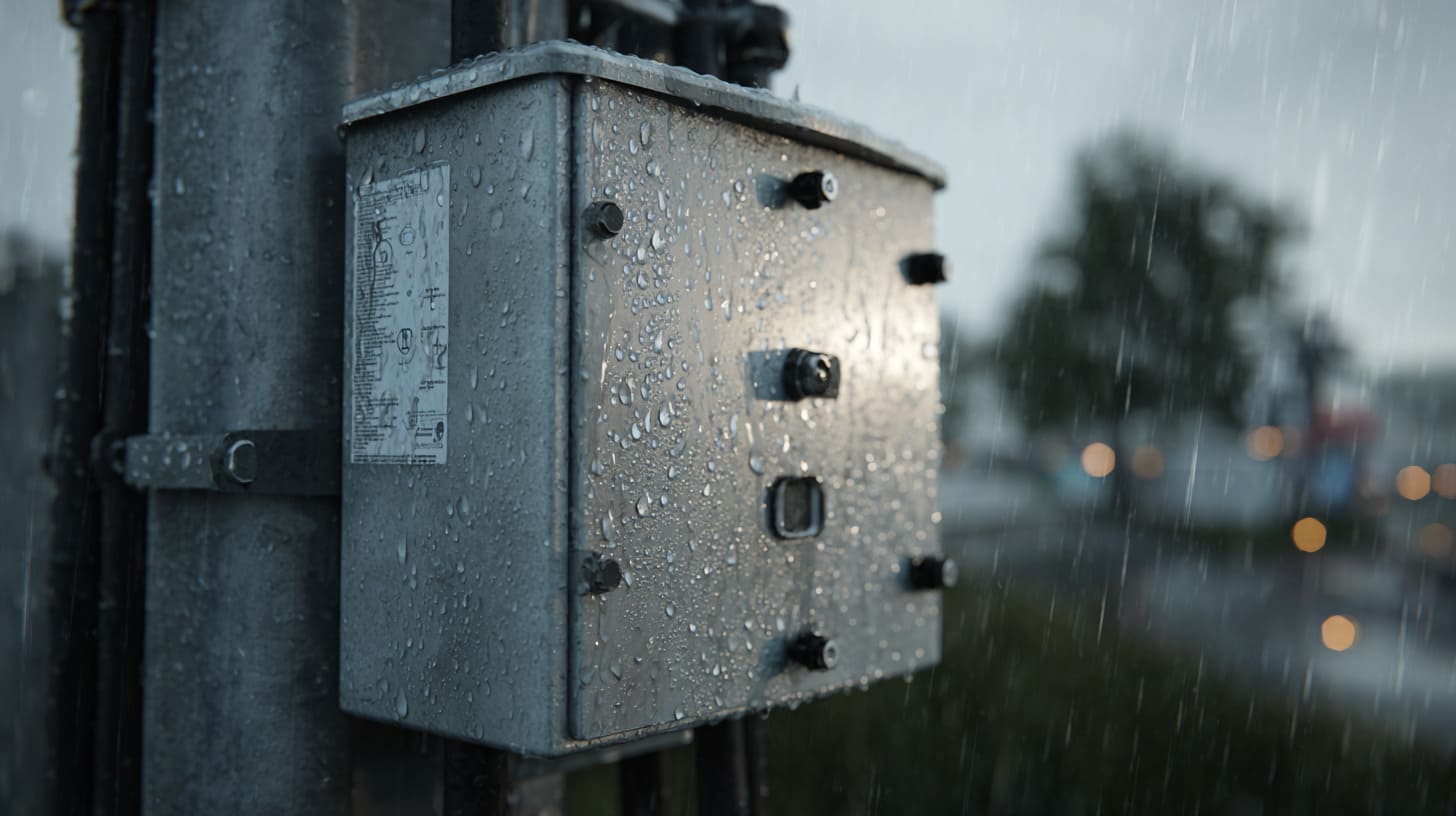
Outdoor does not mean one fixed rating
Outdoor use can mean many things.
A telecom box under a roof is different from a coastal control cabinet. A parking lot enclosure is different from an enclosure beside a chemical tank.
| Outdoor Condition | Possible Rating |
|---|---|
| Rain protection only | NEMA 3R |
| Rain and windblown dust | NEMA 4 |
| Rain, dust, and hose cleaning | NEMA 4 |
| Rain, dust, salt air, or chemicals | NEMA 4X |
| Temporary submersion risk | NEMA 6 or 6P |
When I see an outdoor project, I care less about the word “outdoor” and more about direction, exposure, and maintenance, because a wall-mounted box under a canopy lives a much easier life than one facing open wind and rain.
Material choice matters outside
For outdoor enclosures, the rating and material should work together.
Common options include:
| Material | Strength | Risk |
|---|---|---|
| Powder-coated steel | Strong and cost-effective | Can rust if coating is damaged |
| Aluminum | Light and corrosion-resistant | Needs good surface treatment |
| Stainless steel | Strong and corrosion-resistant | Higher cost |
| Plastic | Light and easy to mold | Needs UV and strength checking |
If the enclosure is in a coastal area, I become careful with normal steel. Salt air is patient. It does not destroy everything in one day. It slowly eats the weak points.
Outdoor design details I check
I usually pay attention to:
- Door gasket compression
- Drainage direction
- Wall-mount brackets
- Cable entry from bottom
- Rain hood design
- Surface coating quality
- Stainless hardware
- UV resistance
- Condensation control
Condensation is a sneaky issue. Sometimes the water inside the enclosure does not come from rain. It comes from temperature change.
Can a NEMA 4 Enclosure Be Used in Food Processing Factories?
A NEMA 4 enclosure can be used in some food processing areas, especially where hose-directed washdown is needed. But it may not be enough if corrosion or strong cleaning chemicals are present.
NEMA 4 can handle hose-directed water, so it can work in many washdown areas. But food processing often needs NEMA 4X when corrosion resistance, hygiene, and frequent cleaning chemicals are involved.
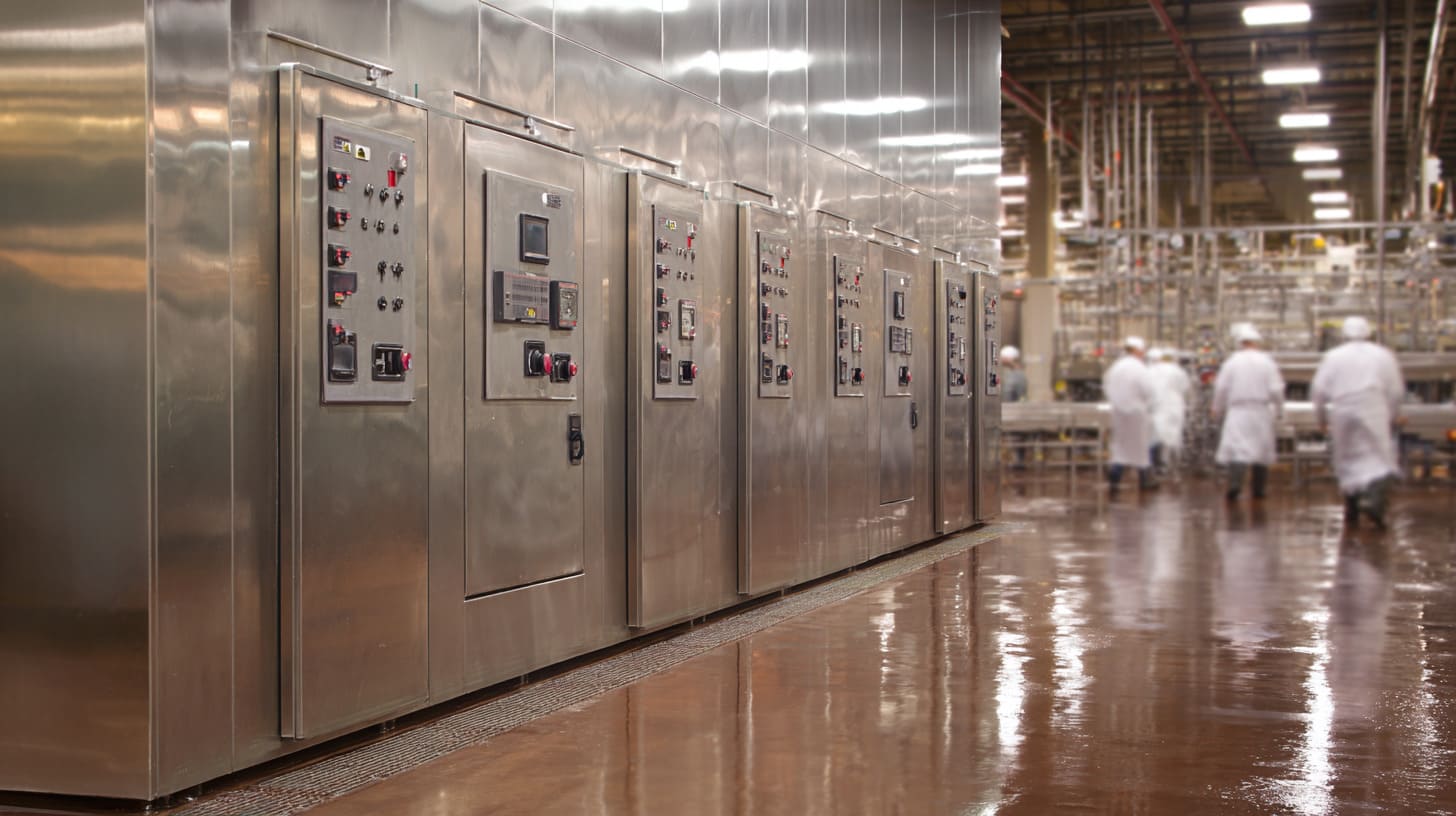
Why food factories are different
Food processing environments are not only wet.
They may also include:
- Hot water
- Detergent
- Sanitizer
- Salt
- Animal fat
- Acidic liquid
- Steam
- Frequent cleaning
A normal wet enclosure may pass the water requirement but still suffer from corrosion over time.
The detail I would not ignore is cleaning chemical exposure, because many enclosure failures in food plants are not caused by one heavy water spray but by repeated chemical cleaning day after day.
NEMA 4 vs NEMA 4X in food areas
| Factor | NEMA 4 | NEMA 4X |
|---|---|---|
| Hose-directed water | Yes | Yes |
| Outdoor use | Yes | Yes |
| Corrosion resistance | Not the main feature | Yes |
| Food washdown suitability | Sometimes | Often better |
| Cost | Lower | Higher |
My practical advice
If the enclosure is far from direct cleaning, NEMA 4 may be enough.
If the enclosure is near a washdown zone, cutting table, meat area, seafood area, or chemical cleaning line, I would look at NEMA 4X first.
The extra cost can feel annoying at the quotation stage. But replacing rusty enclosures inside a working food plant is even more annoying. Nobody enjoys that phone call.
What Is the Difference Between NEMA 4 and NEMA 4X Enclosures?
NEMA 4 and NEMA 4X are close, but they are not the same. The “X” is small in writing, but big in real use.
NEMA 4 protects against rain, splashing water, windblown dust, and hose-directed water. NEMA 4X adds corrosion resistance, which matters in salt, chemical, marine, and washdown environments.
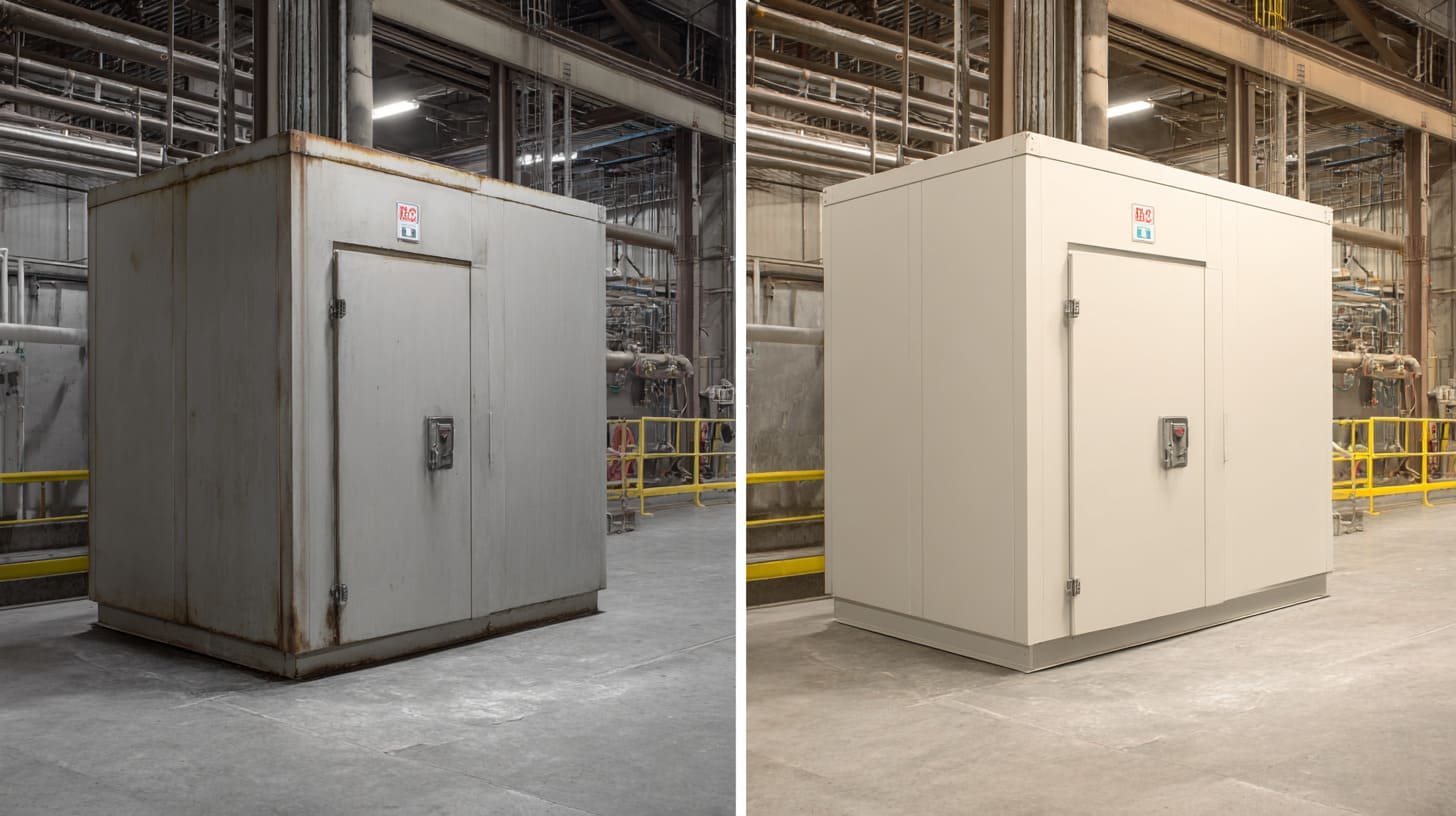
The simple difference
NEMA 4 is about water and dust protection.
NEMA 4X includes that protection and adds corrosion resistance.
| Feature | NEMA 4 | NEMA 4X |
|---|---|---|
| Indoor use | Yes | Yes |
| Outdoor use | Yes | Yes |
| Windblown dust | Yes | Yes |
| Rain and splashing water | Yes | Yes |
| Hose-directed water | Yes | Yes |
| Corrosion resistance | Not required in the same way | Yes |
The way I decide between them is simple: if the environment can attack the surface material, I do not treat NEMA 4 as a safe shortcut.
Common NEMA 4X materials
NEMA 4X enclosures are often made from:
- Stainless steel
- Fiberglass
- Certain plastics
- Properly selected corrosion-resistant materials
For metal enclosures, stainless steel is common. But even stainless steel has grades and limits. A 304 stainless enclosure is not always the same as 316 stainless in a harsh marine or chemical environment.
Cost trade-off
NEMA 4X usually costs more.
That is normal.
The buyer is paying for corrosion resistance, material performance, and longer service life in a harsher place.
| If the project has... | I usually think about... |
|---|---|
| Normal outdoor rain | NEMA 4 may be enough |
| Coastal salt air | NEMA 4X |
| Chemical cleaning | NEMA 4X |
| Food washdown | Often NEMA 4X |
| Indoor dry workshop | NEMA 4X may be overkill |
When Should I Use a NEMA 12 Enclosure Instead of NEMA 4?
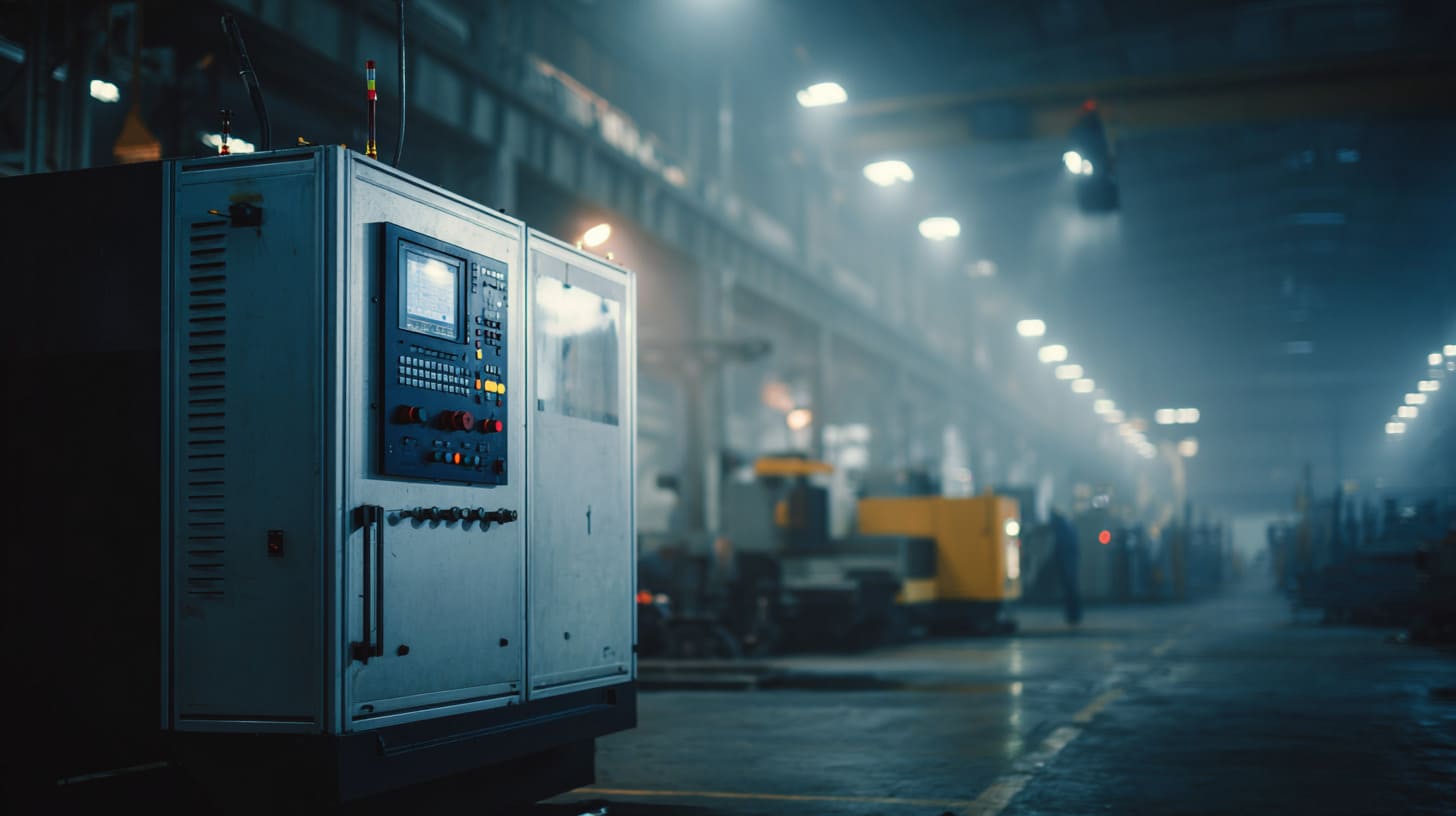
NEMA 12 is often a smart choice for indoor industrial projects. It protects against dust, dirt, and dripping non-corrosive liquids.
Use NEMA 12 instead of NEMA 4 when the enclosure is indoors, not exposed to hose-directed water, and mainly needs protection from dust, dirt, lint, fibers, or dripping non-corrosive liquid.
NEMA 12 is not a weak rating
Some buyers think NEMA 12 sounds lower than NEMA 4, so it must be worse.
That is not always true.
NEMA 12 is designed for many indoor industrial environments. It is common for control panels, automation equipment, and machine cabinets.
I usually push back gently when a customer asks for NEMA 4 in a dry indoor machine, because paying for hose-water protection does not help if the real enemy is dust, oil mist, cable layout, or heat.
NEMA 12 vs NEMA 4
| Factor | NEMA 12 | NEMA 4 |
|---|---|---|
| Main use | Indoor industrial | Indoor or outdoor |
| Dust protection | Yes | Yes |
| Dripping liquid protection | Yes | Yes |
| Hose-directed water | No | Yes |
| Outdoor rain | No | Yes |
| Typical cost | Often lower | Often higher |
Good use cases for NEMA 12
NEMA 12 can be suitable for:
- Factory control panels
- Indoor automation cabinets
- Packaging machines
- CNC-related control boxes
- Dry production lines
- Dusty workshops
- Electrical control systems away from washdown
When I would not use NEMA 12
I would avoid NEMA 12 if:
- Workers clean with hoses
- The enclosure is outdoors
- Water spray is frequent
- Corrosion is present
- The enclosure faces direct weather
This is why I always ask how the equipment is cleaned. “Indoor” does not always mean “dry.”
Are NEMA-Rated Enclosures Waterproof or Just Water-Resistant?
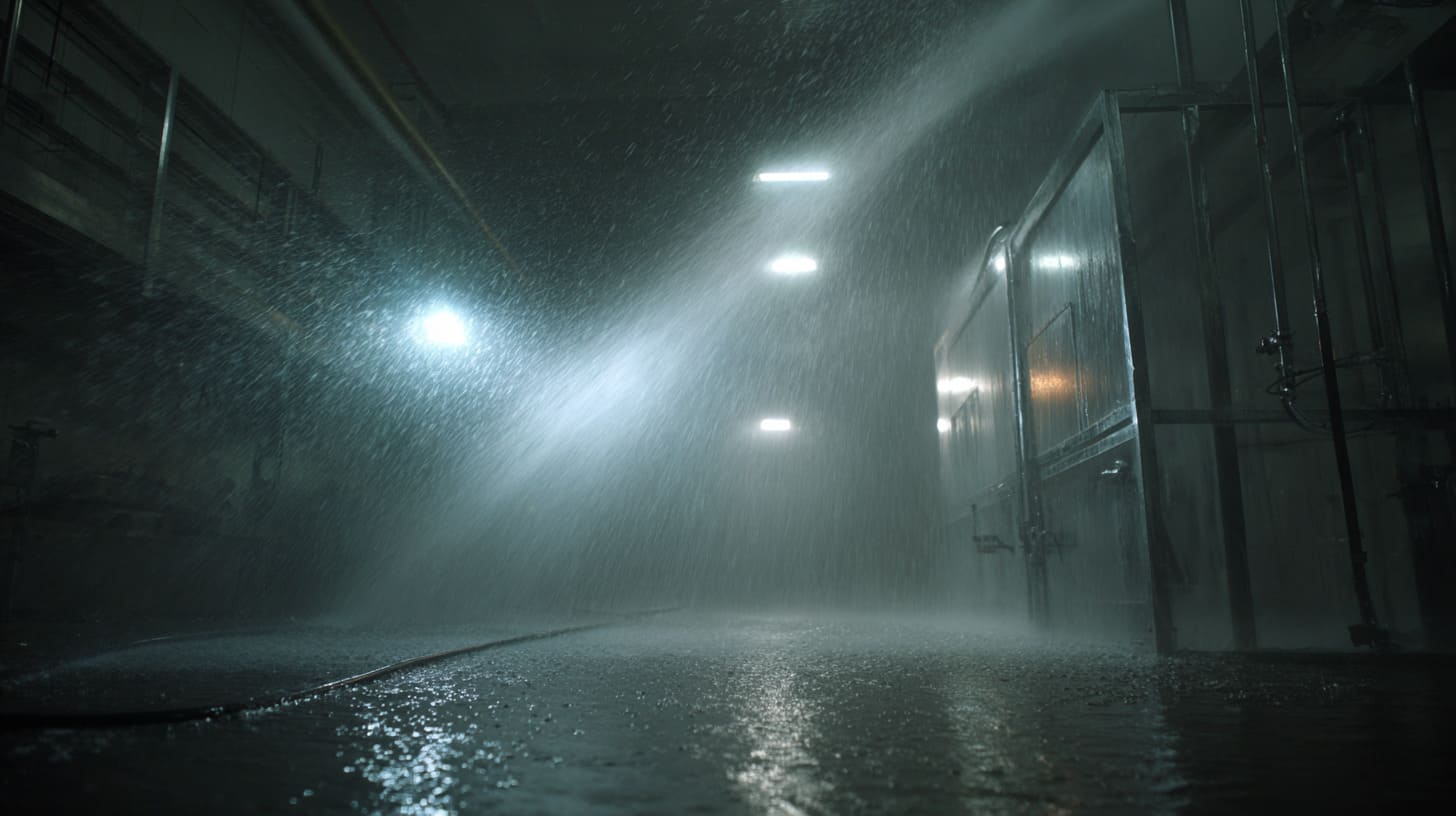
The word “waterproof” can create trouble. NEMA ratings describe specific water protection conditions, not unlimited protection against all water situations.
Most NEMA-rated enclosures are water-resistant under defined test conditions. NEMA 4 handles hose-directed water, while NEMA 6 or 6P relates to submersion. “Waterproof” should always be clarified.
Why I avoid the word waterproof
“Waterproof” sounds simple.
But it is too broad.
Does it mean rain? Splashing water? Hose cleaning? Temporary submersion? Long-term underwater use?
Each case is different.
A NEMA 4 enclosure can resist hose-directed water, but that does not mean it is made for being placed underwater. That difference matters.
A mistake I often see is treating “no water entered during normal use” as the same as “waterproof forever,” and that is not how real industrial projects behave.
Water protection by use case
| Water Condition | Possible Rating Direction |
|---|---|
| Dripping water indoors | NEMA 12 or similar indoor rating |
| Rain outdoors | NEMA 3R or higher |
| Splashing water | NEMA 4 |
| Hose-directed water | NEMA 4 or 4X |
| Temporary submersion | NEMA 6 |
| Prolonged submersion | NEMA 6P |
Real-world weak points
Water usually enters from weak areas, such as:
- Door gasket
- Cable glands
- Unsealed screws
- Poor welding seams
- Display window
- Ventilation openings
- Incorrect mounting direction
- User-drilled holes
The enclosure body may be strong, but one badly installed connector can ruin the whole protection idea.
Why Do Some Industrial Projects Require NEMA 4X Stainless Steel Enclosures?
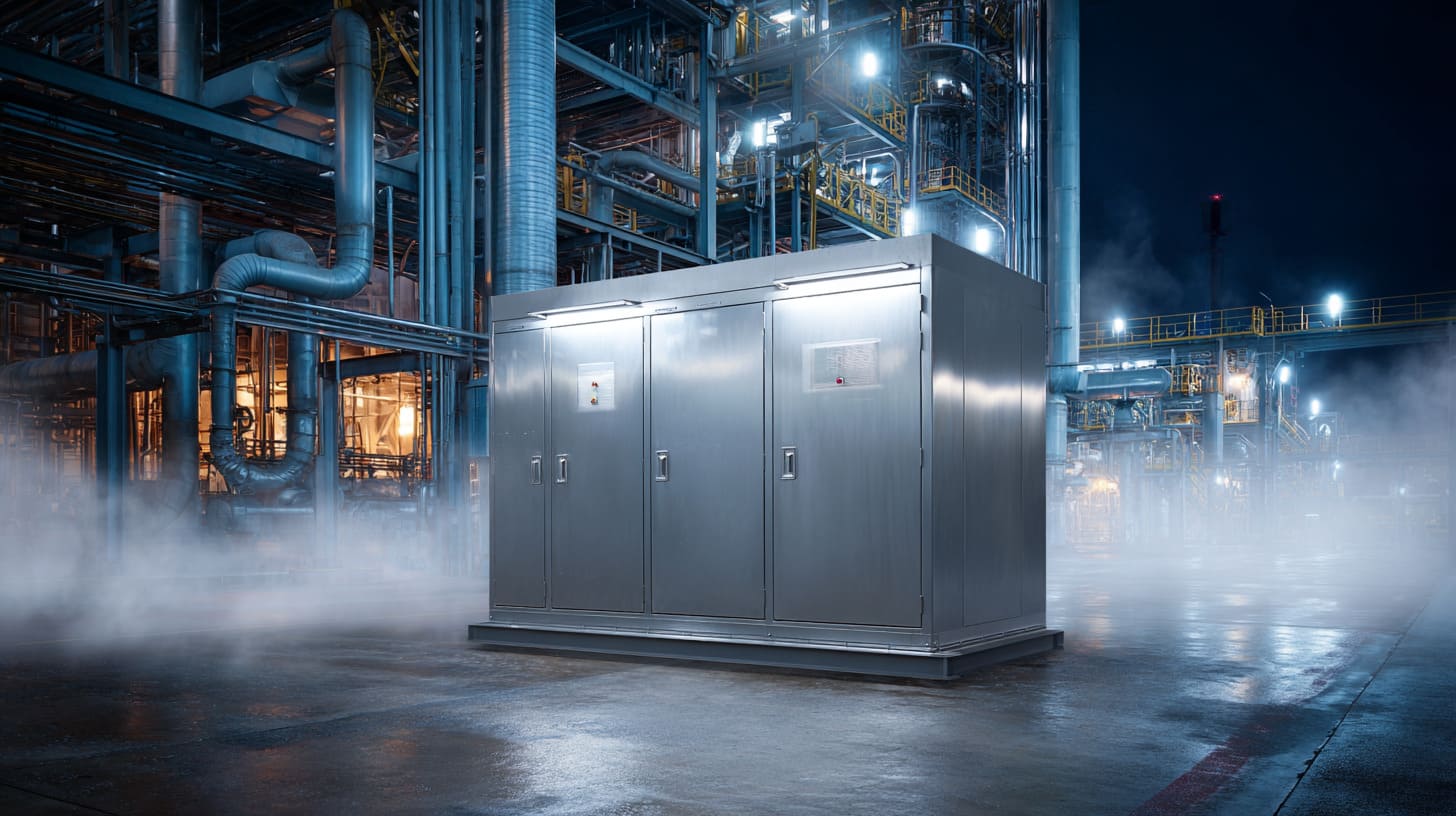
Some industrial places do not only need water protection. They need corrosion resistance, washdown strength, and long service life.
Industrial projects require NEMA 4X stainless steel enclosures when water, dust, chemicals, salt, cleaning agents, or corrosion can damage normal materials and put equipment reliability at risk.
Why stainless steel becomes necessary
Stainless steel is not chosen only because it looks clean.
It is chosen because some environments are hard on enclosures.
These include:
- Marine areas
- Food processing plants
- Chemical factories
- Outdoor coastal sites
- Pharmaceutical facilities
- Wastewater plants
- Beverage production lines
I become more conservative when the enclosure will be hard to replace, because saving a little money on material makes no sense if downtime costs much more than the cabinet.
Stainless steel choices
| Material | Common Use | Notes |
|---|---|---|
| 304 stainless steel | General corrosion-resistant projects | Good for many indoor and washdown uses |
| 316 stainless steel | Marine or stronger corrosion areas | Better for salt and harsher chemicals |
| Powder-coated steel | Lower-cost industrial use | Not ideal if coating damage may expose steel |
| Aluminum | Lightweight outdoor projects | Good surface treatment is important |
NEMA 4X is not only about the box body
For a NEMA 4X project, I also check:
- Stainless hinges
- Stainless screws
- Proper gasket material
- Smooth surface finish
- Weld quality
- Drainage design
- Cable glands
- Cleaning direction
- Customer’s chemical list
If a buyer only upgrades the enclosure body but uses cheap accessories, the weak point just moves to another place.
What Industries Commonly Use NEMA-Rated Electrical Enclosures?
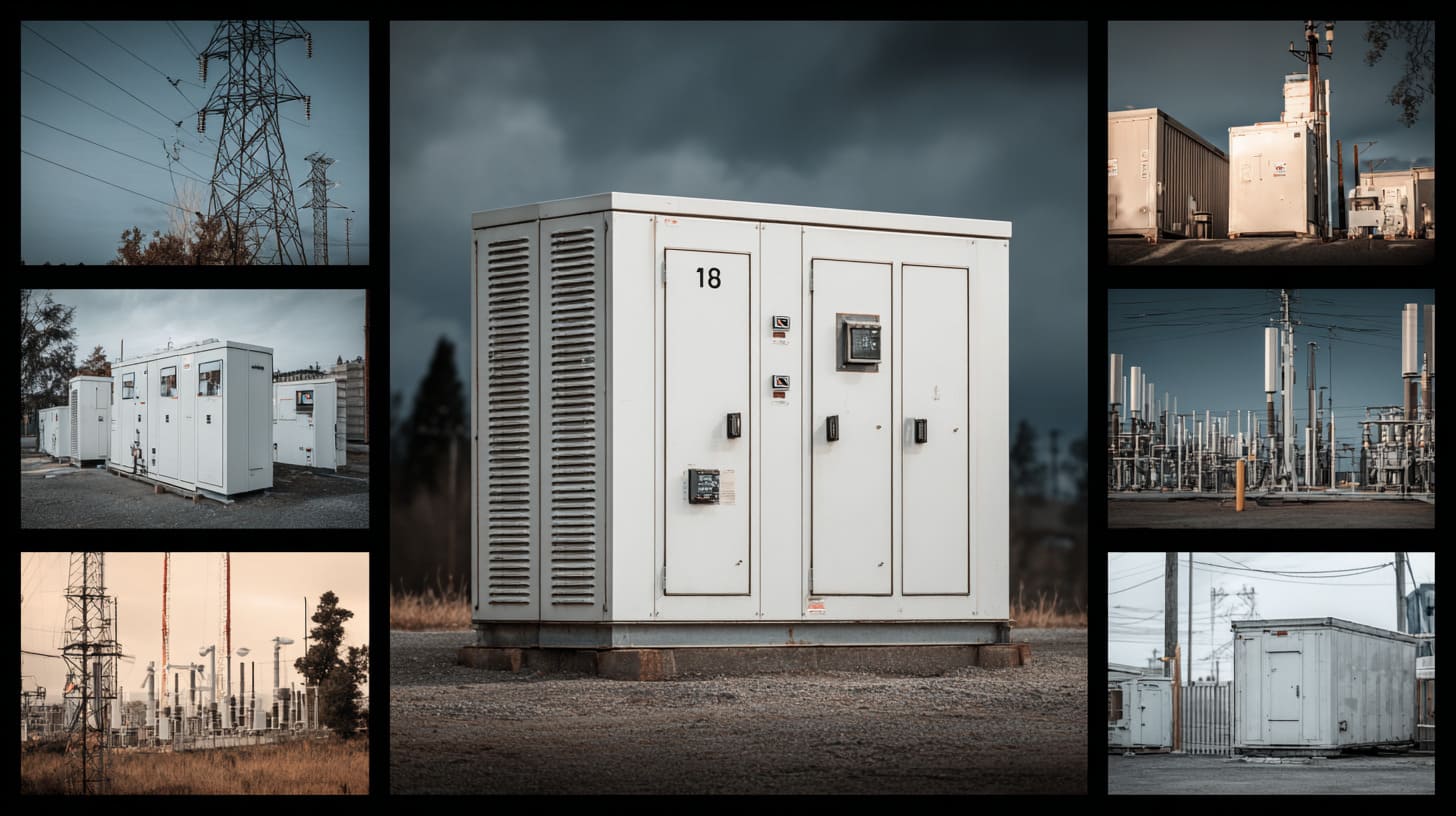
NEMA-rated enclosures are common in industries where electrical parts must survive dust, water, oil, corrosion, impact, or cleaning.
NEMA-rated enclosures are used in automation, food processing, energy, telecom, marine, transportation, packaging, machine tools, outdoor control systems, and many electrical equipment projects.
Common industries and rating needs
Different industries care about different risks.
| Industry | Common Risk | Common Rating Direction |
|---|---|---|
| Factory automation | Dust, dirt, oil | NEMA 12 or 13 |
| Food processing | Washdown, corrosion | NEMA 4X |
| Outdoor power control | Rain, snow, dust | NEMA 3R, 4, or 4X |
| Marine | Salt air, corrosion | NEMA 4X |
| Telecom | Outdoor weather | NEMA 3R or 4 |
| Machine tools | Oil, coolant, chips | NEMA 12 or 13 |
| Chemical plants | Corrosion, liquid spray | NEMA 4X |
| Packaging machinery | Dust and cleaning | NEMA 12, 4, or 4X |
The first clue I look for is not the industry name but the daily abuse, because two customers in the same industry can have very different enclosure needs.
Why custom projects need more care
Standard enclosures can work for many projects.
But custom projects often add extra complexity:
- Special cutouts
- Display windows
- Branded logos
- Custom mounting holes
- Cable ports
- Heat sinks
- Fan openings
- Internal brackets
- Special surface finishes
Every custom feature can affect protection.
For example, a beautiful display window can become a leak point if sealing is weak. A side hole for a connector can also reduce protection if the connector rating is lower than the enclosure.
My view as a factory supplier
When I support OEM or ODM enclosure projects, I prefer to discuss rating needs early.
It is much easier to design the gasket, door, hole positions, and mounting method at the beginning than to repair the design after samples are made.
How Does Dust Affect the Choice of NEMA Enclosure Ratings?
Dust is not just a dirty surface problem. Fine dust can enter small gaps, collect on components, block cooling paths, and create long-term failure.
Dust affects NEMA rating choice because some enclosures only block falling dirt, while others protect against windblown dust, circulating dust, lint, fibers, or industrial particles.
Dust has different personalities
Not all dust behaves the same.
Wood dust, cement dust, metal powder, textile fibers, and plastic particles all create different risks.
Some dust is dry and light. Some dust is sticky. Some dust mixes with oil and becomes a paste. That paste is ugly. It finds corners and stays there.
One thing I pay attention to is whether the dust moves with air pressure, because windblown or fan-driven dust can enter places that falling dirt would never reach.
| Dust Condition | Rating Direction |
|---|---|
| Light falling dirt indoors | NEMA 1 may be enough |
| Indoor industrial dust | NEMA 12 |
| Windblown dust outdoors | NEMA 4 or 4X |
| Dust plus oil/coolant | NEMA 13 may be considered |
| Dust plus washdown | NEMA 4 or 4X |
Dust and heat conflict
Dust protection can create another issue: heat.
If the enclosure is tightly sealed, heat may build inside. If I add vents, dust may enter. This is the classic trade-off.
Possible solutions include:
- Larger enclosure size
- External heat sink
- Sealed cooling system
- Filtered vent
- Better component layout
- Lower heat electronics
- Thermal simulation for complex projects
A sealed box is not automatically a good box. It still needs to let heat escape in a safe way.
What Happens If I Choose the Wrong NEMA Rating for My Enclosure?
Choosing the wrong NEMA rating can lead to water ingress, dust buildup, corrosion, electrical failure, downtime, warranty claims, and damaged customer trust.
If the wrong NEMA rating is chosen, the enclosure may fail in its real environment. The result can be short circuits, rust, damaged electronics, maintenance cost, delayed projects, and safety risks.
The failure is often slow
Not every failure happens on day one.
Sometimes the enclosure works for months. Then moisture appears. Then the gasket becomes weak. Then corrosion starts. Then one board fails.
By the time people notice, the cost is already bigger than the original price difference.
I get nervous when a project has a low enclosure budget but expensive electronics inside, because the cheapest box can become the most expensive part after failure.
Common results of wrong rating choice
| Wrong Choice | Possible Problem |
|---|---|
| Indoor enclosure used outdoors | Rain enters, corrosion starts |
| NEMA 12 used in washdown area | Hose water may enter |
| NEMA 4 used in corrosive area | Surface rust or corrosion risk |
| Vented box used in dusty plant | Dust covers electronics |
| Poor cable sealing | Water enters from connector area |
| Wrong gasket material | Seal ages too fast |
Business damage is real
For B2B projects, failure does not only mean a broken enclosure.
It can also mean:
- Customer complaints
- Delayed installation
- Extra shipping cost
- Replacement parts
- Lost trust
- Bad reviews
- Project penalties
- Lost repeat orders
A small technical choice can become a commercial problem. I have learned to respect that.
Can Plastic Enclosures Meet NEMA Rating Requirements?
Yes, plastic enclosures can meet NEMA rating requirements when the material, gasket, structure, wall thickness, sealing design, and testing standard match the target rating.
Plastic enclosures can meet NEMA requirements, but the design must be correct. The material must handle impact, UV, heat, sealing pressure, and the real environment of the project.

Plastic is not automatically weak
Some people hear “plastic” and think cheap.
That is not always fair.
Good plastic enclosures can perform very well in electrical and electronic projects. They are light, corrosion-resistant, and easier to customize for some designs.
The question is not “plastic or metal?” The better question is “Which material fits this working condition?”
For plastic projects, I always check UV exposure early, because a plastic enclosure that works indoors may become brittle outdoors if the material is not selected well.
Plastic enclosure advantages and risks
| Factor | Advantage | Risk |
|---|---|---|
| Weight | Light and easy to install | May need strength checks |
| Corrosion | Good resistance in many cases | Chemical compatibility still matters |
| Cost | Can be cost-effective in volume | Tooling may be needed |
| Custom shape | Flexible with molding | Mold cost must be considered |
| Outdoor use | Possible with right material | UV aging must be checked |
| Heat | Electrically insulating | Heat dissipation can be weaker than metal |
When plastic may be a good option
Plastic enclosures may work well for:
- Sensor boxes
- IoT devices
- Small control units
- Outdoor low-power electronics
- Corrosion-prone areas
- Lightweight installations
- Custom molded products
When I prefer metal
I usually look at metal when the project needs:
- Strong impact resistance
- Better heat dissipation
- Higher structural strength
- EMI shielding
- Heavy-duty mounting
- Premium industrial appearance
For many custom electronic projects, aluminum is a nice middle ground. It is light, strong, and easier to machine than steel.
How Are NEMA Enclosures Tested for Protection and Durability?
NEMA enclosures are tested based on the protection type they claim. Tests can include dust, water spray, hose-directed water, corrosion, gasket performance, and other durability checks.
NEMA enclosure testing checks whether the enclosure can protect internal equipment under defined conditions, such as falling dirt, windblown dust, rain, splashing water, hose-directed water, corrosion, or ice.
Testing depends on the rating
A NEMA 1 enclosure does not need the same test as a NEMA 4X enclosure.
That makes sense.
The target environment is different.
| Rating | Typical Test Focus |
|---|---|
| NEMA 1 | Indoor basic protection |
| NEMA 3R | Rain and outdoor weather |
| NEMA 4 | Dust, rain, splashing water, hose-directed water |
| NEMA 4X | NEMA 4 protection plus corrosion resistance |
| NEMA 12 | Indoor dust and dripping liquid |
| NEMA 13 | Indoor dust, water spray, oil, coolant |
The detail that matters to me is whether the final assembled product is tested, because a perfect empty enclosure does not always mean the finished device will keep the same protection after holes and accessories are added.
What can affect test results?
Many small details can change performance:
- Gasket material
- Gasket compression
- Door flatness
- Welding quality
- Corner structure
- Screw torque
- Hinge design
- Locking pressure
- Cable glands
- Vent filters
- Surface treatment
- User assembly method
A rating is not magic. It is the result of structure, material, and process control working together.
Factory-side quality checks
For custom enclosure manufacturing, I usually care about:
| Check Point | Why It Matters |
|---|---|
| Drawing review | Avoid rating conflict before production |
| Sample inspection | Catch design weakness early |
| Gasket fit | Prevent water and dust paths |
| Hole position | Avoid weak sealing areas |
| Surface finish | Improve corrosion resistance and appearance |
| Assembly test | Confirm parts fit as designed |
| Packaging check | Avoid shipping damage |
Testing is not only about passing one lab moment. It is also about making the same quality again and again in production.
What Is the Difference Between Indoor and Outdoor NEMA Enclosures?
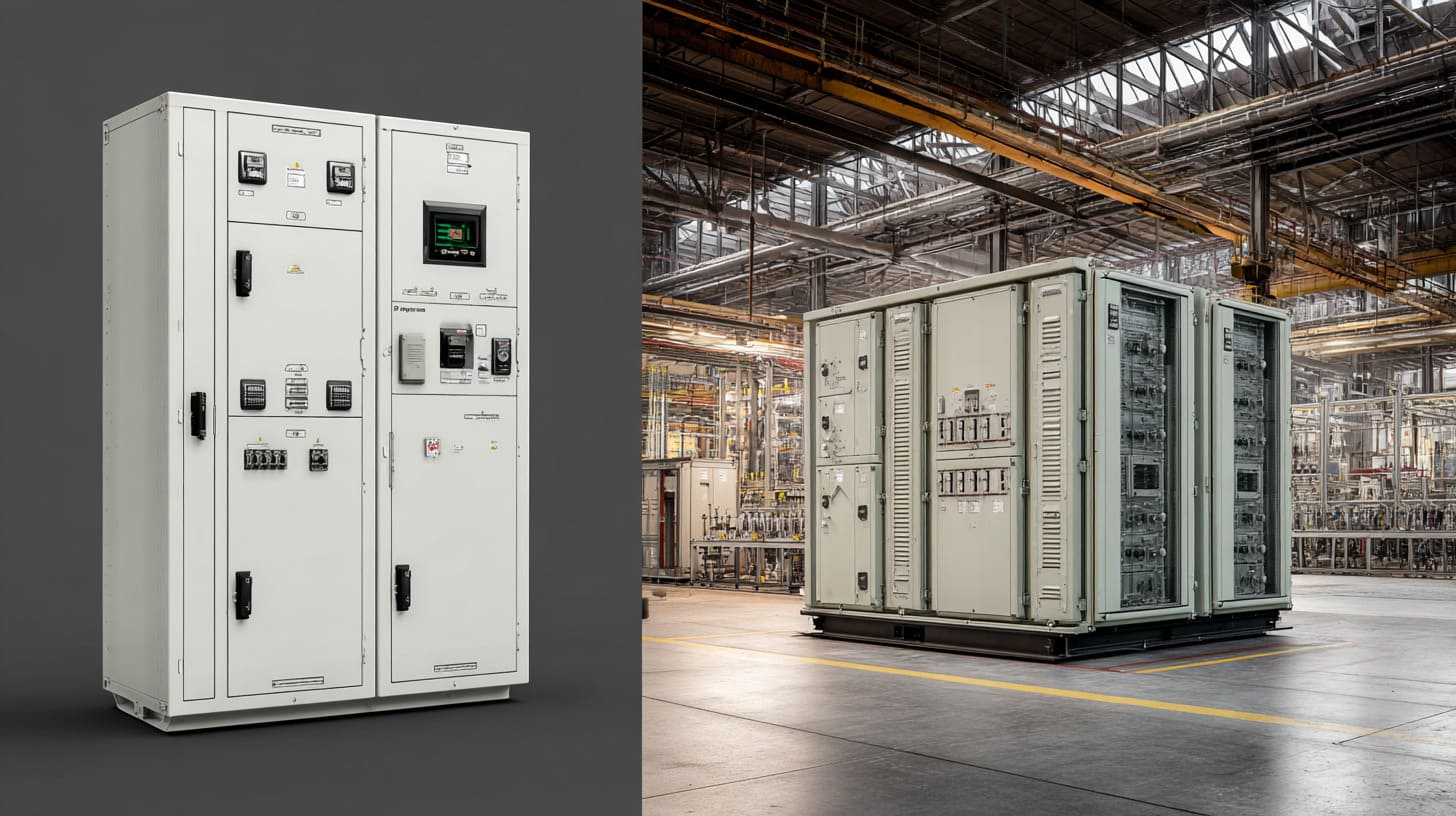
Indoor and outdoor NEMA enclosures are designed for different risks. Indoor ratings focus more on dust, dirt, dripping liquid, oil, or coolant. Outdoor ratings add weather protection.
Indoor NEMA enclosures usually protect against indoor dust, dirt, and liquid exposure. Outdoor NEMA enclosures protect against rain, snow, windblown dust, ice, and sometimes hose-directed water or corrosion.
Indoor risks
Indoor does not always mean safe.
An indoor factory can still have:
- Dust
- Oil mist
- Coolant spray
- Dripping liquid
- Lint
- Fibers
- Heat
- Vibration
- Accidental splash
The overlooked part is maintenance behavior, because even a dry indoor area can become wet if workers clean machines with water or chemical spray.
Outdoor risks
Outdoor enclosures deal with more natural stress.
They may face:
- Rain
- Snow
- Sleet
- Sunlight
- Windblown dust
- Ice
- Condensation
- Salt air
- Temperature changes
Outdoor projects also need good mounting design. If water sits on the top cover or enters through top cable holes, the enclosure has a harder life.
Indoor vs outdoor rating examples
| Use Location | Common Rating Direction |
|---|---|
| Clean indoor electrical room | NEMA 1 |
| Indoor dusty workshop | NEMA 12 |
| Indoor machine tool area | NEMA 13 |
| Outdoor under roof | NEMA 3R may work |
| Outdoor exposed area | NEMA 4 |
| Outdoor coastal or chemical area | NEMA 4X |
My final selection habit
I do not choose indoor or outdoor ratings from the location name only.
I choose based on what the enclosure will meet every week.
That includes water, dust, cleaning, corrosion, heat, opening frequency, and customer installation habits.
Conclusion
NEMA ratings help protect real projects from real environments. If your enclosure needs custom size, holes, logo, or OEM design, MaidaTech can help review the rating before production.