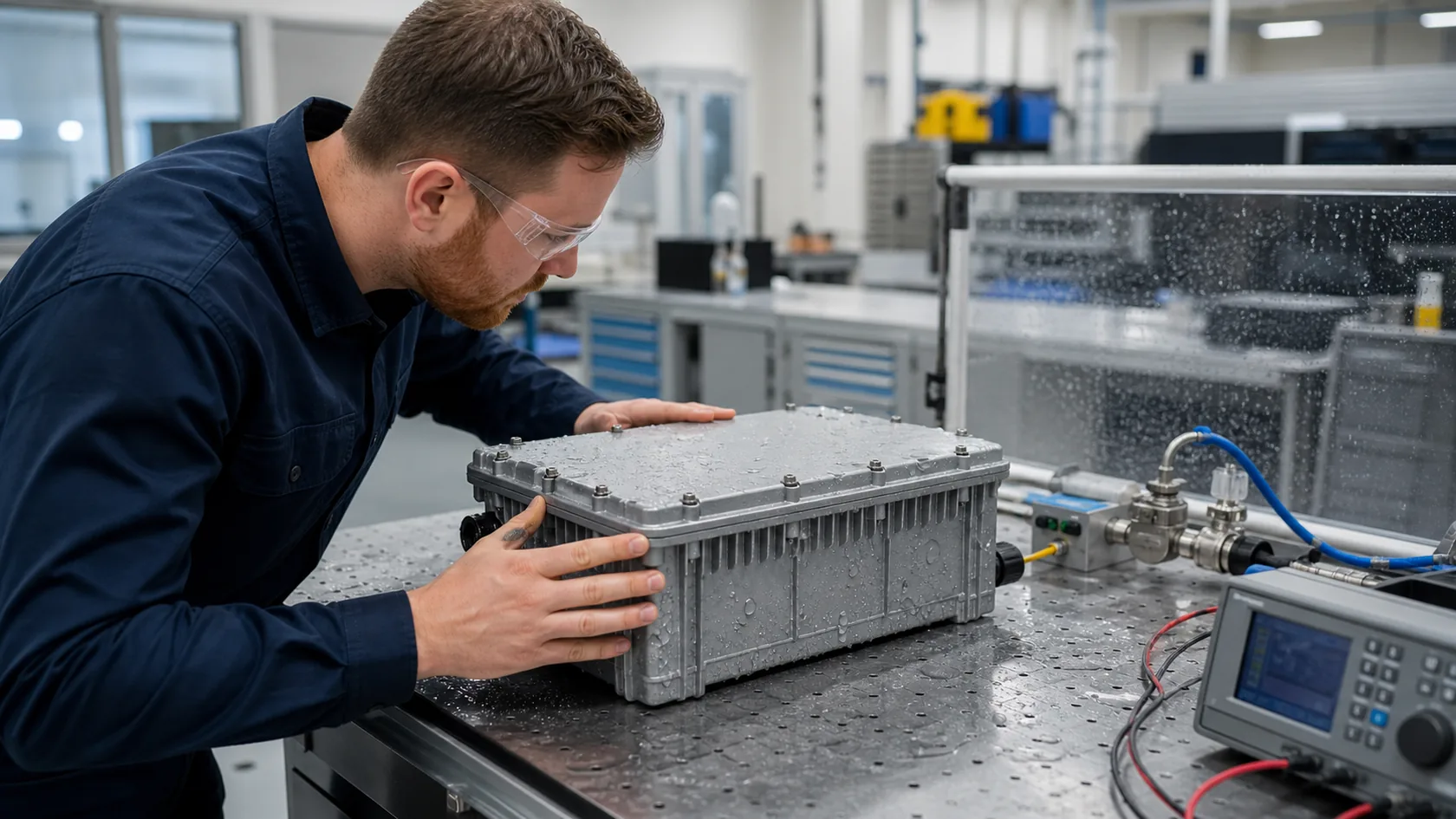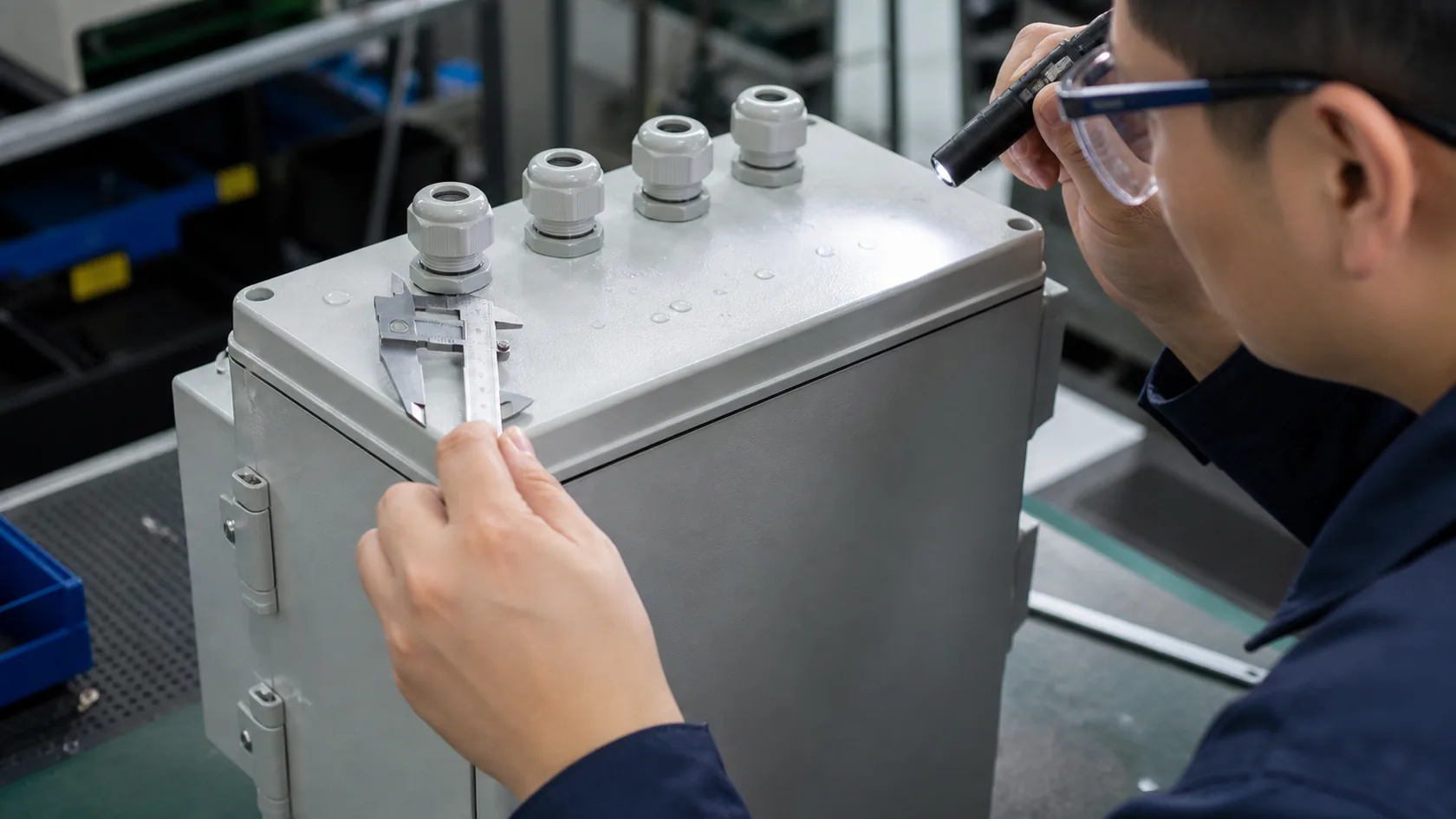
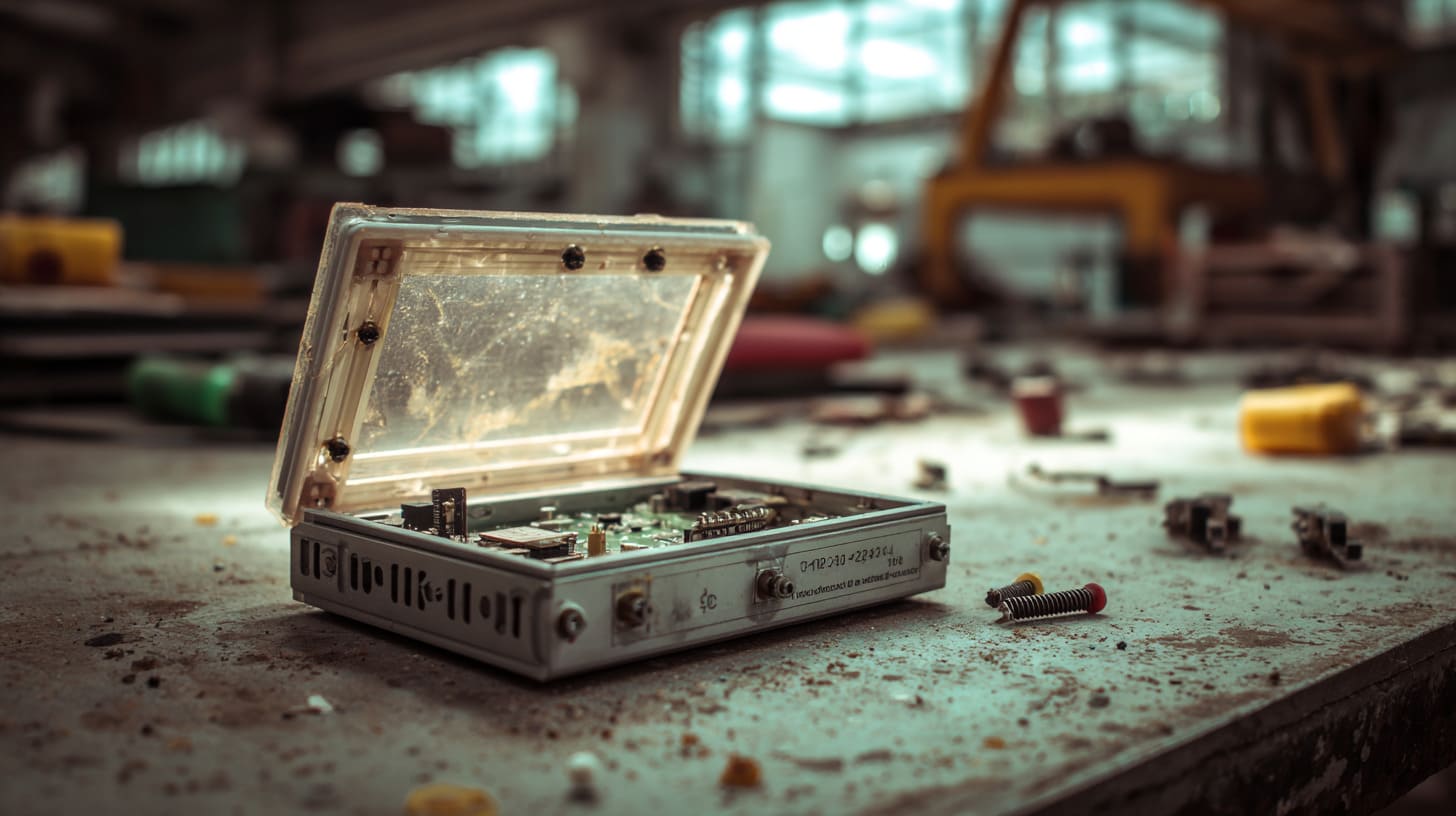
A bad enclosure does not always fail loudly. Sometimes it fails quietly, one loose screw, one hot PCB, one leaking seam, one delayed shipment at a time.
A good enclosure protects the product, fits the real working environment, supports heat control, allows easy assembly, and can be manufactured with stable quality, clean details, and reasonable cost.
I have seen many buyers focus only on the outside shape. I understand that. A clean box looks simple. But a good enclosure is not just a box. It is the small house where your electronics must live, breathe, and survive.
What Are the Key Factors That Define a Good Enclosure?
A good enclosure starts with one honest question: what problem should this box solve?
The key factors of a good enclosure include material, structure, protection level, heat control, installation method, manufacturing accuracy, surface finish, customization flexibility, and long-term reliability in real use.

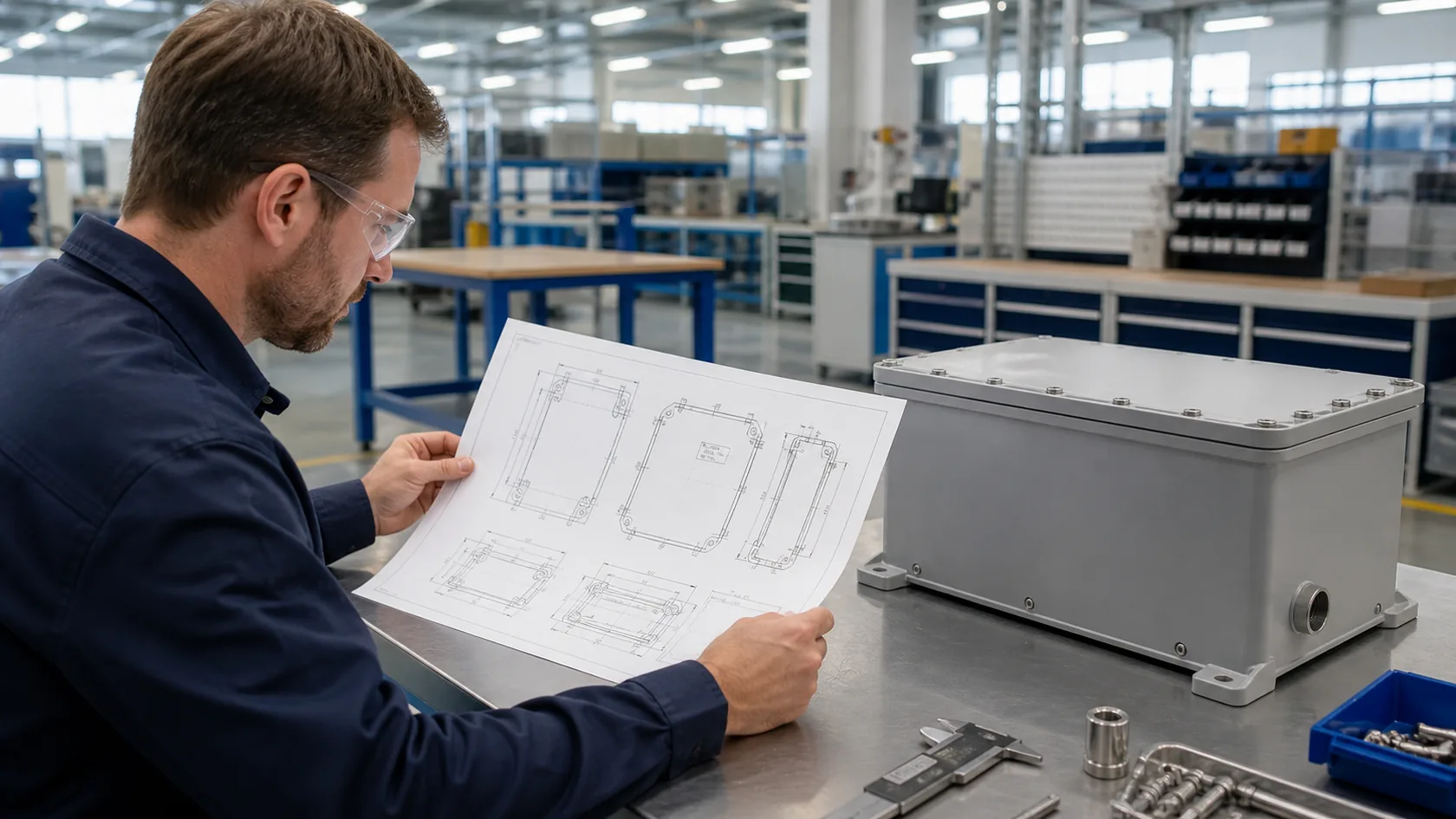
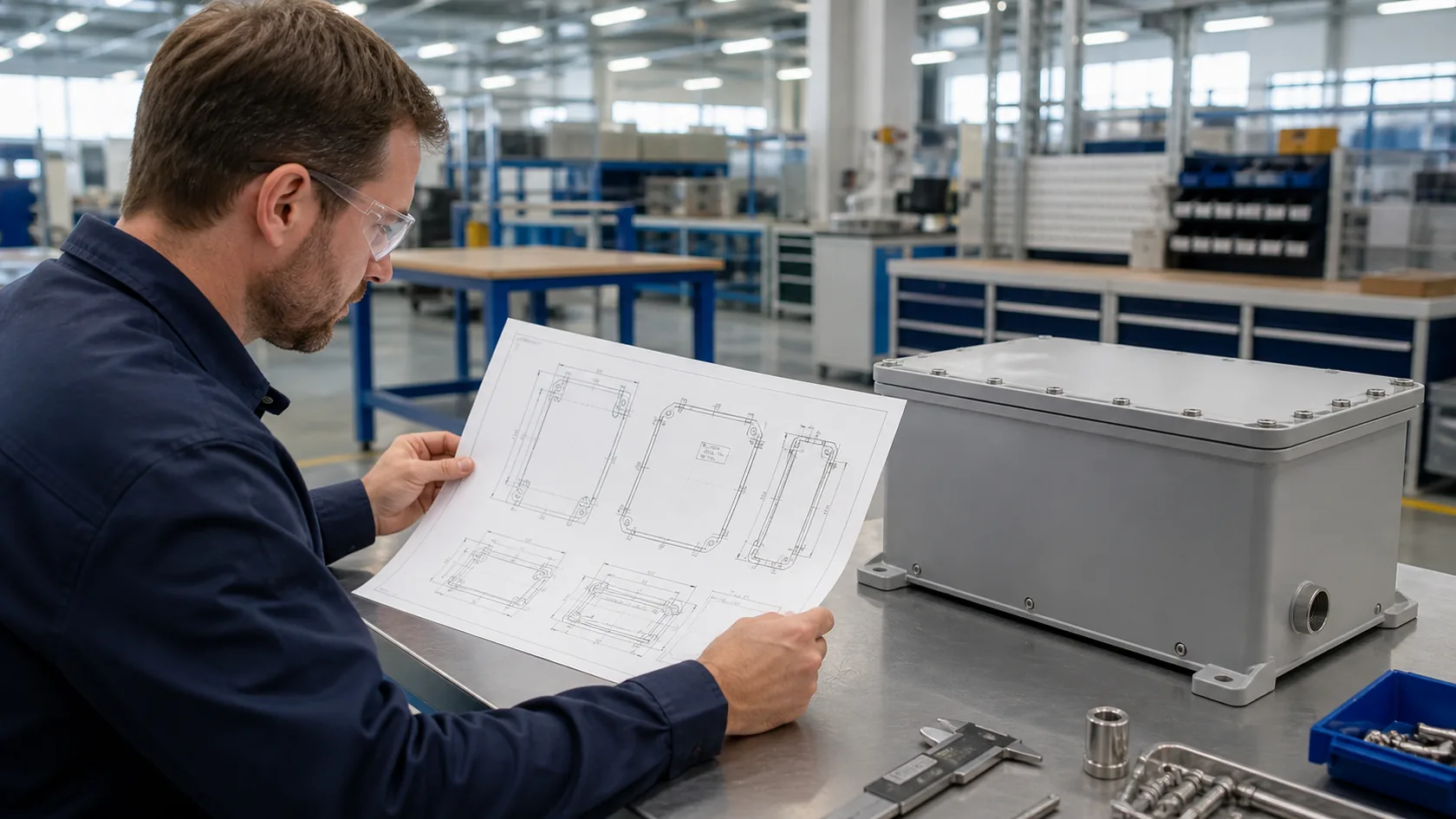
Many customers send me enclosure drawings with only size, color, and logo position. That is a start. But it is not enough.
A good enclosure needs to protect the inside parts from the outside world. It also needs to help the product look professional. And it must be easy to produce again and again without strange quality surprises.
The basic points I always check
| Factor | What It Means | Why It Matters |
|---|---|---|
| Material | Aluminum, plastic, sheet metal, stainless steel | It affects strength, weight, cost, heat, and finish |
| Protection | IP rating, NEMA rating, sealing, gasket design | It decides whether dust, water, oil, or dirt can enter |
| Structure | Wall thickness, ribs, mounting bosses, screw posts | It affects strength and assembly |
| Heat control | Vent holes, heat sink, metal contact, airflow | It protects electronic parts from overheating |
| Manufacturing accuracy | CNC, die casting, injection molding, bending, welding | It affects fit, sealing, and repeat orders |
| Surface finish | Anodizing, powder coating, painting, polishing | It affects appearance and corrosion resistance |
| Custom details | Logo, holes, cutouts, labels, brackets, packaging | It helps the enclosure match the final product |
| Lead time | Sampling time and mass production time | It affects project schedules and sales plans |
The part I never skip is the real working condition, because a beautiful enclosure used in the wrong place becomes a nice-looking problem.
For example, one customer asked for a slim aluminum enclosure for a controller. The drawing looked clean. But the PCB had tall connectors on one side. If we made the shell exactly as drawn, the cable would bend too tightly after assembly.
That is not a big issue on paper.
In real use, it becomes a customer complaint.
A good enclosure is not only strong
Some buyers think “stronger” always means “better.” I do not fully agree.
A good enclosure should be strong enough, but it should also be practical. If the wall is too thick, the cost goes up. If the case is too heavy, shipping becomes painful. If the structure is too complex, production gets slower.
Here is the small balance I usually think about:
| Buyer Request | Possible Risk | Better Thinking |
|---|---|---|
| Make it very thick | Higher cost and heavier shipping | Use the right thickness for real load |
| Make it fully sealed | Heat may stay inside | Check heat first before sealing everything |
| Make many custom holes | Tolerance may become harder to control | Confirm connector position early |
| Make the finish very premium | Cost and lead time may rise | Match finish to market position |
| Make it cheap | Quality may become unstable | Keep cost down without hurting core function |
A good enclosure is like a good work jacket. It does not need to look like armor. It needs to fit the job.
How Do You Choose the Right Material for an Enclosure?
Material choice is where many enclosure projects quietly move in the right or wrong direction.
You should choose enclosure material based on strength, weight, heat dissipation, corrosion resistance, electrical needs, surface finish, order quantity, tooling cost, and the final working environment.
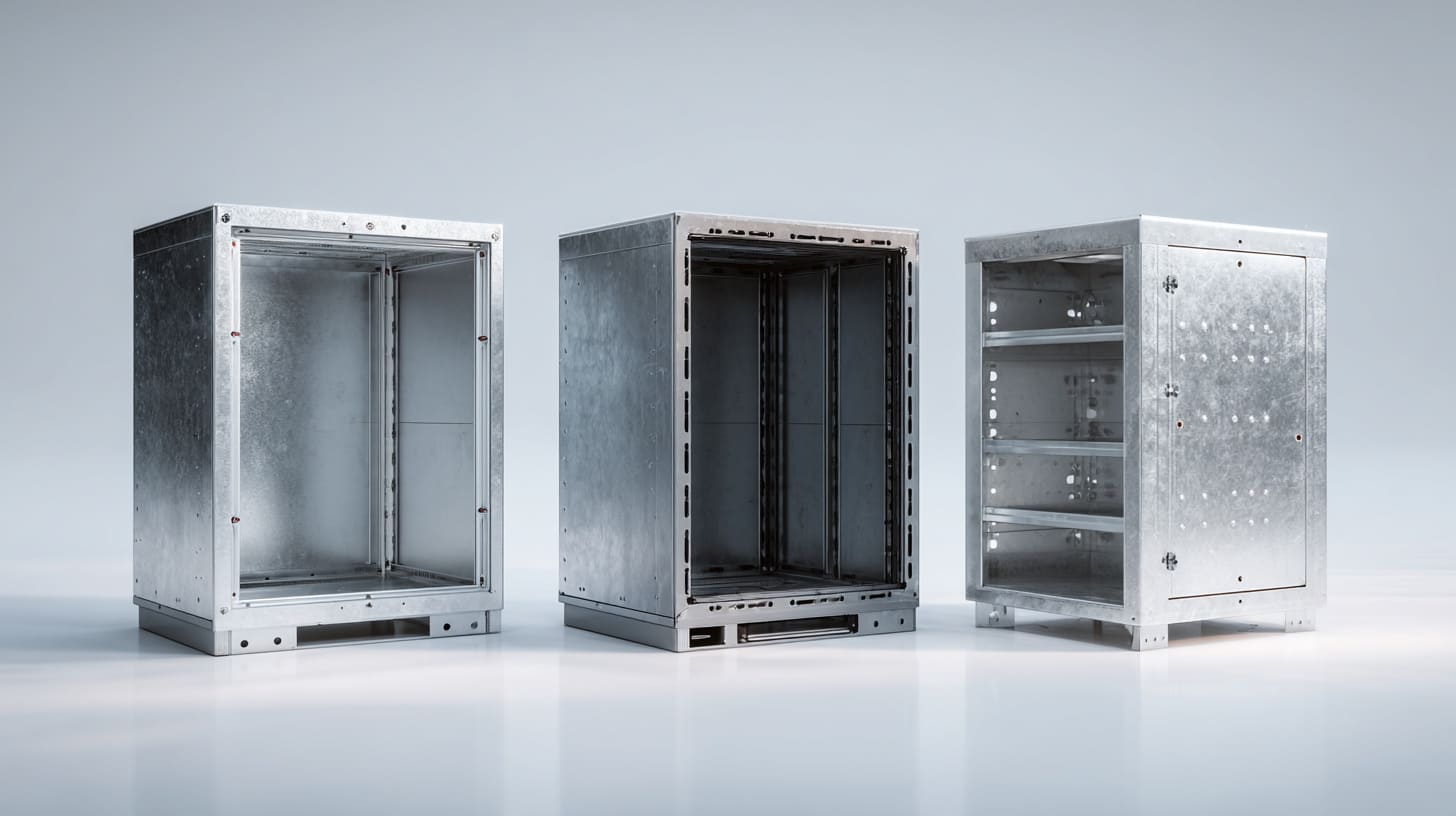
Aluminum, plastic, and sheet metal can all make good enclosures. The real question is not which material is best. The real question is which material is best for this product.
I have seen buyers choose aluminum because it feels premium. I have also seen buyers choose plastic because it is cheaper. Both can be right. Both can be wrong.
Aluminum enclosures
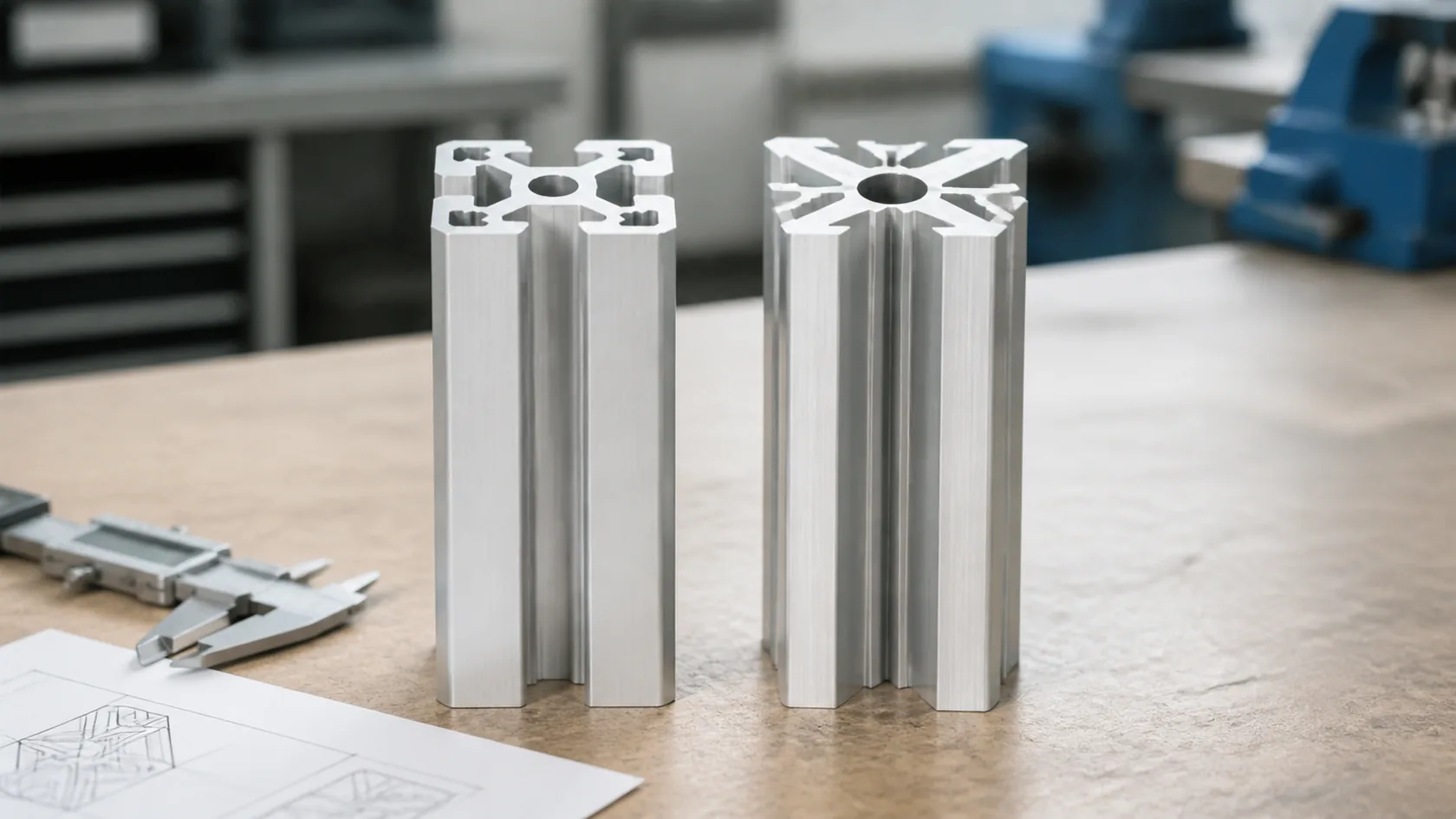
Aluminum is popular for custom electronic enclosures because it looks clean, feels solid, and helps with heat.
| Strength | Weakness |
|---|---|
| Good heat dissipation | Material cost is higher than many plastics |
| Premium appearance | Complex shapes may need CNC or die casting |
| Good for anodizing | Deep scratches may show clearly |
| Strong but lightweight | Tooling may be needed for special designs |
| Good for Raspberry Pi cases and industrial electronics | Conductivity needs attention in some designs |
Aluminum works well when the buyer wants a strong, clean, and professional product. It is also useful when the PCB generates heat.
The first thing I look at is not the color or finish, but whether the enclosure needs to act like part of the thermal system.
If heat matters, aluminum often makes sense. If the product is simple and low-power, aluminum may be more about appearance and brand feeling.
Plastic enclosures
Plastic is often more flexible for shape design. It can be lighter and more cost-friendly for larger quantities.
| Strength | Weakness |
|---|---|
| Flexible shape design | Heat dissipation is weaker than aluminum |
| Lightweight | Tooling cost can be high for injection molding |
| Good insulation | Some plastics may deform under heat |
| Good for molded bosses and clips | Surface can scratch or age depending on material |
| Lower unit cost at high volume | Small custom orders may not justify tooling |
Plastic enclosures are not “cheap” by nature. A good plastic enclosure can be very professional. But the material grade matters.
ABS, PC, PC+ABS, and other plastics behave differently. One small material change can affect impact resistance, flame rating, UV resistance, and cost.
Sheet metal enclosures
Sheet metal is very useful for cabinets, control boxes, brackets, and larger industrial enclosures.
| Strength | Weakness |
|---|---|
| Good for larger sizes | Sharp corners need good process control |
| Strong structure | Bending tolerance must be controlled |
| Easier to customize in low volume | Welding and finishing affect appearance |
| Good for industrial use | Rust protection must be considered |
| Suitable for brackets and mounting plates | Complex curves are harder |
Sheet metal is practical when the design has panels, doors, mounting plates, vents, and larger dimensions.
Quick material comparison
| Material | Best For | Watch Out For |
|---|---|---|
| Aluminum | Premium electronics, heat control, custom cases | Cost, CNC time, surface scratches |
| Plastic | Lightweight products, insulation, molded shapes | Tooling cost, heat, UV aging |
| Sheet Metal | Control boxes, cabinets, larger industrial enclosures | Bending accuracy, coating, corrosion |
| Stainless Steel | Food, medical, wet, corrosive environments | Higher cost, harder processing |
| Die Cast Aluminum | Higher volume, strong compact housings | Tooling cost, design limitations |
Material is not a decoration choice. It is a business decision, a performance decision, and sometimes a risk decision.
What Role Does Enclosure Design Play in Product Performance and Protection?
Design decides whether the enclosure only looks good or actually works well.
Enclosure design affects product protection, assembly speed, heat control, cable access, sealing performance, user experience, mounting stability, and the long-term reliability of the whole device.
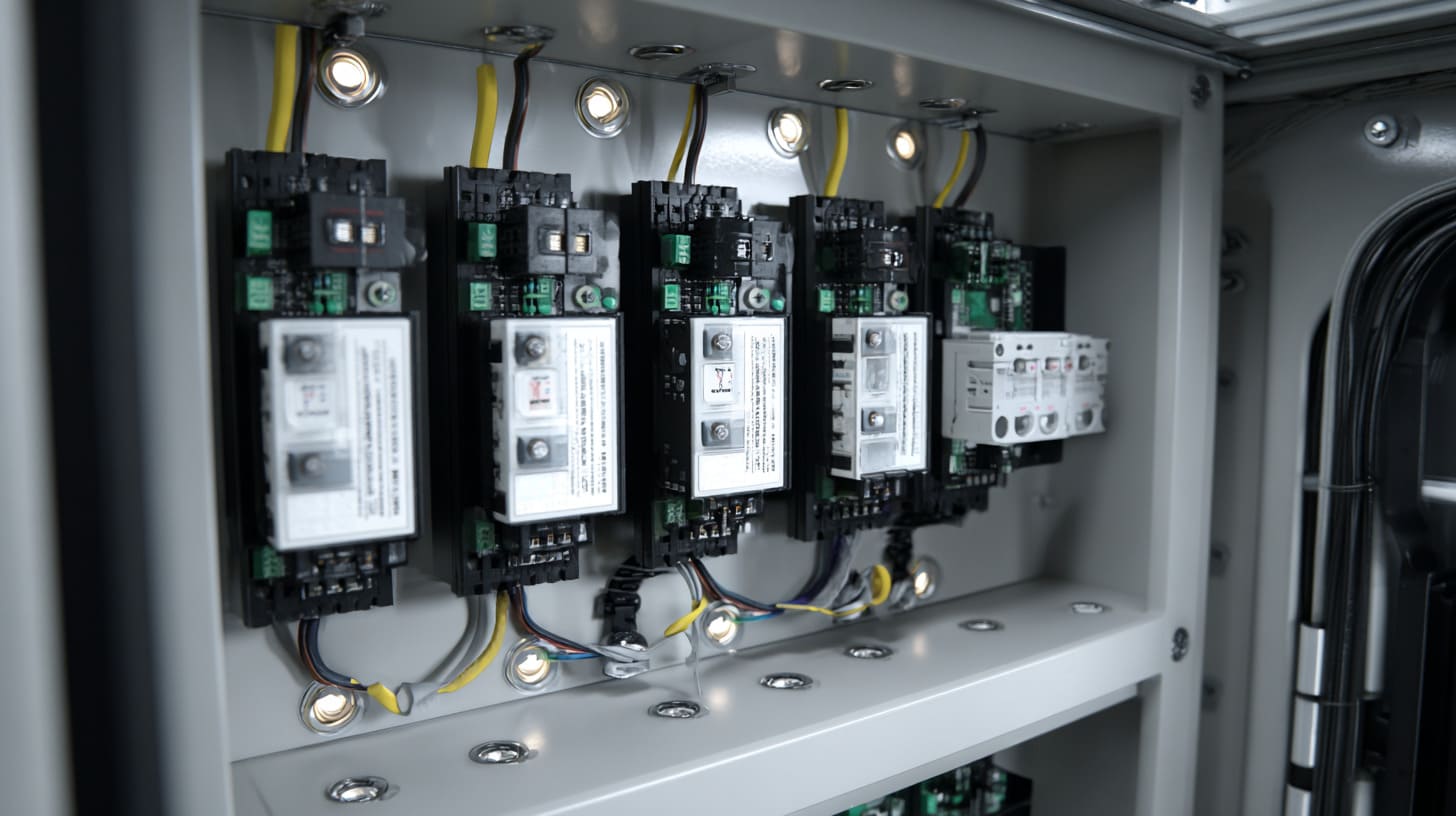
A product engineer may see the enclosure as one part of the whole product. But from the user’s side, the enclosure is often the first thing they touch.
They do not touch the PCB first.
They touch the shell.
They see the finish. They feel the weight. They open the cover. They plug in the cable. They mount it on a wall or place it on a desk.
This is why design matters.
Good design protects more than the PCB
A good enclosure design protects the electronic parts. But it also protects the user experience.
| Design Detail | What It Affects |
|---|---|
| Screw position | Assembly speed and service access |
| Internal boss height | PCB fit and strength |
| Cable hole position | Cable bending and connector life |
| Gasket groove | Water and dust sealing |
| Vent design | Heat and dust balance |
| Wall thickness | Strength, cost, and molding or machining stability |
| Mounting ears | Installation strength |
| Corner radius | Safety, appearance, and manufacturability |
One small design choice can create many later problems.
A screw post placed 2 mm too close to a connector may not look serious in a drawing. But when workers assemble hundreds of pieces, that small mistake becomes a daily headache.
The detail that often tells me a design is mature is not how stylish it looks, but whether the person who designed it imagined the hand that must assemble it.
Design needs to match production
Some designs look wonderful in 3D renderings. Then they suffer in production.
For example:
- A sharp inner corner may be hard to machine.
- A very thin wall may deform.
- A deep groove may be difficult to anodize evenly.
- A hidden screw may look clean but slow assembly.
- A beautiful vent pattern may weaken the panel.
- A tiny tolerance may increase scrap rate.
This is where factory experience matters. A supplier should not only say “yes.” A supplier should also say, “This part may cause trouble. Can we adjust it?”
Design for real use, not only for photos
I like good-looking products. A clean enclosure helps sales. It helps Amazon listings, trade show samples, and brand image.
But I also care about real use.
| Real Use Question | Why I Ask It |
|---|---|
| Will the user open the cover often? | Screw type and structure may need changes |
| Will the enclosure sit near heat? | Material and vent design matter |
| Will it be installed outdoors? | Sealing and UV resistance matter |
| Will cables pull on the ports? | Hole position and connector support matter |
| Will it be cleaned with water or chemicals? | Rating and surface finish matter |
| Will it be shipped worldwide? | Strength and packaging matter |
An enclosure should not only survive the factory table.
It should survive the customer’s world.
How Important Is IP or NEMA Rating When Selecting an Enclosure?
IP and NEMA ratings are important, but they are not magic words.
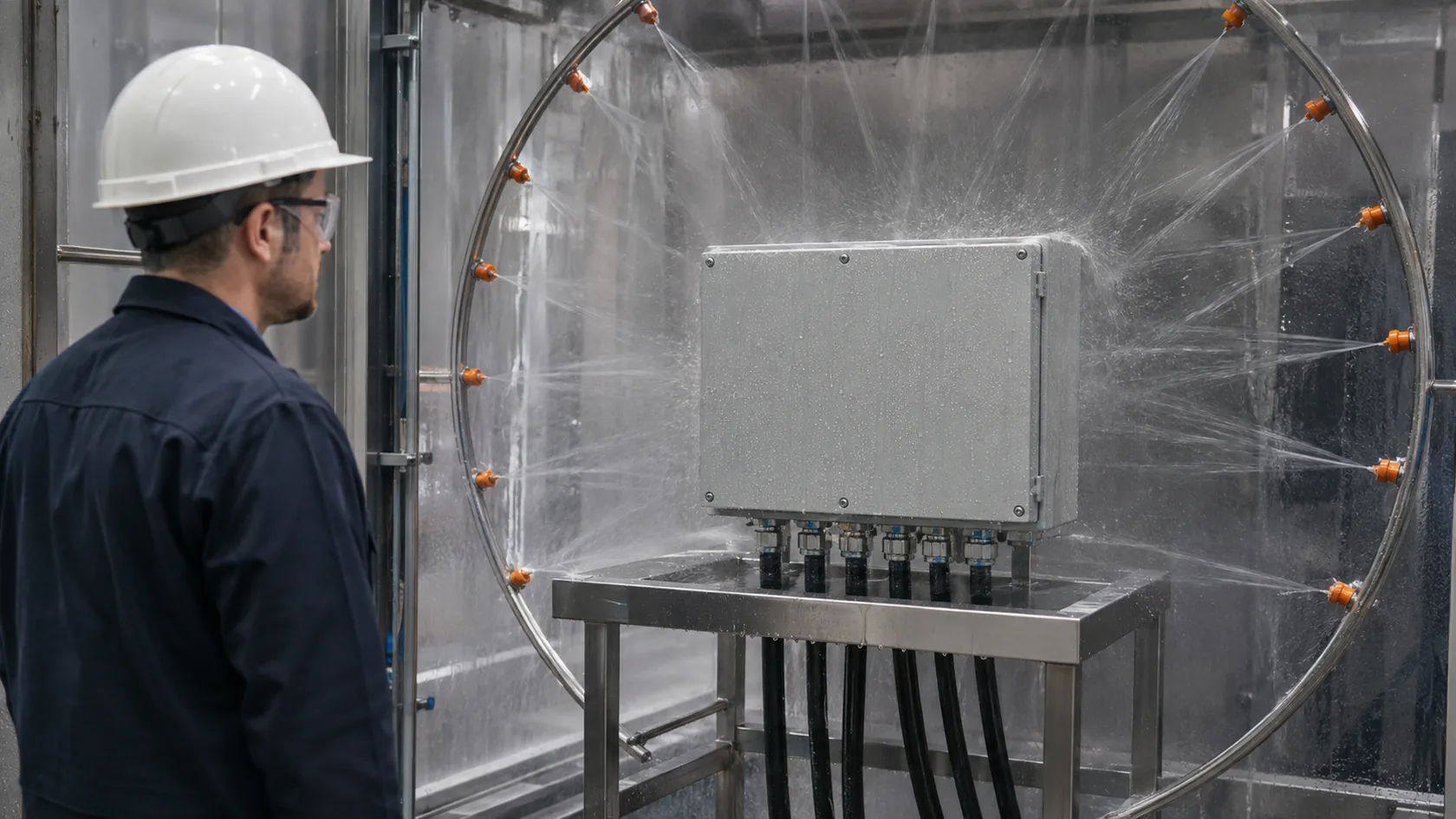
IP or NEMA rating helps define how well an enclosure protects against dust, water, oil, coolant, corrosion, or other conditions. But the rating must match the real environment, not only the sales brochure.

I often see buyers write one short line on a drawing:
“Need waterproof.”
That sounds clear. But it is not clear enough.
Waterproof can mean light rain. It can mean hose washdown. It can mean temporary immersion. It can mean outdoor humidity. It can mean water mixed with dust and oil.
These are not the same situation.
IP rating in simple words
| IP Rating Example | Common Meaning | Typical Use |
|---|---|---|
| IP54 | Limited dust protection and water splash protection | Indoor electronics, light industrial use |
| IP65 | Dust-tight and protected from water jets | Outdoor or wet industrial areas |
| IP66 | Dust-tight and stronger water jet protection | Harsh washdown or exposed areas |
| IP67 | Dust-tight and temporary immersion protection | Special outdoor or water exposure use |
| IP68 | Dust-tight and longer immersion protection | Special design, needs clear test conditions |
The number looks small. The meaning is not small.
NEMA rating in simple words
NEMA ratings are often used in North America. They can include more environmental conditions than simple water and dust.
| NEMA Rating | Common Use Idea |
|---|---|
| NEMA 1 | Basic indoor protection |
| NEMA 4 | Indoor or outdoor water and dust protection |
| NEMA 4X | Similar to NEMA 4, with corrosion resistance |
| NEMA 12 | Indoor dust, dirt, dripping liquid protection |
| NEMA 13 | Indoor dust, water spray, oil, and non-corrosive coolant protection |
The trap is that many people choose a rating by memory.
They think:
“Outdoor? Use NEMA 4X.”
“Indoor? Use NEMA 12.”
“Oil? Use NEMA 13.”
That may work sometimes. But not always.
When I see a rating request, I ask what actually touches the enclosure, because the label alone does not tell me whether the gasket, screw layout, coating, and cable glands are good enough.
Rating must match the full design
A rating is not created by the box body alone.
It depends on:
- The cover design
- The gasket material
- The gasket groove
- Screw spacing
- Cable glands
- Connector openings
- Vent plugs
- Drainage design
- Surface flatness
- Assembly control
- Testing method
One open hole can destroy the whole rating.
One bad gasket can make the rating meaningless.
One careless assembly step can ruin a perfect design.
Do not overbuy ratings blindly
Higher rating often means higher cost. It may also create heat issues.
For example, a fully sealed enclosure may protect against water better. But if the PCB generates heat, the inside temperature can rise. Then the product fails for a different reason.
So I usually ask:
| Question | Why It Matters |
|---|---|
| Is it indoor or outdoor? | Rating needs change |
| Is there rain, hose water, oil, or coolant? | Protection type needs change |
| Is the enclosure cleaned often? | Washdown resistance matters |
| Is there high heat inside? | Sealing may trap heat |
| Are there many cable holes? | Each opening must be protected |
| Is corrosion a risk? | Material and finish matter |
A good enclosure rating is not the highest rating. It is the right rating.
What Makes an Enclosure Suitable for Outdoor vs Indoor Use?
Outdoor use is not just indoor use with rain added.
An outdoor enclosure needs stronger resistance to water, UV, temperature change, corrosion, dust, wind, and installation stress, while an indoor enclosure may focus more on dust, touch safety, appearance, and controlled working conditions.
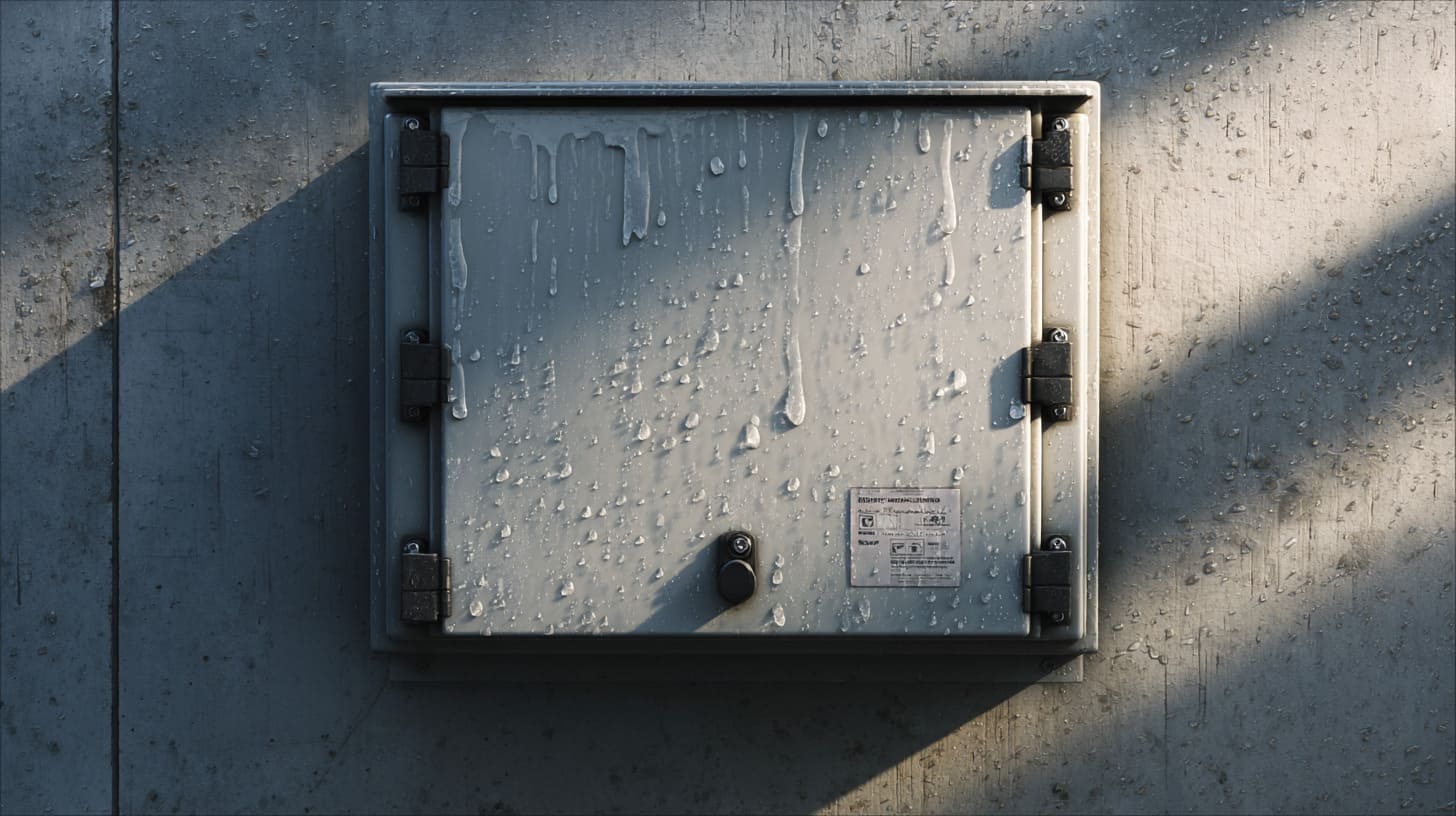
Indoor and outdoor are simple words. Real environments are not simple.
An indoor factory can be oily, dusty, hot, and cleaned by hose water. An outdoor balcony can be mild, dry, and shaded. So I never judge only by location.
Indoor enclosure needs
Indoor enclosures often face:
- Dust
- Finger touch
- Cable pulling
- Light water splash
- Oil mist
- Machine vibration
- Heat from nearby equipment
- Limited installation space
An indoor enclosure may not need strong UV resistance. But it may need good dust control and easy maintenance.
Outdoor enclosure needs
Outdoor enclosures often face:
- Rain
- Sunlight
- UV aging
- Heat and cold cycles
- Condensation
- Wind
- Corrosion
- Insects
- Dust
- Water pooling
- Cable entry leaks
Outdoor problems are slower. They do not always appear in the first week. They appear after months of sun, rain, and temperature change.
The mistake I worry about most is when a buyer says “outdoor” but forgets to mention sunlight direction, mounting angle, and cable entry position.
Those details decide whether water runs away or sits exactly where it should not.
Outdoor vs indoor comparison
| Point | Indoor Enclosure | Outdoor Enclosure |
|---|---|---|
| Water | Splash or cleaning water | Rain, wind-driven water, pooling |
| Sunlight | Usually low concern | UV resistance matters |
| Temperature | More stable | Larger temperature change |
| Corrosion | Depends on factory environment | Higher risk in wet or coastal areas |
| Sealing | Depends on dust and water exposure | Usually more important |
| Ventilation | Easier to manage | Needs balance with water protection |
| Material | Plastic, aluminum, sheet metal | UV-safe plastic, coated metal, stainless steel, aluminum |
| Installation | Wall, desk, machine | Pole, wall, outdoor frame, exposed mount |
Condensation is often forgotten
Many people think outdoor enclosure failure only comes from rain entering the box.
But condensation can also hurt electronics.
When warm air inside the enclosure cools down, moisture may form inside. This can happen even when the enclosure is sealed.
That is why some designs need:
- Breathable vent plugs
- Drain holes in the right position
- Internal coating
- Better gasket control
- Proper mounting direction
- Enough space for airflow
A sealed box is not always a dry box. That sounds strange, but I have seen it happen.
How Does Thermal Management Affect Enclosure Quality and Performance?
Heat is one of the most silent killers inside an enclosure.
Thermal management affects enclosure quality because trapped heat can shorten electronic life, deform plastic parts, weaken adhesive labels, reduce performance, and cause failure even when the enclosure looks perfect outside.
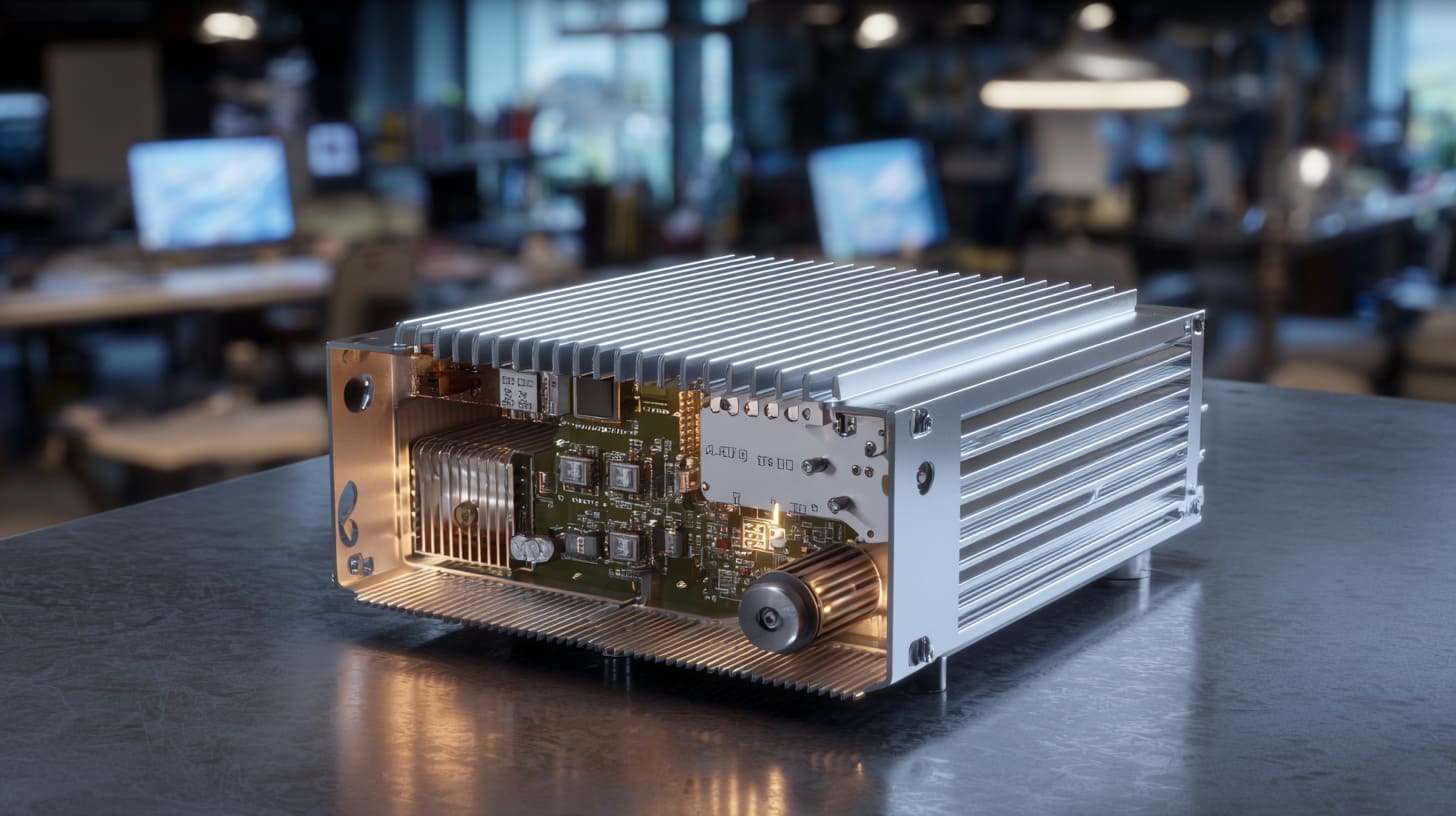
A beautiful enclosure can still cook the electronics inside.
That is the part many buyers do not see during sample review. The sample may look perfect on the desk. The finish may be nice. The logo may be clean. The screws may fit well.
Then the product runs for several hours.
The inside temperature rises.
The problem begins.
Why heat matters
Electronic parts do not like heat. Batteries, chips, power modules, and cables can all suffer when the temperature stays too high.
| Heat Problem | Possible Result |
|---|---|
| Poor airflow | Hot air stays inside |
| Plastic material too close to heat source | Deformation or aging |
| No contact with aluminum shell | Heat cannot transfer out |
| Fully sealed structure | Heat builds up |
| Small enclosure volume | Temperature rises faster |
| Dark surface color | More heat under sunlight |
| Poor vent placement | Airflow does not work |
I pay close attention when a buyer wants a small sealed enclosure with a powerful PCB inside, because that combination often looks good in drawings but behaves badly in life.
Aluminum can help, but it is not automatic
Many people think aluminum always solves heat problems.
It helps, yes.
But only if heat can move from the component to the aluminum shell.
If the hot chip does not touch a thermal pad, heat sink, or inner wall, the aluminum case may not help enough. The heat still stays around the PCB.
Common thermal design options
| Method | Best Use | Watch Out For |
|---|---|---|
| Vent holes | Indoor, low water risk | Dust and water can enter |
| Aluminum shell | Heat transfer and premium feel | Needs proper contact path |
| Heat sink fins | Higher heat products | Adds cost and size |
| Thermal pad | Chip-to-case heat transfer | Compression and thickness matter |
| Fan | Strong airflow | Noise, dust, and moving parts |
| Breathable vent | Sealed outdoor designs | Needs correct rating |
| Larger enclosure | More air volume | Bigger size and higher cost |
Heat and protection often fight each other
This is one of the real trade-offs.
A fully sealed enclosure protects better against dust and water. But it traps heat.
A vented enclosure releases heat better. But it gives dust and water a possible entry point.
So the design must choose carefully.
| Priority | Better Direction |
|---|---|
| Outdoor rain protection | Use sealing, gasket, and rated vents |
| High heat electronics | Use aluminum, fins, thermal pads, or airflow |
| Dusty indoor factory | Reduce open vents or add filters |
| Low-power indoor device | Simple plastic or aluminum may be enough |
| Small sealed product | Test temperature early |
Thermal design should not be handled after the enclosure is finished. By then, every change feels painful.
What Are the Common Mistakes When Designing a Custom Enclosure?
Most custom enclosure mistakes are small at first. Then they become expensive.
Common custom enclosure mistakes include unclear working conditions, wrong material choice, poor hole tolerance, weak screw posts, bad gasket design, ignored heat, over-complex structure, and missing production details before sampling.
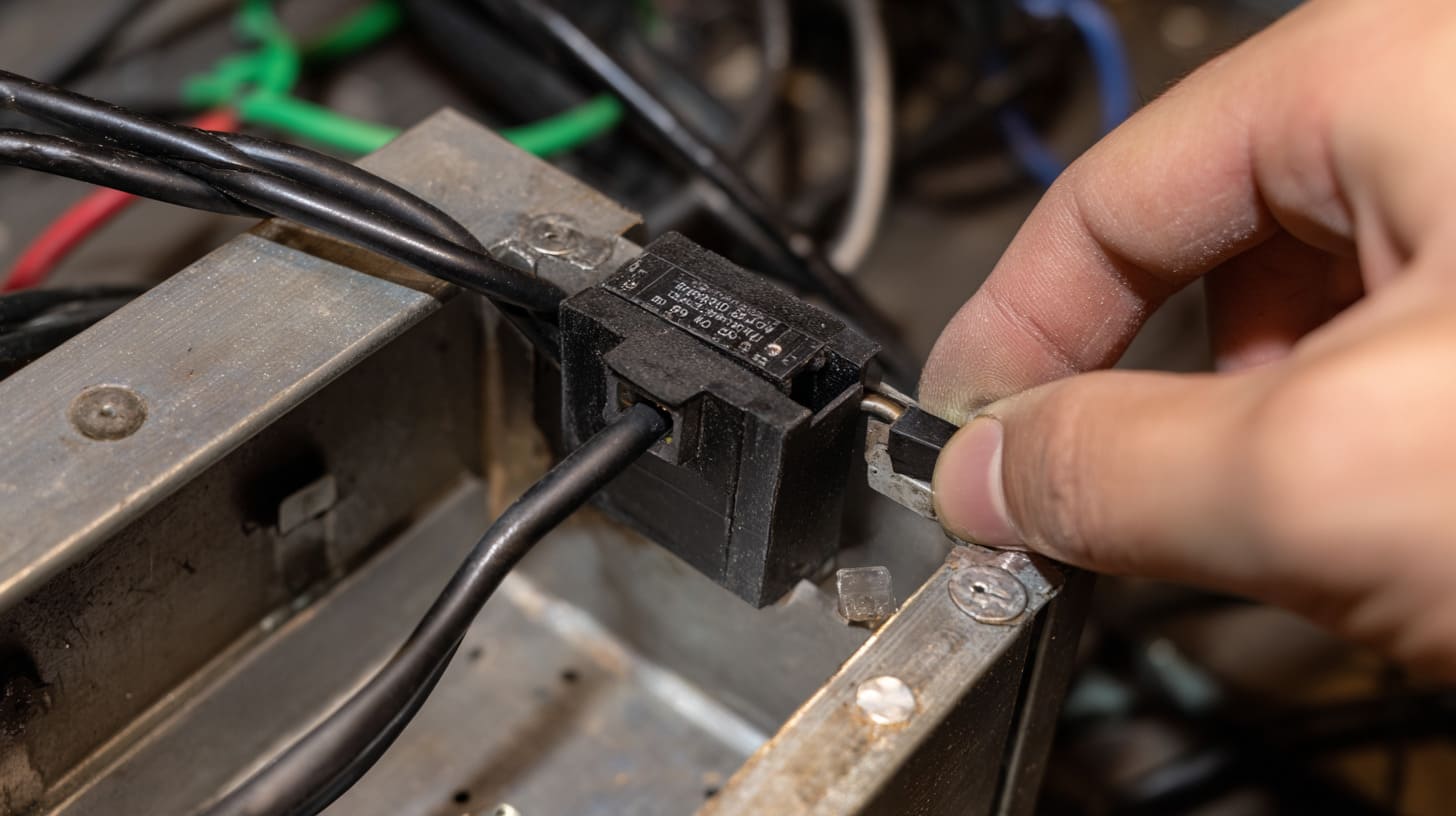
Custom enclosure work can feel exciting. A new shape. A new product. A new logo. A real idea becoming a physical thing.
But custom also means responsibility.
There is no standard catalog part to hide behind. Every small decision belongs to the project.
Mistake 1: Only sending a 3D file
A 3D file is useful. But it does not explain everything.
A supplier still needs to know:
- Material requirement
- Surface finish
- Working environment
- Quantity plan
- Assembly method
- PCB size
- Connector position
- Cable direction
- Logo file
- Packaging request
- Target cost
- Testing requirement
A drawing tells me what the enclosure looks like. The project story tells me what the enclosure must survive.
Mistake 2: Ignoring tolerance
Connectors, screw holes, and internal mounting points need accurate tolerance.
If the hole is too small, the connector cannot fit.
If the hole is too large, the product looks cheap or loses sealing performance.
If screw posts are not placed well, the PCB may bend.
| Area | Risk |
|---|---|
| USB hole | Cable cannot plug smoothly |
| LED hole | Light position looks wrong |
| Mounting boss | PCB does not sit flat |
| Cover screw | Assembly becomes slow |
| Gasket groove | Sealing fails |
| Wall thickness | Warping or weak structure |
Mistake 3: Making the design too complex
A complex design may look special. But it may also increase cost and lead time.
For example:
- Too many small holes
- Too many sharp corners
- Too many different screw types
- Too many separate parts
- Too many surface finish areas
- Too many hidden assembly steps
The costliest design problem is not always material price; sometimes it is the extra five minutes every worker spends fighting the enclosure during assembly.
Five minutes sounds small.
For 1,000 pieces, it is not small.
Mistake 4: Forgetting packaging
Enclosures can be scratched during shipping. Corners can dent. Plastic can rub against plastic. Anodized aluminum can show marks.
Packaging is not decoration. It is protection after production.
Good packaging may include:
- PE bag
- Foam insert
- Carton divider
- Corner protection
- Custom label
- Anti-scratch film
- Strong export carton
A perfect enclosure that arrives damaged is not a perfect order.
Mistake 5: Approving sample too quickly
A sample should be checked like a small test, not like a souvenir.
| Sample Check | What To Look At |
|---|---|
| PCB fit | Does the board sit properly? |
| Connector access | Can cables plug in easily? |
| Screw assembly | Is it fast and stable? |
| Surface finish | Is color and texture acceptable? |
| Heat test | Does it get too hot? |
| Drop or vibration risk | Is the structure strong enough? |
| Label and logo | Is the position correct? |
| Packaging | Can it survive shipping? |
A good sample review saves many future emails.
And honestly, it also saves emotion. Nobody enjoys arguing about a mistake after mass production starts.
How Does Manufacturing Quality Impact the Final Enclosure Performance?
Manufacturing quality decides whether the design becomes a reliable product or just a nice drawing.
Manufacturing quality affects enclosure performance through material consistency, dimensional accuracy, sealing surface flatness, coating quality, screw fit, welding strength, assembly control, and final inspection before shipment.
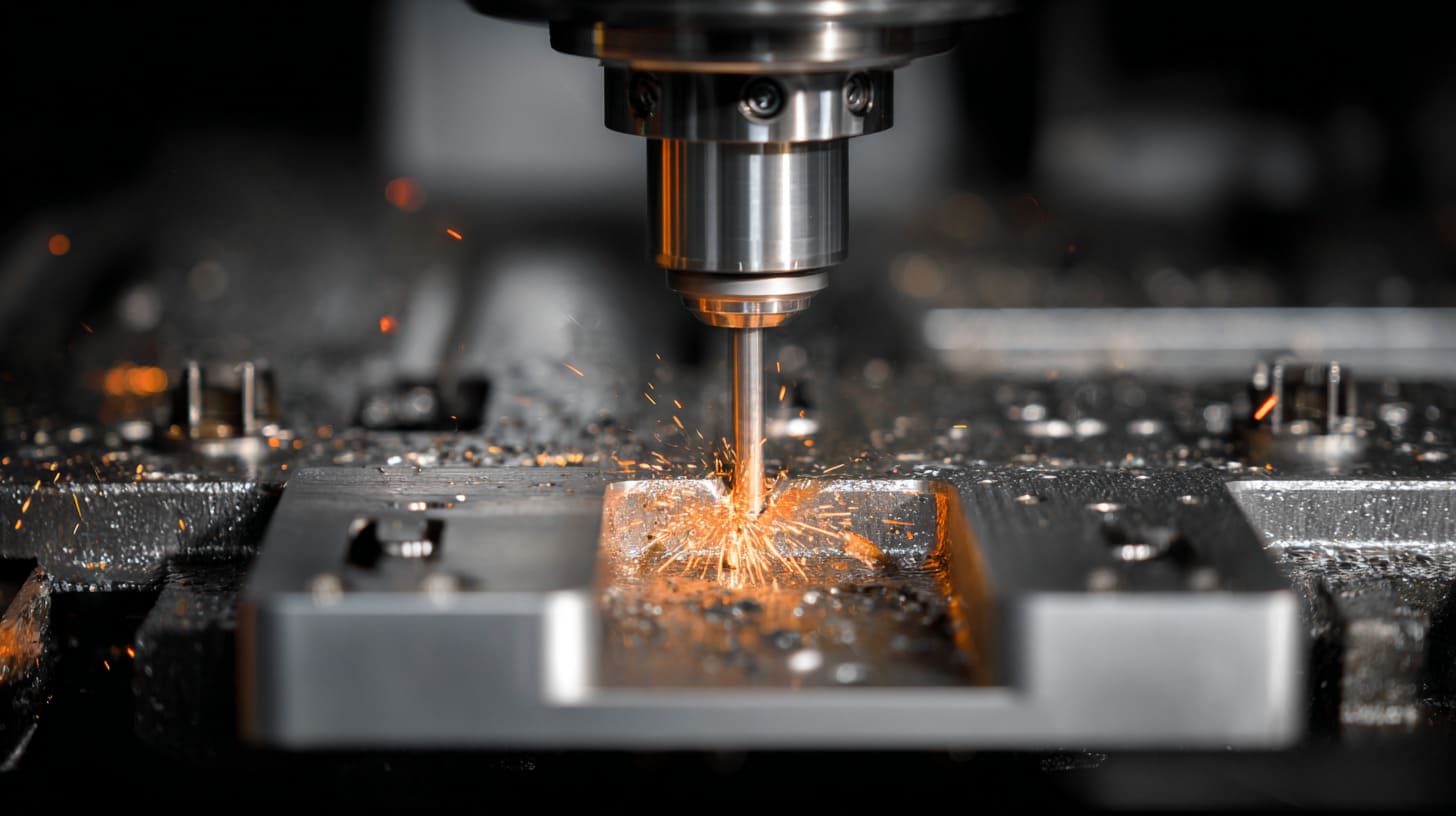
A good design can still fail in poor production.
That may sound harsh. But it is true.
If the bending angle is wrong, the cover may not close well. If the powder coating is too thick, the screw hole may become tight. If the gasket surface is uneven, water may enter.
The final enclosure is not made by the drawing alone.
It is made by machines, workers, tools, inspection, and daily discipline.
Key manufacturing points
| Process | Quality Risk |
|---|---|
| CNC machining | Burrs, wrong hole position, tool marks |
| Sheet metal bending | Angle error, size shift, surface scratch |
| Welding | Deformation, weak joint, ugly marks |
| Die casting | Shrinkage, porosity, rough surface |
| Injection molding | Warping, sink marks, weak bosses |
| Anodizing | Color difference, scratch, uneven finish |
| Powder coating | Orange peel, thick coating, poor adhesion |
| Assembly | Loose screws, wrong parts, gasket damage |
Quality affects protection
For rated enclosures, small manufacturing errors matter a lot.
A gasket needs a flat surface. A cover needs even pressure. A screw needs correct torque. A hole needs the right cable gland.
The moment I see uneven cover pressure, I start worrying about sealing, even if the drawing says the rating is good.
Ratings live in details. They do not live only in the product description.
Quality affects appearance
Appearance also matters, especially for re-brand customers.
When a customer sells on Amazon, Facebook, local markets, or through distributors, the enclosure becomes part of the brand.
Common appearance problems include:
- Color difference between batches
- Scratches on anodized parts
- Uneven powder coating
- Bad logo printing
- Rough edges
- Visible welding marks
- Poor fitting gaps
- Dirty packaging
A buyer may forgive a tiny hidden mark. But a front-facing scratch near the logo? That hurts.
Quality affects repeat orders
The first order is important. But the second and third orders show whether the supplier is stable.
A good supplier should keep:
- Material records
- Production drawings
- Surface finish samples
- QC standards
- Packaging method
- Inspection photos
- Batch tracking
- Clear communication records
Repeatability is one of the most underrated parts of enclosure manufacturing.
One good sample is nice. Stable mass production is better.
What Customization Options Should a Good Enclosure Supplier Offer?
A good supplier should help the enclosure fit the product, not force the product to fit the enclosure.
A good enclosure supplier should offer custom size, material, cutouts, mounting holes, logo printing or engraving, surface finish, internal structure, brackets, packaging, design support, OEM service, and ODM development.
Customization is not only about putting a logo on the cover.
That is part of it, of course. But real customization goes deeper. It touches the shape, structure, material, assembly, packaging, and even how the final product feels in the customer’s hands.
Common customization options
| Custom Option | Why Buyers Need It |
|---|---|
| Custom size | Match PCB, battery, screen, or module |
| Custom holes | Fit USB, HDMI, cable glands, switches, LEDs |
| Logo printing | Build brand identity |
| Laser engraving | Durable and clean brand mark |
| Surface finish | Match product position and market |
| Internal bosses | Fix PCB and parts |
| Mounting bracket | Help installation |
| Vent holes | Support heat control |
| Gasket design | Improve protection |
| Custom packaging | Support retail or re-brand sales |
| Color selection | Match brand style |
| Redesign support | Improve manufacturability |
OEM and ODM support are different
Many buyers use OEM and ODM like the same word. But they are not exactly the same.
| Service Type | What It Means | Buyer Example |
|---|---|---|
| OEM | Supplier makes based on buyer’s design | Buyer sends drawings and logo files |
| ODM | Supplier helps develop or redesign the product | Buyer has an idea and needs factory support |
| Light customization | Modify existing design | Add logo, holes, color, packaging |
| Full custom project | Build new enclosure from idea or drawing | New Raspberry Pi style case or industrial box |
For a product engineer like David, OEM may be enough because he already has drawings.
For a creative buyer like John, ODM support may be more useful because he has an idea but needs help turning it into a real enclosure.
The supplier value shows up when the buyer’s idea is not fully ready, because that is when advice can prevent cost, delay, and design mistakes.
Good customization needs good questions
A supplier should ask clear questions before quoting.
Not endless questions. Not confusing questions. Just the right ones.
For example:
- What product will be installed inside?
- What is the PCB size?
- What connectors need openings?
- Is the enclosure indoor or outdoor?
- Is heat a concern?
- What material do you prefer?
- What surface finish do you need?
- What quantity do you plan?
- Do you need logo or packaging?
- Do you need samples first?
- Do you have target cost or lead time?
Good questions are not delays. They are protection.
They protect the buyer from wrong quotes and protect the supplier from wrong assumptions.
How Do You Balance Cost, Quality, and Lead Time in Enclosure Sourcing?
Cost, quality, and lead time always pull against each other.
You balance enclosure sourcing by defining must-have requirements first, simplifying non-critical details, choosing the right manufacturing process, confirming samples carefully, and working with a supplier who communicates clearly before production.
Every buyer wants good quality, low cost, and fast delivery.
I understand this deeply. In real business, nobody has unlimited budget or unlimited time.
But the difficult part is this: you usually cannot push all three to the extreme at the same time.
If the cost is too low, quality may suffer.
If quality requirements are very high, cost may rise.
If the lead time is very short, mistakes become easier.
The sourcing triangle
| Priority | What Usually Happens |
|---|---|
| Lowest cost | Material, finish, or inspection may need compromise |
| Highest quality | More process control and better material increase cost |
| Fastest lead time | Design must be clear and simple |
| Full custom design | Sampling and confirmation take time |
| Premium finish | Production time and reject rate may rise |
The painful part is not paying more. The painful part is paying less first and then paying again to fix the mistake.
That is why I prefer clear priorities before quotation.
How I suggest buyers think about cost
Do not only ask, “What is the cheapest price?”
Ask:
- Which details must be protected?
- Which details can be simplified?
- Which surface is customer-facing?
- Which tolerance is critical?
- Which parts affect safety?
- Which parts affect installation?
- Which parts affect brand value?
- Which packaging level is enough?
Some costs are worth keeping. Some costs can be reduced.
Cost-saving options that may make sense
| Cost Area | Possible Saving Method | Risk Level |
|---|---|---|
| Material thickness | Use correct thickness, not excessive thickness | Medium |
| Surface finish | Choose standard finish instead of special finish | Low to medium |
| Structure | Reduce unnecessary parts | Low |
| Logo | Use printing instead of engraving if suitable | Low |
| Packaging | Use safe but simple export packaging | Low |
| Process | Use sheet metal instead of CNC for some larger boxes | Medium |
| Tooling | Use existing mold or standard base if possible | Low to medium |
Cost cuts that may be dangerous
| Cost Cut | Why It Can Hurt |
|---|---|
| Cheap gasket | Sealing may fail |
| Weak material | Enclosure may crack or deform |
| Poor coating | Rust or peeling may happen |
| Loose tolerance | Assembly may fail |
| No sample test | Mass production risk rises |
| Weak packaging | Goods may arrive damaged |
| No inspection | Problems reach the customer |
Cheap can be smart.
Cheap can also be expensive in disguise.
The difference is whether the cost reduction removes waste or removes protection.
Lead time needs clean information
Slow projects are not always caused by production.
Many delays come from unclear details:
- Missing drawings
- Wrong logo file
- Unconfirmed color
- Unclear material
- Late sample feedback
- Changing hole positions
- No packaging decision
- Unclear quantity
- Slow payment process
- Time zone communication gaps
A good supplier should reply clearly. A good buyer should also prepare clear files.
When both sides do this, the project feels lighter.
Not perfect. But lighter.
Conclusion
A good enclosure protects, fits, cools, assembles well, and supports your brand. If you need a custom enclosure, start with the real working condition and build from there.