Skip to content
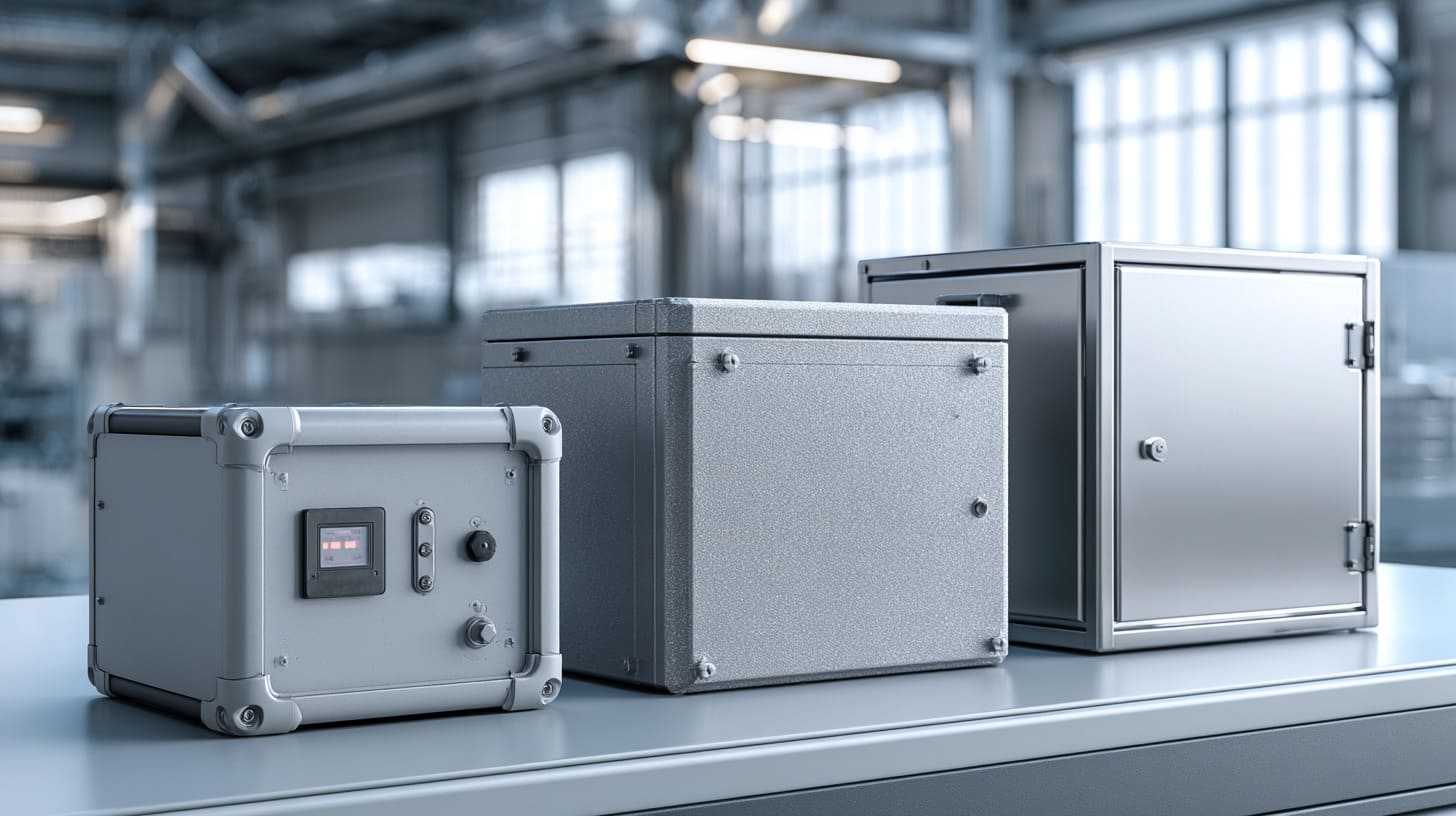
A buyer once sent me a short message that looked very simple:
“We need an enclosure. Please quote NEMA 4X.”
That was all.
No installation photo.
No cleaning method.
No cable entry details.
No information about oil, coolant, salt air, or heat inside the box.
At first, this kind of request feels easy. A higher rating sounds safer. NEMA 4X sounds stronger than NEMA 4. NEMA 4 sounds more serious than NEMA 13. So the simple answer may be: quote the highest rating and move on.
But this is where many enclosure projects start to go in the wrong direction.
In real custom enclosure work, I rarely compare NEMA 13, NEMA 4, and NEMA 4X as a simple “good, better, best” ladder. I prefer to ask a more practical question:
What is actually attacking the enclosure every day?
That question changes everything.
An enclosure beside a CNC machine may face oil mist, coolant splash, and metal dust. An outdoor telecom box may face rain, UV, condensation, and temperature changes. A food processing control box may face hose washdown and cleaning chemicals. A coastal cabinet may face salt air, even if no one sprays it directly.
These are not the same problem.
So the biggest mistake is not choosing NEMA 13, NEMA 4, or NEMA 4X wrongly on paper. The bigger mistake is choosing the rating before understanding the real working environment.
Here is the simple way I look at it:
| Rating | Often Used For | Main Concern | Common Buyer Misunderstanding |
|---|---|---|---|
| NEMA 13 | Indoor industrial areas | Dust, oil, spraying water, non-corrosive coolant | Buyers think it is weak because it is indoor only |
| NEMA 4 | Indoor or outdoor areas | Rain, splashing water, hose-directed water, windblown dust | Buyers forget corrosion is not the main added feature |
| NEMA 4X | Indoor or outdoor corrosive areas | Water protection plus corrosion resistance | Buyers think it is always better for every project |
The right enclosure is not always the highest-rated one. The right enclosure is the one that matches the real hazard, the material, the sealing design, the cable glands, the heat, and the way workers maintain it later.
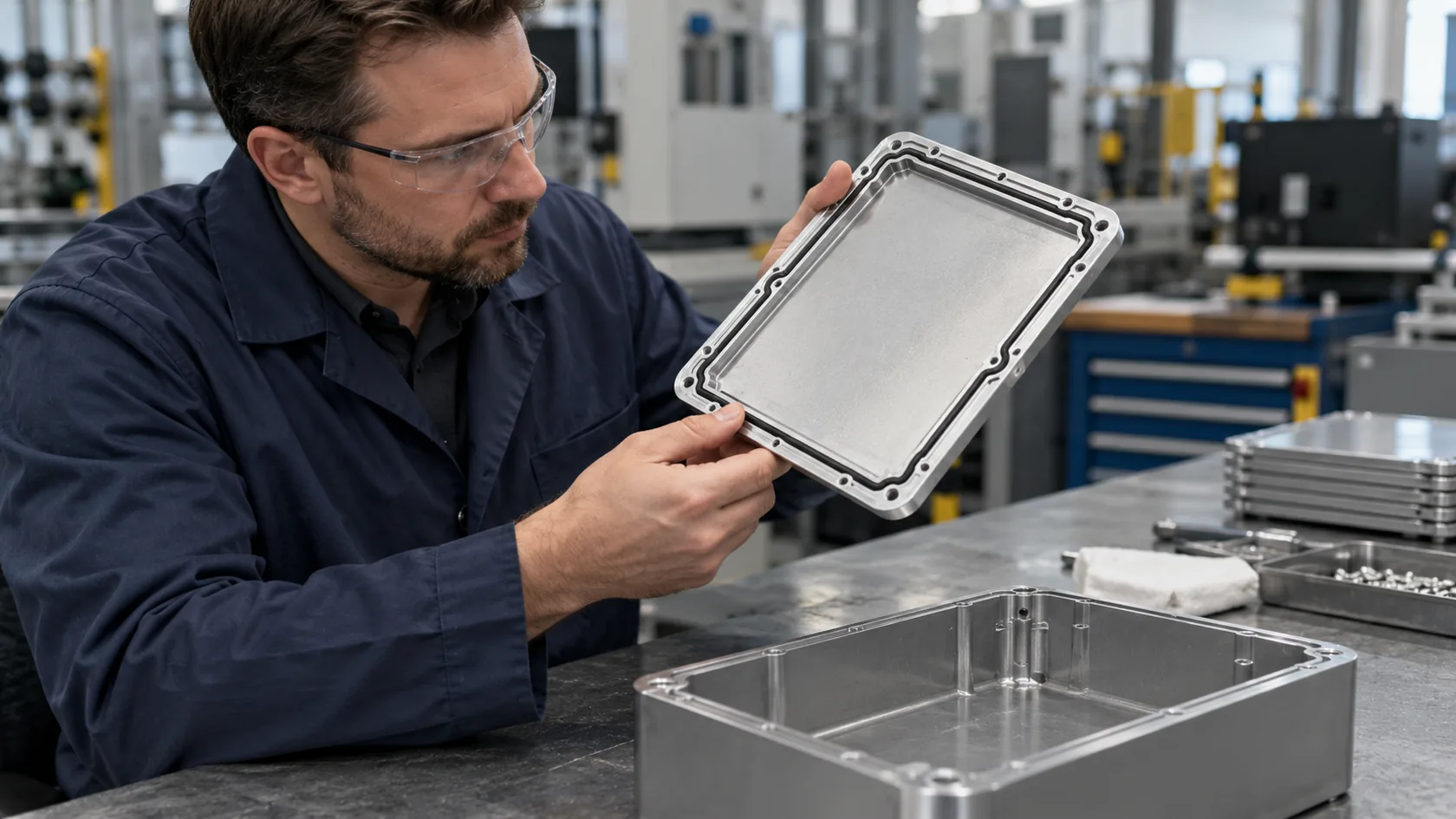
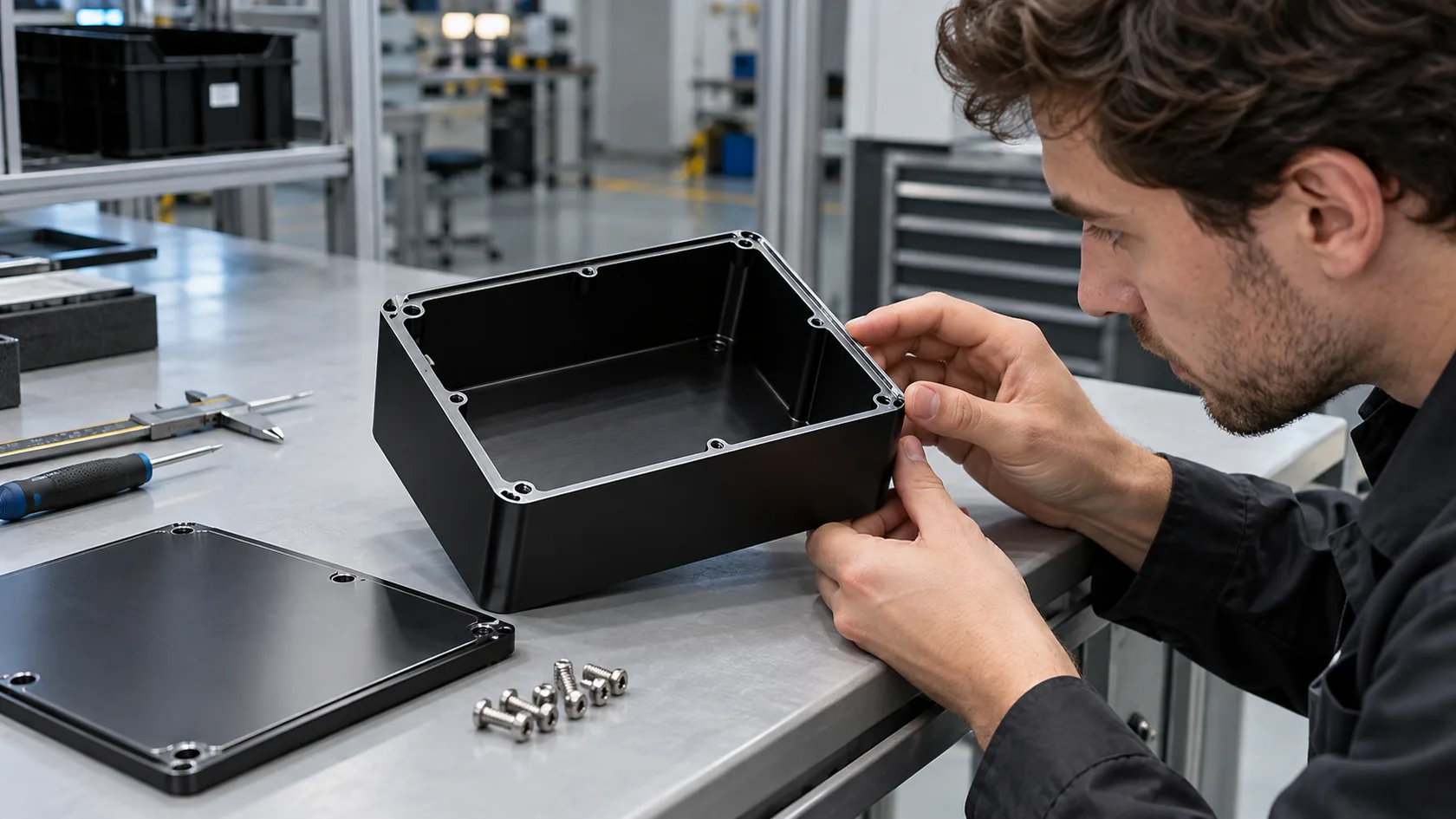
For custom OEM enclosures, this matters even more. Once we add CNC cutouts, logo printing, connector holes, antenna ports, vents, displays, hinges, or special mounting brackets, the rating on the empty box is only part of the story.
So in this article, I want to share the most common mistakes I see when buyers compare NEMA 13, NEMA 4, and NEMA 4X. I will not write this like a standard book. I will write it more like how I explain it to a product engineer during a real project discussion.
Because that is where good enclosure decisions are made.
Not in a rating table alone.
But in the small details.
Mistake 1: Thinking NEMA 13 Is Weaker Just Because It Is Indoor Only
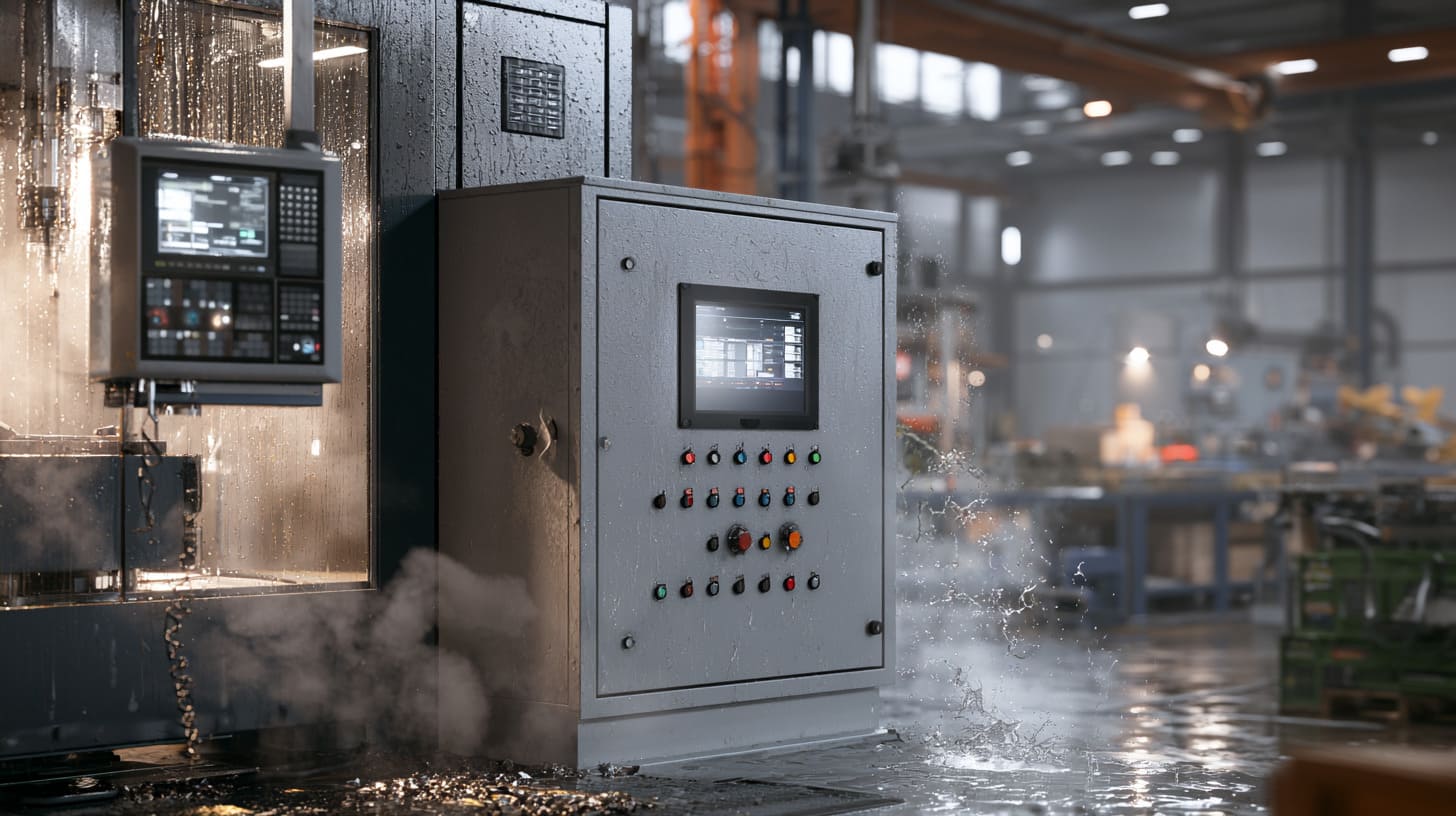
Many buyers see the word “indoor” and quickly feel that NEMA 13 is not strong enough.
I understand why.
Outdoor sounds tougher.
Hose-down sounds tougher.
NEMA 4X sounds even tougher.
But that is not always the right way to think.
NEMA 13 is not a weak rating. It is just designed for a different kind of enemy.
NEMA 13 Is Designed for Specific Industrial Contaminants
In many factories, the biggest problem is not rain. It is not salt air. It is not outdoor weather.
The real problem may be:
- Oil mist from machinery
- Coolant splash from CNC equipment
- Dust from production lines
- Light spraying water
- Non-corrosive liquid exposure
- Small particles around moving equipment
This is why NEMA 13 often appears in indoor industrial applications. It is useful around control panels, machine tools, production equipment, and automation systems.
A machine shop is a good example.
The enclosure may never see rain. Nobody may wash it with a hose. But every day, fine mist and coolant may land on the surface. Small metal particles may collect around the seal. Oil may slowly reach cable entries.
That kind of environment can damage an enclosure even when the building looks clean.
Here is how I usually explain the difference:
| Situation | NEMA 13 May Be Relevant? | Why |
|---|---|---|
| CNC machine area | Yes | Oil mist and coolant splash are common |
| Indoor automation cabinet | Yes | Dust and light liquid exposure may exist |
| Outdoor wall-mounted box | Usually no | Outdoor rain and weather are the main concerns |
| Food plant washdown zone | Usually no | Hose-directed water and cleaning chemicals may be stronger |
| Coastal outdoor installation | Usually no | Corrosion risk becomes more important |
The important point is simple: indoor does not mean easy.
Some indoor factory environments are harder on an enclosure than a clean outdoor wall under a roof.
Why This Mistake Increases Cost
Some buyers jump from NEMA 13 directly to NEMA 4 or NEMA 4X because they want to “play safe.”
I do not blame them. Nobody wants field failure. Nobody wants a customer calling after three months and saying water or oil entered the control box.
But over-specifying can create its own problems.
A higher rating may increase:
- Material cost
- Gasket cost
- Sealing complexity
- Production time
- Accessory cost
- Testing requirements
- Heat buildup inside the enclosure
A more sealed enclosure can also be harder to modify. For example, if the buyer later needs more holes for cables or connectors, every new opening must be treated carefully. One wrong gland can make the rating meaningless.
I have seen buyers ask for a strong outdoor-rated enclosure for a machine that only stays inside a workshop. After we discussed the real working condition, the main issue was oil and coolant, not rain or hose washdown. In that kind of case, the question is not “Can we make NEMA 4X?” Of course, we can discuss that. The better question is: “Does the project really need to pay for that?”
My own check is simple here: if the box will sit beside a machine, I first ask what lands on the enclosure during normal work, not what rating sounds more impressive in the RFQ.
Buyer Judgment Point
If the enclosure is indoors and the main risk is oil, coolant, dust, or light liquid spray, NEMA 13 should not be ignored.
This is especially true for custom control boxes and equipment housings used near machines. A buyer may feel more comfortable with NEMA 4 or NEMA 4X, but comfort is not the same as correct selection.
A good buyer should ask:
| Question | Why It Matters |
|---|---|
| Is the enclosure indoors only? | It helps avoid unnecessary outdoor-focused designs |
| Is there oil mist? | It points toward NEMA 13-type concerns |
| Is there coolant spray? | It affects gasket and material selection |
| Is there hose washdown? | It may push the project toward NEMA 4 or 4X |
| Is there corrosion risk? | It may justify NEMA 4X or special material |
NEMA 13 should not be treated like a lower-quality choice. It should be treated like a specific tool for a specific job.
And in enclosure work, the wrong tool can be expensive even when it looks stronger.
Many quote mistakes begin with a small assumption. The next mistake is even more common because it sounds logical: “If NEMA 4 is good, NEMA 4X must be better.”
Mistake 2: Assuming NEMA 4X Is Always Better Than NEMA 4
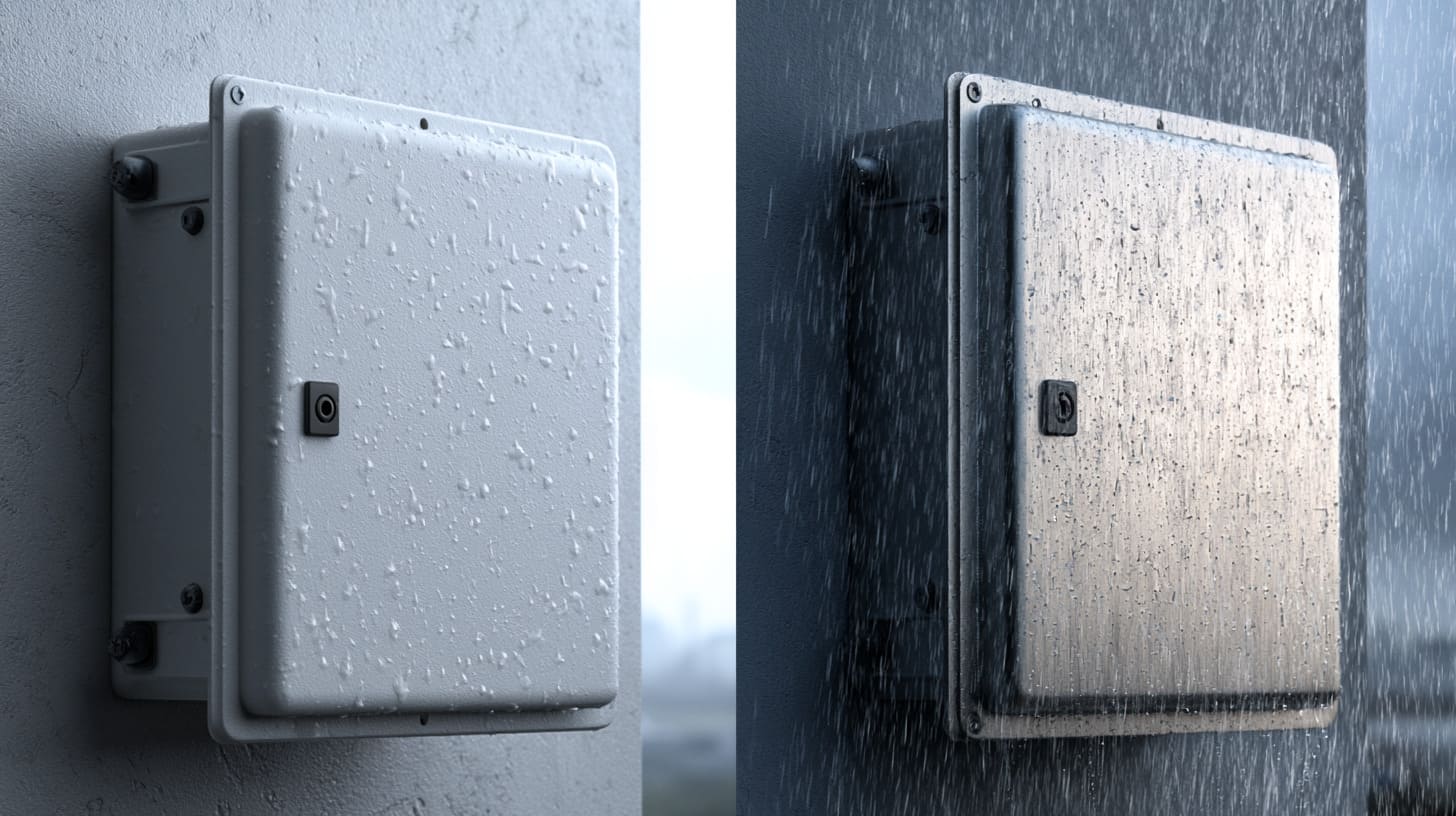
NEMA 4X has a powerful name.
That small letter “X” makes many buyers feel safe. It sounds like a premium version. It sounds like the best option. It sounds like something a serious engineer should choose.
But in real projects, I do not treat NEMA 4X as the automatic winner.
I treat it as a solution for a specific risk: corrosion.
What NEMA 4 and NEMA 4X Have in Common
NEMA 4 and NEMA 4X have many things in common.
Both are used for indoor or outdoor applications. Both are commonly selected when the enclosure may face rain, splashing water, windblown dust, or hose-directed water. Both are much more relevant than NEMA 13 when the project involves outdoor weather or washdown.
So if the buyer only says, “The box will be outside,” NEMA 4 may already be part of the discussion.
If the buyer says, “Workers will wash the area with a hose,” NEMA 4 also becomes more relevant.
But this does not automatically mean NEMA 4X is needed.
| Requirement | NEMA 4 | NEMA 4X |
|---|---|---|
| Indoor use | Yes | Yes |
| Outdoor use | Yes | Yes |
| Rain protection | Yes | Yes |
| Hose-directed water | Yes | Yes |
| Windblown dust | Yes | Yes |
| Added corrosion resistance | No | Yes |
This is where buyers often miss the real difference.
NEMA 4X is not only “more waterproof.” The big point is corrosion resistance.
The Real Difference Is Corrosion Resistance
Corrosion is not just a surface problem. It can affect the enclosure, screws, hinges, locks, gasket area, mounting brackets, and cable entry points.
NEMA 4X becomes more important in places like:
- Coastal installations
- Marine equipment areas
- Chemical plants
- Food processing plants
- Washdown zones with cleaning agents
- Outdoor cabinets exposed to salt air
- Areas with strong humidity and corrosive gas
A simple outdoor rain project and a coastal outdoor project are not the same.
A control box on an inland factory wall may do fine with a suitable NEMA 4 design and proper material. A similar box near the ocean may suffer much faster if salt air attacks the metal surface and hardware.
That is why material becomes part of the discussion. NEMA 4X often connects with stainless steel, plastic, fiberglass, or properly selected corrosion-resistant materials. But even then, the exact material still matters.
For example:
| Environment | Better Question to Ask |
|---|---|
| Normal outdoor rain | Do we need hose-down protection or only rain protection? |
| Coastal outdoor site | Is salt air present every day? |
| Food plant | What chemicals are used for cleaning? |
| Chemical factory | What corrosive substances are nearby? |
| Indoor dry factory | Is NEMA 4X really necessary? |
I become careful when a buyer asks for 4X but cannot explain the corrosion source, because that usually means the project may be paying for fear instead of paying for a real need.
Buyer Judgment Point
Choose NEMA 4X when corrosion is a real risk, not just because the “X” sounds safer.
This mistake matters because NEMA 4X may change the whole enclosure plan. It may affect material choice, screws, hinges, gasket type, surface treatment, and cost.
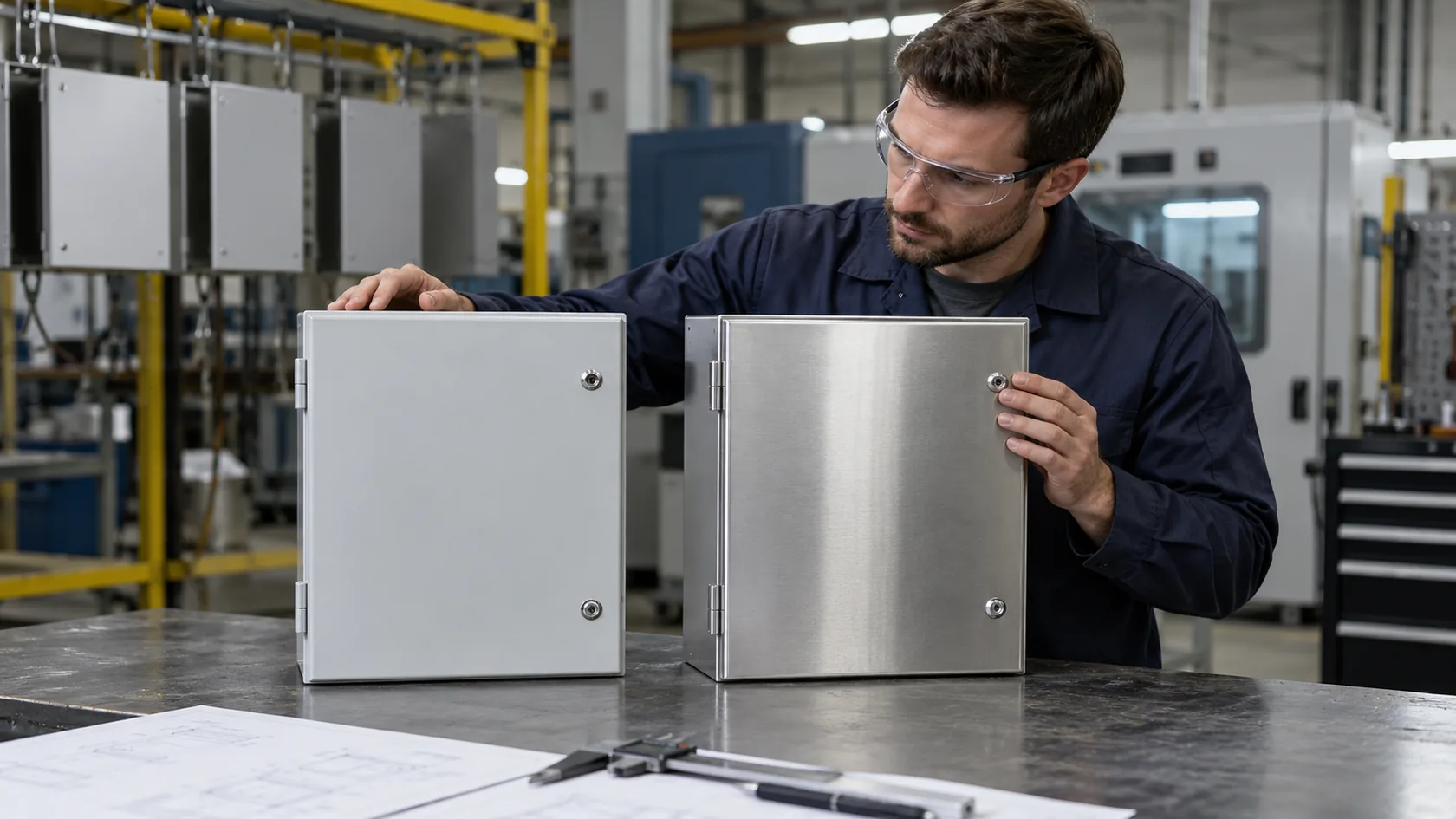
If the buyer needs a custom aluminum enclosure, we may need to discuss anodizing, powder coating, sealing, stainless hardware, and installation environment. If the buyer needs a stainless steel enclosure, we may need to discuss 304 vs 316, surface finish, and cleaning agents.
The rating alone does not answer all of this.
A simple comparison looks like this:
| Buyer Thought | Better Thinking |
|---|---|
| NEMA 4X is always better | NEMA 4X is better when corrosion exists |
| The highest rating reduces all risk | The wrong material can still fail |
| More protection is always worth it | Extra cost must solve a real problem |
| NEMA 4X means no maintenance issue | Screws, glands, and cleaning still matter |
This is why I prefer to slow down before quoting a “better” rating.
A better rating on paper can still become a bad decision if it does not match the real site.
And speaking of real sites, there is one daily action that buyers often forget to describe: how people clean the enclosure.
Mistake 3: Ignoring the Cleaning Method
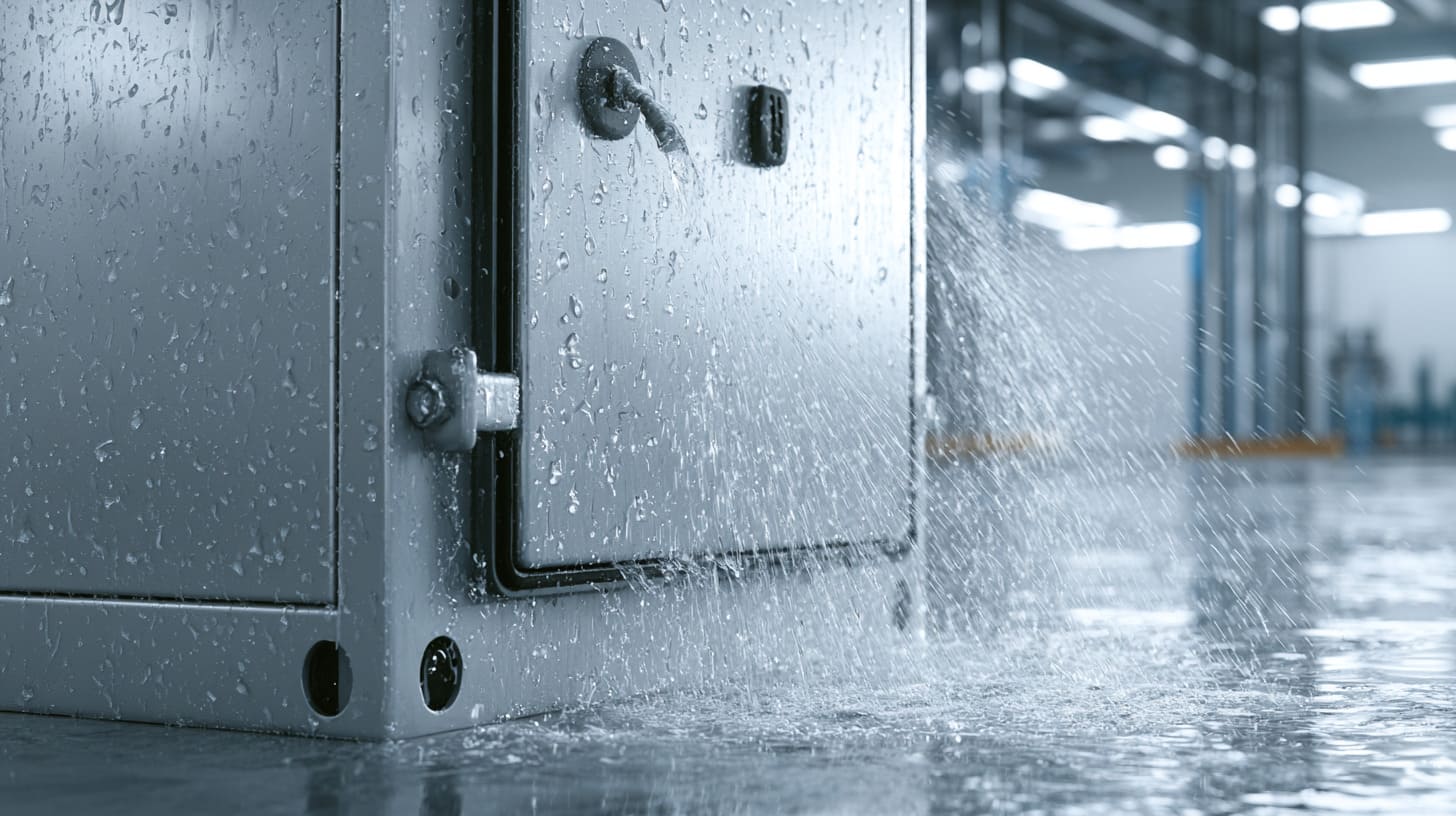
Cleaning sounds like a small detail.
It is not.
In many industrial projects, cleaning method is the difference between a good enclosure choice and a field problem.
Some buyers only say, “There may be water.” But water can mean many things.
It may mean a wet cloth.
It may mean light splash.
It may mean spray from a nearby process.
It may mean a worker using a hose.
It may mean hot water plus detergent at the end of every shift.
These are very different situations.
Light Splash Is Not the Same as Hose-Directed Water
NEMA 13 may be useful when the enclosure faces spraying water, oil, and non-corrosive coolant in indoor areas. But if workers will wash the equipment with hose-directed water, NEMA 4 or NEMA 4X becomes more relevant.
This is why I always want to understand the cleaning process.
A box that survives occasional splash may not survive daily hose cleaning. A gasket that works for light spray may not work when water pressure hits the door edge directly. A cable gland that looks fine in a dry room may become the first leak point during washdown.
Here is a simple way to compare:
| Cleaning Method | Typical Risk Level | Possible Rating Direction |
|---|---|---|
| Dry wiping | Low | Rating may depend more on dust or oil |
| Wet cloth wiping | Low to medium | Check gasket and surface material |
| Light splash nearby | Medium | NEMA 13 or other suitable design may work indoors |
| Spray from process | Medium to high | Need clearer direction and exposure angle |
| Hose washdown | High | NEMA 4 or 4X may be needed |
| Chemical washdown | High | NEMA 4X or special material may be needed |
The pressure, direction, frequency, and chemical content all matter.
A buyer may say, “Only water,” but the worker on site may spray the enclosure every night. That small difference can decide whether the enclosure performs well or fails early.
Cleaning Chemicals Can Change the Selection
Water is not the only problem.
Cleaning chemicals can attack:
- Gaskets
- Plastic parts
- Coatings
- Labels
- Printed logos
- Stainless hardware
- Adhesives
- Cable glands
- Transparent windows
This matters a lot for food plants, chemical areas, medical equipment rooms, and factories with strong cleaning routines.
A rating does not automatically guarantee compatibility with every detergent, coolant, disinfectant, or oil additive. Some chemicals may be mild. Some may be aggressive. Some may be safe for metal but bad for the gasket. Some may be safe for the box body but bad for the printed logo.
For custom OEM projects, this point can be easy to miss. The buyer may care about the appearance and logo. We may make a nice enclosure with printing or engraving. But if the cleaning agent attacks the surface or the logo area, the final product may look poor after use.
Before I suggest a rating, I like to know whether the enclosure will be wiped by hand or washed by pressure, because this tells me where the weak point will probably appear first.
Buyer Judgment Point
Before selecting the rating, ask how the enclosure will actually be cleaned in daily operation.
This is not only an engineering question. It is also a user behavior question.
The design engineer may say the enclosure will only face light splash. But the maintenance worker may clean it with more force. The buyer may assume careful use. The field team may just want to finish work fast.
That is real life.
So the RFQ should include practical cleaning details:
| RFQ Detail | Example |
|---|---|
| Cleaning frequency | Once per day, once per week, only during maintenance |
| Cleaning method | Cloth wipe, spray, hose, pressure wash |
| Water direction | Front only, top-down, all sides |
| Chemical used | Detergent, coolant, disinfectant, salt water |
| Temperature | Cold water, warm water, hot water |
| Operator behavior | Careful cleaning or rough industrial washdown |
If the cleaning method is unclear, the rating comparison becomes weak.
A NEMA rating is helpful. But it cannot read the mind of the person holding the hose.
And once we talk about water and cleaning, we naturally need to talk about outdoor use. Because “outside” is another word buyers use too simply.
Mistake 4: Treating Outdoor Use as One Simple Condition
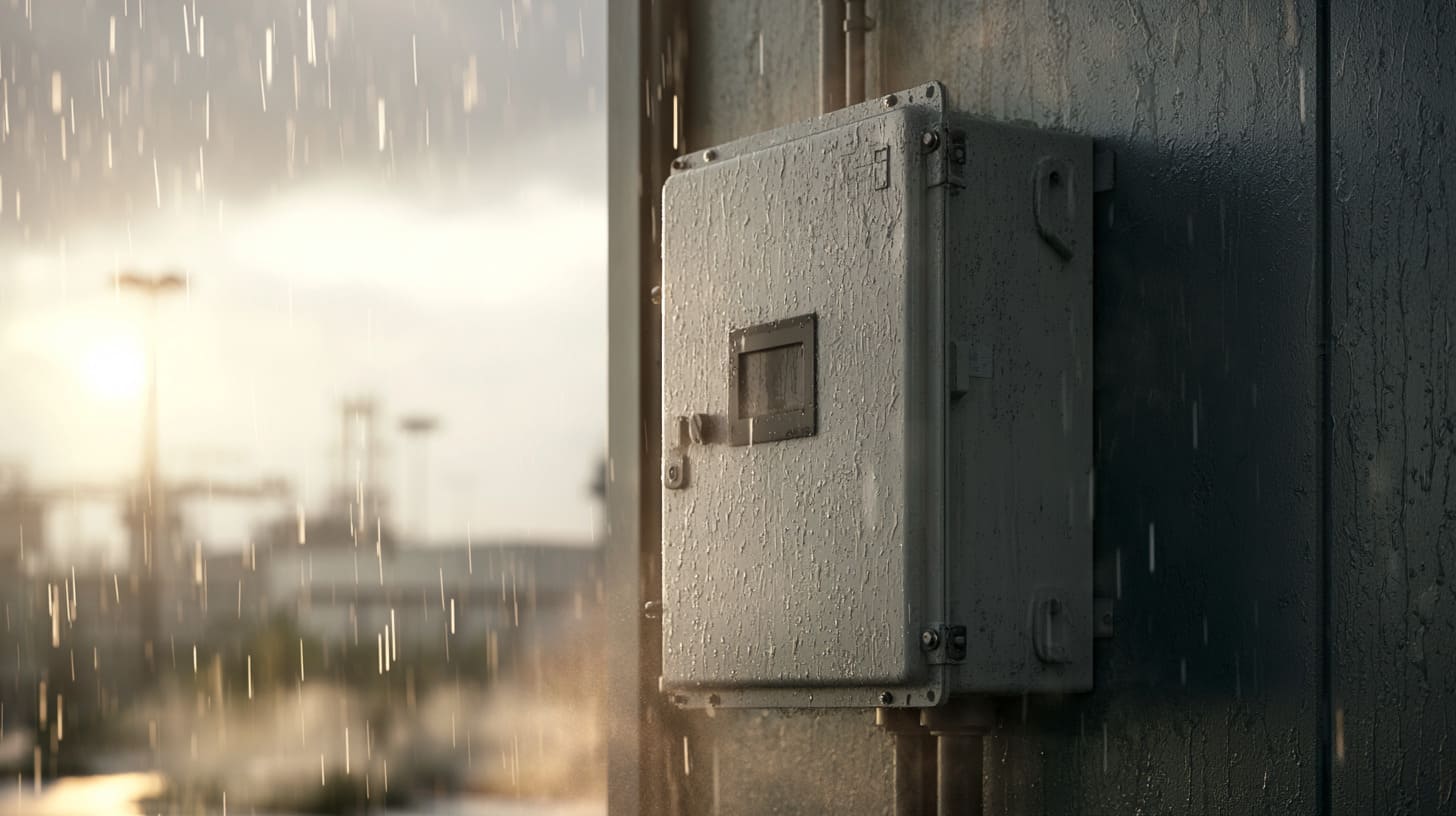
Many buyers write one short word in the RFQ:
“Outdoor.”
But outdoor where?
Outdoor under a roof?
Outdoor on a rooftop?
Outdoor near the sea?
Outdoor beside a road?
Outdoor in a hot desert?
Outdoor in a cold area with snow and ice?
These are not the same installation.
If I only know “outdoor,” I do not know enough.
Outdoor Does Not Always Mean the Same Risk
Outdoor use can include many risks at the same time:
- Rain
- Windblown dust
- UV exposure
- Snow
- Ice
- High humidity
- Temperature cycling
- Condensation
- Salt air
- Pollution
- Direct sun
- Insects
- Poor installation angle
A shaded outdoor wall may be a mild environment. A rooftop cabinet may be much harder because it faces sun, rain, wind, and big temperature changes. A coastal installation may need corrosion resistance even if it is not washed with a hose.
This is why NEMA 4 may be enough for some outdoor projects, while NEMA 4X may be more suitable for corrosive outdoor environments.
| Outdoor Condition | Main Risk | Possible Concern |
|---|---|---|
| Under roof | Windblown rain, dust | Gasket and cable entry |
| Open wall | Rain, UV, temperature | Material and sealing |
| Rooftop | Sun, heat, rain, wind | Heat buildup and aging |
| Coastal area | Salt air, corrosion | Material and hardware |
| Roadside | Dust, vibration, impact | Mounting and strength |
| Cold area | Ice, condensation | Sealing and moisture control |
A buyer may ask for NEMA 4X for every outdoor box. Sometimes that is reasonable. Sometimes it is overkill. Sometimes it is still not enough if heat, condensation, and cable entries are ignored.
Condensation Is Often Missed
Many people think water only enters from outside.
That is not always true.
A tightly sealed outdoor enclosure can still have moisture inside. Temperature changes can make moisture condense on internal surfaces. This can happen even if rain never enters the box.
This is a quiet failure mode.
The enclosure may look perfect outside. The gasket may be fine. The door may close well. But inside, moisture can collect over time and affect electronics, terminals, or circuit boards.
This is especially important for:
- Telecom enclosures
- Router enclosures
- Outdoor gateway boxes
- Control cabinets
- Solar equipment boxes
- Sensor housings
- Battery or power supply enclosures
For these projects, we may need to discuss vents, breathable membranes, drainage design, desiccant, heater elements, or better installation angles. But each solution has a trade-off. A vent can help pressure and moisture, but the vent itself must match the required protection level.
Here is the uncomfortable part: a very sealed box can protect against rain but still trap heat and moisture inside if the full design is not considered.
For outdoor projects, I usually separate “water from outside” and “moisture formed inside,” because solving one does not always solve the other.
Buyer Judgment Point
For outdoor projects, define rain, sun, humidity, salt, temperature change, and cleaning exposure separately.
A better outdoor RFQ should not only say “NEMA 4” or “NEMA 4X.” It should describe the site.
For example:
| Weak RFQ | Better RFQ |
|---|---|
| Need outdoor enclosure | Outdoor wall-mounted enclosure, direct rain, no hose washdown |
| Need NEMA 4X | Coastal outdoor cabinet, salt air, stainless hardware preferred |
| Need waterproof box | Outdoor router enclosure, direct sun, heat inside, cable glands needed |
| Need control box | Food plant washdown zone, daily cleaning, chemical detergent used |
This helps the supplier suggest a practical design.
It also helps avoid two bad results:
- Paying for features that do not solve the real problem
- Missing small details that cause failure later
Outdoor use is not one condition. It is a group of conditions.
And after the environment is clear, the next mistake becomes very important: buyers compare ratings but forget material.
Mistake 5: Comparing Ratings Without Considering Material
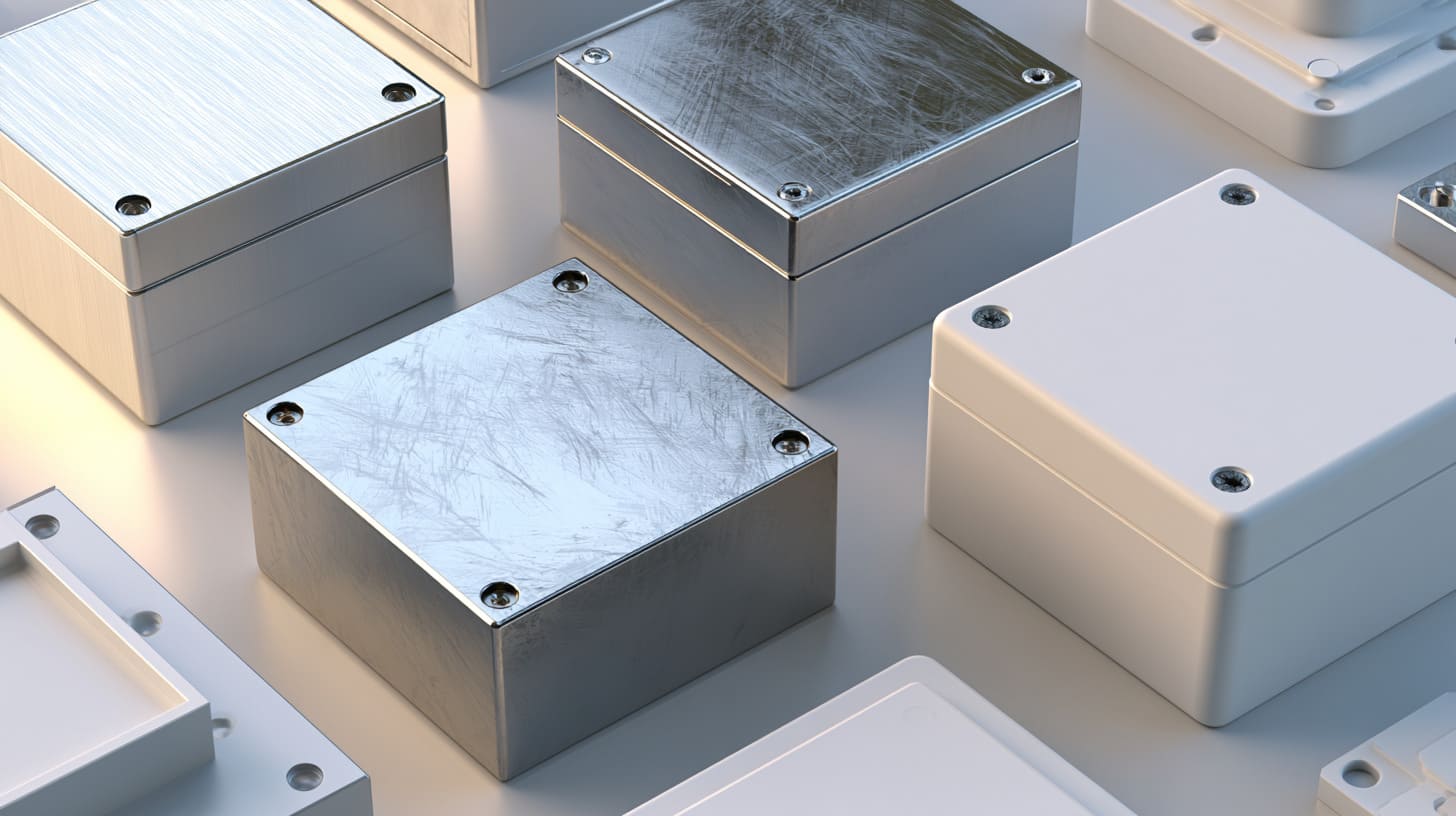
A rating tells us what kind of protection the enclosure should provide.
But the material tells us how the enclosure behaves in the real world.
This is why I never like to discuss NEMA rating alone for custom enclosure projects.
A NEMA 4X enclosure made from stainless steel is not the same as one made from plastic or fiberglass. A NEMA 4 enclosure made from powder-coated steel is not the same as one made from anodized aluminum.
Same rating. Different behavior.
The Same Rating Can Use Different Materials
Enclosures can be made from many materials:
- Aluminum
- Stainless steel
- Carbon steel
- Polycarbonate
- ABS
- Fiberglass
- Die-cast aluminum
- Sheet metal
- Extruded aluminum profiles
Each material has its own strengths and weaknesses.
For example, aluminum is light, easy to machine, and suitable for many custom OEM projects. Stainless steel has strong corrosion resistance, especially when the right grade is selected. Plastic can be light and cost-effective, but it may face limits with heat, UV, impact, or chemical exposure depending on material choice.
Here is a practical comparison:
| Material | Strength | Possible Weak Point |
|---|---|---|
| Aluminum | Light, good appearance, easy machining, good for custom parts | Needs correct surface treatment for harsh environments |
| Stainless steel 304 | Strong, clean look, good general corrosion resistance | May not be enough for high chloride or marine exposure |
| Stainless steel 316 | Better corrosion resistance than 304 in many harsh areas | Higher cost |
| Powder-coated steel | Strong and cost-effective | Coating damage may expose steel to corrosion |
| Polycarbonate | Good impact resistance, light, easy to mold | UV and chemical compatibility must be checked |
| ABS | Cost-effective for indoor plastic enclosures | Not ideal for high UV or harsh chemical exposure |
| Fiberglass | Good corrosion resistance in many environments | Custom machining and appearance may differ from metal |
A buyer who only compares the rating may miss these material differences.
The same rating may pass the same general requirement, but the long-term field performance can still be different.
NEMA 4X Does Not Mean All Materials Perform the Same
This is a key point.
NEMA 4X includes corrosion resistance. But that does not mean every NEMA 4X enclosure is equal in every corrosive environment.
A coastal project, a food plant, and a chemical area may all point toward NEMA 4X, but they may still need different material choices.
For example:
| Application | Possible Material Direction | Why |
|---|---|---|
| Coastal outdoor enclosure | 316 stainless steel or suitable corrosion-resistant material | Salt air is aggressive |
| Food processing control box | Stainless steel or suitable plastic/fiberglass | Cleaning and hygiene matter |
| Industrial chemical area | Plastic, fiberglass, stainless steel, or coated metal depending on chemical | Chemical compatibility matters |
| Outdoor electronics box | Aluminum or plastic with proper sealing and UV consideration | Heat, weight, and customization matter |
| Custom branded product enclosure | Aluminum with anodizing or powder coating | Appearance and CNC customization matter |
Material also affects cost and lead time.
For a custom aluminum enclosure with CNC cutouts and logo engraving, aluminum may be a very practical choice. For a highly corrosive washdown zone, stainless steel or another corrosion-resistant material may be more suitable.
Neither choice is always right.
The real decision depends on the product, environment, quantity, budget, and required appearance.
When I compare materials, I do not only ask which one can meet the rating; I also ask which one will still look acceptable after months of real use, shipping, installation, cleaning, and customer handling.
Buyer Judgment Point
Do not choose only by rating. Match the rating with the right material and surface treatment.
This is where many buyers save money in the wrong place.
They may pay for a high rating but choose poor accessories. Or they may choose a material that looks fine in the sample stage but performs poorly after outdoor exposure. Or they may focus on the box body and forget screws, brackets, hinges, and cable glands.
A better material discussion should include:
| Check Point | Why It Matters |
|---|---|
| Indoor or outdoor use | Affects UV, rain, and temperature exposure |
| Corrosion source | Decides if 4X or special material is justified |
| Surface treatment | Affects appearance and durability |
| Custom cutouts | Affects machining method and sealing |
| Quantity | Affects cost and production method |
| Branding needs | Affects printing, engraving, and finish |
| Shipping method | Affects packaging and surface protection |
Material is not just a technical choice. It is also a cost choice, a visual choice, and a maintenance choice.
But even the best material cannot save a poor enclosure design if the holes and accessories are wrong. That leads to the next mistake.
Mistake 6: Forgetting Cable Glands, Vents, and Cutouts
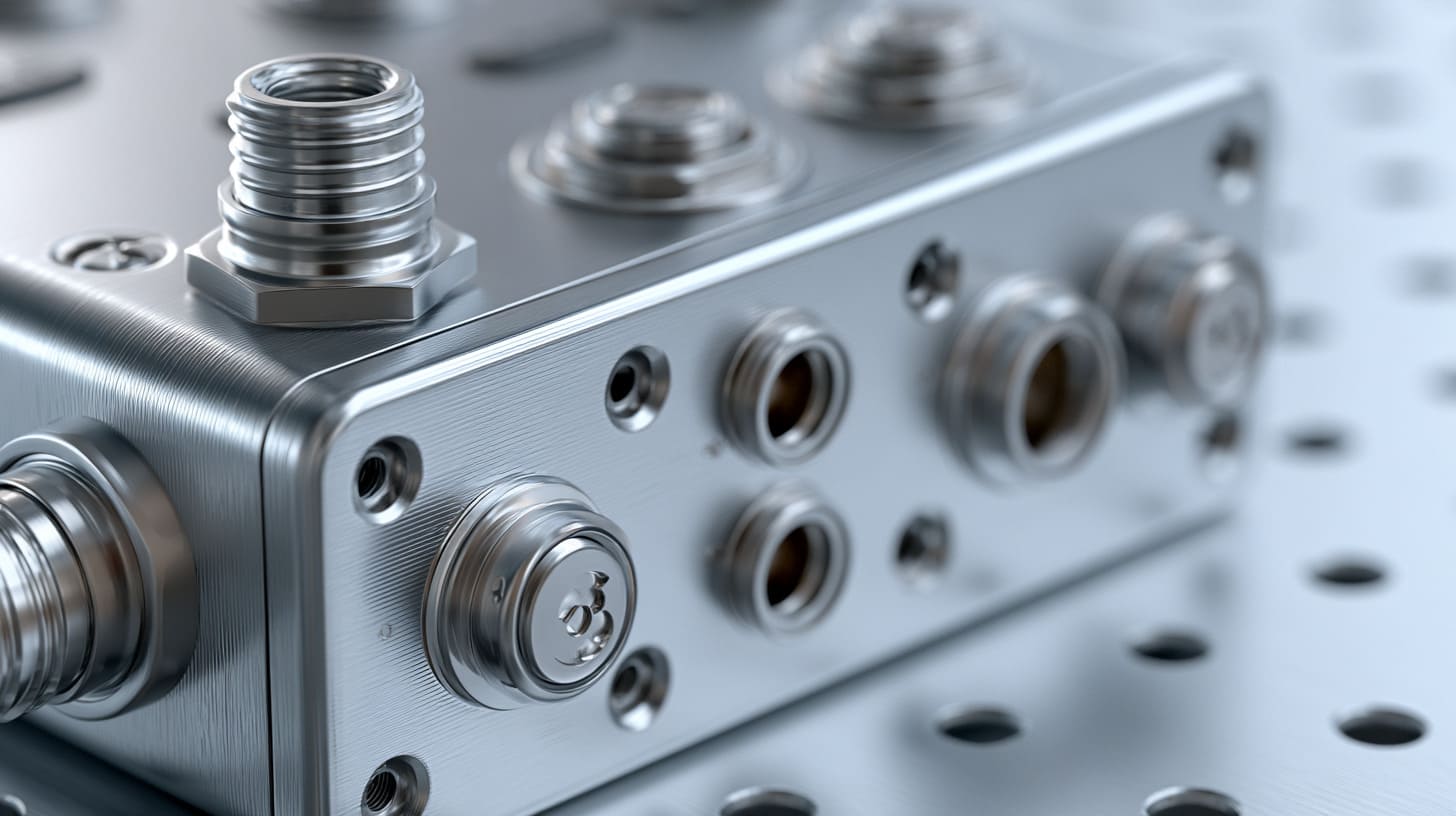
In custom enclosure work, the empty box is rarely the final product.
Buyers often need:
- Cable holes
- Connector ports
- Antenna holes
- Switch openings
- Display windows
- Vent holes
- Mounting holes
- Logo printing
- Engraving
- Hinges
- Locks
- Brackets
All of these features can be normal. But every opening can also become a risk.
The Enclosure Body Is Only One Part of the Protection
A high-rated enclosure can still fail if the accessories are wrong.
This is one of the most practical lessons in enclosure manufacturing.
The box body may be strong. The gasket may be good. The door may close tightly. But if the cable gland does not match the required protection level, water may enter from the cable entry. If a vent is added without proper selection, moisture may enter there. If a display window is not sealed well, the front panel may become the weak point.
In many real projects, failure does not happen through the metal wall.
It happens at the detail.
| Added Feature | Possible Risk |
|---|---|
| Cable gland | Wrong size, poor tightening, bad gasket |
| Connector cutout | Poor sealing around connector |
| Vent | Water or dust entry if not rated correctly |
| Display window | Adhesive or gasket failure |
| Lock or hinge | Water path around hardware |
| Mounting hole | Leakage if drilled through sealed area |
| Antenna hole | Seal risk around round opening |
| Logo plate | Adhesive failure in washdown or heat |
This is why I always want to see the full assembly plan.
A NEMA rating on an empty box is useful, but the final product may be very different after customization.
Customization Can Change the Risk
Custom OEM enclosure projects are not only about protection. They are also about fit, branding, assembly, and product value.
For example, a buyer may send us a board drawing and ask for a custom aluminum enclosure with:
- CNC openings for ports
- Heat dissipation slots
- Logo engraving
- Custom color
- Mounting ears
- Antenna connector holes
- Internal screw posts
- Custom packaging
This is normal for MaidaTech projects. But if the buyer also needs NEMA 4 or NEMA 4X performance, every design feature must be reviewed.
A heat dissipation slot may help thermal performance but hurt sealing. A display window may help user operation but add a sealing risk. A connector hole may be necessary, but the connector must match the protection level.
This is the trade-off.
A fully sealed box may protect better against water, but it may also trap heat. A box with vents may run cooler, but the vents must be carefully selected. A low-cost gland may save money, but it may become the first failure point.
The small parts make the big promise either real or fake, so I always check the gland, vent, connector, and cutout plan before I feel comfortable with the rating.
Buyer Judgment Point
For custom enclosures, judge the complete assembly, not only the empty box rating.
This is especially important for product engineers and buyers who need custom OEM or ODM enclosures.
A good RFQ should include:
| Information | Example |
|---|---|
| Drawing | 2D or 3D file with dimensions |
| Cutout list | USB, Ethernet, power, antenna, switch |
| Cable gland requirement | Size, quantity, direction |
| Vent requirement | Fan, breathable vent, filter vent |
| Mounting method | Wall mount, pole mount, machine mount |
| Logo method | Printing, engraving, laser marking |
| Protection requirement | NEMA 13, 4, 4X, or IP reference |
| Use environment | Indoor, outdoor, oil, coolant, rain, washdown |
The rating should apply to the product as installed, not only to the box before holes are made.
This is also why direct conversion from IP to NEMA can become risky. It looks easy, but it can hide important application details.
Mistake 7: Using IP Ratings as a Direct Replacement for NEMA Ratings
IP ratings are common in global trade.
Many buyers from Europe, Asia, and other markets are more familiar with IP65, IP66, or IP67 than NEMA 13, NEMA 4, or NEMA 4X.
So buyers often ask:
“Is NEMA 4 equal to IP66?”
“Is NEMA 4X the same as IP66?”
“Can I just use IP rating instead?”
These are fair questions.
But the answer needs care.
IP and NEMA Are Related but Not Identical
IP ratings mainly describe protection against solid objects and water.
For example, IP65, IP66, and IP67 are often used to describe dust and water protection levels. This is useful, especially for international buyers.
NEMA ratings include more environmental application details depending on the type. Some NEMA types include concerns that are not fully explained by a simple IP number, such as oil, coolant, corrosion, indoor/outdoor use, or other conditions.
So a conversion table can help, but it should not become the whole decision.
| Rating System | Main Focus | Possible Limitation |
|---|---|---|
| IP rating | Solids and water protection | May not describe oil, coolant, corrosion, or application type fully |
| NEMA rating | Environmental protection by enclosure type | May be less familiar to international buyers |
| Direct conversion | Useful as a rough reference | Can hide important field conditions |
This becomes important when comparing NEMA 13, NEMA 4, and NEMA 4X.
NEMA 13 is not only about water. It is also often connected with oil and non-corrosive coolant in indoor industrial areas. NEMA 4X is not only about water. It also adds corrosion resistance.
If a buyer only uses IP numbers, those differences may be missed.
Why This Causes Wrong Specifications
A buyer may ask for IP66 because he thinks the project needs water protection. But if the real environment is a CNC machine area with oil mist and coolant splash, the discussion should include NEMA 13-type concerns.
Another buyer may ask for NEMA 4X because he saw a conversion table and wants something like IP66 with extra confidence. But if there is no corrosion risk, NEMA 4 or another suitable design may be enough.
This is not about which system is better. Both are useful.
The problem happens when buyers use one rating system to replace real application thinking.
Here is a practical example:
| Buyer Request | Missing Question |
|---|---|
| Need IP66 enclosure | Is there oil, coolant, or chemical exposure? |
| Need NEMA 4X enclosure | Is there real corrosion risk? |
| Need waterproof box | Is it rain, splash, hose, or immersion? |
| Need outdoor enclosure | Is there UV, salt, condensation, or heat? |
| Need dustproof enclosure | What type of dust and how much exposure? |
A rating is a shortcut. A real environment is not.
When a buyer gives me both IP and NEMA requirements, I first check whether they are asking from a standard, from a customer habit, or from the actual installation condition.
Buyer Judgment Point
Use IP comparison as a reference, not as the final selection method.
For international OEM projects, this is very important. A buyer may sell the same product in Europe and North America. The product team may talk about IP rating. The local customer may ask for NEMA. The Alibaba RFQ may mention both.
This can create confusion.
A cleaner way is to write the requirement like this:
| Better Specification Style | Example |
|---|---|
| Rating plus environment | “Outdoor enclosure, rain and windblown dust, no chemical exposure, target NEMA 4 / IP66 reference.” |
| Rating plus cleaning | “Indoor machine enclosure, oil mist and coolant splash, wiped clean, no hose washdown.” |
| Rating plus corrosion | “Coastal outdoor cabinet, salt air exposure, corrosion resistance required, NEMA 4X direction.” |
| Rating plus customization | “NEMA 4 target after cable glands and connector cutouts are installed.” |
This helps the supplier avoid guessing.
A wrong guess can lead to a box that is too expensive, too weak, too hot, or too hard to produce.
And heat is the next issue many people only notice after the enclosure is already installed.
Mistake 8: Ignoring Heat Buildup After Choosing a Higher Rating
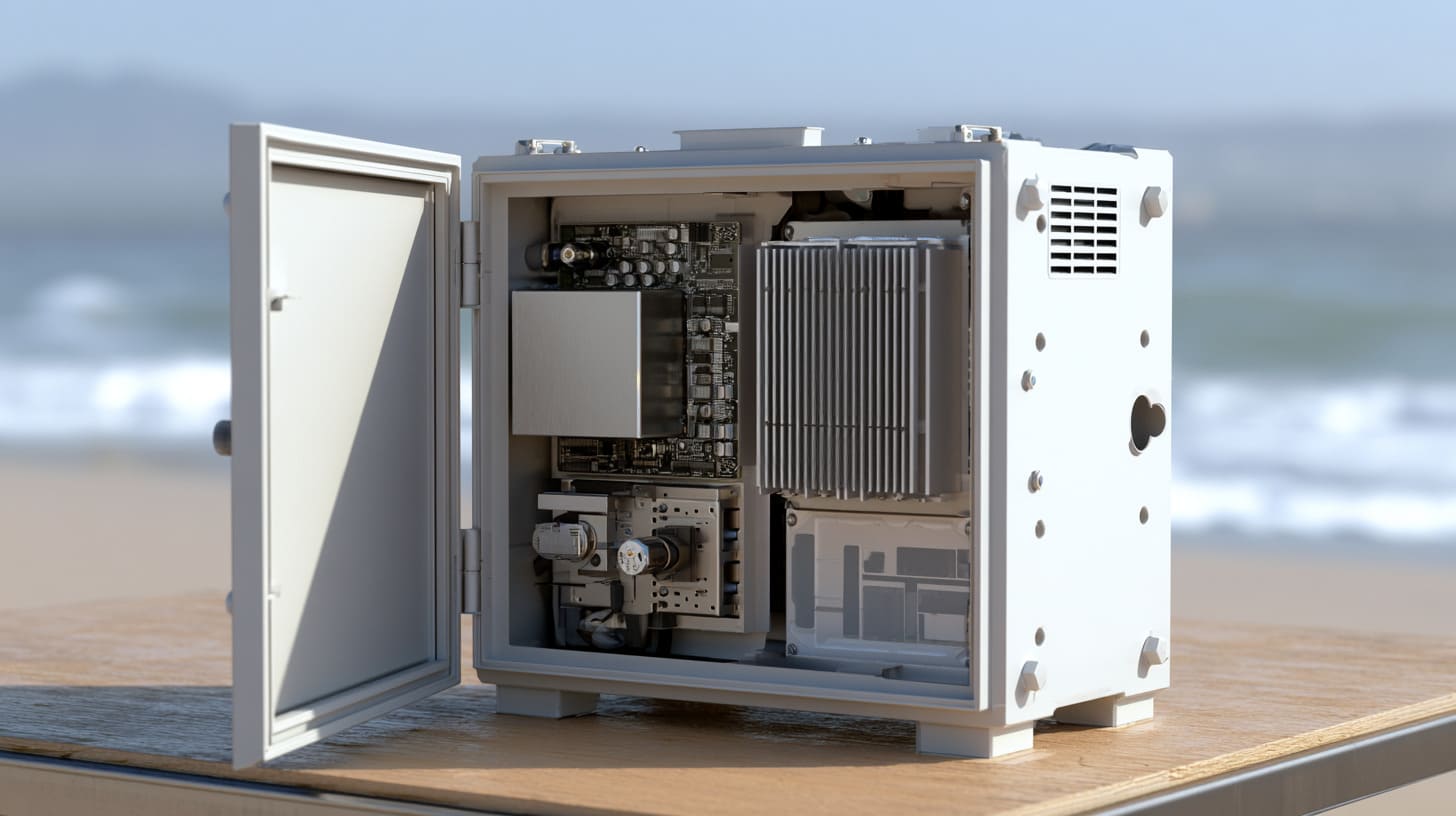
A sealed enclosure feels safe.
No water enters.
No dust enters.
The door closes tightly.
The gasket looks strong.
But then the electronics inside start getting hot.
This is a common hidden problem.
Many buyers solve one issue and create another.
Better Sealing Can Create Thermal Problems
The more tightly an enclosure is sealed, the less natural airflow it may have.
This matters when the enclosure contains:
- Power supplies
- Routers
- Gateways
- Control boards
- LED drivers
- Battery modules
- Relays
- Industrial PCs
- Raspberry Pi boards
- Communication modules
For outdoor electronic enclosures, heat can become even more serious. Direct sun heats the enclosure from outside. The electronics heat it from inside. If the box is sealed and dark-colored, the temperature may rise quickly.
This does not mean a sealed enclosure is bad.
It means sealing and thermal design must be discussed together.
| Design Choice | Benefit | Possible Problem |
|---|---|---|
| Tight gasket sealing | Better water and dust protection | Less airflow |
| No vent design | Fewer leak points | More heat and condensation risk |
| Metal enclosure | Better strength and possible heat transfer | Surface can heat up under sun |
| Plastic enclosure | Light and corrosion resistant | Heat dissipation may be weaker |
| Added fan | Better cooling | Needs filter or vent protection |
| Breathable vent | Helps pressure and moisture | Must match rating requirement |
A buyer may request NEMA 4X for a small electronics box. But if the internal power module gets hot, the rating alone will not save the product.
The enclosure must protect the electronics from the environment and also protect them from themselves.
Ventilation Must Match the Rating
Adding vents sounds easy.
But in NEMA 4 or 4X projects, a normal vent can become a leak path. A fan opening, filter, or pressure vent must be selected carefully.
This is why thermal management is not only about cutting holes.
It may include:
- Heat sink design
- Extruded aluminum fins
- Thermal pads
- Internal layout changes
- Rated breathable vents
- Larger enclosure size
- Lighter surface color
- Sun shield
- Mounting position
- Lower heat components
- External heat dissipation design
For aluminum enclosures, we sometimes discuss integrated fins or thicker wall sections. For plastic enclosures, we may need to think more carefully about heat source location and ventilation. For outdoor routers or gateway boxes, thermal design can be just as important as waterproofing.
A buyer may focus on NEMA rating because water damage is visible and scary. But heat damage can be slower and quieter. The device may restart. The signal may become unstable. The power supply may age faster. The customer may not say “thermal design problem.” They may just say, “Your enclosure does not work well.”
Before I agree that a higher rating is the best answer, I want to know what heat source is inside, because a dry but overheated box is still a failed box.
Buyer Judgment Point
A higher NEMA rating is not useful if the internal electronics overheat in real operation.
A practical RFQ should include internal heat information.
| Question | Why It Matters |
|---|---|
| What electronics are inside? | Different components create different heat |
| What is the power level? | Higher power usually means more heat |
| Is the enclosure under direct sun? | Solar heating can be serious |
| Is there airflow around the box? | Wall, pole, and machine mounting differ |
| Can vents be used? | Vents must match protection needs |
| Is the material metal or plastic? | Heat transfer differs |
| What is the duty cycle? | Continuous operation creates more heat |
Heat is easy to ignore during quoting because it does not show in the rating name.
But in the field, heat does not care about the rating label.
This is why I always come back to the real failure scenario. What exactly are we trying to prevent?
Mistake 9: Choosing the Rating Before Defining the Failure Scenario
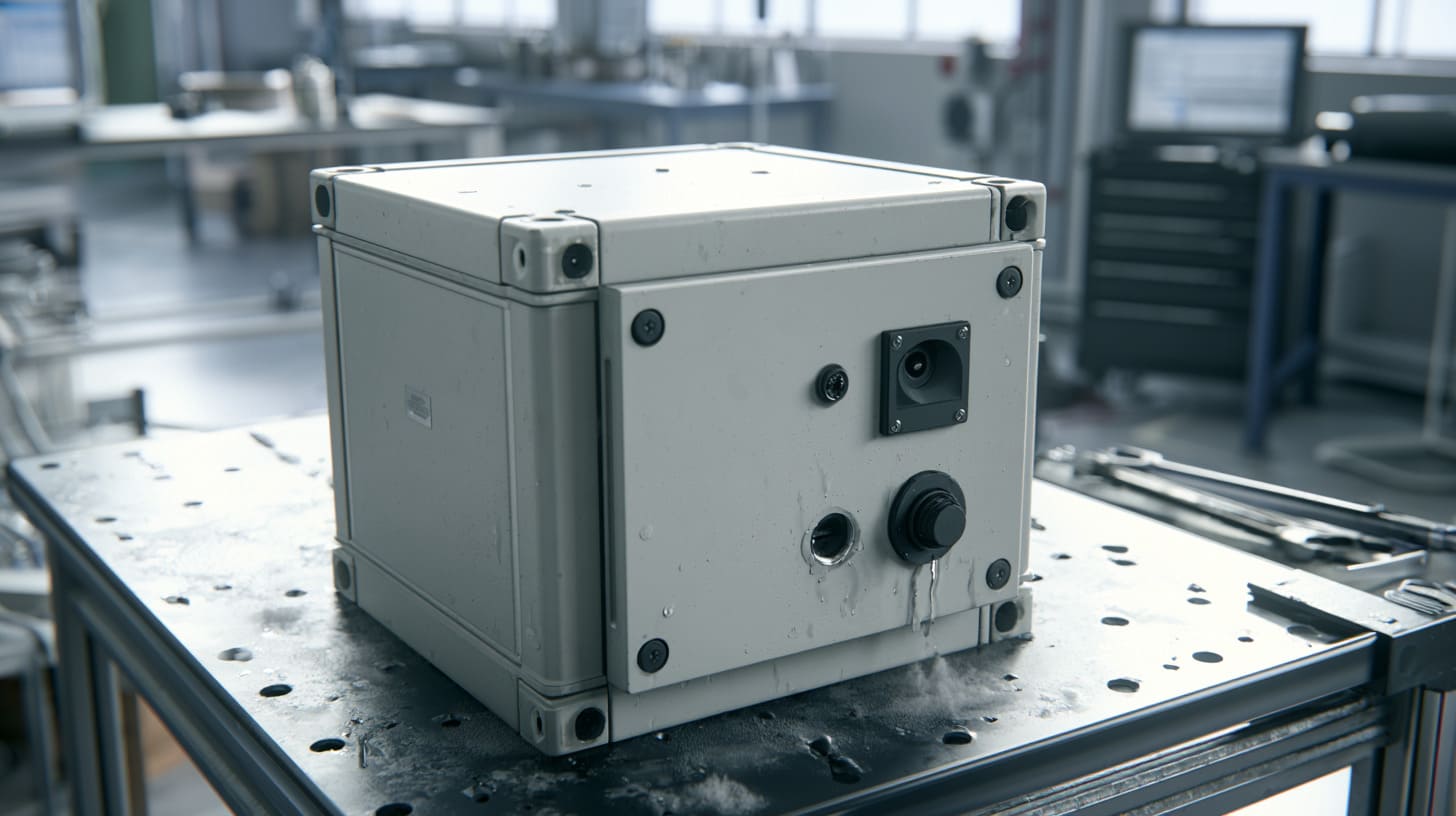
Many RFQs start with the rating.
“We need NEMA 4.”
“We need NEMA 4X.”
“We need IP66.”
“We need waterproof enclosure.”
This is common. It is not wrong to mention a rating. But it becomes a problem when the rating replaces the real story.
A rating should be the result of thinking, not the beginning and end of thinking.
Buyers Often Start With the Rating Too Early
When a buyer says, “We need NEMA 4X,” I still need to ask more.
I need to know what failure they are afraid of.
Is the fear water ingress?
Oil contamination?
Coolant splash?
Corrosion?
Dust?
Heat?
Customer misuse?
Cleaning damage?
Connector leakage?
Outdoor aging?
Each one leads to a different design decision.
Here is a practical way to think:
| Possible Failure | What We Need to Check |
|---|---|
| Water enters from door | Gasket design, compression, latch, door structure |
| Water enters from cable gland | Gland rating, cable size, tightening, location |
| Oil damages gasket | Gasket material and oil exposure |
| Corrosion appears | Material, coating, hardware, environment |
| Electronics overheat | Heat source, enclosure size, vents, fins |
| Condensation forms inside | Pressure vent, drainage, temperature cycle |
| Logo fades or peels | Printing method, surface treatment, cleaning method |
| Mounting bracket fails | Load, vibration, installation method |
This is more useful than just asking which rating is “higher.”
Ratings are important, but they do not remove the need for design thinking.
A Practical RFQ Should Include More Than the Rating
A strong RFQ does not need to be long. But it should include the right details.
For custom OEM enclosure projects, I like to see information like this:
| RFQ Item | Example |
|---|---|
| Application | Outdoor LTE gateway enclosure |
| Installation | Pole-mounted, direct rain, no roof |
| Environment | Rain, dust, sun, possible condensation |
| Water exposure | No hose washdown, only weather |
| Corrosion risk | Inland area, no salt air |
| Internal parts | Router board and power module |
| Heat source | Continuous operation, medium heat |
| Cutouts | Antenna holes, Ethernet port, power cable |
| Material preference | Aluminum enclosure, black powder coating |
| Branding | Logo laser engraving |
| Quantity | 500 pcs first order |
| Packaging | Individual box for project delivery |
This kind of information helps the supplier give a better answer.
Without it, the supplier can only guess. Some suppliers will quote the cheapest version. Some will quote the safest expensive version. Neither may be right.
The danger is not only technical. It is also commercial.
A poor specification can cause:
- Slow quotation
- Too many back-and-forth emails
- Wrong sample
- Higher sample cost
- Delayed project schedule
- Customer complaints
- Redesign cost
- Lower trust between buyer and supplier
The rating should come after the failure scenario is clear; otherwise, the project may look professional on paper but still be blind in the areas that matter most.
Buyer Judgment Point
The rating should be the result of the application analysis, not the first assumption.
Before comparing NEMA 13, NEMA 4, and NEMA 4X, buyers should ask:
- What will touch the enclosure?
- How often will it happen?
- From which direction will it happen?
- Is it water, oil, coolant, chemical, dust, or salt?
- What parts will be added to the box?
- What heat is inside?
- Who will install it?
- Who will clean it?
- What is the cost of field failure?
That last question is important.
If failure is cheap and easy to fix, the design may be different. If failure delays a customer project, damages expensive electronics, or hurts the buyer’s brand, then more careful design is worth it.
In real business, the best enclosure is not only the one that passes a rating. It is the one that reduces the most likely field problem at a cost the project can accept.
And this is exactly why buyers should not treat the manufacturer as only a price machine.
Mistake 10: Not Asking the Manufacturer for Design Input
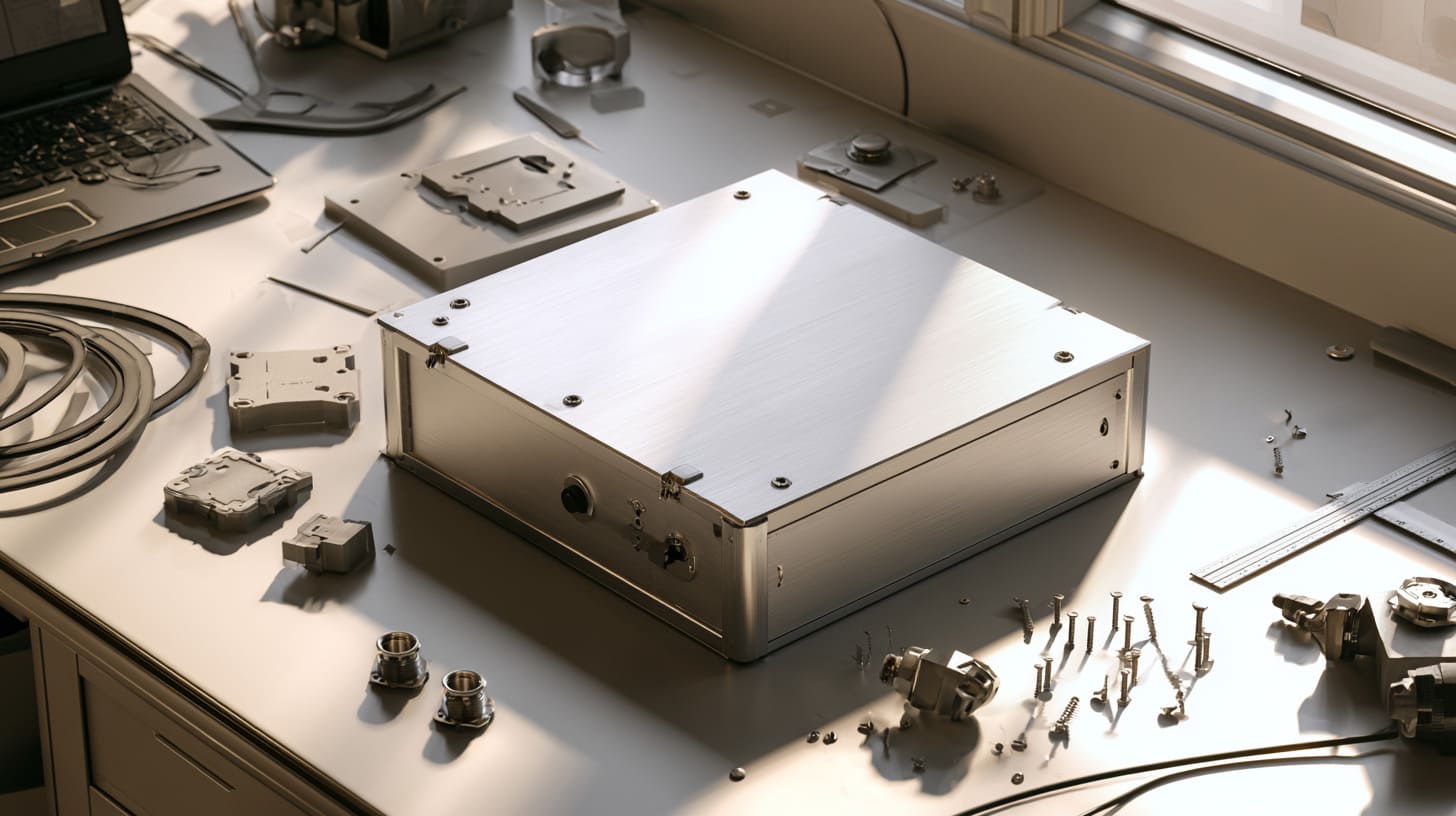
Some buyers send a drawing and ask only one question:
“Price?”
I understand this. Buyers are busy. Engineers are busy. Projects move fast. Sometimes they only need a quick quote.
But for NEMA 13, NEMA 4, and NEMA 4X custom enclosure projects, price is not the only useful answer a factory can give.
A good manufacturer can help catch problems before they become expensive.
Custom Enclosure Projects Need Engineering Discussion
Product engineers know their product. They know the board, the function, the customer, and the project target.
But the enclosure supplier often sees many small manufacturing and assembly risks every day.
For example, we may notice:
- A gasket groove is too narrow
- A wall thickness is too thin for machining
- A cable gland is too close to the edge
- A screw boss may crack after assembly
- A vent location may face direct rain
- A cutout may weaken the panel
- A bend radius may be too tight for sheet metal
- A coating choice may not match the environment
- A small design change could reduce CNC cost
These are not always big design changes. Sometimes they are small adjustments.
But small adjustments can save money, time, and trouble.
| Design Detail | Manufacturer Input Can Help With |
|---|---|
| Gasket groove | Compression and sealing stability |
| CNC cutouts | Machining cost and tolerance |
| Material thickness | Strength and weight balance |
| Surface finish | Appearance and corrosion resistance |
| Hardware | Screws, hinges, locks, brackets |
| Cable entry | Gland fit and sealing risk |
| Internal mounting | Board fitment and assembly speed |
| Packaging | Surface protection during shipping |
For OEM and ODM projects, this communication is very important.
A buyer like Davide may already have strong engineering knowledge. A buyer like John may have a creative product idea but need more factory support. Both types of buyers benefit when the supplier gives practical feedback instead of only saying “yes.”
Good Suppliers Help Balance Protection and Cost
A good enclosure supplier should not always push the highest-cost solution.
That is not real support.
A good supplier should help balance:
- Protection
- Cost
- Lead time
- Material
- Appearance
- Customization
- Assembly
- Shipping
- Maintenance
For example, if a buyer asks for NEMA 4X but the project has no corrosion risk, I may ask more questions before suggesting a more expensive material. If the buyer needs outdoor aluminum enclosures, we may discuss powder coating, anodizing, gasket design, and cable glands. If the buyer needs Raspberry Pi-style custom cases, we may discuss heat dissipation, board fitment, port openings, and surface finish.
The goal is not to make the most expensive box.
The goal is to make the box that works.
Here is how design input can change a project:
| Buyer First Idea | Possible Factory Suggestion |
|---|---|
| Use NEMA 4X for all outdoor boxes | Check if corrosion risk really exists |
| Add many vent holes | Use rated vent or heat sink design |
| Use thin material to reduce cost | Check strength, sealing, and machining risk |
| Put cable glands on top | Move to bottom or side to reduce water risk |
| Use printed logo in washdown area | Consider engraving or more durable marking |
| Use plastic for outdoor UV area | Check UV grade and long-term exposure |
| Use small enclosure for electronics | Check heat and assembly space |
A factory cannot make good suggestions if the buyer only sends one sentence.
The more real information we have, the better we can support the project.
My best projects usually start with a buyer who is open to small design questions, because those questions often reveal the cost, sealing, or assembly issue that would hurt the project later.
Buyer Judgment Point
The best comparison is not NEMA 13 vs NEMA 4 vs NEMA 4X on paper. The best comparison is which design survives the real working environment at a reasonable cost.
That is why I think buyers should treat the manufacturer as part of the early design conversation, not only the final quotation step.
This does not mean the supplier should control the design. The buyer still owns the product requirement. But the factory can help test the requirement against real production.
For a custom enclosure project, I suggest buyers share:
- Application photos if possible
- Installation direction
- Exposure risk
- Cleaning method
- 2D or 3D drawing
- Board or component layout
- Cable and connector requirements
- Logo and appearance needs
- Quantity target
- Lead time target
- Budget direction if available
This makes the discussion faster and more useful.
It also reduces the painful back-and-forth that many buyers dislike when working with overseas suppliers.
A good question at the beginning can save ten emails later.
Conclusion
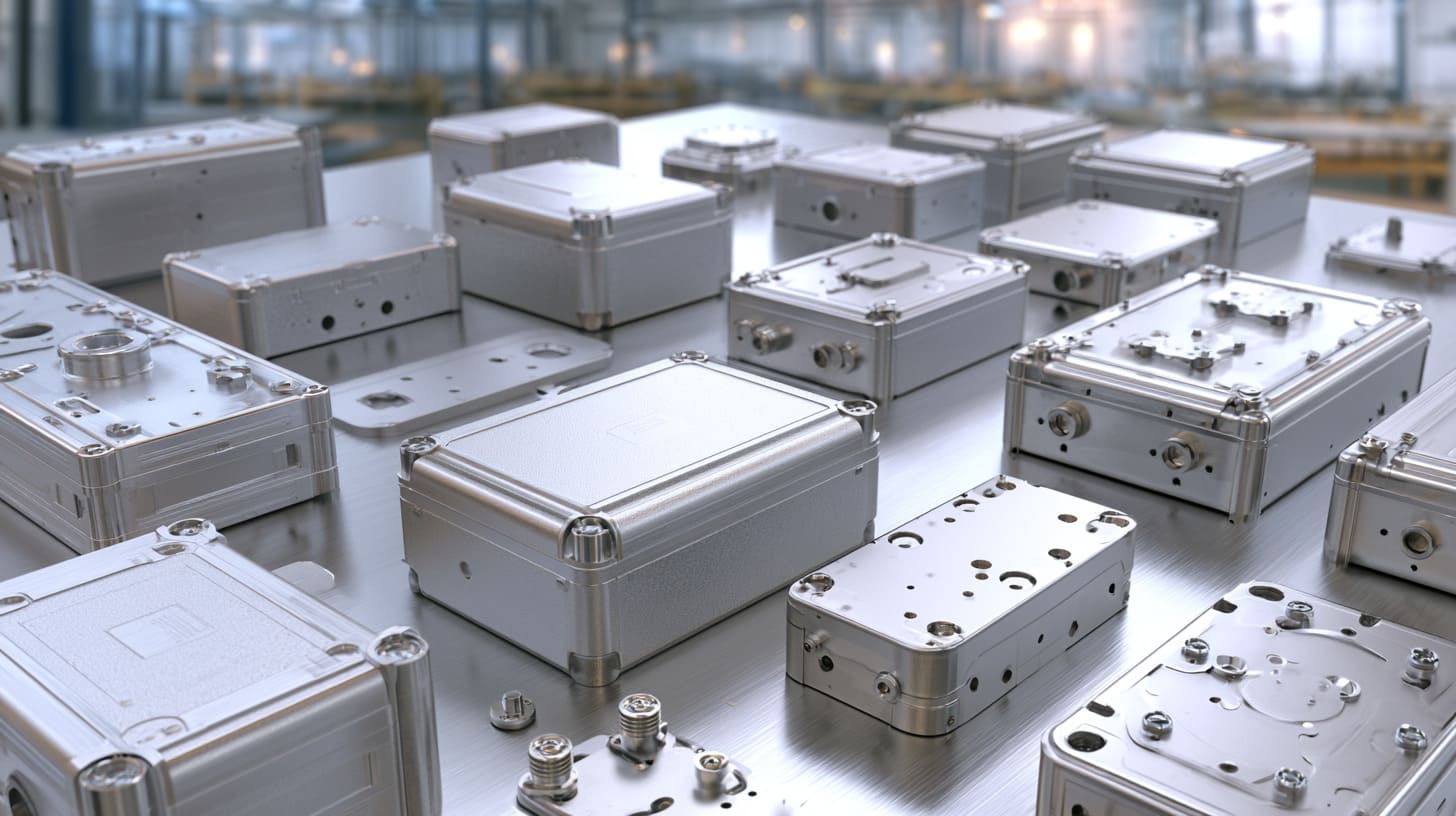
I do not compare NEMA 13, NEMA 4, and NEMA 4X as a simple ladder because I have seen how real enclosure problems happen.
They do not always happen because the buyer chose a “low” rating.
They happen because the real hazard was not clearly defined.
Oil reaches the gasket.
Coolant attacks the wrong material.
Water enters through a cable gland.
A vent becomes a leak path.
A sealed box traps too much heat.
Salt air attacks screws and brackets.
A cleaning chemical damages the surface.
A custom cutout changes the protection level.
These are the details that decide whether an enclosure works in the field.
NEMA 13 is often suitable for indoor industrial areas with dust, oil, coolant, and light spraying water. It should not be dismissed only because it is indoor. NEMA 4 is often more relevant for rain, splashing water, hose-directed water, and outdoor exposure. NEMA 4X should be selected when corrosion resistance is truly needed.
This is why I always prefer to ask about the working environment before suggesting a rating.
For me, the right enclosure choice comes from a simple but practical chain of thinking:
| Step | Question |
|---|---|
| 1 | Where will the enclosure be installed? |
| 2 | What will touch it every day? |
| 3 | Is the exposure water, oil, coolant, chemical, dust, or salt? |
| 4 | How will workers clean it? |
| 5 | What material and surface treatment make sense? |
| 6 | What cutouts, glands, vents, and accessories are needed? |
| 7 | What heat is inside the enclosure? |
| 8 | What is the cost of failure? |
This is also how I work with MaidaTech customers.
We manufacture custom aluminum enclosures, plastic enclosures, sheet metal enclosures, Raspberry Pi-style cases, and other customized enclosure solutions. Many buyers send us drawings, logo files, board layouts, and project ideas. Some buyers already know the exact rating they want. Some only know the working environment.
Both are fine.
But I always think the same way: the enclosure should match the real hazard, not just the most impressive rating name.
If you are comparing NEMA 13, NEMA 4, and NEMA 4X for a custom OEM or ODM enclosure project, you can send us your drawing, installation details, material preference, and expected working environment.
We can help you review the enclosure structure, cable glands, cutouts, surface treatment, logo method, and production plan before the project moves too far.
A good enclosure does not start from a rating label.
It starts from understanding what the box must survive.