Skip to content
Industrial enclosure supply chains look simple from the outside.
A buyer sends a drawing.
A factory confirms the material.
The production team cuts, bends, machines, finishes, packs, and ships the enclosures.
It sounds clean.
But when I work on real custom enclosure orders, I see a very different picture. One small delay in aluminum sheet supply can push back CNC machining. One unclear drawing note can stop the whole project for two days. One late logo file can delay silk printing. One missed customs document can make a shipment sit at the port like a tired truck driver waiting for coffee.
For B2B buyers, this is not just “factory trouble.” It becomes missed project deadlines, higher costs, unhappy end customers, and sometimes a painful loss of trust.
I have seen product engineers from Europe send very clear 3D files, but still face problems because one small surface finish requirement was not confirmed early. I have also seen ODM buyers with creative ideas move fast in the beginning, then slow down because every prototype change affected material, tooling, packing, and shipping.
This is why enclosure supply chain management matters.
A custom aluminum enclosure, plastic enclosure, sheet metal enclosure, or Raspberry Pi-style enclosure is not only a product. It is a chain of many small decisions.
| Supply Chain Area | What Can Go Wrong | Buyer Impact |
|---|---|---|
| Material | Aluminum, plastic, or sheet metal delay | Production starts late |
| Engineering | Drawing details are unclear | Sampling takes longer |
| Production | QC issue or surface defect | Rework and extra cost |
| Branding | Logo file or position is wrong | Product cannot ship |
| Shipping | Freight delay or customs issue | Project deadline missed |
| Communication | Slow reply or unclear updates | Buyer loses control |
The detail I pay attention to first is not the cheapest price. I look at whether the full chain can hold together when something small goes wrong, because that is where real project risk usually appears.
Many buyers ask, “Why does my enclosure order take longer than expected?”
The answer is rarely one single reason.
It is usually a mix of material, quality, communication, logistics, compliance, and cost pressure. So let’s break it down in a practical way.
Common Supply Chain Challenges
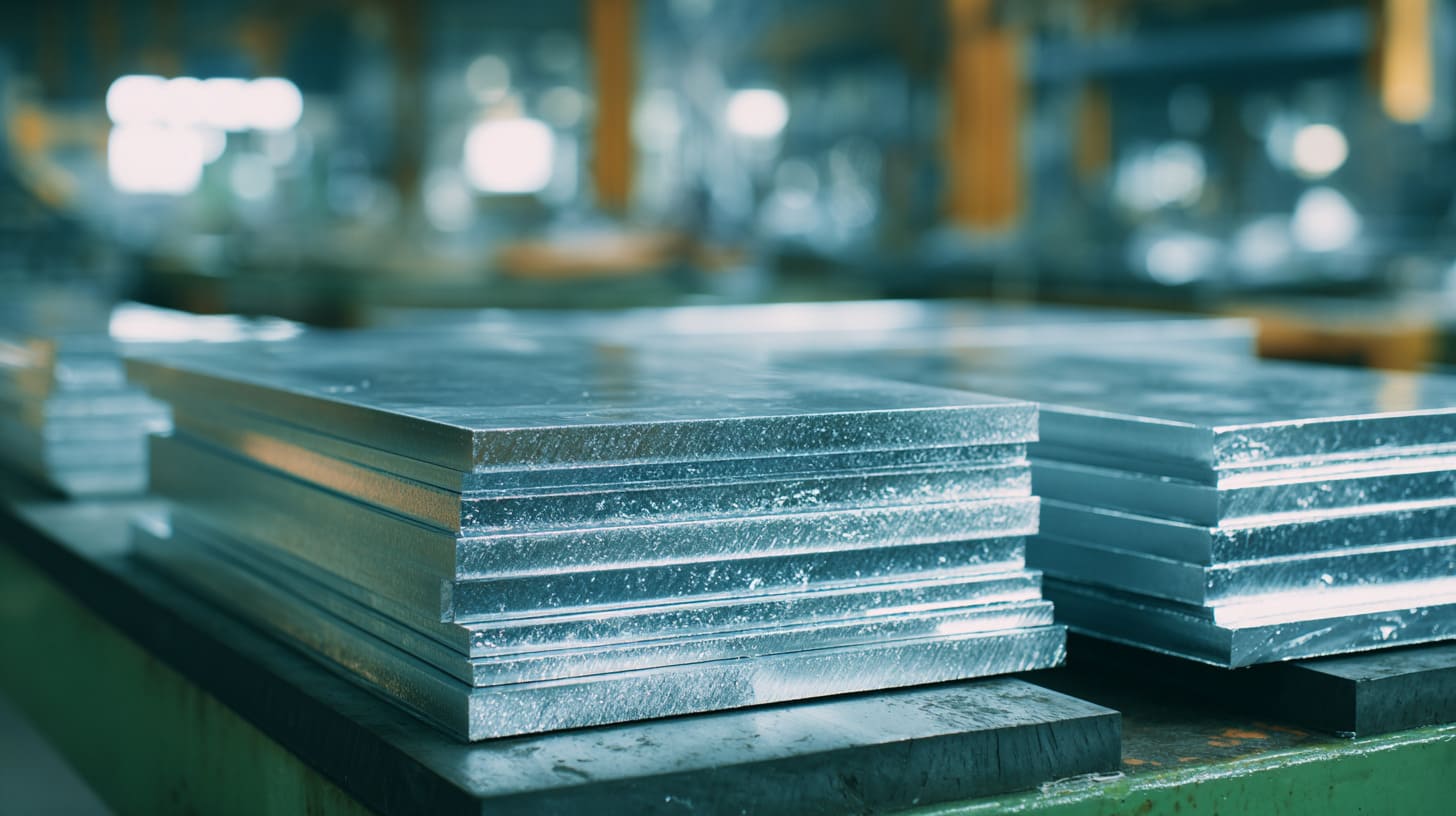
When I talk with overseas buyers, many of them think the biggest problem is production speed. I understand why. A buyer only sees the final lead time.
But inside the factory, the delay often starts before production.
It starts with material checking.
Or drawing confirmation.
Or supplier scheduling.
Or unclear surface treatment requirements.
Or missing packing details.
This is where supply chain challenges become tricky. They hide in boring places.
A custom enclosure order is not like buying a ready-made phone case. It has many moving parts. It may need aluminum extrusion, sheet metal bending, CNC machining, powder coating, anodizing, printing, foam packaging, screws, rubber feet, labels, and export cartons.
One weak link can slow down everything.
Material Shortages and Lead Times
Material is the first gate.
If the material is not ready, nothing beautiful can happen later. The CNC machine can wait. The bending machine can wait. The packing team can wait. But waiting does not help the buyer.
For enclosure manufacturing, common materials include:
| Material Type | Common Use | Typical Risk |
|---|---|---|
| Aluminum sheet | Custom sheet metal enclosures | Price changes and thickness availability |
| Aluminum extrusion | Aluminum project boxes and profiles | Mold or profile stock limitations |
| ABS plastic | Plastic electronic enclosures | Color and grade availability |
| Polycarbonate | Outdoor or impact-resistant enclosures | Higher cost and longer sourcing time |
| Stainless steel | Harsh industrial environments | Higher price and processing difficulty |
| Cold rolled steel | Electrical and control boxes | Rust prevention and coating quality |
Material shortages do not always mean “no material in the market.” Sometimes the problem is more subtle.
The supplier may have aluminum, but not the right thickness.
They may have ABS, but not the right color.
They may have sheet metal, but not the surface quality needed for a visible product.
They may have the material, but the price changed before the buyer confirmed the order.
That last one hurts.
I have seen projects where the buyer waited two weeks to approve the sample. During that time, raw material prices moved up. Nobody likes that conversation. The buyer feels the factory changed the price. The factory feels the market changed the cost. Both sides feel uncomfortable.
A small delay becomes a trust problem.
How material lead time affects enclosure orders
Material lead time has a direct effect on the whole project.
| Project Stage | Material Issue | Result |
|---|---|---|
| Quotation | Material price not stable | Quote validity becomes short |
| Sampling | Small batch material not available | Sample cost increases |
| Mass production | Correct thickness is delayed | Production schedule moves back |
| Surface treatment | Wrong material surface | Anodizing or powder coating result is poor |
| Shipping | Production delay | Delivery date becomes risky |
For custom enclosures, I usually prefer to confirm material grade, thickness, surface finish, and expected order quantity early, because a nice drawing means very little if the correct material cannot be sourced on time.
This is especially important for buyers who need OEM enclosures with logo printing or engraved branding. The enclosure body must be stable first. Branding comes later. If the base material changes, the final look can also change.
Supplier Reliability and Quality Control
A supply chain is only as strong as the people behind it.
Some suppliers can quote fast. That is good.
Some suppliers can produce cheap. That sounds attractive.
But the real question is this: can they repeat the same quality again and again?
That is harder.
In enclosure manufacturing, quality control is not just one final inspection. It starts from drawing review and continues until packing.
Here are the common QC risks I often see:
| QC Area | Common Problem | Why It Matters |
|---|---|---|
| Dimensions | Hole position is off | PCB or cable cannot fit |
| Tolerance | Parts are too tight or too loose | Assembly becomes difficult |
| Surface finish | Scratches, color difference, coating marks | Product looks low quality |
| Logo | Wrong position, weak printing, unclear engraving | Brand image suffers |
| Hardware | Wrong screws or missing accessories | Buyer cannot assemble |
| Packaging | Weak carton or poor protection | Damage during shipping |
For a custom aluminum enclosure, one small hole error can ruin the whole batch. For a plastic enclosure, one wrong internal rib can block the board. For a sheet metal enclosure, poor bending control can make the cover hard to close.
This is why I never judge a supplier only by one nice sample photo.
A photo is useful, but it is not enough.
What I check when evaluating supplier reliability
| Check Point | What I Want to Know |
|---|---|
| Drawing review ability | Can the supplier find design risks before production? |
| Sampling process | Can they explain what changed after the first sample? |
| QC standard | Do they check dimensions, finish, assembly, and packing? |
| Communication | Do they reply clearly when there is a problem? |
| Production capacity | Can they handle repeat orders, not just one small batch? |
| Export experience | Do they understand packing, labels, and shipping documents? |
A reliable supplier does not promise “no problem.” That sounds nice, but I do not fully trust it. A reliable supplier explains where the problem may appear and how they will control it.
That is more real.
A buyer like David from Finland may already understand Chinese factories. He may know that custom manufacturing always has some small friction. But he will lose patience if the supplier hides issues or replies too slowly.
And honestly, I understand him.
When a buyer has his own customer waiting, silence feels worse than bad news.
Communication and Coordination Issues
Communication sounds soft. But in custom enclosure projects, it can become a hard cost.
A single sentence can change the product.
“Make the hole bigger.”
“How much bigger?”
“Move the logo to the center.”
“Center of the lid, or center of the visible front face?”
“Use black.”
“Matte black, glossy black, or anodized black?”
This is where many projects go wrong.
The buyer thinks the supplier understands.
The supplier thinks the buyer confirmed.
The production team follows the latest file they received.
Then the sample arrives, and everyone becomes quiet.
Not a good quiet.
Common communication gaps in enclosure projects
| Communication Gap | Example | Possible Result |
|---|---|---|
| Drawing version confusion | V2 and V3 files are both used | Wrong sample made |
| Unclear tolerance | “Normal tolerance is okay” | Assembly issue later |
| Surface finish not defined | “Black aluminum case” | Wrong black finish |
| Logo file missing | Buyer sends JPG instead of vector file | Printing result is poor |
| Time zone delay | Questions wait overnight | Project loses several days |
| Language misunderstanding | Short message with unclear meaning | Wrong assumption |
The part I often double-check is the latest approved file, because many project mistakes do not come from bad machines; they come from two people looking at different versions of the same idea.
For overseas buyers, time zone difference is also a real issue.
If a buyer in Europe sends a question at 5 p.m., the factory in China may already be offline. If the factory replies the next day, one small question may cost 24 hours. If this happens many times, the project quietly loses one week.
That is why I like simple written confirmation.
Not long reports.
Not fancy words.
Just clear records.
For example:
| Item | Confirmation Needed |
|---|---|
| Drawing version | “Use file V3 dated May 12” |
| Material | “6063 aluminum, 2.0 mm wall thickness” |
| Finish | “Matte black anodizing” |
| Logo | “Laser engraving on top cover, centered” |
| Quantity | “500 pcs for first order” |
| Packing | “Each unit in foam bag, then white box” |
Simple? Yes.
But simple saves money.
Transportation and Logistics Risks
Many buyers focus on production lead time. I do too. But I also watch shipping carefully because shipping can destroy a good production plan.
A factory may finish the goods on time. Then the shipment gets delayed because of vessel space, customs checking, wrong HS code, missing documents, bad weather, port congestion, or local delivery issues.
The buyer does not care who caused it. He only knows the goods are late.
That is painful.
For enclosure orders, shipping risk also depends on the product itself.
| Enclosure Type | Shipping Concern |
|---|---|
| Aluminum enclosure | Scratches, dents, carton impact |
| Plastic enclosure | Cracking, pressure marks, deformation |
| Sheet metal enclosure | Corner damage, coating scratches |
| Large outdoor enclosure | High volume, high freight cost |
| Small Raspberry Pi-style case | Accessory counting, carton labeling |
Freight cost is another headache.
Sometimes a buyer gets a good product price but forgets the shipping volume. This happens often with larger sheet metal boxes. The unit price looks fine. Then the air freight cost appears, and the buyer feels like someone added a second invoice from nowhere.
Common shipping methods for enclosure orders
| Shipping Method | Best For | Risk |
|---|---|---|
| Express | Samples and urgent small batches | High cost |
| Air freight | Medium urgent orders | Cost changes quickly |
| Sea freight | Large volume orders | Longer lead time |
| Rail freight | Some Europe routes | Schedule may vary |
| Combined shipping | Multi-supplier orders | Coordination is harder |
Before I suggest a shipping method, I like to check product volume, project deadline, and damage risk together, because cheap shipping is not cheap if the goods arrive late or damaged.
Packing also matters.
For custom enclosures with surface treatment, I usually prefer protective film, foam bag, inner box, and strong export carton. For large or heavy items, pallet packing may be safer. Buyers sometimes think packing is a small cost. But one scratched logo panel can create a customer complaint that costs much more than better packaging.
Regulatory and Compliance Challenges
Compliance is not the most exciting topic.
Nobody opens a coffee and says, “Today I want to talk about export documents.”
But in industrial supply chains, compliance can quietly control everything.
For enclosure buyers, the needed documents may depend on the application, market, material, and end customer. Some buyers need ISO-related factory documents. Some need RoHS or REACH material declarations. Some need CE-related support for the final assembled product. Some need special customs documents.
The enclosure itself may be a passive mechanical part, but it still supports a product that may enter a regulated market.
| Requirement | Why Buyers Ask For It |
|---|---|
| ISO 9001 system | To show quality management ability |
| RoHS declaration | To support electronics market compliance |
| REACH declaration | To support EU chemical safety needs |
| Material certificate | To confirm aluminum, steel, or plastic grade |
| Surface treatment report | To confirm coating or anodizing quality |
| Packing list and invoice | To clear customs smoothly |
| HS code support | To avoid customs confusion |
The small detail I do not ignore is whether the buyer needs documents before production or before shipment, because waiting until the goods are packed is often too late.
Compliance can also affect supplier selection.
A very small workshop may make a low-cost enclosure, but it may not support formal documents, stable inspection reports, or export packaging standards. For some buyers, that is okay. For others, it is a serious risk.
So the buyer must ask early.
Not after the goods are ready.
Not after the forwarder asks.
Not after the customer complains.
Early.
Cost Management and Budget Control
Cost pressure is everywhere.
Buyers want good quality. They also want competitive prices. That is normal. I am a supplier, and I understand that every project has a budget.
But enclosure cost is not only material plus labor.
It includes many small parts.
| Cost Item | Example |
|---|---|
| Material | Aluminum, plastic, steel, stainless steel |
| Processing | CNC, bending, punching, cutting |
| Surface finish | Anodizing, powder coating, polishing |
| Branding | Laser engraving, silk printing, UV printing |
| Tooling | Mold, fixture, jig |
| Accessories | Screws, rubber feet, gasket, inserts |
| Packaging | Foam, box, carton, pallet |
| Shipping | Express, air, sea, customs cost |
| Rework risk | Sample changes, QC failures, design updates |
Many buyers compare only unit price. I think that can be dangerous.
A cheaper supplier may exclude packaging.
Another supplier may use thinner material.
Another may not include logo printing.
Another may quote without proper surface treatment.
Another may ignore tolerance control.
Then the “cheap” price becomes expensive later.
When I review a target cost, I usually separate must-have requirements from nice-to-have ideas, because trying to keep every feature while forcing the lowest price often creates hidden quality problems.
How buyers can control cost without destroying quality
| Method | How It Helps |
|---|---|
| Confirm quantity levels | Larger orders can reduce unit cost |
| Simplify structure | Fewer bends, holes, and parts reduce processing time |
| Use common material thickness | Easier sourcing and lower waste |
| Choose practical finish | Avoid over-specifying surface treatment |
| Combine shipments | Reduce logistics cost |
| Confirm logo method early | Avoid rework or new fixtures |
| Accept smart design suggestions | Factory may reduce cost through structure changes |
Cost control should not mean cutting corners.
It should mean removing waste.
There is a big difference.
A good supplier should be able to say, “This part can be simplified,” or “This hole position may increase machining cost,” or “This surface finish looks nice, but powder coating may be more stable for this use.”
That kind of suggestion is valuable.
And now that we have looked at the problems, it is time to talk about how to reduce them before they hit the project.
Strategies to Mitigate Supply Chain Challenges

I do not believe supply chain risk can be removed completely.
That would be too easy.
But I do believe risk can be managed. In many projects, the difference between a smooth order and a messy order is not luck. It is preparation.
Good preparation does not need to be complicated. It just needs to be honest and early.
When I work with custom enclosure buyers, I often remind myself of one simple rule: most big delays begin as small unclear details.
So the real strategy is to make important details visible before production starts.
Supplier Diversification
Using only one supplier can feel simple.
One contact.
One quotation.
One payment path.
One production plan.
But it also creates risk. If that supplier has a material delay, machine overload, labor shortage, or quality issue, the buyer has no backup.
For B2B buyers, supplier diversification does not mean changing suppliers every month. That creates more chaos. It means building a small, trusted supplier base.
| Supplier Type | Role |
|---|---|
| Main supplier | Handles most orders and understands your standard |
| Backup supplier | Supports urgent or overflow orders |
| Special process supplier | Handles surface finish, tooling, or special materials |
| Prototype supplier | Supports fast samples and design testing |
I do not like changing suppliers just to save a few cents, because every new supplier has a learning curve, and that learning curve often costs more than buyers expect.
For custom enclosures, the supplier needs to learn your standards.
Your drawing style.
Your packing needs.
Your logo rules.
Your surface finish preference.
Your inspection habits.
Your market expectations.
That takes time.
So I prefer stable cooperation with backup options, not random sourcing.
Inventory Planning and Safety Stock
Inventory is boring until you need it.
Then it becomes beautiful.
For enclosure projects, safety stock can include raw materials, common accessories, standard screws, rubber feet, gaskets, packing materials, or even semi-finished parts.
This is especially useful for repeat orders.
If a buyer always orders the same aluminum enclosure with small logo changes, the factory may prepare common material or keep some semi-finished stock. This can reduce lead time.
But safety stock also has cost.
| Inventory Option | Benefit | Risk |
|---|---|---|
| Raw material stock | Faster production start | Cash tied up |
| Semi-finished parts | Shorter lead time | Design change may waste stock |
| Finished goods stock | Fast delivery | Branding or market demand may change |
| Accessory stock | Avoid small part delays | Small items may be miscounted |
| Packing stock | Faster packing | Custom box design may change |
The choice I make depends on order stability, because holding stock for a product that changes every month can quietly turn into waste.
For buyers with stable sales, safety stock can be very useful. For project-based ODM buyers, it may be better to keep material options flexible instead of holding finished goods.
A practical way is to classify items:
| Item Type | Suggested Stock Strategy |
|---|---|
| Repeat enclosure model | Keep material or semi-finished stock |
| New ODM prototype | Do not overstock too early |
| Common screws and feet | Keep safety stock |
| Custom color box | Confirm design before stocking |
| Special gasket | Keep extra if lead time is long |
Inventory should protect the project, not trap the buyer.
Digital Tools and Traceability
Digital tools do not solve everything.
A bad supplier with software is still a bad supplier.
But good tracking can reduce confusion. It helps buyers and factories see what stage the order is in.
For custom enclosure orders, useful tracking points include:
| Stage | What Should Be Tracked |
|---|---|
| Quotation | Material, quantity, finish, validity |
| Drawing | Version number and approval date |
| Sample | Sample changes and test feedback |
| Production | Cutting, CNC, bending, coating, assembly |
| QC | Inspection results and photos |
| Packing | Carton marks, quantity, accessories |
| Shipping | Forwarder, tracking, customs documents |
The moment I see three different drawing files in one email chain, I know the project needs a cleaner tracking method before someone makes the wrong version.
This does not always require expensive ERP software.
For many small and medium B2B projects, a shared file folder, clear file naming, and a simple order tracking sheet can work well.
For example:
| File Type | Naming Example |
|---|---|
| Drawing | ProjectName_Enclosure_V3_Approved.pdf |
| 3D file | ProjectName_3D_V3_STEP.stp |
| Logo | BrandLogo_Vector_AI_Approved.ai |
| Packing | PackingMethod_Approved_May12.pdf |
| QC report | QC_Report_Batch01_Date.pdf |
Simple file names prevent expensive mistakes.
A buyer may not notice this in the beginning. But when there are several revisions, several people, and several time zones, clear tracking becomes a lifesaver.
Strong Communication and Documentation
I like fast replies. Most buyers like fast replies too.
But speed without clarity is not enough.
A fast wrong answer is still wrong.
Good communication in enclosure manufacturing should be short, clear, and recorded. This matters more when the buyer is in Europe or North America and the factory is in China.
What should be documented before production?
| Item | Why It Matters |
|---|---|
| Final drawing | Prevents wrong version production |
| Material grade | Controls strength and finish |
| Surface treatment | Controls color and appearance |
| Tolerance | Controls assembly and fit |
| Logo method | Controls brand result |
| Packing method | Controls shipping damage |
| Inspection standard | Controls final quality |
| Delivery schedule | Controls project planning |
A detail I often check before mass production is whether the buyer has approved the same file that our production team will use, because verbal approval can disappear, but a confirmed file stays clear.
For communication, I prefer simple questions.
Not this:
“Please kindly confirm all technical, aesthetic, and logistical details before proceeding.”
Better:
“Can you confirm these three points before production?”
- Use drawing V3?
- Use matte black powder coating?
- Print the logo on the top cover?
This is basic. But it works.
Good documentation also protects both sides. If something goes wrong, people can look back and see what was confirmed. This lowers emotion. It keeps the discussion practical.
And in real business, that matters.
Risk Assessment and Contingency Planning
Some buyers only make a plan for the best case.
Material arrives on time.
Sample passes the first time.
Production is smooth.
Shipping has no delay.
Customs clears fast.
Customer is happy.
Nice dream.
But real supply chains need a backup plan.
Risk assessment does not need to be scary. It just means asking, “What could slow this down, and what will we do if it happens?”
| Risk | Possible Backup Plan |
|---|---|
| Material delay | Approve alternative material early |
| Surface finish issue | Make color sample before mass production |
| Logo problem | Test printing on sample piece |
| Production overload | Reserve schedule after deposit |
| Shipping delay | Prepare air option for urgent goods |
| Customs issue | Check documents before shipment |
| Design change | Freeze drawing before production |
I become more cautious when the buyer says the deadline is fixed, because a fixed launch date leaves no room for casual decisions.
For urgent projects, I prefer to identify the “must not fail” points.
For example:
| Project Priority | Focus |
|---|---|
| Launch date cannot move | Confirm material and production slot early |
| Product appearance is critical | Approve finish sample first |
| Assembly fit is critical | Test PCB and accessories in sample |
| Budget is tight | Simplify structure before quotation |
| Shipping deadline is tight | Choose safer freight route |
A contingency plan is not negative thinking.
It is mature thinking.
And for enclosure manufacturing, this maturity can save a buyer from a very stressful month.
Now let’s make this more concrete with two real-style project cases.
Case Examples in Enclosure Manufacturing
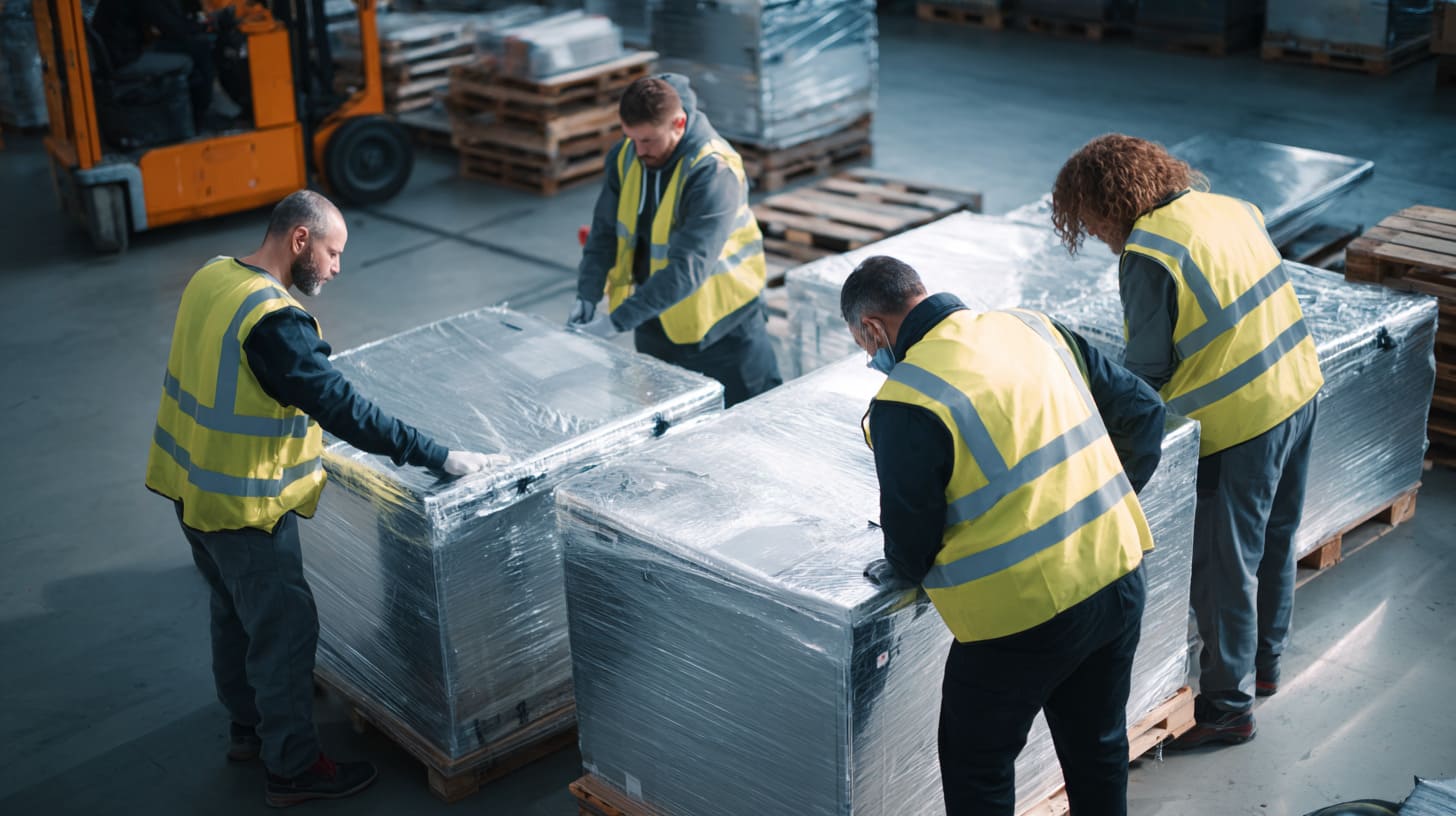
I always find case examples more useful than clean theory.
Theory is neat. Real projects are messy.
A buyer may send a beautiful 3D file, but forget the logo file. Another buyer may confirm the sample, then change the PCB size. A third buyer may want the same enclosure, but with a lower cost and faster delivery.
This is normal.
Custom enclosure work lives between engineering, purchasing, branding, and shipping. So let’s look at two common cases.
OEM Orders for Electronics Enclosures
OEM enclosure orders usually start with a buyer who already has a product.
The buyer may have a sensor, control board, power module, testing device, or small industrial electronics product. The enclosure needs to protect it, match the brand, and look professional.
The buyer may ask for:
- Custom aluminum enclosure
- Logo printing or laser engraving
- Specific holes for ports and buttons
- Internal mounting posts
- Surface finish matching brand color
- Custom packaging
- Fast delivery for market launch
This sounds clear, but many risks hide inside the details.
| OEM Requirement | Supply Chain Impact |
|---|---|
| Custom hole positions | Needs accurate CNC machining |
| Logo printing | Needs correct vector file and position |
| Brand color | Needs surface sample confirmation |
| Custom packing | Needs box design and packing test |
| Tight assembly | Needs tolerance control |
| Launch deadline | Needs stable production schedule |
The first thing I watch in OEM projects is whether the enclosure is protecting a real working product or only matching a visual idea, because function and appearance do not always want the same thing.
For example, a buyer may want a very clean front panel with no visible screws. It looks good. But if the product needs easy maintenance, hidden screws may make repair harder.
Another buyer may want a very thin wall to reduce cost. But if the enclosure needs strength or heat transfer, thinner material may create a problem later.
OEM enclosure decision table
| Buyer Goal | Factory Suggestion |
|---|---|
| Lower cost | Simplify structure or use common thickness |
| Better appearance | Test surface finish before batch production |
| Faster delivery | Use existing profile or stock material |
| Better heat control | Consider aluminum body and ventilation |
| Stronger branding | Use stable logo method like laser engraving |
| Easier assembly | Add clear screw posts and tolerance control |
In OEM orders, communication must be sharp.
If the buyer wants logo engraving, we need the logo file. If the buyer wants color matching, we need a sample or color reference. If the buyer wants holes for connectors, we need the real connector size, not only a rough sketch.
Small details decide whether the final enclosure feels professional or frustrating.
ODM Projects for Raspberry Pi-Style Enclosures
ODM projects are different.
They often start with an idea.
A buyer may say, “I want a case similar to a Raspberry Pi enclosure, but for my own board.”
This kind of project is exciting. It has energy. It feels creative. The buyer may be building something new, and the enclosure is part of the product identity.
But ODM projects also carry more uncertainty.
The board may still change.
The heat design may not be tested.
The port layout may move.
The buyer may not know the final quantity yet.
The market may still be testing demand.
That makes the supply chain harder to control.
| ODM Stage | Main Challenge |
|---|---|
| Idea discussion | Requirements are not fully fixed |
| 3D design | Board size and ports must be accurate |
| Prototype | Fit, heat, and assembly need testing |
| Revision | Each change may affect cost and lead time |
| Pilot order | QC standard must be created |
| Mass order | Stable material and process are needed |
With ODM projects, I try not to rush mass production too early, because one untested board change can make a full batch of enclosures useless.
For Raspberry Pi-style enclosures, heat is often a key topic.
A case may look nice, but if the board runs hot, the product will not feel reliable. The buyer may need vents, aluminum heat contact, thermal pads, fan space, or a larger internal cavity.
Common ODM design checks
| Design Check | Why It Matters |
|---|---|
| Board dimensions | Prevents fit issues |
| Port positions | Ensures cables can connect |
| Heat source location | Helps decide cooling design |
| Screw hole layout | Controls assembly stability |
| Button access | Improves user experience |
| Material choice | Affects cost, strength, and heat |
| Surface finish | Affects brand appearance |
| Packaging | Supports online or project delivery |
ODM buyers like John from Hungary may be creative and patient. He may enjoy discussing ideas. But even patient buyers need clear progress. If the supplier only says “we are checking,” the project feels stuck.
So I prefer step-by-step confirmation:
- Confirm board drawing.
- Confirm enclosure structure.
- Confirm material and finish.
- Make prototype.
- Test assembly and heat.
- Revise design.
- Confirm pilot order.
- Move to mass production.
This rhythm keeps the project alive.
It also keeps everyone calm.
Because in ODM work, calm is useful. Very useful.
Conclusion
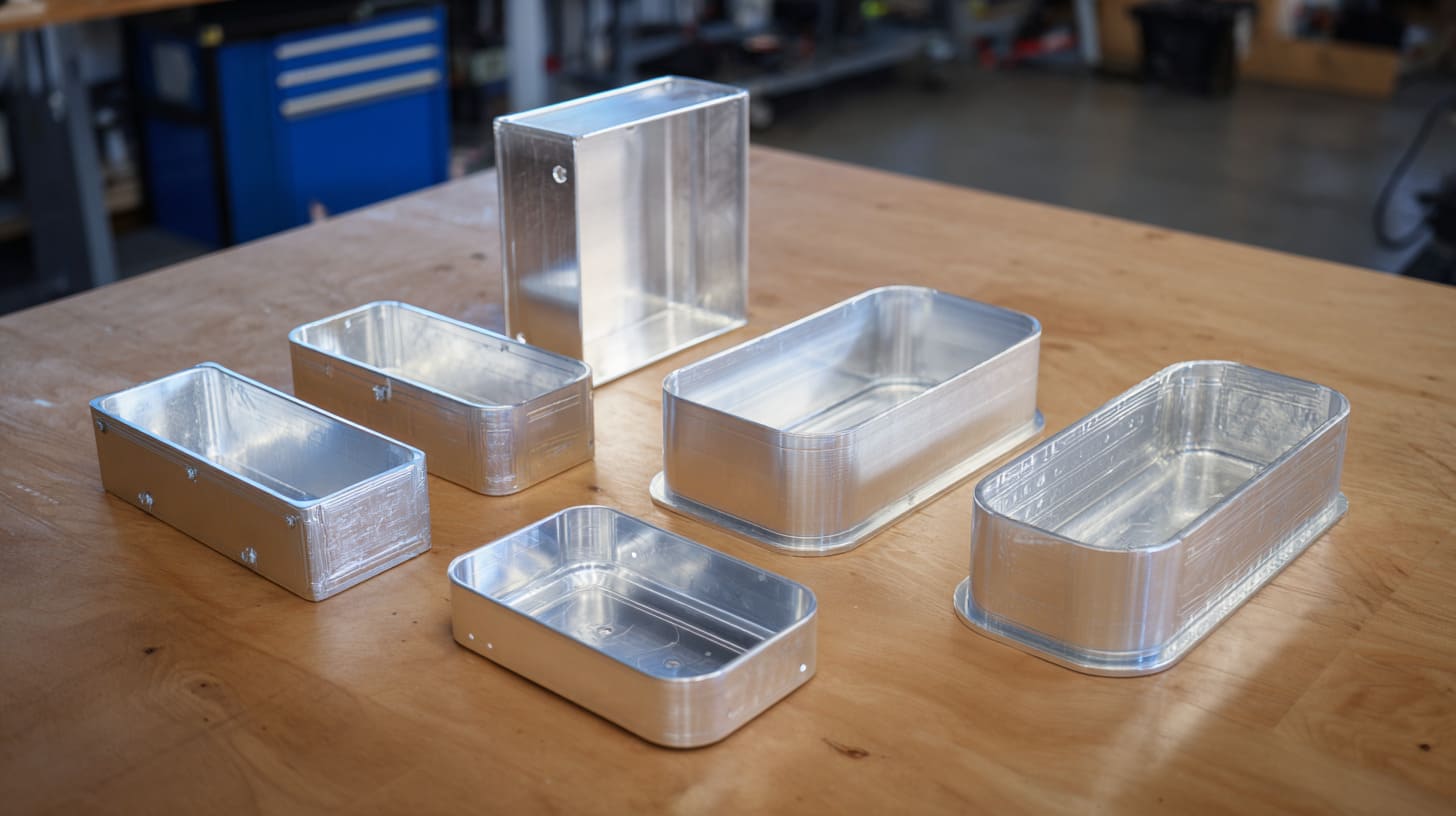
Industrial enclosure supply chains are not simple lines. They are living systems.
Material affects production.
Production affects quality.
Quality affects packing.
Packing affects shipping.
Shipping affects the buyer’s deadline.
Communication affects everything.
The common challenges are usually clear: material shortages, unstable suppliers, QC problems, slow communication, logistics delays, compliance pressure, and cost changes. But the real danger is not only the challenge itself. The real danger is finding it too late.
For custom aluminum enclosures, plastic enclosures, sheet metal enclosures, and Raspberry Pi-style ODM cases, I believe buyers should manage the project before the factory starts production. That means confirming drawings, materials, surface finish, logo details, packing, inspection standards, and shipping plans as early as possible.
A good enclosure supplier should not only make parts. The supplier should help reduce risk.
That is how I see my work at MaidaTech. We support B2B buyers with custom enclosure manufacturing, OEM and ODM service, logo printing or engraving, design adjustment, packaging support, and export experience. We may not remove every supply chain problem, because no honest factory can promise that. But we can make the process clearer, more controlled, and easier to manage.
If you are planning a custom enclosure project, the best time to control supply chain risk is before the order becomes urgent.
You can send your drawing, idea, or current enclosure sample to MaidaTech. I will help you check the key details, discuss possible risks, and find a practical production plan before small problems become expensive ones.