Skip to content

Power distribution does not look exciting at first. A machine may have a strong frame. A building may have a clean layout. A production line may have smart controls. Still, if the main distribution panel is poorly planned, the whole system can become stressful to run. I have seen people spend weeks talking about motors, PLCs, sensors, and software, but give too little attention to the panel that actually feeds power to everything else.
A main distribution panel is the central point that receives incoming electrical power and sends it safely to subpanels, equipment, and different circuits inside a building or industrial site.
I care about this topic because the main distribution panel sits at the point where safety, load control, and enclosure design meet. That is not a small detail. It affects daily operation, future expansion, maintenance speed, and even project cost. In my work with custom metal and aluminum enclosures, I have learned that buyers often focus on dimensions first. I understand why. Size is visible. Price is visible. But the details inside the panel decide whether the project feels stable or messy after installation.
A well-designed main distribution panel helps engineers control power in a clean way. It helps facility teams maintain safety. It also helps enclosure suppliers like me think more carefully about structure, ventilation, cable entry, and access space. That is why I think it deserves a closer look.
The funny thing is this: the more basic a panel looks from outside, the easier it is for people to underestimate what is happening inside. That is exactly why I want to start from the foundation.
What Is a Main Distribution Panel?
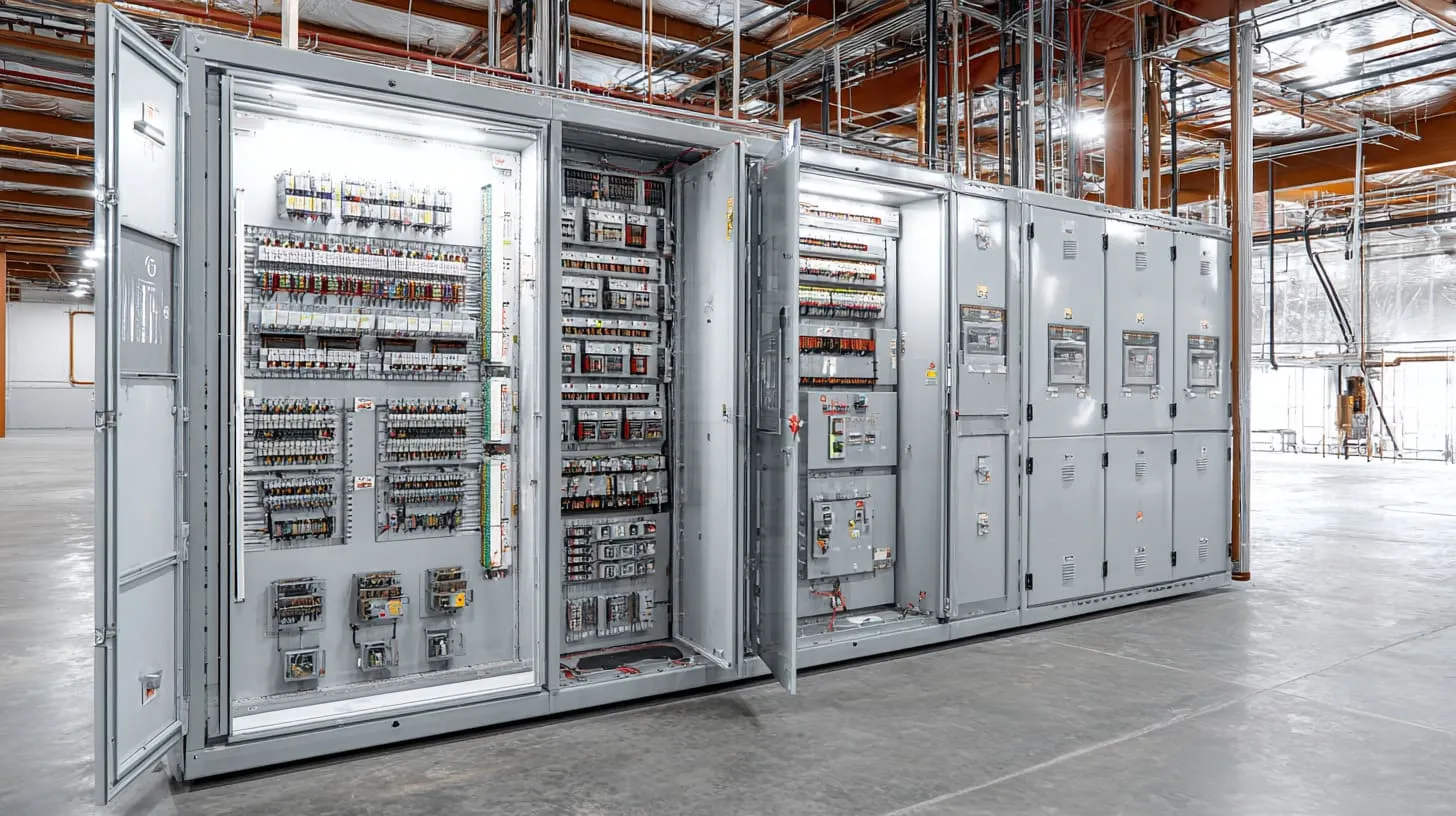
A main distribution panel, or MDP, is the main electrical panel that takes power from the incoming source and sends it to other parts of the electrical system. In plain words, it is the main traffic center for electricity. It does not just pass power along. It also controls, protects, and organizes how that power moves.
A main distribution panel is the central panel that receives incoming power and distributes it to subpanels, branch circuits, and major electrical loads while providing protection and control.
What the Main Distribution Panel Actually Does
The job sounds simple, but the role is serious. The panel usually sits between the main utility feed or generator source and the rest of the system. It helps divide the electrical supply into manageable sections. It also gives technicians a point where they can isolate faults and protect equipment.
I often explain it like this:
| Function | What It Means in Real Use |
|---|---|
| Receive power | Takes power from transformer, utility, or generator |
| Protect system | Stops overloads and short circuits from spreading |
| Distribute power | Sends electricity to subpanels, loads, and circuits |
| Organize layout | Keeps the power path clear and structured |
| Support maintenance | Makes isolation and troubleshooting easier |
One thing I always notice is that people sometimes think the panel is just a box full of breakers. I do not see it that way. I see it as the point that decides whether the electrical system feels controlled or fragile.
Where Main Distribution Panels Are Commonly Used
These panels show up in many places, not only in factories.
- Industrial plants
- Commercial buildings
- Data centers
- Hospitals
- Large residential buildings
- Warehouses
- Processing facilities
The setting changes, but the logic stays the same. Power comes in. It must be managed safely and clearly.
Main Distribution Panel vs Sub Distribution Panel
This part causes confusion for many buyers, especially new ODM customers. A main distribution panel is not the same as a subpanel.
| Panel Type | Main Role | Usual Position |
|---|---|---|
| Main Distribution Panel | Receives main incoming power and distributes it | Near the main supply point |
| Sub Distribution Panel | Receives power from MDP and feeds smaller zones or loads | Near local equipment or building sections |
I usually judge this difference by asking one practical question: does this panel receive the main incoming supply, or is it only serving one smaller area after the fact? That simple check saves a lot of confusion during quotation and design discussion.
A panel may look large and still not be the main panel. That is where people sometimes make wrong assumptions. Size alone tells a poor story.
Once I understand what the panel really is, I move straight to the internal parts, because that is where good design starts to show its character.
What Are the Main Components Inside a Main Distribution Panel?
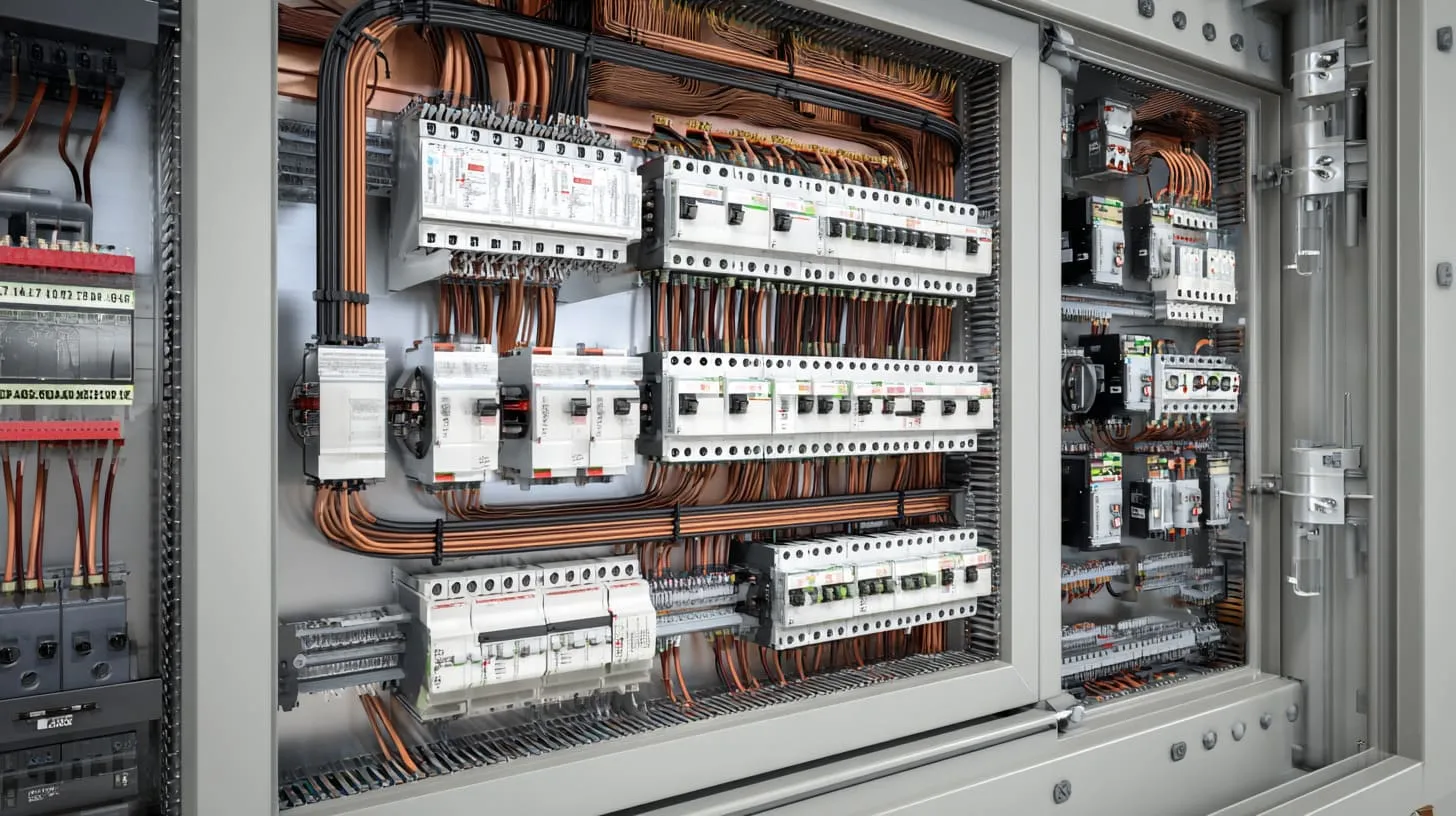
The inside of a main distribution panel tells me a lot about the quality of the project. I do not mean only brand names. I mean the logic of the layout. Good components matter, yes. But how they are arranged matters just as much.
The main components inside a main distribution panel usually include the main breaker, busbars, protective devices, metering equipment, and organized wiring or terminal systems.
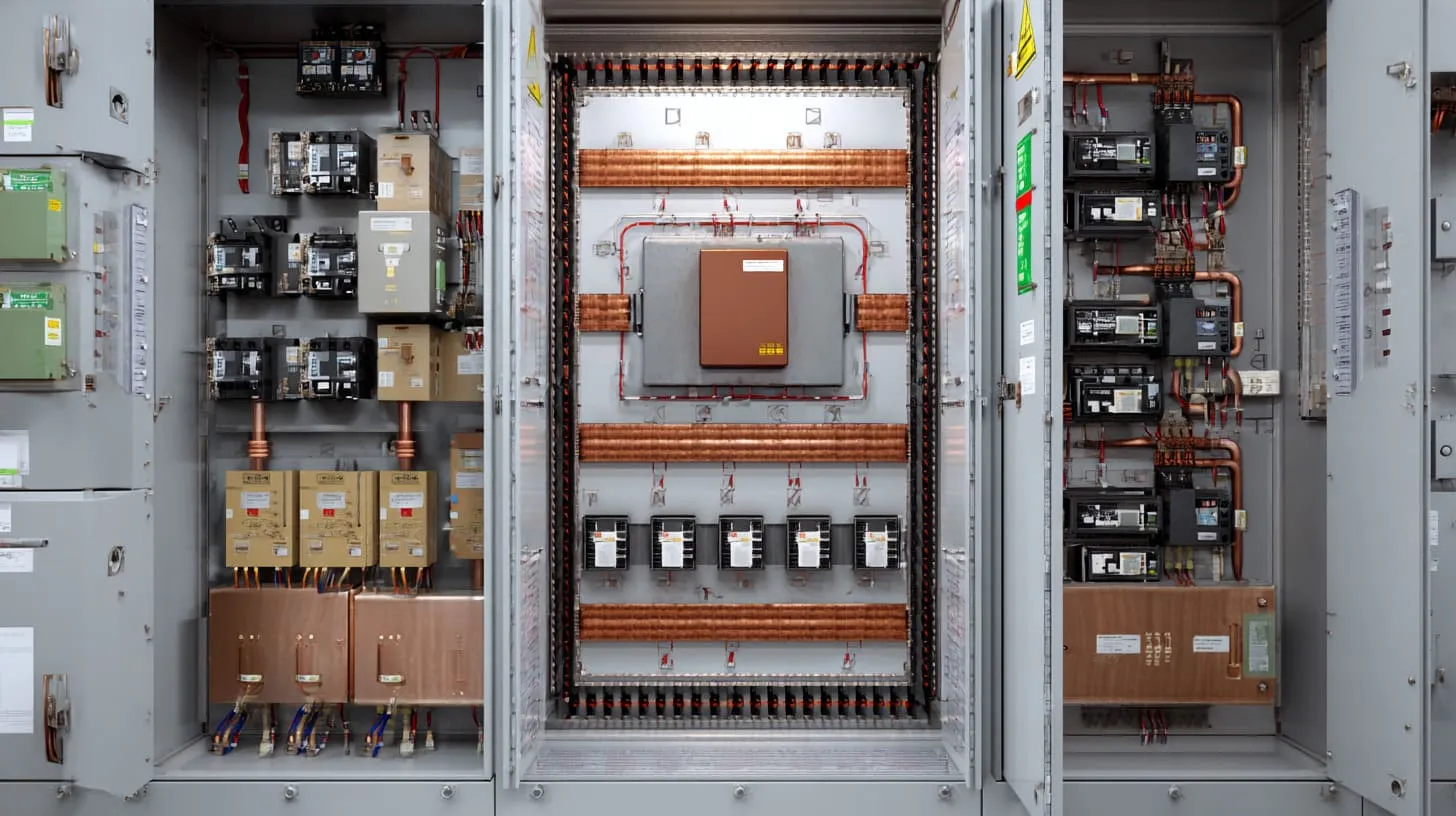
Main Circuit Breaker
The main circuit breaker is the first big protection point. It can disconnect the entire panel from the incoming supply when there is overload, short circuit, or a maintenance need.
I see this as the gatekeeper. If the gatekeeper is undersized, badly selected, or hard to access, the whole system becomes harder to trust.
Busbars
Busbars carry electrical power from the incoming side to the branch circuits. They are often made of copper or aluminum. Their size, shape, insulation approach, and spacing all matter.
Protective Devices
A main distribution panel often includes more than one protective device. These can include:
- MCCBs
- ACBs
- Surge protection devices
- Fuse units in some setups
- Monitoring relays in more advanced systems
This is where things often go wrong: some buyers focus only on the main breaker rating and forget that downstream protection coordination matters just as much. A strong top-level breaker alone does not make the whole panel well protected.
Metering and Monitoring Equipment
Modern panels often include power meters, current transformers, energy monitoring modules, and sometimes communication units for remote monitoring. These are helpful because power problems are easier to solve when you can actually see what is happening.
I like panels that show useful data without making the operator feel buried in screens and settings. A smart panel should help people think more clearly, not just impress them.
Wiring and Terminal Blocks
Good wiring practice is one of those details that everyone says matters. Still, many projects give it too little respect. Neat wiring is not only about beauty. It affects safety, maintenance, airflow, and future changes.
| Component | Purpose | What I Watch Closely |
|---|---|---|
| Main breaker | Main protection and isolation | Rating, accessibility, quality |
| Busbars | Power distribution path | Material, spacing, heat handling |
| MCCB/ACB/SPD | Extra protection | Correct coordination and placement |
| Meters | Monitoring and diagnostics | Readability and integration |
| Terminal blocks | Organized connection points | Clear labeling and serviceability |
| Wiring | Internal connection system | Routing, bend space, separation |
Why Internal Layout Matters More Than Many Buyers Expect
I have seen panels with famous component brands still create trouble because the inside was too crowded. Cable bending was awkward. Maintenance access was poor. Heat had nowhere to go. The drawing looked fine. Real work did not.
That is why I never judge a panel only by the parts list. I want to know how those parts live together inside the enclosure.
And once those parts are in place, the next question becomes obvious: how does all of this actually work as one system?
How Does a Main Distribution Panel Work?
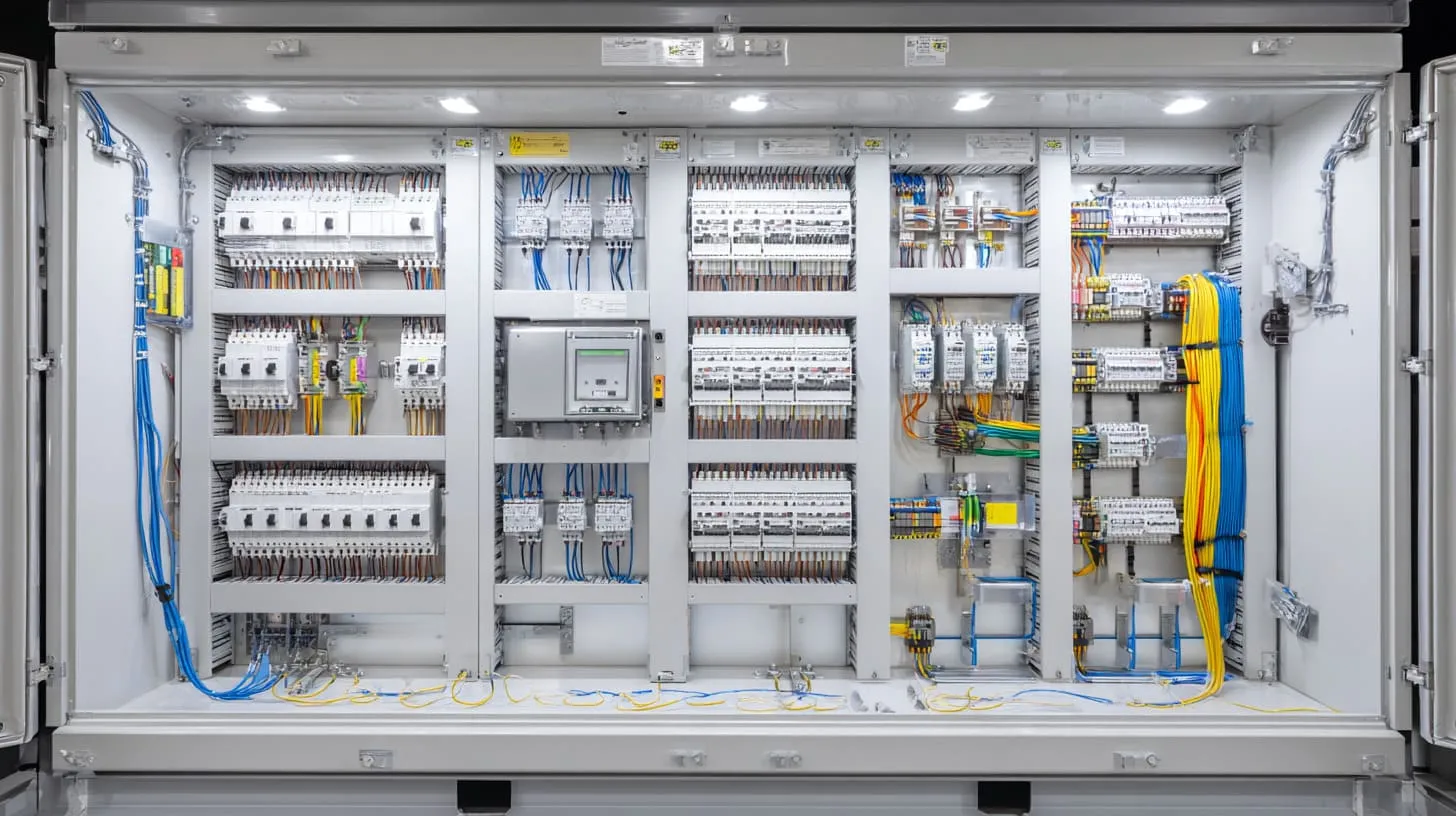
A main distribution panel works by receiving electrical power, controlling it, protecting it, and sending it to the right places. That sounds straightforward. In reality, it only works well when each step is matched properly to the load and site conditions.
A main distribution panel works by taking incoming power from the main source, routing it through protection devices, and distributing it through busbars and branch circuits to subpanels or equipment.
Incoming Power Supply
Power usually enters the panel from the utility transformer, main service line, or a generator system. This incoming power is the panel’s starting point.
The voltage level, current rating, and system type all shape the panel design from the very start.
Power Protection and Control
After the incoming power enters the panel, it passes through the main breaker or main switching device. This stage gives the system control. It also gives the operator a way to isolate the panel if needed.
I tend to think of this step as the moment where raw electrical power becomes managed power. That shift is important.
Distribution to Branch Circuits
After control and protection, power moves through busbars and then out through branch breakers or feeders. These feed subpanels, motors, HVAC units, lighting systems, production lines, or other loads.
Here is a simple flow view:
| Step | What Happens |
|---|---|
| 1 | Incoming power enters panel |
| 2 | Main breaker controls and protects supply |
| 3 | Busbars distribute current internally |
| 4 | Branch protection devices feed outgoing circuits |
| 5 | Power reaches subpanels or equipment |
Fault Detection and Isolation
When there is a short circuit, overload, or another abnormal condition, the panel’s protective devices help isolate the problem. That stops one issue from damaging the whole system.
I do not trust any panel design that looks efficient on paper but makes fault isolation confusing in the real world. When a technician stands in front of a live problem, clarity matters more than cleverness.
Why This Working Logic Matters to Enclosure Design
A panel is not only an electrical object. It is also a physical object. Power flow affects heat. Heat affects enclosure design. Cable paths affect spacing. Maintenance affects door design and internal clearance.
That is why I keep saying electrical function and enclosure structure cannot be separated too much. They influence each other all the time.
The moment you see the working logic, another question comes up fast: what ratings and numbers actually define a panel in real projects?
What Are the Typical Ratings and Specifications of Main Distribution Panels?
Ratings tell us what the panel is built to handle. They are not decoration. They are the panel’s working limits. If those limits are wrong, the risk becomes very real.
The typical ratings of a main distribution panel include voltage, current capacity, short circuit withstand rating, frequency, and system phase configuration.
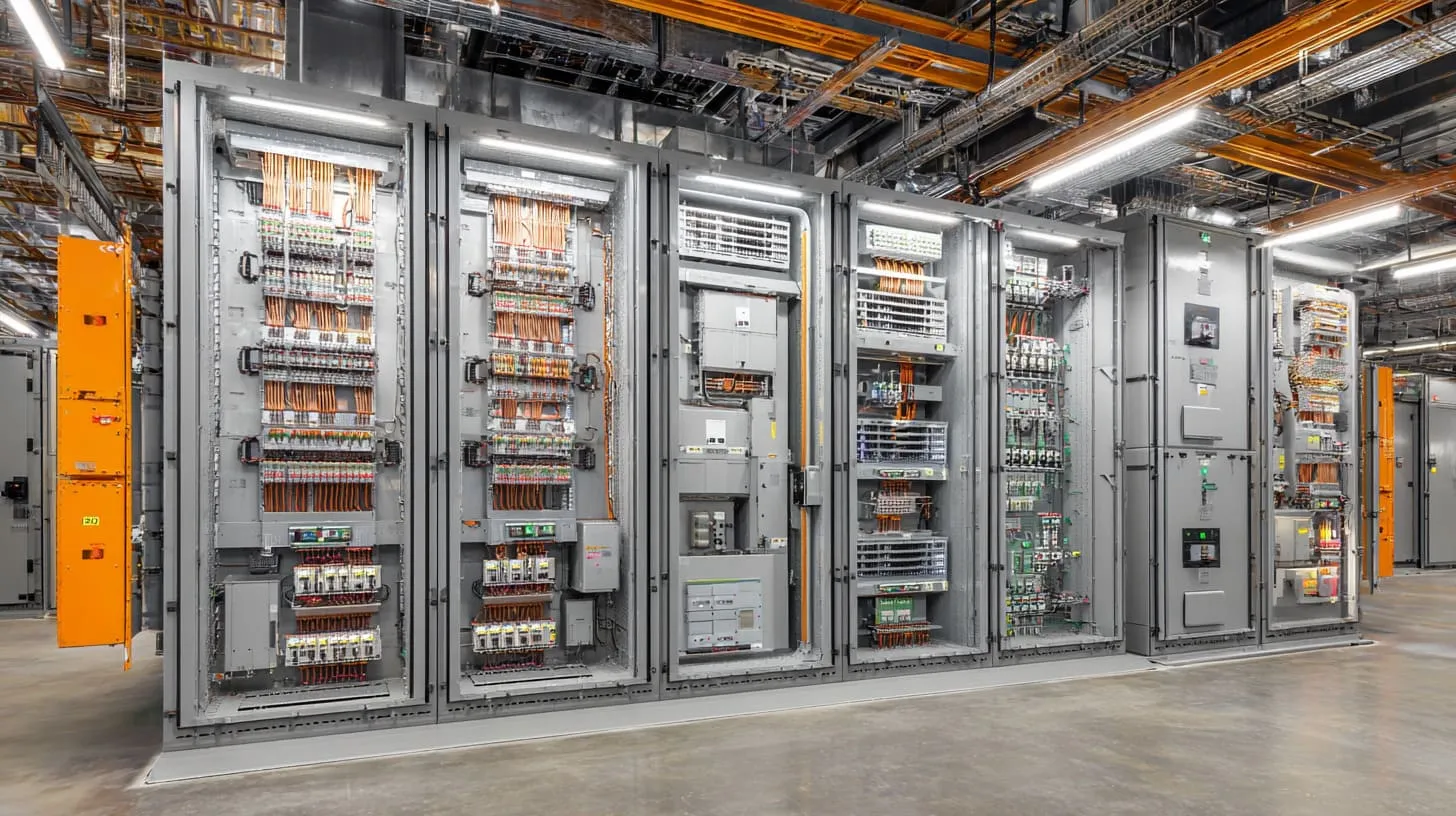
Voltage Rating
The voltage rating depends on the application and region. Common examples include:
- 208V
- 380V
- 400V
- 415V
- 480V
The right rating depends on the power source and load requirements. This sounds obvious, but I have seen buyers mix system assumptions from one market with component habits from another market. That is a quick path to trouble.
Current Capacity
Current capacity often ranges from 400A to 6000A, depending on the site. Large industrial systems may go even higher. The current rating affects breaker choice, busbar sizing, cable selection, enclosure dimensions, and heat control.
Short Circuit Withstand Capacity
This tells us how much fault current the panel can safely handle. It is one of the most serious specifications because fault events are fast and violent.
I pay close attention here because a panel can operate normally for months and still fail badly in one short-circuit event if this part was underestimated.
Frequency and Phase
Most industrial systems use three-phase power at 50Hz or 60Hz. The local standard matters. So does the type of load.
| Specification | Typical Range | Why It Matters |
|---|---|---|
| Voltage | 208V–480V and above | Must match source and equipment |
| Current | 400A–6000A | Defines load handling ability |
| Short circuit withstand | Project-specific | Determines fault survival capability |
| Frequency | 50Hz / 60Hz | Must fit local system |
| Phase | Usually three-phase | Needed for industrial power distribution |
Why Numbers Alone Are Not Enough
I have noticed that some buyers feel safe once the ratings table looks complete. I understand that instinct. Numbers feel solid. But numbers only help when they match actual use conditions, installation method, ambient temperature, and future expansion.
When I review a panel request, I never look at current rating in isolation. I ask what kind of loads are involved, how steady they are, how hot the environment is, and whether the customer plans to add more equipment later. Those small questions usually expose the real design pressure.
Numbers lead naturally into another topic, because not every main distribution panel looks or behaves the same.
What Are the Different Types of Main Distribution Panels?
Main distribution panels come in different types because buildings, factories, and infrastructure projects do not all ask for the same thing. The right type depends on voltage level, installation environment, and physical layout.
The main types of main distribution panels are low-voltage panels, medium-voltage panels, indoor panels, outdoor panels, wall-mounted panels, and floor-standing panels.
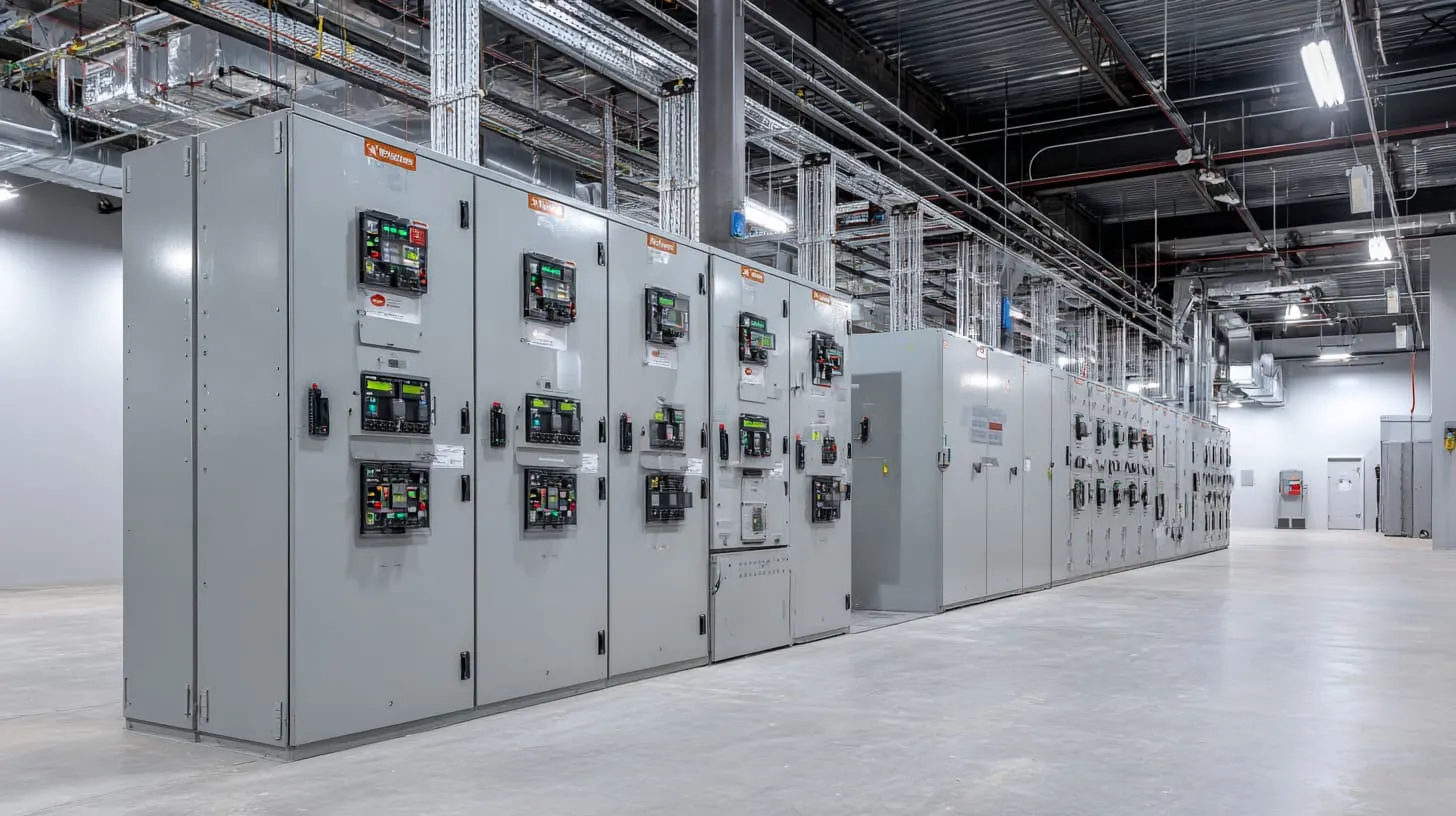
Low Voltage Distribution Panels
These are common in commercial buildings, workshops, and light industrial settings. They handle lower voltage systems and are widely used because they are practical and easier to integrate with common equipment.
Medium Voltage Distribution Panels
These are used in more demanding projects, such as large industrial plants, utilities, and infrastructure systems. They need more serious insulation, clearance, and protection design.
I always treat medium-voltage work with more caution, not just because the numbers are higher, but because the cost of a design mistake rises very quickly.
Indoor vs Outdoor Panels
Indoor panels are used in controlled environments. Outdoor panels need better weather protection and stronger resistance against dust, rain, heat, and corrosion.
| Type | Best Use | Main Concern |
|---|---|---|
| Indoor panel | Plant room, electrical room, clean facility area | Ventilation and service access |
| Outdoor panel | Yard, utility area, exposed industrial site | Weather, moisture, corrosion |
Wall-Mounted vs Floor-Standing Panels
Wall-mounted units save floor space. Floor-standing panels are better for larger capacities, heavier components, and more complex layouts.
How I Think About Type Selection
I do not choose panel type by habit. I start from use conditions. A panel that works perfectly in a dry indoor room may become a maintenance headache outdoors. A wall-mounted format may look efficient until cable entry, load size, and future upgrades start eating up the available space.
This is why panel type is never only a shape decision. It is a use decision.
And that brings me to a harder part of the discussion: design requirements, where many hidden mistakes first begin.
What Are the Design Requirements for Main Distribution Panels?
Design requirements are where the project moves from idea to real-world responsibility. At this stage, good intentions are not enough. The panel must be safe, serviceable, logical, and durable.
The design requirements for a main distribution panel usually include electrical code compliance, heat management, internal layout control, and room for future expansion.

Electrical Safety Standards
The panel design must follow relevant standards, such as IEC, UL, or local electrical codes. This affects component selection, spacing, insulation, grounding, labeling, and test requirements.
Heat Dissipation and Ventilation
Electrical panels generate heat. High current, close spacing, and poor airflow create risk. Heat shortens component life and can lead to trips or failures.
I have learned to worry more about thermal behavior in crowded designs than in large ones. A compact panel may save space at first, but heat often sends the bill later.
Panel Layout and Wiring Organization
A good layout keeps components accessible, wiring manageable, and separation clear. Power sections, control sections, and communication parts should not be treated as if they all enjoy being packed tightly together.
Future Expansion Capability
This is one of my favorite checks because it tells me how mature the project thinking really is. If a panel is already full on day one, the customer is buying future trouble.
| Design Requirement | Why It Matters | Common Mistake |
|---|---|---|
| Standards compliance | Safety and approval | Mixing parts without code logic |
| Heat control | Reliability and lifespan | Ignoring airflow path |
| Layout discipline | Easy maintenance | Crowding parts too closely |
| Expansion space | Future flexibility | Designing with no spare room |
A Real Design Trade-Off I See Often
Some buyers want the smallest possible enclosure to reduce shipping and material cost. I understand that pressure. Still, I usually push back when the size becomes too tight. A slightly larger panel often saves money later by making wiring easier, cooling better, and upgrades more realistic.
That trade-off is not exciting, but it is honest. And honest design usually ages better.
Once the design logic is clear, the conversation moves to the shell that holds everything together: the enclosure itself.
What Type of Enclosure Is Used for a Main Distribution Panel?
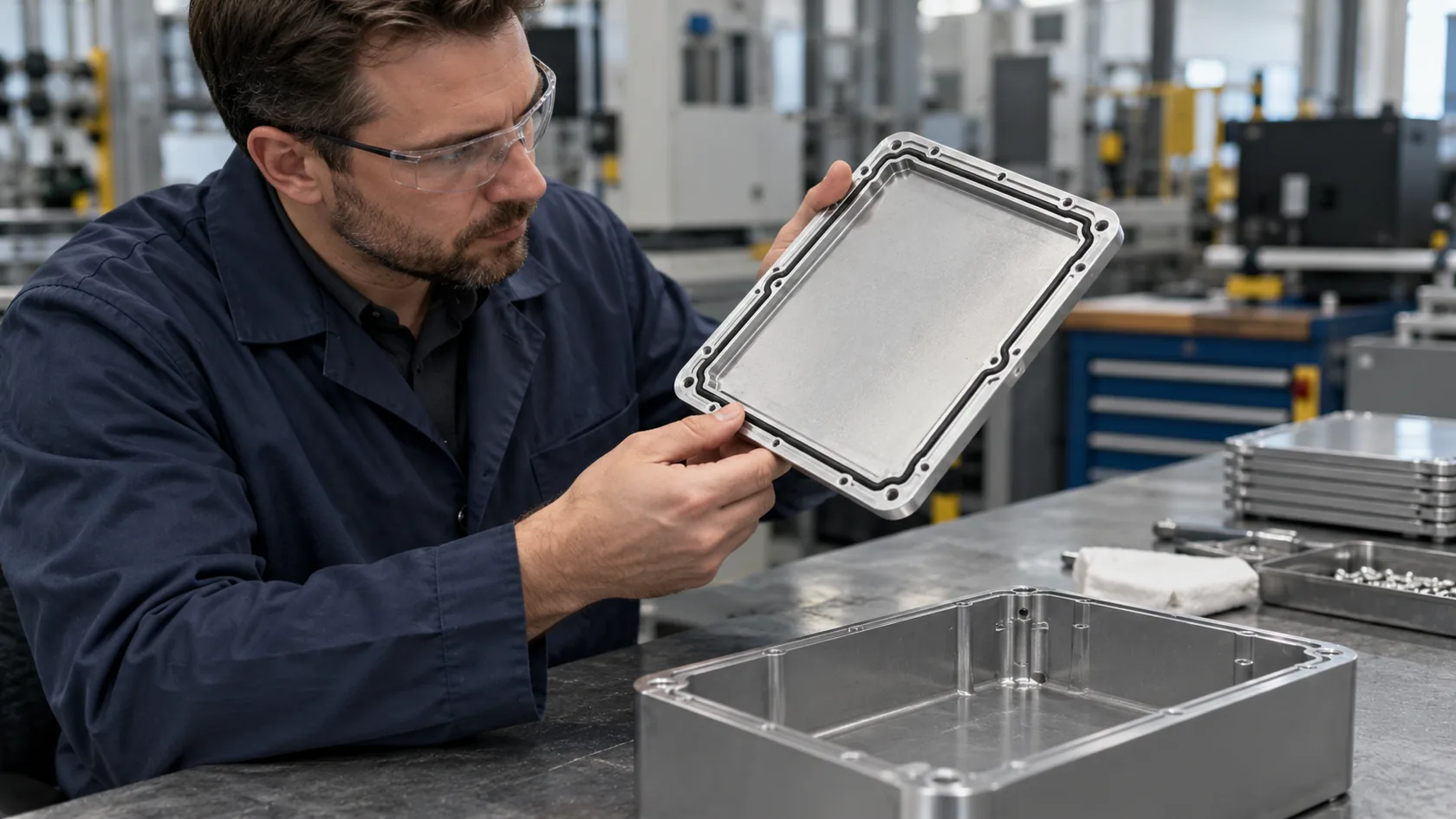
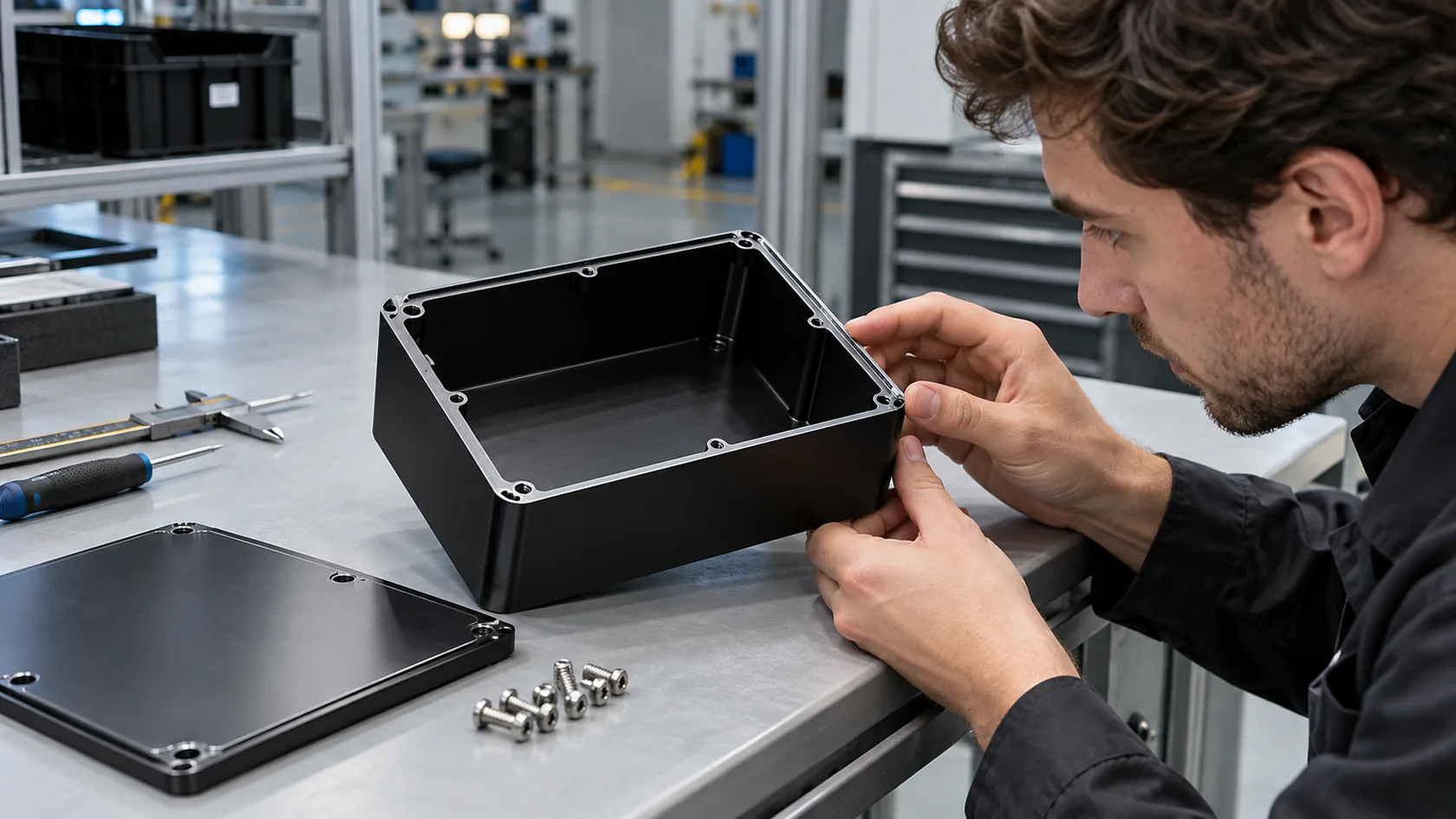
The enclosure is not just a box around the electrical parts. It protects the system, shapes the internal layout, affects cooling, and influences installation. In my field, this part matters a lot because poor enclosure choice can weaken an otherwise decent electrical design.
Main distribution panels are usually housed in metal enclosures, often made from steel or aluminum, with protection ratings chosen to match the working environment.
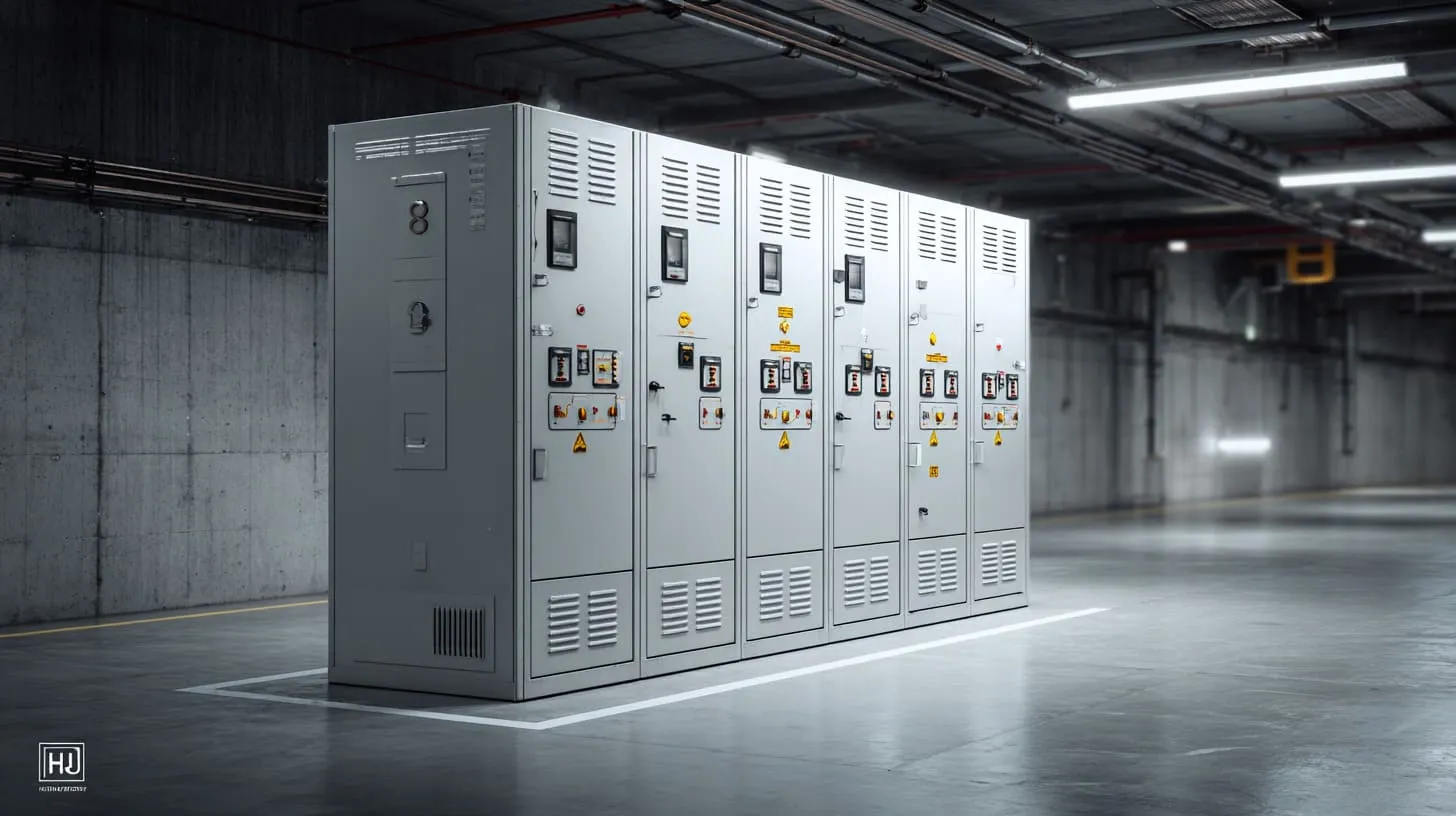
Metal Enclosures
Steel is common because it is strong and widely used in industrial environments. Aluminum can also be useful in some cases because it is lighter and has good corrosion resistance.
I do not pick enclosure material by habit. I compare environment, mechanical needs, finish requirements, and transport concerns before making a choice.
Protection Ratings
Protection ratings tell us how well the enclosure resists dust, water, and environmental exposure.
Common options include:
- IP54
- IP55
- IP65
- NEMA-rated designs for tougher industrial conditions
Environmental Protection
A panel in a dry indoor room does not need the same protection as a panel in a humid, dusty, or outdoor site. That sounds basic. Still, many problems come from using a general enclosure in a very specific environment.
Custom Enclosure Design
For B2B custom work, enclosure design often includes:
- Custom dimensions
- Cable entry cutouts
- Mounting methods
- Door type
- Surface finish
- Internal mounting plate design
- Labeling and branding
| Enclosure Factor | Why I Care About It |
|---|---|
| Material | Strength, corrosion, weight |
| IP/NEMA rating | Site protection level |
| Size | Internal spacing and future room |
| Cable entry | Installation logic and sealing |
| Door/access | Maintenance ease |
| Finish | Durability and appearance |
Why Enclosure Choice Is Never a Small Decision
A buyer may think the electrical parts carry most of the value, and in one sense that is true. But if the enclosure is wrong, those parts are forced to live in a bad home. I have seen good internal parts suffer from poor door sealing, weak layout support, and bad cable entry design.
That is why I always connect electrical thinking with enclosure thinking. Separating them too much creates blind spots.
And once the panel is built, the next challenge begins in the field, where installation and maintenance reveal whether the design was really practical.
What Are Common Installation and Maintenance Considerations?
A panel can look smart on the drawing and still become frustrating during installation. I have seen that happen more than once. Small layout choices that seem harmless in design review often turn into very slow work on site.
Common installation and maintenance considerations for a main distribution panel include proper location, regular inspection, balanced loads, and clear documentation.
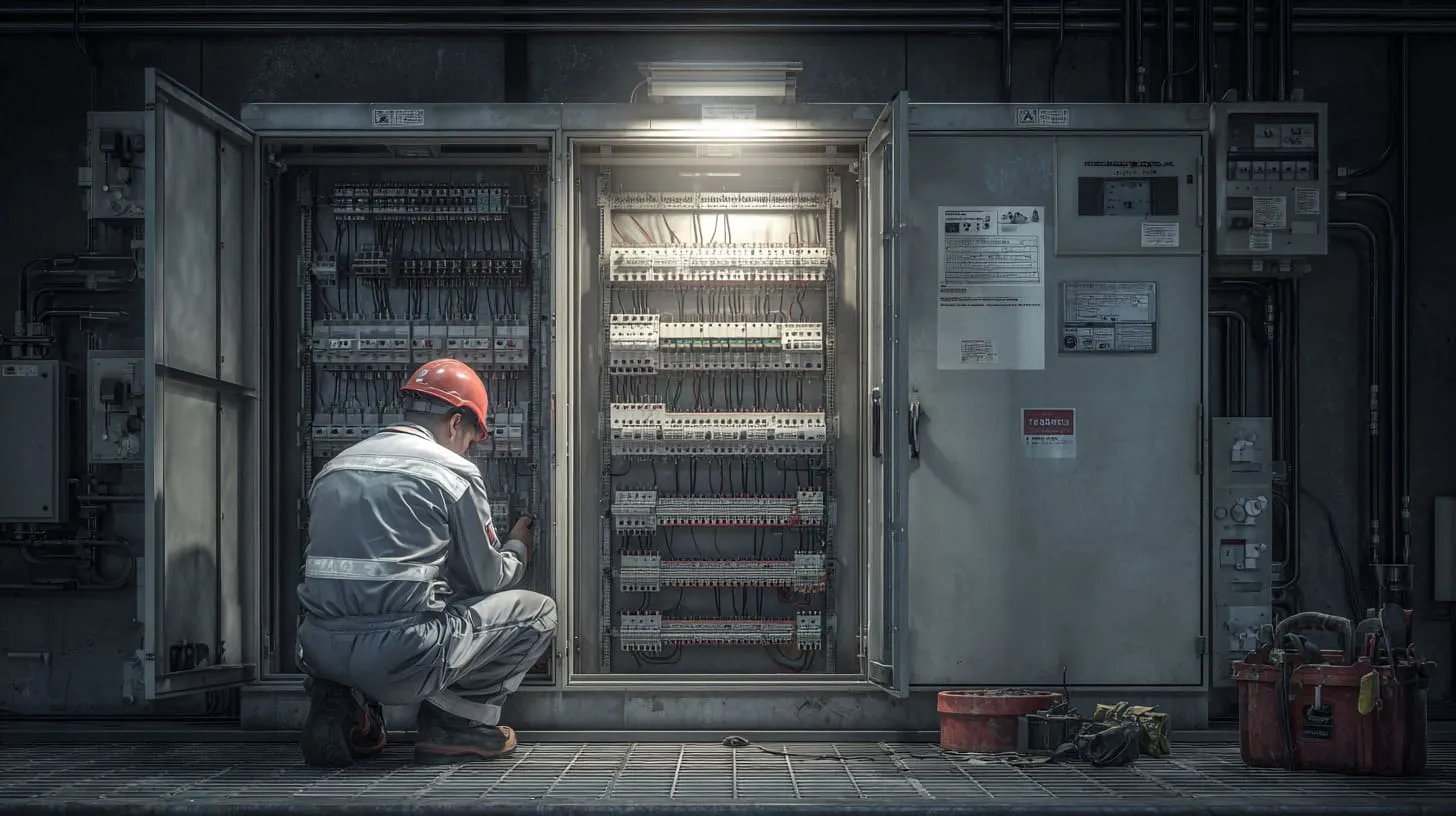
Proper Panel Location
The panel should be accessible, safe, and placed away from unnecessary environmental risks. Technicians need enough working space. The site should support safe operation and maintenance.
Routine Inspection
Routine checks should include:
- Breaker condition
- Wiring tightness
- Signs of heat damage
- Dust buildup
- Meter readings
- Ventilation condition
Load Balancing
Unbalanced loads can create inefficiency and stress the system. This is one of those quiet issues that can sit in the background until something starts overheating or tripping.
Documentation and Labeling
Clear labeling saves time. Good documentation saves even more time. I like simple, direct labels that help a technician act quickly without guessing.
What Field Work Often Teaches Better Than Drawings
I often tell customers that maintenance is where the truth comes out. A panel that is hard to reach, hard to read, or hard to isolate becomes expensive in slow, annoying ways. Not dramatic. Just constant.
| Maintenance Item | Why It Matters |
|---|---|
| Access space | Safer and faster technician work |
| Inspection routine | Finds problems early |
| Load balance | Reduces uneven stress |
| Labels | Speeds up troubleshooting |
| Records | Helps with future service and upgrades |
The more I work with panels, the more I notice that many failures do not start as big failures. They start as ignored little problems. That leads us straight into the next part.
What Are the Most Common Problems With Main Distribution Panels?
Most panel problems are not mysterious. They are usually the result of overload, poor planning, weak layout discipline, or maintenance neglect. The danger is that these issues often build slowly.
The most common problems with main distribution panels include overloading, poor wiring management, insufficient cooling, and lack of space for future expansion.
Overloading
Overloading raises temperature and increases trip risk. It can also shorten equipment life. Sometimes the cause is obvious. Sometimes it comes from gradual system growth that nobody fully reviewed.
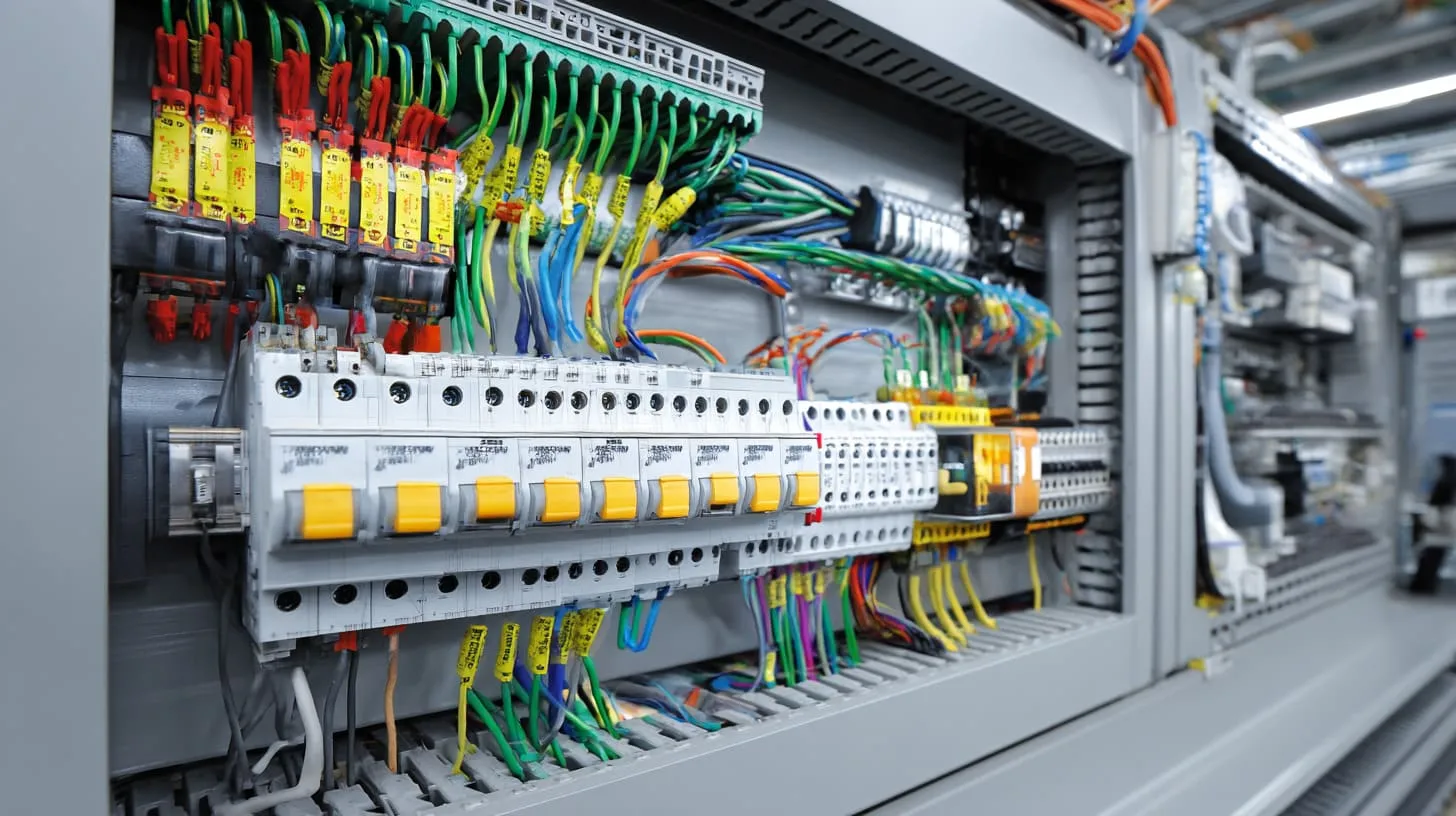
Poor Wiring Management
Messy wiring makes service harder. It also raises the chance of mistakes during troubleshooting or future changes.
Insufficient Cooling
Heat is one of the most underestimated enemies inside a panel. A crowded layout, weak ventilation, or poor enclosure selection can quietly push the system toward trouble.
I get uneasy when a panel layout looks clean only because everything was packed tightly together. A tidy drawing is not the same as a healthy thermal design.
Lack of Expansion Planning
This problem is common in fast-moving projects. Everyone wants to get the system running now. Very few people want to pay for future space now. Then six months later, the panel is already too full.
| Common Problem | Usual Cause | Result |
|---|---|---|
| Overloading | Load growth or poor sizing | Heat, trips, component stress |
| Bad wiring | Tight layout or rushed work | Slow maintenance, more mistakes |
| Poor cooling | Crowded enclosure or bad airflow | Reduced reliability |
| No expansion room | Short-term planning | Difficult upgrades |
Why These Problems Repeat So Often
I think these problems repeat because they are easy to postpone during early decision-making. Buyers push cost. Engineers push schedule. Installers push completion. The panel absorbs all of that pressure.
That is why choosing the right panel from the start matters more than people expect. And that brings us to the final practical question: how do engineers make that choice well?
How Do Engineers Choose the Right Main Distribution Panel?
Choosing the right main distribution panel is not about picking the biggest one or the cheapest one. It is about matching real power needs, site conditions, safety expectations, and future plans.
Engineers choose the right main distribution panel by calculating the actual load, allowing future capacity, matching the installation environment, and selecting the right enclosure design.
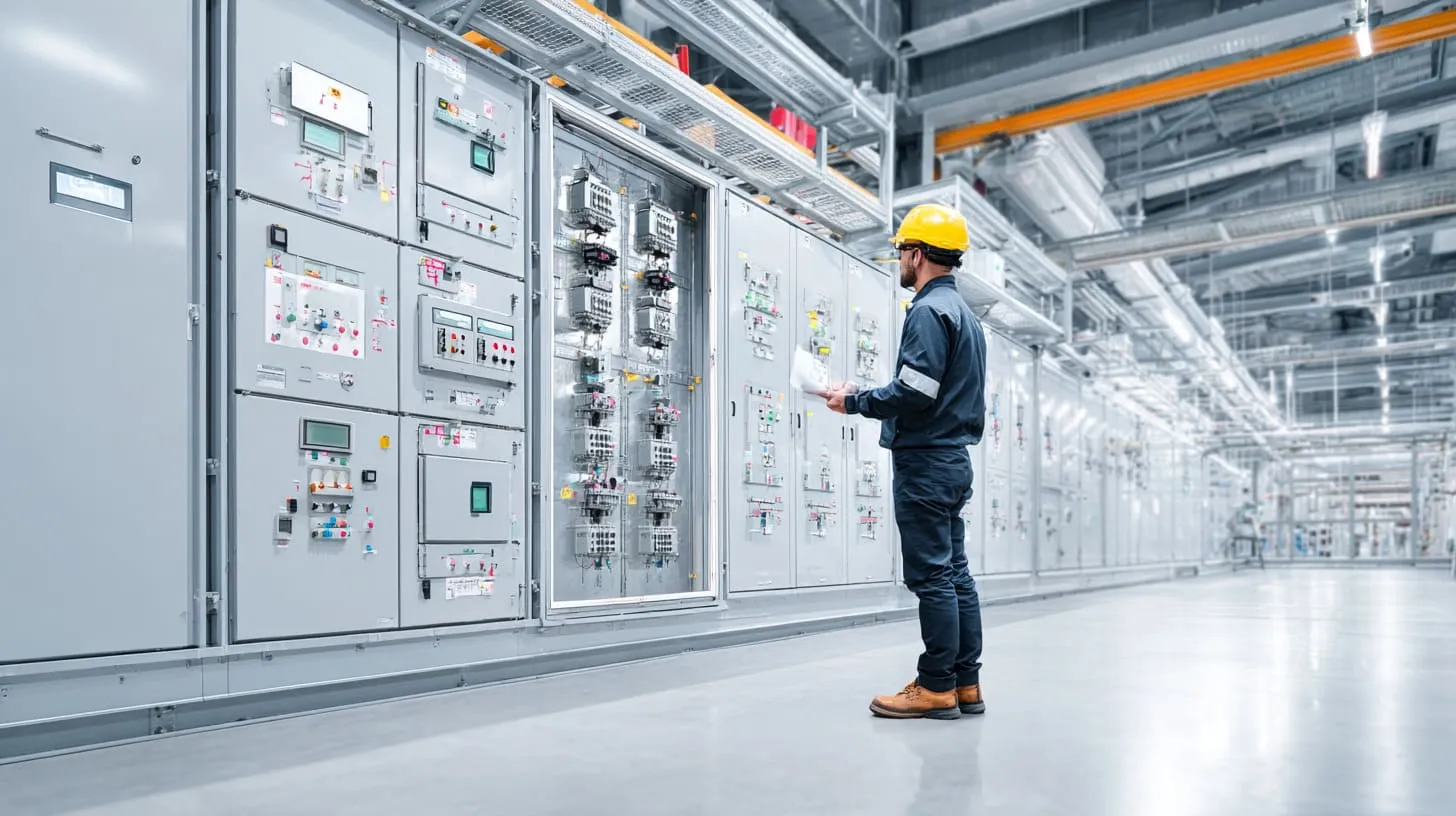
Load Calculation
The starting point is the connected load. Engineers estimate present demand, expected operating behavior, and possible diversity factors. This gives the foundation for current rating and protection selection.
Safety Margin and Future Capacity
Good engineers do not design only for today. They leave room for tomorrow. That means spare ways, reserve capacity, and internal layout space.
Environmental Requirements
Indoor or outdoor use matters. Dust, humidity, temperature, and corrosion risk all matter. A panel that fits the electrical load but ignores the site is still the wrong panel.
Enclosure Customization
This is where my own work often connects directly to the project. The enclosure size, material, mounting structure, cable entry layout, and protection level all support the engineering choice.
My Practical Way of Looking at Panel Selection
When I review a panel request, I do not ask only, “Can this panel work?” I ask, “Will this still feel safe, maintainable, and expandable after real people use it for a while?” That question usually separates short-term thinking from responsible design.
Here is the way I like to frame the selection process:
| Selection Factor | What It Answers |
|---|---|
| Load calculation | How much power must the panel handle? |
| Safety margin | What happens when the system grows? |
| Site condition | What can the environment do to this panel? |
| Enclosure choice | Can the structure support the real application? |
| Service logic | Will technicians be able to work efficiently? |
A Choice That Reflects Real Priorities
Some buyers want to cut cost first. Some want extra room for peace of mind. Some want the panel to look compact and clean. I understand all three. Still, I usually lean toward the option that makes future maintenance and upgrades easier. A panel is not a short conversation. It is a long working relationship.
And that is exactly why I hold such a strong view on the topic overall.
Conclusion
The main distribution panel is the core of electrical power distribution in any building or industrial system, but I do not say that just because it sounds technically correct. I say it because I have seen how many later problems begin with early panel decisions that felt small at the time. A tight enclosure. Weak airflow. No extra space. Poor labeling. Wrong protection logic. Each one looks manageable by itself. Together, they create stress.
I think understanding the panel’s components, ratings, design logic, enclosure needs, and maintenance demands leads to better decisions because it forces people to look beyond the quotation sheet. That is how I work too. I do not like judging a panel by a neat drawing alone. I want to know how it will behave when the load rises, when the room gets hotter, when the technician opens the door, and when the customer wants to expand the system next year.
That is also why I believe proper enclosure selection matters so much. The enclosure is not only there to contain the parts. It helps protect the system, support the layout, and make real work easier. In my experience, a thoughtful panel design with the right enclosure saves time, avoids friction, and gives the project a much more stable life.
If you are planning a main distribution panel project and you want an enclosure that fits the electrical design instead of fighting it, feel free to contact me. I am always happy to look at the practical side with you, compare options, and help turn the design into something that works well in the real world.