Skip to content

A buyer once sent me a very simple message: “We need an outdoor enclosure. IP65 is enough, right?”
I looked at the drawing. I looked at the mounting position. I looked at the cable entry. Then I saw the problem.
The enclosure was planned for an outdoor control device. It would sit under direct sun. It would face rain, dust, hot days, cold nights, and maybe a little careless installation work on site. But the buyer only cared about one thing.
IP65.
That small label looked safe. It sounded professional. It also made the project feel easy.
But outdoor enclosures are not that simple.
I have seen many OEM enclosure projects fail before mass production even starts. The reason is usually not one big mistake. It is a pile of small missed details. The gasket is a little too soft. The cable gland is not matched well. The coating is not tested enough. The plastic is not UV-resistant. The internal temperature is ignored. The sample looks fine, but the real project environment is much tougher.
Here is my direct view.
The biggest mistake OEM buyers make when choosing outdoor enclosures is treating the enclosure like a standard catalog box instead of an engineering part of the whole product.
That mistake can cost more than the enclosure itself. It can delay the project. It can damage the electronics. It can create after-sales problems. It can hurt the buyer’s own brand.
For a custom OEM outdoor enclosure, price matters. IP rating matters. Material matters. But none of them should be judged alone.
I usually judge an outdoor enclosure project by asking one simple question first: Where will this box suffer the most after the customer installs it? That question is not fancy, but it forces me to think like the product, not like a quotation sheet.
In this article, I want to share how I think about outdoor enclosures from a factory and OEM project point of view. Not as a textbook. Not as a sales brochure. More like a real conversation between two people trying to avoid expensive mistakes before the shipment leaves the factory.
Why Do OEM Buyers Often Misjudge Outdoor Enclosure Requirements?
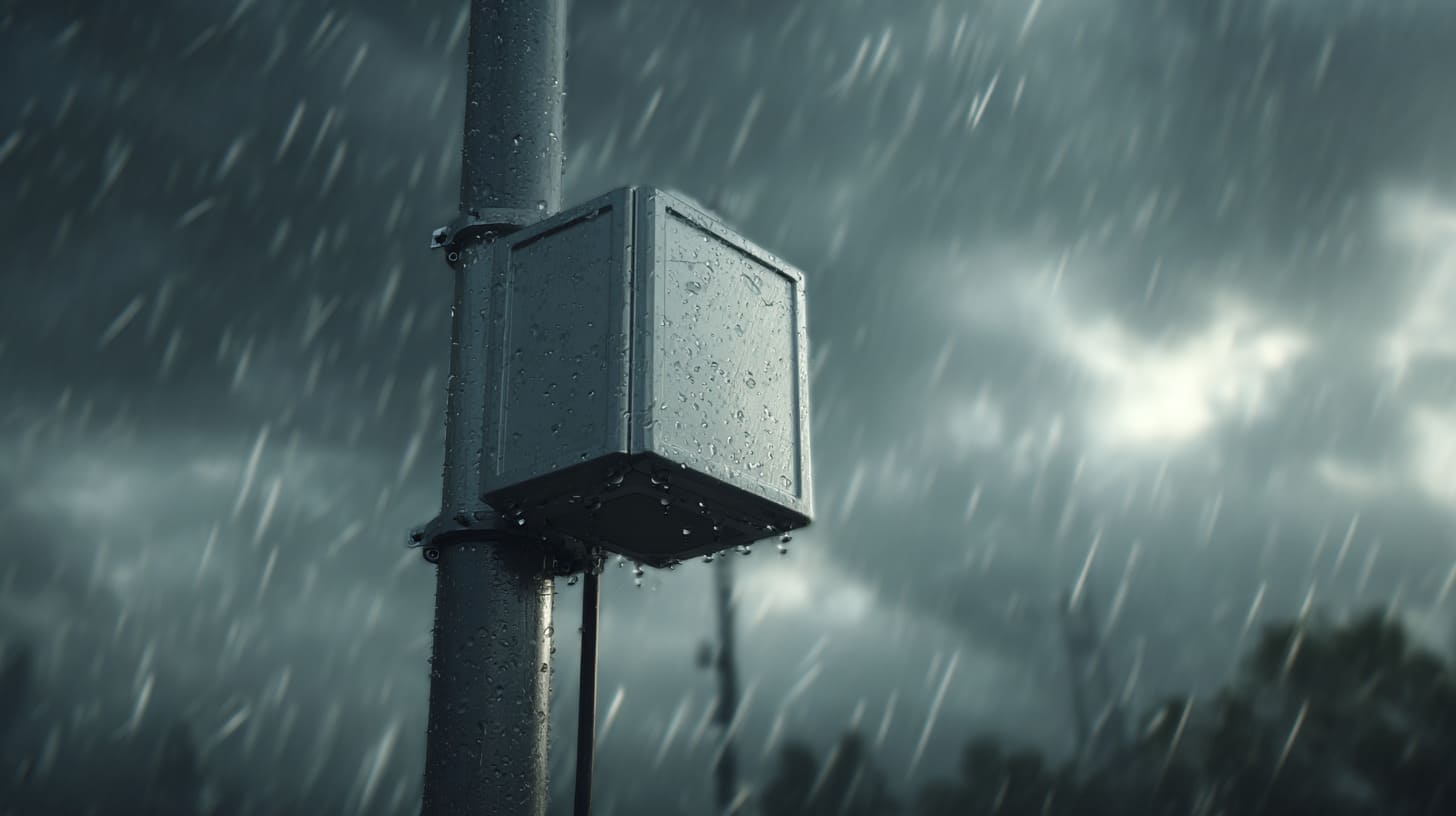
Many OEM buyers are smart. They understand products. They understand markets. Some buyers have worked with Chinese factories for years. But they still misjudge outdoor enclosures.
Why?
Because outdoor failure is quiet at first.
A bad enclosure does not always fail on the first day. It may look good during inspection. It may pass a quick water spray test. It may even work well for one month.
Then the real world starts chewing on it.
Sun. Rain. Heat. Dust. Salt. Wind. Cable stress. Worker installation. Temperature changes. Tiny water paths.
This is where things often go wrong for buyers: they check the enclosure like a purchasing item, but the outdoor environment tests it like a living system.
Many Buyers Focus Too Much on “IP65” or “Waterproof”
I understand why buyers like IP ratings. They are easy to compare. They are easy to put in a product sheet. They make the decision feel clean.
But “IP65” does not answer all the important questions.
It does not tell you:
- How long the gasket can stay elastic
- Whether the enclosure can handle years of UV exposure
- Whether the screws will loosen after thermal cycling
- Whether the cable glands are installed correctly
- Whether the internal electronics will overheat
- Whether condensation will form inside the box
IP rating is a starting point. It is not the whole story.
| Buyer Question | Better Engineering Question |
|---|---|
| Is it IP65? | Is the whole final assembly still sealed after cables, brackets, and labels are installed? |
| Is it waterproof? | Where can water enter after one year outdoors? |
| Is the price good? | What is the cost if 5% of units fail in the field? |
| Is the sample okay? | Can mass production keep the same sealing quality? |
A buyer may ask for IP65 because the product will face rain. That sounds reasonable. But rain is only one part of outdoor use. Direct sun can be worse. Heat can be worse. Condensation can be worse.
I sometimes tell customers, “Water outside the box is not always the biggest danger. Moisture trapped inside the box can be more dangerous.”
It sounds strange at first. But after a PCB corrodes, nobody cares that the outside of the enclosure still looks beautiful.
Catalog Photos Create False Confidence
Photos can lie politely.
A catalog enclosure can look strong, clean, and professional. The corners look smooth. The lid looks tight. The coating looks even. The product image says, “Trust me.”
But outdoor performance does not live inside a photo.
I have seen nice-looking boxes with weak wall thickness. I have seen beautiful plastic covers that aged badly under sun. I have seen enclosures with neat gaskets that were poorly compressed after assembly.
A photo shows the shape. It does not show the pressure on the gasket. It does not show the coating thickness. It does not show whether the screw boss will crack. It does not show whether the cable hole design will create stress.
Here is a simple way I explain it to buyers:
| What Looks Good in Photos | What Must Be Checked in Real Projects |
|---|---|
| Smooth surface | Coating thickness and adhesion |
| Tight-looking lid | Gasket compression and screw torque |
| Clean cutouts | Burrs, tolerance, sealing after assembly |
| Thick appearance | Actual wall thickness and rib design |
| Nice color | UV resistance and outdoor color stability |
A low-cost enclosure may look good at the quotation stage. But outdoor work is cruel. It does not respect good product photos.
Sample Success Can Hide Mass Production Risks
Samples are important. I always support sample checking. But samples can also create false confidence.
A sample is often made with more attention. The worker may spend extra time on it. The sealing may be adjusted by hand. The finish may be selected from the best pieces. Everyone wants the sample to look good.
Mass production is different.
In mass production, small problems appear more clearly:
- A gasket may shift during assembly
- A screw hole may have tolerance variation
- A cutout may be slightly off
- A coating batch may change
- A worker may tighten screws unevenly
- A plastic part may shrink differently
A sample tells you what is possible. Mass production tells you what is stable.
| Stage | Main Risk | What I Prefer to Check |
|---|---|---|
| Prototype | Design concept may be incomplete | Structure, cutouts, mounting, sealing idea |
| Sample | Hand-made quality may hide issues | Assembly repeatability and tolerance |
| Pilot batch | Small production problems appear | Gasket fit, screw torque, coating, cable glands |
| Mass production | Consistency becomes the real test | QC process, inspection standard, packaging |
One sample passing a simple test is not enough. For outdoor OEM products, I prefer to see how the design behaves when it is repeated again and again.
That is where a normal enclosure becomes a real product.
And that leads to the next mistake, which is even more dangerous: many buyers do not describe the real outdoor environment clearly enough.
Why Is Ignoring Real Environmental Conditions the Biggest Mistake?
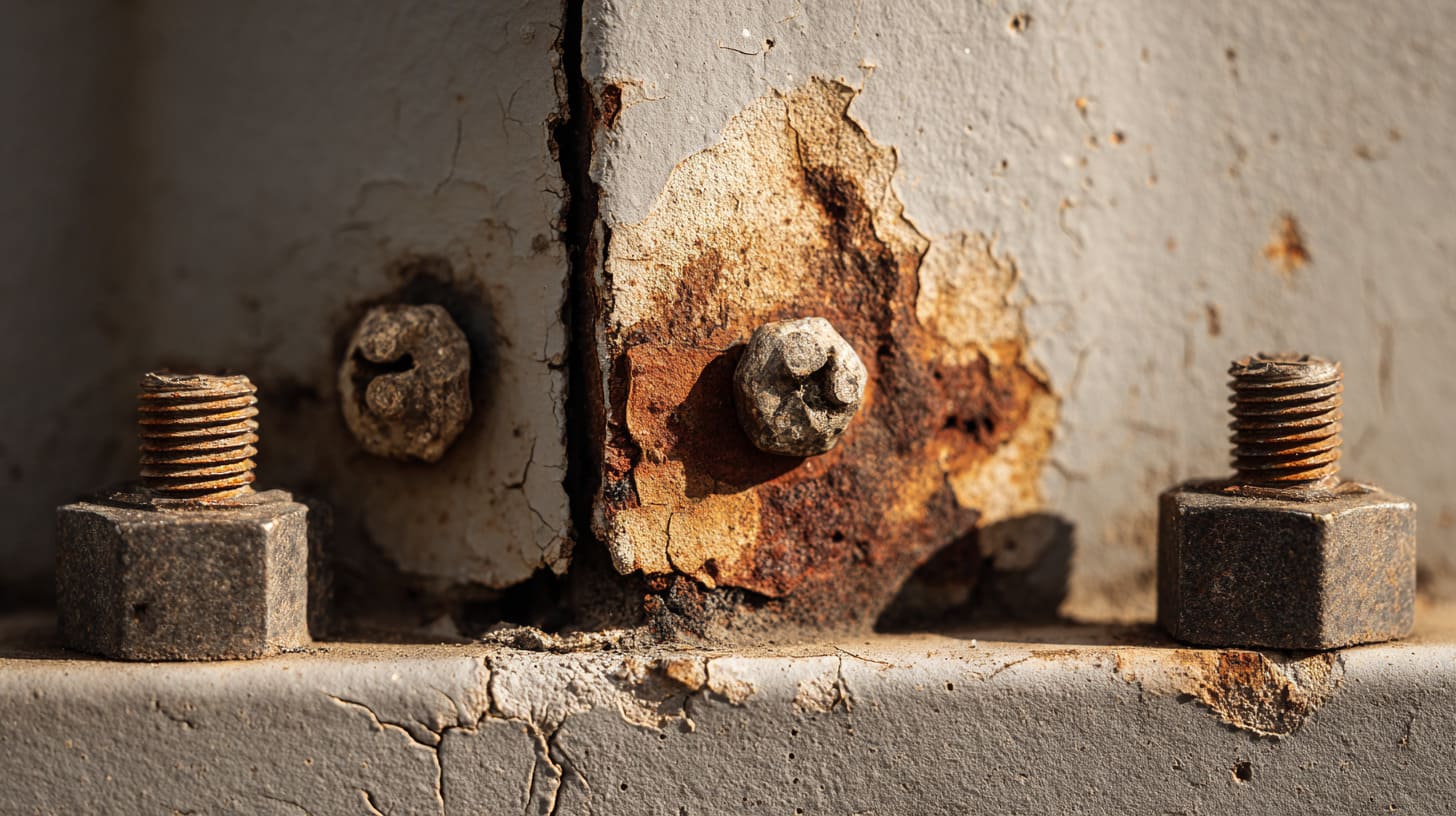
“Outdoor” is not one environment.
Outdoor in Finland is not the same as outdoor in Dubai. Outdoor near the sea is not the same as outdoor beside a factory. Outdoor under a roof is not the same as outdoor on a pole under direct sun.
But many buyers describe their project with one word: outdoor.
That word is too weak.
I pay close attention when a buyer says “outdoor,” because that word can hide five different enemies inside one small sentence.
Outdoor Environments Differ Dramatically by Application
Different locations attack the enclosure in different ways.
A coastal area can damage metal parts through salt corrosion. A desert area can punish the enclosure with strong UV and heat. A cold region can create condensation when temperature changes quickly. An industrial area can bring chemical dust, oil mist, or pollution.
So the enclosure must match the real working condition.
| Outdoor Condition | Main Risk | Common Enclosure Concern |
|---|---|---|
| Coastal area | Salt corrosion | Material, coating, screws, hinges |
| Hot sunny area | UV aging and heat buildup | Plastic grade, coating, ventilation |
| Cold region | Condensation and cracking | Gasket, material stability, breather vent |
| Industrial site | Chemical exposure and dust | Coating resistance, sealing, cleaning method |
| Rainy area | Water entry | Gasket, cable glands, mounting angle |
I often ask buyers for the installation location because the answer changes the design. A wall-mounted enclosure for a shaded area can be very different from a pole-mounted enclosure under direct sun.
A small detail like this can decide whether the product works for years or becomes a complaint case after one season.
Many OEM Buyers Underestimate Heat Buildup
Outdoor heat is sneaky.
Many buyers check the air temperature. They say, “The highest temperature is only 40°C.” That sounds okay.
But the enclosure surface under sun can become much hotter. The internal temperature can rise even more if the electronics generate heat.
A sealed enclosure is like a parked car under the sun. It may look calm from the outside, but inside it can become a small oven.
This matters a lot for:
- Power supplies
- Battery systems
- IoT devices
- LED controllers
- Solar controllers
- Communication modules
- Raspberry Pi-based outdoor devices
Aluminum and plastic also behave differently.
| Material | Outdoor Heat Behavior | Common Trade-Off |
|---|---|---|
| Aluminum | Better heat transfer | May need coating or anodizing protection |
| Plastic | Lower heat transfer | Better insulation, but heat may stay inside |
| Stainless steel | Strong but lower heat dissipation than aluminum | Higher cost and heavier structure |
| Sheet metal steel | Strong and cost-effective | Needs good coating against corrosion |
If heat is a concern, I do not only ask about enclosure size. I also ask about the components inside. A beautiful sealed box can still kill electronics if the heat has nowhere to go.
Water Intrusion Often Happens in Unexpected Areas
Most people imagine water entering from the lid.
Yes, the lid is important. The gasket is important. But water often enters from other places.
The usual suspects are:
- Cable glands
- Hinges
- Door seams
- Screw holes
- Mounting holes
- Transparent windows
- Poorly sealed labels
- Wrong installation angle
A buyer may choose a good enclosure body, then damage the sealing by adding holes later. This is very common in OEM projects.
For custom outdoor enclosures, the cutouts are not small details. They are risk points.
| Area | Why It Fails | Better Check |
|---|---|---|
| Cable gland | Wrong size or poor tightening | Match cable diameter and gland type |
| Screw hole | Water path through mounting point | Use sealing washer or protected design |
| Window | Adhesive or gasket weakens | Test bonding and edge sealing |
| Hinge | Water collects around moving parts | Check drainage and corrosion |
| Door seam | Gasket compression uneven | Check lid flatness and screw position |
I have learned not to trust a sealing design only because it looks logical on the drawing. Water is patient. It looks for the lazy corner.
Once the real environment is clear, the next question becomes material. And this is where buyers often use old habits instead of fresh thinking.
Why Is Material Selection More Important Than Most Buyers Think?
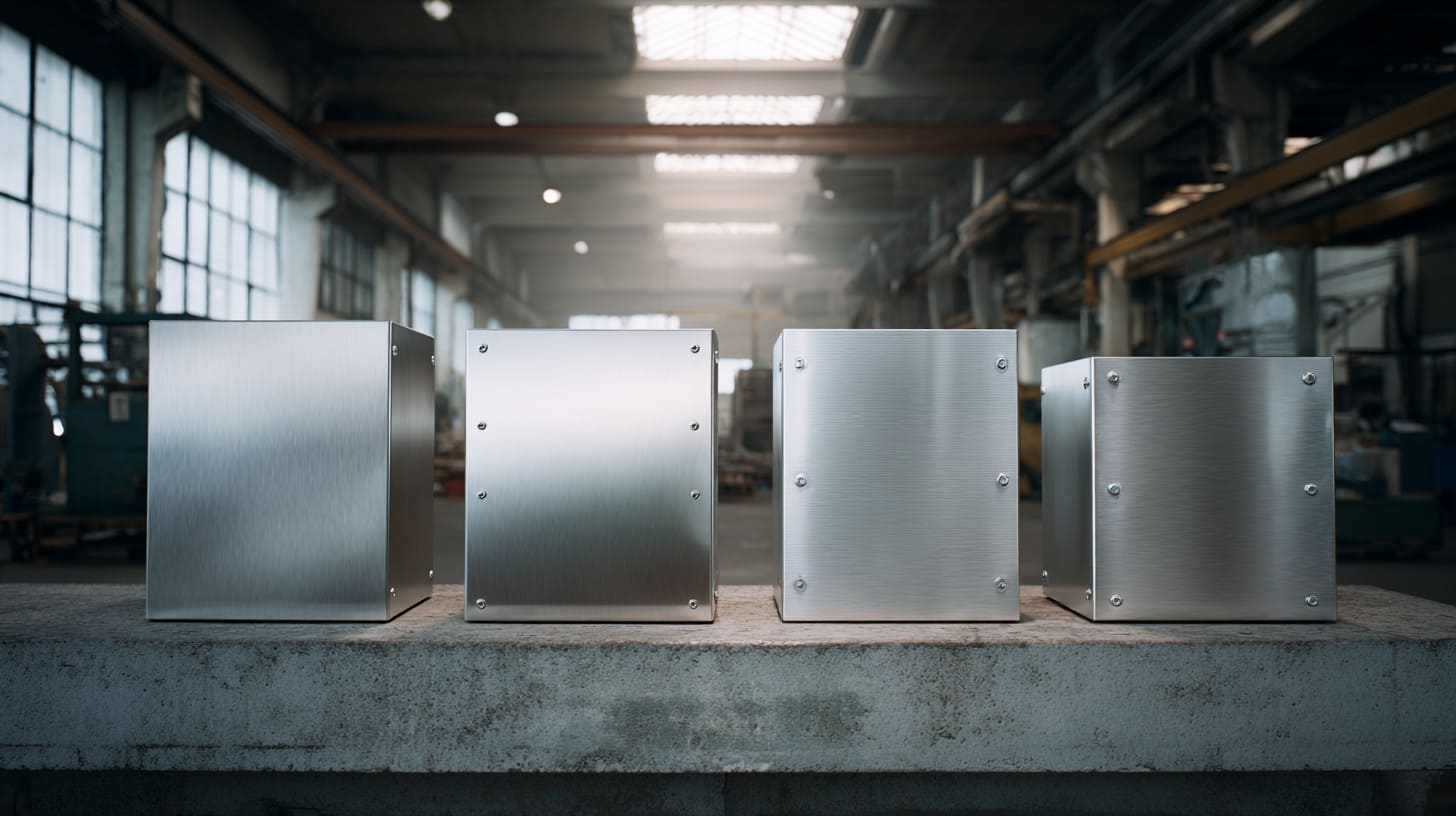
Material choice is not just a cost decision.
It is a performance decision. It is a brand decision. It is also a repair cost decision.
Some buyers choose aluminum because it feels premium. Some choose plastic because it is cheaper. Some choose stainless steel because it sounds strong. But no material is perfect for every outdoor enclosure.
The better question is not, “Which material is best?”
The better question is, “Which material fails the slowest in this exact application?”
For material choice, I usually look at the weakest stress point first, not the strongest feature, because the strongest feature rarely causes the complaint.
Aluminum vs Plastic Outdoor Enclosures
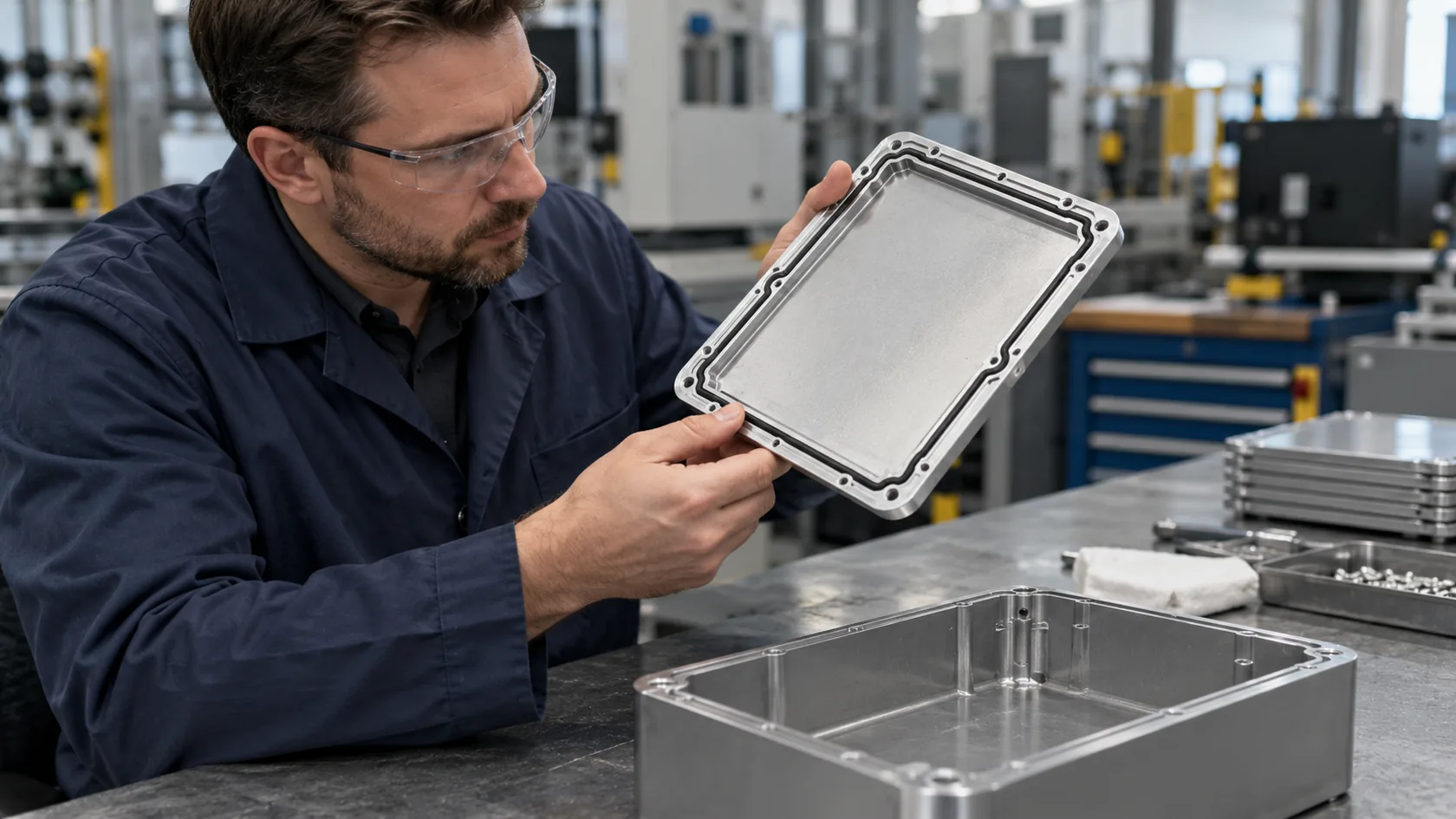
Aluminum is popular for custom OEM enclosures. I like aluminum for many outdoor projects because it has good strength, good heat dissipation, and a clean professional look. It is also flexible for CNC machining, extrusion, sheet metal processing, and surface finishing.
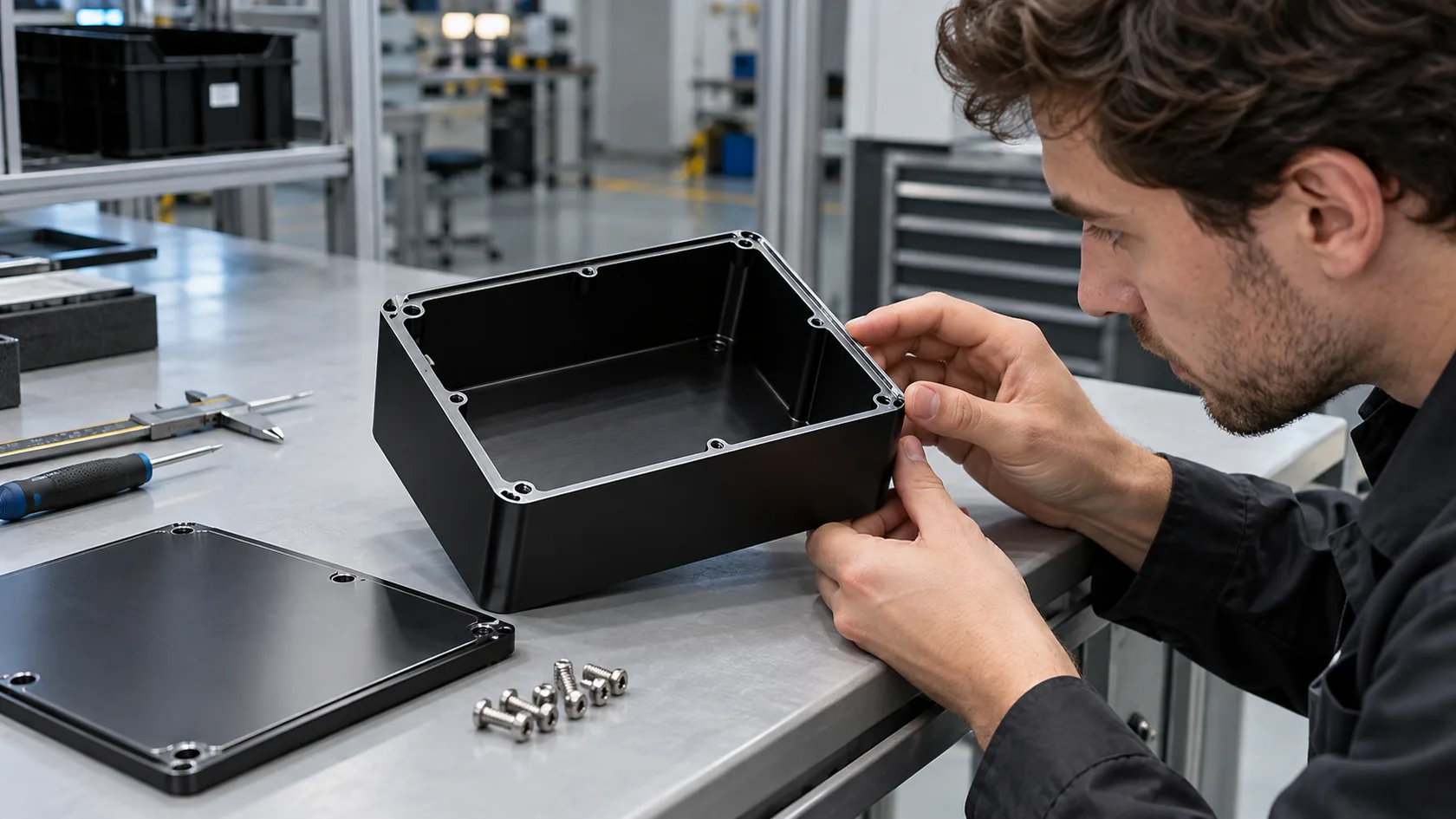
But aluminum still needs protection. Outdoor aluminum enclosures may need powder coating, anodizing, or other surface treatment. If the coating is poor, corrosion can start from scratches, cut edges, or screw areas.
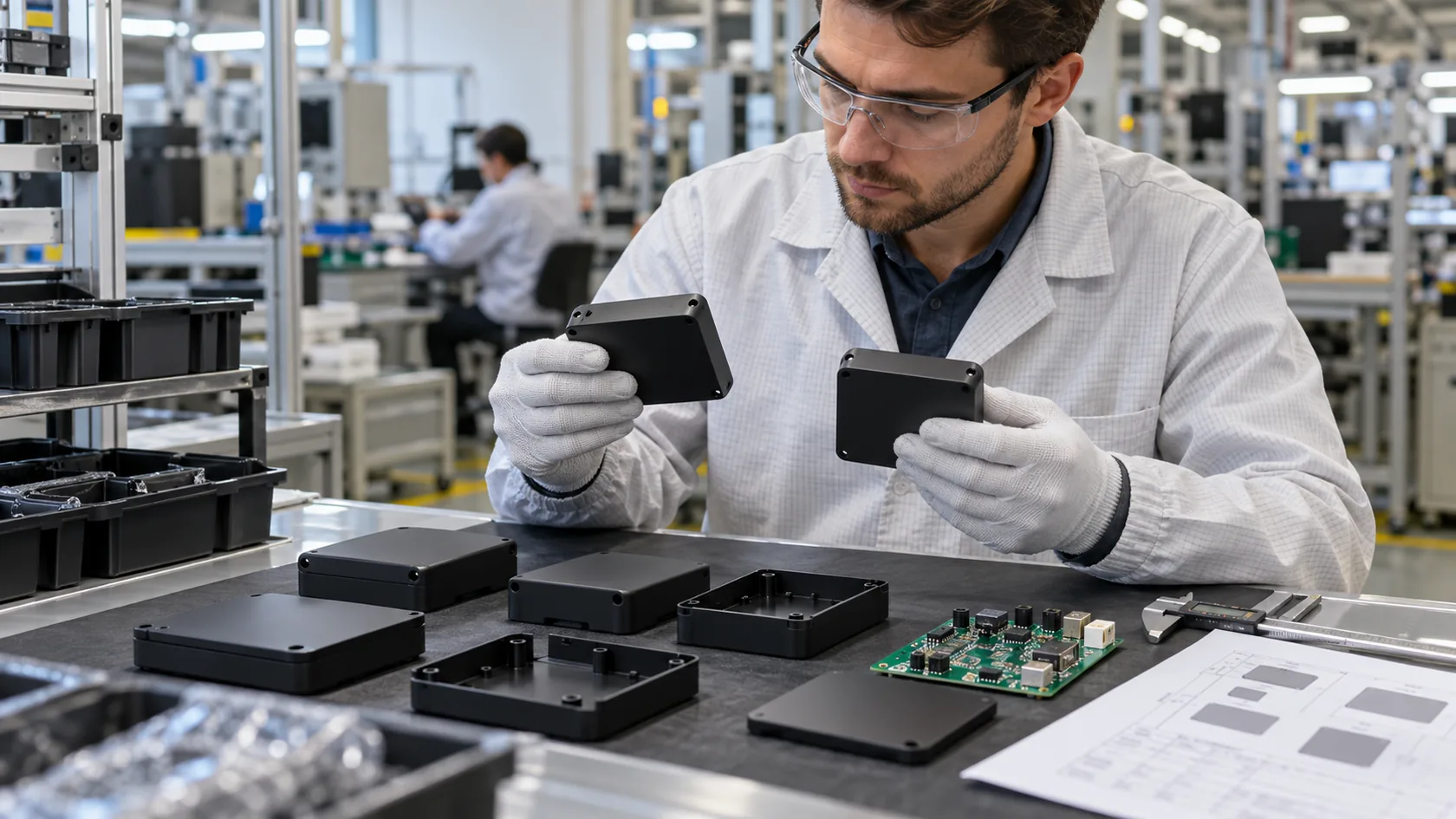
Plastic enclosures can also work well outdoors, but the plastic grade matters. Normal plastic may become brittle under UV exposure. Some plastics deform more easily under heat. Some plastic boxes are fine for indoor use but weak for outdoor projects.
| Factor | Aluminum Enclosure | Plastic Enclosure |
|---|---|---|
| Heat dissipation | Better | Weaker |
| Weight | Medium | Light |
| UV resistance | Good with proper coating | Depends heavily on material grade |
| Custom machining | Strong flexibility | Good, but wall structure matters |
| Appearance | Premium and industrial | Simple and cost-friendly |
| Cost | Usually higher than basic plastic | Usually lower |
| Impact strength | Good | Depends on plastic type |
Plastic is not bad. Aluminum is not magic. The wrong aluminum enclosure can fail. The right plastic enclosure can last. The project decides the material.
Powder Coating and Anodizing Are Often Misunderstood
Surface treatment can look simple, but it is not.
A buyer may say, “Black powder coating is okay.” But outdoor powder coating depends on surface preparation, coating quality, thickness, curing, and usage condition.
A poor coating may look good when new. After months outdoors, it may fade, peel, crack, or corrode around scratches.
Anodizing is also common for aluminum. It gives a clean finish and good surface protection. But anodizing is not the same as heavy outdoor coating. It may not be suitable for every harsh environment, especially where scratches, salt, and long exposure are concerns.
| Finish | Strength | Risk |
|---|---|---|
| Powder coating | Good color choice and surface protection | Quality depends on preparation and coating process |
| Anodizing | Clean metal appearance | Scratches and harsh environments need attention |
| Brushed finish | Nice premium look | Easier to show marks and fingerprints |
| Bare aluminum | Low finish cost | Not ideal for many outdoor environments |
| Stainless steel natural finish | Strong corrosion resistance | Higher cost and visible fingerprints |
The surface finish is not only about beauty. It is the skin of the enclosure. If the skin is weak, the body suffers later.
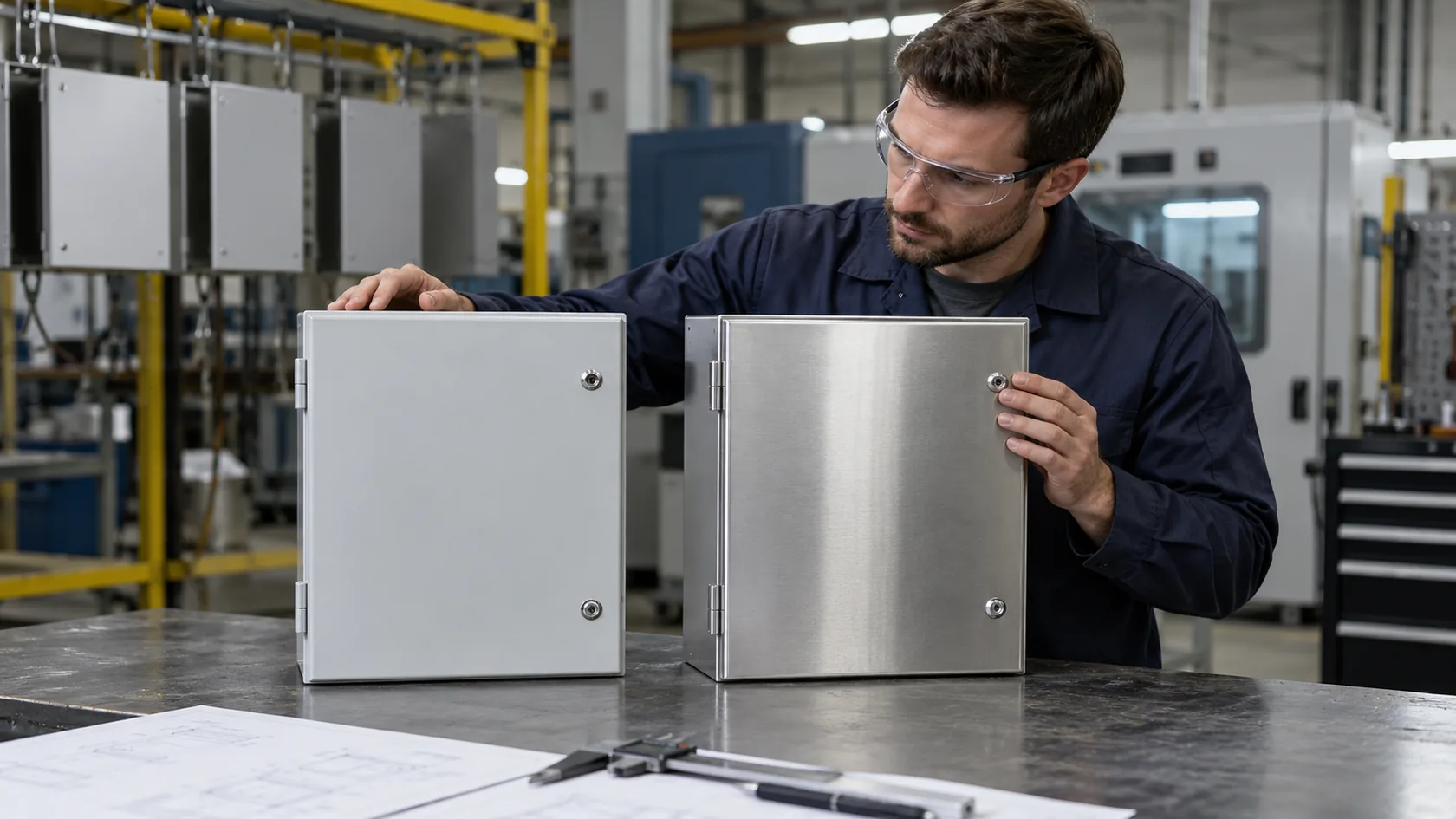
Stainless Steel Is Not Always the Best Solution
Many buyers think stainless steel is the safe answer for outdoor products.
Sometimes it is. Sometimes it is not.
Stainless steel can be strong and corrosion-resistant. It is useful in certain outdoor, marine, food, and industrial environments. But it also has trade-offs.
It is heavier. It is harder to process. It costs more. It may show fingerprints. It may not dissipate heat as well as aluminum in some product designs. It can also create a more expensive supply chain if the project needs many custom cutouts or special structures.
| Buyer Assumption | More Careful View |
|---|---|
| Stainless steel is always better | It depends on corrosion, cost, weight, heat, and processing |
| Aluminum is always cheaper | Complex aluminum machining can also be costly |
| Plastic is low quality | Good outdoor plastic can be very practical |
| Thick material means stronger product | Structure design can matter more than thickness alone |
I do not like choosing stainless steel just because it sounds safer. Safety without matching the real problem is just expensive guessing.
Once material is selected, many buyers relax. But another invisible problem is still waiting inside the box: condensation.
Why Do OEM Buyers Frequently Ignore Condensation Problems?
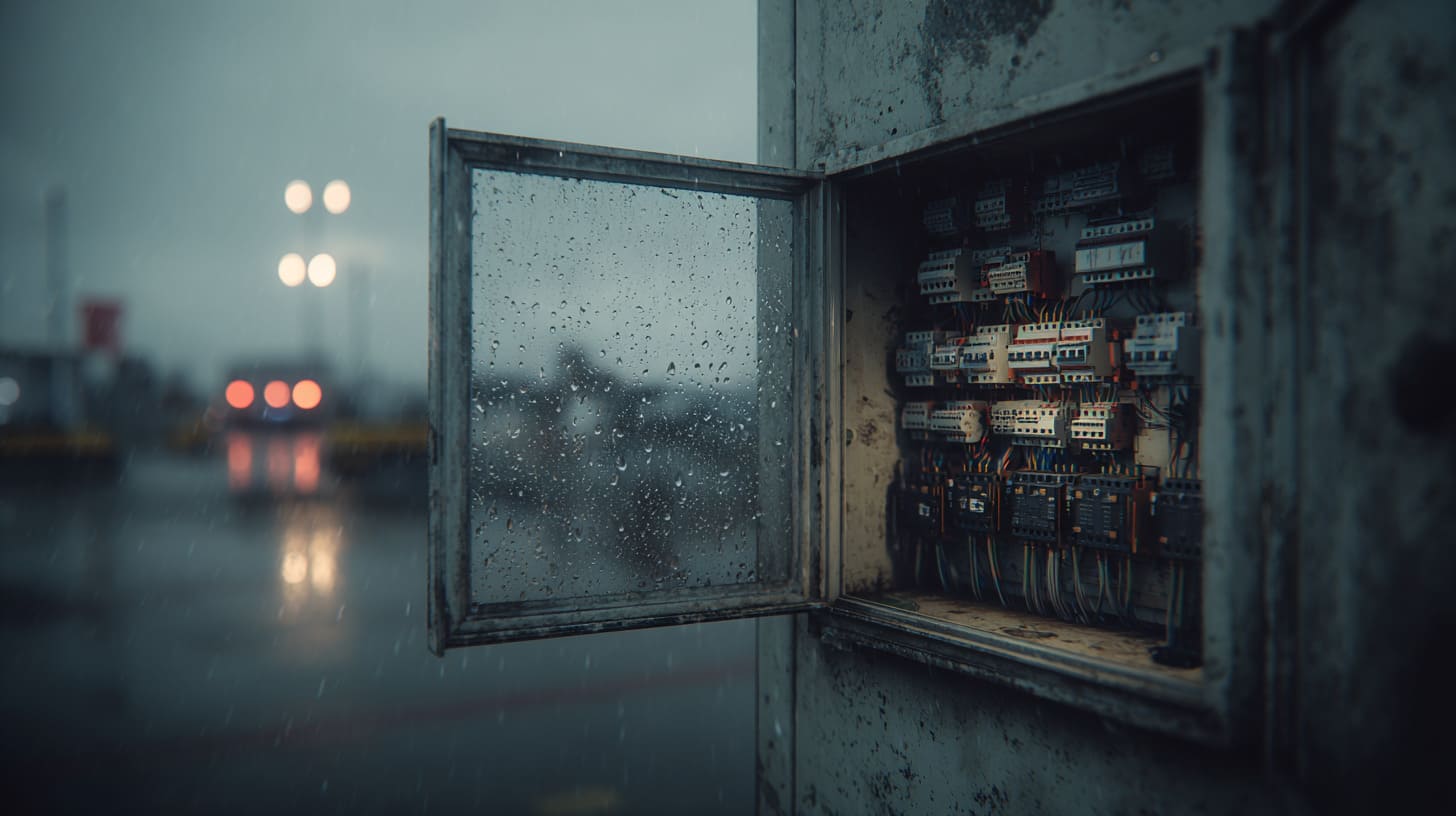
Condensation is one of those problems that makes people angry because it feels unfair.
The buyer may say, “But the enclosure is waterproof. How can there be moisture inside?”
That question sounds reasonable.
But waterproof does not mean moisture-free.
A sealed enclosure can trap humid air. When temperature drops, moisture inside the air can become water droplets. This can happen even when no rain enters the box.
The detail I never ignore is the temperature change between day and night, because a sealed outdoor enclosure can breathe trouble even when no visible water gets inside.
Waterproof Does Not Mean Moisture-Free
Outdoor enclosures often face temperature changes.
During the day, the enclosure heats up. At night, it cools down. Air pressure changes. Moisture moves. If humid air is trapped inside, condensation can form on colder surfaces.
This is especially common in:
- Outdoor sensor boxes
- Solar control enclosures
- Telecom boxes
- Battery enclosures
- IoT control boxes
- Metal enclosures in cold climates
A buyer may only test water spray from outside. But condensation is born inside.
| Condition | What Happens |
|---|---|
| Hot day | Air inside expands and holds more moisture |
| Cold night | Moisture turns into droplets |
| Sealed box | Humidity cannot escape easily |
| Electronics inside | PCB and connectors face corrosion risk |
| Repeated cycling | Small damage becomes long-term failure |
This is why I often ask about climate and installation position. A box installed in a cold outdoor location has different needs from a box used in a warm indoor factory.
Electronics Often Fail From Condensation Instead of Rain
Rain looks dramatic. Condensation works quietly.
A few drops on the wrong component can cause big trouble. PCB corrosion may start slowly. Connectors may oxidize. Sensors may become unstable. The device may work today, fail tomorrow, then work again after drying.
Those are the worst failures because they are hard to diagnose.
The customer may blame the electronics. The electronics supplier may blame the enclosure. The installation team may blame the cable gland. Everyone points at someone else.
Meanwhile, the buyer loses time.
| Failure Area | Possible Result |
|---|---|
| PCB surface | Corrosion and short circuit risk |
| Connector | Oxidation and weak signal |
| Sensor | Wrong reading or unstable output |
| Battery contact | Poor connection |
| Power module | Failure under moisture stress |
A waterproof enclosure can still need moisture control. This is not over-engineering. It is basic outdoor thinking.
Solutions Many Buyers Overlook
Condensation control does not always mean making the enclosure more complex. Sometimes the solution is simple.
The right option depends on the product.
Common solutions include:
- Breather vents
- Anti-condensation coatings
- Drainage structure
- Internal layout changes
- Heat management
- Desiccant packs for certain shipments or uses
- Better cable entry sealing
- Correct installation angle
| Solution | Best Use | Main Trade-Off |
|---|---|---|
| Breather vent | Pressure balance and moisture release | Must choose correct IP-rated vent |
| Drainage design | Allows water to escape safely | Must avoid direct water path to electronics |
| Coating on PCB | Protects electronics | Adds process cost |
| Internal heat control | Reduces temperature swings | Needs design space |
| Better cable sealing | Stops moisture path | Needs correct installation |
A breather vent can help, but it must be selected carefully. A random vent can create another leak path. A good solution can become a bad solution if it is installed poorly.
This is why outdoor enclosure design is not only about the box. It is also about the supplier’s engineering ability.
Why Is Supplier Engineering Capability More Important Than Low Pricing?
A low price is attractive. I understand that. Buyers have budgets. They have pressure from their boss. They compare quotes from China, Vietnam, Europe, and local suppliers. Everyone wants a better cost.
But an outdoor OEM enclosure is not only a metal or plastic box. It is part of the buyer’s product.
If the supplier only gives a price and never asks questions, I become careful.
A cheap quote can feel like a win at the start, but I care more about whether the supplier can notice the mistake before the buyer pays for it in the field.
Many Suppliers Only Sell Standard Boxes
Some suppliers are good at selling standard enclosures. That is fine for simple projects. But OEM outdoor projects often need more.
They may need:
- Custom cutouts
- Logo printing or engraving
- Special mounting holes
- Cable gland matching
- Gasket adjustment
- Thermal design support
- Surface finish suggestions
- Packaging for export
- Assembly support
A supplier who only sells standard boxes may not understand why your product needs small design changes.
| Supplier Type | Good For | Risk in OEM Outdoor Projects |
|---|---|---|
| Catalog seller | Fast standard purchase | Weak custom support |
| Trading company | Simple sourcing | May lack engineering control |
| Processing factory | Custom manufacturing | Needs clear engineering communication |
| Engineering-focused factory | OEM/ODM projects | Needs more early discussion |
For outdoor projects, the supplier should not only ask, “How many pieces?”
They should also ask, “Where is it installed? What is inside? Where are the cables? What rating do you need after assembly? What is the heat source?”
Good questions save money.
Bad silence creates problems.
OEM Projects Require Design Collaboration
In OEM enclosure work, the drawing is not always enough.
A buyer may send a 3D file, a logo file, and a target size. That is a good start. But the supplier still needs to check whether the design is practical for manufacturing.
This is where DFM matters. DFM means design for manufacturing. I do not use this word to sound clever. I use it because it saves people from painful revisions.
Some common design collaboration points are:
- Hole distance from edge
- Screw boss strength
- Gasket groove design
- Wall thickness
- Bend radius
- Surface finish
- Cable entry position
- Heat dissipation
- Assembly sequence
- Packaging protection
| Design Point | Why It Matters |
|---|---|
| Cutout position | Too close to the edge can weaken sealing |
| Gasket groove | Poor design can reduce waterproof performance |
| Screw location | Uneven pressure can create leakage |
| Wall thickness | Thin walls may deform outdoors |
| Mounting holes | Wrong layout can create water paths |
| Heat sink area | Internal heat needs a path out |
I often feel that the best OEM projects happen when the buyer and factory treat the drawing as a conversation, not as a fixed command.
A drawing is important. But real manufacturing has its own language.
Communication Problems Create Expensive Delays
Many buyers complain about slow replies, unclear answers, and repeated confirmation. I understand this pain. Time zone differences already make communication harder. If the supplier also answers vaguely, the project gets stuck.
Outdoor enclosure projects need clear communication because every small detail can affect performance.
For example:
- “Waterproof” must be defined
- Material thickness must be confirmed
- Tolerance must be agreed
- Finish must be specified
- Logo method must be checked
- Packaging must protect the surface
- Cable glands must match the real cable
- Testing method must be realistic
| Unclear Detail | Possible Problem |
|---|---|
| “Outdoor use” | Supplier may choose wrong material or finish |
| “Waterproof” | Buyer and supplier may expect different tests |
| “Black color” | Finish type and outdoor durability may differ |
| “Logo printing” | Ink may not resist outdoor exposure |
| “Same as sample” | Mass production tolerance may still vary |
A fast reply is nice. A useful reply is better.
If a supplier replies quickly but does not understand the project, the speed is fake. It only moves the problem forward.
After supplier capability, the next hidden trap is testing. Many buyers test too little because they trust the sample too much.
Why Do Buyers Underestimate Long-Term Outdoor Testing?
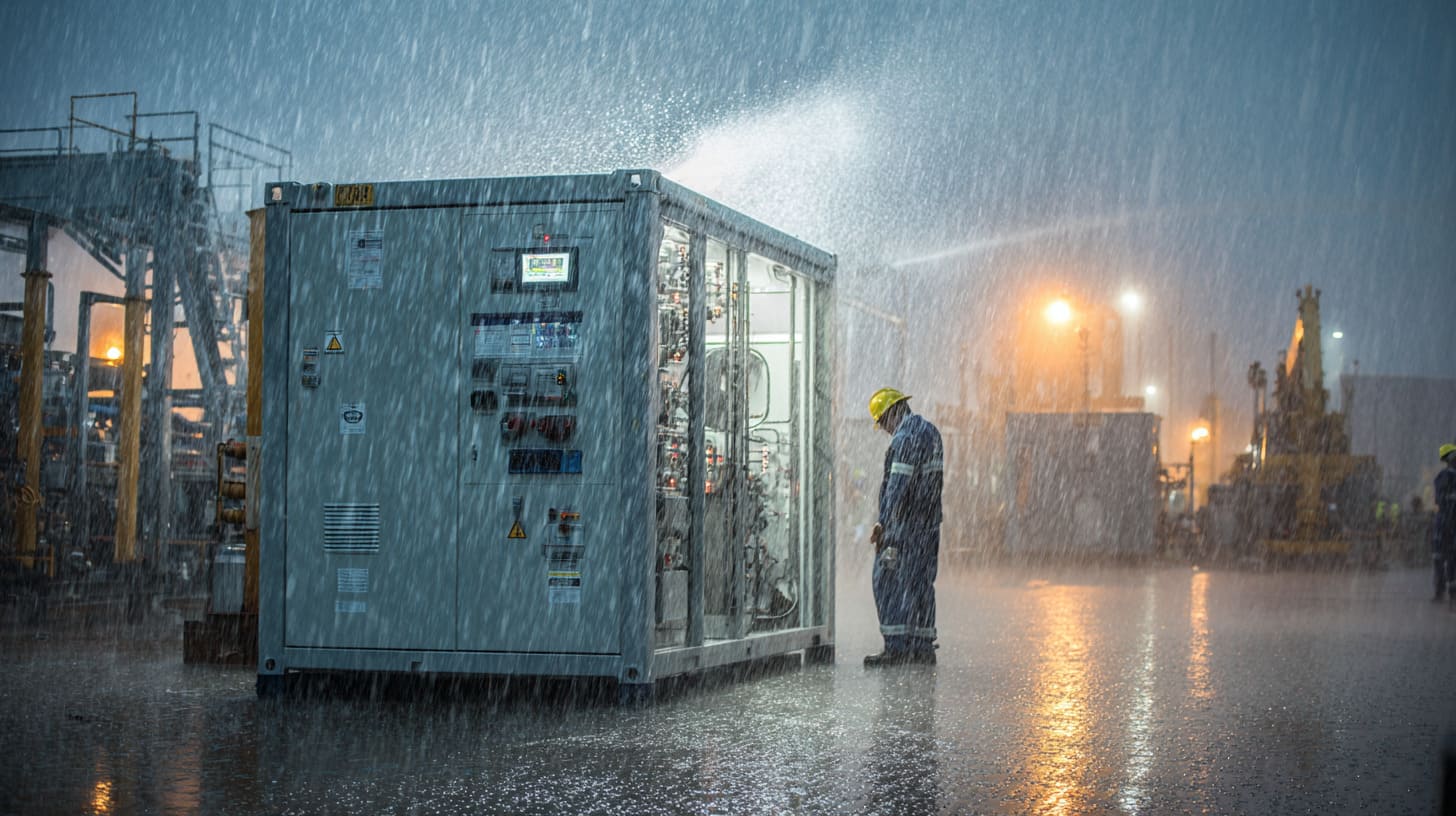
Testing is not exciting.
It costs time. It may cost money. It can slow down the order. I know buyers do not always like it.
But outdoor testing is like insurance. You may dislike paying for it, but you hate needing it even more.
For outdoor enclosure projects, I do not see testing as a delay; I see it as a way to find trouble while trouble is still cheap.
Laboratory Ratings Are Not Enough
A lab rating is useful. It gives a reference. It helps compare products. But real installation can change everything.
A tested enclosure body may perform well. Then the buyer adds cable holes. The installer adds screws. The customer mounts it at a wrong angle. A label is applied near a sealing surface. A cooling fan is added later.
Now the final product is not the same as the tested box.
| Test Condition | Real Project Difference |
|---|---|
| Empty enclosure body | Final product has cables, electronics, labels, and brackets |
| Controlled spray direction | Real rain can hit from strange angles |
| New gasket | Field gasket ages over time |
| Proper assembly | Workers may tighten screws unevenly |
| Clean test setup | Outdoor dust and dirt build up |
That is why I prefer testing the complete assembly when possible. The enclosure alone is only part of the truth.
Important Tests Many Buyers Skip
Not every project needs every test. But buyers should at least think about which tests match the real risks.
Common outdoor enclosure tests include:
- Water spray testing
- Dust testing
- UV aging testing
- Salt spray testing
- Thermal cycling
- Coating adhesion testing
- Gasket compression checking
- Assembly inspection after cutouts
- Drop or packaging test for export shipping
| Test | What It Helps Find |
|---|---|
| Water spray test | Leakage around lid, holes, and cable entry |
| UV aging test | Plastic aging and coating fade |
| Salt spray test | Corrosion risk in coastal areas |
| Thermal cycling | Expansion, contraction, gasket weakness |
| Coating adhesion | Peeling or weak surface treatment |
| Packaging test | Shipping damage risk |
A buyer may skip testing to save time. But if the product fails after installation, the time loss is much bigger.
One failed field batch can make the sample stage look very cheap.
Field Testing Reduces OEM Risk
I like pilot runs. They are not glamorous, but they are useful.
A pilot batch gives the buyer a chance to test the product in a real or near-real environment before mass production. It also gives the factory a chance to find production details that were not clear during sample making.
For example, a pilot batch can reveal:
- Assembly time is too long
- Gasket installation is unstable
- Coating scratches during packing
- Cable gland installation needs clearer instructions
- Screw torque needs a standard
- The enclosure heats up more than expected
| Step | Purpose |
|---|---|
| Prototype | Confirm structure idea |
| Sample | Check appearance and basic fit |
| Pilot batch | Check repeatability and assembly |
| Field test | Check real outdoor behavior |
| Mass production | Produce with controlled standard |
I know some buyers want to jump from sample to big order. Sometimes that works. But for outdoor OEM projects with electronics inside, skipping a pilot test can feel like driving fast at night with weak headlights.
Maybe you arrive safely.
Maybe not.
So how can buyers avoid these problems before money, time, and reputation are at risk?
How Can OEM Buyers Avoid Costly Outdoor Enclosure Mistakes?
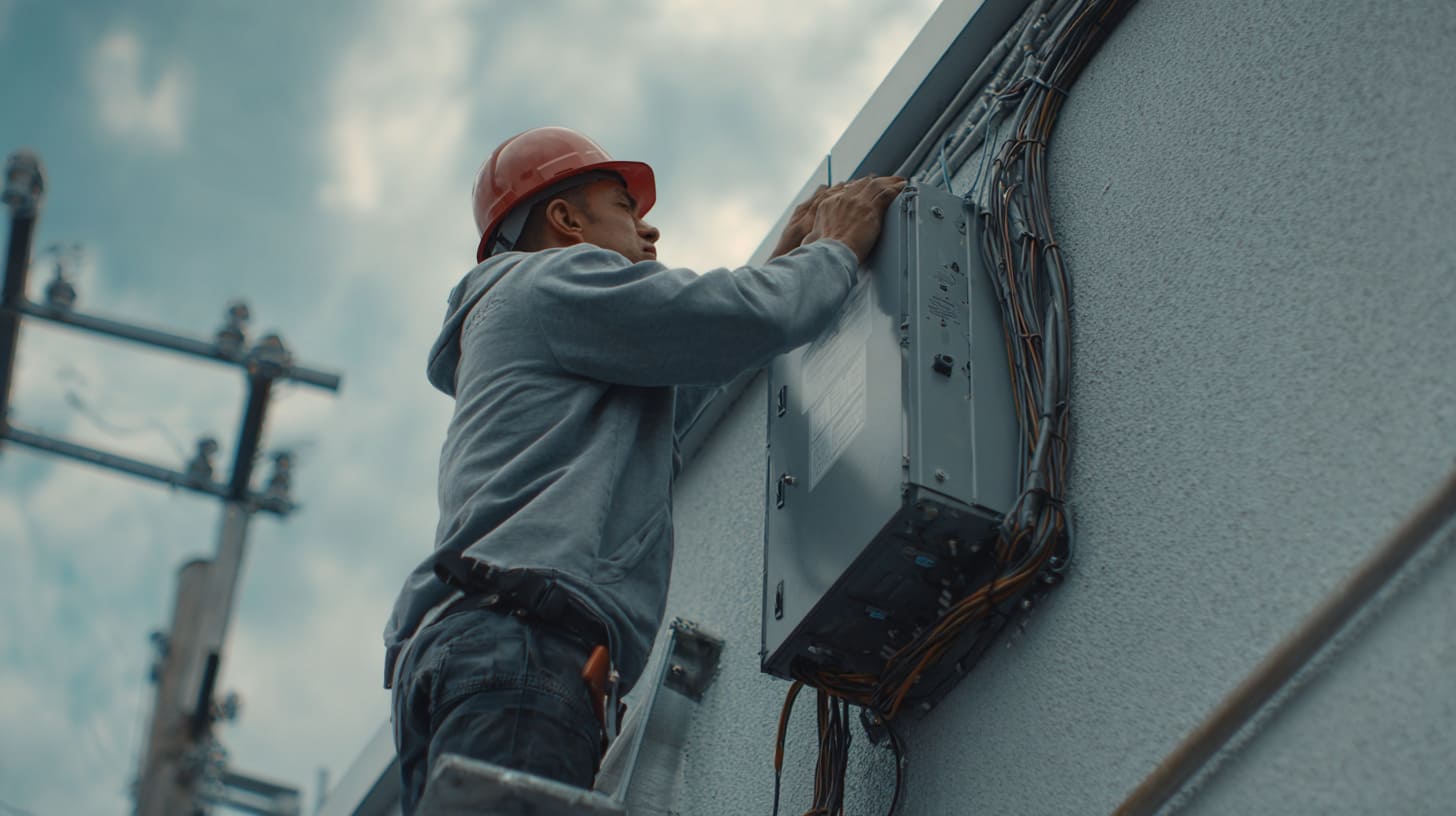
Avoiding mistakes does not mean making every enclosure expensive.
That is not the goal.
The goal is to match the enclosure to the real project. A simple outdoor product may only need a simple solution. A harsh outdoor product may need stronger materials, better sealing, and more testing.
The smart path is not always the most expensive path. It is the clearest path.
Before I suggest a structure or material, I like to reduce the project to a few painful questions, because the painful questions usually show where the future complaint will come from.
Define the Real Operating Environment Clearly
A buyer should not only say “outdoor.” The buyer should describe the outdoor condition.
At minimum, I want to know:
- Installation country or region
- Temperature range
- Sun exposure
- Rain exposure
- Humidity
- Dust level
- Salt or chemical exposure
- Mounting method
- Cable entry position
- Internal heat source
- Expected product life
| Information Needed | Why It Matters |
|---|---|
| Temperature range | Affects material, gasket, and electronics |
| Sun exposure | Affects UV aging and heat buildup |
| Humidity | Affects condensation risk |
| Coastal location | Affects corrosion protection |
| Installation angle | Affects water drainage |
| Internal components | Affects heat and layout |
| Cable type | Affects gland selection and sealing |
The clearer the environment, the better the enclosure decision.
Good suppliers do not need perfect information. But they need enough truth to avoid guessing.
Focus on Total Project Reliability Instead of Lowest Price
The lowest enclosure price can be expensive.
This sounds strange, but it is true.
If one enclosure saves $2 but causes a field repair, the buyer loses much more than $2. If a project is delayed because of poor communication, the buyer may lose customer trust. If a product fails outdoors, the buyer’s brand takes the hit, not the enclosure factory’s name.
| Cost Type | Often Ignored By Buyers |
|---|---|
| Field repair | Labor, shipping, replacement |
| Product delay | Missed project deadline |
| Brand damage | Customer loses trust |
| Engineering revision | New samples and new testing |
| Inventory waste | Bad stock cannot be used |
| Communication time | Slow confirmation burns project time |
I do not suggest overbuilding every enclosure. That also wastes money. But I do suggest looking at the full cost of failure.
A cheaper enclosure is only cheaper if it still works.
Work With Suppliers That Provide Engineering Support
For OEM and ODM projects, supplier support matters a lot.
A good supplier should help check details such as:
- Material choice
- Process choice
- Surface treatment
- Hole placement
- Wall thickness
- Gasket design
- Cable gland matching
- Logo method
- Packaging protection
- Testing plan
| Project Need | Supplier Support That Helps |
|---|---|
| Custom board inside | Internal mounting and standoff design |
| Outdoor device | Sealing, coating, and UV advice |
| Brand product | Logo method and surface finish control |
| Heat source inside | Aluminum design or ventilation advice |
| Export shipment | Packaging protection and surface inspection |
A supplier does not need to control the buyer’s design. But the supplier should be brave enough to say, “This detail may cause trouble.”
That sentence can save a project.
Verify the Complete Assembly Instead of the Enclosure Alone
This is a big one.
Many buyers test only the empty enclosure. But the final product includes more than the enclosure body.
It includes:
- Cable glands
- Connectors
- Mounting screws
- Labels
- Windows
- Vents
- Internal brackets
- Cooling parts
- Rubber feet
- Hinges
- Locks
- Final assembly method
Every added part can become a weak point.
| Component | Outdoor Risk |
|---|---|
| Cable gland | Wrong size causes leakage |
| Label | Adhesive may fail outdoors |
| Transparent window | Edge sealing may weaken |
| Vent | Poor type may reduce waterproofing |
| Mounting screw | Can create water path |
| Cooling fan | Adds opening and dust risk |
| Gasket | Can shift or compress unevenly |
The final product should be checked as a system. The enclosure body may be strong, but the whole assembly may still be weak.
That is why smart buyers do not only ask, “Can you make this box?”
They ask, “Can this box survive as part of my product?”
And before placing the order, there are several priorities worth checking one by one.
What Should Smart OEM Buyers Prioritize Before Placing Orders?
Before a buyer places an outdoor enclosure order, I think there should be a pause.
Not a long pause. Not a slow, painful meeting.
Just a clear check.
Because once mass production starts, every small uncertainty becomes more expensive to fix.
At the order stage, I care less about who sounds the most confident and more about who has already removed the most hidden risks from the project.
Supplier Engineering Communication Ability
A smart buyer should check how the supplier communicates before the order.
Does the supplier ask useful questions? Does the supplier understand drawings? Does the supplier reply clearly? Does the supplier confirm details with photos, drawings, or simple marked files?
Good communication is not just polite talk. It is project control.
| Communication Signal | What It May Mean |
|---|---|
| Supplier asks about installation | They think beyond the box |
| Supplier marks drawing issues | They understand manufacturing risk |
| Supplier confirms tolerance | They care about fit and assembly |
| Supplier explains trade-offs | They have real experience |
| Supplier only says “yes” | Risk may be hidden |
A “yes” supplier feels easy at first. But a thoughtful supplier may save more trouble.
Outdoor Application Experience
Outdoor enclosure experience matters.
A supplier who has made similar outdoor products can often spot problems faster. They may know which coating works better. They may know when to suggest a breather vent. They may know where water often enters.
Experience does not mean the supplier is always right. But it gives them better instincts.
Ask about:
- Similar project cases
- Material options
- Surface finish experience
- IP-related structure experience
- Export packaging experience
- Common outdoor failure points
Stable Production Consistency
A good sample is not enough.
The buyer should ask how the supplier controls production consistency.
This includes:
- Incoming material inspection
- First article inspection
- Process inspection
- Final inspection
- Gasket and sealing checks
- Surface finish control
- Packaging inspection
| Production Area | What Should Be Controlled |
|---|---|
| Material | Thickness, grade, surface quality |
| Cutting/machining | Hole size, burrs, tolerance |
| Bending/extrusion | Shape stability |
| Surface finish | Color, coating, scratches |
| Assembly | Screw torque, gasket position |
| Packing | Protection during shipping |
Outdoor enclosure failure often comes from small differences in production. A 1 mm issue can become a water path. A weak coating spot can become corrosion. A loose screw can become a complaint.
Real Testing Capability
A supplier does not need to own every testing machine. Some tests can be done by third-party labs. But the supplier should understand what testing is needed and how to prepare samples correctly.
Testing capability includes:
- Knowing which test matches the application
- Preparing complete assembled samples
- Understanding test limits
- Supporting test reports when needed
- Adjusting design after test feedback
A test report without engineering thinking is just paper. A useful test should help improve the product.
Long-Term Cooperation Reliability
OEM enclosure projects often continue after the first order.
There may be new versions, new colors, new logos, new holes, new packaging, and new customer requirements. So the supplier should be stable enough for long-term cooperation.
A buyer should think about:
- Can this supplier support repeat orders?
- Can they keep drawings and records?
- Can they control color consistency?
- Can they handle design updates?
- Can they communicate quickly when problems happen?
- Can they protect my brand details and custom design?
A supplier is not only a price source. In OEM work, the supplier becomes part of the buyer’s delivery system.
Fast Response and Detail Control
Speed matters. Detail also matters.
Fast response without detail is dangerous. Detail without speed is painful.
The best cooperation needs both.
| Buyer Need | Supplier Behavior That Helps |
|---|---|
| Fast quotation | Clear material and process options |
| Drawing review | Marked feedback and questions |
| Sample making | Photos and progress updates |
| Mass production | QC records and issue reporting |
| Shipping | Packing photos and logistics support |
For buyers like David, Jackson, or John, time is not just time. Time is customer trust. If the enclosure supplier delays confirmation, the buyer may miss their own project schedule.
That is why I believe communication ability is not a soft skill. In custom OEM enclosure work, communication is part of product quality.
Conclusion
The biggest mistake OEM buyers make when choosing outdoor enclosures is not choosing aluminum instead of plastic. It is not choosing IP65 instead of IP67. It is not even choosing a cheaper supplier.
The biggest mistake is treating an outdoor enclosure like a simple box.
I do not think this way because I read it in a manual. I think this way because I have seen how small details become big problems in real projects.
A gasket that looked fine on the sample can shift in production. A cable gland that seemed simple can become the leak point. A coating that looked beautiful can fade or peel outdoors. A sealed box can still collect condensation inside. A low price can become expensive when the buyer needs to replace products in the field.
That is why I judge outdoor enclosure projects from the full product view.
I want to know where the product will be installed. I want to know what electronics sit inside. I want to know how the cables enter. I want to know whether the enclosure faces sun, salt, rain, dust, heat, or cold nights. I want to know whether the buyer needs logo printing, custom packaging, fast delivery, or a redesign for mass production.
These questions are not extra trouble. They are protection.
For OEM buyers, a good outdoor enclosure should do more than look clean and pass a simple rating. It should protect the buyer’s product, support the buyer’s brand, and reduce problems after installation.
So my advice is simple.
Do not buy outdoor enclosures only by IP rating and price.
Buy them by project risk.
Check the environment. Check the material. Check the sealing structure. Check condensation risk. Check the supplier’s engineering ability. Check the final assembly. Check whether mass production can repeat the same quality as the sample.
At MaidaTech, this is why I prefer to work with buyers as an engineering partner, not only as a box supplier. If a customer sends us a custom aluminum enclosure design, Raspberry Pi-style case idea, plastic enclosure project, or sheet metal enclosure requirement, I do not only look at the drawing and quote a price. I try to understand how the enclosure will be used, where it may fail, and how we can make it safer before production starts.
If you are planning an outdoor OEM enclosure project, you can send your drawing, usage environment, quantity, material idea, and logo or packaging needs to us.
I will help you check the details before the small mistake becomes an expensive one.