Skip to content
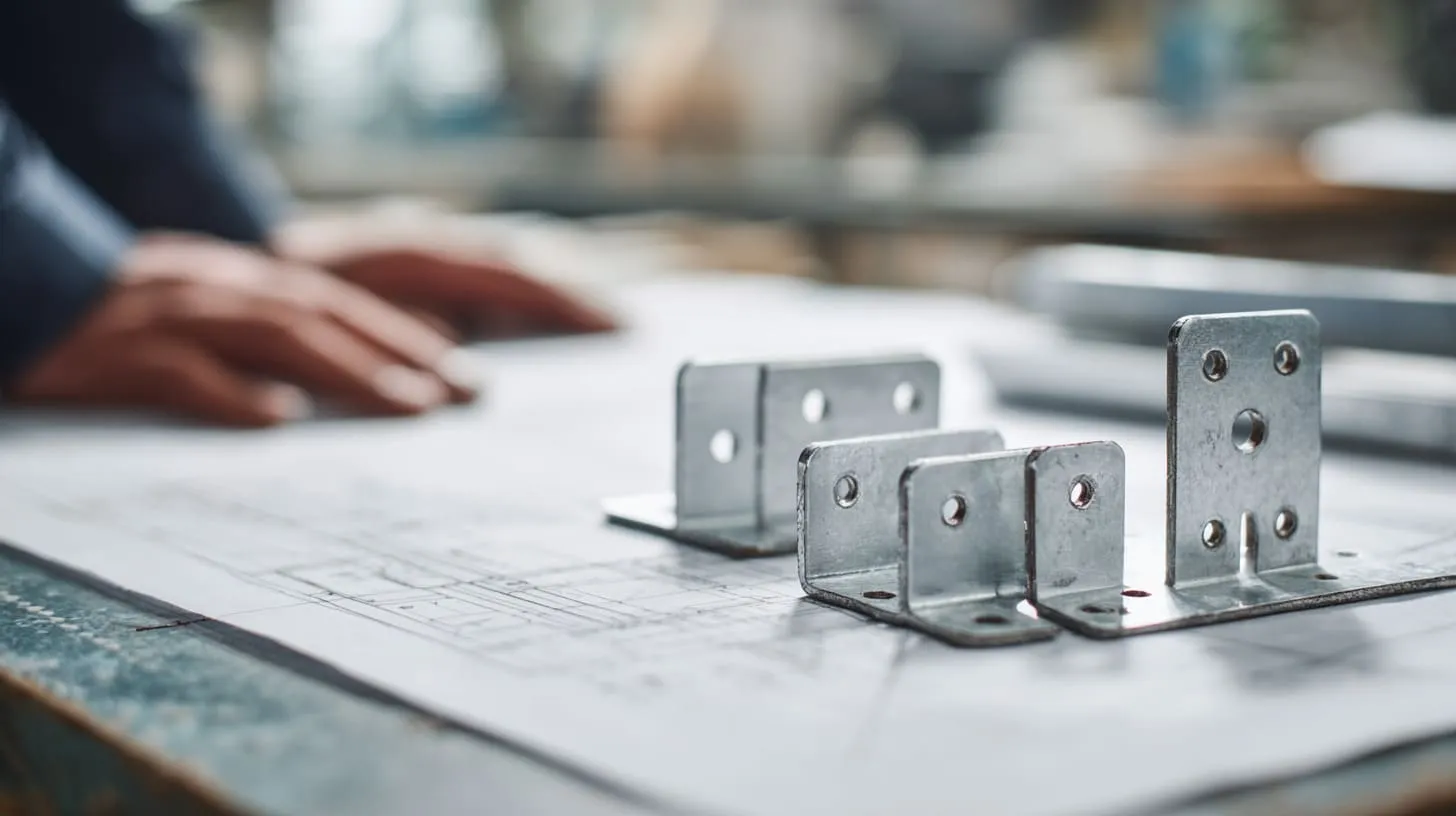
A bracket can look like a small part on a drawing. Just a bent piece of metal. A few holes. Maybe a note about thickness. That is exactly why people underestimate it.
I have seen this happen more than once. A buyer spends days discussing the enclosure shell, the logo, the finish, and the packaging. Then the bracket gets treated like an afterthought. Later, the enclosure does not line up with the mounting surface, the internal board sits under stress, or the installer has to drill new holes on site. That is when a cheap little bracket suddenly becomes an expensive mistake.
I do not think metal brackets are minor parts. I see them as quiet decision-makers. They control support, alignment, spacing, load path, and installation speed. In many projects, they are the reason a product feels solid instead of sloppy.
The problem is simple. Many buyers know they need a bracket, but they are not always sure which type makes sense. An L bracket may look fine in a photo, but a U bracket may hold the part better. A flat bracket may save cost, but a gusset bracket may stop movement that would show up months later. The shape matters. The material matters. The load matters. So does the place where the part will live.
One thing I keep reminding myself is this: when a bracket choice goes wrong, the first failure is often not dramatic. It starts with small signs—poor fit, slow assembly, vibration, awkward screw access, or a part that “almost works” but never feels right.
In this guide, I want to break the topic down in a practical way. I will talk about the main types of metal brackets, what they are used for, what materials they are made from, how they are produced, how I choose between options, and where buyers tend to make mistakes. I want this to feel useful, not abstract.
And once I start talking about brackets, the first question is always the simplest one. What exactly counts as a metal bracket in the first place?
What is a metal bracket?
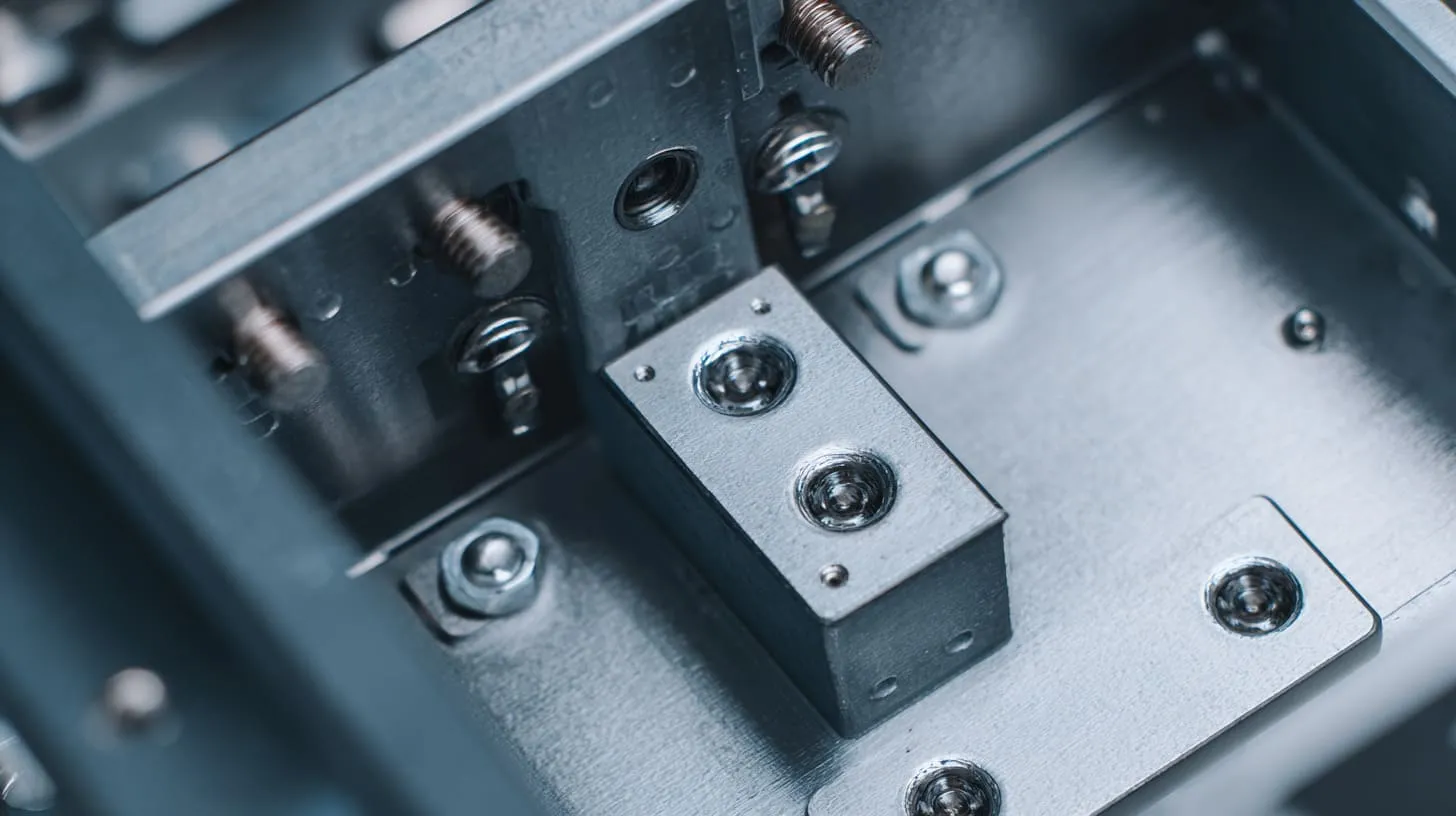
A metal bracket is a support part. It connects, holds, positions, or reinforces one thing to another. That sounds basic, and it is. But that simple job can mean a lot of different things in real work.
I usually explain it like this: if two parts need help staying in the right place, a bracket often steps in. It may hold a control box on a wall. It may support a shelf. It may keep a PCB from shifting inside an enclosure. It may help a machine part stay aligned under force. The bracket is not always the star of the design, but it is often the part that keeps the design honest.
One detail I pay close attention to is whether the bracket is only “holding” something or actually “carrying” something, because that small difference changes thickness, shape, hole design, and even material choice.
Basic definition and function
At its core, a metal bracket is a formed or machined metal part that provides support, connection, spacing, reinforcement, or positioning.
That function can show up in several ways:
- Support: holding weight from another component
- Reinforcement: making a weak joint stronger
- Positioning: keeping parts in the correct place
- Mounting: attaching one item to a wall, frame, or panel
- Spacing: creating a gap between parts
- Alignment: helping parts stay straight and true
In enclosure work, I often deal with brackets that seem simple on paper. Then the real question appears: does the bracket only need to keep the part in place, or does it need to survive repeated opening, vibration, or shock? That is where a “simple support piece” turns into a design choice.
Key components of a bracket
Not every bracket has the same shape, but many brackets share the same core features.
| Component | What it does | Why it matters |
|---|---|---|
| Base plate | Main body of the bracket | Gives support and contact area |
| Arm or flange | Extends from the base | Creates angle, offset, or support reach |
| Mounting holes | For screws, bolts, or rivets | Controls installation and alignment |
| Bends | Forms the bracket shape | Adds stiffness and function |
| Reinforcement ribs or gussets | Strengthens weak areas | Helps resist bending or vibration |
| Slots | Allows adjustment | Useful for positioning or tolerance |
| Weld points | Joins parts together | Needed in multi-part brackets |
Some brackets are just one bent piece of sheet metal. Others are built from several parts and welded together. Some are stamped in volume. Others are CNC machined for tight tolerances. The shape may look small, but the design thinking behind it is often not small at all.
Why brackets are critical in engineering and product design
A bracket matters because it affects much more than support.
It touches:
- Safety
- Load stability
- Assembly speed
- Appearance
- Serviceability
- Long-term reliability
I have seen brackets cause trouble in all kinds of ways. A hole location is off by just a little, and the installer has to force the fit. The metal is too thin, and the part flexes under load. The edge distance is too tight, and the bracket cracks near the screw. The bracket blocks a cable path. The finish looks good, but the coating chips during assembly.
So yes, a bracket is a support part. But in real projects, it is also a decision about whether the product will go together cleanly and stay stable after it leaves the factory.
Here is a quick way I think about it:
| If the bracket is poorly designed... | What can happen later |
|---|---|
| Wrong hole placement | Slow assembly or rework |
| Weak geometry | Bending or failure |
| Poor material choice | Rust, fatigue, or deformation |
| Bad spacing | Components do not fit |
| Hard-to-reach fasteners | Installation frustration |
| Too much complexity | Higher cost without real benefit |
And once the role of a bracket becomes clear, the next question comes fast: what kinds of brackets are actually out there, and how do I tell them apart?
What are the main types of metal brackets?
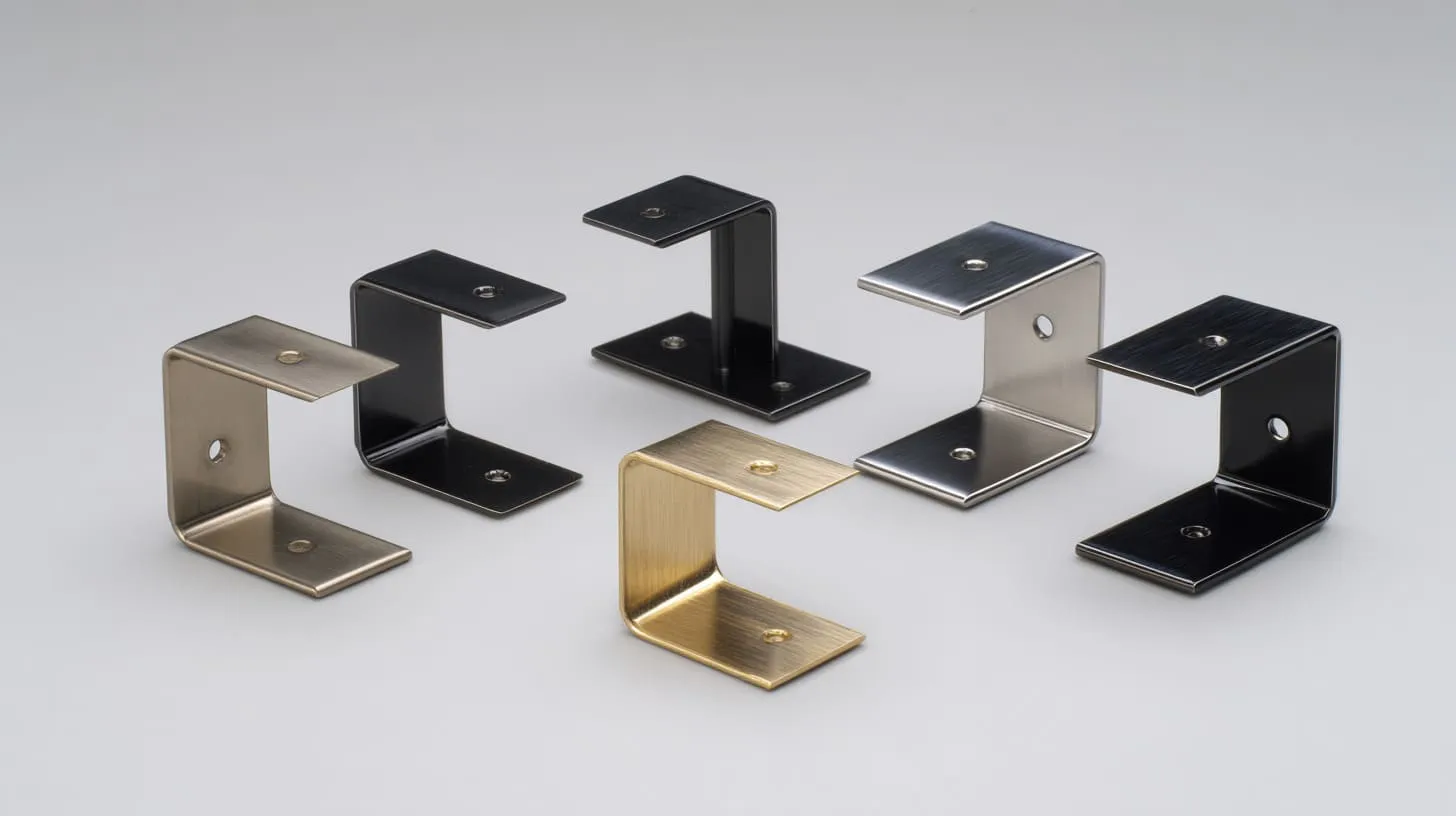
This is where things get interesting, because many buyers use the word bracket like it means one thing. It does not. It is really a family of parts. The shape changes with the job.
I do not judge bracket types by name alone. I look at what force is coming in, where the bracket is fixed, how much space is available, and whether the installer needs adjustment room. A bracket that looks cheap and simple can be the right answer. A stronger-looking one can be a waste.
Below are the main bracket types I see most often.
L-shaped brackets (Angle brackets)
L-shaped brackets are probably the most familiar type. They have a 90-degree bend and connect two surfaces that meet at a right angle.
I see them everywhere:
- enclosure mounting
- furniture corners
- wall supports
- panel joins
- shelf support
- internal frame assembly
They are popular because they are simple, easy to make, and easy to install.
| Feature | L-shaped bracket |
|---|---|
| Shape | 90-degree angle |
| Main job | Corner support and mounting |
| Strength level | Light to medium, depending on thickness |
| Common use | Frames, cabinets, enclosures, shelves |
What makes them useful is that they do not ask much from the design. A single bend. A few holes. Fast to produce. Easy to understand.
But that simplicity can fool people. An L bracket is not automatically strong just because it is bent. If the arm is too long, the metal too thin, or the load too far from the bend, it can flex more than expected.
U-shaped brackets
U-shaped brackets wrap around a part from three sides, or they create a channel that supports an item more securely than a flat or angle bracket.
I often see them used for:
- pipes
- rods
- cable management parts
- cylindrical components
- internal mounts that need side support
The big advantage here is control. A U shape holds a part in position better than a flat shape does.
| Feature | U-shaped bracket |
|---|---|
| Shape | Three-sided channel |
| Main job | Holding or surrounding a component |
| Best for | Pipes, cables, rods, narrow devices |
| Key benefit | Better side stability |
This type is useful when a part needs to be guided, not just mounted. That said, it can create tighter tolerance demands. If the inside width is too narrow, assembly becomes frustrating. If it is too loose, the bracket loses its purpose.
Z-shaped brackets
Z-shaped brackets are offset brackets. They shift the mounting plane from one level to another. That may sound like a small thing, but it solves many layout problems.
I use Z brackets when I need:
- panel offset
- cover spacing
- wall stand-off distance
- layered mounting structures
- alignment between parts at different heights
| Feature | Z-shaped bracket |
|---|---|
| Shape | Offset with two bends |
| Main job | Creates spacing between planes |
| Common use | Panel mounting, offset installation |
| Key benefit | Solves alignment and clearance issues |
This is one of those bracket types that looks unnecessary until the assembly starts. Then it becomes the cleanest answer in the whole design.
T-shaped brackets
T-shaped brackets help distribute force across three directions or reinforce intersecting parts.
They are often found in:
- framework support
- center joint reinforcement
- shelving systems
- structural joins
| Feature | T-shaped bracket |
|---|---|
| Shape | T form |
| Main job | Reinforce joining points |
| Best for | Intersections and support branching |
| Key benefit | Better force spread |
The thing I like about T brackets is that they help stabilize a connection that might otherwise twist. Still, not every center joint needs one. Sometimes buyers choose a T bracket because it “looks stronger,” even when a simpler part would do the job at lower cost.
Corner brackets
Corner brackets focus on reinforcing inside or outside corners. In many cases, they look similar to L brackets, but they are used more specifically to protect a corner joint.
I see them in:
- cabinets
- metal boxes
- display frames
- housing reinforcement
- support frames
| Feature | Corner bracket |
|---|---|
| Shape | Designed for corner reinforcement |
| Main job | Strengthen corner joints |
| Best for | Boxes, frames, cabinets |
| Key benefit | Reduces corner weakness |
A corner is often where movement begins. That is why I never look at corner brackets as “extra metal.” They are often the part that keeps a box from loosening over time.
Flat brackets (Straight brackets)
Flat brackets are simple strips or plates used to join two parts in the same plane. They do not create angles. They create connection and reinforcement across a straight line.
Common uses include:
- joining panels
- repairing structures
- linking sections of a frame
- simple reinforcement jobs
| Feature | Flat bracket |
|---|---|
| Shape | Straight strip or plate |
| Main job | Join parts in one plane |
| Best for | Repair, reinforcement, simple joining |
| Key benefit | Easy and low cost |
Flat brackets are efficient. But they do not add much stiffness by geometry alone. If the load is high, or if twisting is expected, a flat bracket may not be enough.
Gusset brackets
Gusset brackets usually have a triangular form or include a triangle-like reinforcement section. They are made to resist bending and support heavier loads.
I respect gusset brackets because they are honest. They look strong because they are strong.
Typical uses:
- machinery support
- structural frames
- heavy-duty shelves
- equipment mounts
- high-vibration environments
| Feature | Gusset bracket |
|---|---|
| Shape | Triangular or reinforced form |
| Main job | Heavy reinforcement |
| Best for | High load and high stress areas |
| Key benefit | Strong resistance to flexing |
What often gets missed is this: a gusset bracket adds strength, but it also adds material, welding time, or forming complexity. So it is not always the “best” choice. It is the best choice when the load and risk actually justify it.
Adjustable brackets
Adjustable brackets include slots, multiple hole patterns, hinged parts, or movable sections. They are made for installations where exact positioning may change.
These are useful for:
- variable spacing
- prototype stages
- site installation adjustments
- product families with similar parts
- uncertain mounting conditions
| Feature | Adjustable bracket |
|---|---|
| Shape | Variable, often with slots |
| Main job | Allow fit changes |
| Best for | Flexible installation |
| Key benefit | Better tolerance and alignment control |
I like adjustable brackets when the project still has unknowns. But I also stay careful with them. Adjustment adds convenience, but it can also reduce stiffness or create extra movement if the bracket is not locked properly.
To make the differences easier to scan, here is a quick comparison:
| Bracket type | Main use | Strength tendency | Best fit |
|---|---|---|---|
| L-shaped | Right-angle support | Medium | General support |
| U-shaped | Holding components | Medium | Pipes, rods, side support |
| Z-shaped | Offset mounting | Medium | Panel spacing |
| T-shaped | Joint reinforcement | Medium to high | Intersections |
| Corner | Corner strengthening | Medium | Boxes, cabinets |
| Flat | Straight joining | Low to medium | Repairs, panel joins |
| Gusset | Heavy reinforcement | High | Machinery, frames |
| Adjustable | Flexible alignment | Varies | Prototypes, site install |
Once the shapes are clear, the more practical question shows up. Where do these brackets actually get used in the real world?
What are metal brackets used for?
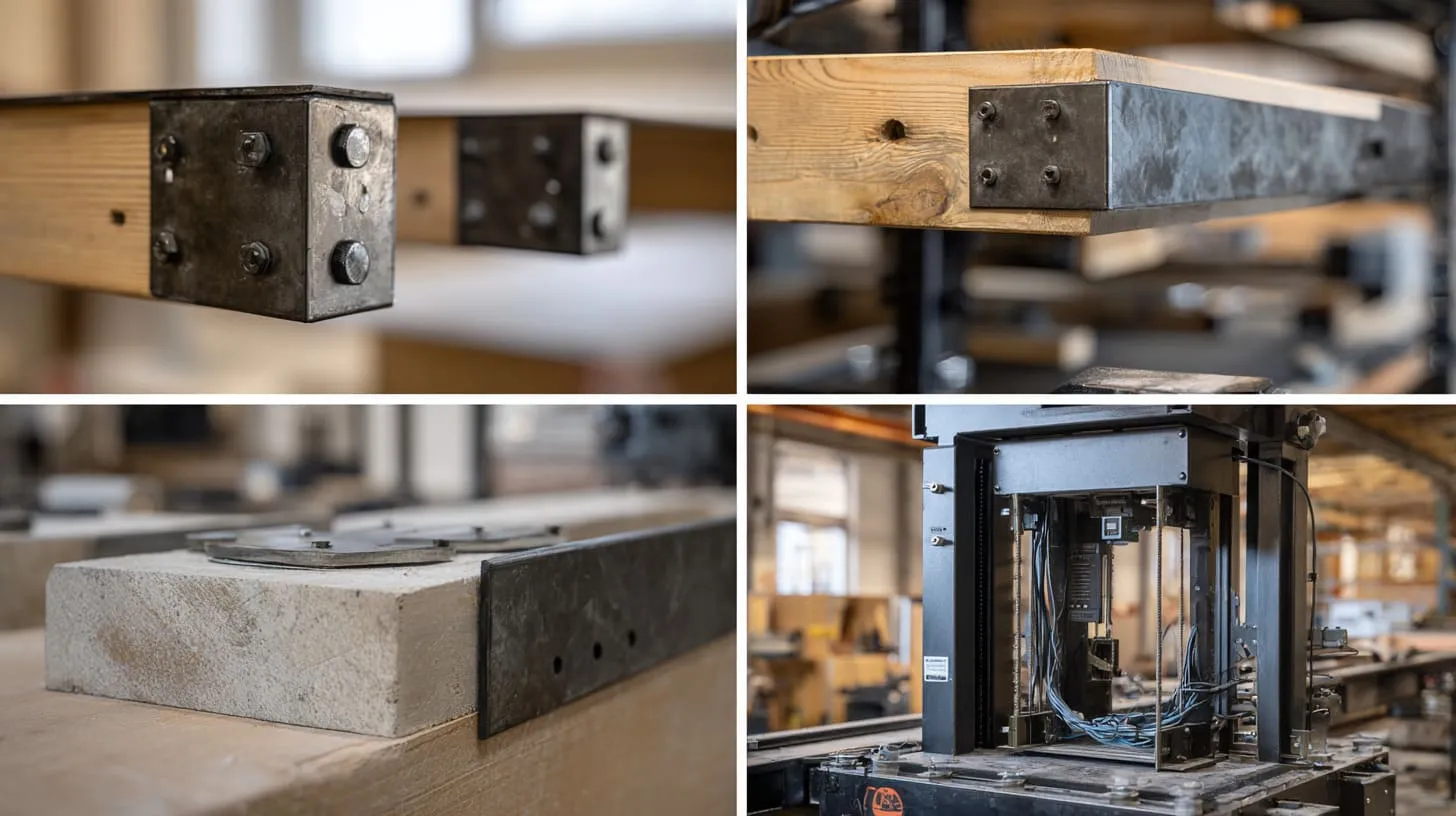
A bracket is one of those parts that travels across industries. It shows up in construction, machinery, electronics, furniture, vehicles, and display systems. Same basic idea. Different job every time.
I do not like asking only, “What shape is the bracket?” I also ask, “What life is this bracket about to live?” A wall-mounted shelf bracket and an internal enclosure bracket may both be steel, but the stress, environment, service access, and user expectations are completely different.
Structural support in construction
In construction work, brackets often help carry weight, hold connections, or stabilize mounted items.
Typical uses include:
- wall-mounted shelves
- support arms
- frame reinforcement
- pipe and conduit support
- beam and joist connections
Construction brackets need to do more than hold a part today. They need to stay trustworthy over time. That means thinking about:
- load direction
- long-term fatigue
- corrosion
- installation conditions
- code requirements
| Application | Common bracket role |
|---|---|
| Shelves | Transfer load to wall or frame |
| Wall fixtures | Hold equipment or cabinets |
| Pipe/conduit systems | Support routing and spacing |
| Framing connections | Reinforce joints and angles |
A bracket in a building often lives a hard, quiet life. Nobody notices it when it works. Everyone notices it when it fails.
Equipment and enclosure mounting
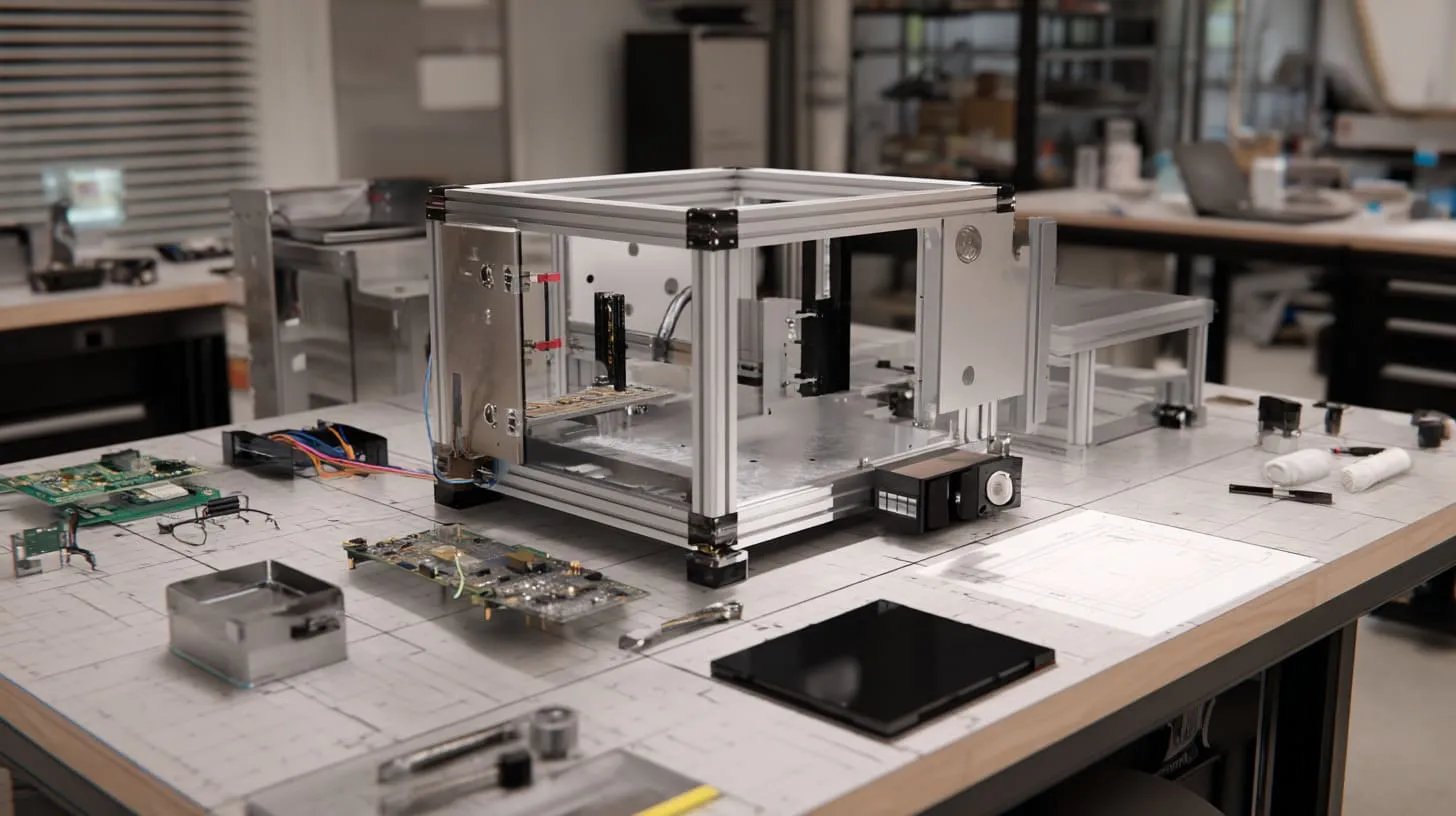
This is the area I deal with most. In enclosure projects, brackets are everywhere. Some are visible. Many are hidden. All of them matter.
I use metal brackets in enclosure work for:
- mounting electrical boxes to walls or machines
- holding internal PCBs
- fixing transformers or power modules
- supporting DIN rails
- spacing covers and internal assemblies
- attaching fans, panels, or side components
| Enclosure use | Bracket function |
|---|---|
| Wall mounting | Holds enclosure body in place |
| Internal component mounting | Supports boards, power parts, controls |
| Door support | Reinforces hinges or panels |
| Cable routing | Holds clips or support paths |
| Layered installation | Creates distance between levels |
A lot of buyers focus on the enclosure shell because that is what they can see in the photo. I understand that. Still, the internal brackets often decide whether the enclosure is easy to assemble and easy to service.
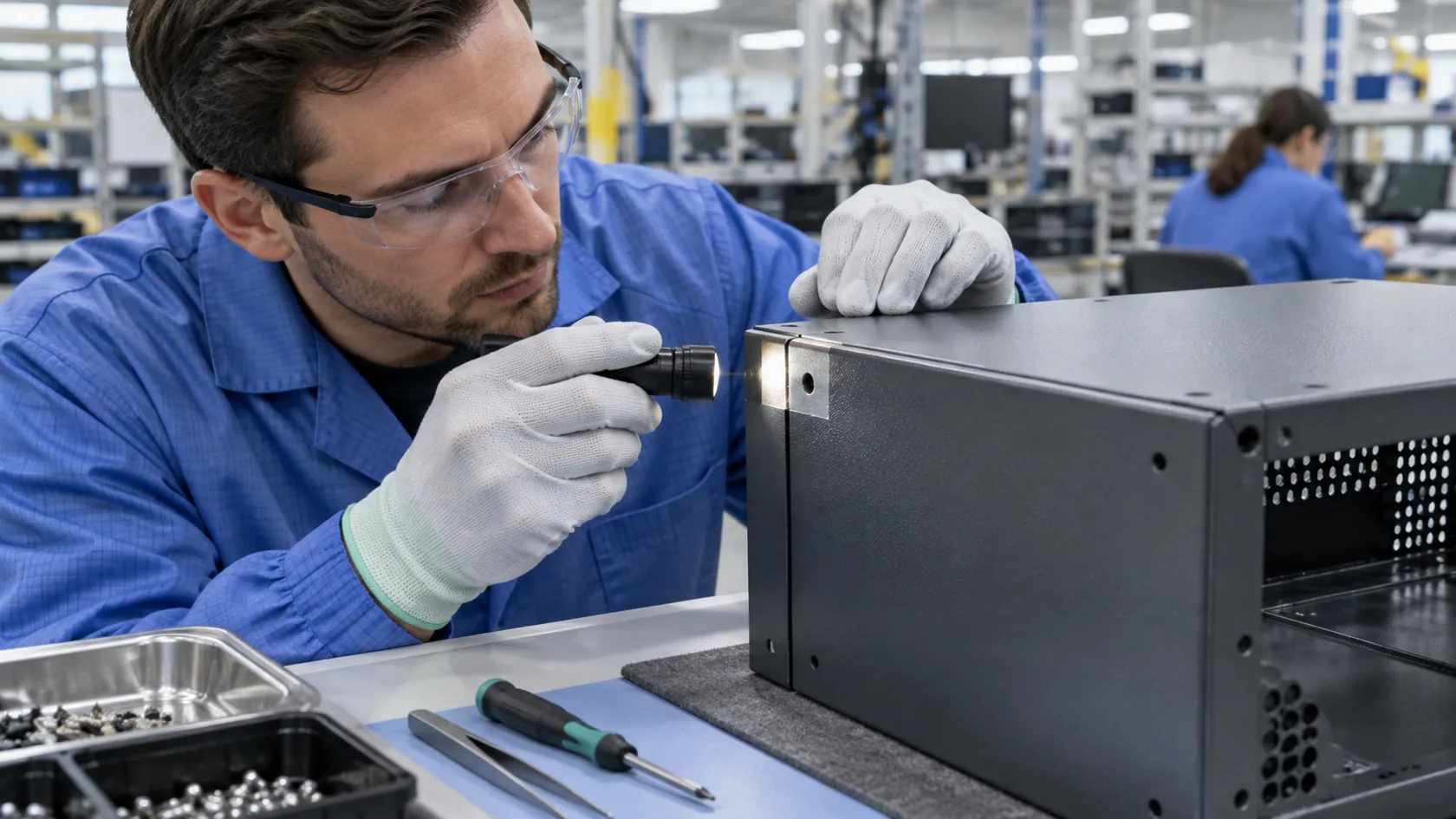
I have had projects where the outside looked clean, but the inside bracket layout made screwdriver access miserable. That kind of issue does not show up in a sales sheet. It shows up on the production line.
Furniture assembly and reinforcement
Furniture uses brackets in a very practical way. The goal is often simple: keep things rigid, square, and safe.
Common furniture bracket uses:
- table reinforcement
- cabinet corner support
- shelf mounting
- frame joining
- repair work
| Furniture item | Bracket role |
|---|---|
| Table | Reinforce leg and frame joints |
| Cabinet | Support corners and shelves |
| Wall shelf | Mount load to wall |
| Bed frame | Strengthen join areas |
A furniture bracket does not always carry huge industrial loads. But it often faces repeated real-life use. Leaning, pulling, shifting, moving house, bad wall conditions, uneven floors. That matters.
Industrial and mechanical applications
Industrial equipment uses brackets in much more demanding ways. Here, they may hold loads, resist vibration, maintain alignment, or support moving systems.
I often see brackets used in:
- machine frames
- conveyors
- automation lines
- guarding systems
- sensor and control mounts
- motor supports
| Industrial use | Why brackets matter |
|---|---|
| Machine support | Maintains position under load |
| Sensor mounts | Keeps alignment stable |
| Control box fixing | Prevents movement and stress |
| Conveyor systems | Supports repeated mechanical load |
This is where a weak bracket design can become expensive fast. A small misalignment in a sensor mount can affect detection. A flexing support can create vibration. A bracket that is hard to access can slow maintenance. In industrial work, the bracket is often tied to uptime, not just structure.
Automotive and transportation uses
Vehicles and transport systems rely on brackets for mounting, spacing, support, and shock control.
Examples include:
- battery or module mounting
- panel support
- cable and hose routing
- seat or structure support
- sensor and electronics mounting
| Transportation application | Bracket purpose |
|---|---|
| Vehicle electronics | Holds modules and wiring |
| Interior panels | Supports structure and alignment |
| Battery systems | Fixes heavy parts in place |
| Hose and cable routing | Prevents wear and movement |
Movement changes everything. A bracket in a vehicle does not just hold weight. It deals with vibration, repeated motion, thermal change, and long service life.
And once the uses become clear, the next practical question is obvious: what should these brackets actually be made from?
What materials are used to make metal brackets?
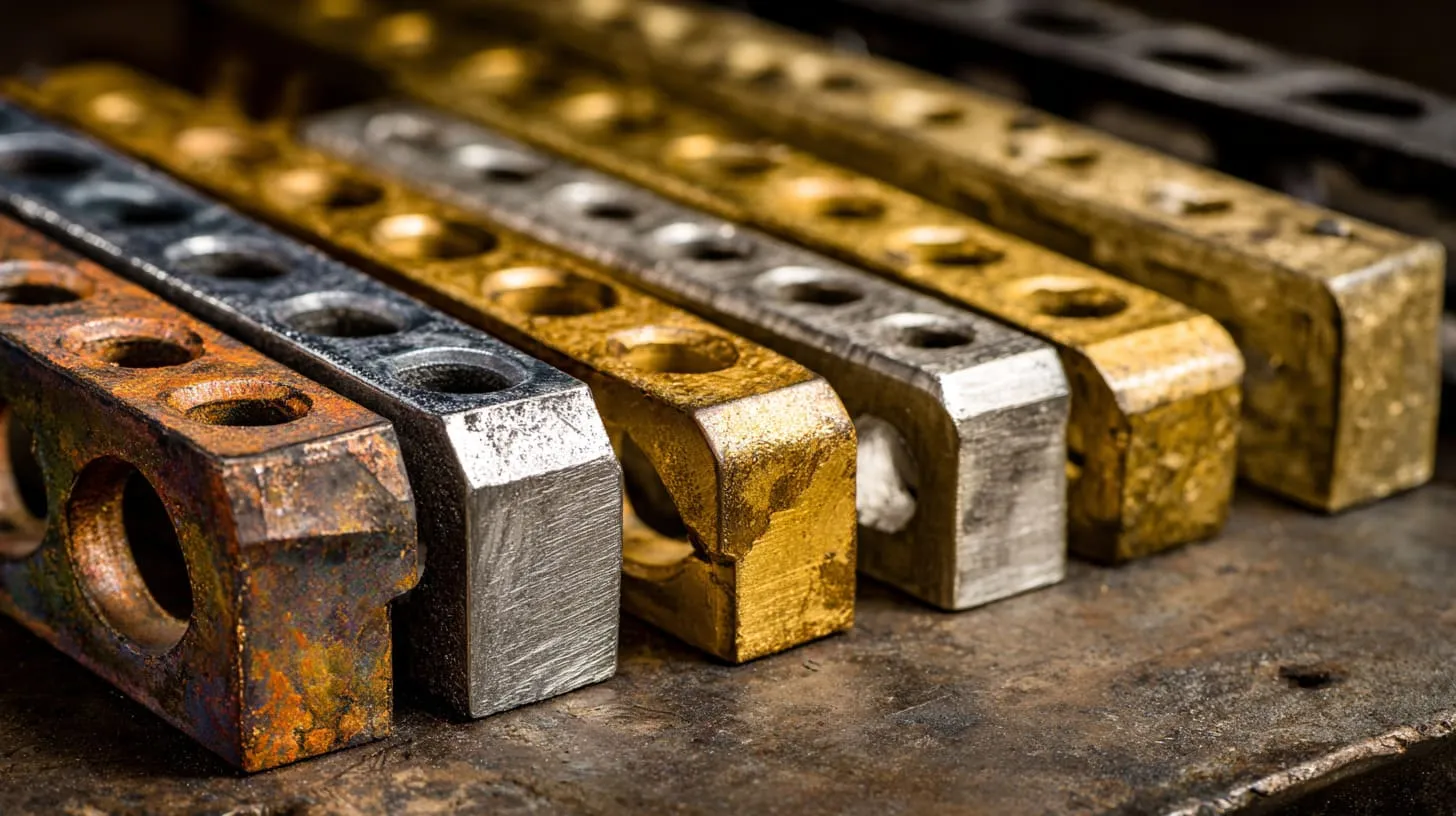
Material choice is where bracket design becomes real. A good shape with the wrong material can still fail. A modest shape with the right material can work beautifully for years.
I never pick bracket material by price alone, because the cheapest metal on day one can become the most expensive choice after rust, bending, or field complaints start showing up.
Steel brackets
Steel is one of the most common bracket materials. It is strong, widely available, and cost-effective.
That is why steel brackets are common in:
- structural support
- machinery
- wall mounts
- general-purpose frames
- heavy-duty indoor use
| Property | Steel |
|---|---|
| Strength | High |
| Cost | Moderate to low |
| Weight | Heavy |
| Corrosion resistance | Low unless coated |
| Best for | Strong indoor or protected use |
Steel works well when strength is the main priority and corrosion can be controlled by coating, paint, plating, or powder coating.
Still, plain steel has limits. In wet or outdoor spaces, it can rust fast. So while steel may win on cost, it does not always win on total life.
Stainless steel brackets
Stainless steel is chosen when corrosion resistance matters. It is common in outdoor, marine, food, washdown, or chemical environments.
Typical uses:
- food equipment
- outdoor mounting
- marine applications
- medical support hardware
- wet industrial spaces
| Property | Stainless steel |
|---|---|
| Strength | High |
| Cost | Higher |
| Weight | Heavy |
| Corrosion resistance | Excellent |
| Best for | Wet, outdoor, sanitary use |
I respect stainless steel, but I do not recommend it blindly. Some buyers choose it because they want “the best.” But if the bracket lives inside a dry control cabinet, that money may be doing nothing useful. The better choice is the material that fits the environment, not the one that sounds premium.
Aluminum brackets
Aluminum brackets are popular in electronics, light industrial work, transport systems, and enclosure projects because they are lighter and naturally corrosion resistant.
I use aluminum often for:
- lightweight frames
- electronic enclosure support
- mounting parts where weight matters
- cleaner-looking visible hardware
- applications that need anodizing
| Property | Aluminum |
|---|---|
| Strength | Medium |
| Cost | Moderate |
| Weight | Light |
| Corrosion resistance | Good |
| Best for | Electronics, lightweight systems |
Aluminum is easy to like. It is clean, light, and practical. But it is not the answer for every heavy-load situation. It may need thicker sections than steel to reach the same stiffness. That affects space and design.
Brass and specialty alloys
Brass is not the first material most people think about for brackets, but it does show up in special cases.
It may be chosen for:
- decorative hardware
- electrical conductivity needs
- low-corrosion indoor environments
- niche custom applications
Specialty alloys can also be used when the project needs something more specific, such as high heat resistance, spring behavior, or low magnetic response.
| Material | Why it may be used |
|---|---|
| Brass | Decorative look, conductivity |
| Copper alloys | Electrical function |
| Specialty stainless grades | Better chemical resistance |
| Other engineered alloys | Special mechanical or thermal needs |
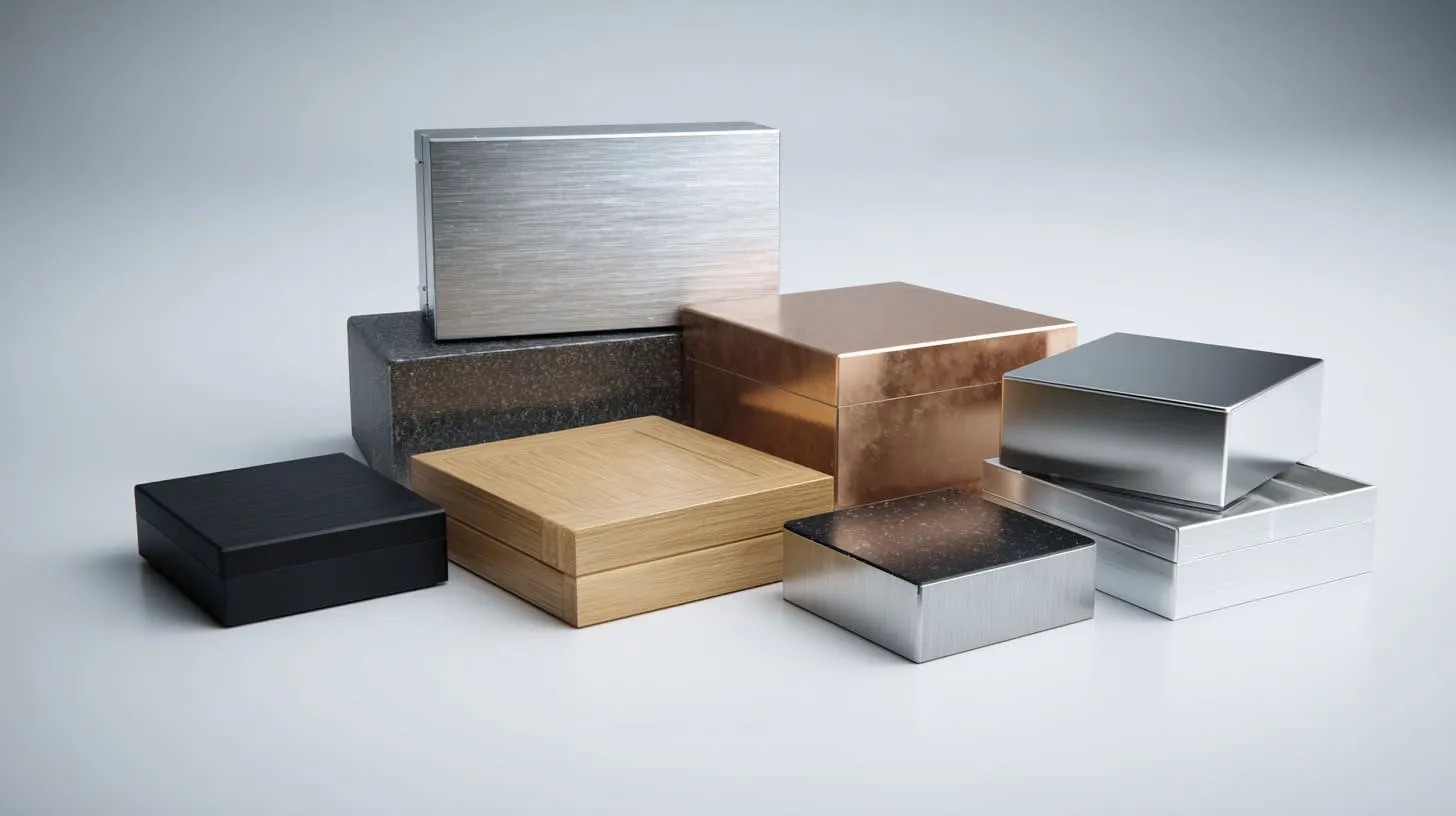
For most bracket buyers, the real comparison usually comes down to steel, stainless steel, and aluminum. So here is a quick summary:
| Material | Strong point | Weak point | Typical use |
|---|---|---|---|
| Steel | Strength and price | Rust risk | General support |
| Stainless steel | Corrosion resistance | Higher cost | Outdoor, food, marine |
| Aluminum | Low weight and clean finish | Lower stiffness than steel | Electronics, light structures |
| Brass/specialty alloys | Special function or look | Cost or lower general use | Niche applications |
And once I know the material, my mind goes to the next stage right away. How is the bracket actually going to be made?
How are metal brackets manufactured?
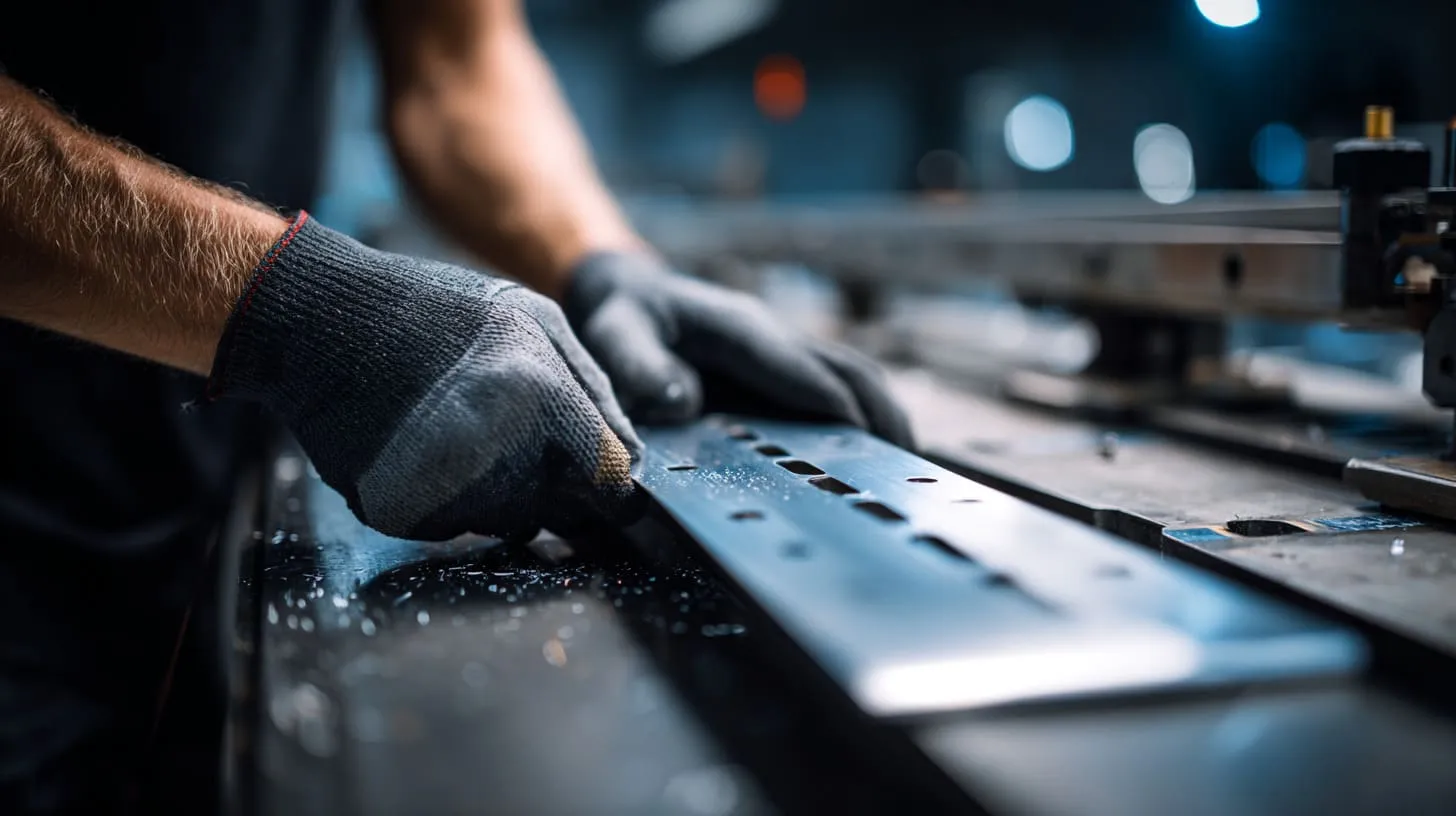
Bracket production can be simple or surprisingly complex. It depends on the bracket shape, tolerance, material, quantity, and finish requirements.
When I review a bracket drawing, I do not only ask whether we can make it. I ask whether the chosen process matches the quantity, the tolerance, and the buyer’s budget, because a good design can become a bad order if the process is wrong.
Sheet metal fabrication process
A large number of brackets are made from sheet metal. This is usually the fastest and most practical route for many standard and custom brackets.
Typical steps include:
- Material selection
- Cutting
- Punching holes or slots
- Bending or forming
- Deburring
- Surface finishing
- Inspection
The cutting stage may use:
- laser cutting
- CNC punching
- shearing for simpler parts
Then the flat cut part goes to bending. This is where the bracket takes on its real shape.
| Process step | What it does |
|---|---|
| Laser cutting | Cuts profile accurately |
| CNC punching | Adds holes and repeated features |
| Bending | Creates shape and stiffness |
| Deburring | Removes sharp edges |
| Finishing | Adds protection or appearance |
This method works especially well for L, U, Z, T, and many custom support brackets.
Machining and precision fabrication
Some brackets need tighter tolerances or more complex geometry than simple sheet metal forming can offer. In those cases, CNC machining becomes the better path.
Machined brackets are common when:
- the part is thicker
- the geometry is more complex
- the tolerance is tight
- the bracket includes pockets or precision surfaces
- appearance matters
| Machining benefit | Why it matters |
|---|---|
| High accuracy | Better fit with mating parts |
| Complex features | Allows detailed design |
| Clean edges | Good for visible or precision use |
| Better repeatability | Useful for consistent assemblies |
Machining is not always cheap. But sometimes it is the correct answer. I have seen buyers try to force a sheet metal route on a part that really wanted machining. The result was not savings. It was rework.
Welding and assembly
Some brackets cannot be made from a single part. They need multiple pieces joined together. That is where welding or assembly comes in.
Common reasons for welding include:
- extra strength
- combined geometry
- large support structures
- bracket assemblies that hold several parts at once
| Method | Best use |
|---|---|
| MIG/TIG welding | Structural or custom metal brackets |
| Spot welding | Thin sheet assemblies |
| Mechanical fasteners | Serviceable assemblies |
Welded brackets can be strong and efficient. But they need good control. Heat can distort the part. Poor weld access can hurt quality. Weld cleanup may add labor. So the design has to respect production reality.
Surface finishing options
A bracket often needs finishing not just for looks, but for protection.
Common finish options include:
- powder coating
- anodizing
- zinc plating
- nickel plating
- brushing
- polishing
| Finish | Best for | Main benefit |
|---|---|---|
| Powder coating | Steel brackets | Corrosion resistance and color |
| Anodizing | Aluminum brackets | Surface protection and appearance |
| Zinc plating | Steel parts | Basic rust protection |
| Nickel plating | Decorative or functional use | Better appearance and some corrosion resistance |
| Brushed finish | Visible stainless or aluminum | Clean visual texture |
The finish should fit the bracket’s real life. A beautiful finish on the wrong base material will not rescue a bad material choice.
Now that the making side is clear, the next question becomes more practical and more important for buyers: how do I choose the right bracket in the first place?
How to choose the right metal bracket?
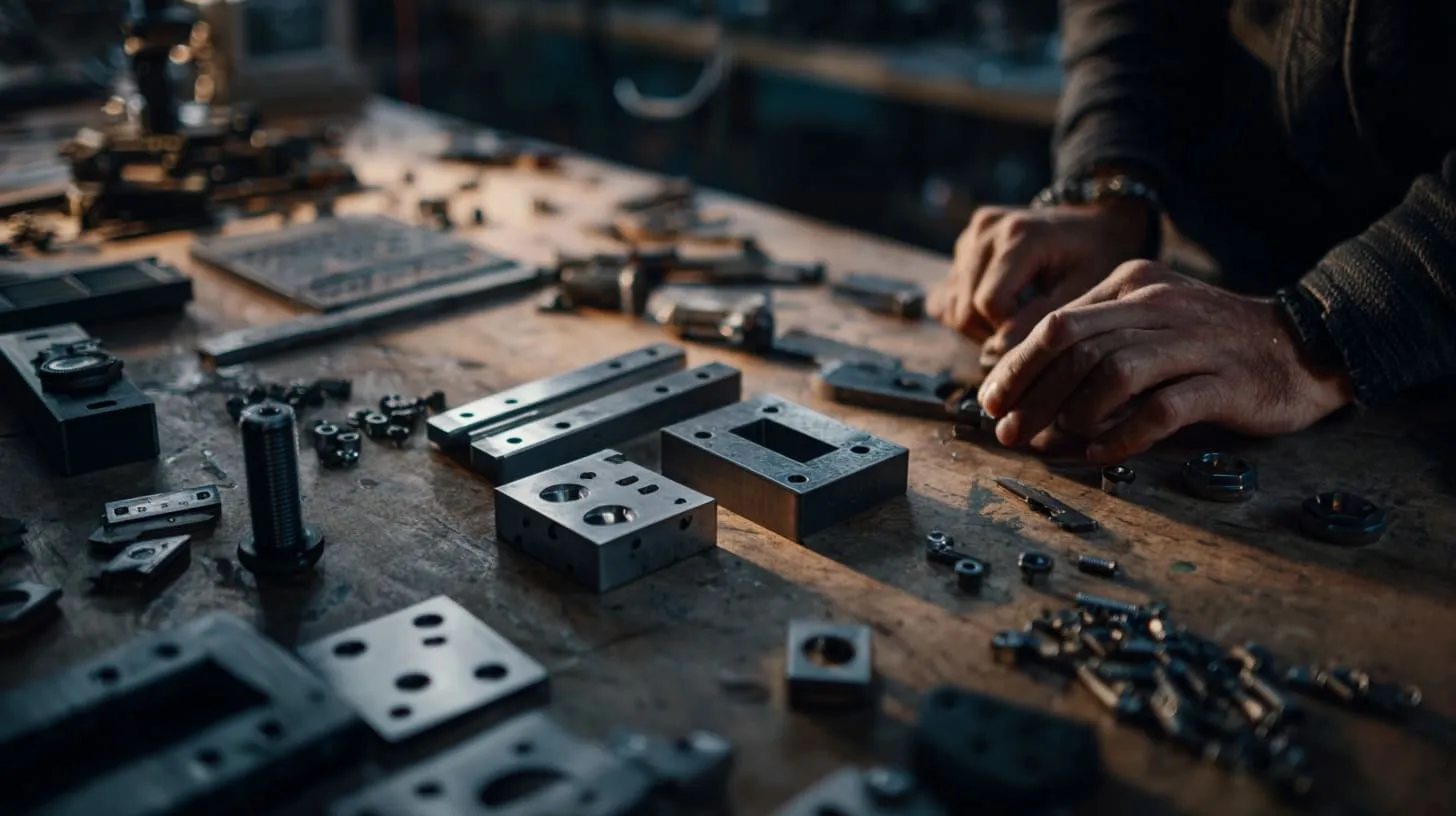
Choosing the right bracket is not about picking the strongest-looking one. It is about matching shape, load, material, installation, and budget to the real job.
The thing I weigh most carefully is not maximum strength on paper. It is whether the bracket still makes sense after I account for assembly space, maintenance access, real load direction, and production cost all at once.
Load requirements and strength
The first thing to understand is the load. That sounds obvious. Still, many bracket problems begin here.
Ask these questions:
- How much weight will the bracket carry?
- Is the load static or moving?
- Is there vibration?
- Is the force direct, offset, or twisting?
- What happens if the load spikes?
| Load factor | Why it matters |
|---|---|
| Weight | Affects thickness and shape |
| Load direction | Changes stress pattern |
| Dynamic force | Increases fatigue risk |
| Safety margin | Prevents under-design |
A shelf support and a vibrating machine support do not live the same life. The bracket must match the real force, not the guessed one.
Environmental conditions
Next comes the environment.
A bracket may sit:
- indoors
- outdoors
- near salt
- in humidity
- in a washdown area
- in a hot enclosure
- near chemicals
| Environment | What I think about |
|---|---|
| Dry indoor | Cost and basic strength |
| Outdoor | Corrosion risk |
| Humid area | Finish durability |
| Food/wet zone | Stainless steel need |
| Hot system | Thermal effects and metal stability |
This is where material and finish start working together. A good design can still fail if the environment was ignored at the start.
Mounting method and installation
A bracket that is hard to install is not a good bracket, even if the strength is fine.
I always think about:
- bolt-on or weld-on
- access to tools
- screw direction
- hole tolerance
- field adjustment need
- service removal later
| Mounting method | Pros | Limits |
|---|---|---|
| Bolt-on | Easy service and replacement | Needs hole accuracy |
| Weld-on | Strong and simple in some builds | Hard to change later |
| Slotted fit | Good adjustment | May reduce rigidity |
| Multi-hole pattern | Flexible use | More complexity |
Installers do not care how clever the drawing looked if the screwdriver cannot reach the screw.
Custom vs standard brackets
Sometimes a standard bracket is enough. Sometimes custom is the only clean answer.
Use a standard bracket when:
- the application is simple
- dimensions are common
- cost and speed matter most
- there is no unique layout challenge
Use a custom bracket when:
- the part must fit a unique space
- branding matters
- weight or size needs optimization
- the assembly needs a special offset or hole pattern
- several functions can be combined into one part
| Option | Best when |
|---|---|
| Standard bracket | Common use, fast buying |
| Custom bracket | Specific fit, better integration |
I like standard parts when they truly fit. I like custom parts when standard ones force too many compromises. That is the balance.
Of course, even with a solid selection process, bracket choices still go wrong. And the mistakes are often more common than people think.
What are common problems when selecting metal brackets?
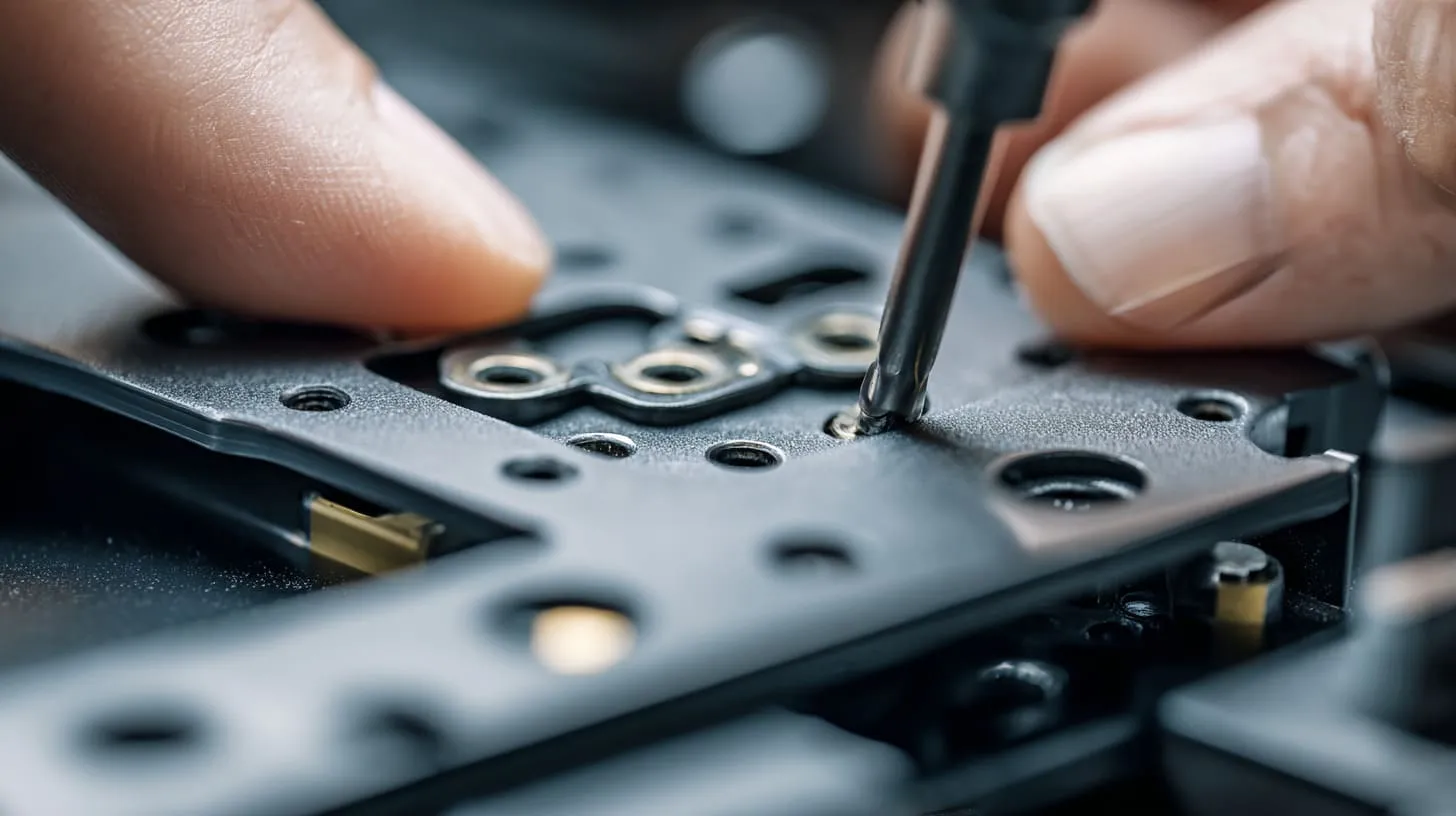
Bracket mistakes are rarely dramatic at the start. Most of them look harmless. A thin plate here. A wrong finish there. A hole moved a little. Then the real cost appears later.
A lot of trouble starts when someone sees the bracket as “just hardware,” because once that mindset takes over, details that should be checked early get pushed aside until they become expensive.
Underestimating load capacity
This is one of the biggest problems. A bracket may look strong enough, but appearance is not analysis.
Common signs of underestimation:
- arm too long for the thickness
- no reinforcement where bending occurs
- no safety margin
- ignoring vibration or shock
- assuming the wall or base is perfectly rigid
| Problem | Result |
|---|---|
| Thin material | Bending |
| Poor geometry | Twisting |
| No dynamic load check | Early fatigue |
| Weak hole area | Tearing or cracking |
I have seen brackets survive the first install and still fail later. That is what makes this mistake tricky. It hides.
Choosing the wrong material
Material mistakes are often quiet at first too.
Examples:
- plain steel used outdoors
- aluminum used where stiffness was critical
- stainless selected where cost mattered more than corrosion
- decorative metal chosen for structural work
| Wrong choice | Likely issue |
|---|---|
| Steel in wet area | Rust |
| Soft alloy under heavy load | Deformation |
| Overly premium material | Cost waste |
| Wrong finish pairing | Early surface failure |
The best material is not the fanciest one. It is the one that matches the job honestly.
Poor design for installation
A bracket can be mechanically fine and still be a bad part if it is miserable to install.
I watch for:
- blocked screw access
- no tool clearance
- hole spacing too tight
- no adjustment room
- bracket shape interfering with nearby parts
| Installation issue | Real-world effect |
|---|---|
| Tool cannot reach fastener | Slower assembly |
| No tolerance room | Forced fit |
| Poor alignment | Rework on site |
| Bracket blocks cable or cover | Service problems |
I have learned this lesson the hard way. A part can pass drawing review and still fail in a technician’s hand.
Over-engineering and cost waste
The opposite mistake also happens. Buyers sometimes choose brackets that are much heavier, thicker, or more complex than needed.
That can mean:
- wasted material
- higher shipping weight
- slower fabrication
- extra welding
- unnecessary finish cost
| Over-design choice | Cost effect |
|---|---|
| Too much thickness | Higher material cost |
| Unneeded gussets | More labor |
| Machining when bending works | Higher production cost |
| Complex finish on hidden part | No practical return |
I do not like weak brackets. But I also do not like paying for strength nobody will use. Good design sits in the middle.
And when standard bracket options keep leading to compromise, that is usually the point where custom design becomes worth discussing.
When should you consider custom metal brackets?
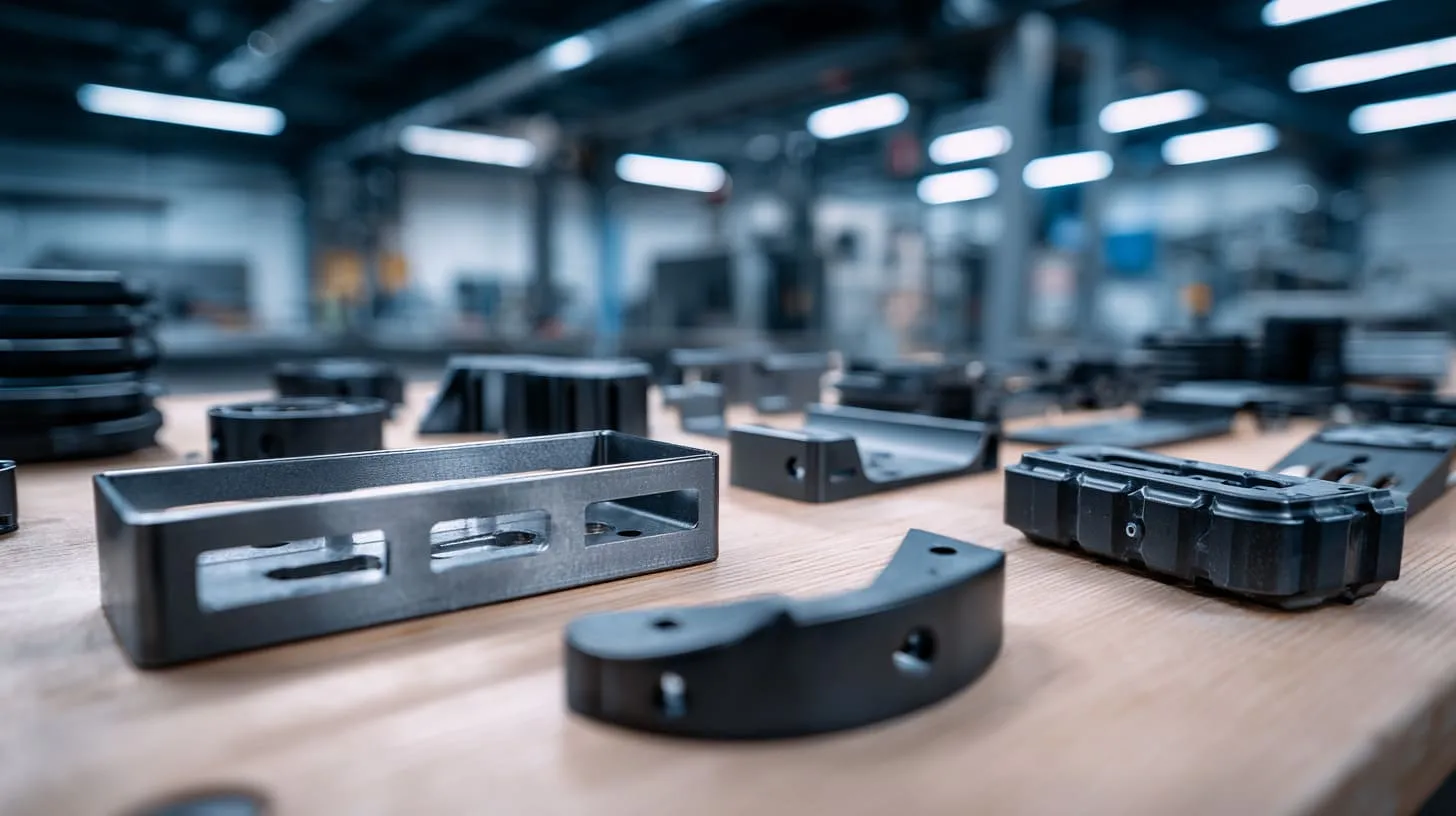
Custom brackets make sense when the project asks for something standard parts cannot do cleanly. That does not mean custom is always better. It means custom is better when the problem is specific enough.
I usually move toward a custom bracket when I can see that using a standard part will create two or three small workarounds, because those workarounds often cost more in the full project than the custom part itself.
Unique product or enclosure designs
Custom brackets are common in OEM and ODM work. A new enclosure, a revised board layout, a custom control panel, or a non-standard housing often needs a bracket built around the product.
I often see custom brackets used for:
- new electronics housings
- custom Raspberry Pi style cases
- control box internals
- one-piece mounting systems
- integrated support layouts
| Situation | Why custom helps |
|---|---|
| New product design | Matches exact geometry |
| Enclosure redesign | Fits updated internals |
| Tight layout | Saves space |
| One-stop assembly need | Reduces part count |
This is especially useful when the bracket is part of the product identity, not just a support part hidden in the back.
Special mounting or space constraints
Sometimes the issue is not the product. It is the available space.
Examples:
- offset wall mount needs
- narrow internal clearance
- odd hole spacing
- layered components
- service access limits
| Constraint | Custom bracket advantage |
|---|---|
| Limited space | Better fit |
| Uneven mounting levels | Exact offset design |
| Tool access issues | Smarter hole placement |
| Multi-part assembly | Combines functions |
Custom design helps solve the small layout problems that standard brackets ignore.
Branding and product integration
In some projects, the bracket is visible. In others, it is part of the brand experience even if it stays inside the system.
Custom brackets can include:
- logo engraving
- printed marks
- branded finish colors
- matching surface treatment
- product-family consistency
| Branding feature | Why it matters |
|---|---|
| Laser logo | Brand identity |
| Custom color | Matches product line |
| Consistent style | Better product feel |
| Neater integration | More professional result |
This matters more than some people think. A bracket may be functional, but it also affects how finished the product feels.
Prototyping and product development stages
Custom brackets are especially helpful during development.
Why? Because early-stage products change. Hole positions move. Board height changes. A connector appears where nobody expected it.
That is why custom bracket development often supports:
- prototype validation
- fit checks
- quick redesign
- pilot production
- early market testing
| Development stage | Bracket need |
|---|---|
| Prototype | Flexible custom fit |
| Pilot build | Repeatable pre-production design |
| Full production | Optimized cost and function |
This is one reason I enjoy custom work. It turns vague ideas into physical logic. Not magic. Just thoughtful detail.
And once custom demand enters the picture, another pattern becomes clear: some industries rely on brackets much more heavily than others.
What industries rely heavily on metal brackets?
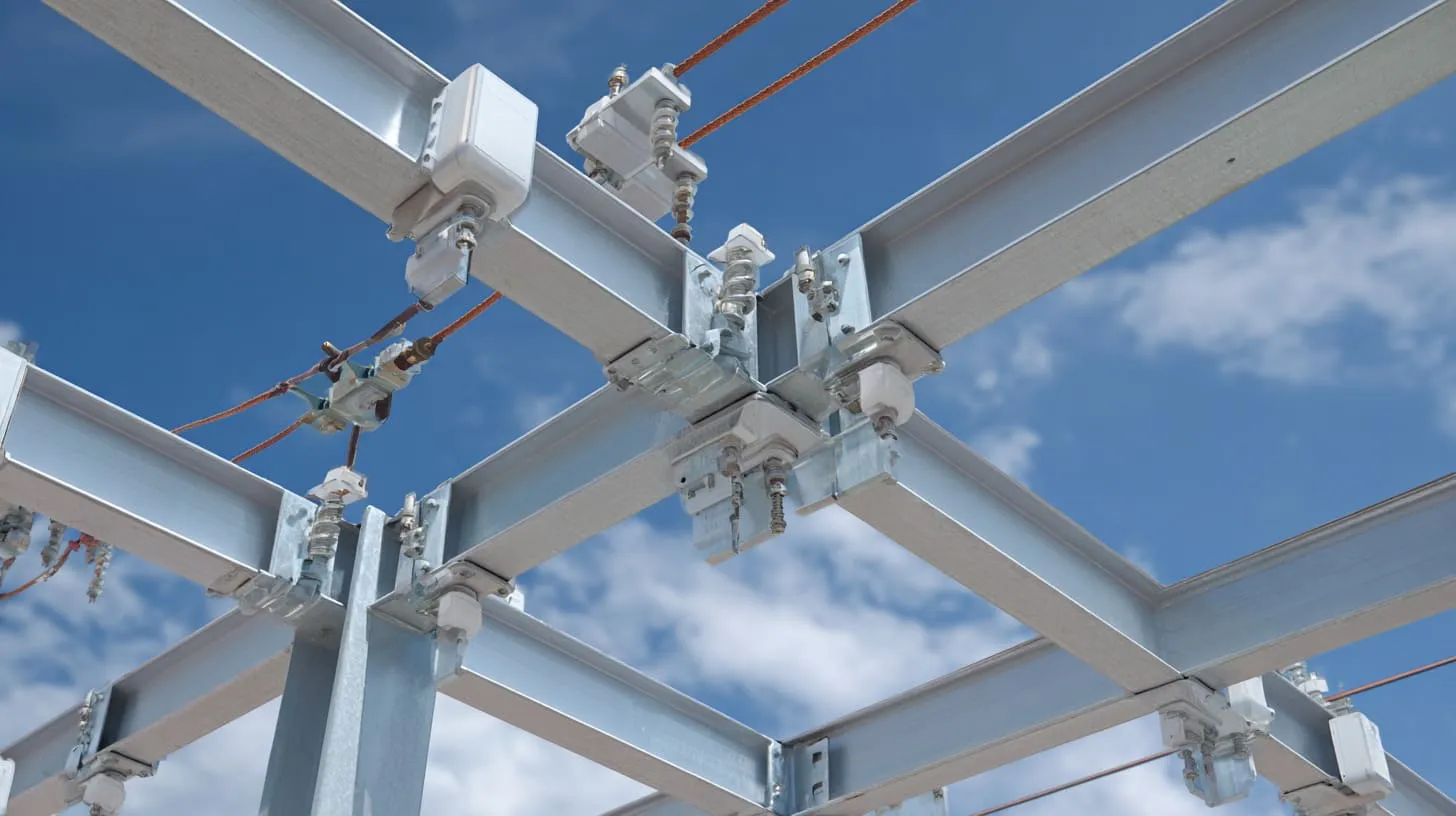
Metal brackets are one of those parts that quietly support whole industries. They do not get much attention in marketing photos. Still, remove them, and many products would lose structure, alignment, or installability right away.
The way I judge industry demand is by asking one simple question: does this field depend on mounting, spacing, support, or repeated alignment? If the answer is yes, brackets are usually doing more work than people realize.
Electronics and electrical industry
This industry uses brackets everywhere.
I see them in:
- control enclosures
- electrical cabinets
- PCB mounting
- server racks
- power supply fixing
- cable support systems
| Electronics use | Bracket role |
|---|---|
| PCB support | Keeps boards stable |
| Enclosure mounting | Fixes housing to wall or frame |
| Power components | Supports heavier internal parts |
| Cable management | Maintains routing order |
In electrical and electronics work, brackets often need clean dimensions, good finish quality, and practical service access. A bracket that blocks wiring or tool entry quickly becomes a headache.
Construction and infrastructure
Construction depends on brackets for support, fixing, and reinforcement.
They are used in:
- structural framing
- building systems
- utility support
- wall-mounted equipment
- pipe and conduit networks
| Construction use | Why brackets matter |
|---|---|
| Structural connections | Adds support and stiffness |
| Utility mounting | Holds systems in place |
| Wall support | Transfers load safely |
| Public infrastructure | Improves long-term stability |
This field often pushes brackets into outdoor or demanding service, so corrosion and load need serious thought.
Automotive and transportation
Transport systems use brackets to hold moving, vibrating, temperature-changing assemblies together.
Applications include:
- electronics mounting
- battery systems
- body panel support
- routing systems
- seat and frame connections
| Transport use | Bracket role |
|---|---|
| Module support | Holds critical components steady |
| Panel attachment | Maintains structure |
| Cable or hose support | Prevents wear |
| Shock zones | Handles movement and load |
This is not a forgiving environment. A bracket here has to deal with more than weight. It deals with life in motion.
Retail and display systems
Retail may sound less demanding, but it still relies on brackets for function and appearance.
Common examples:
- shelving systems
- display frames
- signage support
- kiosk assemblies
- point-of-sale structures
| Retail use | What the bracket must do |
|---|---|
| Display support | Hold products neatly |
| Sign mounting | Keep structure safe and clean |
| Shelf framing | Balance load and appearance |
| Kiosk hardware | Support repeated public use |
In retail, ugly hardware can hurt the look. Weak hardware can hurt trust. So the bracket has to do both jobs—hold and disappear into the design when needed.
Industrial automation and machinery
This is one of the bracket-heavy worlds I respect most. Machines rely on stable mounting and repeatable position. Brackets make that possible.
They support:
- sensors
- motors
- guarding
- control units
- conveyor hardware
- brackets for pneumatics and routing
| Automation use | Main requirement |
|---|---|
| Sensor bracket | Positional accuracy |
| Motor support | Strength and rigidity |
| Guard mounts | Safety and service access |
| Control hardware | Stable installation |
In machine work, bracket errors do not stay local. They ripple outward. A weak support can become a vibration issue. A bad mount can affect sensor reading. A cramped design can slow maintenance.
That brings me to the end of the topic, and to the part I think matters most: how all these bracket choices come together in actual buying and design decisions.
Conclusion
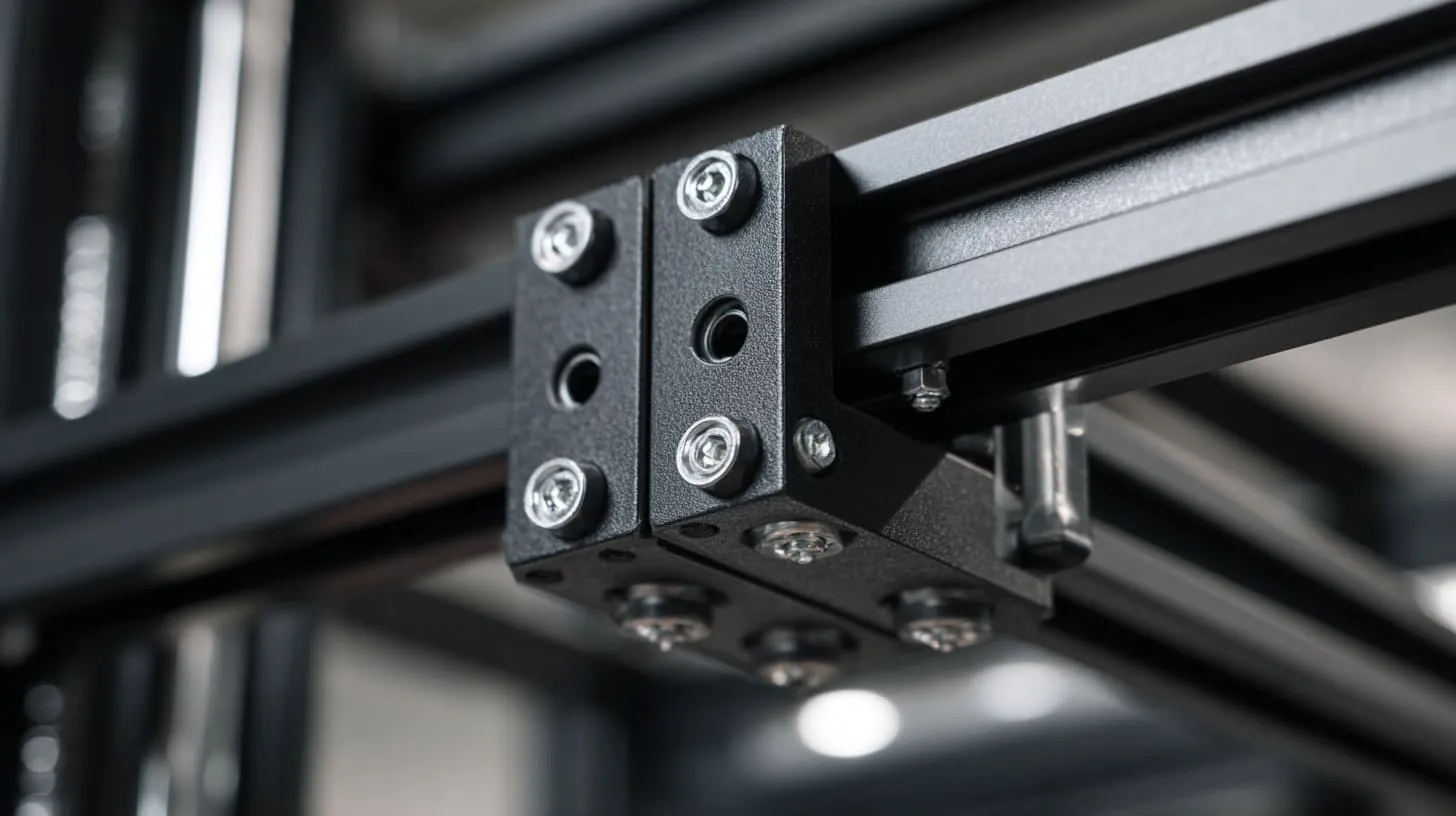
Metal brackets come in many forms, but the real idea behind them is simple. They support, connect, align, reinforce, and make products workable in real life. L brackets, U brackets, Z brackets, T brackets, flat brackets, corner brackets, gusset brackets, and adjustable brackets all solve different problems. None of them is “best” by default. The right one depends on load, space, material, environment, installation, and cost.
I have learned that the smartest bracket decisions usually come from slowing down at the start. Not to make the project complicated. Just to ask better questions. What is the load really doing? Where will this part live? How will it be installed? Will someone need to service it later? Is a standard part enough, or is a custom bracket the cleaner path?
That is where better outcomes usually begin.
I do not see brackets as small filler parts. I see them as structural choices hiding in plain sight. When they are chosen well, the whole system feels more stable, easier to assemble, and more professional. When they are chosen badly, the problems usually show up later, when fixing them costs more.
If you are working on a custom enclosure, an OEM product, or a new equipment layout, I think it is worth treating the bracket as part of the design conversation from day one. That small shift saves time. It also saves frustration.
If you want help turning a drawing, idea, or rough concept into a workable metal bracket or enclosure solution, you can reach out to me at info@maidatech.com or visit maidatechenclosure.com. I am always happy to look at the details and help find a practical way forward.