Skip to content
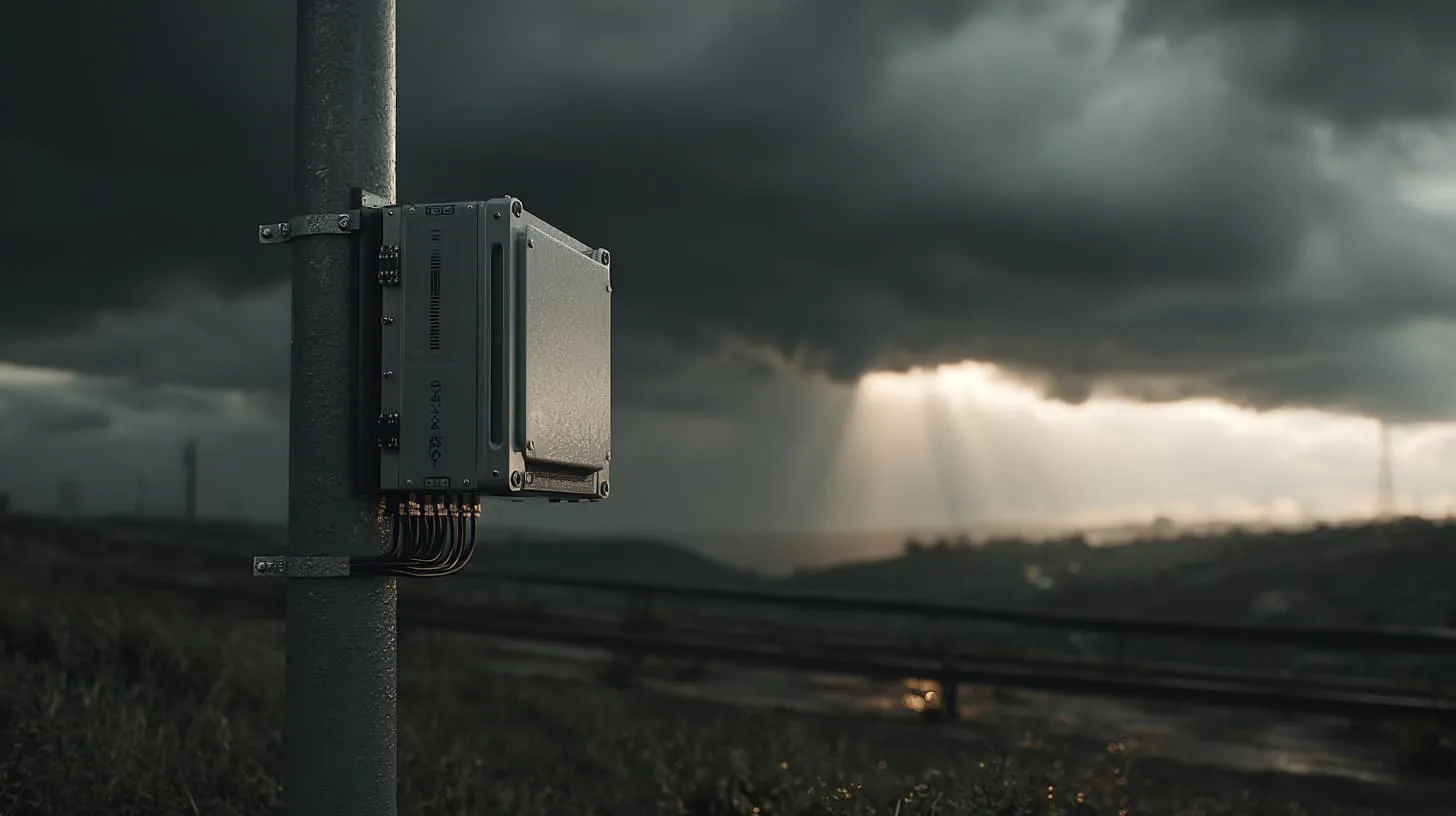
Many buyers feel safe when they see IP67 on an outdoor enclosure drawing.
I understand that feeling.
The number looks strong. It sounds technical. It gives people comfort. A buyer may think, “Good. This enclosure is waterproof. My electronics should be safe outside.”
But outdoor projects are not that polite.
Rain does not fall like a lab test. Sunlight does not care about your spec sheet. Salt air does not ask whether your enclosure passed a short immersion test. Heat, cold, dust, vibration, cable pulling, and human installation mistakes all join the party. And they do not come one by one. They often come together.
I have seen this happen in real enclosure projects. A customer sends us a design and says, “We need IP67.” Then I ask where the enclosure will be used.
Near the sea?
On a solar pole?
Inside a factory yard?
Mounted on a moving machine?
Used in Canada winter?
Installed in a telecom box under direct sun?
Sometimes there is a short silence after I ask that. Not because the buyer is careless. It is because many people are trained to think about rating first, not environment first.
The real problem is this: IP67 is only one small part of outdoor enclosure engineering. It is not a complete promise of long-term outdoor reliability.
A box can pass IP67 and still fail outdoors.
That sounds strange at first. But after you understand condensation, UV damage, gasket aging, cable entry problems, corrosion, and temperature cycling, it starts to feel obvious. Painfully obvious, like noticing a small crack in a cup only after hot tea leaks onto your desk.
For OEM buyers, product engineers, and custom enclosure purchasers, this mistake can be expensive. A failed enclosure does not only damage the box. It can damage the PCB, delay a project, hurt a customer relationship, and create after-sales problems that travel across time zones like mosquitoes.
So in this article, I want to look at the hidden problems buyers often miss when they choose an outdoor enclosure only by IP67.
I will not treat IP67 as useless. It is useful. It matters.
But I will treat it as what it really is: a starting point, not the finish line.
The first thing we need to do is simple. We need to understand what IP67 actually protects against, and what it quietly leaves outside the door.
What Does IP67 Actually Protect Against?
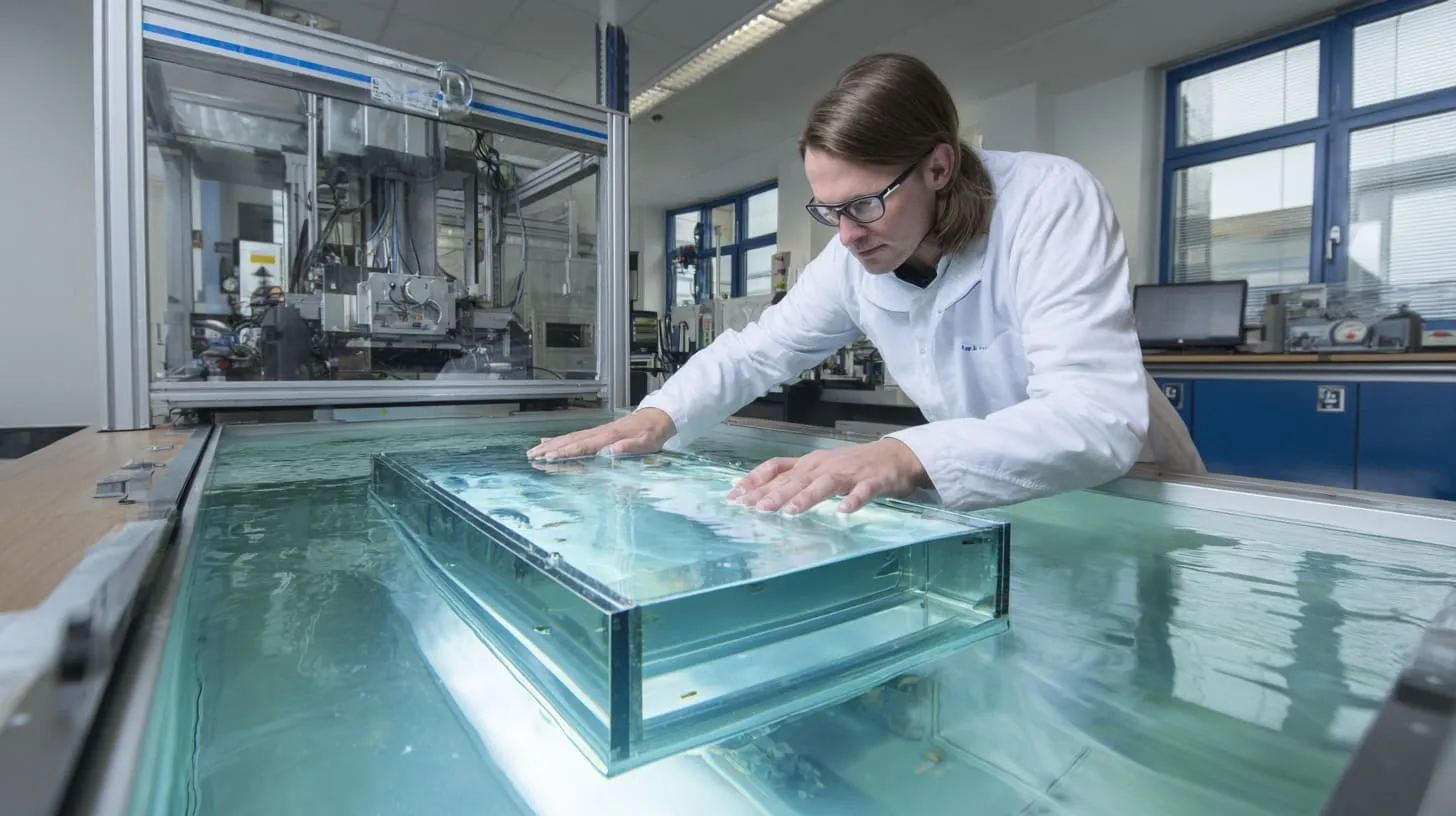
IP67 is not a magic shield. It is a test result under specific conditions.
That is where many projects start to go wrong. Buyers see the rating. Salespeople highlight the rating. Product pages make the rating look like a full outdoor guarantee. But the rating has a narrow job.
It tells us something important. It does not tell us everything.
For outdoor enclosures, I never judge IP67 as a final answer; I treat it like a passport stamp, useful for entry, but not proof that the product can survive the whole trip.
Understanding the IP67 testing standard
The “IP” rating means Ingress Protection. It tells us how well an enclosure resists solids and liquids entering the enclosure.
In IP67:
- The first number, 6, means strong dust protection.
- The second number, 7, means protection against temporary water immersion under test conditions.
So yes, IP67 can be very useful for outdoor projects.
It can help protect electronics from dust. It can also protect against water entering during short-term immersion. For many buyers, this is a good baseline.
But here is the detail that matters: the test is controlled.
The enclosure is tested in a specific way. The time is controlled. The water depth is controlled. The installation condition is controlled. The product is usually new. The gasket is usually fresh. The cable glands may be installed correctly. The screws may be tightened evenly.
Real outdoor use is not so clean.
| IP67 Test Area | What It Checks | What Buyers Often Assume |
|---|---|---|
| Dust protection | Dust does not enter in a harmful amount | The enclosure is fully outdoor-proof |
| Temporary immersion | Water does not enter during short immersion | The enclosure can handle all water exposure |
| New enclosure condition | Sealing works when parts are fresh | The same seal will last for years |
| Controlled installation | Parts are assembled correctly | Field workers will install it perfectly |
This is why I always want buyers to slow down a little when they say “IP67 is enough.”
Enough for what?
Enough for a short test?
Enough for a coastal outdoor box?
Enough for five years under sun?
Enough for a smart agriculture sensor in humid soil?
These are different questions. They need different answers.
What IP67 does not test
IP67 does not fully test many things that hurt outdoor enclosures in real life.
It does not tell you whether the plastic will crack after long sun exposure.
It does not tell you whether the screws will rust.
It does not tell you whether the gasket will harden after two summers and two winters.
It does not tell you whether condensation will form inside the box.
And it does not tell you whether the cable gland will be installed correctly by a tired worker in the field.
That last part sounds small. It is not small. A beautiful enclosure can fail because one cable entry point was handled badly.
Here is a simple way to look at it:
| Hidden Risk | Does IP67 Fully Cover It? | Why It Still Matters |
|---|---|---|
| UV resistance | No | Sunlight can weaken plastic over time |
| Corrosion resistance | No | Metal parts can rust or oxidize |
| Gasket aging | No | Seals can lose elasticity |
| Thermal cycling | No | Expansion and contraction can loosen parts |
| Condensation | No | Moisture can form inside sealed boxes |
| Cable installation quality | No | Poor installation can break the seal |
This is why IP67 can be technically true but practically incomplete.
A buyer may receive an enclosure that passed testing. Then, after six months outdoors, the product starts failing. Nobody lied. The problem is that the wrong question was asked at the start.
The question was not, “Can this box pass IP67?”
The better question was, “Can this enclosure system survive my real environment for the service life I need?”
Why buyers often misunderstand IP ratings
I do not blame buyers for misunderstanding IP ratings.
The market often pushes them in that direction.
Some suppliers use IP ratings like a sales shortcut. Product listings often shout “IP67 waterproof” as if it explains the whole product. Buyers are busy. Engineers are under deadline pressure. Purchasing teams need quick comparisons. So the rating becomes a convenient filter.
But convenience can be dangerous.
I have seen buyers compare two outdoor enclosures like this:
| Supplier | IP Rating | Price | Buyer Reaction |
|---|---|---|---|
| Supplier A | IP67 | Lower | Looks attractive |
| Supplier B | IP67 | Higher | Looks expensive |
At first glance, Supplier A wins.
But what if Supplier B uses better gasket material?
What if Supplier B uses stainless steel hardware?
What if Supplier B has better cable gland design?
What if Supplier B understands condensation control?
Then the cheap IP67 enclosure may become expensive after installation. It may create field failures, replacement costs, and angry customers.
This is where I think many buyers need a sharper habit. They should not only ask, “What is the IP rating?” They should ask, “What is behind the IP rating?”
A rating is a label. The design is the real story.
And the story becomes more interesting when we talk about one of the most annoying outdoor enclosure problems: water that appears inside a sealed box without obvious leakage.
Yes, I mean condensation. The quiet troublemaker.
Why Can Condensation Destroy an IP67 Enclosure?
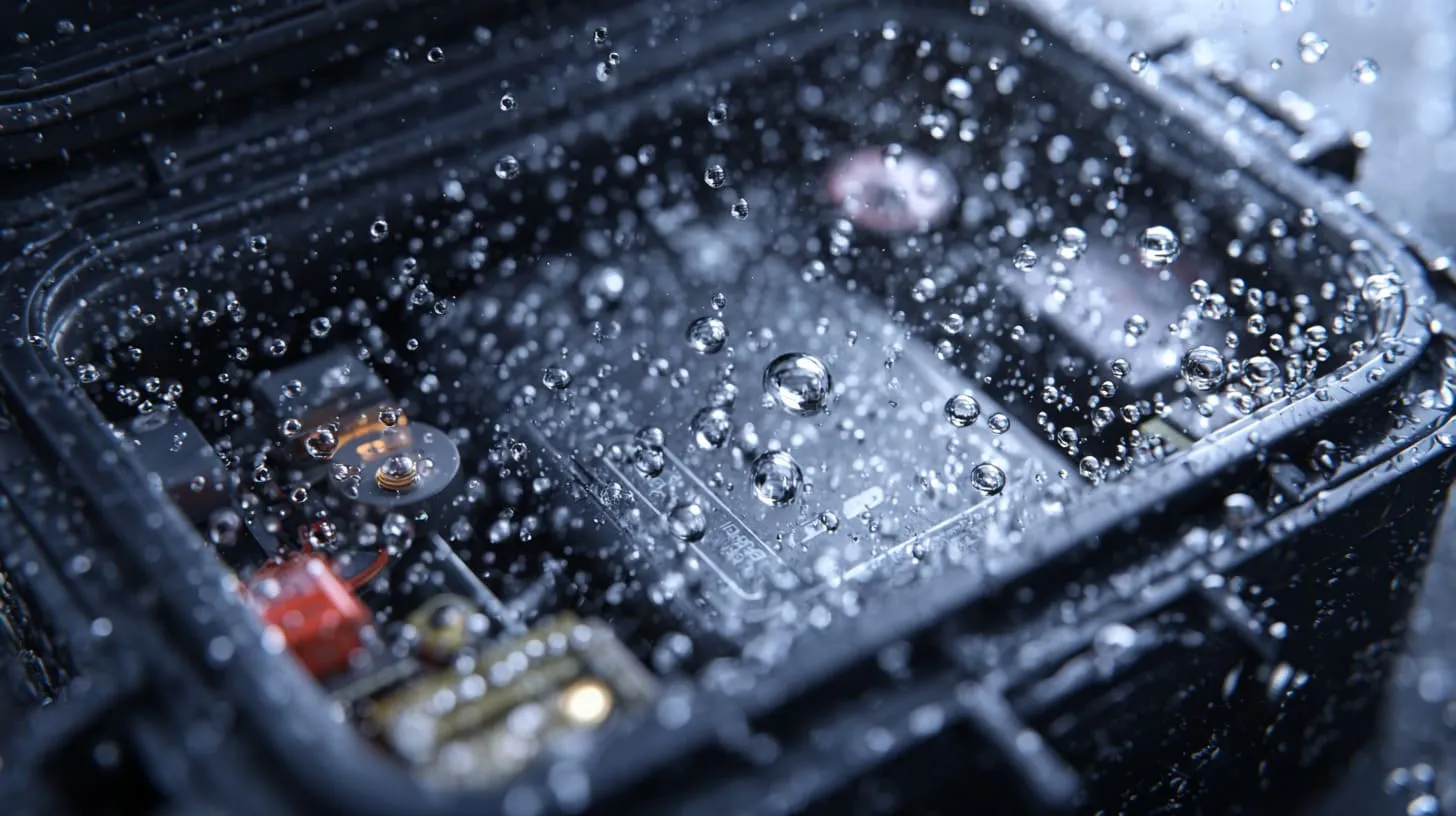
Condensation is one of those problems that makes buyers feel confused.
They open the enclosure and see moisture inside. Then they say, “But this is IP67. How did water get in?”
Sometimes water did not “get in” like rain through a hole. Sometimes moisture was already inside the enclosure as humid air. Then temperature changes turned that moisture into water droplets.
This is where things often go wrong: I do not only check whether water can enter from outside; I also check whether moisture can form inside after the box is sealed.
How condensation forms inside sealed enclosures
A sealed enclosure is not empty. It contains air.
If the air has humidity, that humidity stays inside after assembly. When the temperature drops at night, the air inside cools. Cool air cannot hold as much moisture as warm air. So water begins to form on internal surfaces.
It may appear on the PCB.
It may appear on connectors.
It may appear on the inside wall of the enclosure.
It may appear again and again, every day, like a tiny weather system trapped inside a plastic or aluminum box.
For outdoor electronics, this is not a small detail.
| Cause | What Happens Inside the Enclosure | Why It Is Dangerous |
|---|---|---|
| Day and night temperature swings | Warm air cools and releases moisture | Water droplets form inside |
| Humid assembly environment | Moist air is sealed inside | Condensation risk starts from day one |
| Solar heating | Internal pressure rises during the day | Seal stress increases |
| Night cooling | Internal pressure drops | Moisture may be pulled through weak points |
A buyer may think, “But we sealed the box well.”
That can be true. But sealing alone does not remove moisture. In some cases, a very tight enclosure traps the moisture even better.
It is like closing a lunch box with warm rice inside. The lid may be tight. But later, you still see water droplets on the lid. The moisture did not need to enter from outside. It was already there.
Common damage caused by condensation
Condensation hurts electronics slowly.
It may not kill the product on the first day. That makes it more dangerous. A product can pass factory testing, ship to the customer, work during installation, and then fail later in the field.
That delay makes troubleshooting painful.
The buyer may blame the PCB supplier. The PCB supplier may blame the enclosure. The installer may blame the cable gland. Everyone starts looking at everyone else. Not fun. Not efficient.
Here are the common failures I pay attention to:
| Condensation Damage | What It Looks Like | Business Result |
|---|---|---|
| PCB corrosion | Green or white marks on metal areas | Product failure and warranty claims |
| Connector oxidation | Poor contact or signal loss | Unstable device performance |
| Sensor failure | Wrong readings or no response | Customer loses trust |
| Short circuit | Sudden shutdown or burned parts | Serious after-sales cost |
| Fogging on transparent cover | Poor visibility | Bad user experience |
In outdoor sensor projects, condensation is especially tricky.
A customer may use a sealed enclosure for agriculture, solar monitoring, or industrial control. The device may sit outdoors for months. If moisture forms inside, the product may become unstable before anyone notices the real cause.
A small water droplet can act like a bad employee. Quiet, hidden, and very expensive.
Solutions OEM buyers should evaluate
Condensation cannot always be solved by making the enclosure “more sealed.” Sometimes the better solution is to control pressure and moisture.
This is why buyers should evaluate the full design, not only the gasket.
Common solutions include:
- Venting membranes
- Desiccants
- Pressure equalization parts
- Better assembly control
- Proper PCB coating
- Drainage or internal layout changes in special cases
| Solution | Best Use Case | Buyer Should Check |
|---|---|---|
| Venting membrane | Outdoor boxes with temperature swings | Airflow rate and water resistance |
| Desiccant | Small sealed devices with limited moisture | Replacement plan and service life |
| Pressure equalization vent | Enclosures exposed to sun and cooling cycles | Compatibility with enclosure material |
| Conformal coating on PCB | High humidity or condensation risk | Coating type and repair process |
| Dry assembly process | Factory-controlled production | Humidity control before sealing |
I usually tell buyers that condensation control is not a single part. It is a design habit.
If the enclosure will be used outdoors for a long time, I want to know:
- Where will it be installed?
- Will it face direct sunlight?
- What is the temperature range?
- Is the local air humid?
- Will the box be opened for maintenance?
- Are there heat-generating electronics inside?
The answers help me judge whether a simple sealed box is enough or whether we need a venting strategy.
And once we start talking about outdoor sunlight, another problem walks into the room wearing sunglasses: UV exposure.
Why Does UV Exposure Cause Hidden Outdoor Failures?
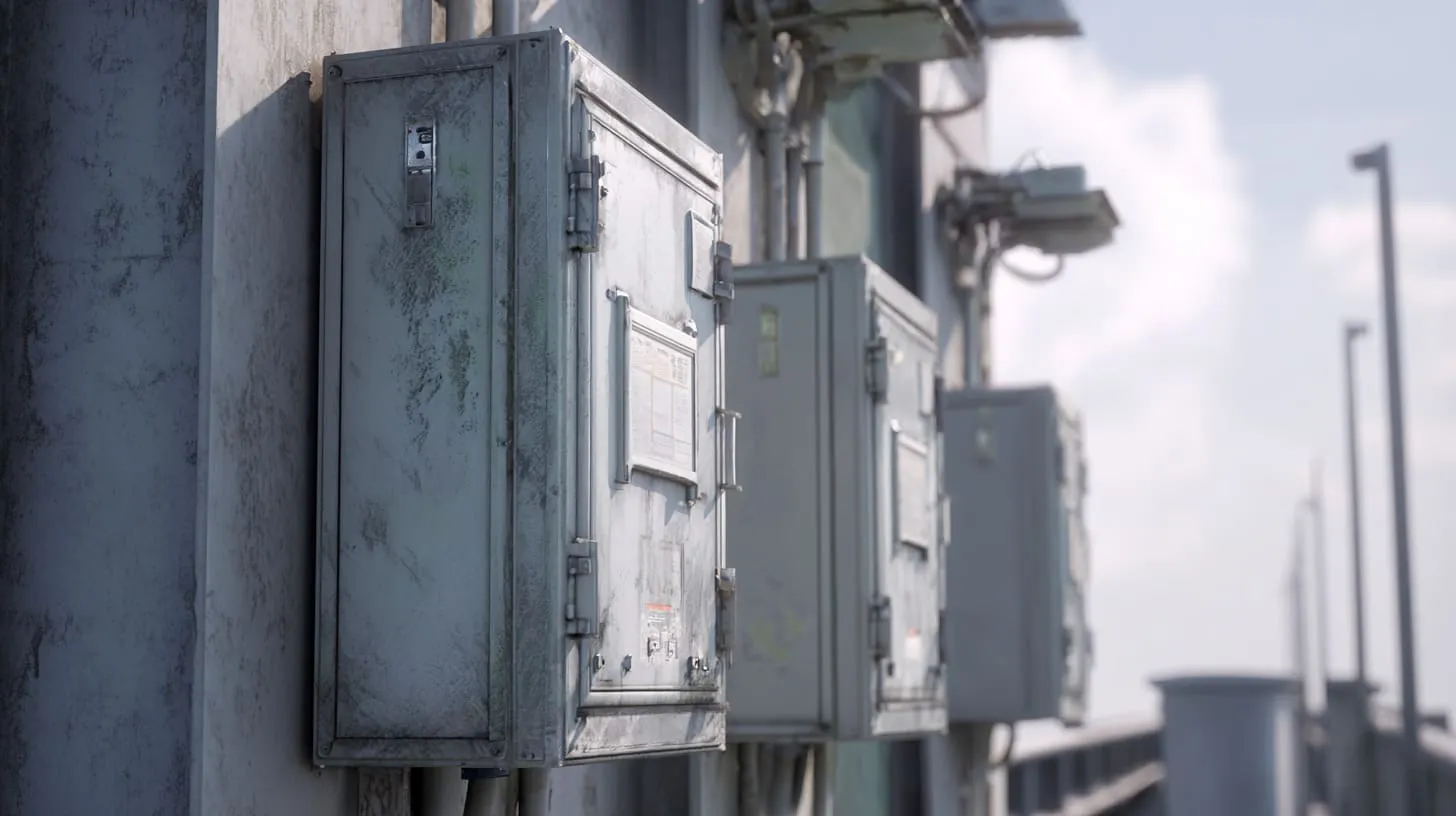
Sunlight looks harmless when we talk about enclosures on a drawing.
A drawing does not show heat. It does not show ultraviolet light. It does not show a plastic cover slowly becoming brittle after months under the sun.
But outdoor sunlight is not decoration. It is a stress test that runs every day.
When I review outdoor enclosure material, I do not ask only whether the material looks strong today; I ask how ugly, weak, or cracked it may become after sunlight has worked on it for a few seasons.
How sunlight degrades enclosure materials
UV exposure can slowly change plastic materials.
The surface may fade. The material may become brittle. Small cracks may appear. Mechanical strength may drop. A cover that was flexible during assembly may later crack near screw points or corners.
The problem is not always dramatic at first.
It may begin with color change.
Then the surface becomes rough.
Then cracks form.
Then the gasket area loses stability.
Then the enclosure fails.
A buyer may notice the problem only when the product is already installed outdoors.
| UV Damage | Early Sign | Later Risk |
|---|---|---|
| Color fading | Surface looks pale or uneven | Brand appearance becomes poor |
| Embrittlement | Plastic feels harder and less flexible | Cracking near screws or corners |
| Surface cracking | Small lines appear | Water and dust risk increases |
| Loss of strength | Parts deform or break more easily | Product safety problem |
| Gasket seat damage | Sealing surface changes | IP performance drops |
For branded products, UV damage is not only a technical problem. It is also a customer perception problem.
If a buyer sells outdoor equipment under their own brand, the enclosure is part of the product face. A faded, cracked box makes the whole product look cheap, even if the electronics inside are good.
That hurts.
Materials that perform differently outdoors
Not all enclosure materials behave the same under sunlight.
This is why material selection matters.
For example, standard ABS is common and cost-effective. It works well for many indoor or mild-use projects. But for long-term direct outdoor exposure, standard ABS may not be enough unless it is specially modified.
Polycarbonate can offer better impact resistance. UV-stabilized grades can improve outdoor performance. Aluminum, with the right surface treatment, can be very strong for outdoor use. But aluminum also needs attention to corrosion, coating, and sealing design.
| Material | Outdoor Strength | Main Risk | Typical Use |
|---|---|---|---|
| Standard ABS | Limited for direct sun | UV aging and brittleness | Indoor or protected outdoor use |
| UV-stabilized ABS | Better than standard ABS | Still needs real condition review | Cost-sensitive outdoor projects |
| Polycarbonate | Good impact resistance | UV grade must be selected | Outdoor electronics covers |
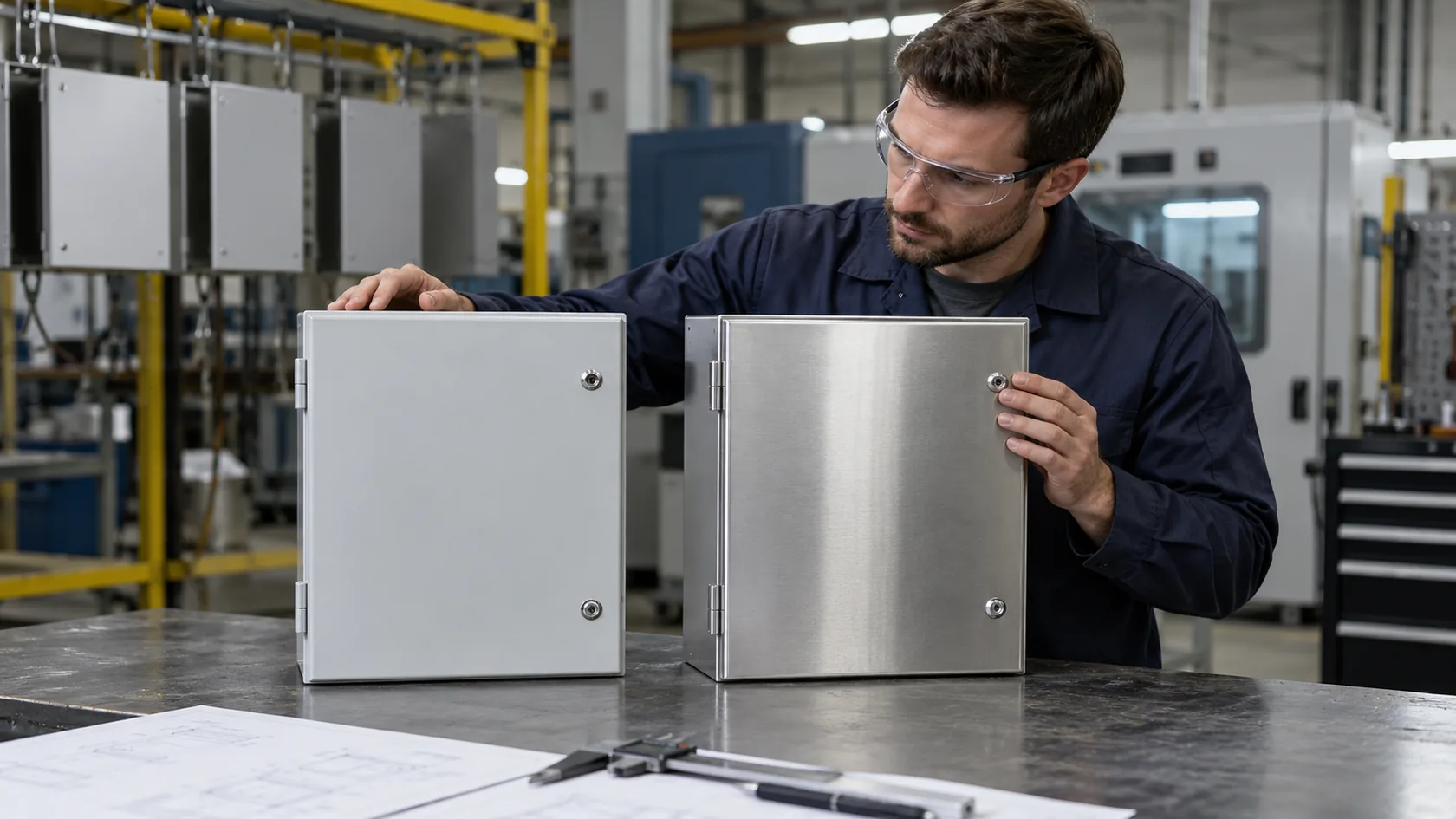
| Aluminum | Strong and stable | Corrosion if treatment is poor | Industrial and OEM outdoor boxes |
| Sheet metal | Strong structure | Rust risk without coating | Industrial cabinets and control boxes |
No material is perfect.
A plastic enclosure may save weight and cost. But it may need UV protection.
An aluminum enclosure may offer strength and heat performance. But it may need coating, anodizing, powder coating, or other surface treatment.
A lower-cost material may pass the first quotation meeting. But it may fail the outdoor service life.
That is the trade-off buyers need to see clearly.
Questions buyers should ask suppliers
Buyers should ask better questions before approving material.
Not aggressive questions. Practical questions.
I like questions that reveal whether the supplier understands real outdoor use or only knows how to repeat “IP67 waterproof.”
Here are useful questions:
| Buyer Question | Why It Matters |
|---|---|
| Is this material suitable for long-term UV exposure? | It checks outdoor service life |
| Do you have UV aging test data? | It separates claims from evidence |
| Is the plastic UV-stabilized? | Standard material may not be enough |
| What surface treatment do you use for aluminum? | It affects corrosion and appearance |
| Has this material been used in similar outdoor projects? | Field experience matters |
| What color performs better outdoors? | Dark colors may absorb more heat |
In many custom projects, I also suggest buyers think about color.
Black looks professional. It is popular. But black plastic can absorb more heat under sunlight. White or light gray may reduce heat, but they may show dirt more easily. Every choice has a small price hiding behind it.
This is why good enclosure decisions feel a little like cooking.
You do not choose salt, oil, and heat separately. You think about the whole dish.
And one part of that “dish” is the gasket. Small, quiet, often ignored — and sometimes the real boss of the enclosure.
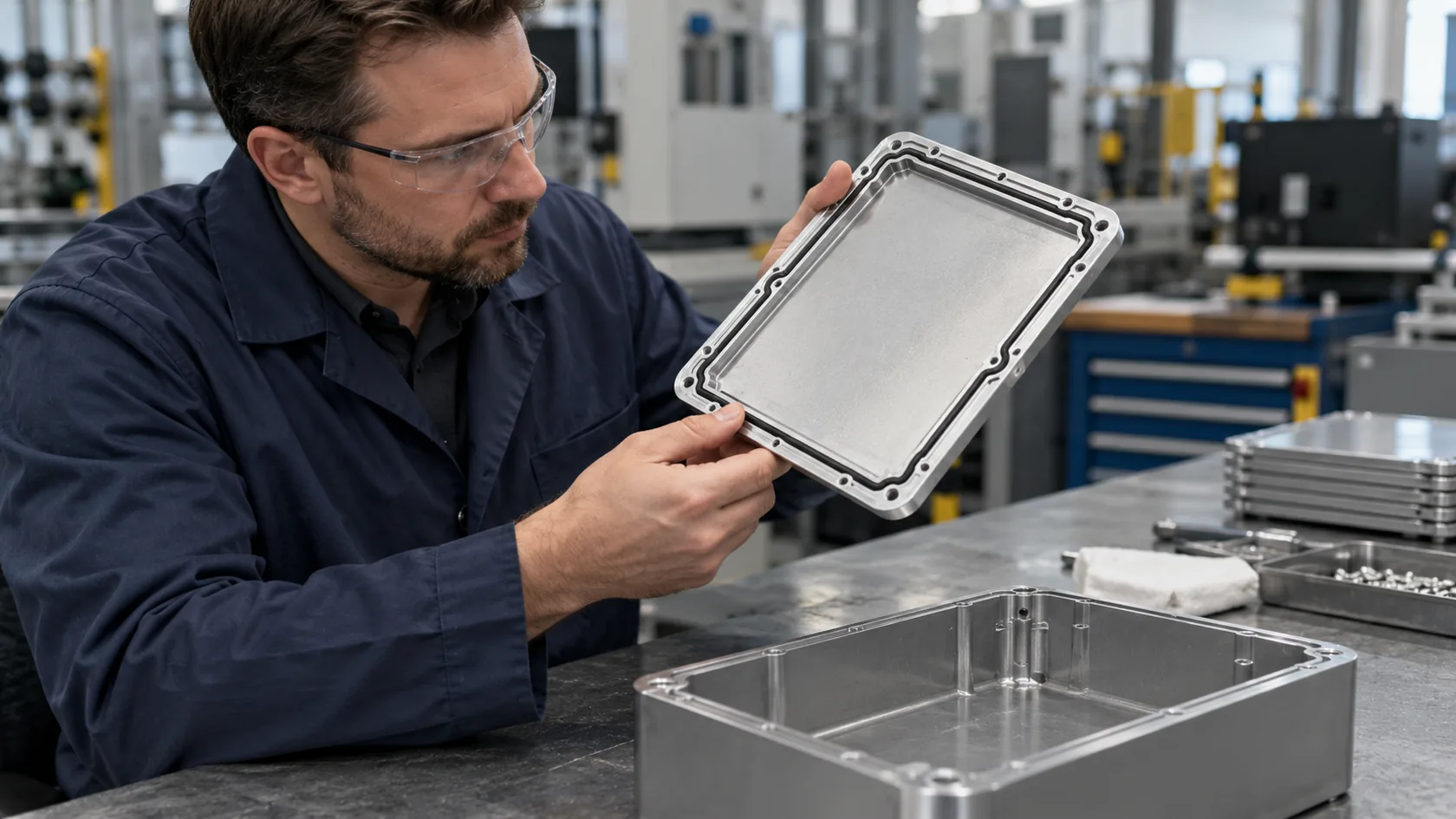
Why Are Gaskets Often the Weakest Part of an Outdoor Enclosure?
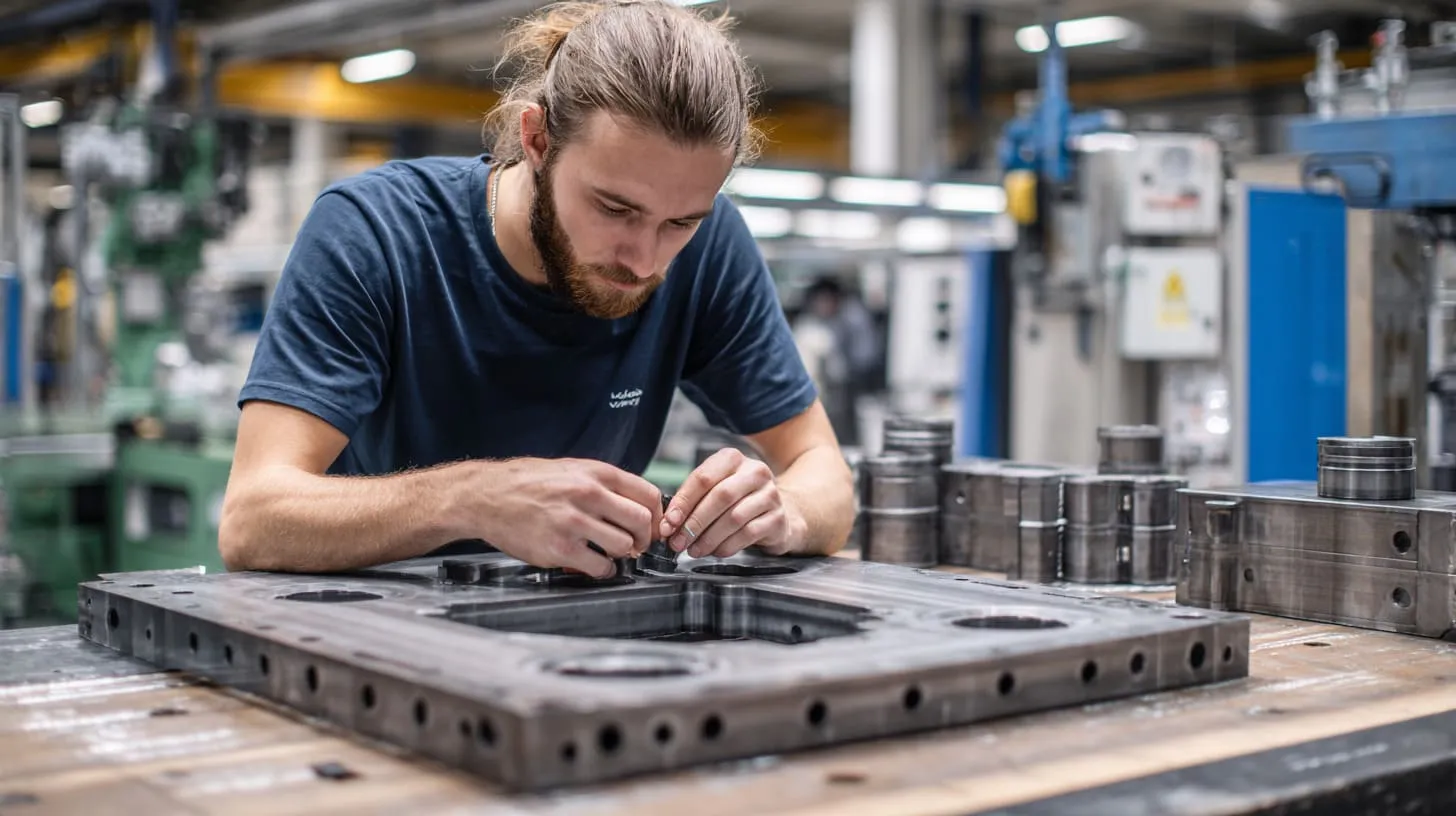
A gasket does not look exciting.
It is not shiny. It does not have a logo. It does not make the product look expensive in photos.
But if the gasket fails, the enclosure fails.
I have seen buyers spend a lot of time discussing wall thickness, surface finish, and logo position. Those details matter. But then the gasket material gets only one short question: “Is it waterproof?”
That is too simple.
The small detail I watch closely is not only whether the gasket seals on day one, but whether it still has enough softness and shape after heat, pressure, dust, and repeated opening.
How gasket performance changes over time
A gasket works because it compresses.
When the cover is tightened, the gasket fills small gaps between parts. It creates a seal. But over time, the gasket can change.
It can become hard.
It can flatten.
It can lose elasticity.
It can crack.
It can react badly to oil, chemicals, UV exposure, or heat.
This is called aging, but in real work I simply call it “the seal getting tired.”
| Gasket Issue | What Happens | Result |
|---|---|---|
| Compression set | Gasket stays flattened | Seal becomes weaker |
| Hardening | Gasket loses softness | It cannot fill gaps well |
| Cracking | Surface breaks | Water path may open |
| Chemical damage | Material swells or breaks down | Sealing becomes unstable |
| Poor bonding | Gasket moves during assembly | Inconsistent IP performance |
This is why passing IP67 with a new gasket does not always prove long-term performance.
A fresh gasket is like a new pair of running shoes. It feels great at first. But after enough heat, pressure, dirt, and time, the performance changes.
Common sealing failures in outdoor projects
Many sealing failures come from boring details.
And boring details are where real manufacturing lives.
The gasket groove may be too shallow.
The gasket may be too soft.
The gasket may be too hard.
The screws may not apply even pressure.
The cover may bend.
The enclosure wall may deform.
The installer may forget one screw or tighten one corner too much.
No single detail looks dramatic. Together, they create leakage.
| Failure Cause | Why It Happens | What Buyers Should Check |
|---|---|---|
| Wrong gasket material | Cost or poor supplier selection | Material type and temperature range |
| Poor groove design | Gasket has no stable seat | Groove depth and compression ratio |
| Uneven screw pressure | Cover does not press evenly | Screw layout and torque control |
| Thin cover design | Cover bends under pressure | Cover stiffness and rib design |
| Repeated opening | Gasket is damaged during maintenance | Open-close cycle requirement |
| Dust on sealing area | Field conditions are dirty | Cleaning and maintenance instructions |
For outdoor boxes that need regular maintenance, gasket design becomes even more important.
If the enclosure is opened once during installation and never opened again, the gasket has one kind of job. If the enclosure is opened every month for service, the gasket has a different job. It must survive handling, dust, human mistakes, and repeated compression.
Many buyers forget to tell the supplier this part.
Then everyone is surprised later.
How to verify long-term sealing performance
For serious outdoor OEM projects, buyers should ask how the sealing system can be verified beyond a simple rating.
Some useful checks include:
- Accelerated aging tests
- Repeated open-close cycle tests
- Thermal cycling tests
- Compression set review
- Water spray or immersion testing after aging
- Assembly torque control during production
| Test or Check | What It Reveals |
|---|---|
| Accelerated aging | How gasket performs after heat and time |
| Open-close cycle testing | Whether maintenance affects sealing |
| Thermal cycling | Whether expansion affects the seal |
| Torque control check | Whether assembly is consistent |
| Post-aging IP test | Whether the seal still works later |
I like post-aging testing because it feels closer to real life.
A new product passing a test is good.
An aged product passing a test is much more interesting.
That is the difference between “nice sample” and “stable outdoor product.”
And gaskets do not work alone. They sit between parts that expand, contract, bend, and move. So next, we need to talk about temperature cycles.
How Do Temperature Cycles Create Unexpected Failures?
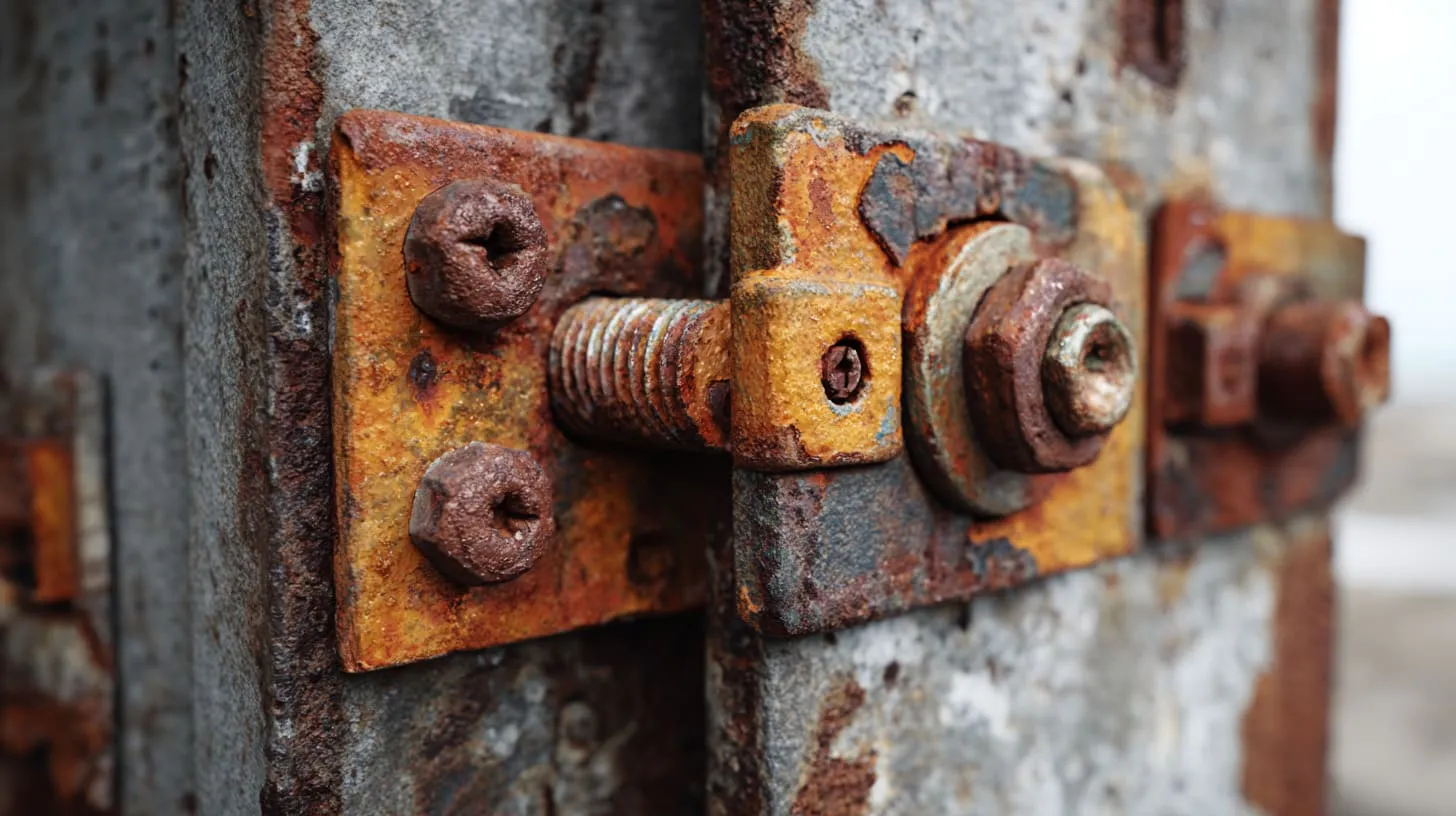
Outdoor enclosures live in a daily push-and-pull.
Hot day. Cool night.
Summer heat. Winter cold.
Sun on one side. Shade on the other.
The enclosure expands and contracts. The PCB inside also feels stress. Screws and cable glands may loosen a little. Materials do not all move the same way.
That is where hidden failures begin.
For projects with wide temperature change, I care less about the best-looking sample and more about whether different materials can move together without fighting each other.
Expansion and contraction of enclosure components
Different materials expand at different rates.
Plastic moves differently from aluminum.
Metal screws move differently from plastic bosses.
A rubber gasket moves differently from a rigid cover.
When temperature changes again and again, these small differences can create stress.
At first, nothing happens.
Then a screw loosens.
Then a corner gap appears.
Then a cable gland loses pressure.
Then the enclosure is no longer as sealed as it was during the original test.
| Component | Temperature Cycle Risk | Possible Result |
|---|---|---|
| Plastic cover | Expansion and shrinkage | Warping or cracking |
| Aluminum body | Heat transfer and movement | Stress on connected parts |
| Screws | Loosening from repeated movement | Uneven sealing pressure |
| Gasket | Repeated compression change | Loss of sealing force |
| Cable gland | Pressure changes | Water entry path |
| Internal bracket | Stress transfer | PCB or connector strain |
This is especially important when buyers mix materials.
For example, an aluminum enclosure may have plastic windows, rubber seals, stainless steel screws, and cable glands from another supplier. Each part may be fine alone. But the complete system may behave differently after many temperature cycles.
The enclosure is not a single hero. It is a team. And teams fail when nobody checks how members work together.
Electronics affected by thermal cycling
Temperature cycling does not only affect the enclosure body.
It also affects the electronics inside.
A PCB can experience solder fatigue. Connectors may move slightly. A display window may fog. Sensors may drift or fail. Adhesives may weaken.
In a factory test, the device may work perfectly.
But after months outdoors, the electronics may begin to act unstable. This is the kind of failure that makes people lose hair.
Not all at once. Slowly.
| Electronics Area | Risk from Temperature Cycling | Field Symptom |
|---|---|---|
| PCB solder joints | Fatigue from repeated stress | Random failure |
| Connectors | Small movement over time | Intermittent signal |
| Display window | Fogging or seal stress | Poor visibility |
| Sensors | Temperature and moisture effect | Wrong readings |
| Battery area | Heat buildup | Shorter life or safety risk |
| Adhesive pads | Bond weakening | Parts move or detach |
This is why enclosure design should consider internal layout.
Heat-generating parts should not be placed carelessly. Sensitive parts may need spacing, shielding, or ventilation strategy. Cable strain should be controlled. Mounting bosses should be strong enough. Internal brackets should support the PCB without forcing it.
A box is never just a box when electronics live inside.
Industries where thermal cycling is most severe
Some industries suffer more from temperature cycling than others.
Solar equipment is a big one. The enclosure may sit under direct sun for years.
Telecom equipment is another. Devices may be mounted high, exposed to wind and sun.
Industrial automation boxes may sit near machines, motors, or outdoor production lines.
Smart city devices may face rain, summer heat, winter cold, vibration, and public installation conditions.
| Industry | Temperature Risk | Common Enclosure Concern |
|---|---|---|
| Solar equipment | Strong sun and outdoor heat | Material aging and internal heat |
| Telecommunications | High outdoor exposure | Seal stability and heat control |
| Industrial automation | Machine heat and outdoor changes | Vibration and thermal stress |
| Smart city devices | Mixed weather and public exposure | Long-term durability |
| EV charging support parts | Outdoor heat and electrical load | Safety and sealing |
| Agriculture sensors | Humid day-night cycles | Condensation and gasket aging |
For buyers in these industries, I would not accept IP67 alone as the main decision.
I would want to review temperature range, material, gasket, installation method, ventilation, cable entry, and expected service life.
That may sound like more work.
It is.
But it is cheaper than field failure.
And once temperature, moisture, and outdoor exposure are on the table, we also need to face a problem that does not always look urgent at first: corrosion.
Why Is Corrosion a Bigger Threat Than Water?
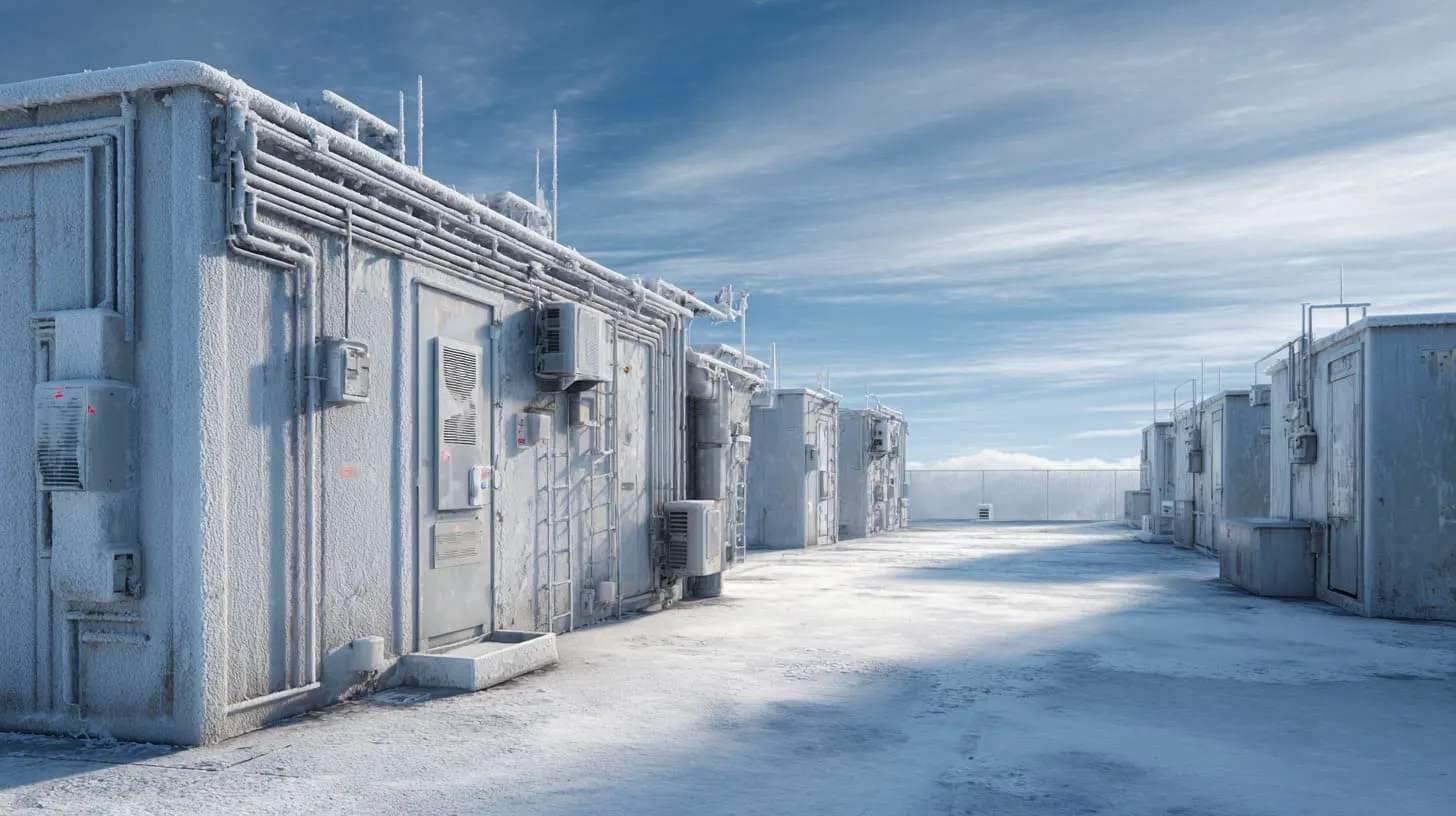
Water is easy to fear because we can see it.
Corrosion is sneakier.
It may start as a small stain on a screw. Then a hinge becomes stiff. A grounding point loses contact. A cable gland nut becomes ugly. A small metal part weakens. The enclosure still looks mostly fine, so nobody panics.
Then one day, the product needs maintenance, and the screw cannot be removed.
Lovely.
I often pay more attention to corrosion than buyers expect, because corrosion does not just damage appearance; it can quietly destroy serviceability and electrical reliability.
Outdoor environments that accelerate corrosion
Not all outdoor environments are equal.
A box installed in a dry inland area does not face the same risk as a box installed near the sea.
Coastal air contains salt. Salt can speed up corrosion. Industrial areas may contain chemical pollution. Agricultural environments may contain fertilizer, moisture, and animal-related gases.
The enclosure may pass IP67 and still suffer from external corrosion.
| Environment | Corrosion Risk | Typical Problem |
|---|---|---|
| Coastal location | Salt air | Screws, hinges, and exposed metal corrode |
| Industrial area | Chemical pollution | Coating damage or metal attack |
| Agricultural site | Moisture and chemicals | Hardware corrosion and gasket aging |
| Urban roadside | Dust and pollution | Surface staining and connector issues |
| Cold region with de-icing salt | Salt and freeze cycles | Metal parts rust faster |
For aluminum enclosures, corrosion resistance depends heavily on surface treatment.
Raw aluminum may form oxide naturally, but that does not mean every aluminum part is ready for harsh outdoor use. Powder coating, anodizing, and proper material selection can make a big difference.
For sheet metal enclosures, coating and edge protection matter a lot. A small unprotected edge can become the starting point of rust.
Hidden corrosion points buyers overlook
Many buyers look at the main enclosure body.
That is understandable. It is the biggest part.
But corrosion often starts in small parts.
Fasteners.
Hinges.
Grounding parts.
Cable glands.
Mounting brackets.
Label plates.
Small washers.
These parts can decide whether the product stays serviceable.
| Hidden Part | Why It Gets Ignored | Failure Risk |
|---|---|---|
| Screws | They look small and cheap | Rust, stripping, hard removal |
| Hinges | Often treated as accessory parts | Stiff movement or breakage |
| Grounding parts | Hidden after assembly | Poor electrical safety |
| Cable glands | Bought as separate parts | Corrosion and sealing loss |
| Mounting brackets | Not part of the main box | Structural weakness |
| Washers | Too small to notice | Pressure loss or rust stains |
A buyer may choose a nice aluminum enclosure, then accept low-grade screws to save cost.
That saving may look smart in a spreadsheet.
Outdoors, it may look silly.
I say this with affection because all of us have made this kind of mistake in some form. Small parts do not stay small when they fail.
Material selection strategies
A good corrosion strategy is not only “use better metal.” It is about matching the whole enclosure to the environment.
For coastal use, I usually want stronger corrosion protection.
For industrial environments, I want to understand chemical exposure.
For general outdoor use, I still want stainless hardware and stable surface treatment.
| Strategy | When It Helps | Trade-Off |
|---|---|---|
| Powder-coated aluminum | General outdoor projects | Coating quality must be controlled |
| Anodized aluminum | Appearance and moderate protection | Color and process limits |
| Stainless steel hardware | Screws, hinges, brackets | Higher part cost |
| Plastic cable glands | Some corrosion-prone areas | Strength and UV grade must be checked |
| Corrosion-resistant coating | Harsh environments | Higher process cost |
| Sealed grounding design | Electrical safety | More design work |
For OEM buyers, the smartest move is not always choosing the most expensive material.
The smarter move is choosing the right material for the environment.
If the project is indoor or semi-outdoor, a lower-cost option may be fine. If the project is coastal, cheap screws are a trap. If the enclosure is for industrial outdoor use, coating quality matters more than a pretty product photo.
And even if the enclosure body and screws are good, the next failure point may be waiting at the cable entry.
That part looks simple.
It is not.
How Can Cable Entry Points Defeat an IP67 Design?
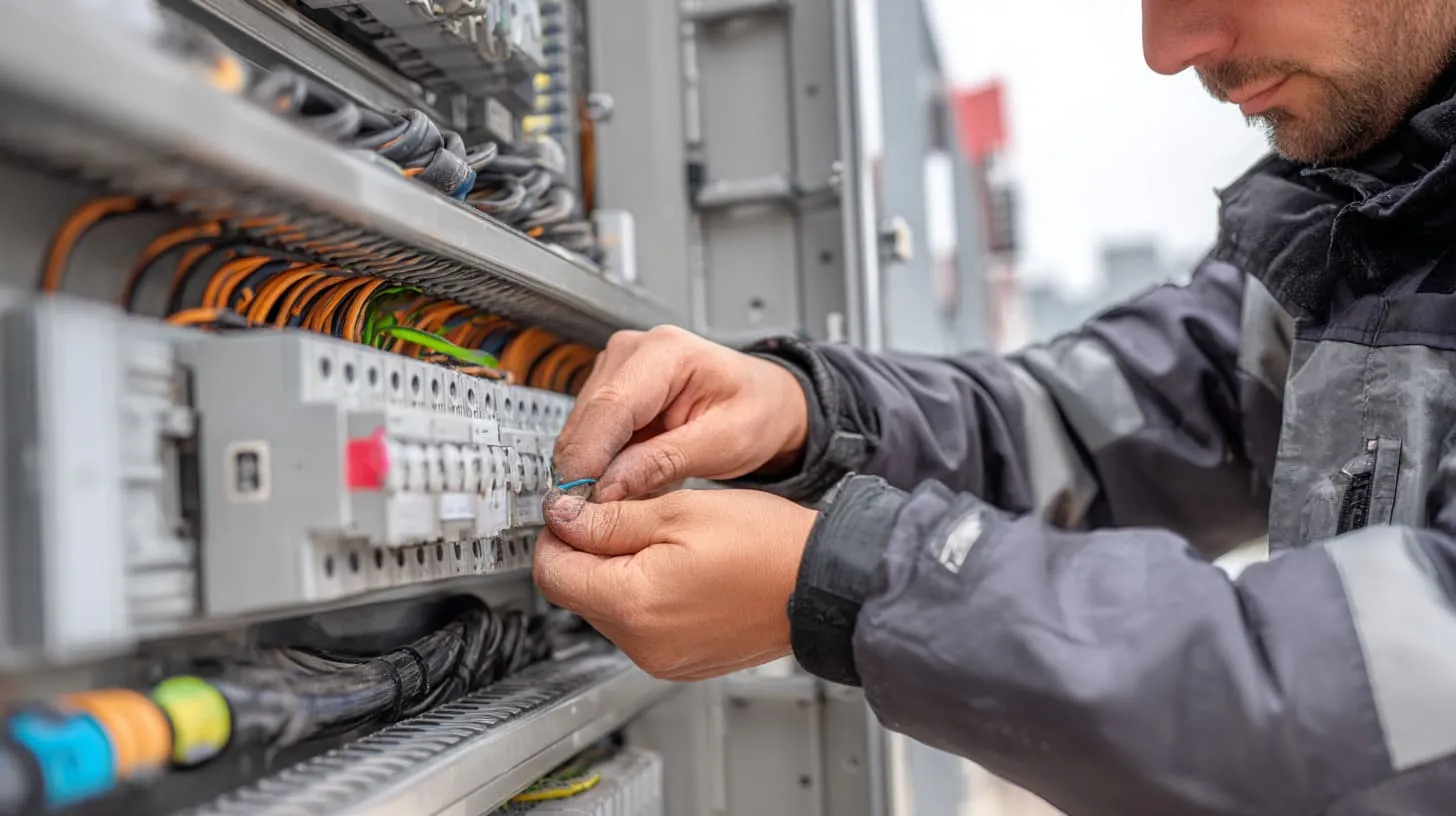
Cable entry points are like doors in a fortress.
You can build strong walls. You can use a thick cover. You can design a good gasket. But if the door is badly fitted, the whole fortress becomes a joke.
Many outdoor enclosure failures happen at cable glands, connectors, or wire holes.
The enclosure may be IP67 in theory. The cable entry may ruin it in practice.
I always ask how cables will enter the box before I feel comfortable with an outdoor design, because a perfect enclosure drawing can become weak the moment someone drills or installs the wrong gland.
Why cable glands often become failure points
Cable glands need to match the cable.
That sounds basic. But in real projects, cable diameter changes. Installers use available parts. Buyers change cable suppliers. A gland selected for one cable may not seal another cable correctly.
If the cable is too small, the gland cannot grip and seal well.
If the cable is too large, installers may force it.
If the gland material is poor, it may crack or age.
If the thread is not sealed well, water can enter through the mounting hole.
| Cable Entry Issue | Why It Happens | Result |
|---|---|---|
| Wrong cable diameter match | Cable changed after design | Poor sealing |
| Low-quality gland | Cost saving | Cracking or aging |
| Poor thread sealing | Installation detail missed | Water path into enclosure |
| No strain relief | Cable movement pulls gland | Seal loosens |
| Bad hole tolerance | Drilling or machining error | Gland does not seat well |
| Mixed supplier parts | Parts do not fit perfectly | Unstable field performance |
This is why I prefer to confirm cable details early.
Cable type, diameter, quantity, bending direction, strain relief, installation method — these all matter.
A buyer may say, “We will handle cables locally.”
That is fine. But then the local installation process must be clear. Otherwise, the enclosure supplier may make a good box, and the final system still fails.
Common field installation mistakes
Field installation is not a laboratory.
Workers may install products in rain, cold, heat, dust, or tight spaces. They may be in a hurry. They may not read long instructions. They may use tools differently.
This is real life.
A design that depends on perfect installation is a risky design.
| Mistake | What Happens | How to Reduce Risk |
|---|---|---|
| Over-tightening | Gasket or gland is damaged | Provide torque guidance |
| Under-tightening | Seal is incomplete | Use clear installation steps |
| Wrong gland size | Cable does not seal | Match gland to cable diameter |
| Missing washer | Thread leaks | Use pre-assembled gland kits |
| Poor cable bending | Cable pulls on gland | Add strain relief |
| Drilling holes in field | Hole quality varies | Pre-machine holes in factory |
Over-tightening is especially common.
People think tighter means safer. But too much force can damage threads, deform gaskets, or crack plastic parts.
Under-tightening creates the opposite problem. The part looks installed but does not seal properly.
Both mistakes are boring. Both can destroy IP performance.
Best practices for cable management
For custom outdoor enclosures, I like cable entry design to be planned, not guessed.
The best approach depends on the project.
Some buyers need standard cable glands. Some need waterproof connectors. Some need pre-wired assemblies. Some need strain relief brackets. Some need internal cable routing.
| Best Practice | Why It Helps |
|---|---|
| Confirm cable diameter early | Gland can be selected correctly |
| Use qualified gland systems | Sealing becomes more reliable |
| Pre-machine cable holes | Better tolerance and repeatability |
| Add strain relief | Cable movement does not stress the seal |
| Provide installation instructions | Field mistakes decrease |
| Keep supplier parts consistent | Less mismatch risk |
| Test final assembly | Real system performance is checked |
For OEM production, I prefer to reduce field decisions where possible.
If the factory can pre-machine holes, install glands, or provide a clear assembly kit, the buyer gets more consistency. It may add a little cost. But it can prevent much larger trouble later.
This is the kind of trade-off that does not always show up in a quotation.
A cheaper enclosure may leave more work for the installer.
A slightly more expensive enclosure may reduce field failure.
And this brings us to a bigger point: lab testing and real outdoor use are not the same animal.
One wears a white coat.
The other wears muddy boots.
Why Do Real Outdoor Conditions Differ from Laboratory Testing?
Laboratory testing is useful.
I respect it.
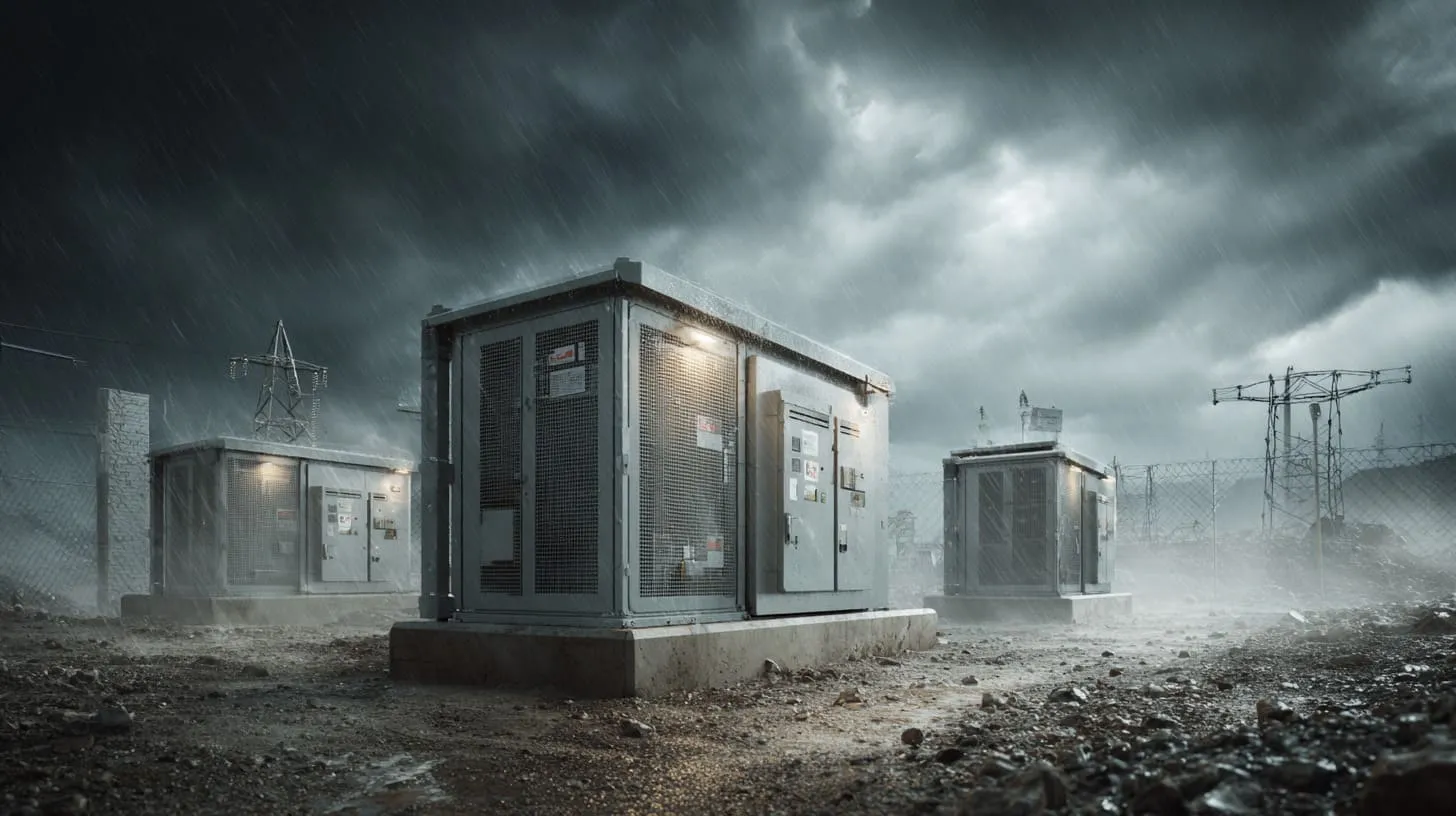
But lab testing is not the whole world. It is a controlled slice of the world. Outdoor use is messy, changing, and sometimes rude.
A product can behave well in a lab and still struggle outside.
When I see an outdoor project, I try to imagine the worst normal day for that product, not the cleanest test day in a lab.
Laboratory tests are controlled environments
In a lab, many things are controlled.
The temperature may be fixed. The test time may be limited. The product may be new. Installation may be correct. The enclosure may not have been exposed to UV for months. The gasket may not be aged. The cable glands may be installed by trained people.
This is why lab tests are helpful but incomplete.
| Lab Condition | Real Outdoor Difference |
|---|---|
| Fixed test time | Outdoor exposure lasts months or years |
| New enclosure | Field product ages over time |
| Clean water | Outdoor rain may include dirt, salt, or chemicals |
| Controlled temperature | Real temperature changes daily |
| Correct installation | Field installation may vary |
| No UV aging before test | Sunlight changes materials over time |
A lab test answers one question.
Outdoor use asks many questions at once.
That is the difference.
Real-world environmental challenges
Outdoor conditions combine risks.
Rain comes with wind.
Dust comes with heat.
Salt comes with humidity.
Snow comes with freeze-thaw movement.
Sun comes with material aging.
Vibration comes with cable strain.
This is why buyers should avoid thinking in single problems.
A real outdoor enclosure may face several conditions together:
| Outdoor Challenge | Why It Is Hard |
|---|---|
| Wind-driven rain | Water hits from angles, not only from above |
| Salt spray | Corrosion risk increases |
| Dust storms | Fine particles attack seals and vents |
| Ice and snow | Expansion and mechanical stress increase |
| Direct sun | UV and heat aging happen together |
| Vibration | Screws and cable glands may loosen |
| Human maintenance | Opening the box affects sealing |
A box installed under a roof is not the same as a box mounted on a pole.
A box in Belgium is not the same as a box near the coast in Southeast Asia.
A box in a solar field is not the same as a box inside a semi-protected factory area.
This is why copy-paste enclosure selection is risky.
How buyers should evaluate outdoor enclosure suppliers
For custom outdoor projects, buyers should evaluate suppliers differently.
It is not enough to ask, “Can you make IP67?”
Many factories can say yes.
The better question is, “Can you help me think through the outdoor risks?”
A good supplier should ask questions. Sometimes annoying questions. Useful annoying questions.
| Supplier Capability | Why It Matters |
|---|---|
| Field application experience | Supplier understands real failure modes |
| Material selection advice | Buyer avoids wrong material |
| Gasket design support | Long-term sealing improves |
| Cable entry planning | Field installation risk drops |
| Testing support | Claims become more reliable |
| Quality control process | Mass production stays consistent |
| Communication ability | Details are confirmed faster |
For buyers like David, Jackson, or John, communication matters a lot.
They may already understand design. They may know Chinese factories. But they still need fast confirmation and practical suggestions. If a supplier only says “yes, yes, no problem,” the project may feel smooth at first and painful later.
I would rather have a supplier tell me, “This part may fail outdoors,” than smile and ship a risky product.
That honesty saves money.
And if buyers want real confidence, they should ask for more than IP67. They should ask for the right extra tests.
What Tests Should OEM Buyers Request Beyond IP67?
Testing should match risk.
That sounds simple, but many buyers test only what is easy to ask for. IP67 is easy to ask for. It is familiar. It fits inside one line of an RFQ.
But outdoor reliability needs more than one line.
For serious OEM work, I prefer to choose extra tests based on the failure I fear most, not based on what looks impressive in a supplier brochure.
Environmental reliability testing
Environmental tests help buyers understand how the enclosure may perform over time.
Not every project needs every test. A simple protected outdoor box may not need the same test plan as a coastal telecom device.
But buyers should know the options.
| Test | What It Checks | When It Matters |
|---|---|---|
| UV aging test | Material resistance to sunlight | Outdoor plastic parts |
| Salt spray test | Corrosion resistance | Coastal or industrial areas |
| Thermal cycling test | Performance under temperature change | Solar, telecom, outdoor electronics |
| Humidity test | Moisture resistance | Humid climates |
| Rain spray test | Water exposure from angles | Wall-mounted or pole-mounted boxes |
| High-low temperature test | Material and seal stability | Cold or hot regions |
A buyer does not need to turn every project into a science experiment.
But if the enclosure protects expensive electronics, extra testing is usually cheaper than field failure.
That is the part many purchasing teams miss. They see testing cost as extra cost. But for outdoor OEM projects, testing is often insurance.
Not perfect insurance.
But useful insurance.
Mechanical durability testing
Outdoor enclosures also face mechanical stress.
They may be dropped during installation. They may vibrate on machines. They may be opened for maintenance. They may be hit by tools or handled roughly during shipping.
Mechanical durability tests help reveal weak areas before mass production.
| Test | What It Reveals |
|---|---|
| Impact testing | Whether the enclosure cracks under force |
| Vibration testing | Whether screws, brackets, or glands loosen |
| Assembly cycle testing | Whether repeated opening affects sealing |
| Drop testing | Shipping and handling strength |
| Screw torque testing | Boss strength and thread reliability |
| Mounting test | Whether brackets and holes hold properly |
For plastic enclosures, screw boss strength is very important.
For aluminum enclosures, coating damage and thread quality matter.
For sheet metal enclosures, bending accuracy and welding quality may affect assembly and sealing.
The test should follow the product risk.
A wall-mounted IoT box needs one kind of attention.
A machine-mounted industrial box needs another.
A portable outdoor device needs another.
Documentation buyers should request
Documentation does not make a bad product good.
But it helps buyers reduce uncertainty.
For custom OEM projects, buyers should ask for the documents that matter to their use case.
| Document | Why Buyers Need It |
|---|---|
| Material specification | Confirms material grade |
| Surface treatment details | Helps judge corrosion and appearance |
| Gasket material information | Shows temperature and aging suitability |
| Test report | Supports supplier claims |
| QC inspection record | Shows production control |
| Drawing confirmation | Reduces misunderstanding |
| Packing method | Reduces shipping damage |
| Assembly instruction | Reduces field installation mistakes |
I also suggest buyers keep version control.
That sounds boring. But it matters.
If a buyer changes cable size, gasket type, screw length, hole position, or coating, the design record should be updated. Otherwise, mass production can drift away from the approved sample.
And once the design record becomes messy, communication becomes messy.
Messy communication is the quiet enemy of custom enclosure projects.
So testing and documents are useful, but they still need one bigger decision: how to select the enclosure from the start.
How Should Buyers Select an Outdoor Enclosure for Long-Term Reliability?
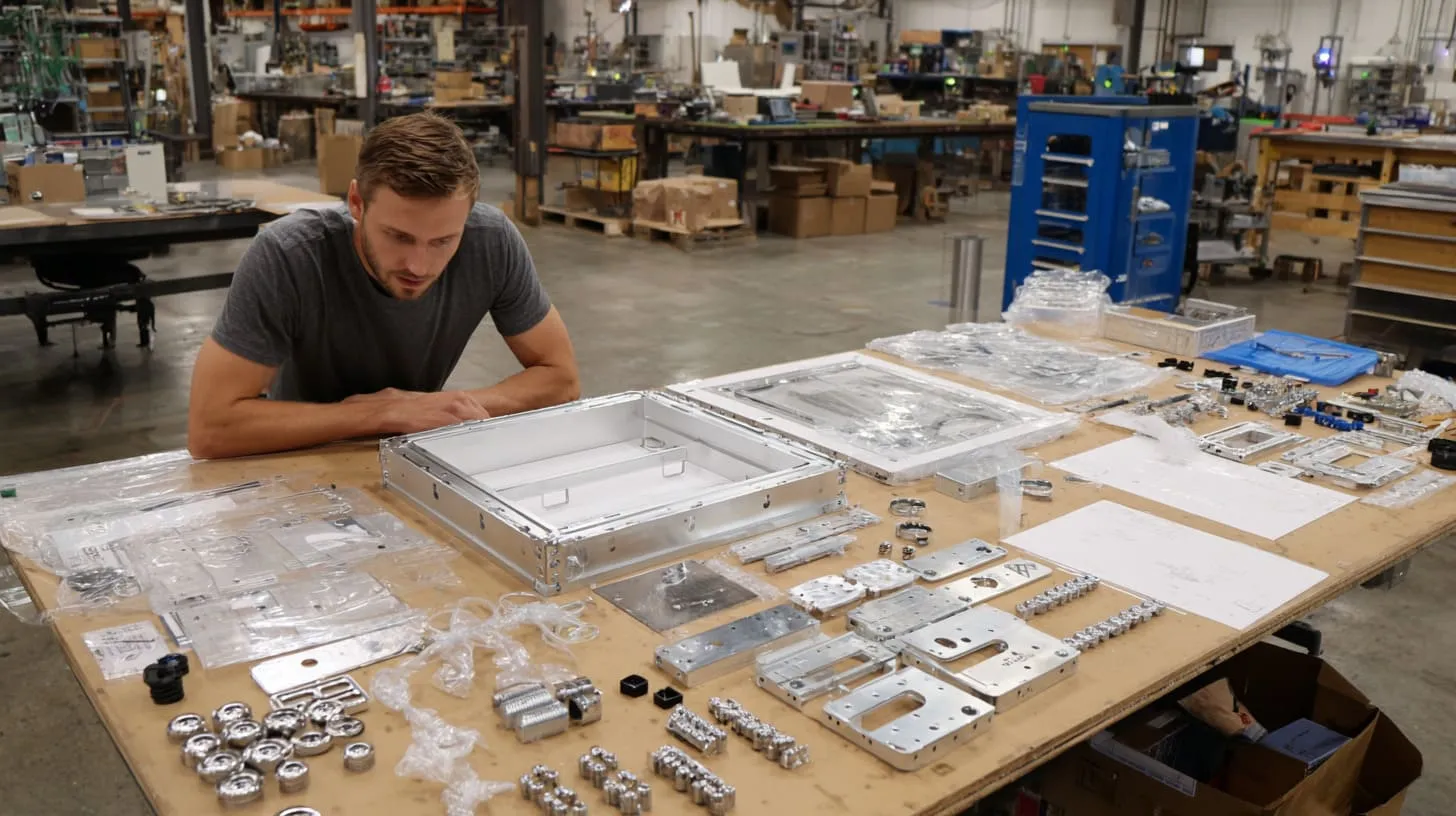
A good outdoor enclosure is not selected from one number.
It is selected from a real use case.
That is the mindset shift.
Instead of starting with “I need IP67,” I prefer to start with “Where will this product live, and what will try to destroy it?”
That question sounds a little dramatic. But it works.
My first decision point is usually not the enclosure model; it is the environment, because the environment decides which problems deserve money and attention.
Start with application environment analysis
Before choosing material, gasket, coating, or cable glands, buyers should define the use environment.
This does not need to be complicated. But it should be honest.
Useful questions include:
- Will the enclosure be used indoors, semi-outdoors, or fully outdoors?
- Will it face direct sunlight?
- Is the location coastal?
- Is there dust, oil, fertilizer, or chemical exposure?
- What is the temperature range?
- Will the enclosure be opened for maintenance?
- How many years should it last?
- What electronics are inside?
- How expensive is field failure?
| Application Detail | Why It Matters |
|---|---|
| Climate | Affects UV, temperature, and humidity risk |
| Installation location | Affects rain, sun, dust, and impact exposure |
| Service life | Affects material and gasket selection |
| Maintenance frequency | Affects gasket and screw design |
| Electronics value | Affects testing and protection level |
| Cable layout | Affects sealing and installation reliability |
| Branding need | Affects material finish and color choice |
If a buyer cannot answer these questions, the project is not ready for final enclosure selection.
That may sound strict.
But it is kinder to find missing information early than to discover it after mass production.
Evaluate the complete enclosure system
The enclosure is a system.
The body matters.
The cover matters.
The gasket matters.
The screws matter.
The cable glands matter.
The coating matters.
The internal brackets matter.
The packaging matters.
The installation instruction matters.
A weak part can lower the performance of the whole product.
| System Part | Key Question |
|---|---|
| Body material | Can it survive the environment? |
| Cover design | Will it stay flat and stable? |
| Gasket | Will it seal after aging and maintenance? |
| Screws | Will they rust or loosen? |
| Cable glands | Do they match the cable and installation method? |
| Venting | Is condensation controlled? |
| Surface treatment | Is corrosion and UV exposure considered? |
| Internal layout | Are electronics protected from heat and moisture? |
| Packaging | Will the enclosure arrive without damage? |
This is also where custom design becomes useful.
For some projects, a standard enclosure is enough. For other projects, small custom changes can prevent big problems.
For example:
- Add ribs to improve cover stiffness.
- Change gasket material.
- Add a venting membrane.
- Move cable entry to a safer position.
- Use stainless steel screws.
- Improve coating.
- Add internal mounting bosses.
- Create custom packaging for long-distance shipping.
None of these changes sound exciting.
But they can save the project.
Good engineering often looks boring from the outside. That is part of its charm.
Work with experienced enclosure manufacturers
For OEM and ODM buyers, supplier choice matters.
A good supplier should not only manufacture the drawing. A good supplier should help review the drawing.
This is especially true for buyers like John, who may have a creative project idea and need factory support to turn it into a stable product. It is also true for buyers like David or Jackson, who may already have strong design experience but still need fast, careful production support.
| What Buyers Need | What a Good Supplier Should Do |
|---|---|
| Custom enclosure design | Review structure and manufacturability |
| Logo or brand marking | Suggest printing, engraving, or surface options |
| Outdoor protection | Review material, gasket, and cable entry |
| Fast project progress | Confirm details quickly and clearly |
| Stable quality | Control mass production, not only samples |
| Competitive price | Balance cost with reliability |
| Shipping support | Reduce delay and damage risk |
I know many buyers source from China because they want better cost.
That is normal.
But cost advantage should not mean blind cost cutting. The best result comes from choosing where to save and where not to save.
Maybe you can save on a non-critical surface finish.
Maybe you should not save on gasket material.
Maybe you can use a standard enclosure body.
Maybe you need custom cable entry.
Maybe you can accept simple packaging.
Maybe you need stronger export packaging because the product has long shipping distance.
Every project has its own logic.
That is why I believe the most reliable outdoor enclosure is not always the highest-rated one. It is the one that is honestly matched to the environment, the electronics, the installation, and the buyer’s real business risk.
Now let me close this with the reason I care so much about this topic.
Conclusion
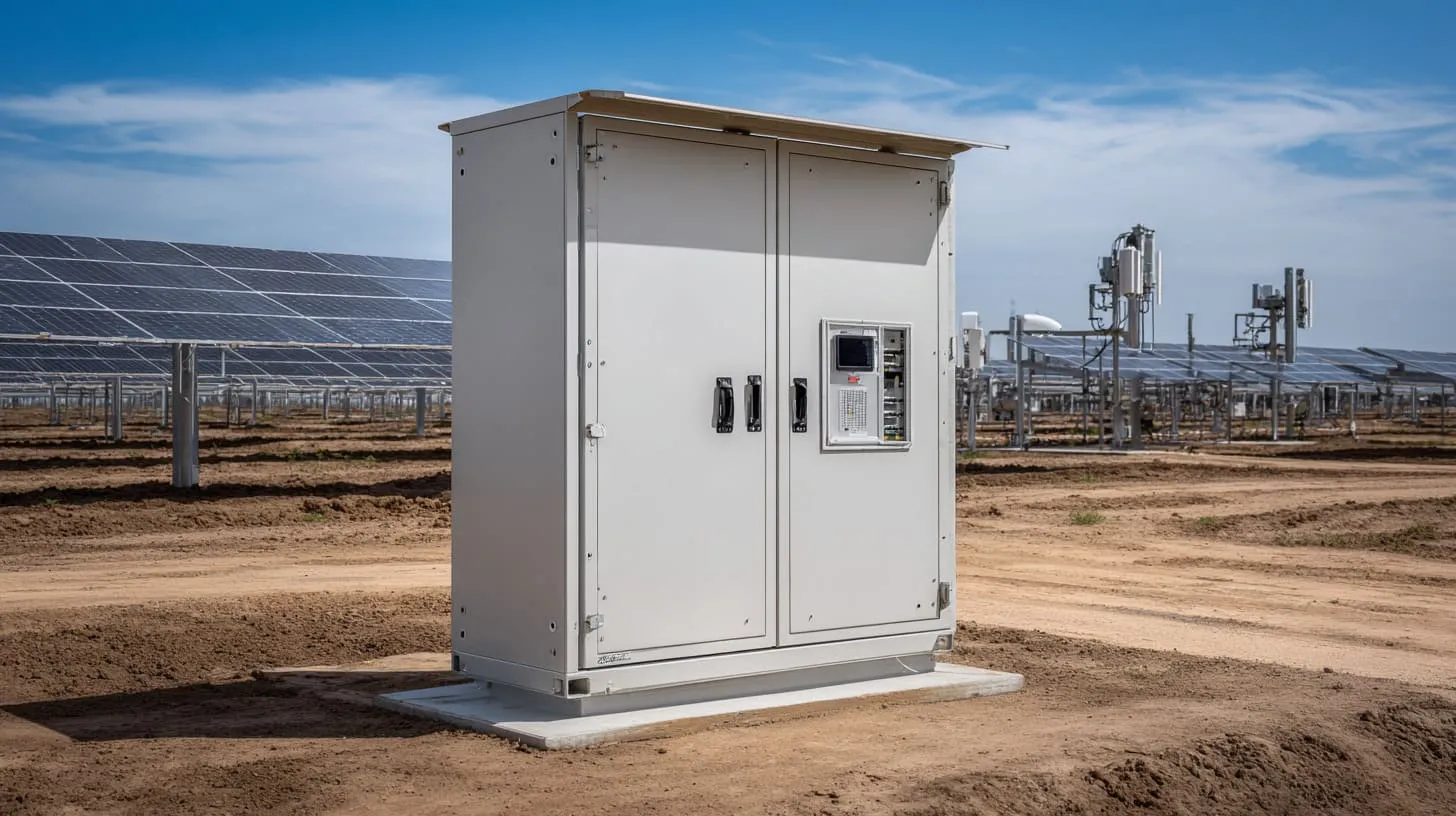
IP67 is useful.
I do not want buyers to ignore it. I do not want engineers to treat it as meaningless. It gives us a basic reference for dust and water protection. It helps set a minimum standard.
But I do not trust IP67 alone.
I think this way because I have seen too many projects where the enclosure looked correct on paper, but the real outdoor environment found the weak point later.
Sometimes the weak point was condensation.
Sometimes it was sunlight.
Sometimes it was a gasket that aged too fast.
Sometimes it was a cable gland installed with the wrong cable.
Sometimes it was a screw that rusted.
Sometimes it was a good sample that became unstable in mass production because small details were not controlled.
That is why I always push the discussion beyond one rating.
I want to know where the enclosure will be used. I want to know the climate. I want to know the service life. I want to know whether the box will be opened for maintenance. I want to know cable size, material choice, gasket design, coating, packaging, and installation method.
Not because I enjoy making projects complicated.
I ask because outdoor failures are usually born from details that looked too small at the start.
For buyers, the lesson is simple: do not buy an outdoor enclosure only by IP67. Buy it by environment, structure, material, sealing system, cable entry, corrosion resistance, condensation control, and production consistency.
The most reliable outdoor enclosure is not necessarily the one with the biggest rating on the product page.
It is the one engineered for its real working life.
If you are developing an outdoor electronics product, an industrial control box, a solar device, a telecom enclosure, or a custom OEM aluminum or plastic enclosure, I suggest you prepare your real application details before asking for a quotation.
At MaidaTech, we can help review your enclosure design, material choice, cable entry, surface treatment, logo process, and packaging plan for OEM and ODM projects.
You can send your drawing, sample photo, PCB size, outdoor use environment, and quantity request to us.
I will not only ask, “Do you need IP67?”
I will ask the better question:
Where will this enclosure live, and what must it survive?