Skip to content
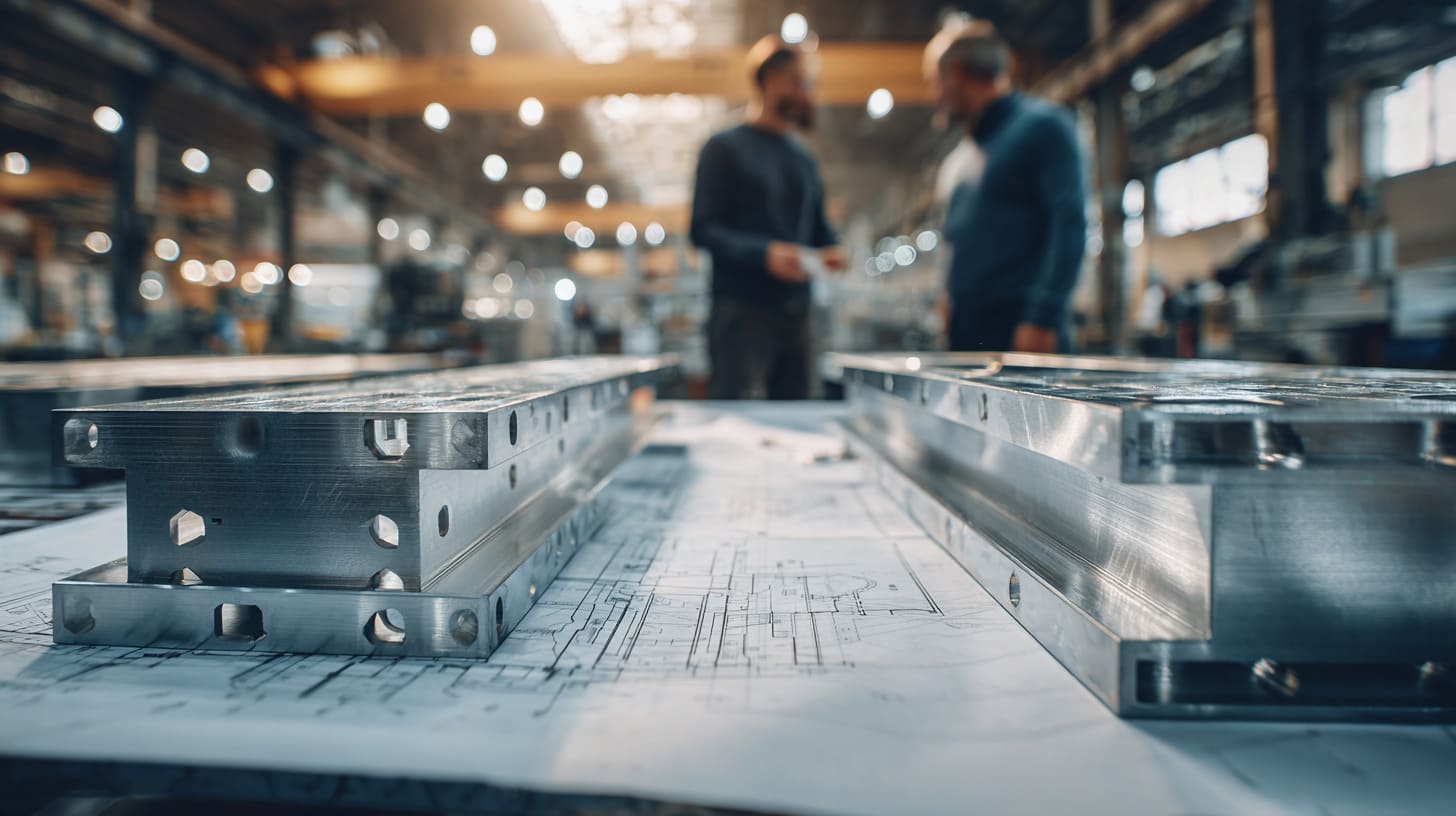
A buyer once sent me two drawings for the same machine frame.
One drawing used 80/20-style aluminum extrusion. The other used welded steel. On the surface, the steel version looked cheaper. The quotation was lower. The structure looked stronger. The buyer smiled and said, “This one saves money, right?”
I did not answer too fast.
I have learned one thing after working with many custom enclosure and industrial structure projects: the lowest quotation is not always the lowest cost.
This is especially true when buyers compare 80/20 aluminum extrusion vs welded steel.
Many industrial buyers look at the first number on the quotation. They compare material cost. They compare fabrication cost. Then they choose the cheaper one. It feels logical. It feels responsible. It feels like good purchasing work.
But the real cost does not stop at the factory gate.
The real cost continues during:
- Installation
- Engineering changes
- Maintenance
- Downtime
- Future expansion
- Shipping
- Surface repair
- On-site adjustment
This is where many buyers miss the trap.
A welded steel frame can look very cost-effective at the beginning. But if the project changes twice, if the installation team needs extra labor, or if the machine needs service every few months, that “cheap” structure may become expensive very quickly.
An 80/20 aluminum extrusion structure can look expensive at the beginning. But if the buyer needs flexibility, fast assembly, clean appearance, and easy modification, it may save money over the full life of the project.
The uncomfortable truth is simple: there is no universal winner.
I do not choose 80/20 because it looks modern. I do not choose welded steel because it looks strong. I choose based on the real working situation.
For me, the smart question is not:
“Which one is cheaper today?”
The better question is:
“Which one will cost less after the project starts moving, changing, aging, and being used by real people?”
That is where the real buying decision begins.
A quotation is only the first chapter. The expensive part often hides in the pages after it.
What Are the Fundamental Differences Between 80/20 Aluminum and Welded Steel?
Before I compare cost, I always try to slow down and compare the nature of the two systems.
80/20 aluminum extrusion and welded steel can both build frames. They can both hold equipment. They can both support panels, doors, guards, brackets, and accessories.
But they think differently.
One is like building with a flexible industrial kit. The other is like building a permanent metal skeleton.
That difference sounds simple, but it affects almost every cost later.
My first check is not the material name. I usually check how likely the structure is to change after installation, because a fixed structure and a flexible structure behave very differently when the customer changes their mind.
How 80/20 Aluminum Extrusion Systems Work
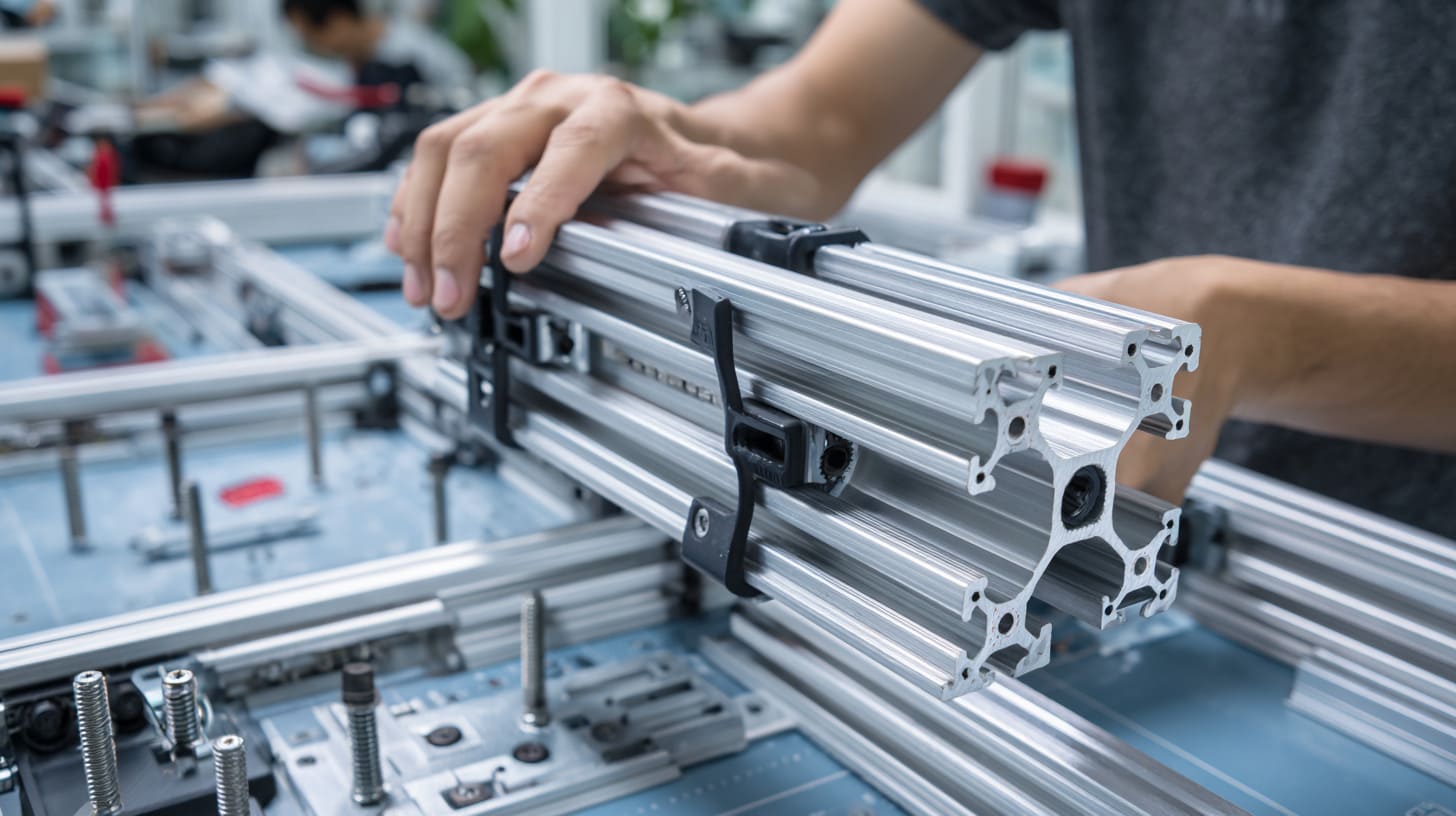
80/20 aluminum extrusion is a modular framing system. Many people also call it T-slot aluminum extrusion.
The profiles have slots on the sides. These slots allow brackets, nuts, panels, hinges, handles, casters, sensors, and other parts to be attached without welding.
This makes the system very flexible.
You can build:
- Machine frames
- Workstations
- Test benches
- Protective guards
- Light-duty enclosures
- Equipment racks
- Automation structures
- Prototype frames
The biggest value is not only the aluminum itself. The value is the system.
You can cut profiles. You can bolt parts together. You can move accessories. You can adjust the structure later.
That is very useful when the project is still changing.
For example, if a customer builds a new testing device and later finds that one sensor needs to move 80 mm to the left, an aluminum extrusion frame can usually handle that change with limited pain.
No sparks. No cutting torch. No repainting drama.
Just loosen, adjust, and tighten.
How Welded Steel Structures Are Built
Welded steel works in a different way.
Steel tubes, plates, angles, or channels are cut, positioned, and welded together. After welding, the structure may need grinding, polishing, powder coating, painting, galvanizing, or another surface treatment.
The final frame is usually strong and rigid.
That is good.
But it is also less forgiving.
Once the frame is welded, it becomes one fixed structure. If the hole position is wrong, if the bracket needs to move, or if the machine layout changes, the repair work can become much more painful.
Welded steel can still be modified, of course. But modification usually means:
- Cutting
- Grinding
- Rewelding
- Repainting
- Checking distortion
- Reinstalling components
- Losing time on site
This is why welded steel is excellent for some projects and risky for others.
It likes certainty. It does not like last-minute surprises.
Why Buyers Often Compare Them
Industrial buyers compare these two options because both can serve similar project needs.
The comparison often appears in projects like:
| Project Type | 80/20 Aluminum May Fit | Welded Steel May Fit |
|---|---|---|
| Machine frame | Yes | Yes |
| Automation guard | Yes | Sometimes |
| Heavy equipment base | Sometimes | Yes |
| Workstation | Yes | Sometimes |
| Industrial enclosure support | Yes | Yes |
| High-impact structure | Sometimes | Yes |
| Prototype equipment | Yes | Not ideal |
| Permanent heavy-duty frame | Sometimes | Yes |
The mistake is not comparing them.
The mistake is comparing them only by material price.
I have seen buyers choose welded steel because the quotation was lower, then spend more money later because the customer changed the machine layout. I have also seen buyers choose aluminum extrusion for a structure that really needed welded steel, then struggle with rigidity and vibration.
Both mistakes are expensive.
A good choice starts with a practical question:
Is this structure expected to stay the same, or is it likely to change?
That small question can save a very large headache later.
And once we understand the basic difference, the next problem becomes very clear: many buyers still get pulled toward the cheapest first quotation.
Why Do Many Buyers Focus Too Much on Initial Purchase Price?
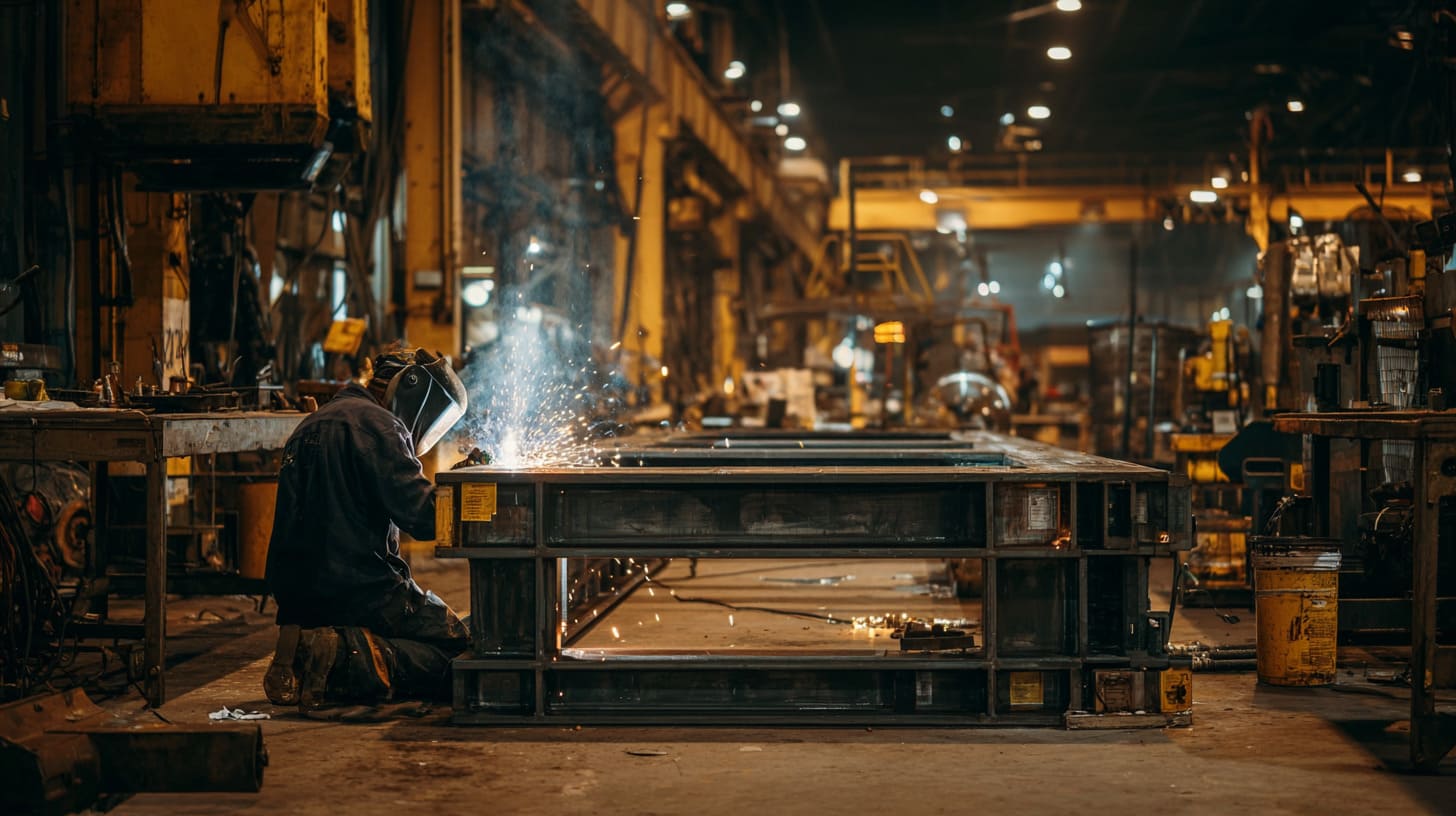
I understand why buyers focus on the first price.
A quotation is clear. It has numbers. It fits into a spreadsheet. It can be shown to the boss. It can be compared with three other suppliers.
But future costs are foggy.
Nobody can easily put “future design changes” into a neat purchasing table. Nobody wants to tell the boss, “This cheaper option may become expensive later.” That sounds weak until the problem actually happens.
This is where many industrial buyers fall into the cost trap.
The number I distrust most is the number that looks too clean, because real industrial projects always have small changes, missing details, and on-site surprises hiding behind the first quotation.
Welded Steel Often Appears Cheaper on Quotations
Welded steel often looks attractive at the quotation stage.
There are several reasons:
- Steel material can be cheaper than aluminum extrusion.
- Welding is a familiar process for many factories.
- The structure may use simple tubes or plates.
- The quotation may include only basic fabrication.
- The buyer may not need many special connectors.
So the first price can look lower.
For a simple frame with fixed dimensions and heavy loading, welded steel may truly be the better value. I will not argue with that.
But the danger starts when the quotation does not include the full story.
A welded steel quote may look clean because many later costs are not shown yet.
These costs may include:
| Hidden Item | Why It Matters |
|---|---|
| Surface finishing | Painting or powder coating can add cost and time |
| On-site welding repair | Changes may need skilled labor |
| Installation equipment | Heavy frames may need lifting tools |
| Shipping volume | Welded frames may be harder to pack |
| Rework | Wrong dimensions can be costly to fix |
| Downtime | Repairs may stop production |
A buyer may think, “Steel is cheaper.”
But the better question is, “Cheaper at which stage?”
Important Costs Are Frequently Excluded
Many quotations focus on what the supplier can clearly manufacture.
That is normal. A factory quotes the part, frame, or structure based on drawings. But industrial use is not only fabrication.
For example, a buyer may forget to calculate:
- How long the frame takes to install
- Whether the structure can enter the workshop door
- Whether the frame must be assembled on site
- Whether the design will change after testing
- Whether maintenance workers can access key parts
- Whether future sensors, panels, or brackets may be added
- Whether the structure needs to be shipped fully welded or partly assembled
These details do not feel exciting.
But they cost money.
I once saw a project where the steel frame itself was not the problem. The problem was access. The service team could not reach one internal area without removing a large panel. Every maintenance visit became slow and annoying.
The buyer did not pay much more for the frame. But they paid again and again in labor time.
That is the type of cost that never looks scary at the beginning.
Then it quietly eats the project.
Why Purchase Price Rarely Reflects Total Ownership Cost
Purchase price is only one part of total cost.
For industrial buyers, the real cost includes the full life of the structure.
Here is a simple way I like to look at it:
| Cost Type | Welded Steel Risk | 80/20 Aluminum Risk |
|---|---|---|
| First quotation | Often lower | Often higher |
| Design change | Can be expensive | Usually easier |
| Installation | Can need more labor | Usually faster |
| Strength | Very strong | Must be checked carefully |
| Appearance | Needs finishing | Clean by default |
| Maintenance | Can be harder | Usually easier |
| Expansion | More difficult | More flexible |
| Heavy-duty use | Strong advantage | May not fit |
This table does not mean aluminum always wins.
It means the first price does not tell the full truth.
When I talk with buyers like David or John, I often ask one question before I even talk about price:
“Will this structure be changed after the first version?”
If they say yes, I become more careful with welded steel.
If they say no, and the load is high, welded steel may be a very reasonable choice.
Price matters. I know that. My own customers care about price every day. They need competitive cost, especially when they resell products or use the enclosure as part of a larger project.
But price without context is dangerous.
It is like buying cheap shoes for a long factory walk. The first day feels fine. The second week tells the truth.
And installation is often the first moment when the truth starts showing up.
How Does Installation Cost Change the Real Financial Picture?
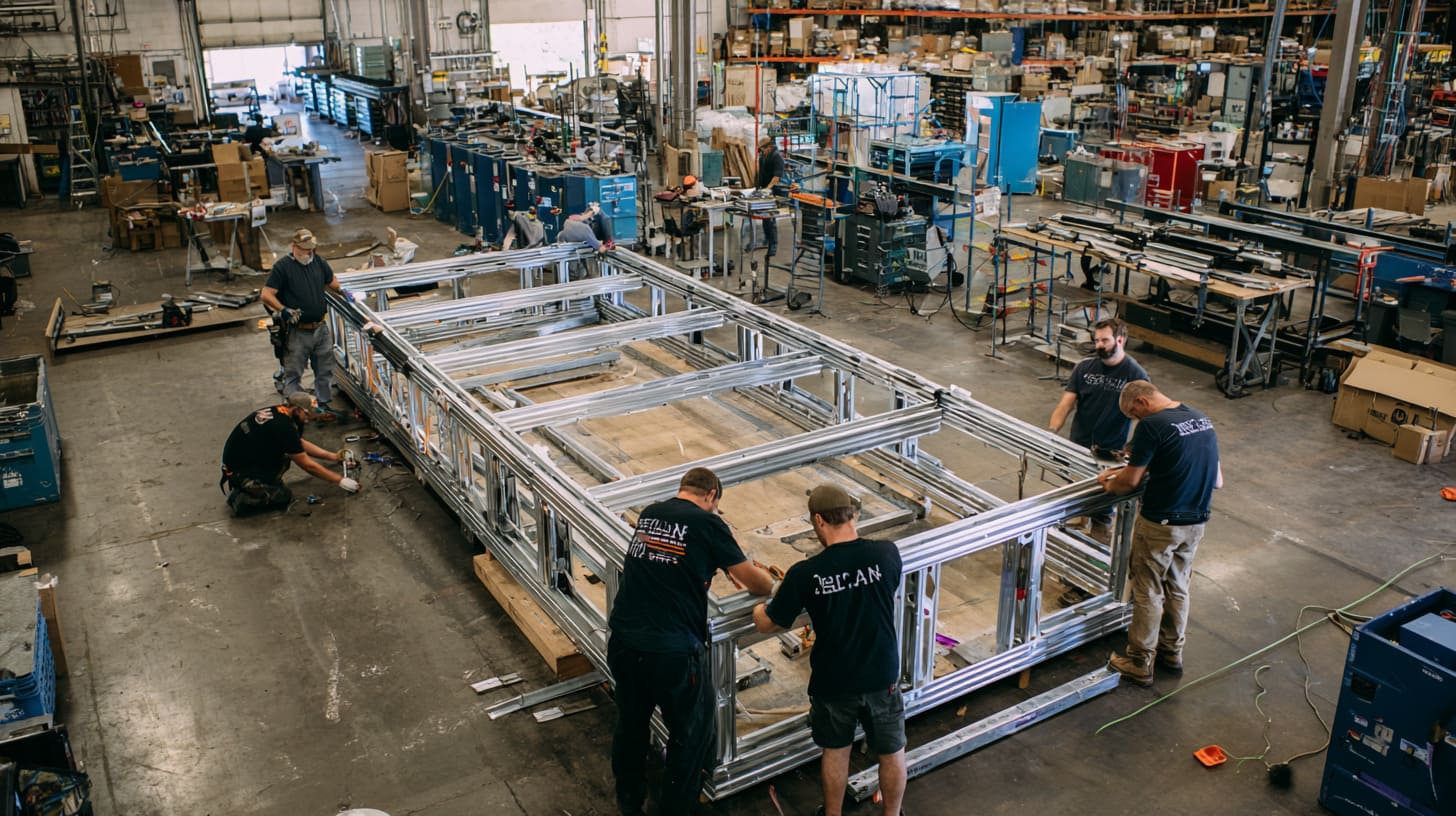
Installation is where many beautiful drawings meet real floors, real workers, real tools, and real time pressure.
I have seen projects look perfect on paper, then slow down because one frame was too heavy, one hole was hard to reach, or one welded structure could not be adjusted after the machine arrived.
Nobody enjoys that moment.
The buyer wants delivery. The engineer wants the line running. The supplier wants approval. The workers just want the frame to fit.
This is why installation cost deserves more attention.
Before I decide whether a structure is “cheap,” I ask how many people must touch it before it can actually work, because every extra hand, tool, and hour can turn a low quotation into a higher real cost.
Welded Steel Often Requires More Preparation
Welded steel structures are strong, but they often require more preparation before installation.
The work may include:
- Welding
- Grinding
- Checking flatness
- Surface finishing
- Packing protection
- Lifting
- On-site positioning
- Touch-up painting
- Anchoring
- Alignment
If the frame is large, transportation can become a problem too.
A fully welded frame may be hard to pack. It may take more space. It may need special protection to avoid scratches or coating damage. If it arrives with damage, repair may require paint touch-up or even rework.
The frame may also be heavy.
Heavy is not always bad. Heavy can mean stable. But heavy can also mean slower installation.
For large welded frames, the buyer may need:
| Requirement | Possible Cost Impact |
|---|---|
| Forklift | Extra site preparation |
| Crane or lifting device | Higher installation cost |
| More workers | More labor hours |
| Larger shipping space | Higher freight cost |
| Touch-up paint | Extra finishing time |
| On-site welding | Skilled labor needed |
These costs may not appear in the first quotation.
But they appear in the real project.
80/20 Systems Reduce Installation Complexity
80/20 aluminum extrusion systems are often easier to install because they can be shipped as cut profiles and hardware.
The frame can be assembled on site.
This can reduce problems with:
- Shipping volume
- Handling weight
- Doorway access
- Final adjustment
- Add-on installation
- Component alignment
This is one reason many automation teams like aluminum extrusion. They can build, test, adjust, and improve faster.
If one bracket needs to move, they can move it.
If one panel needs to be added, they can add it.
If one sensor position changes, they do not need to destroy the frame.
Of course, this does not mean the system is free from problems. Aluminum extrusion still needs good design. It still needs correct fasteners. It still needs proper assembly torque. It still needs clean load calculation.
A poorly assembled aluminum frame can loosen, vibrate, or feel weak.
But for many medium-duty industrial projects, the installation process is simply more forgiving.
When Installation Savings Offset Higher Material Costs
Many buyers reject aluminum extrusion too early because the material cost looks higher.
I understand that reaction.
But I usually ask them to compare the full installation picture.
| Question | Why It Matters |
|---|---|
| Can the structure be shipped flat-packed? | Lower freight and easier handling |
| Can workers assemble it without welding? | Less need for skilled welding labor |
| Can the frame be adjusted on site? | Lower rework risk |
| Can parts be replaced quickly? | Easier maintenance |
| Can the same design be repeated in many locations? | Better standardization |
For example, if a company needs ten workstations in different locations, 80/20 aluminum may save a lot of installation time. The team can repeat the same structure, ship profiles efficiently, and adjust details locally.
In that case, the higher profile cost may be balanced by lower labor and faster setup.
But if the buyer needs one heavy-duty base for a fixed machine, welded steel may still be better.
This is why I do not like one-line answers.
Industrial buying is not a beauty contest. It is a chain of practical decisions.
The frame must be made. Then shipped. Then installed. Then used. Then serviced.
Each step has a cost.
And after installation, the next big cost trap often comes from something even more common: engineering changes.
Why Are Engineering Changes the Biggest Hidden Cost Trap?
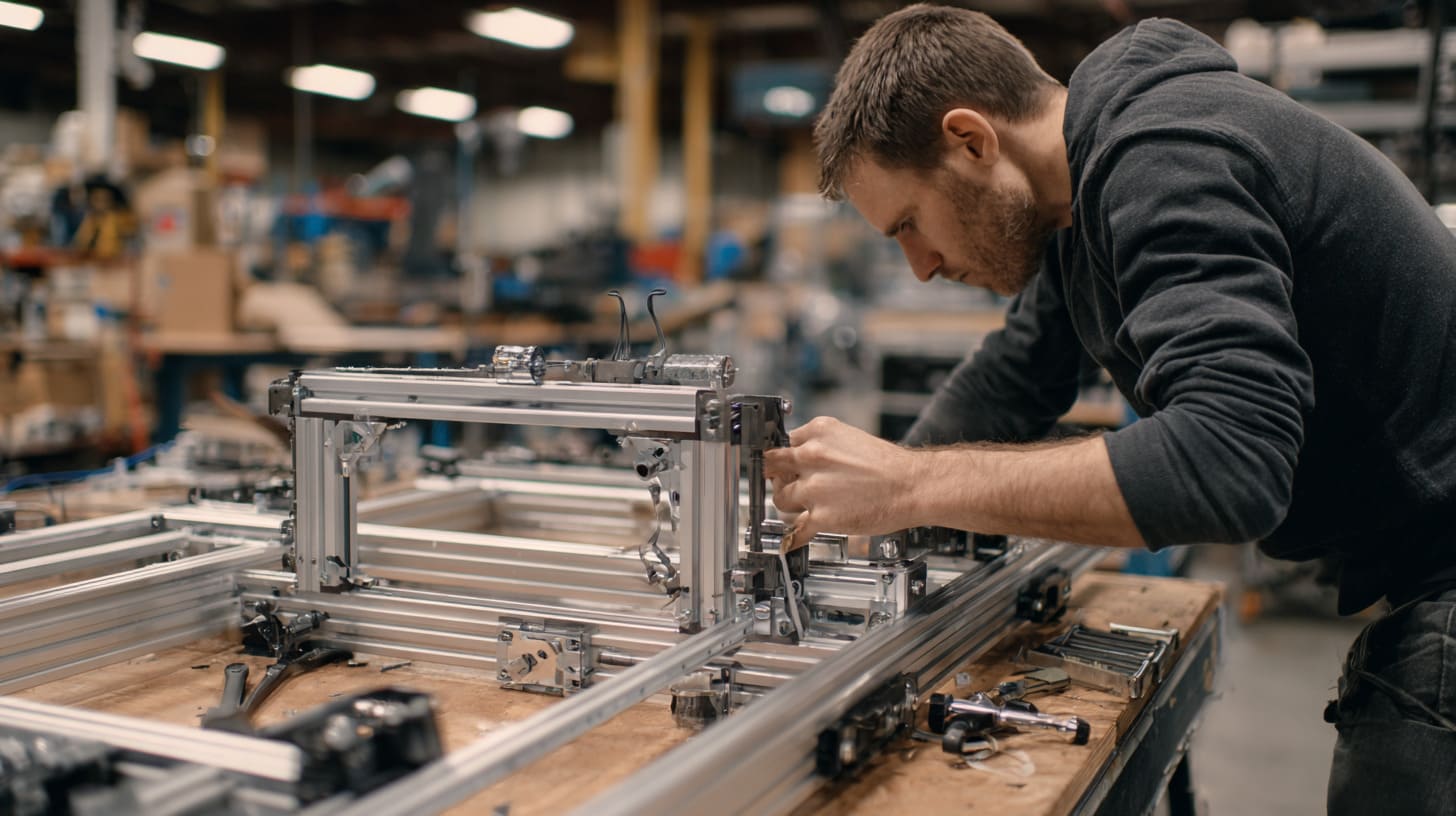
Engineering changes are not rare. They are almost normal.
A customer changes a board size. A sensor supplier changes a mounting hole. A production team asks for more access space. A cable route needs to move. A safety guard needs another panel.
One small change can travel through the whole structure like a crack in glass.
This is why engineering changes can become the biggest hidden cost trap.
I pay close attention to projects that are still “not fully frozen,” because a structure that looks cheaper before the design is stable can become the most expensive choice after three rounds of changes.
Design Changes Are Common in Industrial Projects
Many buyers want the structure finished quickly.
That is fair. Project timelines are tight. The customer is waiting. The boss is asking. The production line has a schedule.
But many projects are still changing while the structure is being quoted.
Common changes include:
- Different PCB size
- New connector position
- Extra ventilation holes
- New cable entry
- Added fan or filter
- New mounting bracket
- Changed machine footprint
- Extra safety panel
- Different door opening direction
- Logo or label position update
For custom enclosures, I see this often.
The first drawing looks complete. Then the buyer tests the internal components. Suddenly, the enclosure needs more space for wiring. Or the heat dissipation design needs a small change. Or the front panel needs a new cutout.
This is normal product development.
But the structure choice affects how painful these changes become.
Modifying Welded Steel Can Become Expensive
Welded steel does not like late changes.
If a welded frame needs modification, the process may include:
- Remove nearby parts.
- Cut the welded section.
- Grind the surface.
- Weld a new part.
- Check distortion.
- Refinish the surface.
- Reinstall components.
- Recheck alignment.
That is a lot of work for what may look like a small change on paper.
The painful part is that changes also affect surface finishing.
If the steel frame has powder coating, cutting and welding will damage the coating. Then the surface needs repair. If the repair does not match well, the appearance suffers. If the frame is used in a visible product or branded equipment, that matters.
Here is the trap:
| Change Type | Welded Steel Impact |
|---|---|
| Move bracket | Cut and reweld may be needed |
| Add hole | Drilling may damage coating |
| Add panel | Extra welded tabs may be needed |
| Change height | Major rework |
| Add accessories | More fabrication needed |
| Modify after painting | Surface repair required |
This is why I ask buyers to freeze important details before welded fabrication.
If they cannot freeze details, I become more careful.
80/20 Systems Are Designed for Modification
80/20 aluminum systems handle changes more easily because the structure is modular.
You can often:
- Move a connector
- Add a bracket
- Change a profile length
- Add a panel
- Install a hinge
- Add a sensor mount
- Replace one damaged part
- Reuse profiles in another design
This is a big advantage when the project is in a testing stage.
For ODM customers like John, this matters a lot. He may have a creative idea for a new project enclosure or aluminum case. But the early design may not be perfect. He may need factory support, advice, and a few rounds of changes.
In that situation, flexibility has real value.
It gives the project room to breathe.
But I also need to be honest. Aluminum extrusion is not magic.
If the structure needs very high rigidity, if it will take shock loads, or if the customer wants a very clean sealed appearance, extrusion may not be the best choice.
The right decision depends on the level of uncertainty.
I like this simple rule:
| Project Situation | Better Direction |
|---|---|
| Design still changing | 80/20 aluminum often safer |
| Design fully fixed | Welded steel may work well |
| Heavy load and impact | Welded steel often better |
| Fast testing and modification | 80/20 aluminum often better |
| Clean branded enclosure | Custom sheet metal or CNC aluminum may be better |
| Repeated modular station | 80/20 aluminum often better |
The cost trap is not only choosing the wrong material.
The deeper trap is choosing a permanent structure for a project that is still moving.
And once the project starts running, another cost appears quietly: maintenance and downtime.
How Do Maintenance and Downtime Costs Compare?
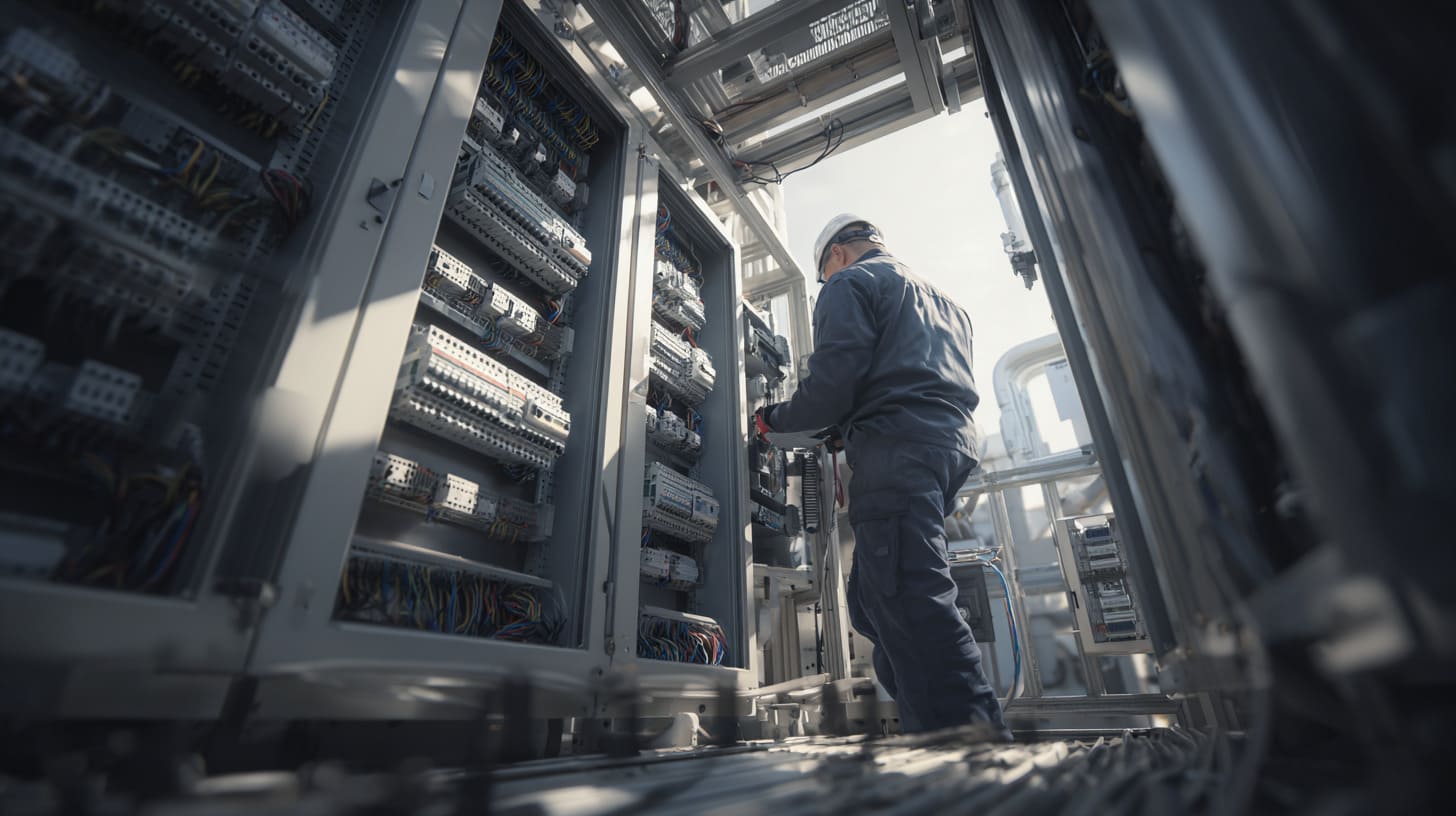
Maintenance is not exciting when the project is new.
Everything looks clean. The frame is straight. The machine runs. The customer is happy. People take photos. Everyone relaxes.
Then six months pass.
A bearing needs service. A cable needs replacement. A sensor fails. A panel must be removed. A worker says, “Who designed this? I cannot reach the screws.”
That is when maintenance cost becomes very real.
The detail I never ignore is access, because a structure that blocks the maintenance team will punish the buyer long after the supplier has shipped the goods.
Maintenance Challenges With Welded Structures
Welded structures can be very strong. But they can also be difficult to service if the design did not consider access.
The issue is not always the steel itself.
The issue is that welded structures are fixed. If a service area is blocked, the maintenance team has fewer easy options.
Common problems include:
- Internal components are hard to reach.
- Welded crossbars block tools.
- Panels cannot be removed easily.
- Damaged sections require cutting.
- Coating repair is needed after modification.
- Heavy parts need more workers to handle.
I have seen buyers focus heavily on frame strength but forget the poor technician who must repair the equipment later.
That technician does not care how beautiful the drawing was.
He cares whether his hand can reach the bolt.
That sounds simple, but it is often overlooked.
Advantages of Modular Systems During Servicing
Modular aluminum systems usually make servicing easier.
Because parts are bolted together, the user can remove a panel, replace a profile, change a bracket, or open part of the structure without cutting.
That can reduce downtime.
For industrial equipment, downtime is often more expensive than the frame itself.
If a machine stops, the buyer may lose:
- Production output
- Worker time
- Delivery schedule
- Customer trust
- Repair labor
- Internal confidence
A modular structure can help because it allows faster access.
Here is a simple comparison:
| Maintenance Issue | Welded Steel | 80/20 Aluminum |
|---|---|---|
| Remove one panel | Depends on design | Usually easier |
| Replace one damaged member | More difficult | Easier |
| Add cable route | May need drilling/welding | Usually easier |
| Move sensor bracket | More difficult | Easier |
| Repair surface damage | May need repainting | Less finishing work |
| Access internal equipment | Depends on frame layout | More adjustable |
This does not mean welded steel is bad for maintenance.
A well-designed welded frame can have removable panels, access doors, bolted service zones, and smart bracket positions.
But if the buyer does not ask for these details early, welded steel can become a metal cage around the problem.
Why Downtime Often Costs More Than Hardware
Many buyers negotiate hard on hardware cost.
That is normal. I also respect it. A good buyer should protect the budget.
But some buyers save $300 on the frame and lose $3,000 in downtime later.
That is not saving. That is just moving the cost into the future.
Downtime cost can come from:
| Downtime Source | Real Impact |
|---|---|
| Slow repair access | Longer machine stoppage |
| Special tool requirement | Delayed service |
| Welding repair | Safety and labor issues |
| Paint drying time | Longer waiting |
| Replacement delay | Production loss |
| Poor spare part planning | More downtime |
For many production projects, the machine operator does not care whether the frame was 80/20 or welded steel.
They care whether the line keeps moving.
That is a useful reminder.
A structure is not only a structure. It is part of the workflow.
If it makes maintenance easier, it creates value. If it makes maintenance harder, it creates hidden cost.
But we still need to talk about strength, because this is where many people make a strong but incomplete argument.
Does Structural Strength Always Favor Welded Steel?
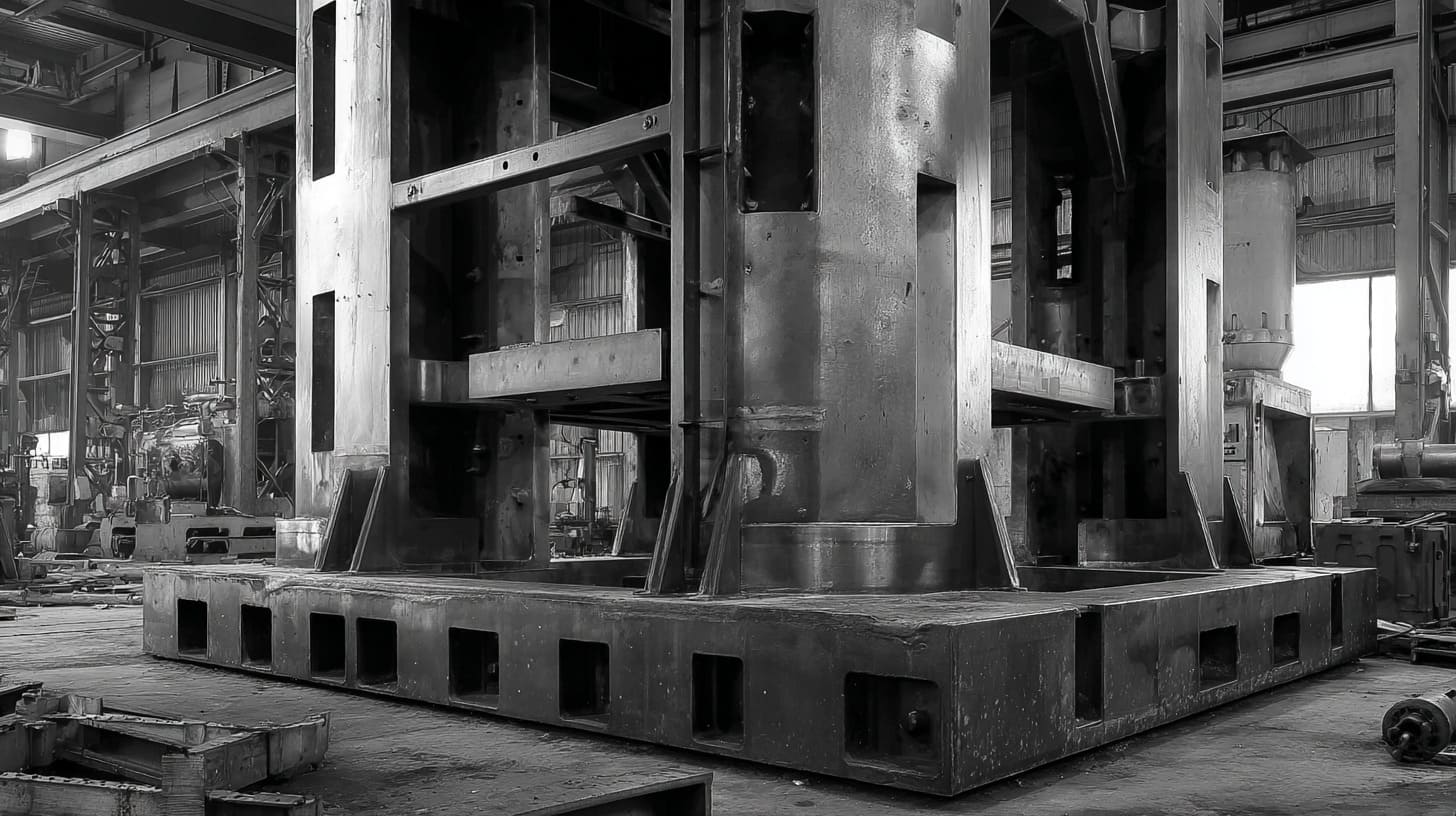
Many people say welded steel is stronger.
In many cases, they are right.
Steel has high strength. Welded joints can be very rigid. Heavy-duty frames often need steel. If the project involves impact, heavy loads, or harsh industrial use, welded steel may be the safe choice.
But the real question is not, “Which material is stronger?”
The real question is, “How much strength does this project actually need?”
The mistake I often see is overengineering, because buyers sometimes pay for strength they do not use while losing flexibility they badly need.
Situations Where Welded Steel Clearly Wins
Welded steel is a strong choice for heavy-duty applications.
It often makes sense for:
- Heavy machine bases
- High-load support structures
- Impact-resistant frames
- Outdoor structural supports
- Large industrial platforms
- Frames exposed to strong vibration
- Equipment that must not shift under load
If the structure carries a heavy static load, welded steel may be the safer and more cost-effective option.
For example, if a buyer needs a heavy machine base that will stay in one place for years, I would not push aluminum extrusion just because it is flexible.
That would be irresponsible.
The structure must first meet safety and performance requirements.
Cost only matters after the structure can do the job.
Cases Where 80/20 Provides Sufficient Performance
Many industrial structures do not need extreme strength.
They need enough strength, good alignment, clean assembly, and easy modification.
80/20 aluminum extrusion can work well for:
- Light automation equipment
- Testing stations
- Assembly workbenches
- Electronics manufacturing fixtures
- Machine guarding
- Sensor frames
- Custom industrial enclosures
- Display or inspection stations
For these projects, welded steel may be more strength than necessary.
It is like using a truck to carry a laptop.
Yes, it works.
But it may not be the smartest solution.
The key is to match the structure to the load.
A buyer should check:
| Question | Why It Matters |
|---|---|
| What is the real load? | Avoid overdesign |
| Is the load static or dynamic? | Vibration changes the decision |
| Will workers push or hit the frame? | Impact matters |
| Does the frame need precise alignment? | Rigidity matters |
| Will accessories be added later? | Flexibility matters |
| Is appearance important? | Aluminum may look cleaner |
A good supplier should ask these questions before giving a final suggestion.
If a supplier only says “aluminum is better” or “steel is better,” I become suspicious.
Real projects are not that simple.
Why Overengineering Can Increase Project Costs
Overengineering feels safe.
It gives people confidence. It makes the structure look serious. It reduces fear.
But overengineering has a cost.
It may increase:
- Material cost
- Fabrication cost
- Shipping cost
- Installation labor
- Modification difficulty
- Handling time
- Future upgrade cost
A heavy welded frame may be strong, but if the project only needs a light guard or adjustable test bench, that strength may not create value.
It may create friction.
Here is how I usually think about it:
| Buyer Thinking | Better Question |
|---|---|
| “Steel is stronger.” | “Do I need that much strength?” |
| “Aluminum is lighter.” | “Can it handle the real load?” |
| “This frame looks safer.” | “Is it designed for the actual use?” |
| “I want no risk.” | “Which risk matters most?” |
| “I want the cheapest option.” | “What is the total cost after use?” |
Strength is important.
But strength without context can become expensive pride.
For industrial buyers, the goal is not to build the heaviest structure. The goal is to build the right structure.
And once the structure is right for today, we must still ask one more question: what happens tomorrow?
How Do Expansion and Future Scalability Affect ROI?
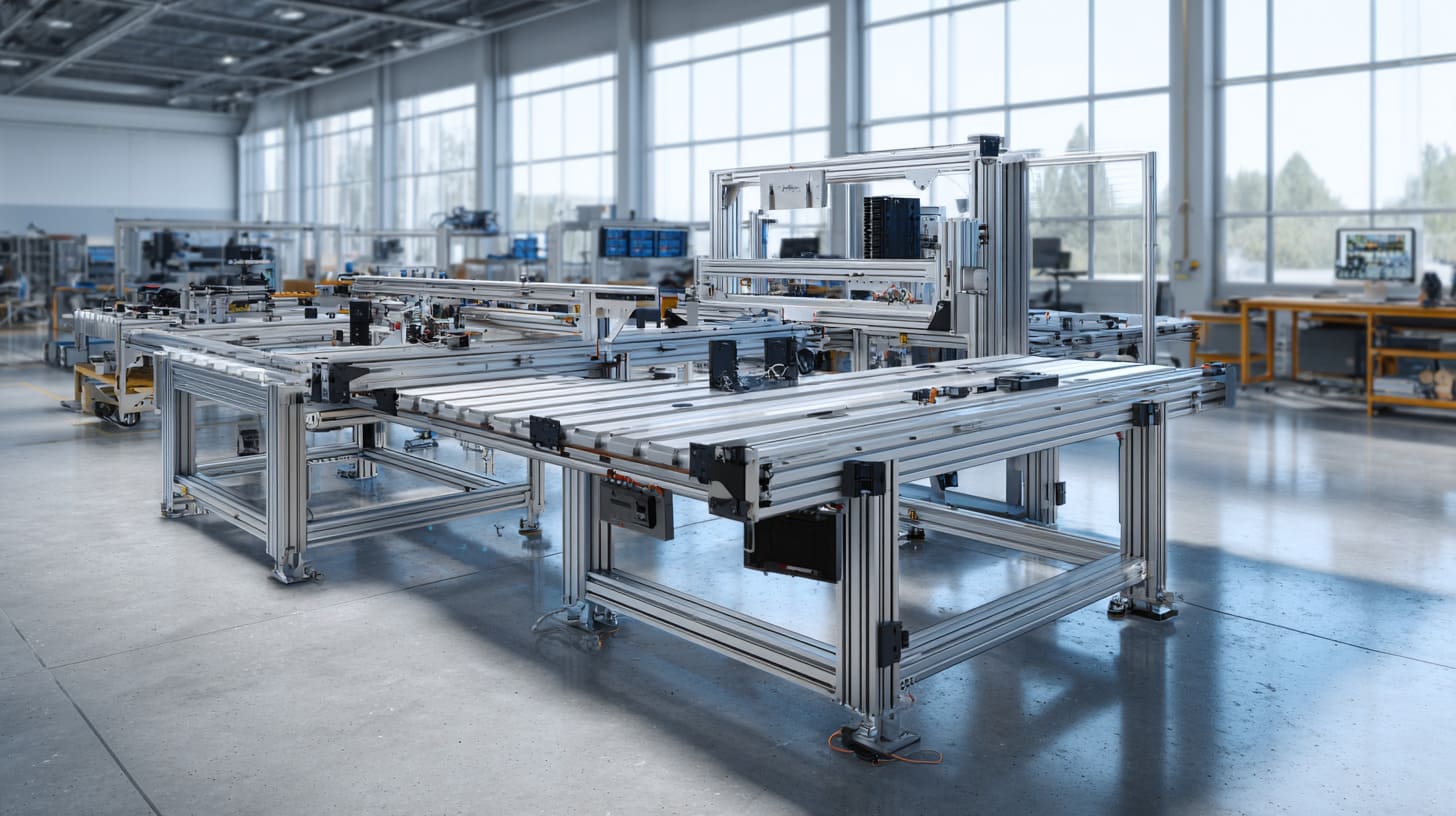
Industrial systems rarely stay the same.
A line expands. A customer adds a product version. A machine gets a new sensor. A workstation needs a second monitor arm. A small test frame becomes a larger production tool.
This is normal.
Business grows by changing. Equipment must often follow.
When I review a structure, I always ask what the buyer may add later, because future expansion is cheaper when the first design leaves space for it.
Industrial Systems Rarely Remain Unchanged
Many buyers design for the first project only.
That is understandable. The first project already has enough pressure.
But in real production, systems change because of:
- New product models
- New safety requirements
- New quality control steps
- Higher production volume
- New customer requests
- New packaging methods
- Better workflow ideas
- Equipment upgrades
For custom enclosures and industrial frames, I often see customers start with one basic version.
Then they ask for:
- More mounting holes
- More ventilation
- A different panel
- A stronger bracket
- A logo change
- A new color
- A better cable route
- A larger size
- A new internal layout
If the structure was designed only for today, every tomorrow becomes expensive.
Welded Structures Limit Future Flexibility
Welded steel can be expanded, but expansion is rarely effortless.
Adding new parts may require:
- Cutting
- Drilling
- Welding
- Grinding
- Coating repair
- More downtime
- Skilled labor
- Rechecking alignment
If the structure is already installed in a production area, this becomes even harder.
The buyer may not want sparks near equipment. They may not want paint smell. They may not want dust or metal chips. They may not want to stop the line.
So the expansion plan becomes slower.
A welded structure is best when the future need is clear and stable.
If the buyer already knows the structure will remain the same, welded steel can be excellent. But if the buyer expects changes, they need to think twice.
Modular Systems Support Continuous Growth
80/20 aluminum extrusion supports future growth more naturally.
A buyer can add:
- New profiles
- Extra panels
- More brackets
- Casters
- Handles
- Doors
- Sensor holders
- Cable management parts
- Shelves
- Guards
- Lighting mounts
This makes it useful for growing production systems.
For example, a buyer may start with a simple inspection table. Later, they may add a camera frame, lighting, side guards, and a small enclosure around the test area.
With aluminum extrusion, this kind of growth is usually easier.
The ROI becomes better when the same structure can continue to serve the project instead of being replaced.
| Future Need | 80/20 Aluminum Advantage |
|---|---|
| Add accessories | Easy slot mounting |
| Change layout | Reconfigurable |
| Move equipment | Lighter structure |
| Repeat design | Standard parts |
| Expand workstation | Add-on friendly |
| Replace section | Component-level repair |
But I still need to make one thing clear.
Flexibility has value only when the buyer uses it.
If the structure will never change, extra flexibility may not be worth the higher starting cost.
That is why I like to ask buyers about their next 12 to 24 months, not only their current drawing.
A frame is not just a frame. Sometimes it is the first version of a longer system.
And different industries value that flexibility in different ways.
Which Industries Benefit Most from Each Solution?
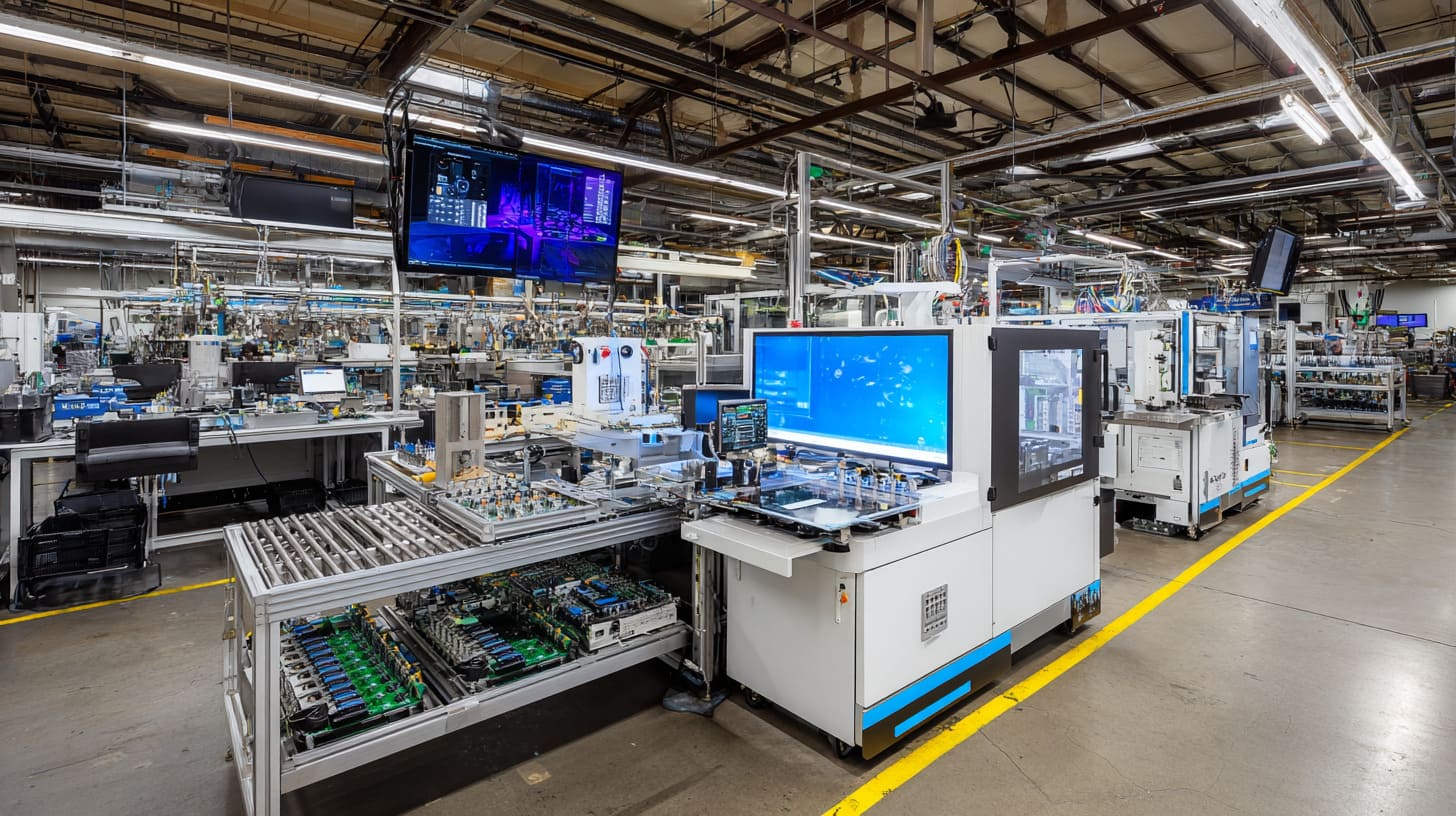
The best material depends heavily on the industry.
An automation engineer may love aluminum extrusion. A heavy machinery buyer may prefer welded steel. An electronics equipment company may need something in between. A brand owner may care about surface finish and logo placement more than raw strength.
This is why I avoid giving the same answer to every buyer.
The industry tells me a lot, but I still check the actual working condition because two customers in the same industry may have completely different load, appearance, and maintenance needs.
Best Applications for 80/20 Aluminum
80/20 aluminum extrusion is often strong in projects where flexibility, clean assembly, and quick modification matter.
It fits many industries and uses, such as:
- Automation systems
- Electronics manufacturing
- Testing equipment
- Assembly stations
- Laboratory fixtures
- Machine guarding
- Conveyor accessories
- Light industrial enclosures
- Prototype structures
- Workbenches
For electronics manufacturing, aluminum extrusion can be very useful. The structure may need sensors, lights, guards, and adjustable holders. These details often change during testing.
For custom industrial enclosures, aluminum extrusion can support panels and accessories. It can also help when the buyer wants a modular frame around sheet metal, acrylic, or plastic panels.
A buyer like John may like this because his project can change during development. He may need factory suggestions. He may not have all the details fixed at the beginning.
In that situation, a modular system gives him breathing room.
Best Applications for Welded Steel
Welded steel is often better for high-load, high-strength, and harsh-use projects.
It fits applications such as:
- Heavy machinery frames
- Structural support systems
- Large machine bases
- High-impact environments
- Outdoor industrial frames
- Fixed production equipment
- Heavy load platforms
- Permanent mounting structures
If the frame must carry heavy equipment and stay rigid for years, welded steel can be the smart choice.
The key is certainty.
If the buyer knows the load, the position, the environment, and the future use, welded steel can deliver strong value.
For buyers like David, who may need OEM structures for branded products, welded steel can also work well when the design is frozen and the order quantity is stable.
But if his customer keeps changing details, welded steel may create delay.
Hybrid Solutions That Combine Both Materials
Many real projects do not need one pure answer.
A hybrid solution can work better.
For example:
| Structure Part | Possible Material | Reason |
|---|---|---|
| Heavy base | Welded steel | Strength and stability |
| Upper frame | 80/20 aluminum | Easy adjustment |
| Outer panels | Sheet metal or plastic | Appearance and protection |
| Internal brackets | Aluminum or steel | Depends on load |
| Doors or guards | Aluminum frame with panels | Easy service |
| Branding panel | Custom sheet metal | Better logo finish |
I like hybrid designs because they respect reality.
Steel can carry the heavy work. Aluminum can handle the flexible work. Sheet metal or plastic can provide the final enclosure surface.
For MaidaTech-type projects, this thinking is useful. Many customers do not only need a frame. They need a complete enclosure solution. They may need aluminum, plastic, sheet metal, printing, engraving, packaging, and small design changes.
So the best answer may not be “80/20 or welded steel.”
Sometimes the best answer is:
Use steel where strength matters. Use aluminum where adjustment matters. Use custom panels where appearance matters.
That is a more honest way to design.
But before making the final decision, buyers still need a simple cost checklist.
What Cost Factors Should Industrial Buyers Evaluate Before Making a Decision?
A good buying decision needs more than a material comparison.
It needs a cost map.
I like cost maps because they make the hidden parts visible. They help buyers see beyond the first quotation. They also help suppliers give better suggestions instead of guessing.
The smartest buyers I work with do not only ask for a lower price. They ask better questions, because a better question often saves more money than another round of discount negotiation.
Direct Project Costs
Direct costs are the easiest to see.
They include:
- Material cost
- Fabrication cost
- Surface finishing cost
- Hardware cost
- Packaging cost
- Shipping cost
- Installation cost
These costs should be compared clearly.
| Direct Cost Item | 80/20 Aluminum | Welded Steel |
|---|---|---|
| Material | Often higher | Often lower |
| Fabrication | Cutting and assembly | Cutting and welding |
| Hardware | More connectors | Fewer connectors |
| Surface finish | Often clean anodized finish | Painting or powder coating often needed |
| Shipping | Can be flat-packed | May be bulky |
| Installation | Usually faster | May need more labor |
| On-site adjustment | Easier | Harder |
The first quotation usually covers only part of this table.
That is why buyers should ask suppliers to clarify what is included and what is not included.
For example:
- Is surface finishing included?
- Is assembly included?
- Is packing included?
- Is installation support included?
- Is drawing confirmation included?
- Are spare parts included?
- Are connectors included?
- Is logo or branding included?
- Is redesign support included?
These questions sound basic.
But basic questions prevent expensive confusion.
Indirect Lifecycle Costs
Indirect costs are harder to see, but they often hurt more.
They include:
- Engineering changes
- Maintenance labor
- Downtime
- Spare parts
- Future expansion
- Rework
- Delayed delivery
- Communication cost
- Quality issue handling
For international buyers, communication also matters.
A buyer in Europe or North America may work with a China supplier across time zones. If the project details are unclear, one small mistake can take several days to correct.
This is a real cost.
It may not appear on the invoice, but it appears in the project schedule.
For buyers like David, slow confirmation can be very frustrating. He may already understand China factories. He may know what he wants. He does not want five rounds of unclear replies.
For buyers like John, factory support matters even more. He may need suggestions because the design is still developing.
So the cost of communication should not be ignored.
| Indirect Cost | Why Buyers Miss It |
|---|---|
| Design revision | It happens after quotation |
| Maintenance access | It is not visible in drawings |
| Downtime | It happens after installation |
| Shipping delay | It feels like a logistics issue |
| Poor communication | It does not look like a product cost |
| Future expansion | It is not urgent today |
| Rework | Nobody expects it at the beginning |
A good supplier should help reduce these costs.
Not with fancy words.
With clear drawings, fast confirmation, realistic lead time, detail control, and practical suggestions.
Decision Framework for Procurement Teams
I like to use a simple decision framework.
It is not perfect, but it helps buyers think clearly.
| Decision Question | If Yes | If No |
|---|---|---|
| Will the design change often? | Consider 80/20 aluminum | Welded steel may be fine |
| Is the load very heavy? | Consider welded steel | Aluminum may be enough |
| Is installation time critical? | Consider modular systems | Fixed structures may work |
| Is maintenance access important? | Design removable areas | Risk increases |
| Will future expansion happen? | Modular design helps | Fixed design can save cost |
| Is surface appearance important? | Check finish carefully | Basic finish may be fine |
| Is shipping space a concern? | Flat-pack may help | Welded frame may cost more |
| Is the project repeated many times? | Standardized modular design may help | Custom welded design may work |
I also like this rough guide:
| Buyer Priority | Better Starting Point |
|---|---|
| Lowest first cost | Welded steel |
| Fast modification | 80/20 aluminum |
| Heavy load | Welded steel |
| Clean modular assembly | 80/20 aluminum |
| Fixed permanent structure | Welded steel |
| Prototype or changing design | 80/20 aluminum |
| High-volume stable production | Depends on final design |
| Mixed strength and flexibility | Hybrid structure |
The final decision should not come from habit.
It should come from the real use case.
I would ask these questions before choosing:
- What load must the structure carry?
- Will the design change after the first version?
- How will the structure be installed?
- How often will maintenance happen?
- What happens if the structure fails or delays production?
- Can the frame be shipped efficiently?
- Is appearance important for the final customer?
- Will the buyer need expansion later?
- How many units will be produced?
- Is the supplier able to support redesign and detail confirmation?
These questions are not complicated.
But they force the buyer to think beyond the first price.
That is where better purchasing decisions are made.
Conclusion
I do not believe 80/20 aluminum extrusion is always better.
I also do not believe welded steel is always cheaper.
After working with custom enclosures, aluminum cases, sheet metal parts, and many OEM projects, I have learned to respect one simple fact: the working condition decides the winner.
Welded steel is strong. It is familiar. It can be cost-effective when the design is fixed, the load is heavy, and future changes are limited.
80/20 aluminum extrusion is flexible. It is clean. It is easier to adjust, install, maintain, and expand. It can save money when the project is still changing or when downtime is expensive.
The cost trap appears when buyers only compare the first quotation.
That first quotation may hide the real cost of:
- Design changes
- Installation labor
- Downtime
- Maintenance access
- Shipping difficulty
- Surface repair
- Future expansion
- Slow communication
This is why I always look past the first number.
I ask what the structure must do after it leaves the factory. I ask how the customer will install it. I ask whether the design is stable. I ask whether maintenance workers can reach the important parts. I ask whether the buyer may need to add parts later.
I do this because industrial products do not live inside quotations.
They live in workshops, production lines, test labs, warehouses, and real customer projects. They get touched by workers. They get changed by engineers. They get judged by deadlines.
That is why my final view is simple:
Buyers should compare total lifecycle cost, not only purchase price.
If the structure must be heavy, fixed, and extremely strong, welded steel may be the smart choice.
If the structure must be flexible, fast to install, easy to modify, and ready for future changes, 80/20 aluminum may save more money over time.
If the project needs both strength and flexibility, a hybrid design may be the best answer.
At MaidaTech, I prefer to discuss the real use case before pushing one material. A good custom enclosure or industrial structure should not only look good on a quotation. It should work smoothly after delivery.
If you are planning a custom aluminum enclosure, plastic enclosure, sheet metal enclosure, Raspberry Pi-style case, or industrial frame for your project, you can send us your drawing, idea, or sample photo.
I will help you check the structure, material choice, custom options, logo method, packaging plan, and possible cost risks before production.
Sometimes the best saving is not a cheaper quote.
Sometimes the best saving is avoiding the wrong decision early.