Skip to content
A perfect sample can make people feel safe.
I understand that feeling very well.
A buyer sends a drawing. The supplier replies fast. The sample arrives in a clean box. The surface looks good. The holes line up. The logo is sharp. The buyer puts it on the table and thinks, “Good. This factory can do it.”
But production is a different animal.
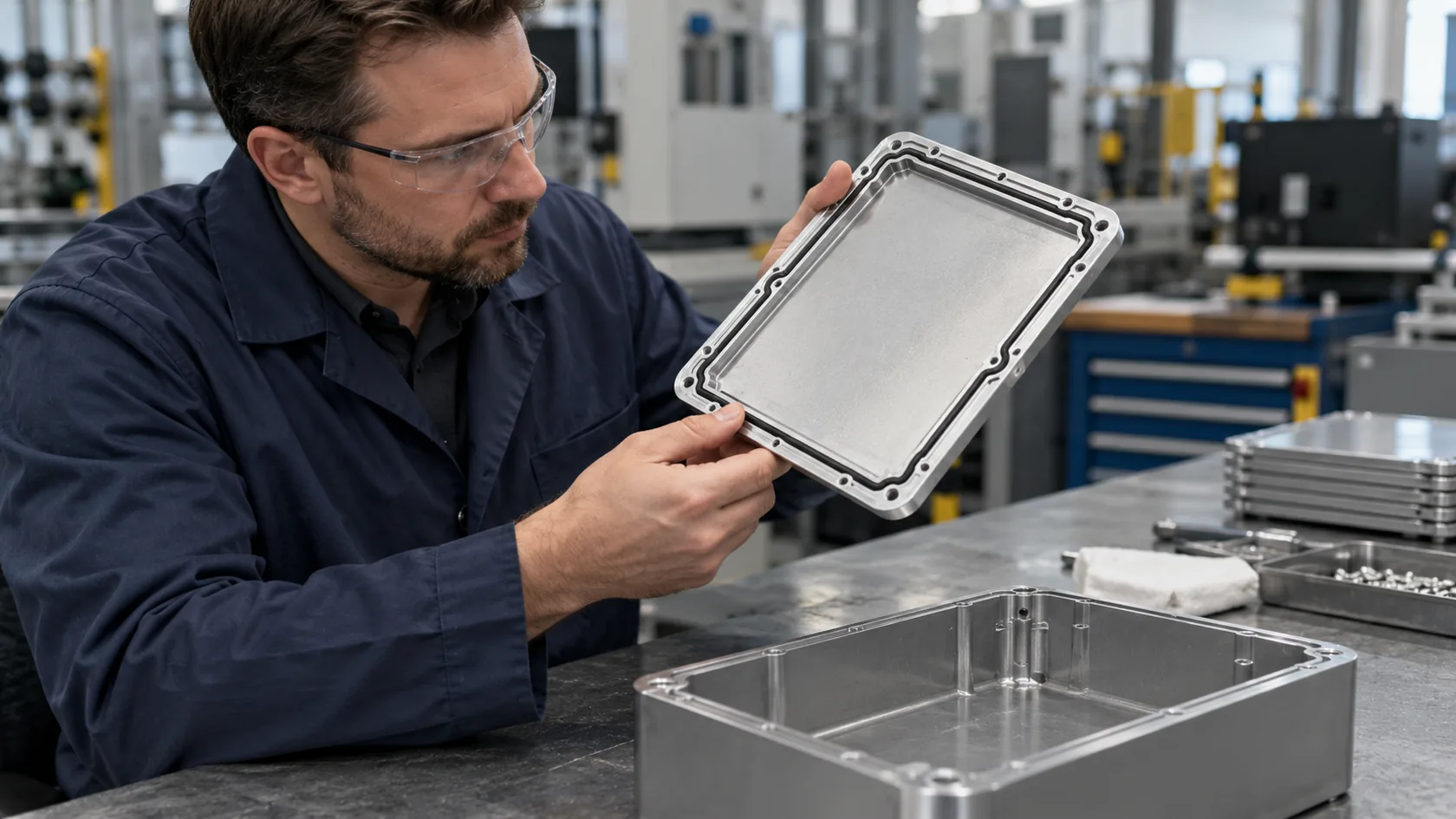
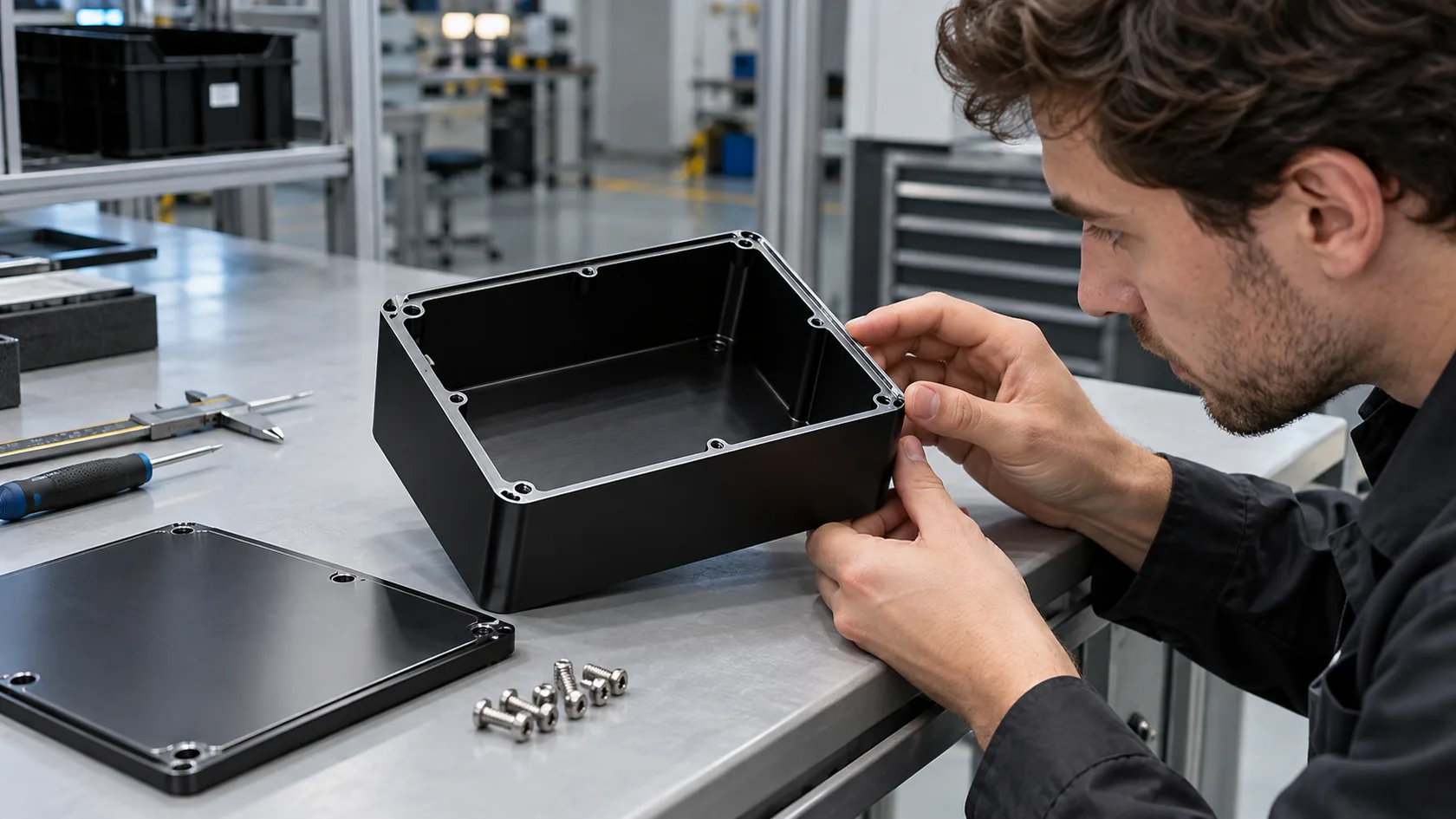
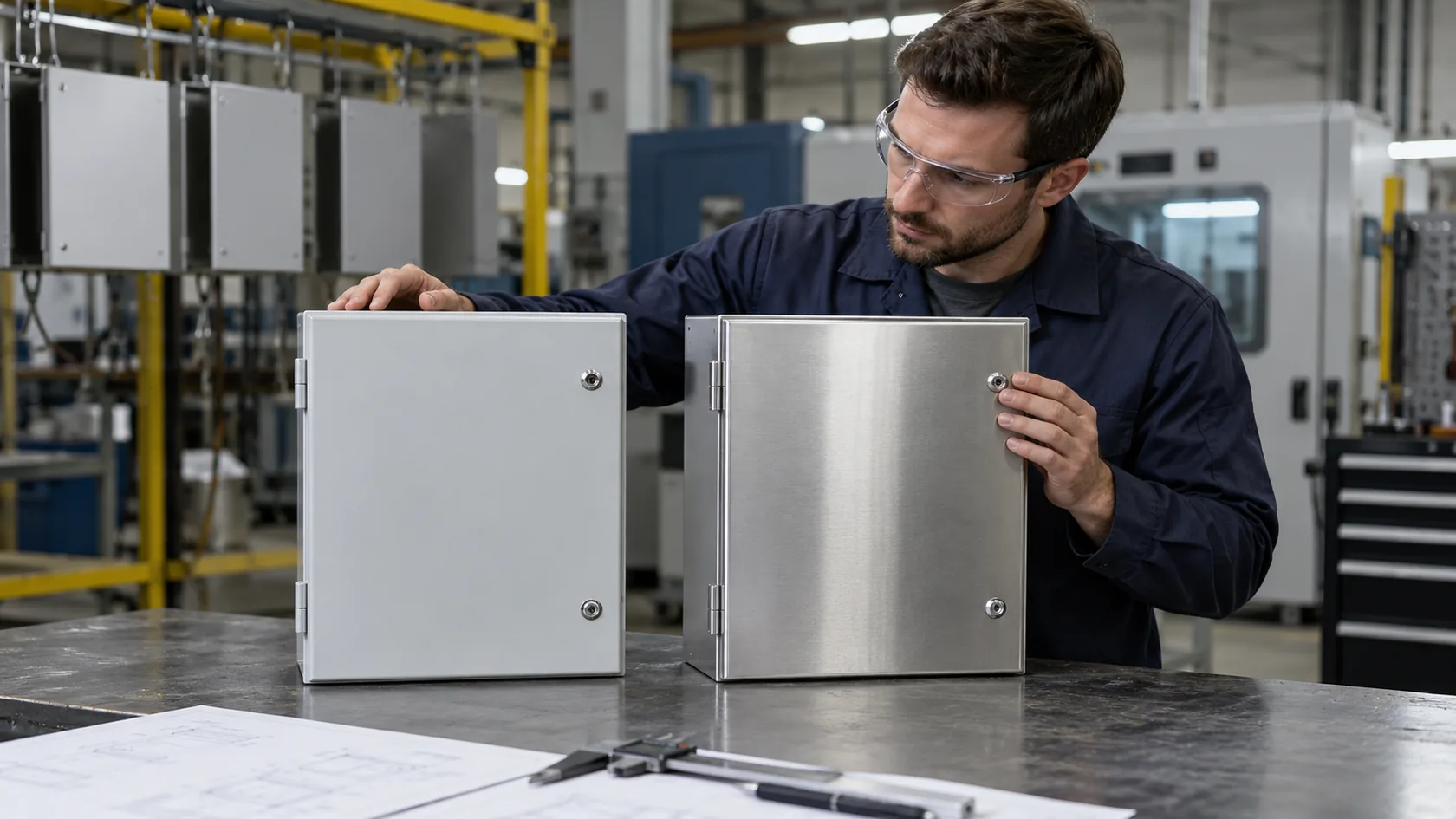
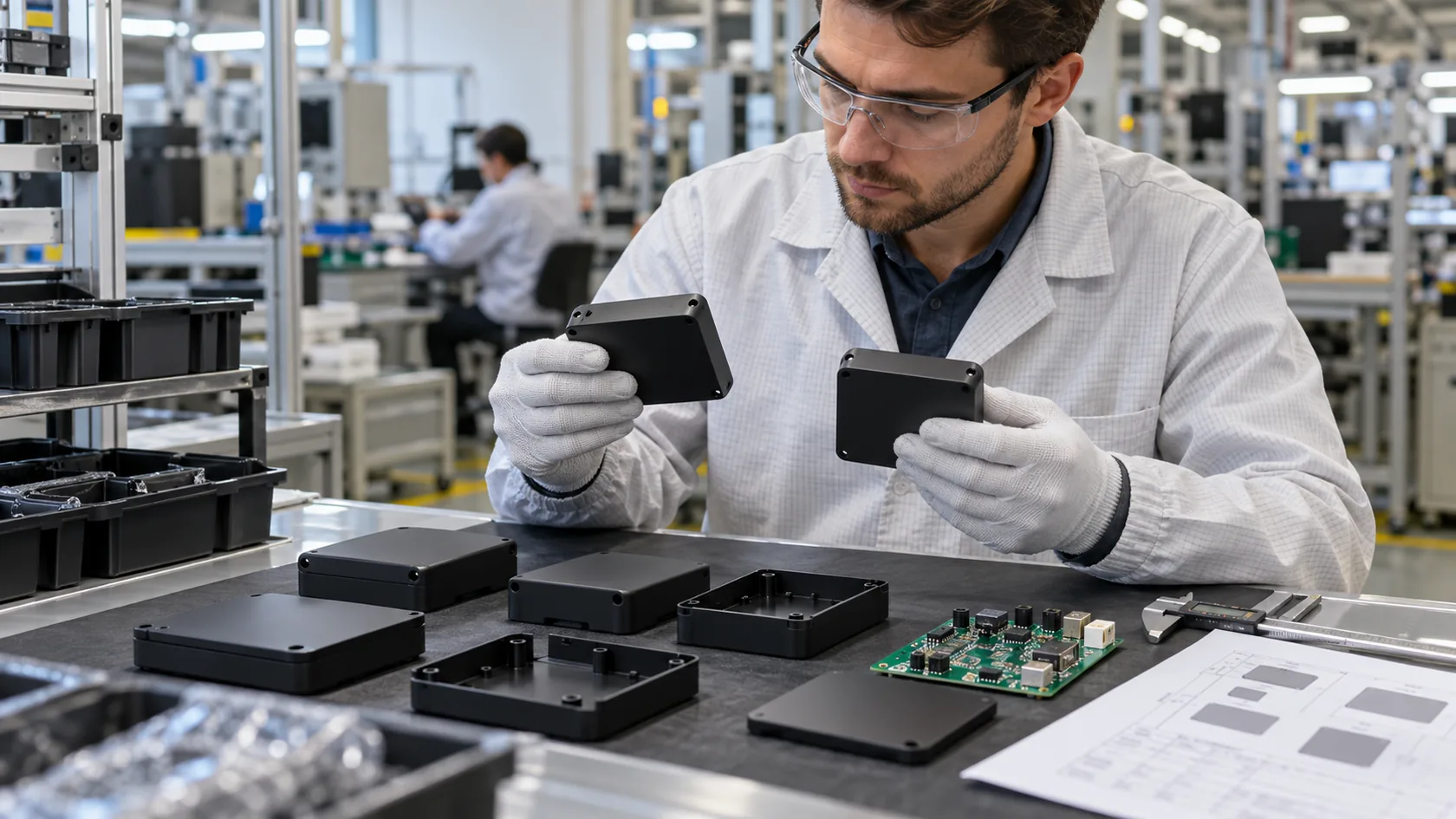
I have seen this many times in OEM enclosure projects. A supplier can make one beautiful custom aluminum enclosure, one plastic enclosure, one sheet metal box, or one Raspberry Pi case sample. But when the order becomes 500 pieces, 2,000 pieces, or 10,000 pieces, the small problems start to walk out of the shadows.
The color is not stable.
The screw holes are a little off.
The anodizing is not the same as the sample.
The packaging is weak.
The delivery date keeps moving like a chair with one short leg.
This is not always because the supplier is dishonest. Sometimes the supplier is good at sample making, but weak at production. These two skills look similar from the outside, but inside the factory, they are very different.
For custom OEM projects, this gap can hurt the buyer badly. A product engineer may lose weeks. A distributor may miss a launch date. A brand owner may receive complaints from end users. An Amazon seller may face bad reviews. A project buyer may need to explain to his own customer why the enclosure does not match the approved sample.
That is painful. And honestly, it is avoidable.
Before placing a bulk OEM order, I do not only ask, “Can this supplier make a good sample?” I ask a harder question: Can this supplier repeat the same quality again and again when pressure starts?
That question is where the real story begins.
The Sample Stage Is Often Easier Than Real Production
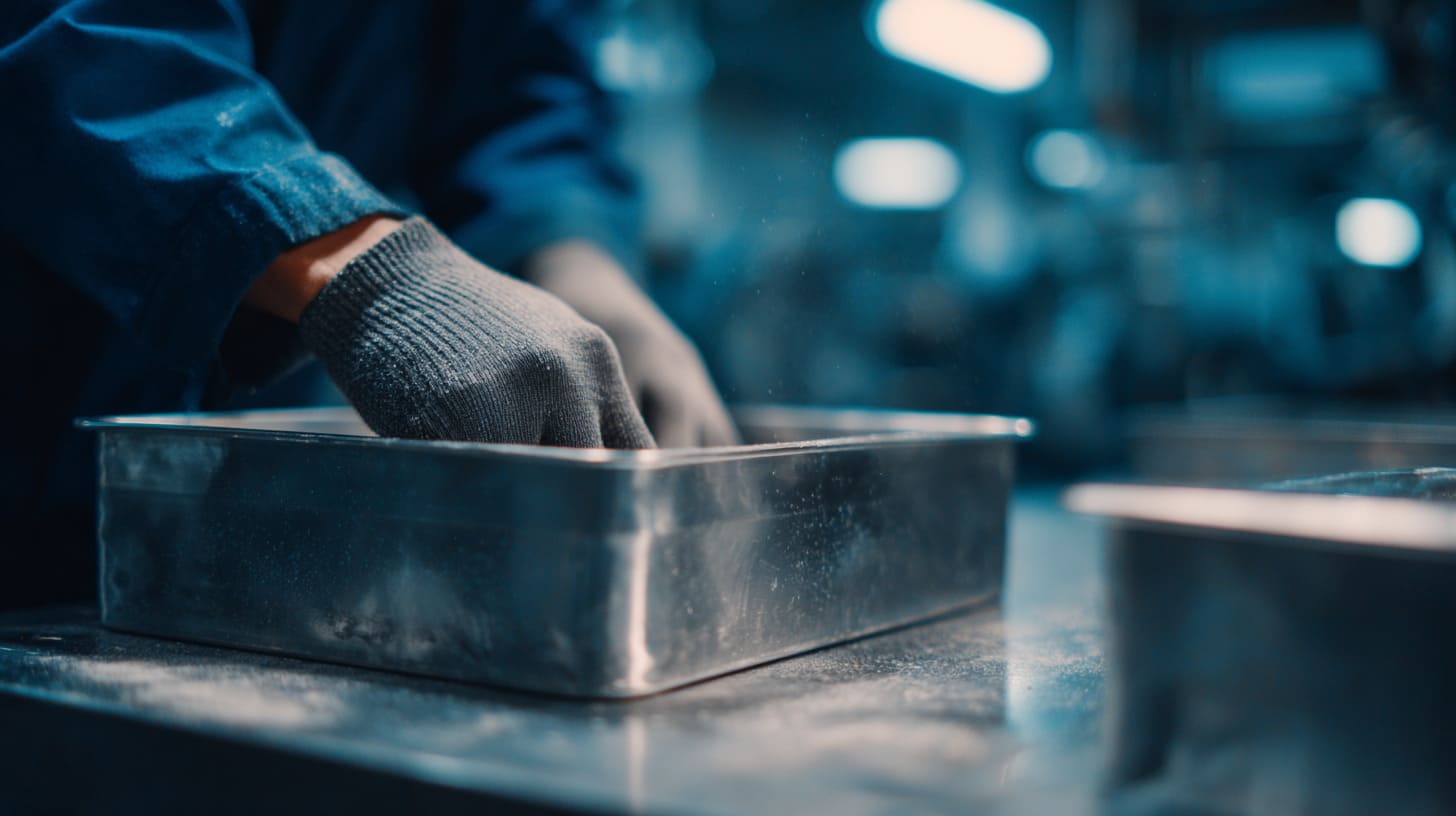
A sample is like a nice photo on a dating profile. It may be real. It may look great. But it does not tell you how the person behaves on a tired Tuesday afternoon.
OEM samples work the same way.
A supplier may spend extra time on one sample. They may polish it by hand. They may ask the best engineer to check every detail. They may adjust one hole slightly after machining. They may make three pieces and only ship the best one.
For a buyer, the sample looks like proof. For a factory, the sample may only show what is possible under special care.
The small judgment I make here is simple: I never treat one good sample as full proof of production ability, because one sample can be saved by attention, but mass production can only be saved by system.
Hand-Made Samples Can Hide Manufacturing Weaknesses
Many samples are not made in the same way as production parts.
This is common in custom enclosure manufacturing. During sample development, the factory may use more manual work. A technician may file one edge by hand. Someone may adjust the cover to make it fit better. A worker may polish a scratch until it disappears.
That is not wrong. Sample making often needs flexibility. But the buyer must understand what is happening.
| Sample Stage Action | Why It Looks Good | Production Risk |
|---|---|---|
| Manual polishing | Surface looks clean and smooth | Workers may not polish every mass part the same way |
| Hand fitting | Cover and base match well | Tolerance problems may appear in batch production |
| Engineer-level checking | Details are corrected one by one | Normal QC team may not catch every issue later |
| One-piece adjustment | Sample looks accurate | CNC program or tooling may still be unstable |
For example, I once saw a small aluminum enclosure sample with a very nice surface finish. The buyer loved it. But when I looked closer, I noticed the edge had been polished heavily by hand. That means the original machining mark was not fully controlled. If the order became 1,000 pieces, would every worker polish every edge with the same pressure and time?
Maybe.
But maybe not.
That small doubt matters.
Prototype Materials May Differ From Production Materials
Another problem is material.
Sometimes a supplier uses available material for the sample because the buyer wants it fast. They may use a similar aluminum grade. They may use a different sheet thickness. They may use a temporary plastic resin. They may send the sample with one surface treatment, then use another vendor for mass production.
At first, this looks harmless.
But material changes can change many things:
- Surface color after anodizing
- Strength after bending
- Scratch resistance
- Heat performance
- Weight
- Assembly feeling
- Cost
- Lead time
For a Raspberry Pi aluminum case, a small material change may affect heat dissipation. For a plastic electronic enclosure, resin change may affect strength and flame resistance. For a sheet metal enclosure, sheet thickness variation may affect bending accuracy and hole alignment.
| Detail | Sample May Use | Production May Use | Possible Result |
|---|---|---|---|
| Aluminum grade | Available stock material | Bulk-purchased aluminum | Different anodizing color |
| Plastic material | Easy-to-machine prototype plastic | Injection molding resin | Different strength or texture |
| Surface finish | Small-batch anodizing | Mass anodizing line | Color difference |
| Fasteners | Temporary screws | Bulk screws from another supplier | Loose assembly or poor appearance |
This is why I always prefer to confirm the material and process before bulk production. A beautiful sample is not enough. I need to know whether the sample is made with the same material, same process, and same standard as the future order.
Suppliers Focus Heavily On First Impressions
Let us be honest. The sample stage is also a sales stage.
A supplier wants the buyer to feel confident. The salesperson replies quickly. The engineer gives many suggestions. The boss may even check the sample himself. Everyone wants to win the order.
I do not blame suppliers for this. We also take sample projects seriously. A good sample builds trust.
But the buyer should watch one thing carefully: Does the supplier have a system behind the good attitude?
Good attitude before payment is easy.
Good project management after deposit is harder.
A buyer should not only look at the sample. He should also ask:
- Who will handle the project after sample approval?
- Will the same engineer follow mass production?
- Is there a written production standard?
- How will the supplier control color, tolerance, and packaging?
- How often will the supplier update production status?
A sample opens the door. But production decides whether the relationship can stay inside the room.
And this is where many OEM buyers get surprised, because the next stage is not more of the same. It is a completely different game.
Production Requires a Completely Different System
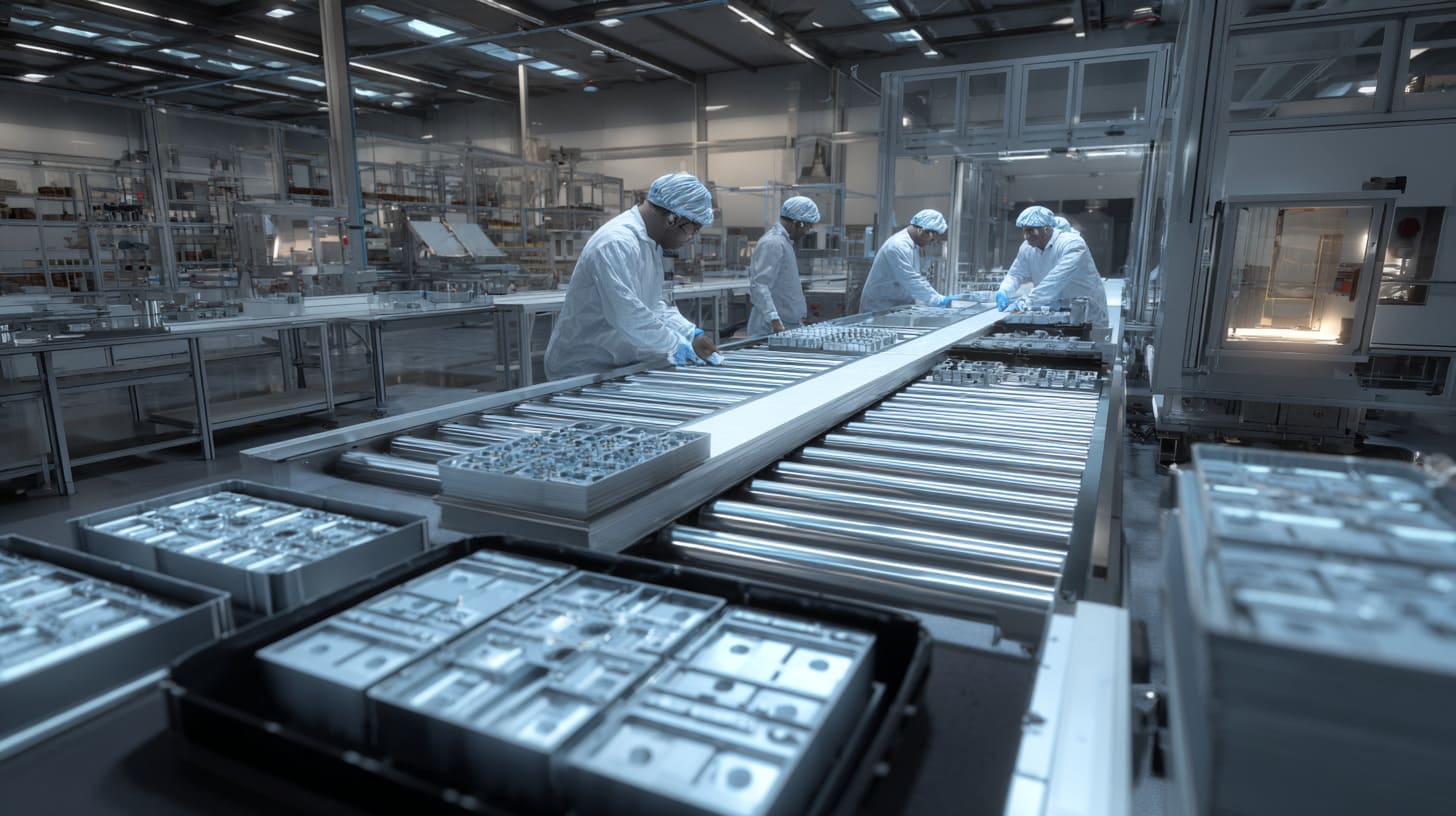
Production is not sample making repeated many times.
That sounds obvious, but many project failures come from forgetting this point.
A sample can rely on one skilled person. Production must rely on many people doing the same thing in the same way. A sample can be checked slowly. Production must be checked quickly and correctly. A sample can be adjusted after mistakes. Production mistakes can spread across hundreds of parts before anyone notices.
The way I judge a production supplier is not by asking whether they can solve one problem beautifully, but whether they can stop the same problem from happening again tomorrow.
Mass Production Depends On Process Stability
In production, stability is king.
For custom aluminum enclosures, plastic enclosures, or sheet metal enclosures, the factory needs clear process control. The CNC program must be stable. The fixture must hold the part in the same position every time. The bending tool must be correct. The assembly steps must be clear.
A factory may have good workers, but without stable process, every batch becomes a small gamble.
| Production Factor | Why It Matters | Common Failure If Weak |
|---|---|---|
| SOP | Workers follow the same steps | Different workers produce different results |
| Fixture | Parts stay in the correct position | Hole location changes |
| CNC program | Machining repeats accurately | Size or shape becomes unstable |
| Inspection standard | QC knows what to accept | Defects pass randomly |
| Assembly process | Parts fit consistently | Screws, covers, and panels become loose |
For example, if a custom aluminum case needs a PCB mounting hole, even a small position error can create trouble. The enclosure may look fine from the outside. But when the buyer assembles the board, the screw does not fit. Then the product engineer needs to drill, adjust, or reject the parts.
That is a small hole with a big headache.
Quality Control Becomes Harder At Scale
Quality control in one sample is simple.
You look at it. You measure it. You touch it. You check the surface. You test the assembly.
But in mass production, quality control must be planned. If the factory waits until final inspection to find all problems, it is already late.
Small defects multiply fast.
A small scratch becomes 300 scratched covers.
A slightly wrong bend becomes a full batch that cannot close properly.
A loose tolerance becomes assembly trouble for the buyer.
| Defect Type | Sample Stage Risk | Mass Production Risk |
|---|---|---|
| Scratch | Easy to polish or remake | Large batch rejection |
| Hole offset | Easy to correct one piece | PCB cannot assemble in many units |
| Color difference | One piece may look acceptable | Batch looks mixed and unprofessional |
| Loose fit | Technician can adjust | End users complain |
| Packaging damage | One sample packed carefully | Bulk shipment gets damaged |
This is why I care a lot about IPQC, not only final QC.
IPQC means checking during production, not only at the end. For enclosure projects, this can include first-piece inspection, process inspection, surface checks, assembly checks, and packing checks.
If the factory only says, “We will check before shipping,” I still feel nervous. Checking before shipping is useful, but prevention is better than finding a pile of problems at the finish line.
Supply Chain Coordination Matters
Many OEM enclosure projects are not made by one machine and one worker.
They involve material suppliers, CNC machining, stamping, bending, surface treatment, printing, engraving, screws, inserts, foam, cartons, labels, and logistics.
One weak link can slow the whole project.
A custom aluminum enclosure may need anodizing from a surface treatment partner. A plastic enclosure may need special resin. A sheet metal enclosure may need powder coating. A branded Raspberry Pi enclosure may need logo printing and custom packaging.
| Supply Chain Part | Possible Problem | Buyer Impact |
|---|---|---|
| Raw material | Late delivery or wrong grade | Production delay |
| Surface treatment | Color variation | Sample does not match batch |
| Screws or inserts | Wrong size or poor quality | Assembly failure |
| Printing or engraving | Logo position error | Branding issue |
| Packaging | Weak carton or poor foam | Damage during shipping |
| Freight | Slow booking or bad planning | Missed launch date |
The hard part is that buyers may not see this from the outside. They only see the final delay.
The supplier says, “The anodizing factory is busy.”
The buyer hears, “My project is late.”
Both statements may be true. But the result is still painful.
Production is a system of many small promises. If one promise breaks, the whole order starts to shake.
That is also why some factories look strong before the order, then suddenly become weak after they win it.
Why Some Factories Fail After Winning The Order
Some factories are very good at getting the order.
They reply fast. They quote low. They send a nice sample. They say, “No problem.”
Then production starts.
Suddenly everything has a problem.
The lead time becomes longer. The engineer is not available. The salesperson says they are checking. The photos are unclear. The buyer asks one question three times. Nobody gives a firm answer.
I do not like judging a factory only by its words before the order, because the real character of a supplier usually appears after the deposit is paid and the production pressure begins.
Lack Of Real Production Management Experience
Some suppliers are strong in prototyping but weak in production management.
They may know how to make one part. But they do not know how to plan material, machines, workers, inspection, and shipping together.
This is common with small workshops. They can react quickly. They can make a nice sample. But once several orders come together, their system becomes crowded.
| Weak Production Management | What It Looks Like | What The Buyer Feels |
|---|---|---|
| No clear schedule | Supplier gives vague updates | Buyer cannot plan launch |
| No process owner | Salesperson asks many people internally | Answers become slow |
| No batch tracking | Supplier cannot explain where issue happened | Buyer loses confidence |
| No backup plan | One machine problem stops order | Delivery date slips |
| Poor material planning | Material arrives late | Production starts late |
For custom OEM projects, this is risky. A buyer may have a launch date. The enclosure may be only one part of a larger product. If the enclosure is late, the whole product cannot ship.
I have learned one thing from factory work: a production schedule is not a decoration. It is a map. Without a map, people still move, but they may not move in the right direction.
Over-Dependence On Skilled Workers
Some factories depend too much on one or two very skilled workers.
This can make samples look excellent. The senior technician knows how to adjust the machine. He knows how much pressure to use. He knows how to polish the edge. He knows how to fix small problems.
But what happens when he is busy?
What happens when another worker takes over?
What happens during night shift?
What happens when the order quantity increases?
| If Quality Depends On One Person | Production Risk |
|---|---|
| Senior worker makes the sample | Other workers may not repeat it |
| Technician adjusts by feeling | Process is hard to control |
| No written standard | New workers guess the method |
| No inspection checklist | QC depends on experience only |
| No training system | Quality changes between batches |
This is where buyers need to think deeper.
A skilled worker is valuable. But a factory cannot rely only on personal skill. It needs standards. It needs fixtures. It needs inspection points. It needs training. It needs a way to make normal workers produce stable quality.
For OEM enclosure manufacturing, this matters a lot. Many defects are not dramatic. They are small. A slightly sharp edge. A logo 1 mm off. A small color difference. A screw that feels loose. But small defects can make a product feel cheap.
And no buyer wants his brand to feel cheap.
Insufficient Equipment Capacity
Another reason factories fail is simple: they do not have enough capacity.
They may quote the order to win it. They may believe they can make it. But their machines are already full. Or they only have a few CNC machines. Or their bending machine is shared by many projects. Or their surface treatment partner is overloaded.
Then the order gets pushed and squeezed.
| Capacity Problem | Real Result |
|---|---|
| Too few machines | Production takes longer than promised |
| No backup equipment | One machine issue delays all parts |
| Peak season overload | Orders wait in line |
| Too many outsourced steps | Supplier loses control |
| Poor maintenance | Machine accuracy drops |
When I talk with serious buyers, I notice they do not only ask for price. They ask about machine quantity, production lines, and monthly capacity. This is smart.
A factory with advanced equipment and stable production lines has more room to handle pressure. It can arrange projects better. It can recover faster when small problems happen.
Capacity is not just about speed. It is also about control.
A small workshop and a real OEM factory may both say, “We can make it.” But those words do not always mean the same thing.
The Hidden Difference Between A Workshop And A Real OEM Factory
I respect workshops.
Many workshops are flexible. Some owners are very skilled. They can make custom parts quickly. They may offer low prices. They may solve small sample problems faster than a larger factory.
But a workshop and a real OEM factory are not built for the same job.
For one sample, a workshop may shine. For long-term OEM production, the buyer needs more than skill. The buyer needs structure.
Here is where I usually slow down and look past the nice sample, because a beautiful prototype tells me what the supplier can touch by hand, but a production system tells me what the supplier can repeat under pressure.
Workshops Can Make Beautiful Samples
A small workshop can be very good at sample making.
The team is small. Communication is direct. The owner may stand beside the machine. Changes happen fast. If the buyer needs one modified hole or one new cutout, they may handle it quickly.
This is useful for early development.
| Workshop Strength | Why Buyers Like It |
|---|---|
| Fast sample changes | Good for early testing |
| Low overhead | Price may look attractive |
| Direct communication | Owner may reply personally |
| Flexible manual work | Special requests are easier |
| Small batch support | Good for early-stage projects |
But the same strength can become a weakness later.
Manual flexibility is useful for samples. It is dangerous for mass production if there is no standard behind it.
For example, a worker may adjust each cover by hand so the sample fits nicely. But if each cover needs hand adjustment in production, then the order becomes slow, expensive, and unstable.
That is not scalable.
Real OEM Factories Need Scalable Systems
A real OEM factory needs systems.
That sounds boring. But boring systems save exciting projects.
For enclosure manufacturing, systems can include:
- Drawing control
- Material confirmation
- First sample approval
- First-piece inspection
- Production process cards
- Surface finish standard
- Logo position standard
- Assembly checklist
- Packaging test
- Shipping schedule
| Factory System | Why It Matters |
|---|---|
| Drawing control | Prevents old drawings from being used |
| Material records | Keeps production material consistent |
| QC checklist | Makes inspection more objective |
| Batch traceability | Helps find the source of problems |
| Production planning | Keeps delivery more stable |
| Packaging standard | Reduces damage during shipping |
For custom aluminum enclosures, I also care about surface treatment control. A sample may be anodized in one small batch. Production may need many racks in the anodizing line. If the factory does not control color range, buyers may receive parts that look like cousins, not brothers.
That sounds funny until the customer opens the carton.
Then it is not funny.
Why Scalability Is The True Test
Scalability means the supplier can produce more pieces without losing control.
Can the supplier make 10 pieces and 10,000 pieces with similar quality?
Can they keep the same hole position?
Can they keep the same surface finish?
Can they ship on time when multiple projects run together?
Can they communicate clearly when something goes wrong?
| Question | Weak Supplier Answer | Strong Supplier Answer |
|---|---|---|
| Can you control the same quality in production? | “Do not worry.” | “We use first-piece inspection and process checks.” |
| Can you keep the same surface color? | “It should be similar.” | “We define acceptable color range before production.” |
| Can you meet the lead time? | “Yes, fast.” | “Here is the production schedule.” |
| Can you manage changes? | “Send me again.” | “We update drawing revision and confirm before production.” |
The difference is not only the answer. It is the thinking behind the answer.
Weak suppliers depend on hope.
Strong suppliers depend on process.
And buyers usually feel the difference when production problems start to appear.
Common Production Problems OEM Buyers Face
Most OEM buyers do not complain because they enjoy complaining.
They complain because the problem moves from the factory to their own business.
A scratch is not just a scratch. It becomes a return.
A late shipment is not just a delay. It becomes a missed launch.
A wrong hole is not just a tolerance issue. It becomes a product that cannot assemble.
My own rule is that I do not judge a production problem only by its size on the part; I judge it by the trouble it creates for the buyer after the carton leaves the factory.
Sample Quality Does Not Match Production Quality
This is one of the most common problems.
The sample looks good. The production batch looks different.
For enclosures, this can happen in many ways.
| Problem | What Buyer Expected | What Arrived |
|---|---|---|
| Surface scratches | Clean surface like sample | Small scratches on many parts |
| Anodizing color | Same color as approved sample | Color is lighter or darker |
| Powder coating | Smooth and even finish | Orange peel, dust, or uneven texture |
| Assembly fit | Cover closes smoothly | Cover is tight or loose |
| Logo printing | Sharp and centered | Logo shifted or faded |
| Hole accuracy | PCB fits well | Screws cannot align |
This is why sample approval must be specific.
A buyer should not only say, “Sample approved.” He should confirm what exactly is approved:
- Material
- Surface finish
- Color
- Texture
- Tolerance
- Logo position
- Packaging
- Assembly method
- Accessories
- Labeling
If these details are not written, people may remember them differently later.
And memory is a terrible QC tool.
Delivery Delays Destroy Project Timelines
For many B2B buyers, delay is worse than a small price increase.
A product engineer may need enclosures for testing. A distributor may need stock before a sales season. An Amazon seller may need inventory before ads start. A project company may need parts before installation.
When the enclosure is late, many other things stop.
| Delay Reason | Real Buyer Pain |
|---|---|
| Material late | Testing schedule moves back |
| Surface treatment delay | Final assembly stops |
| Rework needed | Shipping date changes |
| Poor packaging planning | Goods cannot ship safely |
| Slow communication | Buyer cannot update his customer |
I once heard a buyer say something that stayed with me: “The price difference was small, but the delay cost me my customer’s trust.”
That is the real cost.
Cheap price can look good on a quotation sheet. But if delivery fails, the buyer pays in another way.
Communication Becomes Slower After Payment
This one hurts because it feels personal.
Before the order, the supplier replies fast.
After the deposit, replies slow down.
Before sample approval, every detail gets attention.
During production, the buyer asks for photos and receives one blurry picture three days later.
This creates stress. Not because the buyer wants to control every minute. But because the buyer needs to report to someone else.
| Buyer Question | Weak Supplier Response | Better Supplier Response |
|---|---|---|
| Has production started? | “Yes, already.” | “Material finished, CNC starts tomorrow.” |
| Can I see production photos? | Sends unclear photos | Sends clear photos by process stage |
| Is delivery on schedule? | “Should be okay.” | “Packing starts Friday, shipment next Tuesday.” |
| Why is there a delay? | Avoids details | Explains cause and new plan |
Good communication does not mean talking all day.
It means giving clear, useful updates before the buyer needs to chase.
For international OEM orders, this matters even more because of time zone differences. If one small question takes two days to confirm, a project can lose one week very quickly.
That is why experienced buyers do not only evaluate products. They evaluate suppliers.
How Experienced Buyers Evaluate OEM Suppliers Before Ordering
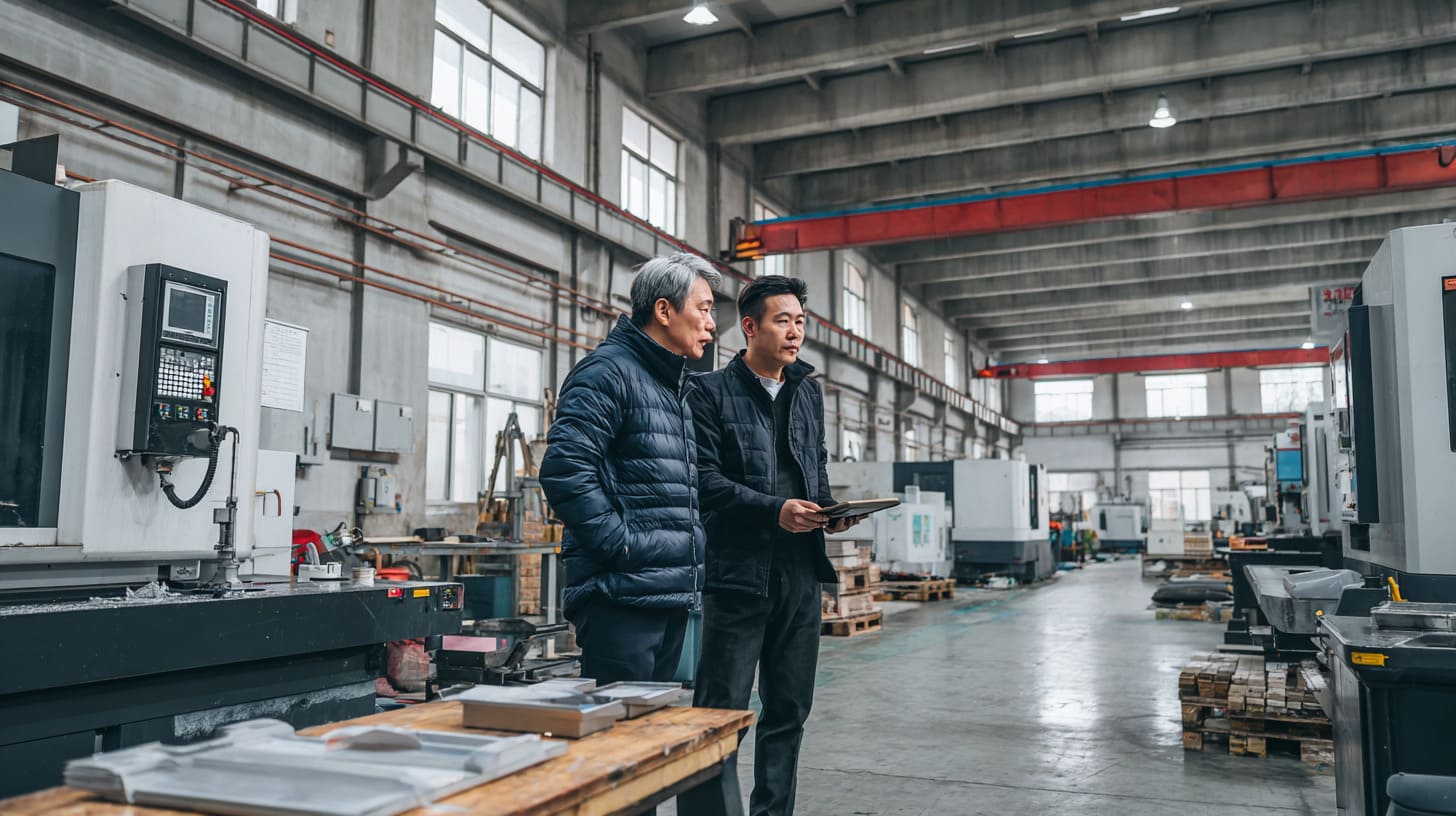
Experienced buyers are not cold people.
They are just people who have been hurt by beautiful samples before.
They know that a sample can make you excited. But excitement does not unload a container. It does not fix a wrong hole. It does not explain a late delivery to a customer.
Before I trust a supplier with production, I prefer to check the boring details, because boring details are often where the expensive problems hide.
Ask About Production Capability, Not Just Samples
A serious buyer should ask about production capacity early.
Not in an aggressive way. Just in a clear way.
For OEM enclosure projects, useful questions include:
| Question | Why It Matters |
|---|---|
| How many production lines do you have? | Shows real production scale |
| What are your main machines? | Shows process capability |
| What is your monthly capacity? | Helps judge delivery promise |
| Do you make this product in-house? | Shows control level |
| Which process is outsourced? | Shows supply chain risk |
| Can you support logo and packaging? | Shows OEM service ability |
For example, if a buyer needs custom aluminum enclosures with CNC machining, anodizing, logo engraving, and packaging, the supplier should explain which steps are handled inside and which steps are handled outside.
Outsourcing is not always bad. Many factories outsource surface treatment. The key is whether the supplier controls it well.
A vague answer like “We can do all” is not enough.
A useful answer sounds more like: “We machine in-house, we assemble and inspect in-house, anodizing is done by our long-term partner, and we control color with approved samples.”
That answer gives the buyer something to judge.
Audit The Factory System
Not every buyer can visit the factory. But every buyer can ask for evidence.
This can include photos, videos, process documents, inspection reports, or factory introduction materials.
| Area To Check | What To Ask For |
|---|---|
| Incoming material | Material inspection photos or records |
| CNC machining | Machine photos, fixture photos, first-piece inspection |
| Surface finish | Approved color sample or finish standard |
| Assembly | Assembly checklist or sample assembly video |
| Final QC | Inspection report format |
| Packaging | Packing photos, carton details, drop protection method |
For custom enclosure projects, packaging is often ignored.
That is a mistake.
A perfect enclosure can become a bad product if it arrives with dented corners, scratched surfaces, or mixed accessories. For export orders to North America, Europe, Japan, or South Korea, shipping distance is long. Packaging must be planned like part of the product, not like an afterthought.
Evaluate Communication Speed And Technical Understanding
Communication is not only about English level.
It is about understanding.
Can the supplier read drawings?
Can they understand tolerance?
Can they ask useful questions?
Can they point out design risks?
Can they explain production trade-offs?
| Communication Signal | What It May Mean |
|---|---|
| Supplier asks about PCB height | They understand assembly risk |
| Supplier asks about surface use environment | They think beyond appearance |
| Supplier confirms logo method | They care about branding details |
| Supplier gives DFM suggestions | They understand production |
| Supplier only says “OK” to everything | They may not fully understand |
One of the best signs is when a supplier disagrees with you politely.
For example, a buyer may design a very thin aluminum wall to reduce weight. A good supplier may say, “This can be made, but it may deform during machining or shipping. I suggest a small change.”
That is valuable.
A supplier who only says yes may feel easy at first. But “yes” without thinking can become “sorry” later.
And there are some warning signs buyers should not ignore.
Red Flags That Predict Future Production Failure

Red flags are usually small at the beginning.
A strange low price.
A lead time that sounds too fast.
A supplier who avoids technical questions.
A sample that looks good but comes with no explanation.
The problem is that buyers often want the deal to work, so they explain away the warning signs. I understand this. Everyone wants a good supplier. Everyone wants good price and fast delivery.
But hope is not a sourcing strategy.
The warning sign I take most seriously is not one mistake, but a supplier who makes hard things sound too easy, because real production always has limits, and honest suppliers usually explain those limits early.
Extremely Low Pricing
Low price is attractive.
I also understand why buyers care about it. In B2B projects, cost matters. A distributor needs margin. A brand owner needs profit. A product engineer may have a strict budget.
But extremely low pricing often hides something.
| Low Price Source | Possible Risk |
|---|---|
| Cheaper material | Lower strength or poor finish |
| Less QC time | More defects pass |
| Weak packaging | Shipping damage |
| Outsourced unknown workshop | Quality unstable |
| No engineering support | Design risks ignored |
| Unrealistic quote | Price may increase later |
A supplier who is 5% or 10% lower may simply have better efficiency or direct factory cost.
But if one supplier is 30% lower than everyone else, I would ask why.
Sometimes there is a good reason. But many times, the answer is not beautiful.
For custom OEM enclosures, the buyer should compare not only unit price, but total project risk.
A cheap enclosure that arrives late or needs rework is not cheap.
Over-Promising Lead Times
Fast delivery is important. But impossible delivery is dangerous.
Some suppliers promise very short lead times because they want to win the order. They may not check material availability. They may not check machine schedule. They may not include surface treatment time. They may ignore packaging time.
Then the buyer places the order.
After that, reality arrives.
| Promise | Hidden Missing Step |
|---|---|
| “We can ship in 7 days.” | Material may not be ready |
| “Surface finish is fast.” | Anodizing or coating needs queue time |
| “Logo is simple.” | Printing fixture may need setup |
| “Packing is easy.” | Custom packaging takes time |
| “No problem.” | No one checked machine schedule |
For small stock items, fast delivery may be real.
For custom aluminum enclosures, custom sheet metal enclosures, or redesigned Raspberry Pi cases, production needs time. Drawing confirmation, sample approval, material sourcing, machining, finishing, QC, assembly, and packing all need space.
A real schedule should sound specific.
Not “fast.”
Not “soon.”
Specific.
Weak Engineering Discussion
This is a big red flag.
If the supplier cannot discuss engineering details, the sample may still look good. But production risk stays high.
For enclosure projects, engineering discussion may include:
- Wall thickness
- Heat dissipation
- PCB mounting height
- Screw boss position
- Bend radius
- Surface treatment choice
- Tolerance control
- Cable opening design
- Waterproof or dustproof requirements
- Logo method
- Packaging for surface protection
| Weak Engineering Sign | Why It Is Risky |
|---|---|
| Supplier avoids tolerance discussion | Parts may not assemble well |
| Supplier never asks about application | Material or finish may be wrong |
| Supplier gives no DFM suggestions | Design may be hard to produce |
| Supplier only copies drawing blindly | Hidden problems appear later |
| Supplier cannot explain process | Production control may be weak |
DFM means Design for Manufacturing. In simple words, it means making sure the design can be produced in a stable and cost-effective way.
A buyer may design something beautiful on screen. But a factory must make it in real material, with real tools, under real cost and time limits.
A strong supplier helps the buyer see that bridge.
And once a buyer finds a supplier who can do that, production becomes much safer.
How Strong OEM Suppliers Maintain Production Consistency
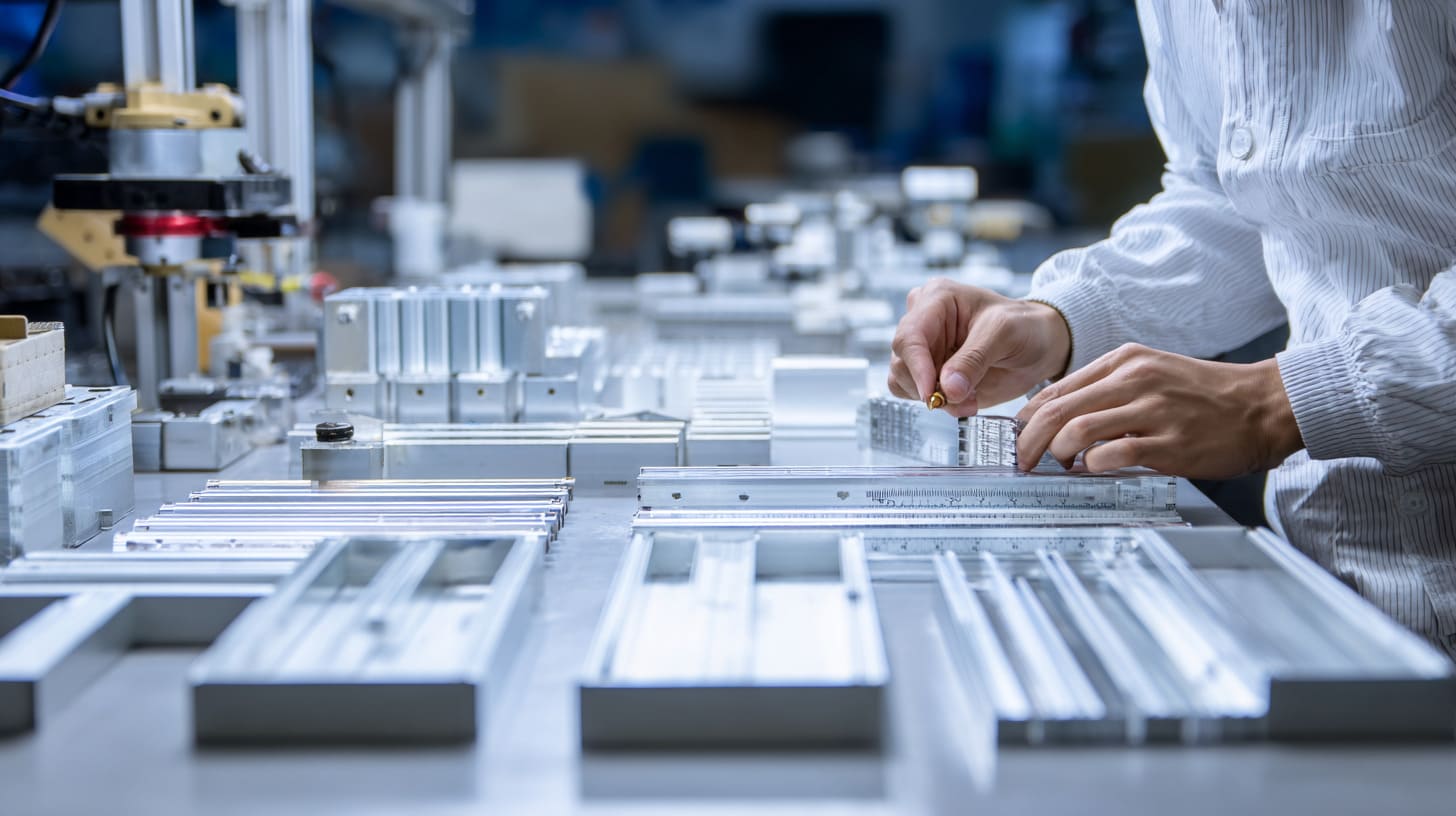
Strong OEM suppliers are not perfect.
No factory is perfect.
Machines break. Materials delay. Surface treatment sometimes needs adjustment. Workers make mistakes. Shipping companies also create surprises.
The difference is not whether problems happen. The difference is whether the supplier has a system to find, control, and fix problems before they become disasters.
When I evaluate production consistency, I care less about a supplier saying “we have good quality” and more about whether they can show me how good quality is protected every day.
Standardized Manufacturing Systems
A standardized system helps different people produce the same result.
This is important in enclosure manufacturing because many steps affect final quality.
For example, in a custom aluminum enclosure project, the process may include cutting, CNC machining, deburring, polishing, anodizing, laser engraving, assembly, inspection, and packing.
If every step depends on memory, quality becomes unstable.
| Standardized Item | What It Controls |
|---|---|
| SOP | How workers operate |
| CNC program control | Machining accuracy |
| Fixture control | Part position |
| Drawing revision | Correct design version |
| Surface finish standard | Color and texture |
| Assembly instruction | Fit and function |
| Packaging method | Shipping protection |
A simple thing like drawing revision can cause serious problems.
If the buyer sends V3 drawing but production uses V2, the whole batch may be wrong. This sounds basic. But in real factories, many big mistakes start from basic control failure.
Strong suppliers respect small details because small details carry the whole order.
Stable Quality Management
Quality management must happen during production.
A good system usually includes incoming inspection, first-piece inspection, in-process inspection, final inspection, and packaging inspection.
| QC Stage | Main Purpose |
|---|---|
| Incoming inspection | Check material before production |
| First-piece inspection | Confirm first production part is correct |
| In-process inspection | Catch problems early |
| Final inspection | Check finished goods |
| Packaging inspection | Prevent shipping damage |
For OEM enclosures, I like to pay attention to surface and assembly.
Surface affects first impression.
Assembly affects real use.
A buyer may forgive a slightly longer lead time if the supplier explains it clearly. But a buyer will not forgive a batch of enclosures that cannot fit the PCB or look different from the approved sample.
Quality is not only a factory word. It is the buyer’s reputation in another market.
Strong Project Management
Good production also needs good follow-up.
A project manager or sales engineer should know where the order is, what stage comes next, what risk exists, and when to update the buyer.
| Project Stage | Good Supplier Update |
|---|---|
| Drawing confirmation | Confirms final files and revision |
| Material preparation | Shares material status |
| Machining | Shares production progress photos |
| Surface treatment | Confirms finish status |
| Assembly | Checks fit and accessories |
| Inspection | Provides inspection result |
| Packing | Sends packing photos |
| Shipping | Provides shipment details |
This does not need to be complicated.
Many buyers just need clear updates. They need to know the project is alive and under control.
For international buyers like David, John, Jackson, or Jonah, this is especially important. They may be in Finland, Hungary, Belgium, Germany, Canada, or another market. They cannot stand beside the machine. They rely on the supplier’s eyes.
A strong supplier becomes the buyer’s eyes inside the factory.
But even the best supplier cannot carry the project alone. OEM success also depends on the buyer and supplier working like partners.
Why OEM Production Success Depends On Partnership

A good OEM project is not a one-way order.
It is a back-and-forth conversation.
The buyer knows the product, market, users, and application. The supplier knows material, tooling, process, cost, and production risk. When both sides share real information, the project becomes stronger.
The mistake I try to avoid is treating OEM production like a simple purchase, because custom enclosure work is closer to building a small bridge together, and both sides must carry part of the weight.
Good Suppliers Provide Engineering Suggestions
A good supplier should not only make what the buyer asks.
A good supplier should also think.
For example, if the buyer wants a custom Raspberry Pi aluminum case, the supplier should consider heat dissipation, port alignment, screw assembly, surface finish, and packaging. If the buyer wants a plastic enclosure for an electronic device, the supplier should think about strength, wall thickness, screw bosses, and molding risk.
| Supplier Suggestion | Why It Helps |
|---|---|
| Increase wall thickness slightly | Reduces deformation risk |
| Adjust screw boss design | Improves assembly strength |
| Change surface finish | Reduces scratches or color issue |
| Modify hole radius | Makes machining cleaner |
| Improve packaging | Protects surface during shipping |
| Simplify structure | Reduces cost and failure rate |
Good advice may not always sound exciting.
Sometimes it sounds like, “This design is possible, but not stable.”
That sentence can save a project.
A buyer may not love hearing it at first. But later, when production runs smoothly, he will understand why it mattered.
Suppliers also need clear information.
A factory cannot guess everything.
If the buyer has strict tolerance requirements, he should mark them clearly. If the surface must match a brand color, he should provide a sample or clear standard. If the enclosure will be used outdoors, near heat, near oil, or in dusty areas, the supplier should know.
| Buyer Should Confirm | Why It Matters |
|---|---|
| Final drawing | Prevents wrong version production |
| Material requirement | Controls strength and finish |
| Tolerance | Controls assembly |
| Surface finish | Controls appearance |
| Logo file | Controls branding quality |
| Packaging method | Controls shipping damage |
| Delivery deadline | Controls production planning |
| Application environment | Controls design choices |
For example, if an enclosure is used for an electronic device that produces heat, I need to know that. Heat changes design thinking. Maybe aluminum is better than plastic. Maybe ventilation is needed. Maybe the internal layout should change.
Without this information, the factory may make a nice-looking box that does not serve the real product well.
A good enclosure is not just a box.
It is protection, structure, appearance, and user experience in one part.
Long-Term Cooperation Improves Production Quality
The first order always has learning cost.
The supplier learns the buyer’s standards. The buyer learns the supplier’s process. Both sides learn how to communicate.
After several projects, things become smoother.
| First Order | Long-Term Cooperation |
|---|---|
| More questions | Faster confirmation |
| More checking | Better shared standards |
| More sample adjustments | More stable production |
| More communication risk | Better working rhythm |
| More uncertainty | Stronger trust |
This is why I like long-term OEM customers.
Not because repeat orders are easier money. That is too simple.
I like long-term cooperation because both sides become smarter together. We understand the buyer’s style. We know which details matter most. The buyer also understands what information we need before production.
The project becomes less like guessing.
It becomes more like teamwork.
And in OEM manufacturing, teamwork often decides whether the sample becomes a real product or just a pretty object on a desk.
Conclusion
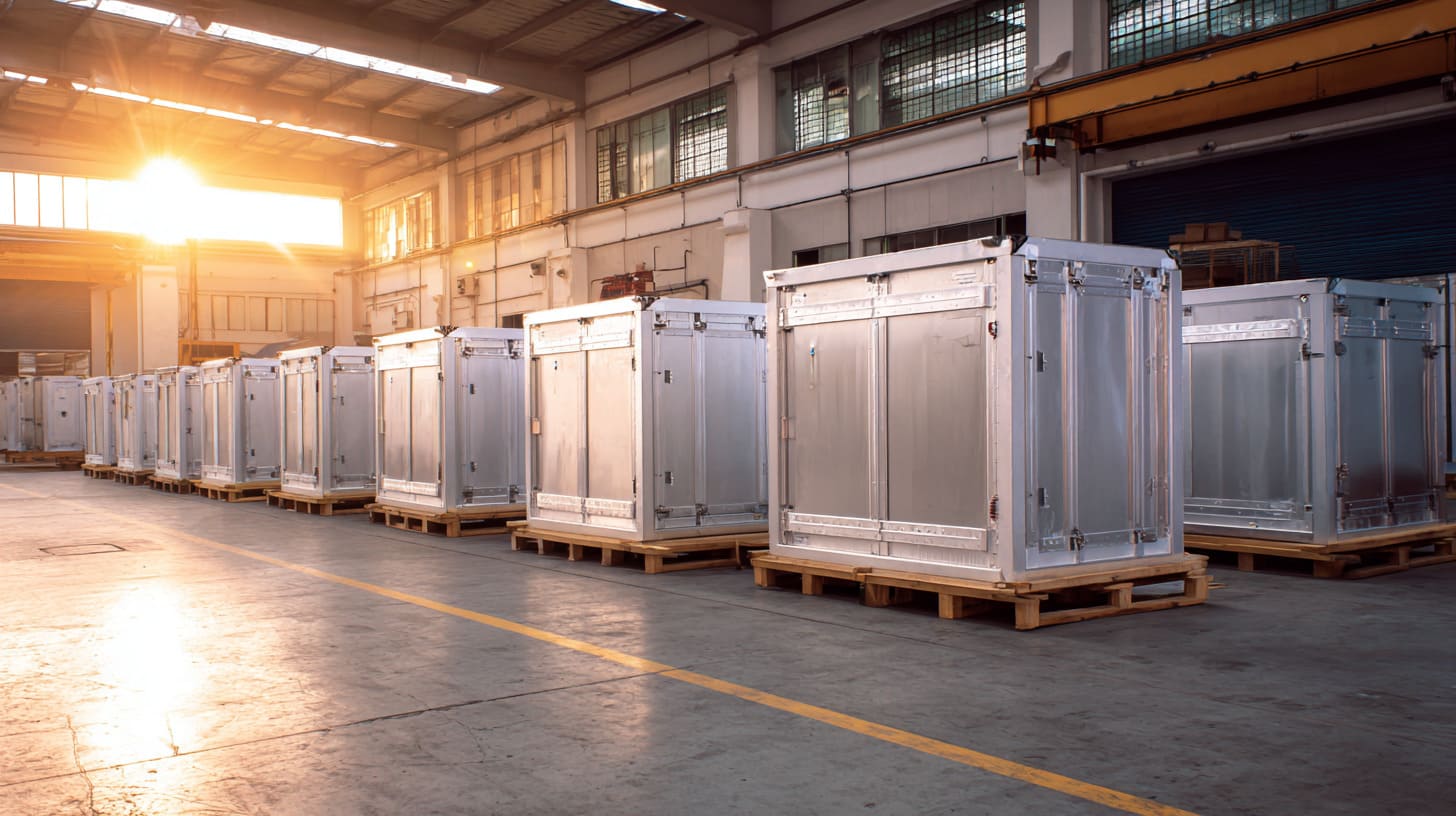
A great sample is important.
I will never say samples do not matter. They matter a lot. A sample helps the buyer check design, surface finish, assembly, logo position, packaging idea, and overall feeling. It gives both sides a real object to discuss.
But a great sample does not automatically mean great production.
This is the point I want to make very clearly.
I think this way because I work close to real factory projects. I see how a small drawing detail can delay production. I see how one surface treatment issue can affect a full batch. I see how unclear communication can turn a simple enclosure project into a long email battle. I see how buyers feel when the sample was perfect but the bulk order does not match.
That feeling is not just frustration.
It is pressure.
The buyer has his own customer. The engineer has his own deadline. The distributor has his own market plan. The brand owner has his own reputation.
So when I judge an OEM supplier, I look beyond the sample. I look at production lines, equipment, QC process, engineering discussion, packaging control, communication speed, and problem-solving attitude. I care about whether the supplier can repeat quality, not only create quality once.
For custom aluminum enclosures, plastic enclosures, sheet metal enclosures, Raspberry Pi cases, and other customized electronic enclosures, the real value of a supplier is not only in making something look good. The real value is helping the buyer reduce risk from idea to production.
That is why I believe buyers should choose OEM suppliers with systems, not only nice samples.
If you are planning a custom enclosure project and you want to avoid the painful gap between sample approval and mass production, you can share your drawing, idea, or project requirement with us. At MaidaTech, we support OEM and ODM enclosure projects with custom design, logo printing or engraving, packaging options, and factory-direct production support.
You can contact me at info@maidatech.com or visit maidatechenclosure.com.
A good sample should be the beginning of confidence.
Not the beginning of trouble.