Skip to content

ABS and PC are two materials I see again and again in injection molded housing projects.
A customer sends a 3D drawing.
The housing shape looks simple.
The target price looks tight.
The product may be used indoors, outdoors, near heat, or inside a control system.
Then the real question comes:
“Should we use ABS or PC?”
I understand why this question appears so often. On the table, both materials can look clean. Both can be molded into beautiful housings. Both can be used for electronic products, plastic enclosures, Raspberry Pi style cases, handheld devices, control boxes, and OEM housings.
But the difference is not always obvious from the sample.
A sample can look perfect under office light. A real housing may sit near heat for two years. A sample may be touched by one engineer. A real housing may be dropped by a warehouse worker, tightened by an installer, cleaned by an end user, and exposed to sunlight near a window.
That is where the choice becomes serious.
ABS is usually better for low-cost indoor housings with good surface finish. PC is better for strength, heat resistance, and demanding environments. The better material depends on the real use, not only the material name.
When I help a buyer choose between ABS and PC, I do not start from the datasheet alone. I start from the working place of the product. Will the housing face heat? Will people drop it? Will it sit outdoors? Will it need flame resistance? Will the surface need a premium look? Will the project budget allow a stronger plastic?
The wrong material may still pass the first sample test.
That is the dangerous part.
The part can look good.
The logo can look good.
The color can look good.
But six months later, the housing may crack, warp, yellow, or feel cheap in the customer’s hand.
So in this article, I want to compare ABS and PC from a real injection molded housing point of view. Not only from a textbook view. I will talk about cost, strength, heat, outdoor use, molding, appearance, PC+ABS blends, and how I usually think when helping buyers make this decision.
What Is ABS Plastic and Why Is It Common in Injection Molded Housings?
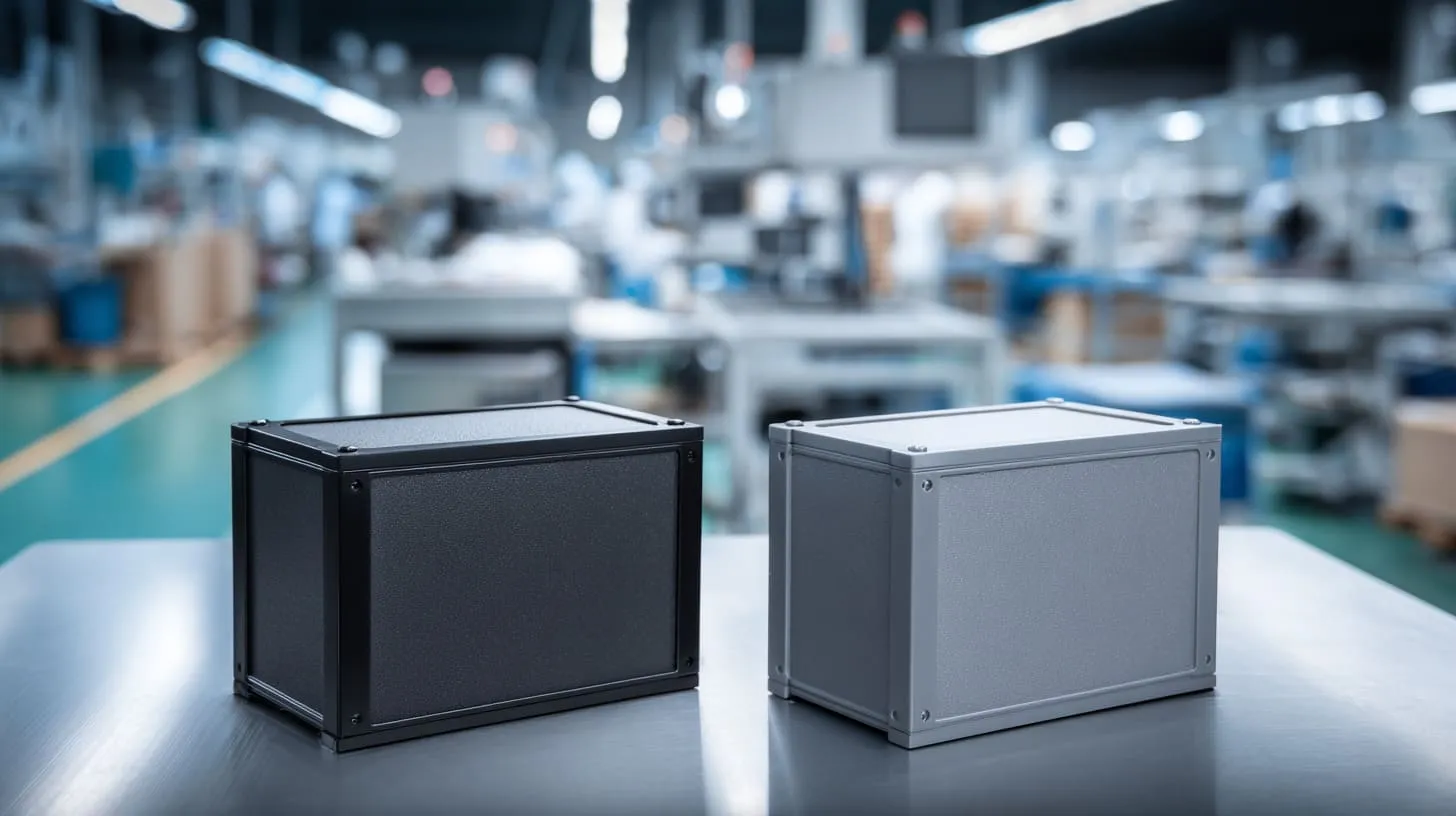
ABS is widely used because it is affordable, easy to mold, lightweight, and provides a clean cosmetic surface for electronic housings.
ABS is one of those plastics that makes a project feel easier at the beginning.
It is not too expensive.
It molds well.
It takes color well.
It gives a clean surface.
It works for many indoor electronic housings.
For many OEM buyers, this is already enough to make ABS attractive.
I often see ABS used when a buyer wants a housing for a small electronic device, a desktop control box, a plastic Raspberry Pi enclosure, or a simple indoor product. The product does not face heavy impact. It does not sit under strong sun. It does not carry high heat. It only needs to protect the PCB, look neat, and stay within budget.
In that kind of project, ABS can be a very practical material.
My first check with ABS is not whether it is “good” or “bad,” but whether the product will live a quiet indoor life or a rough working life.
What does ABS stand for?
ABS stands for Acrylonitrile Butadiene Styrene.
That name sounds long, but the idea is simple. ABS is a blend of three parts, and each part gives the material a different behavior.
| Part | What it helps with | Simple meaning for housings |
|---|---|---|
| Acrylonitrile | Chemical resistance and hardness | The housing feels more stable |
| Butadiene | Toughness | The housing can handle normal bumps |
| Styrene | Surface finish and processing | The housing looks clean and molds well |
This is why ABS feels so useful in manufacturing. It gives a good balance.
It is not the strongest plastic.
It is not the best heat-resistant plastic.
It is not the best outdoor plastic.
But it is easy to work with, and that matters a lot in real production.
For example, when we make an injection molded plastic enclosure, we care about more than material strength. We care about flow, shrinkage, surface marks, assembly fit, screw posts, ribs, clips, logo printing, packaging, and repeat production.
ABS behaves well in many of these areas.
Why manufacturers like ABS for molded housings
Manufacturers like ABS because it is friendly to the injection molding process.
It flows well into the mold.
It can fill detailed shapes.
It can hold stable dimensions.
It can give a nice surface texture.
It usually does not make production too difficult.
That is a big reason why many factories suggest ABS for indoor plastic housings.
| Manufacturing point | ABS performance | Why it matters |
|---|---|---|
| Mold filling | Good | Easier to form thin walls and details |
| Surface finish | Good | Better cosmetic appearance |
| Cycle time | Usually efficient | Helpful for large quantity production |
| Cost control | Strong advantage | Better for budget-sensitive projects |
| Secondary process | Good | Easy for printing, painting, and labeling |
For a buyer like David, who may need an OEM housing with logo printing and stable delivery, ABS can look very attractive. It can help control cost. It can help keep the surface clean. It can reduce some production trouble.
But I always remind buyers that easy production is not the same as perfect use.
A material that is easy for the factory may still be weak for the product environment.
Common products made from ABS housings
ABS is common in many indoor housing products.
You can see it in:
- Consumer electronics housings
- Router and network device shells
- Small control boxes
- Desktop plastic enclosures
- Raspberry Pi style cases
- Remote controls
- Sensor housings
- Indoor industrial device covers
- Battery device shells
- Display product parts
In many of these products, the housing does not need to survive extreme conditions. It needs to look clean, protect the inside parts, and feel stable during daily use.
That is where ABS does its job well.
Main advantages of ABS
ABS has several advantages that are easy to understand from a buyer’s point of view.
| Advantage | Why buyers like it | Real project meaning |
|---|---|---|
| Lower cost | Helps reduce unit price | Good for high-volume orders |
| Good appearance | Looks clean after molding | Suitable for consumer products |
| Easy molding | Production is more stable | Helps control lead time |
| Easy color matching | Supports brand color needs | Useful for re-brand customers |
| Easy printing | Logo and labels are easier | Good for OEM projects |
| Lightweight | Easy to ship and handle | Helps packaging and transport |
I have seen many projects where ABS was the right choice because the buyer did not need extreme performance. The product was used indoors. The design needed a nice surface. The budget was important. The quantity was not small.
In that situation, choosing PC only because it sounds stronger may waste money.
Main weaknesses of ABS
ABS also has limits.
This is where many projects get into trouble.
| Weakness | What can happen | Where it becomes risky |
|---|---|---|
| Lower UV resistance | Yellowing or aging | Outdoor or window-side products |
| Lower heat resistance | Warping or softening | Near power parts or hot devices |
| Lower impact strength than PC | Cracking under strong force | Industrial or rough handling use |
| Lower flame performance | May not meet strict standards | Electrical safety projects |
| Weather aging | Surface becomes weak | Long outdoor service life |
ABS can be good, but it needs the right environment.
I sometimes tell customers that ABS is like a clean office worker. It performs well in a controlled place. But if you ask it to work under sun, rain, high heat, and rough impact, you may be asking too much.
That does not mean ABS is bad.
It means ABS needs respect.
And once we understand ABS, we can look at PC, which is a much tougher character in the plastic family.
What Is Polycarbonate (PC) Plastic and Why Is It Used for Premium Housings?
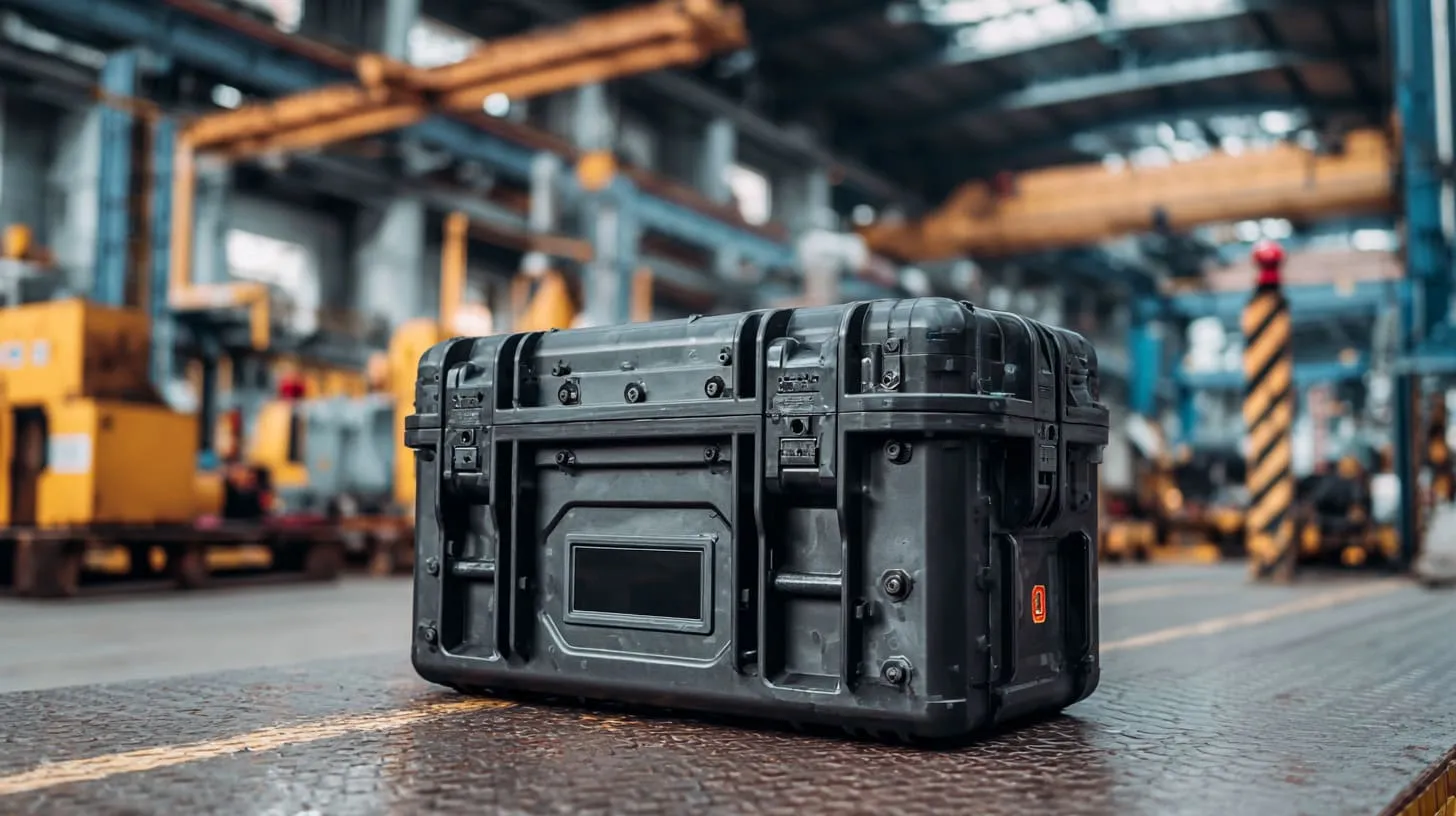
Polycarbonate is used when housings need higher impact resistance, heat resistance, flame resistance, or durability.
PC feels different from ABS.
When I hold a PC housing, I usually think of protection first. Not surface beauty. Not low cost. Not easy molding. Protection.
PC is chosen when the product needs to take more stress. It is often used for industrial equipment, outdoor electronic devices, power-related housings, medical equipment covers, and automotive electronic parts.
A customer may choose PC because the housing may be dropped, exposed to heat, used outdoors, or required to meet stricter safety demands.
The small detail I pay attention to with PC is whether the buyer truly needs its strength, because paying for PC without using its advantages is like buying a truck only to carry one small box.
What makes PC different from ABS?
PC is an engineering plastic with very strong toughness.
It can absorb impact better than ABS. It can handle heat better. It also offers better dimensional stability under more demanding conditions.
ABS is more like a balanced general-use material.
PC is more like a high-strength protective material.
| Point | ABS | PC |
|---|---|---|
| Main character | Easy, clean, cost-effective | Tough, strong, heat-resistant |
| Impact strength | Good for normal use | Very strong |
| Heat resistance | Medium | Higher |
| Outdoor durability | Limited unless modified | Better, especially with UV grade |
| Molding difficulty | Easier | More difficult |
| Cost | Lower | Higher |
| Appearance | Often better cosmetic surface | Good, but scratch can show |
PC is not chosen only because it sounds premium. It is chosen because the application has real risk.
If the housing protects an expensive board, power module, sensor, or industrial controller, the cost of failure can be much higher than the material price difference.
Why PC is considered a high-performance plastic
PC is considered high-performance because it has a strong mix of toughness, heat resistance, and durability.
It does not break easily under impact.
It can handle higher temperatures than ABS.
It performs better in demanding use cases.
This is important for housings because an enclosure is not only a box. It is the first protection layer of the product.
A plastic housing may need to protect:
- The PCB inside
- Cable connections
- Buttons and ports
- Power components
- User safety
- Brand reputation
- The buyer’s project deadline
That sounds like a lot for a plastic shell.
But in real work, that is exactly what the housing does.
Common applications for PC housings
PC is often used where stronger protection is needed.
| Application | Why PC may be chosen |
|---|---|
| Industrial control housings | Better impact and heat resistance |
| Outdoor electronics | Better weather resistance with proper grade |
| Medical equipment covers | Stronger and more reliable |
| Automotive electronic parts | Better heat and impact performance |
| Power supply housings | Better safety margin |
| Transparent covers | High clarity and toughness |
| Protective device shells | Better drop resistance |
For example, if a customer tells me the housing will be used in a factory, near machines, or near outdoor equipment, I become more careful with ABS. The environment may include heat, oil, vibration, worker handling, and unexpected impact.
PC becomes more reasonable there.
Drawbacks of PC material
It has clear drawbacks.
| Drawback | Project effect |
|---|---|
| Higher material cost | Unit price increases |
| More difficult molding | Production needs better process control |
| Moisture sensitivity before molding | Material drying becomes important |
| Higher processing temperature | Mold and machine setup matter more |
| Easier visible scratches | Cosmetic design needs attention |
| Possible stress cracking | Design and chemical exposure need checking |
This is why I do not tell every buyer to use PC.
Some people think stronger material always means better product. I do not agree. A better product is the one that fits the real working condition and budget.
If an indoor housing only needs a clean surface and simple protection, PC may be too much. If a housing needs to survive heavy impact and heat, ABS may be too weak.
The decision becomes even clearer when we compare impact resistance.
Which Material Has Better Impact Resistance for Injection Molded Housings?
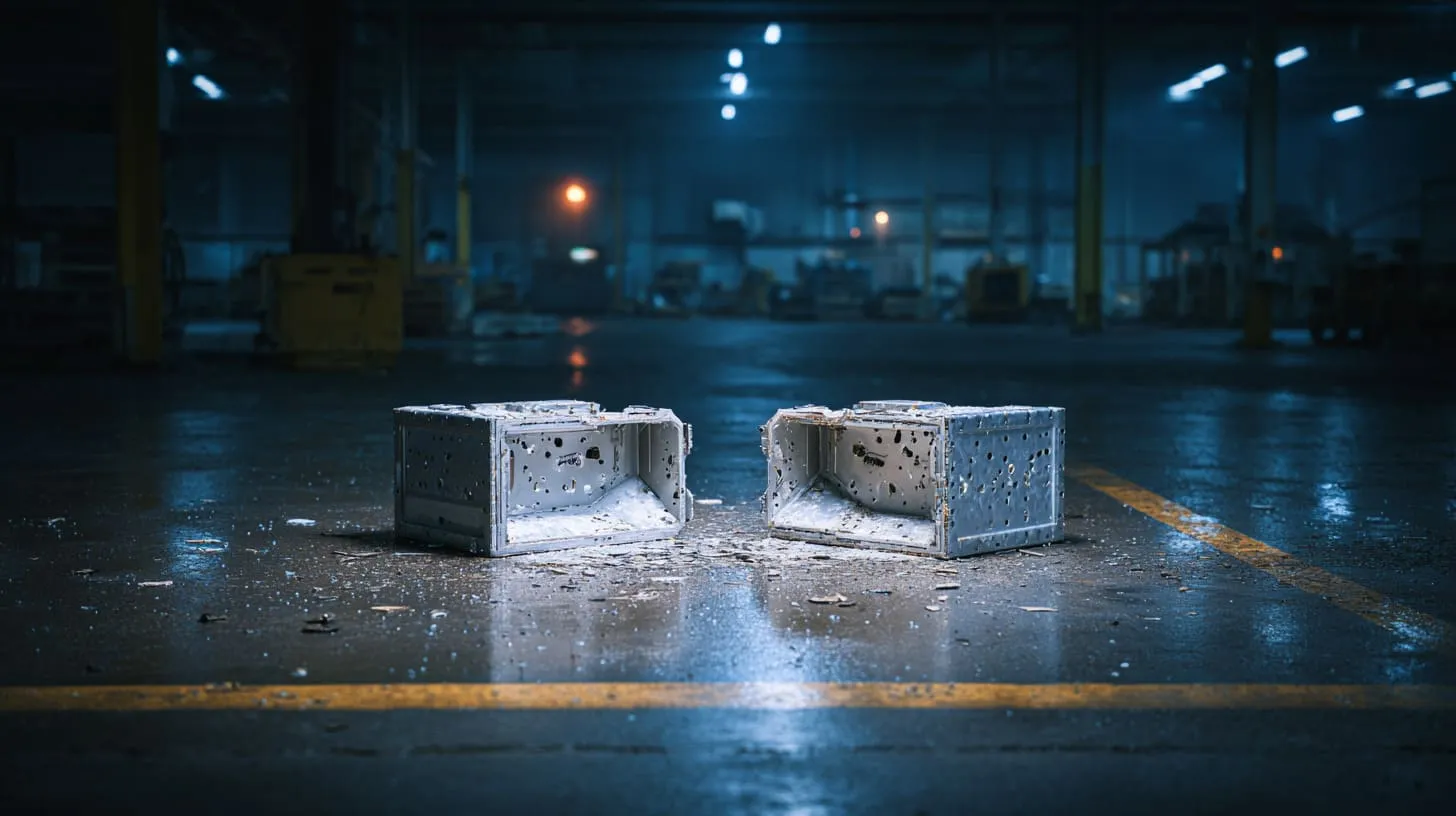
PC offers significantly better impact resistance than ABS, especially in low temperatures or industrial environments.
Impact resistance sounds like a lab term, but in real business it means something simple.
Will the housing crack when it falls?
Will the screw post break during assembly?
Will the corner split during shipping?
Will the customer complain after one accident?
These are not small questions.
I have seen beautiful housings fail at the corner because the material and structure were not matched well. The outside looked fine. The drawing looked fine. The sample looked fine. Then the package arrived after rough transport, and the weak point showed itself.
When I judge impact risk, I look less at the perfect sample and more at the worst day of the product: careless shipping, fast assembly, cold weather, and one tired worker dropping the part from the table.
How ABS performs under impact
ABS has decent impact resistance for normal indoor use.
If the housing is used on a desk, shelf, office wall, or indoor device, ABS can perform well. It can handle light bumps and normal handling. It can also be designed with ribs, rounded corners, and proper wall thickness to improve strength.
But ABS has limits.
It may crack under strong impact.
It may become more brittle in colder conditions.
It may fail at sharp corners or thin screw posts.
It may not be enough for rough industrial use.
Here is how I usually see ABS in impact situations:
| Situation | ABS performance |
|---|---|
| Normal hand use | Usually fine |
| Desktop device housing | Usually fine |
| Light indoor control box | Usually fine |
| Heavy drop test | Risk increases |
| Cold environment impact | Risk increases |
| Industrial handling | Needs careful design |
| Thin snap-fit clips | May break if design is poor |
ABS is not weak in every situation. But it does not forgive bad design as much as PC does.
Why PC is stronger
It can bend and absorb impact better before breaking. This makes it useful for housings that may face drops, hits, pressure, or rough use.
PC is often chosen when the housing needs to protect something important inside.
For example:
- A control board in a factory
- A sensor used outdoors
- A handheld testing device
- A power-related enclosure
- A device shipped across countries
- A product used by many end users
In these cases, one cracked housing can create a bigger problem than one higher material cost.
It can cause returns.
It can delay installation.
It can hurt the buyer’s brand.
It can make the supplier look careless.
That is why PC earns its place.
Drop test differences between ABS and PC
In a drop test, ABS and PC may behave very differently.
ABS may survive some drops, especially with good wall thickness and rounded corners. But if the corner is sharp, the screw boss is thin, or the wall has stress marks, it can crack.
PC usually has a better chance of surviving impact.
| Drop test factor | ABS risk | PC advantage |
|---|---|---|
| Corner impact | May crack | Better toughness |
| Screw boss impact | May split | Better resistance |
| Cold condition | More brittle | Stronger performance |
| Heavy internal parts | Higher stress risk | Better shock handling |
| Thin wall design | Risky | More forgiving |
Of course, material is not the only factor.
A bad PC design can still fail.
A good ABS design can still pass many normal tests.
The best result comes from matching material, wall thickness, rib design, corner radius, screw boss structure, and real use conditions.
Which industries prefer PC for strength
PC is preferred in industries where failure costs more.
| Industry | Why PC is often preferred |
|---|---|
| Industrial control | Rough environment and worker handling |
| Outdoor electronics | Weather and impact risk |
| Automotive | Heat and vibration |
| Medical devices | Safety and reliability |
| Electrical products | Strength and flame rating needs |
| Handheld tools | Drop resistance |
If a buyer tells me the housing will be used in an industrial environment, I do not only ask for the size. I ask how the part will be installed, handled, stored, and repaired.
That is where the truth comes out.
Impact resistance is important, but heat can be even more silent. A crack is easy to see. Heat damage often takes time before it shows its face.
Which Material Handles Heat Better: ABS or PC?
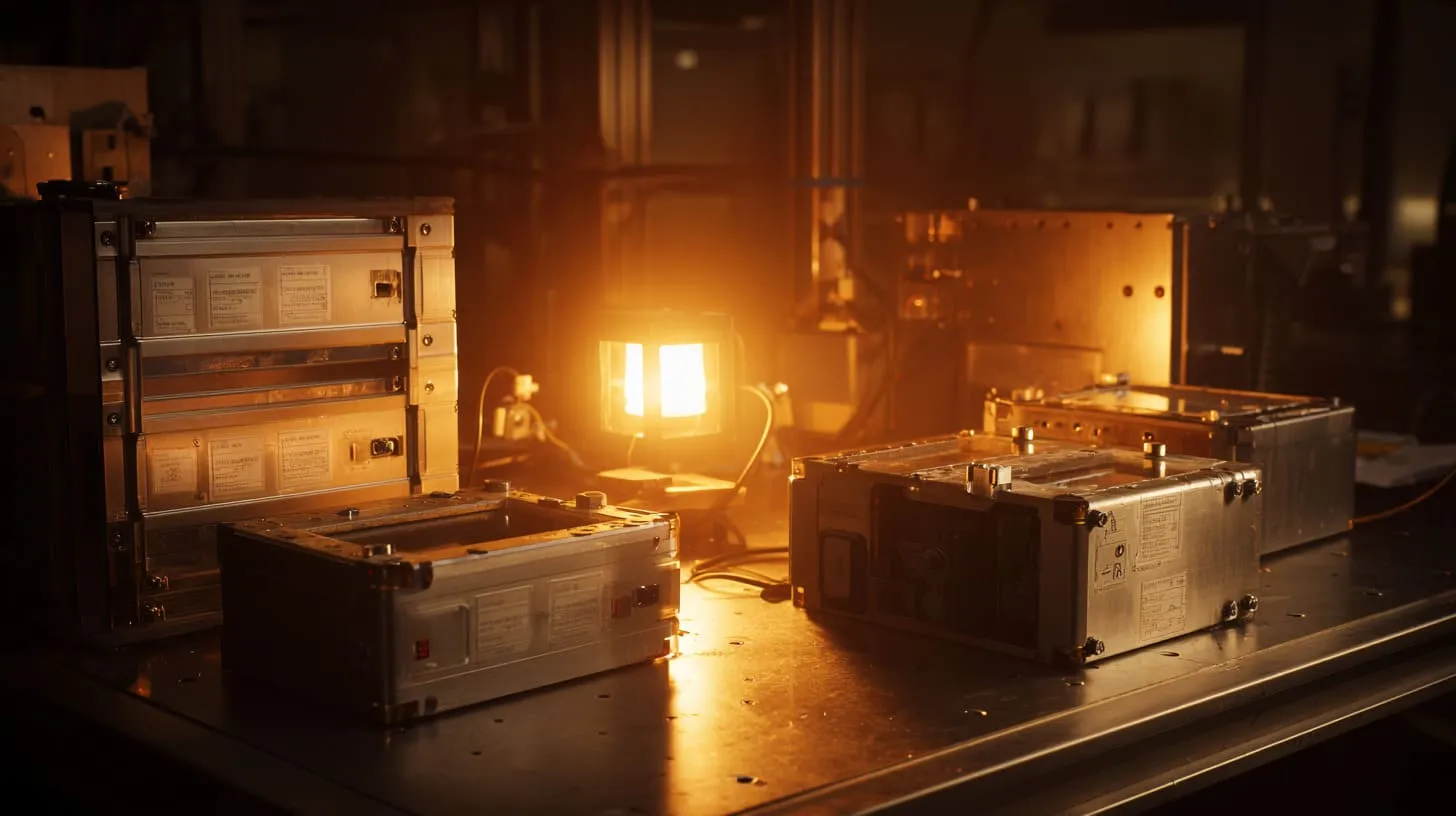
PC handles higher temperatures much better than ABS and is safer for electronics that generate heat.
Heat is one of the most underestimated problems in plastic housings.
A buyer may say, “It is only a small electronic device.”
I understand that sentence. I hear it often.
But a small device can still generate heat. A small PCB can still have a hot chip. A small power adapter can still warm the housing. A sealed enclosure can still trap heat inside like a lunch box left in the sun.
The mistake I try to avoid is choosing material based on room-temperature thinking while the product will actually work under long-hour heat.
Heat resistance comparison
PC generally handles heat better than ABS.
ABS can work well in normal indoor temperature, but it can deform when the temperature becomes too high. PC gives a higher safety margin.
| Heat factor | ABS | PC |
|---|---|---|
| Normal indoor use | Good | Good |
| Higher working temperature | Limited | Better |
| Near power components | Needs caution | Safer |
| Long-hour heat exposure | Risk of deformation | More stable |
| Hot environment shipping | Risk increases | Better resistance |
| Fanless enclosure | Needs careful checking | Better option |
This does not mean ABS cannot be used for electronics. Many ABS housings work very well.
But if the inside part generates heat and the housing has poor ventilation, I become careful.
Why heat matters in enclosure design
Heat does not only make the plastic warm.
It can change the whole product behavior.
It can soften plastic.
It can cause warping.
It can affect screw strength.
It can make snap-fit parts loose.
It can make the product feel cheap.
It can shorten the life of the electronics inside.
In a sealed plastic enclosure, heat has fewer ways to escape. This is especially important for:
- Power supplies
- LED drivers
- Network devices
- Raspberry Pi boards
- Battery products
- Control modules
- Fanless electronics
- Outdoor boxes under sun
I have worked with buyers who focus only on the outside size of the enclosure. But I often ask about the PCB layout, heat source, working time, and whether the housing is sealed.
A plastic box does not know your product is “small.” It only feels heat.
Risks of using ABS near heat
ABS can have problems when heat is not controlled.
| Heat-related risk | What may happen |
|---|---|
| Warping | The cover may not close well |
| Softening | The housing may lose strength |
| Screw boss weakness | Screws may become loose |
| Surface deformation | The product may look poor |
| Clip failure | Snap-fit parts may not hold |
| Long-term aging | The housing may become weak |
The problem is that heat damage may not show during the first test.
A product may pass a short sample check. Then after 8 hours per day for several months, the plastic begins to change.
This is why I like longer testing for heat-related products.
When PC becomes the safer option
PC becomes safer when the project has real heat pressure.
| Project condition | Better material direction |
|---|---|
| High-power PCB inside | PC or better heat design |
| Sealed housing | PC may be safer |
| Outdoor use under sun | UV-grade PC or other material |
| Long working hours | PC has better margin |
| Industrial electronics | PC often fits better |
| Strict safety requirement | PC or flame-retardant grade |
PC does not solve every heat problem. Sometimes the housing needs vents, aluminum heat sinks, thermal pads, or a different enclosure structure.
For example, if a customer uses a Raspberry Pi board inside a sealed plastic case, the material choice is only one part of the answer. We may also need to think about airflow, heat sink contact, wall thickness, and whether the enclosure should use aluminum instead.
This is where PC is stronger, but design still matters.
And when heat joins sunlight and rain, the material question becomes even more serious.
Is ABS or PC Better for Outdoor Injection Molded Housings?
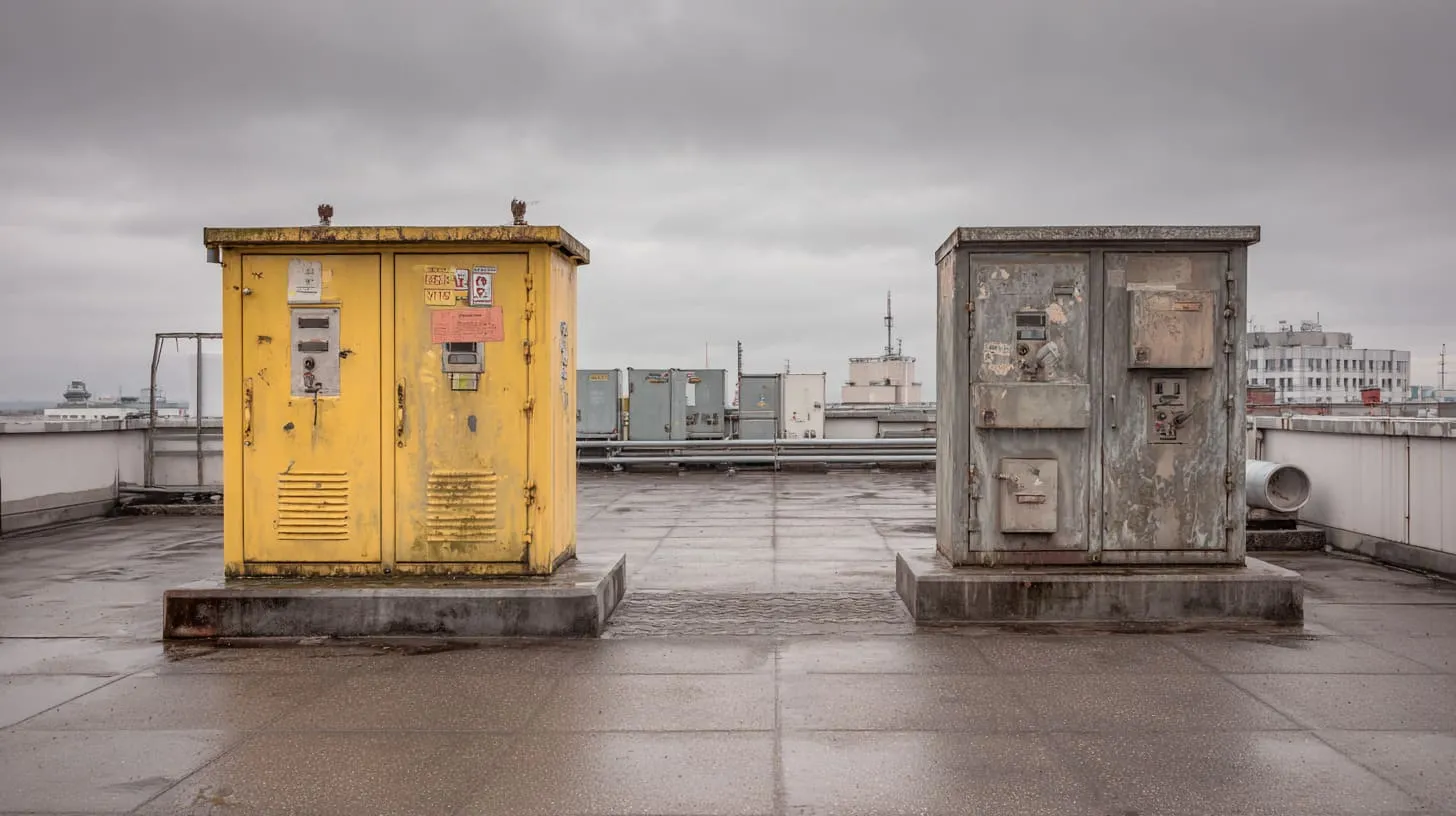
PC is generally better for outdoor housings because it resists UV exposure, temperature changes, and physical stress better than ABS.
Outdoor use changes everything.
Indoor plastics live a protected life.
Outdoor plastics do not.
Sunlight, rain, heat, cold, dust, wind, and cleaning chemicals all join the test. The housing does not only need to look good on day one. It needs to keep working after months or years.
I do not treat “outdoor” as one simple word; I always ask where outside, how long outside, and under what weather, because a shaded balcony and a rooftop under summer sun are not the same world.
How sunlight affects ABS
ABS is not naturally strong against UV exposure.
Under sunlight, ABS may start to yellow, fade, and become brittle. The surface can lose its original look. The material can become weaker over time.
| Sunlight effect on ABS | Real result |
|---|---|
| Yellowing | Product looks old |
| Fading | Brand color becomes unstable |
| Brittleness | Housing cracks more easily |
| Surface aging | Product feels lower quality |
| Loss of strength | Service life becomes shorter |
This matters for OEM buyers because their customers do not care about the material excuse.
The end user only sees the housing turning yellow or cracking.
If the product carries the buyer’s logo, the problem becomes a brand problem.
Outdoor advantages of PC
PC usually performs better outdoors, especially when the correct UV-stabilized grade is selected.
It has better toughness.
It handles temperature changes better.
It can resist impact better.
It gives more safety margin.
But I need to say this clearly: not all PC grades are equal.
For outdoor use, the buyer should ask about UV grade, flame grade, color stability, and test requirements. A normal PC grade may still age outdoors if it is not made for that environment.
| Outdoor factor | ABS | PC |
|---|---|---|
| UV exposure | Weak unless modified | Better with UV grade |
| Rain and moisture | Material is not the only issue | Material is not the only issue |
| Temperature change | More risk | Better stability |
| Impact outdoors | Limited | Stronger |
| Long-term appearance | More risk | Better with right grade |
PC is usually the better starting point for outdoor plastic housings, but the full design still needs sealing, proper gasket structure, and correct fasteners.
Can ABS still be used outdoors?
Yes, ABS can still be used outdoors in some cases.
But the conditions matter.
ABS may work if:
- The outdoor exposure is mild
- The product is under shade
- The service life requirement is not very long
- UV additives are used
- Protective coating is applied
- The customer accepts some aging risk
- The housing does not carry high safety responsibility
This is a practical decision, not a moral decision.
If the buyer needs a low-cost housing for short-term outdoor use, modified ABS may be acceptable. If the buyer needs a long-life outdoor enclosure for important electronics, I would be much more careful.
| Outdoor project type | ABS possibility |
|---|---|
| Short-term shaded use | Possible |
| Mild outdoor sensor cover | Possible with UV grade |
| Strong sunlight for years | Not my first choice |
| Rooftop electronics | Risky |
| Industrial outdoor control box | Usually not enough |
| Premium branded outdoor device | Needs caution |
Importance of enclosure sealing
Material alone does not make a housing outdoor-ready.
This is a common misunderstanding.
A strong plastic housing can still leak water if the gasket design is poor. A UV-resistant housing can still fail if the cable gland is weak. A good material can still disappoint if the screw holes, cover edge, and assembly tolerance are not controlled.
For outdoor housings, I check:
- IP rating target
- Gasket groove design
- Screw pressure distribution
- Cable entry points
- Wall thickness
- Drainage risk
- UV grade
- Color stability
- Expansion and contraction
- Installation direction
| Design detail | Why it matters |
|---|---|
| Gasket groove | Controls water sealing |
| Screw spacing | Helps even pressure |
| Cable glands | Common leak point |
| Cover overlap | Protects against rain |
| Wall thickness | Helps strength and stability |
| Material grade | Controls UV and heat aging |
The material is important, but it is not a magic shield.
A housing is a system. Plastic, mold, gasket, screws, assembly, and installation all work together.
Now, even before the housing faces the outside world, it must first be produced well. That brings us to injection molding itself.
Which Material Is Easier to Injection Mold?
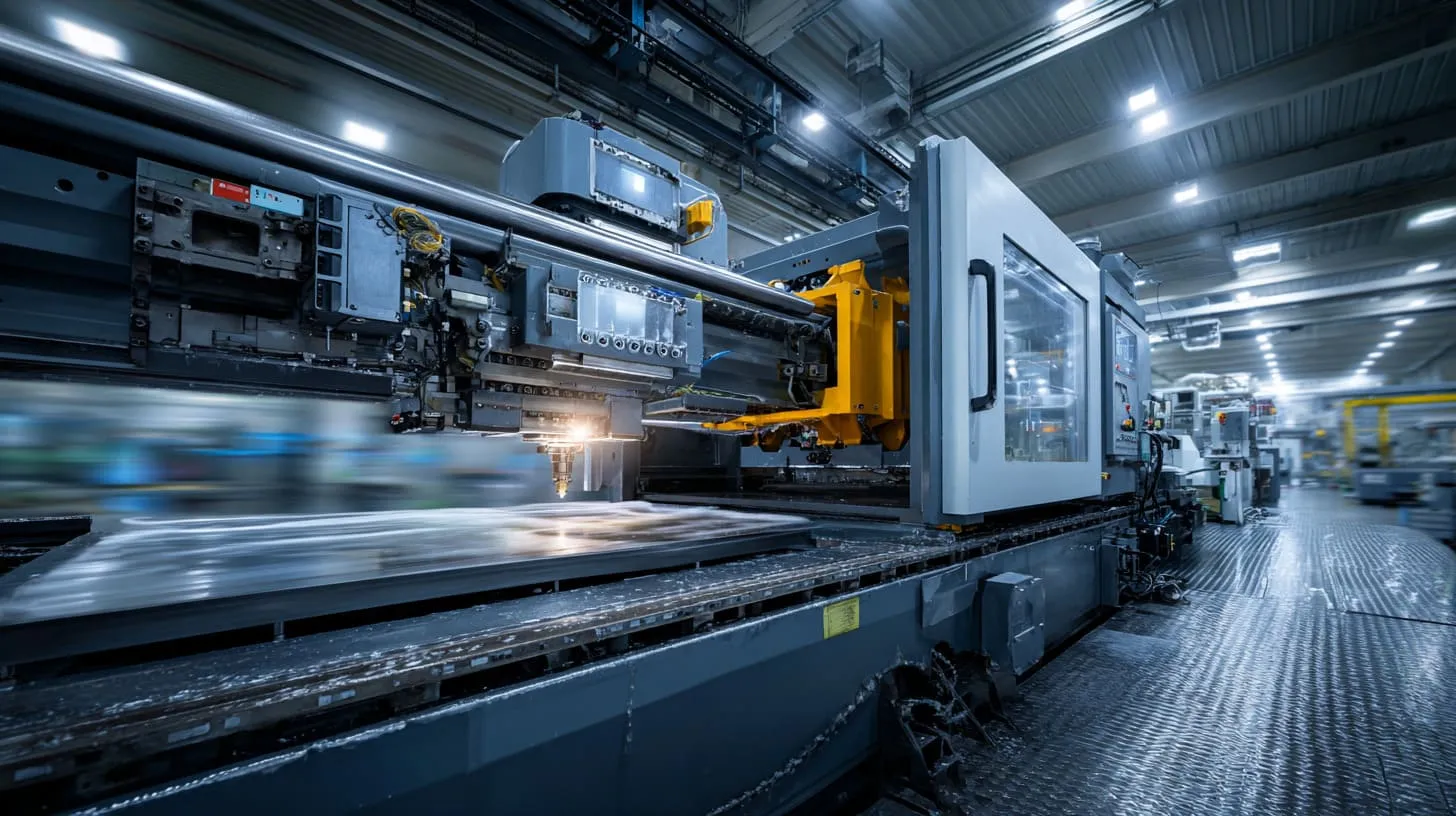
ABS is usually easier and cheaper to mold than PC, making it attractive for large-volume projects.
Injection molding is not only about putting plastic into a mold.
The material must dry correctly. The machine temperature must be right. The mold temperature must be controlled. The flow must fill the part. The part must cool without warping too much. The surface must look acceptable. The dimensions must stay stable.
ABS makes many of these steps easier.
For production planning, I care about the material that gives stable repeat parts, because one perfect sample means little if the next 5,000 pieces cannot stay consistent.
Why ABS molds more easily
ABS is popular because it is friendly in production.
It usually has good flow. It can fill the mold more easily. It does not require as high processing temperatures as PC. It also gives good cosmetic results for many product housings.
| Molding factor | ABS advantage |
|---|---|
| Flow behavior | Fills details well |
| Processing temperature | Lower than PC |
| Surface finish | Usually clean |
| Cycle time | Often shorter |
| Production stability | Easier to control |
| Defect control | More forgiving |
This is why ABS is often suggested for consumer product housings and standard indoor plastic enclosures.
If a buyer has a large order and the housing does not need high heat or impact performance, ABS can reduce both material and production pressure.
Challenges when molding PC
PC is more demanding.
It needs better drying before molding. It needs higher processing temperature. It may require better mold temperature control. It may show stress if the design or process is not right.
| PC molding challenge | What it means in production |
|---|---|
| Moisture sensitivity | Material must be dried well |
| Higher temperature | More process control needed |
| Stress marks | Design and molding need care |
| Longer cycle time | Cost may increase |
| Shrinkage control | Tooling and process must be stable |
| Surface scratches | Handling must be careful |
This does not mean PC is hard for every factory. A good factory can mold PC well. But it does mean the process needs more attention.
If a supplier treats PC like ABS, problems may appear.
Mold cost considerations
The mold itself also matters.
ABS and PC may use similar mold structures, but the project details can change cost and difficulty.
Important mold questions include:
- Is the wall thickness even?
- Are there thin ribs?
- Are there deep screw bosses?
- Does the housing need snap-fit clips?
- Does the product need a fine surface texture?
- Does the material need glass fiber or flame-retardant grade?
- Does the mold need hot runner or cold runner?
- Is the housing large or small?
| Mold design point | Why it matters |
|---|---|
| Wall thickness | Affects shrinkage and warping |
| Rib design | Affects strength and sink marks |
| Screw boss design | Affects assembly strength |
| Gate position | Affects flow and surface marks |
| Venting | Affects burn marks and filling |
| Cooling system | Affects cycle time and stability |
Sometimes buyers only compare resin price. That is too narrow.
A material that is harder to mold may increase scrap, slow production, or need more process adjustment. This can change the real cost.
Which material is better for fast OEM production
For fast OEM production, ABS often has an advantage.
It is easier to mold. It is easier to color. It is easier to print. It usually helps the project move faster.
| Project type | Better material direction |
|---|---|
| Fast prototype housing | ABS or 3D printed test first |
| Low-cost indoor OEM product | ABS |
| High-volume cosmetic housing | ABS |
| Higher strength housing | PC or PC+ABS |
| Industrial performance housing | PC |
| Balanced project | PC+ABS |
If the buyer is a startup or project-based customer like John, the early stage may need fast samples and practical cost control. ABS may help him move faster.
But if his project board produces heat or needs outdoor use, I would not let speed decide everything.
Fast is good.
Fast and wrong is expensive.
After molding, the customer sees the outside first. So appearance also becomes part of the decision.
Which Plastic Looks Better for Consumer Product Housings?
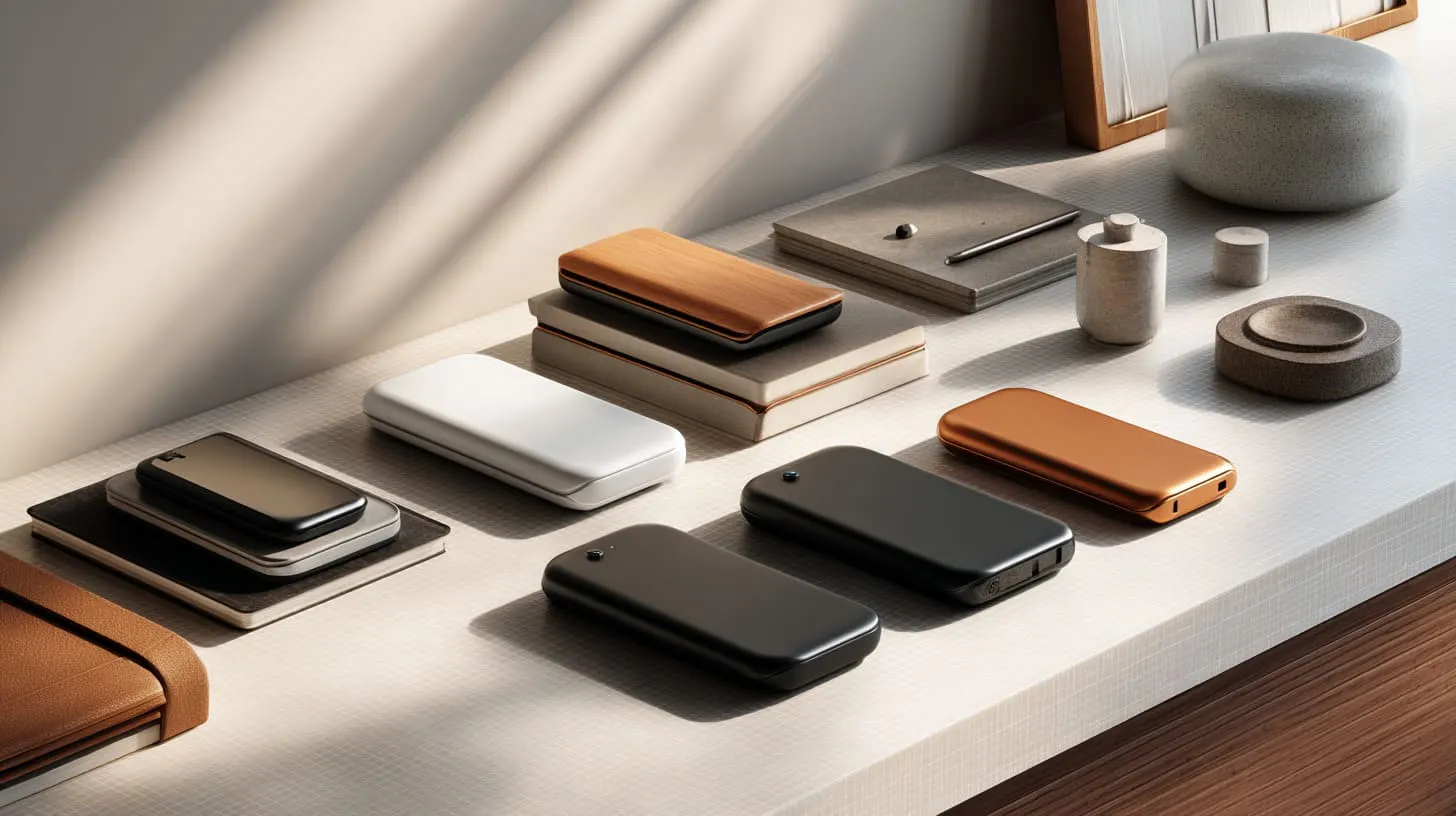
ABS usually provides a cleaner cosmetic finish, while PC focuses more on performance than appearance.
People say they choose materials by function.
But the truth is, appearance speaks first.
The end user touches the housing before reading the material sheet. The buyer sees the surface before testing the heat resistance. The customer judges the product before opening it.
This is why surface quality matters.
When I review a consumer housing sample, I check the surface under normal light first, not factory light, because customers do not use products under perfect inspection lamps.
Surface finish comparison
ABS usually gives a very good cosmetic finish for injection molded housings.
It can look smooth, matte, glossy, or textured. It also works well with many mold textures. This makes it popular for consumer electronics and branded products.
PC can also look good, but it is often selected more for performance than appearance. It can show scratches more easily. It may also need more care during handling and packing.
| Appearance factor | ABS | PC |
|---|---|---|
| Matte texture | Very good | Good |
| Gloss finish | Good | Good but needs care |
| Surface scratches | Usually less obvious | More visible |
| Color matching | Good | Good but grade matters |
| Mold texture | Very suitable | Suitable |
| Premium feel | Good for consumer products | Good if designed well |
ABS often feels easier when the customer wants a neat consumer product housing.
Printing and logo customization
For OEM and re-brand customers, logo customization is important.
Many customers do not only buy a housing. They buy a product shell that must match their brand.
ABS usually works well with:
- Silk screen printing
- Pad printing
- UV printing
- Painting
- Labels
- Surface texture
- Some engraving methods
PC can also support printing and marking, but surface treatment and ink adhesion must be checked carefully depending on grade and finish.
| Custom process | ABS | PC |
|---|---|---|
| Silk printing | Good | Good with testing |
| UV printing | Good | Good with surface check |
| Painting | Good | Possible, needs process care |
| Laser marking | Depends on grade | Depends on grade |
| Branding label | Good | Good |
| Texture mold | Good | Good |
For a buyer like Jackson, who sends logo files and custom designs, appearance is not decoration only. It is part of the sales value.
A clean housing can help his product look professional in his local market.
Color consistency differences
Color is another detail that buyers often notice late.
A black housing is not just black.
A white housing is not just white.
A gray housing is not just gray.
Different materials, different batches, different surface textures, and different additives can change the final color feeling.
ABS is often easier for stable color and cosmetic work. PC can also be colored well, but outdoor grades, flame-retardant grades, and transparent grades may need more careful color control.
| Color issue | Why it matters |
|---|---|
| Batch difference | Products may not match |
| UV aging | Color may fade outdoors |
| Texture effect | Same color may look different |
| Material base color | Affects final color |
| Additives | May change appearance |
This is why I prefer color samples before mass production when the buyer has strict brand color needs.
A color code alone is not always enough.
Scratch visibility comparison
PC can scratch more visibly than buyers expect.
This surprises some people because PC is strong. But impact strength and scratch resistance are not the same thing.
A material can be tough and still show surface marks.
| Surface behavior | ABS | PC |
|---|---|---|
| Daily handling marks | Usually acceptable | May show more |
| Glossy surface | Can show scratches | Shows scratches clearly |
| Matte texture | Helps hide marks | Helps but not perfect |
| Packaging protection | Important | Very important |
| Cleaning behavior | Needs soft cloth | Needs soft cloth |
If the product is a consumer-facing housing, I often suggest a matte texture. It hides small marks better and gives the product a more stable look after normal use.
But what if the buyer wants strength and appearance together?
That is where PC+ABS enters the conversation.
What Is PC+ABS Plastic and Why Do Manufacturers Use It?
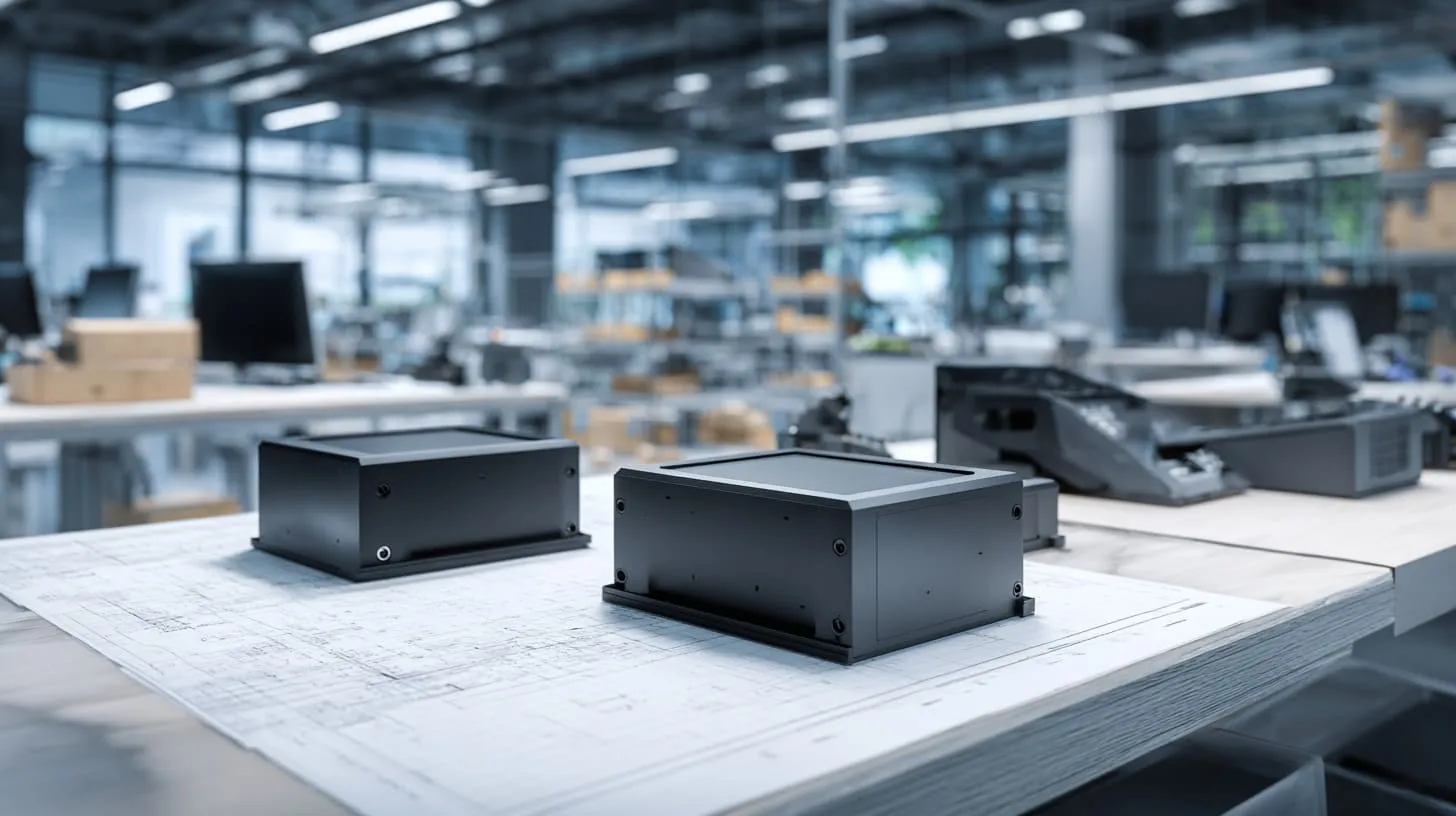
PC+ABS combines the strength of PC with the processability and appearance of ABS.
PC+ABS is a material blend.
It is not pure ABS.
It is not pure PC.
It sits between them.
Many manufacturers use PC+ABS because real projects often need balance. The buyer wants better impact resistance than ABS, but pure PC may be too expensive or harder to process. The buyer wants good appearance, but also needs more strength.
This is where PC+ABS can make sense.
The way I see PC+ABS is simple: it is useful when neither low-cost ABS nor high-performance PC feels exactly right.
Why blended plastics exist
Blended plastics exist because real products are full of trade-offs.
Buyers want:
- Lower cost
- Good appearance
- Better strength
- Easier molding
- Stable dimensions
- Flame-retardant options
- Good brand feel
- Reliable production
One single material may not give all of these at the same time.
PC+ABS tries to balance these needs.
| Need | ABS | PC | PC+ABS |
|---|---|---|---|
| Low cost | Best | Weak | Middle |
| Impact strength | Medium | Best | Good |
| Easy molding | Best | More difficult | Good |
| Surface finish | Good | Good but scratch risk | Good |
| Heat resistance | Medium | Best | Better than ABS |
| Product balance | Good for indoor | Good for demanding use | Good middle choice |
This is why PC+ABS is common in automotive interiors, consumer electronics, networking devices, and many performance-looking plastic housings.
Main benefits of PC+ABS
PC+ABS brings several practical benefits.
| Benefit | Project meaning |
|---|---|
| Better toughness than ABS | Lower cracking risk |
| Easier processing than PC | Better production stability |
| Good appearance | Suitable for visible housings |
| Better heat resistance than ABS | More safety margin |
| Good dimensional stability | Better assembly control |
| Flame-retardant options | Useful for electronics |
For many OEM projects, PC+ABS is the “middle path.”
It may not be the cheapest.
It may not be the strongest.
But it may be the most balanced.
This matters when the buyer wants better quality feeling but cannot accept pure PC cost.
Common industries using PC+ABS
PC+ABS appears in many products.
| Industry | Why PC+ABS is used |
|---|---|
| Automotive interiors | Balance of strength and appearance |
| Consumer electronics | Better toughness and surface finish |
| Networking equipment | Stable housing performance |
| Office devices | Good appearance and durability |
| Power device covers | Better safety margin |
| Control panels | Good fit and surface quality |
For example, if a buyer asks for a plastic housing for an electronic product that will be sold under his own brand, I may consider PC+ABS if ABS feels too weak but PC feels too expensive.
It gives us another option.
And options are valuable in custom manufacturing.
Limitations of PC+ABS
PC+ABS still has limits.
It is not as strong as pure PC.
It is more expensive than ABS.
It still needs proper molding control.
It may not be enough for harsh outdoor use unless the grade is suitable.
| Limitation | What buyers should understand |
|---|---|
| Higher cost than ABS | Budget must allow it |
| Not as tough as pure PC | Extreme impact may need PC |
| Grade differences | Not all PC+ABS is equal |
| Outdoor use needs checking | UV grade still matters |
| Heat performance varies | Must confirm material data |
I like PC+ABS, but I do not use it as a magic middle answer for every case.
A middle solution is only good when the product really needs a middle solution.
If the housing is simple and indoor, ABS may be enough. If the housing is exposed to harsh impact or heat, PC may still be safer.
The material decision always comes back to cost and risk.
Which Material Is More Cost-Effective for OEM Injection Molded Housings?

ABS is usually more cost-effective for standard indoor housings, while PC delivers better value in high-performance applications.
Cost is never only the resin price.
This is one of the first lessons I learned in custom enclosure manufacturing.
A cheaper material can become expensive if it causes failures. A more expensive material can become reasonable if it prevents returns, delays, and customer complaints.
I do not like choosing the cheapest material when the housing protects an expensive product, because saving a little on plastic can lose much more on warranty, reputation, and missed deadlines.
Raw material cost comparison
In most cases, ABS is cheaper than PC.
PC+ABS usually sits in the middle.
| Material | General cost level | Typical use logic |
|---|---|---|
| ABS | Lower | Standard indoor housings |
| PC+ABS | Middle | Balanced strength and appearance |
| PC | Higher | Strong, heat-resistant, demanding housings |
This is why buyers often ask for ABS first.
For a large order, even a small material cost difference can affect the total project cost. I understand that very well. If a buyer orders 10,000 pieces, material price matters.
But the question should be:
Does the lower cost fit the product risk?
If yes, ABS is smart.
If no, ABS is a trap.
Manufacturing cost differences
Material cost is only one part.
Manufacturing cost includes cycle time, scrap rate, machine setting, drying process, quality inspection, packaging, and possible rework.
| Cost factor | ABS | PC |
|---|---|---|
| Resin price | Lower | Higher |
| Molding difficulty | Easier | More difficult |
| Cycle time | Often shorter | Often longer |
| Scrap risk | Lower with good design | Higher if process is poor |
| Drying demand | Less strict | More strict |
| Handling care | Normal | More careful |
PC may increase production cost because it needs tighter process control.
This does not mean PC is not worth it. It only means buyers should compare total cost, not only material price.
Long-term cost thinking
Long-term cost is where many buyers make mistakes.
They compare ABS and PC like this:
“ABS is cheaper. Let’s use ABS.”
But they may forget to ask:
- What happens if the housing cracks?
- What happens if the product warps?
- What happens if the surface ages outdoors?
- What happens if the customer returns the product?
- What happens if the project is delayed?
- What happens if the buyer’s brand loses trust?
| Hidden cost | Possible result |
|---|---|
| Product failure | Replacement cost |
| Housing crack | Customer complaint |
| Heat deformation | Product malfunction |
| Outdoor aging | Brand damage |
| Poor material choice | Redesign cost |
| Failed test | Delayed launch |
A housing is a small part of the product cost, but it can create a big problem if it fails.
This is why I often say material choice is not only a purchasing decision. It is also a risk decision.
How buyers should evaluate total project cost
A better cost decision includes both price and use condition.
Here is a simple way I like to think about it:
| Question | If the answer is yes | Material direction |
|---|---|---|
| Is the product used indoors only? | Yes | ABS may be enough |
| Is the product budget very tight? | Yes | ABS may help |
| Will the housing face drops? | Yes | PC or PC+ABS |
| Will the product face heat? | Yes | PC or better design |
| Will it be used outdoors? | Yes | UV-grade PC or other option |
| Is the brand appearance important? | Yes | ABS or PC+ABS |
| Is safety requirement strict? | Yes | Confirm flame-retardant grade |
This kind of table is not perfect, but it helps buyers slow down and think clearly.
The cheapest material is not always the most cost-effective.
The strongest material is not always the best value.
The right material is the one that protects the product without wasting money.
Now the final question is practical: how should engineers actually choose?
How Should Engineers Choose Between ABS and PC for Injection Molded Housings?

The best choice depends on balancing cost, environment, strength, heat, appearance, and long-term reliability.
Engineers do not choose materials in a perfect world.
They choose under pressure.
The boss wants lower cost.
The customer wants better quality.
The launch date is close.
The design may still change.
The supplier needs clear requirements.
The market wants a product that looks good and does not fail.
This is the real world.
Before I suggest ABS, PC, or PC+ABS, I try to find the weak point of the project first, because the weak point usually decides the material faster than the nice features do.
Questions engineers should ask before choosing
Here are the questions I like to ask before choosing material:
| Question | Why it matters |
|---|---|
| Is the housing used indoors or outdoors? | UV and weather change the material choice |
| Does the PCB generate heat? | Heat can deform weak plastic |
| Will the product be dropped? | Impact resistance may be critical |
| Does the housing need flame rating? | Safety requirements may decide the grade |
| Is appearance very important? | Surface finish and scratches matter |
| Is the project cost-sensitive? | ABS may help if risk is low |
| Does the housing need waterproofing? | Material plus sealing design matters |
| How long should the product last? | Long life needs better material margin |
| Will the product be cleaned often? | Chemical and scratch resistance matter |
| Will the housing carry a customer logo? | Brand risk becomes higher |
I like these questions because they move the discussion away from “Which plastic is better?” and toward “Which plastic is safer for this exact product?”
That is a better question.
When ABS is usually the better choice
ABS is usually better when the housing is indoor, cost-sensitive, and cosmetic-focused.
Good ABS applications include:
- Indoor electronic housings
- Consumer product shells
- Desktop control boxes
- Router-style housings
- Raspberry Pi indoor cases
- Decorative plastic covers
- Simple OEM housings
- Products with tight cost targets
| ABS is a good choice when | Reason |
|---|---|
| The product stays indoors | UV risk is low |
| Heat is not high | ABS can handle normal use |
| Impact risk is low | Strength is enough |
| Appearance matters | ABS gives clean surface |
| Cost control matters | ABS has price advantage |
| Large volume production | Easier molding helps |
For many buyers, ABS is not a compromise. It is the correct material.
The mistake is not using ABS.
The mistake is using ABS in the wrong environment.
When PC is usually the better choice
PC is usually better when the product needs stronger protection.
Good PC applications include:
- Outdoor electronic housings
- Industrial equipment covers
- High-impact devices
- High-heat electronics
- Safety-related housings
- Power device enclosures
- Medical or professional device parts
- Products with longer service life needs
| PC is a better choice when | Reason |
|---|---|
| Impact risk is high | PC is much tougher |
| Heat risk is high | PC has better heat resistance |
| Outdoor use is required | UV-grade PC performs better |
| Product value is high | Failure cost is higher |
| Safety requirement is strict | PC grades can support better performance |
| Long-term durability matters | PC gives more margin |
If the housing protects something important, I usually lean toward more safety margin.
That does not always mean PC. Sometimes aluminum is better. Sometimes PC+ABS is enough. Sometimes the structure needs to be changed.
But I do not like forcing ABS into a job it was not meant to do.
Why supplier engineering support matters
Material choice is not only the buyer’s job.
A good supplier should help check the risk.
When a customer sends us a housing drawing, I prefer to discuss:
- Material options
- Wall thickness
- Screw boss design
- Rib design
- Surface texture
- Heat source location
- Assembly method
- Logo process
- Packaging method
- Production quantity
- Mold structure
- Tolerance control
A material recommendation without design review is not enough.
For example, PC may be strong, but a poor screw boss can still break. ABS may be cheaper, but a good rib structure can make it much more stable. PC+ABS may be balanced, but the wrong grade can still fail the required test.
| Supplier support area | Why it helps |
|---|---|
| Material recommendation | Avoid wrong plastic choice |
| Mold design review | Reduce defects and weak points |
| DFM feedback | Improve production stability |
| Surface process advice | Support logo and brand needs |
| Heat discussion | Avoid deformation problems |
| Packaging advice | Reduce transport damage |
| Sample testing | Catch problems before mass production |
For buyers like David, John, and Jackson, this support can save time. It can also reduce the pain of slow communication, unclear details, and production surprises.
A plastic housing looks simple from outside.
But the good result comes from many small decisions.
Conclusion
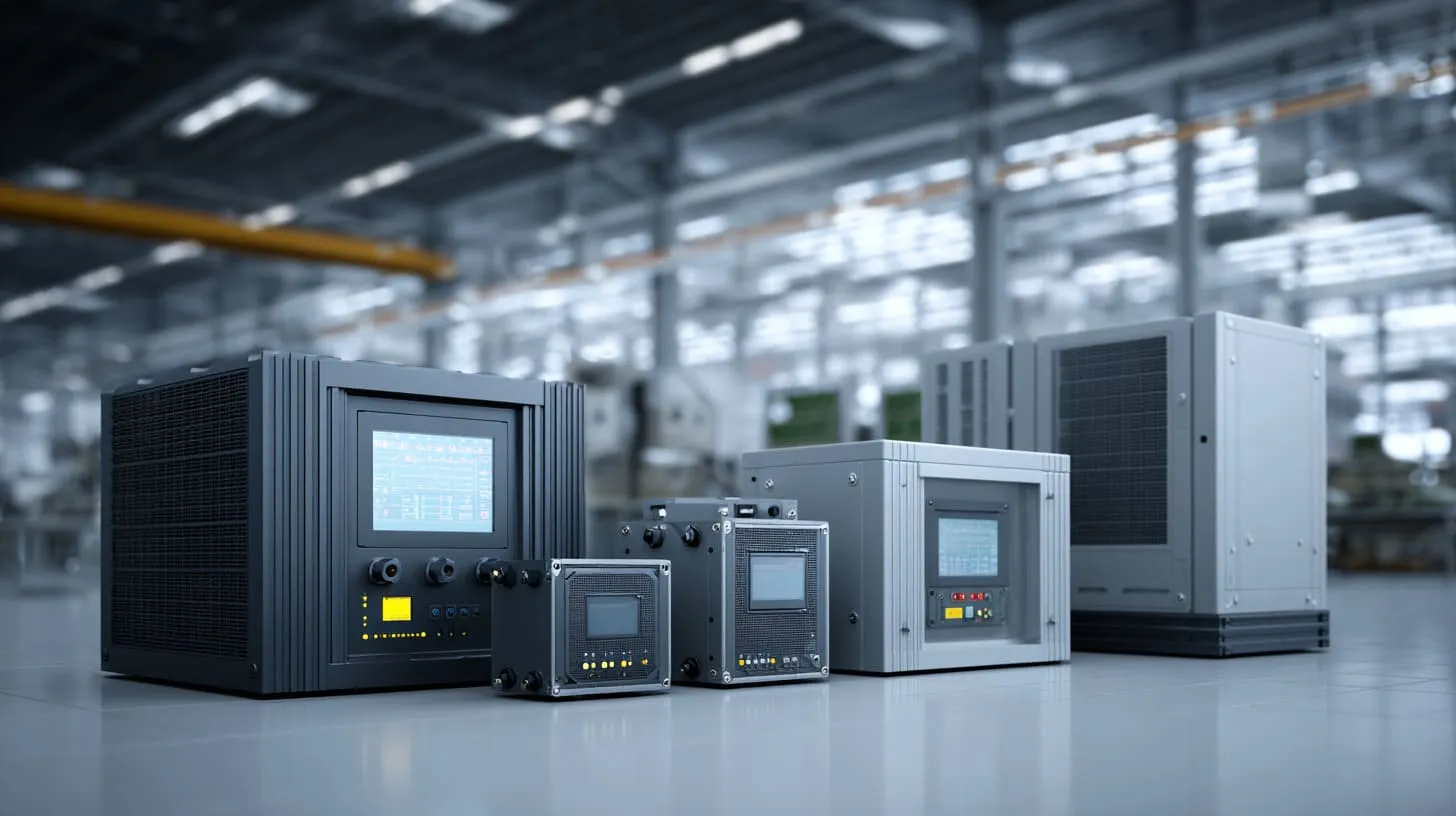
ABS and PC are both useful materials for injection molded housings.
I do not see one as always better than the other.
I see them as different tools.
ABS wins when the project needs lower cost, clean appearance, easy molding, good color, and normal indoor protection. It is practical. It is friendly to production. It works well for many consumer electronic housings and indoor OEM plastic enclosures.
PC wins when the housing needs more strength, better heat resistance, better impact protection, and stronger durability. It is more expensive, but it can protect the product better in demanding use.
PC+ABS sits between them. It gives buyers a balanced option when ABS feels too weak and pure PC feels too costly or too difficult.
My view comes from real manufacturing work. A housing is not only judged in the sample room. It is judged in shipping, assembly, installation, customer use, heat, sunlight, drops, cleaning, and time.
That is why I do not choose material only by price. I also think about risk.
A cheap housing that fails is not cheap anymore.
A strong housing that is not needed may waste money.
A good housing fits the real job.
If you are choosing between ABS, PC, or PC+ABS for an injection molded housing, I suggest you start with the product environment first. Then check the heat, impact, outdoor exposure, surface needs, flame rating, and target cost.
The material name matters.
But the real use matters more.
At MaidaTech, we work with custom plastic enclosures, aluminum enclosures, sheet metal enclosures, Raspberry Pi style cases, and OEM housing projects. If you already have a drawing, sample, PCB size, or product idea, you can share the details with us. I can help you check the material direction, housing structure, logo process, and production plan before you open the mold.
A housing that looks good in a sample room may fail in real conditions if the wrong plastic is selected.
That is why I prefer to slow down at the material decision stage.
Because one careful decision before molding can save many painful problems after production.