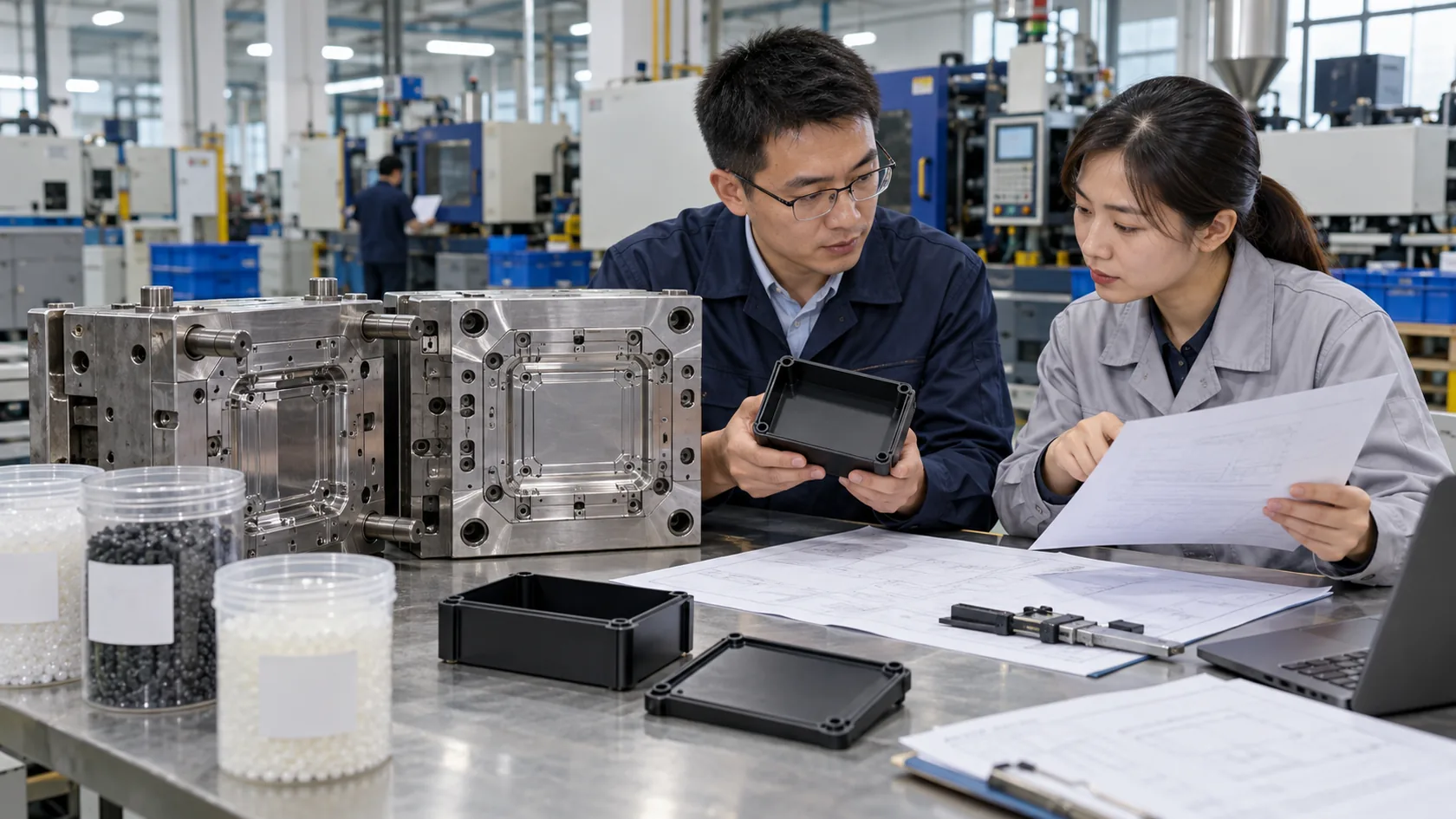
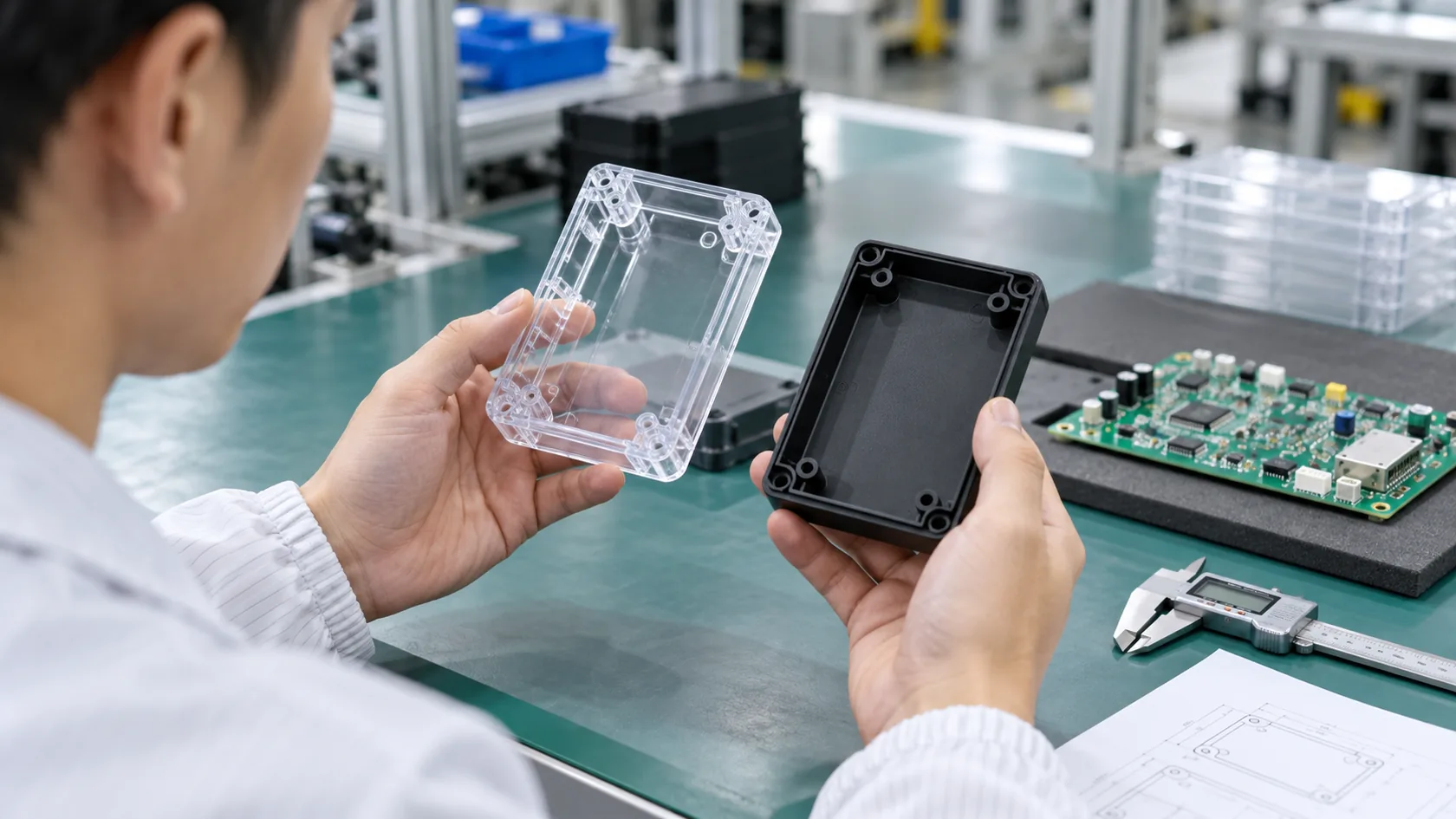
Skip to content

A surface finish can look like a small line on a drawing.
“Black powder coating.”
“Clear anodizing.”
“Brushed stainless steel.”
“Chem film inside.”
Simple words. Simple notes.
But in real OEM enclosure projects, this small line can decide whether the enclosure looks premium, survives outdoor use, passes electrical contact checks, fits after assembly, or becomes a headache after mass production.
I have seen buyers spend many days discussing wall thickness, hole positions, logo size, packaging, and shipping. Then surface finish gets decided in five minutes. That is where many hidden problems start.
For metal enclosures, surface finish is not only about color. It is about protection, touch feeling, conductivity, corrosion resistance, heat, tolerance, and brand image. Sometimes it also decides whether the enclosure can be assembled smoothly after coating.
Why surface finish is not just a cosmetic choice for OEM metal enclosures
Many buyers first think about surface finish from appearance.
They want the enclosure to look clean.
They want the color to match their brand.
They want the logo to stand out.
They want the final product to feel solid in the customer’s hand.
These are all important. I also care about these details.
But surface finish works deeper than that.
For example, powder coating can protect the surface and give a strong color. But it also adds thickness. If the drawing has tight screw holes, sliding rails, or cover grooves, coating buildup may make assembly harder.
Anodizing gives aluminum a clean and professional look. It also has good wear resistance. But anodizing can reduce surface conductivity. If the customer needs grounding through the enclosure body, we must plan bare contact areas or use another finish strategy.
Stainless steel can be brushed or passivated. It may not need colorful coating. But if the enclosure will be used in food, medical, or humid environments, the surface treatment and cleaning method matter a lot.
So I do not treat surface finish as decoration. I treat it as part of the enclosure design.
The small choice on the surface can become a big result inside the product.
How the wrong finish can create corrosion, grounding, tolerance, or branding problems
A wrong surface finish usually does not fail on day one.
That is the tricky part.
The sample may look fine.
The first assembly may look acceptable.
The customer may approve the color.
Then problems appear later.
Maybe the outdoor enclosure starts to corrode after months of rain.
Maybe the grounding screw does not make stable contact.
Maybe the lid becomes too tight after powder coating.
Maybe the black color does not match the customer’s other product line.
Maybe the logo printing peels because the surface texture was not suitable.
Maybe the gasket area was coated too thick and sealing pressure becomes uneven.
These problems are not dramatic at the beginning. They are quiet. But they cost money later.
I usually tell customers one thing: the surface finish must match the real use condition, not just the catalog photo.
A beautiful enclosure that cannot handle the real environment is not a good enclosure.
What buyers should confirm before choosing a finish
Before I suggest a surface finish, I want to know several basic things.
Not many. But they are important.
| Question | Why I Ask It |
|---|---|
| What metal is used? | Aluminum, steel, stainless steel, and die-cast aluminum need different finish choices. |
| Where will the enclosure be used? | Indoor, outdoor, coastal, industrial, and clean environments are very different. |
| Does the enclosure need grounding or EMC protection? | Some finishes block electrical contact. |
| Does the customer need a special color or logo? | Branding may change the finish choice. |
| Are there tight holes, threads, rails, or gasket areas? | Coating thickness may affect assembly. |
| Is this sample or mass production? | Small batch and large batch may need different cost control. |
The way I judge this at the beginning is simple: I do not ask “what color do you want?” first. I ask “what problem must this surface solve?” because color is only one part of the answer.
Once the buyer answers these questions clearly, the surface finish decision becomes much safer.
And this is why I always slow down before saying yes to any finish request.
What Should You Check Before Choosing a Surface Finish?
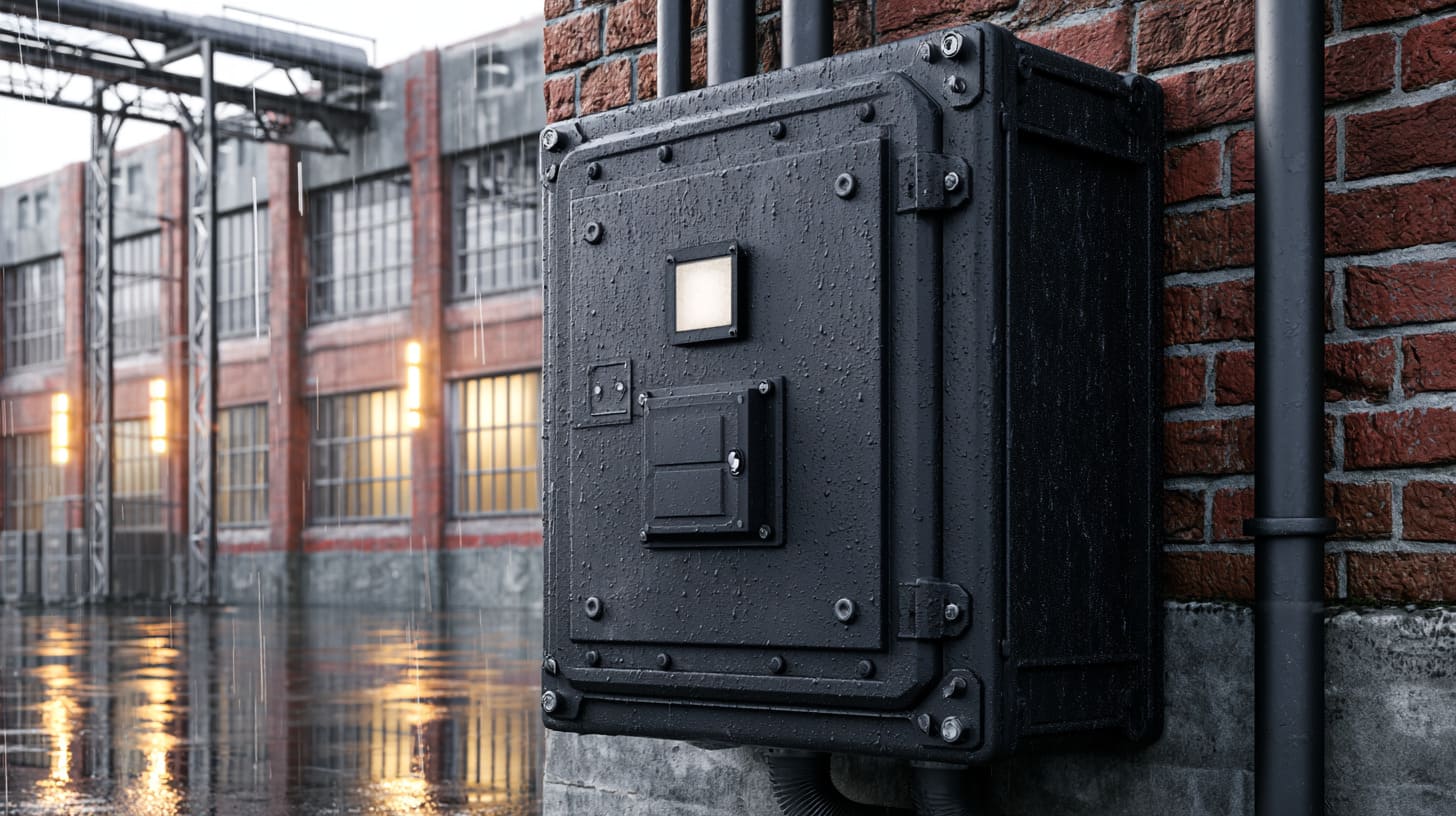
Surface finish selection should start before production. It should not wait until the enclosure is already machined, bent, welded, or assembled.
I know this sounds basic. But in real projects, many customers send a drawing first and add the finish later.
That creates risk.
A finish is not something we “paint on at the end” without thinking. It changes dimensions. It changes surface behavior. It changes how screws sit, how gaskets seal, how logos look, and how electrical contact works.
The first thing I try to understand is not the finish name. I try to understand the whole working condition around the enclosure, because one finish can be perfect in one project and completely wrong in another.
What material is the enclosure made from?
The metal material decides the finish options.
Aluminum, steel, stainless steel, and die-cast aluminum do not behave the same.
| Material | Common Finish Options | Main Reason |
|---|---|---|
| Aluminum extrusion | Anodizing, powder coating, brushing, chem film | Appearance, corrosion resistance, wear resistance, conductivity control |
| Sheet metal steel | Powder coating, zinc plating, painting, galvanizing | Rust prevention and color control |
| Stainless steel | Brushing, polishing, passivation, bead blasting | Clean appearance and corrosion resistance |
| Die-cast aluminum | Powder coating, chromate conversion, painting | Surface coverage and corrosion protection |
If a customer says, “We want black finish,” I still need to know the base material.
Black anodizing on aluminum is not the same as black powder coating on steel. The look, thickness, cost, durability, and electrical behavior are different.
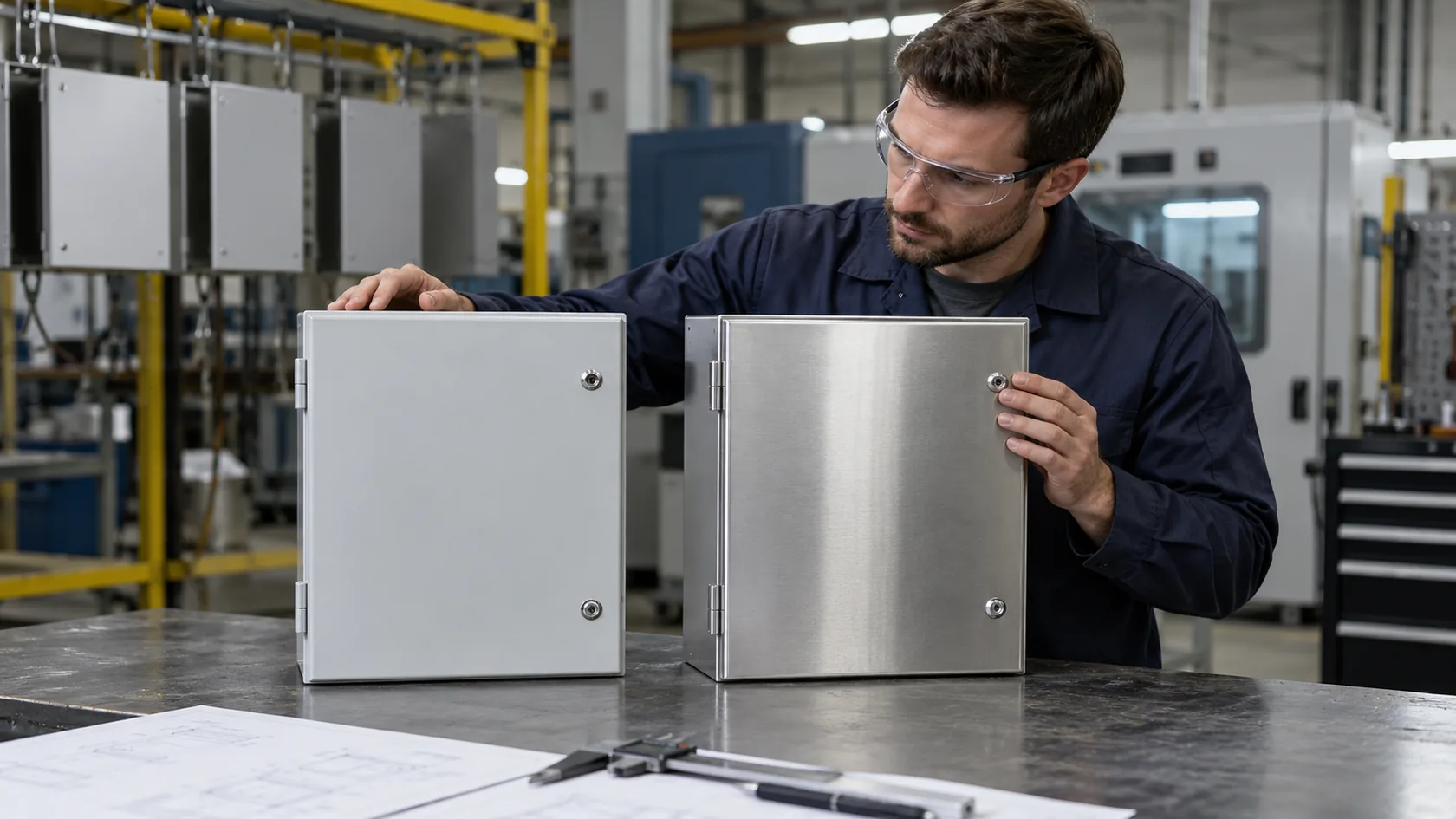
For example, an extruded aluminum enclosure for an industrial controller may use black anodizing because the customer wants a clean metal look and better scratch resistance. But a sheet metal control box may use black powder coating because it needs full color coverage and rust protection.
Same color. Different logic.
Will the enclosure be used indoors, outdoors, or in a harsh environment?
The use environment is one of the biggest decision points.
Indoor use is usually easier. The enclosure may only need basic corrosion protection and a nice appearance.
Outdoor use is more serious. The surface may face rain, sunlight, humidity, dust, temperature change, and sometimes salt air.
Harsh environments are even harder. These can include coastal areas, chemical plants, factories, food equipment rooms, energy storage systems, or outdoor communication sites.
| Environment | Main Risk | Finish Thinking |
|---|---|---|
| Indoor office | Scratches, appearance, light dust | Powder coating, anodizing, brushing |
| Indoor factory | Oil, dust, impact, cleaning | Durable coating or stainless finish |
| Outdoor normal | Rain, UV, humidity | Outdoor-grade powder coating or anodizing |
| Coastal | Salt spray, corrosion | Stainless steel, strong pre-treatment, suitable coating |
| Chemical area | Chemical attack | Material and finish must be checked carefully |
| Food or medical | Cleaning, hygiene, corrosion | Stainless steel with passivation or suitable surface |
I do not like choosing outdoor finish only by IP rating. IP rating tells us about dust and water ingress. It does not fully tell us how the surface will fight corrosion.
A box can be IP66 and still corrode if the material and finish are not suitable for the environment.
Does the enclosure need branding, color matching, or logo printing?
Many OEM customers care about branding. I understand this very well.
If the enclosure is part of a final product, the customer wants it to match their design language. The surface should not look like a random industrial box.
Powder coating is often better when the customer needs:
- Custom color
- Pantone matching
- Matte or glossy finish
- Brand consistency
- Logo printing
- Strong visual identity
Anodizing is often better when the customer wants:
- Metallic appearance
- Premium industrial feeling
- Clean edges
- Good wear resistance
- Less “painted” look
Brushing works well when the customer wants a clean stainless steel or aluminum texture. It feels more mature and less flashy.
But branding also has traps.
A very rough texture may make logo printing less sharp. A very glossy surface may show fingerprints easily. A dark matte finish may look premium, but scratches or dust may become more visible.
Branding is not only about the first photo. It is also about how the product looks after real use.
Are there EMC, grounding, or electrical contact requirements?
This is where many enclosure projects become more technical.
Some customers need the metal enclosure to help with grounding or EMI shielding. In that case, surface finish cannot block all contact surfaces.
Powder coating is an insulating layer.
Anodizing also reduces conductivity.
Paint can block electrical contact.
A beautiful coated surface may be bad for grounding if no contact area is planned.
So we may need masking.
For example:
| Area | Possible Requirement |
|---|---|
| Grounding screw position | Keep bare metal or conductive finish |
| Cover contact area | Leave conductive path for EMI gasket |
| Internal mounting boss | Keep contact for PCB grounding |
| Threaded hole | Mask or chase thread after coating |
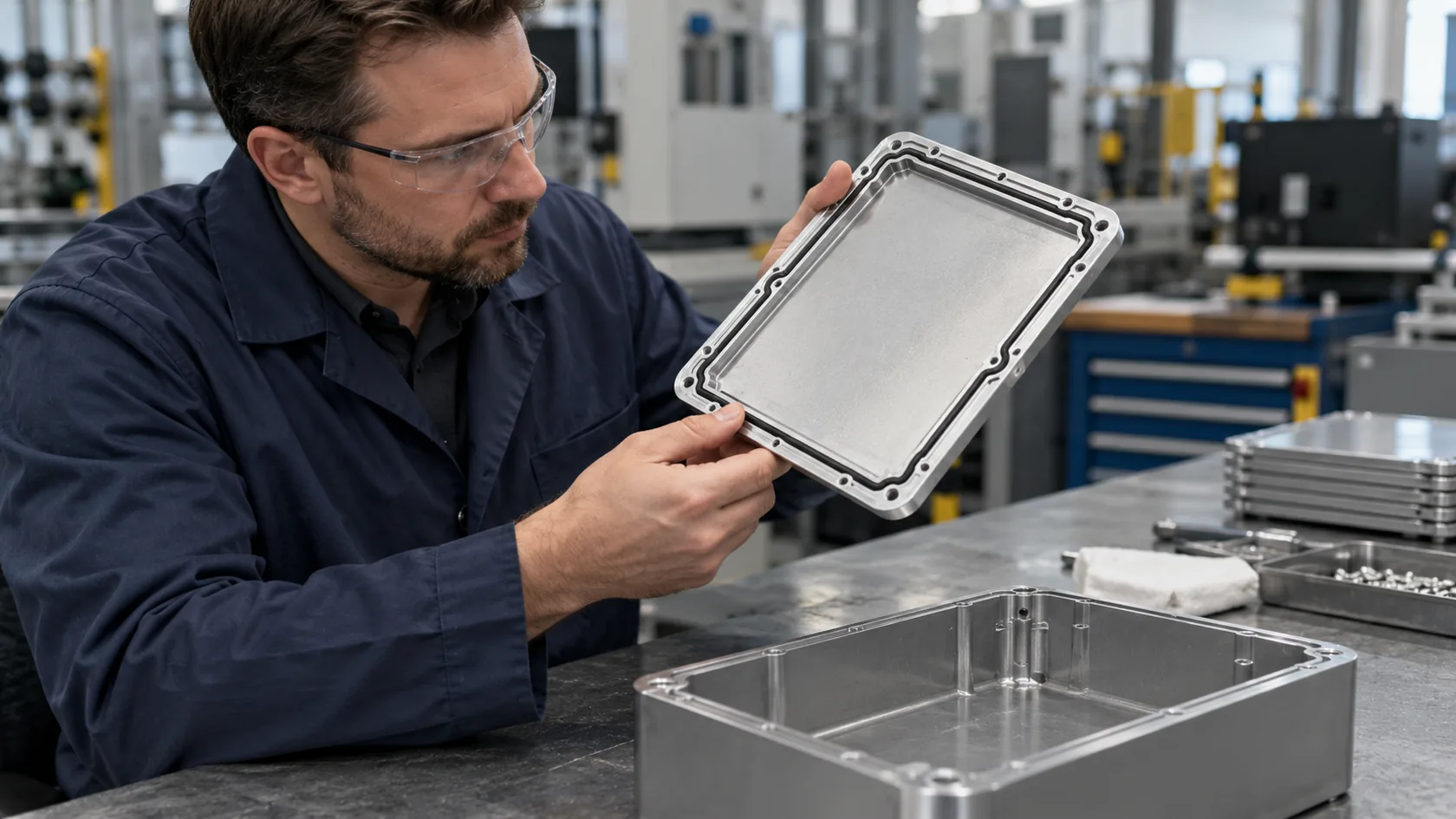
| Gasket groove | Control coating thickness for sealing |
A buyer may send a nice design and say, “Full black coating.” But if the product needs grounding through the enclosure, full coating may create trouble.
This is where I prefer to ask one more question early, even if it slows the conversation a little. A small grounding detail can save a painful redesign later.
Will coating thickness affect assembly, holes, threads, or gasket sealing?
Surface finish has thickness. That thickness looks small, but it matters in tight areas.
Powder coating can build up on corners, edges, holes, and threads. Anodizing thickness is usually much thinner than powder coating, but it still needs attention in some precision areas.
If a sliding cover is already tight before coating, it may become too tight after coating.
If a threaded hole is coated heavily, the screw may not go in smoothly.
If a gasket groove gets too much coating, the gasket may not sit correctly.
| Feature | Possible Finish Problem |
|---|---|
| Screw holes | Coating reduces hole size |
| Threads | Screws become tight or blocked |
| Sliding rails | Cover movement becomes rough |
| Gasket grooves | Sealing pressure changes |
| Mating surfaces | Assembly gap changes |
| Countersunk holes | Screw head may not sit flat |
Many times, the drawing shows clean dimensions. But the drawing does not say whether the dimension is before finish or after finish.
That detail matters.
A surface finish is thin, but it is not invisible.
If the product has tight tolerance, I prefer to confirm this before sample production.
The next question is even more practical: different metals do not offer the same finish choices. So let’s look at the material first.
How Do Different Metal Enclosure Materials Affect Finish Selection?
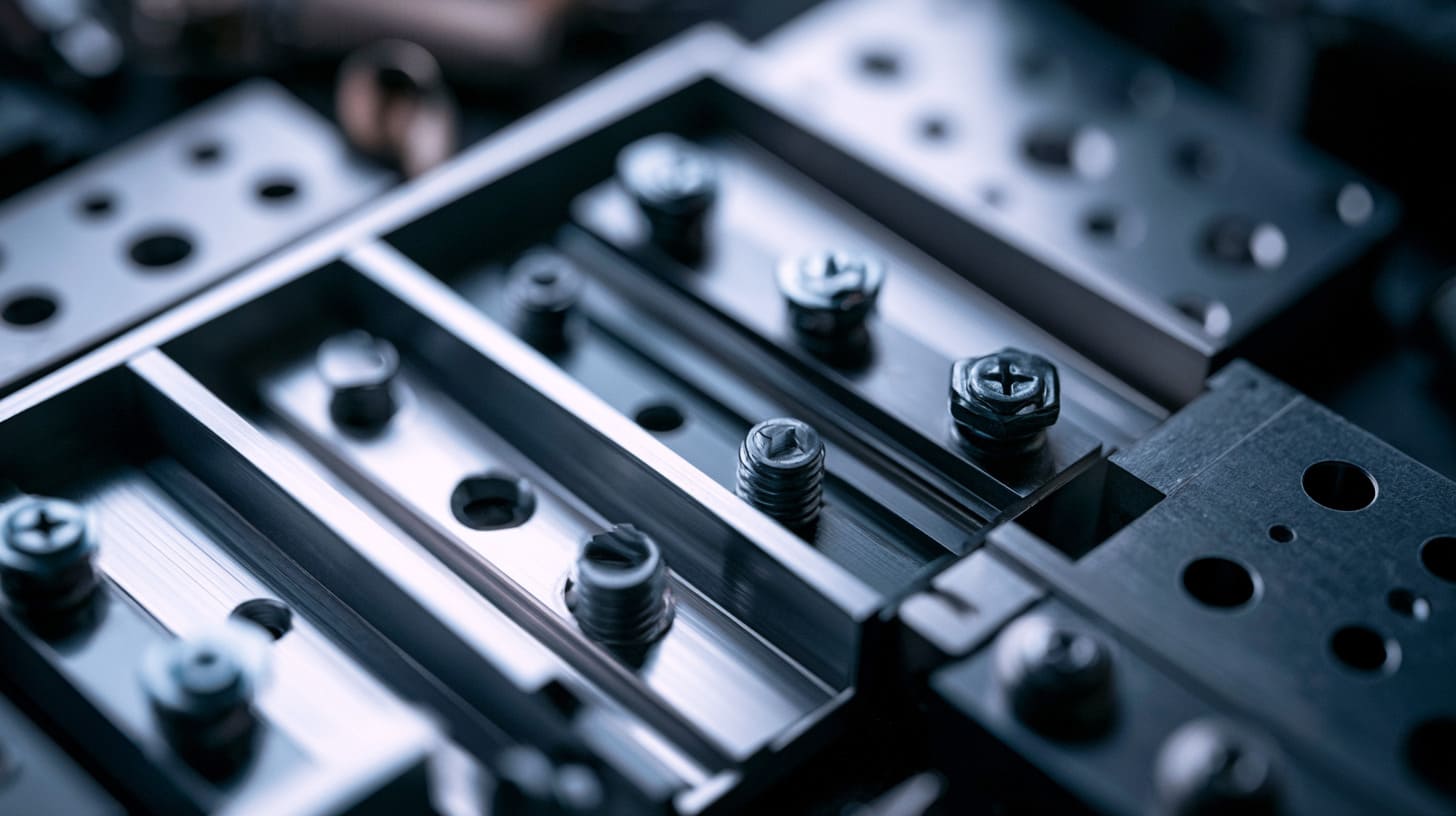
The same surface finish does not work the same way on every metal.
This is why I always check the base material before giving finish advice. If the material is wrong, the finish discussion may go in the wrong direction.
A buyer may ask for “anodized steel” or “passivated aluminum.” I understand what they want from a visual or functional point of view. But the technical route must match the material.
Material is the body. Finish is the skin. If the body is different, the skin must be treated differently.
Aluminum enclosures: anodizing, powder coating, brushing, and chromate conversion
Aluminum is very common in OEM metal enclosures, especially for extruded aluminum housings, CNC machined enclosures, and some die-cast housings.
For aluminum, common options include:
- Anodizing
- Powder coating
- Brushing
- Sandblasting
- Chromate conversion
- Painting
- Laser engraving after finish
Anodizing is popular because it becomes part of the aluminum surface. It gives a clean metal look and better wear resistance.
Powder coating gives stronger color control and thicker protection.
Brushing gives a visible texture. It is often used when the customer wants a premium industrial look.
Chromate conversion is more functional. It is useful when the customer needs corrosion protection but also wants better electrical conductivity than anodizing.
| Aluminum Finish | Best For | Main Concern |
|---|---|---|
| Clear anodizing | Clean natural aluminum look | Color variation between batches |
| Black anodizing | Premium black metal look | Grounding contact must be planned |
| Powder coating | Custom color and outdoor protection | Thickness affects assembly |
| Brushing | Decorative texture | Scratches follow the grain |
| Chem film | Conductive protection | Not usually decorative |
For aluminum enclosures, I usually do not choose finish only by appearance. I look at whether the enclosure needs heat transfer, grounding, outdoor protection, and brand color at the same time.
Sheet metal steel enclosures: powder coating, zinc plating, galvanizing, and painting
Steel is strong and cost-effective. It is common for sheet metal enclosures, control cabinets, brackets, covers, and industrial boxes.
But steel rusts if it is not protected.
So surface finish is very important.
Common steel finish options include:
- Powder coating
- Wet painting
- Zinc plating
- Galvanizing
- E-coating
- Phosphate pre-treatment before coating
Powder coating is widely used for steel enclosures because it gives color and protection. But pre-treatment is very important. If surface preparation is weak, coating adhesion may fail.
Zinc plating is common for smaller steel parts, brackets, screws, and internal hardware.
Galvanizing gives stronger corrosion protection for steel, especially for heavier parts or outdoor structures.
| Steel Finish | Typical Use | Main Risk |
|---|---|---|
| Powder coating | Sheet metal boxes and cabinets | Poor pre-treatment causes peeling |
| Zinc plating | Brackets and small parts | Not always enough for harsh outdoor use |
| Galvanizing | Outdoor steel structures | Surface may look less refined |
| Painting | Custom appearance | Durability depends on paint system |
Steel finish selection should not be cheap in the wrong place. Saving a little on pre-treatment can create rust claims later.
Stainless steel enclosures: brushing, passivation, polishing, and bead blasting
Stainless steel is often chosen when corrosion resistance, hygiene, or clean appearance matters.
It is common in food equipment, medical equipment, marine-related products, clean rooms, and harsh industrial areas.
Stainless steel does not always need coating. Many times, the finish is about improving surface condition and appearance.
Common options include:
- Brushed finish
- Mirror polishing
- Bead blasting
- Passivation
- Electropolishing
Brushing gives a clean directional texture. It hides small scratches better than mirror polishing.
Mirror polishing looks bright, but it shows fingerprints and scratches easily.
Passivation helps improve corrosion resistance by cleaning and improving the passive layer on stainless steel.
| Stainless Finish | Best For | Main Concern |
|---|---|---|
| Brushing | Industrial and premium look | Grain direction must be controlled |
| Mirror polish | Decorative or clean visual use | Fingerprints and scratches are obvious |
| Passivation | Food, medical, humid areas | Process control matters |
| Bead blasting | Matte uniform look | Surface may hold dirt if too rough |
For stainless steel, I care about cleaning behavior as much as appearance. A surface that looks beautiful in a photo may be hard to maintain in real use.
Die-cast aluminum enclosures: powder coating, chromate conversion, and machining marks control
Die-cast aluminum enclosures are common for junction boxes, electrical housings, outdoor boxes, LED housings, and industrial control cases.
Die casting has its own surface features. There may be parting lines, ejector marks, small pores, and texture variation.
So finish selection must consider surface preparation.
Powder coating is common for die-cast aluminum because it covers surface variation better and gives good protection.
Chromate conversion can be used when conductivity or corrosion protection is needed before painting or coating.
Machined surfaces may need special control if they are visible or used for sealing.
| Die-Cast Issue | Finish Consideration |
|---|---|
| Porosity | Coating may show bubbles if preparation is weak |
| Parting lines | Need trimming or polishing before finish |
| Machining marks | Need sanding or surface control if visible |
| Gasket areas | Must keep flatness and finish control |
| Thread holes | Need masking or re-tapping after coating |
Die-cast parts can look simple from the outside, but surface finish often reveals the quality of mold, casting, and pre-treatment.
A finish cannot fully hide a bad base part. It can only improve a prepared one.
Now that the material side is clear, we can talk about the most common finish many buyers ask for first: powder coating.
When Should You Choose Powder Coating?
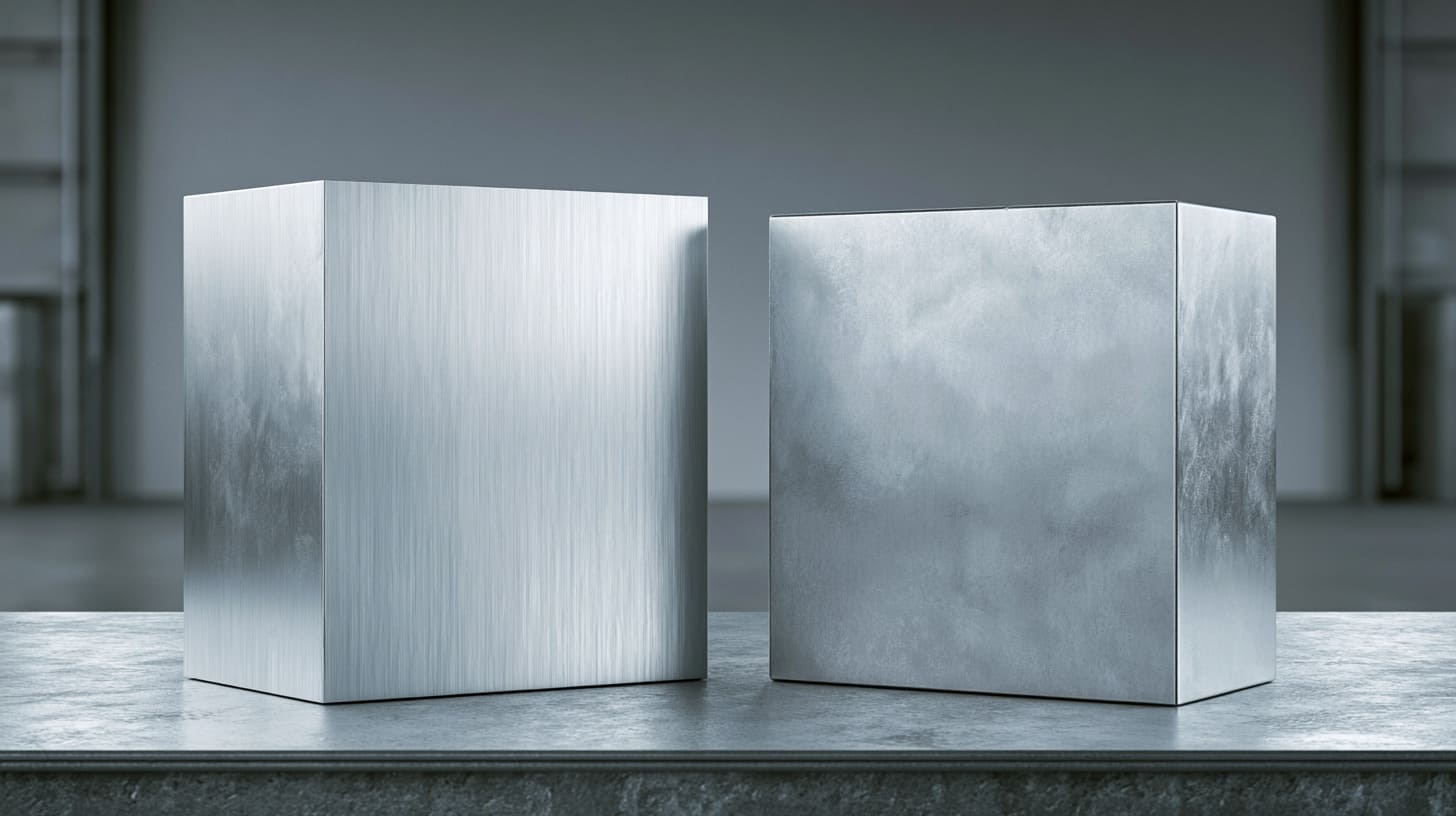
Powder coating is one of the most common surface finishes for OEM metal enclosures.
Many buyers like it because it gives a solid color, good coverage, and a professional finish. For B2B enclosure projects, it is also practical. It works for many aluminum and steel parts.
But powder coating is not just “spray color on the box.”
It has thickness. It has texture. It needs pre-treatment. It may need masking. It can affect assembly.
The moment a customer asks for powder coating, I immediately think about three things: color, thickness, and contact areas. These three details decide whether powder coating is easy or risky.
Why powder coating is common for OEM metal enclosures
Powder coating is popular because it fits many OEM requirements.
It can offer:
- Custom colors
- Matte, semi-gloss, or glossy finish
- Good surface protection
- Better visual consistency
- Stronger coverage than many thin finishes
- Better protection for steel and aluminum parts
For enclosure projects, powder coating is often chosen when the product must look like a finished commercial product, not a raw metal box.
It is common for:
| Product Type | Why Powder Coating Is Used |
|---|---|
| Electrical control boxes | Protection and brand color |
| Outdoor metal enclosures | Weather protection with proper coating system |
| Sheet metal enclosures | Rust prevention and clean appearance |
| Die-cast aluminum boxes | Surface coverage and color consistency |
| Custom OEM housings | Logo and brand matching |
Powder coating also works well when the customer needs a specific color. For example, matte black, white, grey, blue, orange, or Pantone-like brand colors.
For many OEM buyers, the surface is the first thing their customers see. Powder coating helps the enclosure look more finished.
When powder coating is better for color, branding, and outdoor protection
Powder coating is a strong choice when the project needs visual identity.
If the enclosure is sold with the customer’s main product, color matters. A black control box, a white medical device housing, or a blue industrial sensor enclosure must match the brand image.
Powder coating is also useful for outdoor use, but only if the coating system is suitable.
The buyer should check:
- Is it indoor or outdoor powder?
- Is UV resistance needed?
- Is salt spray resistance required?
- Is pre-treatment suitable for the base metal?
- Is the texture smooth, fine, or rough?
- Is the gloss level defined?
| Requirement | Powder Coating Advantage |
|---|---|
| Brand color | Easy to customize |
| Matte black finish | Common and stable |
| Outdoor use | Good if coating system is correct |
| Logo printing | Works well on many textures |
| Steel protection | Helps prevent rust with pre-treatment |
But powder coating is not magic.
If the product will be used near the sea, in a chemical environment, or under strong UV for years, we need a better coating specification. The finish name alone is not enough.
What risks come from powder coating thickness on tight-tolerance parts
Powder coating thickness can create real assembly problems.
The layer may look thin to the eye. But in mechanical design, it can be enough to change the fit.
For example, if both sides of a sliding groove get coated, the total gap may become smaller. If a screw hole gets coated, the screw may feel tight. If a cover and base both have coating buildup, the enclosure may not close smoothly.
| Area | Powder Coating Risk | Possible Solution |
|---|---|---|
| Screw holes | Hole becomes smaller | Mask or clean hole after coating |
| Threaded holes | Screw cannot enter smoothly | Mask, plug, or tap after coating |
| Sliding rails | Cover becomes tight | Increase clearance or mask |
| Gasket groove | Seal pressure changes | Control coating or mask sealing area |
| Mating surfaces | Assembly gap changes | Define after-finish dimensions |
This is one of those details that looks boring until it costs money. I prefer to fight for clearance on the drawing instead of fighting with a screwdriver after coating.
For tight-tolerance enclosure parts, the drawing should say whether dimensions are before finish or after finish.
If it does not say, people may assume different things. That is dangerous.
When masking is needed for threads, grounding points, gasket areas, or assembly surfaces
Masking means we protect some areas from coating.
It is not only for appearance. It is often a functional decision.
Common masking areas include:
- Grounding screw points
- Electrical contact surfaces
- Threaded holes
- Bearing or sliding surfaces
- Gasket sealing areas
- Heat transfer contact areas
- Areas that need adhesive bonding
Masking adds work. It may increase cost. But it can prevent bigger problems.
| Masking Area | Why It Matters |
|---|---|
| Grounding point | Coating may block electrical contact |
| Thread | Coating may make screw tight |
| Gasket area | Uneven coating may affect sealing |
| Heat contact surface | Coating may reduce direct thermal contact |
| Logo area | Some printing may need smoother surface |
Many customers want “full coating” because it sounds clean. But full coating is not always the best engineering choice.
Sometimes the best enclosure has coating outside and controlled bare metal inside.
A good finish choice is not always the most complete coating. It is the coating that protects the right areas and leaves the right areas functional.
Powder coating solves many problems, but it also creates some. For aluminum enclosures, another common choice is anodizing. It looks thinner, cleaner, and more metallic. But it has its own rules.
When Should You Choose Anodizing for Aluminum Enclosures?

Anodizing is one of my favorite finishes for many aluminum enclosures, especially extruded aluminum cases.
It gives aluminum a clean, technical, and premium feeling. It does not feel like thick paint. It still shows the character of the metal.
Many customers choose anodizing because they want the enclosure to look serious, not decorative.
But anodizing is not always the right answer. It is good for many aluminum projects, but it has limits in color matching, conductivity, and surface consistency.
When a customer asks for anodizing, I pay close attention to the part shape and the electrical path, because anodizing can make the enclosure look better while quietly changing how the metal contacts other parts.
Why anodizing works well for aluminum extruded enclosures
Aluminum extruded enclosures often use anodizing because the process matches the material well.
Extruded aluminum has clean lines. It often has sliding covers, grooves, heat fins, and precise shapes. Anodizing keeps those details sharp because the finish is much thinner than powder coating.
Common anodizing choices include:
- Clear anodizing
- Black anodizing
- Silver anodizing
- Blue, red, or other decorative anodizing
- Hard anodizing for stronger wear resistance
For many electronic enclosures, black or clear anodizing is the most common.
| Anodizing Type | Common Use |
|---|---|
| Clear anodizing | Natural aluminum appearance |
| Black anodizing | Premium industrial electronics |
| Hard anodizing | Wear resistance and stronger surface |
| Decorative color anodizing | Branding or product line identity |
Anodizing also works well with laser engraving. A logo or marking can look sharp on an anodized aluminum surface.
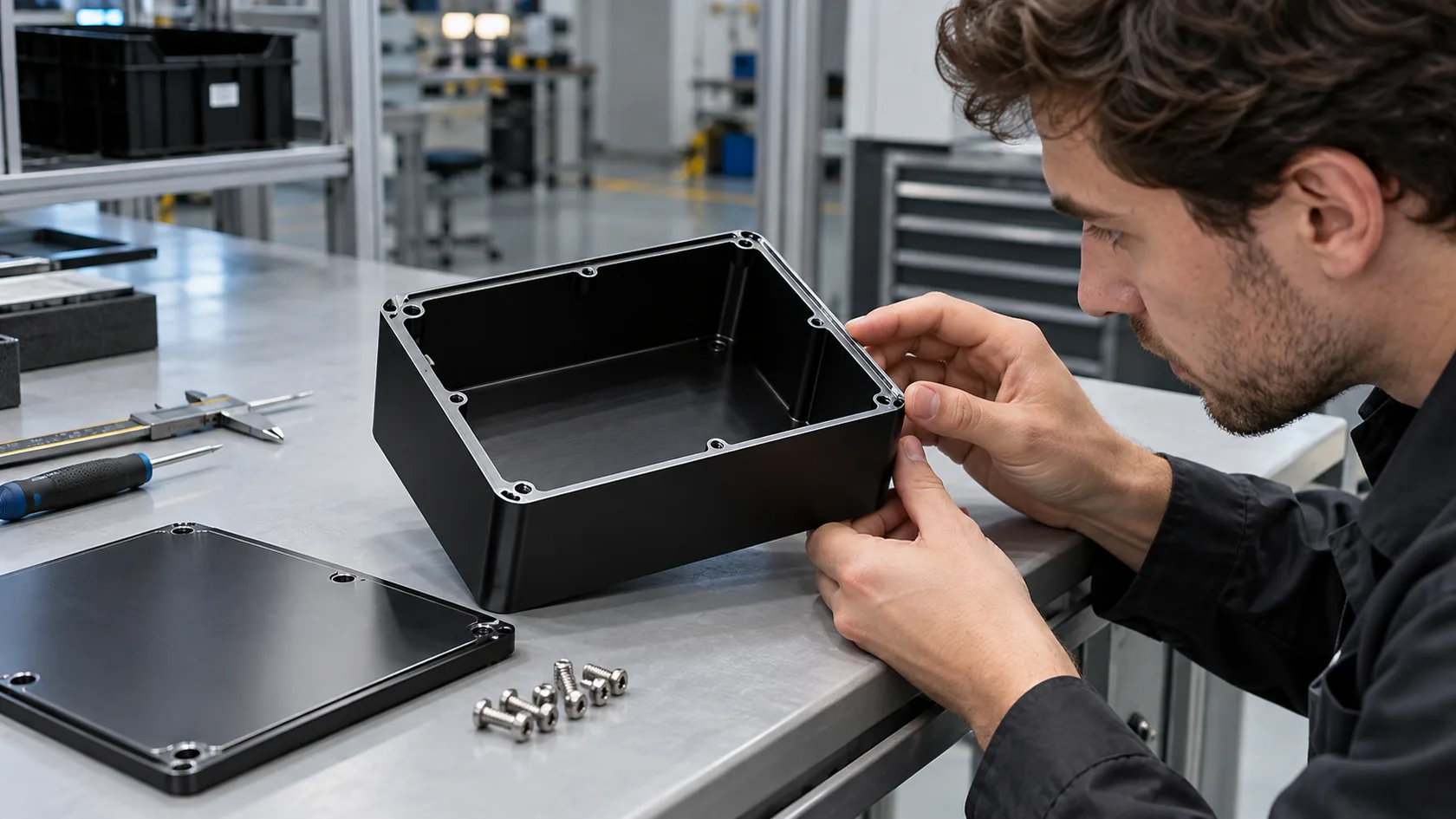
This is why many customers like it for small electronic device housings, sensor cases, Raspberry Pi style cases, industrial controllers, and instrument enclosures.
When anodizing is better for wear resistance and a clean metallic appearance
Anodizing is better than powder coating when the buyer wants a more metallic feeling.
The surface feels like treated aluminum, not a painted shell.
It is also helpful when the enclosure has:
- Sliding covers
- Thin grooves
- Heat fins
- CNC edges
- Fine details
- Premium visible surfaces
Powder coating may soften sharp details because the coating is thicker. Anodizing keeps the part closer to the machined or extruded shape.
| Requirement | Why Anodizing Helps |
|---|---|
| Clean metal look | Surface still feels like aluminum |
| Thin finish | Less risk for tight assembly |
| Laser marking | Good contrast on many anodized colors |
| Wear resistance | Surface is harder than raw aluminum |
| Heat fin detail | Keeps fine shapes cleaner |
But anodizing also exposes surface differences more clearly. If the aluminum extrusion has lines, scratches, or material variation, anodizing may not hide them like powder coating does.
So the raw material and surface preparation matter.
A buyer should not expect anodizing to hide all defects. It often makes the metal more honest.
Why anodizing may reduce surface conductivity and affect grounding
Anodizing forms an oxide layer on aluminum. This layer protects the surface, but it also reduces electrical conductivity on the surface.
This can be a problem when the enclosure needs grounding or EMI shielding through direct metal contact.
For example, if a PCB grounding point contacts an anodized internal wall, the contact may not be stable. If the cover must contact the body for shielding, the anodized surface may block the path.
In this case, we may need:
- Masked bare aluminum areas
- Conductive gaskets
- Special grounding screws
- Machined contact points after anodizing
- Chem film instead of anodizing in some areas
The risk here is easy to miss because the enclosure still looks perfect. The problem is not visible. The multimeter finds it later.
That is why I ask about grounding before confirming anodizing.
When black anodizing, clear anodizing, or hard anodizing should be considered
Different anodizing types suit different needs.
| Anodizing Choice | Best Use | Watch Out |
|---|---|---|
| Clear anodizing | Natural aluminum look | Batch color variation |
| Black anodizing | Premium electronics | Fading risk under strong UV if not specified well |
| Hard anodizing | Wear resistance | Color may be darker or less decorative |
| Decorative color anodizing | Brand style | Color matching is less exact than powder coating |
Black anodizing is very common for aluminum electronic enclosures. It looks professional and works well with engraving.
Clear anodizing is good when customers want a natural silver aluminum look.
Hard anodizing is more functional. It is used when wear resistance matters more than appearance.
But anodizing is not always the best choice for perfect brand color matching. If a customer needs exact Pantone color, powder coating may be easier to control.
Anodizing is beautiful when the buyer accepts its metal character. It is frustrating when the buyer expects it to behave like paint.
Sometimes the best finish is not the prettiest one. Sometimes it is the one that keeps electrical contact stable. That brings us to chromate conversion.
When Should You Use Chromate Conversion or Chem Film?
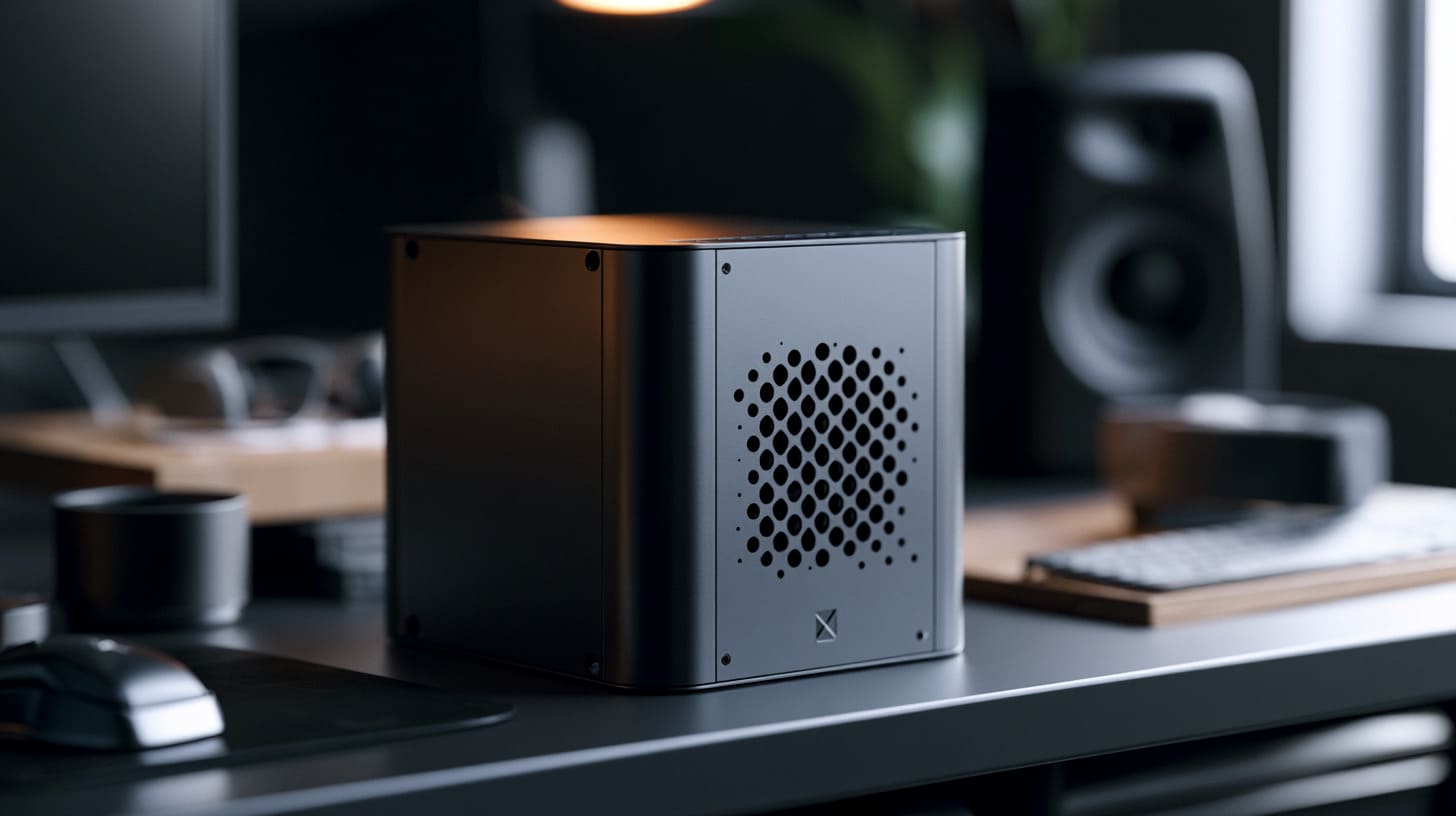
Chromate conversion, also called chem film in many projects, is not usually chosen because it looks beautiful.
It is chosen because it solves a function.
For aluminum enclosures, chem film can provide corrosion protection while keeping better electrical conductivity than anodizing or powder coating. This makes it useful for grounding, EMI contact, and internal surfaces.
Some customers do not know this finish by name. But when they explain the problem, I know chem film may be part of the answer.
When the project needs both corrosion protection and electrical contact, I do not rush to anodizing or powder coating. I first check whether the contact surface needs to stay conductive, because this small detail can decide the whole finishing plan.
Why chromate conversion is useful when conductivity must be kept
Chromate conversion creates a thin chemical layer on aluminum.
It helps protect the surface from corrosion. It also keeps better conductivity than many thicker or more insulating finishes.
This makes it useful for:
- EMI shielding areas
- Grounding contact surfaces
- Internal aluminum parts
- Military or industrial electronic enclosures
- Areas that later receive paint or powder coating
- Parts where tight tolerance is important
| Requirement | Why Chem Film Helps |
|---|---|
| Conductivity | Keeps better electrical contact than anodizing |
| Thin finish | Less effect on precision areas |
| Corrosion protection | Protects aluminum surface |
| Paint base | Can support later coating system |
| Internal functional surfaces | Good where appearance is less important |
The finish is usually very thin. That can be a major benefit.
For precision parts, a thin functional finish can be safer than a thick decorative coating.
When chem film is better than anodizing for grounding or EMI contact areas
Anodizing can block electrical contact. Powder coating can block it even more.
Chem film is often better when the enclosure must maintain conductive paths.
For example, an industrial communication device may need the enclosure body and cover to contact each other for EMI shielding. If we fully anodize the contact edges, the shielding performance may become unstable.
In that case, the options may include:
- Chem film on contact areas
- Masking before anodizing
- Conductive gasket
- Bare metal contact after machining
- Mixed finish strategy
| Design Area | Possible Finish Strategy |
|---|---|
| Outer visible shell | Powder coating or anodizing |
| Inner grounding area | Chem film or bare metal |
| Cover contact edge | Masked or conductive finish |
| Screw boss | Bare metal or controlled finish |
| EMI gasket track | Conductive contact area |
A mixed finish may sound more complicated. But sometimes it is the cleanest way to balance appearance and function.
Full beauty outside. Stable contact inside.
That is often the real OEM answer.
Why this finish is often used as a functional layer instead of a decorative finish
Chem film usually does not have the same decorative look as anodizing or powder coating.
It may look yellowish, clear, or slightly uneven depending on the type and process.
So I do not recommend it when the customer’s main goal is a premium visible surface.
I recommend it when function is more important.
Common uses include:
- Internal surfaces
- Hidden aluminum parts
- EMI-sensitive areas
- Grounding surfaces
- Pre-treatment before coating
- Functional prototypes
This finish is like a good internal part in a machine. It may not get attention, but it does the job.
A buyer who only judges by appearance may undervalue chem film. A product engineer usually understands it faster when we talk about grounding and EMI.
What environmental and compliance issues should be checked before using chromate
Chromate conversion can involve environmental and compliance concerns.
Some traditional chromate processes use hexavalent chromium. Many industries now require safer alternatives or specific compliance control.
So the buyer should confirm:
- Is hexavalent chromium allowed for this project?
- Is RoHS compliance required?
- Is REACH compliance required?
- Is the application industrial, military, medical, or consumer?
- Is documentation needed?
- Is clear trivalent chem film acceptable?
| Compliance Question | Why It Matters |
|---|---|
| RoHS required? | Some chromate types may not be acceptable |
| REACH required? | Chemical restrictions may apply |
| Customer market | EU and North America may require stricter checks |
| Product type | Consumer products may have tighter requirements |
| Test report needed? | Documentation may be required before shipment |
This is where I slow down and check the final selling market, not only the factory process. A finish that is easy to make may still be wrong if the product cannot enter the customer’s market.
Chem film is useful, but it must be chosen with both function and compliance in mind.
After aluminum finishes, we should also look at steel and stainless steel options. Some projects need plating, galvanizing, or passivation instead.
When Are Plating, Galvanizing, or Passivation Better Choices?
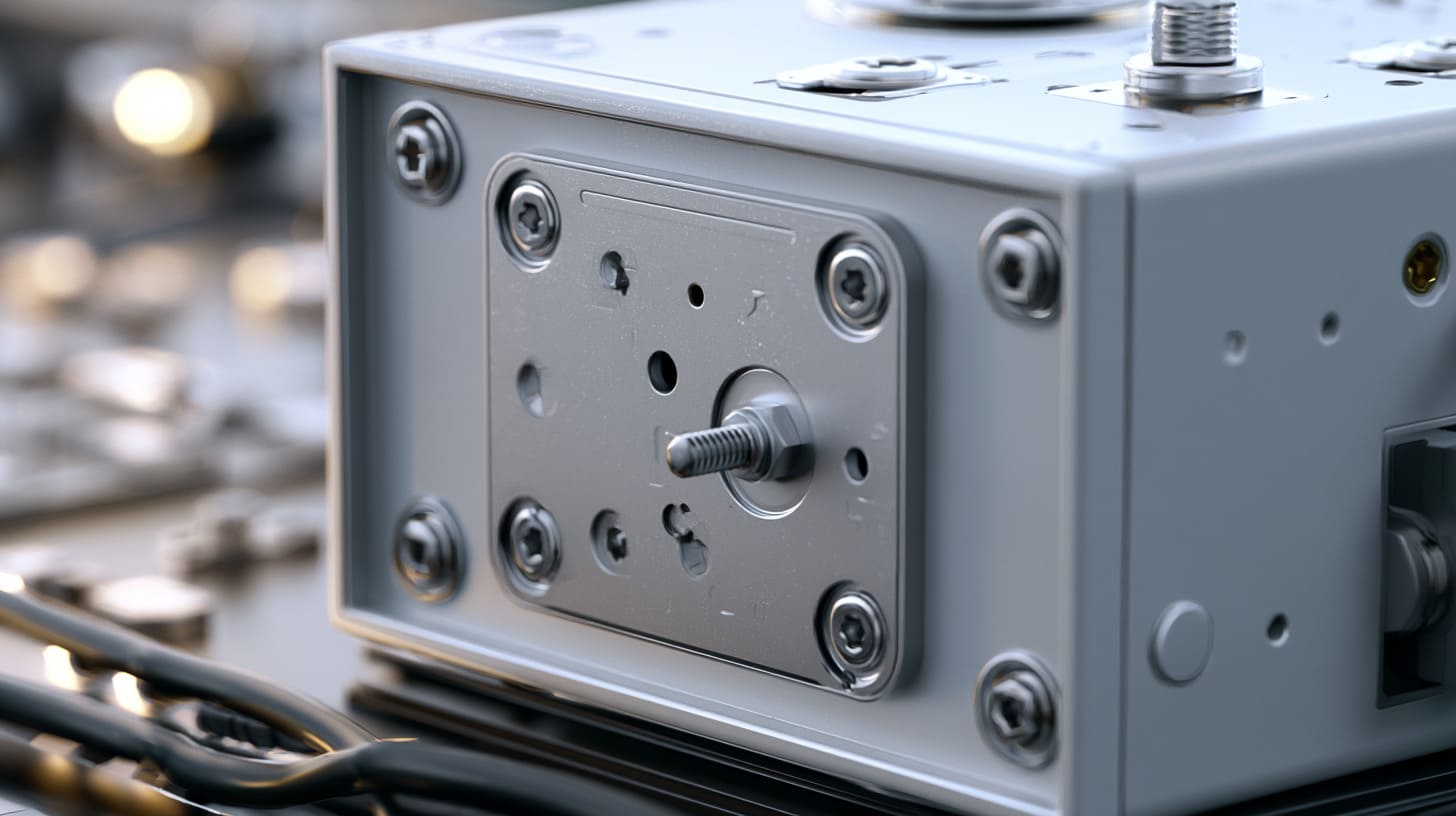
Not every metal enclosure should use powder coating or anodizing.
Sometimes the right answer is zinc plating for a steel bracket. Sometimes it is galvanizing for outdoor steel. Sometimes it is passivation for stainless steel.
These finishes are less “popular” in simple product photos, but they are very important in real manufacturing.
I often see buyers focus on the enclosure shell and forget screws, brackets, hinges, mounting plates, and internal hardware. But these smaller parts can fail first if the finish is wrong.
Zinc plating for steel parts, brackets, screws, and internal hardware
Zinc plating is common for steel parts that need corrosion protection but do not need a thick painted finish.
It is often used for:
- Screws
- Nuts
- Washers
- Brackets
- Internal plates
- Small stamped parts
- Mounting hardware
Zinc plating gives a thin protective layer. It is practical and cost-effective.
| Part | Why Zinc Plating Is Common |
|---|---|
| Screws | Corrosion protection and standard supply |
| Brackets | Thin finish and easy assembly |
| Internal plates | Protection without thick coating |
| Clips | Keeps spring or fit function better |
| Washers | Simple rust prevention |
But zinc plating is not always enough for harsh outdoor use. If the part is exposed to salt spray or long-term rain, we need to check the required corrosion resistance.
Also, if the zinc-plated part contacts aluminum or stainless steel, galvanic corrosion may need attention depending on the environment.
Small parts are small only in size. They are not small in risk.
Galvanizing for stronger corrosion protection on steel structures
Galvanizing is often used when steel parts need stronger corrosion protection.
Hot-dip galvanizing gives a thicker zinc layer. It is common for outdoor steel structures, frames, poles, supports, and heavy-duty parts.
For enclosure projects, galvanizing may be used for:
- Outdoor mounting brackets
- Support frames
- Base plates
- Steel cabinets in rough environments
- Heavy mounting structures
| Galvanizing Advantage | Main Concern |
|---|---|
| Strong corrosion protection | Surface appearance is less refined |
| Good for outdoor steel | Thickness can affect holes and fit |
| Durable for rough use | Threads may need special control |
| Long service life | Not always suitable for fine cosmetic parts |
Galvanizing is more about toughness than beauty.
If the customer wants a smooth premium visible enclosure, galvanizing may not be the best visible finish. But for hidden outdoor mounting structures, it can be very practical.
The trade-off is clear: better corrosion protection, less refined appearance.
Passivation for stainless steel enclosures used in food, medical, or clean environments
Passivation is common for stainless steel parts.
It removes surface contaminants and helps improve the natural corrosion-resistant layer of stainless steel.
It is often used in:
- Food equipment
- Medical device housings
- Clean room equipment
- Laboratory equipment
- Humid environments
- Stainless steel enclosures exposed to cleaning
| Stainless Application | Why Passivation Helps |
|---|---|
| Food equipment | Better hygiene and corrosion resistance |
| Medical equipment | Cleaner surface condition |
| Humid areas | Reduces corrosion risk |
| Chemical cleaning | Helps stainless surface stay stable |
| Outdoor stainless use | Improves protection if process is right |
Passivation does not make stainless steel impossible to corrode. That is a common misunderstanding.
If the environment has strong chlorides, wrong cleaning chemicals, or poor material grade, stainless steel can still have problems.
So we still need to choose the correct stainless grade, such as 304 or 316, based on the environment.
Passivation helps. It does not replace good material selection.
Nickel, chrome, or special plating for wear, conductivity, or decorative needs
Some projects need special plating.
Nickel plating can be used for wear resistance, conductivity, or surface protection.
Chrome plating is more decorative and wear-resistant in some applications, but it has process and environmental concerns.
Tin plating, silver plating, or other special coatings may be used for electrical contact parts.
For normal OEM enclosures, these finishes are not always needed. But they may appear in special parts or contact areas.
| Special Plating | Possible Use |
|---|---|
| Nickel plating | Wear, conductivity, protection |
| Chrome plating | Decorative or wear surface |
| Tin plating | Electrical contact parts |
| Silver plating | High-performance electrical contact |
| Black nickel | Decorative technical appearance |
I do not suggest special plating just to make the quotation look more advanced. I suggest it only when the part has a real functional reason, because special plating adds cost, process control, and supply chain risk.
A finish should earn its place in the project.
Now let’s move from process names to real-world protection. Corrosion is one of the main reasons surface finish matters.
How Does Surface Finish Affect Corrosion Resistance?
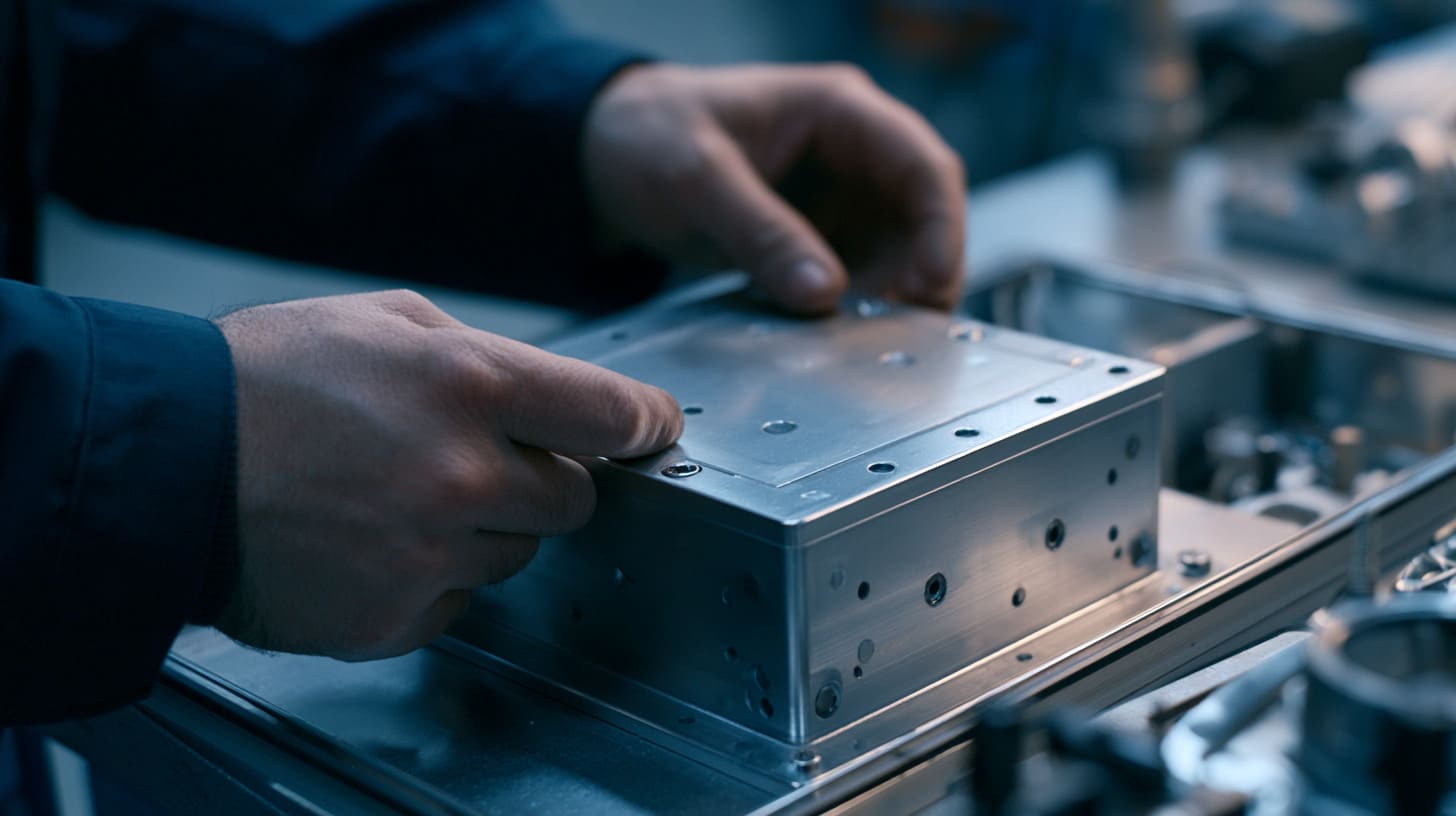
Corrosion is one of the most expensive surface finish problems.
It can damage appearance. It can weaken parts. It can create customer complaints. It can also make a good supplier look careless, even if the drawing did not define the environment clearly.
I always take corrosion seriously because it is not only a factory issue. It is a field issue.
A sample sitting on a desk does not tell the truth. The real test begins when the enclosure meets rain, salt, dust, sweat, cleaning chemicals, or sunlight.
Why indoor, outdoor, coastal, and industrial environments need different finishes
Different environments need different levels of protection.
An indoor sensor enclosure in a clean office does not need the same finish as an outdoor telecom box near the sea.
A factory control box near oil mist does not need the same finish as a medical stainless steel enclosure cleaned every day.
| Environment | Common Corrosion Pressure | Finish Thinking |
|---|---|---|
| Indoor dry | Low | Appearance and basic protection |
| Indoor industrial | Medium | Oil, dust, and cleaning resistance |
| Outdoor normal | Medium to high | Rain, UV, humidity |
| Coastal | High | Salt spray resistance |
| Chemical plant | High | Chemical compatibility |
| Food equipment | Medium to high | Cleaning chemical and hygiene |
If the buyer does not explain the environment, the supplier may choose a standard finish. That finish may work for many cases, but not all.
This is why I ask about the use condition early.
Not because I want to make the project complicated. I want to avoid guessing.
How salt spray, humidity, chemicals, and UV exposure change the selection
Salt spray is very aggressive. It can attack exposed metal, weak coating edges, screws, and damaged areas.
Humidity creates long-term corrosion risk, especially when water stays in corners or under gaskets.
Chemicals can damage coating or stainless steel if the wrong material is used.
UV exposure can make some coatings fade, chalk, or lose gloss.
| Factor | Possible Problem |
|---|---|
| Salt spray | Corrosion on edges, holes, screws |
| Humidity | Rust, oxidation, coating failure |
| Chemicals | Coating softening or staining |
| UV exposure | Color fading or chalking |
| Temperature cycling | Expansion stress and coating cracks |
A finish that works indoors may not survive outdoors.
A finish that works outdoors in a normal city may still fail near the coast.
A finish that looks good in a catalog may not handle daily chemical cleaning.
The environment is not a small detail. It is the boss.
Why coating adhesion and pre-treatment are more important than color alone
Many buyers focus on color. I understand why. Color is visible.
But pre-treatment is what helps the coating stay on the metal.
For powder coating, surface cleaning and chemical pre-treatment are very important. If oil, dust, oxidation, or weak surface layers remain, the coating may peel later.
For aluminum, pre-treatment may include cleaning, etching, conversion coating, or other steps.
For steel, phosphate or other pre-treatment may be used before coating.
| Step | Why It Matters |
|---|---|
| Degreasing | Removes oil before finish |
| Surface cleaning | Helps coating bond |
| Pre-treatment | Improves adhesion and corrosion resistance |
| Proper curing | Makes coating stronger |
| Inspection | Finds weak coverage or defects |
A bright color cannot save poor adhesion.
This is one reason I do not like choosing surface finish only from photos. Photos show color. They do not show process control.
How to avoid choosing a finish only based on appearance
Appearance matters. But it should not be the only decision point.
Before choosing a finish, buyers should ask:
- How long should the enclosure last?
- Where will it be installed?
- Will it face rain or salt?
- Will users touch it often?
- Will it be cleaned with chemicals?
- Will scratches expose base metal?
- Are screws and brackets protected too?
- Is there a test requirement?
A practical decision can look like this:
| If The Main Need Is | Better Finish Direction |
|---|---|
| Custom brand color | Powder coating |
| Metallic aluminum look | Anodizing |
| Conductive surface | Chem film or masked bare areas |
| Stainless hygiene | Passivation or polishing |
| Steel rust protection | Powder coating, plating, or galvanizing |
| Harsh outdoor use | Strong material + pre-treatment + coating system |
I normally judge corrosion risk from the weakest exposed detail, not the largest flat surface. A nice panel means little if the screw holes and cut edges start rusting first.
Corrosion protection is a system. It is not just a color layer.
After corrosion, another hidden topic is electrical performance. Many enclosure problems happen because the finish blocks contact where contact is needed.
How Does Surface Finish Affect EMC, Grounding, and Electrical Performance?
Metal enclosures often do more than protect the product physically.
They may also help with grounding, shielding, and electrical safety.
But surface finish can change how the metal behaves. This is where a nice-looking enclosure can become electrically unreliable.
I have seen drawings where every surface is powder coated, including internal mounting points. The enclosure looked clean. But later the customer needed grounding through the body. Then everyone had to discuss scraping, masking, or redesigning the contact point.
Electrical problems often come from invisible assumptions. The finish looks fine, but the current path is broken.
Why bare metal contact areas may be needed inside the enclosure
Bare metal contact areas are often needed for grounding or shielding.
For example:
- PCB grounding to enclosure
- Grounding screw connection
- EMI gasket contact
- Cover-to-body contact
- Shielded cable gland contact
- Conductive mounting plate connection
If all these areas are coated, contact may become unstable.
| Contact Area | Why Bare Metal May Be Needed |
|---|---|
| Ground screw | Stable earth connection |
| PCB mounting point | Circuit reference or shielding |
| Cover edge | EMI continuity |
| Cable gland area | Shield bonding |
| Internal bracket | Electrical bonding |
The buyer may not need all of these. But we should know before finish.
A grounding design cannot be guessed after coating.
How powder coating and anodizing can block electrical contact
Powder coating is usually insulating. It can block metal-to-metal contact.
Anodizing also creates an oxide layer. It is not the same as raw aluminum contact.
So if the design depends on direct contact, these finishes must be planned carefully.
Possible solutions include:
- Masking contact points before coating
- Machining contact areas after finish
- Using star washers
- Adding grounding studs
- Using conductive gaskets
- Choosing chem film for internal areas
| Finish | Electrical Contact Concern |
|---|---|
| Powder coating | Strongly blocks contact |
| Anodizing | Reduces surface conductivity |
| Paint | Blocks contact |
| Chem film | Better conductivity |
| Bare metal | Good contact but needs corrosion control |
This does not mean powder coating or anodizing is bad.
It means they must be used correctly.
A finish can protect one function and hurt another. That is why the design must balance both.
When to leave masked areas for grounding screws or conductive gaskets
Masking is often the easiest way to solve electrical contact issues.
For example, we can mask a small circular area around a grounding screw. We can also mask a strip where the conductive gasket touches the cover.
This keeps the visible surface protected while keeping the electrical path open.
| Masking Position | Typical Purpose |
|---|---|
| Around grounding screw | Earth bonding |
| Cover contact edge | EMI shielding |
| Cable gland hole | Shield connection |
| Internal boss | PCB grounding |
| Mounting plate contact | Electrical continuity |
But masking must be shown clearly.
If the drawing only says “mask grounding area” without size or position, production workers may interpret it differently.
A good masking note should include:
- Exact location
- Size
- Shape
- Tolerance if needed
- Whether bare metal needs protection after masking
- Inspection requirement
The small masked area is easy to ignore, but it is often the difference between a working enclosure and a field complaint.
Why surface finish should be reviewed together with PCB layout and EMC design
Surface finish should not be reviewed alone.
It should be reviewed with the PCB layout, grounding design, cable entry, and EMI plan.
For example, if the PCB ground connects to a screw boss, we need to know whether that boss is coated. If an EMI gasket touches the lid, we need to know whether the contact surface is conductive. If shielded cables enter the enclosure, the gland area may need proper contact.
| Design Item | Finish Question |
|---|---|
| PCB ground point | Is contact area conductive? |
| EMI gasket | Is mating surface coated or bare? |
| Cable gland | Does shield need bonding? |
| Heat pad | Is coating blocking thermal contact? |
| Mounting screw | Is coating affecting grounding? |
I prefer to see the PCB layout or at least the grounding plan before confirming a full finish. Without that, we may make the enclosure beautiful before we know how it should work.
This is why surface finish is an engineering decision, not only a purchasing decision.
Electrical contact is one hidden issue. Heat is another. And heat can be just as unforgiving.
How Does Surface Finish Affect Heat Dissipation?
Many aluminum enclosures are chosen because they help with heat.
This is common in industrial electronics, LED devices, communication equipment, power modules, IoT gateways, and fanless control products.
But surface finish can affect heat transfer. Sometimes the effect is small. Sometimes it matters a lot, especially when the enclosure is part of the thermal path.
When a customer tells me the product has high power consumption, I do not treat finish as a color topic anymore. I treat it as part of the cooling design.
Why coating type and thickness can influence thermal transfer
Heat can move through metal very well. Aluminum is especially useful for this.
But coating layers do not behave exactly like metal.
A thick coating can reduce direct metal-to-metal contact. This matters when heat must move from a component to the enclosure through a thermal pad, bracket, or internal plate.
For example:
- Power component → thermal pad → enclosure wall
- PCB heat source → aluminum base → external fins
- Internal module → mounting plate → enclosure body
If coating sits between heat contact surfaces, thermal transfer may become worse.
| Area | Heat Concern |
|---|---|
| Thermal pad contact | Coating may reduce direct transfer |
| Heat sink surface | Finish may affect performance |
| Internal mounting plate | Contact must be flat and controlled |
| External fins | Finish affects surface behavior |
| Power module base | Needs clean contact |
The buyer should define which surfaces are thermal contact areas.
Not every surface must be coated the same way.
When anodized aluminum may be preferred for heat-dissipating enclosures
Anodized aluminum is often used for heat-dissipating aluminum enclosures.
It gives protection and keeps the finish relatively thin. It also keeps the metal feeling clean and precise.
For extruded aluminum enclosures with fins, anodizing can be a good choice because it does not heavily fill the fin details like thick coating might.
Common products include:
- Fanless industrial PC enclosures
- Aluminum IoT gateway housings
- LED driver enclosures
- Power supply cases
- Communication device housings
- Raspberry Pi style aluminum cases
| Product | Why Anodizing May Help |
|---|---|
| Fanless enclosure | Keeps aluminum heat path practical |
| Finned extrusion | Keeps fin details sharp |
| Small electronics case | Good appearance and thin finish |
| Industrial controller | Clean and durable surface |
| Heat spreader housing | Less coating buildup |
But the thermal design still needs real data.
Anodizing alone does not solve a bad heat path. If the PCB layout, thermal pad, and contact pressure are wrong, the finish cannot rescue the design.
When powder coating may reduce direct metal-to-metal heat transfer
Powder coating can be thicker than anodizing.
If the heat path depends on direct contact, powder coating may create a barrier.
For example, if a power component presses against the inside wall of a powder-coated aluminum enclosure, the coating layer may reduce thermal transfer. If the thermal pad touches coating instead of bare aluminum, performance may be worse than expected.
Possible solutions include:
- Masking thermal contact areas
- Machining after coating
- Using anodizing instead
- Using thermal interface material properly
- Adding heat fins
- Increasing contact area
- Using a separate heat spreader
| Thermal Problem | Possible Solution |
|---|---|
| Heat pad touches coating | Mask contact area |
| Power module overheats | Improve heat path |
| Fins too small | Increase fin area |
| Poor contact pressure | Adjust mechanical design |
| Coating too thick | Use thinner finish or mask |
The surface may look finished, but heat does not care about beauty. Heat only follows the path we give it.
Why thermal pads, heat sinks, and contact surfaces should be planned before finishing
Thermal design should come before final finish approval.
If a customer sends us only the outer enclosure design, we may not know where heat must transfer. That makes finish selection risky.
The buyer should confirm:
- Which components generate heat?
- What is the power consumption?
- Is the enclosure used as a heat sink?
- Where are thermal pads placed?
- What contact pressure is needed?
- Are fins required?
- Should internal thermal contact areas be bare?
| Information Needed | Why It Matters |
|---|---|
| Power consumption | Shows heat level |
| Heat source location | Defines contact area |
| Thermal pad size | Affects masked area |
| PCB layout | Helps check heat path |
| Installation method | Changes cooling condition |
| Outdoor temperature | Affects safety margin |
I usually worry when a customer asks for a sealed, fanless, fully coated enclosure with high power inside. That combination can work, but only if the thermal path is designed, not wished into existence.
Surface finish should support heat dissipation. It should not quietly block it.
Once heat, grounding, and corrosion are checked, we still need to talk about a very practical topic: assembly fit.
How Does Surface Finish Affect Tolerance and Assembly?
Tolerance problems after finishing are common.
The reason is simple. People design the metal part, then forget the finish has thickness.
In drawings, everything looks clean. In production, the part becomes real. Then the cover is too tight, the screw is hard to insert, or the gasket does not sit well.
I have learned to respect small dimensions. A small coating buildup can create a large assembly delay.
The safest question is not “Can you coat it?” The safer question is “Can it still assemble correctly after coating?”
Why finish thickness must be included in the drawing
Every finish has thickness.
Powder coating is usually much thicker than anodizing. Plating and chem film may be thinner. But all finishes should be considered when tolerance is tight.
A drawing should define whether dimensions are:
- Before finish
- After finish
- Critical after assembly
- Not critical
- Masked in specific areas
| Drawing Note | Meaning |
|---|---|
| Dimension before finish | The raw part size is controlled |
| Dimension after finish | Final coated size is controlled |
| Masked area | Finish does not cover this area |
| Critical fit | Extra control needed |
| General tolerance | Normal process tolerance applies |
If the drawing does not define this, the factory and buyer may think differently.
The buyer may expect the final coated part to match the drawing. The factory may produce the raw part according to the drawing, then coat it.
Both sides may feel they are right. But the part may not fit.
That is why finish notes should be clear.
How coating buildup can affect holes, threads, slots, covers, and sliding parts
Coating buildup often appears around edges, corners, holes, and recess areas.
These are exactly the areas that often matter for assembly.
| Feature | Possible Problem After Finish |
|---|---|
| Hole | Diameter becomes smaller |
| Thread | Screw becomes tight |
| Slot | Insert part cannot fit |
| Sliding cover | Movement becomes stiff |
| Cover edge | Gap becomes uneven |
| Gasket groove | Seal compression changes |
| Hinge area | Movement becomes rough |
Powder coating is the most common issue here because it is thicker.
For example, an aluminum extruded enclosure may have a sliding top cover. If both the body groove and cover edge are powder coated, the sliding fit may become too tight.
A steel enclosure may have many PEM nuts or threaded inserts. If coating enters threads, assembly workers may need to clean them. That adds time and risk.
A small finish issue can become a production line issue.
When to define dimensions before finish or after finish
Not every dimension needs after-finish control.
For non-critical outside surfaces, before-finish dimensions may be enough.
For assembly-critical areas, after-finish dimensions may be necessary.
| Dimension Type | Better Control Method |
|---|---|
| Outer cosmetic size | Usually before finish is acceptable |
| Screw hole | Check after finish or mask |
| Sliding fit | Control after finish |
| Gasket groove | Control after finish |
| Grounding area | Mask or define surface |
| Press-fit part | Strong after-finish control |
The key is to identify which dimensions affect function.
I do not want to make every dimension strict. That only raises cost. I want to make the right dimensions strict.
This is a practical balance.
Over-controlling all dimensions wastes money. Under-controlling key fit areas causes assembly failure.
Why prototypes should check final coated assembly, not only raw metal parts
Raw metal samples can be misleading.
A raw aluminum or steel part may assemble perfectly. Then the same part after coating may not.
That is why the prototype should be checked in final finish condition whenever possible.
The sample review should include:
- Cover fit
- Screw installation
- Thread condition
- Gasket seating
- Logo position
- Color
- Texture
- Grounding contact
- Thermal contact
- Packaging protection
| Prototype Check | Why It Matters |
|---|---|
| Raw part dimension | Confirms machining or forming |
| Finished part dimension | Confirms real assembly |
| Coated screw holes | Checks coating buildup |
| Final logo | Confirms brand appearance |
| Gasket test | Confirms sealing condition |
| Electrical contact | Confirms grounding path |
A raw sample tells us if the metal part is right. A finished sample tells us if the product is right.
That difference matters.
After assembly fit, buyers often care about brand feeling. A finish must work technically, but it also needs to look like the customer’s product.
How Should OEM Buyers Match Finish with Branding Requirements?
Branding is not a small topic for OEM enclosures.
Many of my customers sell their product with the enclosure as part of the final user experience. The enclosure is not hidden. It is seen, touched, installed, photographed, and compared.
A good finish can make the product feel more valuable.
A poor finish can make a good product look cheap.
When I review branding requirements, I do not only ask for the logo file. I also ask how the customer wants the product to feel in the hand and in the market, because the surface finish speaks before the sales brochure does.
When powder coating is better for custom colors and Pantone matching
Powder coating is usually the better choice when the customer needs a specific color.
It is common for:
- Matte black
- White
- Grey
- Brand blue
- Warning yellow
- Industrial orange
- Custom Pantone-like colors
Powder coating can also offer different textures and gloss levels.
| Branding Need | Why Powder Coating Helps |
|---|---|
| Custom color | Easier color control |
| Pantone matching | Better than anodizing in many cases |
| Matte finish | Common and stable |
| Product family color | Good consistency |
| Logo printing | Works well with proper texture |
But color matching still needs care.
Different materials, surface textures, and gloss levels can make the same color look slightly different.
For mass production, buyers should approve a color sample before large orders.
A screen photo is not enough. A real sample is safer.
Some products should not look painted.
They should look like metal.
This is where brushing and anodizing work well.
A brushed aluminum or stainless steel surface can make the enclosure feel more premium, technical, and durable.
Anodized aluminum gives a clean and modern look. It works especially well for small electronics, audio products, instrument housings, and industrial control devices.
| Finish | Brand Feeling |
|---|---|
| Brushed aluminum | Premium, mature, industrial |
| Black anodizing | Technical, clean, professional |
| Clear anodizing | Light, simple, precise |
| Brushed stainless steel | Strong, clean, high-end |
| Bead blasted metal | Soft matte, refined |
But these finishes also show material quality more clearly.
If the aluminum surface has scratches, extrusion lines, or uneven sanding, anodizing may reveal them.
If brushing direction is not controlled, the part may look messy.
A premium finish requires better surface preparation. It is not just a finish name.
How logo printing, engraving, and silk screen printing interact with surface finish
Logo method should match the surface finish.
Common logo methods include:
- Silk screen printing
- UV printing
- Laser engraving
- CNC engraving
- Pad printing
- Label or nameplate
- Etched marking
| Logo Method | Works Well With | Main Concern |
|---|---|---|
| Silk screen printing | Powder coating, anodizing | Adhesion and surface texture |
| Laser engraving | Anodized aluminum | Contrast depends on color |
| UV printing | Smooth coated surfaces | Surface adhesion |
| CNC engraving | Thick metal parts | Cost and depth control |
| Nameplate | Industrial enclosures | Adhesive or rivet method |
For black anodized aluminum, laser engraving can look very clean.
For powder-coated surfaces, silk screen printing can work well if the texture is not too rough.
For outdoor use, logo durability must be checked. Printing that looks good indoors may fade or peel outdoors if the wrong ink is used.
Branding is not only about putting a logo on the surface. It is about making sure the logo survives the product’s real use.
Why surface texture affects the final appearance of printed or engraved branding
Texture changes how color and logo appear.
A smooth surface gives sharper printing.
A rough texture may reduce logo clarity.
A glossy surface reflects light and may show fingerprints.
A matte surface looks clean but may collect dust or show scratches in some colors.
| Texture | Branding Effect |
|---|---|
| Smooth matte | Clean and modern |
| Fine texture | Good for hiding small marks |
| Rough texture | Durable feel but logo may be less sharp |
| Glossy | Bright but shows fingerprints |
| Brushed | Premium but direction must be controlled |
If a customer needs a small detailed logo, I prefer a smoother surface.
If the enclosure will be handled often, a fine texture may hide small scratches better.
If the product is premium electronics, black anodizing with laser engraving may look more refined.
Branding is a feeling, but it still needs engineering control.
Now we should talk about a topic every buyer cares about but sometimes avoids at first: cost, MOQ, and lead time.
How Should Cost, MOQ, and Lead Time Influence the Decision?
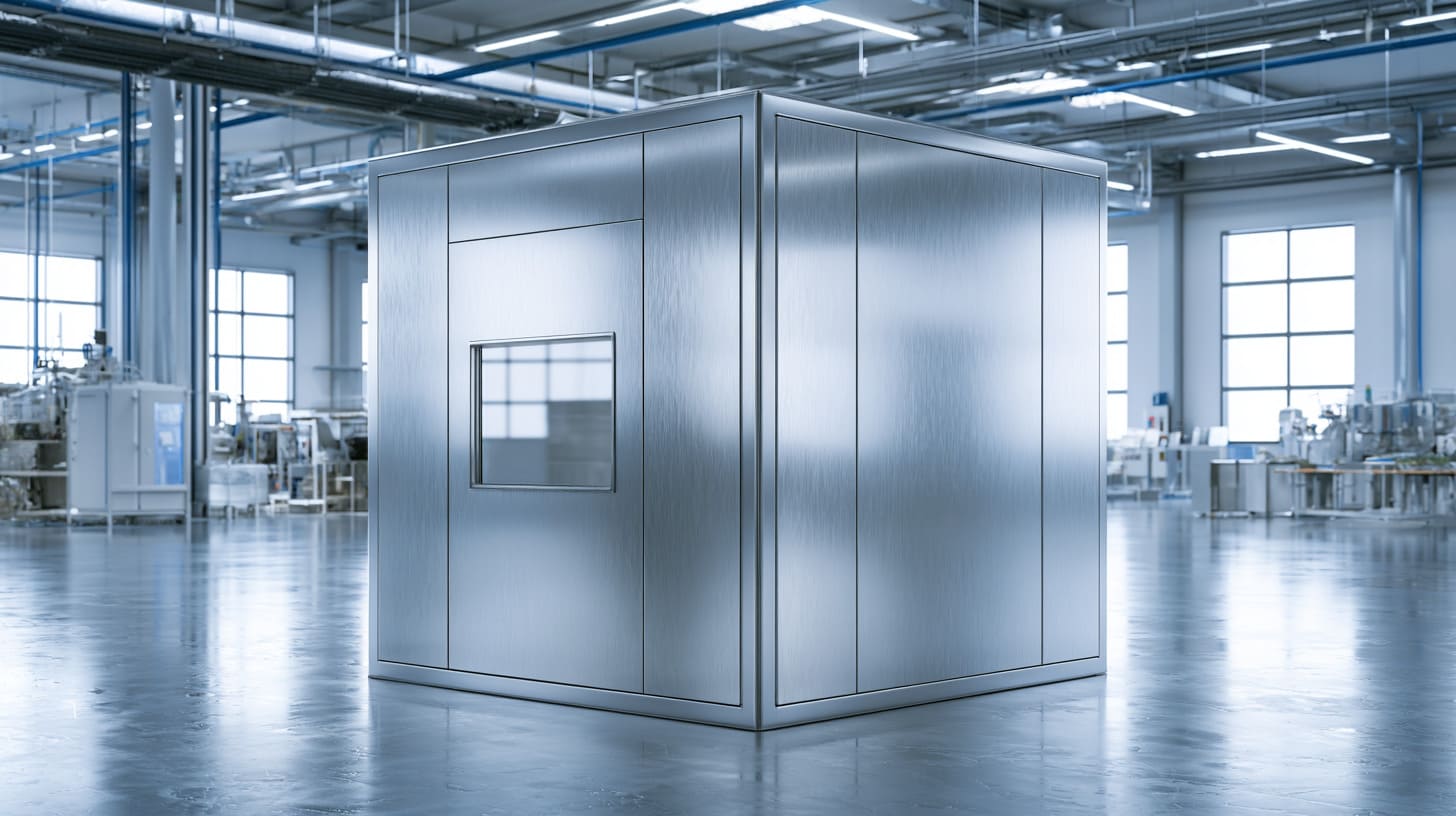
Surface finish affects price and schedule.
This is normal.
The problem is not that custom finish costs more. The problem is when the cost and lead time are not discussed early.
For OEM enclosure projects, the finish can influence sample time, production planning, MOQ, rework risk, and final price.
I always prefer a finish that matches the project stage. A prototype does not always need the same finish strategy as mass production, because speed and learning may be more important at the beginning.
Why standard colors and standard finishes are usually faster and cheaper
Standard finishes are easier because the supply chain already runs them often.
For example:
- Standard black powder coating
- Standard white powder coating
- Clear anodizing
- Black anodizing
- Brushed stainless steel
- Zinc plating for hardware
These are usually easier to arrange than special colors or unusual textures.
| Finish Type | Cost and Lead Time |
|---|---|
| Standard black powder coating | Usually faster and more cost-effective |
| Clear anodizing | Common for aluminum |
| Black anodizing | Common but batch control still needed |
| Custom powder color | Longer lead time |
| Special texture | Needs confirmation |
| Special plating | May need higher MOQ |
If the buyer is developing a new project and wants fast samples, standard finish can help.
After the design is stable, custom color can be planned for mass production.
This staged approach often saves time.
When custom color matching increases cost and lead time
Custom color matching is not only about choosing a color code.
The supplier may need to:
- Match powder color
- Make a sample panel
- Confirm gloss level
- Confirm texture
- Adjust process
- Get buyer approval
- Prepare production batch
This takes time.
If the color is not standard, MOQ may also increase.
| Custom Finish Factor | Possible Impact |
|---|---|
| Pantone matching | Sample approval needed |
| Special texture | Longer process confirmation |
| Low quantity | Higher unit cost |
| Outdoor-grade powder | Higher material cost |
| Multiple colors | More setup time |
Custom color is worth it when brand identity matters. But it should be planned early.
If the buyer requests a special color after all parts are ready, the project schedule may be delayed.
A finish decision made late can become a delivery problem.
Why small-batch prototypes may need different finish planning from mass production
Prototype goals are different from mass production goals.
A prototype should help the buyer test:
- Size
- Assembly
- Function
- Heat
- Cable position
- Mounting
- User experience
- Basic appearance
Mass production needs stable:
- Color
- Texture
- Coating thickness
- Logo position
- Packaging
- Inspection standard
- Cost
| Project Stage | Finish Strategy |
|---|---|
| First prototype | Use standard finish or even raw part if function test is priority |
| Engineering sample | Use planned finish to check assembly and appearance |
| Pre-production sample | Confirm final finish, logo, masking, packaging |
| Mass production | Follow approved sample and inspection standard |
For early samples, I sometimes suggest not chasing perfect color first. I want the customer to confirm structure and function before spending too much time on surface perfection.
This is not because appearance is unimportant. It is because early design changes can waste finished parts.
How to avoid over-specifying a finish that does not improve real performance
Over-specifying is common.
A buyer may ask for a very strict finish, high salt spray hours, special coating, tight color tolerance, and premium surface control. But the product may only be used indoors.
This increases cost without real benefit.
On the other side, under-specifying is also dangerous. An outdoor enclosure with a weak indoor coating may fail quickly.
The right finish should match the real risk.
| Situation | Better Thinking |
|---|---|
| Indoor product | Do not overpay for extreme outdoor protection |
| Outdoor product | Do not use weak indoor finish |
| Hidden internal part | Function may matter more than appearance |
| Premium visible product | Appearance control matters |
| EMI-sensitive product | Conductivity may matter more than color |
I do not like giving the most expensive finish just to sound safe. A good supplier should help the customer spend money where it actually reduces risk.
Cost control is not choosing the cheapest finish. It is choosing the finish that fits the job.
To do that well, the manufacturer needs clear information from the buyer. So what should the buyer send?
What Information Should You Send to the Manufacturer?
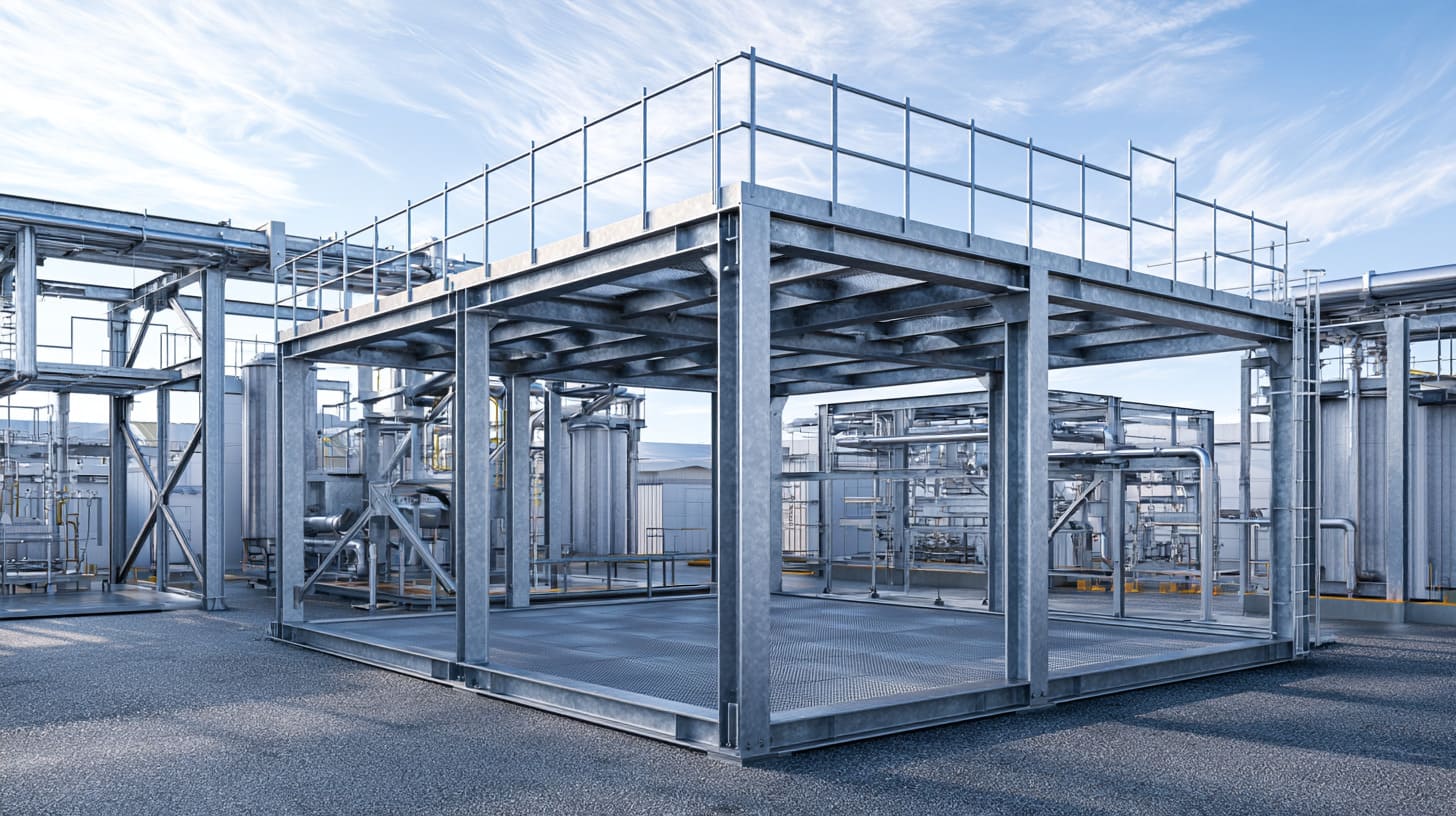
A manufacturer cannot choose the best finish from one sentence.
“Need black coating” is not enough.
“Need outdoor use” is not enough.
“Need good quality” is not enough.
I need real project details.
The more clearly a buyer explains the application, the faster we can give useful advice. It also reduces back-and-forth messages, which is important when buyer and supplier are in different time zones.
When I receive a new RFQ, I do not judge the customer by how perfect the drawing is. I judge how clearly we can close the missing information before production starts.
Material grade and enclosure drawings
The first thing to send is the material and drawing.
Useful files include:
- 2D drawing
- 3D STEP file
- Material grade
- Surface finish note
- Critical tolerance note
- Assembly drawing
- Exploded view if available
| File or Information | Why It Helps |
|---|---|
| STEP file | Helps check structure and manufacturability |
| 2D drawing | Shows tolerance and finish notes |
| Material grade | Decides finish options |
| Assembly drawing | Shows contact and fit areas |
| Critical dimensions | Helps control coating risk |
If the buyer only sends a photo, we can give general advice. But we cannot confirm details.
A drawing makes the discussion real.
Application environment and expected protection level
The manufacturer needs to know where the enclosure will be used.
Good details include:
- Indoor or outdoor
- Country or region
- Coastal or normal environment
- Rain exposure
- UV exposure
- Chemical exposure
- Cleaning method
- Temperature range
- IP rating or NEMA rating
- Expected service life
| Environment Detail | Why It Matters |
|---|---|
| Outdoor use | Coating system must be stronger |
| Coastal area | Salt spray risk |
| Factory use | Oil, dust, impact |
| Food equipment | Cleaning and hygiene |
| Medical use | Surface cleanliness |
| High temperature | Coating and gasket selection |
If the buyer says “outdoor,” I still ask more.
Outdoor in a dry inland area is not the same as outdoor near the sea.
Details matter.
Color, texture, gloss, and logo requirements
For appearance and branding, the buyer should send:
- Color code
- Pantone or RAL reference
- Matte, semi-gloss, or glossy requirement
- Texture sample if available
- Logo file
- Logo size and position
- Printing or engraving preference
- Product photos for reference
| Branding Detail | Why It Helps |
|---|---|
| RAL or Pantone color | Helps color matching |
| Gloss level | Changes visual feeling |
| Texture | Affects touch and printing |
| Logo file | Needed for printing or engraving |
| Logo position | Avoids assembly conflict |
| Reference sample | Reduces misunderstanding |
If color is important, a physical sample is better than a screen image.
Different monitors show color differently. This sounds obvious, but it causes real disputes.
Grounding, EMC, thermal, and masking requirements
Technical requirements are very important.
The buyer should tell the manufacturer:
- Is grounding needed?
- Are there EMI shielding requirements?
- Does the PCB connect to the enclosure?
- Are conductive gaskets used?
- Are thermal pads used?
- Does the enclosure act as a heat sink?
- Which areas must be masked?
- Which surfaces must stay bare metal?
| Technical Requirement | Finish Impact |
|---|---|
| Grounding | Need conductive area |
| EMI shielding | Need contact path |
| Thermal pad | May need bare metal contact |
| Gasket sealing | Coating thickness control |
| Threaded holes | Masking or re-tapping |
| Cable glands | Shield bonding may be needed |
These details should not stay only in the engineer’s mind.
They should be shared with the supplier.
If the supplier does not know the function, the supplier may only make the surface look good.
Target quantity, sample schedule, and mass production plan
Quantity and schedule also affect finish choice.
The buyer should share:
- Prototype quantity
- Mass production quantity
- Monthly or yearly demand
- Target sample date
- Target delivery date
- Packaging requirement
- Inspection requirement
- Any certification or report needed
| Business Detail | Why It Matters |
|---|---|
| Small sample order | Standard finish may be faster |
| Large production | Custom finish can be planned better |
| Urgent schedule | Avoid risky special process |
| Repeat order | Need stable color and process |
| Inspection standard | Avoid disputes later |
A supplier can support better when the business plan is clear.
For example, if the customer only needs two prototypes quickly, I may suggest a standard black finish first. If the customer plans 5,000 pieces later, I may plan final color matching and process control more carefully.
The finish decision should match the project stage.
Even with good information, mistakes still happen. Let’s look at the common ones so buyers can avoid them early.
What Common Surface Finish Mistakes Should OEM Buyers Avoid?
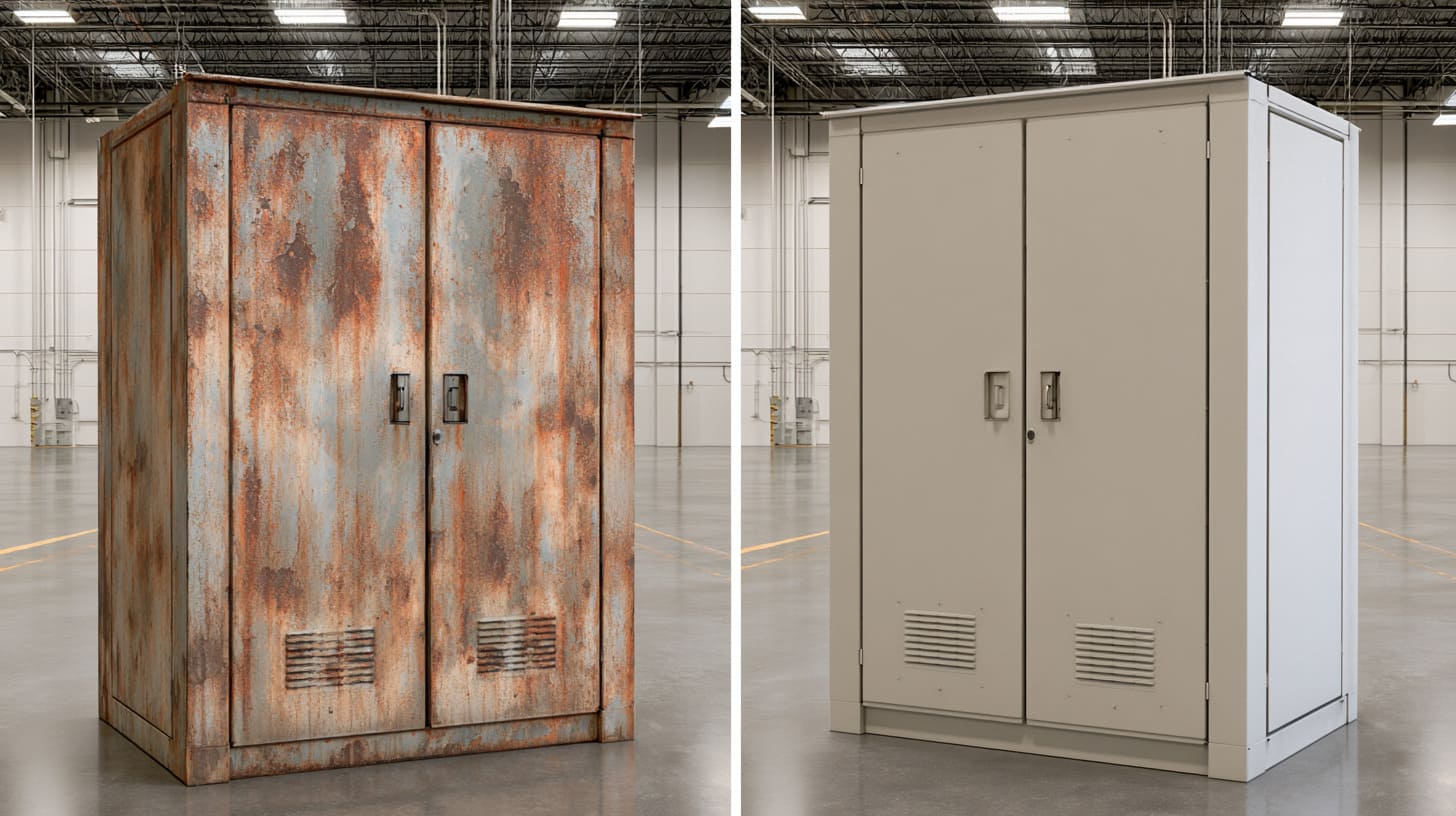
Most surface finish mistakes are not caused by bad intention.
They happen because one detail was not discussed.
A buyer assumes the supplier understands.
A supplier assumes the buyer does not need that feature.
The drawing is not clear.
The sample is approved too fast.
The final use environment is not explained.
Then the problem appears after coating, assembly, shipment, or field use.
I have learned that surface finish mistakes usually start small. The expensive part is not the finish itself. The expensive part is rework, delay, and lost trust.
Choosing powder coating without checking tolerance buildup
This is one of the most common mistakes.
Powder coating adds thickness. If the design has tight fit areas, this can create assembly trouble.
Typical problem areas include:
- Threaded holes
- Sliding covers
- Gasket grooves
- Screw holes
- Close-fit covers
- Connector openings
- Mounting slots
| Mistake | Result |
|---|---|
| Full coating on tight sliding rail | Cover becomes difficult to slide |
| Coating inside threads | Screws become tight |
| Coating on gasket groove | Seal pressure changes |
| Coating on connector cutout | Connector does not fit |
| Coating on mating surface | Assembly gap changes |
The safer way is to check clearance and masking before coating.
If the drawing has tight tolerance, finish thickness must be included.
Choosing anodizing without considering grounding problems
Anodizing looks clean. Many buyers like it.
But it can create grounding problems if the product needs electrical contact through the enclosure.
A full anodized enclosure may look perfect but fail contact checks.
Common missed areas include:
- PCB ground points
- Cover contact areas
- Grounding screw holes
- Internal mounting bosses
- Cable shield contact points
| Anodizing Mistake | Better Solution |
|---|---|
| Full anodizing on contact area | Mask contact point |
| No grounding path defined | Add grounding stud or bare area |
| EMI gasket touches anodized surface | Use conductive contact strip |
| PCB ground screw on anodized boss | Machine or mask boss area |
This problem is easy to avoid if the supplier knows the electrical plan early.
It is hard to fix after production.
Ignoring masking requirements until after production starts
Masking should be planned before finishing.
If masking is added late, cost and delay may increase. Worse, some parts may already be finished and need rework.
Masking should be clear on the drawing.
It should show:
- Location
- Size
- Shape
- Reason
- Inspection method
| Masking Need | If Ignored |
|---|---|
| Grounding point | Poor electrical contact |
| Thread | Screw assembly problem |
| Gasket area | Sealing risk |
| Thermal contact | Heat transfer problem |
| Logo area | Poor print quality |
I like masking notes to be boringly clear. Boring clarity is much better than exciting rework.
Using indoor finishes for outdoor or coastal applications
This mistake can be costly.
An indoor finish may look good at delivery. But outdoor use can expose weakness quickly.
Rain, UV, salt, and temperature change test the finish every day.
| Use Condition | Risk If Finish Is Weak |
|---|---|
| Outdoor rain | Corrosion and coating failure |
| Strong sunlight | Color fading |
| Coastal air | Salt corrosion |
| Industrial area | Chemical attack |
| High humidity | Rust and oxidation |
If the enclosure will be installed near the sea, I want to know that early.
A normal outdoor finish may not be enough for salt air.
For coastal use, material choice, pre-treatment, coating system, and hardware selection all matter.
Treating surface finish as a late-stage decoration instead of a design decision
This is the root mistake.
If surface finish is decided at the end, many design choices may already be locked.
Then we have fewer options.
For example:
- The clearance may be too tight for powder coating.
- Grounding areas may not be planned.
- Logo position may conflict with ribs or holes.
- Thermal contact areas may already be coated.
- Outdoor protection may be under-specified.
- Color matching may delay the schedule.
| Late Finish Decision | Possible Problem |
|---|---|
| After machining | Need rework or masking change |
| After sample approval | Final finish may change fit |
| After PCB design | Grounding path may be blocked |
| After packaging design | Surface may scratch in transport |
| After mass production starts | Costly correction |
The finish should be discussed when the enclosure design is still flexible.
A good surface finish decision is not late decoration. It is early risk control.
Now the practical question is simple: how can a buyer make the final decision with less risk?
How Can You Make the Final Decision More Safely?
Surface finish selection does not need to be scary.
It only becomes risky when people choose too fast.
A safe decision comes from checking the real use condition, the material, the function, the appearance target, and the production stage.
I do not believe in one “best finish” for all enclosures. I believe in the best fit for one project.
The way I make the final call is to remove the nice-looking but unnecessary options first, then focus on the finish that protects the real function of the enclosure.
Start from function before appearance
Appearance matters. But function should come first.
I usually ask:
- Does the enclosure need corrosion protection?
- Does it need grounding?
- Does it need EMI shielding?
- Does it need heat transfer?
- Does it need tight assembly?
- Does it need outdoor performance?
- Does it need chemical resistance?
- Does it need brand color?
Then I think about appearance.
This order helps avoid mistakes.
| First Check | Why It Comes First |
|---|---|
| Environment | Prevents corrosion failure |
| Electrical function | Prevents grounding issues |
| Heat path | Prevents overheating |
| Assembly fit | Prevents production delay |
| Branding | Builds product value |
| Cost | Keeps project realistic |
If we start only from appearance, we may choose a finish that looks good but creates technical risk.
If we start from function, we can still make the enclosure look good. But we do it safely.
Match finish with material, environment, and electrical needs
The final choice should match several factors together.
A simple decision table can help.
| Project Need | Possible Finish Direction |
|---|---|
| Aluminum, premium look | Anodizing |
| Aluminum, brand color | Powder coating |
| Aluminum, conductivity | Chem film or masked bare area |
| Steel, indoor use | Powder coating |
| Steel, outdoor support | Galvanizing or strong coating system |
| Stainless, food or medical | Passivation or polishing |
| EMI-sensitive enclosure | Conductive contact planning |
| High heat aluminum case | Anodizing or masked thermal areas |
The finish is not chosen alone.
It must match the complete product.
For example, an outdoor aluminum enclosure may use powder coating outside, masked grounding points inside, stainless steel screws, and careful gasket groove control.
That is not one finish decision. That is a finish system.
Ask for samples when color, texture, or branding matters
If appearance matters, samples are worth it.
A sample can confirm:
- Color
- Gloss
- Texture
- Logo appearance
- Engraving contrast
- Printing adhesion
- Surface touch
- Scratch behavior
- Packaging protection
| Sample Type | What It Confirms |
|---|---|
| Color panel | Color and gloss |
| Finished enclosure sample | Real appearance and assembly |
| Logo sample | Printing or engraving quality |
| Texture sample | Touch and visual effect |
| Packaging sample | Surface protection during shipping |
For custom color, I prefer physical approval.
A screen image can create misunderstanding. A photo can be affected by light. A real sample is safer.
This step may feel slow, but it is faster than arguing about color after mass production.
Confirm masking, tolerance, and inspection standards before production
Before production, buyers and suppliers should confirm:
- Finish type
- Color code
- Gloss level
- Texture
- Coating thickness range
- Masking areas
- Grounding areas
- Thread protection
- Critical dimensions after finish
- Logo method
- Inspection standard
- Packaging method
| Item | Why It Must Be Confirmed |
|---|---|
| Coating thickness | Affects fit |
| Masking area | Protects function |
| Color sample | Controls appearance |
| Logo method | Controls branding |
| Inspection standard | Reduces dispute |
| Packaging | Prevents scratches |
I like to turn these details into simple notes before production. It may take a little time, but it gives both sides a clear target.
The factory should not guess. The buyer should not assume.
Clear notes protect both sides.
Review prototype performance before moving to mass production
A finished prototype should be tested before mass production.
The buyer should check:
- Does the enclosure assemble smoothly?
- Do screws fit well?
- Does the gasket seal correctly?
- Is grounding stable?
- Is heat transfer acceptable?
- Does the logo look right?
- Does the color match expectation?
- Does the finish scratch too easily?
- Does packaging protect the surface?
| Prototype Review Area | Pass Question |
|---|---|
| Assembly | Can workers assemble it easily? |
| Electrical | Is grounding contact stable? |
| Thermal | Does temperature stay safe? |
| Appearance | Does it match brand expectation? |
| Protection | Is finish suitable for environment? |
| Packaging | Does surface arrive without damage? |
A prototype is not only for shape. It is also for finish behavior.
If the finished sample passes real checks, mass production becomes much safer.
That is the final goal: not just choosing a finish, but choosing it with confidence.
Conclusion
Surface finish for OEM metal enclosures should never be treated as a small decoration step.
I think this way because I have seen too many projects where the enclosure itself was well designed, but the finish choice created avoidable problems.
A powder-coated part looked good but became too tight after assembly.
An anodized aluminum enclosure looked premium but blocked grounding contact.
A stainless steel part looked clean but needed better passivation for its working environment.
A customer chose color first, then later found the outdoor condition required stronger corrosion protection.
A logo looked fine on a smooth sample, then became unclear on a rough texture.
These are not rare problems. They are normal problems when surface finish is discussed too late.
The best surface finish depends on use environment, material, function, and branding
I do not believe there is one best finish for every enclosure.
Powder coating is excellent when the project needs color, branding, and strong coverage.
Anodizing is excellent when aluminum needs a clean metal look and good wear resistance.
Chem film is useful when conductivity and corrosion protection must work together.
Passivation is important for stainless steel in clean, humid, food, or medical-related environments.
Plating and galvanizing are practical for steel parts, brackets, screws, and outdoor support structures.
Each finish has its own job.
The mistake is not choosing one finish over another. The mistake is choosing without understanding the job.
OEM enclosure finish selection should balance protection, appearance, conductivity, heat, tolerance, cost, and lead time
A good finish decision should balance many things:
| Factor | Why It Matters |
|---|---|
| Protection | Prevents corrosion and surface damage |
| Appearance | Supports brand value |
| Conductivity | Supports grounding and EMC |
| Heat | Supports thermal design |
| Tolerance | Protects assembly fit |
| Cost | Keeps project realistic |
| Lead time | Protects delivery schedule |
| Compliance | Helps the product enter the target market |
This is why I ask many questions before confirming finish.
Sometimes buyers think these questions slow down the RFQ. I understand that feeling.
But from my side, these questions are not delay. They are protection.
They protect the buyer from rework.
They protect the project schedule.
They protect the final product.
They also protect the trust between buyer and manufacturer.
A good manufacturer should help buyers review finish risks before production, not after problems appear
At MaidaTech, I prefer to review surface finish together with the enclosure structure, material, environment, PCB layout, grounding need, logo requirement, and production quantity.
I do this because the finish is connected to all of them.
A custom enclosure is not only a metal box. It is part of the customer’s product. It must protect the electronics. It must fit well. It must look right. It must survive the environment. It must support the brand.
If you are choosing a surface finish for an OEM metal enclosure, do not only send the color name.
Send the drawing.
Send the material.
Send the use environment.
Send the grounding and thermal requirements.
Send the logo file.
Send the target quantity and schedule.
Then we can help you check the risks before production starts.
If you need custom aluminum enclosures, sheet metal enclosures, die-cast aluminum housings, or OEM branded metal enclosures, you can contact me at info@maidatech.com.
I will help you review the surface finish choice from a real manufacturing point of view, not only from a catalog photo.