Skip to content
I still see the same thing when a new RFQ lands on my desk. The drawing looks clean. The dimensions are clear. Then one line decides everything: “Powder coating required.”
That line looks simple. But it often pushes the whole project in the wrong direction before I even understand the real use case.
Why surface finish decisions are often made too early in OEM enclosure design
Engineers usually try to lock the finish at the beginning. It feels safe. It also reduces discussion.

In many OEM projects, I see that the environment is still unclear when the coating is already fixed. That gap creates problems later.
In practice, what I usually check first is the real exposure condition, not the finish request, because once coating is fixed, it limits all later engineering decisions.
The common assumption: “powder coating works for everything”
Many buyers treat powder coating like a universal solution. It looks strong. It feels standard. It is widely used.
But I often ask myself one question: what problem are we actually trying to solve here?
Sometimes the answer is corrosion. Sometimes it is just appearance. These are not the same thing.
When coating becomes the default answer, hidden issues appear later. I see it in redesign requests, late-stage changes, and field failures.
I remember one control box project where coating was chosen before the cable routing was even defined. Later, we had to reopen the design.
That is where cost starts to grow without warning.
What Powder Coating Actually Solves in OEM Enclosures
Powder coating is not bad. I use it often. But I always treat it as a tool, not a default answer.
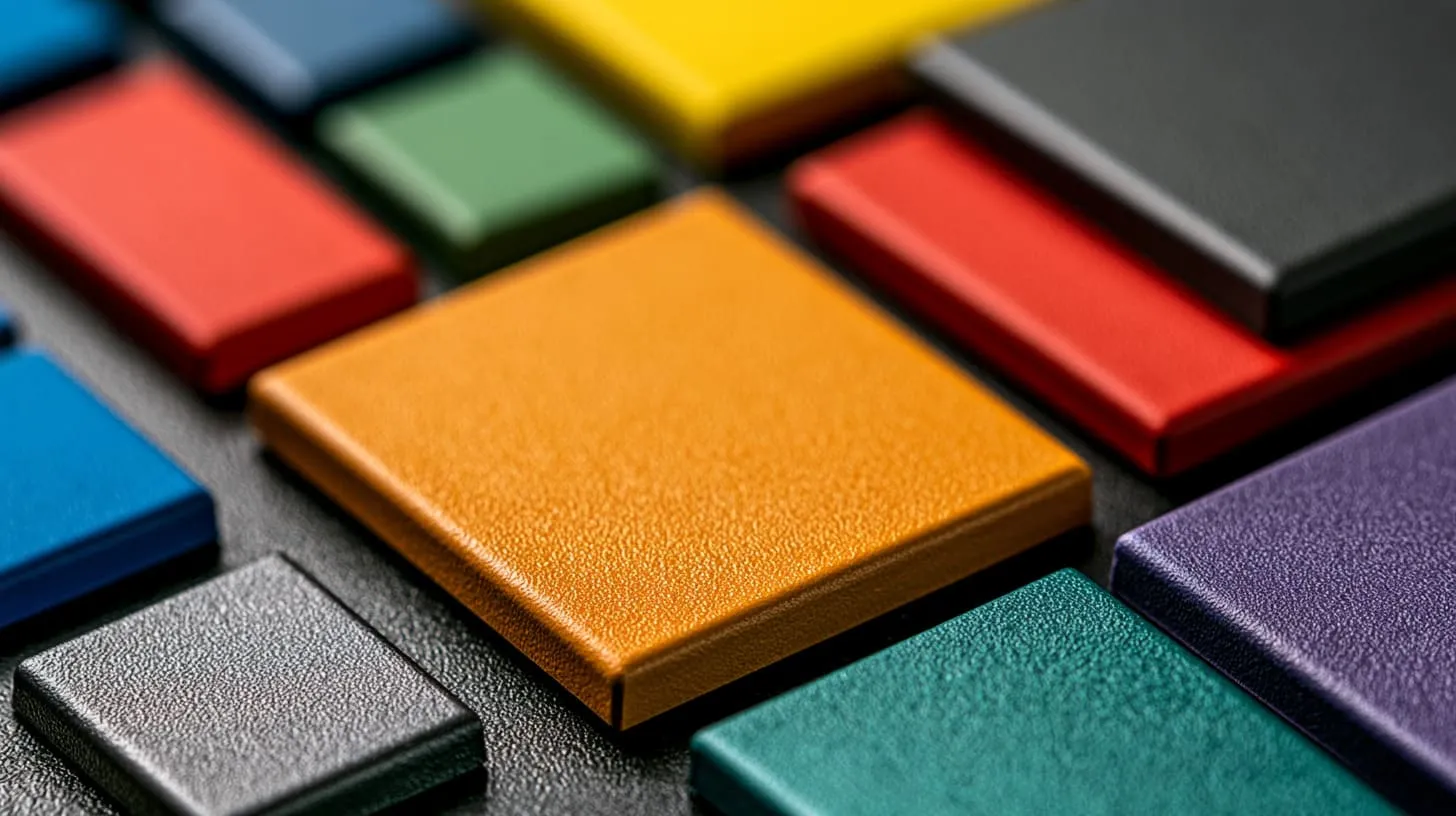
Basic corrosion protection and environmental barrier
Powder coating creates a barrier between metal and environment. It slows down oxidation.
| Condition | Powder coating performance |
|---|---|
| Indoor dry | Strong |
| Humid air | Medium |
| Coastal salt | Limited |
| Chemical spray | Depends on type |
But in practice, I never trust coating alone in aggressive environments. I always check the base material first.
Cosmetic consistency for mass production
Powder coating gives a uniform surface. It hides small machining marks.
This is useful when products go into retail or mixed installations.
But I also notice something: cosmetic success sometimes hides structural weakness. That is a trade-off many teams ignore.
Scratch resistance and industrial appearance requirements
For factory equipment, scratch resistance matters. Powder coating helps here.
But in field use, scratches often expose edges. That becomes a corrosion entry point.
So I always check where the enclosure will be touched or handled daily.
Cost-effective finishing for steel and aluminum housings
Compared to anodizing or plating, powder coating is cheaper.
But cheaper is not always better when lifecycle cost is considered.
I often compare short-term savings vs rework cost later. That comparison changes the decision.
Where Powder Coating Works Well (Best-Fit Applications)
There are real cases where powder coating is the right choice. I do not reject it.
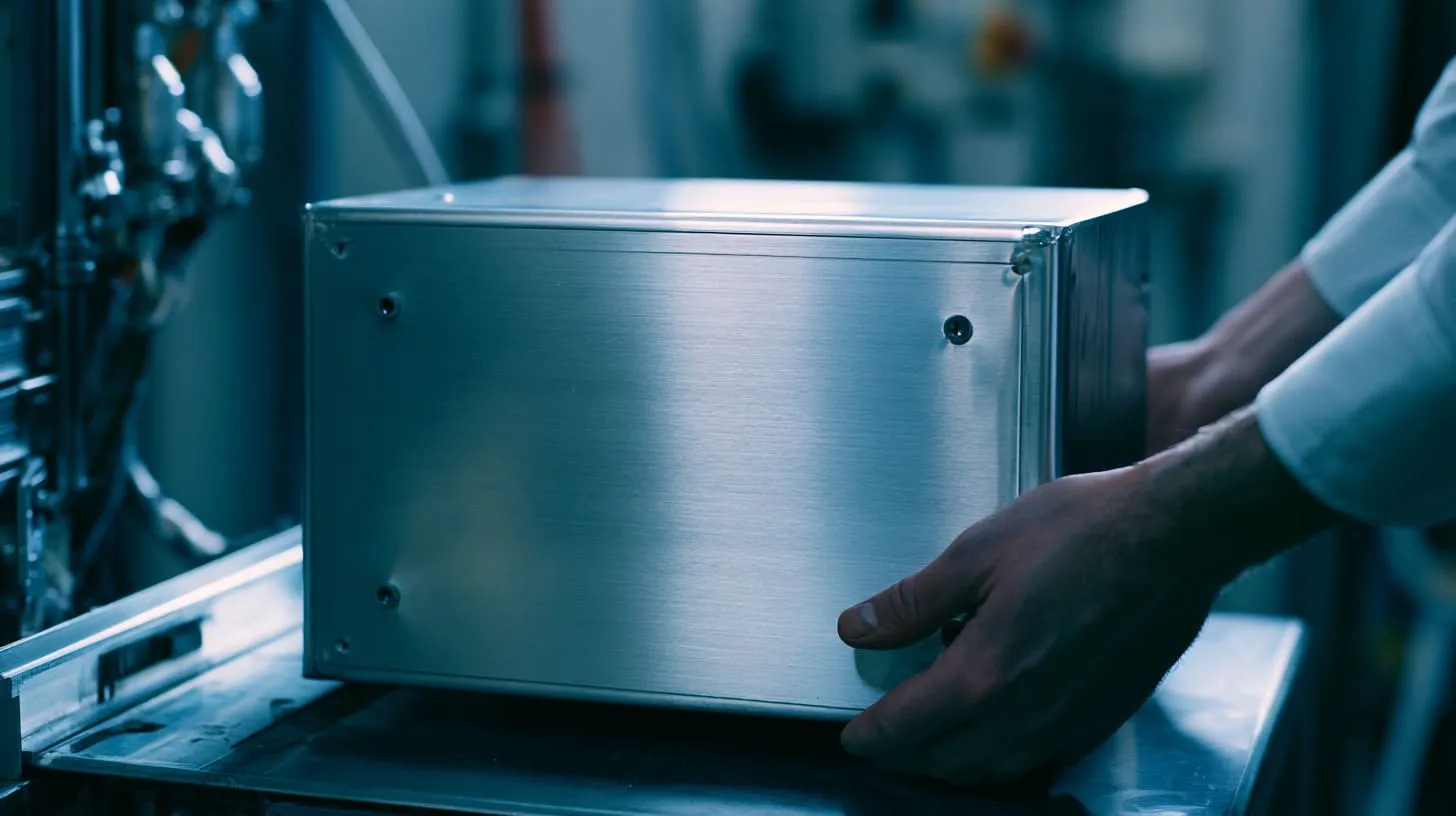
Indoor industrial control panels and cabinets
For indoor panels, powder coating works well. Environment is stable.
But I still ask one thing first: will heat build up inside the box?
That question often changes ventilation design.
General-purpose sheet metal enclosures (non-harsh environments)
For office automation or factory internal systems, powder coating is stable and predictable.
In these cases, failure risk is low, so coating becomes a practical choice.
Consumer or semi-industrial equipment with low thermal stress
For devices with low heat output, coating is acceptable.
But I always check assembly tolerance. Coating thickness sometimes surprises mechanical engineers.
Applications where aesthetics matter more than conductivity
Some products care more about look than EMI performance.
In these cases, powder coating becomes a design decision, not an engineering constraint.
Hidden Limitations of Powder Coating in Real OEM Engineering
This is where most mistakes happen. The issues are not obvious at first.
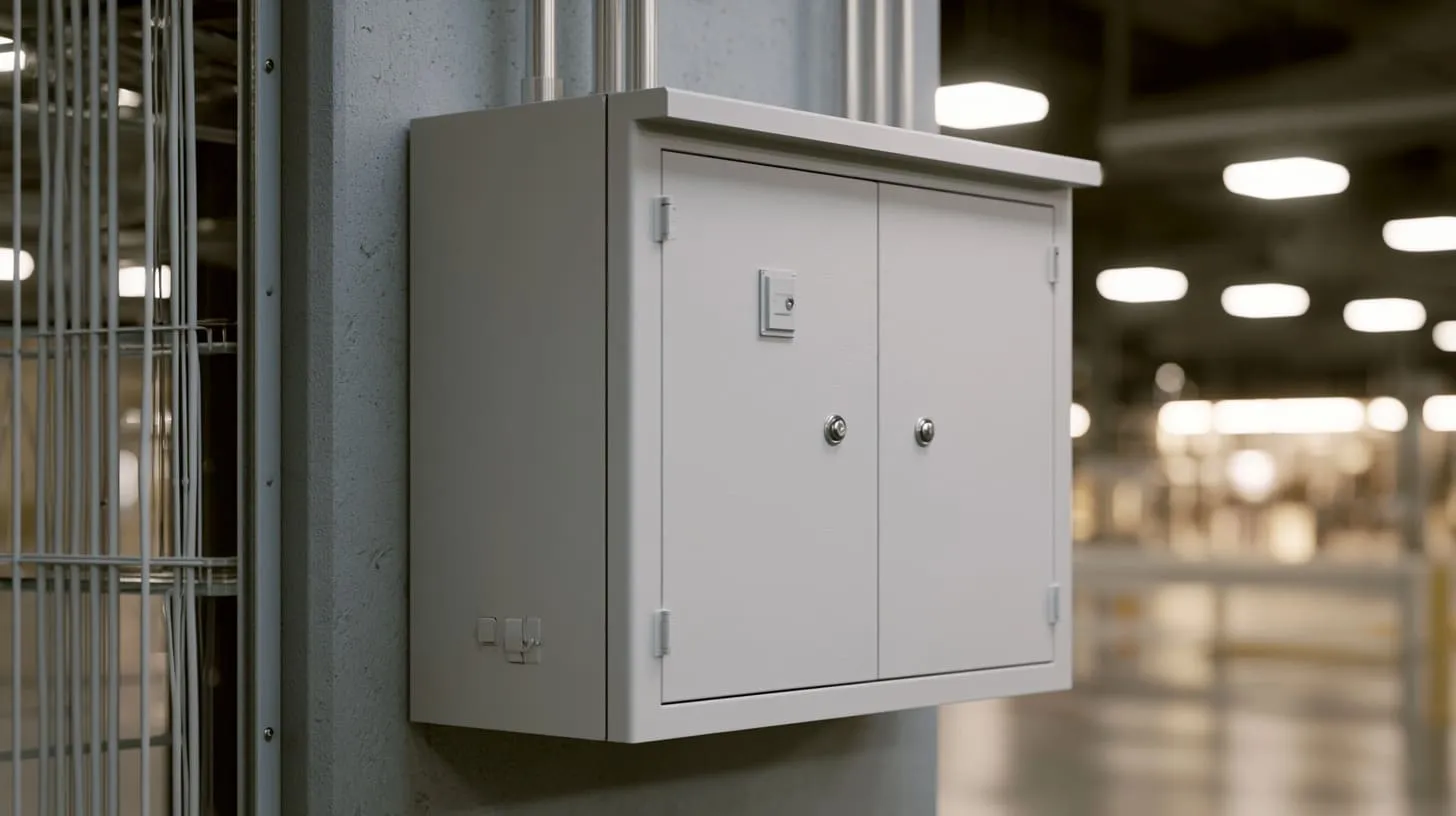
Thermal management impact: insulation vs heat dissipation trade-off
Powder coating acts like a thin insulation layer.
In practice, I check heat paths first before approving coating. Heat is often ignored early, but becomes a failure reason later.
Electrical grounding and EMI shielding reduction issues
Coating breaks metal-to-metal contact.
That affects grounding. It also affects EMI performance.
I usually flag this early when electronics are sensitive.
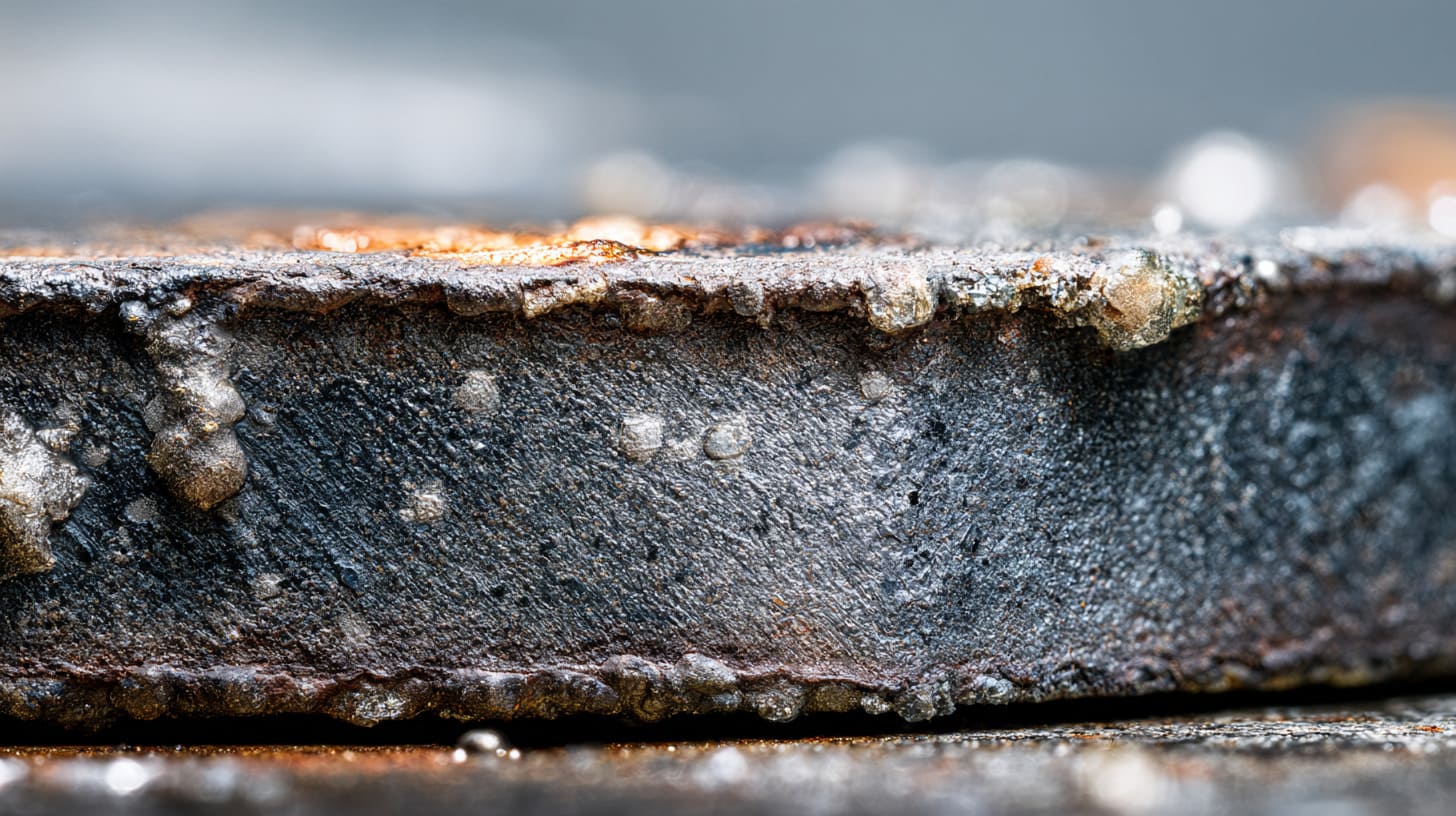
Edge corrosion risk at cutouts, holes, and mounting points
Edges are weak points. Coating is thinner there.
| Area | Risk level |
|---|---|
| Flat surface | Low |
| Bent edge | Medium |
| Cutout edge | High |
This is often missed in drawings.
Thickness control problems affecting tolerances and assembly fit
Coating adds thickness. It affects mating parts.
In one project, connectors could not fit after coating. We had to rework the tolerance stack.
Outdoor UV aging and chalking in long-term exposure environments
Outdoor powder coating ages under UV.
It becomes chalky. Color fades.
This is why I always ask: “How many years is the product expected to stay outside?”
Common Engineering Mistakes When Defaulting to Powder Coating
Most problems come from early assumptions, not coating itself.
Specifying powder coating before defining environment conditions
This is the most common mistake.
I often see finish defined before the real usage scenario is known.
Ignoring salt spray, coastal, or chemical exposure scenarios
Coastal environments change everything.
Without that input, coating choice becomes guesswork.
Overlooking grounding paths in electrical enclosure design
Grounding is often treated as a small detail.
But coating can break the entire grounding path if not designed properly.
Using powder coating as a “universal protection layer” assumption
Some teams believe coating solves all corrosion problems.
It does not. It only delays them.
Not coordinating finish choice with sealing system (IP/NEMA design)
Finish and sealing must work together.
If they are not aligned, IP rating in real use drops quickly.
Powder Coating vs Anodizing vs Plating vs Bare Metal
I often compare finishes before confirming production.

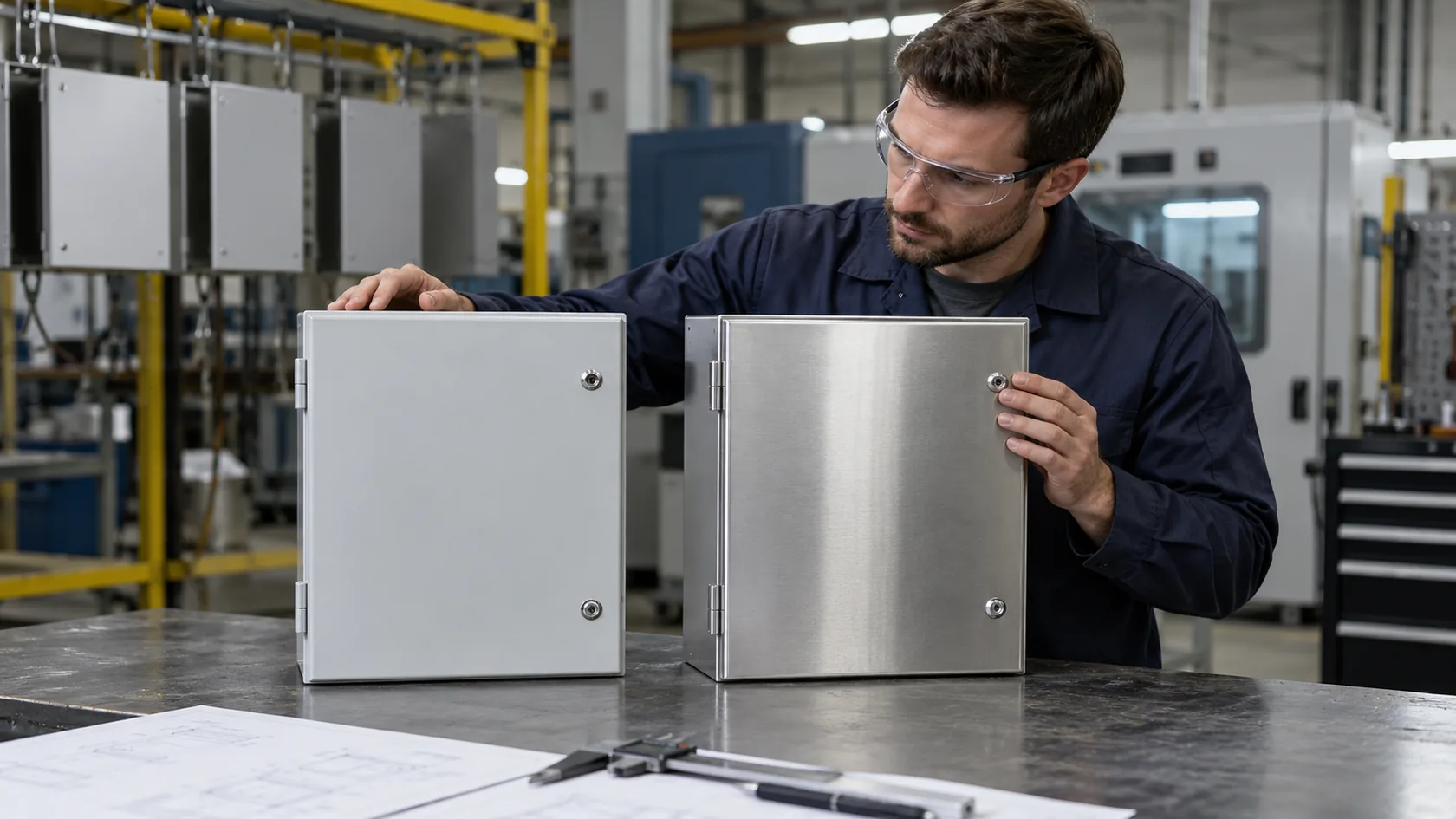
Powder coating vs anodized aluminum: conductivity and durability differences
Anodizing keeps metal conductivity better.
Powder coating isolates the surface.
So choice depends on electrical needs.
Powder coating vs zinc/galvanized steel: corrosion protection trade-offs
Zinc protects base steel differently.
It works sacrificially.
Powder coating is more of a barrier.
Bare aluminum with surface treatment vs coated systems
Bare aluminum can work in controlled environments.
But surface treatment becomes critical.
How hybrid approaches improve performance in OEM designs
Sometimes I combine methods.
For example:
- anodized base + selective coating
- coated shell + conductive grounding points
This is more work, but it solves multiple problems at once.
How to Choose the Right Finish Based on Application Conditions
I never choose finish without mapping environment first.
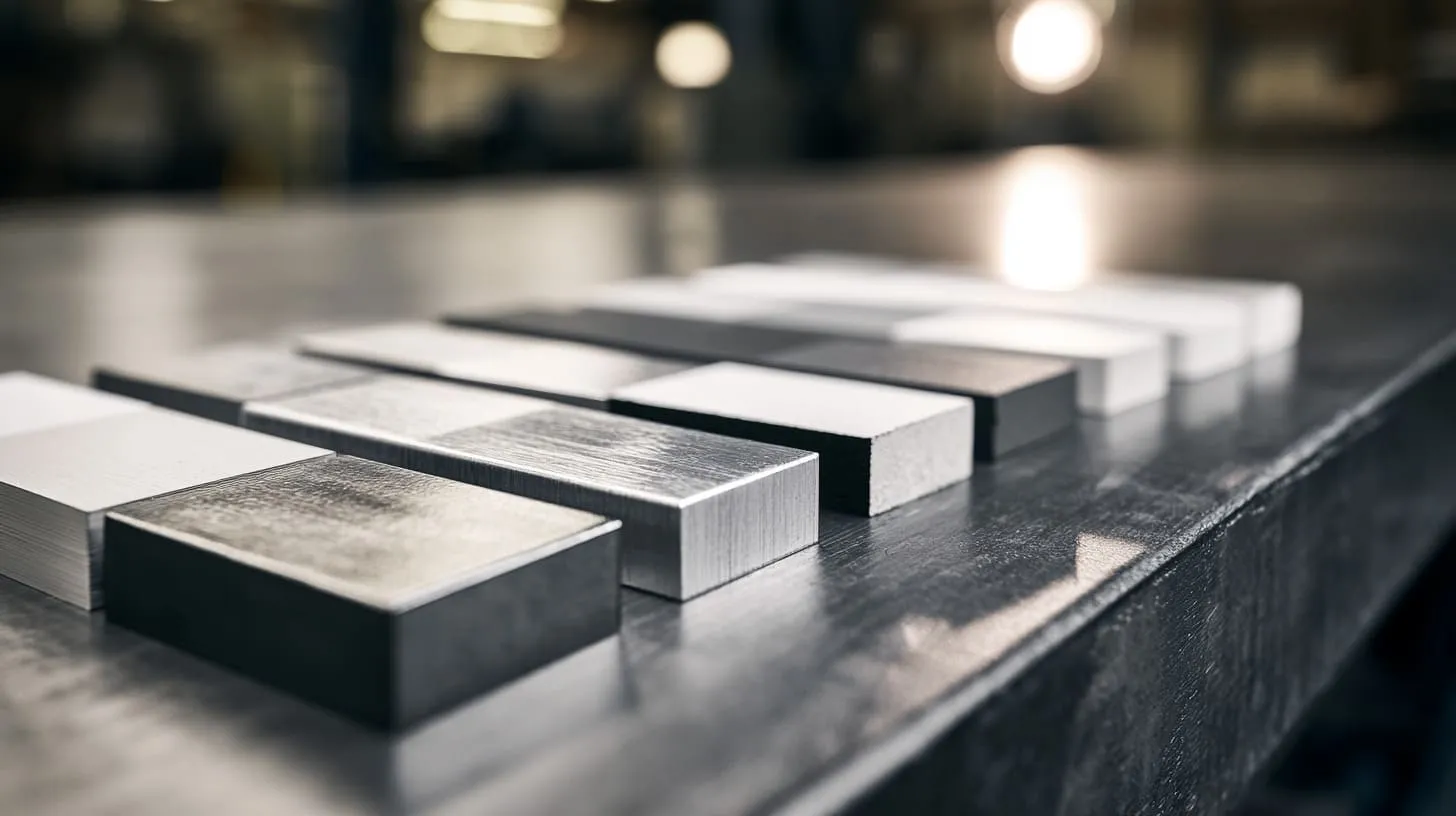
Indoor vs outdoor environment classification (IP and NEMA context)
Indoor is stable. Outdoor is not.
I always separate these two before making decisions.
Coastal, high-humidity, and chemical exposure considerations
Salt and chemicals change corrosion speed.
If this is present, I never rely on coating alone.
Electrical performance requirements (EMI shielding, grounding continuity)
If EMI matters, coating becomes a constraint.
I check this early with product engineers.
Mechanical wear, maintenance cycles, and lifecycle expectations
Long lifecycle means more exposure cycles.
That changes finish selection strategy completely.
Cost, Lead Time, and Manufacturing Impact on OEM Projects
Finish choice also affects production flow.
How powder coating affects production flow and MOQ planning
Coating adds process steps.
It increases lead time and batch dependency.
Rework risk when coating choice is wrong at design stage
Rework is expensive.
Sometimes more expensive than redesigning early.
Tooling, masking, and tolerance control implications
Masking adds manual work.
That increases variability in output.
Balancing unit cost vs long-term reliability in OEM supply chains
Cheap finish can increase long-term cost.
I always compare both sides before final approval.

Conclusion
Powder coating is not wrong. I still use it in many projects. But I do not treat it as a default.
I make decisions based on environment first, not finish first. This comes from seeing too many cases where early assumptions created later failures.
What I really believe is simple. Surface finish is not a cosmetic choice. It is part of the engineering system.
If the environment is not defined clearly, any coating choice becomes a guess. And guesses always become cost later.
If you are working on OEM enclosure design, I would suggest one shift: define the environment first, then choose the finish. That single change usually prevents most of the problems I see in real projects.
If you want, I can help you map your enclosure project into a “finish selection checklist” based on real industrial use cases.