Skip to content
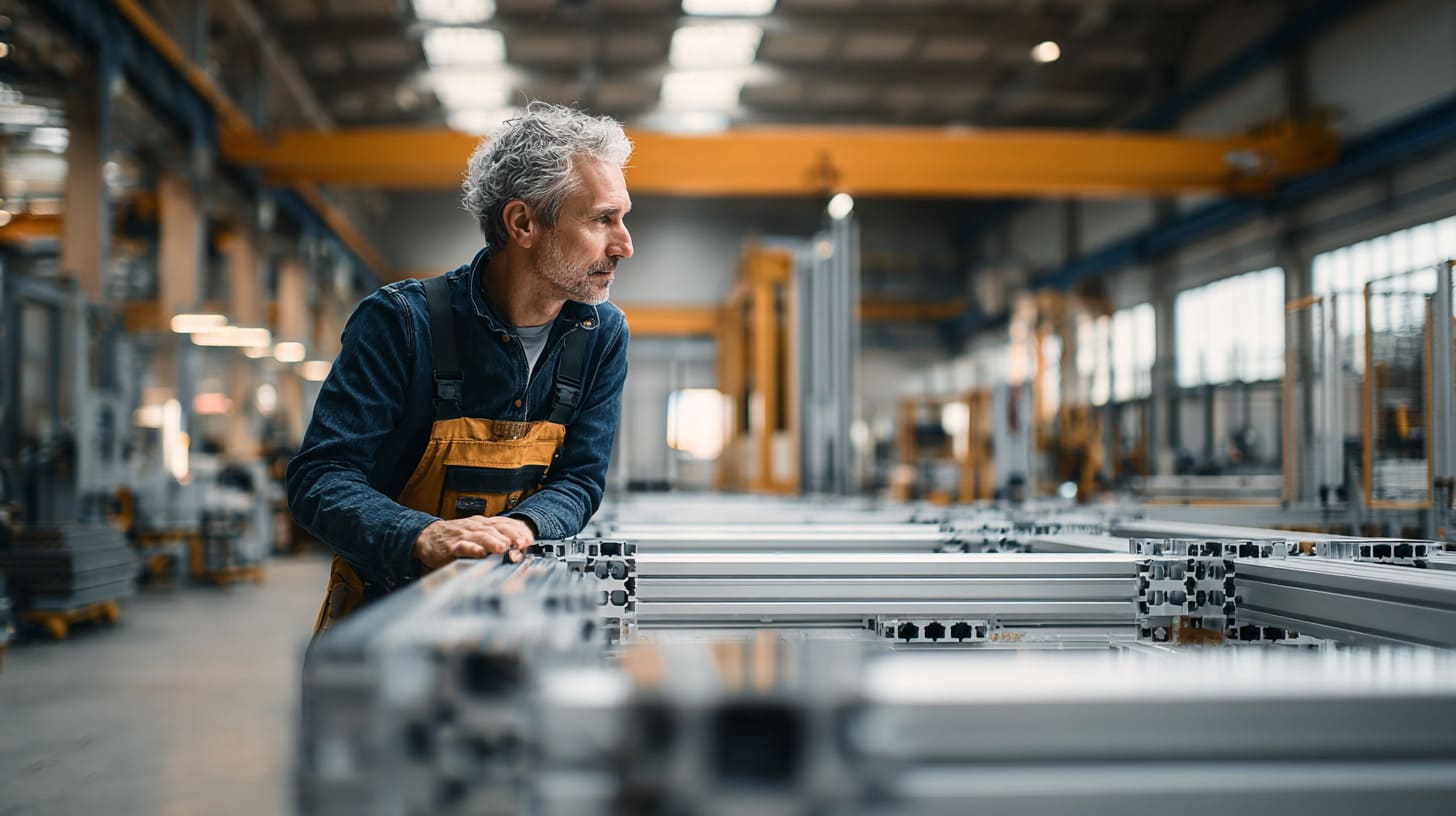
Many machine frame projects look simple at the beginning.
A buyer sends a drawing. The frame looks clean. The profile size looks strong. The parts list looks easy. Everyone feels relaxed because 80/20 aluminum extrusion feels like the “safe” choice.
I understand that feeling very well.
I have seen many engineers choose aluminum extrusion because it is fast, neat, flexible, and easy to change. For early-stage machines, test benches, light automation frames, and factory workstations, it can be a very smart material. You can cut it. You can bolt it. You can adjust it later. You do not need welding. You do not need heavy surface finishing. It feels like building with industrial Lego.
And that is also where the problem starts.
Because easy assembly does not always mean strong machine performance.
A machine frame is not just a rectangle that holds parts. It controls vibration. It holds linear rails. It supports motors. It keeps sensors in position. It protects accuracy. It carries force from one side to another. A weak frame may not fail like a broken chair. It may fail in a quieter way.
The machine starts shaking.
The rail goes slightly out of alignment.
The servo makes a strange noise.
The product tolerance becomes unstable.
Then everyone starts looking at the motor, the bearing, the rail, or the controller. But sometimes the real problem is the frame.
I do not reject 80/20 aluminum extrusion. I only reject using it blindly. It is excellent for flexible and light-duty projects. It is not always the right choice for high-performance machine frames.
For me, the real question is not, “Can we build this frame with 80/20?”
The better question is:
Should we?
That small difference can save a project from many painful weeks.
Before we blame aluminum extrusion unfairly, we need to understand what it really is, why engineers like it, and why it sometimes becomes the wrong material at the worst possible time.
What Is 80/20 Aluminum Extrusion?
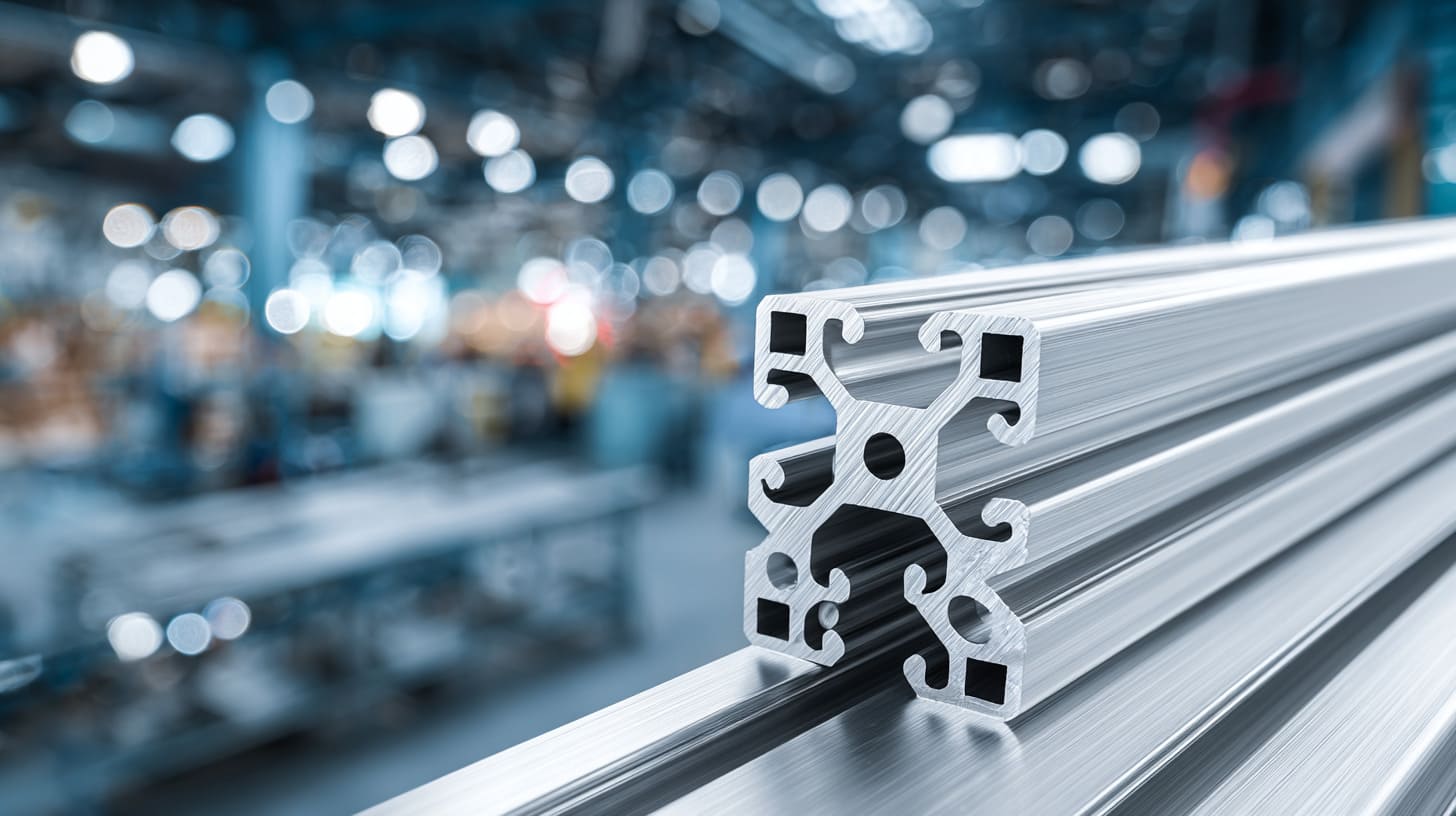
80/20 aluminum extrusion is a modular framing system made from aluminum profiles. Most people know it by the T-slot shape. The slot allows nuts, bolts, brackets, plates, hinges, panels, guards, and other accessories to be mounted without welding.
It is popular because it gives engineers freedom.
You can build a frame quickly. You can change the structure later. You can mount parts in different positions. You can test ideas without making a permanent welded structure.
A customer once sent me a rough frame drawing for a small inspection table. The drawing was not perfect. The sensor position was still changing. The camera height was not confirmed. The working area may need to be adjusted after testing. In that case, aluminum extrusion made sense. A welded frame would have locked the project too early.
For a project where the design is still moving, I usually care more about adjustment space than perfect strength at the first sample stage.
That is why 80/20 is loved by product engineers. It gives them breathing room.
How 80/20 extrusion systems work
The basic idea is simple.
An aluminum profile has slots along its length. These slots hold special nuts and connectors. You can connect one profile to another with brackets or internal fasteners. You can also mount plates, doors, guards, sensors, cable tracks, and machine parts onto the same structure.
| Part | What It Does | Why It Matters |
|---|---|---|
| T-slot profile | Main frame structure | Creates the basic machine frame |
| T-nuts | Slide inside the slot | Allow flexible mounting |
| Brackets | Connect profiles | Make assembly faster |
| Plates | Add support or mounting surfaces | Improve strength and function |
| Panels | Cover or protect areas | Useful for safety and dust control |
| Feet and casters | Support the machine | Help leveling and movement |
The clever part is not only the profile. The real system is the profile plus all the accessories.
That is also why cost can rise later. A frame may look cheap when you only count the aluminum bars. But once you add brackets, plates, fasteners, leveling feet, gussets, guards, and shipping, the price may no longer feel small.
Why engineers like 80/20 frames
Engineers like 80/20 frames because they reduce friction during design.
No welding.
No complex fixtures.
No heavy painting process.
No long tooling delay.
For prototypes and small machines, this is a big advantage. A product engineer can test a machine idea, move one sensor, raise one motor, add one cover, and continue working. This kind of flexibility is very useful in early-stage development.
| Benefit | Real Project Value |
|---|---|
| Easy assembly | Faster project start |
| Easy modification | Good for prototypes |
| Clean appearance | Good for customer-facing equipment |
| Modular design | Easy to add parts later |
| Lower fabrication requirement | Less welding and machining work |
| Short lead time | Better for urgent projects |
But this convenience can create a false sense of safety.
A frame that is easy to change is also a frame with many joints. Every joint is a possible weak point. Every bolt relies on proper tightening. Every bracket adds some flexibility. It may still be fine. But it must be checked.
Typical applications
80/20 aluminum extrusion works well in many practical applications.
For example:
- Light automation frames
- Sensor brackets
- Machine guards
- Laboratory test stands
- Conveyor supports
- Workstations
- Assembly benches
- Display fixtures
- Prototype machines
- Small robotic test frames
I like it most when the frame needs adjustment more than heavy stiffness.
A small camera inspection fixture? Good.
A light-duty conveyor guard? Good.
A temporary test stand? Good.
A heavy CNC base? Slow down. Think twice.
That is the difference.
80/20 is not weak in every case. It is only wrong when the project asks it to behave like welded steel, cast iron, or a heavy stress-relieved machine base.
And this brings us to the first big warning sign: rigidity.
Why Is Frame Rigidity Often the Biggest Limitation?
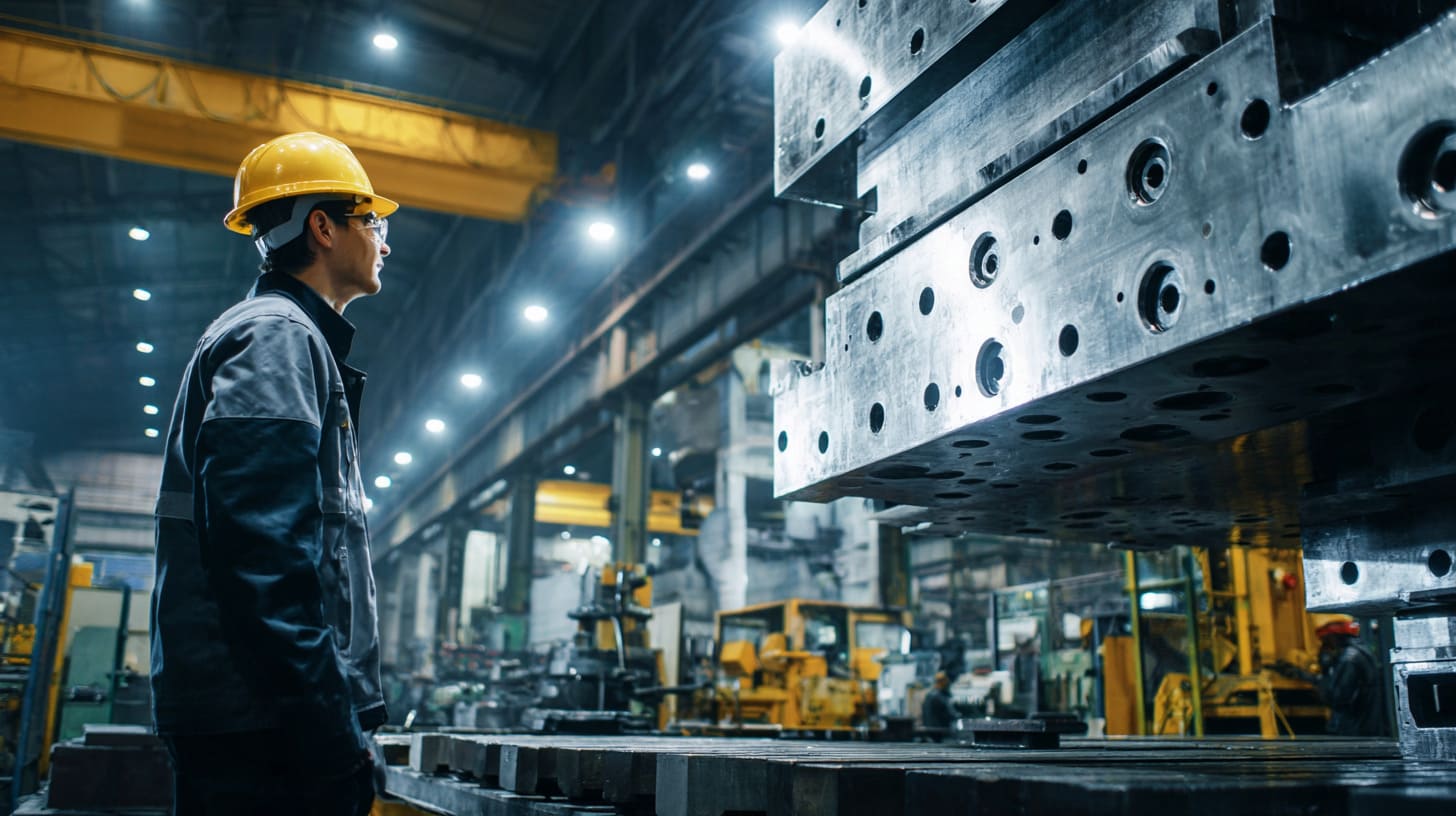
Rigidity is one of those boring words that becomes very expensive when ignored.
A machine frame does not need to look strong. It needs to stay still under load. That is a very different thing.
Aluminum extrusion can be strong enough for many structures. But when people compare it with welded steel, especially in heavy-duty or precision machines, the weakness often shows up in bending, twisting, and vibration.
When I review a frame design, I do not only ask how much weight it can carry; I ask where the machine will bend when the load moves.
That small question changes everything.
A frame may hold 200 kg without breaking. But if it deflects too much while the machine is working, the performance still suffers.
Aluminum extrusion is less rigid than welded steel
Aluminum is lighter than steel. That is useful in some projects. But it also has lower stiffness than steel. In simple words, it bends more under the same force.
The profile shape helps. A larger extrusion can be quite stiff. But the material and joint design still matter.
| Factor | 80/20 Aluminum Extrusion | Welded Steel Frame |
|---|---|---|
| Material stiffness | Lower | Higher |
| Weight | Lighter | Heavier |
| Joint type | Bolted | Welded |
| Modification | Easy | Harder |
| Vibration damping | Lower | Better in many heavy structures |
| Best use | Flexible and light/mid-duty frames | Heavy and rigid machine bases |
This does not mean steel is always better.
A light machine does not always need a heavy frame. A workstation does not need to behave like a milling machine. But if the machine has cutting force, pressing force, heavy moving parts, or long spans, stiffness becomes a serious issue.
Large machines amplify rigidity problems
Small frames hide many sins.
Large frames expose them.
A short aluminum extrusion may feel very solid in your hand. But a long span behaves differently. The longer the distance between supports, the easier the profile bends. Add a moving gantry, a motor, a tool head, or a heavy load, and the small movement becomes more visible.
Common problem areas include:
- Long horizontal beams
- Tall vertical columns
- Unsupported gantry structures
- Frames with heavy top-mounted parts
- Machines with fast moving axes
- Wide frames with thin cross members
A long beam is like a fishing rod. It may look straight when nothing happens. But once the load moves, it tells the truth.
How insufficient rigidity affects performance
A rigid frame protects the machine’s behavior.
A flexible frame creates hidden errors.
| Problem | What Happens in Real Use |
|---|---|
| Positioning error | The machine does not stop exactly where expected |
| Poor repeatability | The same movement gives slightly different results |
| Vibration | Motors, tools, or sensors become unstable |
| Rail misalignment | Linear motion becomes rough |
| Shorter component life | Bearings and guides carry uneven stress |
| Lower product quality | Output becomes inconsistent |
I have seen buyers focus heavily on motor brand and rail brand, but they accept a weak frame because it looks clean in the drawing. That is risky. A good rail mounted on a moving frame cannot perform like a good rail mounted on a stable base.
The rail is not magic.
The frame is the floor under its feet.
When the frame does not stay quiet, high precision becomes difficult. And high precision is where 80/20 often starts to lose the argument.
When Should You Avoid 80/20 for High-Precision Machines?
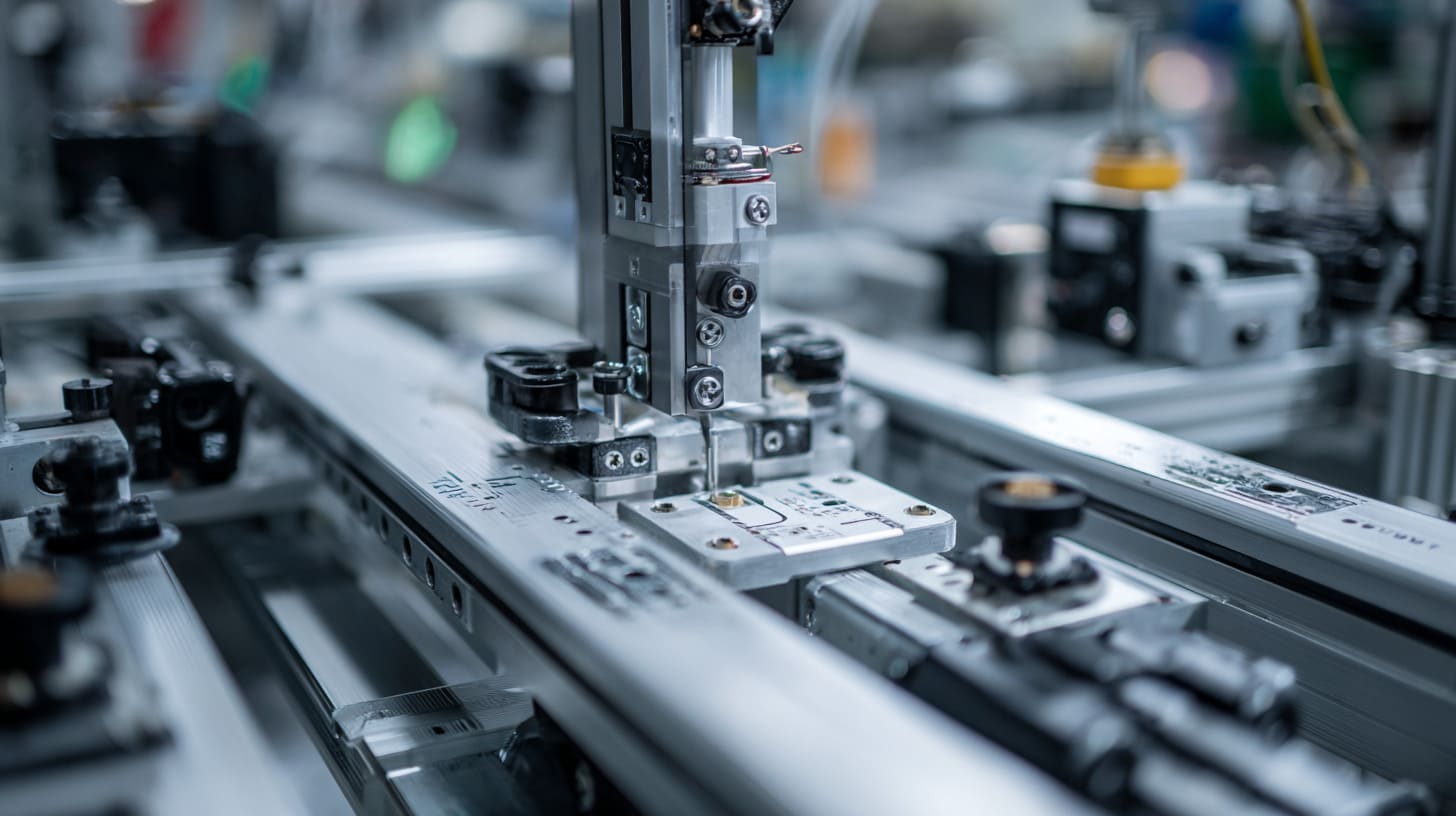
High precision is not only about buying good components. It is about keeping every important part in the correct position while the machine is working.
This is where many people get trapped.
They use high-quality linear guides. They buy good ball screws. They choose a reliable servo system. Then they mount everything on a frame that moves too much. It is like wearing expensive shoes on a soft muddy road. The shoes may be excellent. The road still ruins the walk.
If a customer asks for tight tolerance, I always look at the frame before I trust the motion parts, because accuracy cannot float in the air.
80/20 can work in some precision support structures. But for high-precision machines, the frame must be judged carefully.
Precision requirements expose frame weaknesses
Precision machines are unforgiving.
Small deflection matters. Small thermal growth matters. Small joint movement matters. A tiny shift may not affect a packaging table, but it can ruin an inspection system or a machining process.
Examples where 80/20 may be risky:
- CNC machining frames
- Laser positioning machines
- Semiconductor equipment
- Precision optical inspection machines
- High-speed measurement systems
- Automated assembly machines with tight tolerance
- Equipment with long linear rails
| Machine Type | Risk with 80/20 Frame |
|---|---|
| CNC equipment | Cutting force may create vibration and deflection |
| Inspection system | Camera and part position may drift |
| Semiconductor equipment | Small movement may damage precision |
| Robotic alignment station | Repeatability may suffer |
| Laser process machine | Beam path and work surface may shift |
The danger is not always obvious during the first test.
A prototype may work when it is new. But after many hours, after heat cycles, after shipping, after several adjustments, the structure may no longer behave the same.
Frame movement impacts accuracy
There are three common movement problems.
Thermal expansion
Aluminum expands with temperature. If the machine works in a changing temperature environment, the frame can grow or shrink slightly.
For large frames, this movement becomes more important.
Joint flexibility
Bolted joints are convenient, but they are not the same as welded joints. Under force, the joint may move slightly. Under vibration, fasteners may relax.
Alignment drift
A machine may be aligned during assembly. But if the frame is flexible, alignment may change over time.
| Movement Source | Possible Result |
|---|---|
| Temperature change | Rail spacing changes |
| Joint movement | Machine loses alignment |
| Vibration | Fasteners loosen |
| Long frame span | Axis straightness suffers |
| Uneven floor | Frame twists after installation |
This is why a frame may pass inspection in the supplier’s workshop but fail after installation at the customer’s factory.
The machine did not become “bad” during shipping. The structure was too sensitive from the beginning.
Better alternatives for precision applications
For precision machines, engineers often consider stronger and more stable structures.
| Alternative | Why It Helps | Where It Fits |
|---|---|---|
| Welded steel frame | Better stiffness and strength | Heavy automation and machine bases |
| Cast iron structure | Excellent stability and damping | CNC and precision machine tools |
| Granite base | Very stable for measuring systems | Inspection and metrology |
| Hybrid frame | Uses steel for base, aluminum for guards | Balanced OEM designs |
| Machined plate structure | Good flatness and controlled mounting | Compact precision equipment |
I often like hybrid structures for OEM equipment.
For example, use a welded steel base for the main load and precision rail area. Then use aluminum extrusion for guards, doors, covers, light sensor frames, or adjustable accessories.
That way, the machine gets strength where it needs strength and flexibility where it needs flexibility.
It is not about choosing one material forever. It is about putting each material in the right job.
And once the machine starts moving fast, the frame has another enemy: dynamic load.
Why Heavy Dynamic Loads Can Be a Problem?
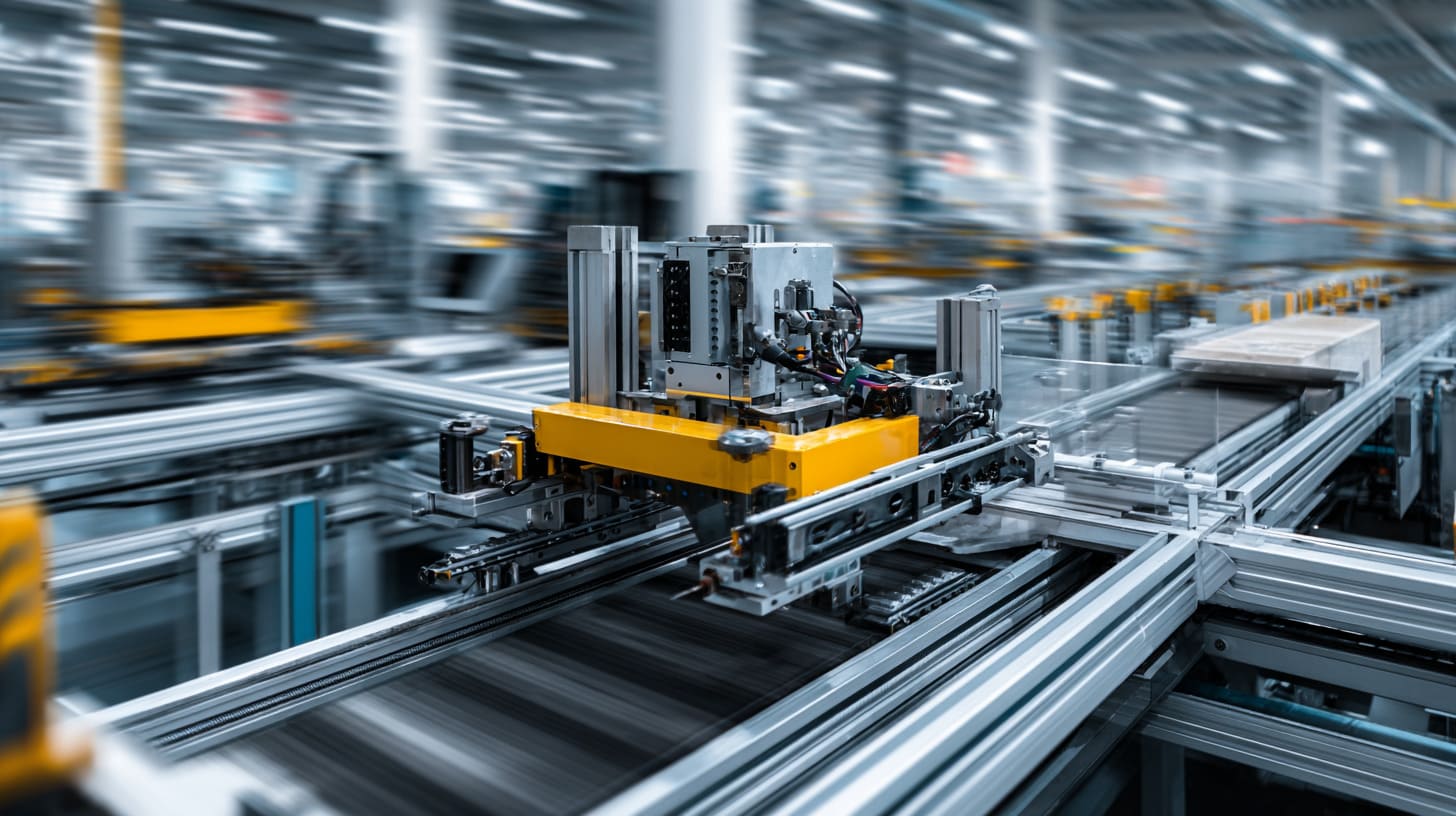
Static load is easy to misunderstand.
A frame may hold a heavy part when the machine is standing still. But machines do not live in still photos. They start. They stop. They accelerate. They shake. They repeat the same motion thousands or millions of times.
That is where dynamic load becomes a problem.
Before I feel comfortable with an extrusion frame, I want to know not only the load weight, but also how fast that load starts and stops.
Speed changes the story.
A slow 50 kg load may be fine. A fast 20 kg load may create more trouble. The frame feels the force every time the machine changes direction.
Repeated acceleration creates stress
Servo-driven equipment, pick-and-place machines, and robotic systems all create repeated force.
Each movement pushes and pulls the frame. The faster the acceleration, the stronger the reaction force.
Common dynamic load sources include:
- Servo motors
- Pneumatic cylinders
- Linear actuators
- Robot arms
- Moving gantries
- Pick-and-place heads
- Vibrating feeders
- Pressing units
| Motion Type | Frame Risk |
|---|---|
| Fast start-stop motion | Vibration and joint stress |
| Long gantry movement | Beam deflection |
| Robot arm movement | Twisting force |
| Pneumatic impact | Shock load |
| Vibrating feeder | Fastener loosening |
| Heavy tool head | Position drift |
A machine frame must resist these forces again and again. A bolted aluminum extrusion frame can do this in some light and medium-duty cases. But when the force grows, the joints may become the weak point.
Connection points may loosen over time
Bolted connections are useful because they are adjustable. But they also need attention.
Fasteners can relax. Brackets can shift. Slots can wear slightly. The frame may not fall apart, but it may lose the stiffness it had on day one.
This is especially true when:
- The machine runs many hours per day
- The motion is fast
- The load changes direction often
- The frame is moved between locations
- The floor is uneven
- The installer does not tighten every joint correctly
| Issue | What It Looks Like |
|---|---|
| Fastener relaxation | Small gaps appear at joints |
| Bracket movement | Frame becomes less square |
| Fatigue | Repeated stress damages weak areas |
| Loose accessories | Sensors or guards move |
| Maintenance delay | Problems grow slowly |
This type of failure is annoying because it looks small. One loose bracket is not dramatic. But one loose bracket near a sensor or rail can cause hours of troubleshooting.
Signs the frame is being overloaded
You do not always need a lab test to smell trouble.
A machine often gives signs.
- The frame vibrates more than expected.
- The motor noise changes.
- The linear motion becomes rough.
- The machine needs frequent recalibration.
- Fasteners loosen again after tightening.
- The product quality changes during production.
- The machine works better at low speed than high speed.
That last sign is common.
If the machine behaves well at low speed but becomes unstable at production speed, the frame may not be stiff enough for the real working load.
This is why I never trust a machine only during a slow test. Slow testing is polite. Production speed is honest.
And production environments are not always kind. Some are hot, wet, salty, oily, dusty, or chemically aggressive. That takes us to the next problem.
Why Harsh Industrial Environments May Require Other Materials?
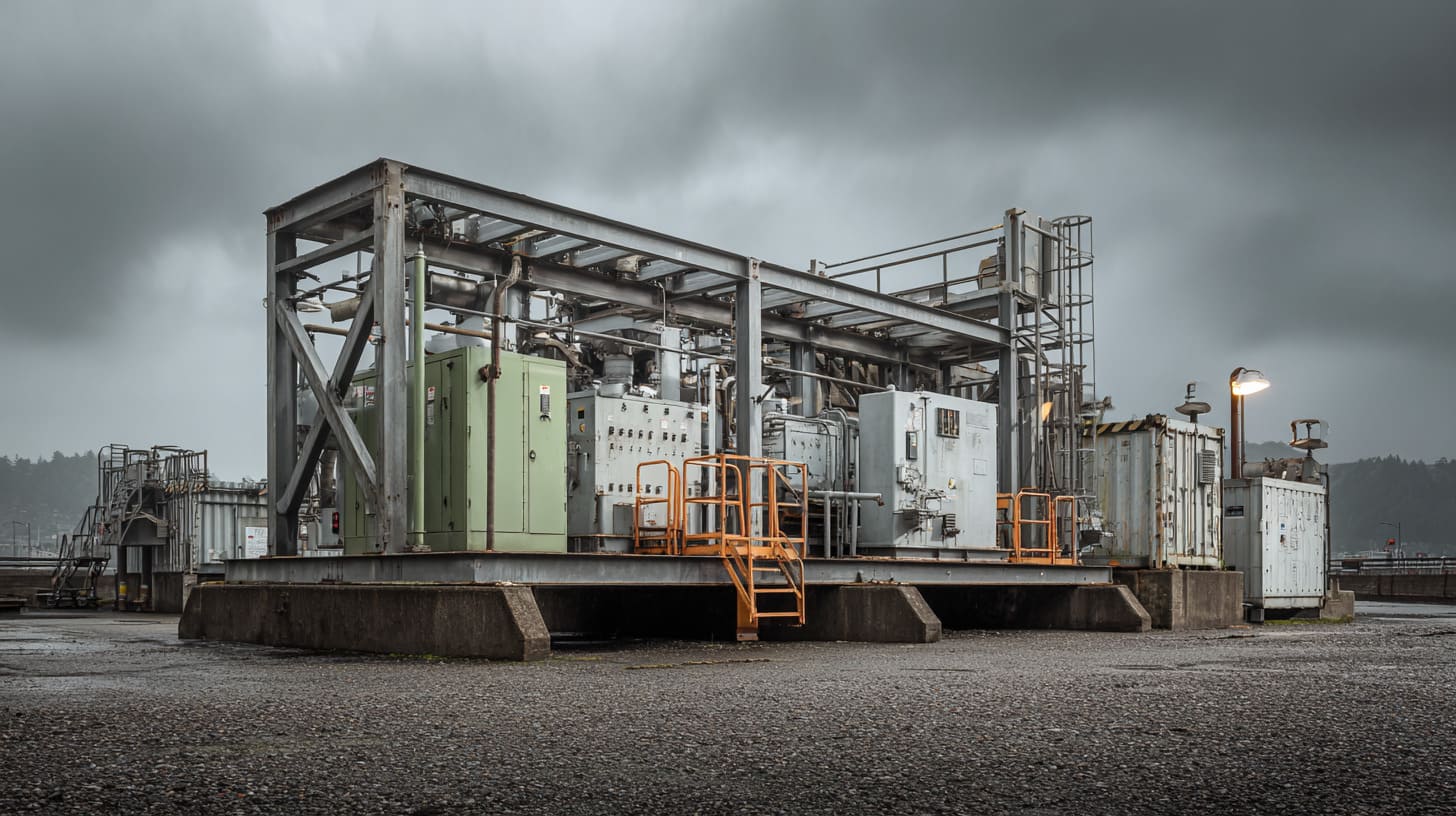
A clean lab can make many materials look better than they are.
A real factory is different.
There may be cutting oil. There may be chemical mist. There may be salt air. There may be dust. There may be heat from motors and ovens. There may be operators who clean machines with strong chemicals because they need to finish their shift, not protect your beautiful frame.
For outdoor or corrosive projects, I first ask what the frame will touch every week, not what it looks like on the quotation sheet.
That question is simple. It is also very useful.
Corrosive environments create challenges
Aluminum has natural corrosion resistance, especially when anodized. That is one reason people like it. But it is not perfect in every environment.
Some environments can still create corrosion, surface damage, staining, or joint problems.
Risky places include:
- Coastal factories
- Marine equipment areas
- Chemical processing plants
- Food processing washdown areas
- Outdoor industrial installations
- Battery production areas
- Wastewater treatment facilities
| Environment | Possible Risk |
|---|---|
| Salt air | Surface corrosion and fastener issues |
| Chemical mist | Anodized layer damage |
| High humidity | Joint and fastener corrosion |
| Outdoor UV and rain | Long-term surface aging |
| Washdown area | Water trapped in slots |
| Oily factory | Dirt collects inside profiles |
The slots are helpful for assembly, but they can also collect dust, liquid, and debris. In a clean workstation, this is not a big deal. In a dirty production line, it can become a maintenance headache.
Temperature extremes affect performance
Aluminum reacts to temperature changes more than steel in many frame applications. If the machine frame is large, the change may become important.
Hot environments can cause expansion.
Cold environments can cause contraction.
Repeated temperature cycles can affect alignment and joint tension.
| Condition | Possible Effect |
|---|---|
| Hot workshop | Frame expands |
| Cold storage area | Frame contracts |
| Heat from motors | Local movement |
| Outdoor day-night cycle | Repeated expansion and contraction |
| Oven-side machine | Accuracy drift |
| Mixed materials | Different expansion rates |
This matters most when the machine needs stable alignment.
If a frame supports simple guards, small movement may not matter. If it supports rails, sensors, and precision tooling, temperature movement becomes harder to ignore.
Environmental protection considerations
Sometimes 80/20 can still work in harsh conditions with the right treatment.
You can use:
- Anodized profiles
- Stainless steel fasteners
- Protective covers
- Drainage design
- Sealed panels
- Coated steel parts
- Plastic or rubber sealing parts
- Regular maintenance plans
But at some point, protection adds cost and complexity.
If a project needs many extra protections just to make 80/20 acceptable, I start asking whether another structure would be easier.
| Need | Possible Better Choice |
|---|---|
| Heavy washdown | Stainless steel or sealed sheet metal |
| High corrosion | Coated steel or stainless steel |
| Outdoor frame | Treated steel or custom enclosure structure |
| High heat | Steel or special structural design |
| Dust control | Closed sheet metal structure |
| Strong impact resistance | Welded steel frame |
A good machine frame must survive the environment, not just the CAD drawing.
This is where welded steel often enters the conversation. It is heavier. It is less flexible. It is not as pretty in the early stage. But sometimes it is exactly what the machine needs.
When Does Welded Steel Become the Better Choice?
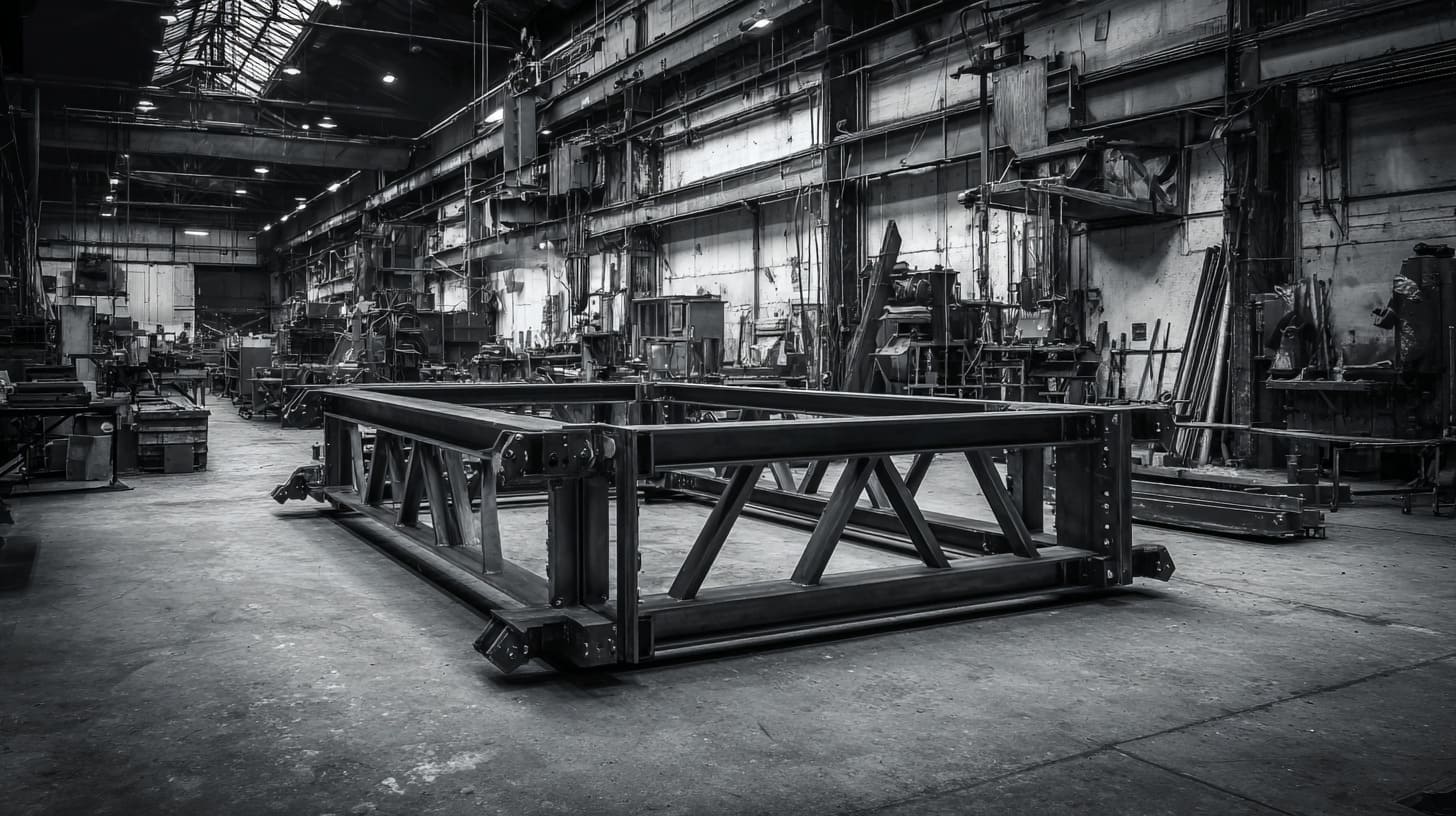
Welded steel is not fashionable in the same way aluminum extrusion is. It does not give that clean modular feeling. It is harder to change later. It needs welding, grinding, surface finishing, and sometimes machining after welding.
But it has one strong personality trait.
It holds its ground.
When the frame becomes part of the machine’s accuracy and not just a support stand, I become much more interested in steel.
That does not mean every machine needs steel. It means the frame role must be clear.
Is it holding covers?
Or is it controlling accuracy?
Those are not the same job.
Comparing steel and aluminum frames
Steel and aluminum both have useful places in machine design.
| Item | 80/20 Aluminum Extrusion | Welded Steel |
|---|---|---|
| Stiffness | Lower | Higher |
| Weight | Light | Heavy |
| Design flexibility | Very high | Lower after welding |
| Assembly speed | Fast | Slower |
| Modification | Easy | Hard |
| Vibration behavior | Weaker in many heavy-duty cases | Better for heavy structures |
| Surface finish | Clean anodized look | Paint, powder coat, or plating |
| Best fit | Light frames, prototypes, guards | Heavy bases, rigid machine frames |
Aluminum extrusion is good when the machine needs flexibility.
Steel is good when the machine needs strength and stability.
A buyer should not treat this as a style choice. It is not about what looks modern. It is about what the machine must do every day.
Situations where steel dominates
Welded steel is often a better choice for:
- Heavy machinery
- Large automation frames
- Pressing equipment
- Cutting machines
- Long-span structures
- Machines with high-speed moving loads
- Machines with heavy tooling
- Equipment that must run many hours per day
- Industrial production lines with impact or vibration
A welded steel frame can be designed with thick plates, ribs, cross braces, and machined mounting surfaces. This gives the structure better strength and better control.
For some machines, extra weight is not a problem. It is a benefit. The weight helps reduce vibration and gives the machine a more stable base.
Total cost versus initial cost
Many buyers compare only the first price.
That is dangerous.
A simple aluminum extrusion frame may look cheaper at first. But if the machine later needs larger profiles, many brackets, extra plates, vibration control, repeated adjustment, and maintenance, the cost changes.
| Cost Type | Aluminum Extrusion Risk | Welded Steel Risk |
|---|---|---|
| Initial material cost | Can rise with large profiles | May be reasonable for heavy frames |
| Labor cost | Lower assembly labor | Higher fabrication labor |
| Modification cost | Low | High |
| Maintenance cost | Can rise if joints move | Usually lower for rigid base |
| Shipping cost | Lower weight | Higher weight |
| Long-term cost | Depends on vibration and adjustment | Often better for heavy-duty use |
Steel is not always cheaper.
Aluminum is not always expensive.
The project decides.
For a light adjustable workstation, steel may be overkill. For a heavy production machine, aluminum may become expensive because you are forcing it to do a steel frame’s job.
And this brings us to a funny trap: large 80/20 frames often become expensive exactly because people try to make them behave like steel.
Why Large Machine Frames Often Become Expensive with 80/20?
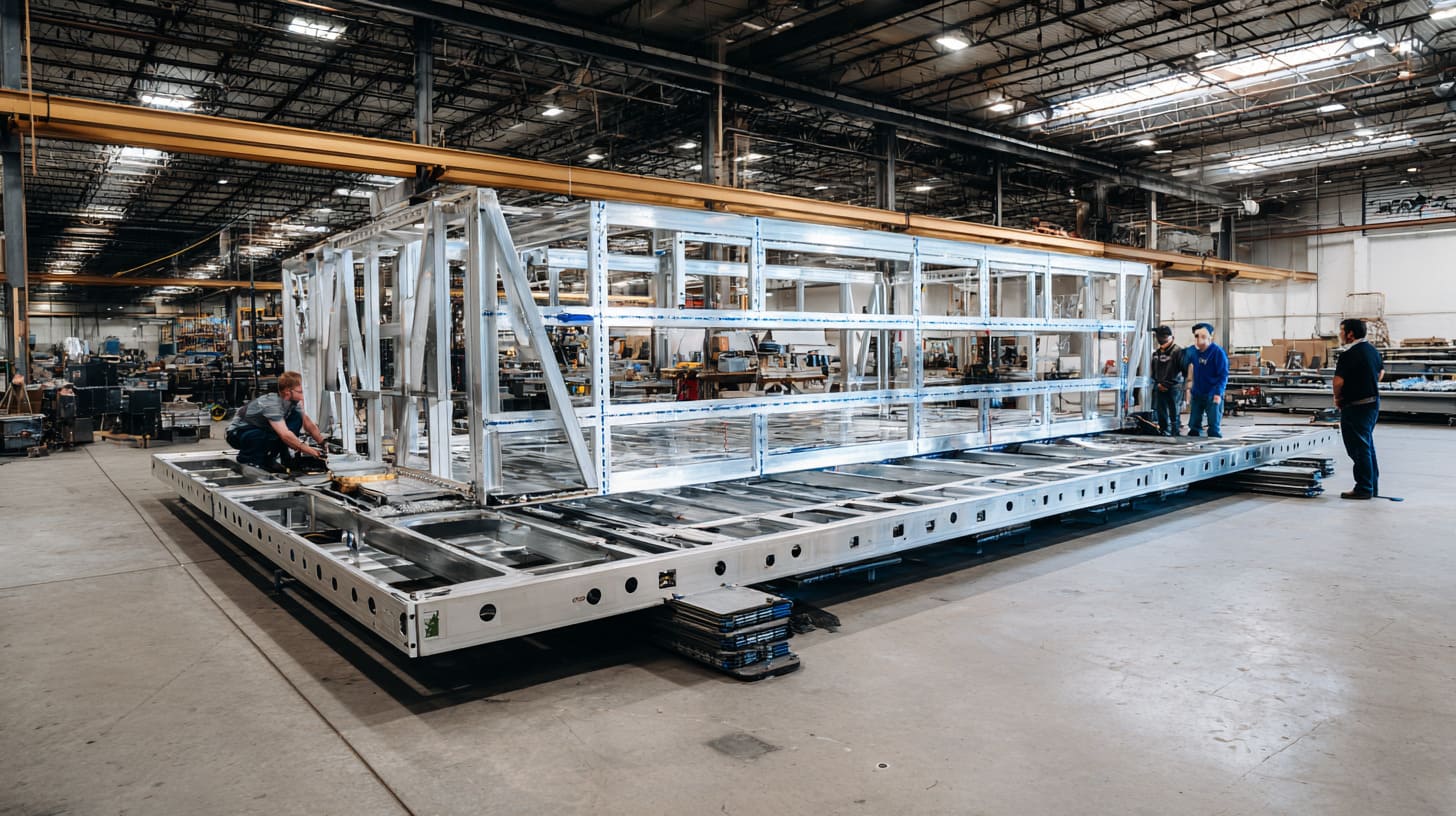
Large aluminum extrusion frames can look simple in the first drawing.
Four legs. Some beams. A few cross members. Clean lines. Easy assembly.
Then reality enters the room wearing dirty work boots.
The engineer adds larger profiles. Then reinforcement plates. Then corner brackets. Then internal connectors. Then gussets. Then extra cross braces. Then leveling feet. Then thicker mounting plates. Then the shipping crate becomes bigger.
Suddenly, the “simple” frame is not so simple.
When I see a large extrusion frame filled with many reinforcement parts, I ask whether we are still using aluminum for its strength or only because we started with that idea.
That question can feel uncomfortable. But it is useful.
Material costs increase rapidly
Small and medium profiles are often reasonable.
Large profiles are different.
As the frame gets bigger, engineers may need thicker and larger extrusion sizes to control deflection. The cost grows quickly. The weight also grows, even though aluminum is lighter than steel.
| Design Need | What Often Happens |
|---|---|
| Longer span | Larger profile required |
| Higher load | More cross members added |
| Better stiffness | Thicker profile or double profile |
| Precision mounting | Steel or aluminum plates added |
| Reduced vibration | Extra braces and gussets added |
At some point, the frame becomes a mix of profiles, plates, and brackets. It may still work. But it should be compared with a welded or hybrid structure honestly.
Accessory costs are often underestimated
Many people count the aluminum bars first.
They forget the small parts.
Small parts are sneaky. They look harmless one by one. But they can become a large part of the total cost.
Common accessories include:
- Angle brackets
- Hidden fasteners
- T-nuts
- Bolts
- End caps
- Gussets
- Joining plates
- Leveling feet
- Casters
- Handles
- Hinges
- Panel holders
- Cable clamps
- Guards and panels
| Accessory | Why It Adds Cost |
|---|---|
| Brackets | Needed at many joints |
| T-nuts and bolts | Quantity grows fast |
| Gussets | Needed for stiffness |
| Plates | Needed for precision mounting |
| Feet | Needed for leveling |
| Covers and guards | Needed for safety |
| End caps | Improve appearance and safety |
This is why a buyer may feel surprised after receiving the final quote.
The extrusion is only part of the story.
Hidden engineering costs
Large extrusion frames may also require more engineering time.
The engineer may need to check:
- Beam deflection
- Joint stiffness
- Vibration behavior
- Rail mounting surfaces
- Load direction
- Center of gravity
- Floor leveling
- Transport method
- Assembly sequence
- Maintenance access
These checks take time. If they are skipped, the machine may become expensive later.
| Hidden Work | Why It Matters |
|---|---|
| Structural review | Prevents weak frame design |
| Vibration check | Protects machine performance |
| Assembly planning | Avoids installation problems |
| Tolerance control | Keeps rails and parts aligned |
| Packaging design | Prevents shipping damage |
| Maintenance planning | Reduces future downtime |
I often tell buyers that a frame is cheap only if it works after installation.
A low-price structure that needs constant adjustment is not cheap. It is just delayed cost with a nicer face.
And one of the biggest delayed costs is excessive flexibility.
What Problems Can Excessive Flexibility Create?
Flexibility sounds good when we talk about design.
It sounds bad when we talk about machine accuracy.
That is the strange double life of 80/20 aluminum extrusion.
You want flexibility during development. But you do not want flexibility during production. Once the machine starts working, the frame should stop being creative. It should become boring. Stable. Quiet. Predictable.
If the machine needs frequent adjustment after it is already installed, I see that as a warning sign, not a normal feature.
A machine should not ask for attention every week like a spoiled cat.
Misalignment between machine components
Excessive frame flexibility can create misalignment between critical parts.
This often affects:
- Linear rails
- Ball screws
- Belt drives
- Sensors
- Cameras
- Tooling plates
- Pneumatic cylinders
- Doors and guards
- Product fixtures
| Component | Problem from Frame Flexibility |
|---|---|
| Linear rail | Binding or uneven movement |
| Ball screw | Extra load and noise |
| Belt drive | Tracking problems |
| Sensor | Wrong detection position |
| Camera | Image shift |
| Fixture | Product location changes |
| Tooling | Uneven contact or cutting |
Misalignment is painful because it creates secondary problems.
A rail issue may look like a rail quality problem. A motor issue may look like a motor tuning problem. A sensor issue may look like a software problem.
But the frame may be the quiet troublemaker.
Increased maintenance requirements
A flexible or weak frame usually needs more maintenance.
The maintenance may include:
- Tightening bolts
- Checking squareness
- Re-leveling feet
- Re-aligning rails
- Recalibrating sensors
- Inspecting brackets
- Checking vibration noise
- Replacing worn fasteners
| Maintenance Task | Why It Happens |
|---|---|
| Periodic tightening | Joints relax under vibration |
| Recalibration | Sensor positions drift |
| Rail alignment check | Frame moves under load |
| Leveling adjustment | Floor or frame twist changes |
| Bracket inspection | Connection points carry stress |
For a small test stand, this may be acceptable.
For production equipment, this becomes annoying.
Operators do not want to babysit the frame. They want the machine to run.
Impact on production efficiency
Small frame problems can become big production problems.
A flexible frame can cause:
- Downtime
- Quality variation
- Slower machine speed
- More rejected parts
- More service visits
- More operator complaints
- Lower customer trust
| Frame Issue | Production Result |
|---|---|
| Vibration | Lower speed limit |
| Alignment drift | More defects |
| Loose joints | More downtime |
| Poor rigidity | Inconsistent quality |
| Repeated adjustment | Higher labor cost |
This is why I care about frame design early.
After the machine is installed, every fix becomes harder. You need workers. You need tools. You may need downtime. You may need replacement parts. The customer may be watching. Nobody enjoys that movie.
So how should engineers decide? Not by emotion. Not by habit. Not by “we always use 80/20.”
They need a practical decision process.
How Can Engineers Decide Whether 80/20 Is the Right Choice?
A good material decision starts with honest questions.
Not pretty questions.
Real questions.
How heavy is the load? How fast does it move? How precise must the machine be? Where will it work? Who will maintain it? Will the design change later? Will the machine ship assembled or knocked down? Will the customer accept regular adjustment?
For a new OEM project, I trust a rough but honest load discussion more than a beautiful drawing with missing working conditions.
A drawing shows shape.
Working conditions show risk.
Key questions before selecting a frame material
Before choosing 80/20, I like to ask these questions:
| Question | Why I Ask It |
|---|---|
| What precision is required? | Tight tolerance needs better stability |
| What is the machine size? | Large frames bend more easily |
| What is the total load? | Heavy parts need stronger support |
| Is the load static or moving? | Dynamic load creates more stress |
| What is the machine speed? | Fast motion increases vibration |
| Where will the machine be used? | Environment affects material choice |
| Will the design change often? | Modular extrusion may help |
| How often will it run? | Long-duty cycles need reliability |
| Who will maintain it? | Complex frames need skilled support |
| What is the target cost? | Accessories and service matter |
The important thing is not only answering these questions.
The important thing is answering them before the frame design is locked.
A practical decision framework
Here is a simple way I like to think about it.
| Application Level | 80/20 Suitability | My View |
|---|---|---|
| Light-duty | Very suitable | Good for benches, guards, fixtures, test frames |
| Medium-duty | Depends on design | Needs load and vibration review |
| Heavy-duty | Often risky | Steel or hybrid may be better |
| High precision | Often risky | Needs strong justification |
| Large-span frame | Risk increases | Deflection must be checked |
| Harsh environment | Depends | Surface and cleaning issues matter |
| Prototype | Very suitable | Flexibility is valuable |
| Final production machine | Depends | Long-term stability must be checked |
This framework is not perfect. No table can replace engineering judgment.
But it helps avoid one common mistake: choosing the frame material only because it is convenient.
Convenience is nice.
Performance pays the bill.
Common mistakes buyers make
I see several mistakes again and again.
Choosing based on convenience alone
80/20 is easy to buy and easy to assemble. That does not mean it is right for every machine.
Ignoring future expansion
A frame may be fine today. But if the customer later adds a heavier motor, bigger guard, larger tooling, or faster motion, the original frame may become too weak.
Underestimating vibration effects
Vibration is not only a comfort issue. It affects accuracy, noise, wear, and product quality.
Counting only material cost
Accessories, engineering time, maintenance, and downtime must also be counted.
Treating prototype success as production proof
A prototype may run for two hours. A production machine may run for two shifts every day. These are different worlds.
| Mistake | Better Thinking |
|---|---|
| “It is easy to assemble.” | “Can it stay rigid during operation?” |
| “The sample worked.” | “Will it work after six months?” |
| “The profile looks strong.” | “Did we check deflection?” |
| “The price is lower.” | “What is the total ownership cost?” |
| “We can adjust it later.” | “Why does it need so much adjustment?” |
This kind of thinking makes the project less romantic but more reliable.
And sometimes, after asking these questions, the answer is clear: do not use 80/20 as the main machine frame. Use another structure.
What Alternatives Should Buyers Consider?
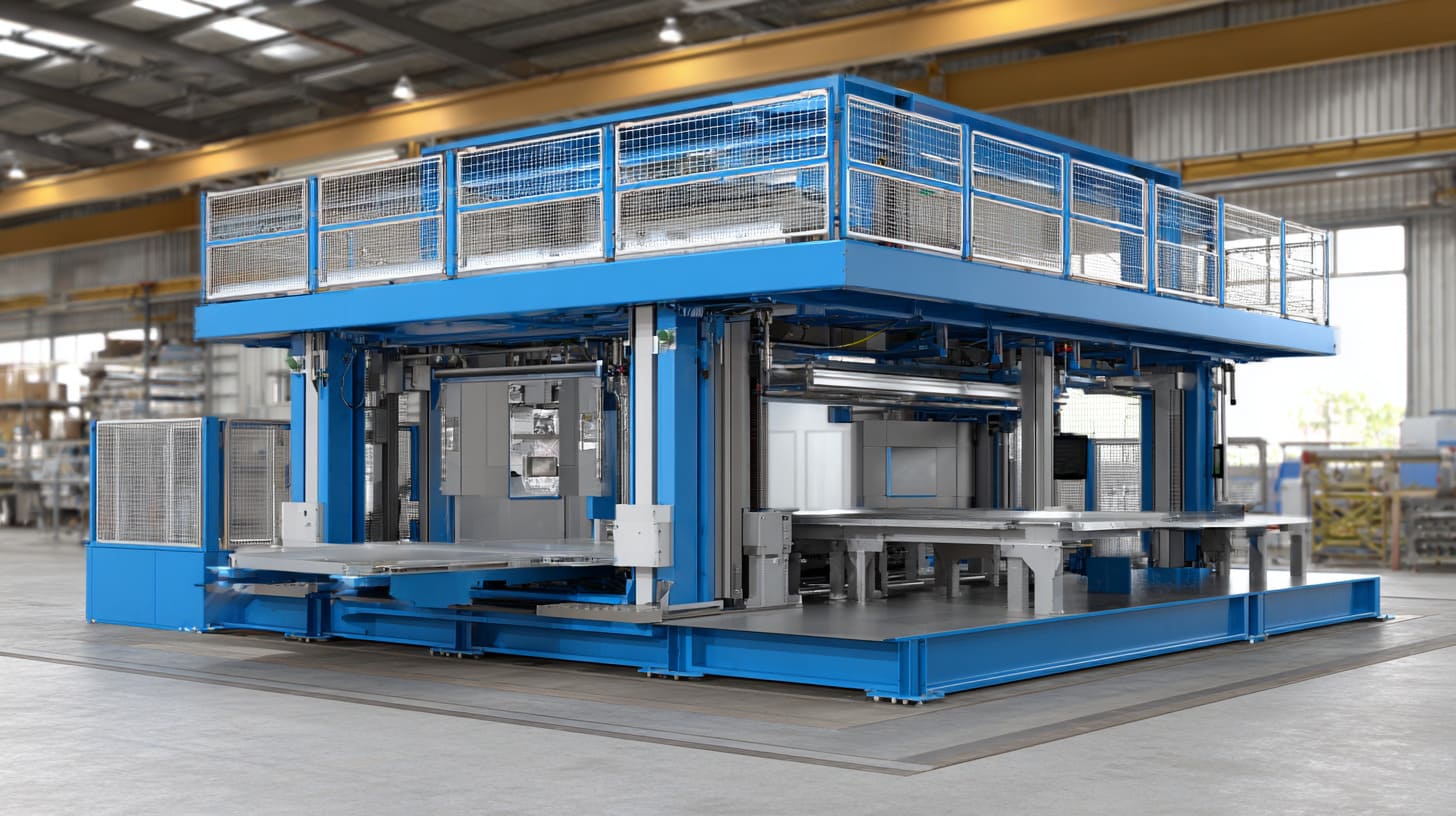
A good alternative is not always more expensive. It is not always more complicated. It is simply more suitable for the job.
I like to think of frame materials like shoes.
Running shoes are great for running. Safety boots are better in a factory. Leather shoes look nice in meetings. None of them is “best” everywhere.
Machine frames work the same way.
When I suggest another frame material, I am not trying to make the project heavier; I am trying to put the strength in the place where failure would hurt most.
That is the key.
Welded steel frames
Welded steel frames are often used for heavy-duty machines and rigid bases.
They are strong, stable, and suitable for high-load applications.
| Advantage | Limitation | Best Use |
|---|---|---|
| High rigidity | Hard to modify later | Heavy machine bases |
| Good durability | Needs welding and finishing | Industrial production equipment |
| Better vibration behavior | Heavier shipping | Cutting, pressing, and high-load machines |
| Cost-effective for large frames | Longer fabrication time | Large automation structures |
Steel is especially useful when the frame must carry force, support rails, hold tooling, or resist vibration.
The downside is clear. Once welded, changes are harder. So the design must be more mature before production.
Sheet metal machine structures
Sheet metal structures can be smart for enclosure-based machines.
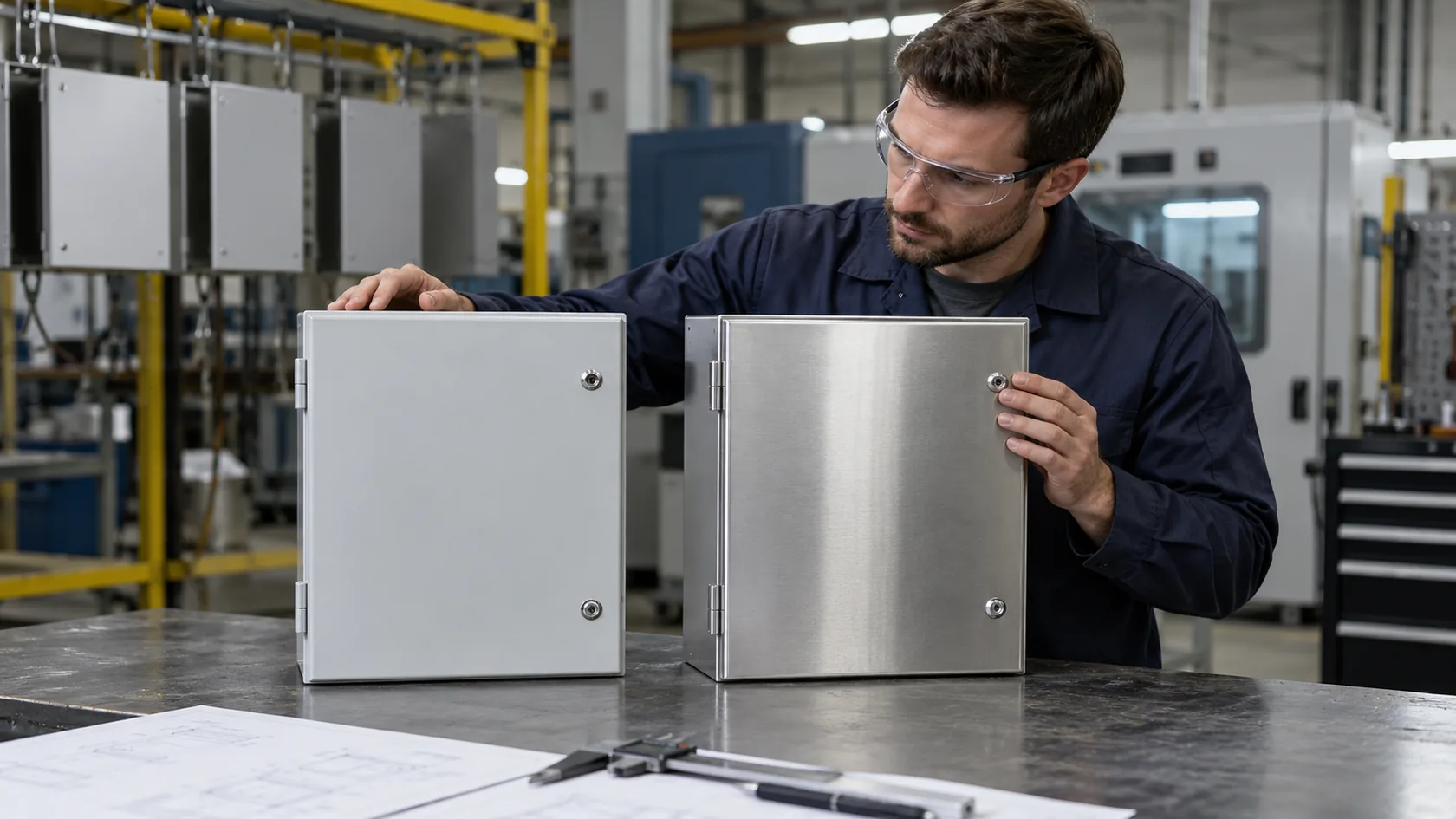
For example, if a machine needs a frame, outer shell, doors, brackets, electronics space, cable management, and branding, sheet metal may give a cleaner full solution.
| Sheet Metal Benefit | Why Buyers Like It |
|---|---|
| Integrated enclosure design | Frame and cover can work together |
| Good appearance | Suitable for branded OEM equipment |
| Custom cutouts | Good for switches, screens, fans, and ports |
| Cost control | Efficient for batch production |
| Surface finishing | Powder coating and branding options |
| Protection | Better dust and safety control |
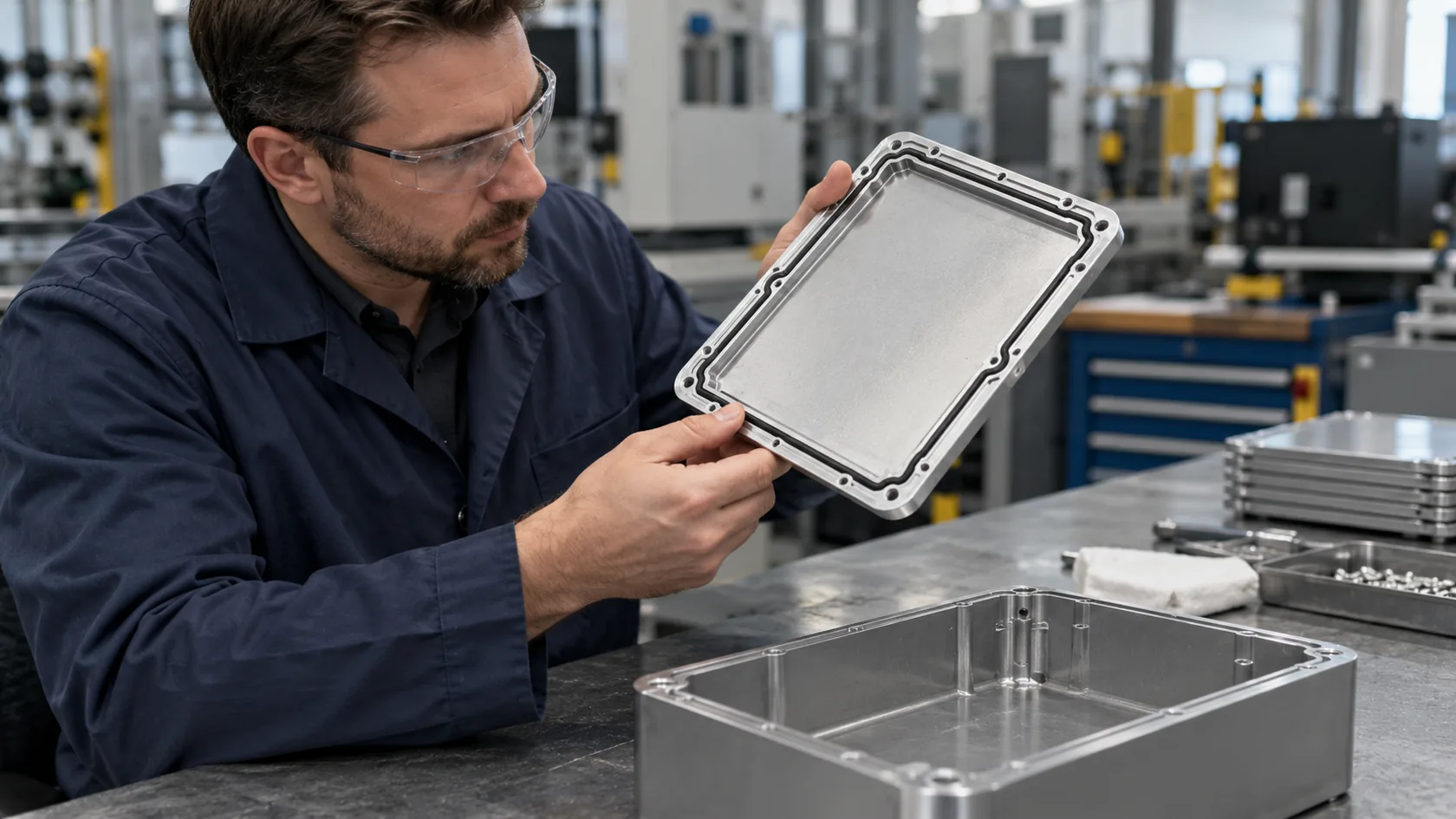
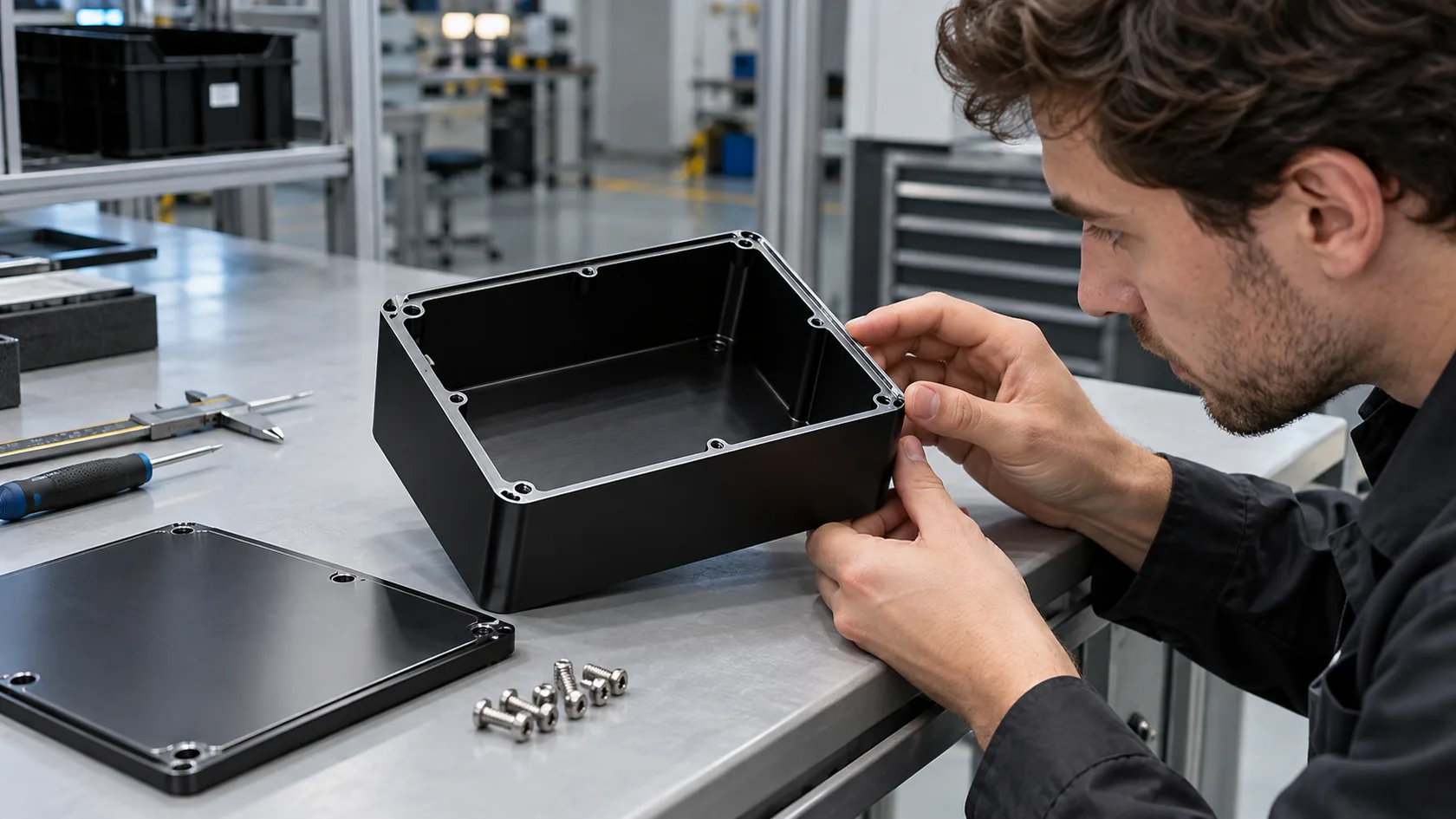
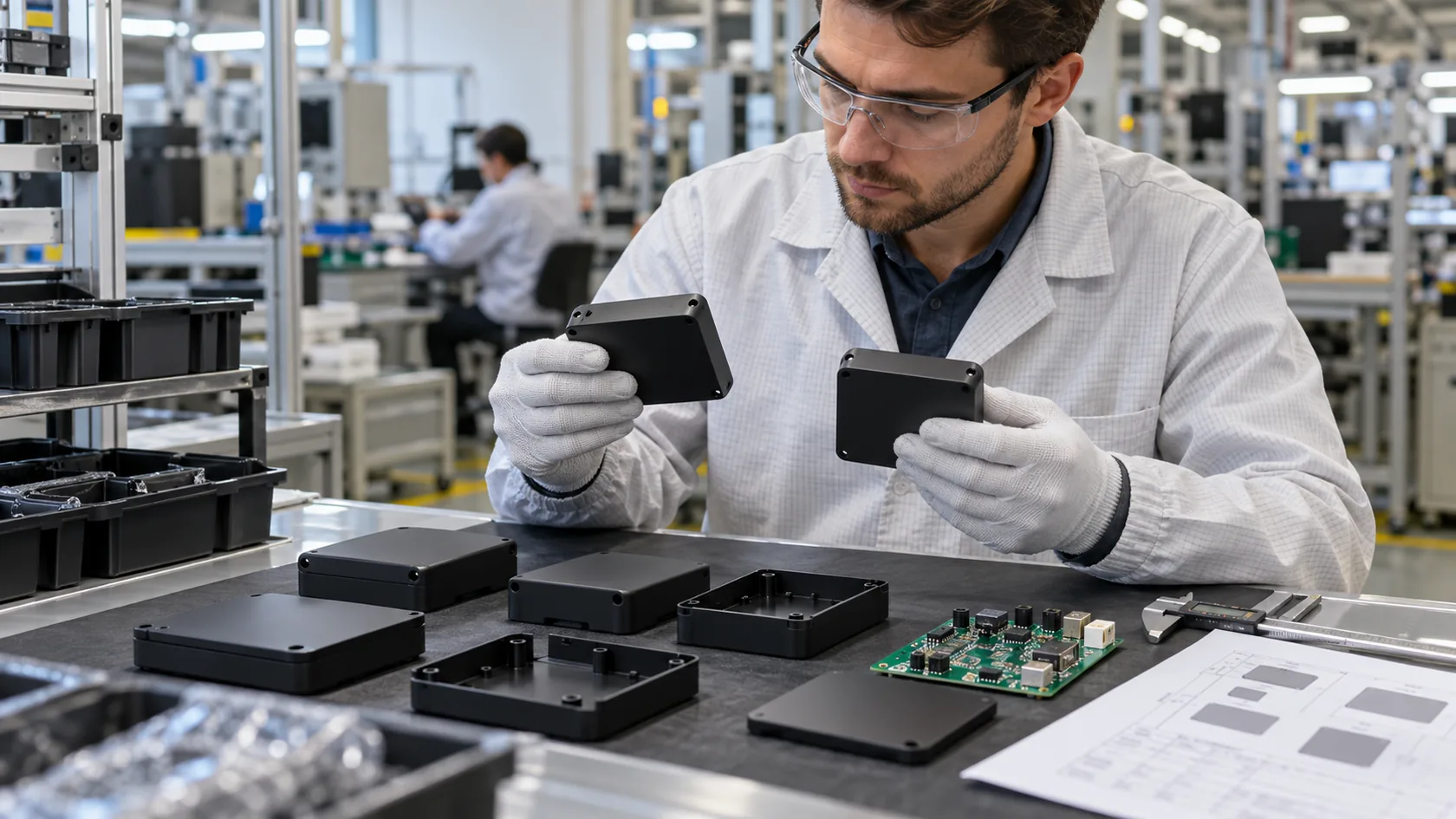
At MaidaTech, this is a common area for custom projects. Many customers do not only need a frame. They need a complete enclosure structure that protects electronics, supports parts, and carries their logo.
In this case, aluminum extrusion may be too open and too “unfinished” for the final product.
Hybrid frame solutions
Hybrid frames are often my favorite answer.
A hybrid frame uses different materials in different places.
For example:
- Welded steel base for strength
- Aluminum extrusion for guards and adjustable parts
- Sheet metal panels for covers
- Machined aluminum plates for precision mounting
- Plastic or rubber parts for insulation and protection
| Frame Area | Suggested Material |
|---|---|
| Heavy base | Welded steel |
| Adjustable guard | Aluminum extrusion |
| Outer cover | Sheet metal |
| Electronics box | Aluminum or plastic enclosure |
| Precision mounting plate | Machined aluminum or steel |
| Light sensor bracket | Aluminum extrusion |
This gives a better balance.
The machine gets rigidity where it matters. It keeps flexibility where changes are likely. It controls cost without forcing one material to do every job.
For OEM and ODM projects, this is often more realistic than arguing about one perfect material.
There is no perfect material.
There is only a better match.
Conclusion
80/20 aluminum extrusion is useful. I will not pretend it is bad. I have seen it save time, reduce prototype cost, and help engineers test ideas faster.
But I have also seen it used in places where it should not be used.
That is why I think machine frame selection needs more honesty.
If a frame is small, adjustable, light-duty, and still in the testing stage, 80/20 can be a very good choice. It gives freedom. It makes changes easy. It helps engineers move fast.
But if the machine needs high precision, heavy load support, long-span stiffness, strong vibration control, or long-term production stability, I become careful. Very careful.
My final decision usually comes down to one simple question: if this frame moves slightly after installation, what will it cost the customer?
If the answer is “not much,” aluminum extrusion may be fine.
If the answer is “lost accuracy, failed parts, machine downtime, angry operators, and delayed delivery,” then I would rather choose welded steel, sheet metal, or a hybrid frame.
This is not about selling a heavier structure. It is about protecting the real project.
For many OEM and industrial buyers, the best solution is not pure 80/20. It may be a welded steel base with aluminum guards. It may be a sheet metal machine body with custom branding. It may be a machined aluminum enclosure with internal support. It may be a hybrid design that looks simple from outside but is carefully planned inside.
That is also how I think about custom enclosure and machine structure projects at MaidaTech.
I do not want to only make a part from a drawing. I want to help check whether the drawing makes sense for real production, real shipping, real assembly, and real use. Because a machine frame is not just metal. It is the quiet foundation under the whole project.
If you are planning a custom aluminum enclosure, sheet metal structure, machine frame, or OEM equipment housing, you can send us your drawing, load requirement, quantity, and application details.
We can review the structure together and help you decide whether aluminum extrusion, welded steel, sheet metal, or a hybrid design is the smarter path.
Sometimes the best material is not the one that looks easiest on day one.
It is the one that still works six months later.