Skip to content
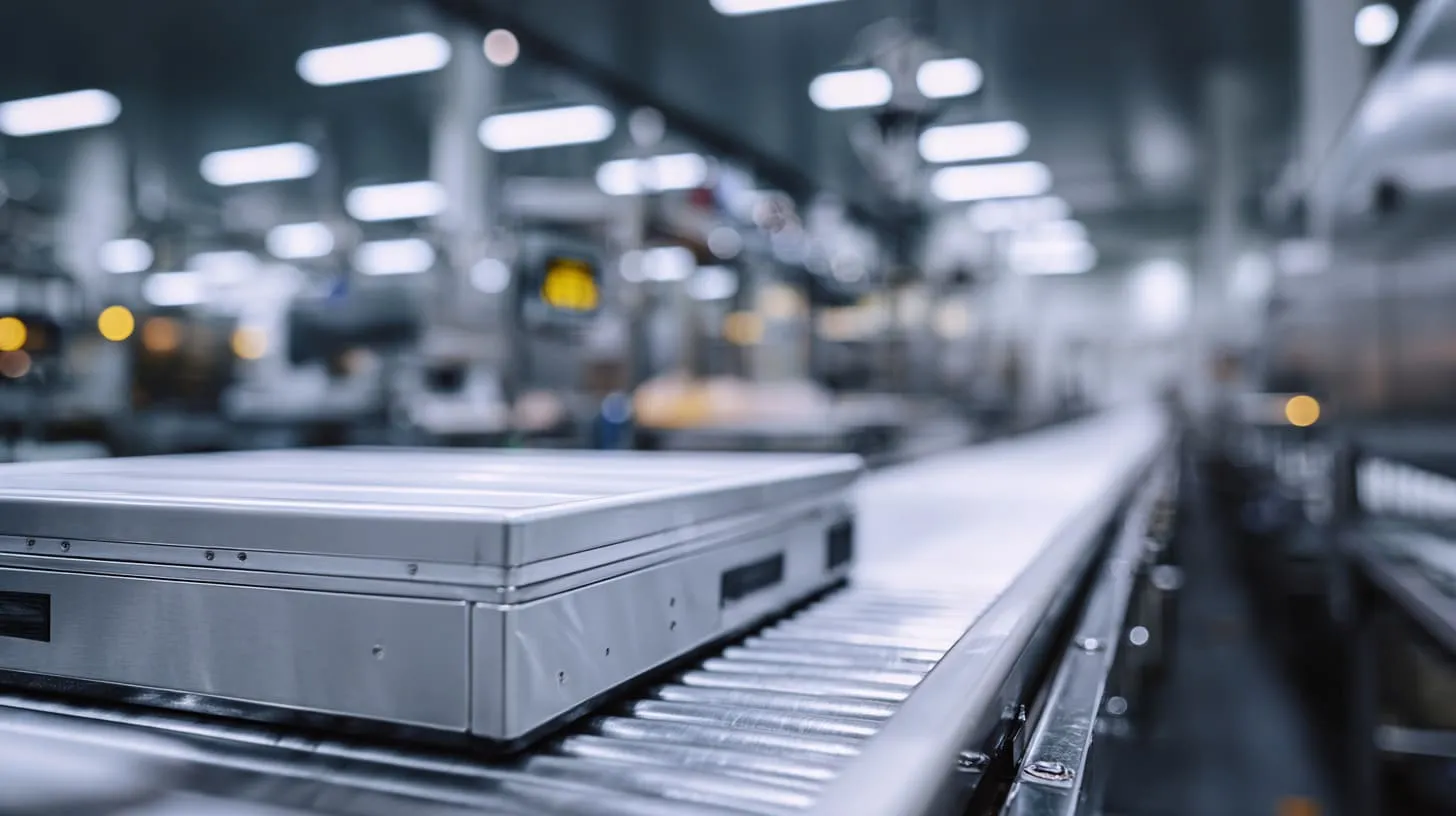
A buyer sent me a message that looked simple, almost too casual.
“Vincent, my client says the enclosure is for a food line. They want food grade aluminum. Which one should I choose?”
I asked one more question: “What does the enclosure touch?”
He paused. Then he said, “Nothing. It sits next to the conveyor. But the client is strict.”
That one line tells you why this topic is messy. “Food grade aluminum” is not just a metal question. It is a risk question. It is a paperwork question. It is a “what will the auditor say” question. And sometimes it is a marketing question, which is the most dangerous one.
I build custom enclosures and metal parts at MaidaTech. I talk to product engineers like Davide in Finland and re-brand buyers like Jackson in Belgium. They are smart people. They have drawings. They have deadlines. But when food is involved, even smart people get nervous. I do too.
So here is what I will clarify in plain English:
- What “food grade aluminum” really means (and what it does not mean)
- Which alloys are commonly accepted, and why
- Where aluminum is safe, and where it becomes a headache
- How to choose and verify material like a practical engineer, not like a brochure
And yes, I will say the quiet part out loud: in food projects, the wrong metal choice does not only cause corrosion. It can cause delays, rejected audits, and angry calls at 11 p.m.
Now let’s start with the biggest trap: the words themselves.
What Does “Food Grade Aluminum” Really Mean?
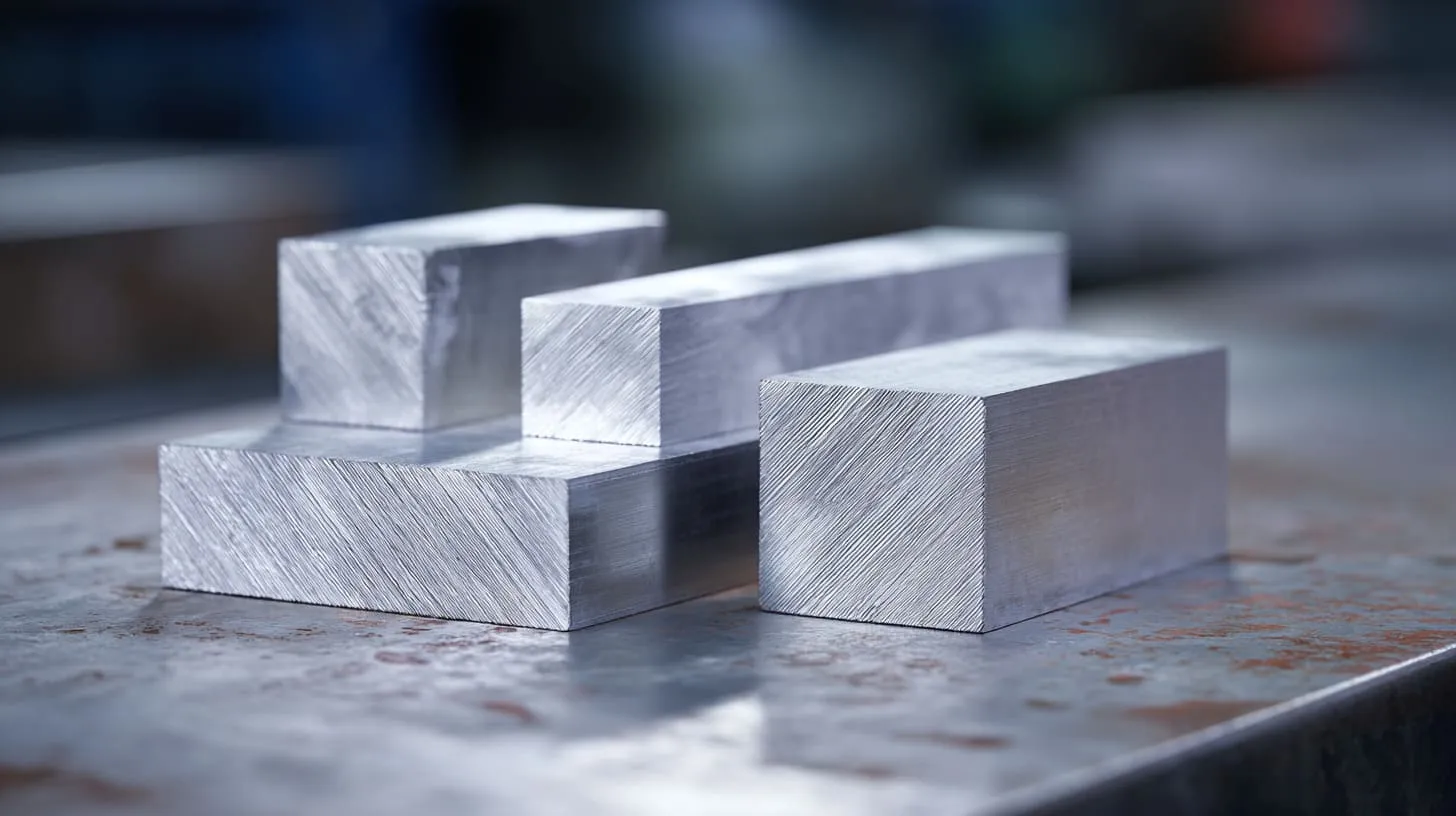
When people say “food grade aluminum,” they often imagine a single approved metal, like a badge you can buy.
Real life is not like that.
Is “food grade” an official aluminum standard?
I tell buyers this first: “Food grade” is usually not an alloy grade. It is a use case. It is a compliance idea.
Aluminum itself is a base material. Alloys are recipes. “Food grade” is more like a promise: this material and surface, in this situation, is safe enough under the rule set we follow.
So what matters is not only the number on the alloy. It is also:
- What the part touches (direct contact vs near-food)
- What the food is like (acidic, salty, oily, wet)
- How it is cleaned (chemicals, heat, pressure)
- What regulators or auditors require in that market
If someone insists “food grade” is a single standard, I usually ask: “Which country? Which regulation? Which contact condition?” If they cannot answer, then the label is probably marketing.
How food-contact regulations define safety (not marketing terms)
Regulators and auditors care about migration, cleanability, and contamination risk.
In simple terms, they ask:
- Can anything harmful move from the metal into food?
- Can the surface be cleaned without trapping dirt or bacteria?
- Does the material react badly with food, water, salt, acids, or cleaners?
This is why two suppliers can both say “food grade aluminum,” but one gets approved and one gets rejected. The second supplier may have the right alloy, but the wrong surface finish, or the wrong process control, or no documents.
Here is how I explain it to engineers who want a short checklist:
| What auditors care about | What it looks like in real projects |
|---|---|
| Material identity | Alloy grade, traceability, mill certs |
| Surface condition | Smooth finish, no deep scratches, no pits |
| Corrosion resistance | No flaking, no powdering, no black spots |
| Cleaning compatibility | Survives detergents and sanitizers |
| Risk control | Clear use case: direct vs indirect contact |
Aluminum vs stainless steel in food applications
I like aluminum. I work with it every day. But I never treat it like the hero for every food project.
Stainless steel often wins in direct food contact because it is more stable in harsh conditions. Aluminum often wins when weight, cost, machining speed, or heat transfer matters.
Here is a simple comparison I use when buyers hesitate:
| Topic | Aluminum (common food-use alloys) | Stainless (304/316 typical) |
|---|---|---|
| Weight | Light | Heavy |
| Machining | Easy, fast | Slower, tool wear |
| Corrosion in salt/acid | Can be sensitive | Generally stronger |
| Surface hardness | Softer (scratches easier) | Harder |
| Cost | Often lower | Often higher |
| Best use | Near-food parts, housings, frames | Direct contact, washdown zones |
My critical view is this: many “food grade aluminum” requests are actually “food factory” requests. The part is in the facility, not touching food. In that case, aluminum can be a very smart choice.
And if you understand that difference, the next question becomes easier: which alloys are actually safe enough?
Which Aluminum Alloys Are Considered Food Safe?
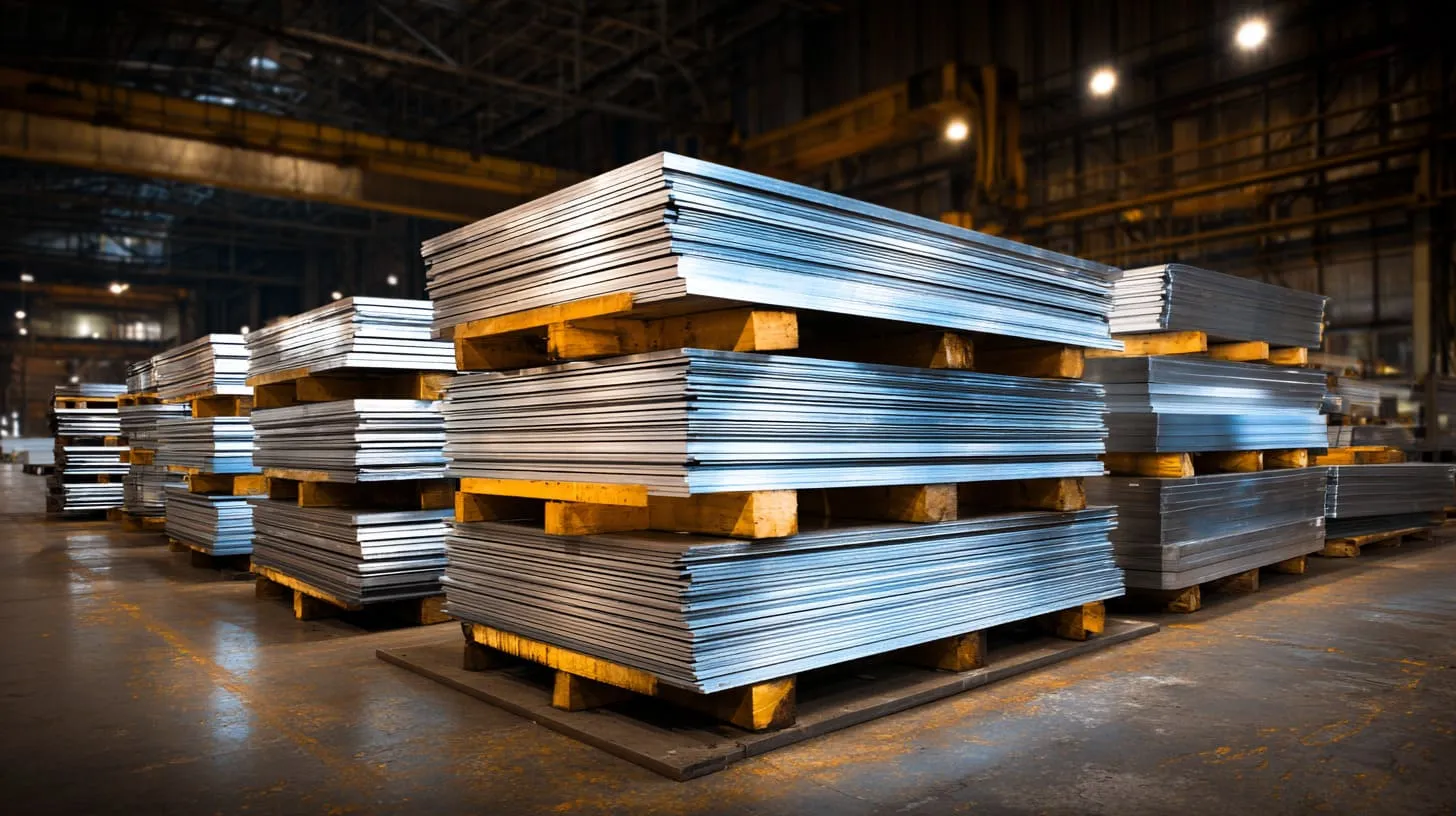
When engineers ask me for “food grade alloy,” they usually want one thing: fewer surprises.
I cannot promise zero risk. But I can help you avoid the common traps.
3000 series aluminum (3003, 3004): properties and food uses
The 3000 series is known for good corrosion resistance and formability. People use it for things like cookware parts, containers, and formed sheet applications.
- 3003 is common for general forming and sheet parts.
- 3004 is often seen in packaging-related uses, and it can have higher strength than 3003.
From a practical factory angle, the 3000 series is often chosen when:
- The part needs to be formed or bent easily
- The environment is not extreme washdown with strong chemicals
- The buyer wants stable supply and reasonable cost
If you want a “safe and boring” option for sheet components near food, 3003 is often that. “Boring” is good in compliance work.
5000 series aluminum (5052): why it’s widely accepted
If I had to name one alloy that shows up again and again in food-related metalwork, I would pick 5052.
Why?
- It has strong corrosion resistance (especially in marine-like environments)
- It forms well
- It has solid strength for sheet parts
- It behaves predictably in many real-world settings
I have seen 5052 used in:
- machine panels and guards in food plants
- brackets and frames near wash areas
- formed covers and trays (not always direct food contact, but in the environment)
Here is a quick “engineer-style” comparison for common enclosure-related alloys:
| Alloy | Strength feel | Corrosion resistance feel | Typical use in food facilities |
|---|---|---|---|
| 3003 | Medium-low | Good | Formed panels, covers |
| 5052 | Medium-high | Very good | Guards, brackets, sheet parts |
| 6061 | High | Good (but depends) | Machined parts, structural |
My critical note: 5052 is not magic. If you put it in a harsh caustic cleaning process, it can still suffer. But as a general pick for sheet in food environments, it is often a comfortable choice.
6000 series aluminum (6061): when it is and is not suitable
6061 is the “workhorse” for machining. Engineers love it because it is strong, stable, and easy to machine into precise parts.
So why do food projects sometimes argue about 6061?
Because 6061 is often used in structural and machined components, and those parts may end up:
- close to food
- in cleaning splash zones
- under frequent wipe-down
6061 can be fine in many indirect-contact cases, especially if you control the surface and protect it (more on anodizing later). But I become cautious when:
- the part has direct food contact
- the part sees frequent acidic or salty exposure
- the part will be scrubbed aggressively
I have seen 6061 look beautiful on day one and then turn ugly after months in a bad cleaning routine. That is not because 6061 is “unsafe.” It is because the system around it is harsh.
Here is how I explain “6061 risk” to buyers in one table:
| Situation | My view on 6061 |
|---|---|
| Enclosure near food line, no contact | Often OK |
| Machined bracket in splash zone | OK with careful finish and protection |
| Direct contact with acidic food | I would avoid or redesign |
| Heavy washdown with strong chemicals | I would push stainless or better protection |
Aluminum alloys that should be avoided for food contact
I will keep this simple: if you are not sure, avoid alloys that:
- are mainly chosen for casting with unknown contamination risk
- include elements that raise more compliance questions
- lack traceable documentation from a reliable mill
In real projects, the bigger problem is not always the alloy family. It is unverified supply. A “5052” label means little if nobody can prove it.
That brings us to the next section, which most articles skip: the alloy recipe changes behavior, and food environments punish weak behavior fast.
Why Alloy Composition Matters for Food Safety
I have seen two parts that look identical on a drawing behave very differently in the field. The difference is often hidden inside the chemistry.
Role of magnesium, manganese, and silicon
Think of alloy elements like seasoning in cooking. A small change can shift the whole result.
- Magnesium (common in 5000 series) often improves strength and corrosion resistance.
- Manganese (seen in 3000 series) helps with strength and workability.
- Silicon (common in 6000 series with magnesium) supports heat-treatable strength.
These elements do not automatically make aluminum “safe” or “unsafe.” They change how aluminum responds to:
- water
- salts
- acids
- cleaning chemicals
- temperature swings
From a critical thinking angle, the mistake is when buyers treat “stronger alloy” as “safer alloy.” Strength and safety are not the same target.
Corrosion resistance and metal migration risks
In food-contact talk, you will hear “migration” and “leaching.” This scares people. I understand why.
The practical view is:
- Most metal migration risk rises when the surface is attacked.
- Corrosion is a warning sign because it changes the surface chemistry.
- A stable, well-finished surface is usually easier to justify and maintain.
So if you choose an alloy that corrodes in your environment, you also create a compliance headache, because your surface changes over time.
Here is a simple risk map I use when clients describe their environment:
| Environment | Corrosion risk for aluminum | What I ask next |
|---|---|---|
| Dry area near line | Low | Any splashes? Any wiping? |
| Humid area | Medium | What cleaning schedule? |
| Salt exposure | Medium-high | Any stainless nearby causing galvanic issues? |
| Acidic exposure | High | Can we redesign to avoid direct contact? |
| Strong caustic cleaning | High | Can we switch material or add protection? |
Mechanical strength vs food-contact performance
Engineers love 6061 because it feels “strong and safe.” But in food work, the stronger part can lose.
A softer alloy with better corrosion behavior can win if:
- it stays clean
- it stays stable
- it does not pit
- it holds a smooth finish
I tell Davide this when he wants one alloy for everything: “A single alloy is convenient. But convenience is not always the cheapest choice long-term.”
Now we need to face the big question that every buyer asks, even if they pretend they do not care: is aluminum actually safe for food?
Is Aluminum Safe for Food Contact?
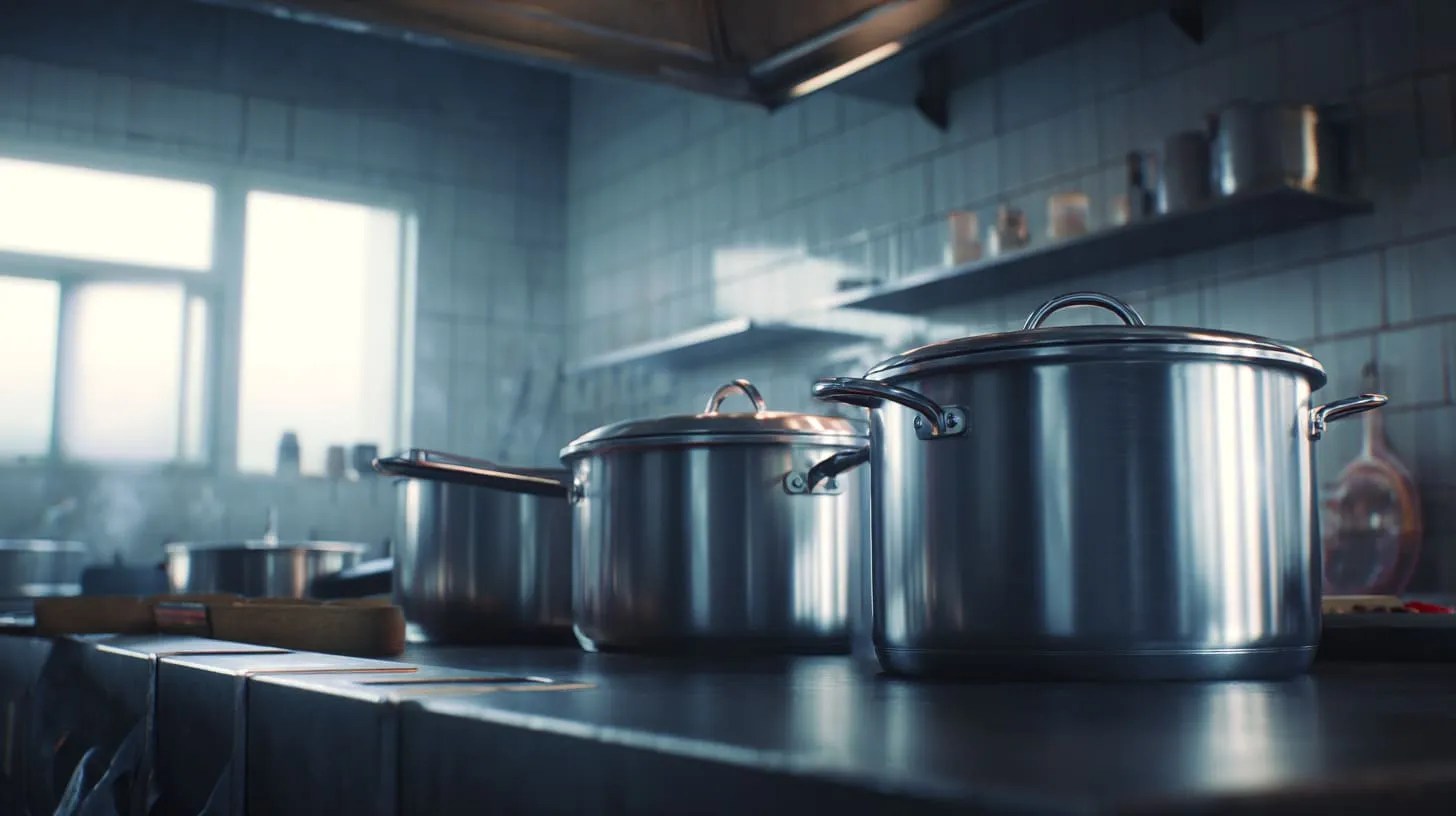
I will answer the way I talk to real buyers: aluminum can be safe, but the conditions decide the story.
What scientific studies and regulators say
You will find studies and regulator guidance that generally accept aluminum in food-related use, but also highlight that exposure can rise in certain cases.
Instead of throwing scientific words at you, I focus on what matters in design:
- Aluminum is not “toxic by default.”
- Risk rises when the surface is attacked and aluminum ions can migrate more.
- Acidic food, salty food, and heat can increase interaction.
My critical view is this: many people argue about aluminum safety in general, but most product failures come from something smaller and more controllable:
- poor surface finish
- wrong cleaning chemistry
- unknown alloy source
- no protective layer
- bad design that traps moisture
Aluminum ion migration and exposure limits
When buyers ask about “limits,” they often want a single safe number. Real compliance work rarely gives a clean single number without context.
So I use a safer approach:
- If you have direct contact, treat the project as compliance-first and document-first.
- If you have indirect contact, treat the project as risk-management and design-first.
Here is the way I frame it:
| Contact type | What you should do |
|---|---|
| Direct food contact | Work with compliance team, define regulation target, require traceability, consider stainless or protected aluminum |
| Near-food / indirect | Confirm it does not touch food, design for cleanability, choose stable alloy and finish, keep documentation |
Acidic, salty, and high-temperature food scenarios
This is where aluminum arguments get emotional. People imagine worst-case.
I get it. I also imagine worst-case, because I do not want angry calls later.
- Acidic foods (like vinegar, citrus) can be harder on aluminum surfaces.
- Salty environments can push corrosion if the surface is exposed and wet.
- High heat can increase interaction and also stress coatings.
If a buyer tells me the part will touch acidic food, I often pause and say, “We can do it, but should we?” That is critical thinking. Not fear. It is cost and risk logic.
And if the buyer still wants aluminum, I usually guide the conversation to the next tool in the toolbox: anodizing.
Food Grade Aluminum vs Anodized Aluminum
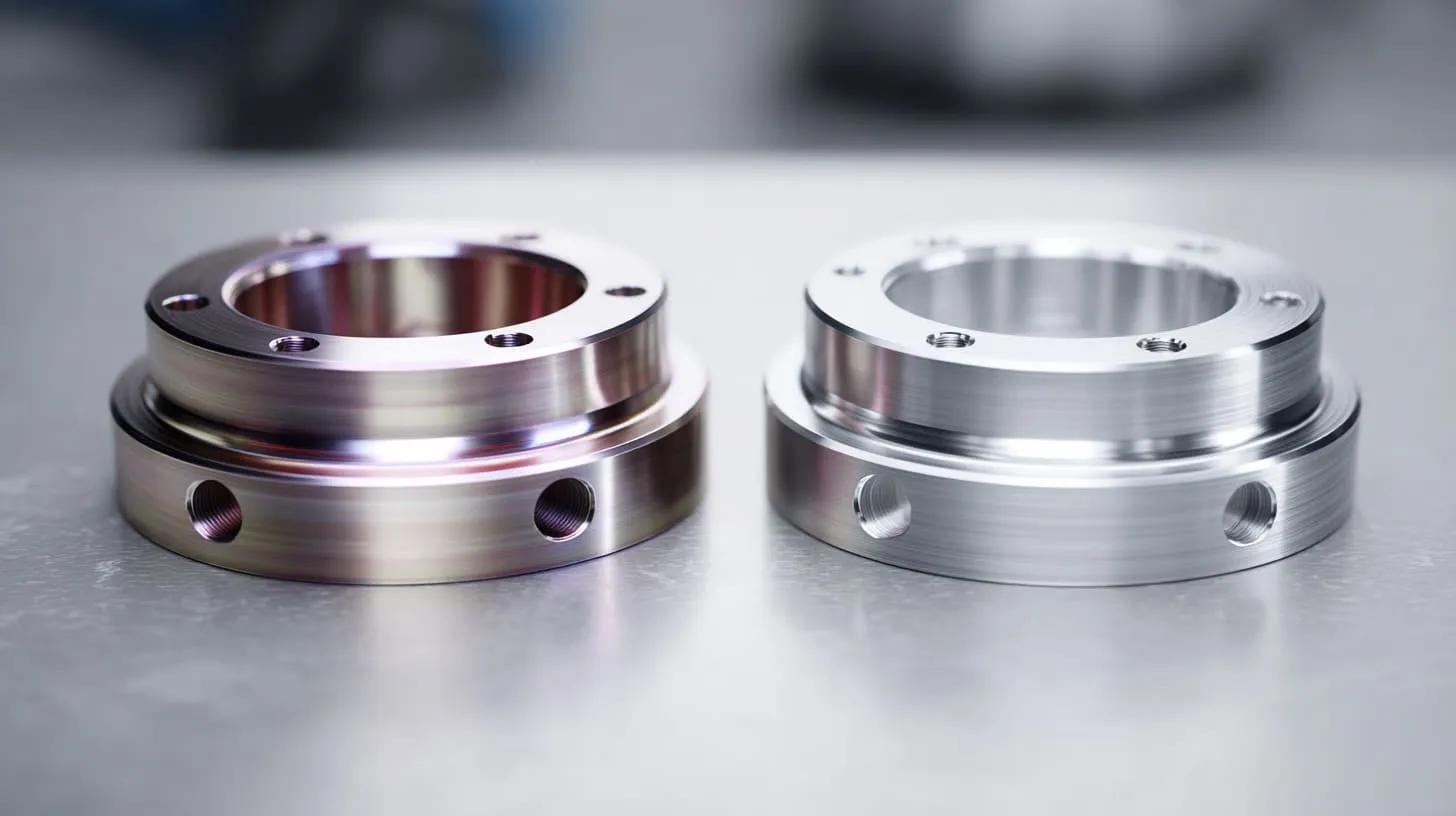
Anodizing is one of those words that sounds like magic. It is not magic. But it can be very useful.
What anodizing actually does to aluminum
Anodizing creates a controlled oxide layer on the aluminum surface. It can:
- improve corrosion resistance
- increase surface hardness
- make cleaning easier in many cases
But anodizing is not a blank check. It is a process, and processes have variation.
If your anodizer has weak control, you can get:
- uneven coating
- thin spots
- sealing issues
- poor performance over time
So the question is not “anodized or not.” The question is “anodized well, for the right environment.”
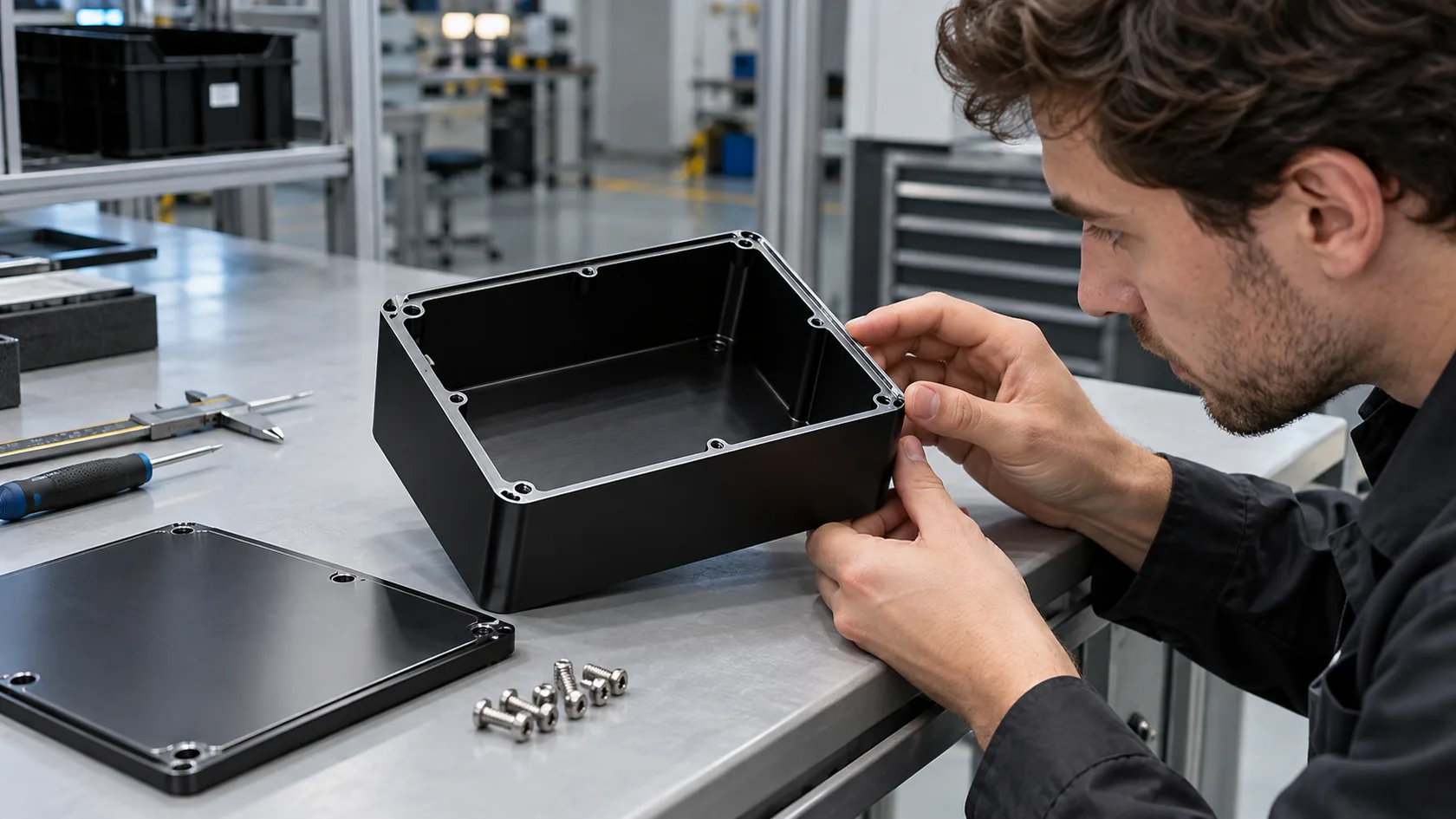
Hard anodized aluminum for cookware and enclosures
Hard anodizing often comes up in cookware discussions, but it also matters for parts that face abrasion and cleaning.
For enclosures near food lines, hard anodizing can help when:
- staff wipes surfaces frequently
- cleaning is strong
- scratches and wear are likely
- you want a more stable surface
I often suggest hard anodizing to buyers like Jackson when they want:
- a premium feel
- better scratch resistance
- longer “new-looking” life
But I also warn them: even hard anodizing can be damaged by abuse. If a staff member uses a harsh abrasive pad every day, they can wear down almost anything.
When anodizing improves food safety—and when it doesn’t
Anodizing can improve safety when it:
- reduces corrosion risk
- reduces surface reactivity
- makes cleaning easier
It can fail you when:
- the part edges are cut and left unprotected
- the coating is thin or poorly sealed
- the cleaning chemicals are not compatible
- the part is scratched deeply and exposes base metal
Here is a decision table I use in project meetings:
| Situation | My suggestion |
|---|---|
| Indirect contact enclosure, light wipe-down | Standard anodize or good powder coat |
| Splash zone, frequent cleaning | Consider hard anodize or stainless |
| Direct acidic food contact | Consider stainless first, or redesign |
| High abrasion contact | Hard anodize + design to avoid sharp wear points |
If anodizing is the armor, then surface finish is the skin under the armor. And bad skin shows through fast.
Surface Finish Requirements for Food Grade Aluminum
I have seen buyers obsess over thickness while ignoring finish. In food environments, that is backwards.
Smoothness, porosity, and cleanability
Food-related parts need to clean well. That sounds obvious. But “clean well” is not only about wiping. It is about what the surface allows.
A rough surface:
- traps residue
- holds moisture
- makes stains more likely
- makes auditors nervous
A smoother surface:
- releases dirt faster
- supports consistent cleaning
- reduces corrosion starting points
Even for indirect contact enclosures, smoothness matters because cleaning staff will treat every surface like a cleaning target.
Brushed vs polished vs mill finish
Buyers often ask me which finish is “best.” I answer with another question: “Best for what?”
- Mill finish can be fine for internal parts or protected areas.
- Brushed finish can hide fingerprints but can also hide micro-scratches and can trap residue in grooves.
- Polished finish looks clean but shows scratches and can be costly.
Here is a simple guide:
| Finish | Looks | Cleaning behavior | Where I use it |
|---|---|---|---|
| Mill | Industrial | Depends on quality | Internal panels, hidden parts |
| Brushed | “Pro” feel | Grooves can hold residue | External covers, non-contact zones |
| Polished | Very clean | Wipes easy, shows marks | Premium visible areas |
Why surface defects matter more than thickness
A thick plate with a pitted surface can still corrode. A thinner sheet with a clean surface can last longer.
I know that sounds strange. But food projects punish weak surfaces, not weak thickness.
Here is what I ask suppliers and my own team to watch closely:
- scratches from handling
- embedded particles from sanding
- sharp corners that chip coatings
- burrs that trap dirt
- weld spatter that becomes corrosion seeds
If you want fewer surprises, your drawings should call out finish requirements, not only dimensions.
Now that we have metal and surface clear, the next question is practical: where is aluminum actually used around food?
Common Food Applications Using Food Grade Aluminum
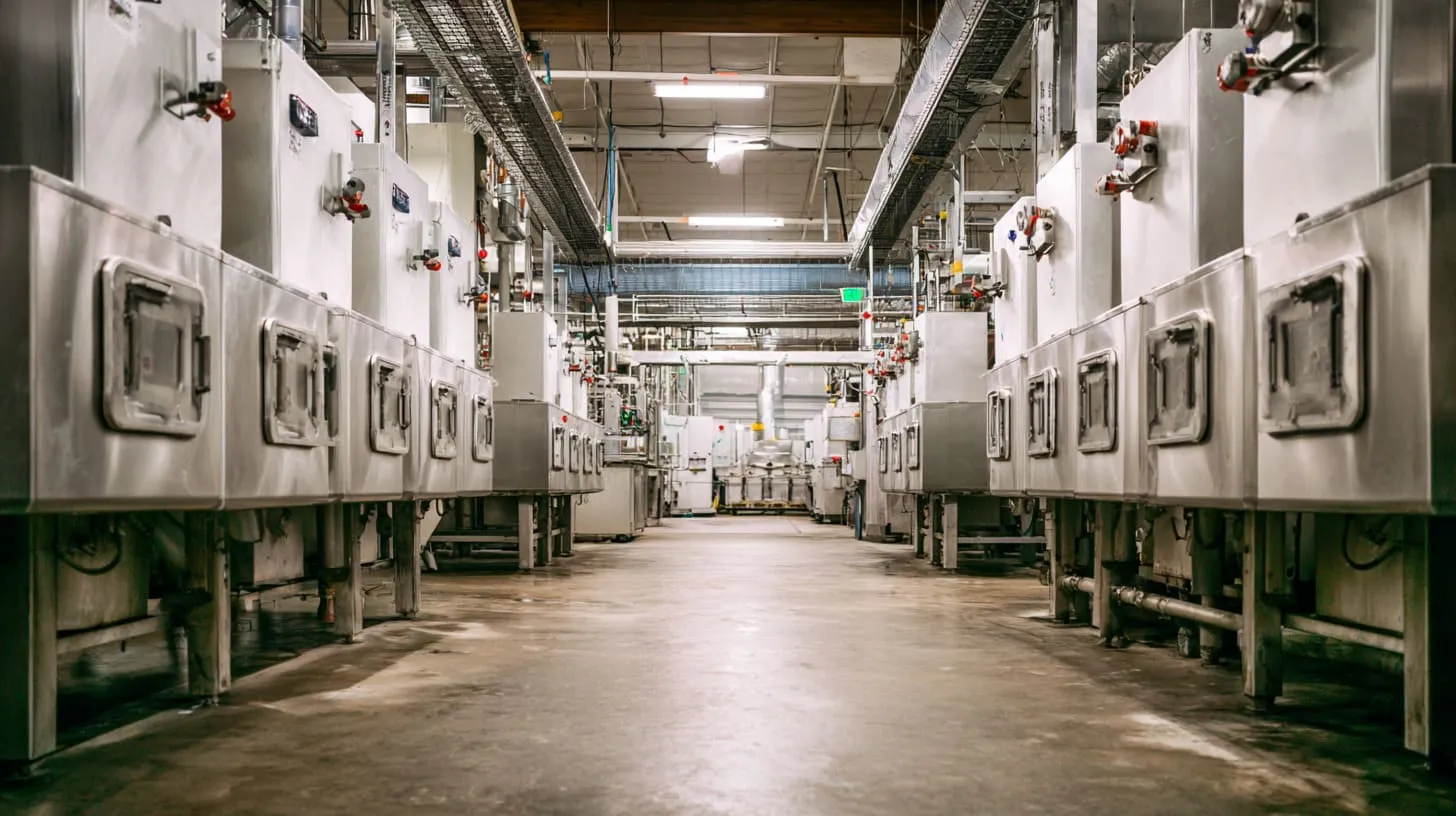
I like this part because it gets us out of theory and into reality.
Food processing equipment housings
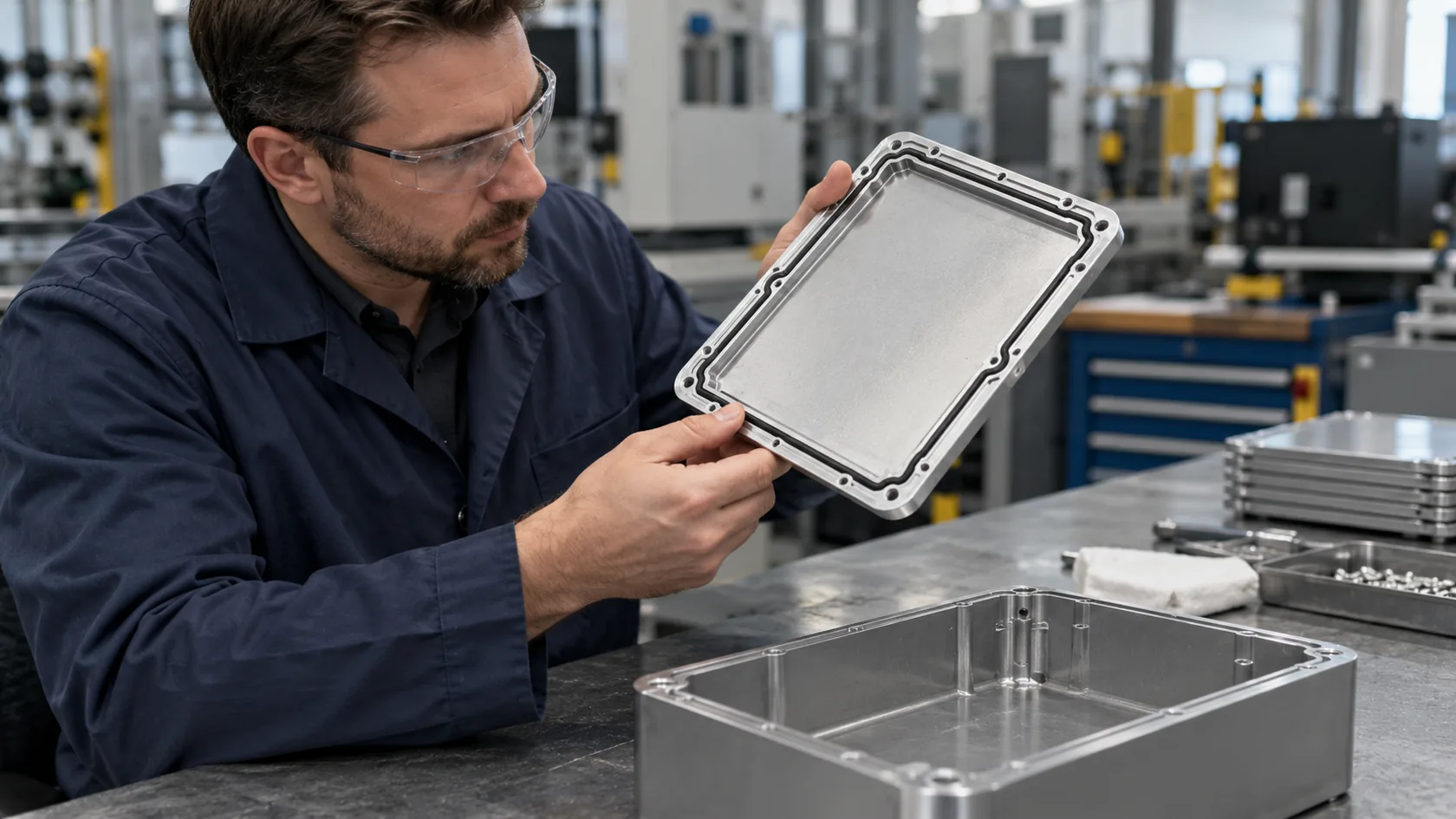
A lot of “food grade aluminum” projects are really equipment housings:
- motor covers
- sensor guards
- control box shells
- protective shields
These parts often do not touch food. But they live in the same room. And that means cleaning and audit pressure.
For these, aluminum often works well because:
- it is light
- it is easy to machine and fabricate
- it can be finished well
- it is cost-effective in volume
Commercial kitchen components and panels
In commercial kitchens, you see aluminum in:
- panels
- trims
- brackets
- light structures
But high-wash and direct-contact surfaces often move toward stainless steel. That is not because aluminum is “bad.” It is because kitchens can be harsh.
Food packaging molds and trays
This is a tricky category. Some molds and tooling parts use aluminum for heat transfer and machining speed. But compliance and durability needs vary a lot.
If a buyer wants aluminum molds or trays, I usually ask:
- Is the contact direct and repeated?
- What is the cleaning method?
- What is the food type?
- What is the expected service life?
If they cannot answer, I tell them to slow down. A rushed mold decision can be expensive regret.
Beverage and liquid-contact components
Liquids raise the stakes because they spread and sit. Beverage-related parts often require extra caution.
If the part is near liquid lines, I recommend:
- choose an alloy with strong corrosion resistance
- avoid trapped water designs
- add surface protection if needed
- document the material clearly
Now, let’s bring it closer to what I do every day: custom enclosures.
Food Grade Aluminum in Custom Enclosures
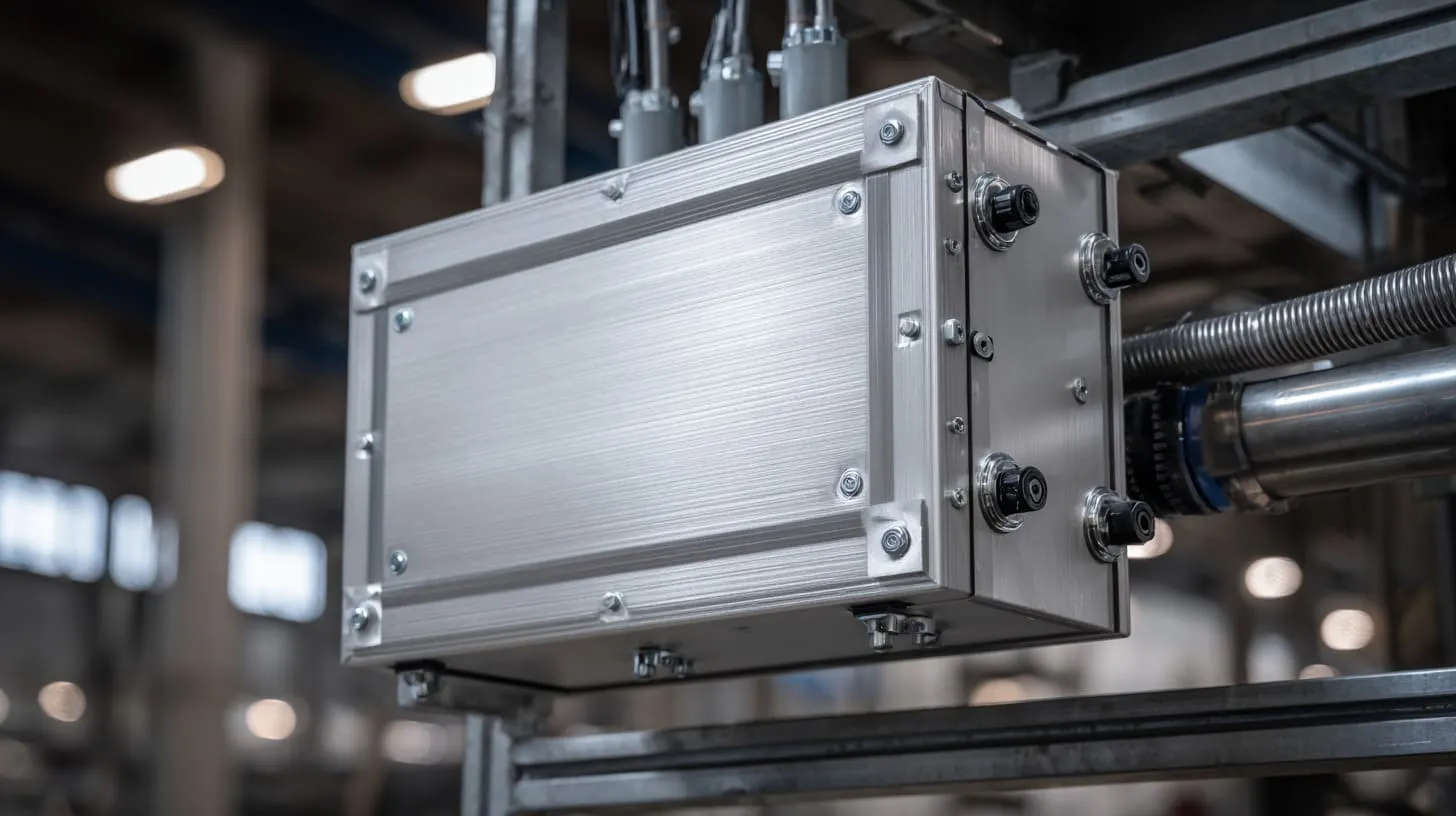
This is where most of my real-life “food grade” conversations happen.
Can aluminum enclosures be used near food?
Yes, often.
But I always separate two cases:
1) Near-food enclosure
- It sits near food processing.
- It does not touch food.
- It must survive cleaning and audits.
2) Direct-contact enclosure component
- It touches food or is inside a food-contact pathway.
- It must meet stricter compliance logic.
Most enclosures fall into case 1. And in case 1, aluminum can be an excellent choice if you design it right.
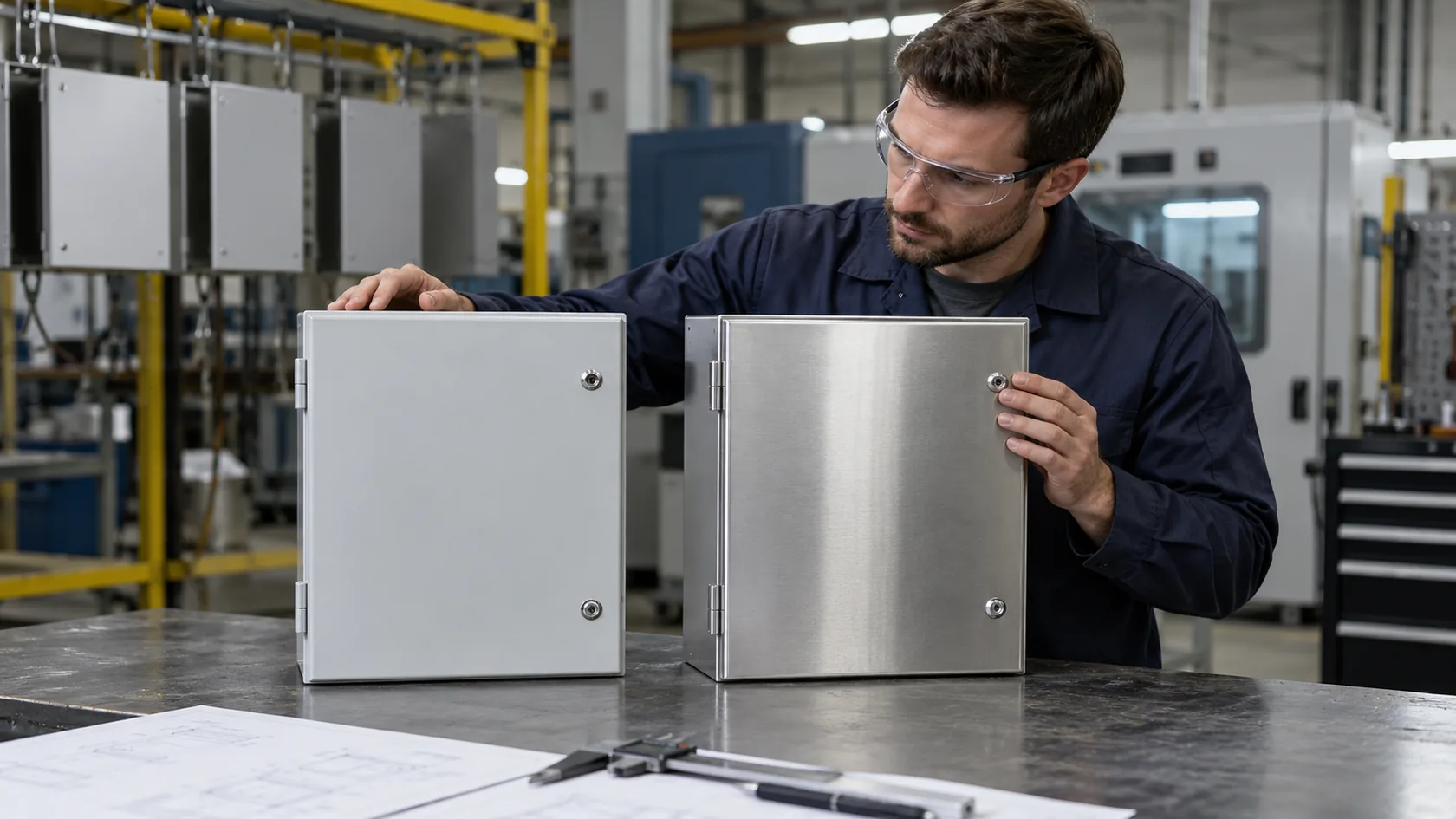
Control boxes, machine covers, and protection housings
These are typical enclosure types in food factories:
- PLC and control boxes
- operator panels
- motor drive enclosures
- sensor junction boxes
- machine protective guards
For these, the key is not “food safe metal” in a simple sense. The key is:
- cleanable design
- stable finish
- correct sealing (if washdown exists)
- good documentation
A lot of buyers forget one thing: auditors love clarity. If your enclosure is labeled correctly and documented, you reduce arguments.
Design considerations for OEM food-industry projects
Here are design rules I repeat to buyers like Davide, because they prevent 80% of problems:
- Avoid horizontal ledges that collect dust and water
- Use smooth edges, avoid deep grooves
- Choose fasteners that resist corrosion in your environment
- Seal openings properly if there is washdown
- Keep surfaces easy to wipe
A small table helps buyers connect design to risk:
| Design choice | Risk if ignored | Better approach |
|---|---|---|
| Flat top ledge | Water sits, corrosion starts | Sloped top or drip edge |
| Deep seams | Dirt traps | Simplify joints, seal seams |
| Mixed metals | Galvanic corrosion | Use compatible hardware |
| Sharp corners | Coating chips | Add radius, better finishing |
If you handle these basics, aluminum enclosures can perform well in food plants.
But performance alone is not enough. Buyers also need paperwork, and that is where standards come in.
Certifications and Standards for Food Grade Aluminum

This section is where many projects get delayed. Not because the part is wrong. Because the documents are missing.
FDA (US) food-contact regulations
In the US, many buyers reference FDA-related food-contact expectations. In real sourcing work, this often means:
- you need a clear statement of material
- you need traceability
- you need to show that the material is appropriate for its intended contact type
For enclosures near food, buyers often still ask for “FDA compliance” language because their internal process demands it.
My critical view: sometimes buyers use “FDA” as a shortcut word for “I want to feel safe.” That is human. But it can create confusion if the part is not direct contact.
EU food safety frameworks
EU buyers often focus on food-contact frameworks and supplier declarations. They also tend to care a lot about:
- documentation quality
- traceability
- consistent manufacturing control
Jackson-type buyers in Europe usually want clean paperwork, not long arguments. They prefer to settle it early.
What suppliers should provide to buyers
When buyers ask me “what documents should I request,” I keep it simple:
- Material grade statement (alloy, temper)
- Material Test Report (MTR) or mill cert (when applicable)
- Surface process info (anodize spec, coating spec)
- Traceability approach (batch, lot control)
- Declaration of suitability for the stated use (when possible)
Here is a simple document checklist:
| Document | Why it matters | When you need it most |
|---|---|---|
| MTR / mill cert | Proves alloy identity | Direct contact, strict audits |
| Coating spec | Shows surface protection | Washdown zones |
| Process record | Shows control | Repeated OEM orders |
| Declaration letter | Helps internal approval | Buyer compliance teams |
What certifications do not mean food grade
I want to say this clearly because it saves pain:
- ISO 9001 shows quality management. It does not prove food contact safety.
- “RoHS” is not a food-contact approval.
- “CE” is not a food-contact approval.
- A “food grade” marketing claim is not proof.
Certs matter, but only when they match the risk.
Now, even with documents, buyers still need a practical method to verify. So let’s talk about how I verify “food grade” claims in supplier conversations.
How to Verify Food Grade Aluminum From a Supplier
I have watched buyers get trapped by polite answers. So I teach them to ask sharper questions, but in a calm way.
Asking the right technical questions
Here are questions I like because they force clarity:
- What is the exact alloy and temper?
- What is the surface finish spec?
- What is the cleaning environment the part is designed for?
- What coating or anodize standard do you use?
- Can you provide MTRs for the batch?
- How do you prevent material mix-ups in production?
A supplier can still lie, of course. But most weak suppliers collapse under specific questions because they do not have systems.
Material test reports (MTRs) and alloy verification
MTRs matter because they connect metal to origin. But buyers should also verify that the supplier can manage traceability during production.
I have seen good mills and bad workshops. A good mill cert does not help if the workshop mixes scrap and unknown sheet.
So I advise buyers to ask for:
- a sample MTR
- a batch marking method
- photos of material storage labeling
- process flow explanation
Here is a simple “trust but verify” table:
| Verification step | What it tells you |
|---|---|
| Ask for MTR sample | Supplier knows what an MTR is |
| Ask how batches are labeled | Supplier has traceability habits |
| Ask for storage photo | Supplier reduces mix-up risk |
| Ask for surface spec | Supplier controls finishing |
Red flags in supplier communication
I have seen these patterns too many times:
- Supplier says “yes” to everything, but provides no details
- Supplier uses vague words like “high quality food grade” without alloy number
- Supplier refuses to share any documentation
- Supplier changes answers when you ask twice
- Supplier cannot explain surface process control
A red flag does not mean the supplier is evil. Sometimes they are just inexperienced. But in food projects, inexperience costs money.
If you want to avoid drama, you also need to avoid myths. Let’s clean up the biggest ones.
Common Myths About Food Grade Aluminum
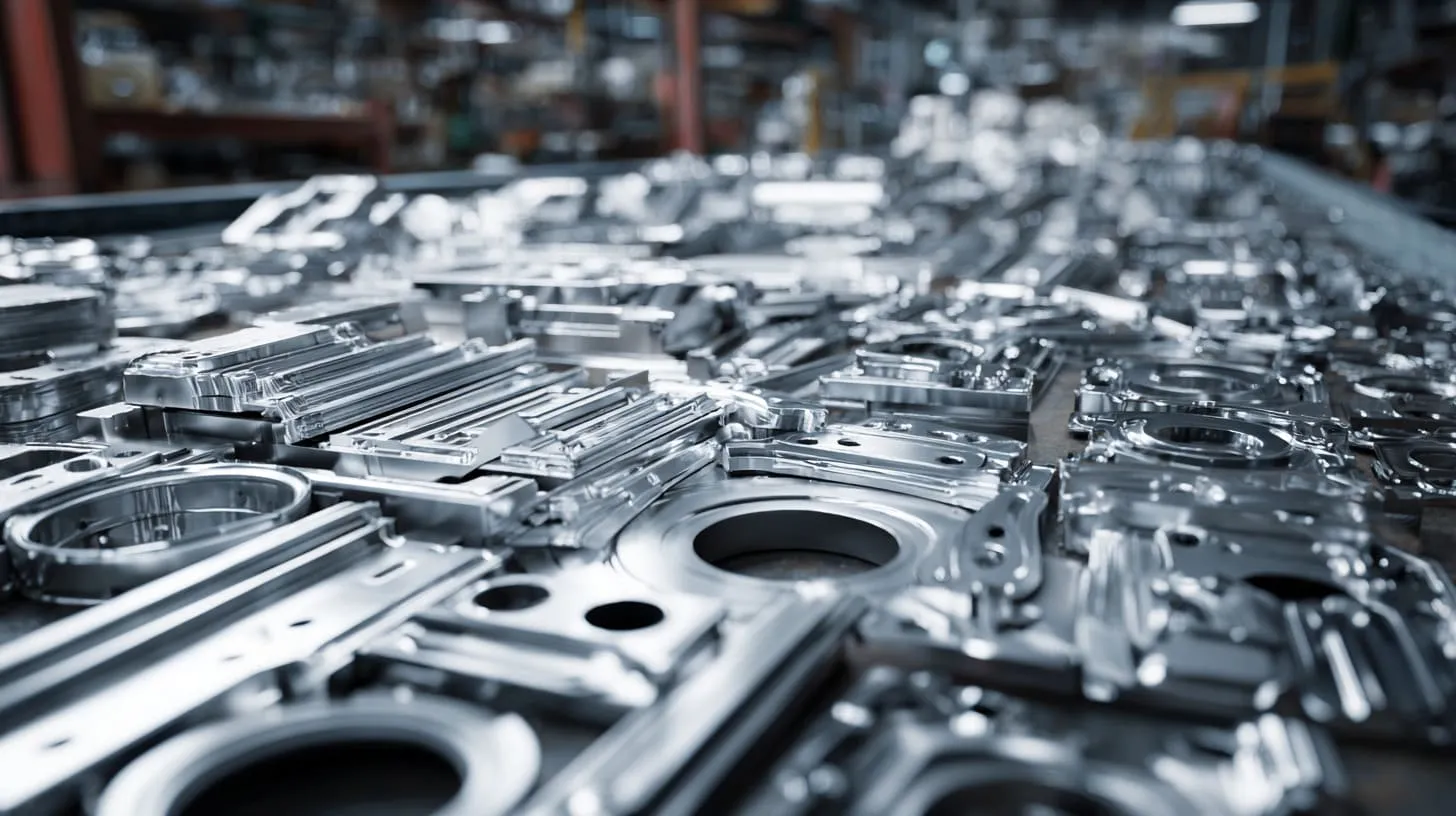
I like myths because they sound confident. That is why they spread.
“All aluminum is food safe”
No.
Some aluminum is fine in many food-related uses. But “all aluminum” ignores:
- alloy differences
- unknown sourcing
- surface issues
- environment impact
A random aluminum piece can behave badly in a harsh cleaning system. “All” is a dangerous word.
“Thicker aluminum is safer”
Not always.
Thicker can help with stiffness. But safety is more linked to:
- surface stability
- corrosion resistance
- cleanability
I have seen thin, well-finished parts pass audits easily. I have also seen thick parts fail because the surface pitted.
“Anodized always means food grade”
No.
Anodizing can help. But it depends on:
- coating quality
- sealing quality
- usage environment
- cleaning routine
Anodized parts can still scratch. They can still wear. They can still expose base metal. “Always” is another dangerous word.
Now, the final step is the real buyer decision: how to choose the right aluminum for the real environment, not the imaginary one.
How Engineers and Buyers Choose the Right Aluminum
When Davide sends me a drawing, he often asks for the “best” option. I respect that. But I answer with a different word: “best for what?”
Matching alloy choice to food environment
I ask buyers to describe the environment in plain words:
- Is there water splash?
- Is there strong cleaner?
- Is there salt?
- Is there acid?
- Is there heat?
- Is there direct contact?
Then I map it to a material choice.
Here is a practical starting table you can use:
| Environment description | Common safe approach |
|---|---|
| Dry, near food line, no contact | 5052 or 3003 sheet + clean finish |
| Light wipe-down, no harsh chemicals | 5052 / 6061 + good surface control |
| Frequent cleaning, splash zone | Consider anodize, consider stainless in worst areas |
| Direct contact with acidic/salty food | Consider stainless or redesign; aluminum needs strong justification |
Cost vs safety vs durability trade-offs
Some buyers fear stainless cost. Some buyers fear aluminum compliance risk. Both fears are reasonable.
So I frame it like this:
- Stainless can cost more, but it can reduce risk and rework.
- Aluminum can cost less and machine faster, but it may need better design and finish control.
- The cheapest option is the one that does not create problems later.
Here is a cost thinking table:
| Choice | Hidden cost risk |
|---|---|
| Cheapest aluminum, unclear origin | Audit rejection, corrosion, replacement |
| Good aluminum + good finish | Better balance, fewer surprises |
| Stainless for direct contact zones | Higher material cost, lower compliance stress |
Practical advice for OEM and ODM projects
If you want my “factory friend” advice, here it is:
- Write the use case clearly. Direct or indirect contact. Do not leave it vague.
- Choose a stable alloy. 5052 for sheet near food is a common safe bet. 6061 for machined parts can be fine if you protect it.
- Control the surface. Finish and coating matter more than most people think.
- Ask for documents early. Do not wait until shipping week.
- Design for cleaning. Food environments punish lazy geometry.
Before we wrap up, I want to leave you with one more human truth: food projects create stress because nobody wants to be the person who “took a risk.” The best way to reduce stress is not to argue louder. It is to document better and design smarter.
Conclusion
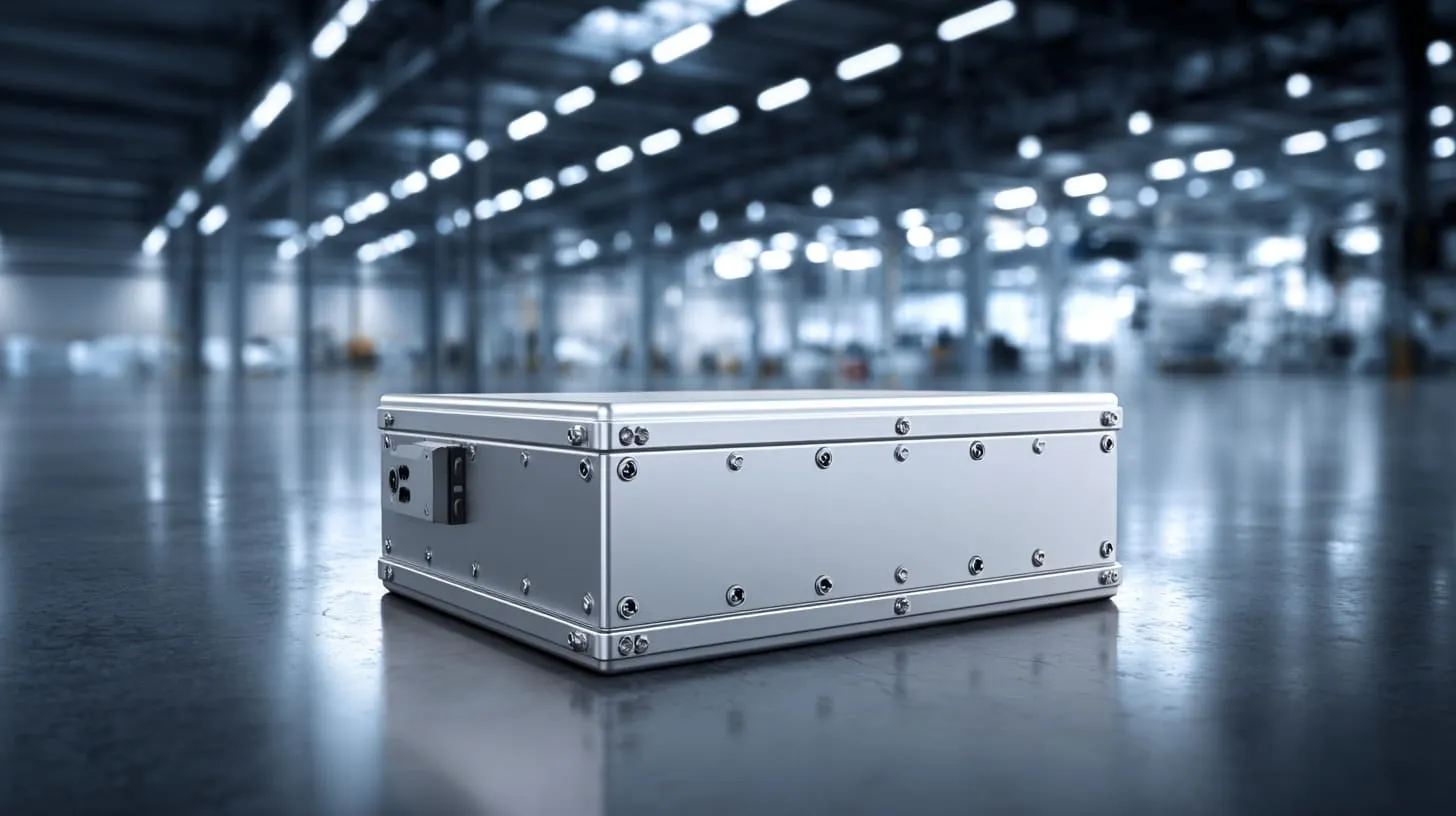
“Food grade aluminum” is not a single alloy you can buy and forget. It is a mix of material choice, surface control, environment reality, and documentation discipline.
Here are the key takeaways I use in real projects:
- “Food grade” is usually a compliance use-case, not an official alloy label.
- Common food-facility aluminum choices often include 3003 and 5052 for sheet, and 6061 for machined parts when conditions allow.
- Safety and durability depend heavily on the environment, especially acids, salts, heat, and cleaning chemicals.
- Anodizing can improve performance, but it must be done well and matched to your cleaning system.
- Finish quality and cleanable design often matter more than thickness.
- Verification is not hard if you ask the right questions and require traceability.
If you are planning a food-industry enclosure or metal part and you already have drawings, you can send me your use case and environment details. I can help you pick an alloy and finish that fits your risk level and budget, and we can prepare the right documents early so the project stays calm instead of chaotic.
You can reach me at info@maidatech.com, or visit maidatechenclosure.com to share your project details.