Skip to content
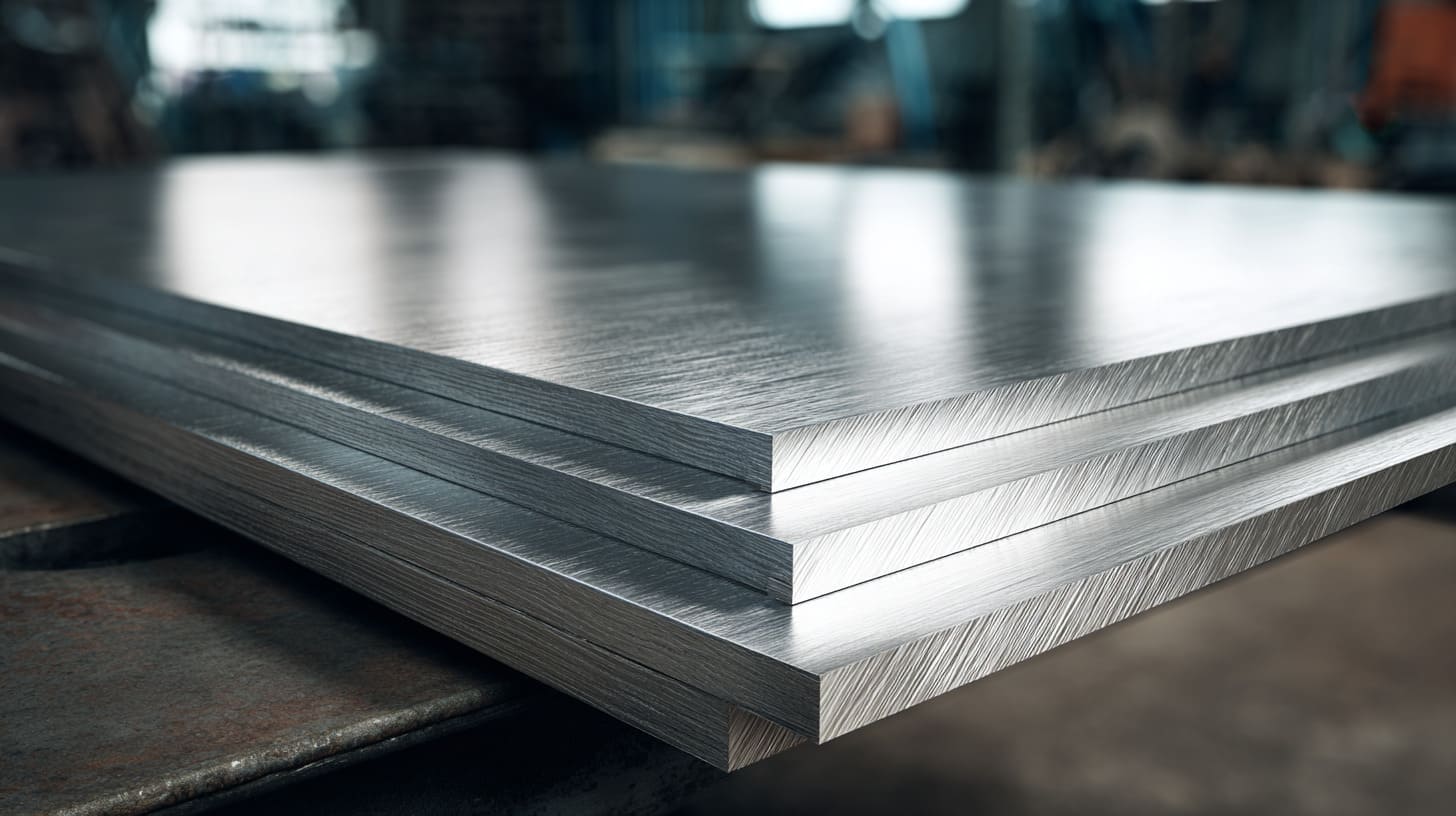
A message from a client popped up on my screen earlier that day. He had attached a sketch of an enclosure corner with a simple note beneath it: “Can we bend this edge by 45°?” It looked straightforward, but the question opened a bigger door.
Most brushed aluminum sheets are adjustable, but how well they bend depends on alloy grade, thickness, and the direction of brushing.
Brushed aluminum looks clean and modern, but the real story sits inside the metal itself. And if you pick the wrong sheet, it can crack before you even finish your first bend.
What grades of aluminum are bendable?
Some grades handle pressure like a yoga master. Others? Not so much.
Alloys like 5052 and 3003 are more bendable than harder ones like 6061.
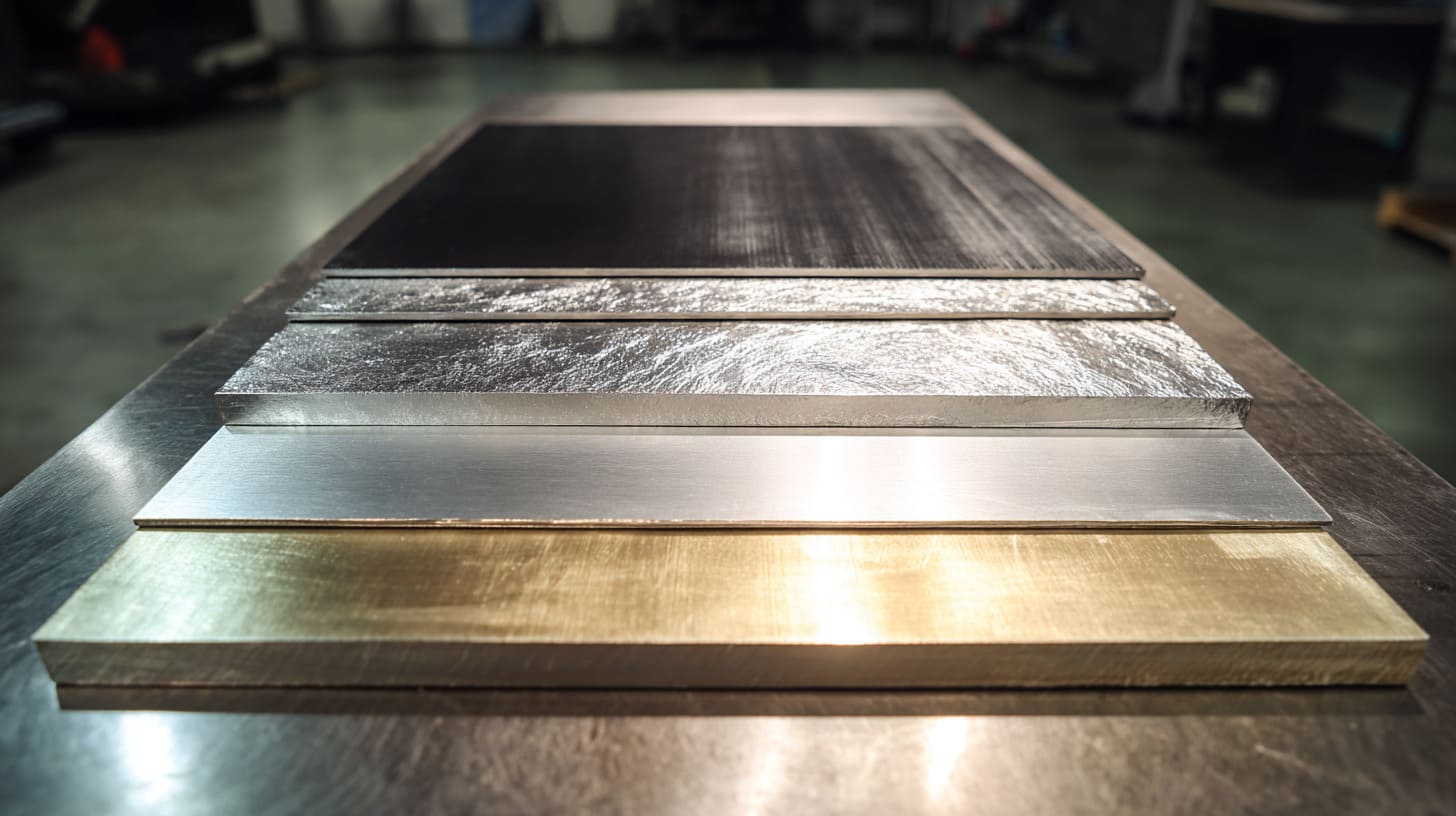
Alloy flexibility comparison
| Aluminum Grade | Bendability | Common Use |
|---|---|---|
| 3003 | High | Signage, panels |
| 5052 | High | Marine, enclosures |
| 6061 | Moderate | Structural frames |
| 6063 | Moderate | Architectural trims |
| 7075 | Low | Aerospace, high-stress parts |
When clients ask me for “bendy brushed aluminum,” I usually suggest 5052. It’s forgiving under pressure—literally.
Are aluminum sheets flexible?
It depends who you ask. And how thick their sheet is.
Thin aluminum sheets (under 2mm) are relatively flexible and can be hand-bent if the alloy allows.
Try bending a 5mm 6061 sheet by hand—your hands will give up first. For most custom enclosures or display uses, we stick to the 1–2.5mm range for a balance of strength and adjustability.
Is 5052 aluminum sheet bendable?
Yes, and it’s a favorite of many enclosure engineers I’ve worked with.
5052 aluminum is one of the most bendable non-heat-treated alloys available.

It’s strong enough for marine and electronic use but soft enough to bend cleanly—no cracking, no drama. That’s why I stock tons of it in my factory for CNC and forming jobs.
Which is better, 6061 or 6063 aluminum?
This is like asking Coke vs. Pepsi. Depends on taste—and task.
6061 is stronger and machinable, while 6063 is smoother and better for finishing.
Use Case Breakdown
- 6061: Heatsinks, load-bearing frames, CNC jobs
- 6063: Anodized trims, LED profiles, decorative panels
For adjustable brushed sheets, I lean toward 6063. It looks cleaner and bends better.
Can brushed aluminum sheets be bent or shaped easily?
Let’s say… easier than steel, harder than plastic.
Brushed aluminum can be bent or shaped, but always check thickness, grain direction, and alloy type.
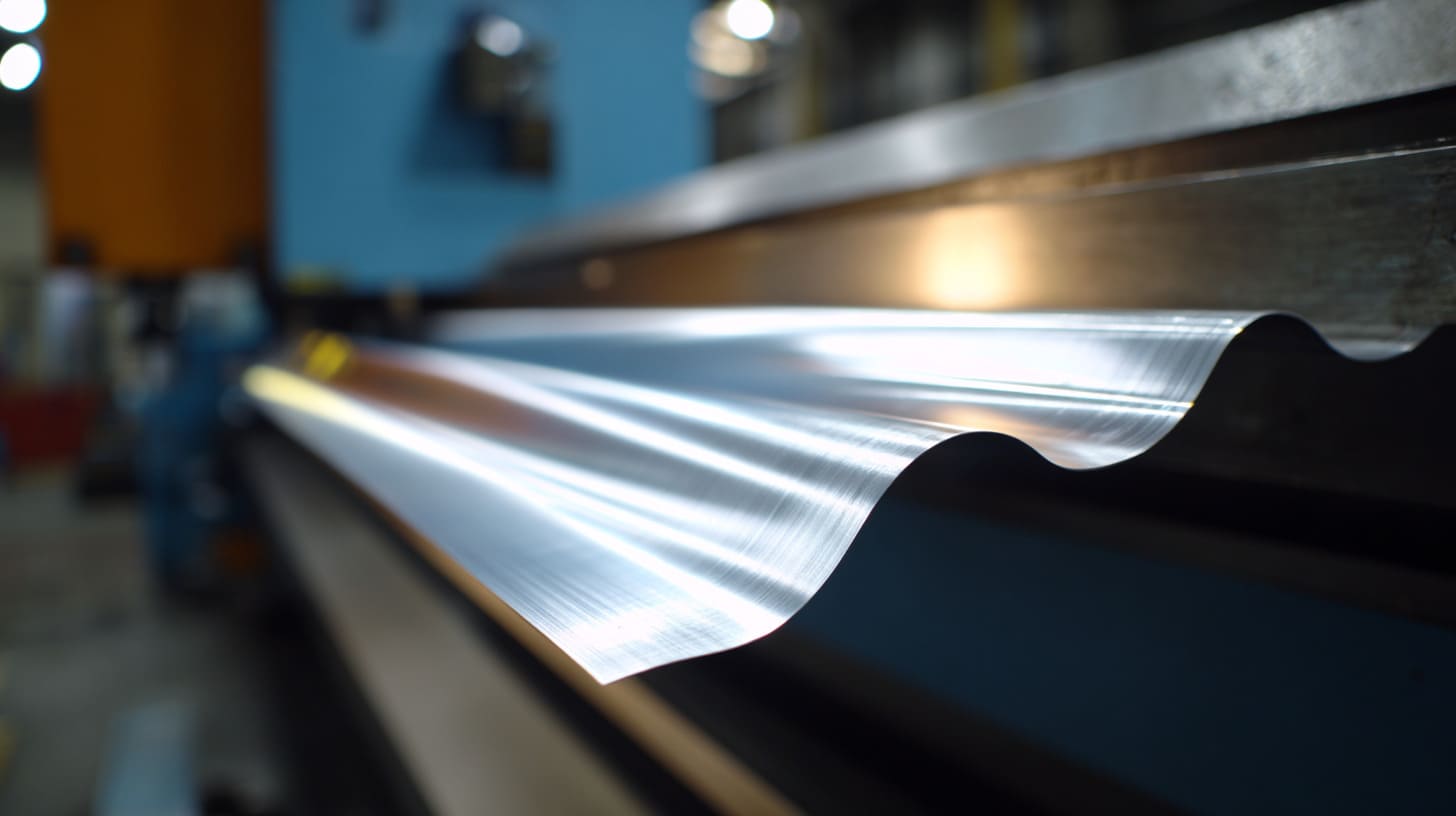
💡 Tip: Always bend across the grain, not with it. Otherwise, you risk micro-cracks and a ruined finish.
What is the difference between adjustable and non-adjustable aluminum sheets?
It’s not just a label. It’s about what the sheet won’t do under stress.
Adjustable sheets can be formed without cracking; non-adjustable sheets are too thick or hard to reshape safely.
Key factors:
- Alloy grade
- Heat treatment (T6 is harder)
- Brushing direction
- Thickness
Sometimes a “non-adjustable” sheet just needs a different tool or heat trick. Ask your supplier—don't assume.
How thick can brushed aluminum sheets be before they become non-adjustable?
There’s a line—and once you cross it, it’s like trying to fold a frying pan.
Brushed aluminum over 3mm often requires machinery and may crack if hand-bent.
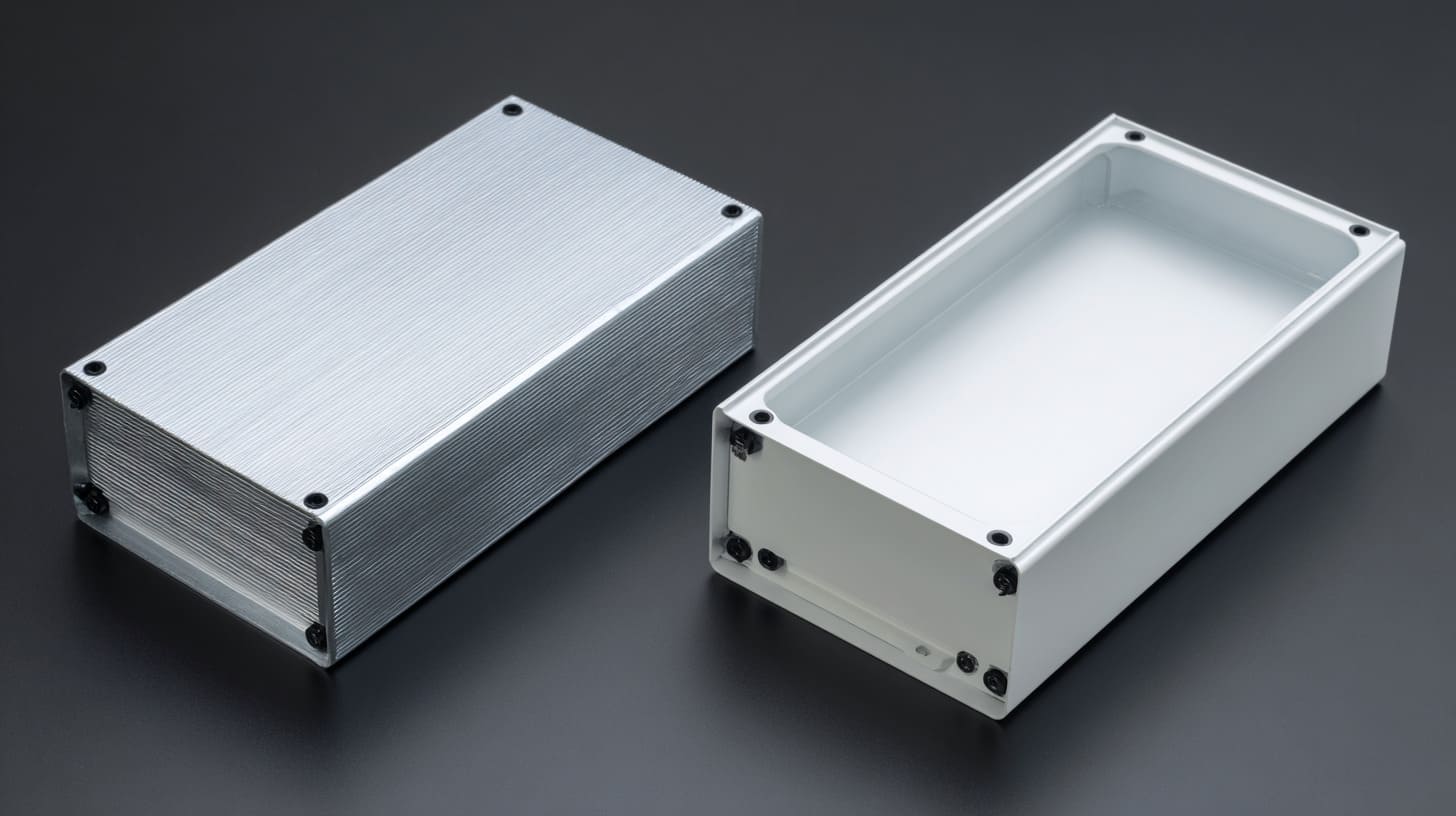
If you’re doing custom enclosures, I recommend:
- 1mm–1.5mm for handheld boxes
- 2mm–2.5mm for desktop cases
- 3mm+ for structural or mounting panels only
Beyond that, use a CNC brake press and proper die spacing.
Are brushed aluminum sheets suitable for CNC machining and custom enclosures?
This is where they shine—literally and practically.
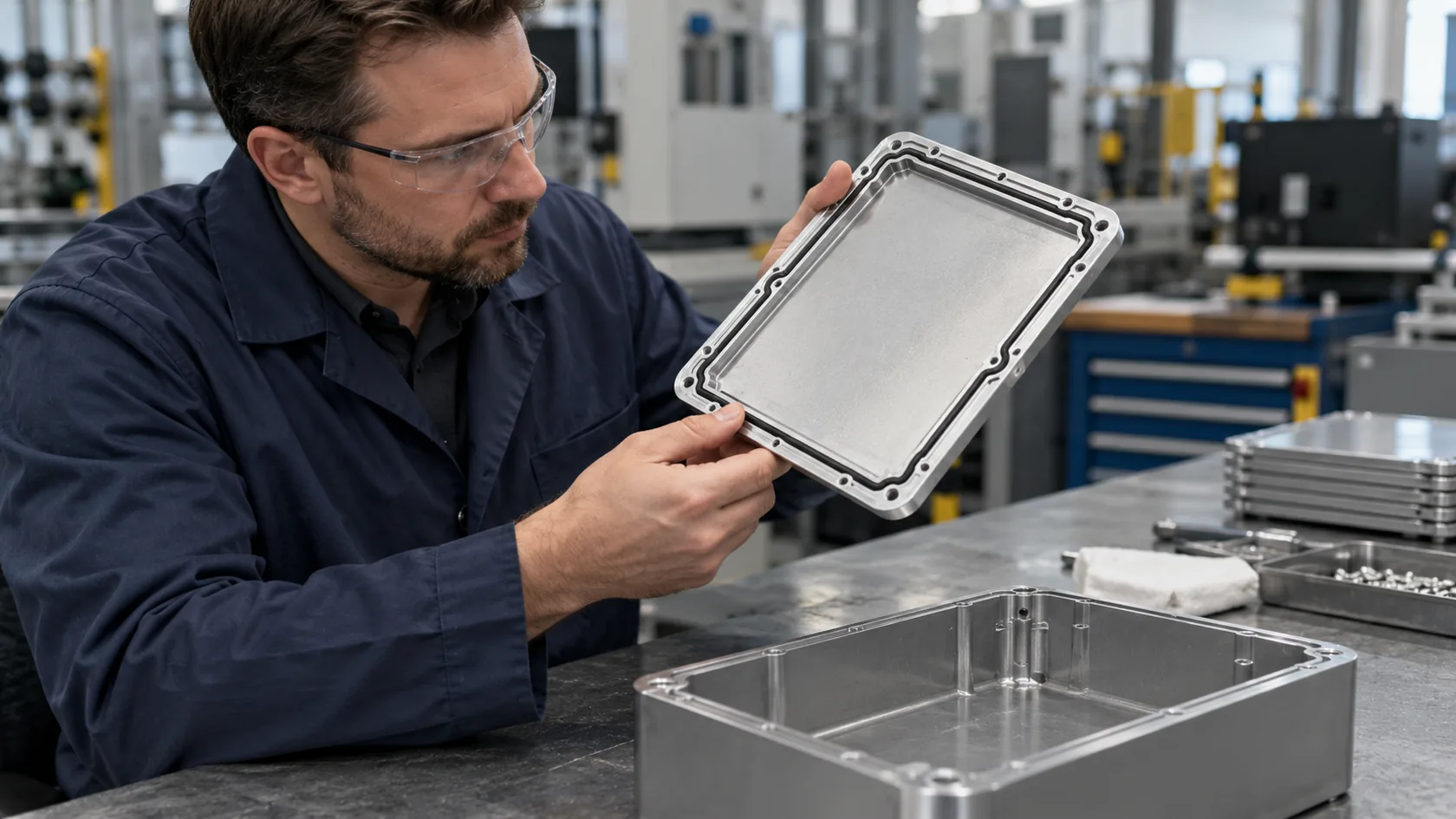
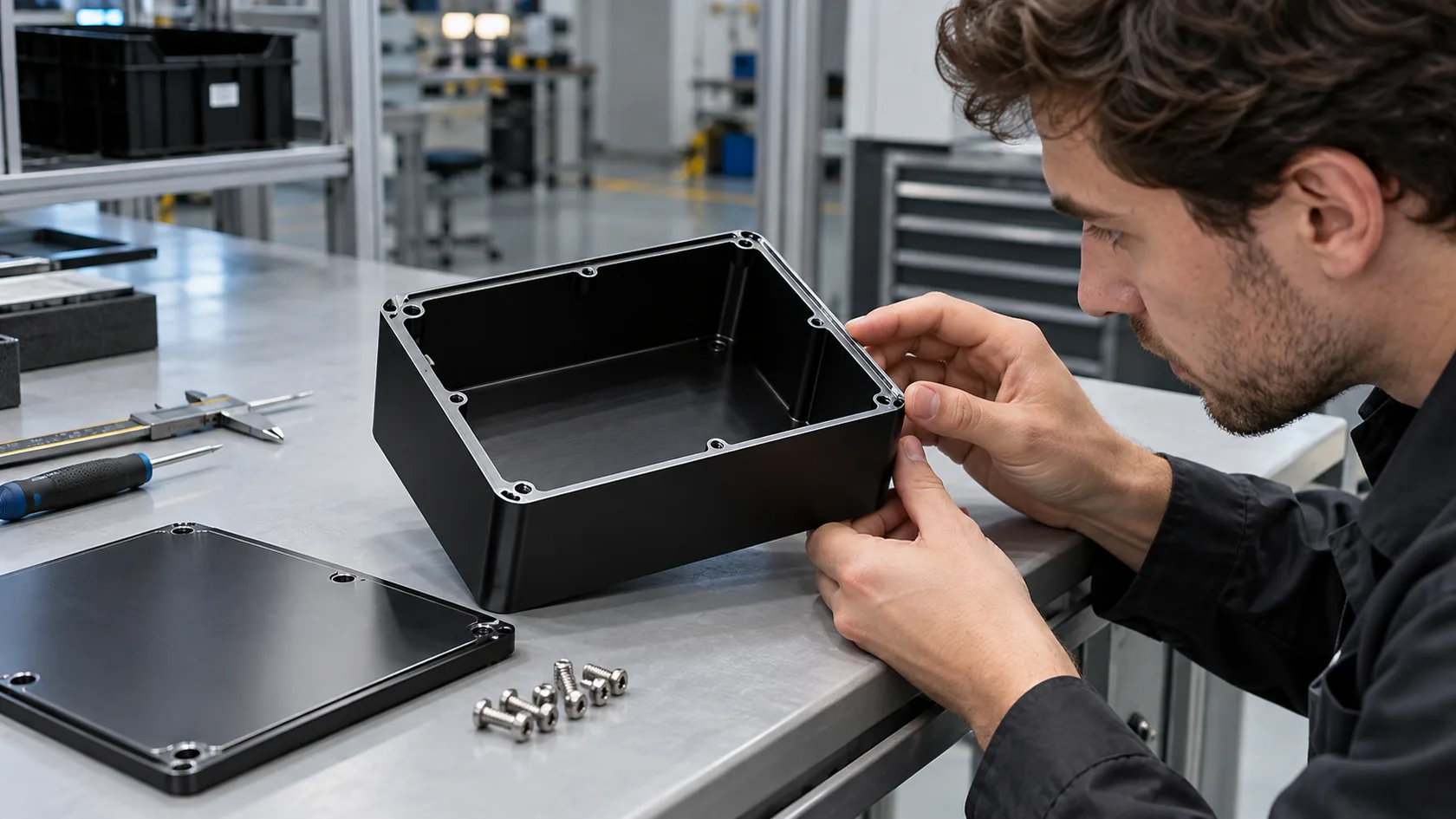
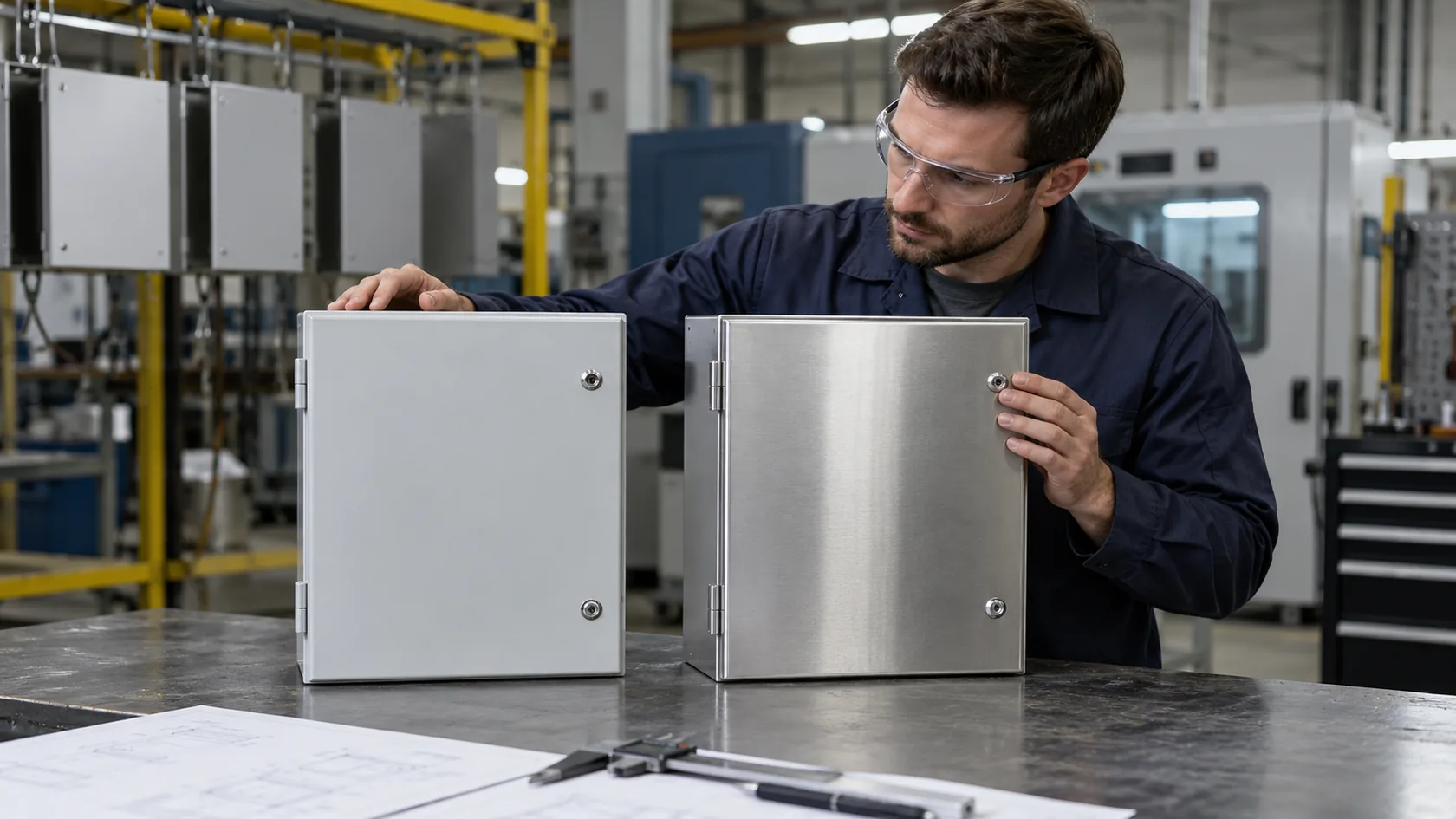
Yes, brushed aluminum is excellent for CNC, engraving, and enclosure design work.
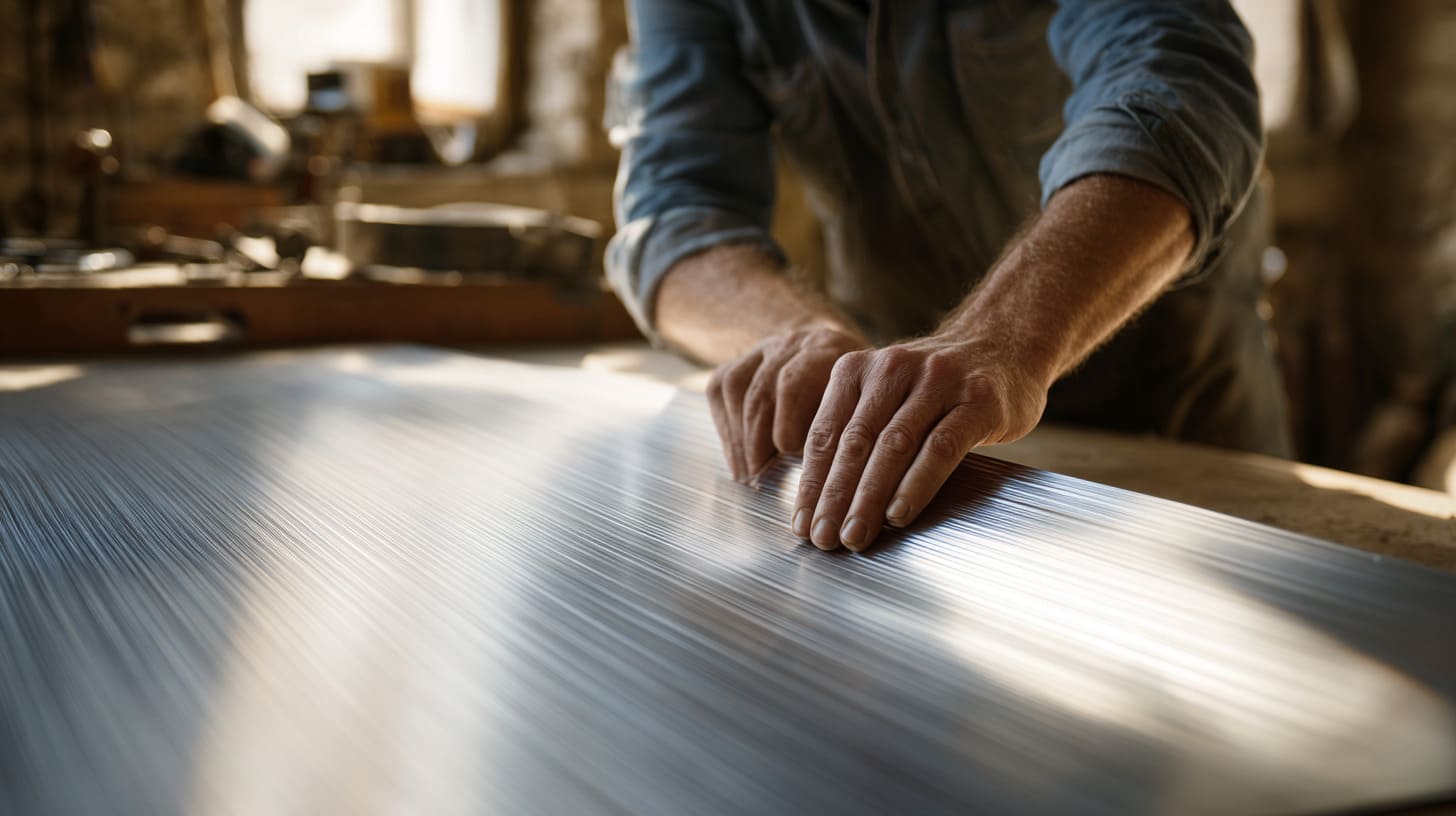
I’ve had engineers like John from Canada send me STEP files with precise screw-hole layouts. With brushed 5052 or 6063, we CNC-cut, form, engrave logos, and ship in one smooth cycle.
How do you choose the right brushed aluminum sheet for enclosure projects?
It’s not just about looks—it’s about performance.
Pick based on strength, bendability, surface finish, and compatibility with your end-use.
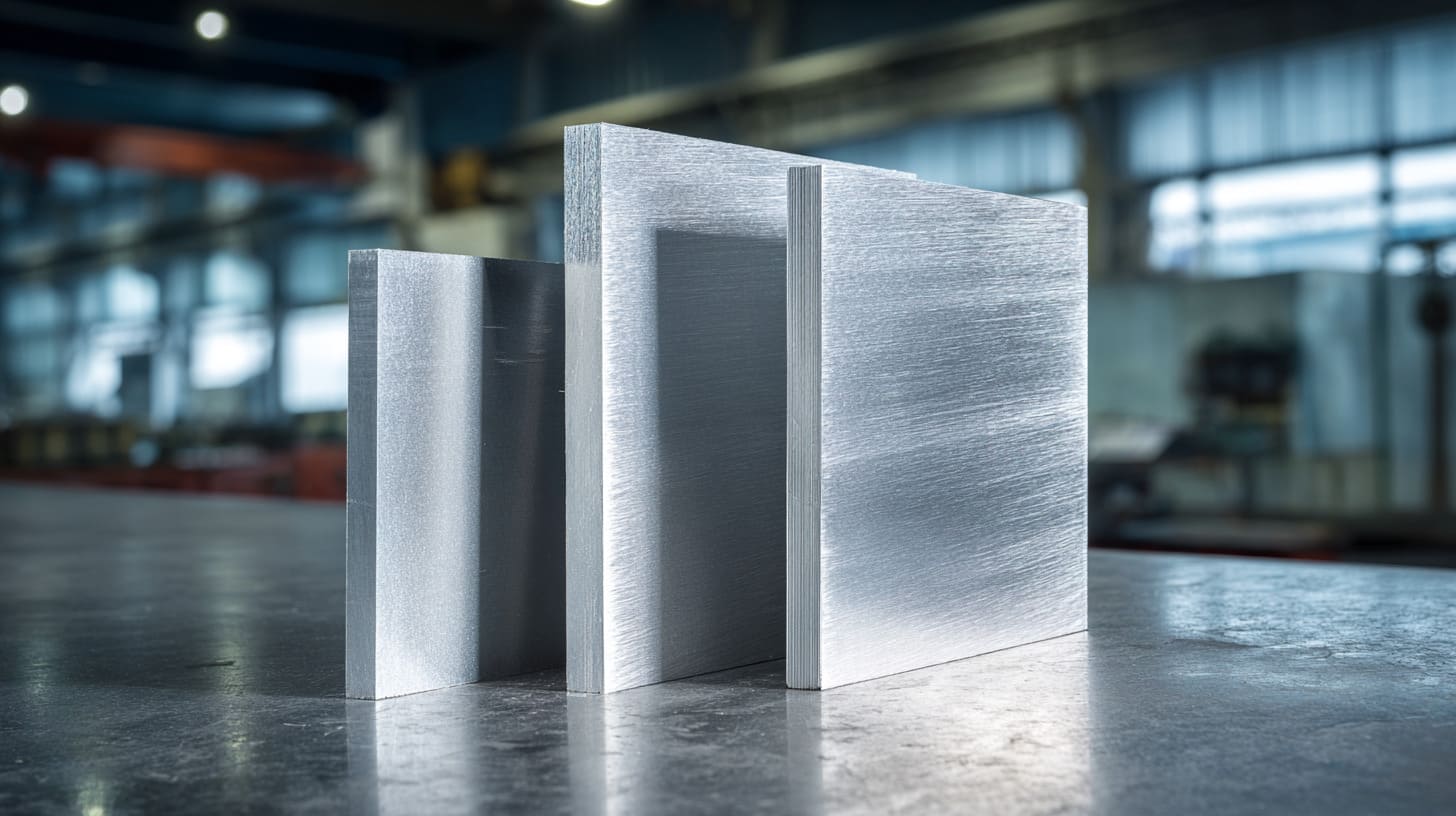
Quick Checklist:
- Will it be bent? → Go for 5052 or 3003
- Will it be anodized? → Choose 6063
- Need strength? → 6061
- Need deep engraving? → Softer alloys
- Is it indoor or outdoor? → Ask about corrosion resistance
Do brushed aluminum sheets support anodizing or powder coating?
Absolutely—but prep is everything.
Brushed aluminum supports both anodizing and powder coating, though surface finish may affect the final look.

Always clean thoroughly and test a sample if finish is critical. Some clients want that raw, industrial brushed look. Others need full matte black powder-coated perfection.
What tools are needed to cut or modify brushed aluminum sheets safely?
Don’t just grab a hacksaw and pray.
Use CNC mills, laser cutters, or shears for precision; deburring tools and gloves are essential for safety.
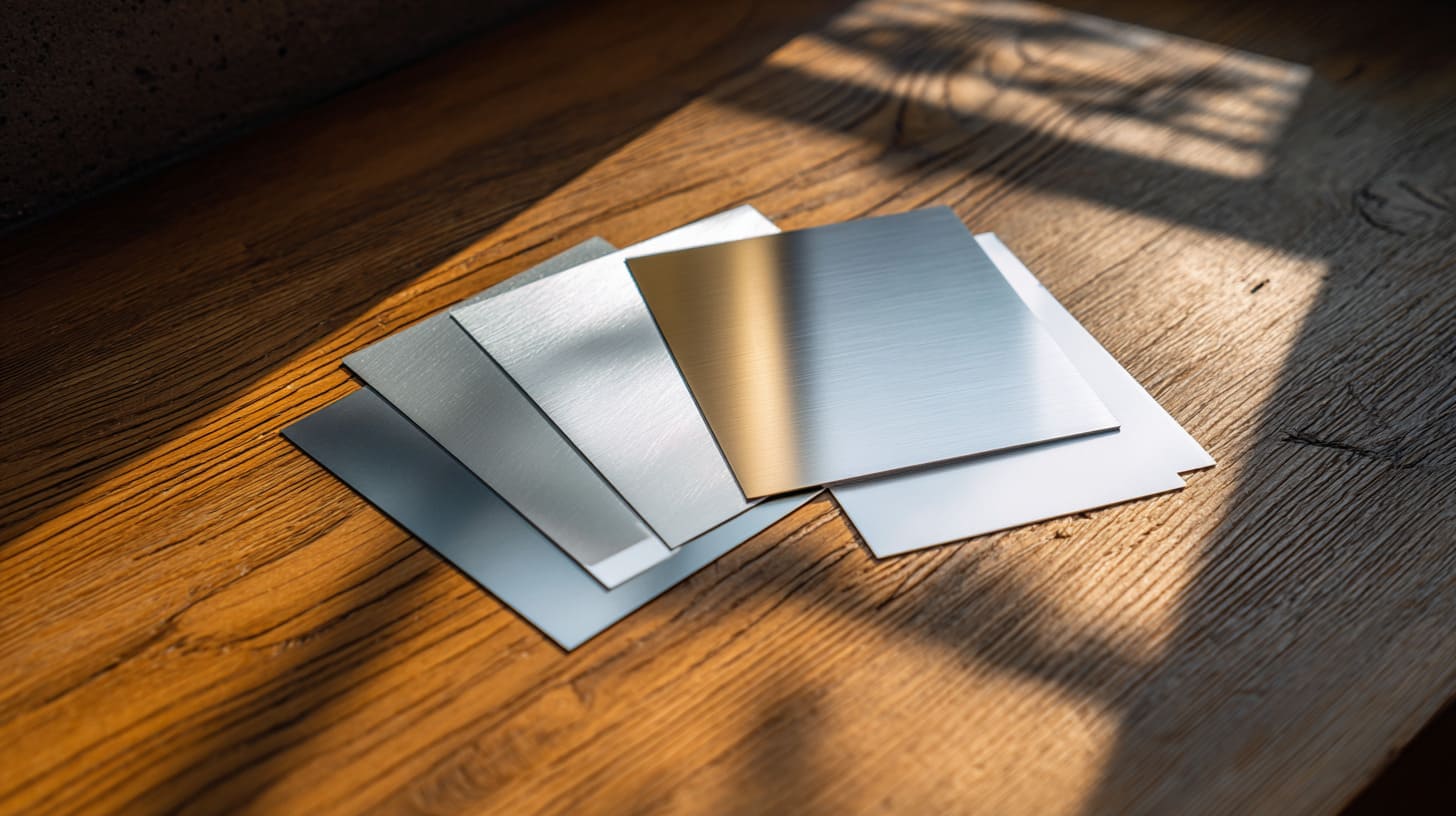
If you're prototyping, even a good jigsaw with an aluminum blade can work. But for production, use:
- CNC router or mill
- Sheet metal shear
- Bending brake
- Deburring tool
- Eye protection (always!)
Is brushed aluminum a good choice for heat-dissipating enclosures?
Yes, if done right.
Aluminum has great thermal conductivity, and brushed finishes don’t block heat flow.
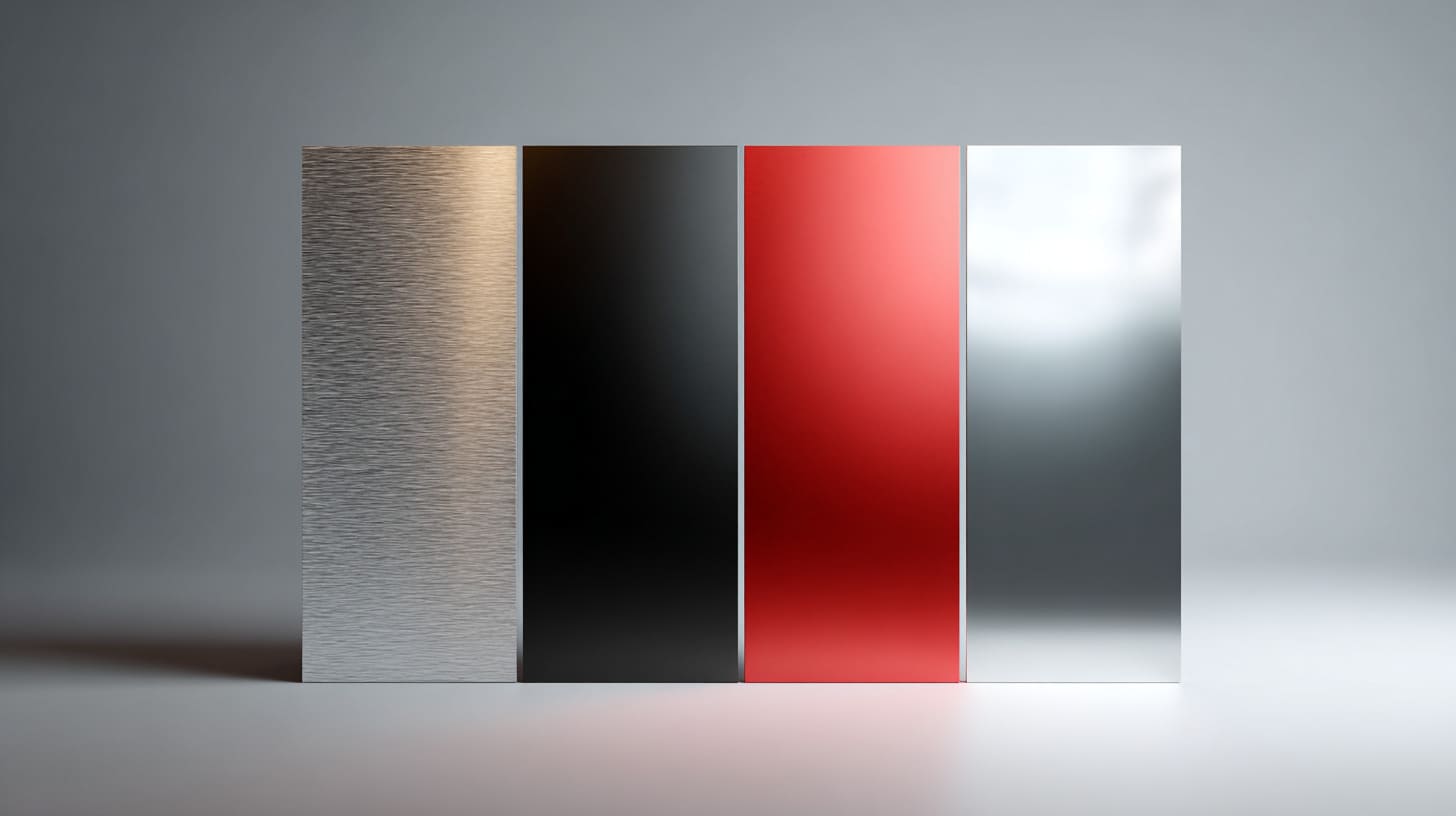
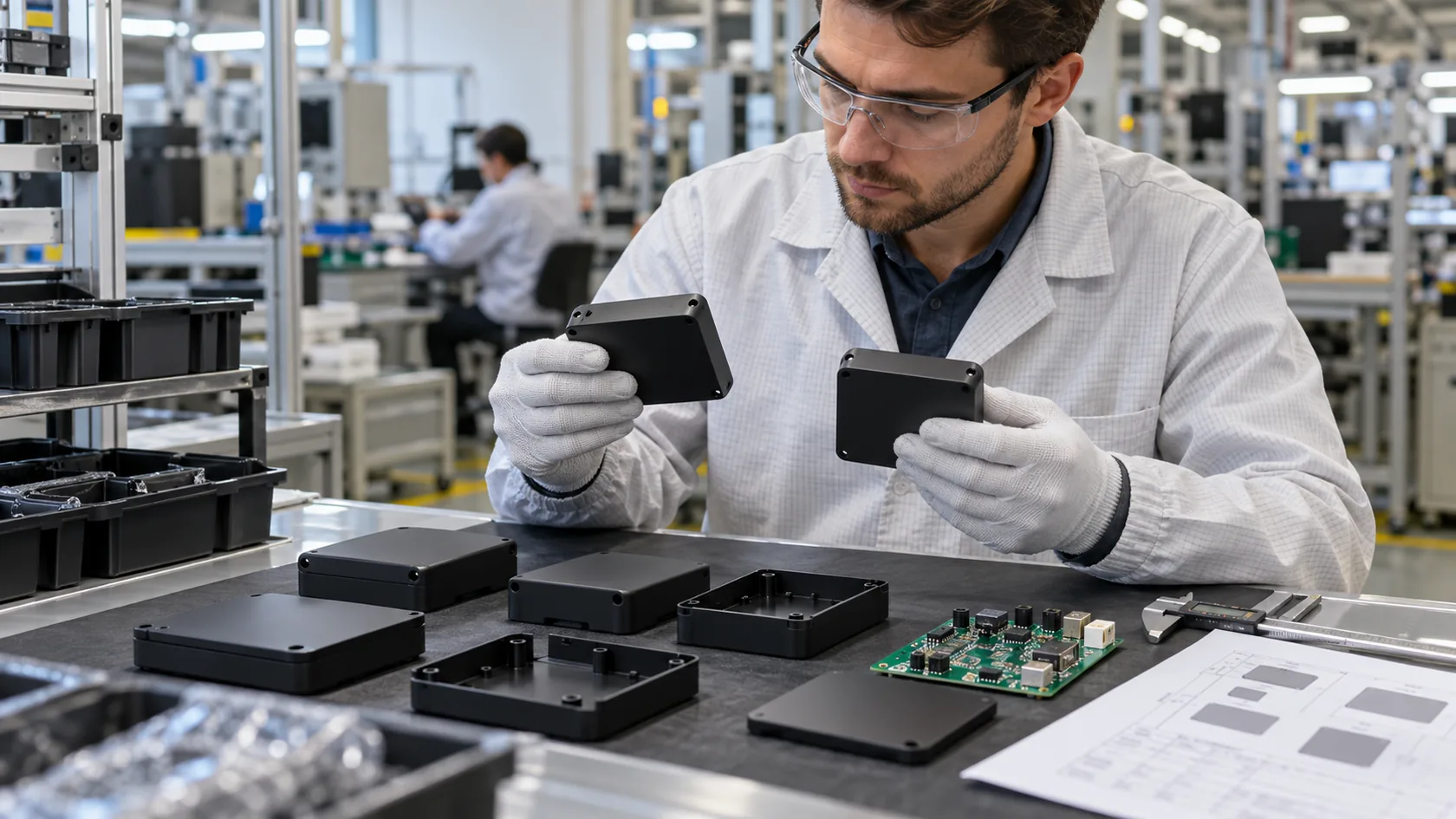
I’ve made passive-cooled enclosures for SBCs (like Raspberry Pi or Jetson Nano clones) using brushed aluminum, and it performs well—especially when paired with internal thermal pads or vents.
What surface finishes are available besides brushing for aluminum enclosures?
Brushing is just one flavor.
Other finishes include anodizing (clear, black, gold), powder coating, bead blasting, and mirror polishing.
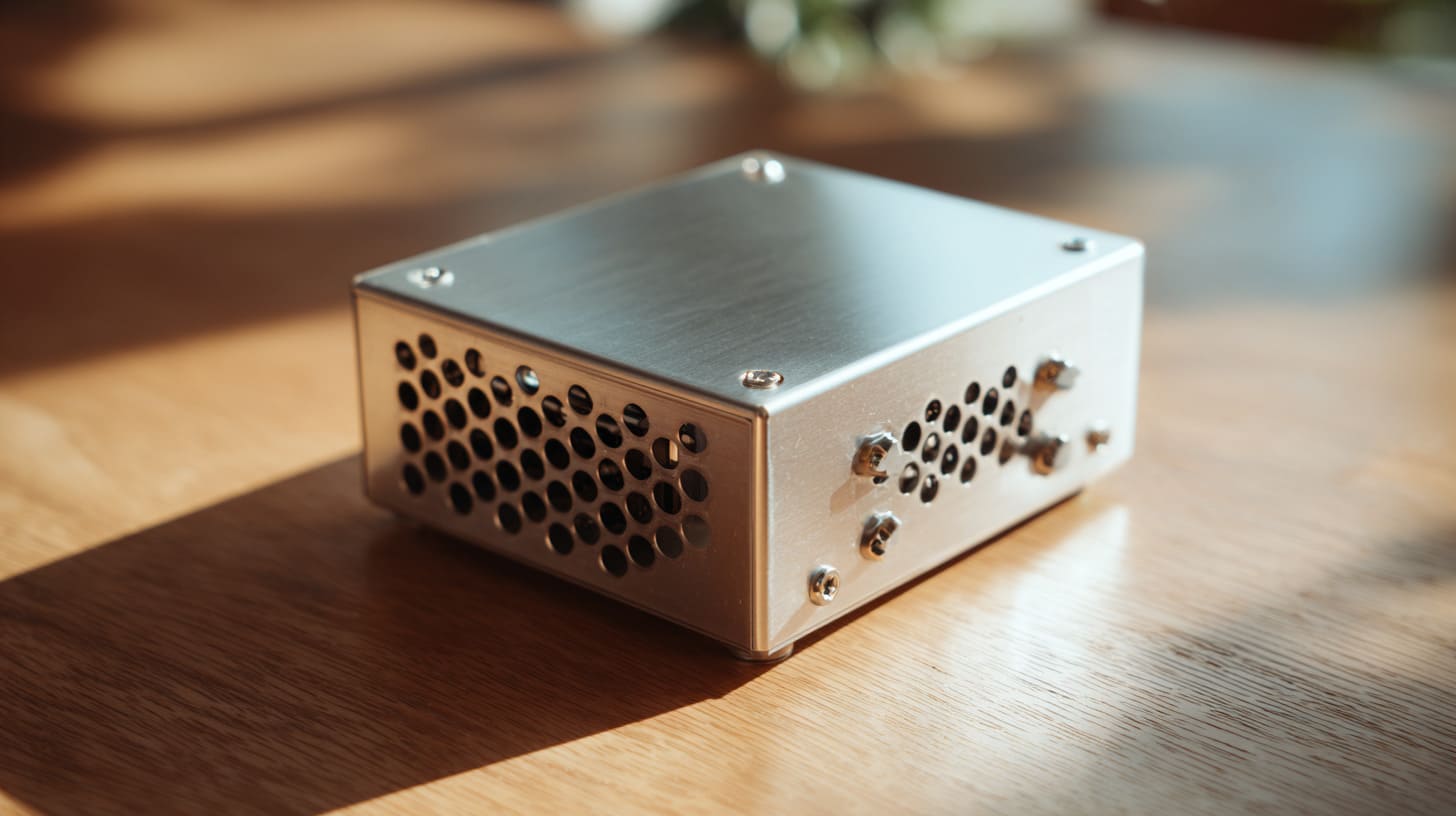
Here’s how they compare:
| Finish Type | Look | Feel | Durability | Best For |
|---|---|---|---|---|
| Brushed | Matte lines | Smooth | Good | Modern, industrial |
| Anodized | Colored/matte | Hard | Excellent | Electronics, branding |
| Powder Coated | Opaque color | Thick coat | Very high | Outdoor, rugged use |
| Mirror Polished | Shiny, reflective | Slippery | Moderate | Decorative |
If your client wants minimalistic vibes—brushed. If they want color? Anodized all the way.
Conclusion
Brushed aluminum is adjustable—if you choose the right alloy, thickness, and tools.