Skip to content
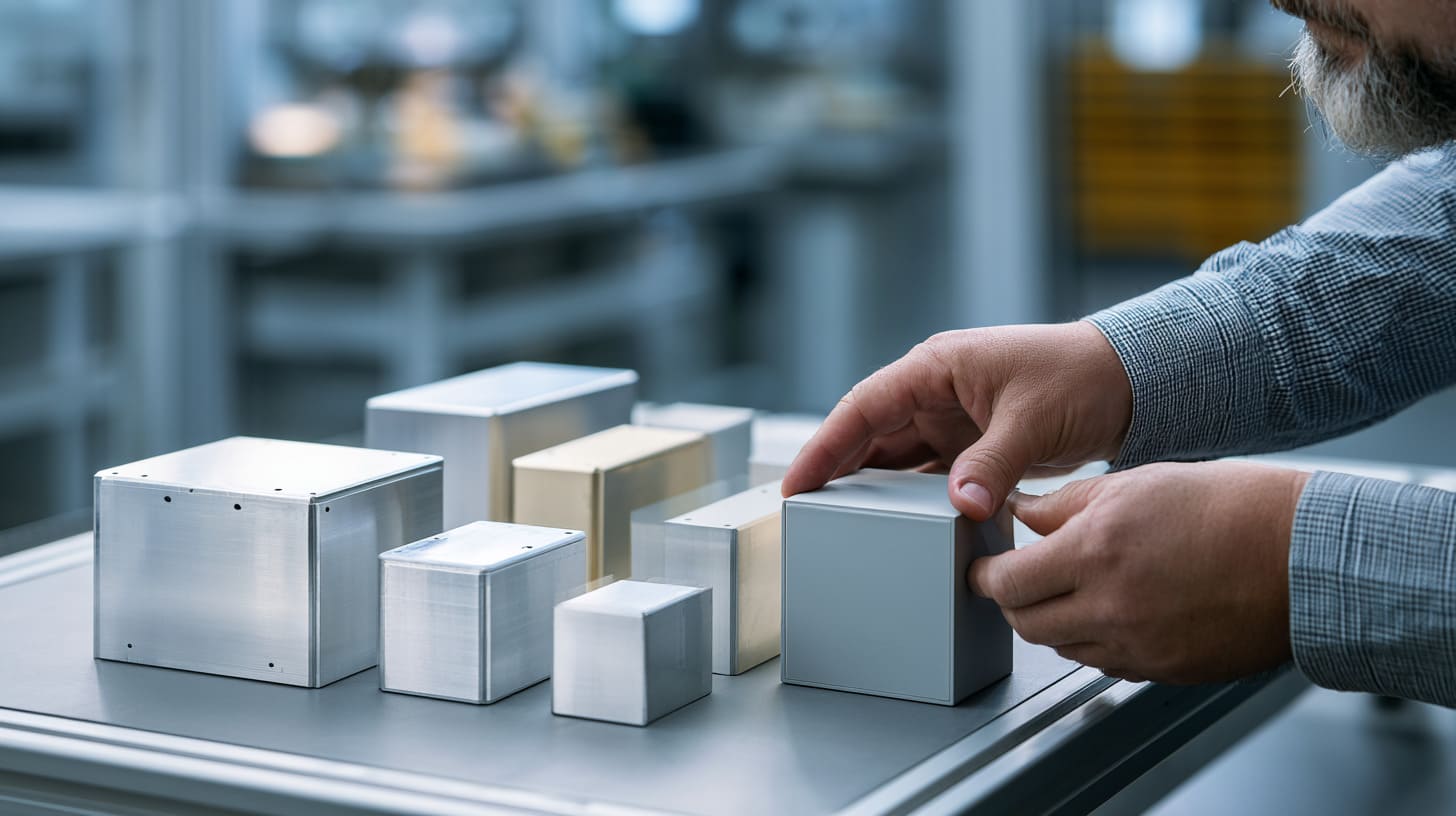
A customer once sent me a drawing for a custom aluminum enclosure and added one simple note: “Please use black anodizing. We want the product to look premium.”
The request sounded reasonable.
The enclosure was designed for an industrial communication device. It had several connectors, a removable cover, grounding screws, and a printed logo. The customer had seen anodized consumer electronics before, so he believed black anodizing would automatically give his product the same high-end result.
But the drawing told me a different story.
The enclosure had parts made from an extruded aluminum profile, CNC-machined end plates, and a small sheet aluminum bracket. These parts used different materials and production methods. The customer also needed reliable electrical contact between the cover and the body.
Black anodizing could certainly make the enclosure look attractive. It could also create color differences between the parts, block electrical contact, increase masking work, and make later repairs more difficult.
That was the point where I asked the customer a question:
“Do you need the surface to look premium, or do you need the whole product to work reliably?”
Of course, every buyer wants both. The problem is that the most expensive or fashionable finish does not always give both.
Anodizing has clear advantages. It keeps the metallic feel of aluminum. It creates a thin and hard oxide layer. It also has little effect on precision dimensions.
Powder coating has a different set of advantages. It gives engineers more freedom with color and texture. It provides a thicker protective layer. It can also hide small visual differences between fabricated parts.
The first thing I question is not which finish looks more expensive. I ask which failure would be harder for the customer to accept: a small color difference, an assembly problem, poor grounding, outdoor corrosion, or a delayed production schedule.
That judgment changes the answer.
A surface finish can affect much more than appearance. It can influence:
- EMC grounding
- electrical contact
- assembly tolerance
- thread fitting
- corrosion protection
- outdoor durability
- logo printing
- color consistency
- heat transfer
- repair work
- production cost
- delivery time
My view is simple: the best surface treatment is not the one with the highest price. It is the one that creates the fewest problems for the actual product.
What Is the Real Difference Between Powder Coating and Anodizing?
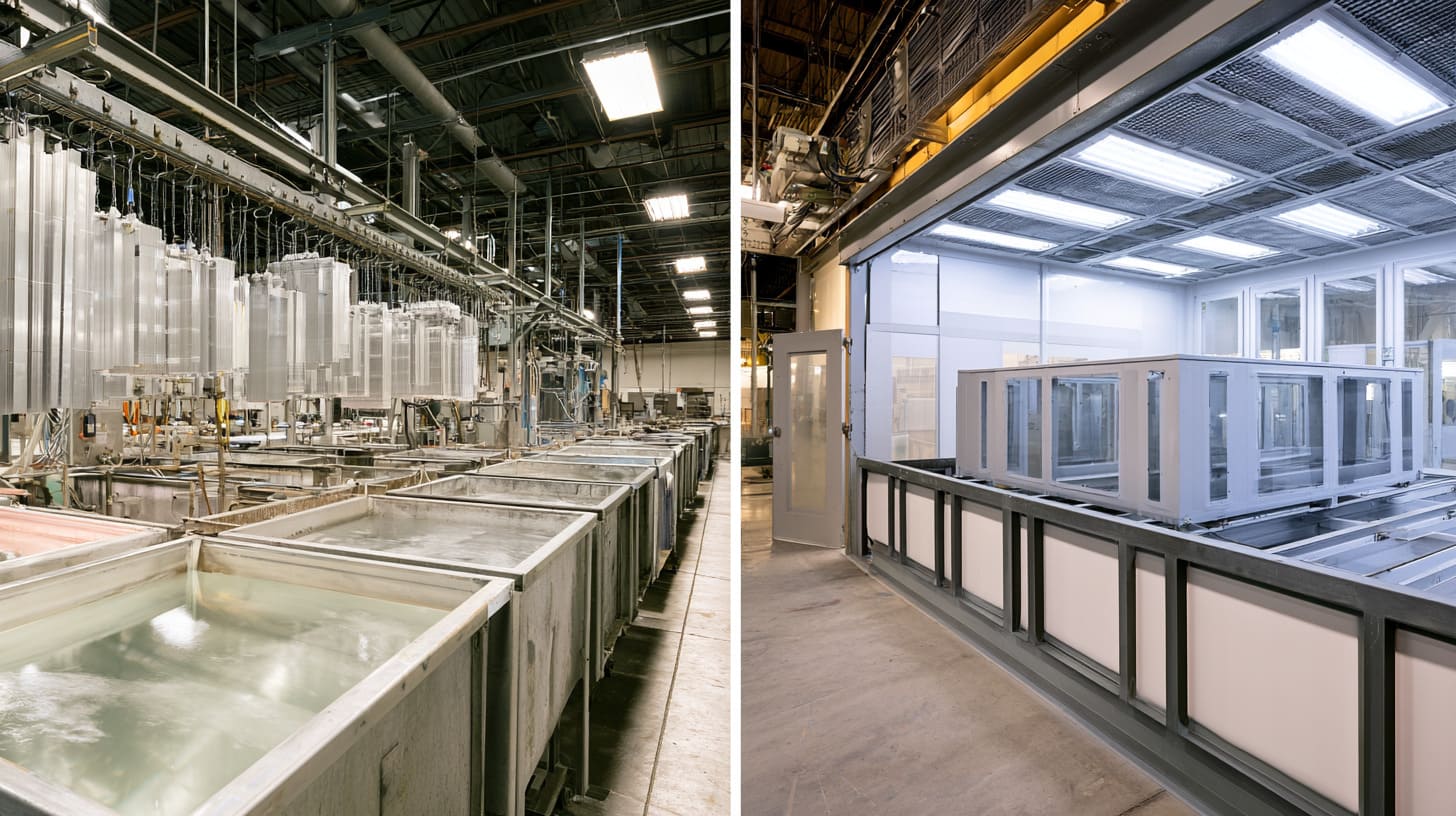
Many comparison articles place powder coating and anodizing in two columns and list their advantages. That information is useful, but it does not fully explain how the two finishes behave during real enclosure production.
On a real enclosure drawing, I do not start by asking which finish is stronger. I first check whether the design needs a thin converted surface or a separate coating layer, because that difference affects almost every later decision.
How Anodizing Changes the Aluminum Surface
Anodizing is an electrochemical treatment for aluminum.
During the process, the aluminum part is placed in an acid electrolyte bath. An electrical current helps create a controlled aluminum oxide layer on the surface.
This oxide layer does not sit on the aluminum like paint. It grows from the aluminum surface and becomes part of it.
That detail explains many of anodizing’s advantages.
The layer is usually thin compared with powder coating. It keeps the shape and machining details of the original part. Fine lines, edges, engraved areas, and metallic textures can remain visible.
I often recommend anodizing for:
- CNC-machined aluminum housings
- extruded aluminum enclosures
- precision covers
- small electronic cases
- hand-held products
- products that need a metallic finish
- parts with tight mechanical fits
Anodizing can provide several useful properties:
| Property | What It Means for an Enclosure |
|---|---|
| Thin finish | It has less effect on holes, slots, threads, and sliding parts |
| Metallic appearance | The aluminum texture remains visible |
| Good wear resistance | The surface handles frequent touching better than many painted finishes |
| Stable dimensions | Precision parts are easier to control |
| No peeling film | The oxide layer does not peel like a separate paint layer |
| Good appearance on machined parts | CNC details remain sharp and clean |
However, anodizing does not hide the aluminum underneath.
If the base material has extrusion lines, welding marks, scratches, uneven polishing, or alloy differences, anodizing may make those differences more visible instead of covering them.
This is why anodizing rewards good material and careful preparation. It also exposes weak preparation very quickly.
How Powder Coating Protects Aluminum Enclosures
Powder coating works in a different way.
The factory sprays dry powder onto a prepared aluminum surface. The powder receives an electrostatic charge, so it sticks to the part. The coated part then enters an oven, where the powder melts and cures into a continuous film.
The final layer sits on top of the aluminum.
This coating is usually thicker than an anodized layer. It can cover small surface marks and create a more uniform appearance across parts made by different methods.
I often consider powder coating for:
- sheet metal enclosures
- welded aluminum boxes
- outdoor cabinets
- electrical control boxes
- large fabricated housings
- products requiring RAL colors
- products requiring matte or textured finishes
- enclosures with strong branding requirements
Powder coating offers more visual freedom.
| Powder-Coating Option | Typical Purpose |
|---|---|
| Smooth matte finish | Modern electronics and industrial equipment |
| Fine texture | Hides small fabrication marks and fingerprints |
| Heavy texture | Covers more visible surface variation |
| Gloss finish | Decorative or easy-to-clean products |
| RAL color | Standard industrial color matching |
| Custom color | Brand identity and product-family matching |
| Outdoor-grade powder | Better UV and weather resistance |
| Anti-corrosion system | Harsh industrial or coastal use |
Powder coating can also give fabricated parts a more consistent appearance.
For example, a sheet metal enclosure may include bent panels, welded corners, ground welds, and separate brackets. Anodizing can show each difference. Powder coating can visually bring those parts together.
Still, powder coating is not magic.
The coating may become thinner near sharp edges. Deep corners can suffer from an electrostatic shielding effect, often called the Faraday cage effect. Poor cleaning can cause bubbles, peeling, or weak adhesion. Excess coating can also block threads and change assembly dimensions.
The finish looks simple only after the difficult process controls have been handled correctly.
Why Both Finishes Exist Instead of One Replacing the Other
Powder coating and anodizing continue to exist because they solve different problems.
Anodizing works with the aluminum surface. Powder coating builds a layer over it.
One protects while keeping the metal visible. The other protects while changing the visible surface more completely.
| Project Requirement | Anodizing Usually Fits Better | Powder Coating Usually Fits Better |
|---|---|---|
| Metallic appearance | Yes | No |
| Wide color selection | Limited | Yes |
| Tight assembly tolerance | Yes | Requires allowance |
| Textured finish | Limited | Yes |
| Hiding fabrication marks | Poor | Better |
| Precision CNC details | Better | May soften edges |
| Welded enclosure appearance | Can be inconsistent | Usually more uniform |
| Local touch-up | Difficult | Possible, but rarely invisible |
| Electrical contact without masking | No | No |
| Brand color matching | Limited | Better |
I never treat this table as an automatic answer.
A project may need the metallic appearance of anodizing but also require reliable grounding. Another project may need outdoor powder coating but have very tight sliding joints.
The finish must work with the design. The design should not be forced to suffer because someone chose a finish from a product photo.
That difference becomes clearer when I look at why anodizing gained its premium reputation in the first place.
Why Is Anodizing Often Considered the Premium Aluminum Finish?
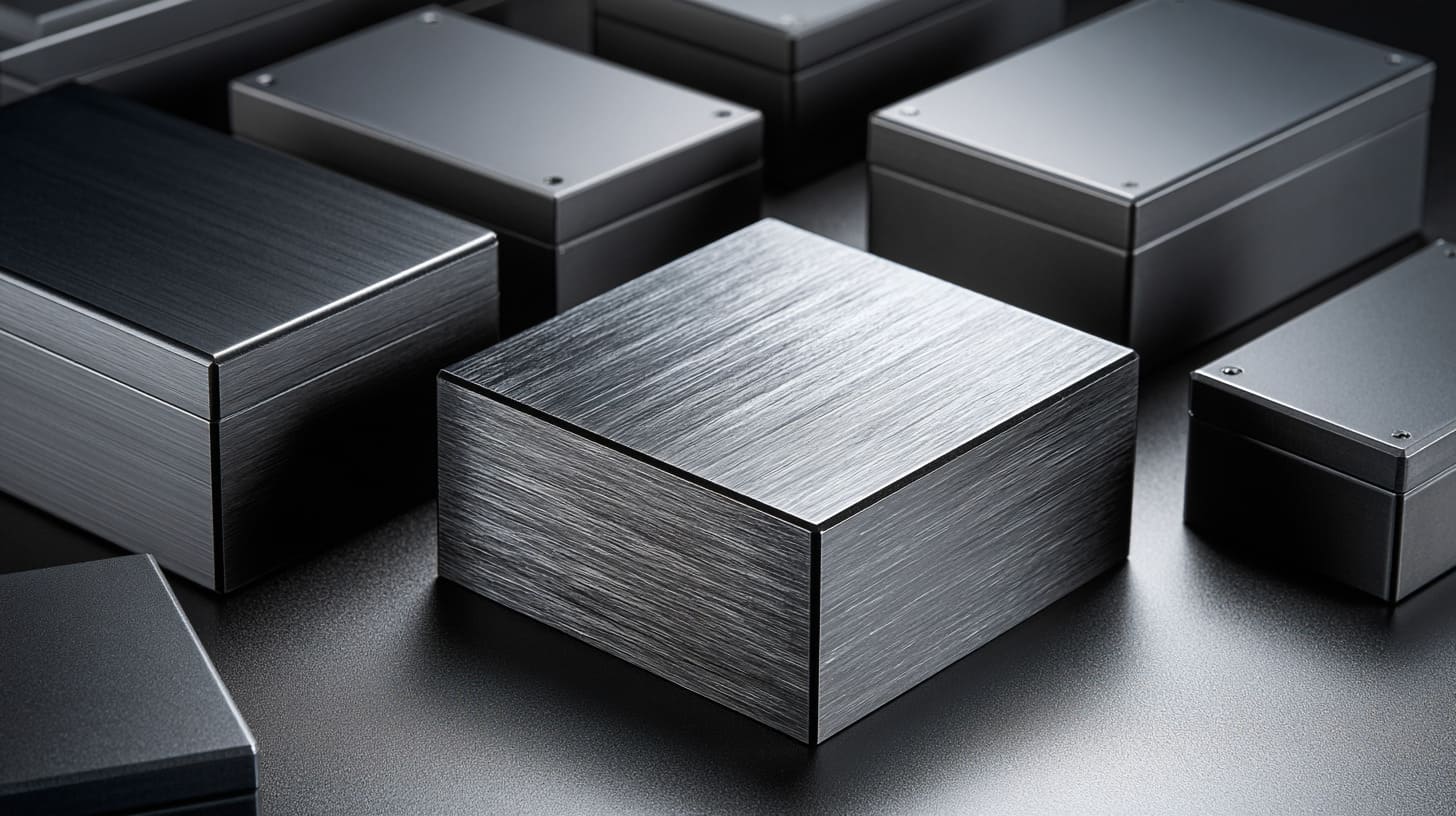
Anodizing is often associated with premium electronic products, precision instruments, camera parts, audio equipment, and high-quality industrial devices.
That reputation is not imaginary. A well-made anodized aluminum enclosure can look excellent.
But the word “premium” can become dangerous when it replaces engineering judgment.
When a customer asks me for a premium finish, I check the material combination before I discuss color, because a beautiful sample made from one alloy does not guarantee that five different enclosure parts will match.
The Premium Metallic Appearance
Anodizing keeps the visual character of aluminum.
Light reflects from the metal through the oxide layer. The surface can look clean, technical, and precise. It does not look like painted plastic or covered metal.
This appearance works especially well for:
- high-end electronics
- audio products
- laboratory instruments
- communication devices
- small industrial controllers
- precision-machined housings
- consumer technology products
A brushed aluminum part with clear or black anodizing can feel very different from a powder-coated part. The brushing lines remain visible. Machined edges can catch the light. The product still looks like metal.
That visual effect is difficult to copy with powder coating.
However, the same transparency that creates the premium look can also expose problems.
Anodizing does not fully hide:
- extrusion lines
- sanding differences
- machining tool marks
- small dents
- uneven polishing
- weld areas
- different aluminum alloys
- heat-affected areas
I have seen customers approve a perfect anodized sample and later feel disappointed by production parts. The sample used a carefully selected aluminum plate. The production enclosure used an extrusion, two machined end plates, and a formed bracket.
All parts were technically black. They were not visually identical.
The customer had not received bad anodizing. He had received different aluminum materials reacting in different ways.
Better Dimensional Control for Precision Parts
Anodizing usually creates a much thinner finish than powder coating.
This matters when the enclosure includes:
- close-fitting covers
- sliding rails
- bearing seats
- press-fit components
- narrow slots
- small threaded holes
- connector openings
- precision PCB mounting features
Powder coating may add tens of microns to each coated surface. The exact thickness depends on the powder type, process control, geometry, and specification.
A coating on two opposing surfaces can reduce a gap from both sides.
For example, imagine a cover sliding into two rails. A designer may leave only a small clearance because the raw aluminum prototype fits perfectly.
After powder coating, both rails and both edges of the cover receive additional thickness. The cover may become difficult to install. It may scratch during assembly. In the worst case, the factory may need to grind the coating away.
Anodizing also changes dimensions, but the effect is smaller and easier to manage in many precision designs.
| Design Feature | Anodizing Risk | Powder-Coating Risk |
|---|---|---|
| Sliding cover | Low to moderate | Moderate to high |
| Fine thread | May need control | Usually needs masking or thread cleaning |
| Tight connector cutout | Usually manageable | Coating buildup may reduce opening |
| Press-fit feature | Must be specified | Often unsuitable without masking |
| Decorative sharp edge | Stays visually sharp | May become slightly rounded |
| Small engraved detail | Usually remains clear | May partly fill |
This does not mean engineers can ignore anodizing thickness. They still need to consider the finish in the drawing.
The correct lesson is that anodizing is often easier for precision parts, not that it has zero dimensional effect.
Better Scratch Resistance for Certain Applications
An anodized oxide layer can provide good resistance to everyday wear.
This makes it useful for products that users frequently touch, move, install, or handle.
Examples include:
- desktop electronic housings
- portable instruments
- test equipment
- camera accessories
- audio control units
- hand-held devices
Anodizing does not peel like a paint film because it is part of the aluminum surface.
However, people sometimes confuse wear resistance with impact resistance.
A hard surface can still be damaged by a sharp impact. A deep scratch can cut through the anodized layer and expose bright aluminum underneath. On a black enclosure, that bright line can look very obvious.
Powder coating may be softer, but some formulations can absorb light impact better. A textured finish can also make small scratches less visible.
The correct question is not only, “Which finish is harder?”
I also ask:
- What will touch the enclosure?
- Will the product slide against metal?
- Will tools hit the surface during installation?
- Will customers handle it every day?
- Will scratches affect function or only appearance?
- Will a bright aluminum scratch be visually acceptable?
The expected type of damage matters more than a general hardness claim.
Why Engineers Like Anodized Aluminum Enclosures
Many product engineers like anodized enclosures because the finish matches the way they think about precision products.
The design stays visible. CNC work remains sharp. The enclosure feels technical rather than decorative.
Anodizing also works naturally with extruded aluminum housings. A factory can cut the extrusion, machine the openings, prepare the surface, and anodize the finished parts.
The final product can look clean without hiding the manufacturing method.
I understand why buyers prefer it. I also recommend it often.
I only become cautious when “premium anodizing” is written into the specification before anyone checks:
- alloy compatibility
- grounding points
- color tolerance
- outdoor exposure
- repair needs
- cosmetic acceptance standards
- part-to-part variation
A premium finish should reduce uncertainty. It should not create a new list of hidden risks.
That is why powder coating, despite sometimes being treated as the cheaper choice, can become the more sensible engineering decision.
Why Can Powder Coating Be the Better Engineering Choice?
Powder coating sometimes loses the marketing contest because buyers think it is only painted metal.
That view is too simple.
A well-prepared and correctly cured powder coating can give an aluminum enclosure strong protection, stable color, and a consistent commercial appearance.
The trade-off I watch most closely is not whether powder looks less expensive. I check whether its extra thickness solves more problems than it creates.
When Color and Branding Matter More Than Metallic Appearance
Anodizing offers several colors, but it does not provide the same freedom as powder coating.
Powder coating can support:
- standard RAL colors
- selected Pantone matching
- matte finishes
- gloss finishes
- fine textures
- coarse textures
- wrinkle finishes
- metallic-effect powders
- outdoor-grade colors
- product-family color systems
This is useful when the enclosure must match:
- a company logo
- a machine body
- a control panel
- an existing product line
- a retail brand
- a safety color
- an installation environment
I often receive requests for matte black enclosures. The words look simple, but matte black is not one universal finish.
A customer may mean:
- smooth matte black
- fine-texture matte black
- deep black with low gloss
- dark charcoal black
- fingerprint-resistant black
- outdoor-resistant black
Powder coating gives us more control over these visual details.
It also creates a better background for many branding methods.
| Branding Method | Anodized Surface | Powder-Coated Surface |
|---|---|---|
| Silk-screen printing | Good with correct ink and preparation | Good with correct ink and curing |
| Laser marking | Excellent contrast on some anodized colors | Depends on powder type |
| Engraving | Exposes raw aluminum | Exposes raw aluminum beneath coating |
| UV printing | Possible | Possible |
| Sticker or label | Surface energy must be checked | Texture may affect adhesion |
| Metal nameplate | Suitable | Suitable |
The finish and logo process should be tested together.
A heavily textured powder coating may look attractive but create poor contact for a small sticker. A low-energy powder surface may need adhesive testing. A laser-marked logo may look excellent on black anodizing but less predictable on a standard powder.
Branding is not an afterthought. It is part of the surface-treatment decision.
When Outdoor Protection Is More Important
Powder coating can provide a thick barrier between the aluminum and the environment.
With proper pretreatment and the correct powder type, it can work well for:
- outdoor electrical boxes
- solar equipment
- communication cabinets
- charging equipment
- industrial control enclosures
- agricultural electronics
- transportation equipment
Still, the words “powder coated” do not automatically mean “outdoor suitable.”
The coating system matters.
A basic indoor polyester or epoxy powder may not provide the same UV and weather resistance as an outdoor-grade polyester system. The pretreatment process also matters greatly.
For outdoor projects, I ask about:
- UV exposure
- rain
- humidity
- salt air
- industrial pollution
- temperature cycling
- chemicals
- expected service life
- installation direction
- sheltered or fully exposed use
| Environment | Questions I Ask Before Recommending Powder Coating |
|---|---|
| Indoor office | Is appearance more important than corrosion resistance? |
| Factory floor | Are oils, cleaners, or chemicals present? |
| Outdoor sheltered | Can rain reach the enclosure directly? |
| Outdoor exposed | What UV and weather life is expected? |
| Coastal area | Is salt spray a major concern? |
| High-temperature area | Can the powder handle the working temperature? |
| Food or medical area | Are cleaning chemicals or hygiene rules involved? |
Anodizing can also perform well outdoors when the alloy, anodizing thickness, sealing, and maintenance are suitable.
I do not choose powder coating only because the product is outdoors. I choose it when the complete coating system fits the outdoor risk better.
When You Need Better Coverage on Complex Shapes
Powder coating can make fabricated enclosures look more uniform.
This is important for aluminum sheet metal products with:
- bends
- welded seams
- ground welds
- separate brackets
- reinforcement parts
- mixed surface directions
- minor fabrication marks
Anodizing may show differences around welds and heat-affected zones. The surface can change color or texture after welding and grinding.
Powder coating covers the metal more completely, so it can reduce these visual differences.
That does not mean every corner receives perfect powder coverage.
Deep internal corners and narrow channels can attract less powder because of the electrostatic field. Sharp edges may receive a thinner layer. Heavy coating in other areas may create runs, orange peel, or assembly problems.
For complex parts, the factory must plan:
- hanging direction
- spray-gun angle
- grounding during spraying
- edge design
- drainage and vent holes
- oven temperature
- coating thickness inspection
The enclosure geometry affects the coating result.
A good finish starts in the design, not inside the spray booth.
When Cost and Production Flexibility Matter
The cost comparison between anodizing and powder coating is not always straightforward.
The answer depends on:
- part size
- production quantity
- color
- masking
- surface preparation
- material type
- rejection risk
- batch minimum
- local supplier capability
- inspection standard
Powder coating can be flexible for medium-volume sheet metal enclosures. Standard colors may be easy to source. Different fabricated parts can receive the same visual finish.
Anodizing can be cost-effective for extruded profiles and CNC parts when the material, color, and batch are controlled.
The extra cost often comes from details rather than the base process.
| Cost Driver | Anodizing | Powder Coating |
|---|---|---|
| Special color | Can increase variation and rejection risk | May require custom powder MOQ |
| Small batch | Minimum batch charges may apply | Color-change and setup charges may apply |
| Masking | Needed for grounding and precision areas | Needed for grounding, threads, and fitting areas |
| Surface defects | Often require better polishing or brushing | Some defects can be hidden |
| Rework | Difficult | Possible, but stripping and recoating add cost |
| Mixed alloys | Color-matching risk | Usually easier to make visually uniform |
| Large welded parts | May be difficult | Often more suitable |
A finish that looks cheaper per square meter may become more expensive after masking, thread cleaning, rework, and rejected parts.
This is where anodizing can create surprising problems, especially when a buyer selects it mainly because of its premium image.
When Does Choosing Anodizing Create More Problems?
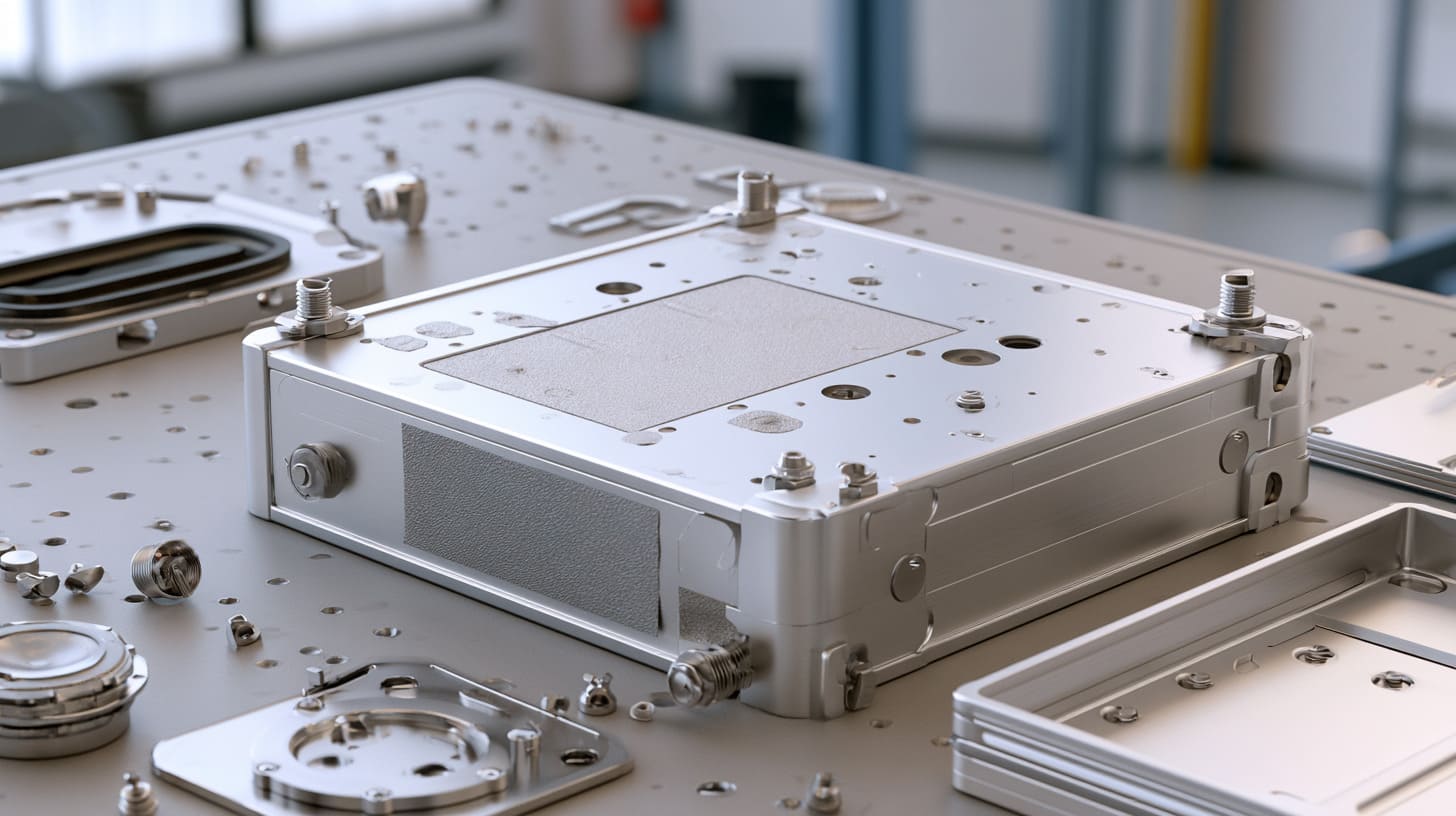
Anodizing works very well when the product is designed for it.
Problems appear when the drawing treats anodizing as decoration instead of an engineering process.
This is where things often go wrong: the buyer approves the color first, but nobody marks the grounding points, alloy differences, or replacement-part requirements until production has already started.
Problem 1: EMC Grounding Becomes More Difficult
Aluminum conducts electricity. Anodized aluminum surfaces usually do not provide reliable electrical contact.
The oxide layer acts as an electrical insulator.
This matters when the enclosure needs:
- protective grounding
- chassis bonding
- EMC shielding
- conductive contact between covers
- cable shield termination
- low-resistance contact between panels
A metal enclosure can only provide useful shielding when the parts maintain suitable electrical continuity.
If an anodized cover touches an anodized body, the two metal parts may be physically connected but electrically separated by the surface layers.
The design may need:
- masked contact areas
- removed anodizing at grounding points
- conductive gaskets
- serrated washers
- grounding screws
- bonding straps
- conductive spring fingers
- controlled bare-metal contact zones
| Grounding Area | Possible Treatment |
|---|---|
| Grounding stud | Mask the contact surface |
| Cover-to-body joint | Mask a strip or use conductive gasket |
| Connector shell | Keep the mounting face conductive |
| PCB grounding post | Control contact around the screw |
| DIN rail contact | Leave required areas uncoated |
| Shielded cable entry | Maintain metal-to-metal contact |
Powder coating has the same basic electrical-contact problem because the polymer layer is also insulating.
The mistake is not choosing anodizing. The mistake is assuming that a metal enclosure remains electrically continuous after an insulating finish is applied.
I ask customers to mark every required conductive area on the 2D drawing. A written note saying “good grounding required” is not enough.
The factory needs to know:
- where the contact must occur
- how large the bare area should be
- what resistance target applies
- whether appearance matters in that area
- whether corrosion protection is still needed
A small masked circle can affect the EMC result of the whole enclosure.
Problem 2: Color Consistency Issues Between Different Aluminum Materials
Anodized color depends on more than the dye.
It can also depend on:
- aluminum alloy
- temper
- extrusion process
- machining method
- surface roughness
- polishing direction
- anodizing thickness
- bath condition
- sealing
- batch position
This is why two parts placed in the same anodizing tank may not look identical.
A common custom enclosure may include:
- a 6063 extruded body
- 6061 CNC-machined end plates
- a 5052 sheet aluminum bracket
- a cast aluminum component
These materials may respond differently.
Black anodizing can reduce some visible variation, but it does not remove the risk. Clear, grey, blue, red, and champagne colors may show even more difference.
I usually recommend that customers define a realistic color-acceptance standard.
Possible controls include:
- using the same alloy where possible
- keeping visible parts in the same batch
- preparing approved limit samples
- defining acceptable shade variation
- controlling brushing direction
- separating cosmetic and non-cosmetic surfaces
- avoiding mixed materials on one visible face
A computer screen or Pantone number cannot fully define anodized color.
Anodizing interacts with the metal underneath. It is not an opaque paint layer that simply covers the base.
Problem 3: Limited Color and Texture Options
Anodizing can create attractive colors, but the choice is more limited than many buyers expect.
Some colors are easier to control than others. Black, natural, and certain dark tones are common. Bright or exact brand colors can be difficult.
The final color may vary with:
- alloy
- layer thickness
- dye absorption
- lighting
- viewing angle
- batch conditions
Anodizing also cannot create the same heavy texture as powder coating.
It cannot easily give the enclosure:
- a thick wrinkle finish
- a soft-looking textured finish
- a strong orange-peel texture
- an opaque brand color
- a coating that hides weld grinding
If the customer needs a very specific visual identity, powder coating may give better control.
I once reviewed a design where the customer wanted a blue anodized body to match his printed packaging. He sent a digital Pantone reference and expected a direct match.
That expectation was risky.
The packaging used printed ink on paper. The enclosure used dyed oxide over aluminum. The materials reflected light in completely different ways.
We could move toward a similar color, but we could not promise that the two surfaces would look identical under every light.
Sometimes the premium metallic effect is the goal. Sometimes exact brand consistency matters more. Buyers need to decide which one has priority.
Problem 4: Repair and Rework Are More Difficult
Local repair of anodizing is difficult.
If a finished part receives a deep scratch, machining error, or late design change, the factory cannot simply paint the damaged area and make it disappear.
The usual options are:
- accept the defect
- use a touch-up chemical with limited cosmetic quality
- strip and re-anodize the part
- remake the part
Stripping and re-anodizing can change dimensions. The stripping process removes material. A second anodizing cycle may also create a different appearance.
This becomes more serious when a customer needs replacement parts months later.
A new anodizing batch may not perfectly match the old batch. Even when the same color code and process are used, material and bath conditions may create a visible difference.
For products with long service lives, I ask:
- Will customers replace only one panel?
- Must replacement parts match the old product exactly?
- Will scratches be visible after installation?
- Can cosmetic parts be stocked from the original batch?
- Is local field repair expected?
Anodizing can provide an excellent original finish. It is less forgiving when something changes later.
Powder coating is more repairable in theory, but it brings its own set of problems that buyers often underestimate.
When Does Choosing Powder Coating Create More Problems?
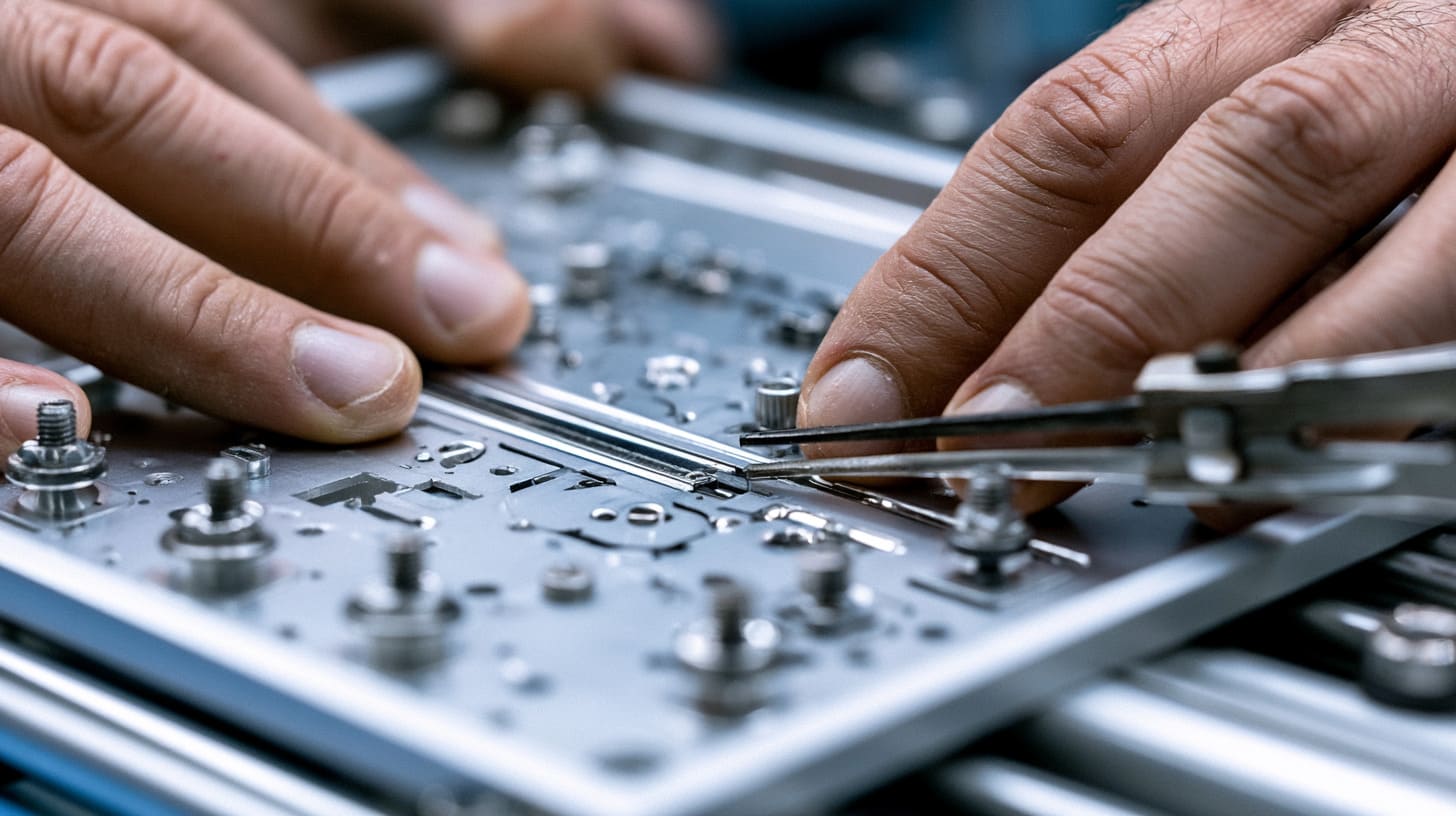
Powder coating can solve color and appearance problems, but its thickness and process requirements must be designed into the enclosure.
The risk I check before approving powder coating is where the layer will build up, because a finish that looks perfect from the outside can make the cover impossible to assemble.
Problem 1: Coating Thickness Affects Assembly
Powder coating adds a physical layer to the part.
The coating thickness may vary across the surface. Flat open areas may receive a stable layer, while corners, edges, recesses, and hanging points may differ.
This variation can affect:
- sliding covers
- overlapping panels
- hinges
- latches
- connector openings
- threaded holes
- PEM fasteners
- gasket grooves
- mounting rails
- grounding surfaces
The design must allow for coating thickness.
For a sliding joint, I look at both sides of the gap. If both components receive powder coating, the effective clearance becomes smaller from multiple surfaces.
A simple example shows the issue:
| Condition | Example Clearance Effect |
|---|---|
| Raw aluminum gap | 0.30 mm |
| Coating on one surface | Clearance becomes smaller |
| Coating on both opposing surfaces | Clearance reduces from both sides |
| High local buildup | Part may jam during assembly |
The exact reduction depends on the coating specification, so I do not use one universal number for every project.
Instead, I define:
- target coating thickness
- maximum thickness
- masked surfaces
- post-coating inspection points
- acceptable assembly force
- go/no-go gauges when necessary
Threads also require attention.
Small threaded holes may fill with powder. The factory may need to plug them before spraying or chase the threads after coating.
Post-coating thread cleaning sounds easy, but it has risks. The tool can damage the finish around the hole. Loose coating particles can enter the enclosure. The operation also adds labor and variation.
Masking is often the cleaner solution when the volume justifies it.
Problem 2: Poor Surface Preparation Causes Failure
Powder coating depends heavily on what happens before the powder is sprayed.
The aluminum surface must be clean and correctly prepared.
Possible contamination includes:
- machining oil
- fingerprints
- polishing compound
- dust
- oxide
- cutting fluid
- release agents
- silicone
- welding residue
If contamination remains, the coating may show:
- bubbles
- fisheyes
- pinholes
- weak adhesion
- peeling
- uneven gloss
- corrosion under the coating
The pretreatment system also affects long-term performance.
Depending on the project, the process may include:
- degreasing
- rinsing
- etching
- conversion coating
- drying
- controlled handling
- powder application
- curing
Curing is another critical step.
The powder supplier specifies a required metal temperature and curing time. The oven air temperature alone does not prove that a heavy enclosure reached the correct condition.
A thick aluminum part may heat slowly. A thin sheet metal panel may heat quickly.
If the coating is under-cured, it may have poor adhesion or chemical resistance. If it is over-cured, the color or mechanical properties may change.
I do not judge powder coating only by looking at a fresh sample. A beautiful surface can still fail an adhesion test or outdoor exposure requirement.
For important projects, I may discuss:
- coating-thickness checks
- cross-cut adhesion tests
- impact tests
- gloss measurement
- color measurement
- cure verification
- salt-spray testing
- chemical-resistance testing
The correct test depends on the real application.
Problem 3: Scratches Can Expose the Aluminum Base
Powder coating forms a film over the aluminum.
A deep scratch can cut through the film and expose the base material.
Aluminum naturally forms an oxide layer, so it does not rust like carbon steel. Still, exposed areas can corrode or discolor in harsh environments, especially when salts, chemicals, or dissimilar metals are involved.
Damage near an edge, screw, or cutout can be more serious because these areas may already have lower coating coverage.
The appearance can also become a problem.
A scratch on black powder coating can reveal bright aluminum. A heavy-texture surface may hide small marks, but a deep cut remains visible.
Before choosing the finish, I consider how the product will be handled:
- Will installers use metal tools near the enclosure?
- Will the unit be mounted in a crowded cabinet?
- Will cables rub against the surface?
- Will the product be transported without individual protection?
- Will customers clean it with abrasive materials?
- Will scratches affect corrosion performance?
Packaging also matters.
Many surface defects do not come from coating failure. They come from parts rubbing against each other during shipping.
For cosmetic products, I may recommend:
- protective film where suitable
- individual bags
- foam separation
- corner protection
- controlled stacking
- clean assembly gloves
The surface finish and packaging system should be planned together.
Problem 4: Heat Dissipation May Be Reduced
Powder coating can add thermal resistance between the aluminum and the surrounding air.
The real effect depends on:
- coating thickness
- powder formulation
- enclosure geometry
- internal heat source
- contact path
- airflow
- surface area
- working temperature
The issue is often misunderstood.
If a PCB transfers heat through a thermal pad into the inside wall of the enclosure, a powder coating between the thermal pad and the aluminum can reduce heat transfer. I usually keep critical internal thermal-contact areas free from thick coating.
On the outer surface, the situation is more complex. Dark, high-emissivity finishes can improve radiative heat transfer compared with polished bare aluminum. Both anodized and coated surfaces may radiate heat better than shiny untreated aluminum.
This means the finish can help one part of the heat path and hurt another.
| Thermal Location | Main Concern |
|---|---|
| Thermal pad to enclosure wall | Keep the contact area flat and conductive |
| Internal heat spreader contact | Avoid unnecessary coating between surfaces |
| External enclosure surface | Finish emissivity may help radiation |
| Ventilation openings | Coating must not reduce opening size |
| High-temperature device | Confirm powder temperature rating |
| LED or power electronics | Validate the complete thermal path |
I never decide thermal performance from the finish name alone.
I look at where the heat starts, how it enters the enclosure, how it spreads through the aluminum, and how it leaves the outer surface.
A thermal problem is a path problem. The coating is only one part of that path.
The next step is turning all these trade-offs into a practical selection method.
How Do I Choose Between Powder Coating and Anodizing for Aluminum Enclosures?
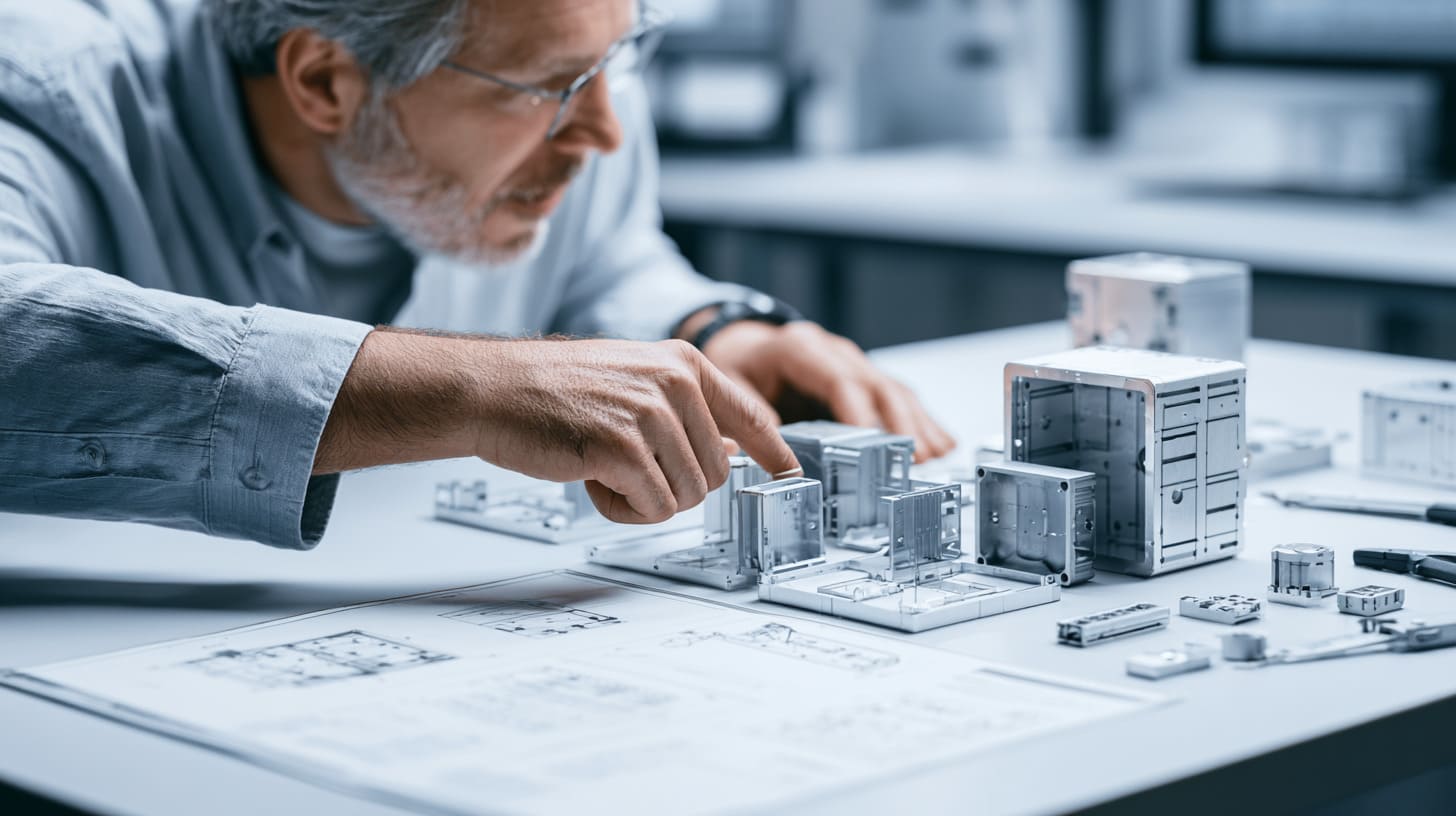
I do not begin with a fixed rule such as “CNC parts should always be anodized” or “outdoor boxes should always be powder coated.”
My decision usually changes after I see the assembly drawing, because one masked grounding strip or one tight sliding cover can matter more than the general advantages of either finish.
I Choose Anodizing When the Main Priority Is Precision
Anodizing usually becomes my first option when the project needs:
- a metallic aluminum appearance
- sharp CNC details
- controlled dimensions
- thin surface protection
- frequent handling
- clean industrial styling
- visible brushing or machining
- lightweight electronic housings
Typical products include:
- extruded aluminum enclosures
- small network-device housings
- audio equipment
- laboratory instruments
- desktop electronics
- precision sensor housings
- hand-held equipment
I still check the following before confirming it:
| Check | Why It Matters |
|---|---|
| Aluminum alloy | Different alloys may show different color |
| Visible surface direction | Brushing and machining marks affect appearance |
| Grounding points | Anodizing blocks normal electrical contact |
| Batch size | Small batches may have color variation or minimum charges |
| Outdoor exposure | Thickness and sealing must suit the environment |
| Replacement requirements | Future batches may not perfectly match |
| Logo method | Laser marking, printing, and engraving give different results |
Anodizing is a good choice when the customer accepts the natural character of aluminum.
It becomes a poor choice when the customer expects a perfectly opaque and identical color across different materials.
I Choose Powder Coating When the Main Priority Is Visual Consistency
Powder coating usually becomes stronger when the project needs:
- a specific RAL or custom color
- a matte or textured finish
- outdoor weather protection
- better coverage over fabricated parts
- consistent appearance across welded components
- strong brand identity
- a finish that hides minor surface differences
- a larger sheet metal structure
Typical products include:
- control cabinets
- outdoor communication boxes
- sheet metal housings
- welded aluminum enclosures
- charging equipment
- industrial panels
- machinery covers
Before confirming powder coating, I review:
| Check | Why It Matters |
|---|---|
| Assembly clearance | The coating adds thickness |
| Thread protection | Powder can fill small threads |
| Grounding areas | The coating is electrically insulating |
| Powder type | Indoor and outdoor powders perform differently |
| Pretreatment | Adhesion and corrosion resistance depend on it |
| Cure condition | Incorrect curing weakens the film |
| Texture | Heavy texture can affect labels and printed logos |
| Heat-contact areas | Thick coating may reduce direct thermal contact |
Powder coating is not simply the budget choice. It can be the more controlled choice for a complex fabricated enclosure.
I Consider Hybrid Solutions When One Finish Cannot Solve Everything
Some projects need a mixed approach.
The visible surface may need one result, while the electrical and mechanical areas need another.
Common solutions include:
- masking grounding points before anodizing
- masking thermal-contact areas before powder coating
- using conductive gaskets between coated parts
- leaving threaded holes uncoated
- using anodized extrusions with powder-coated brackets
- using a decorative outer finish and bare internal heat-transfer area
- adding metal nameplates instead of printing directly on a textured surface
- applying chemical conversion treatment to hidden conductive areas
A hybrid solution adds process steps, so it should not be used without a reason.
Every masked area adds:
- drawing details
- masking labor
- inspection work
- possible edge variation
- production risk
- cost
Still, the added work can be worthwhile when it protects a critical function.
For example, a customer may want a black powder-coated enclosure with reliable EMC bonding. I may recommend masked contact strips under the cover and a conductive gasket around the joint.
The outside stays fully black. The inside gains a controlled conductive path.
That is better than removing random coating during final assembly and hoping every unit gives the same result.
What Should Engineers Consider Before Selecting a Surface Treatment?
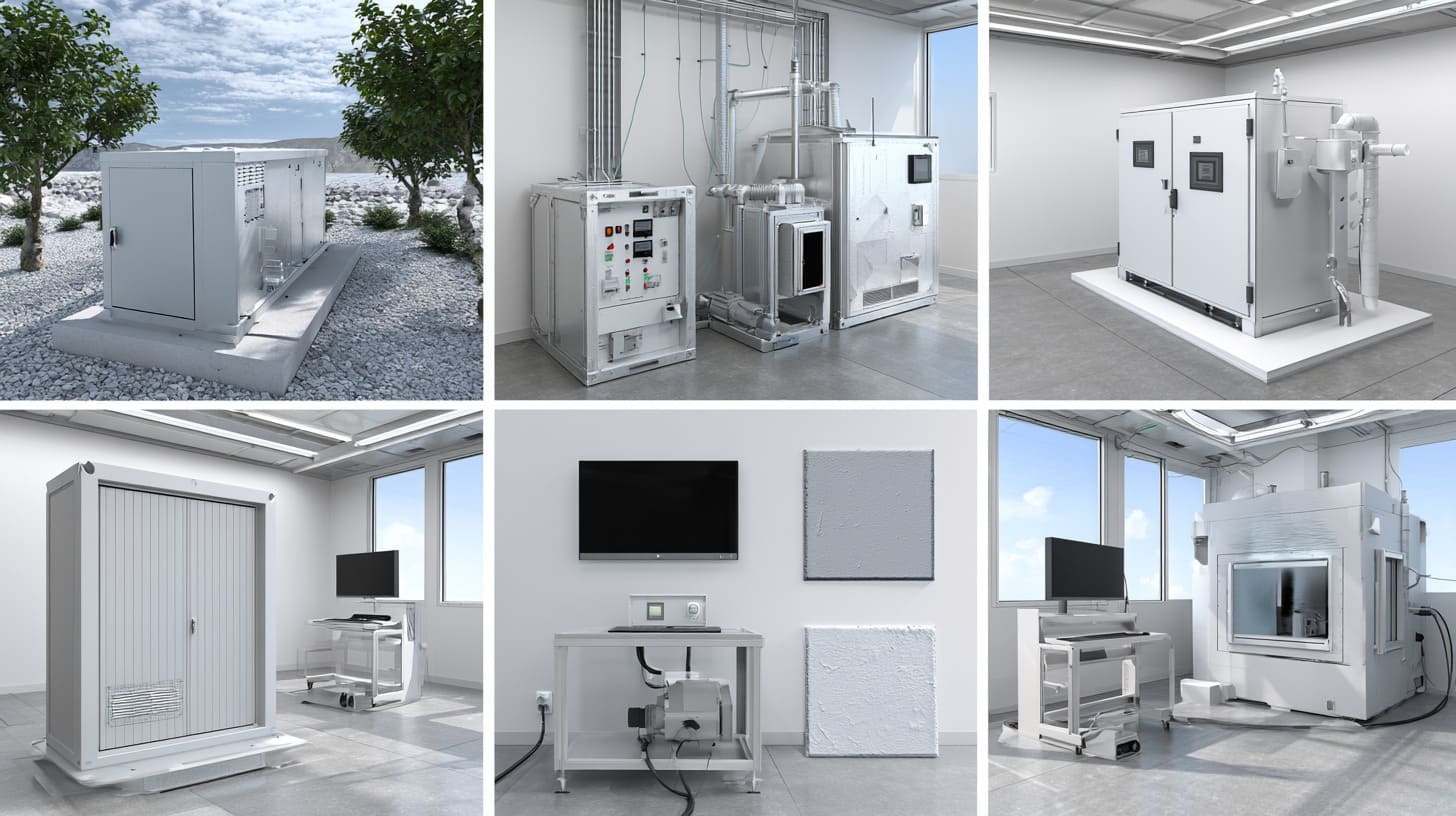
A surface finish should be selected after the engineer understands the complete product environment.
Before I approve a finish for production, I trace the product from assembly to shipping, installation, daily use, and future maintenance, because the finish can fail at any one of those stages.
Product Environment
The installation environment is my first major category.
I ask:
- Is the product used indoors or outdoors?
- Is it sheltered from rain?
- Will it receive direct sunlight?
- Is the environment humid?
- Is the location near the coast?
- Are chemicals or cleaning agents present?
- Will the temperature change quickly?
- Will dust or sand hit the enclosure?
- How many years should the finish last?
“Outdoor use” is still too broad.
An enclosure under a roof in Germany does not face the same conditions as an enclosure on a coastal pole in Southeast Asia.
I need the real setting.
| Environmental Risk | Surface-Treatment Concern |
|---|---|
| Strong UV | Color fading and coating breakdown |
| Coastal salt | Corrosion at edges, scratches, and joints |
| High humidity | Corrosion under weak coatings |
| Industrial chemicals | Staining, softening, or adhesion loss |
| Temperature cycling | Expansion, contraction, and seal stress |
| Abrasive dust | Wear and visible scratching |
| Frequent cleaning | Chemical and scratch resistance |
| Outdoor rain | Pretreatment and drainage become important |
I also check the installation direction.
Water can remain around screw heads, horizontal joints, and recessed areas. A good coating cannot compensate for a design that traps water.
Mechanical Requirements
The finish must survive assembly and normal use.
I look at:
- sliding contact
- screw installation
- tool access
- impact risk
- abrasion
- repeated opening
- hinge movement
- latch contact
- gasket compression
- transport damage
A finish with good laboratory hardness may still be a poor choice if installers repeatedly drag cables over a sharp edge.
Mechanical risk is about actual behavior, not only a datasheet.
For a removable cover, I ask how often users will open it.
If the cover is opened once during installation, minor wear may be acceptable. If technicians open it every month, the contact points need more attention.
I may recommend:
- uncoated wear surfaces
- stainless-steel inserts
- plastic guide pieces
- wider clearances
- protective washers
- controlled screw torque
- replaceable contact parts
The finish should not be asked to solve every mechanical problem by itself.
Electrical Requirements
Electrical requirements often appear too late in surface-treatment discussions.
The enclosure may need:
- protective earth connection
- low-resistance chassis bonding
- EMC shielding
- connector-shell contact
- antenna grounding
- ESD discharge paths
- PCB grounding
- cable-shield termination
Both anodizing and powder coating can interrupt these paths.
I ask the engineer to show the intended current or shielding path on the drawing.
The drawing should identify:
- grounding studs
- contact strips
- masked zones
- conductive gasket locations
- connector mounting faces
- acceptable contact resistance
- test points
| Electrical Function | Possible Design Response |
|---|---|
| Protective earth | Dedicated grounding stud with bare contact |
| Cover bonding | Conductive gasket or masked contact strip |
| Connector grounding | Bare mounting face or serrated hardware |
| PCB grounding | Controlled metal contact around standoff |
| Cable shielding | Conductive cable gland contact |
| ESD path | Defined discharge route to chassis |
A grounding screw placed over a coated surface may feel tight but still give poor electrical contact.
Mechanical tightness and electrical continuity are not the same thing.
Manufacturing Requirements
The finish must also fit the production plan.
I review:
- order quantity
- sample quantity
- batch consistency
- lead time
- available suppliers
- color minimums
- masking complexity
- inspection method
- rework plan
- packaging
- replacement demand
Small batches can create special challenges.
A custom powder color may require a minimum powder purchase. A custom anodized color may need trial batches. Both processes may charge minimum setup fees.
The cheapest finish at 1,000 pieces may not be the cheapest finish at 20 pieces.
| Production Condition | Question I Ask |
|---|---|
| Prototype quantity | Can a standard finish reduce cost and delay? |
| Small custom batch | Is the custom color really necessary? |
| Repeat orders | Can future batches match the approved sample? |
| Multiple suppliers | Can the finish standard be controlled across factories? |
| Tight schedule | Does the process require special material or powder? |
| High cosmetic standard | What inspection light and viewing distance apply? |
| Field replacement | Should spare cosmetic parts be made in the same batch? |
Cosmetic standards should be written clearly.
The words “no color difference” are unrealistic without defining:
- viewing distance
- lighting condition
- surface orientation
- sample limits
- acceptable defect size
- visible and hidden areas
Good inspection rules prevent arguments later.
What Common Mistakes Do Buyers Make When Ordering Aluminum Enclosures?
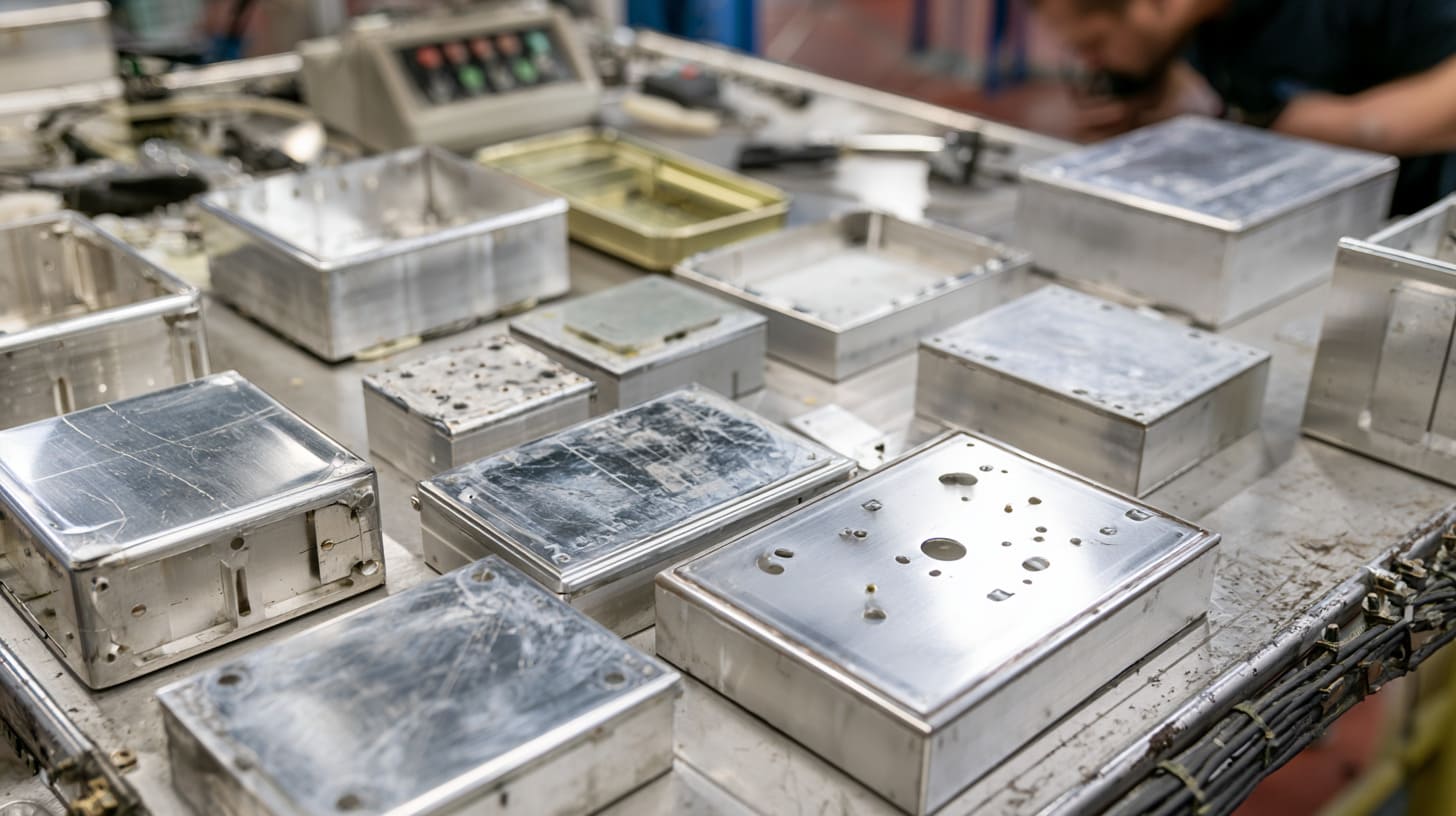
Most surface-treatment failures do not begin in the anodizing tank or powder-coating booth.
They begin during early communication.
The mistake that costs buyers the most is not choosing the “wrong” finish by name. It is approving the finish before the factory receives enough information to judge the whole product.
Choosing the Surface Treatment Before Understanding the Application
Some RFQs contain a detailed finish requirement but almost no information about the working environment.
The drawing may say:
Black anodizing, high quality.
But it may not say:
- indoor or outdoor
- required anodizing thickness
- cosmetic standard
- UV exposure
- grounding requirement
- sealing requirement
- alloy requirement
- logo process
- expected service life
The finish name cannot replace the specification.
I prefer to understand the application first.
For example, two identical-looking enclosures may need different finishes.
| Product | Better Starting Point |
|---|---|
| Indoor desktop audio unit | Cosmetic anodizing may be suitable |
| Outdoor communication box | Weather protection becomes more important |
| Precision optical housing | Dimensional control may lead toward anodizing |
| Welded control cabinet | Powder coating may give better consistency |
| High-power electronics | Thermal-contact areas need special control |
| EMC-sensitive gateway | Grounding design must come before finish |
Appearance is part of the decision. It should not be the only decision.
Assuming Expensive Means Better
Some buyers use price as a quality shortcut.
They assume that anodizing is better because it often appears on premium products. They may also assume that a thicker or more expensive coating always gives better protection.
Neither assumption is reliable.
A high-cost finish can still be wrong for:
- the alloy
- the geometry
- the working environment
- the grounding design
- the maintenance plan
- the production quantity
A lower-cost standard powder may be more suitable than a custom anodized color. A controlled anodized finish may be more suitable than a thick powder layer on a precision housing.
I judge value by the problems the finish prevents.
A finish that costs an extra dollar but avoids assembly rework may be valuable. A finish that costs an extra five dollars and creates color rejection may not be.
Ignoring Manufacturing Limitations
Product drawings often show the ideal finished enclosure without showing how the factory must produce it.
The surface treatment can affect:
- CNC sequence
- deburring
- brushing
- welding
- masking
- hanging
- curing
- assembly
- printing
- inspection
- packaging
The order of operations matters.
For many enclosures, the basic flow may look like this:
- Cut or form the aluminum.
- Machine holes and openings.
- Deburr sharp edges.
- Weld or assemble structural parts.
- Prepare the surface.
- Mask critical areas.
- Apply anodizing or powder coating.
- Inspect the finish.
- Print or mark the logo.
- Install hardware.
- Complete final assembly.
- Pack the enclosure.
A late machining change after surface treatment can damage the finish.
A late decision to add a grounding point can require manual coating removal.
A late logo change can fail because the selected texture does not accept the original printing method well.
The earlier we discuss these details, the easier the project becomes.
Not Discussing Surface Treatment With the Manufacturer Early
Some buyers send a completed drawing and ask the factory only for a price.
They may feel that asking for suggestions will slow the quotation.
In my experience, the opposite is often true.
A short technical discussion can prevent:
- unnecessary masking
- impossible color requirements
- blocked threads
- tight cover fits
- poor grounding
- inconsistent mixed-alloy color
- unsuitable outdoor powder
- difficult logo application
- expensive rework
I do not expect every customer to understand every finishing process.
My job as a supplier is not only to follow the surface-treatment note. I also need to point out where that note conflicts with the design.
The customer still makes the final decision.
But the decision should be made with the risks visible.
Conclusion
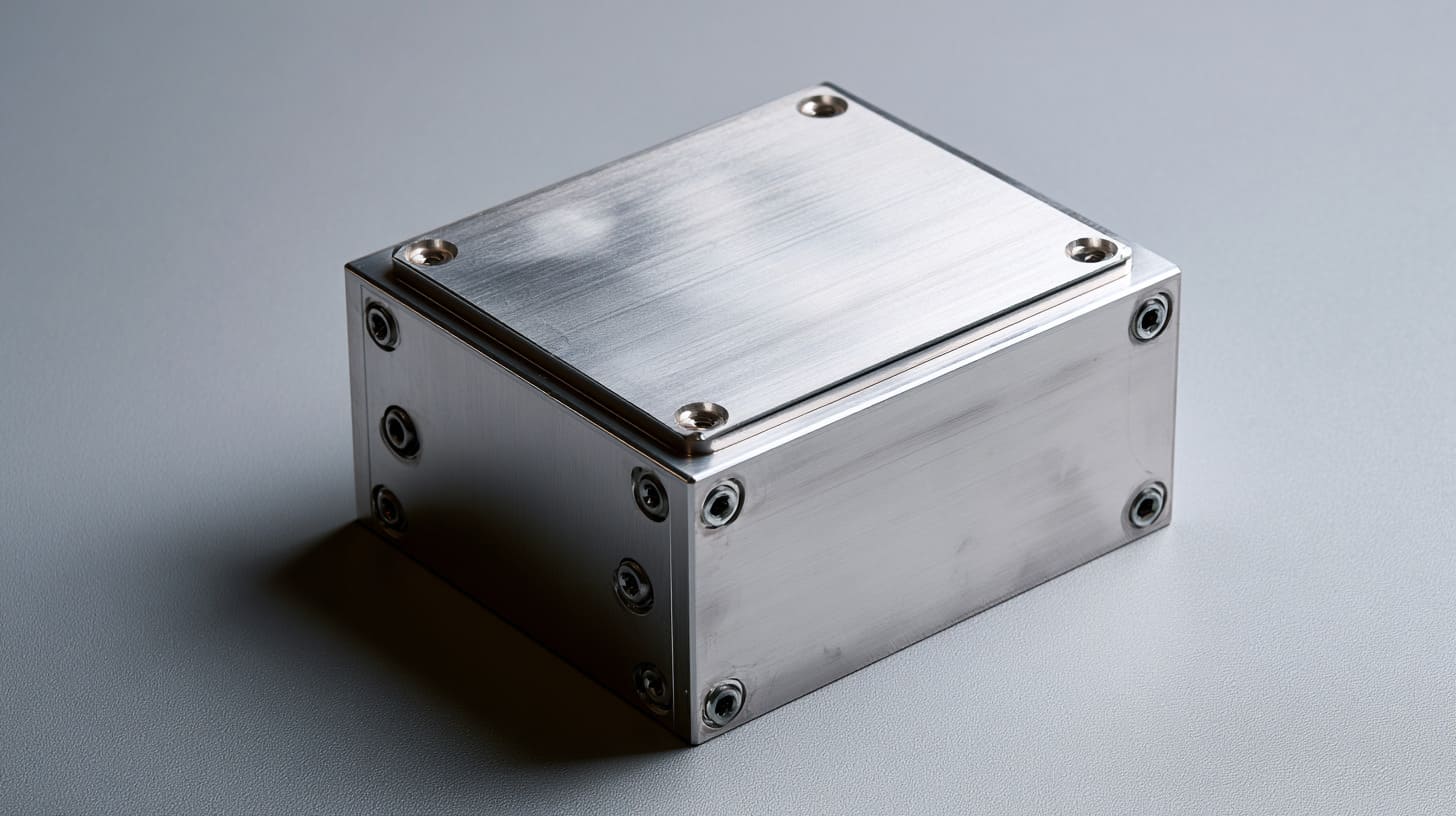
I do not believe anodizing is better than powder coating, and I do not believe powder coating is simply the cheaper substitute.
I see them as two different engineering tools.
Anodizing works well when I need to preserve the metallic feel of aluminum, control dimensions, keep CNC details sharp, and provide good everyday wear resistance.
Powder coating works well when I need wider color options, stronger visual consistency, textured finishes, and better coverage across fabricated or welded parts.
Both finishes can also create problems.
Anodizing can make grounding more difficult. It can reveal alloy and surface differences. It can also make color matching, repair, and future replacement more challenging.
Powder coating can reduce assembly clearance. It can block threads, hide poor pretreatment, complicate thermal contact, and fail early when the curing or surface preparation is wrong.
My final judgment comes from the complete product, not the finish sample.
I look at:
- where the enclosure will be used
- how the parts fit together
- where current or heat must travel
- how the customer will handle the product
- how the factory will produce it
- how the product will be repaired later
- which failure would create the greatest cost
I think this way because I have seen small finishing decisions grow into large production problems.
A grounding circle that was not masked can cause an EMC failure. A beautiful powder-coated rail can make a cover impossible to slide. A premium black anodized sample can lead to rejected production parts when the alloys do not match.
These are not dramatic mistakes. They are small details.
But custom enclosure projects often succeed or fail because of small details.
For custom aluminum enclosures, I choose the finish that supports the product’s real function. I do not choose it only because it sounds premium in the quotation.
If you are comparing anodizing and powder coating for a new enclosure, you can send me your drawing, application environment, expected quantity, color requirement, and grounding or thermal needs.
I will help you review the finish from the manufacturing side before those small details turn into expensive problems.
Vincent Li
MaidaTech
Email: info@maidatech.com
Website: maidatechenclosure.com