Skip to content
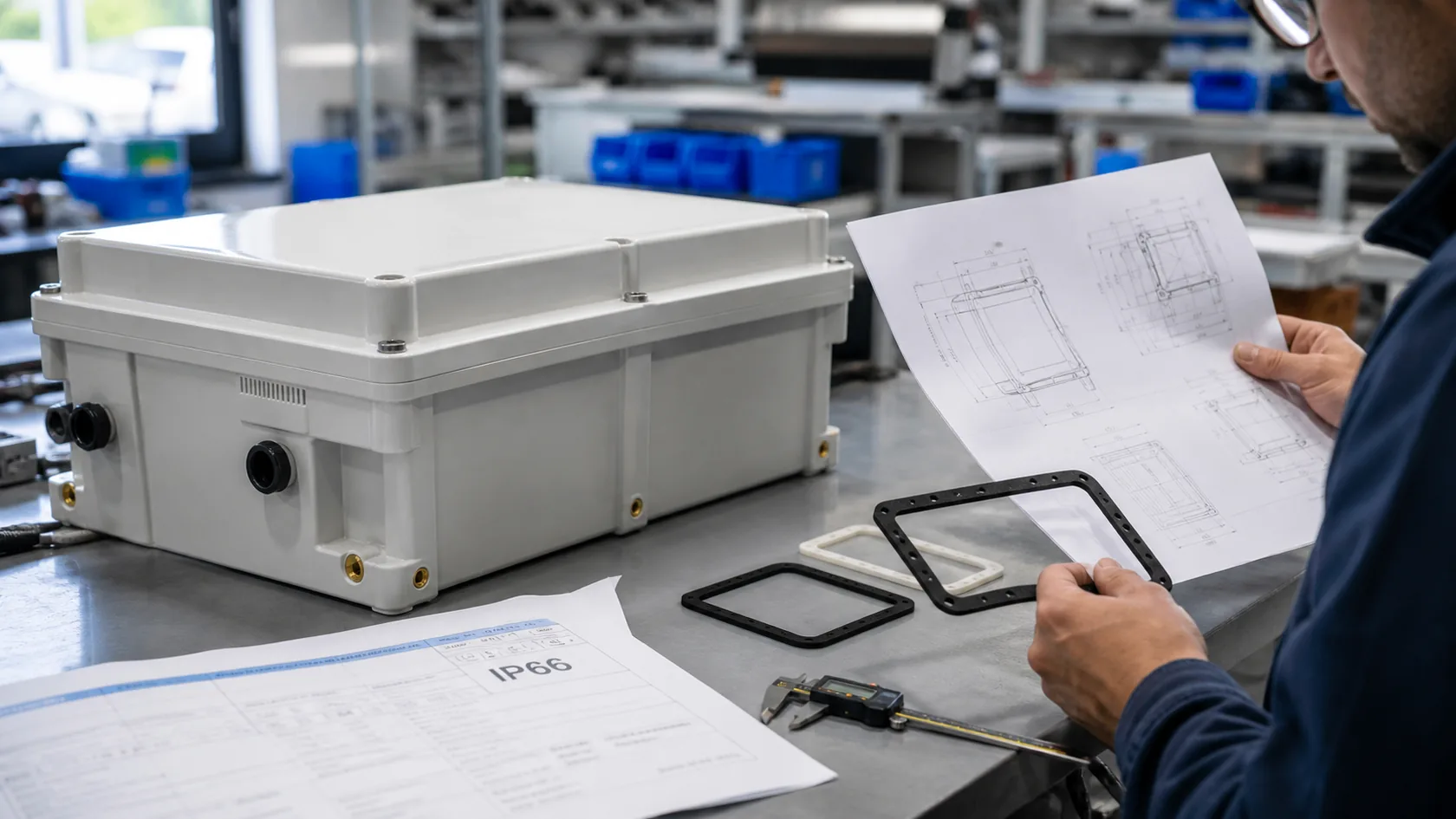
Many buyers ask for a "waterproof outdoor enclosure" and then write only one requirement: IP66.
I understand why. IP66 looks clear. It sounds strong. It tells the buyer that the enclosure is dust-tight and protected against powerful water jets. For many indoor or light outdoor projects, that may already sound like enough.
But in custom enclosure work, I have learned to slow down when I see this kind of request. A rating is not the same thing as a finished outdoor protection plan. The enclosure still has to survive sun, rain, temperature swings, cable installation, gasket aging, corrosion, vibration, and the small mistakes that happen during assembly.
My first question is usually not, "Can we make IP66?" Of course we can design for that. My better question is, "Where will this box live, and what will happen to it after installation?"
That difference matters. An enclosure can pass a water jet test and still fail in the field if the material, gasket, cable glands, venting, or installation position is wrong.
So let us look at what IP66 really proves, what it does not prove, and what I normally check before I feel comfortable calling an outdoor enclosure reliable.
What IP66 Really Proves
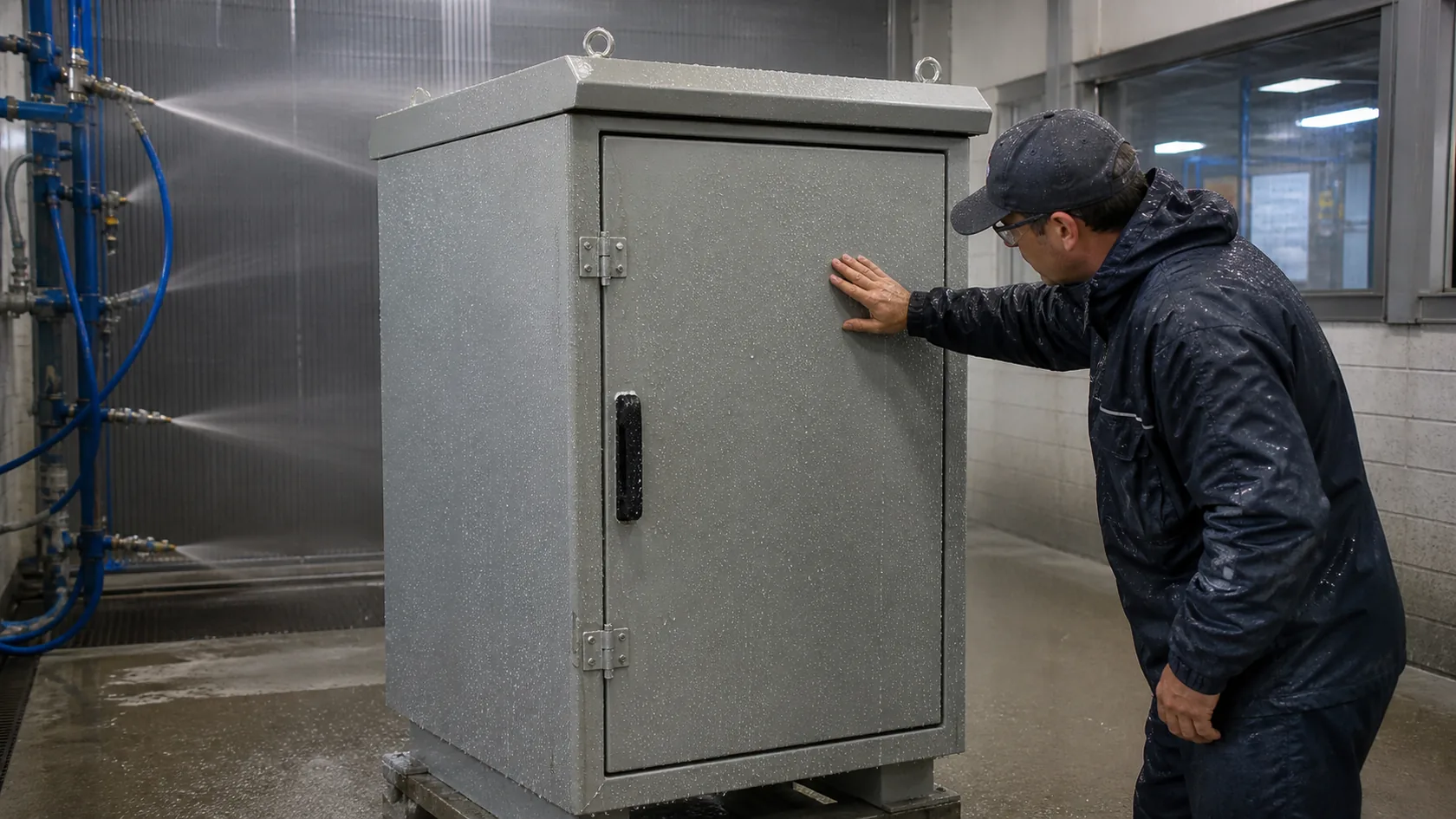
IP66 comes from the IEC 60529 IP Code, which classifies protection against solid objects and water ingress. The first "6" means dust-tight. The second "6" means protection against powerful water jets.
That is useful information. It gives engineers and buyers a shared language. It also helps suppliers design the door seam, gasket compression, fasteners, and openings around a defined test.
But IP66 is still a test category, not a promise that every outdoor condition is solved.
What IP66 Covers
| IP66 Point | What It Means in Simple Terms | Why It Helps |
|---|---|---|
| First digit 6 | Dust-tight enclosure | Helps protect electronics from dust and fine particles |
| Second digit 6 | Protected against powerful water jets | Helps protect against rain, hose spray, and washdown-style water |
| Test focus | Ingress through the enclosure boundary | Gives a baseline for sealing design |
What IP66 Does Not Automatically Cover
IP66 does not tell you whether the enclosure will resist salt air. It does not tell you whether the gasket will stay soft after years of UV and heat. It does not confirm whether the cable gland installed later has the same rating. It also does not solve condensation created by daily heating and cooling.
When I review a project, I treat IP66 as the starting line. If the customer treats it as the finish line, the project can look cheaper on paper but become more expensive after field failures. That trade-off is not worth it for electronics that will sit outdoors for years.
Once the basic rating is clear, the next thing to check is where real outdoor failures usually begin.
Where Outdoor Enclosures Actually Fail
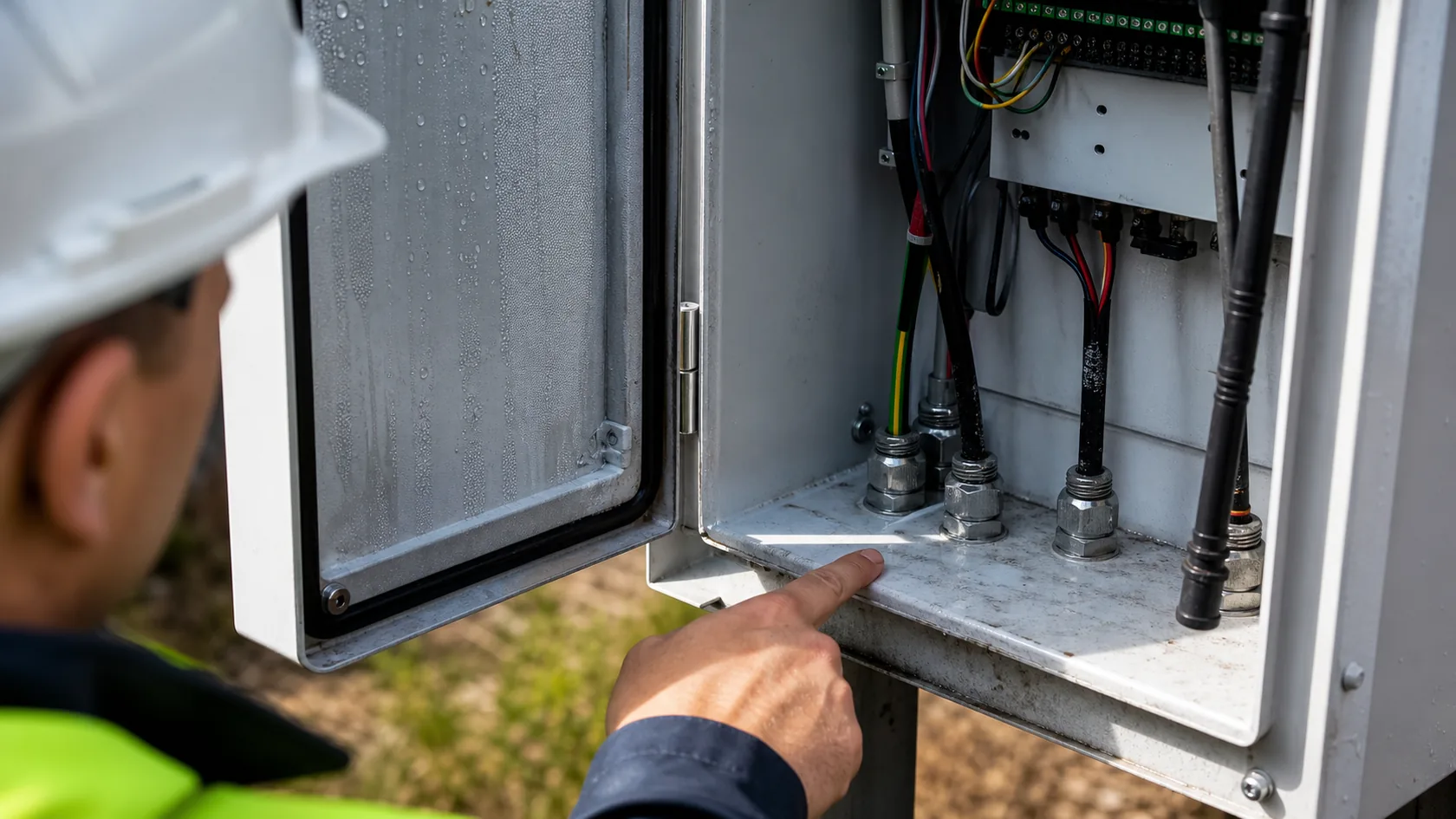
Most outdoor enclosure failures do not begin with a big crack in the box. They begin with small paths that were easy to miss during design or installation.
Water can enter through a cable gland that does not match the cable diameter. Moisture can build inside because the enclosure "breathes" as the temperature changes. A gasket can flatten over time and stop pressing evenly against the door flange. A screw hole, hinge, lock, display window, or unused cable entry can become the weakest point.
Common Failure Points
| Weak Point | Typical Problem | What To Check |
|---|---|---|
| Cable glands | Wrong size, low rating, poor washer, loose tightening | Gland rating, cable diameter range, washer material, torque |
| Door gasket | Uneven compression or compression set | Gasket material, joint design, latch spacing |
| Vents and breathers | Lower rating than the enclosure | Standalone IP rating and placement |
| Mounting holes | Water path through screws or inserts | Sealing washers, blind inserts, rear gasket design |
| Accessories | Pushbuttons, windows, locks, hinges not suitable | Accessory rating as installed |
The hard part is that these parts often come from different suppliers. One factory may make the enclosure body. Another supplier provides the gland. The customer or installer may add a connector later. If nobody checks the complete assembly, the IP66 label on the box can become a very lonely little sticker.
In my own work, I like to ask for the cable outer diameter, gland model, installation direction, and accessory list before we finish the drawing. It takes more time, but it is cheaper than arguing later about where water entered.
After weak points, material is the next big question, because outdoor exposure is not only about water.
Material And Finish Decide The Service Life
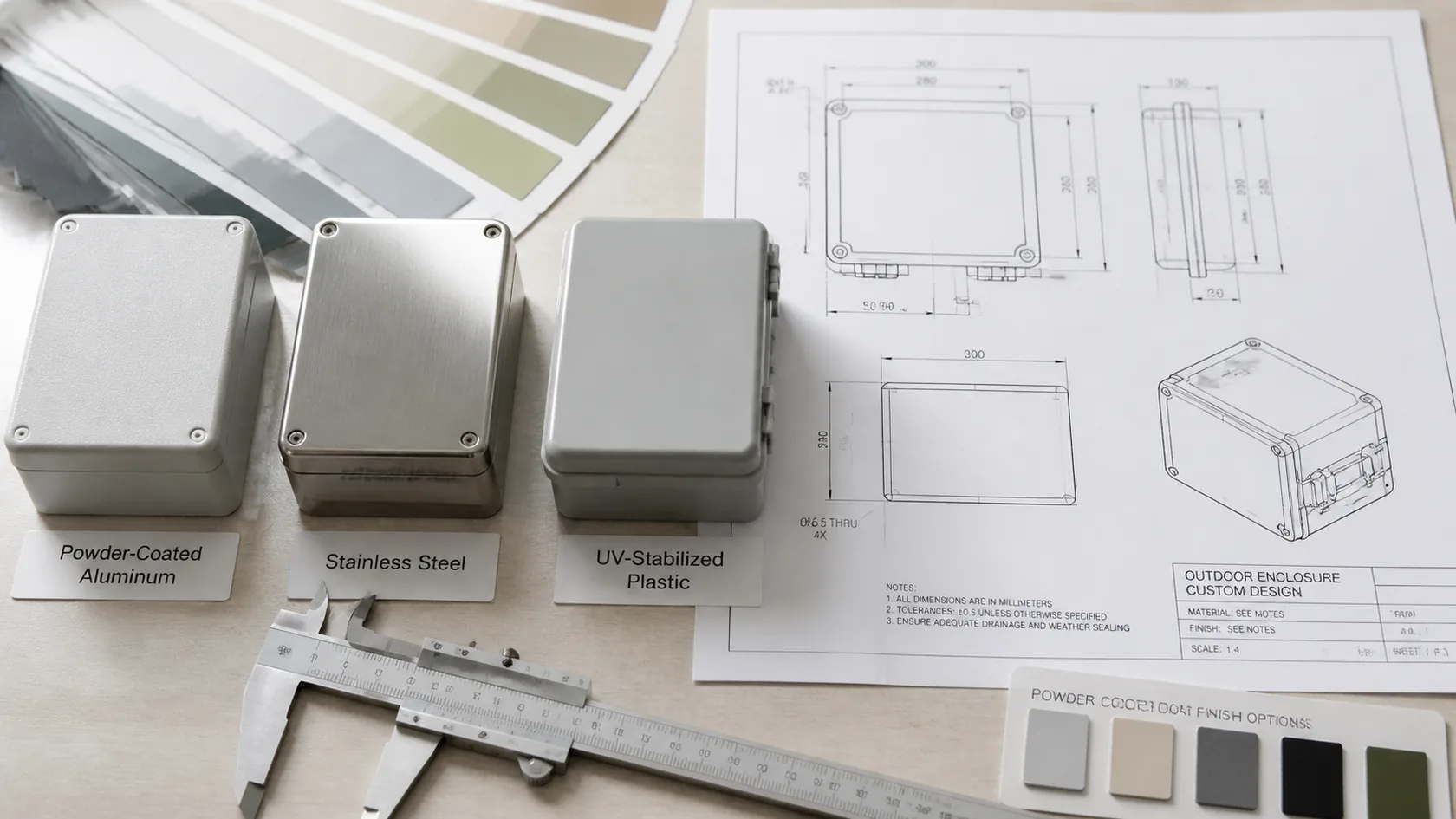
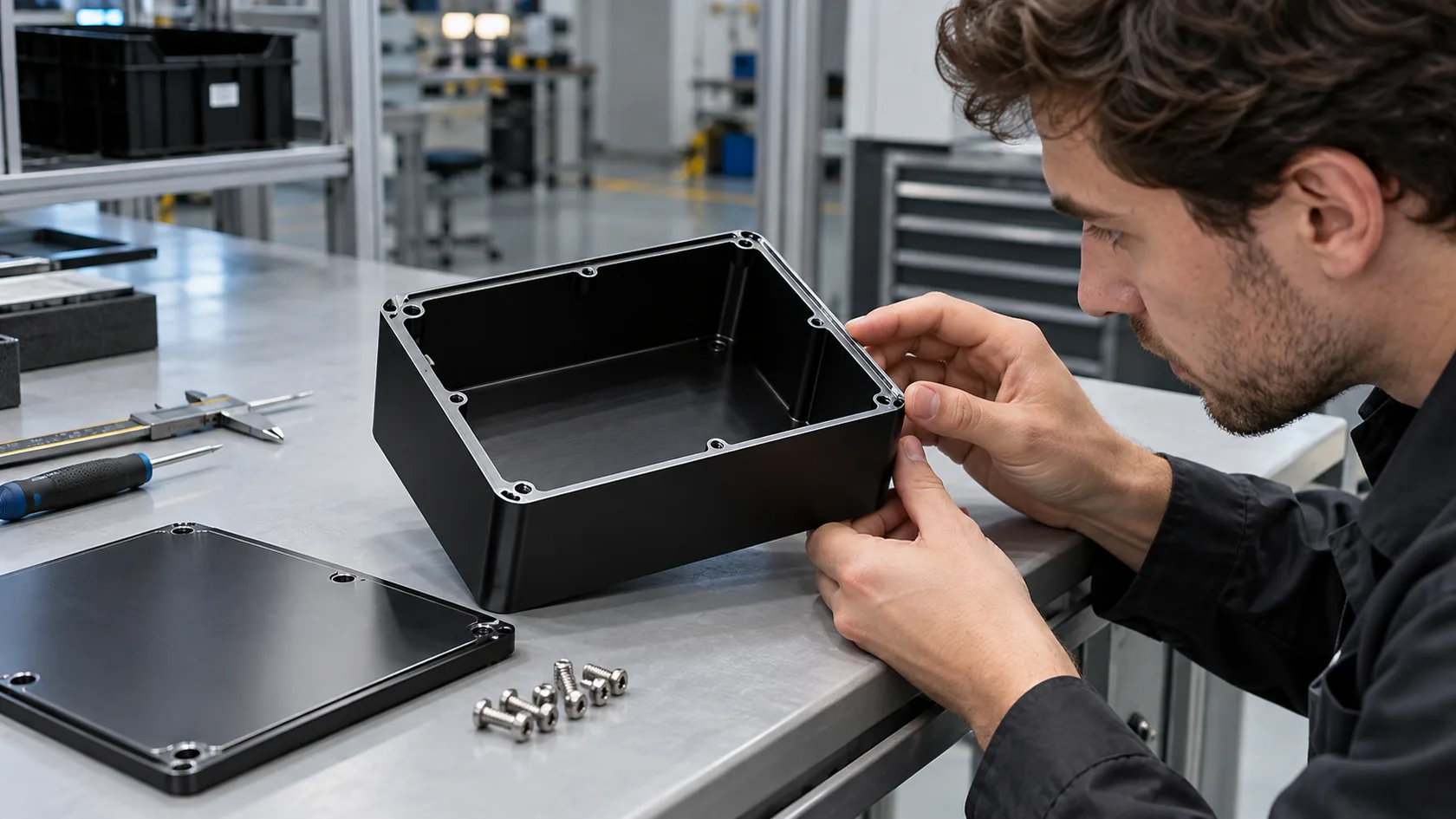
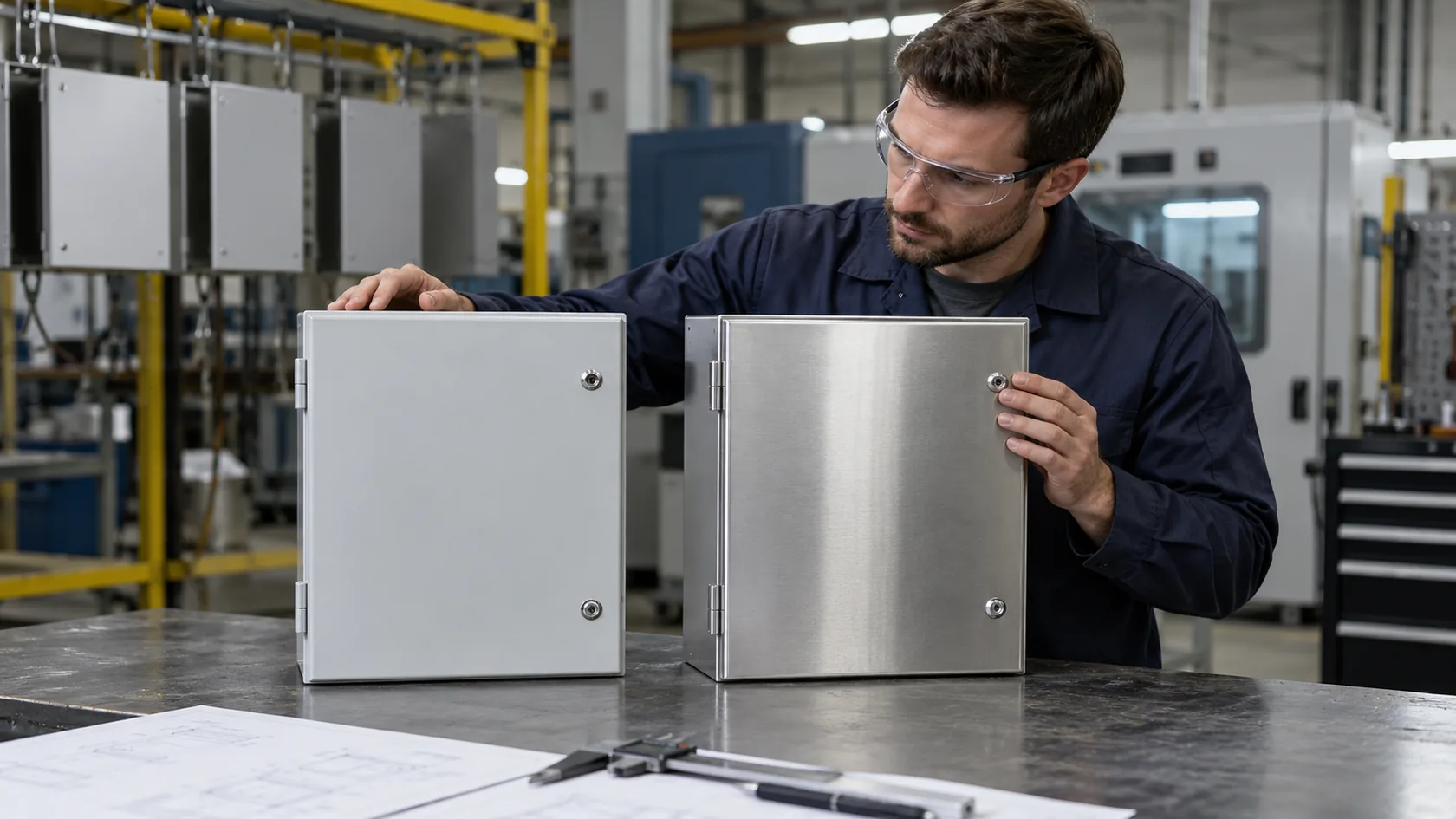
IP66 does not specify the enclosure material. A painted steel box, aluminum box, stainless steel box, and plastic box can all be designed with strong sealing. But they will not age the same way outdoors.
For a dry inland site, powder-coated aluminum or UV-stabilized plastic may work well. For a coastal site, the same design may need stainless steel, stronger coating, better fasteners, or a different maintenance plan. For a chemical or food washdown area, corrosion and cleaner resistance can matter more than the water jet rating itself.
This is why buyers often compare IP66 with NEMA or UL Type ratings. UL explains that enclosure certification can include Type, IP, and IK ratings, and can also apply to accessories such as latches, hinges, fittings, and hole plugs through electrical enclosure certification. That wider view is helpful when the project is going into North America or a harsh industrial site.
Material Choices I Usually Compare
| Material | Strength | Main Risk |
|---|---|---|
| Powder-coated aluminum | Light, good corrosion resistance when finished well, easy to machine | Coating damage at edges, scratches, or threaded areas |
| Stainless steel | Strong choice for coastal, washdown, and corrosive sites | Higher cost, heavier weight, surface finishing details matter |
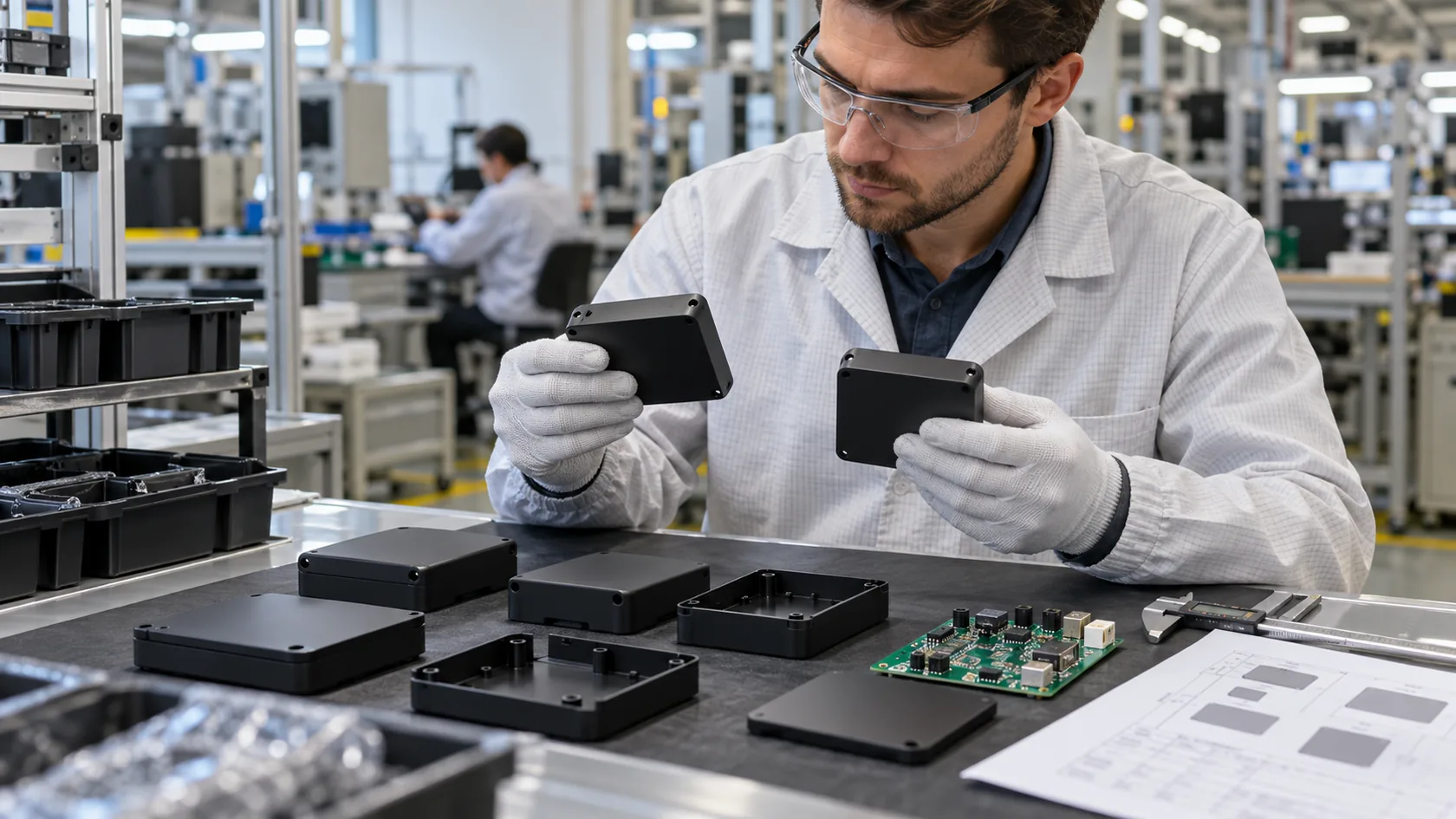
| Polycarbonate or plastic | Light, insulated, often good for small electronics | UV aging, impact, flame rating, and deformation under heat |
| Powder-coated steel | Cost-effective for many industrial boxes | Rust risk if coating is damaged or environment is harsh |
I do not like choosing material from the rating alone. I look at environment first, then lifetime, then budget. Sometimes the right answer is not the most expensive material, but it must match the real risk. A low-cost material in the wrong location is not saving money. It is only moving the cost into the future.
The material may be right, but the seal system still has to carry the rating every day.
Gaskets, Cable Glands, And Vents Carry The Rating
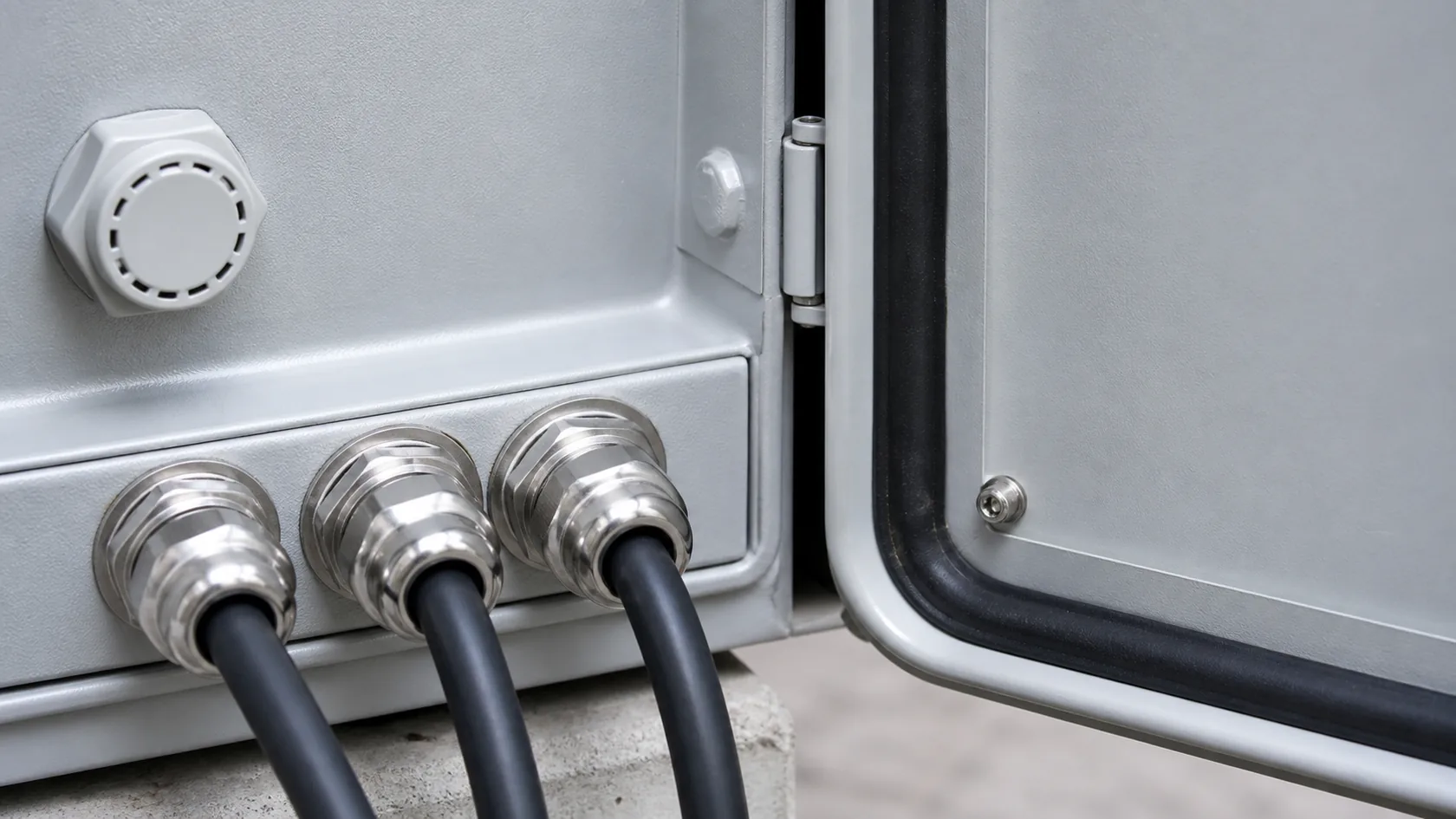
In a waterproof outdoor enclosure, the small sealing parts often do the hardest work.
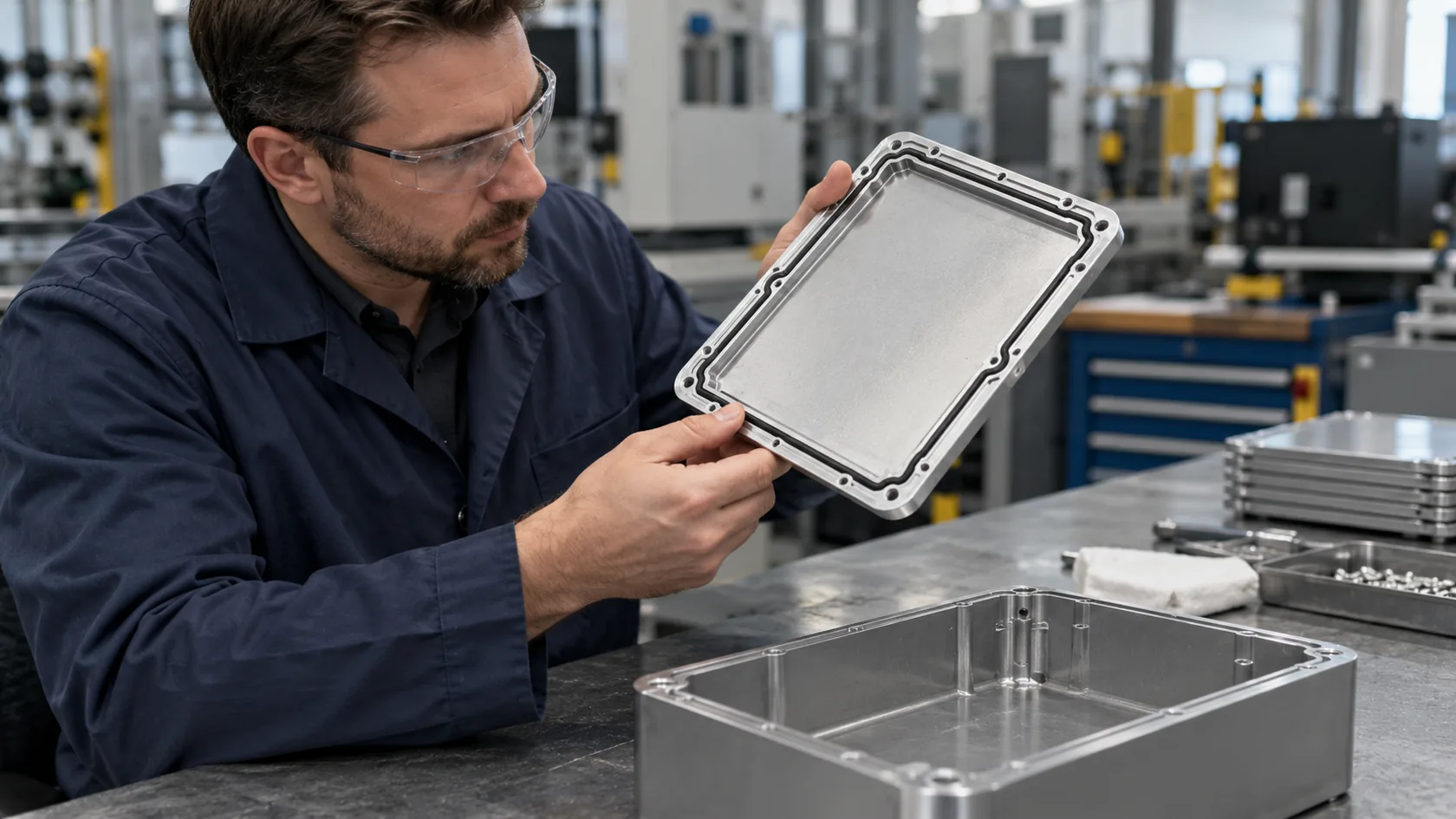
The gasket must compress evenly. The cable glands must match the real cable size. The washer must seal against the enclosure wall. The vent must equalize pressure without becoming a leak path. These details sound small, but they decide whether the enclosure behaves like a system or just a box with holes in it.
The Details I Check Before Production
| Detail | Practical Check |
|---|---|
| Gasket material | EPDM, silicone, or other material suitable for UV, temperature, oil, or chemicals |
| Gasket compression | Enough to seal, not so much that it takes a permanent set too early |
| Cable gland rating | Same or better practical protection level as the enclosure requirement |
| Cable size range | Real cable OD must fall within the gland's sealing range |
| Breather vent | Rated for outdoor use and placed where water does not sit |
| Unused holes | Closed with rated plugs, not temporary tape or casual sealant |
A common mistake is to buy an IP66 enclosure, then cut holes on site and add low-grade fittings. At that moment, the original rating may no longer describe the installed product.
When I judge a custom enclosure drawing, I pay special attention to the parts that someone may change later. If the project needs field wiring, I prefer to define the gland positions, plug options, and sealing washers before production. It reduces freedom a little, but it also reduces surprises.
Even with good components, installation can still turn a good design into a weak one.
Installation Position Can Defeat A Good Box
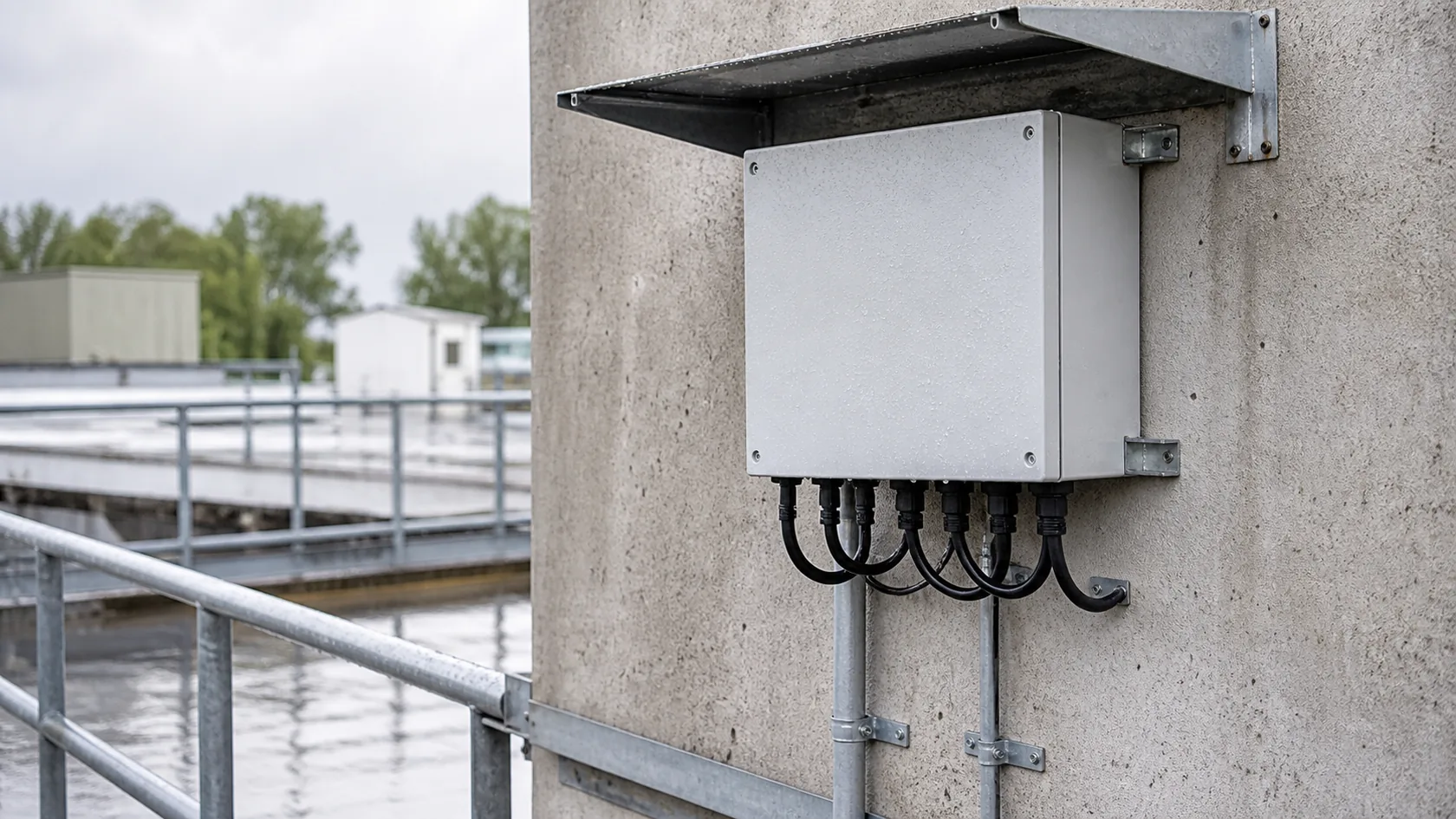
Outdoor enclosures do not live in a test room. They live on poles, walls, rooftops, ships, charging stations, telecom sites, farms, and factory yards. The way they are mounted changes the risk.
Top cable entry may look clean on a drawing, but it can invite water to sit around the gland. A box mounted in full sun may heat up during the day and cool fast during rain. That pressure change can pull moist air through weak points. A cabinet installed too close to the ground may face splash, mud, insects, or standing water. A door facing prevailing rain may need a rain hood or better latch spacing.
Installation Questions Worth Asking
- Will water run down the cable toward the enclosure?
- Is there a drip loop before the cable enters?
- Will the box sit in direct sun all day?
- Is there enough service space to open the door without bending seals?
- Are mounting screws sealed from the inside?
- Will rain, snow, salt spray, or cleaning water hit the same side repeatedly?
I have seen drawings where the enclosure itself looked fine, but the cable route made me uncomfortable. In those cases, I would rather discuss the awkward detail early. A five-minute drawing change can prevent a repair visit that nobody wants to pay for.
Good outdoor protection is not only a product choice. It is also an installation choice.
How I Check An Outdoor Enclosure Specification
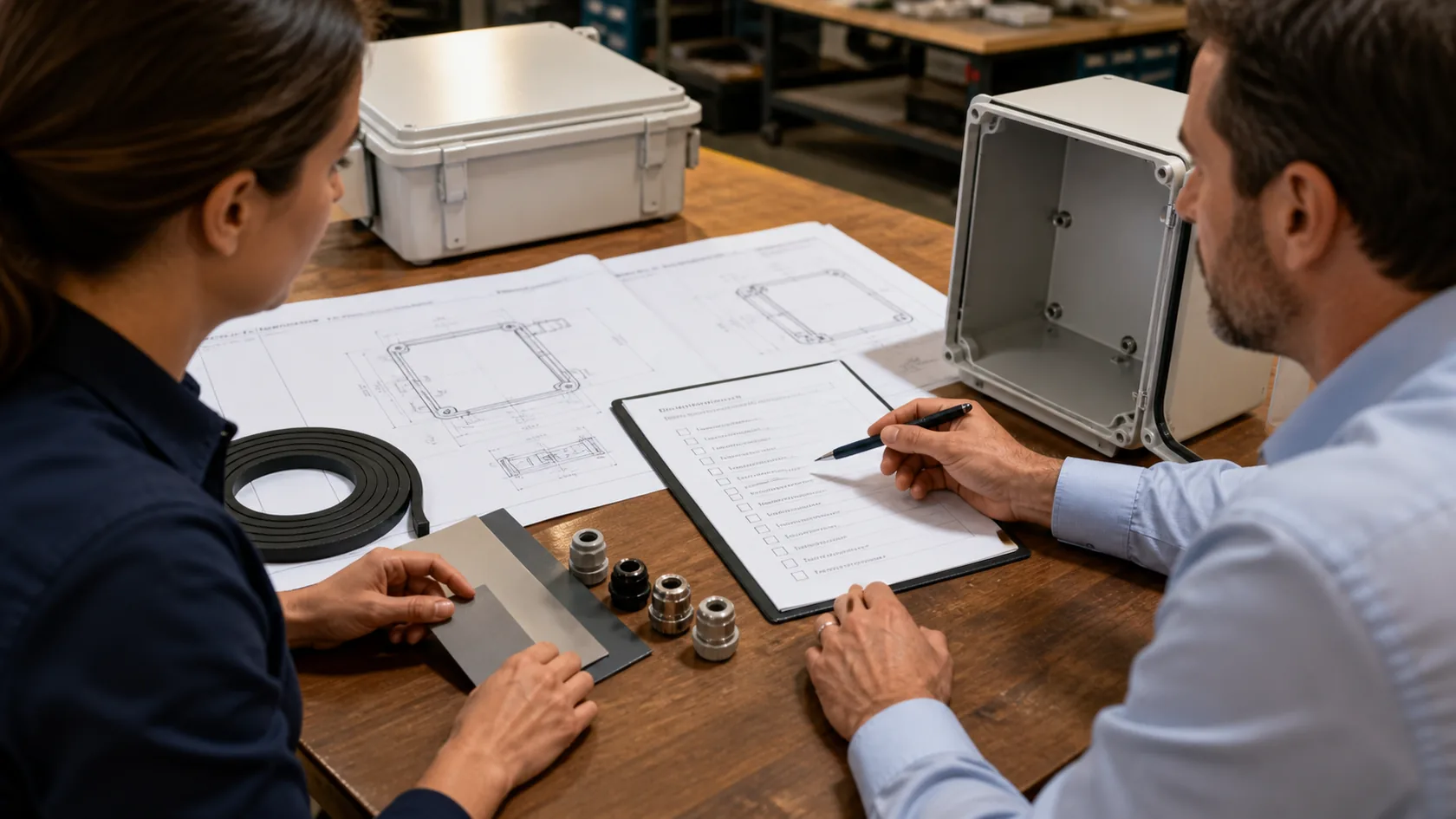
When a buyer sends only "IP66 waterproof enclosure," I usually try to turn that short request into a clearer specification. This does not need to be complicated. It only needs to answer the questions that affect failure risk.
Schneider Electric's NEMA type overview describes NEMA 4 enclosures as gasketed and clamped for sealing, and NEMA 4X as used in harsh environments with corrosive materials and caustic cleaners in its NEMA enclosure ratings FAQ. I do not use that as a copy-and-paste rule for every project, but it is a useful reminder: outdoor selection is about environment, not only water.
A Better Specification Checklist
| Question | Why It Matters |
|---|---|
| Where will the enclosure be installed? | Inland, coastal, rooftop, factory washdown, farm, marine, or chemical site |
| What is the expected service life? | A two-year project and a ten-year product do not need the same choices |
| What material is required? | Corrosion, weight, machining, insulation, and cost all change |
| What cable entries are needed? | Gland size, location, seal type, and installation direction matter |
| Are vents or drains allowed? | Condensation control may be more important than buyers expect |
| What accessories will be installed? | Windows, switches, locks, hinges, and plugs must suit the same environment |
| Is third-party certification required? | Some projects need UL Type, NEMA, CE, or customer-specific documentation |
My practical habit is to separate "must pass test" from "must survive site." IP66 belongs in the first group. Material, gasket, glands, venting, installation, and documentation belong in the second group. A good enclosure needs both.
Once the specification is clear, supplier communication becomes much easier and the quote becomes more honest.
Conclusion
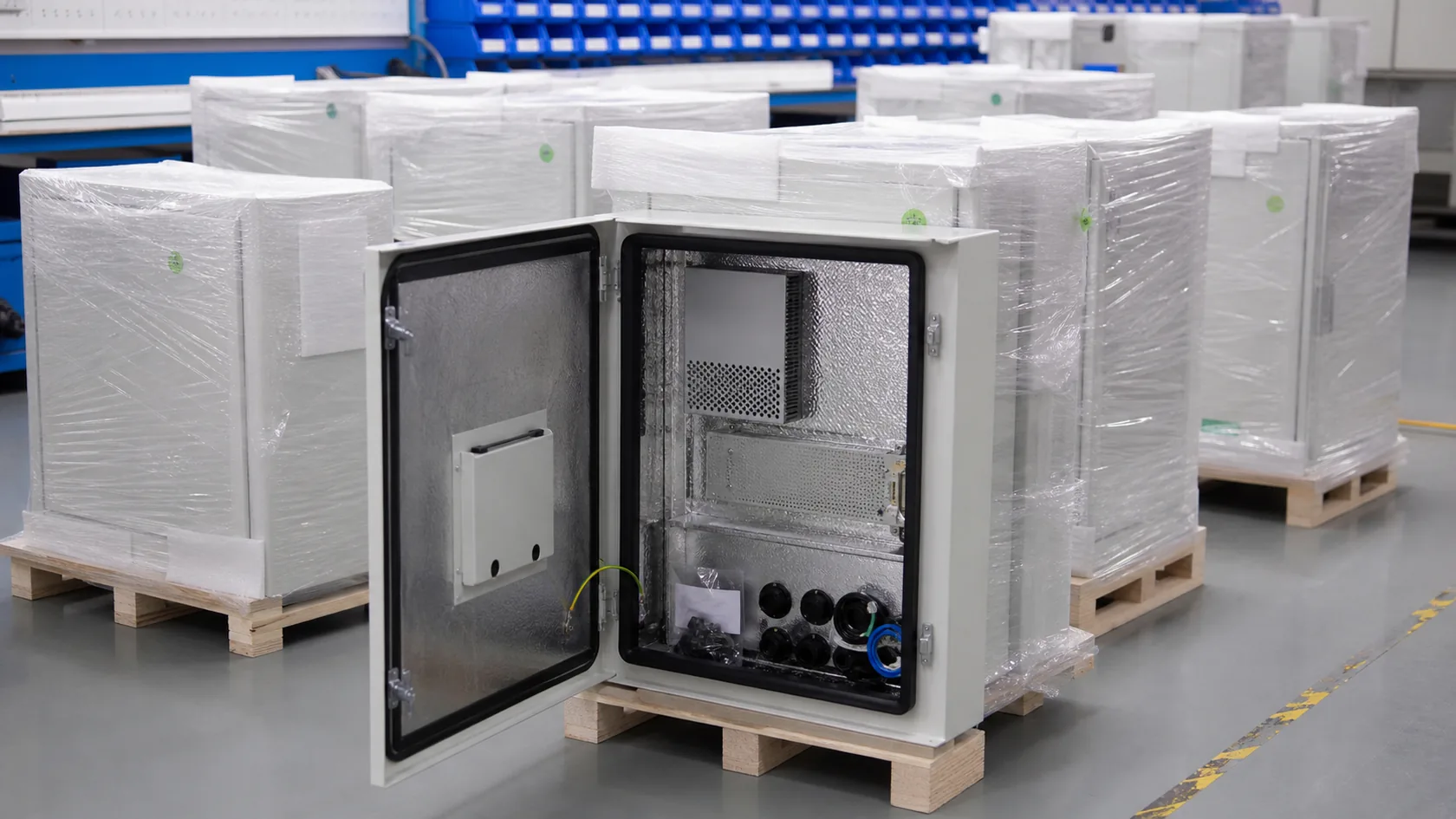
IP66 is a useful rating, but it is not enough by itself when choosing a waterproof outdoor enclosure.
It tells you that the enclosure can resist dust and powerful water jets under a defined standard. It does not tell you whether the enclosure will handle salt air, long UV exposure, gasket aging, pressure changes, poor cable entry, incorrect accessories, or a difficult installation position.
From my factory experience, the safest way to choose an outdoor enclosure is to start with IP66, then check the real working conditions one by one. Material. Finish. Gasket. Cable glands. Vents. Accessories. Mounting direction. Service life. Certification needs. None of these details is fancy, but together they decide whether the box protects the electronics after the first rain season.
This is also why I prefer to review drawings and installation details before quoting a custom enclosure. A better question at the beginning can save cost, delay, and field trouble later.
If you are developing an outdoor electronic product and you are not sure whether IP66 is enough, MaidaTech can help review the enclosure design, cable entry plan, material choice, and custom production details before you move to tooling or bulk order.