Skip to content
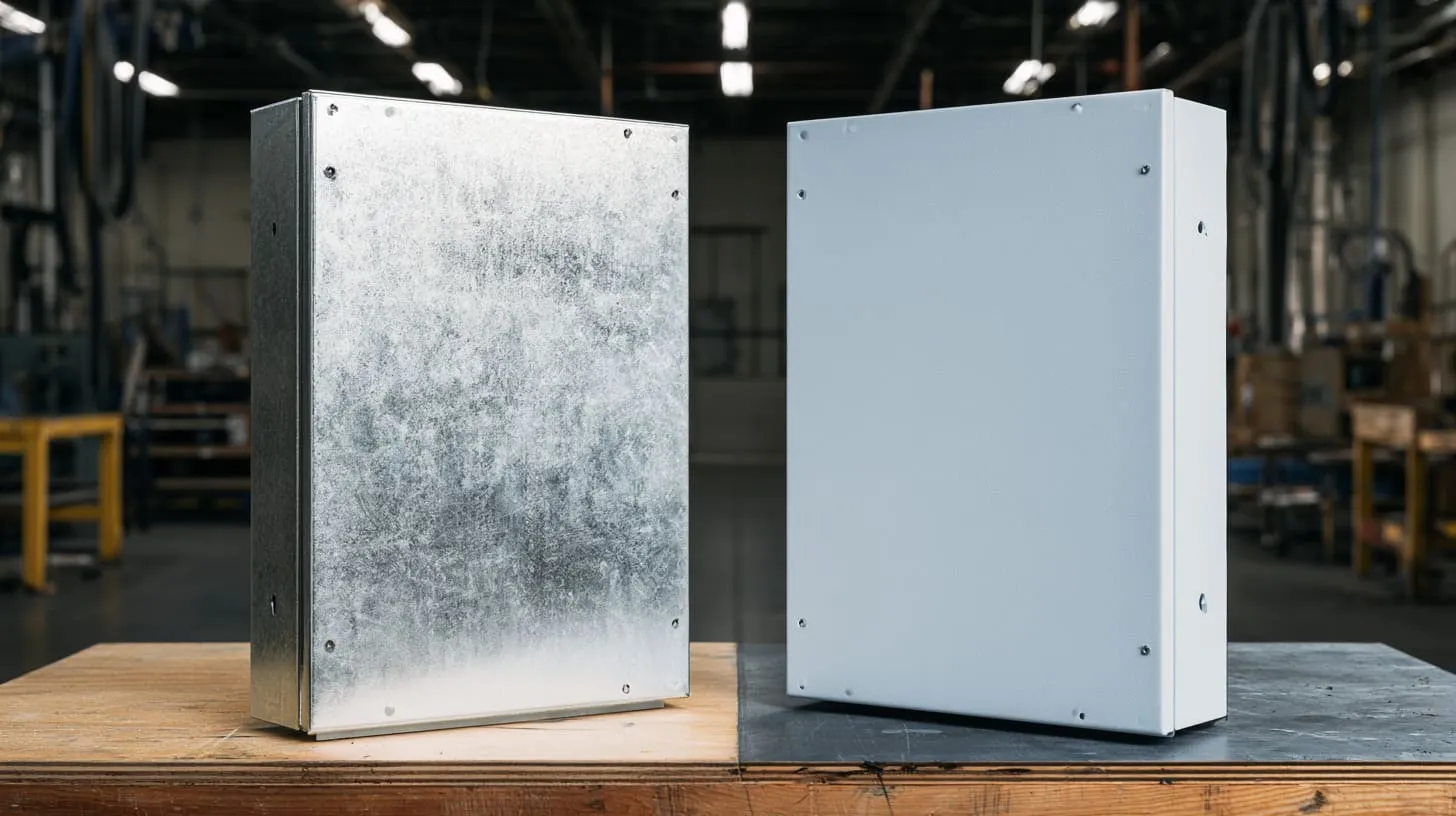
A rusty steel enclosure often tells its story before anyone opens the door.
The rust may begin around a screw, a welded corner, or a small scratch near the bottom edge. At first, it looks like a cosmetic problem. A few months later, the coating starts to lift. Water reaches the bare steel. The enclosure still works, but the protection is already moving in the wrong direction.
I see this problem often when customers develop outdoor electrical boxes, telecom cabinets, control enclosures, and utility housings.
The steel body may be strong. The bending may be accurate. The welding may look clean. But none of that guarantees a long outdoor life if the surface treatment does not match the real environment.
This is why buyers often ask me:
Should I choose galvanized steel or painted steel for outdoor use?
The question sounds simple. The answer is not.
Galvanized steel usually provides stronger long-term corrosion protection because the zinc coating does more than cover the steel. It also protects exposed areas through sacrificial action.
Painted steel works differently. Paint, powder coating, or another coating system creates a barrier between the steel and the environment. It can provide good outdoor protection, but the result depends heavily on surface preparation, coating type, thickness, application quality, and maintenance.
Painted steel also gives engineers much more freedom with color, texture, branding, and appearance.
The right choice usually depends on five practical questions:
- Where will the enclosure be installed?
- How much rain, humidity, salt, or pollution will it face?
- How long should it remain in service?
- Can the owner inspect and maintain it?
- How important are color and appearance?
Before I recommend either material, I first ask where the enclosure will spend its worst day, not where it will spend an average day. A sheltered wall and an exposed coastal rooftop may both be called “outdoor,” but they create very different corrosion risks.
Here is my basic judgment:
| Project condition | My usual starting choice |
|---|---|
| Harsh outdoor exposure | Galvanized steel |
| Coastal or high-humidity area | Galvanized steel or a duplex system |
| Sheltered outdoor installation | Properly painted steel may be enough |
| Strong color or branding requirement | Painted steel |
| Long service life with limited maintenance | Galvanized steel |
| High corrosion risk plus appearance requirement | Galvanized steel with paint or powder coating |
This does not mean galvanized steel always wins. It means each protection method solves a different problem.
To make the right choice, I first separate how these two systems actually protect the steel.
What Are the Differences Between Galvanized Steel and Painted Steel?
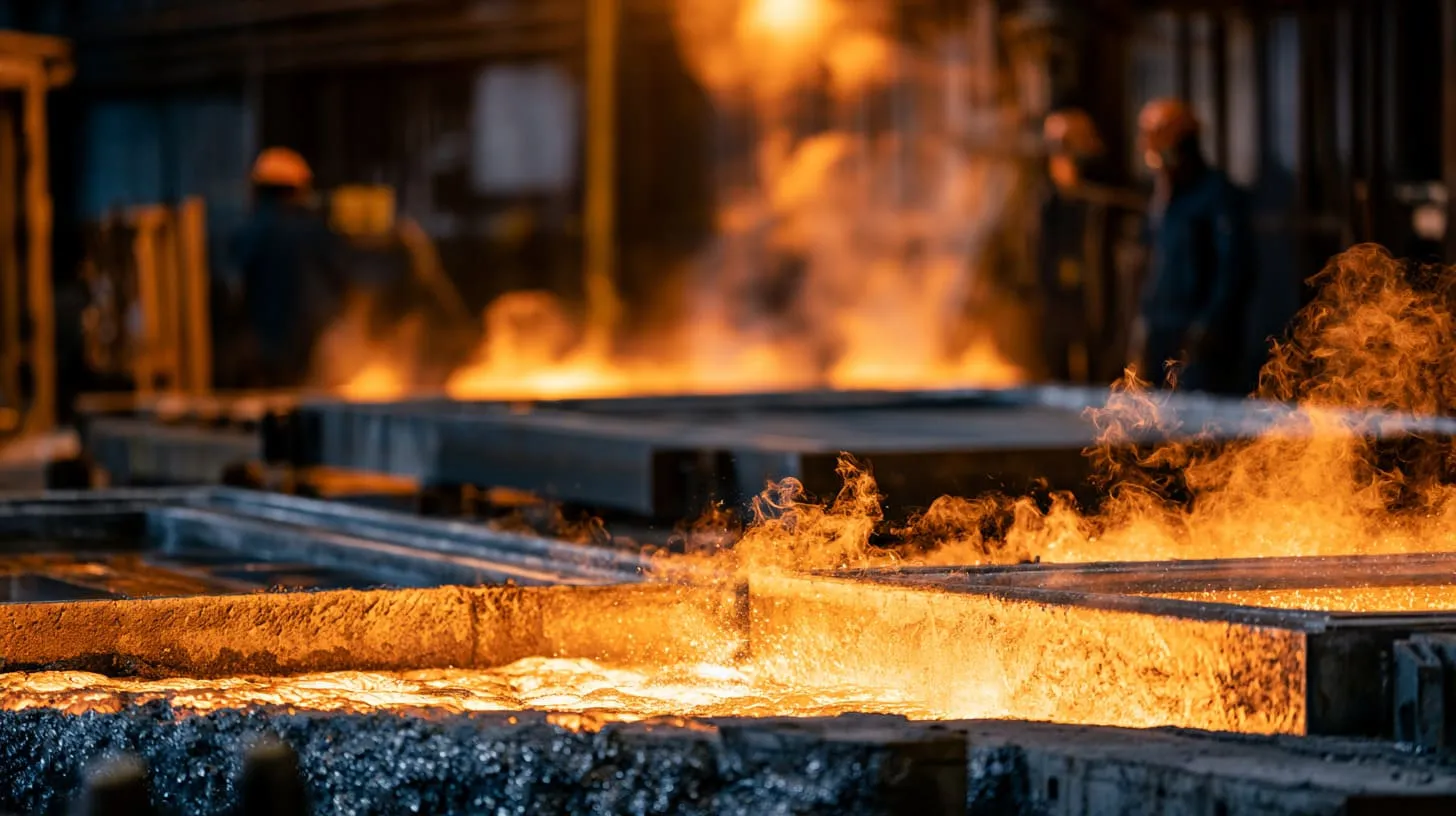
Galvanized steel and painted steel may look like two versions of the same material, but they behave very differently after they leave the factory.
One depends on a zinc layer that protects the base metal. The other depends on a coating that blocks moisture and oxygen.
That difference becomes very important when the enclosure is scratched, drilled, bent, welded, transported, or installed outdoors.
I do not judge these finishes by how smooth they look on the sample table; I judge them by what happens after a technician drops a tool against the corner during installation.
How Does Galvanized Steel Protect Steel from Corrosion?
Galvanized steel is steel covered with a layer of zinc.
The most common process for heavy outdoor protection is hot-dip galvanizing. During this process, the fabricated steel part is cleaned and dipped into molten zinc. The zinc reacts with the steel surface and forms several zinc-iron alloy layers.
The result is not simply zinc paint sitting on top of the steel. The coating is metallurgically bonded to the base material.
Galvanized steel protects against corrosion in two main ways.
Barrier protection
The zinc layer separates the steel from:
- Water
- Oxygen
- Humidity
- Dirt
- Mild chemicals
- Outdoor pollutants
As long as the coating remains present, the environment has less direct access to the base steel.
Sacrificial protection
Zinc is more chemically active than steel.
When a small area becomes exposed, the nearby zinc tends to corrode first. This process helps protect the steel underneath or beside the damaged area.
This does not mean a large bare area will remain protected forever. It means small scratches and cut edges may receive some additional protection that a normal paint film cannot provide.
That sacrificial action is one of the biggest reasons I trust galvanized steel in demanding outdoor applications.
| Galvanized protection feature | Practical effect |
|---|---|
| Zinc barrier | Blocks moisture from reaching the steel |
| Metallurgical bond | Reduces the risk of easy peeling |
| Sacrificial action | Helps protect small exposed steel areas |
| Broad surface coverage | Protects corners and many hard-to-reach areas |
| Thick zinc layer | Supports longer outdoor service life |
Hot-dip galvanizing also reaches many surfaces at the same time. On a properly designed part, zinc can cover edges, corners, brackets, and internal sections that may be harder to paint evenly.
However, galvanizing is not perfect.
The process can create:
- Surface variation
- Zinc runs or rough areas
- Uneven appearance
- Drainage marks
- Distortion risks on thin or poorly supported parts
- Extra design requirements for vent and drain holes
For a structural frame or utility cabinet, these appearance issues may be acceptable. For a customer-facing enclosure with strict cosmetic requirements, they may matter a lot.
How Does Painted Steel Protect Against Outdoor Exposure?
Painted steel depends mainly on barrier protection.
The coating creates a layer between the steel and the surrounding environment. If that layer remains continuous and well bonded, it can provide good corrosion protection.
The word “painted” can describe several different coating systems. They do not all perform the same way.
Common systems include:
- Liquid paint over bare steel
- Primer plus topcoat
- Zinc-rich primer plus topcoat
- Epoxy primer plus polyurethane topcoat
- Powder coating over pretreated steel
- Powder coating over galvanized steel
For custom steel enclosures, powder coating is common because it gives a clean finish, good color control, and efficient production.
Still, powder coating alone should not be treated as an automatic outdoor solution.
The steel usually needs proper pretreatment first. Depending on the project, this may include:
- Degreasing
- Rust removal
- Shot blasting or sanding
- Phosphating or conversion treatment
- Primer application
- Powder or paint application
- Controlled curing
If oil, oxide, welding residue, or rust remains under the coating, the finish may look good at shipment but fail early outside.
I often tell customers that the visible topcoat is only part of the system. The hidden preparation work decides whether the coating stays attached.
| Painted steel factor | Why it matters |
|---|---|
| Surface cleanliness | Dirt and oil reduce adhesion |
| Rust removal | Existing corrosion can continue under the coating |
| Pretreatment | Improves bonding and corrosion resistance |
| Primer type | Adds protection beneath the topcoat |
| Coating thickness | Thin areas may fail first |
| Curing conditions | Poor curing can weaken the coating |
| Edge coverage | Sharp edges often receive less coating |
| UV resistance | Outdoor sunlight can fade or weaken some finishes |
Painted steel performs well when the system is designed for the real environment.
It performs poorly when the buyer only specifies a color.
“Black powder coating” is not a complete outdoor requirement. It does not tell the factory:
- What pretreatment is needed
- Whether a primer is required
- What powder chemistry should be used
- What thickness is expected
- Whether the finish must resist UV exposure
- What corrosion test is required
A color request controls appearance. It does not automatically control durability.
What Is the Fundamental Difference Between These Two Protection Methods?
The main difference is the protection mechanism.
Galvanizing uses zinc to protect the steel through both barrier and sacrificial protection.
Paint relies mainly on keeping the surface sealed. When the coating breaks, moisture may reach the steel directly.
| Comparison point | Galvanized steel | Painted steel |
|---|---|---|
| Main protection method | Zinc barrier and sacrificial action | Barrier coating |
| Reaction to a small scratch | Nearby zinc may continue protecting the area | Exposed steel may begin rusting |
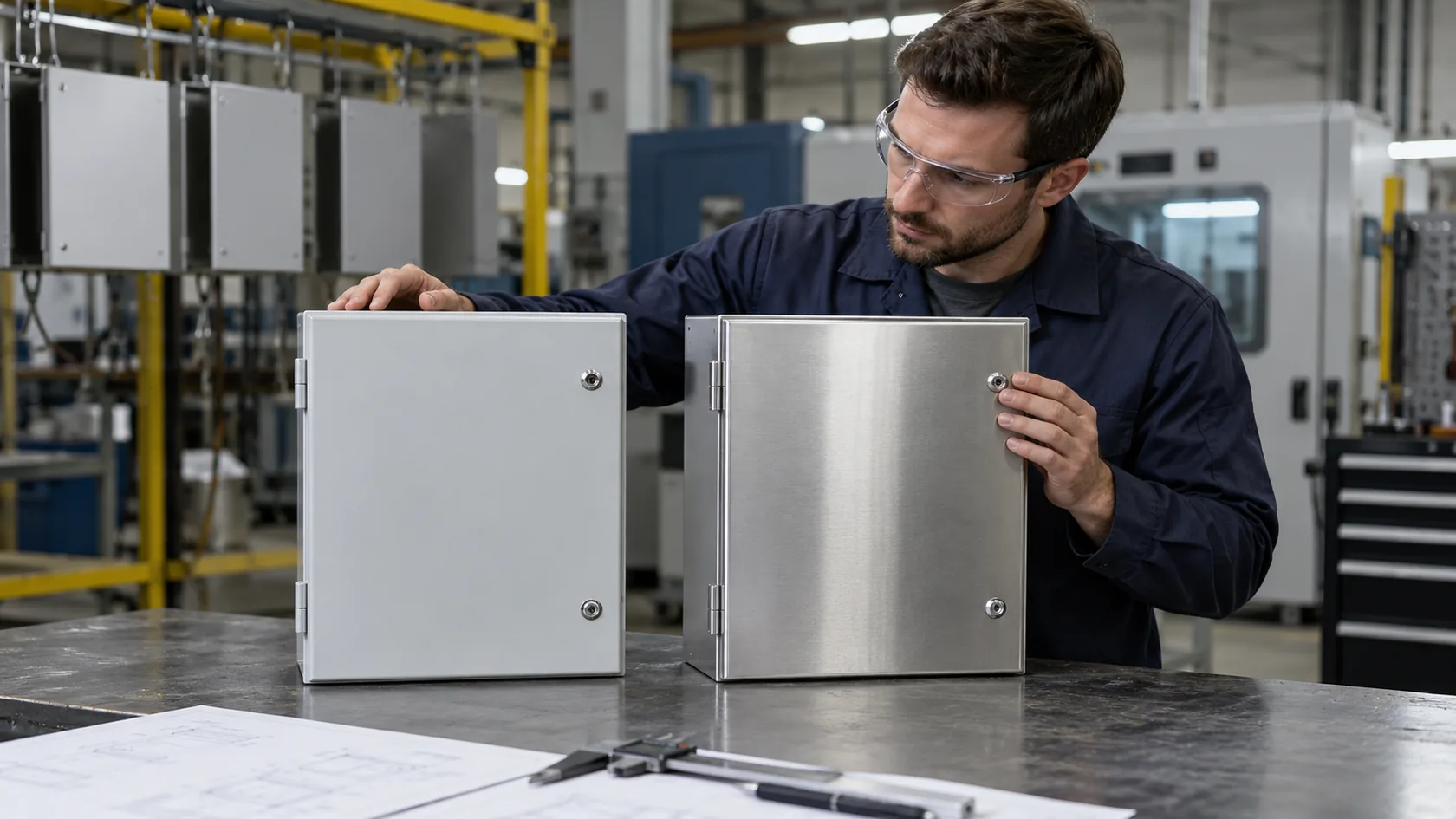
| Surface appearance | Industrial and sometimes uneven | Smooth, colorful, and customizable |
| Color options | Limited without extra coating | Wide range |
| Branding support | Usually needs an added finish | Suitable for printing and branding |
| Maintenance | Often lower | May require repair or repainting |
| Repair method | Zinc-rich repair coating or regalvanizing | Sanding, priming, and repainting |
| Best use | Harsh outdoor exposure | Controlled environments and appearance-focused products |
| Typical weakness | Appearance and process limits | Damage at edges, scratches, and poor preparation |
I describe the difference this way:
Galvanizing protects the steel even when the surface is not perfect. Paint protects the steel by trying to keep the surface perfect.
That one difference affects corrosion resistance, lifespan, maintenance, and project cost.
The next question is where those differences become visible fastest: rain, humidity, salt, and industrial air.
Which One Has Better Corrosion Resistance for Outdoor Applications?
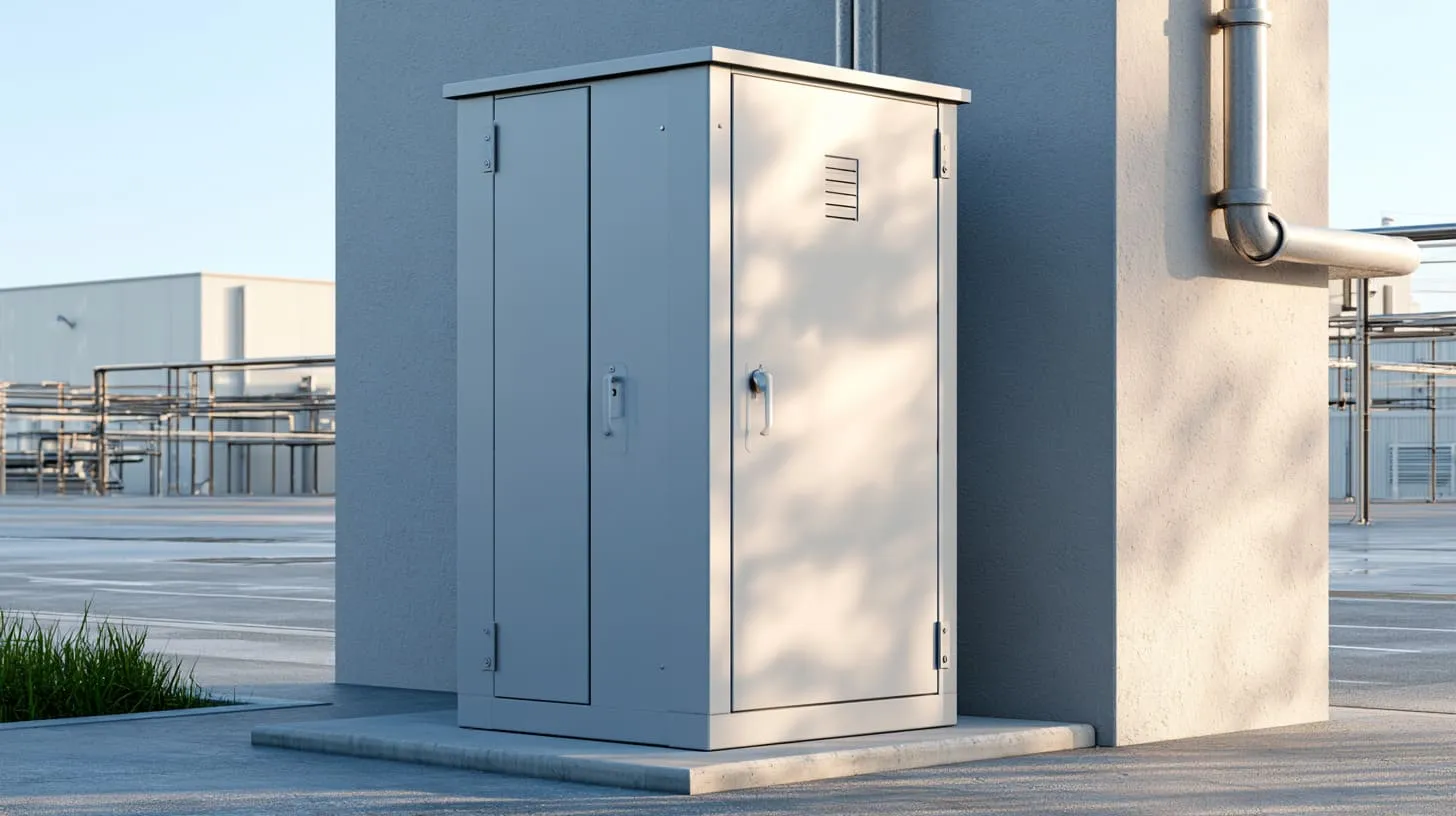
For normal outdoor exposure, both systems can work.
For severe outdoor exposure, galvanized steel usually gives me more confidence.
The reason is not that paint is weak. A well-designed industrial coating system can perform very well. The problem is that painted protection depends on more steps being done correctly.
If one edge receives too little coating, one weld remains contaminated, or one transport scratch exposes the steel, corrosion can find an entry point.
When an enclosure will be difficult to inspect after installation, I normally give more weight to the finish that can survive small mistakes rather than the finish that looks best on delivery day.
Why Is Galvanized Steel More Suitable for Harsh Outdoor Environments?
Outdoor corrosion is not caused by rain alone.
Steel corrosion speeds up when several conditions work together:
- Water remains on the surface.
- Humidity stays high.
- Salt attracts and holds moisture.
- Pollutants create aggressive deposits.
- Temperature changes cause condensation.
- Dirt traps water around joints.
- Damaged areas expose bare steel.
Galvanized steel handles many of these risks well because zinc corrodes more slowly than unprotected steel in many outdoor environments.
Rain exposure
Rain can wash some deposits away, but it also keeps the surface wet.
A galvanized layer offers direct protection across the steel surface. Painted steel can also resist rain, but water may enter through cracks, scratches, poor seams, or thin edge coverage.
High-humidity areas
High humidity keeps surfaces damp for longer periods.
The enclosure may look dry, but a thin moisture layer can remain on the metal. Condensation may also form inside or behind the enclosure when temperatures change.
Galvanized steel gives added protection when moisture reaches areas that are not easy to inspect.
Coastal environments
Coastal air is much more demanding.
Salt deposits hold moisture and increase electrical activity on the metal surface. This can accelerate both zinc consumption and steel corrosion.
Galvanizing is useful in these areas, but I do not assume basic galvanizing is enough for every coastal project. Very high salt exposure may justify:
- A thicker zinc coating
- Galvanizing plus powder coating
- Galvanizing plus a marine-grade paint system
- Stainless steel
- Aluminum with a suitable finish
Distance from the sea is not the only factor. Wind direction, shelter, elevation, and direct salt spray also matter.
Industrial areas
Factories, chemical plants, roads, and processing sites may expose an enclosure to:
- Sulfur compounds
- Cleaning chemicals
- Fuel residue
- Metal dust
- Acidic or alkaline contamination
- Constant airborne particles
Galvanized steel often performs better than basic painted steel in these conditions. Still, certain chemicals can attack zinc quickly. I always check the actual chemical exposure before making a final recommendation.
| Outdoor condition | Galvanized steel | Basic painted steel | My usual view |
|---|---|---|---|
| Light rain, sheltered wall | Good | Good with proper coating | Either may work |
| Open rain and sun | Very good | Depends on coating system | Galvanized is safer |
| High humidity | Very good | Moderate to good | Galvanized has an advantage |
| Coastal air | Good to very good | Basic paint may struggle | Consider a duplex system |
| Direct salt spray | Requires careful specification | Requires marine-grade coating | Compare duplex, stainless, or aluminum |
| Industrial pollution | Often good | Depends on chemical resistance | Check the actual contaminants |
| Frequent scratching | Better tolerance | Higher local rust risk | Galvanized is usually stronger |
Galvanized steel is often used for utility structures, outdoor cabinets, roadside equipment, fencing, support frames, telecom infrastructure, and electrical systems because these products need long service life with limited attention.
The finish may not look luxurious. It does a practical job.
When Can Painted Steel Provide Enough Outdoor Protection?
Painted steel can be a very reasonable choice when the installation conditions are controlled.
I may recommend painted steel for:
- Enclosures installed under a roof
- Wall-mounted boxes protected by an overhang
- Inland locations with low salt exposure
- Products with regular inspection
- Customer-facing equipment
- Branded products requiring exact colors
- Shorter-lifecycle products
- Projects with easy repainting access
The coating system still needs to match the use.
For example, a basic indoor polyester powder may not be suitable for years of direct sunlight. Outdoor-grade polyester powder generally offers better UV resistance.
Epoxy coatings can provide good chemical and corrosion resistance, but many epoxy finishes do not perform well under constant UV exposure unless they receive a suitable topcoat.
A common outdoor system may include:
| Layer | Purpose |
|---|---|
| Cleaned steel surface | Provides a stable base |
| Conversion pretreatment | Improves adhesion and corrosion protection |
| Zinc-rich or epoxy primer | Adds a protective base layer |
| Outdoor polyester powder or polyurethane topcoat | Provides color, UV resistance, and weather protection |
I do not reject painted steel just because the product goes outdoors. I reject weak coating specifications that use the word “outdoor” without defining what outdoor means.
A painted enclosure on a sheltered building wall may last well.
The same enclosure beside the sea, under direct rain, may fail much sooner.
Which One Performs Better After Scratches or Surface Damage?
This is one of the most practical differences.
Steel enclosures are rarely handled gently throughout their entire life.
They may be:
- Stacked during shipping
- Hit by a forklift
- Scratched by mounting brackets
- Drilled during installation
- Cut to add a cable gland
- Damaged by tools
- Reworked after coating
- Welded during modification
When galvanized steel receives a small scratch, nearby zinc may continue to offer sacrificial protection.
When painted steel receives a scratch through to the base metal, the exposed steel can begin to rust. The rust may then spread under the surrounding coating.
This is called underfilm corrosion. The visible damage may look small at first, while corrosion continues beneath the coating.
Welding and machining create another concern.
If a galvanized part is welded after galvanizing, the zinc coating around the weld may be damaged. The area should be repaired with an approved zinc-rich coating or another suitable method.
If a painted part is drilled or cut after finishing, the new bare edge should also be sealed.
| Damage type | Galvanized steel response | Painted steel response |
|---|---|---|
| Fine surface scratch | Often retains local protection | May expose steel |
| Deep gouge | Needs inspection and possible repair | Usually needs prompt repair |
| Cut edge | May have some zinc protection nearby | Bare edge can rust |
| Field drilling | Repair may be needed | Edge sealing is needed |
| Welding after finishing | Zinc layer is damaged near weld | Coating burns around weld |
| Impact at a corner | Zinc is harder to peel as a film | Coating may chip or crack |
For products that will face rough transport or field modification, this damage tolerance can be more valuable than a perfect factory finish.
A scratch is small. The maintenance decision it creates can be much bigger.
Galvanized Steel vs Painted Steel: Which One Lasts Longer Outdoors?
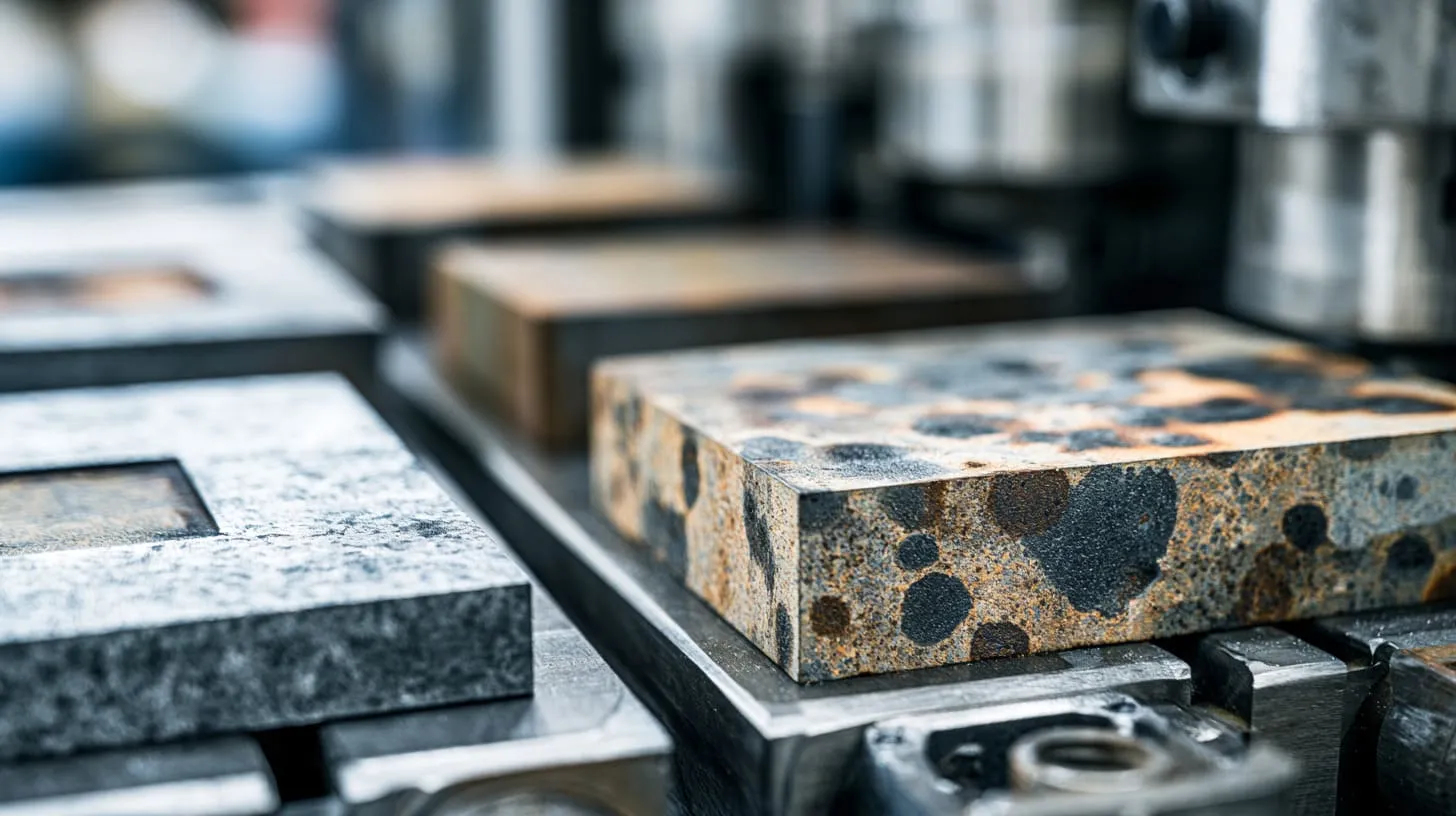
Service life is where many comparisons become too simple.
People often ask for one number: “How many years will it last?”
I cannot answer that honestly without knowing the coating thickness, installation environment, drainage, orientation, maintenance plan, and actual exposure.
I become cautious whenever a supplier promises a fixed outdoor lifespan without asking where the product will be installed, because the environment can change the answer more than the material name does.
What Is the Typical Service Life of Galvanized Steel?
Galvanized steel can provide decades of outdoor protection in suitable conditions.
The actual service life depends mainly on how quickly the zinc coating is consumed.
Important factors include:
- Zinc coating thickness
- Local humidity
- Salt exposure
- Industrial pollution
- Time of wetness
- Drainage
- Contact with other metals
- Chemical contamination
- Surface orientation
- Maintenance and cleaning
A thicker zinc layer normally provides a longer protection period because more zinc is available before the base steel becomes exposed.
However, thickness alone does not solve every problem.
Water traps, salt deposits, chemical attack, and poor design can shorten the service life.
For example, a vertical galvanized panel that drains quickly may perform better than a horizontal ledge where water, dust, and salt collect every day.
| Factor | Effect on galvanized service life |
|---|---|
| Greater zinc thickness | Usually extends protection time |
| Dry inland environment | Slows zinc consumption |
| High humidity | Increases corrosion activity |
| Salt deposits | Speeds up zinc loss |
| Industrial chemicals | May greatly increase attack |
| Good drainage | Reduces wet exposure |
| Crevices and water traps | Increase local corrosion |
| Regular cleaning | Removes harmful deposits |
I also pay attention to the galvanizing method.
Pre-galvanized sheet and hot-dip galvanized finished parts are not always equal.
A pre-galvanized sheet already has a zinc coating before cutting, punching, and welding. These later processes can expose edges or damage the zinc layer.
Hot-dip galvanizing after fabrication can coat the completed part, including many cut and welded areas. But the process requires suitable part design, venting, drainage, and control of distortion.
Neither option should be selected by name alone.
What Determines the Lifespan of Painted Steel?
Painted steel lifespan depends on the whole coating system.
The topcoat receives the most attention because it is visible. The hidden layers often decide how long the system survives.
Surface preparation
A clean and stable surface is essential.
Oil, rust, welding scale, dust, and moisture can weaken adhesion. Once adhesion fails, water can move between the coating and the steel.
Primer
A suitable primer improves corrosion resistance and helps the topcoat bond.
Different primers serve different purposes. Zinc-rich primers add sacrificial properties. Epoxy primers can give strong adhesion and chemical resistance.
Coating thickness
A coating that is too thin may provide weak coverage.
A coating that is too thick may also create problems, such as poor curing, cracking, or loss of flexibility. The correct range depends on the material and coating system.
Edge and corner coverage
Sharp edges are a common weak point.
Powder and liquid coatings tend to pull away from very sharp edges during application or curing. This can leave a thinner protective film exactly where damage is most likely.
Rounded edges and good design can improve coverage.
UV exposure
Sunlight can cause:
- Fading
- Chalking
- Loss of gloss
- Brittleness
- Surface breakdown
The cosmetic change may appear before corrosion begins, but a degraded coating can eventually provide less protection.
Maintenance
Painted systems benefit from inspection and local repair.
A small chip can often be cleaned, primed, and touched up before major rust develops. If nobody checks the enclosure, that same chip may grow into a much larger problem.
| Painted steel condition | Likely effect |
|---|---|
| Strong pretreatment and outdoor topcoat | Longer service life |
| Poor cleaning before coating | Early adhesion failure |
| Thin coating at edges | Local rust begins early |
| Direct UV with unsuitable paint | Fading and coating breakdown |
| Regular inspection | Damage can be repaired early |
| No maintenance | Small defects may spread |
| Constant water pooling | Increased corrosion risk |
| Good primer and topcoat combination | Better long-term protection |
A high-quality painted system can outlast a poorly specified galvanized product in certain environments.
This is why I avoid comparing only the material names. I compare the complete systems.
Which Option Requires Less Maintenance?
Galvanized steel usually requires less routine maintenance.
The zinc coating slowly reacts with the environment, but it does not usually need regular repainting during its useful protection period.
Painted steel may need:
- Cleaning
- Scratch repair
- Rust removal
- Local touch-up
- Recoating
- Full repainting later in life
The maintenance burden depends on access.
A painted cabinet beside a workshop may be easy to inspect. A painted enclosure installed on a remote tower, rooftop, railway line, or isolated industrial site may be expensive to maintain.
The repair material may cost very little. Sending workers to the location may cost much more.
| Maintenance issue | Galvanized steel | Painted steel |
|---|---|---|
| Routine repainting | Usually not required | May be required |
| Small scratch response | Often more tolerant | Prompt repair is better |
| Visual inspection | Still useful | Very important |
| Cosmetic maintenance | Limited | May be frequent |
| Remote-site suitability | Strong | Depends on coating durability |
| Local repair | Zinc-rich repair products | Primer and matching topcoat |
| Appearance after years | May dull or weather | May fade, chalk, or peel |
The cheapest finish at the factory gate may become the more expensive finish after several site visits.
That brings the discussion to a more practical question: which system should I choose for an actual enclosure?
Which One Is Better for Outdoor Steel Enclosures?
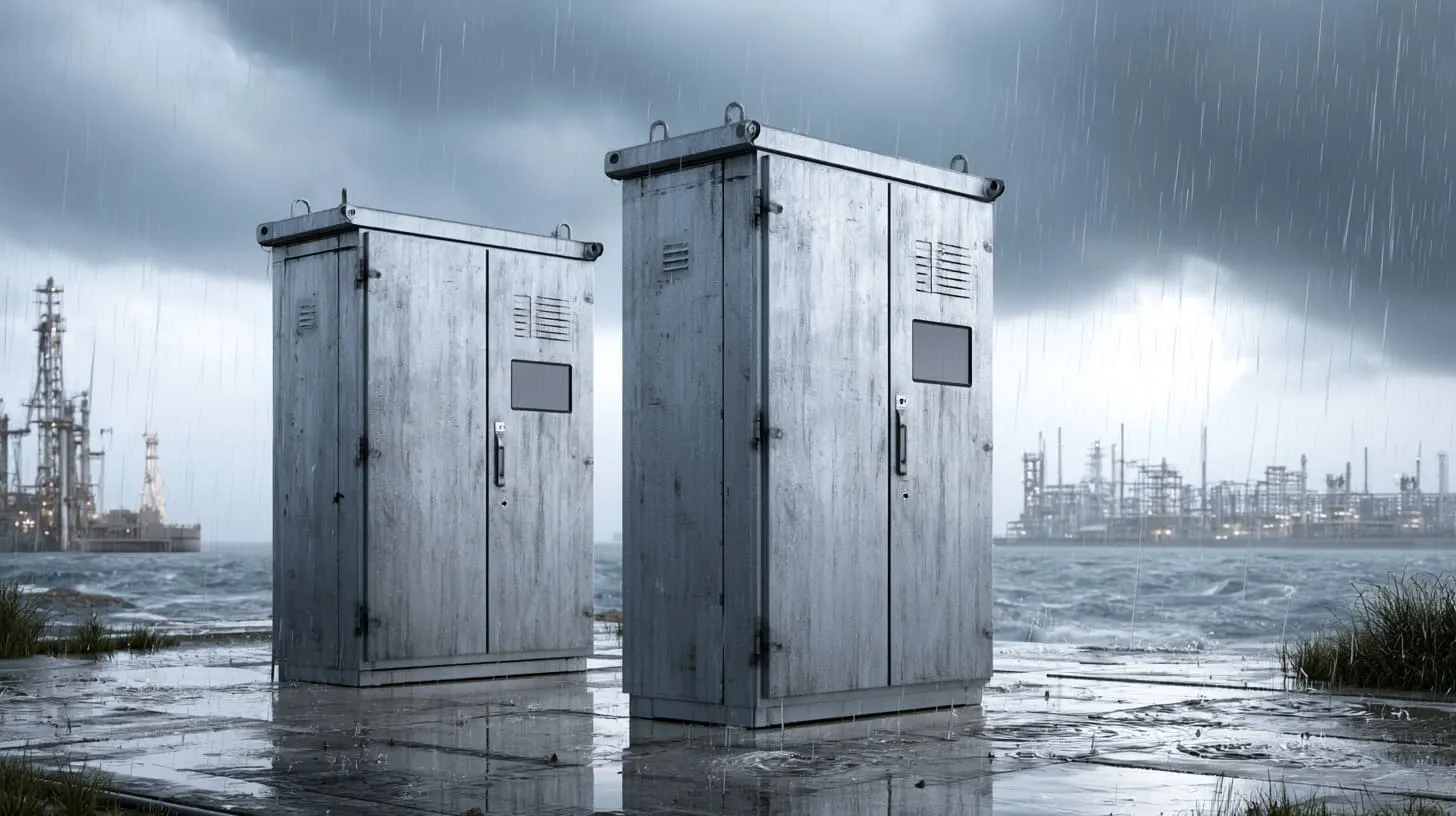
For outdoor enclosures, I do not start with color or price.
I start with exposure, failure risk, service access, and product lifespan.
Then I check whether the surface treatment works with the enclosure structure, cutouts, welds, hinges, locks, fasteners, and branding needs.
If corrosion could stop a critical system or create a safety problem, I would rather pay for extra protection early than explain a rust failure after the cabinet is already installed.
When Should You Choose Galvanized Steel Enclosures?
I usually consider galvanized steel when the enclosure will face:
- Direct rain
- High humidity
- Long outdoor service
- Limited inspection
- Rough installation
- Industrial environments
- Utility applications
- Coastal air
- Frequent temperature changes
Suitable applications may include:
- Outdoor electrical cabinets
- Telecom enclosures
- Utility boxes
- Meter housings
- Industrial control cabinets
- Roadside equipment
- Energy system housings
- Agricultural control boxes
- Infrastructure enclosures
Galvanized steel is especially useful when appearance is less important than protection.
However, I still check several design details before selecting it.
Fabrication sequence
Will the enclosure be galvanized before or after fabrication?
If pre-galvanized sheet is used, cutting and welding may expose steel.
If the full enclosure is hot-dip galvanized after fabrication, the design needs suitable vent and drain holes. Thin panels may also need reinforcement to reduce distortion.
Zinc thickness
The required zinc layer should match the expected environment and service life.
Fastener compatibility
Fasteners, hinges, and accessories should not create galvanic problems or become the first parts to rust.
Appearance tolerance
Hot-dip galvanized surfaces may not have the smooth, uniform look expected for premium branded equipment.
| Choose galvanized steel when | Why |
|---|---|
| Maintenance access is limited | The zinc system offers long-term protection |
| Minor damage is likely | Sacrificial action helps around small exposed areas |
| The environment is humid | Zinc gives stronger protection than basic paint |
| The enclosure is utility-focused | Appearance is often less critical |
| A long service life is required | Maintenance and replacement can be reduced |
| The site is remote | Fewer service visits may be needed |
When Should You Choose Painted Steel Enclosures?
Painted steel is often the better choice when appearance matters.
I may select it when the customer requires:
- A specific RAL or Pantone color
- A matte, gloss, or textured finish
- Printed instructions
- Logos or branding
- A smooth consumer-facing appearance
- Different color zones
- Easy cosmetic matching with other equipment
Painted steel can also make sense when:
- The installation is sheltered.
- The environment has low corrosion risk.
- The product has a controlled lifespan.
- Maintenance is easy.
- The project budget is limited.
- The coating system is properly specified.
For many indoor and light outdoor applications, painted steel offers a good balance of function and appearance.
The mistake is using the same coating specification for every project.
A steel enclosure inside a warehouse does not need the same protection as a roadside cabinet in a coastal city.
| Choose painted steel when | Why |
|---|---|
| Branding is important | Colors and logos are easier to control |
| The product is customer-facing | The finish can look smoother and more refined |
| The installation is sheltered | Corrosion exposure is lower |
| Regular maintenance is possible | Chips can be repaired early |
| The project needs many color options | Powder and paint offer wide flexibility |
| Cost pressure is high | Basic systems may cost less initially |
I also ask whether the coating will hide or reveal fabrication marks.
A smooth gloss finish may show welding waves and panel distortion more clearly. A fine texture may hide small surface variations, but it does not fix poor fabrication.
A finish can improve appearance. It cannot repair the structure underneath.
Can Galvanized Steel and Painted Steel Be Combined?
Yes.
A galvanized surface can be painted or powder coated to create a duplex protection system.
This combines:
- Zinc protection beneath the surface
- Color and appearance from the topcoat
- Added resistance against moisture and pollutants
- Better protection after limited topcoat damage
- Longer overall system life in many environments
A duplex system may include:
- Hot-dip galvanized steel
- Surface cleaning and preparation
- Suitable primer or conversion treatment
- Outdoor powder coating or liquid topcoat
Another option is bare steel with a zinc-rich primer and a suitable topcoat. This is not identical to hot-dip galvanizing, but it can improve protection compared with basic paint alone.
| System | Corrosion protection | Appearance | Typical use |
|---|---|---|---|
| Bare galvanized steel | High | Industrial | Utility and infrastructure |
| Basic painted steel | Moderate | High | Sheltered or controlled use |
| Primer plus outdoor topcoat | Good | High | General outdoor equipment |
| Zinc-rich primer plus topcoat | Good to very good | High | Industrial outdoor use |
| Galvanized steel plus topcoat | Very high | High | Harsh outdoor and branded products |
The layers must be compatible.
Fresh galvanized surfaces may need specific preparation before painting. Oil, passivation residue, zinc salts, or surface contamination can reduce adhesion.
A duplex system costs more and requires more process control. Still, it can be the best answer when the project needs both long-term corrosion resistance and a controlled appearance.
The strongest technical choice, however, is not always the cheapest choice on the quotation.
Cost Comparison: Is Galvanized Steel More Expensive Than Painted Steel?
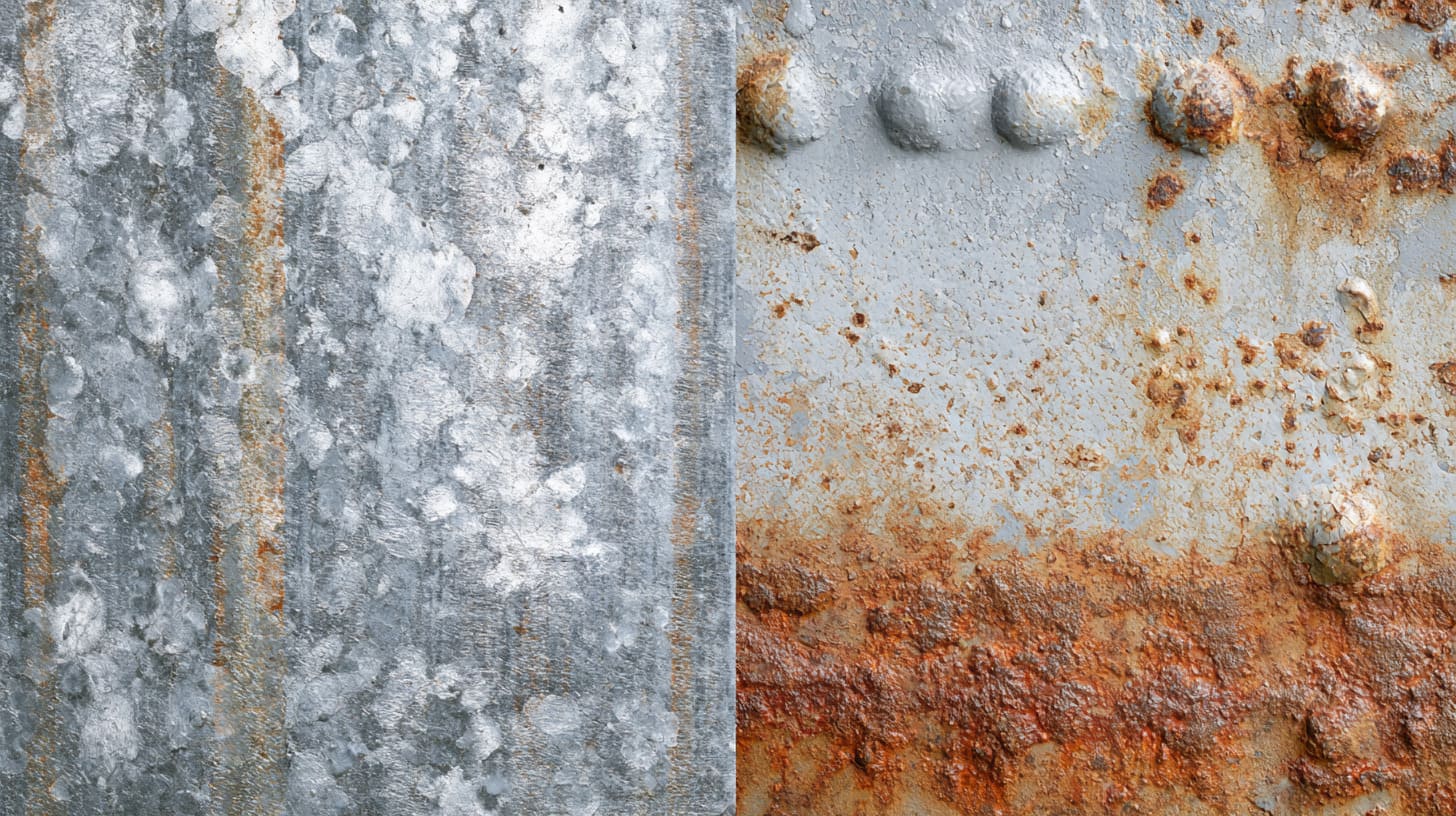
Cost comparisons often become confusing because people compare only the finishing invoice.
That number matters, but it does not include repair, repainting, site labor, downtime, replacement, shipping, or damage to the equipment inside the enclosure.
When I compare two quotations, I look for the cost that appears five years later, because that is often where the cheaper surface treatment sends its real invoice.
Which Option Has Lower Initial Manufacturing Cost?
Basic painted steel is often cheaper at the beginning.
A normal process may include:
- Sheet metal fabrication
- Surface cleaning
- Pretreatment
- Powder coating
- Curing
- Inspection
Many sheet metal factories already have powder coating lines or stable coating partners. The process also supports many colors and finishes without changing the base material.
Hot-dip galvanizing may add:
- Transport to a galvanizing facility
- Minimum batch charges
- Hanging and handling costs
- Vent and drain hole preparation
- Surface finishing after galvanizing
- Thread cleaning
- Distortion control
- Extra inspection
- Touch-up work
Large, heavy, or complex parts may also require special handling.
However, painted steel is not always cheaper.
A high-performance coating system with blasting, zinc-rich primer, epoxy intermediate coat, and polyurethane topcoat can cost more than basic galvanizing.
| Cost factor | Galvanized steel | Painted steel |
|---|---|---|
| Basic treatment cost | Often higher than simple paint | Often lower |
| Color customization | Requires extra coating | Easy |
| Complex appearance control | More difficult | Easier |
| Batch minimums | May apply | May also apply |
| Design preparation | Venting and drainage may be needed | Hanging and coating access are needed |
| Surface repair | Zinc repair may be needed | Touch-up paint may be needed |
| High-performance system | Moderate to high | Can become very high |
| Local supplier availability | Strongly affects price | Strongly affects price |
Part size and production quantity also matter.
For a small batch of custom enclosures, the minimum charge may have more effect than the unit treatment cost.
For a large production run, process efficiency and material utilization may become more important.
I never assume one method is cheaper until the part design and quantity are clear.
Which Option Has Lower Long-Term Ownership Cost?
Galvanized steel often has a lower lifecycle cost in harsh environments.
The main savings may come from:
- Fewer maintenance visits
- Less repainting
- Lower replacement risk
- Reduced downtime
- Fewer corrosion claims
- Longer useful life
- Better protection after small damage
Painted steel may still have the lower total cost when:
- The installation is sheltered.
- The product life is short.
- Maintenance is easy.
- Appearance is important.
- The coating is unlikely to be damaged.
- Repainting can be done during normal service.
Here is a simple example.
Suppose two outdoor cabinets have the same base fabrication cost.
| Cost item | Galvanized cabinet | Basic painted cabinet |
|---|---|---|
| Initial surface treatment | Higher | Lower |
| Inspection after installation | Low | Moderate |
| Scratch repair risk | Lower | Higher |
| Repainting later | Unlikely in many cases | Possible |
| Remote-site labor | Lower expected need | Higher potential need |
| Early replacement risk | Lower in harsh conditions | Higher if the coating fails |
| Lifecycle cost | Often lower for severe exposure | Often lower for mild exposure |
The exact numbers will change from project to project.
The logic remains the same: the cheapest initial option is only cheaper if it lasts long enough.
A surface treatment decision should therefore follow the product’s real use, not the purchasing department’s first price comparison.
What Should Engineers Consider Before Choosing the Surface Treatment?

Engineers often receive a short requirement such as “outdoor steel box, black powder coating.”
That requirement is not enough for a dependable design.
I need to understand the installation site, enclosure structure, operating temperature, maintenance plan, branding needs, and expected lifespan before I can judge the finish properly.
The small detail I check early is whether water can leave the enclosure surface, because an expensive coating still struggles when the design keeps a wet pocket against the same corner every day.
What Is the Installation Environment?
The word “outdoor” covers a very wide range of conditions.
An enclosure under a loading-bay roof is outdoors.
An enclosure beside the sea is also outdoors.
Their corrosion risks are not close.
I usually ask the customer to describe:
- Country and city
- Coastal or inland location
- Distance from the sea
- Indoor, sheltered outdoor, or fully exposed position
- Direct rainfall
- Sun exposure
- Humidity level
- Industrial pollution
- Chemical contact
- Cleaning process
- Temperature range
- Condensation risk
- Expected service life
| Environmental question | Why I ask it |
|---|---|
| Is the site coastal? | Salt can greatly increase corrosion |
| Is the enclosure under a roof? | Shelter reduces direct wet exposure |
| Will rain hit the enclosure directly? | Water entry and surface wetness increase |
| Are chemicals used nearby? | Some chemicals attack zinc or paint |
| Does temperature change quickly? | Condensation may form |
| Can dirt collect on top? | Deposits hold moisture |
| Is maintenance access easy? | Painted damage may be easier to manage |
| How long should it last? | Protection level should match the lifecycle |
I also consider microenvironments.
A site may be located inland but still contain:
- Chlorine from a swimming pool
- Fertilizer chemicals
- Food-processing cleaners
- Battery gases
- Road salt
- Cooling tower mist
- Industrial exhaust
The full address does not always reveal the real exposure. The exact installation position may matter more.
What Are the Appearance and Branding Requirements?
Outdoor protection is not the only design goal.
Many enclosures are part of the customer’s finished product. They may sit outside a store, beside a building entrance, on a charging station, or inside a commercial equipment system.
In those cases, appearance affects the customer’s brand.
Painted steel supports:
- Custom RAL colors
- Pantone color matching
- Matte finishes
- Gloss finishes
- Fine textures
- Heavy textures
- Silk-screen printing
- UV printing
- Warning labels
- Laser-marked identification
- Multi-color branding
Bare galvanized steel offers a more industrial appearance.
Some customers like that look. Others see it as unfinished.
| Appearance requirement | Better starting option |
|---|---|
| Exact brand color | Painted steel |
| Smooth customer-facing finish | Painted steel |
| Industrial utility appearance | Galvanized steel |
| Printed logo | Painted steel |
| Maximum corrosion resistance with color | Duplex coating |
| Low cosmetic priority | Galvanized steel |
| Easy field color repair | Painted steel |
Color matching also needs realistic expectations.
Different batches may show slight variation. Gloss level, surface texture, steel condition, curing temperature, and coating thickness can all affect the final appearance.
For critical cosmetic projects, I recommend confirming a physical sample before mass production.
A screen image is not enough for exact color approval.
How Does Product Design Affect Corrosion Protection?
Surface treatment cannot compensate for poor enclosure design.
I pay close attention to areas where water and dirt may collect.
Weld areas
Welding changes the steel surface.
Weld spatter, heat scale, sharp edges, pinholes, and grinding marks can create coating problems.
The weld must be cleaned and prepared before coating. If pre-galvanized sheet is welded, the zinc layer near the weld may be destroyed and should be restored with a suitable repair system.
Drainage design
Flat ledges and upward-facing channels can hold water.
A small slope, drainage hole, or folded edge can change how long the surface stays wet.
Good drainage often improves corrosion performance without adding much material cost.
Sealing structure
The surface may survive while water enters through the door, gasket, cable gland, or seam.
Corrosion protection and ingress protection are related but not identical.
A galvanized enclosure can still leak.
A well-sealed enclosure can still rust outside.
I check both.
Fasteners and hardware
A high-quality cabinet with low-grade screws can still develop rust stains.
Fasteners, hinges, locks, washers, and mounting brackets should match the environment.
Different metals may also create galvanic corrosion when they contact each other in the presence of moisture.
Material thickness
Thicker steel does not replace surface protection.
It may take longer for corrosion to perforate a thick panel, but rust can still damage appearance, seals, threads, joints, and structural areas.
| Design detail | Common risk | Practical response |
|---|---|---|
| Sharp edges | Thin coating coverage | Add a small radius where possible |
| Horizontal ledges | Water pooling | Add slope or drainage |
| Weld spatter | Poor adhesion | Clean and grind before coating |
| Hidden seams | Trapped moisture | Improve sealing or ventilation |
| Mixed-metal fasteners | Galvanic corrosion | Select compatible hardware |
| Post-coating drilling | Bare exposed steel | Seal the new edge |
| Poor gasket compression | Water entry | Control door flatness and gasket pressure |
| Bottom-mounted openings | Splash or standing water | Review location and sealing |
A coating protects the shape I give it. If the shape collects water, the finish has to fight a problem the design created.
That is why many outdoor failures begin long before the coating line.
Common Mistakes When Choosing Between Galvanized Steel and Painted Steel
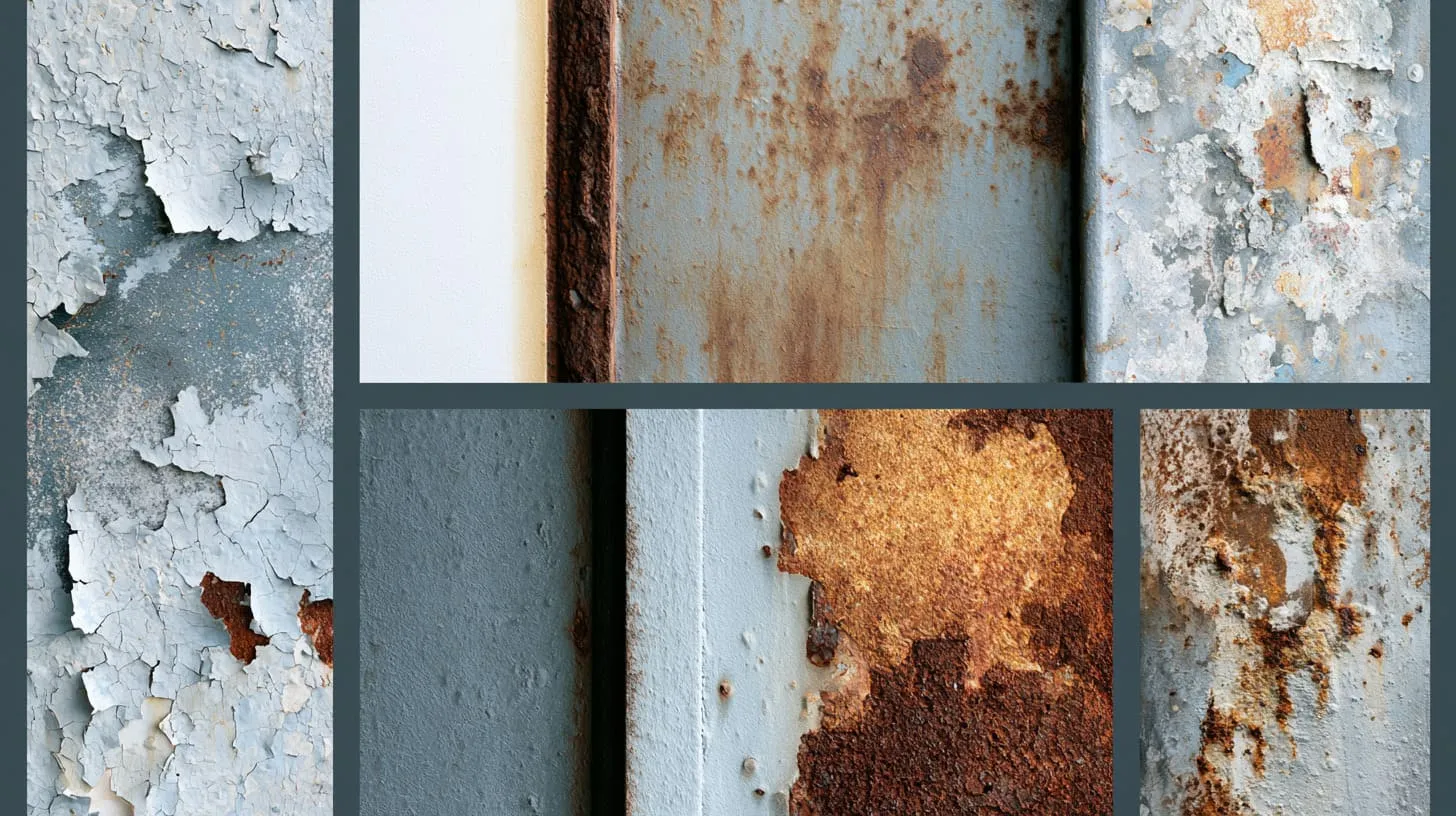
Most early corrosion failures are not caused by one dramatic error.
They come from several small assumptions.
The customer assumes the installation is mild. The factory assumes standard powder coating is enough. The installer drills a new hole. Nobody seals the edge. Six months later, everyone is surprised by the rust.
When a specification contains only the material name and color, I treat it as unfinished, because the missing details are usually where the future failure begins.
Choosing Based Only on Initial Price
Initial price is easy to compare.
Lifecycle cost is harder.
This is why buyers sometimes select the cheaper coating without asking:
- How often will it need inspection?
- Can it be repainted in place?
- How much does site access cost?
- What happens if corrosion damages the equipment?
- Will replacement require system downtime?
- Who pays for a warranty claim?
A cheaper painted finish may be completely reasonable for a sheltered enclosure.
It may be a poor choice for remote equipment expected to operate for 15 years without maintenance.
The decision should match the risk.
I also avoid overspecifying.
A heavy duplex system may not be necessary for a short-term indoor machine. Paying for protection that the product will never use is also a mistake.
The goal is not to buy the strongest finish every time. The goal is to buy enough protection for the real job.
Ignoring the Real Installation Environment
Customers sometimes reuse an old drawing for a new project.
The enclosure size remains similar, so the surface treatment remains unchanged.
But the new installation may be:
- Closer to the sea
- Exposed to direct rain
- Installed horizontally
- Located near chemicals
- Mounted beside a road
- Placed in stronger sunlight
- Used in a colder climate with more condensation
A coating that worked indoors may not work outside.
A coating that worked outdoors in Germany may not perform the same way beside the sea in Southeast Asia.
I ask customers to update the environmental requirement whenever the installation changes.
The drawing describes the enclosure.
The site describes the danger.
Assuming Any Paint Coating Can Handle Outdoor Conditions
“Powder coated” does not automatically mean “weather resistant.”
The buyer should define or discuss:
- Surface preparation
- Pretreatment method
- Primer requirement
- Powder chemistry
- Topcoat type
- Dry film thickness
- UV resistance
- Salt-spray expectation
- Adhesion requirement
- Edge coverage
- Color and gloss tolerance
- Repair procedure
Outdoor polyester powder is commonly used for exterior products, but the exact performance still depends on quality and application.
Epoxy powder may provide good adhesion and chemical resistance, but it can chalk under UV exposure when used without a suitable exterior layer.
A zinc-rich primer may improve corrosion resistance, but only when the surface is prepared correctly and the full system is compatible.
| Incomplete requirement | Better project question |
|---|---|
| “Black powder coating” | Which outdoor powder system and pretreatment should be used? |
| “Rustproof steel” | What environment and service life must it handle? |
| “Salt-spray tested” | What standard, duration, sample condition, and acceptance criteria apply? |
| “Galvanized” | Pre-galvanized sheet or hot-dip galvanized after fabrication? |
| “Outdoor use” | Sheltered, fully exposed, coastal, or industrial? |
| “Maintenance-free” | For how many years and under what conditions? |
Salt-spray test hours also need careful interpretation.
A higher test-hour number may look impressive, but it does not directly equal a fixed number of years outdoors. Test method, sample preparation, scribe condition, coating system, and acceptance criteria all affect the result.
I use testing to compare and verify systems. I do not use one laboratory number as a substitute for understanding the installation site.
Once these common mistakes are removed, the choice between galvanized and painted steel becomes much clearer.
Conclusion
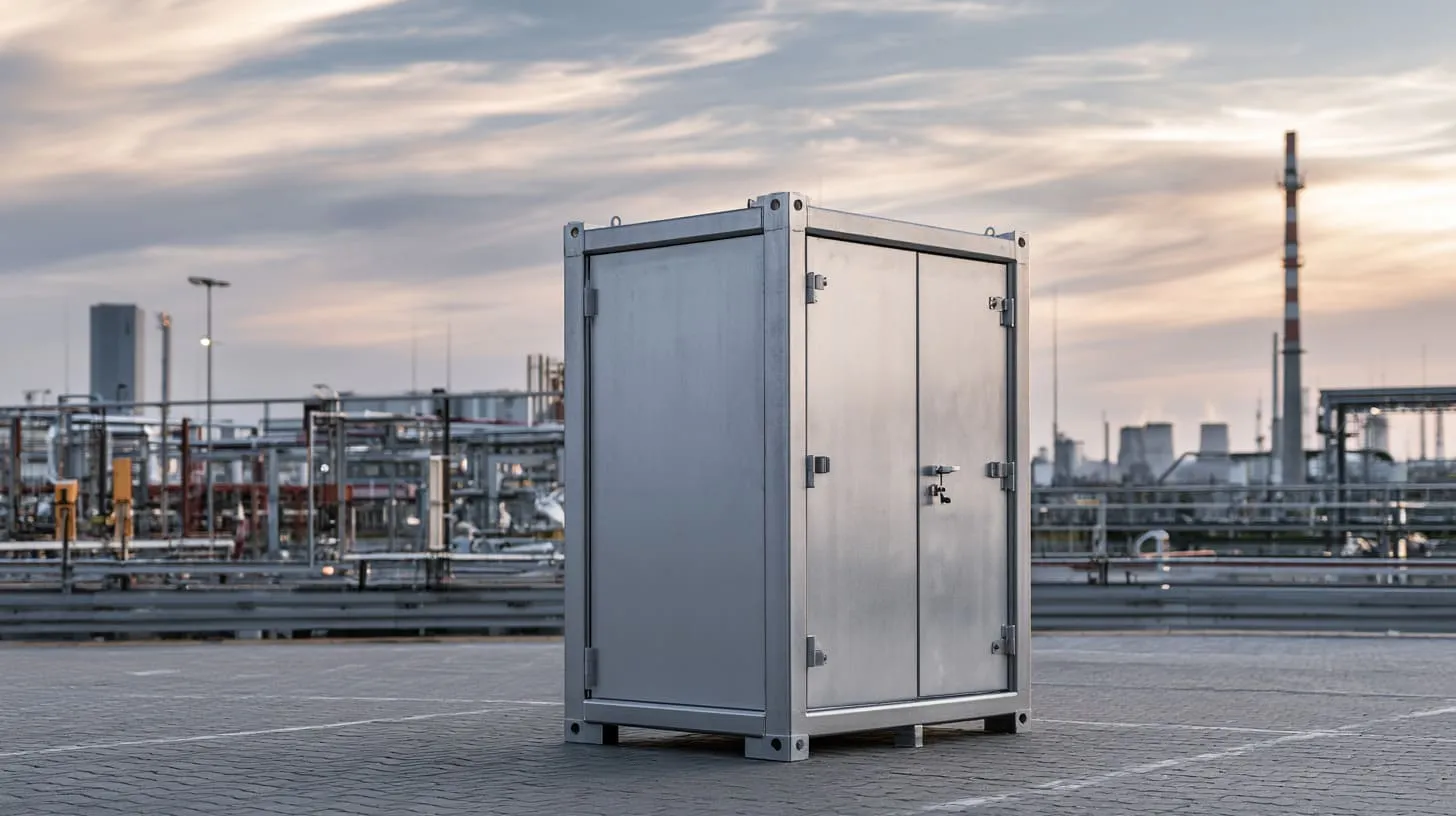
Galvanized steel and painted steel can both work outdoors, but they solve the corrosion problem in different ways.
Galvanized steel uses zinc to create barrier protection and sacrificial protection. It usually handles scratches, humidity, rain, and long maintenance intervals better than a basic painted finish.
Painted steel creates a protective barrier. It gives engineers better control over color, texture, logos, and product appearance. It can provide reliable outdoor performance when the surface preparation, primer, coating type, thickness, curing, and maintenance plan are properly controlled.
For harsh outdoor conditions, I normally start with galvanized steel.
For sheltered installations and appearance-focused products, I often consider painted steel.
For projects that need both strong corrosion protection and a branded finish, I look closely at a duplex system such as galvanized steel with an outdoor topcoat.
I make this choice by asking which failure would be harder for the customer to accept: a higher initial manufacturing cost or a corroded enclosure that needs service after installation.
That question explains why I do not select surface treatment by price alone.
I believe the best enclosure is not the one that looks perfect when it leaves my factory. It is the one that still protects the customer’s equipment after years of rain, heat, humidity, handling, and daily use.
Before I quote an outdoor steel enclosure, I prefer to review:
- The installation environment
- Expected service life
- Exposure to rain, salt, and chemicals
- Maintenance access
- Appearance and branding requirements
- Welding and machining details
- Required corrosion tests
- Target quantity and project budget
If you are developing an outdoor electrical cabinet, telecom enclosure, utility box, or custom sheet metal housing, you can send me your drawing and installation details.
I can help you compare galvanized steel, painted steel, powder-coated steel, and combined protection systems based on the real conditions of your project.
You can contact me at info@maidatech.com or visit maidatechenclosure.com to discuss your custom enclosure requirements.