Skip to content
When a customer sends me an enclosure RFQ, the first thing I usually see is a drawing attached with a short message:
"Please quote aluminum enclosure, 500 pcs."
Sometimes the customer also includes the material, size, and target price.
At first glance, it looks like enough information.
But after reviewing hundreds of enclosure projects, I found that many production delays do not come from the factory side. They start much earlier, during the RFQ stage.
The problem is usually not the aluminum material. It is not the CNC machining capability. It is not even the production capacity.
The real problem is that the RFQ does not explain how the enclosure will actually be used and manufactured.
A customer may have a beautiful 3D model. The appearance looks complete. The structure looks professional. But when the engineering team checks the design, many important questions appear:
- Does the enclosure need IP protection?
- Does the PCB need fixed mounting points?
- Does the customer need heat dissipation?
- Does the product need EMC protection?
- Is the surface treatment suitable for the environment?
- Are all dimensions realistic for manufacturing?
These questions are not small details.
They directly affect the quotation, production process, delivery time, and final product quality.
Snippet: Most enclosure RFQs focus on size, material, and price, but missing manufacturing requirements are often the real reason projects face delays, redesigns, and unexpected costs.
From my experience as an enclosure manufacturer, I believe a good RFQ is not only a request for a price. It is the first engineering communication between the buyer and supplier.
Why Do Most Enclosure RFQs Cause Production Delays?

Many customers think production starts after they approve the quotation.
Actually, production problems often begin before the quotation is even created.
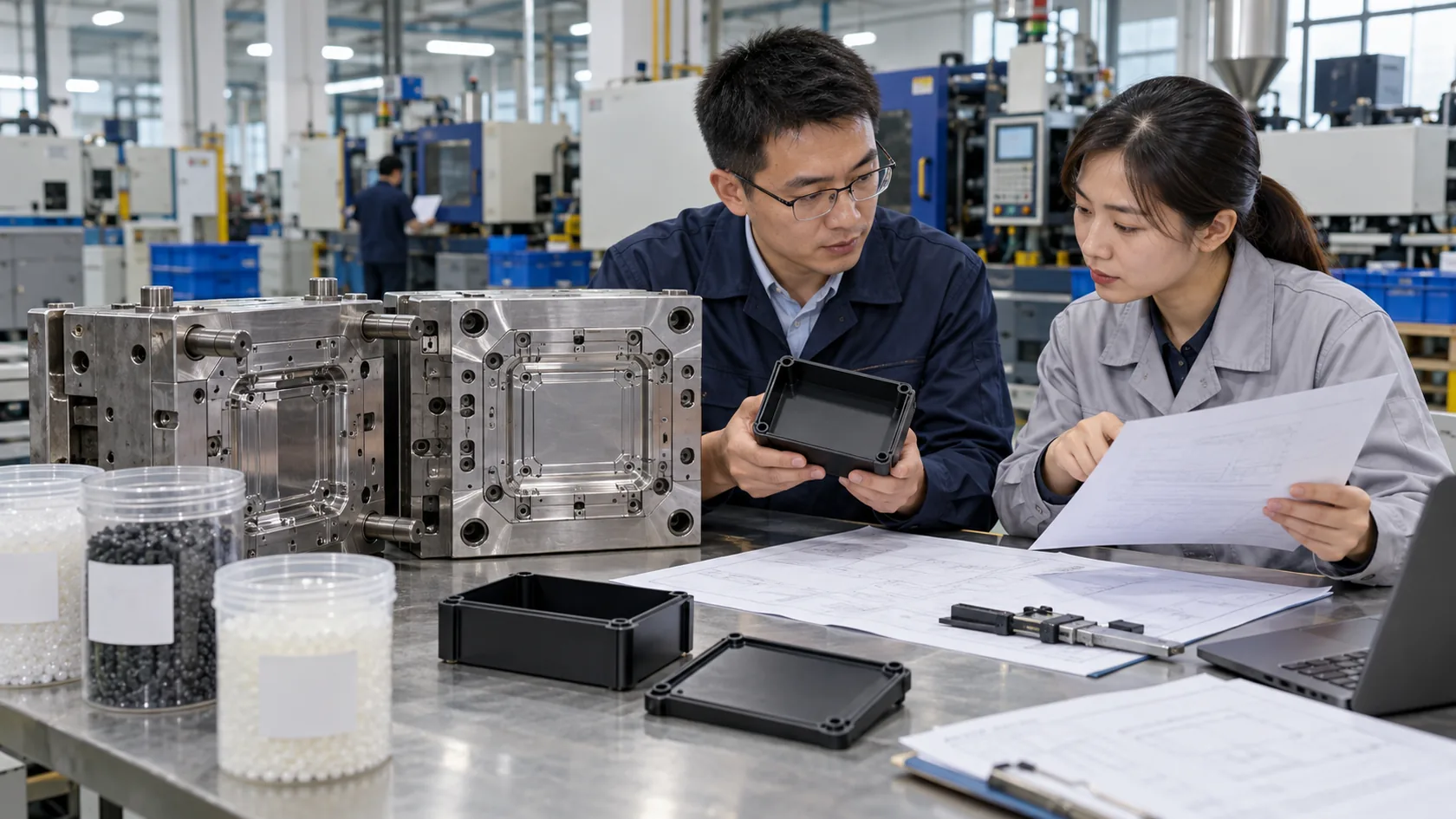
I have seen projects where customers spent months designing their electronics, but only spent a few minutes preparing the enclosure RFQ. This creates a gap between product design and manufacturing reality.
Customers Usually Focus on Product Appearance Instead of Manufacturing Details
Most product engineers understand their own electronics very well.
They know:
- PCB size
- connector positions
- electrical functions
- product appearance requirements
However, they may not have deep experience with enclosure manufacturing.
So their RFQ usually contains information like:
| Information Provided | Usually Included |
|---|---|
| Product size | Yes |
| Material preference | Yes |
| Quantity | Yes |
| Product photos | Sometimes |
| CAD file | Sometimes |
| Manufacturing requirements | Often missing |
The problem is that an enclosure is not only an external cover.
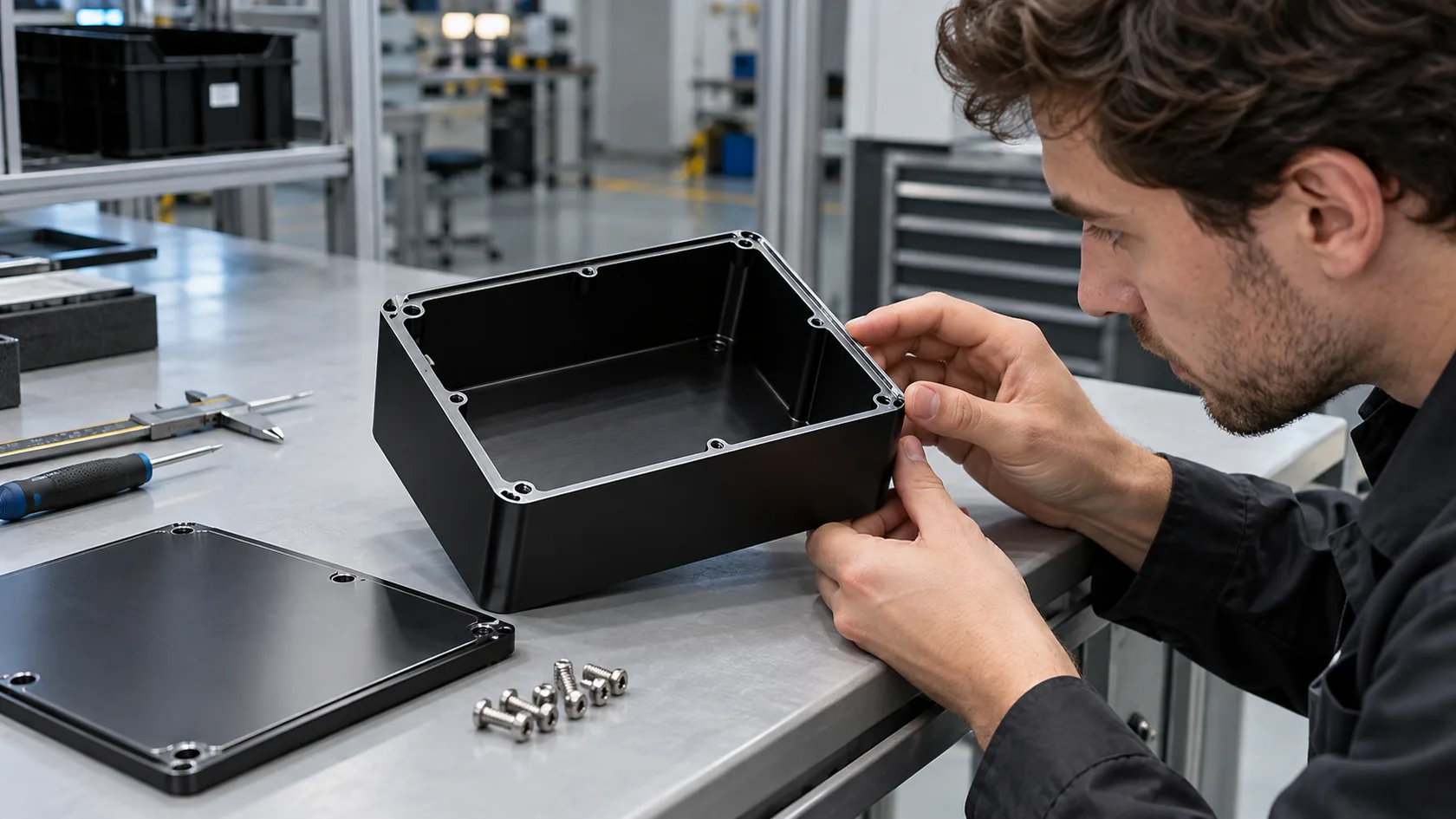
It is a manufactured component that needs to be machined, assembled, finished, and tested.
For example, a customer may provide a 3D model showing four mounting holes.
But the manufacturer still needs to know:
- Are these holes for PCB screws?
- Are they for wall mounting?
- Should they have threads?
- What screw type will be used?
- Is the position tolerance important?
A small missing detail can stop the entire production decision.
In my experience, I do not judge an RFQ by how beautiful the CAD file looks. I first check whether the information helps my factory make a correct manufacturing decision.
The Gap Between Product Design and Manufacturing Reality
A CAD model shows what the customer wants to create.
It does not always show how the factory can produce it.
For enclosure manufacturing, we need to evaluate many practical factors.
| Design Information | Manufacturing Question |
|---|---|
| Complex shape | Can CNC machining achieve this structure efficiently? |
| Thin wall design | Will the material deform during machining? |
| Small holes | Are the positions suitable for tools? |
| Tight tolerance | Is it necessary or increasing cost? |
| Surface finish | Can the treatment achieve the expected appearance? |
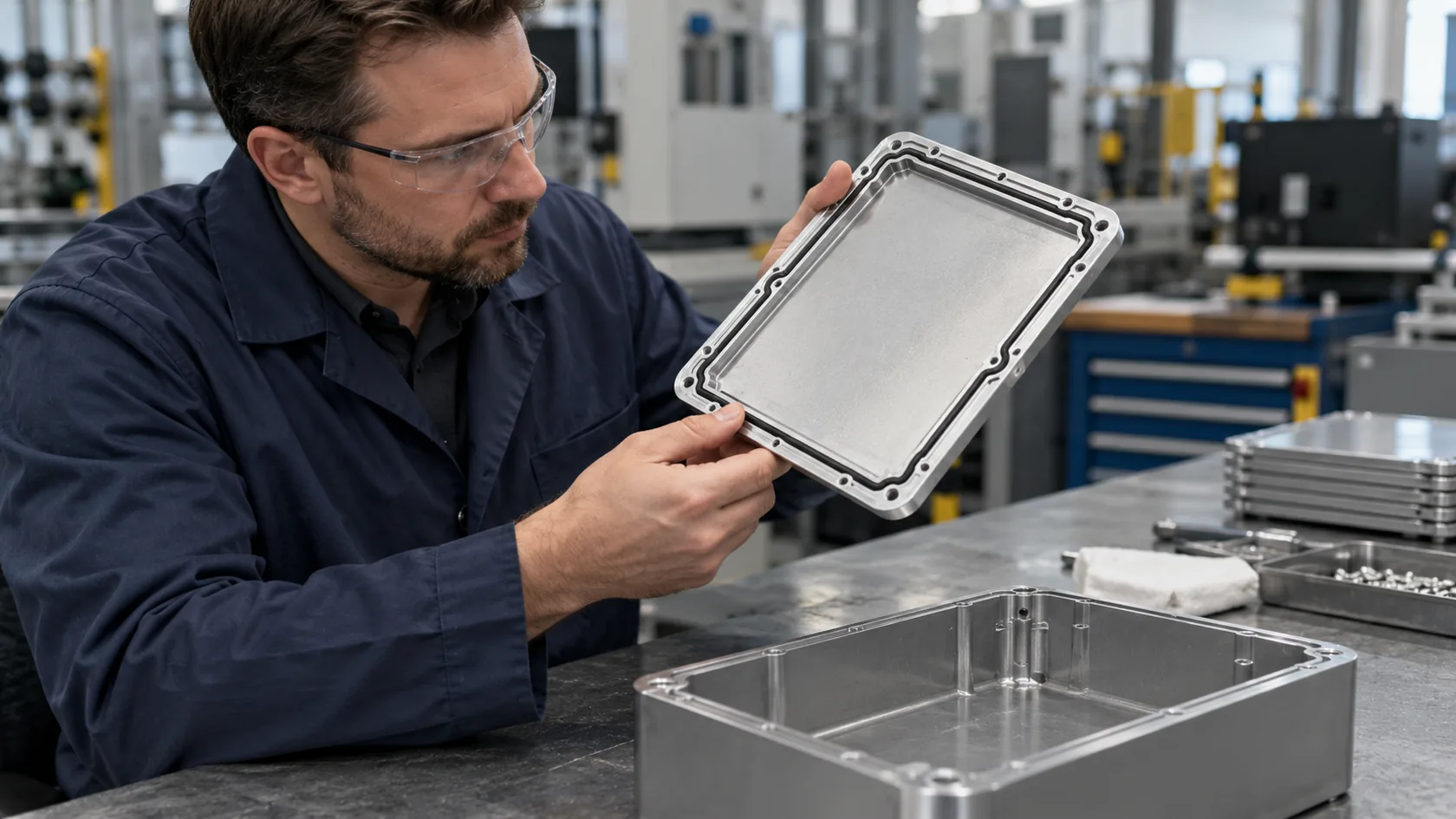
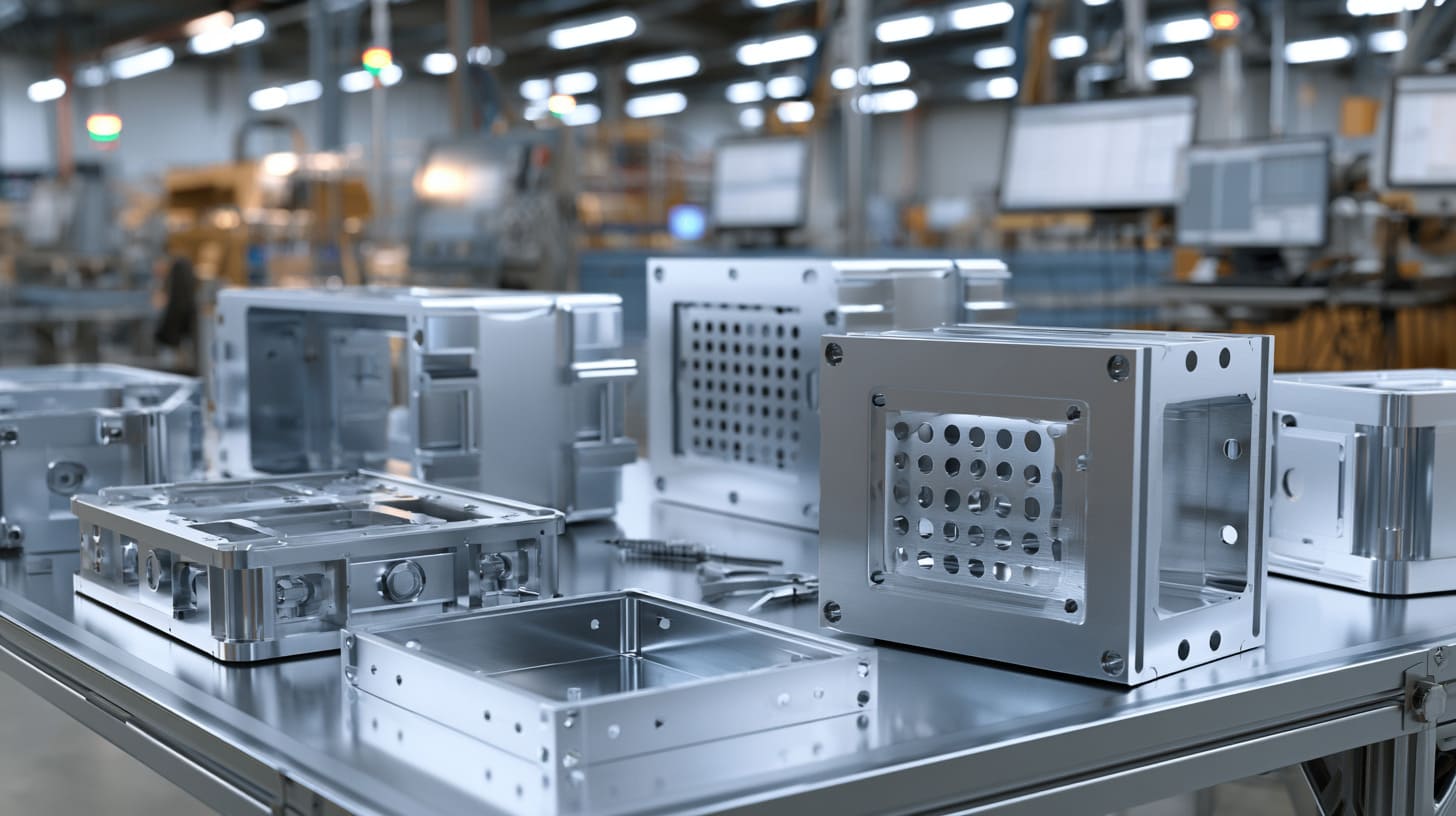
For example, a customer may design a compact aluminum enclosure with many side holes.
From the customer's view, these holes improve product function.
From the manufacturer's view, we need to check:
- machining time
- tool changes
- sealing problems
- assembly difficulty
Sometimes the design is possible, but the manufacturing cost becomes much higher than expected.
Sometimes a small design change can reduce cost without affecting the final product.
This is where supplier experience becomes valuable.
Why Early Communication Problems Become Later Production Problems
Many production delays come from questions that were never answered at the beginning.
A simple example:
A customer requests:
"Need waterproof aluminum enclosure."
But waterproof means different things.
Does the customer need:
| Requirement | Design Impact |
|---|---|
| IP54 | Basic protection |
| IP65 | Dust protection and water jets |
| IP67 | Temporary water immersion |
| IP68 | Long-term water protection |
The sealing design, machining process, gasket selection, and testing method can all change.
If this information is unclear before production, the problem will appear later.
This is where things often go wrong: a customer tries to save one day during RFQ preparation but loses weeks later because engineers need to confirm basic requirements again.
The Most Important Detail Missing in Many Enclosure RFQs

When customers ask me, "What information do you need for quotation?" many expect me to ask for drawings only.
A drawing is important.
But a drawing alone is not enough.
The missing detail is usually the manufacturing requirement behind the design.
Manufacturing Requirements Are More Important Than Just Technical Drawings
A technical drawing tells us the shape.
Manufacturing requirements tell us the purpose.
These two things are different.
For example:
A drawing may show an aluminum box.
But the supplier needs to know:
- Is it installed outdoors?
- Does it contain a high-temperature component?
- Does it need frequent opening?
- Does it need a logo for retail sales?
- Is it a one-time prototype or long-term production?
The following information helps manufacturers make better decisions:
| Requirement | Why It Matters |
|---|---|
| Quantity | Determines production method |
| Application environment | Affects material and protection level |
| Assembly method | Affects structure design |
| Tolerance expectation | Controls machining accuracy |
| Surface finish | Affects processing method |
I have learned that the cheapest quotation is not always the best quotation. A supplier who understands the real application can often prevent expensive problems later.
Application Environment Determines Enclosure Design Decisions
The same aluminum enclosure can have completely different requirements depending on where it is used.
For example:
| Application | Important Considerations |
|---|---|
| Indoor electronic device | Appearance and assembly |
| Outdoor equipment | Weather resistance and sealing |
| Industrial machine | Durability and protection |
| Medical equipment | Clean surface and reliability |
| Communication equipment | EMC and heat management |
A customer once asked for a small aluminum enclosure for an outdoor communication device.
The initial design only considered size and appearance.
After reviewing the project, we noticed that the enclosure needed better sealing and heat management because it would work under sunlight for long periods.
If we only followed the original drawing, the enclosure could have passed production but failed in real use.
My decision is always based on the environment first. A beautiful enclosure that cannot survive its working condition is not a successful product.
The Missing Information That Usually Creates Delays
Some missing details appear repeatedly in enclosure projects.
| Missing Information | Possible Problem |
|---|---|
| Hole dimensions | Connector cannot fit correctly |
| PCB mounting details | Internal assembly problems |
| Sealing requirements | IP protection failure |
| Surface treatment details | Appearance inconsistency |
| Final assembly requirements | Extra modification work |
Many customers think these details can be solved during production.
Sometimes they can.
But every late decision increases risk.
A factory needs clear information before materials are ordered, CNC programs are created, and production schedules are arranged.
What Information Should Be Included in a Professional Enclosure RFQ?

A strong RFQ does not need to be complicated.
It only needs to answer the questions that affect manufacturing decisions.
Basic Product Information
The first part of an RFQ should explain what product you are developing.
| Information | Example |
|---|---|
| Product type | Aluminum enclosure |
| Application | Industrial controller |
| Quantity | 500 pcs |
| Target market | Europe |
| Production plan | Monthly repeat order |
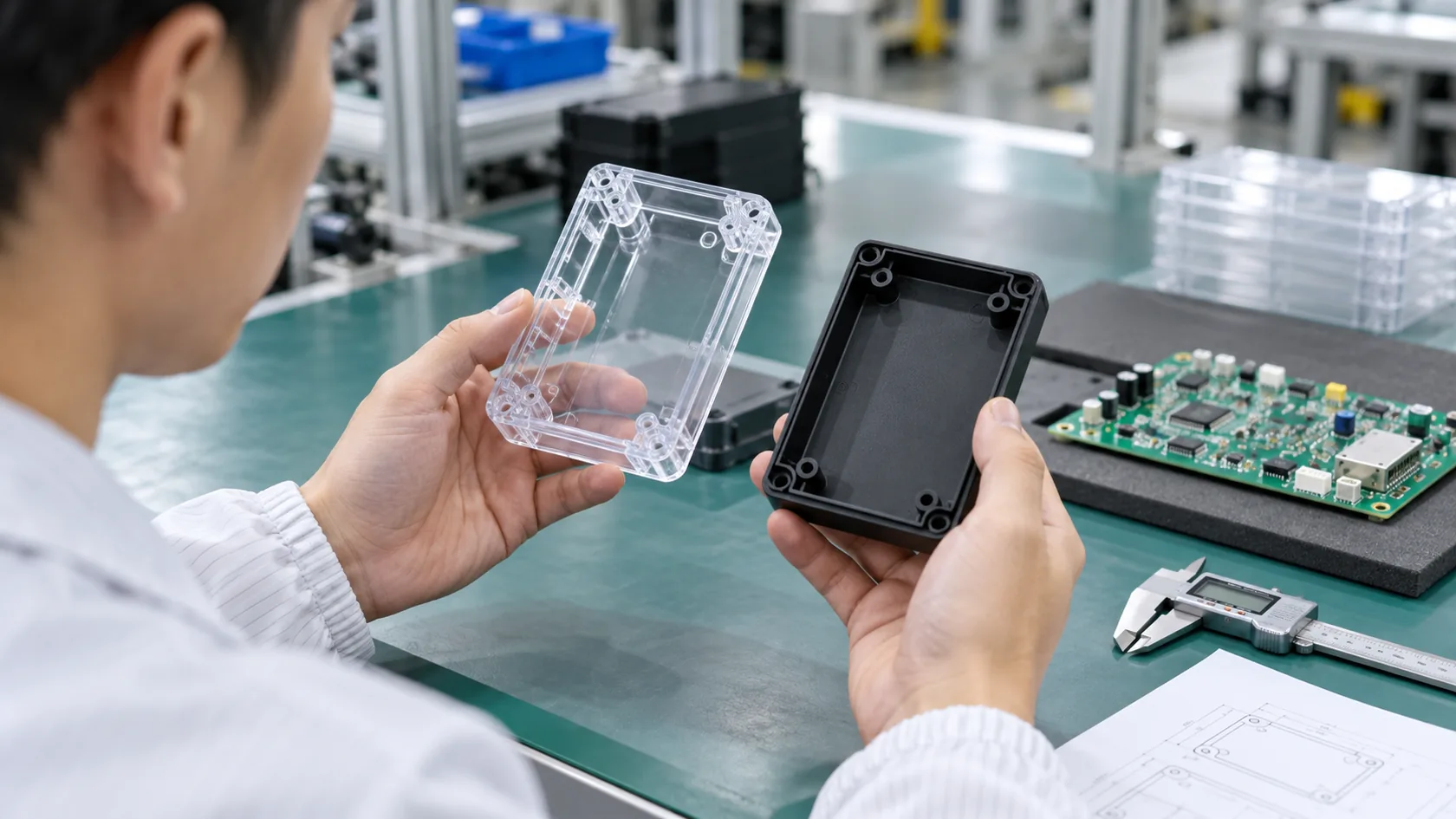
The supplier needs to understand whether this is a prototype, a small project, or a long-term product.
Mechanical Design Information
A complete mechanical package usually includes:
- 2D drawing
- 3D CAD file
- overall dimensions
- material requirement
- wall thickness
- mounting structure
For internal design, buyers should provide:
- PCB position
- mounting hole locations
- connector positions
- cable routing requirements
A small mistake in these areas can affect the entire assembly process.
Manufacturing and Finishing Requirements
Surface treatment is often discussed too late.
But it directly affects the production process.
| Surface Treatment | Common Application |
|---|---|
| Anodizing | Aluminum appearance and protection |
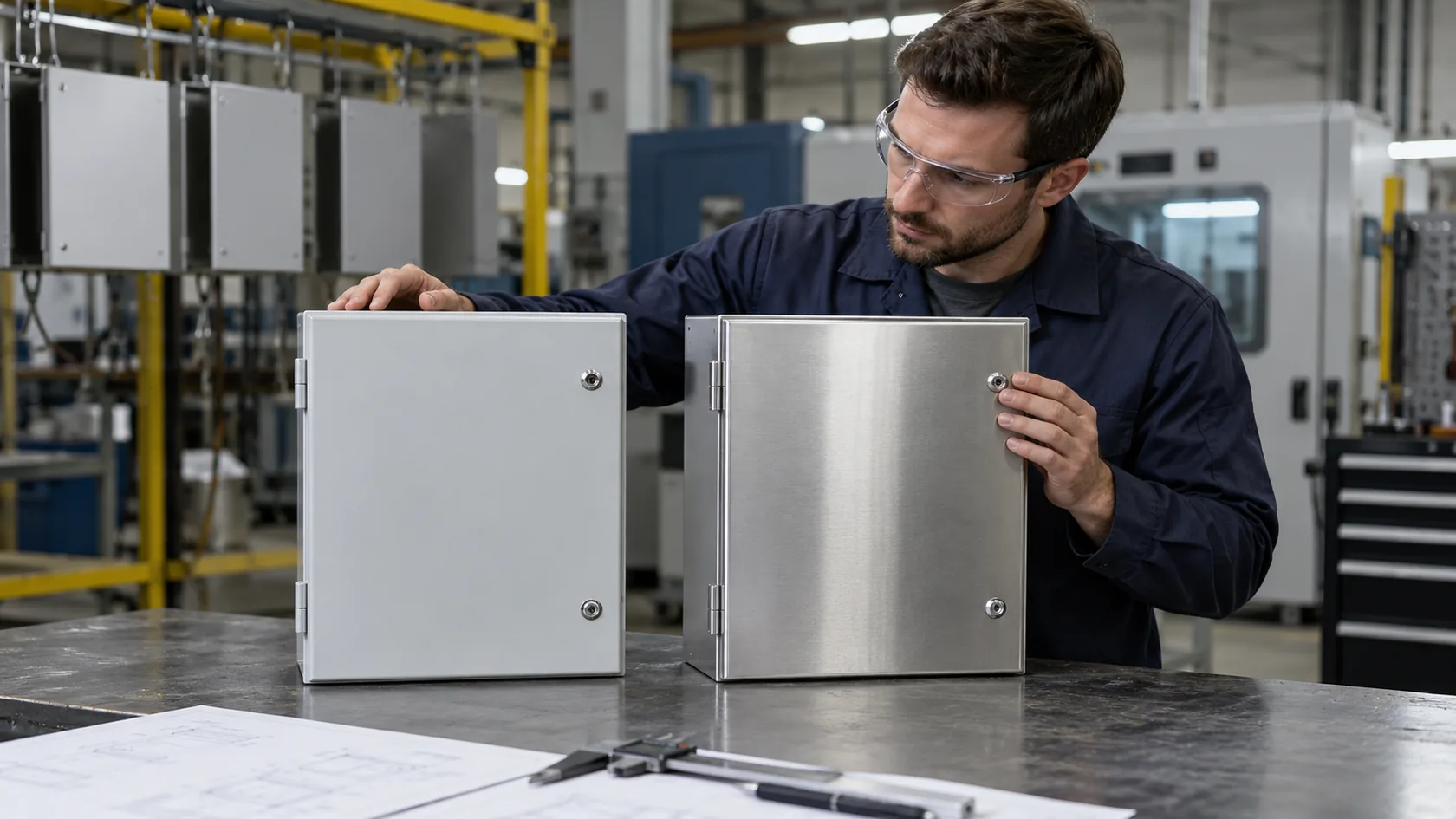
| Powder coating | Outdoor and industrial use |
| Painting | Custom colors |
| Brushing | Premium appearance |
Logo requirements should also be clear.
Common methods include:
- laser engraving
- silk printing
- UV printing
Each method has different cost and appearance results.
Functional Requirements
A professional RFQ should also explain product performance requirements.
Important points include:
- IP rating
- heat dissipation
- EMC shielding
- cable entry
- connector type
- working environment
These requirements often influence enclosure design more than the external appearance.
Why Missing Details Increase Enclosure Manufacturing Costs
Many buyers focus heavily on the initial quotation price.
I understand why.
Every company wants to control costs.
But sometimes the cheapest first quotation creates higher final costs.
Engineering Time Increases When RFQs Are Incomplete
When information is missing, engineers need more time.
They need to:
- review drawings again
- ask additional questions
- confirm manufacturing methods
- discuss possible solutions
| RFQ Quality | Engineering Communication |
|---|---|
| Complete RFQ | Faster quotation |
| Missing details | More questions |
| Unclear requirements | More redesign risk |
A factory is not only calculating material cost.
It is also calculating production risk.
I always consider communication time as part of project cost because unclear requirements usually consume more resources than customers expect.
Incorrect Assumptions Create Production Risks
When information is missing, suppliers must make assumptions.
For example:
- assuming material grade
- assuming tolerance
- assuming surface quality
- assuming assembly method
Different assumptions create different results.
A customer may expect premium appearance, but the supplier may quote a standard finish.
The price looks attractive at first.
The problem appears later.
Low Initial Cost Can Become Higher Final Cost
A low quotation can become expensive when changes happen after production starts.
Possible additional costs include:
- extra CNC machining
- new tooling
- material waste
- rework
- delayed shipment
| Early Decision | Later Result |
|---|---|
| Clear requirement | Stable production |
| Missing information | More modification |
| Late changes | Higher cost |
The cheapest supplier is not always the lowest-cost supplier.
The real cost includes time, risk, and reliability.
How Experienced Buyers Prepare Better Enclosure RFQs?

Experienced buyers usually understand one thing:
A supplier cannot give good advice without enough information.
The better the communication at the beginning, the better the final product.
Price is important.
But application information should come first.
A supplier needs to know:
- what the enclosure protects
- where it will be installed
- who uses the final product
For example, an enclosure for a smart device sold online has different requirements from an industrial controller used outdoors.
The design priorities are different.
Allow Manufacturers to Review the Design Before Production
A good enclosure supplier should not only provide a price.
They should review:
- machining process
- material selection
- assembly method
- cost-saving opportunities
Sometimes a supplier can suggest:
- reducing unnecessary CNC operations
- changing material thickness
- improving assembly structure
These suggestions can reduce cost without reducing quality.
Treat Suppliers as Engineering Partners
The best projects happen when buyers and suppliers work together.
A professional enclosure manufacturer can provide:
- DFM suggestions
- production feedback
- alternative solutions
- cost optimization
The way I see it, customers who treat suppliers as simple price providers usually get simple answers. Customers who share their problems usually receive better engineering support.
How Manufacturers Evaluate an Enclosure RFQ Before Quotation

Before my team prepares a quotation, we do not only calculate material and machining costs.
We first check whether the project can move smoothly into production.
Step 1: Check Product Design Feasibility
We review:
- enclosure dimensions
- structure design
- machining complexity
- assembly method
Some designs look simple but require many machining steps.
A small design adjustment may improve efficiency.
Step 2: Identify Production Risks
We check possible problems:
| Risk Area | Example |
|---|---|
| CNC machining | Too many operations |
| Tooling | Special tools required |
| Surface treatment | Finish limitation |
| Sealing | IP requirement challenge |
These risks affect both price and delivery time.
Step 3: Suggest Improvements Before Manufacturing
Before production, manufacturers can suggest:
- reducing unnecessary machining
- changing hole positions
- adjusting tolerance
- simplifying assembly
A good design is not only easy to manufacture.
It should also be reliable, cost-effective, and suitable for the final application.
I prefer to solve problems before production starts because fixing a design issue after mass production begins is always more expensive for everyone.
Conclusion
After years of working with custom enclosure projects, I have learned that production delays rarely start from the production line.
They usually start from incomplete communication at the beginning.
Many customers focus on finding a supplier with a good price. However, a successful enclosure project requires more than a quotation. It requires a supplier who understands the product, the environment, and the manufacturing challenges behind the design.
This is why I always encourage customers to provide more than drawings.
Tell the supplier:
- what the enclosure protects
- where it will be used
- what performance it needs
- how the final product should look and work
When I review an RFQ, I am not only asking, "Can we make this enclosure?"
I am asking, "How can we make this enclosure better, easier to produce, and more reliable for the customer's market?"
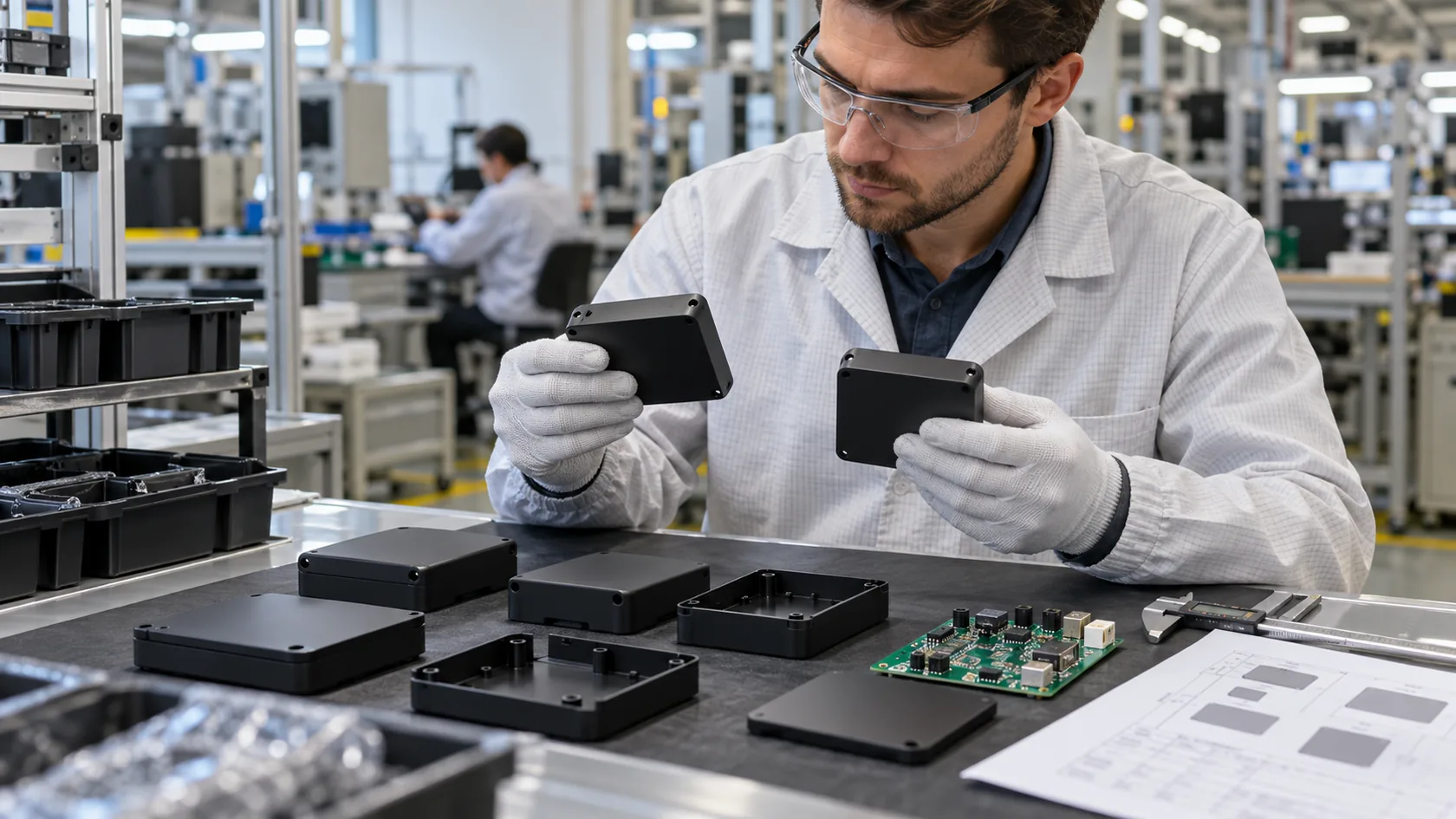
If you are developing a custom aluminum enclosure, plastic enclosure, or sheet metal enclosure project, a detailed RFQ is the best first step. It helps both sides save time, reduce risks, and build a smoother manufacturing process.