Skip to content

When I work with steel enclosure projects, corrosion is always one of the first things I look at. Steel looks strong on the surface, but once it goes into rain, salt air, or industrial chemicals, things change fast. I have seen products fail not because of design mistakes, but because the surface protection was not matched with the real environment.
Most of my customers come to me with outdoor control boxes, telecom cabinets, or energy storage housings. These products sit outside for years. They cannot afford rust spots or coating failure. That is why the choice between powder coating and galvanizing always becomes a serious topic in early design discussions.
In most cases, people ask a simple question: which one is better? But in real projects, I never treat it as a simple answer. I always think about how the product will live, not just how it looks on day one.
What I usually check first is the real installation environment, because I know many corrosion problems start from wrong assumptions about where the product will actually be used.
I still remember one telecom project where the client insisted on powder coating only because of color branding. The product looked good at first, but after one year near the coast, rust started showing at the edges. That moment changed how I judge coating decisions.
Now I move step by step, starting from the coating itself.
What Is Powder Coating?

Powder coating is one of the most common surface treatments I use for steel enclosures. It gives a clean finish and strong visual control. But I always remind myself that appearance is only one part of protection.
What I usually check first is whether the customer values appearance more than long-term edge durability, because powder coating always has weak points at sharp edges and drilled holes.
How Powder Coating Works
The process starts with electrostatic spraying. Powder particles stick to the metal surface. Then the part goes into an oven. Heat melts the powder and forms a solid film.
This film becomes the outer barrier. It blocks moisture and air from reaching the steel.
But in practice, I always pay attention to film thickness consistency, because uneven spraying often creates weak zones that fail first in the field.
Types of Powder Coating Finishes
There are different powder systems. Each one behaves differently in real environments.
| Type | Main Use | Strength | Weak Point |
|---|---|---|---|
| Polyester | Outdoor general use | UV resistance | Moderate chemical resistance |
| Epoxy | Indoor industrial | Strong adhesion | Poor UV resistance |
| Hybrid | Mixed environments | Balanced performance | Not best in extremes |
Outdoor-grade polyester is what I usually recommend for telecom and outdoor electronics. But I never assume it is enough for coastal or chemical-heavy areas.
Strengths and Weaknesses
Powder coating gives flexibility in color and branding. This is why many OEM clients like it.
But I always warn about scratches. Once the surface is damaged, corrosion can spread under the coating.
In field conditions, I have seen installers damage corners during assembly. That small impact later becomes a rust starting point.
What Is Galvanizing Steel?

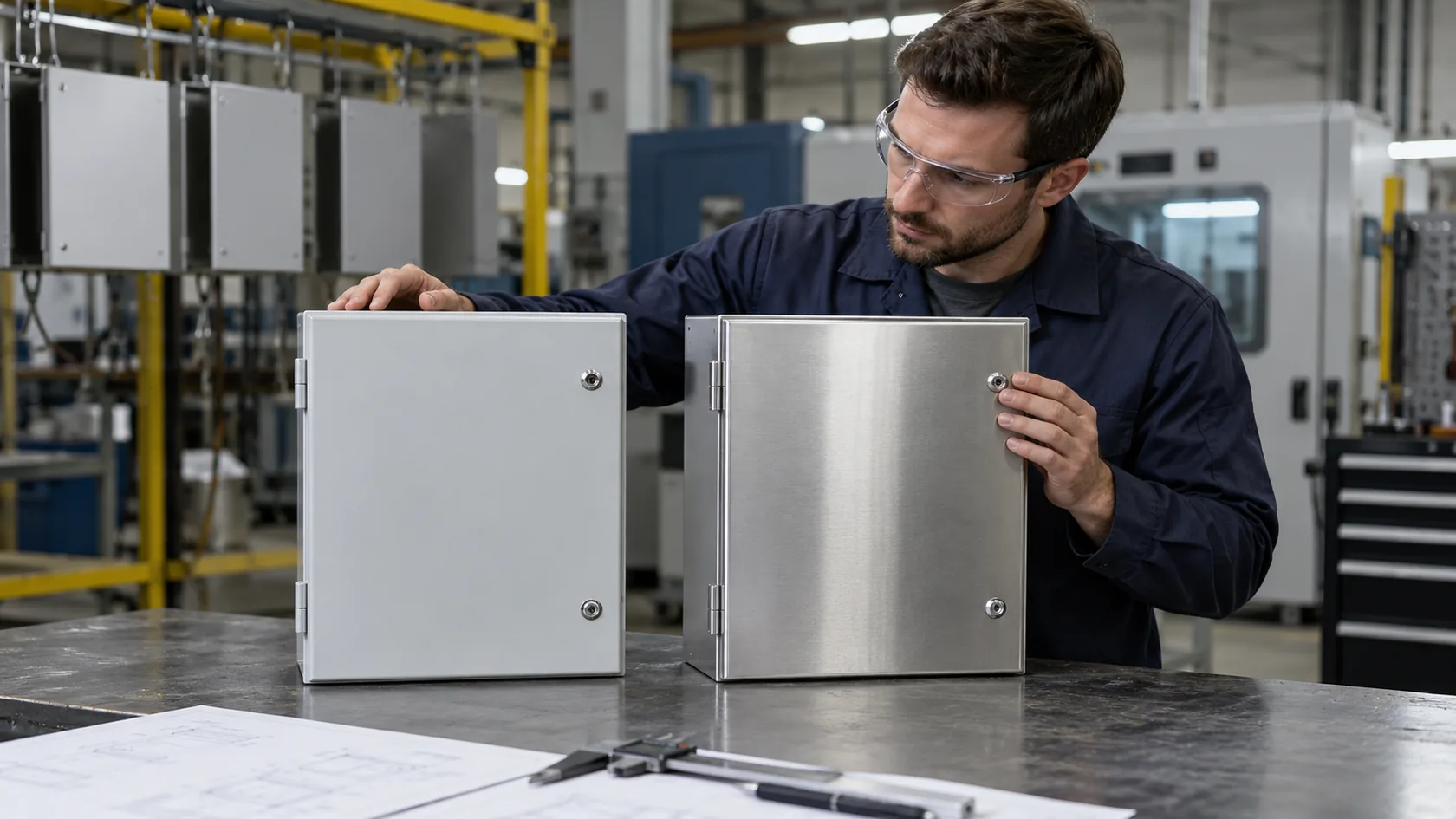
Galvanizing feels less “beautiful” compared to powder coating, but in engineering terms, it is often more aggressive in protection. I usually think of it as a survival layer rather than a cosmetic layer.
This is where many clients underestimate it. They focus on appearance, but ignore long-term corrosion behavior.
Hot-Dip Galvanizing Process
Hot-dip galvanizing means steel is dipped into molten zinc. The zinc reacts with the steel surface and forms alloy layers.
This is not just coating. It becomes part of the metal surface.
What I usually check first is coating thickness, because thin zinc layers will fail quickly in coastal environments.
Electro-Galvanizing vs Hot-Dip
There are two main types.
| Method | Thickness | Protection Level | Typical Use |
|---|---|---|---|
| Electro-galvanizing | Thin | Light protection | Indoor parts |
| Hot-dip galvanizing | Thick | Heavy-duty protection | Outdoor structures |
Hot-dip is always my default choice for harsh environments. Electro-galvanizing is more for controlled indoor use.
Strengths and Limitations
Galvanizing protects even when the surface is scratched. Zinc sacrifices itself to protect steel.
But the surface is rough. It is not visually clean. For branding-focused products, this becomes a limitation.
In practice, I often see clients struggle between “industrial look” and “brand image requirement”, and this is where decisions become emotional, not just technical.
Corrosion Resistance Comparison
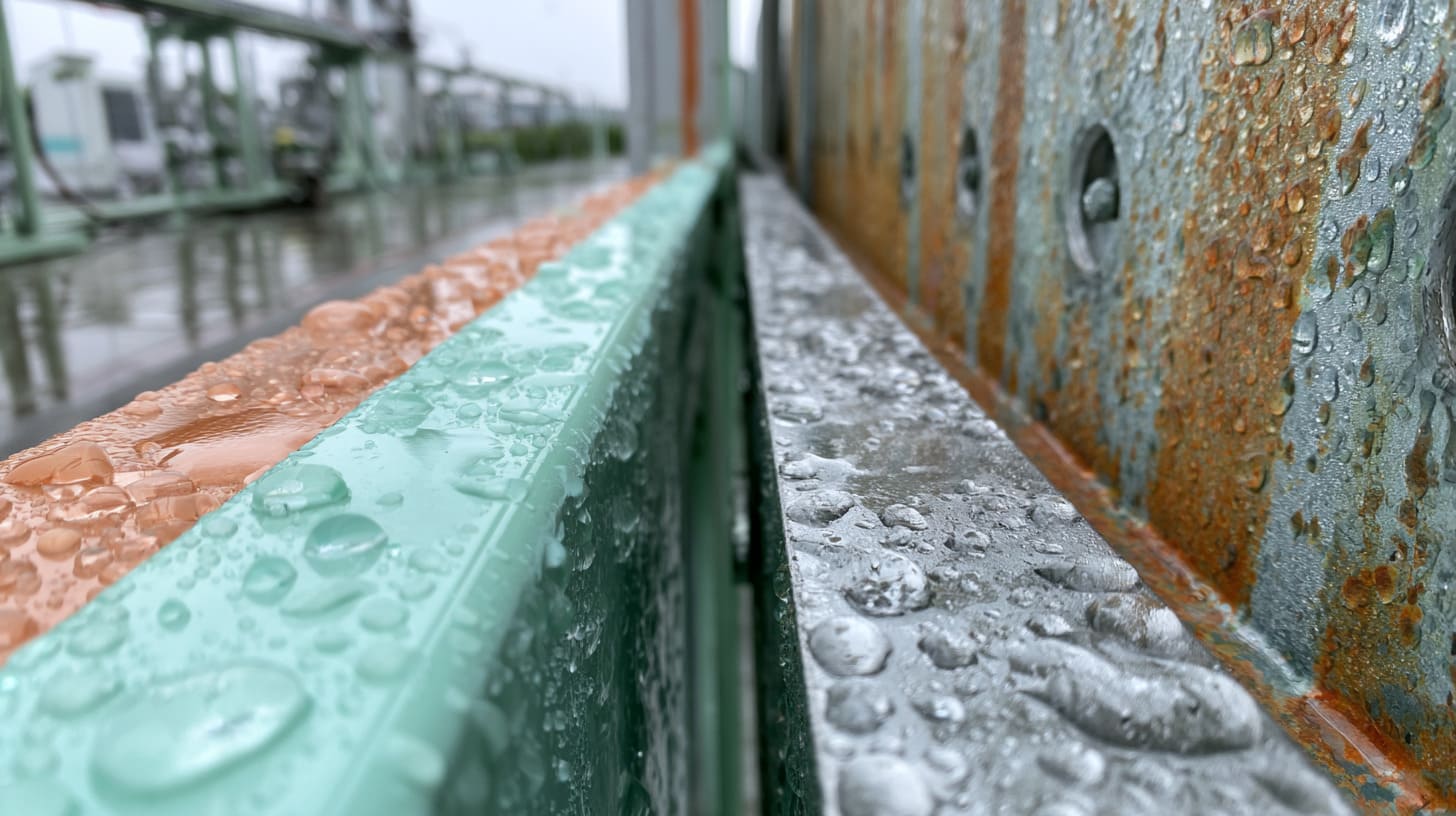
When I compare these two methods, I never look at them as competitors in a simple way. I look at how they protect steel differently under stress.
Protection Mechanism Differences
Powder coating works as a barrier. It blocks water and air.
Galvanizing works as sacrifice. Zinc corrodes first to protect steel.
This difference is critical. One stops exposure. The other allows controlled corrosion.
Performance in Harsh Environments
In coastal areas, I always expect salt attack.
Powder coating can fail at edges first. Galvanizing continues to protect even when surface damage happens.
UV exposure also matters. Powder coating can fade over time, but galvanizing stays stable, though it may change appearance.
Failure Modes in Real Applications
Common failures I see:
- Powder coating: peeling at corners, scratches turning into rust points
- Galvanizing: gradual zinc consumption over years
This is where real projects often surprise customers. They expect “no rust”, but each system fails in a different way.
Durability and Lifespan Analysis
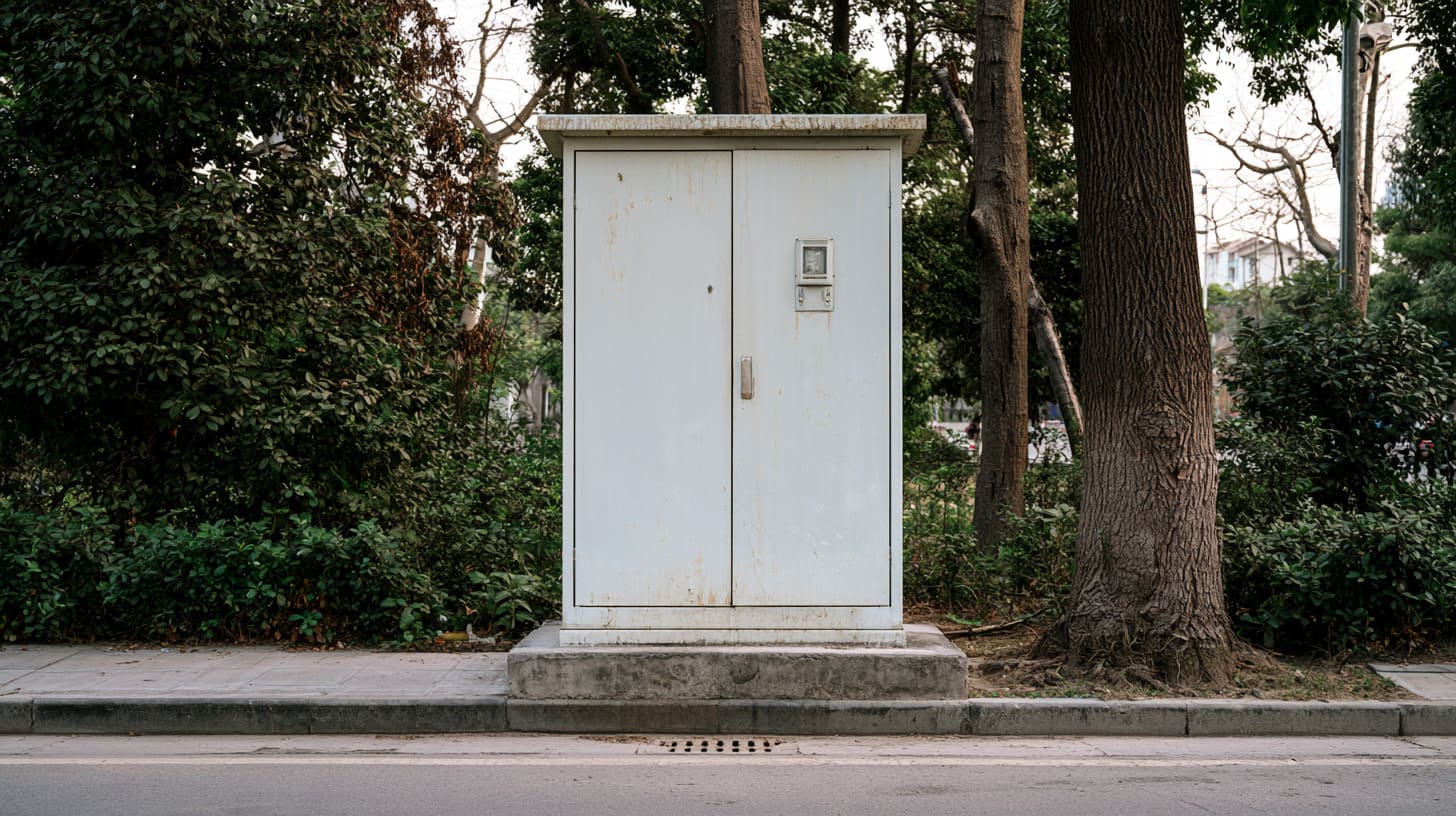
Durability is not just lab data. I always think about how installers, users, and environment interact with the surface over years.
Indoor Applications
For indoor control cabinets, powder coating is usually enough.
Electronics rooms, factory panels, and HVAC controls do not face extreme corrosion pressure.
But I still check humidity levels, because condensation can slowly attack weak coating areas.
Outdoor Applications
Outdoor telecom boxes or energy storage systems are more complex.
Galvanizing performs better in long cycles of rain and sun exposure.
Powder coating needs higher thickness control and better edge protection.
Maintenance and Repair Considerations
Powder coating can be repaired locally with repainting.
Galvanized surfaces are harder to repair after damage.
In practice, I always ask customers if they expect field maintenance teams or not. This changes the material choice a lot.
Cost, Manufacturing, and Supply Chain Impact
Cost is always part of the decision, but I never treat it as the only factor.
Material and Processing Cost Differences
Powder coating requires spraying line and curing oven.
Galvanizing requires chemical tanks and heavy infrastructure.
Small factories usually prefer powder coating because it is more flexible.
Lead Time and Production Complexity
Powder coating works well for small batches and fast changes.
Galvanizing often needs larger batch processing.
What I usually check first is whether the project has frequent design changes, because galvanizing is less flexible.
Supply Chain Constraints for OEM/ODM Projects
Not every supplier can do hot-dip galvanizing in-house.
Sometimes outsourcing creates delays and inconsistent quality.
This becomes a hidden risk in tight delivery projects.
Design Implications for Metal Enclosures
Surface treatment affects design more than many engineers expect.
Impact on Machining and Assembly
Threaded holes can behave differently after coating.
Powder coating may block threads if not masked properly.
Galvanizing may slightly change fit tolerance due to thickness.
Sealing and IP/NEMA Ratings
Coating affects gasket compression and sealing performance.
For IP65–IP67 enclosures, I always check coating thickness near sealing surfaces.
Small deviations here can break waterproof performance.
Aesthetic vs Functional Trade-offs
Clients often want perfect branding color.
But I sometimes push back when environment is too harsh.
This is where I balance brand appearance and long-term field reliability.
Which One Should You Choose?

There is no universal winner. I always break it down by real use case.
Decision Framework by Application
- Indoor: powder coating is usually enough
- Outdoor urban: powder coating + good edge protection
- Coastal / industrial: galvanizing is safer
Industry-Specific Recommendations
- Telecom: galvanizing or hybrid system
- Energy storage: galvanizing preferred
- Consumer electronics: powder coating for branding
Hybrid Solutions
Sometimes I combine both.
Galvanized base + powder coating top layer.
This gives both corrosion resistance and visual control.
But I only recommend it when budget allows, because it increases process complexity.
Conclusion
From my experience working with OEM enclosure projects, I do not treat powder coating and galvanizing as competing options. I treat them as two different survival strategies for steel.
Powder coating is what I choose when appearance, branding, and controlled environments matter most. It gives flexibility, but it always depends on surface integrity. Once the coating is damaged, protection weakens quickly.
Galvanizing is what I rely on when the environment becomes unpredictable. Salt, moisture, and long outdoor exposure change everything. Zinc protection continues even after surface damage, which is why I trust it more in harsh field conditions.
This is why I make decisions based on real usage, not theory. I always ask myself how the enclosure will age in the field, not how it looks on delivery day.
If I am involved in a project early, I always push the discussion toward environment first, material second, and appearance last. This order prevents most corrosion failures I have seen over the years.
If you are planning a steel enclosure project, I would suggest starting from one simple question: where will this product really live for the next five to ten years? That answer usually tells you everything you need to choose.