Skip to content

A metal part can look finished before it is truly ready.
I have seen this many times in enclosure projects. A customer sends a clean 3D drawing. The aluminum case looks simple. The sheet metal box looks strong. The size is correct. The holes are correct. The logo position is clear. At first glance, everything feels under control.
Then we ask one small question.
“What surface treatment do you want?”
And suddenly, the project becomes more serious.
Some buyers pause because they think surface treatment is only about color. Some say, “Just make it black.” Some say, “Make it anti-rust.” Some say, “Use the cheapest one.” I understand that feeling. When you already spend time on structure, material, tooling, samples, and delivery, the finish can feel like a small detail.
But it is not small.
Surface treatment can change how a metal part looks, how long it lasts, how much it costs, and how customers feel when they touch it. It can protect a product from rain, salt, fingerprints, scratches, and daily wear. It can also make a good enclosure feel cheap if the finish is wrong.
For custom aluminum enclosures, plastic enclosures with metal parts, sheet metal enclosures, Raspberry Pi-style cases, and industrial control boxes, I always treat surface finishing as part of the product design. Not as decoration. Not as an afterthought.
I have learned one thing from real projects: a strong metal part with the wrong finish can still fail in the market. The structure may be correct, but the user sees the surface first. They touch the surface first. And many times, they judge quality from the surface before they open the product.
This article will walk through the main surface treatments used in metal fabrication. I will compare powder coating, anodizing, electroplating, brushing, blasting, chemical conversion coating, and galvanizing. I will also share how I usually think about cost, appearance, corrosion resistance, branding, and long-term use when helping OEM and ODM buyers choose the right finish.
What Is Surface Treatment in Metal Fabrication?
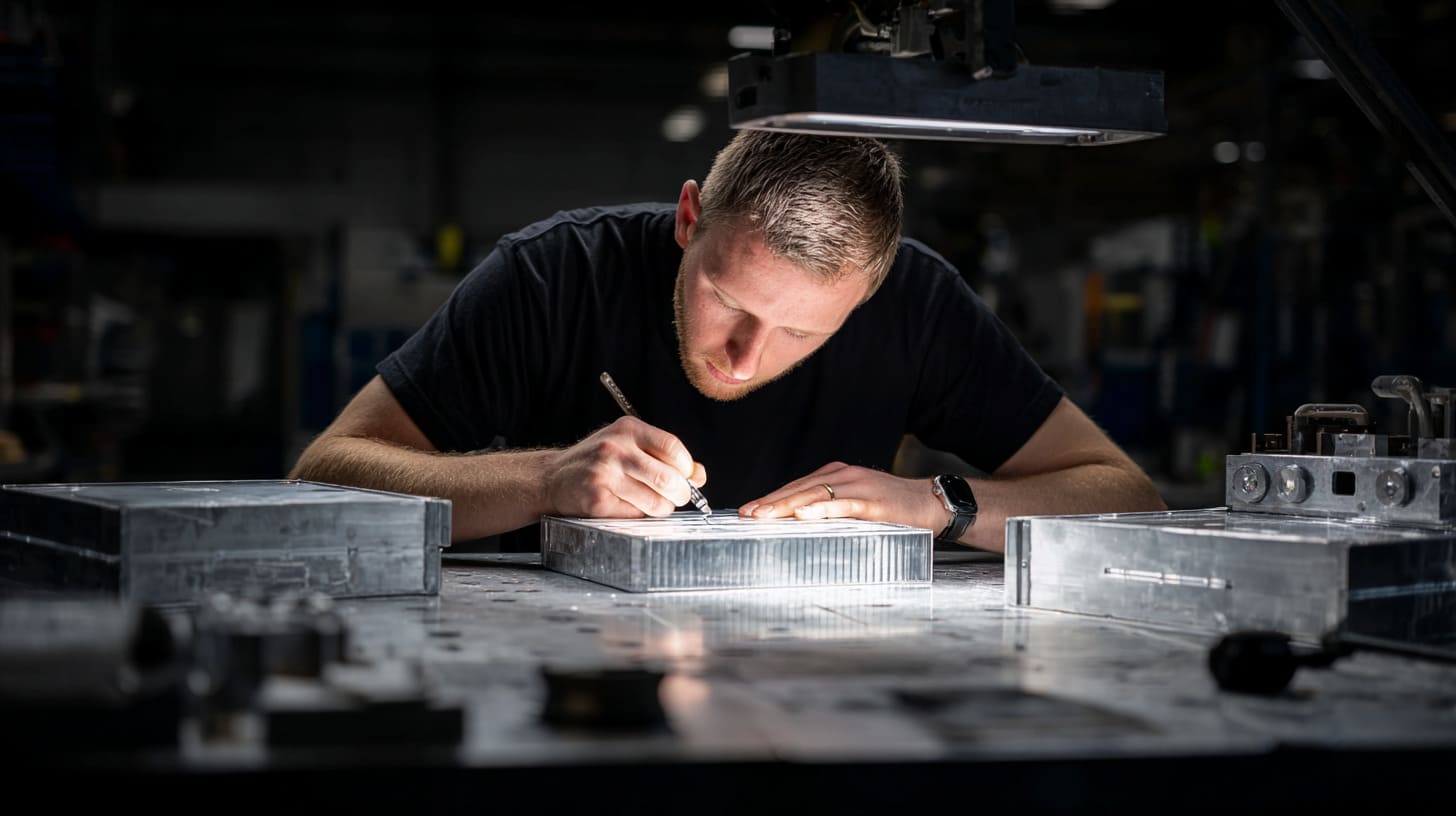
Surface treatment is the process used to change, protect, or improve the outer layer of a metal part. It can be done for many reasons. Some finishes protect against rust. Some improve color. Some make the surface harder. Some help paint stick better. Some make the product feel more premium.
A metal enclosure without surface treatment is like a house without a door. The structure may exist, but it is exposed.
For example, raw aluminum can oxidize. Raw steel can rust. Stainless steel can still show marks and fingerprints. A bare sheet metal cabinet may look unfinished and weak, even if the structure is strong.
The surface is where the product meets the real world.
Definition of surface treatment
Surface treatment means changing the surface of metal by coating, chemical reaction, mechanical processing, or electrical process.
In simple words, we are doing something to the outside of the metal so it performs better or looks better.
Common surface treatments include:
| Surface Treatment | Basic Meaning | Common Base Metal |
|---|---|---|
| Powder coating | Dry powder is sprayed and baked onto the surface | Steel, aluminum |
| Anodizing | Aluminum surface is changed into a hard oxide layer | Aluminum |
| Electroplating | A thin metal layer is added by electricity | Steel, brass, zinc alloy |
| Brushing | A directional line texture is made by abrasive tools | Aluminum, stainless steel |
| Sandblasting / bead blasting | Fine particles hit the surface to create texture | Aluminum, steel, stainless steel |
| Chemical conversion coating | Chemical film forms on the surface | Aluminum, zinc, magnesium |
| Galvanizing | Zinc layer protects steel | Steel |
Surface treatment is not only a factory step. It is a design choice.
Why manufacturers apply surface finishes
Manufacturers apply surface finishes because raw metal usually cannot meet all final product needs.
A metal part may need:
- Better corrosion resistance
- A nicer appearance
- A specific color
- Better scratch resistance
- Better electrical contact
- Better paint adhesion
- Better outdoor performance
- A surface suitable for logo printing or engraving
- A surface that matches brand identity
For custom enclosures, the finish also affects how the product feels in the buyer’s hand. A powder-coated enclosure may feel smooth and solid. A brushed anodized aluminum case may feel clean and premium. A galvanized steel box may feel industrial and practical.
Different buyers notice different things.
A product engineer may care about conductivity, heat, and corrosion. A brand owner may care about color and logo. A distributor may care about price and delivery. An end user may care about touch, scratches, and appearance.
This is where I often slow down during project confirmation. I do not only ask what color the customer wants. I ask where the product will be used, how it will be touched, and what kind of customer will receive it.
How surface treatment affects product lifespan
A surface finish can add years to a product’s life.
For indoor electronics, a basic powder coating or anodizing may be enough. For outdoor electrical boxes, the finish must handle rain, sun, and temperature changes. For coastal areas, salt air can attack metal quickly. For industrial equipment, chemicals, oil, and dust may create extra risk.
A small finish mistake can become a big after-sales problem.
For example, if a steel enclosure is used outdoors with weak coating, the edge may rust first. The buyer may not complain on day one. But after a few months, rust appears around holes, screws, or cut edges. Then the product looks old. The brand loses trust.
That is why the surface finish must match the environment.
Common goals: protection, aesthetics, functionality, and branding
Most surface treatment decisions come down to four goals.
| Goal | What It Means | Example |
|---|---|---|
| Protection | Prevent corrosion, oxidation, and wear | Outdoor powder-coated steel enclosure |
| Aesthetics | Improve appearance and touch | Brushed anodized aluminum case |
| Functionality | Support conductivity, hardness, or adhesion | Chemical conversion coating for electrical contact |
| Branding | Match company color, logo, and product style | Custom color powder coating with silk-screen logo |
A good finish does not always need to be the most expensive one. It needs to fit the product.
I have seen low-cost powder coating work perfectly for indoor control boxes. I have also seen expensive finishes become wasteful because the product was hidden inside a machine and nobody cared about appearance.
The finish should serve the product. It should not only serve the catalog photo.
How Do Different Surface Treatments Compare at a Glance?

Surface treatment can feel confusing because every finish has its own strong points. Powder coating sounds durable. Anodizing sounds premium. Plating sounds technical. Galvanizing sounds strong. Brushing looks beautiful. Blasting feels clean.
But no single finish wins every project.
I once worked on a small aluminum enclosure project where the buyer wanted black anodizing because it looked premium. The product was for an outdoor sensor. The order quantity was not large. The customer also wanted a very exact brand color. After checking the use environment and color request, we discussed powder coating instead. It gave better color control and good outdoor protection for that project.
The lesson was simple. The best finish is not the most famous finish. The best finish is the finish that fits the job.
Comparison table of major metal finishing methods
| Surface Treatment | Best For | Main Strength | Main Weakness |
|---|---|---|---|
| Powder coating | Enclosures, cabinets, brackets | Color options and corrosion protection | Can chip if hit hard |
| Anodizing | Aluminum cases and panels | Premium metal feel and oxide protection | Color matching can vary by batch |
| Electroplating | Small metal parts, fasteners, decorative parts | Thin protective or decorative metal layer | Environmental control and process quality matter a lot |
| Brushed finish | Premium aluminum and stainless parts | Clean directional texture | Scratches can follow or break the grain |
| Sandblasting / bead blasting | Matte texture and pre-treatment | Even surface and better coating base | Can hide small defects but may not protect alone |
| Chemical conversion coating | Functional aluminum parts | Conductivity and corrosion support | Not as decorative as anodizing or coating |
| Galvanizing | Outdoor steel parts | Strong zinc protection | Rougher appearance and limited fine cosmetic control |
This table is useful, but it is not enough by itself. The same finish can perform differently based on thickness, pre-treatment, material grade, process control, and final use.
Corrosion resistance comparison
For corrosion resistance, I usually think about the environment first.
| Environment | Better Finish Choices | Notes |
|---|---|---|
| Indoor dry room | Powder coating, anodizing, brushing | Most finishes work well |
| Indoor industrial area | Powder coating, anodizing, plating | Oil, dust, or chemicals may matter |
| Outdoor normal weather | Outdoor-grade powder coating, anodizing, galvanizing | Edge protection is important |
| Coastal area | High-quality powder coating system, hard anodizing, galvanizing for steel | Salt spray risk is higher |
| Hidden structural steel | Galvanizing, zinc plating, powder coating | Appearance may be less important |
Corrosion resistance is not only about the surface. Holes, corners, welds, and edges are often the weak points.
A flat panel may pass testing, while the cut edge fails first. This small detail is easy to miss in a quotation stage.
Appearance and texture comparison
Appearance is also not one simple question.
A smooth black powder-coated enclosure feels different from a black anodized aluminum enclosure. Both are black. But they are not the same.
| Finish | Visual Feeling | Touch Feeling |
|---|---|---|
| Powder coating | Solid, clean, colorful | Smooth or textured |
| Anodizing | Metallic, premium, technical | Cool metal touch |
| Brushed finish | High-end, directional, clean | Slight line texture |
| Bead blasting | Soft matte, even | Fine and smooth |
| Electroplating | Bright or metallic | Hard and slick |
| Galvanizing | Industrial, rougher | Uneven or spangled |
If the product is sold online, the finish must photograph well. If the product is touched every day, the finish must feel good. If the product is installed inside a machine, function may matter more than beauty.
The customer’s customer matters too.
Cost and production lead time comparison
Some surface treatments are easy to arrange. Some need more process control. Some require minimum batch quantity. Some need color matching. Some need extra masking for threaded holes, conductive areas, or tight tolerance parts.
| Finish | Cost Level | Lead Time Risk | Notes |
|---|---|---|---|
| Powder coating | Low to medium | Low to medium | Custom colors may need more time |
| Anodizing | Medium | Medium | Color consistency can need control |
| Electroplating | Medium | Medium to high | Process and environmental rules matter |
| Brushing | Medium | Medium | Labor and consistency matter |
| Blasting | Low to medium | Low | Often used before another finish |
| Chemical conversion | Medium | Medium | Functional requirements must be clear |
| Galvanizing | Medium | Medium | Part size and steel structure affect process |
A buyer may save money on the finish but lose money on returns. Or they may overpay for a finish that does not add value. Both are common.
One detail I always check before confirming a finish is whether the finish will affect assembly, screws, grounding, or tight dimensions, because a beautiful surface means very little if the parts cannot fit well after coating.
Typical applications for each finish
| Product Type | Common Finish Choice |
|---|---|
| Aluminum electronics enclosure | Anodizing, powder coating, brushing |
| Sheet metal control cabinet | Powder coating |
| Outdoor steel bracket | Galvanizing, powder coating |
| Stainless steel panel | Brushing, polishing, blasting |
| Small hardware parts | Zinc plating, nickel plating |
| Aerospace or electronic aluminum parts | Chemical conversion coating, anodizing |
| Raspberry Pi-style aluminum case | Anodizing, blasting, brushing |
The finish should follow product use. It should not follow habit only.
A factory may suggest what they often produce. A buyer may request what they have used before. But every new project deserves a fresh look.
What Is Powder Coating and When Should You Choose It?
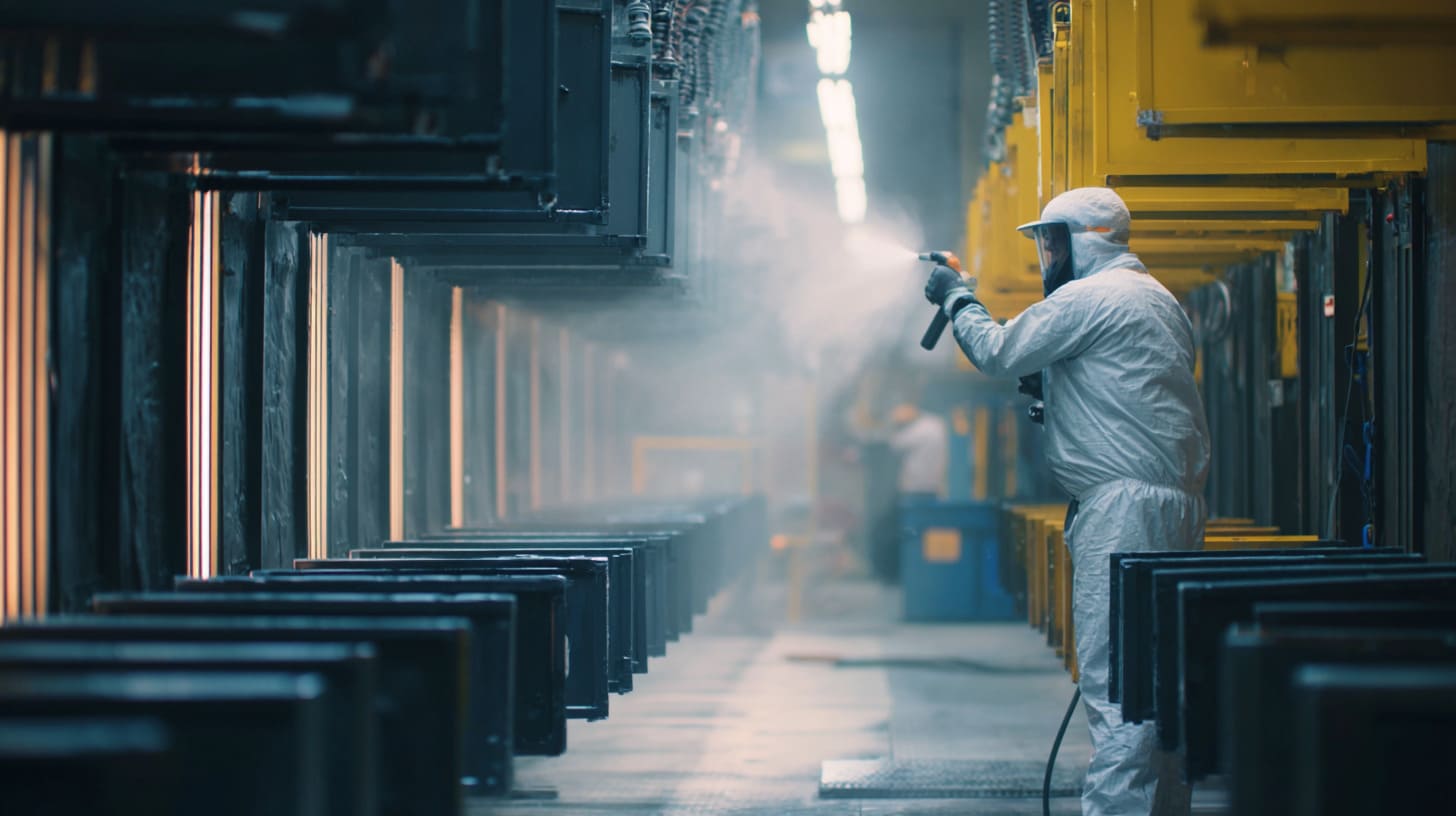
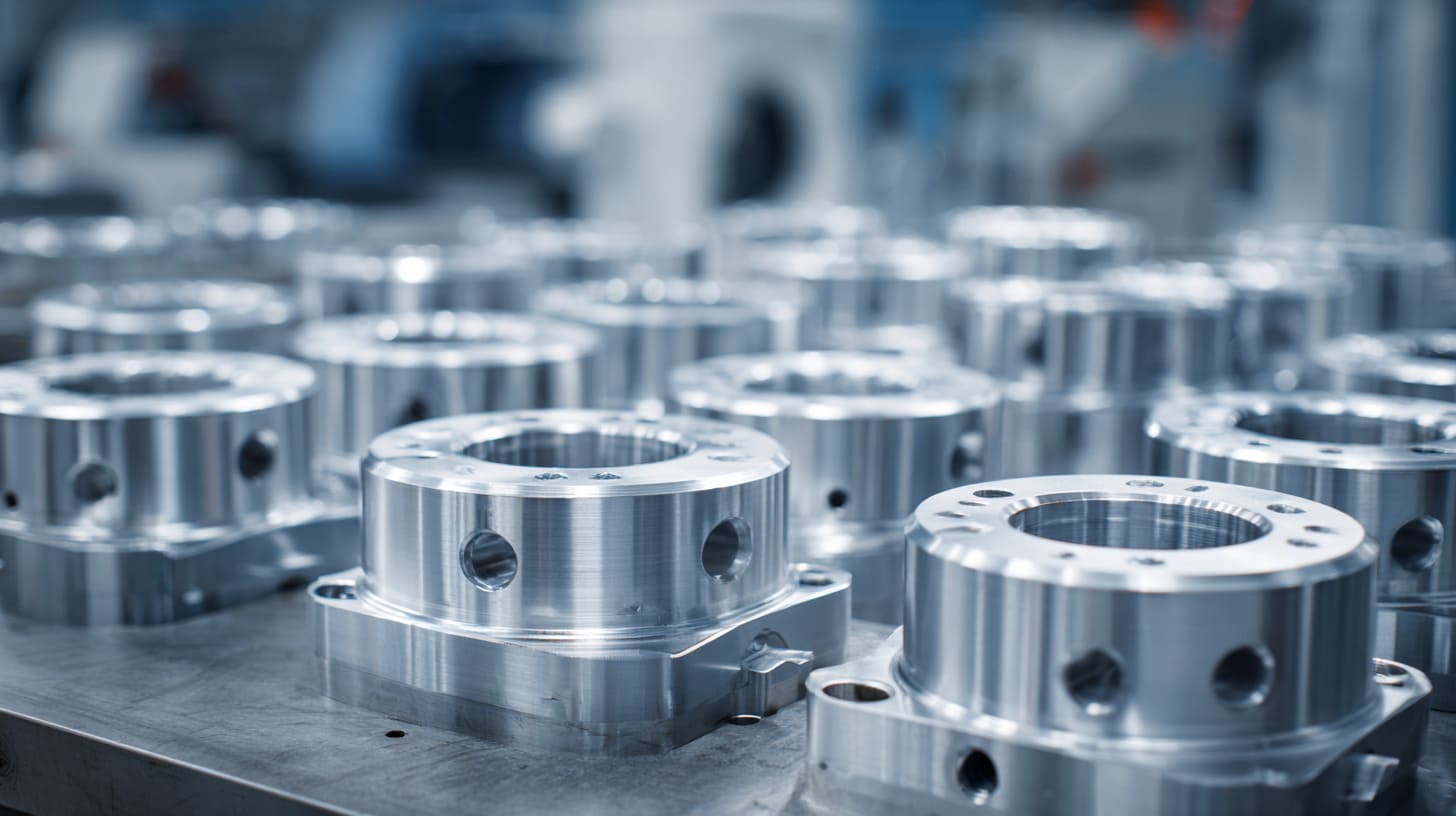
Powder coating is one of the most common finishes in metal fabrication. It is widely used for sheet metal enclosures, control boxes, machine covers, brackets, cabinets, and many industrial products.
I like powder coating because it is practical. It gives good color choice, good protection, and a clean appearance at a reasonable cost. It is not always the most premium finish, but it is often the most balanced one.
How powder coating works
Powder coating uses dry powder instead of liquid paint. The powder is sprayed onto the metal surface. Then the part goes into an oven. Heat melts the powder and forms a hard coating layer.
The basic process usually looks like this:
| Step | What Happens | Why It Matters |
|---|---|---|
| Cleaning | Oil, dust, and dirt are removed | Coating sticks better |
| Pre-treatment | Surface is prepared chemically or mechanically | Improves corrosion resistance |
| Powder spraying | Powder is sprayed onto the part | Creates color and protective layer |
| Curing | Part is baked in oven | Powder melts and hardens |
| Inspection | Surface, thickness, and defects are checked | Prevents quality problems |
A powder-coated part may look simple, but process control matters a lot. If cleaning is poor, the coating may peel. If curing is weak, the coating may not be strong. If the film is too thick, holes and threads may have assembly problems.
Key advantages of powder coating
Powder coating has several clear advantages for enclosure manufacturing.
- It offers many color choices.
- It gives a smooth or textured appearance.
- It protects steel and aluminum from corrosion.
- It is suitable for medium and large production runs.
- It is often more cost-friendly than some premium finishes.
- It can cover weld marks and small surface defects better than clear finishes.
For B2B buyers, powder coating is often attractive because it supports branding. A buyer can choose black, white, gray, blue, orange, or a custom RAL color. This is useful for equipment brands, electronic device makers, and distributors who want their products to look consistent.
Common color and texture options
Powder coating is not only “paint it black.”
Common options include:
| Option | Typical Use |
|---|---|
| Matte black | Electronics, industrial devices |
| Glossy white | Medical equipment, clean room devices |
| Fine texture black | Control boxes, instrument cases |
| Gray | Electrical cabinets, machine covers |
| Custom RAL color | Brand-specific products |
| Outdoor-grade powder | Outdoor enclosures and cabinets |
Texture also matters. A smooth surface may look clean, but it can show fingerprints and scratches more easily. A fine texture surface may hide small marks better. For products handled often, texture can be a smart choice.
Typical applications for enclosures and industrial equipment
Powder coating is common for:
- Sheet metal enclosures
- Electrical control cabinets
- Outdoor equipment boxes
- Industrial machine covers
- Server rack accessories
- Mounting brackets
- Power supply housings
- Custom OEM metal boxes
For steel enclosures, powder coating is often used with proper pre-treatment to improve corrosion resistance. For aluminum enclosures, it is used when the buyer wants strong color control or a non-metallic color appearance.
A black powder-coated aluminum enclosure and a black anodized aluminum enclosure may both look good. But they communicate different feelings. Powder coating feels more like a controlled product color. Anodizing feels more like the metal itself has been improved.
Limitations buyers should know
Powder coating also has limits.
It can chip if the part is hit by a sharp object. It can build thickness around holes or corners. It may cover fine machining details. It may not be suitable for surfaces that need electrical conductivity unless masking is done.
Another issue is color matching. Standard colors are easier. Custom colors need more confirmation. If the buyer expects exact brand color, the factory should confirm color samples before production.
Here is a simple decision table I often use:
| Buyer Need | Is Powder Coating Suitable? | My View |
|---|---|---|
| Custom brand color | Yes | Good choice |
| Outdoor steel box | Yes, with proper pre-treatment | Check environment first |
| Premium aluminum metal feel | Maybe not | Anodizing may feel better |
| Electrical grounding on surface | Needs masking | Plan early |
| Very tight holes or threads | Needs control | Avoid thick coating problems |
I once saw a buyer focus only on powder color and forget the threaded holes. After coating, the screws became hard to install. It was not a big design error. It was a finish planning error. Small thing. Big delay.
That kind of issue is why I like to discuss coating thickness, masking, and assembly before mass production, not after the first batch is already packed.
What Is Anodizing and Why Is It Popular for Aluminum Enclosures?
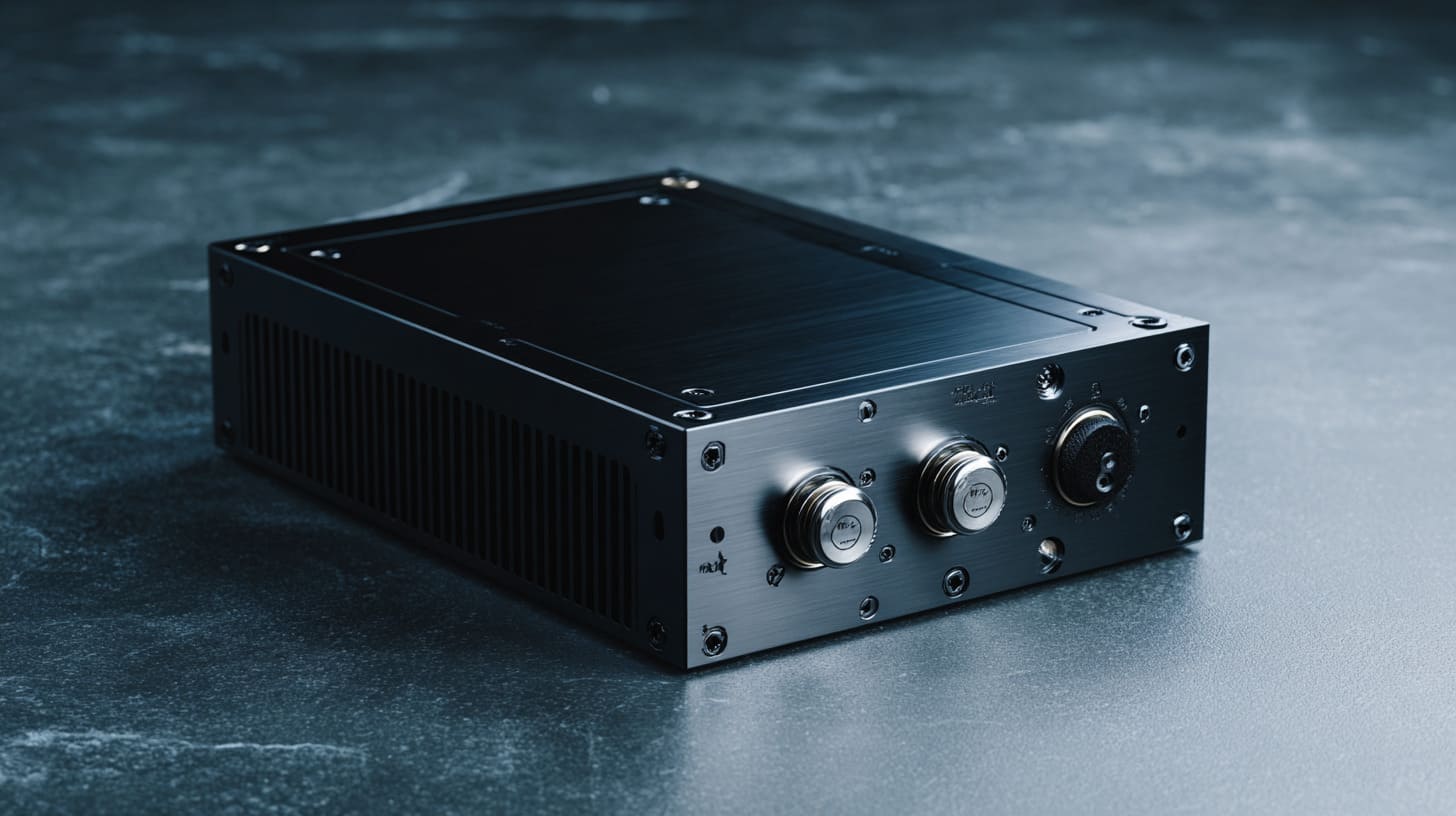
Anodizing is one of the most popular finishes for aluminum parts. If you have handled a premium aluminum electronics case, phone accessory, control panel, or Raspberry Pi-style enclosure, there is a good chance you have touched anodized aluminum.
Anodizing does not simply cover aluminum like paint. It changes the surface of aluminum into a harder oxide layer. That is why the finish still feels like metal. It keeps the aluminum character.
How anodizing creates a protective oxide layer
Aluminum naturally forms a thin oxide layer when exposed to air. Anodizing makes this layer thicker and more controlled through an electrochemical process.
The part is placed in an acid bath and connected to electricity. The surface reacts and forms a protective oxide layer. This layer can then be dyed in different colors and sealed.
Basic anodizing process:
| Step | Purpose |
|---|---|
| Cleaning | Removes oil and dirt |
| Etching or polishing | Adjusts surface appearance |
| Anodizing | Creates oxide layer |
| Coloring | Adds color if needed |
| Sealing | Improves durability and corrosion resistance |
| Inspection | Checks color, surface, and defects |
Anodizing is strongly linked to the base aluminum quality. If the aluminum material has defects, scratches, or uneven structure, anodizing may show them instead of hiding them.
This is different from powder coating. Powder coating can cover more. Anodizing reveals more.
Types of anodizing: Type I, Type II, Type III
Different anodizing types have different uses.
| Type | Common Name | Main Feature | Typical Use |
|---|---|---|---|
| Type I | Chromic acid anodizing | Thin layer, good corrosion resistance | Aerospace parts |
| Type II | Sulfuric acid anodizing | Most common, decorative and protective | Aluminum enclosures, panels |
| Type III | Hard anodizing | Thicker and harder layer | Wear-resistant industrial parts |
For most custom aluminum enclosures, Type II anodizing is common. It gives a good balance between appearance, protection, and cost.
Hard anodizing is used when wear resistance is more important. It can be more expensive and may have darker or less bright color results.
Advantages of anodized aluminum
Anodizing offers several advantages:
- It keeps the natural metal feel.
- It improves surface hardness.
- It improves corrosion resistance.
- It can create a premium look.
- It works well for machined aluminum parts.
- It supports colors like black, silver, red, blue, gold, and gray.
- It is suitable for engraving.
For aluminum enclosures, anodizing works very well when the buyer wants a clean, high-end, technical style. It is common in electronics, instruments, audio devices, mini PC cases, and custom Raspberry Pi enclosures.
A brushed black anodized aluminum case can look very professional. It does not shout. It whispers quality.
Color options and branding possibilities
Anodizing can be colored, but buyers should understand one thing: anodized color is not the same as paint color.
Powder coating can match RAL colors more directly. Anodizing color depends on aluminum grade, surface preparation, oxide layer, dye, sealing, and batch conditions.
This means color variation can happen.
| Branding Need | Anodizing Performance |
|---|---|
| Metallic black look | Very good |
| Silver natural aluminum | Excellent |
| Bright custom brand color | Possible, but needs sample |
| Exact Pantone matching | Harder than powder coating |
| Laser engraving logo | Very good |
| Silk-screen logo | Possible, but surface must be tested |
If a customer wants a logo, I often suggest laser engraving for anodized aluminum. It looks clean and long-lasting. For colored logos, UV printing or silk-screen printing may be used, but adhesion and appearance should be checked.
When anodizing is a better choice than powder coating
Anodizing can be better than powder coating when:
- The product is made from aluminum.
- The buyer wants a premium metal feel.
- The surface should not look like paint.
- The product needs better scratch resistance than basic paint.
- The logo will be laser engraved.
- The part has fine details that should not be covered by thick coating.
But anodizing may not be best when the buyer needs exact brand color or wants to hide surface defects.
I become more careful with anodizing when the customer has very high cosmetic expectations, because anodizing makes the metal honest; it can show machining marks, material lines, or small scratches that powder coating would hide.
That honesty is good for premium parts. But it can also expose weak preparation.
For aluminum enclosures, I usually ask the buyer to decide what matters more: exact color control or real metal feel. This one question often makes the finish choice much clearer.
How Does Electroplating Improve Metal Parts?
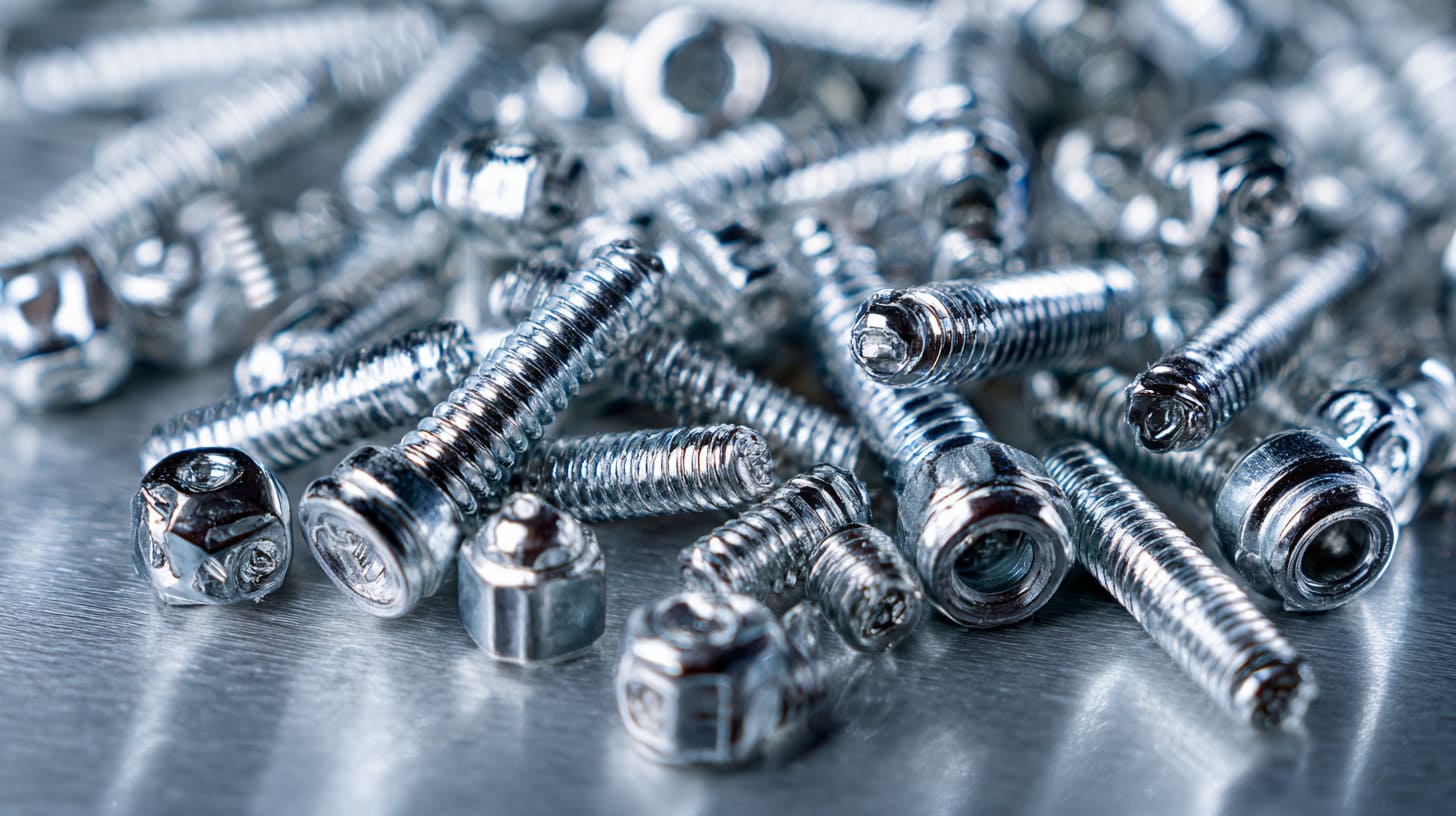
Electroplating is a process that adds a thin layer of metal onto another metal surface. It uses electricity and a chemical bath. The plated layer can improve corrosion resistance, appearance, hardness, or electrical performance.
You may see electroplating on screws, brackets, connectors, handles, decorative parts, and many small hardware components.
In enclosure manufacturing, electroplating is not always used on the full enclosure body. It is often used on related metal parts, fasteners, or functional components.
What is electroplating?
Electroplating uses an electric current to deposit metal ions onto the part surface.
Simple version:
- The part is cleaned.
- The part is placed into a plating bath.
- Electricity moves metal ions onto the surface.
- A thin metal layer forms.
- The part is rinsed, dried, and inspected.
The plated layer may be zinc, nickel, chrome, copper, tin, or another metal.
Common plating materials: zinc, nickel, chrome
Different plating materials have different purposes.
| Plating Type | Main Purpose | Common Use |
|---|---|---|
| Zinc plating | Corrosion resistance for steel | Screws, brackets, hardware |
| Nickel plating | Wear resistance and appearance | Connectors, decorative parts |
| Chrome plating | Bright appearance and hardness | Handles, decorative hardware |
| Copper plating | Conductivity and underlayer | Electrical parts, base layer |
| Tin plating | Solderability and corrosion resistance | Electrical terminals |
Zinc plating is common for steel hardware. Nickel plating gives a more refined appearance. Chrome plating can look bright and decorative. Tin plating is useful for electrical applications.
Benefits of electroplated finishes
Electroplating can offer:
- Thin protective coating
- Better corrosion resistance
- Better wear resistance
- Improved electrical function
- Decorative metallic appearance
- Lower cost protection for small parts
For hardware, electroplating is often very practical. It can protect small parts without adding too much thickness. This matters for screws, clips, and connectors.
But plating quality depends heavily on cleaning, bath control, thickness, and post-treatment. Poor plating may look fine at first but fail later.
Corrosion protection and decorative applications
Electroplating can be both functional and decorative.
For example:
| Application | Common Plating Choice | Reason |
|---|---|---|
| Steel screws | Zinc plating | Rust protection |
| Connector parts | Nickel or tin plating | Conductivity and protection |
| Decorative handles | Chrome plating | Bright appearance |
| Battery contacts | Nickel plating | Wear and contact performance |
| Small brackets | Zinc plating | Cost-friendly protection |
In some projects, the enclosure body may use powder coating, while screws and brackets use zinc plating. This mix is common. It also makes sense.
Not every part needs the same finish.
Industries that frequently use electroplating
Electroplating is common in:
- Electronics
- Automotive parts
- Electrical hardware
- Fastener manufacturing
- Decorative hardware
- Medical equipment parts
- Consumer goods
- Industrial components
For OEM and ODM projects, electroplating often appears in the small parts around the main enclosure. Buyers may not notice it at first. But when screws rust, springs fail, or contacts become weak, they notice very quickly.
The hidden parts often create the loudest complaints.
Practical limits of electroplating
Electroplating has some limits.
- It may need strict environmental control.
- It may not cover complex shapes evenly.
- It can add cost for small custom batches.
- It may need clear thickness requirements.
- It may not be the best choice for large enclosure bodies.
- Some plating chemicals face strict rules in different markets.
A small plated part can decide whether a product feels reliable, so I usually check fasteners and accessories instead of only checking the main enclosure finish.
This is a small habit, but it avoids many ugly surprises. A perfect black enclosure with rusty screws is still a bad product.
What Is Brushed Finish and Why Do Premium Products Use It?
A brushed finish creates fine lines on the metal surface. These lines usually go in one direction. The result looks clean, modern, and premium.
Many buyers like brushed aluminum or brushed stainless steel because it feels more refined than a plain surface. It catches light in a soft way. It gives the product a sense of care.
I often see brushed finish used on electronics, control panels, audio equipment, display frames, appliance parts, and high-end aluminum enclosures.
How brushing creates a directional texture
Brushing uses abrasive belts, wheels, or pads to create a line pattern on the metal surface. The line direction must be controlled.
If the lines are uneven, the product looks cheap. If the brushing direction changes between parts, assembly looks messy. If scratches cross the grain, they become more obvious.
This is why brushing needs attention.
| Brushing Factor | Why It Matters |
|---|---|
| Line direction | Affects final visual consistency |
| Abrasive grit | Controls line thickness |
| Pressure | Affects depth and uniformity |
| Part shape | Curved parts are harder to brush evenly |
| Surface defects | Some defects may still show |
Brushing is simple in concept, but not always simple in production.
Brushed metal gives a product a quiet premium look. It is not as bright as polishing. It is not as flat as powder coating. It sits somewhere in the middle.
For aluminum enclosures, brushing can make the product feel more like a high-value electronic device. For stainless steel, it can reduce glare and hide small marks better than mirror polishing.
Common brushed finish styles include:
| Style | Visual Result |
|---|---|
| Straight brushing | Clean parallel lines |
| Hairline finish | Very fine, elegant lines |
| Cross brushing | Special decorative texture |
| Brushed + anodized | Premium colored metal look |
| Brushed + clear coating | Keeps natural metal look |
Combining brushed finish with anodizing
Brushed aluminum is often anodized after brushing. This protects the surface and adds color.
For example, a buyer may choose:
- Brushed silver anodizing
- Brushed black anodizing
- Brushed gold anodizing
- Brushed gray anodizing
This combination is popular for premium electronics enclosures.
But brushing before anodizing must be clean and consistent. Anodizing will not hide poor brushing. It may make it more visible.
If a buyer wants a high-end result, sample confirmation is important.
Common applications in electronics and consumer products
Brushed finish is common in:
- Aluminum electronics enclosures
- Audio amplifier cases
- Control panels
- Instrument faceplates
- Laptop accessories
- Home appliance panels
- Stainless steel covers
- Premium product housings
A brushed front panel can make a simple product look more serious. It is like wearing a clean shirt to a business meeting. The person may be the same, but the first impression changes.
Maintenance considerations
Brushed surfaces can still scratch. In fact, scratches that go against the brush direction may stand out.
Fingerprints can also show depending on the metal and finish. A clear coating or anodizing can help.
For products used in rough industrial environments, brushing may not be necessary. If the product will be scratched, rubbed, or hidden inside equipment, the extra cost may not bring enough value.
I usually avoid recommending brushed finish just because it looks good in photos, because the real question is whether the user will still like it after six months of handling, fingerprints, and daily wear.
A premium finish must survive real life, not only the first photo shoot.
When Should You Use Sandblasting or Bead Blasting?

Sandblasting and bead blasting use small particles to hit the metal surface. This creates a matte or textured finish. It can also clean the surface before coating or anodizing.
Many buyers confuse blasting with a final protective finish. Sometimes it can be part of the final appearance. But often, blasting is a preparation step before another surface treatment.
This difference matters.
How blasting processes work
In blasting, particles are pushed by air pressure and hit the metal surface. The impact changes the surface texture.
Different media create different results:
| Blasting Media | Surface Result | Common Use |
|---|---|---|
| Sand | Rougher texture | Cleaning, heavy preparation |
| Glass bead | Softer satin texture | Cosmetic aluminum parts |
| Aluminum oxide | Sharper texture | Strong surface preparation |
| Steel shot | Strong impact | Heavy steel parts |
For aluminum enclosures, bead blasting is common when the buyer wants a soft matte surface before anodizing. It gives the part a smooth, even, non-reflective look.
Differences between sandblasting and bead blasting
Sandblasting and bead blasting are not the same.
| Item | Sandblasting | Bead Blasting |
|---|---|---|
| Texture | Rougher | Softer and smoother |
| Appearance | More industrial | More cosmetic |
| Surface impact | Stronger | Gentler |
| Common use | Cleaning, preparation | Matte decorative finish |
| Best for | Steel, rough parts | Aluminum, stainless parts |
In everyday project discussion, many people use “sandblasting” for all blasting. But for cosmetic aluminum parts, bead blasting may be a better word.
Small wording can prevent wrong samples.
Surface texture and appearance results
Blasting can create:
- Matte finish
- Fine texture
- Reduced glare
- More even surface
- Better coating adhesion
- Cleaner appearance before anodizing
A bead-blasted and anodized aluminum enclosure can look very clean. It has no strong brush lines. It feels modern and soft.
But blasting can also slightly change dimensions if not controlled. It can soften sharp edges. It can also trap dust if cleaning after blasting is poor.
Pre-treatment before coating or anodizing
Blasting is often used before:
- Powder coating
- Anodizing
- Painting
- Plating
- Chemical treatment
For powder coating, blasting can help coating adhesion. For anodizing, blasting can improve cosmetic consistency. For repaired or welded steel parts, blasting can remove rust or scale before coating.
A good finish often starts before the finish itself.
This is the part many buyers never see. They only see the final black box. But the final black box depends on cleaning, blasting, pre-treatment, spraying, curing, and inspection.
Advantages and disadvantages
| Advantage | Disadvantage |
|---|---|
| Creates even matte texture | May not protect metal by itself |
| Helps coating adhesion | Can change surface roughness |
| Hides small machining marks | Cannot hide deep defects |
| Reduces glare | Needs cleaning after process |
| Works well before anodizing | Media choice must be correct |
Blasting is useful, but it is not magic.
A deep scratch may still show. A dent will not disappear. Poor material marks may still remain after anodizing.
Before I suggest blasting, I look at the part shape and final finish together, because blasting alone can make a part look cleaner, but it cannot replace real corrosion protection when the product faces outdoor or harsh use.
The surface may look calm after blasting. But calm is not the same as protected.
What Is Chemical Conversion Coating?
Chemical conversion coating is a treatment where the metal surface reacts with chemicals and forms a thin protective film. It is often used on aluminum, zinc, magnesium, and some other metals.
For many buyers, this finish is less familiar than powder coating or anodizing. It is not usually chosen for beauty. It is chosen for function.
That is why engineers care about it.
Overview of chromate and conversion coatings
Chemical conversion coating creates a very thin film on the metal surface. For aluminum, chromate conversion coating has been widely used in industries where corrosion protection and electrical conductivity matter.
There are also non-chrome or RoHS-friendly alternatives because environmental rules have become stricter.
The surface may appear clear, yellowish, golden, or slightly colored depending on the process.
| Coating Type | Typical Feature |
|---|---|
| Chromate conversion coating | Good corrosion resistance and conductivity |
| Non-chrome conversion coating | More environmentally friendly option |
| Phosphate coating | Often used as pre-treatment for steel |
| Clear conversion coating | Less visible appearance change |
This coating is thin. It does not create the same thick decorative surface as powder coating. It also does not have the hard premium feel of anodizing.
Corrosion protection benefits
Chemical conversion coating can improve corrosion resistance, especially when the part must keep conductivity.
This is useful for electrical and electronic parts. For example, some aluminum enclosure parts may need grounding. If powder coating covers the whole surface, electrical contact may be blocked. Conversion coating can protect the surface while still allowing conductivity better than many painted finishes.
This is a practical reason to use it.
Electrical conductivity advantages
Electrical conductivity is one of the key reasons buyers choose conversion coating.
Some products need:
- Grounding contact
- EMI shielding
- Electrical bonding
- Conductive mounting areas
- Paint adhesion with controlled conductivity
For electronic enclosures, this can matter a lot.
A buyer may say, “We need corrosion resistance.” But the engineer may also need grounding. If the surface finish blocks grounding, the product may fail testing.
That is why finish selection must include electrical needs, not only color.
Aerospace and electronics applications
Chemical conversion coating is often used in:
- Aerospace aluminum parts
- Electronic enclosures
- Military-style equipment
- EMI shielding parts
- Connector housings
- Precision aluminum components
- Parts that will be painted later
It can also be used as a pre-treatment before painting or powder coating.
For many industrial buyers, this finish is not about looking beautiful. It is about meeting a technical need quietly.
Limitations compared with other finishes
Chemical conversion coating has limits.
| Limit | What It Means |
|---|---|
| Not highly decorative | It may not satisfy cosmetic product needs |
| Thin film | It does not provide thick mechanical protection |
| Process rules matter | Environmental compliance must be checked |
| Color may vary | Appearance may not be suitable for branding |
| May need top coating | Extra finish may be needed for harsh use |
For many OEM projects, this finish is part of a system. It may be used under paint. It may be used inside an enclosure. It may be used where electrical function is more important than appearance.
I pay close attention to conversion coating when the enclosure needs grounding or EMI performance, because a beautiful insulated surface can quietly create a technical problem that only appears during testing.
This is not a dramatic failure. It is worse. It is a silent failure that delays approval.
How Does Galvanizing Protect Steel Products?
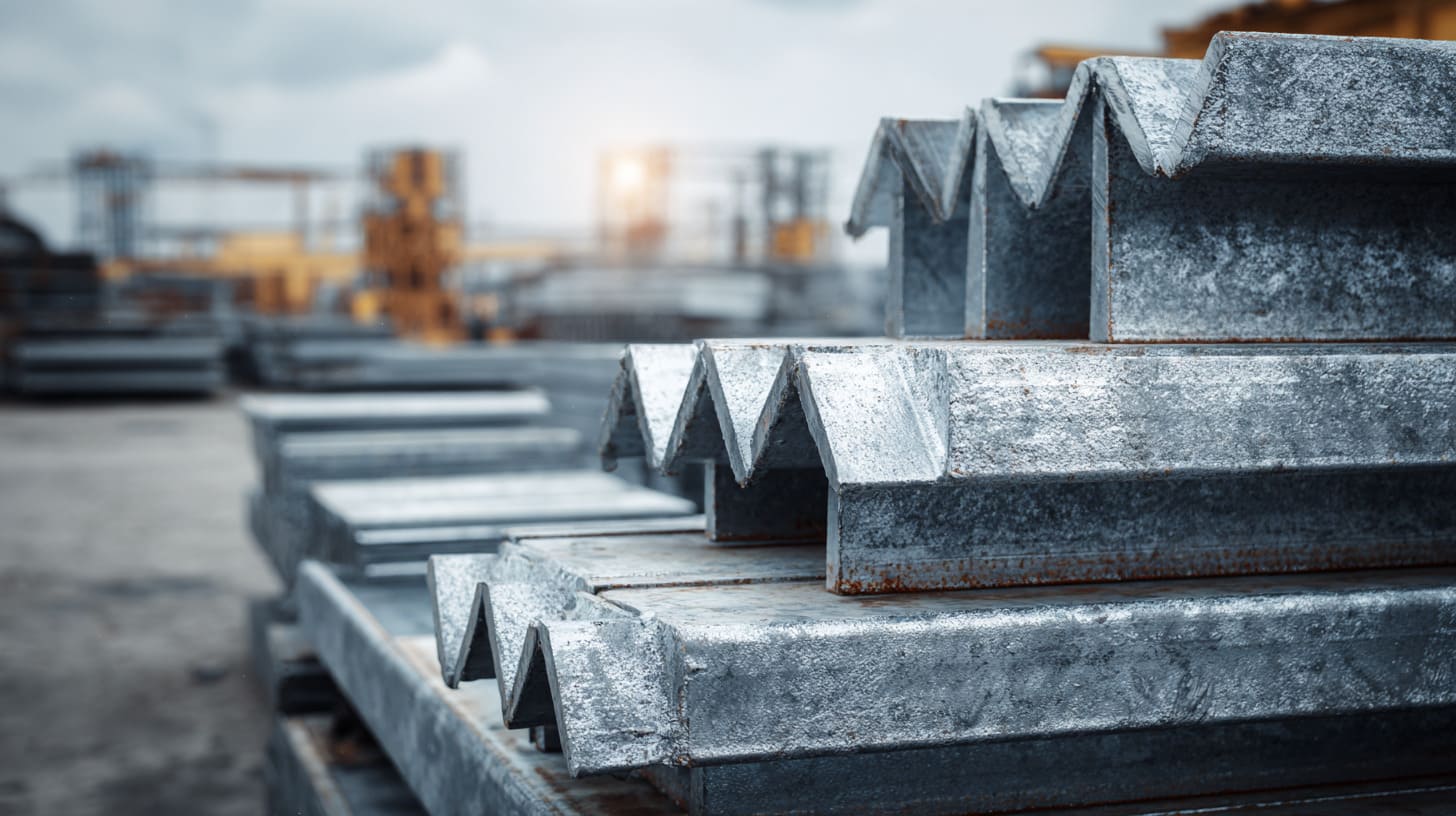
Galvanizing protects steel by adding a zinc layer. It is widely used for outdoor steel structures, brackets, frames, posts, grating, and industrial parts.
If powder coating is like giving steel a colored jacket, galvanizing is like giving it a protective zinc shield.
It may not always look elegant. But it is very practical.
Hot-dip galvanizing process
Hot-dip galvanizing is one of the most common galvanizing methods. Steel parts are cleaned and dipped into molten zinc. The zinc bonds with the steel surface and forms a protective layer.
Basic steps:
| Step | What Happens |
|---|---|
| Degreasing | Removes oil and dirt |
| Pickling | Removes rust and scale |
| Fluxing | Prepares surface for zinc bonding |
| Dipping | Steel is dipped into molten zinc |
| Cooling | Zinc coating solidifies |
| Inspection | Coating thickness and coverage are checked |
The process creates a zinc coating that protects steel from rust.
Zinc protection mechanism
Zinc protects steel in two ways.
First, it creates a physical barrier. Water and air have a harder time reaching the steel.
Second, zinc provides sacrificial protection. This means zinc corrodes before steel. Even if the surface gets scratched, nearby zinc can still help protect the exposed steel.
This is why galvanizing is powerful for outdoor steel parts.
Outdoor durability performance
Galvanizing performs well outdoors, especially for structural steel and parts exposed to rain and weather.
It is commonly used for:
- Outdoor brackets
- Mounting frames
- Steel poles
- Guardrails
- Cable trays
- Construction hardware
- Agricultural equipment
- Industrial platforms
But outdoor performance still depends on coating thickness, environment, and part design.
In coastal areas or chemical environments, corrosion risk is higher. Galvanizing may still be useful, but design and maintenance matter.
Typical industrial applications
| Application | Why Galvanizing Works |
|---|---|
| Outdoor steel frame | Strong rust protection |
| Mounting bracket | Cost-effective durability |
| Cable support | Long service life |
| Fence or guardrail | Weather resistance |
| Industrial platform | Heavy-duty protection |
| Solar mounting structure | Outdoor exposure support |
Galvanizing is usually chosen for function more than beauty.
The surface may look rough, spangled, or uneven. For hidden or industrial parts, this is acceptable. For premium consumer products, it may not be suitable.
Cost-benefit considerations
Galvanizing can be cost-effective for steel parts that need long outdoor life. But it may not be the best choice for small cosmetic products or parts with tight appearance needs.
Buyers should consider:
- Part size
- Steel thickness
- Drainage holes
- Appearance requirement
- Welding areas
- Final assembly
- Outdoor environment
- Quantity
Galvanizing adds thickness, so tight holes and threads may need planning. The process also needs proper venting and drainage for hollow structures.
For galvanized steel parts, I always check whether the design has holes for zinc flow and drainage, because a strong finish can still fail production if the part traps liquid or creates safety risk during dipping.
This is one of those factory details that drawings do not always show clearly.
Which Surface Treatment Provides the Best Corrosion Resistance?
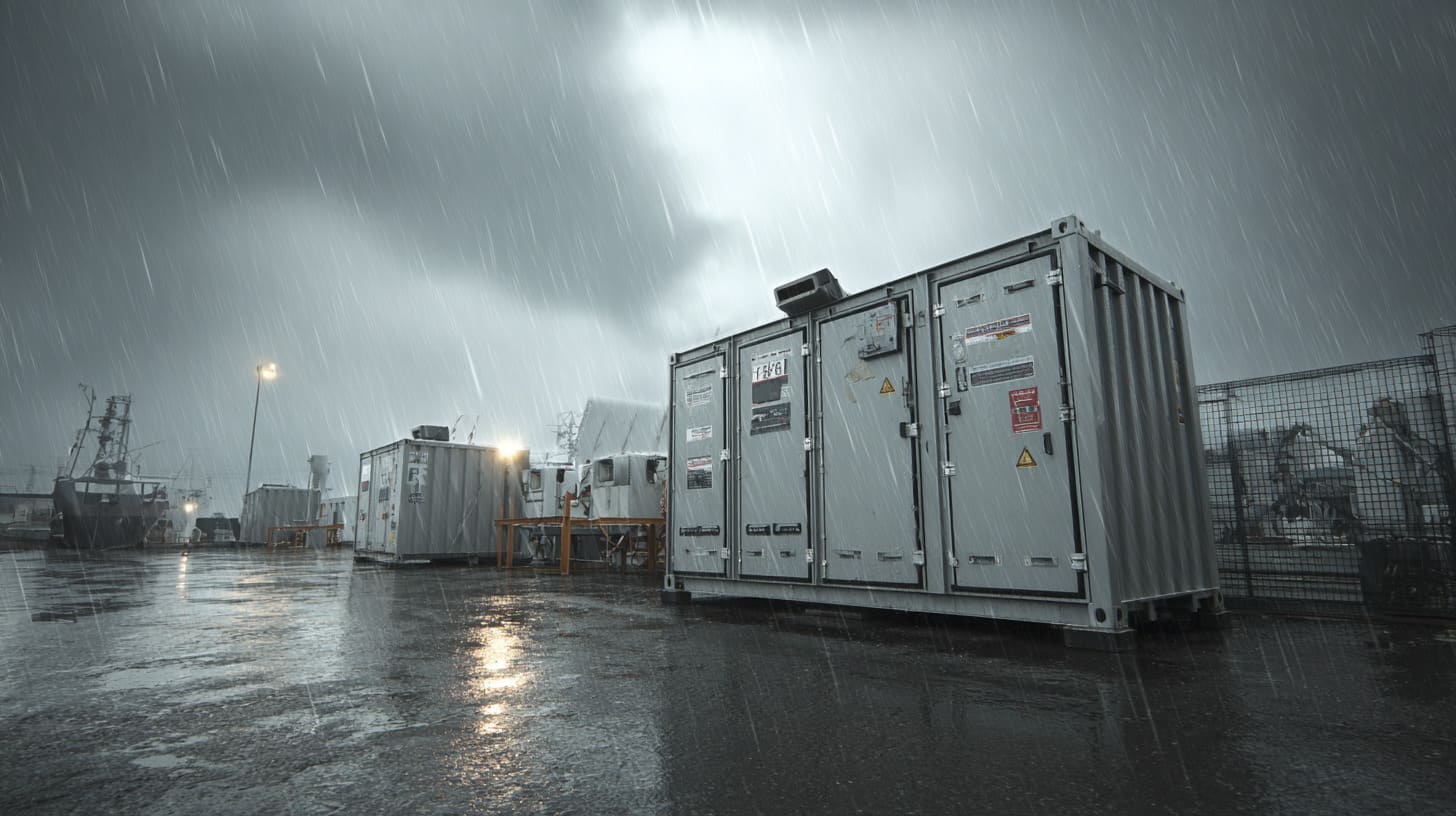
Corrosion resistance is one of the biggest reasons buyers ask about surface treatment. But the phrase “anti-rust” is too simple.
Anti-rust for indoor use is different from anti-rust for outdoor rain. Outdoor rain is different from coastal salt air. Coastal salt air is different from chemical factory air.
So I do not like giving one answer too quickly.
Ranking finishes by corrosion performance
A simple ranking can help, but it must be used carefully.
| Finish | Corrosion Resistance | Best Situation |
|---|---|---|
| Hot-dip galvanizing | High for steel | Outdoor steel structures |
| Outdoor powder coating system | High if pre-treatment is good | Steel and aluminum enclosures |
| Hard anodizing | High for aluminum | Wear and corrosion needs |
| Standard anodizing | Medium to high | Aluminum enclosures |
| Chemical conversion coating | Medium | Functional aluminum parts |
| Electroplating | Low to medium, depends on type | Small steel parts and hardware |
| Brushing alone | Low | Mostly cosmetic |
| Blasting alone | Low | Surface preparation, not final protection |
This table is not a final rule. A poor powder coating process can perform worse than good plating. A good anodized part can fail if the wrong aluminum grade or poor sealing is used.
Process quality matters as much as finish name.
Indoor vs outdoor environments
Indoor products usually face less corrosion risk. For indoor electronics, powder coating, anodizing, or brushing with protection can be enough.
Outdoor products face more risk:
- Rain
- UV light
- Temperature change
- Dust
- Salt
- Air pollution
- Water trapped around screws
- Scratches during installation
For outdoor enclosures, I usually think about water first. Where can water sit? Where can coating become thin? Where will screws break the surface? Where will the installer scratch the part?
That thinking is more useful than only asking for “better coating.”
Coastal and harsh industrial environments
Coastal environments are tough. Salt air attacks metal faster. A normal indoor finish may fail quickly near the sea.
Harsh industrial environments can be even more complex. Chemicals, oil, heat, and dust may affect the surface.
For coastal or harsh environments, buyers should consider:
- Outdoor-grade powder coating
- Strong pre-treatment
- Stainless steel options
- Anodizing for aluminum
- Galvanizing for steel structures
- Better sealing design
- Stainless fasteners
- Drainage design
- Maintenance plan
A finish is not a shield from every problem. It is one part of the full design.
Long-term maintenance requirements
Some finishes need more care than others.
| Finish | Maintenance Need |
|---|---|
| Powder coating | Clean surface, avoid deep chips |
| Anodizing | Mild cleaning, avoid harsh chemicals |
| Brushed stainless | Clean along grain direction |
| Galvanizing | Inspect exposed steel and heavy damage |
| Electroplating | Avoid aggressive chemicals and scratches |
| Chemical conversion | Often protected by use or topcoat |
Maintenance should match the product user.
If the end user will not maintain the product, the finish must be more forgiving. If the product is installed high on a pole or inside a remote area, maintenance may be difficult. This should change the finish choice.
Practical recommendations for enclosure buyers
For enclosure buyers, my simple advice is:
| Use Case | Recommended Finish |
|---|---|
| Indoor aluminum electronics case | Anodizing or powder coating |
| Premium aluminum enclosure | Brushed + anodized |
| Indoor sheet metal enclosure | Powder coating |
| Outdoor sheet metal enclosure | Outdoor powder coating with good pre-treatment |
| Outdoor steel bracket | Galvanizing or powder coating system |
| Electrical grounding needed | Chemical conversion coating or masked coating |
| Coastal use | Strong coating system, stainless hardware, careful design |
The finish should match the use condition, not only the drawing.
My first question for corrosion resistance is not “Which finish is strongest?” but “Where will this product live, and what will attack it every day?”
That question sounds simple. But it saves money, time, and many uncomfortable emails later.
Which Surface Treatment Is Best for Appearance and Branding?
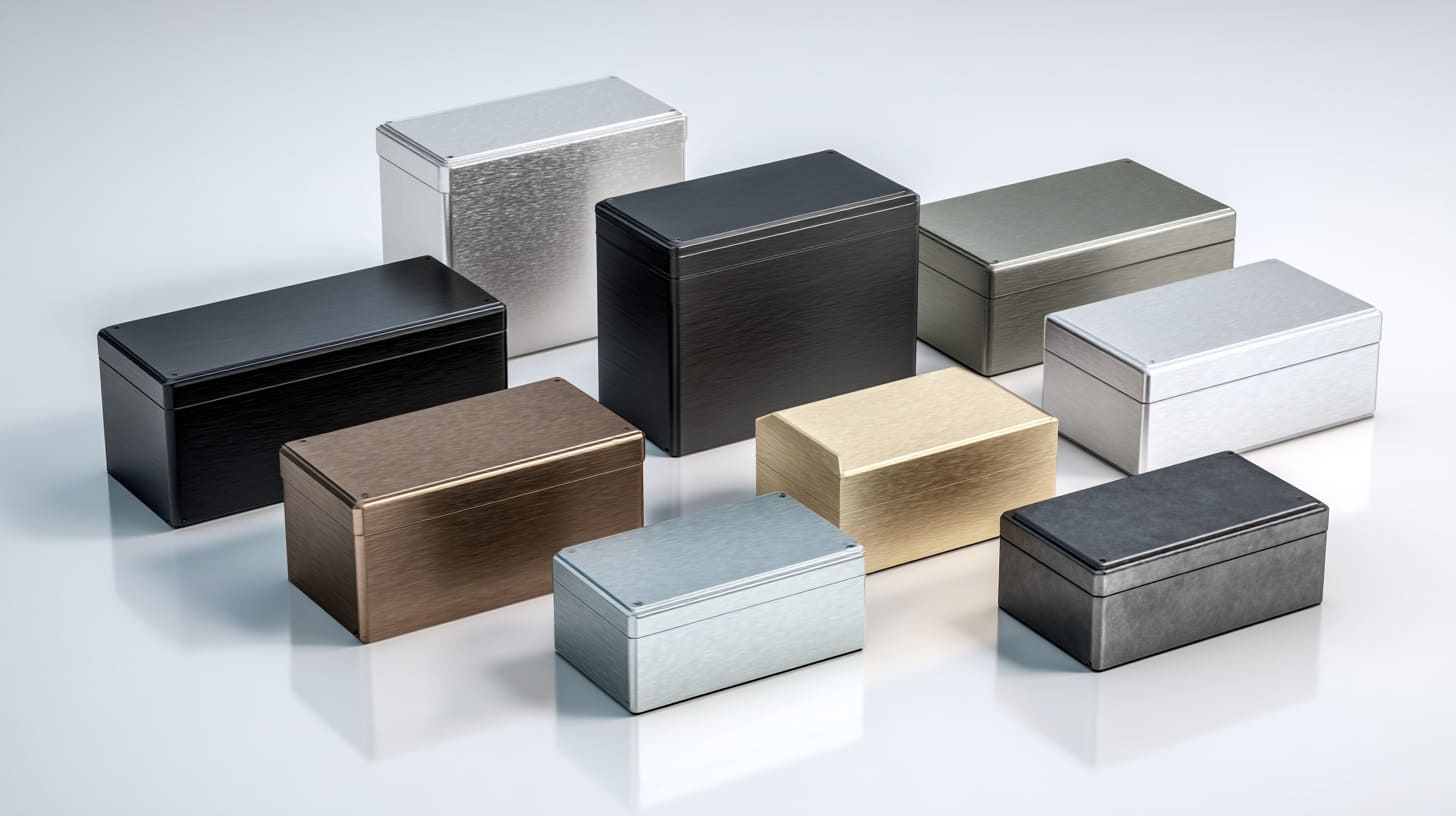
Appearance is not shallow. It is part of trust.
When a buyer opens a carton and sees a clean enclosure, they feel safer. When the color is stable, the logo is sharp, and the surface feels right, they believe the factory paid attention. The product may be technical, but the first reaction is emotional.
People judge with their eyes and hands before they judge with a caliper.
Premium aesthetic finishes
For premium appearance, these finishes are common:
| Finish | Appearance Style |
|---|---|
| Brushed anodizing | Premium, clean, metallic |
| Bead-blasted anodizing | Soft matte, modern |
| Fine texture powder coating | Durable, professional |
| Smooth powder coating | Clean and simple |
| Brushed stainless steel | Industrial premium |
| Nickel or chrome plating | Bright decorative metallic |
For aluminum enclosures, brushed anodizing and bead-blasted anodizing are often strong choices. For sheet metal cabinets, fine texture powder coating is practical and attractive.
The product category matters. A control cabinet does not need to look like a phone. A consumer-facing device may need a much more refined touch.
Color customization options
Color is where many buyers become excited. It is also where many misunderstandings happen.
Powder coating is usually better for exact color customization. Anodizing is better for metallic color feeling.
| Requirement | Better Choice |
|---|---|
| Exact RAL color | Powder coating |
| Metallic black aluminum | Anodizing |
| Bright brand color | Powder coating |
| Natural aluminum look | Clear anodizing |
| Premium matte metal | Bead blasting + anodizing |
| Multi-color logo surface | Powder coating + printing |
If a buyer gives a logo file and brand color, I usually ask for a color standard, not only a picture. A screen color is not enough. A photo can lie. Lighting can lie too.
Logo engraving and printing compatibility
Different finishes work better with different logo methods.
| Surface Finish | Good Logo Method |
|---|---|
| Anodizing | Laser engraving |
| Powder coating | Silk-screen printing, UV printing, label |
| Brushed metal | Laser engraving, etching |
| Stainless steel | Laser marking, etching |
| Plated surface | Laser marking, engraving, depending on layer |
| Galvanized surface | Usually not for premium logo use |
Laser engraving on anodized aluminum is one of my favorite choices for premium enclosures. It is clean and durable. It does not peel like some printed logos.
But colored logos may need printing. In that case, the surface finish must support adhesion.
A beautiful logo that rubs off is worse than no logo.
Consumer products vs industrial products
Consumer products and industrial products need different appearance thinking.
| Product Type | Appearance Priority |
|---|---|
| Consumer electronics | High |
| Retail product enclosure | High |
| Industrial control box | Medium |
| Hidden machine cover | Low to medium |
| Outdoor utility box | Function first |
| Prototype enclosure | Speed and function first |
For Amazon or online retail products, surface appearance strongly affects reviews. For industrial parts, users may care more about durability and installation.
But even industrial buyers notice poor finishing. Rough coating, dust particles, color difference, and scratched surfaces make the supplier look careless.
Factors influencing customer perception
Customers notice:
- Color consistency
- Surface texture
- Edge finish
- Scratch marks
- Logo quality
- Fingerprint resistance
- Packaging protection
- Screw and accessory finish
- Overall touch feeling
The surface finish tells a story before the sales person speaks.
If the product feels cheap, the buyer starts looking for problems. If the product feels reliable, the buyer becomes more patient.
When I help a buyer choose a branding finish, I think about the customer’s first five seconds with the product, because those few seconds can decide whether the product feels like a serious device or just another metal box.
This is not only design. It is business psychology.
How Should OEM and ODM Buyers Select the Right Surface Treatment?
OEM and ODM buyers often face a different problem from normal buyers. They are not only buying a part. They are building a product that carries their name.
A finish mistake can become their brand problem.
If they sell the enclosure with their own device, the end user will not blame the Chinese factory first. They will blame the brand. This is why surface treatment must be selected with more care.
Consider the base metal material
The base metal is the starting point.
| Base Metal | Common Surface Treatments |
|---|---|
| Aluminum | Anodizing, powder coating, brushing, blasting, conversion coating |
| Steel | Powder coating, galvanizing, zinc plating |
| Stainless steel | Brushing, polishing, blasting, passivation |
| Zinc alloy | Plating, powder coating |
| Brass | Plating, polishing |
You cannot choose a finish without considering the material.
Anodizing is for aluminum, not steel. Galvanizing is mainly for steel. Brushing works well on aluminum and stainless steel, but not every surface shape is suitable.
A buyer may say, “We want anodized steel.” That is a sign that we need to explain the process clearly.
Evaluate environmental exposure conditions
Before choosing a finish, I like to ask:
- Will the product be used indoors or outdoors?
- Will it face rain?
- Will it face salt air?
- Will users touch it often?
- Will it be cleaned with chemicals?
- Will it sit near heat?
- Will it need electrical grounding?
- Will it be scratched during installation?
- Will the product be visible to end customers?
These questions sound basic, but they are powerful.
A finish choice should come from real use, not only from a sample photo.
Balance cost versus performance
There is always a trade-off.
A buyer may want the best corrosion resistance, best appearance, lowest cost, fastest lead time, and perfect color matching. I understand that wish. I also wish every project was that easy.
But manufacturing is full of trade-offs.
| Priority | Better Direction |
|---|---|
| Lowest cost | Standard powder coating or standard anodizing |
| Best brand color | Powder coating |
| Best aluminum feel | Anodizing |
| Strong outdoor steel protection | Galvanizing or outdoor powder coating |
| Electrical conductivity | Conversion coating or masking |
| Premium touch | Brushed + anodized |
| Fast production | Standard finish options |
The goal is not to choose the most expensive finish. The goal is to choose the finish that protects profit and reduces risk.
Understand production volume requirements
Production quantity affects finish choice.
For small batches, custom colors may be expensive. Some processes have minimum batch requirements. Some finishes are easier to arrange for common colors. Some need longer setup time.
For large orders, consistency becomes more important. Color difference between batches can become a serious issue.
OEM and ODM buyers should confirm:
- Sample approval process
- Color standard
- Finish thickness
- Inspection method
- Packaging method
- Reorder consistency
- Lead time
- Acceptable tolerance
A finish that works for 20 samples may be harder to control for 5,000 pieces if the standard is not clear.
Work with manufacturers during design stages
Surface treatment should be discussed during design, not after production.
The finish may affect:
- Hole size
- Thread fit
- Conductive areas
- Logo position
- Edge design
- Welding marks
- Surface flatness
- Masking areas
- Packaging protection
For example, powder coating adds thickness. If a slot is already tight, coating can make assembly difficult. Anodizing may show machining lines, so surface preparation matters. Brushing has direction, so part layout matters.
The best time to solve these issues is before sampling.
I get more confident in a surface treatment choice when the drawing, use environment, logo method, and assembly details all point in the same direction, because that means the finish is supporting the product instead of fighting it.
This is how good OEM projects become smoother.
What Surface Treatment Mistakes Do Buyers Commonly Make?

Most surface treatment mistakes do not happen because buyers are careless. They happen because the finish looks simple from the outside.
A buyer sees black. The factory sees material, cleaning, thickness, curing, masking, packing, and quality risk.
That gap creates problems.
Choosing based on price alone
Price matters. I know this very well. Many buyers compare suppliers from China, Vietnam, and Europe. They want a competitive cost. That is normal.
But the cheapest finish may not be the lowest total cost.
If coating peels, screws rust, color changes, or parts get scratched during shipping, the buyer pays later. They pay with returns, delays, customer complaints, and damaged trust.
A slightly better finish may save money in the full project.
| Cheap Decision | Possible Later Cost |
|---|---|
| Weak coating | Rust or peeling |
| No sample approval | Wrong color |
| No masking | Assembly failure |
| Poor packaging | Surface scratches |
| Low-grade fasteners | Rust spots |
| Ignoring environment | Short product life |
The lowest quote is not always the best quote. Sometimes it is only the quote with missing details.
Ignoring operating environment
A finish that works indoors may fail outdoors. A finish that works in Germany may not work near the sea. A finish that works in a clean office may not work in a factory with oil and chemicals.
Buyers sometimes send a drawing but forget to explain the use environment.
That is risky.
The factory may quote a standard finish. The buyer may expect outdoor performance. Both sides think they are right. The problem appears later.
For outdoor enclosures, the environment should be part of the RFQ.
Over-specifying expensive finishes
Some buyers go in the opposite direction. They ask for the most advanced finish even when the product does not need it.
This can increase cost and lead time without adding real value.
For example, a hidden internal bracket may not need a premium brushed anodized finish. A simple zinc plating or powder coating may be enough. An industrial control box may not need a luxury surface if it is mounted inside a machine room.
Good engineering is not about always choosing the best material or finish. It is about choosing the right one.
Underestimating maintenance requirements
Some finishes look great when new but need careful handling.
Brushed metal can show cross scratches. Glossy coating can show fingerprints. Poorly protected painted surfaces can chip during installation. Outdoor finishes may need periodic cleaning.
If the end user is rough, the finish should be forgiving.
This is why texture sometimes beats smooth beauty. A fine textured powder coat may not look as elegant as a glossy surface, but it can hide daily marks better.
Failing to verify finish specifications
Many finish problems come from unclear specifications.
A buyer should confirm:
- Finish type
- Color code
- Gloss level
- Texture
- Coating thickness
- Salt spray requirement if needed
- Logo method
- Masking areas
- Surface inspection standard
- Packaging protection
- Sample approval
Without clear specs, both sides rely on assumptions. Assumptions are dangerous in manufacturing.
A buyer may think black means matte black. A factory may produce semi-gloss black. Both are black. But the result is not the same.
The mistake I try hardest to avoid is leaving the finish description too vague, because vague words like “good quality black surface” sound easy but create no real inspection standard.
A finish must be clear enough that both buyer and factory can judge it the same way.
Conclusion

Surface treatment is not just the last step in metal fabrication. It is one of the decisions that quietly decides whether a product feels reliable, looks professional, and survives real use.
I think this way because I have seen the same pattern in many enclosure projects. Buyers spend a lot of time on drawings, holes, structure, and material. That is important. But the surface is what the customer sees first. It is also the part that fights rain, scratches, fingerprints, salt air, and daily handling.
Powder coating is practical and flexible. It works well for many sheet metal enclosures and brand color projects. Anodizing is excellent for aluminum parts when the buyer wants a premium metal feel. Electroplating is useful for small hardware and functional parts. Brushing adds a high-end texture. Blasting creates clean matte surfaces and helps later finishes. Chemical conversion coating supports corrosion resistance and conductivity. Galvanizing gives steel strong outdoor protection.
But no finish is perfect for every project.
That is why I never choose surface treatment by name alone. I look at the base material, use environment, appearance need, assembly details, cost target, logo method, and end user behavior. I also think about what may go wrong after delivery, not only what looks good before shipment.
For OEM and ODM buyers, this decision is even more important. Your enclosure carries your brand. If the finish fails, the customer does not care who made the part. They only see your product.
At MaidaTech, we support custom aluminum enclosures, sheet metal enclosures, plastic enclosures, and Raspberry Pi-style custom cases for B2B projects. We can help with material selection, surface treatment, logo printing or engraving, custom packaging, and one-stop production support.
If you are working on a new enclosure project and you are not sure which surface treatment is right, you can send your drawing, use environment, quantity, and finish idea to us. I will help you review the practical options before you spend money on the wrong sample.