Skip to content

Every time I set up new gear at home, the same problem shows up—too many cables, boxes, power bricks, and blinking lights. I wanted a better way.
Yes, you can absolutely use a server rack at home, as long as you plan around space, noise, heat, and access.
At first, I thought a rack was overkill. But once I tried it, I realized it wasn’t about “being enterprise”—it was about control, structure, and peace of mind.
What is the point of a server rack at home?
Even at home, tech piles up fast—modem, router, NAS, Pi cluster, smart hub, UPS.
A rack brings order, protection, and future expandability to your tech corner.
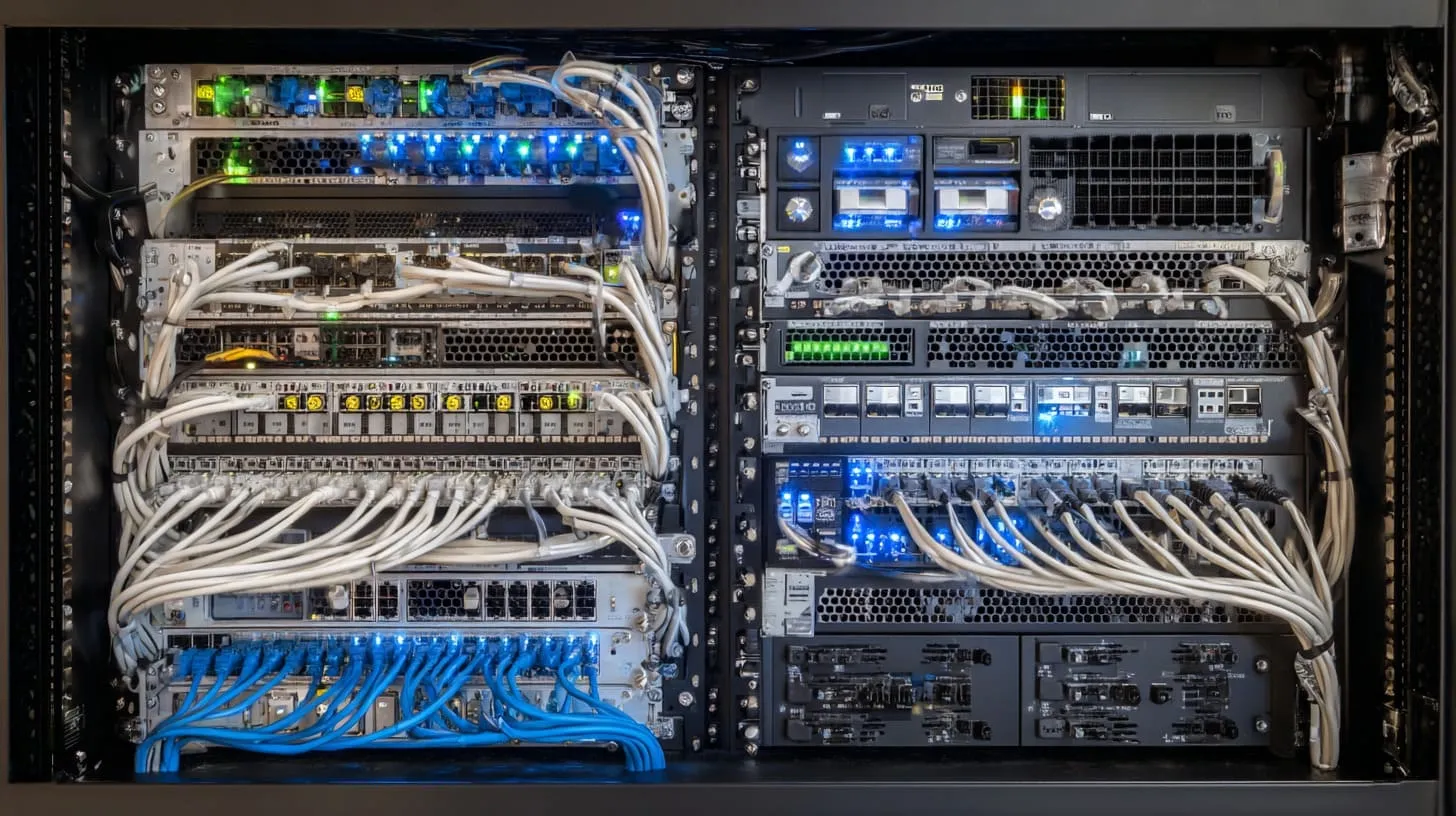
It’s not just about tidiness. A rack gives airflow. It gives cable management. It protects expensive gear from kids, pets, and dust.
What I often look at first
If gear starts heating up or the wiring turns chaotic, that’s usually the sign I need a rack. When things feel unmanageable, a rack makes the whole setup feel intentional again.
Core Benefits Table
| Feature | Benefit at Home |
|---|---|
| Cable Management | Reduces mess, easier to trace |
| Better Cooling | Improves gear longevity |
| Physical Security | Protects from pets, kids |
| Modular Mounting | Easy to expand or reconfigure |
What are the disadvantages of rack servers?
I get it—racks aren't perfect.
Rack gear can be loud, power-hungry, and physically large.
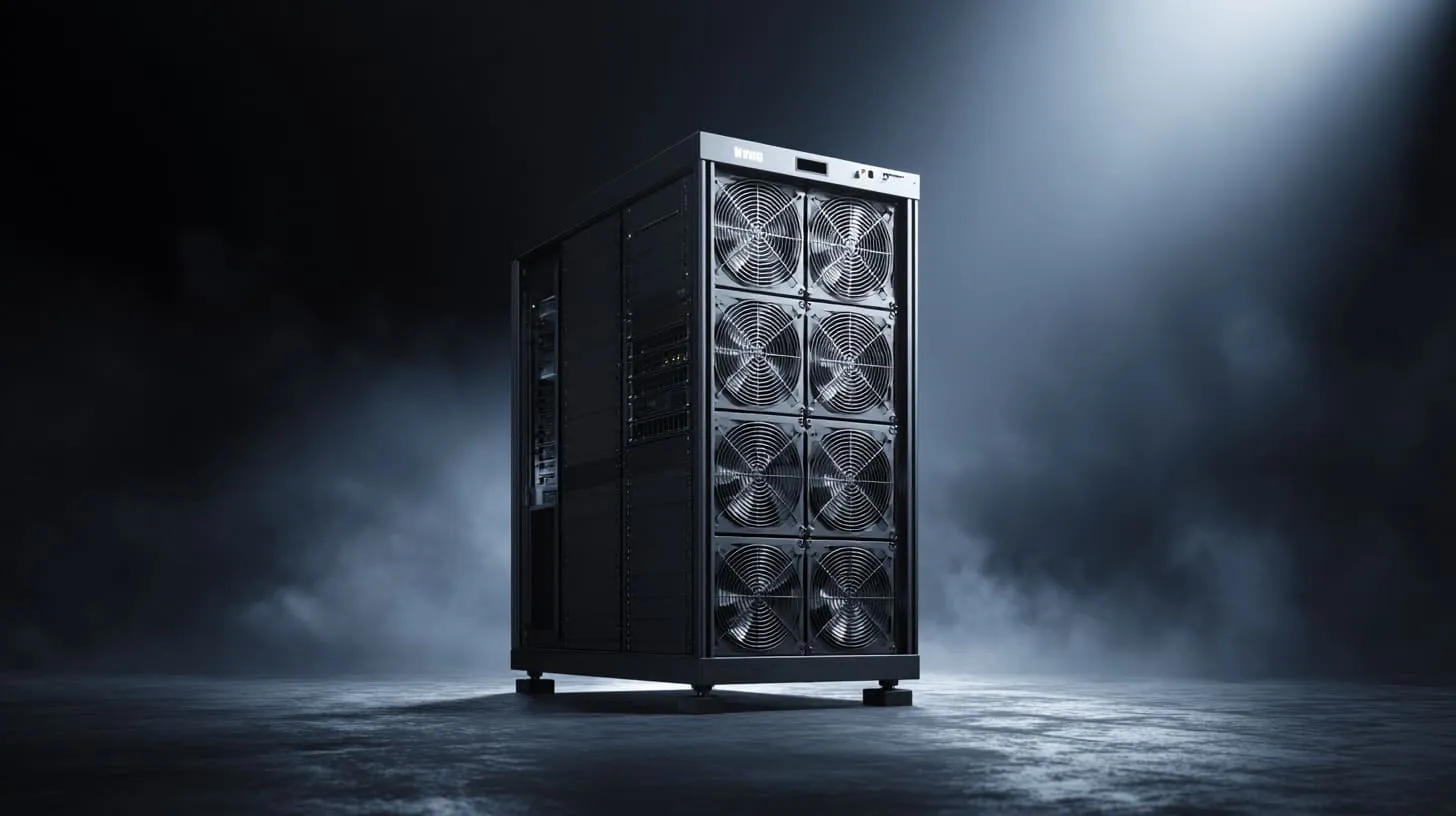
Some servers scream like jet engines. Not every home can handle that. Some racks also weigh a ton and aren’t easy to shift around.
Where things go sideways
One time I forgot to check the fan curve on a used rackmount server. It spun up full blast every night at 2AM. My wife nearly banned it from the house. Lesson: check noise before you rack it.
What is the use of a rack at home?
So what goes into a home rack? A surprising amount.
You can mount routers, switches, NAS, power units, and even game consoles.
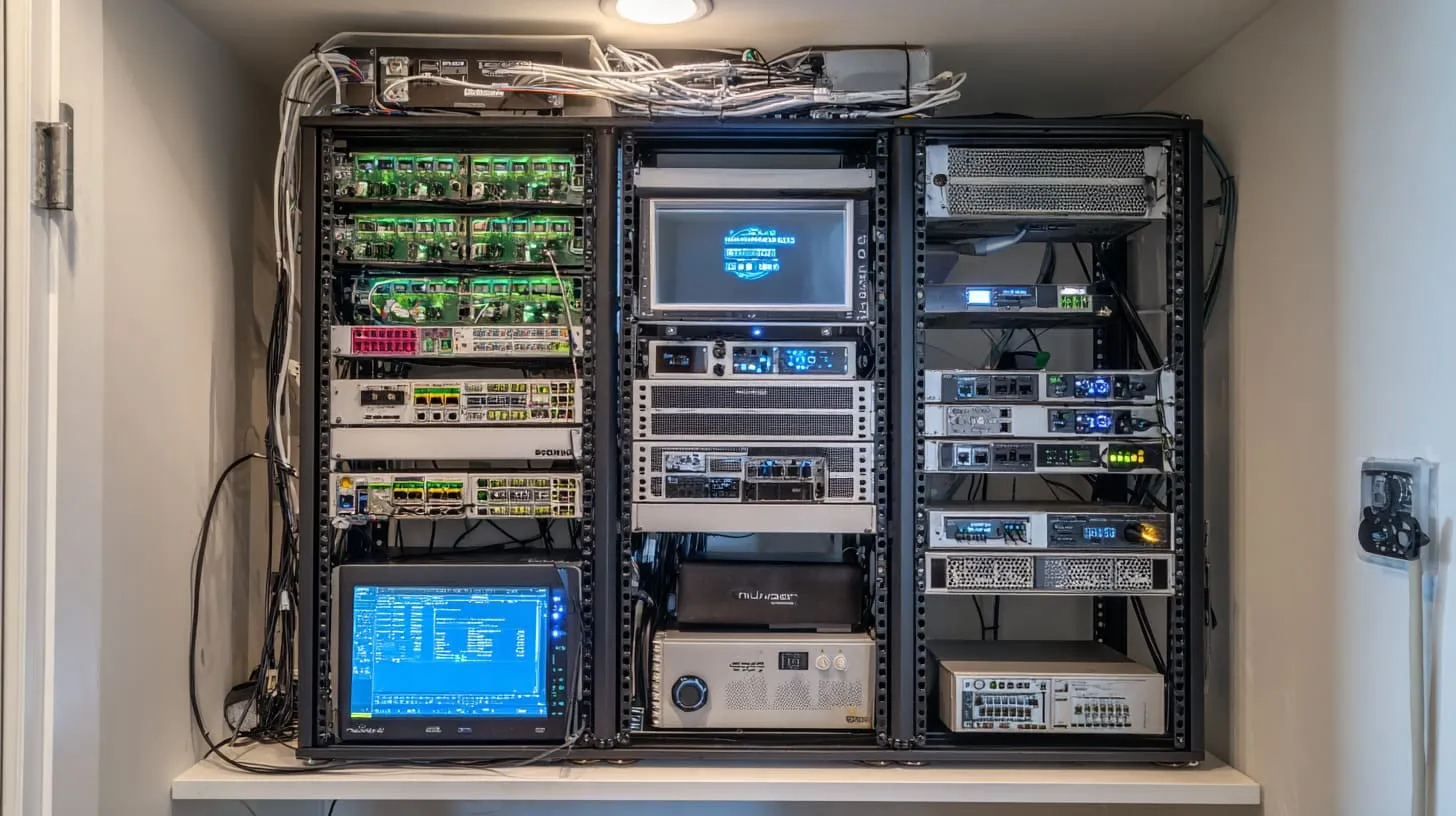
It’s not just about servers. Many 1U and 2U shelves exist for placing non-rack gear. Velcro, zip ties, and custom panels work wonders.
Equipment I’ve personally racked
- Raspberry Pi cluster in a 1U tray
- 24-port PoE switch
- Home assistant server
- Patch panel + router + UPS
Mounting Tips
- Use blank panels to guide airflow
- Keep heavy items near the bottom
- Label everything—even at home
Why would someone have a server in their home?
I used to wonder the same thing—until I started self-hosting.
Home servers give privacy, control, and no monthly cloud bills.

From Plex to Home Assistant, self-hosting gives a different kind of freedom. You tweak and tune without vendor lock-in.
When I know it’s worth it
If I find myself hitting limits with cloud subscriptions or need automation I can't buy—it's server time.
Can you mount a server without rails?
Rails make life easier, but they aren’t required.
Yes, you can mount servers without rails by using shelves or custom brackets.
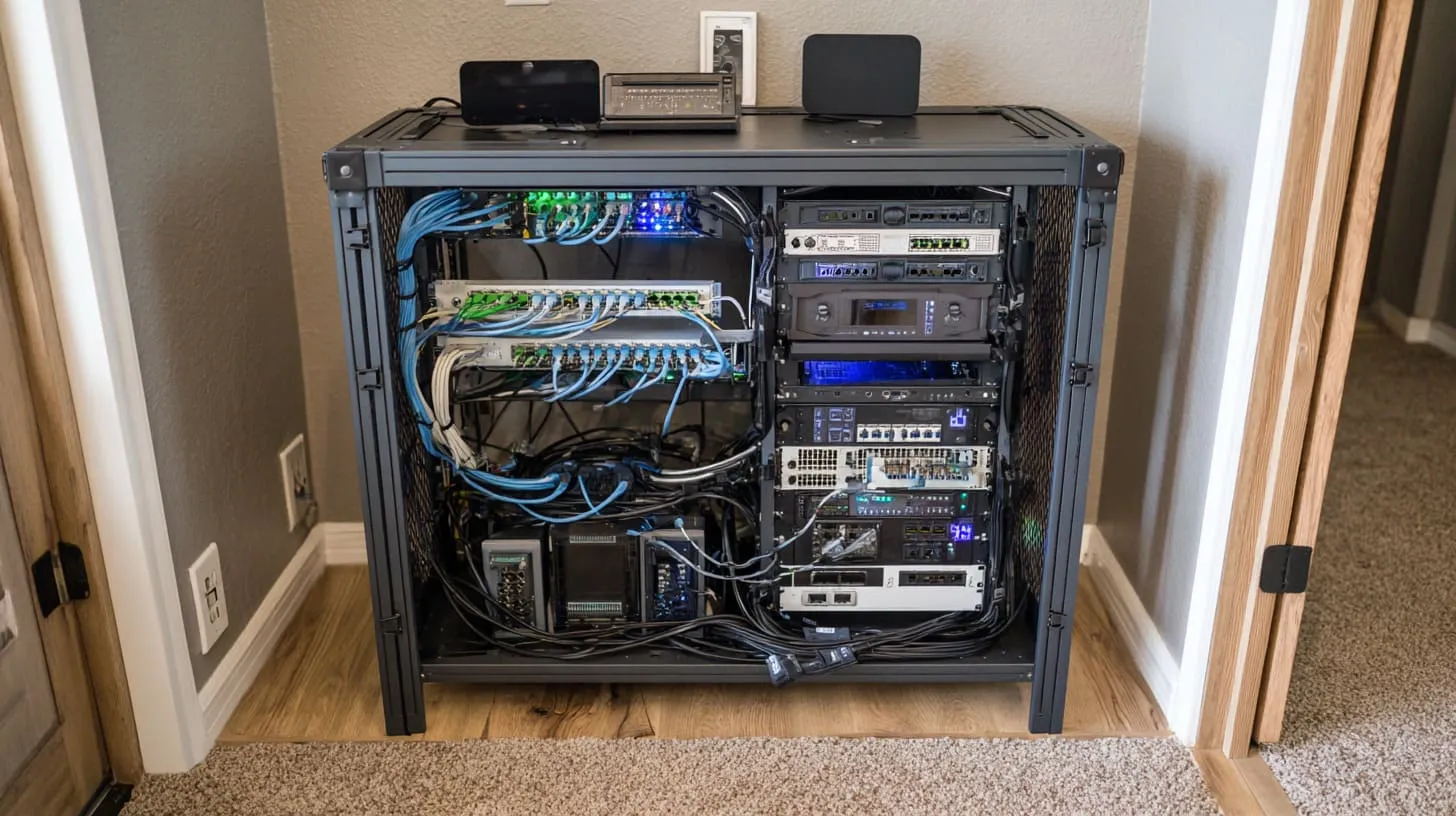
Sometimes I use fixed shelves for gear that doesn’t need sliding. For heavier items, L-brackets and rack nuts work too.
Small tradeoff that matters
If you plan to pull the unit out often, rails save your knuckles and patience. Otherwise, skip them and save space.
Is it safe to use a server rack in a home environment?
Safety is real—but manageable.
It’s safe if the rack is stable, grounded, and cooled properly.
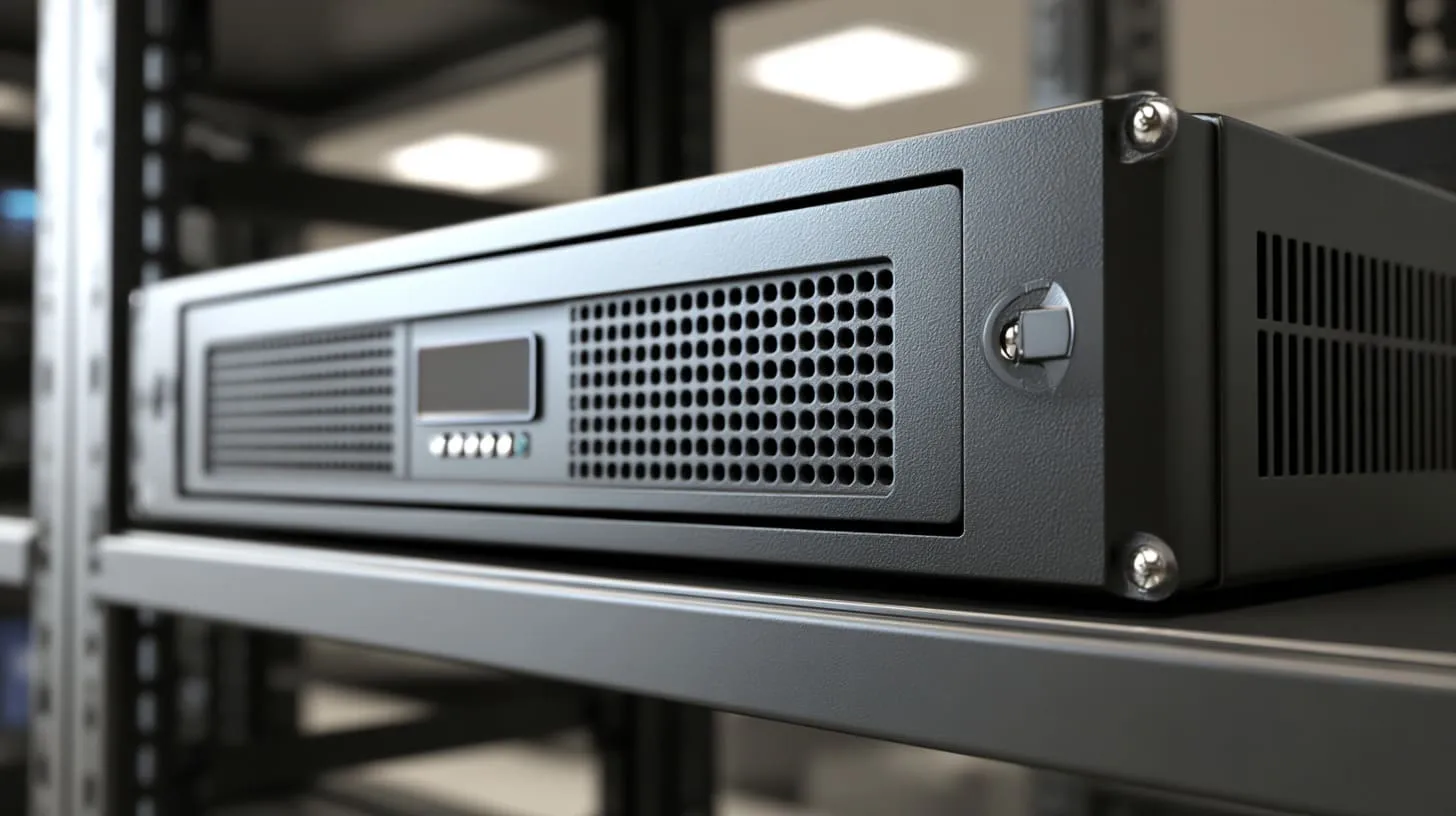
Avoid overloaded power strips. Secure the rack if you have kids or pets. Close sides help keep fingers out.
One detail I never skip
I always plug servers into a surge protector or a UPS. Cheap insurance for expensive gear.
How much space do I need for a server rack at home?
This stopped me for months—until I measured.
Most home racks need about 2ft x 3ft of floor space and 4ft of height.
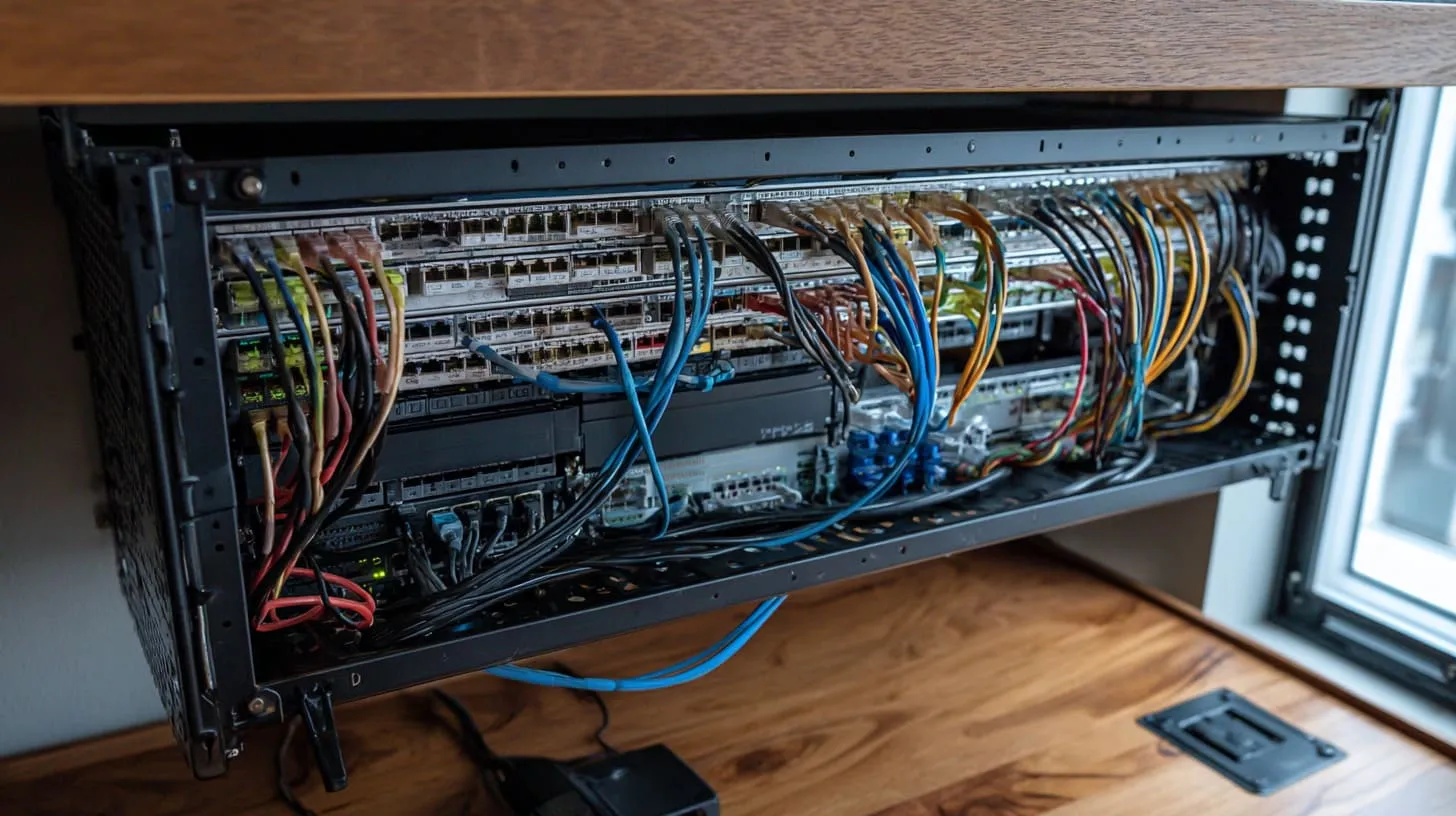
I use a 12U rack tucked into a closet. You need room front and back for cable access and airflow.
Layout Checklist
- Leave 1 ft behind for cables
- Leave 2 ft in front for sliding trays
- Check the rack fits through doorways (seriously)
What size server rack is best for home use (12U, 15U, 19U)?
Choosing a size depends on your gear and future growth.
12U to 15U is a sweet spot for most home labs.
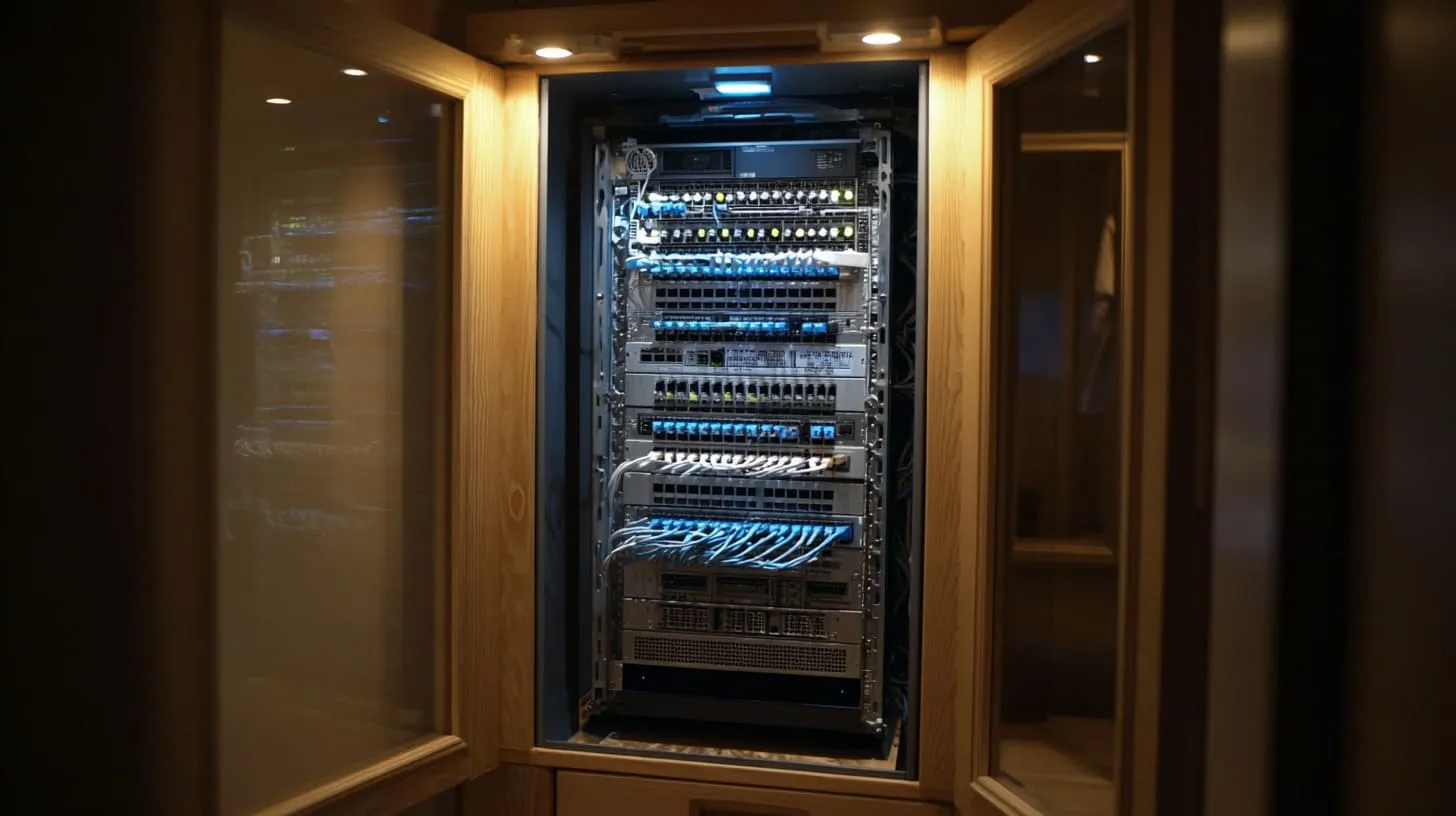
A 6U rack feels tight fast. A 25U might dominate the room. I always suggest sizing for 50% more than you think you need.
What size I chose—and why
I picked 15U because I had 8U worth of gear and knew more was coming. I’m already at 13U. No regrets.
Do home server racks need special ventilation or cooling?
Overheating sneaks up faster than you'd think.
Yes, racks need airflow—even passive cooling at minimum.
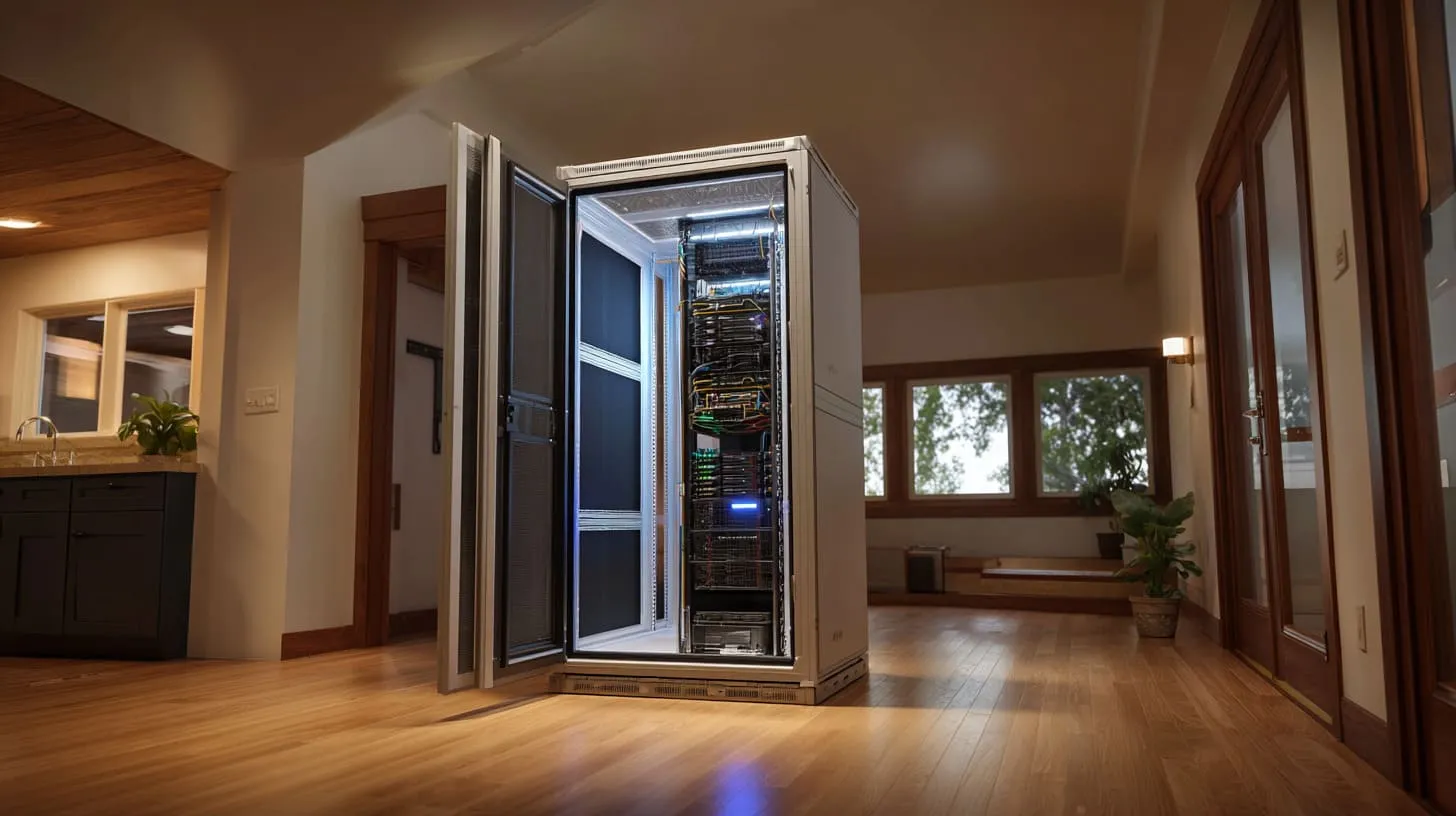
For enclosed racks, I often add top exhaust fans. Open-frame racks rely on ambient room air, which works—unless it’s stuffed in a closet.
Quick Cooling Options
| Method | Best For |
|---|---|
| Passive vents | Low-power gear |
| Rear fans | Enclosed cabinets |
| Top exhaust | Hot-running servers |
| Room fan | Closet setups |
How noisy is a server rack at home, and how can I reduce noise?
Noise is the first thing that kills enthusiasm.
Many rack fans and servers are noisy, but silent builds are possible.
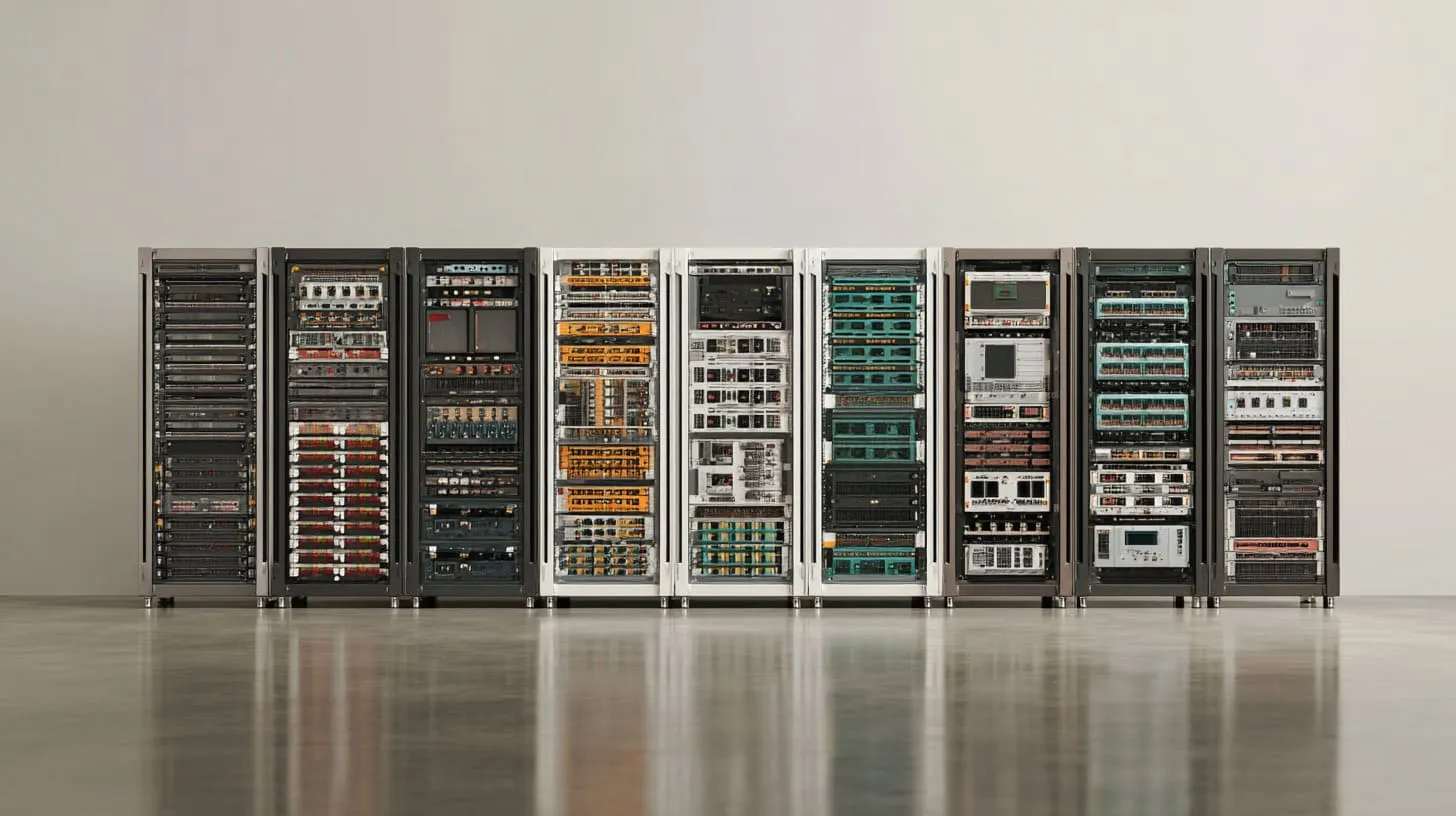
Replace stock fans with Noctua ones. Use fan controllers or software. For loud servers, build a sound-insulated cabinet.
What worked for me
I ditched one rackmount server and built a fanless mini-PC cluster. Now I sleep better—literally.
What equipment can I mount in a home server rack?
Pretty much anything with a power plug.
You can rack switches, routers, NAS, SBC clusters, AV gear, and even charging stations.
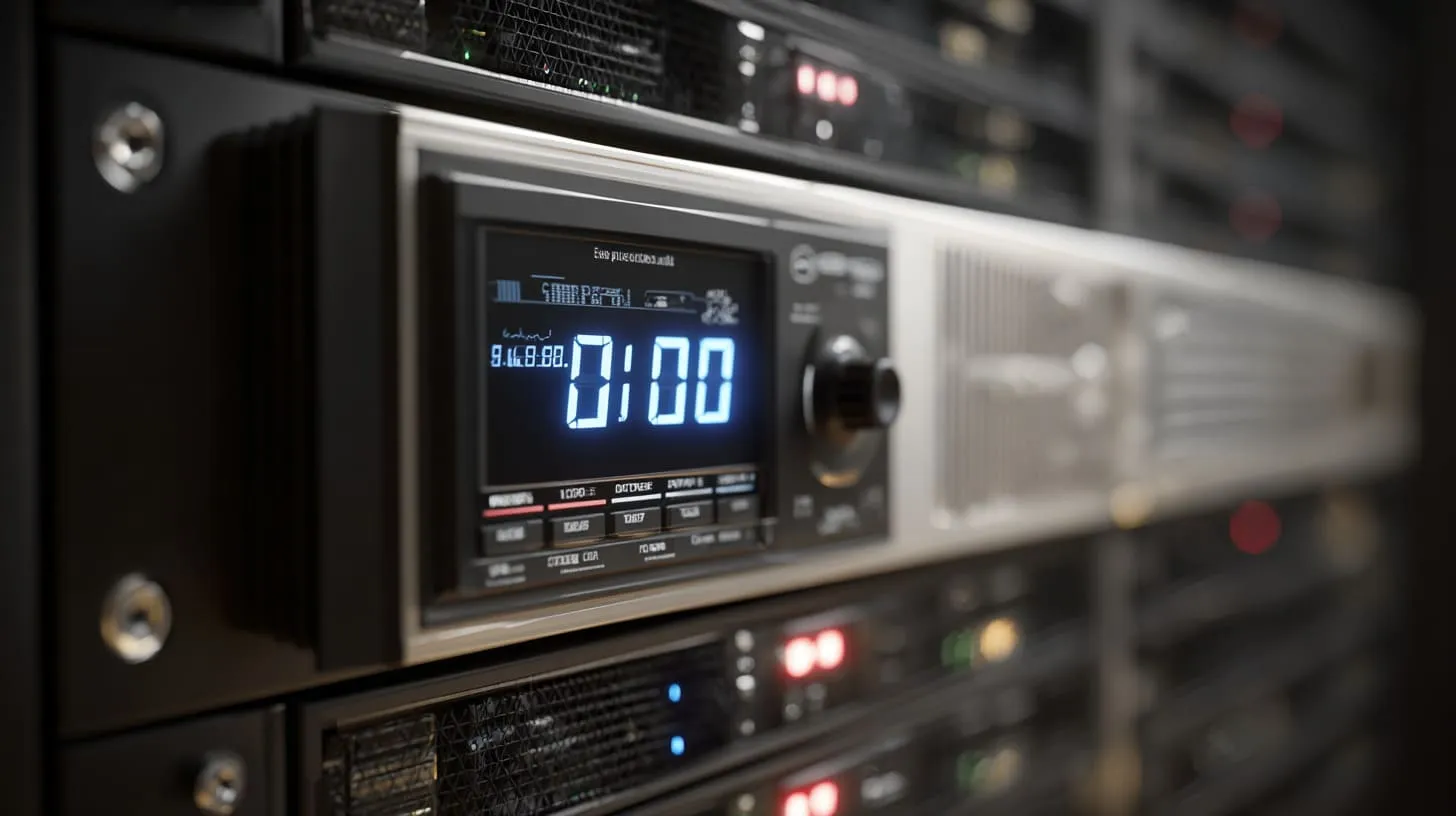
Most gear doesn’t come rack-ready—but shelves, Velcro, and adapter plates fix that.
Real gear in my home rack:
- Raspberry Pi 5 cluster
- 2U media server
- Synology NAS
- 1U patch panel
- Managed switch
- Small UPS
Can I use a wall-mounted server rack at home?
Not everyone has floor space.
Yes, wall-mounted racks are great for small setups with lightweight gear.
Perfect for patch panels, routers, and Pi enclosures. But check wall strength and mounting hardware.
My caution on this
If I’m mounting on drywall, I always find studs and use metal anchors. Gear falling off the wall is not worth the shortcut.
How much power does a home server rack consume?
This varies a lot—but matters.
Typical home racks draw 100–500W, depending on the gear.
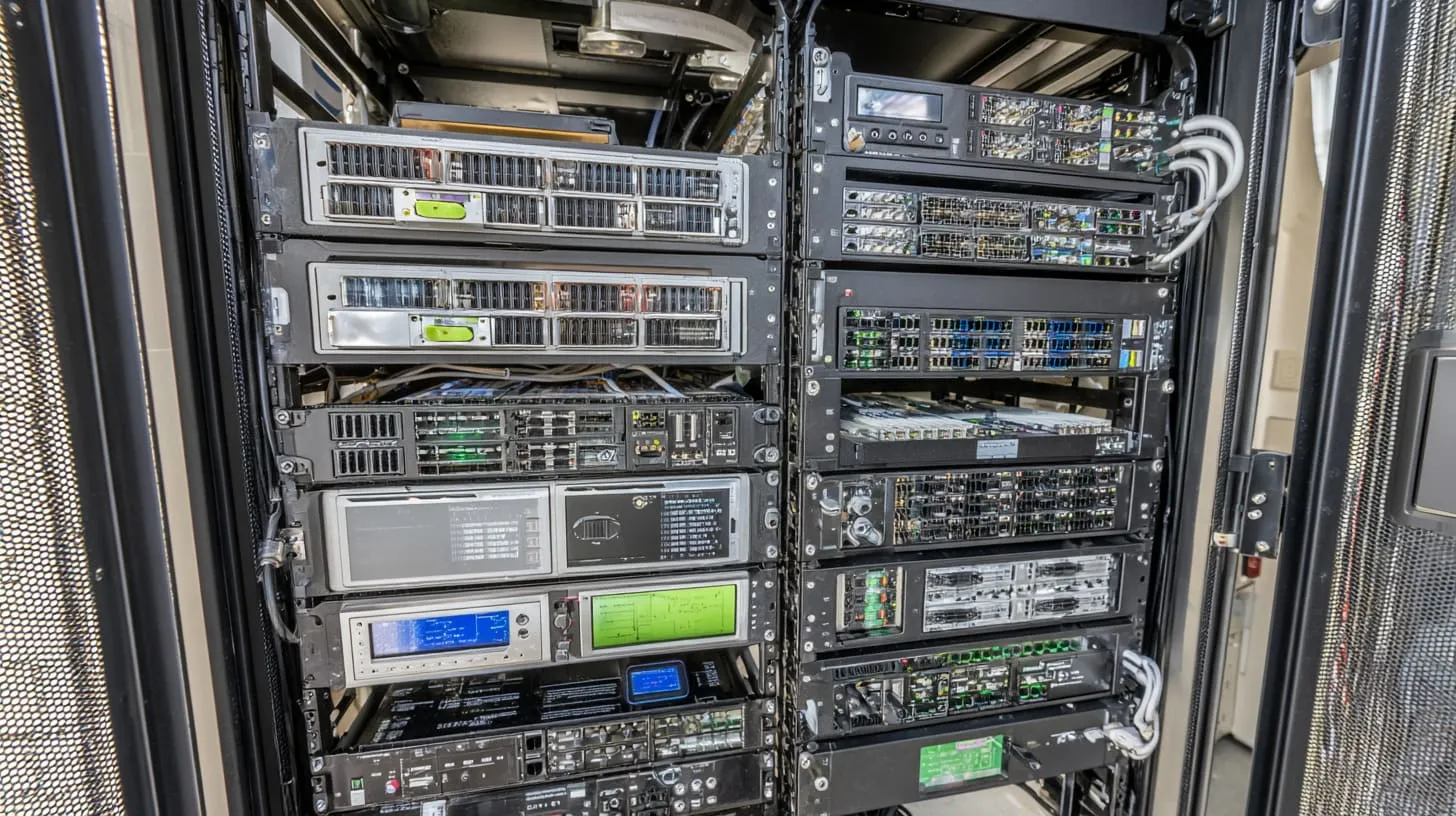
A few Raspberry Pi units barely sip power. A rack full of Xeons? That’s another story.
Daily Power Snapshot
| Gear Type | Power Use (Watts) |
|---|---|
| Pi Cluster | 30–50 |
| NAS (2-bay) | 40–80 |
| Mini PC | 25–60 |
| Rack Server | 150–400 |
Is a server rack overkill for a home lab or smart home setup?
It can feel like a stretch—until things scale.
It’s only overkill if you don’t need the control, safety, or future capacity.
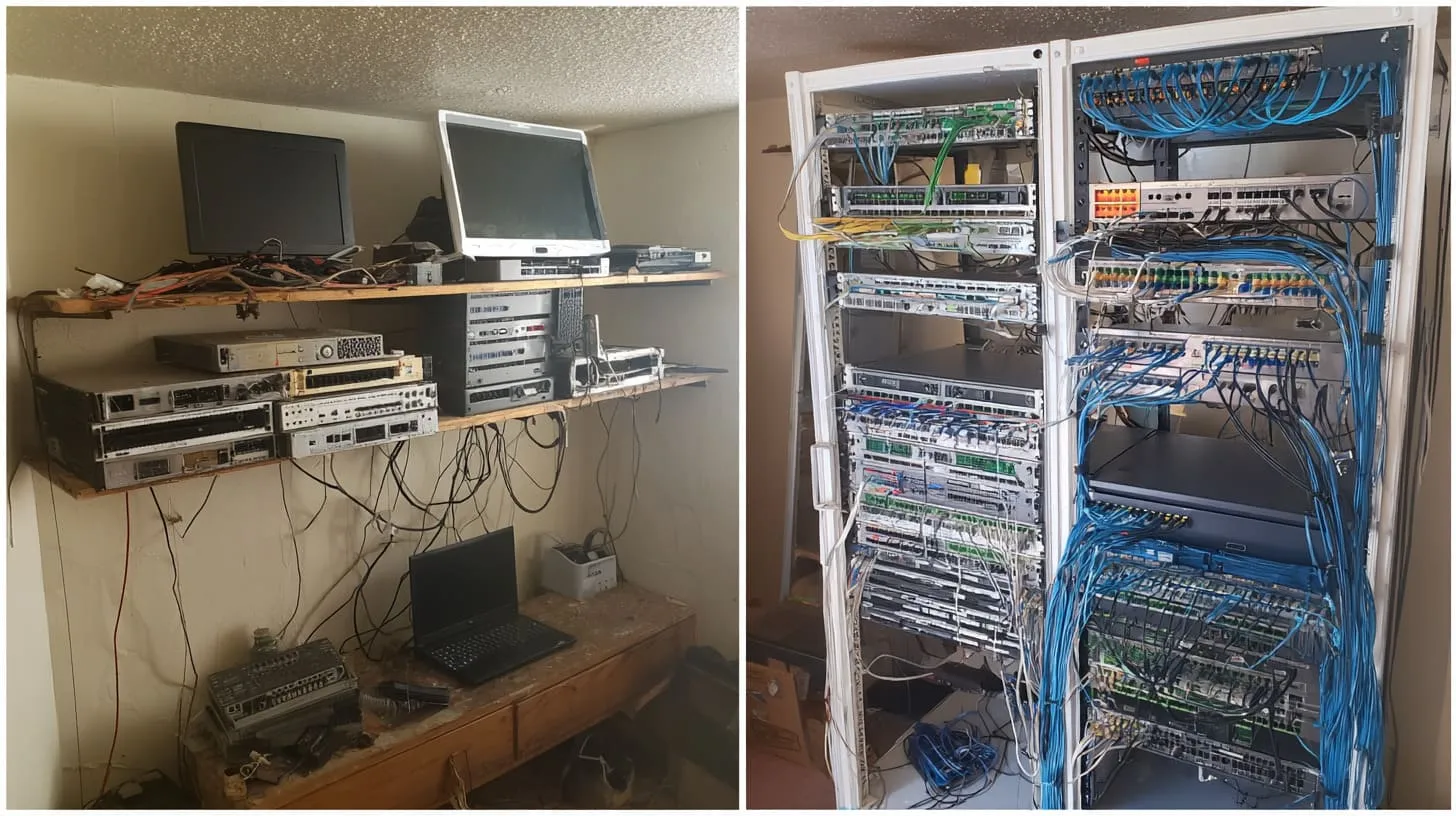
If your gear sits dusty on a shelf and cables keep slipping out, a rack helps. You’ll thank yourself six months later.
My rule of thumb
If I have more than four key devices, it’s rack time. Otherwise, I stick to shelves and trays.
Should I choose an open frame or enclosed server rack for home use?
Both work, but they solve different problems.
Open frames are cheaper and cooler; enclosed racks offer noise and dust control.
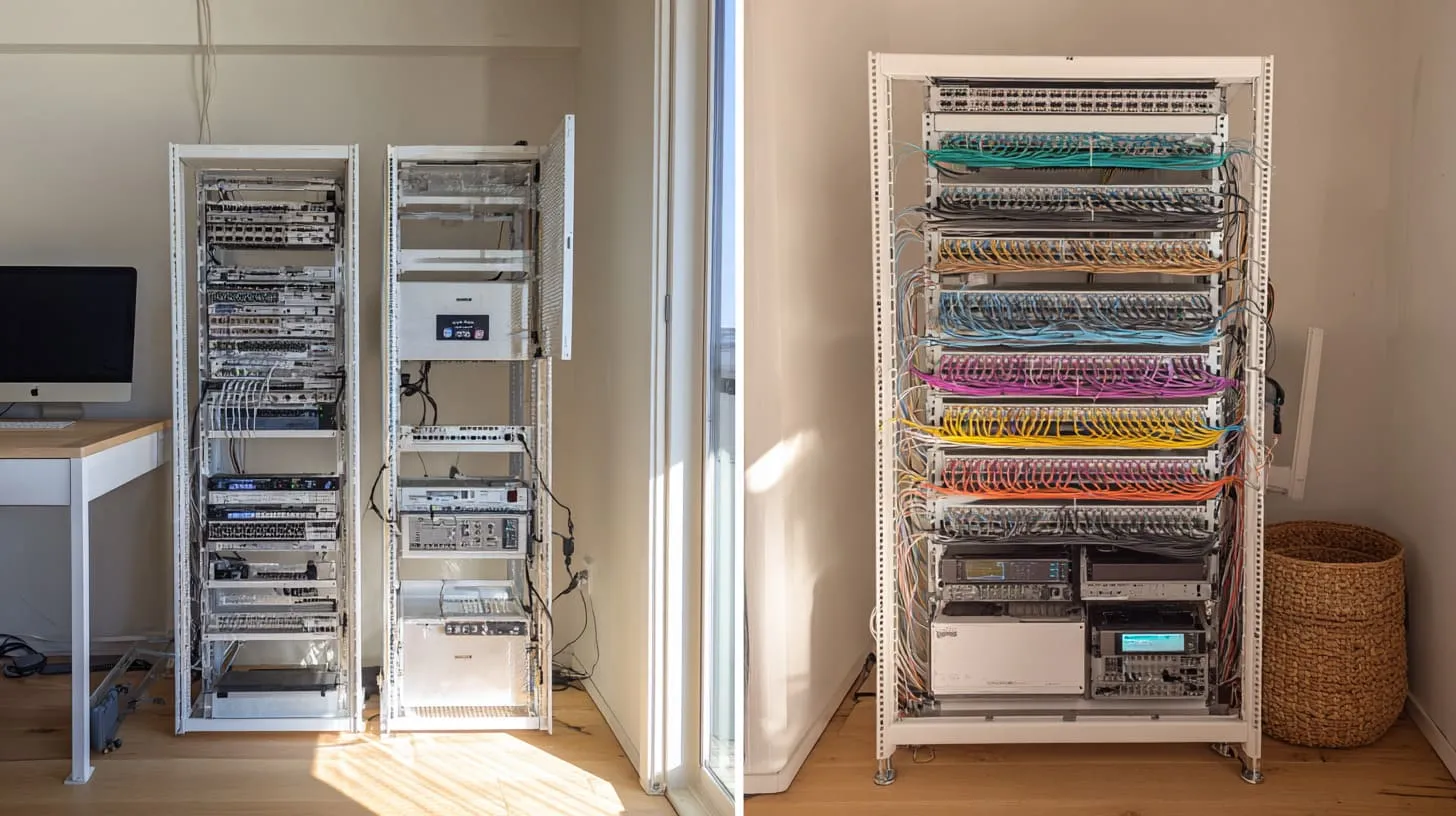
I used an open rack for a year, then switched to an enclosed one when I moved the setup near a living area.
Comparison Table
| Type | Pros | Cons |
|---|---|---|
| Open Frame | Cheap, cool, easy access | No noise/dust control |
| Enclosed | Quiet, secure, cleaner | More expensive, bulkier |
Conclusion
A home server rack isn’t just possible—it’s practical.
When I first started, I didn’t expect racks to matter this much. But once my gear grew, I realized it wasn’t about “IT aesthetics.” It was about control, peace of mind, and daily ease.
If you’re building anything beyond a router-and-a-laptop setup, don’t wait too long. Even a small rack changes how your tech feels—and how you feel using it.
Want help planning a custom enclosure for your home server gear?
That’s exactly what we do at MaidaTech—OEM/ODM racks, brackets, and cases, built around real-world needs.
Reach out at info@maidatech.com or visit maidatechenclosure.com to start designing.