Skip to content
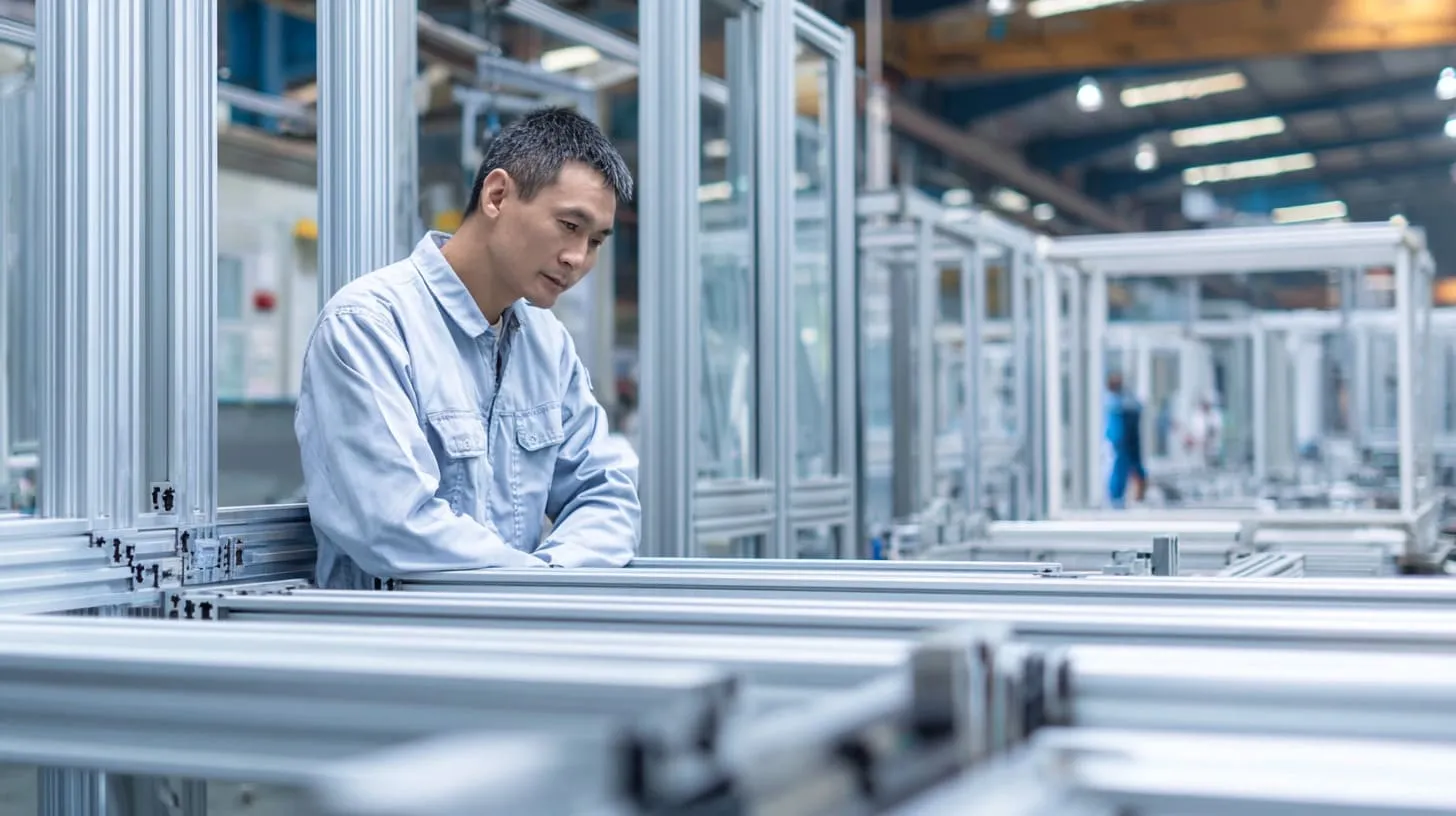
A frame can look simple on paper. Then the real project starts, and every hole, bracket, load, and small tolerance begins to matter.
80/20 aluminum extrusion is a modular aluminum framing system with T-slots. It is used to build machine frames, guards, workstations, racks, custom enclosures, and industrial structures without heavy welding or complex fabrication.
I like to think of it as industrial building blocks for grown-ups. It looks clean. It saves time. But it still asks one serious question: Did you design the frame for real use, or only for a nice drawing?
What Does 80/20 Aluminum Extrusion Mean?
The name sounds a little strange at first. Many buyers hear “80/20” and wonder if it means a metal grade, a size, or a rule.
80/20 aluminum extrusion usually refers to a modular aluminum T-slot framing system. It allows users to build adjustable structures with aluminum profiles, fasteners, brackets, plates, panels, and related accessories.
The Simple Meaning
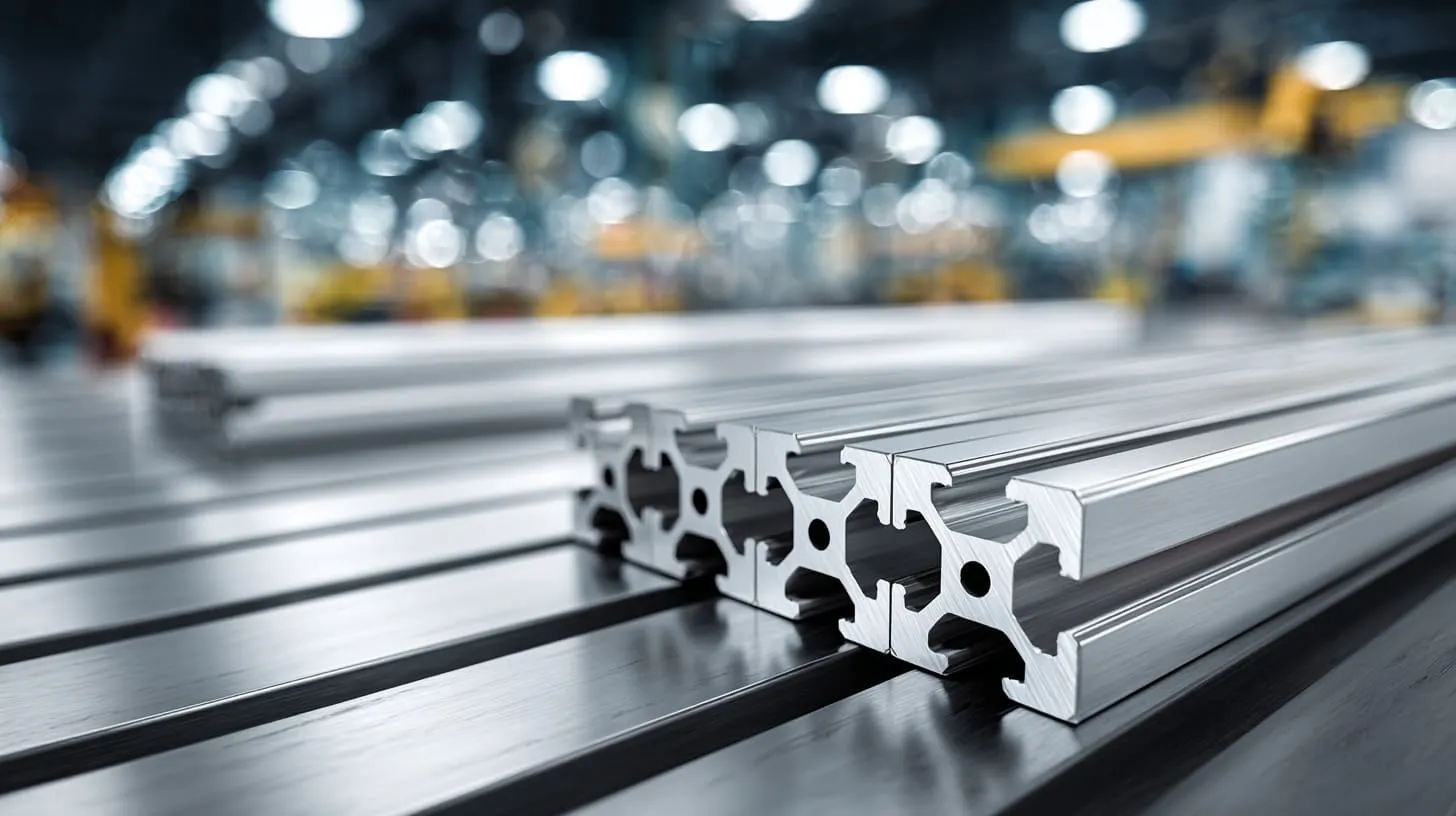
In daily industrial use, people often use “80/20 aluminum extrusion” to describe aluminum profiles with open slots.
These slots allow nuts, bolts, brackets, hinges, panels, and other parts to connect without welding.
That is the key idea.
You can cut the profile to length.
You can assemble the frame.
You can adjust it later.
You can add panels, doors, shelves, or brackets.
It feels simple, but that simplicity is exactly why many engineers like it.
Why People Call It 80/20
80/20 is also a well-known brand name in the modular framing world. Over time, many buyers started using the term more generally, almost like how people say “Velcro” for hook-and-loop fasteners.
So when a customer tells me, “I need 80/20 aluminum extrusion,” I do not only hear a product name.
I hear a project request.
They may need:
| Buyer Request | What It Often Means |
|---|---|
| 80/20 frame | Modular aluminum structure |
| T-slot profile | Aluminum profile with connection slots |
| Machine frame | Strong industrial support frame |
| Guarding frame | Frame for safety panels |
| Enclosure frame | Structure for panels, doors, and covers |
| Workbench frame | Adjustable table or workstation |
Why the Meaning Matters in Custom Projects
For custom enclosure and machine frame projects, the wording matters because different suppliers may understand it differently.
One buyer may mean a real 80/20 brand profile.
Another buyer may mean a similar T-slot aluminum profile.
Another buyer may only care about the function, not the brand.
When I review a project request, I do not stop at the name. I check the profile size, slot width, load, accessories, surface finish, and assembly method first, because the wrong assumption can make a beautiful frame impossible to assemble later.
That little detail saves many uncomfortable emails.
And yes, those emails always arrive at the worst time.
How Is 80/20 Aluminum Extrusion Manufactured?
The profile looks clean and finished, but it starts as hot aluminum pushed through a shaped die.
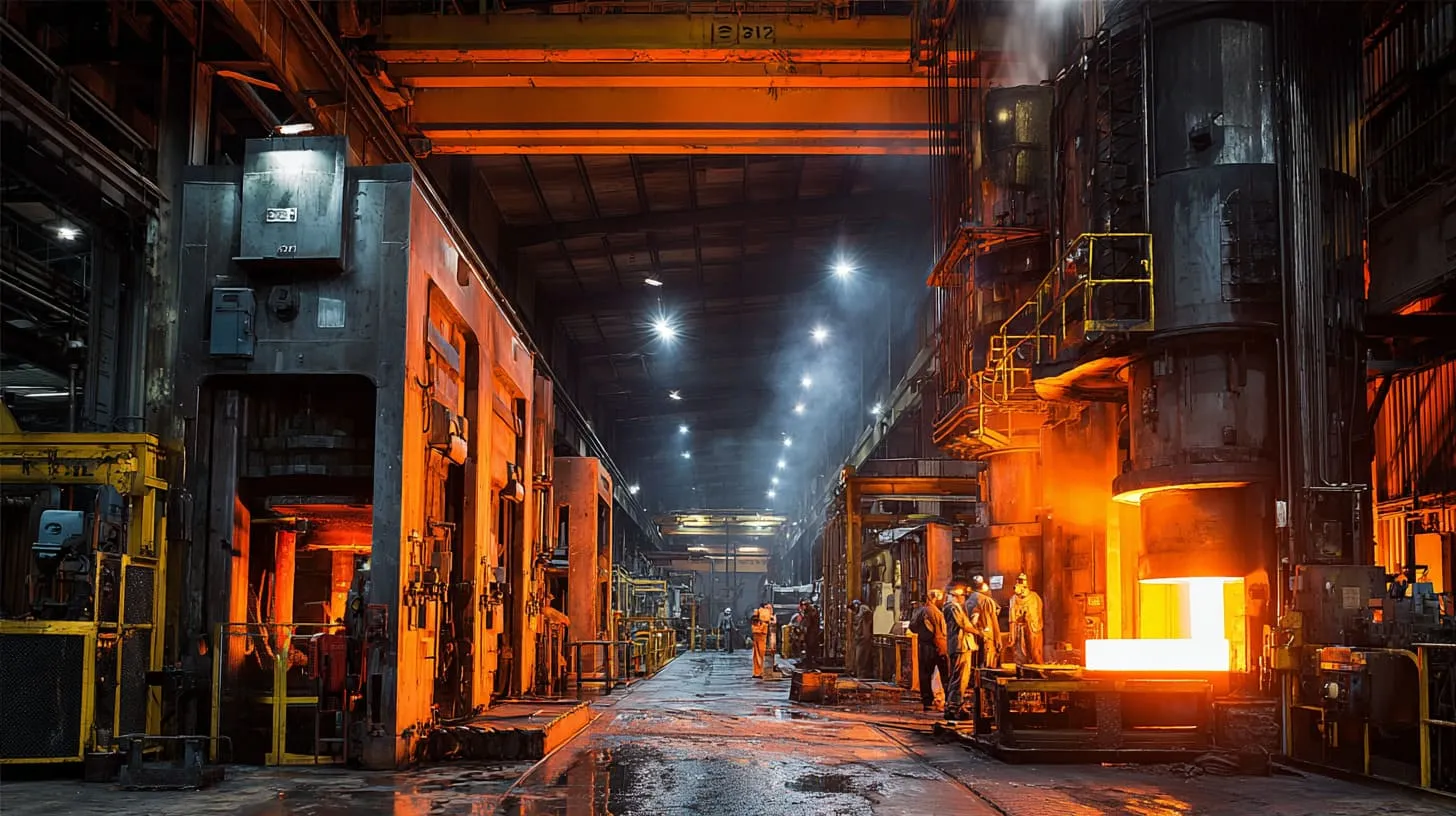
80/20 aluminum extrusion is made by heating aluminum billets and forcing them through a die. The die creates the profile shape, including T-slots, grooves, walls, and internal support sections.
The Basic Manufacturing Process
The extrusion process is not magic. It is controlled pressure, heat, and tooling.
Here is the simple version:
| Step | What Happens | Why It Matters |
|---|---|---|
| Aluminum billet preparation | Aluminum is prepared as a solid billet | Material quality starts here |
| Heating | The billet is heated until soft enough to push | Wrong temperature can affect surface and strength |
| Extrusion | Aluminum is pushed through a die | The profile shape is formed |
| Cooling | The long profile is cooled | Cooling affects straightness |
| Stretching | The profile is straightened | This controls bending and twist |
| Cutting | Profiles are cut into standard lengths | Accurate cutting helps assembly |
| Aging | Heat treatment improves strength | This helps mechanical performance |
| Surface treatment | Anodizing or finishing is added | This improves appearance and corrosion resistance |
Why the Die Is So Important
The die decides the shape.
It controls the slots, wall thickness, corner radius, internal web, and many small details. These details look boring on drawings, but they are not boring when a customer needs the frame to carry weight.
A weak profile can look almost the same as a strong profile in a photo.
That is the trap.
Common Surface Finishes
Most 80/20-style aluminum extrusions use anodized surface treatment.
Common options include:
- Clear anodized finish
- Black anodized finish
- Custom color anodizing
- Powder coating
- Brushed finish
- Raw mill finish for special processing
For B2B projects, I usually see clear anodized and black anodized profiles most often. Clear looks clean and industrial. Black looks more premium, especially for display equipment, electronic structures, and branded products.
Tolerance Control During Production
Tolerance is not just a factory word. It affects real assembly.
If the profile is twisted, brackets may not sit flat.
If the slot is not accurate, nuts may jam.
If the cut is not square, the frame may lean.
A frame can be only 1 mm off, and the final machine door may already feel wrong.
Before I quote a custom frame, I care more about the assembly purpose than the profile drawing alone, because a profile used for a light display rack and a profile used for machine guarding do not deserve the same tolerance thinking.
Why Is 80/20 Aluminum Extrusion So Popular in Industrial Applications?
Industrial buyers like tools that save time without creating new headaches. That is where this material earns its place.
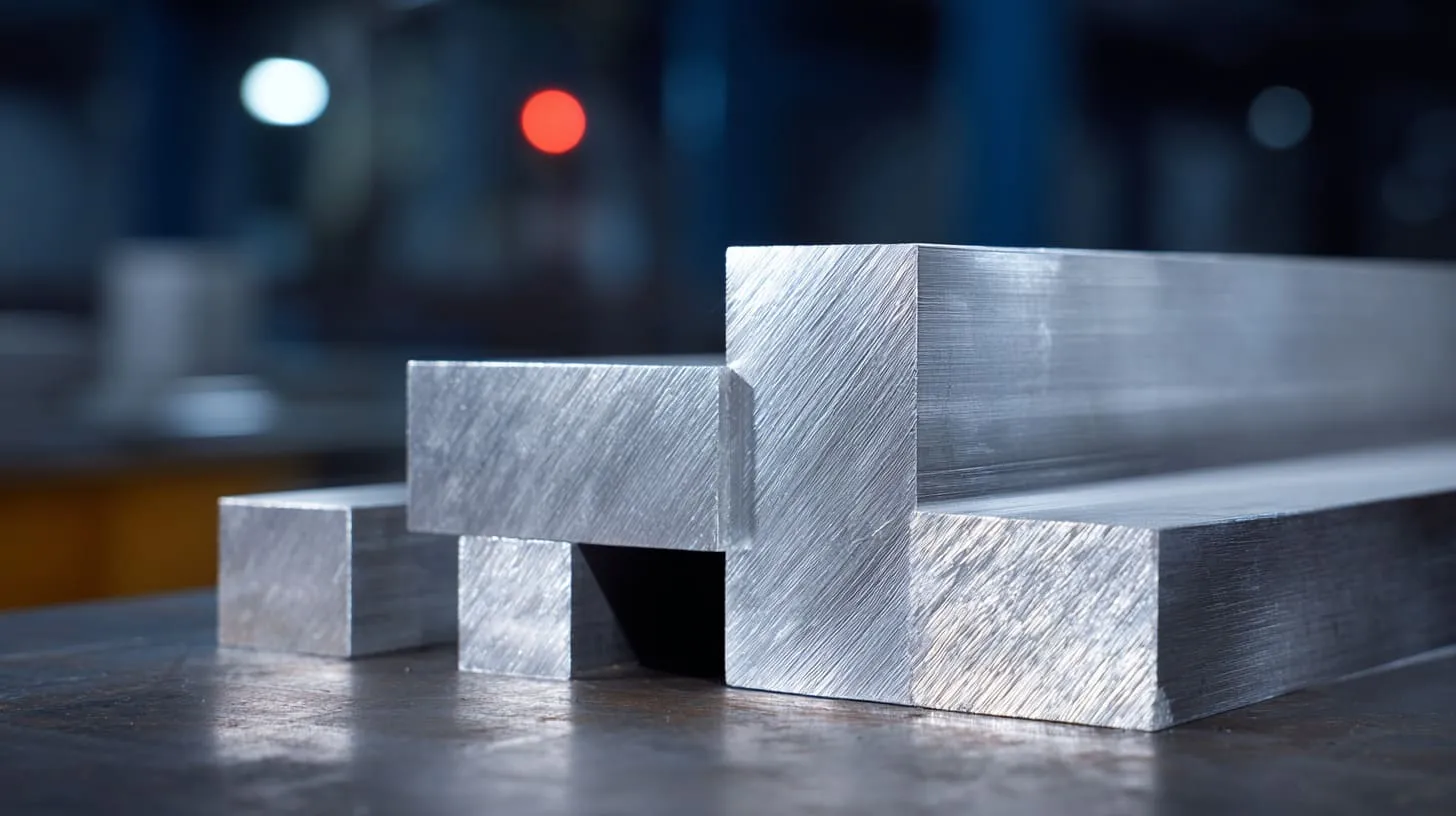
80/20 aluminum extrusion is popular because it is modular, clean, adjustable, and fast to assemble. It helps engineers build industrial frames without welding, painting, or long fabrication cycles.
It Makes Design Faster
A welded frame needs cutting, welding, grinding, drilling, painting, and sometimes rework.
An aluminum extrusion frame can be much faster.
You select the profile.
You cut the lengths.
You use connectors.
You assemble the structure.
You adjust when needed.
This speed matters when a project manager is already hearing that lovely sentence: “Can we finish it before next week?”
It Supports Changes
Industrial projects change. This is not a theory. This is Tuesday.
A sensor moves.
A panel size changes.
A door needs a hinge.
A cable route needs more space.
A customer suddenly wants a logo plate.
With a modular aluminum frame, these changes are easier to handle than with welded steel.
It Looks Professional
This part matters more than some engineers admit.
A clean anodized aluminum frame gives the final machine, fixture, or enclosure a more finished look. For ODM projects, that appearance helps the product feel more ready for market.
Here is a quick comparison:
| Feature | Aluminum Extrusion Frame | Traditional Welded Frame |
|---|---|---|
| Assembly speed | Fast | Slower |
| Rework | Easier | Harder |
| Surface look | Clean and modern | Depends on welding and paint |
| Flexibility | High | Low |
| Tooling need | Lower | Higher |
| Best use | Modular industrial systems | Heavy permanent structures |
It Fits Many Industrial Environments
You can find 80/20-style extrusion in:
- Machine frames
- Conveyor frames
- Robot guarding
- Workstations
- Test fixtures
- Equipment racks
- Electrical enclosure frames
- Display structures
- Lab equipment
- Packaging machines
A small profile can hold a panel.
A larger profile can support a serious machine structure.
The trick is not choosing aluminum because it looks good. The trick is choosing the right profile because the frame has a job to do.
For real projects, I always ask what the frame must carry, where the force comes from, and how people will touch or adjust it later, because a frame that only looks strong can still fail in daily use.
What Are the Advantages of 80/20 Aluminum Extrusion?
The biggest advantage is not just strength. It is the mix of speed, flexibility, and clean assembly.
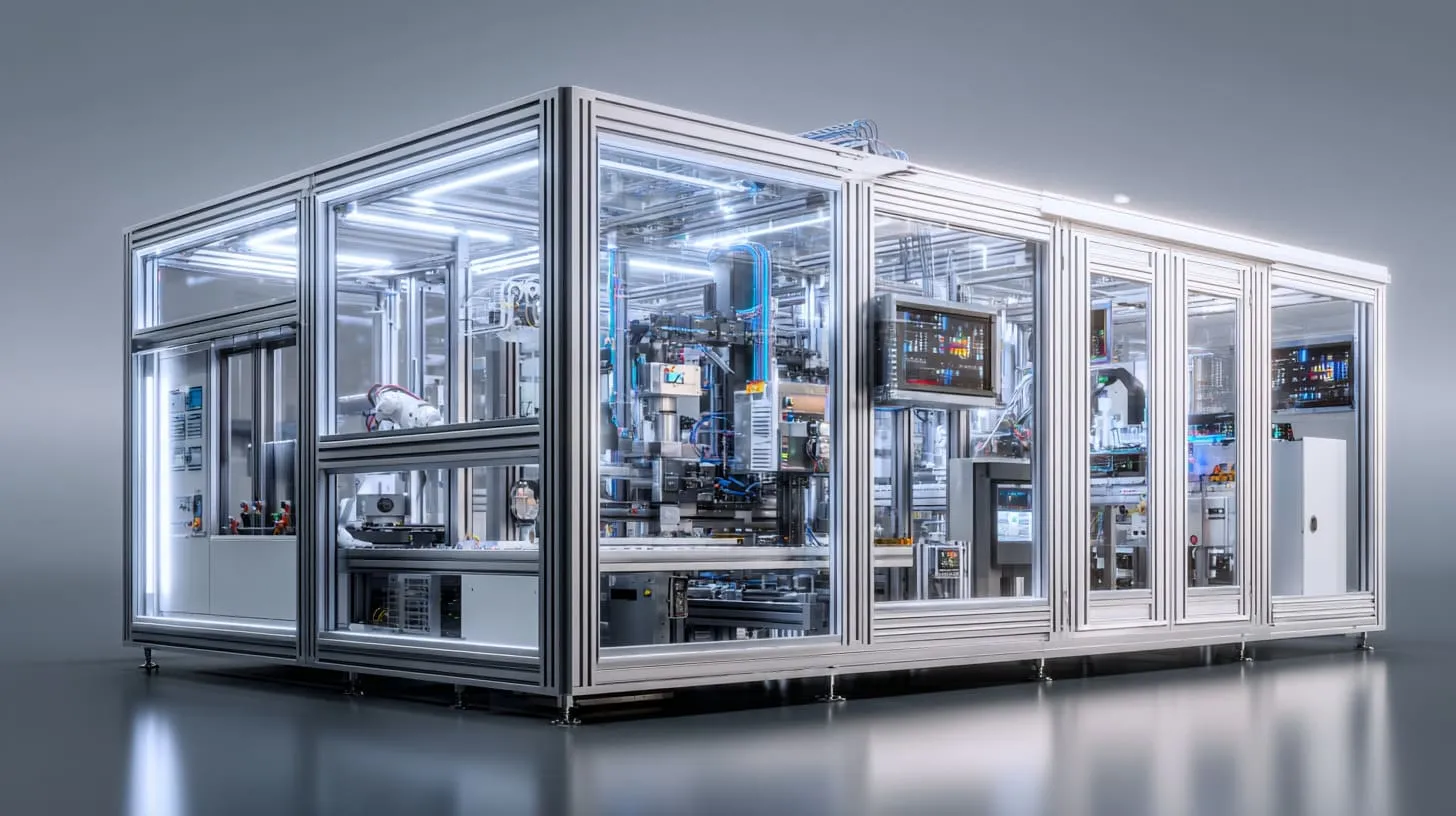
80/20 aluminum extrusion offers fast assembly, easy adjustment, corrosion resistance, clean appearance, modular design, and lower fabrication effort. It is useful when a project needs custom framing without permanent welding.
Main Advantages
| Advantage | Why It Helps |
|---|---|
| Modular design | Parts can be moved, added, or replaced |
| No welding needed | Assembly is cleaner and faster |
| Lightweight | Easier handling and shipping |
| Good corrosion resistance | Works well in many indoor environments |
| Clean appearance | Good for machines, displays, and branded products |
| Reusable | Profiles and accessories can often be reused |
| Easy panel mounting | Acrylic, polycarbonate, aluminum, and sheet metal panels can be added |
| Fast prototyping | Design changes are easier before mass production |
It Saves Time in Small-Batch Custom Work
For custom enclosure projects, this is a big deal.
A buyer may need only 20, 50, or 100 sets of a custom structure. Full tooling may not make sense. A welded frame may take too long. A modular extrusion frame can sit nicely in the middle.
It gives enough customization without making the project too heavy.
It Helps Buyers Test Ideas
I have seen customers use aluminum extrusion frames as a “first serious version” of a product.
They build the frame.
They test the size.
They check the door position.
They adjust the panels.
They improve the cable path.
Then they decide whether to keep the extrusion design or move to a custom sheet metal enclosure later.
This is a smart path for ODM projects, especially when the buyer is still testing market feedback.
It Works Well With Other Materials
80/20 aluminum extrusion can work with:
- Acrylic panels
- Polycarbonate panels
- Sheet metal covers
- Aluminum plates
- Rubber feet
- Handles
- Hinges
- Casters
- Cable channels
- LED strips
- Fan plates
For example, a machine guard may use aluminum extrusion for the frame and polycarbonate for the transparent safety panel.
A display frame may use black anodized aluminum and clear acrylic panels.
A custom electronics project may use extrusion rails with sheet metal covers and logo printing.
The detail I care about most is not only whether the profile can connect to a panel, but whether the panel can be removed later without damaging the frame, because maintenance always finds the weak part of a design.
What Are the Disadvantages of 80/20 Aluminum Extrusion?
No material is perfect. Aluminum extrusion is useful, but it is not a magic answer for every frame.
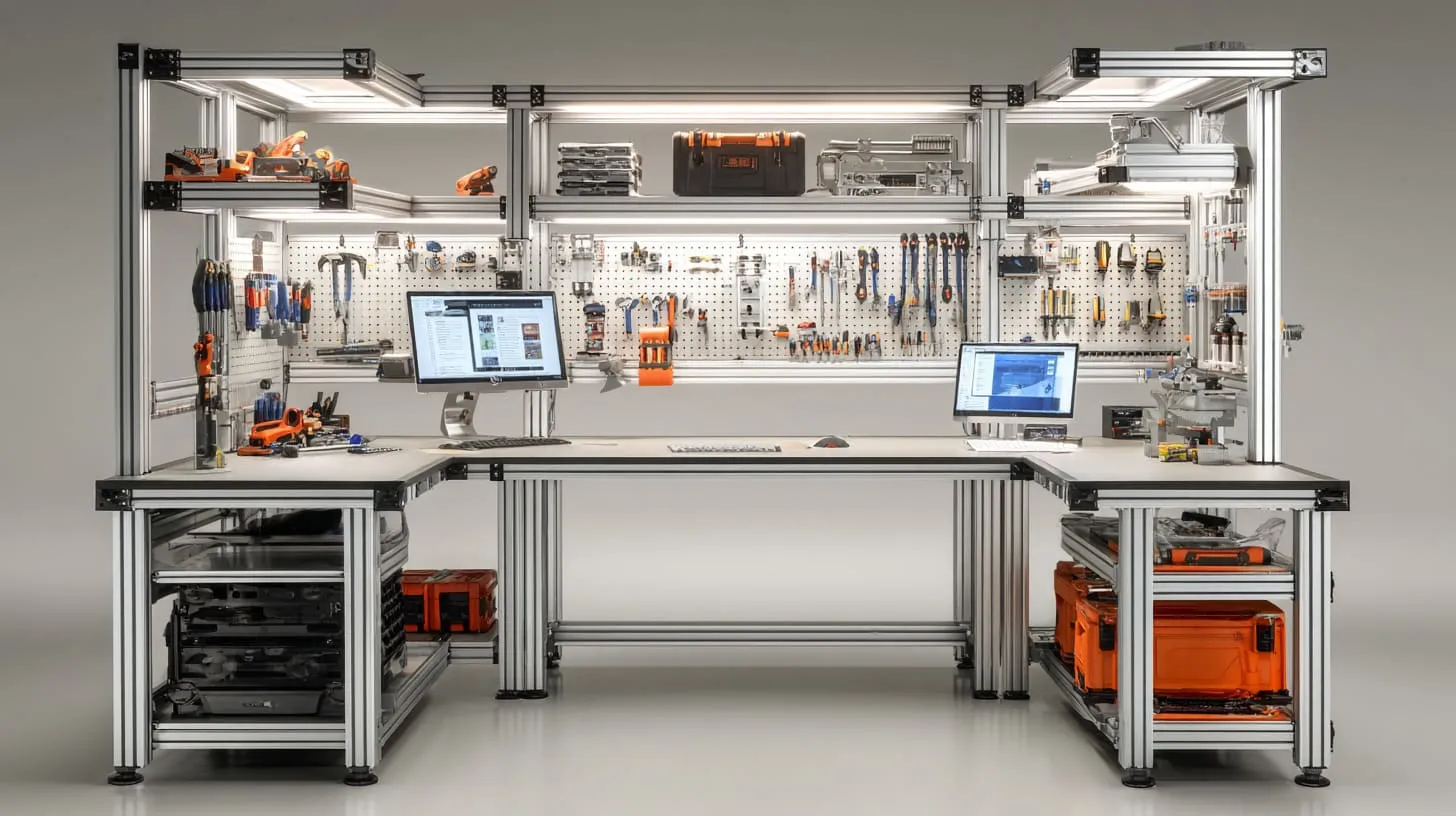
The disadvantages of 80/20 aluminum extrusion include higher material cost than some steel options, lower stiffness than welded steel, visible fasteners, possible vibration issues, and the need for correct connector selection.
The Cost Can Be Higher
Aluminum extrusion can be more expensive than basic steel tubing, especially when the project uses many brackets, nuts, plates, hinges, and special accessories.
The profile price is only one part.
The real cost includes:
- Profile cutting
- Connectors
- Corner brackets
- Fasteners
- End caps
- Panels
- Machining
- Assembly labor
- Packaging
- Shipping volume
A cheap-looking BOM can become less cute after the accessory list arrives.
It May Not Be Stiff Enough for Heavy Loads
Aluminum extrusion can be strong, but steel is usually stiffer.
For heavy machines, strong vibration, or high-impact environments, steel may still be better.
Here is a simple way to think about it:
| Project Need | Better Choice |
|---|---|
| Adjustable workstation | Aluminum extrusion |
| Light machine frame | Aluminum extrusion |
| Heavy press machine base | Steel frame |
| Outdoor high-impact structure | Often steel or reinforced aluminum |
| Prototype test fixture | Aluminum extrusion |
| Permanent welded base | Steel frame |
Fasteners Can Loosen
Bolted connections can loosen under vibration if the design does not use proper locking methods.
This is common in equipment frames, moving carts, and conveyor systems.
Helpful solutions include:
- Lock washers
- Thread locking adhesive
- Proper torque
- Stronger brackets
- Gusset plates
- Periodic maintenance checks
- Better connector selection
It Can Look Too “Modular”
This depends on the product.
For industrial equipment, the modular look is often fine.
For consumer-facing products, visible slots and bolts may not feel premium enough.
That is why some projects use extrusion inside and custom panels outside.
The frame gives structure.
The cover gives beauty.
I usually become careful when a buyer wants a “luxury-looking” product but also wants exposed T-slots everywhere, because function and appearance can start fighting quietly in the same design.
What Materials Are Used to Make 80/20 Aluminum Extrusions?
Most profiles use aluminum alloys that balance strength, extrusion quality, surface finish, and cost.
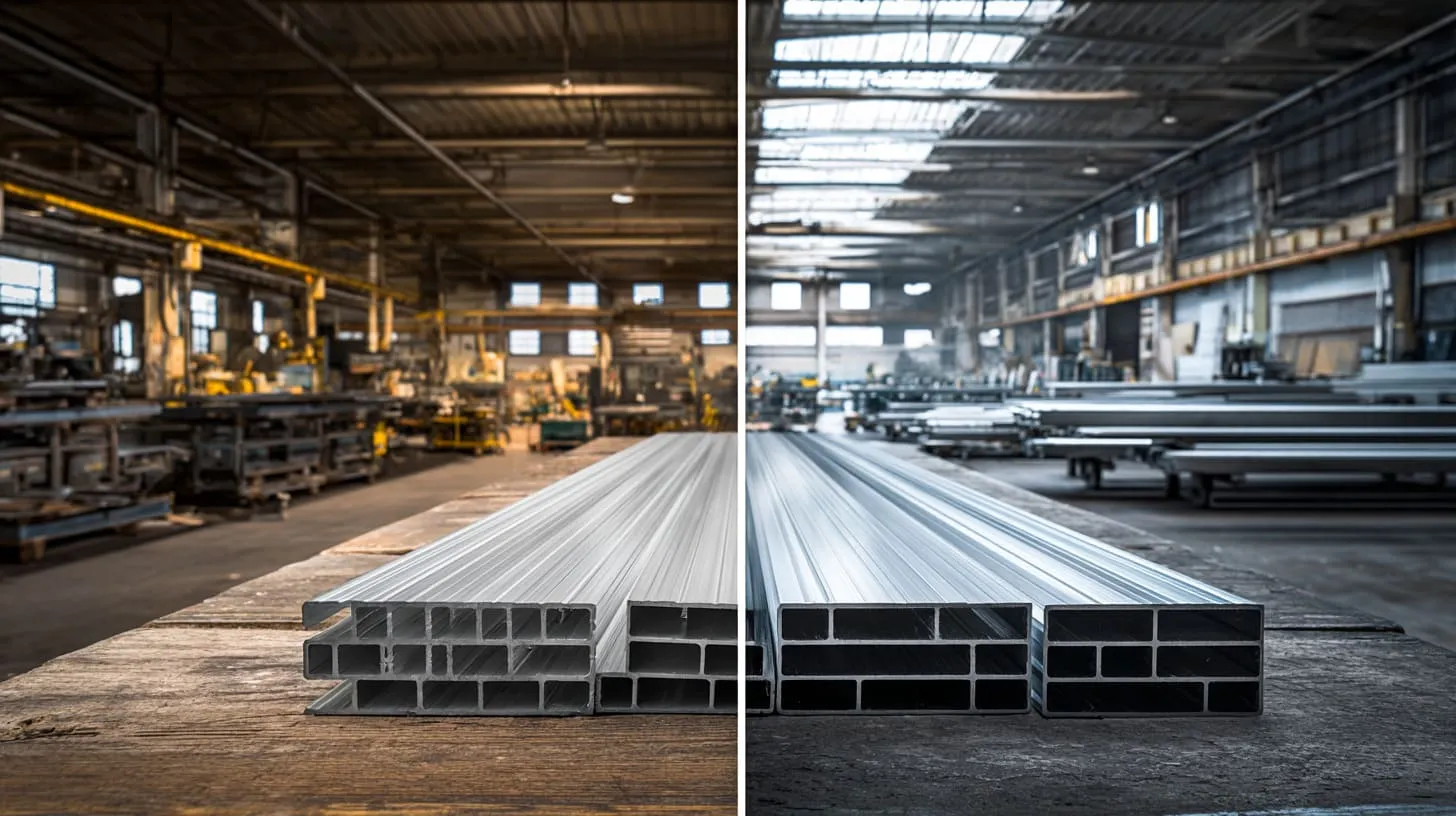
80/20 aluminum extrusions are commonly made from aluminum alloys such as 6061 or 6063. These alloys offer good strength, corrosion resistance, machinability, and clean anodized surface quality.
Common Aluminum Alloys
| Alloy | Common Use | Main Benefit |
|---|---|---|
| 6063 aluminum | T-slot profiles and architectural profiles | Good surface finish and easy extrusion |
| 6061 aluminum | Stronger structural parts | Better strength and machining performance |
| 6005 aluminum | Structural extrusion applications | Good strength for frame use |
6063 is common because it extrudes well and looks good after anodizing.
6061 is stronger, but it may not always be the easiest choice for complex profile shapes.
Temper Matters Too
You may see material names like 6063-T5 or 6061-T6.
The “T” condition describes heat treatment.
For practical buying, this affects:
- Strength
- Hardness
- Machining behavior
- Bending resistance
- Load capacity
Surface Treatment
Most profiles are anodized.
Anodizing helps with:
- Corrosion resistance
- Surface hardness
- Appearance
- Cleaner touch feel
- Better wear resistance
Common finishes:
| Finish | Look | Typical Use |
|---|---|---|
| Clear anodized | Silver, clean, industrial | General machine frames |
| Black anodized | Premium, modern | Display, lab, electronics projects |
| Natural mill finish | Raw aluminum | Further processing |
| Powder coated | Colored surface | Custom brand or outdoor use |
Why Material Choice Affects Custom Projects
For custom enclosures and frames, material choice affects more than strength.
It also affects the finished look, machining quality, and how well logo plates, panels, or accessories fit.
When I receive a project drawing, I do not only ask “What alloy?” I also ask how the frame will be touched, cleaned, moved, and seen by the final user, because a material can be technically acceptable and still feel wrong in the final product.
That is a small difference, but buyers notice it.
What Sizes and Profiles Are Available for 80/20 Aluminum Extrusions?
The size range is one reason this system is so flexible. Small frames and larger industrial structures can use different profiles.
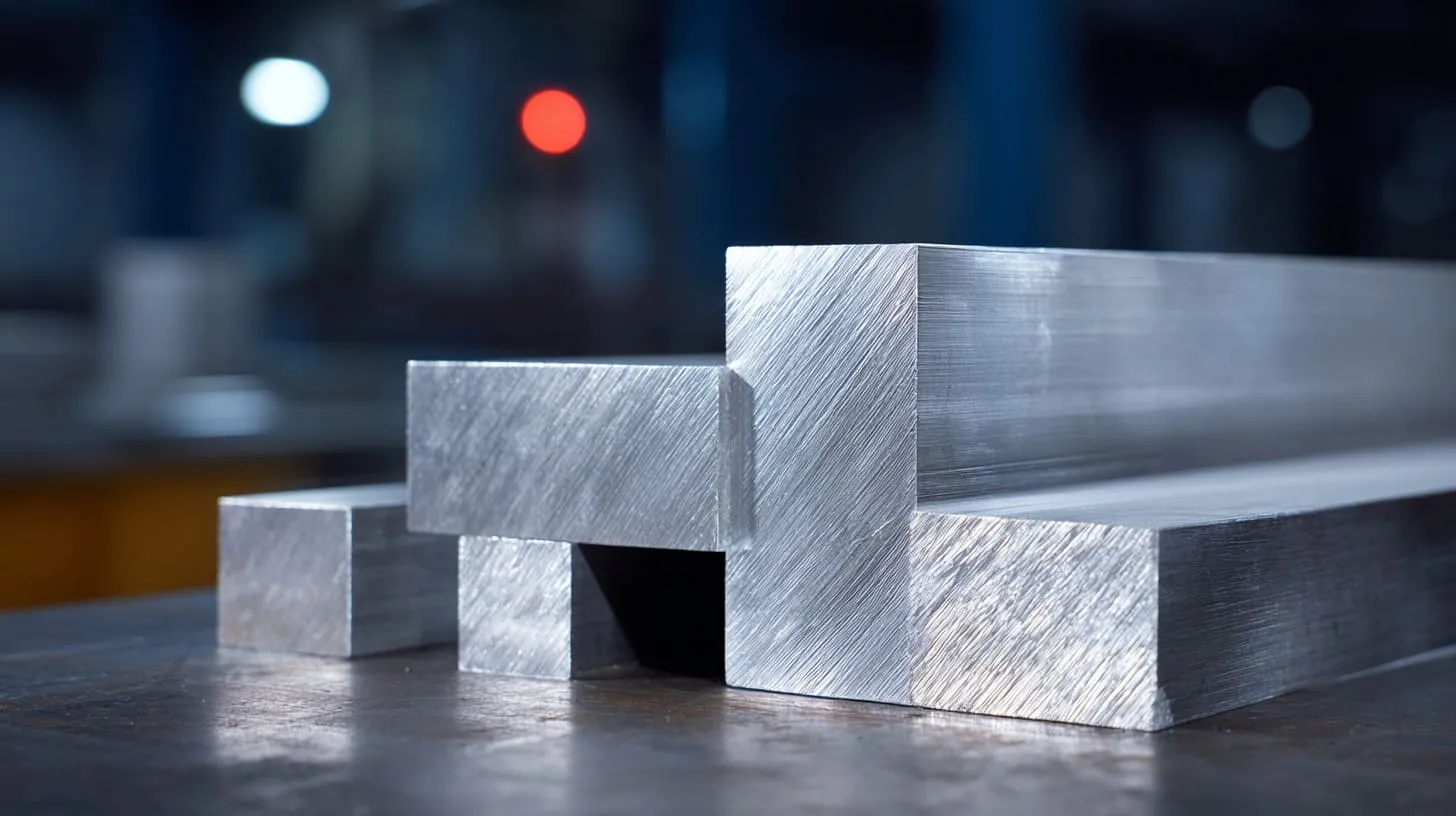
80/20 aluminum extrusions are available in many sizes, including small, medium, and heavy-duty profiles. Common options include square profiles, rectangular profiles, T-slot profiles, smooth profiles, and special structural profiles.
Common Profile Types
| Profile Type | Shape | Common Use |
|---|---|---|
| Square profile | Equal width and height | General frames |
| Rectangular profile | Wider in one direction | Longer spans and support beams |
| Smooth profile | Fewer visible slots | Cleaner appearance |
| Heavy-duty profile | Thicker walls and larger size | Machine frames |
| Radius profile | Rounded edges | Safety and appearance |
| Panel profile | Designed for panel insertion | Enclosures and guards |
Common Size Ideas
Sizes vary by supplier and system, but buyers often see profiles based on inch or metric series.
Common profile families include:
| Profile Size Type | Typical Use |
|---|---|
| Small profiles | Light guards, small fixtures, display frames |
| Medium profiles | Workstations, racks, carts |
| Large profiles | Machine bases, heavy frames |
| Thin-slot profiles | Smaller accessories and compact designs |
| Wide-slot profiles | Stronger connectors and larger accessories |
Metric vs Inch Profiles
This is important.
Some systems use inch-based sizes.
Some systems use metric sizes.
Accessories may not match between systems.
A T-nut from one system may not fit another slot. A corner bracket may look right but sit wrong. A panel gasket may not lock properly.
That is the kind of problem that makes people stare at parts on a table and ask, “Why does this not fit?”
How I Choose Profile Size
For a light cover frame, I may choose a smaller profile.
For a machine base, I look at larger sections.
For a frame with panels and doors, I check both strength and accessory space.
The mistake I try to avoid is choosing the smallest profile just to save cost, because the money saved on aluminum can disappear fast when the frame bends, shakes, or feels cheap after assembly.
How Strong Is 80/20 Aluminum Extrusion?
Strength depends on size, alloy, wall thickness, profile shape, span length, load direction, and connection method.
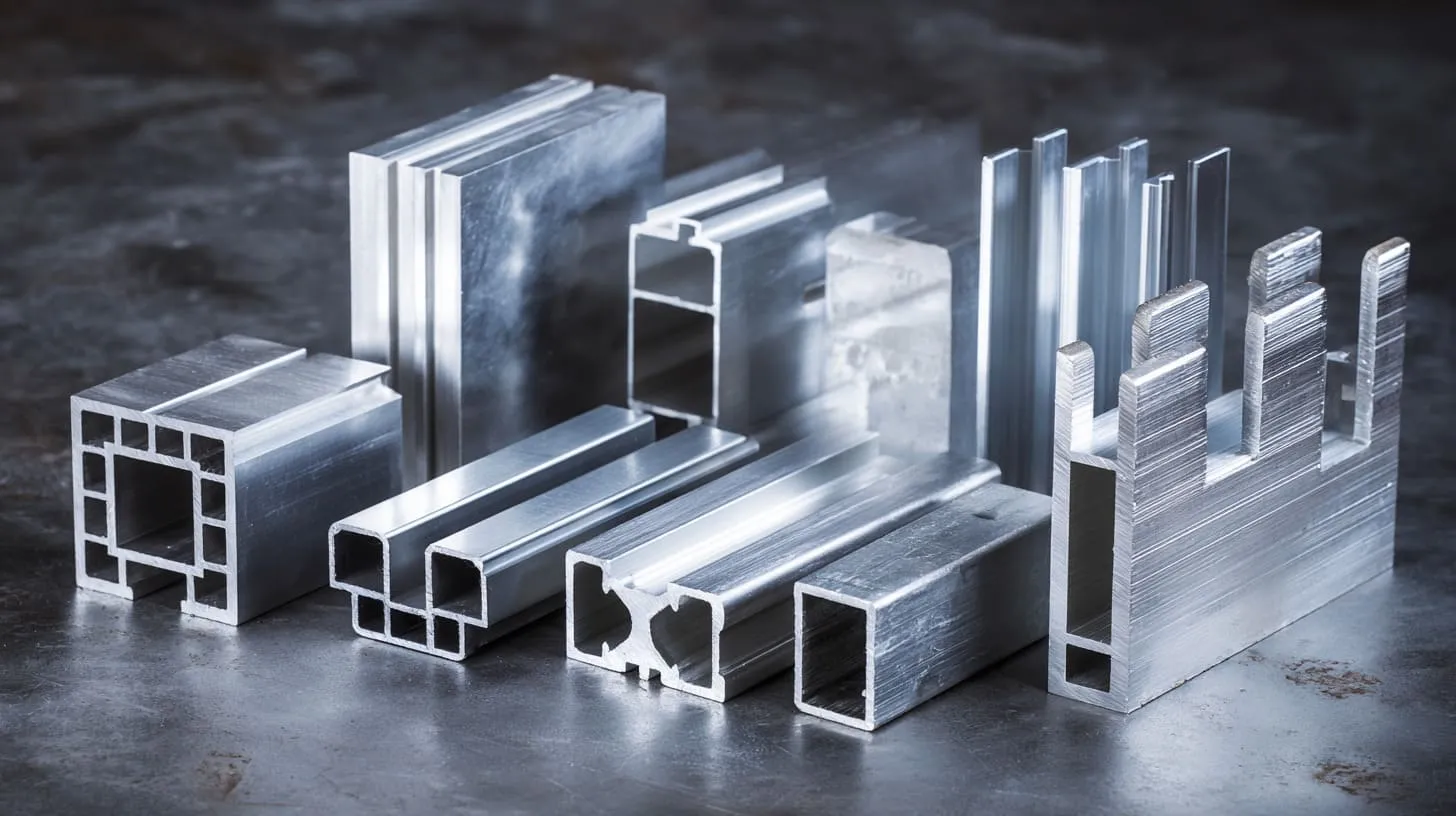
80/20 aluminum extrusion can be strong enough for many industrial frames, workstations, guards, racks, and fixtures. Its real strength depends on profile size, unsupported span, load direction, fasteners, and joint design.
Strength Is Not One Number
Many buyers ask, “How strong is it?”
That is a fair question. But the answer depends on the design.
A short profile may carry a lot.
A long profile may bend under the same load.
A vertical post behaves differently from a horizontal beam.
A bolted corner behaves differently from a reinforced joint.
Main Factors That Affect Strength
| Factor | Why It Matters |
|---|---|
| Profile size | Larger profiles usually resist bending better |
| Wall thickness | Thicker walls improve strength |
| Alloy and temper | Material grade affects load capacity |
| Span length | Longer unsupported spans bend more |
| Load direction | Side loads and top loads act differently |
| Joint design | Weak corners can reduce frame strength |
| Bracket type | Stronger brackets improve rigidity |
| Vibration | Movement can loosen connections |
Bending Is Often the Real Problem
In many frames, the profile does not suddenly break.
It bends.
It twists.
It vibrates.
It feels soft.
That “soft” feeling can be a real issue for machine frames, test fixtures, and equipment carts.
A frame may still stand, but it may not hold precision.
How to Improve Strength
You can improve strength by:
- Using larger profiles
- Reducing unsupported span
- Adding cross braces
- Using gusset plates
- Adding corner plates
- Using stronger fasteners
- Adding panel reinforcement
- Using steel inserts where needed
- Designing load paths carefully
Here is a simple design check:
| Problem | Possible Fix |
|---|---|
| Long beam bends | Use larger profile or add support |
| Frame shakes | Add diagonal bracing or panels |
| Corner feels weak | Use gussets or joining plates |
| Heavy equipment sits on top | Add vertical posts under load points |
| Door does not align | Improve squareness and joint rigidity |
When I judge frame strength, I do not only look at the profile catalog. I imagine where the worker will lean, where the machine will vibrate, and where the frame will get abused after six months.
Real use is not polite.
What Is the Difference Between T-Slot and 80/20 Aluminum Extrusion?
These two terms often get mixed together. The difference is mostly about category and brand usage.
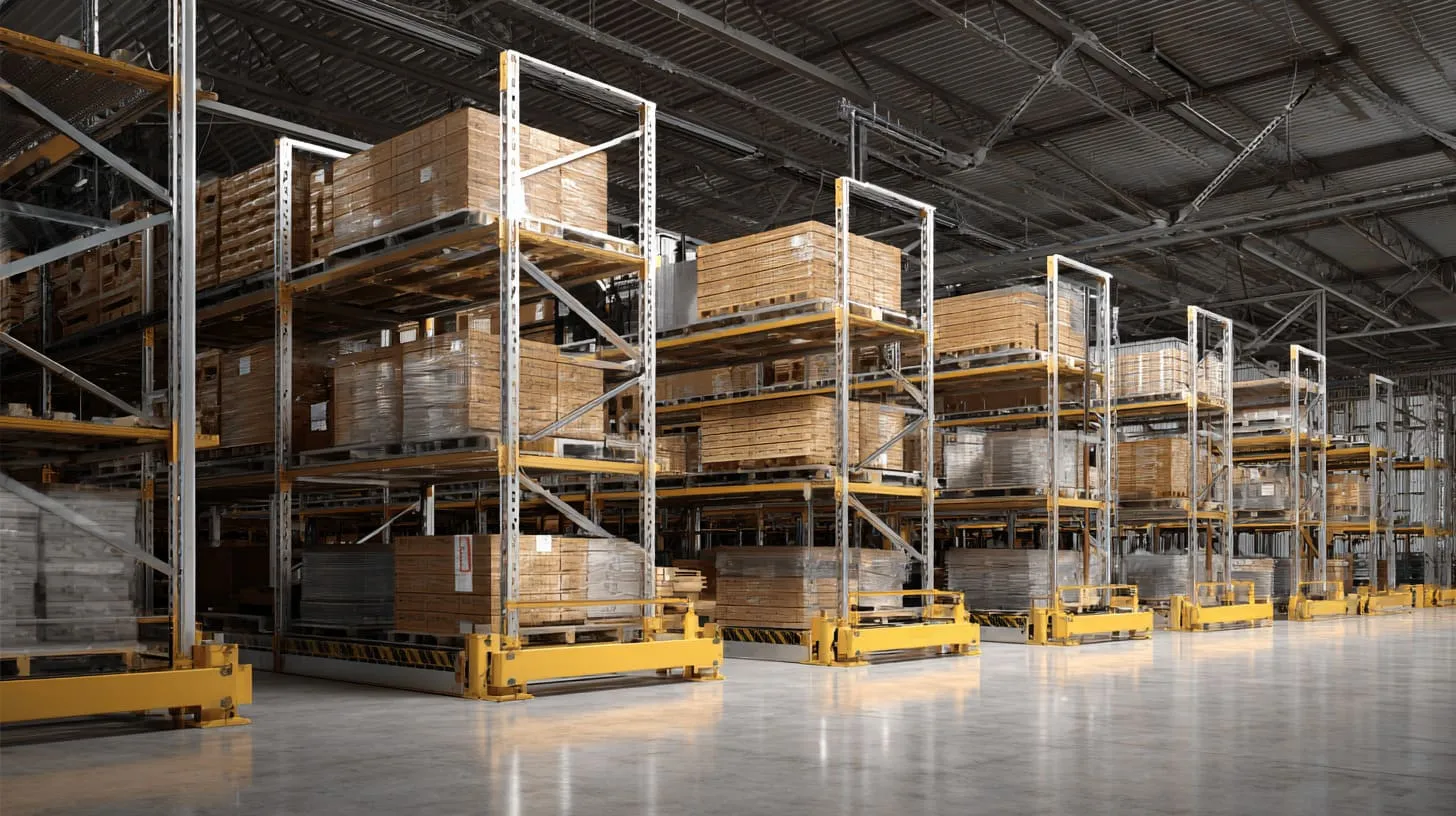
T-slot aluminum extrusion is the general product type. 80/20 is a well-known modular framing brand, but many people use “80/20” to describe similar T-slot aluminum extrusion systems.
The Simple Difference
| Term | Meaning |
|---|---|
| T-slot aluminum extrusion | General type of slotted aluminum profile |
| 80/20 aluminum extrusion | Often refers to a brand or 80/20-style modular profile system |
| Modular aluminum framing | Broader term for profile-based structures |
| Aluminum profile system | General industrial term |
So, all 80/20-style profiles are usually T-slot profiles.
But not all T-slot profiles are from the 80/20 brand.
Why Buyers Confuse the Terms
The visual idea is similar.
There is an aluminum profile.
There are slots.
There are T-nuts.
There are brackets.
There are bolts.
There are accessories.
So people use the words casually.
This is normal, but it can cause problems in purchasing.
Compatibility Is the Real Issue
The important question is not only the name.
The important question is: Do the profiles and accessories match?
You need to check:
- Slot size
- Profile width
- Fastener size
- Nut type
- Bracket hole spacing
- End connector design
- Panel groove size
- Series compatibility
Example of a Common Problem
A buyer orders profiles from one supplier and accessories from another supplier.
The profile looks correct.
The bracket looks correct.
The T-nut looks correct.
Then assembly starts.
The nut does not slide smoothly.
The bracket hole is slightly off.
The screw head sits too high.
The panel cannot fit.
That is when the “same-looking” parts become very different.
I always treat T-slot systems like families, not random parts, because parts from different families may smile at each other in photos but refuse to live together on the factory floor.
What Is the Difference Between 80/20 Aluminum Extrusion and Steel Framing?
Both can build strong frames, but they solve different problems.
80/20 aluminum extrusion is better for modular, adjustable, clean, and lightweight structures. Steel framing is better for heavy-duty, permanent, high-load, or high-impact structures that need maximum stiffness.
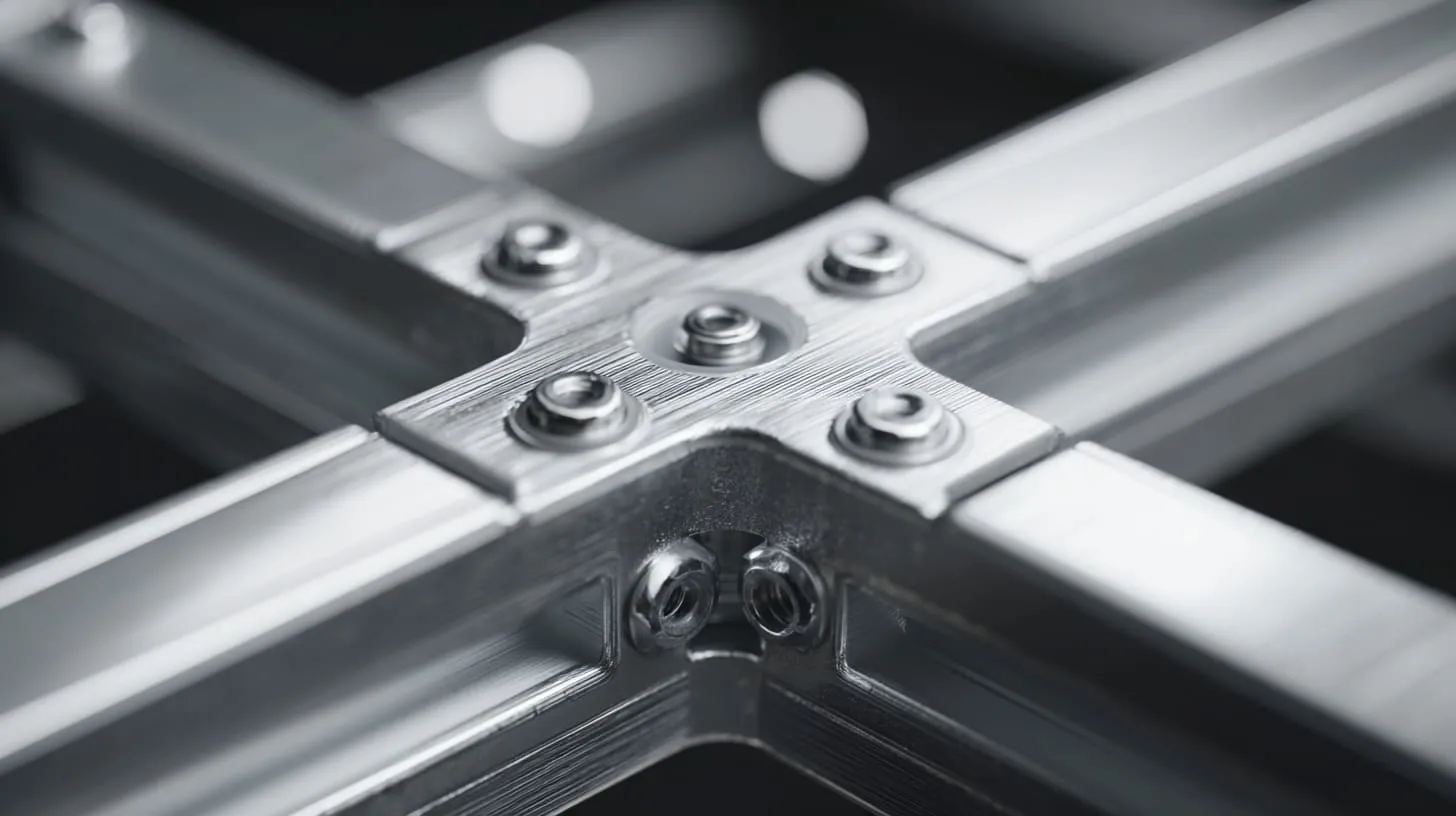
Aluminum Extrusion vs Steel Framing
| Item | 80/20 Aluminum Extrusion | Steel Framing |
|---|---|---|
| Weight | Lighter | Heavier |
| Assembly | Bolted and modular | Often welded |
| Rework | Easier | Harder |
| Corrosion resistance | Good with anodizing | Needs coating or treatment |
| Strength-to-weight | Good | Very strong and stiff |
| Appearance | Clean and modern | Industrial, depends on finishing |
| Cost | Can be higher with accessories | Can be lower for basic frames |
| Best use | Adjustable systems | Permanent heavy structures |
When Aluminum Is Better
Aluminum extrusion is often better for:
- Workstations
- Light machine frames
- Safety guards
- Prototype structures
- Test fixtures
- Display systems
- Lab frames
- Adjustable racks
- Enclosure frames with removable panels
It is clean and easy to modify.
When Steel Is Better
Steel is often better for:
- Heavy machine bases
- High-impact structures
- Outdoor exposed frames
- Forklift-hit zones
- Large welded platforms
- Frames with very high load
- Projects where stiffness is more important than flexibility
Steel is not fancy. But it is tough.
And sometimes tough is exactly what the project needs.
The Real Trade-Off
Aluminum saves time and adds flexibility.
Steel adds stiffness and durability under harsher loads.
The best choice depends on the project, not on which material sounds more modern.
When a buyer asks me which one is better, I do not answer too fast. I first check whether the frame needs to change later, because a fixed steel frame can become expensive regret if the design is still moving.
What Industries Commonly Use 80/20 Aluminum Extrusions?
This product shows up in more places than many people expect. It hides inside machines, benches, guards, racks, and test systems.
80/20 aluminum extrusions are commonly used in automation, robotics, electronics, packaging, laboratory equipment, manufacturing, medical devices, retail displays, and custom enclosure projects.
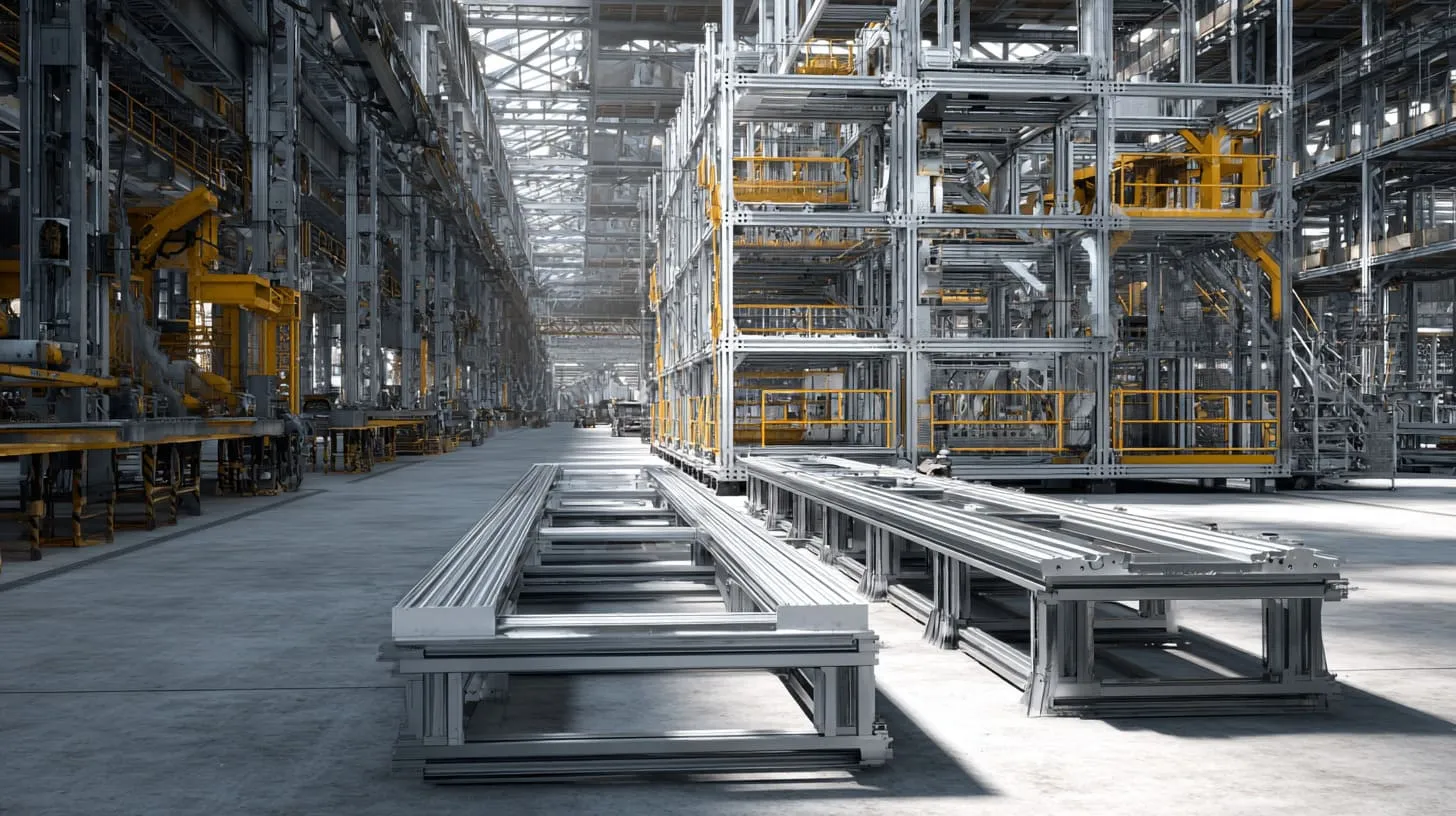
Common Industries
| Industry | Common Application |
|---|---|
| Automation | Machine frames, guards, sensor brackets |
| Robotics | Robot cells, safety barriers, test frames |
| Electronics | Equipment racks, test benches, enclosure frames |
| Packaging | Conveyor frames, adjustable guides |
| Medical devices | Clean frames, carts, equipment supports |
| Laboratory | Benches, instrument frames, shield structures |
| Retail display | Product display frames, modular stands |
| Industrial manufacturing | Workstations, storage racks, assembly tables |
| Education | Training rigs, engineering lab frames |
| Solar and energy | Test structures and mounting frames |
Why Product Engineers Like It
Product engineers often like aluminum extrusion because it supports testing.
They can build a structure first.
They can mount electronics.
They can check cable routing.
They can move parts.
They can improve the design before final production.
For buyers like John, who may be developing a new project, this flexibility has real value.
It gives room to think.
Why Re-Brand Buyers Like It
For re-brand buyers like Jackson, the clean look and custom options matter.
The frame may need:
- Logo plate
- Custom color
- Black anodized finish
- Custom panels
- Special packaging
- Easy replacement parts
- Repeatable quality
This is where a factory needs to understand both engineering and presentation.
Why Custom Enclosure Projects Use It
Custom enclosures often need structure plus panels.
Aluminum extrusion can act as the frame.
Sheet metal, plastic, acrylic, or polycarbonate can act as the cover.
This works well for:
- Control boxes
- Protective machine covers
- Raspberry Pi project frames
- Electronics test rigs
- Sensor housing systems
- Modular cabinet structures
The industry name matters less to me than the real working environment, because the same profile can be perfect in a clean lab and completely wrong beside a vibrating production line.
How Do You Assemble an 80/20 Aluminum Extrusion Frame?
The assembly process is simple in idea, but accuracy still matters.
To assemble an 80/20 aluminum extrusion frame, cut profiles to length, prepare connectors, slide T-nuts into slots, align the frame, tighten fasteners, add panels or accessories, and check squareness.
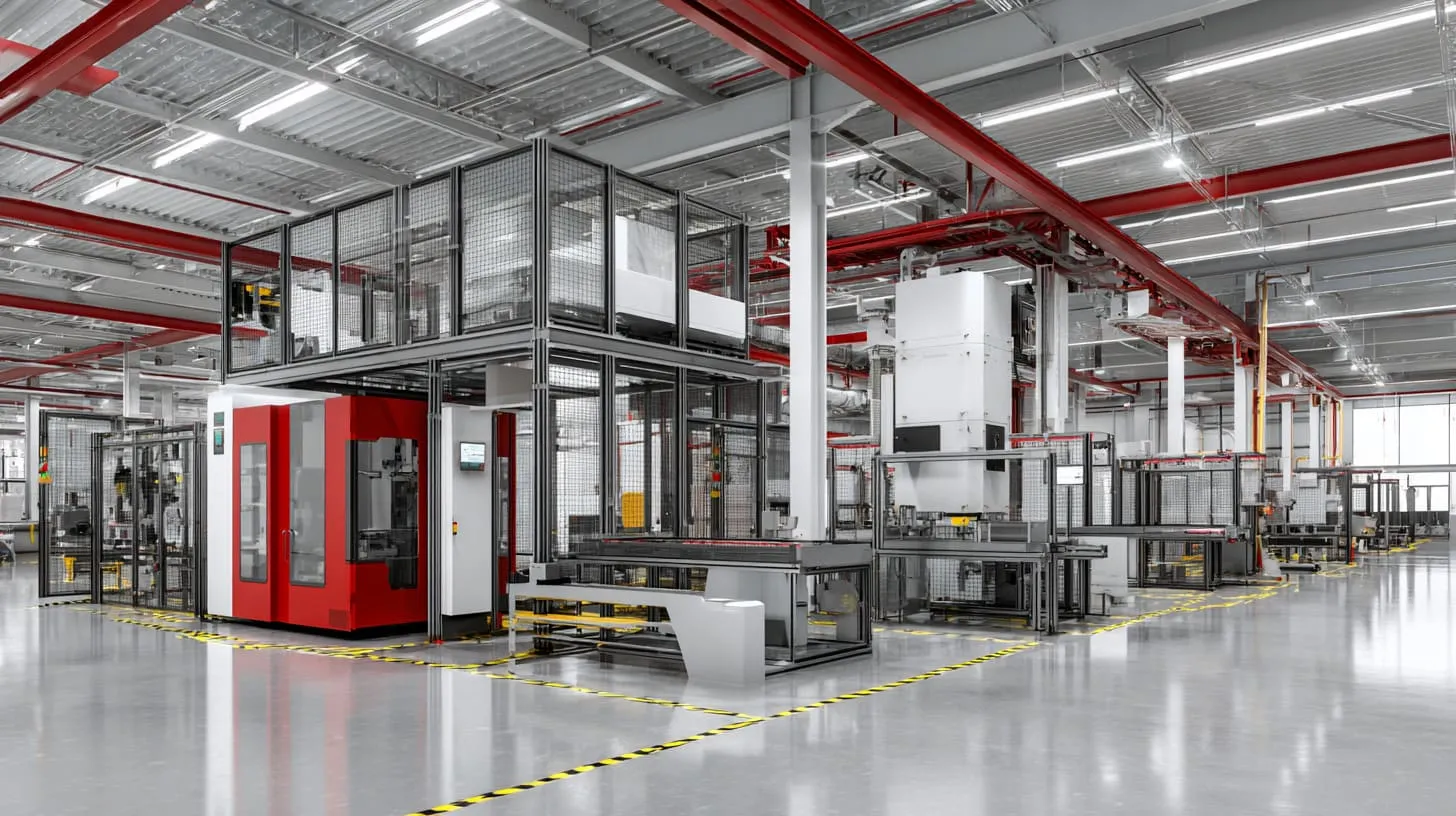
Basic Assembly Steps
| Step | Action | Practical Tip |
|---|---|---|
| 1 | Confirm drawings | Check size, holes, and profile series |
| 2 | Cut profiles | Keep cuts square and clean |
| 3 | Deburr edges | Avoid sharp edges and poor fit |
| 4 | Prepare fasteners | Match nuts, bolts, and brackets |
| 5 | Assemble corners | Keep parts loose before final alignment |
| 6 | Check squareness | Measure diagonals |
| 7 | Tighten fasteners | Use proper torque |
| 8 | Add panels | Check gap and door movement |
| 9 | Install accessories | Add hinges, feet, handles, casters |
| 10 | Final inspection | Check shaking, gaps, and scratches |
Why Squareness Matters
A frame that is not square may still stand. But it will create problems later.
Doors may rub.
Panels may not fit.
Machines may not align.
Casters may not touch evenly.
The final product may feel cheap.
A square frame looks invisible when it is right. It becomes a nightmare when it is wrong.
Common Connection Methods
| Connection Method | Best For |
|---|---|
| Corner brackets | Simple frames and fast assembly |
| Internal connectors | Cleaner appearance |
| Joining plates | Stronger flat joints |
| Gusset brackets | Improved rigidity |
| End fasteners | Direct end-to-side connection |
| Anchor fasteners | Strong hidden connections |
Assembly Tools
You may need:
- Hex keys
- Torque wrench
- Cutting saw
- Deburring tool
- Measuring tape
- Square ruler
- Drill
- Tap set
- Rubber mallet
- Clamps
My Practical Assembly View
A clean assembly is not about tightening every bolt as fast as possible.
It is about alignment first, strength second, and appearance third.
During assembly, I prefer to leave the frame slightly loose until the full shape is aligned, because one over-tightened corner can pull the whole frame out of square like a bad button on a shirt.
Small mistake. Big wrinkle.
What Accessories Can Be Used with 80/20 Aluminum Extrusions?
The profile is only the skeleton. Accessories turn it into a working product.
80/20 aluminum extrusion accessories include T-nuts, bolts, brackets, plates, hinges, handles, feet, casters, panels, end caps, gaskets, cable clips, leveling mounts, and joining connectors.
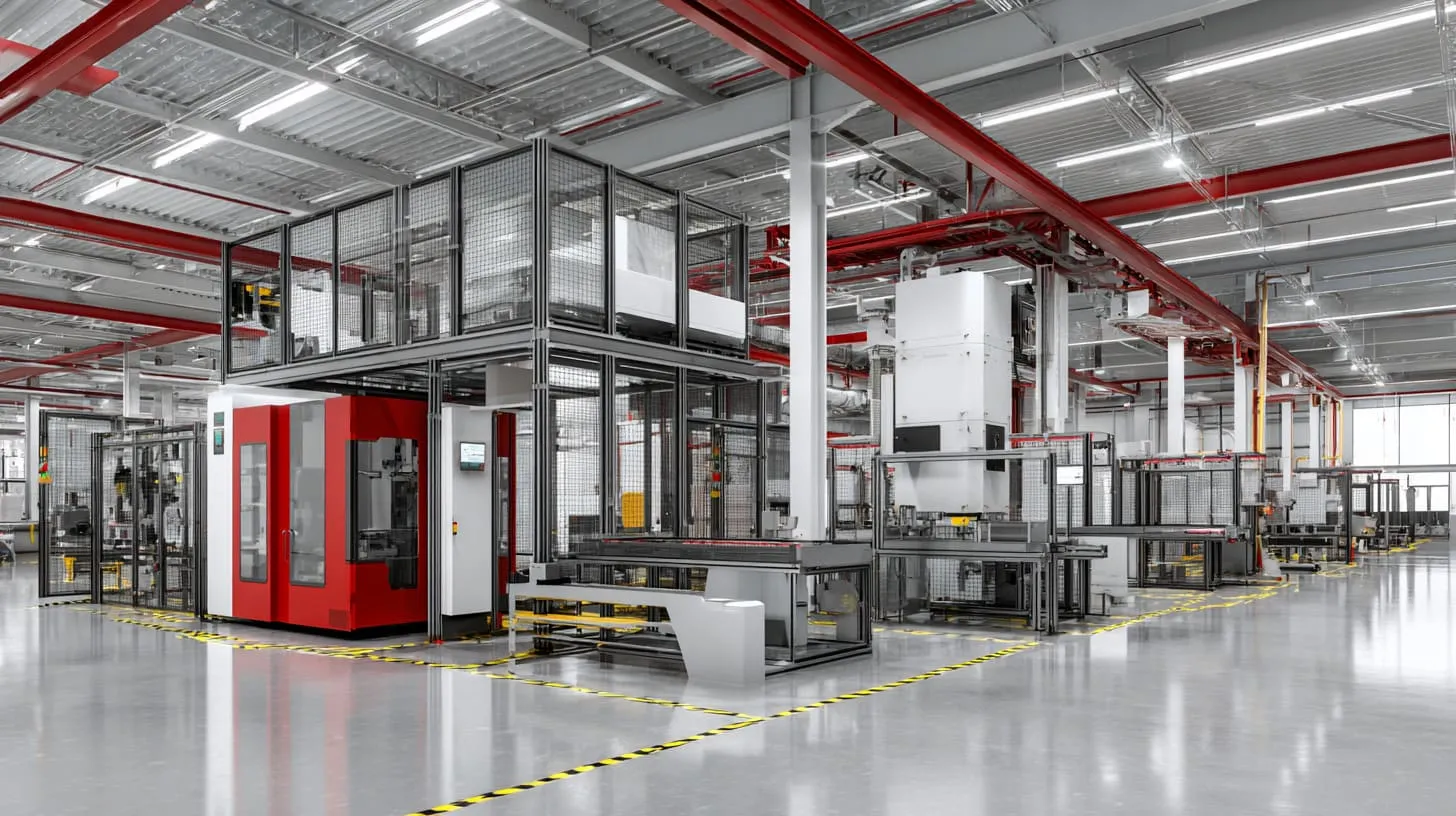
Common Accessories
| Accessory | Function |
|---|---|
| T-nuts | Slide into slots for fastening |
| Bolts | Connect brackets and parts |
| Corner brackets | Build frame corners |
| Gusset brackets | Add strength and rigidity |
| Joining plates | Connect profiles on flat surfaces |
| Hinges | Add doors or moving covers |
| Handles | Help users open doors or move units |
| End caps | Cover profile ends |
| Leveling feet | Adjust frame height |
| Casters | Add mobility |
| Panel gaskets | Hold panels in place |
| Cable clips | Manage wires |
| Slot covers | Improve appearance and keep dust out |
| Linear bearings | Create sliding systems |
| Mounting plates | Attach motors, sensors, or electronics |
Accessories Decide the Real Function
A profile alone cannot do much.
The accessories decide whether it becomes:
- A guard
- A rack
- A cart
- A workstation
- A machine frame
- A custom enclosure
- A display stand
- A test fixture
This is why accessory planning should happen early.
Panel Options
For enclosure and guarding projects, panels are often added.
Common panel materials include:
| Panel Material | Typical Use |
|---|---|
| Acrylic | Clear display or light protection |
| Polycarbonate | Stronger impact protection |
| Aluminum sheet | Light metal cover |
| Steel sheet | Strong cover |
| Plastic sheet | Low-cost lightweight cover |
| Composite panel | Decorative or functional cover |
Don’t Forget Small Details
Small accessories often decide user experience.
A handle feels cheap or solid.
A hinge opens smoothly or shakes.
A foot balances well or wobbles.
A slot cover keeps dust out or falls off.
Those details are not decoration. They are part of the product.
I have learned to price accessories carefully, because the customer may focus on profile cost first, but the final feeling of the frame often comes from hinges, handles, feet, and panel fit.
That is where cheap parts love to embarrass a good design.
Can 80/20 Aluminum Extrusion Be Customized?
Yes, and this is one of its strongest points for OEM and ODM projects.
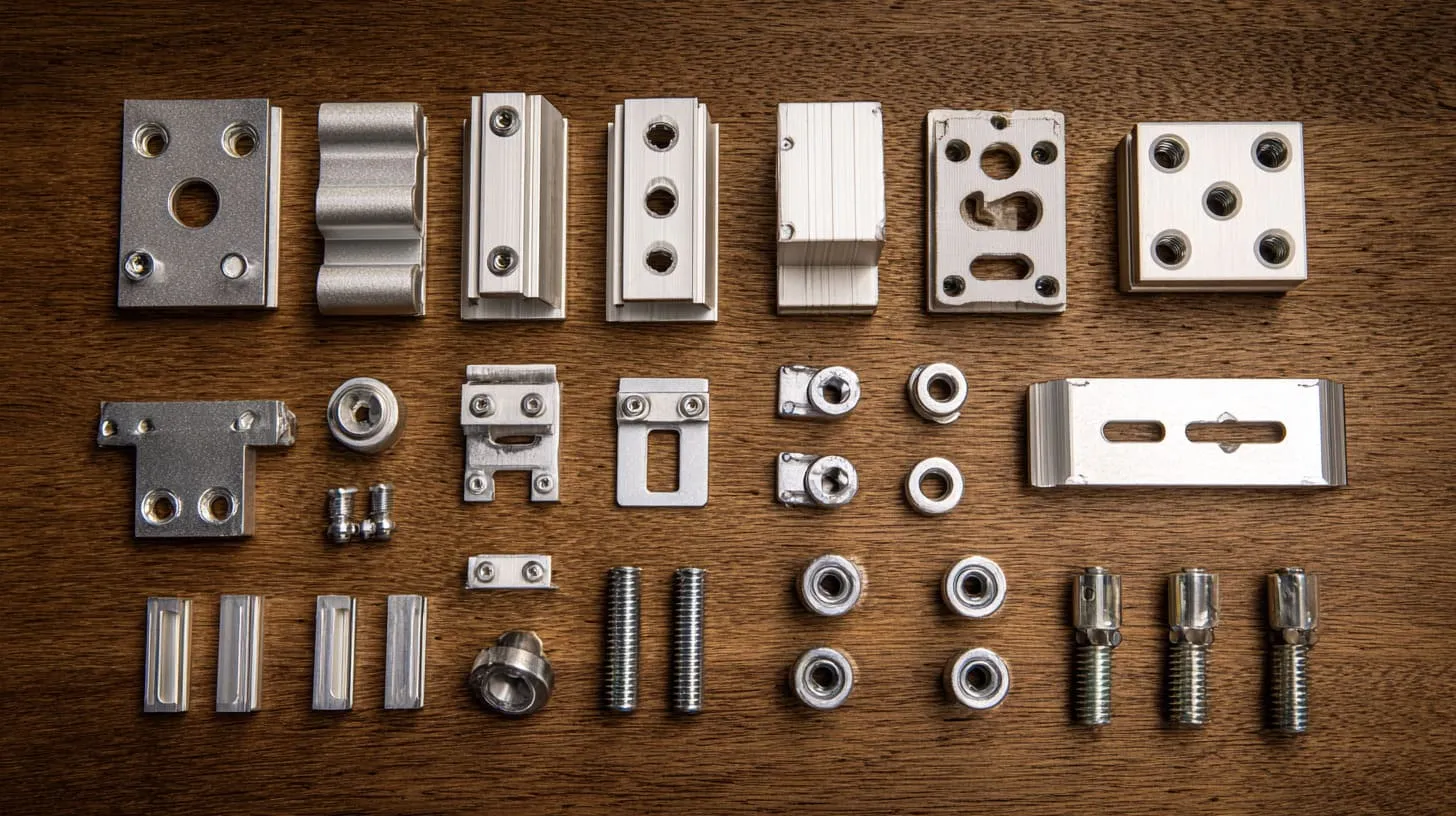
80/20 aluminum extrusion can be customized by cutting, drilling, tapping, machining, anodizing, adding panels, applying logos, changing accessories, and designing complete frames around a buyer’s product.
Common Custom Options
| Custom Option | Example |
|---|---|
| Cut-to-length profiles | Custom frame size |
| Drilled holes | Mounting sensors or panels |
| Tapped ends | End fastener connections |
| Custom brackets | Special angle or support need |
| Surface finish | Clear, black, or custom color |
| Logo plate | Brand display |
| Printed panels | Brand or warning graphics |
| Custom packaging | Retail or wholesale packing |
| Pre-assembly | Save labor at customer side |
| Full kit supply | Profiles, fasteners, panels, accessories together |
Customization for OEM Buyers
OEM buyers often already have drawings.
They need a factory to produce the structure accurately and keep quality stable.
For this type of buyer, I care about:
- Drawing version control
- Tolerance notes
- Material confirmation
- Finish confirmation
- Logo position
- Packaging details
- Sample approval
- Mass production inspection
Customization for ODM Buyers
ODM buyers may only have an idea or a rough sketch.
They may need more support.
For this type of project, I usually think together with the customer about:
- Frame size
- Best profile series
- Assembly method
- Panel material
- Heat dissipation
- Cable holes
- Mounting points
- Final appearance
- Cost control
- Shipping safety
When Customization Becomes Too Much
Not every customization is smart.
If the frame needs too many special machined parts, it may become more expensive than a full custom sheet metal enclosure.
If the design needs a smooth consumer product look, exposed T-slots may not be ideal.
If the load is too high, steel may be better.
My own rule is simple: I like customization when it solves a real use problem, but I become cautious when every small part becomes special, because special parts can make future replacement painful and expensive.
What Are the Most Common Mistakes When Designing with 80/20 Aluminum Extrusions?
Most mistakes do not come from the profile itself. They come from weak planning.
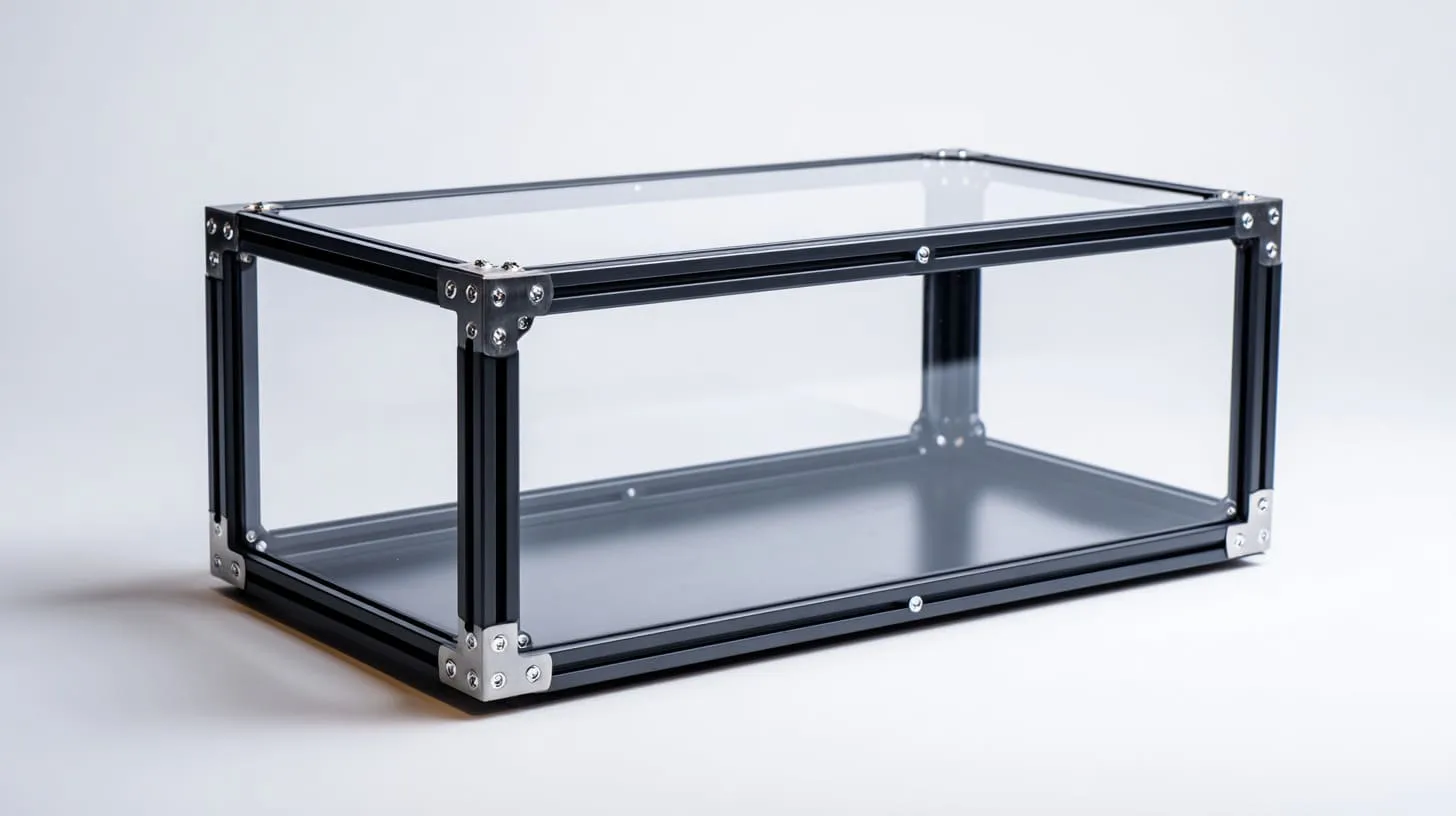
Common design mistakes include choosing undersized profiles, ignoring load direction, mixing incompatible accessories, forgetting panel thickness, missing cable routing, underestimating vibration, and designing frames that are hard to assemble or maintain.
Mistake 1: Choosing the Smallest Profile to Save Cost
This is common.
A smaller profile looks cheaper. But if the frame bends or shakes, the total cost becomes higher.
A weak frame can cause:
- Poor alignment
- Door problems
- Panel cracks
- Vibration noise
- Customer complaints
- Extra reinforcement cost
Mistake 2: Ignoring Load Direction
A frame may carry weight from the top, side, or front.
The direction matters.
| Load Type | Risk |
|---|---|
| Vertical load | Profile compression or bending |
| Side load | Frame racking |
| Hanging load | Fastener pull-out |
| Moving load | Vibration and loosening |
| Impact load | Joint failure |
Mistake 3: Forgetting Panels Early
Panels are not just decoration.
They need space, grooves, brackets, or gasket systems.
If the designer forgets panel thickness, the final frame may have ugly gaps or assembly problems.
Mistake 4: Mixing Different Systems
This is another classic problem.
A profile from one supplier.
A nut from another supplier.
A bracket from a third supplier.
Everything looks close. Nothing fits well.
Mistake 5: Making Maintenance Difficult
A beautiful frame is not enough.
Can the worker remove the panel?
Can the cable be replaced?
Can the sensor be adjusted?
Can the door open fully?
Can the damaged part be changed?
A frame that is hard to maintain becomes annoying very quickly.
The design mistake I dislike most is hiding all service points behind fixed panels, because the first repair job will turn a “clean design” into a sweaty little drama.
Quick Mistake Checklist
| Question | Why It Matters |
|---|---|
| Is the profile strong enough? | Prevents bending and shaking |
| Are accessories compatible? | Prevents assembly failure |
| Is the panel thickness confirmed? | Prevents fit problems |
| Can the frame be assembled easily? | Saves labor |
| Can parts be replaced later? | Helps maintenance |
| Is the finish suitable? | Protects appearance |
| Is packaging planned? | Prevents shipping damage |
Is 80/20 Aluminum Extrusion the Right Choice for Your Project?
This depends on your load, budget, appearance need, timeline, and future changes.
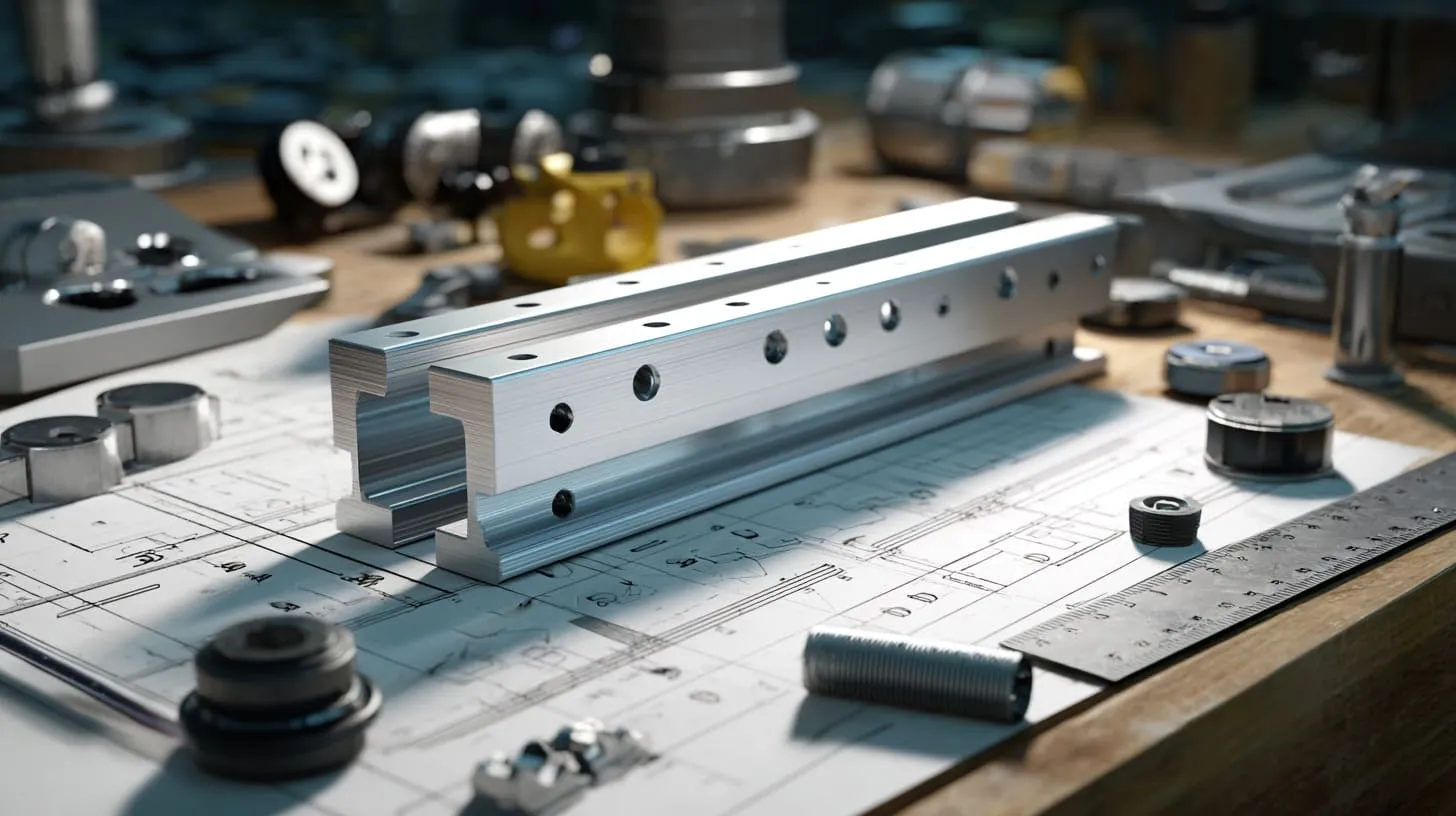
80/20 aluminum extrusion is the right choice when your project needs a modular, adjustable, clean, and fast-to-build frame. It may not be ideal for very heavy, high-impact, or fully seamless product designs.
When It Is a Good Choice
80/20-style aluminum extrusion is a good choice when you need:
- Fast prototyping
- Adjustable structure
- Clean industrial appearance
- Easy assembly
- Light to medium load support
- Removable panels
- Flexible accessory mounting
- Small to medium batch production
- OEM or ODM frame customization
- Lower tooling cost than full custom molds
When It May Not Be the Best Choice
It may not be the best choice when you need:
- Very heavy structural support
- Seamless consumer product appearance
- Low-cost basic welded frames
- High impact resistance
- Large outdoor permanent structures
- Special curved shapes
- Very compact sealed enclosure design
A Simple Decision Table
| Project Situation | My Suggestion |
|---|---|
| Prototype machine frame | Use aluminum extrusion |
| Adjustable workbench | Use aluminum extrusion |
| Heavy machine base | Consider steel |
| Premium smooth enclosure | Consider sheet metal or CNC housing |
| Safety guard with clear panels | Use aluminum extrusion with polycarbonate |
| Low-cost fixed frame | Compare steel and aluminum |
| ODM test structure | Use aluminum extrusion first |
| High-vibration equipment | Add reinforcement or consider steel |
My Practical Buying Advice
Before choosing, I would ask these questions:
- What load will the frame carry?
- Will the structure need changes later?
- Does appearance matter to the final buyer?
- Will panels, doors, or covers be added?
- Is the frame used indoors or outdoors?
- Will it face vibration?
- Does the customer need pre-assembly or kit packing?
- Are accessories easy to replace later?
- Is the budget based on profile only, or the full frame?
- Does the design need OEM branding?
A good frame is not only a set of aluminum bars. It is a working structure that must survive assembly, shipping, use, cleaning, repair, and maybe one impatient customer on a bad day.
The final decision usually comes down to one honest question: do you need flexibility more than maximum stiffness? If yes, 80/20 aluminum extrusion is often a very practical choice.
Conclusion
80/20 aluminum extrusion is a smart choice for modular frames, guards, racks, and custom enclosure structures. If your project needs design support, custom machining, panels, logo work, or OEM assembly, MaidaTech can help review the details and build a practical solution.