Skip to content
The email was short, almost too confident.
“Vincent, please quote this enclosure in 316 stainless steel. Client wants the best.”
No drawing note about salt spray. No note about chemicals. No note about washdown.
Just one word: 316.
I have learned to treat that word like a warning light. Not because 316 is “bad.”
It is a great material in the right place. But in enclosure work, I often see 316 used like an insurance policy. People pay for it to feel safe. Then they still get delays, cost creep, and sometimes even new production problems.
Here is what usually happens:
- The buyer thinks higher grade means less risk.
- The project price jumps.
- The factory has to slow down machining and welding.
- The enclosure ends up sitting in a normal indoor plant… where 304 or aluminum would have been fine.
This article is for product engineers, OEM buyers, and enclosure decision-makers like Davide in Finland or Jackson in Belgium, who want the safest result without paying for the wrong safety.
And yes, I will say it clearly: choosing 316 by default can be a costly mistake.
Now let’s talk about what 316 was actually made for.
What Is 316 Stainless Steel Really Designed For?
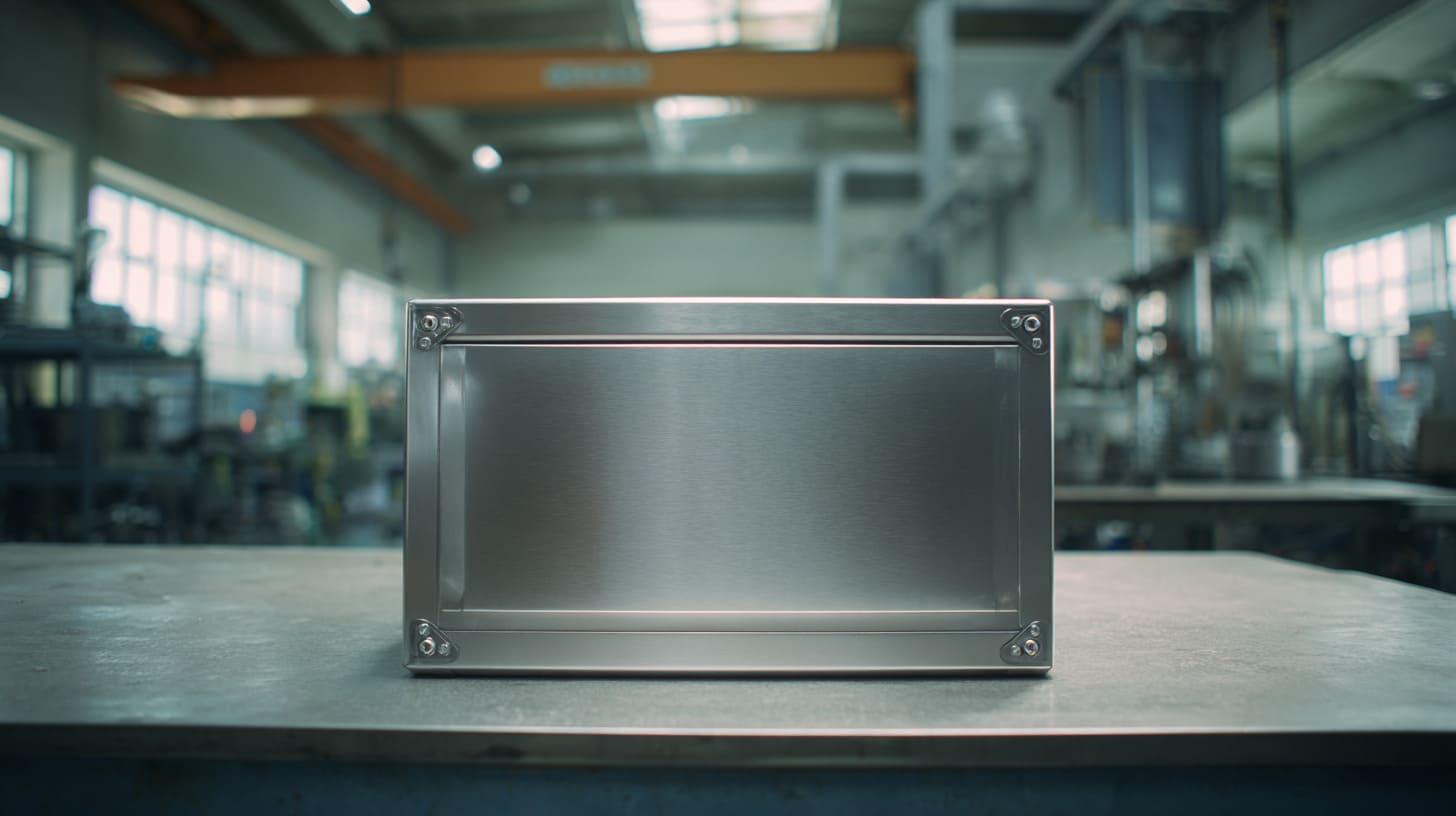
316 is not a “premium version of stainless.”
It is a purpose-built grade.
The key difference is one small ingredient: molybdenum.
Chemical composition and added molybdenum
Most buyers know this part: 316 has molybdenum, and it “resists corrosion better.”
That statement is true, but also incomplete.
The practical point is this: molybdenum helps stainless steel resist chlorides better.
Chlorides show up in places like:
- seawater and sea air
- de-icing salts
- some cleaning chemicals
- some food processing chemicals
- coastal humidity mixed with salt
Here is a simple way I explain it to buyers:
| Grade | What it’s good at | Where it struggles |
|---|---|---|
| 304 | Great general corrosion resistance | Chloride-rich environments |
| 316 | Better resistance to chlorides and pitting | Higher cost, harder processing |
What I personally look for is not the “industry label” like marine or medical.
I look for chloride exposure, because that is what turns 304 from “fine” to “why is it rusting?”
What problem 316 was originally created to solve
316 was created to deal with a very specific failure: pitting corrosion in aggressive environments.
Not rust stains from a dirty warehouse. Real pitting. The kind that looks small at first, then becomes a permanent scar.
Pitting is sneaky. It does not always spread evenly.
It starts in tiny points. Then it gets deeper. That is why 316 exists.
Typical industries where 316 is truly necessary
There are times when I recommend 316 without hesitation:
- Marine and coastal installations
- Chemical plants
- Food and pharma washdown zones
- Medical equipment or clean environments where material specs are strict
But here is the trap: many enclosure projects are not actually in these conditions.
They just borrow the spec from them.
And that leads us to the real reason 316 shows up so often.
Why Buyers Automatically Specify 316 for Enclosures
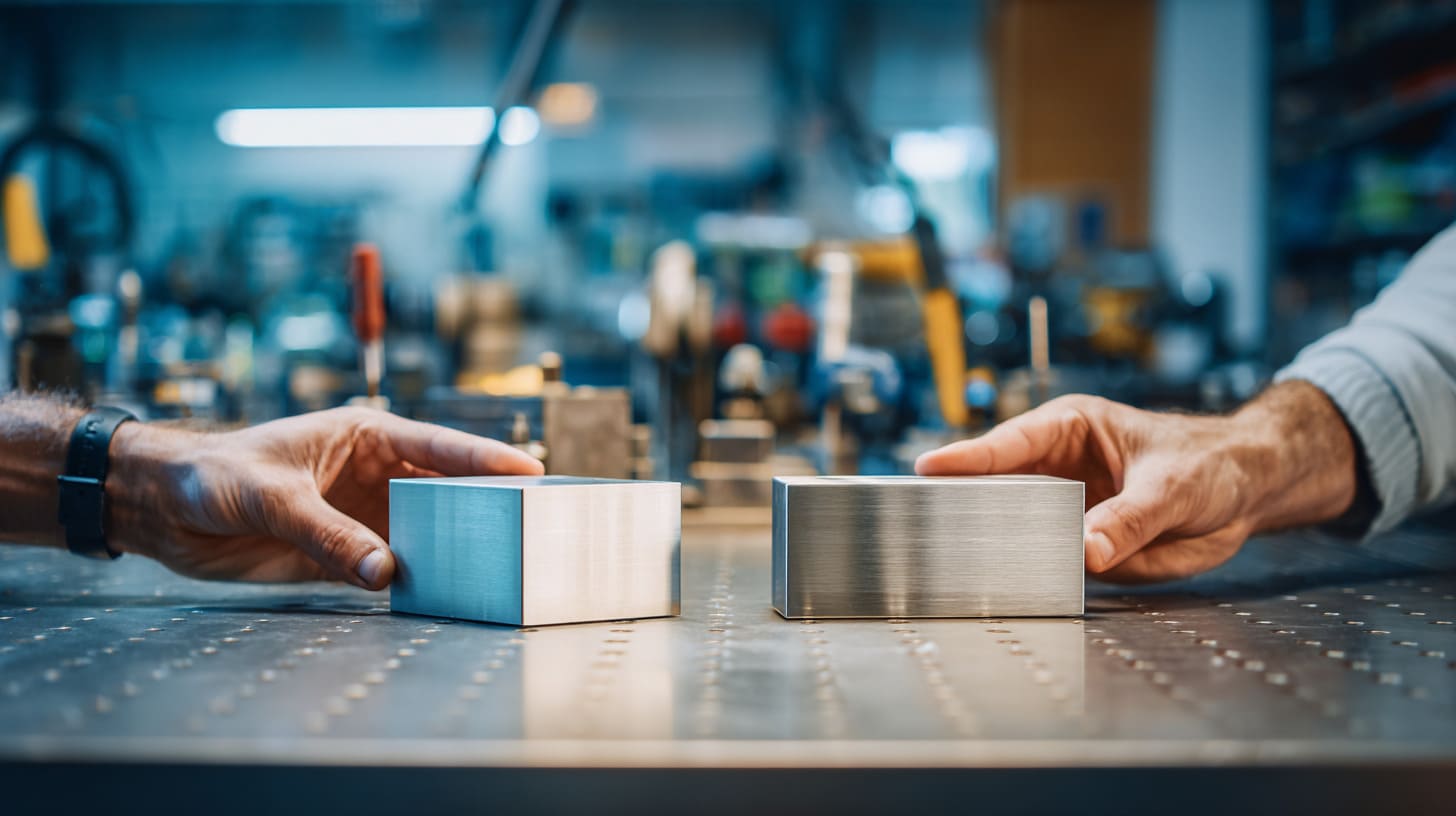
I’ve seen smart engineers choose 316 for one simple reason: they want fewer arguments later.
That is human. Nobody wants to be the person who “downgraded” the material and then faces a complaint.
But choosing 316 to avoid a future argument can create a present problem: a larger bill and a slower project.
One thing I’ve learned from real projects is this: when a client says “use 316,” they often mean “I don’t want corrosion complaints,” not “I have chloride exposure.”
Customer pressure and “risk avoidance” psychology
Buyers are under pressure from:
- end customers
- internal teams
- compliance staff
- sometimes even marketing
And stainless steel grades become a symbol.
- 304 feels like “normal”
- 316 feels like “safe”
- higher number feels like “better”
It is not logical, but it is common.
Here’s a small reality table I keep in my head:
| Buyer’s fear | What they say | What they usually need |
|---|---|---|
| Complaints later | “Use 316” | Better surface finish + correct design + clear environment check |
| Spec mismatch | “We must follow competitor” | A simple comparison report for approval |
| Corrosion risk | “We’re outdoors” | Outdoor details: coastal? chemicals? washdown? |
Misunderstanding corrosion resistance vs. real environment
“Outdoor” is not one environment.
Outdoor in Finland is not the same as outdoor in coastal Florida.
Outdoor near a highway is not the same as outdoor near a saltwater dock.
I once asked a buyer, “Is it near sea air?”
He answered, “No, it’s 2 hours away.”
Then I asked, “Is the wind from the sea?”
Silence. He never thought about it.
That is why grade choice often[jsut] becomes guesswork.
This happens more than people admit.
A buyer gets a spec sheet from:
- a previous project
- a competitor’s drawing
- a standard template
And 316 is already written there.
Then it becomes “the safe standard.”
Even when the environment is a simple indoor electrical cabinet.
Now let’s talk about money, because this is where the mistake becomes expensive.
The Real Cost Difference Between 316 and Other Grades
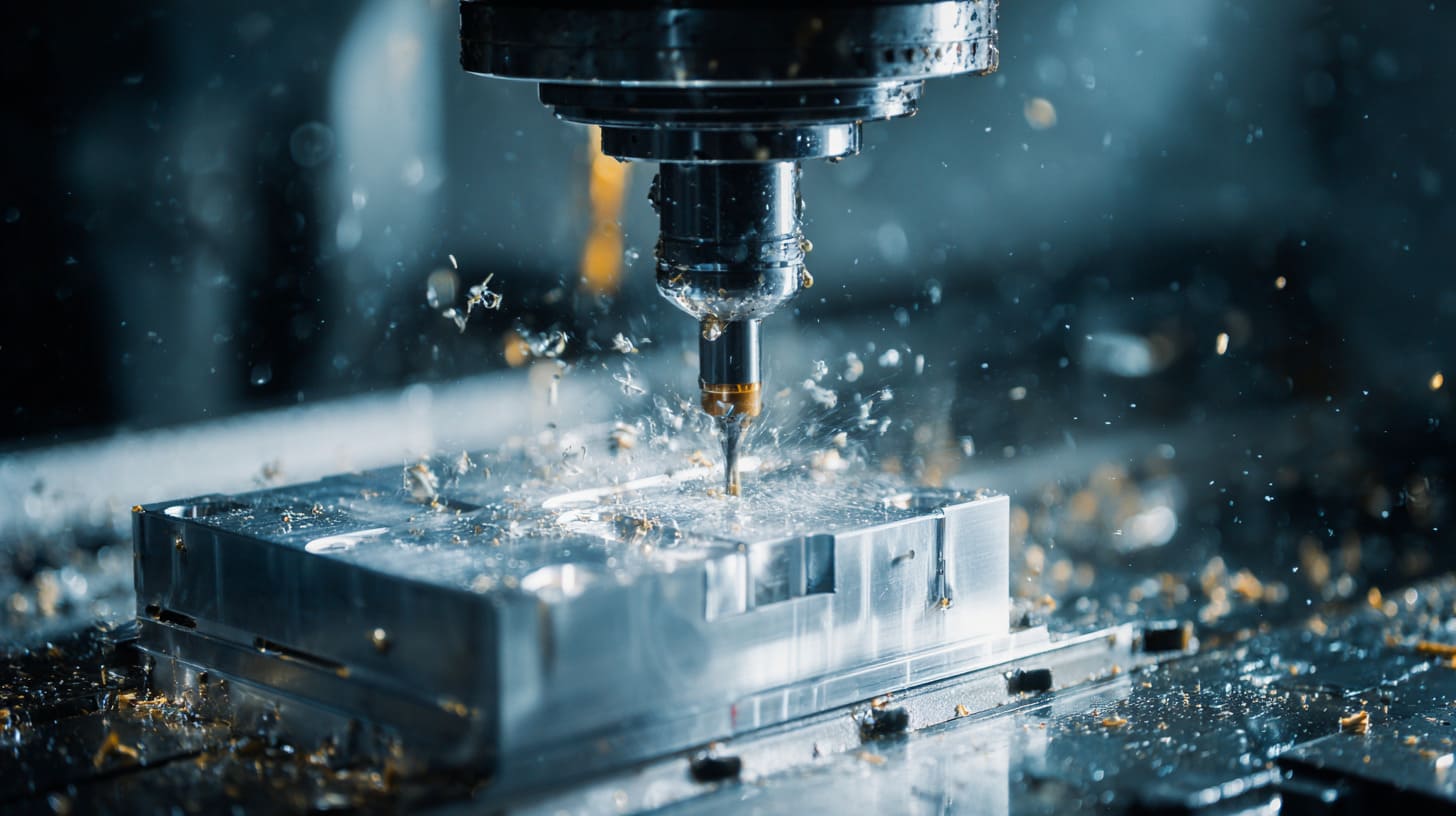
Most buyers think the cost difference is only “material price.”
But in enclosure manufacturing, material price is only the first domino.
The bigger cost is how 316 changes the whole production flow.
A rule I use when I judge cost impact: if the enclosure needs a lot of machining, threading, and welding, 316 will punish your budget more than you expect.
Raw material price gap vs. total enclosure cost
Raw stainless steel pricing changes, and it depends on market timing.
But the consistent pattern is:
- 316 costs more per kg than 304
- sometimes much more during certain supply cycles
But here’s the part buyers miss:
If your enclosure is thin sheet metal and simple bending, the material cost gap may be manageable.
If your enclosure is a CNC-milled box, the cost gap can expand fast.
Fabrication, machining, and welding cost increases
316 tends to be tougher on tools. It can work harden.
That means:
- slower feeds and speeds
- more tool wear
- more time per part
- more risk of surface defects
For machining-heavy enclosures, I often see these effects:
- cycle time increases
- tapping becomes more sensitive
- surface finish requires more care
- rework risk rises
Here’s a simple table I share with buyers when they push 316:
| Cost driver | 304 | 316 |
|---|---|---|
| Machining speed | faster | slower |
| Tool wear | lower | higher |
| Welding ease | easier | more sensitive |
| Material sourcing | easier | sometimes limited |
Longer lead times and sourcing limitations
When 316 is not in stock locally, it becomes a supply chain project.
It can mean:
- longer purchase lead time
- fewer available thickness options
- higher MOQ from the mill or distributor
And if the buyer changes specs late, it can stall the whole schedule.
This is why “playing safe” with 316 sometimes causes the very delay the buyer was trying to avoid.
Now, when is 316 simply too much?
When 316 Stainless Steel Is Overkill for Enclosures
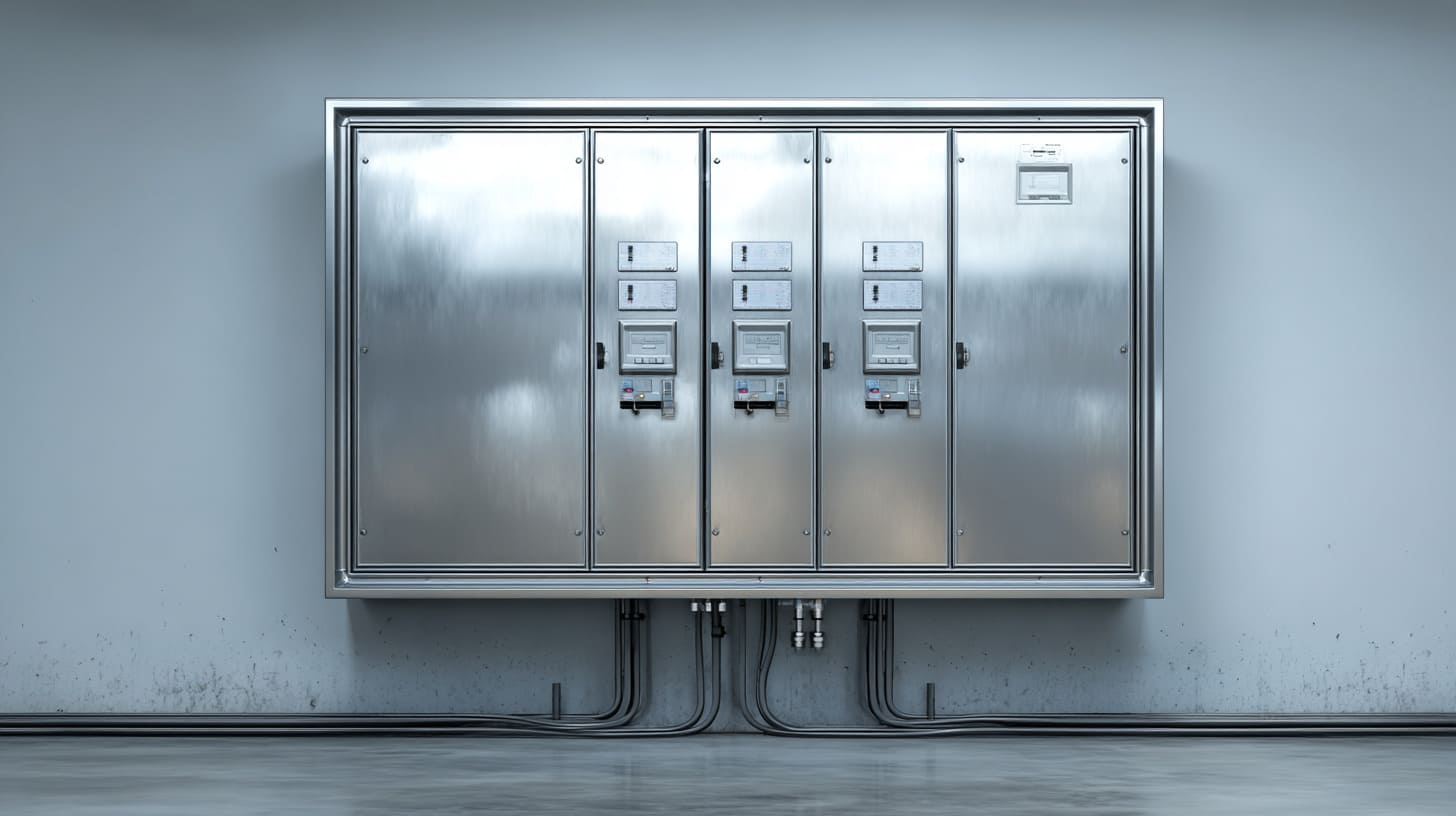
I am not anti-316.
I just hate waste.
And I see waste when a project buys marine-grade corrosion resistance for an environment that does not need it.
My own rule of thumb is simple: if the enclosure is not seeing chlorides, acids, or washdown chemicals, 316 must earn its place, not just show up by habit.
Indoor industrial environments
Most indoor factories are not chloride environments.
They may have:
- dust
- oil mist
- mild humidity
- temperature swings
That is not a 316 problem set.
304 usually performs well.
And in many cases, powder-coated steel or aluminum is even more practical.
Standard outdoor enclosures without chemical exposure
Outdoor can be fine with:
- 304 with correct design
- aluminum with anodizing or powder coating
- galvanized steel with paint systems
If it’s outdoor but inland, with no salt, 316 often becomes a “feel safe” choice, not an engineering choice.
The better question is:
- Is it near ocean?
- Is it near road salt?
- Is it in a washdown area?
- Is it exposed to chemicals?
Electronics, control boxes, and equipment housings
For electronics enclosures, many failures come from:
- gasket design
- condensation management
- cable entry sealing
- ventilation vs. IP trade-offs
316 does not fix those.
I’ve seen a 316 enclosure fail in the field because the cable gland was wrong.
That is a painful kind of waste.
So what should buyers use instead?
Better Alternatives Most Enclosure Projects Should Consider
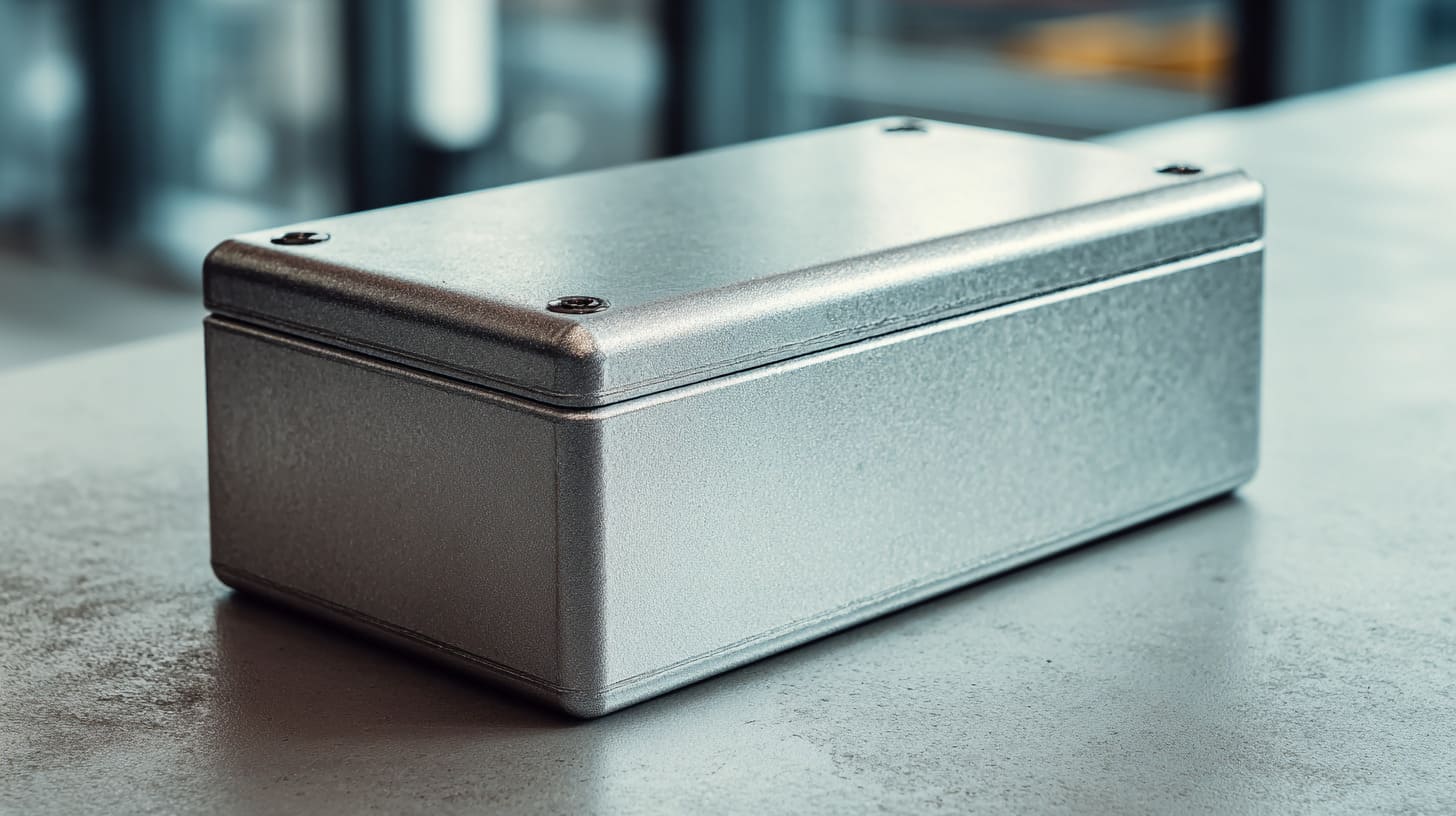
A lot of projects do not need “the best material.”
They need the right system.
When I recommend alternatives, I don’t do it to cut corners.
I do it to cut the right costs and keep quality stable.
When I decide an alternative is safe, I usually look at the failure mode first: will it rust, pit, dent, overheat, or just look ugly after 6 months?
304 stainless steel: where it performs equally well
304 is a workhorse.
In normal environments, 304 can give:
- good corrosion resistance
- good appearance
- stable fabrication
- better cost control
If the project is indoor, or outdoor but not chloride-heavy, 304 is often the smart balance.
Powder-coated or anodized aluminum enclosures
This is where MaidaTech often shines.
Aluminum is:
- lighter
- easier to machine
- good for heat dissipation
- flexible for branding and finish
And with the right finish:
- anodizing (good for durability and clean look)
- powder coating (strong protection and color control)
Here is a practical comparison:
| Option | Best for | Watch-outs |
|---|---|---|
| 304 SS | general corrosion resistance | avoid chloride-heavy locations |
| Aluminum anodized | lightweight, CNC cases | scratches show if abused |
| Aluminum powder coat | outdoor general use | coating quality matters |
| Galvanized + paint | cost-sensitive projects | edge protection is key |
Galvanized steel or hybrid enclosure designs
For large enclosures, galvanized steel with a proper coating system can be cost-effective.
Hybrid designs also work:
- stainless outer shell + aluminum internal frame
- aluminum body + stainless fasteners in key areas
This kind of mixed approach often saves cost without increasing risk.
But even when you choose 316, it brings problems people don’t predict.
Hidden Manufacturing Problems Caused by 316
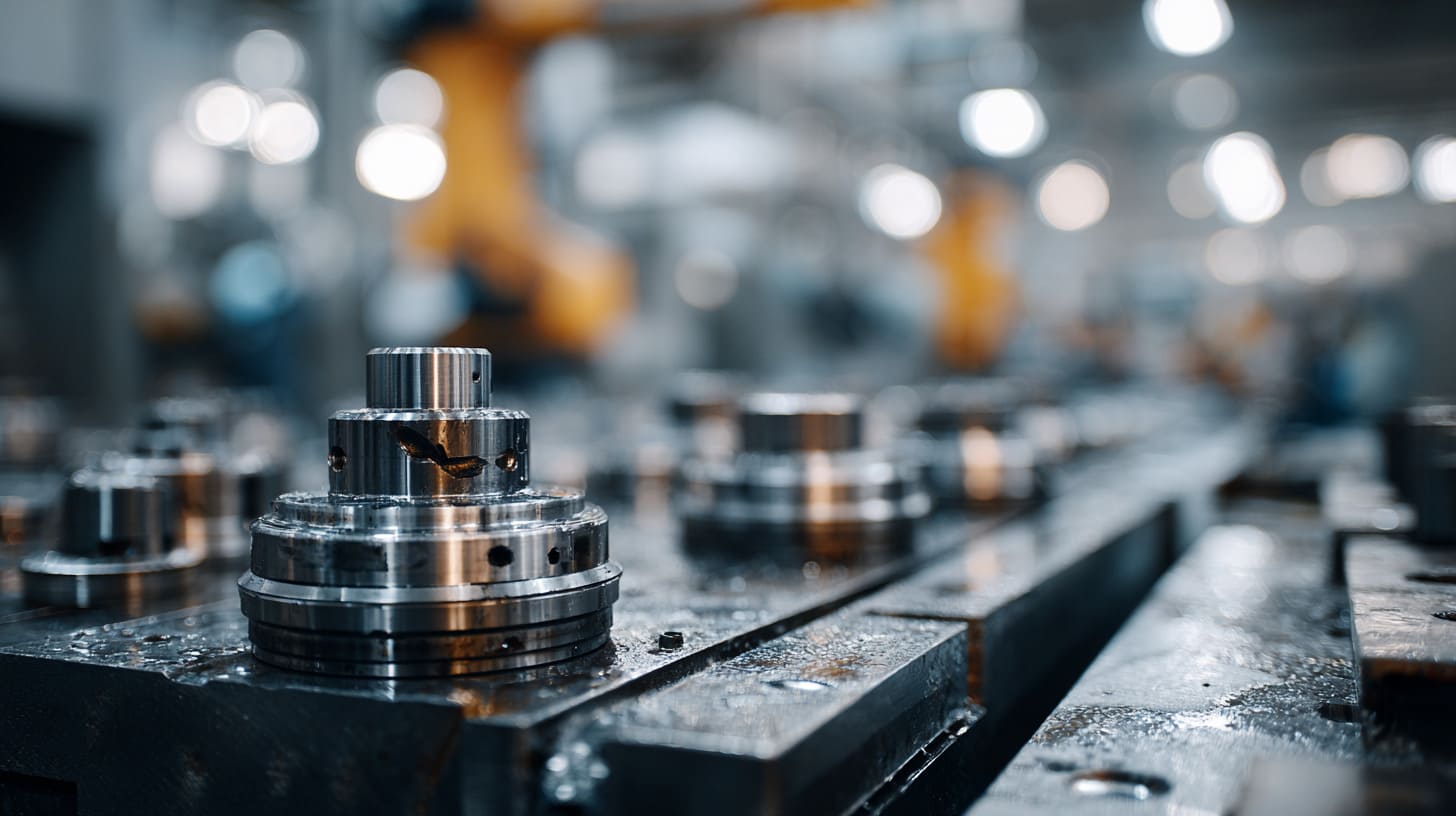
This is the part that surprises buyers the most.
They assume: “More expensive stainless = easier success.”
But 316 can make production harder, especially for high-detail enclosures.
A small habit I’ve built: when I hear “316” and I see many tapped holes, I immediately flag it, because tapping in 316 can turn into a silent quality fight.
Harder machining and tool wear
316 can work harden.
If the cutting is not stable, the surface gets tougher while you cut it.
That pushes tool wear up.
This can show up as:
- rougher surface finish
- burrs that take more time to remove
- higher scrap risk if tools break
Welding difficulty and surface finish risks
Welding stainless always needs care.
But 316 can be more sensitive in real workshop conditions.
Problems I have seen:
- discoloration
- distortion on thin panels
- uneven polish after welding
- more time needed for clean cosmetic finish
If the enclosure must look premium, 316 can add finish risk, not remove it.
Higher rejection rates and quality control challenges
When processing gets harder, rejection can go up.
Not because the factory is careless.
Because the material is less forgiving.
A small scratch or heat tint becomes more visible on polished stainless.
And buyers who choose 316 often demand a “perfect look.”
Now the decision question becomes clear: how should engineers choose the right grade?
How Engineers Should Decide the Right Stainless Steel Grade

If you want to make a smart decision, you need a simple method that works in real life.
Not a textbook. Not a marketing claim.
A method that survives project pressure.
My personal way is not fancy: I ask questions until the environment becomes specific enough that the grade almost chooses itself.
Environmental exposure checklist (humidity, salt, chemicals)
I always ask buyers to answer these in plain words:
- Is it near the sea?
- Is it near road salt or de-icing salt?
- Will it be cleaned with strong chemicals?
- Will it face washdown?
- Is it inside or outside most of the time?
Here is a clean checklist table you can reuse in your team:
| Question | If “Yes” | Material direction |
|---|---|---|
| Salt air / coastal | high chloride risk | 316 likely |
| Road salt splash | chloride exposure | 316 or strong coating |
| Chemical washdown | aggressive cleaning | 316 or coated system |
| Indoor normal | low chloride | 304 / aluminum |
Mechanical and structural requirements
Stainless grade is not only about corrosion.
Ask:
- Do you need high strength?
- Do you need heavy impact resistance?
- Do you need lightweight for shipping and installation?
Sometimes aluminum is simply better because the system needs weight control.
Cost vs. performance decision logic
Here’s a practical logic I use:
- If 304 works and the enclosure design is strong, choose 304.
- If corrosion risk is high but weight matters, consider aluminum + strong coating.
- If chlorides are real and the enclosure is mission-critical, 316 earns its place.
Questions buyers should ask before approving 316
I often tell buyers to ask their own client:
- What failure are you afraid of?
- Have you seen corrosion in this exact location before?
- Are you near salt, chemicals, or washdown?
- Do you have a spec requirement, or is it a preference?
These questions feel simple, but they often reveal the truth.
And when the truth is “we just want safety,” we can propose a safer plan that costs less.
Now, let’s be fair. Sometimes 316 is absolutely correct.
Common Scenarios Where 316 Is Actually the Right Choice
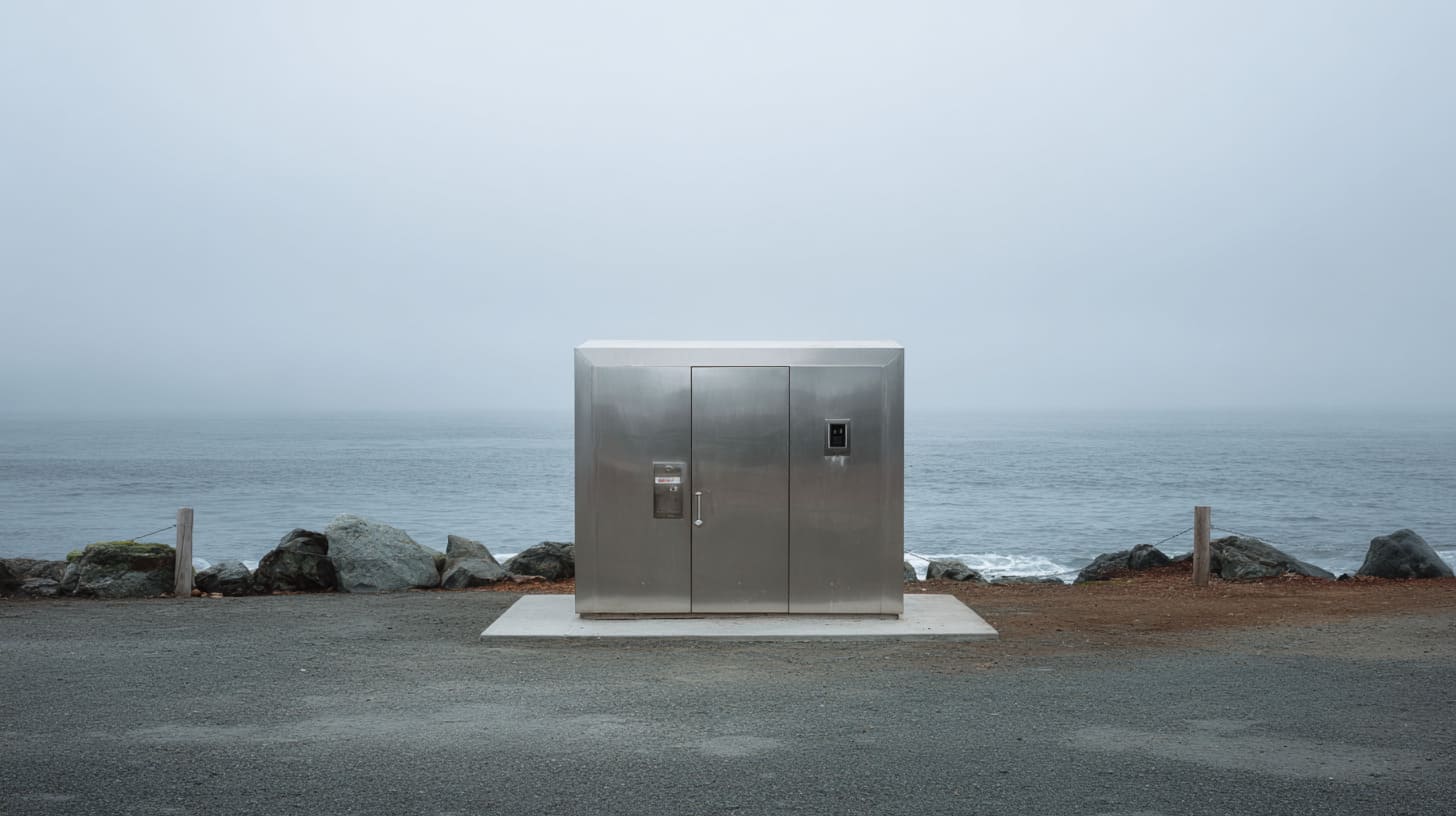
I don’t want readers to walk away thinking “never use 316.”
That would be another kind of mistake.
There are real environments where 304 will lose, slowly and quietly.
The way I decide 316 is necessary is simple: I imagine the enclosure after 12 months, and I ask myself if I would be comfortable putting my own name on it.
Coastal and offshore installations
If the enclosure is near:
- sea air
- offshore platforms
- docks
- boats
- coastal rooftops
316 is often the cleanest choice.
Food, pharmaceutical, and chemical washdown areas
In washdown zones, cleaning is not gentle.
Chemicals can be:
- alkaline cleaners
- chloride-based cleaners
- sanitizers
Even if the enclosure does not touch food, the environment can still attack the metal.
In those cases, 316 is not luxury. It is defense.
Projects with regulatory or customer-mandated specs
Sometimes the spec is fixed.
It may be tied to:
- audits
- certifications
- safety requirements
- internal corporate standards
If the customer mandates 316, then the best move is not fighting it.
The best move is controlling cost and risk inside that spec:
- optimize design for easier fabrication
- reduce unnecessary machining
- plan sourcing early
- confirm finish and QC standards clearly
Now let’s close this with the real lesson.
Conclusion
I’ve watched many enclosure projects pay for 316 because they wanted peace of mind.
And I understand that instinct. When you are responsible for quality, you want fewer surprises.
But here is why I often push back: in real manufacturing, wrong safety is still risk.
It is cost risk. Lead time risk. Fabrication risk. Even cosmetic risk.
I believe smarter material selection wins because it forces one honest step: you must define the real environment, not the imagined one. Once you do that, the choice is rarely confusing.
This is why I judge 316 in a very practical way: if the project cannot clearly describe chlorides, chemicals, or washdown, I treat 316 as a “comfort choice,” not an engineering choice, and I start looking for a cleaner balance.
If you’re working on a new enclosure project and you’re stuck between 304, 316, aluminum, or coated steel, send me your environment details and your drawing. I can help you pressure-test the material choice before it becomes an expensive habit.
Vincent Li
info@maidatech.com
maidatechenclosure.com