Skip to content
The quietest part of many projects is also the most dangerous. A drawing arrives in my inbox, the enclosure looks clean, the cutouts make sense, the 3D model rotates smoothly on screen… and the environment description is one vague line: “indoor factory use” or “outdoor, covered.”
On paper it feels safe. In real life that one line decides if Davide’s control box in Finland survives its first winter, or if John’s new board in Hungary dies the first time someone points a cleaning hose at it.
I run MaidaTech in China, and my daily work is building custom aluminum and plastic enclosures for OEM and ODM clients. The material, color, and logo are the “visible” part of the job. The silent part is environmental risk: dust, steam, chemicals, UV, vibration, temperature swings, cleaning routines, even how impatient the maintenance team is.
Most of our painful failure stories did not start with a bad PCB. They started with a small misunderstanding about dust level, washdown pressure, or sunlight.
One thing I’ve learned the hard way is that enclosure selection only looks like a material choice; in reality, it is a bet on how the environment will behave over the next five to ten years.
Why enclosure selection is more than size and material
When I talk with buyers like Jackson from Europe, we rarely argue about dimensions. CAD models fix that. We argue about:
- How dirty the air will be in year three
- How aggressive the cleaning chemicals are
- How often someone will open the door “just to check”
- How hot the inside gets when the lid is fully sealed
If we guess wrong, it’s not only the box that fails. It is also:
- Missed shipping dates
- Emergency redesigns
- Warranty claims and brand damage
This is why I take environmental risks personally. When a project fails in the field, nobody blames the IP table. They blame the supplier who “approved” the enclosure.
After many of these conversations, I started to break environmental risk into simple categories that engineers and buyers can actually talk about, not just label with a rating.
When those categories are clear, the rest of the decisions—IP, NEMA, material, cooling—suddenly become much easier to argue about in a calm way instead of in a panic.
What Are Environmental Risks in Enclosure Applications?
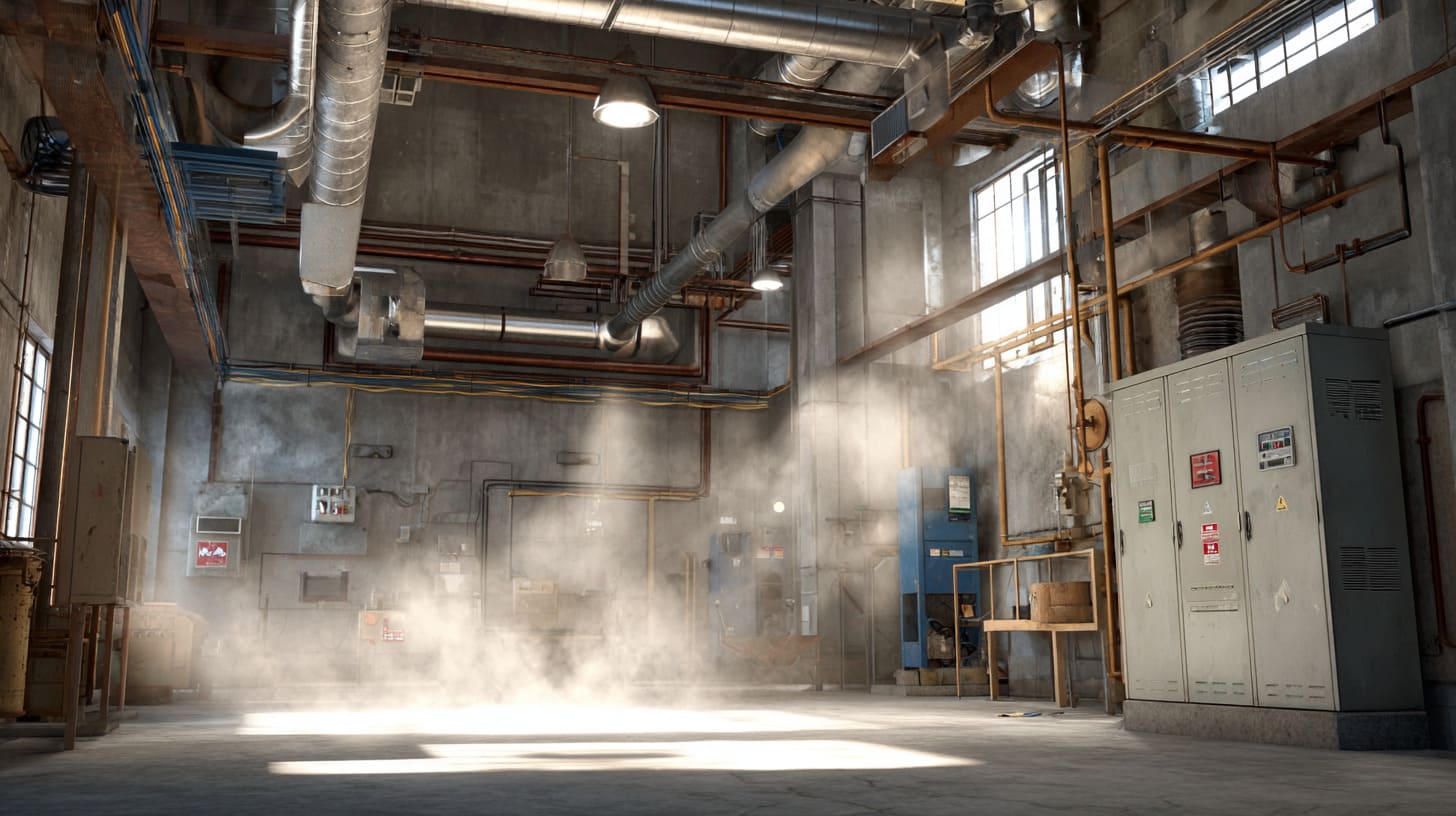
From the factory side, I do not see “IP54” first. I see dust, water, chemicals, heat, and people. The labels come later.
A practical way to think about environmental risk is to ask: what will try to get into the enclosure, and what will try to destroy it from outside or inside?
One quick rule I use in projects is this: if two different departments describe the same environment in different ways, I know the enclosure is not defined safely yet.
Physical environmental risks
Physical risks are the ones you can almost see: dust, dirt, fibers, and water in all its forms.
- Dust and particulates
- Fine powder from packaging lines or flour
- Coarse chips from machining or cutting
- Textile fibers floating in the air
- Water
- Light splashes from nearby sinks
- Drips from overhead pipes
- High-pressure washdown in food or pharma plants
- Condensation inside the box during temperature swings
A simple comparison I often share with clients:
| Physical factor | “Looks safe” description | Real risk in the field |
|---|---|---|
| Fine dust | “Just powder in the air” | Clogs vents, builds inside, causes shorts |
| Coarse chips | “Just some shavings” | Damage seals, scratch windows, jam doors |
| Occasional splashes | “We clean sometimes” | Over time behaves like regular water impact |
| Condensation | “Sometimes humid” | Water drops inside the box, corrosion risk |
Chemical and atmospheric risks
These risks sit in the air and on surfaces, and they attack materials quietly.
- Corrosive gases and fumes
- Acid fumes near plating, pickling, or battery areas
- Exhaust from nearby processes
- Liquids and oils
- Cutting fluids and lubricants
- Food-grade oils
- Solvents and strong cleaners
Here I ask: What touches the box every day that we do not write on the drawing? Often the answer is “cleaning chemicals” and “oil mist.”
Temperature is not only a number on a spec. It changes how every other risk behaves.
- High temperature
- Speeds up seal aging and plastic deformation
- Makes electronics want better cooling
- Low temperature
- Makes some plastics brittle
- Hardens gaskets so they stop sealing well
- Thermal cycling
- Repeated heat and cold expand and shrink joints
- Pulls in moist air, then creates condensation
- Sunlight and UV
- Damages plastics and coatings over years
- Changes color, makes materials chalky or weak
Mechanical and external risks
Mechanical risks are everything that hits, shakes, opens, or bites the enclosure.
- Vibration from motors, conveyors, compressors
- Impacts from tools, carts, forklifts
- Accidental leaning, standing, or climbing on the box
- Rodents chewing cables, insects entering small gaps, nesting inside
To keep these in view, I sometimes sketch a simple matrix with clients:
| Risk type | Typical source | What it does to the enclosure |
|---|---|---|
| Vibration | Motors, pumps, conveyors | Loosens screws, cracks solder joints |
| Impact | Tools, carts, forklifts | Deforms doors, breaks seals, cracks |
| Animals | Rodents, insects | Damage cables, bring dirt and moisture |
When all these risks are named clearly, the next step is to see how the smallest-looking ones—like dust—can actually control the whole enclosure design.
How Dust and Particles Influence Enclosure Selection
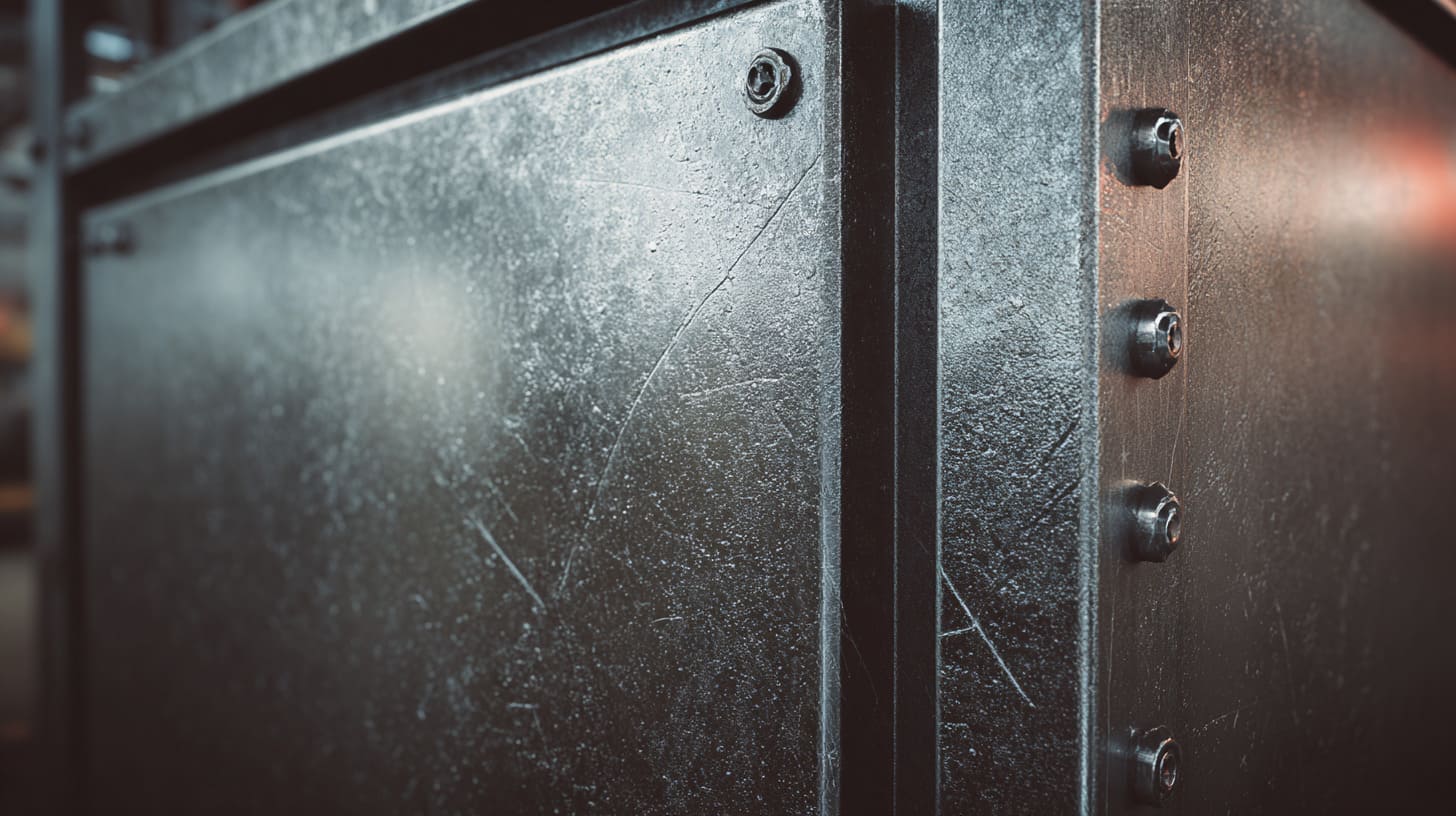
In my experience, dust is one of the most underestimated enemies of enclosures. It does not look dramatic in photos, but it quietly kills buttons, fans, and terminals.
Whenever a buyer tells me “it’s just light dust,” I mentally move the project one step closer to a high-protection enclosure until we prove otherwise.
Fine dust vs coarse dust environments
Coarse dust is easy to respect. You see chips flying from a CNC machine and you immediately think about impact and sealing.
Fine dust is the tricky one. Flour, packaging powder, textile fibers, cardboard dust—these float, land everywhere, and are happy to enter any tiny gap.
Key differences:
| Type of dust | Typical source | Main risk | Design response |
|---|---|---|---|
| Coarse | Machining, cutting | Impact, abrasion | Stronger walls, robust doors, basic sealing |
| Fine dry | Flour, powders, paper | Build-up on terminals, shorts | Higher IP or NEMA, filtered vents, gaskets |
| Sticky dust | Oily mist + dust mix | Clogs fans, holds moisture | Avoid fans, use sealed designs, easy cleaning |
A small real example: a client once installed “indoor” boxes above a packing line with fine starch dust. The enclosures looked clean for the first few months. Then the operator started complaining about random faults. Inside, the terminals were covered with a thin dust layer that absorbed moisture overnight.
Impact on sealing, ventilation, and maintenance
Dust immediately creates a trade-off between cooling and protection.
- If we open the box with vents or fans:
- Better cooling
- Higher chance of dust entering
- If we seal the box better:
- Better dust protection
- Higher internal temperature
To handle this, we often discuss three tools:
- Filters
- Good when maintenance is reliable
- Bad when filters are never changed
- Gaskets
- Need the right compression and material
- Old, hard gaskets reduce protection
- Breathable membranes
- Let pressure equalize
- Reduce stress on seals during temperature changes
Simple checklist I walk through with buyers:
- Who will clean or replace filters?
- How often can they open the box without damaging seals?
- Can we move the electronics further away from the dirtiest area?
Typical enclosure choices for dusty environments
For dusty zones, the conversation quickly moves into IP or NEMA territory.
Typical patterns:
- Light dust, controlled environment
- Moderate IP rating with filtered vents
- Smooth painted or anodized aluminum for easier cleaning
- Fine or sticky dust
- Higher IP / NEMA rating
- Few or no fans
- Smooth internal layout so dust cannot hide
- Severe dust near machining
- Robust aluminum or steel body
- Protected hinges and latches
- Extra shielding on cable entries
Example layout idea in table form:
| Environment | Protection style | Material notes |
|---|---|---|
| Warehouse, light dust | Vented enclosure with filters | Aluminum or plastic, easy cleaning |
| Food powder line | Sealed or high IP/NEMA, no fans | Smooth aluminum, good gasketing |
| Metal cutting area | Rugged metal body, shielded openings | Thicker aluminum, reinforced corners |
Once dust is clear, water is usually the next big argument, because water risk is rarely stable—it changes with habits and cleaning routines.
To keep the story moving, I often shift the conversation from “how much dust” to “how much water, where, and who controls it,” which leads directly into the next big group of risks.
How Water and Moisture Risks Change Enclosure Design
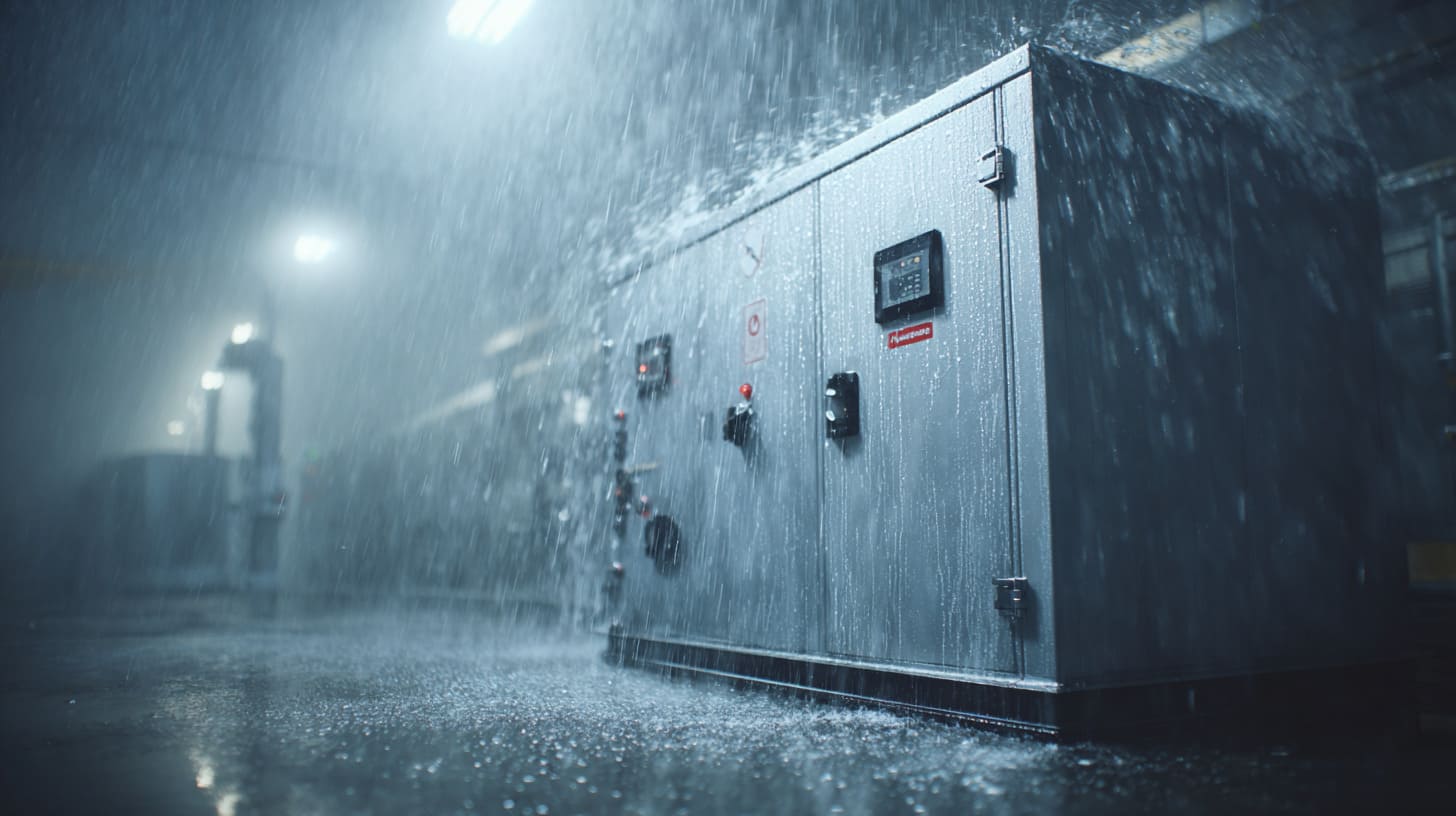
Water is honest when it comes from a hose and very sneaky when it comes from the air. I see more drawings that underestimate washdown than any other single risk.
On the projects that make me the most nervous, the official spec says “light splashes,” and the maintenance team already plans to use a powerful pressure washer “just to keep things clean.”
Splashing, dripping, and hose-down scenarios
The first thing I want to know is not the IP rating target, but how people actually clean the area.
- Light splashes
- Nearby sink, occasional spills
- Workers wipe surfaces with cloths
- Drips
- Pipes overhead
- Condensation from chilled lines
- Hose-down
- Food, beverage, pharma, some outdoor setups
- Water comes from many angles, sometimes with chemicals
A simple contrast:
| Scenario | What spec often says | What workers actually do |
|---|---|---|
| Indoor panel | “Dry room” | Wipe with wet cloth, occasional spray |
| Packing area | “Occasional splashes” | Quick hose-down at end of each shift |
| Outdoor under roof | “Covered, no rain” | Wind-driven rain, snow, mist |
What often surprises buyers is that a small habit change (like a new cleaning routine) can upgrade the water risk level more than any design tweak.
Condensation does not appear on most drawings, but it appears inside many failed boxes.
Typical triggers:
- Warm electronics inside, cold air outside
- Day–night temperature swings
- Enclosure mounted near cold pipes or cold surfaces
Symptoms:
- Rust on terminals
- Water droplets on the inside of the window
- Intermittent faults on humid mornings
To reduce this, we look at:
- Adding pressure equalization vents
- Avoiding unnecessary temperature gradients
- Using desiccant packs in some cases
- Checking mounting position relative to hot and cold surfaces
Enclosure features to manage moisture
Good water management is more than “higher IP.”
Key features:
- Gaskets
- Must match temperature and chemical exposure
- Need consistent compression and proper groove design
- Drainage paths
- Sloped surfaces so water does not sit
- Drain holes where allowed by the rating
- Cable entries and glands
- Correct gland size and tightening
- Avoid DIY holes that bypass protection
- Material selection
- Aluminum with proper coating
- Stainless steel where strong corrosion risk exists
- Plastics for some indoor humid but non-aggressive environments
Example decision table:
| Water risk level | Typical solution | Extra notes |
|---|---|---|
| Light splashes | Basic gasketed door, good gland sealing | Train staff not to spray directly |
| Regular washdown | Higher IP/NEMA, sloped top, sealed glands | Select gasket material for chemicals |
| Condensation risk | Sealed body + vent + desiccant | Check mounting, avoid thermal traps |
Whenever I feel the water description is too “clean,” I try to talk directly with someone from maintenance, because they usually tell me the real story of hoses, mops, and shortcuts.
Once we understand water, heat becomes the next big factor because a very well-sealed enclosure can solve moisture issues and then quietly cook the electronics inside.
The Role of Temperature and Heat in Enclosure Selection
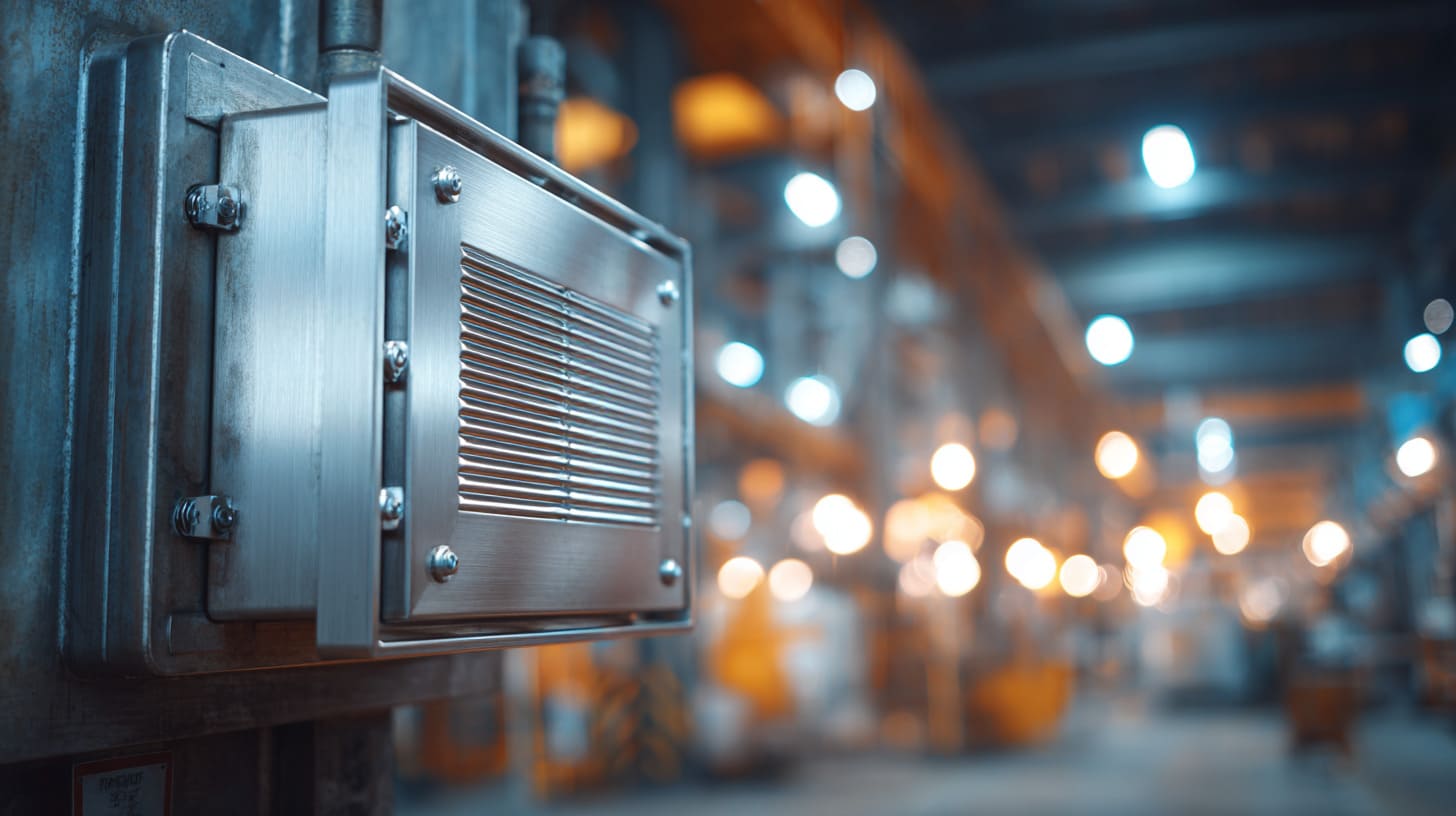
Temperature problems often appear as “random failures” or “mysterious resets.” The PCB passes lab tests, but the real enclosure behaves like a small oven or a small freezer.
From the factory side, I see temperature as a negotiation between electronics, sealing level, and material.
High-temperature environments
High external temperatures plus heat generated by electronics create a stack of risks:
- Components running above their rated temperature
- Faster aging of capacitors and plastics
- Gaskets losing elasticity and sealing force
- Color changes and surface distortion in plastics
In these cases, we explore:
- Passive cooling
- Larger surface area
- Better contact between hot components and enclosure body
- Heatsinks and thermal pads
- Direct contact to aluminum walls
- Heat paths
- Clear escape paths for hot air when vents are allowed
A simple view of how design choices interact:
| Decision | Benefit | Risk in hot environment |
|---|---|---|
| Fully sealed | Great dust/water protection | Traps heat inside |
| Vented | Better cooling | More dust and moisture entry |
| Dark color | Nice look, branding | More heat from sunlight |
| Thick walls | Strong and robust | Slower heat transfer, thermal mass |
Cold and freezing environments
Cold is quieter but just as dangerous in the long term.
- Plastics can become brittle and crack on impact
- Gaskets harden and lose flexibility
- Condensation forms when boxes warm up again
We think about:
- Material choices that keep toughness at low temperatures
- Gasket materials rated for the full temperature range
- Avoiding designs that rely on “soft” behavior at low temperatures
Managing heat inside enclosures
Inside the enclosure, layout matters as much as external conditions.
Some tools we use:
- Spacing
- Hot components not all clustered in one corner
- Thermal coupling
- Components touching aluminum surfaces through thermal pads
- Heatsinks
- Attached either inside or outside
- Vents or fans (when possible)
- Only when dust, water, and maintenance allow it
A simple comparison:
| Approach | When useful | When dangerous |
|---|---|---|
| Sealed + heatsink | Dusty or wet areas | If heatsink is blocked or covered |
| Vents + fan | Clean, controlled environment | Dirty or wet spaces with poor service |
| Large enclosure size | Hot systems with room to spread | Very tight spaces or cost-sensitive |
What I often tell clients is that a perfectly sealed box with no thermal path is not “safe”; it is just a slow cooker for expensive electronics if we ignore the heat balance.
Once temperature and sealing are in view, we still need to think about what the environment is made of chemically, because chemicals can defeat even the best mechanical design.
Chemical Exposure and Corrosion Risks
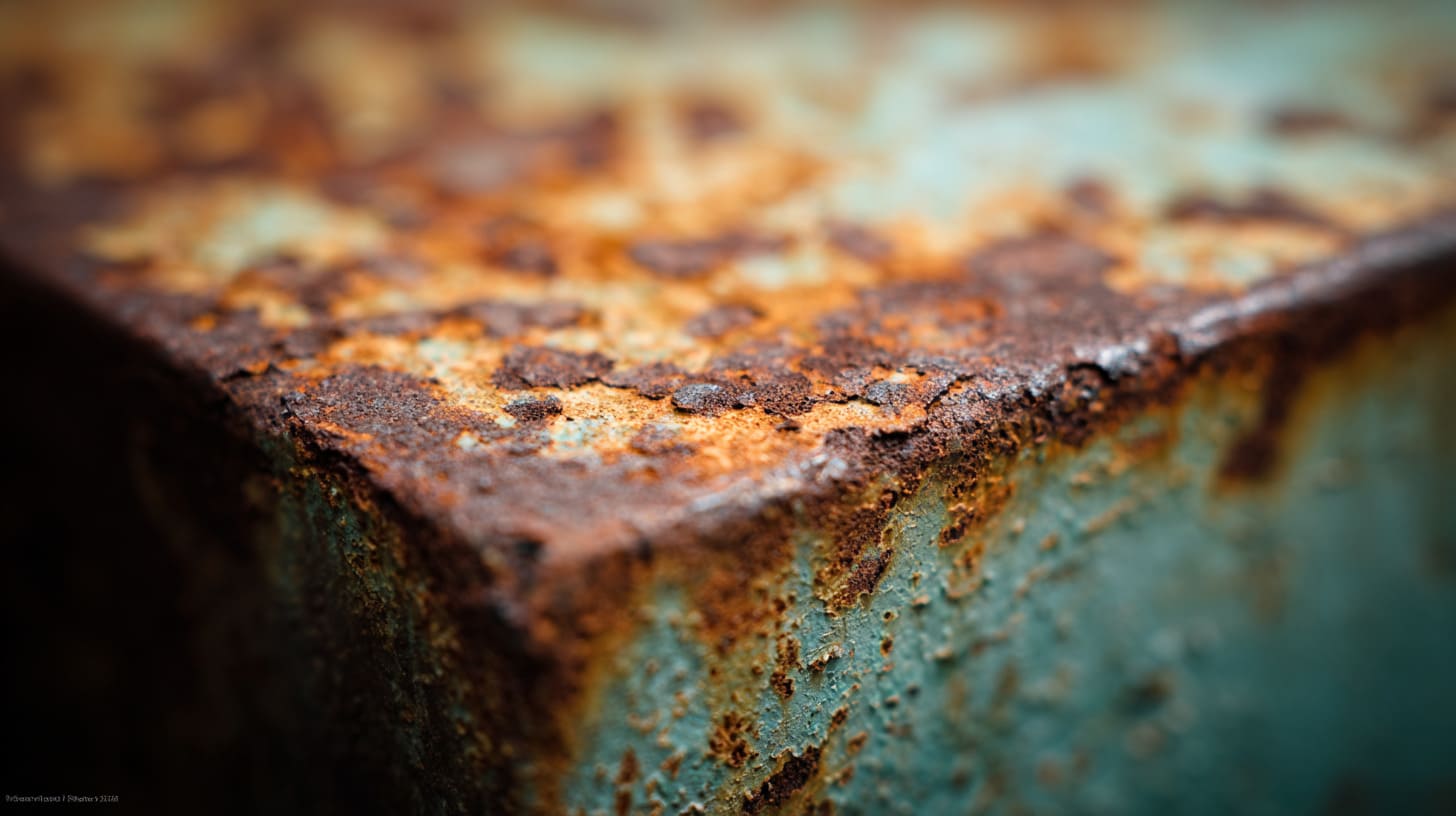
Some of the worst enclosure failures I have seen looked beautiful on day one and terrible after one year near chemicals. Paint was bubbling, screws were rusted, and logos had faded into something nobody wanted to show to customers.
On projects near chemicals, my priority shifts from “nice appearance” to “survival under attack.”
Common industrial chemical threats
I usually ask buyers to list every liquid and vapor that could touch the enclosure during:
- Normal operation
- Cleaning
- Accidents
Typical suspects:
- Acids and alkalis near treatment lines
- Solvents in paint or cleaning rooms
- Cutting oils and coolants in machining areas
- Salt spray near coastal or road environments
Even a “small” chemical presence can change the whole material discussion.
Material behavior under chemical exposure
Different materials react very differently:
| Material | Strengths | Weak points |
|---|---|---|
| Aluminum (coated) | Light, good general corrosion resistance | Sensitive to strong alkali, some acids |
| Stainless steel | Excellent corrosion resistance | More expensive, heavier |
| Plastics | No rust, good in many chemical areas | UV and temperature limits, stress cracking in some solvents |
We also need to think about fasteners and accessories:
- Stainless screws on aluminum
- Coated hinges and latches
- Cable glands rated for chemicals
Coatings and surface treatments
Surface treatments are not a magic shield, but they help when chosen correctly.
Common options:
- Anodizing
- Good for aluminum
- Harder surface, better corrosion resistance
- Powder coating
- Visual finish plus protection
- Sensitive to mechanical damage and some chemicals
- Painting or special coatings
- Tailored to specific chemical environments
At the same time, I caution clients not to treat coatings as an excuse to ignore the base material. If the coating gets scratched or damaged by impact, the real behavior of the base material decides what happens next.
Once chemicals are under control, we still have the slow but reliable impact of sunlight and weather to think about.
UV, Outdoor Exposure, and Long-Term Aging
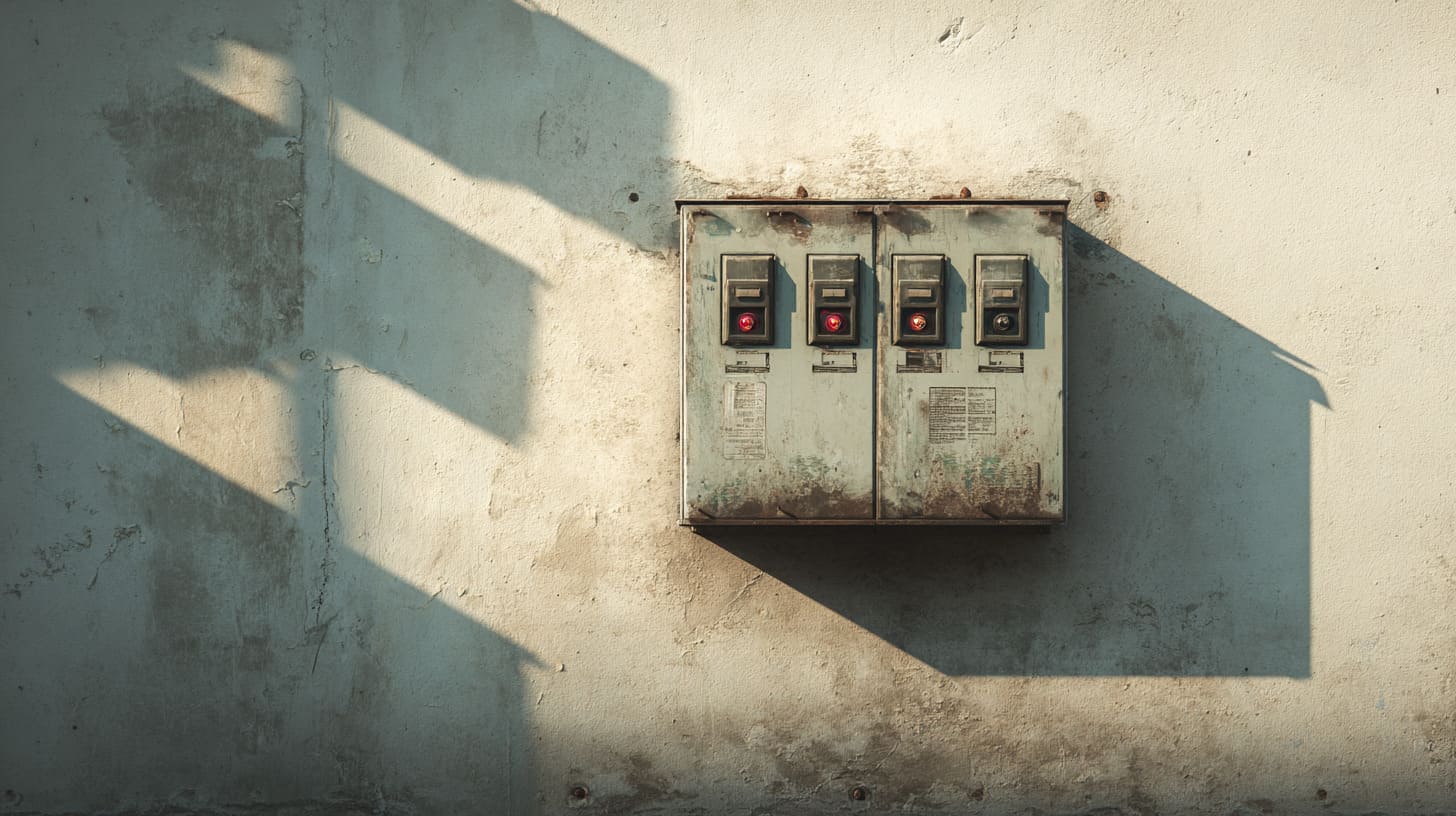
Outdoor enclosures can look perfect on the day of installation. The real test comes after a few summers and winters.
I have seen plastic covers that turned yellow and brittle, and painted metal enclosures that faded unevenly so badly that the client wanted to replace them purely for cosmetic reasons, even though they still worked.
UV radiation effects on enclosure materials
UV does not act fast, but it acts every day.
- Plastics can:
- Discolor
- Become chalky
- Lose mechanical strength
- Coatings can:
- Fade
- Crack
- Peel in thin areas
Whenever a client wants a clear plastic window outdoors, I push the discussion toward UV-stable materials and realistic lifetime expectations instead of just choosing the cheapest option.
Outdoor placement risks
Outdoor risk is not only about direct rain.
- Wind-driven rain can get under roofs and covers
- Snow and ice can sit on top of the enclosure for long periods
- Pollution and dirt can mix with moisture to create aggressive films
- Direct sunlight on dark enclosures can increase internal temperature significantly
We think in terms of micro-locations:
| Mounting location | Typical extra risks |
|---|---|
| South-facing wall | Strong sunlight, heat, UV |
| Near ground | Splashing water, dirt, snow, mechanical hit |
| Under a roof edge | Dripping water, occasional strong splash |
| Near the sea | Salt spray, corrosion, high humidity |
Design strategies for outdoor enclosures
To survive outdoors, we often combine:
- The right material
- Coated aluminum
- Stainless steel in harsh coastal or chemical areas
- UV-stable plastics for covers or small parts
- The right geometry
- Sloped tops so water does not sit
- Overhangs above doors
- Minimal horizontal features where dirt accumulates
- The right sealing
- Gaskets rated for UV and temperature
- Cable glands with proper strain relief and rating
I often tell clients that when an enclosure lives outside, we are not designing for the first year; we are designing for the year when nobody remembers who designed it, but they still blame it if it fails.
The next large category that can quietly ruin a good enclosure is vibration and mechanical stress, especially in heavy industrial and transport-related projects.
Vibration and Mechanical Stress Considerations
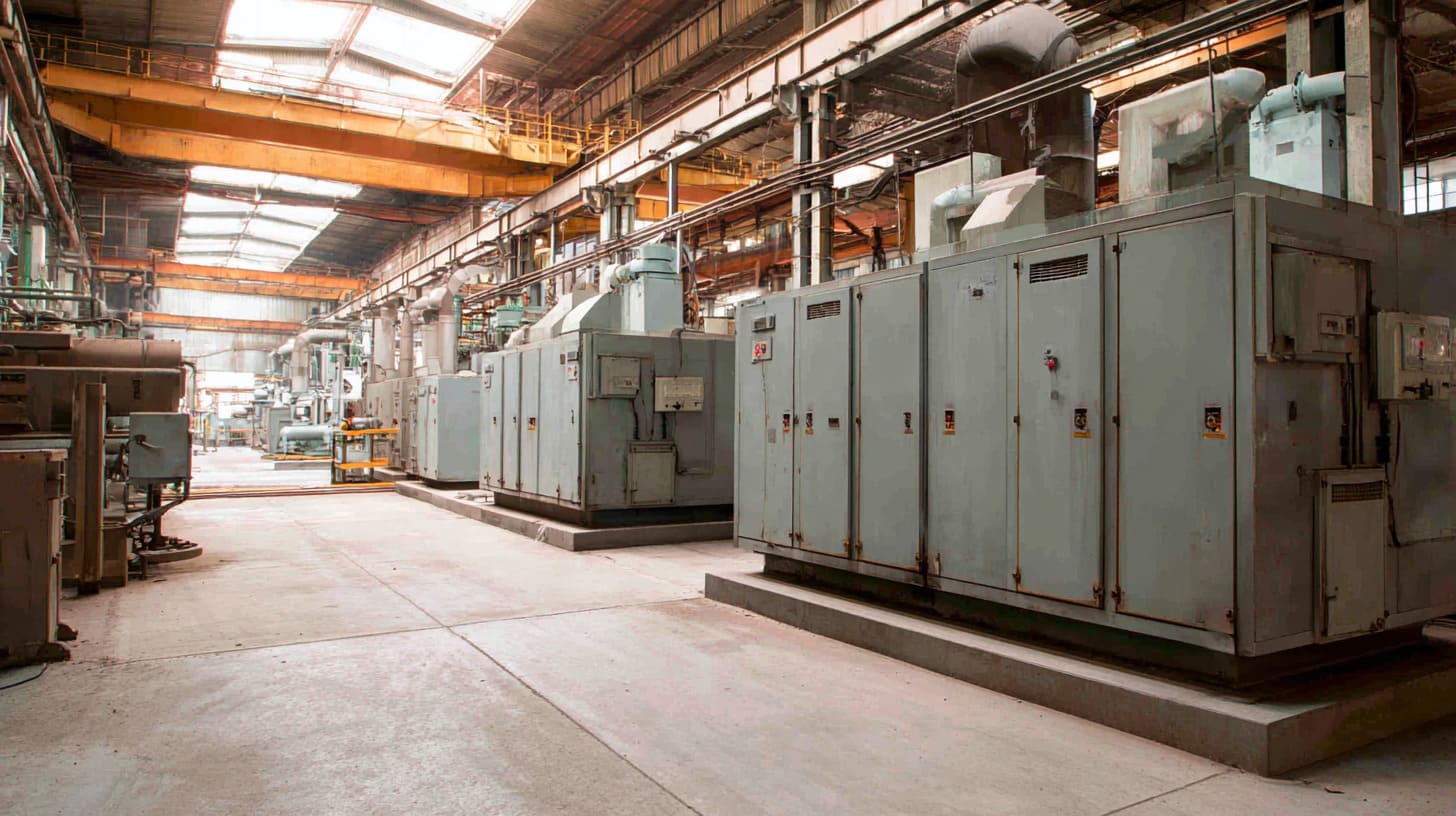
Mechanical stress is easy to overlook because the enclosure is usually drawn as a perfect solid object with no fatigue, no loose screws, and no tired hinges.
Reality is not that kind. Machines vibrate, people bump into things, forklifts miss their targets, and cables pull in strange directions.
On high-vibration projects, I pay more attention to how the enclosure is mounted and how people will interact with it than to almost any other factor.
Industrial vibration sources
Common sources:
- Motors and pumps
- Compressors
- Conveyor systems
- Heavy machines starting and stopping
Types of problems:
- Screws slowly loosening
- Cracks forming at sharp corners
- Solder joints on PCBs suffering fatigue
- Connectors slowly backing out
Structural design impacts
Structural details that matter a lot under vibration:
- Wall thickness
- Too thin: flexing and noise
- Too thick: more weight and stress on mounts
- Mounting points
- Need proper spacing and reinforcement
- Isolated from the harshest vibration when possible
- Fasteners
- Lock washers, thread-locking solutions
- Correct torque during assembly
Quick comparison:
| Design choice | Benefit | Risk under vibration |
|---|---|---|
| Few mounting points | Easy installation | High stress on each point |
| Many mounting points | Better load distribution | More holes, more assembly time |
| Sharp internal corners | Easy machining or cutting | Stress concentration zones |
Preventing long-term fatigue failures
To improve long-term survival, we look beyond the main box.
- Internal sub-plates that hold electronics firmly
- Shock-absorbing mounts for particularly sensitive modules
- Strain relief for cables so connectors are not carrying the load
- Clear pathways to avoid cables rubbing and wearing through
A useful check is to imagine the enclosure riding on a truck for eight hours a day; if that makes you nervous, the design probably needs more attention.
Once mechanical and vibration issues are addressed, we are finally ready to talk calmly about formal standards like IP and NEMA, instead of treating them as magic codes that solve every problem automatically.
How Environmental Standards Guide Enclosure Selection
IP and NEMA ratings are powerful tools, but they are not the whole story. They describe performance under specific test conditions. They do not describe messy real sites where people change cleaning habits or move machines around.
On many calls, buyers start with the question, “Is IP54 enough?” My first response is usually, “Enough for which mixture of dust, water, people, and time?”
IP ratings and what they really protect against
IP ratings break protection into two digits: solids and liquids.
- The first digit (solids) tells you about dust and object entry
- The second digit (liquids) tells you about water exposure types
Instead of memorizing the table, I often rephrase it in simple terms:
| IP Level (example) | Solids perspective | Liquids perspective |
|---|---|---|
| IP20 | Fingers and big objects | No real water protection |
| IP54 | Dust limited, not airtight | Protection against splashing water |
| IP65 | Dust-tight | Strong jets of water |
But IP on its own does not talk about corrosion, UV, chemicals, or vibration.
NEMA ratings and real-world application differences
NEMA ratings are common in North America and combine dust, water, and sometimes corrosion protection in one label.
However:
- NEMA and IP are not exactly interchangeable
- Conversions are only approximate
- Some NEMA types add information about oil, ice, or corrosion resistance that IP does not cover directly
I try to avoid giving clean one-to-one conversion answers without understanding the project, because those shortcuts often ignore the environment details that actually matter.
Common mistakes when relying only on ratings
I see similar mistakes across projects:
- Choosing a rating from a competitor’s brochure without matching the real environment
- Assuming that higher rating is always better, regardless of cost or maintenance
- Ignoring how cables, holes, and local modifications reduce effective protection
- Forgetting about long-term aging: seals, coatings, and UV
A simple view I share with clients:
| Approach | Short-term feeling | Long-term outcome |
|---|---|---|
| “Copy competitor rating” | Fast decision | Risk of over/under-protection |
| “Ask factory about environment” | Slower initial step | Fewer surprises during operation |
Once we use IP and NEMA as tools instead of magic labels, we still need to balance protection with cost and manufacturability, especially for OEM and ODM projects where margins are tight.
Balancing Environmental Protection with Cost and Manufacturability
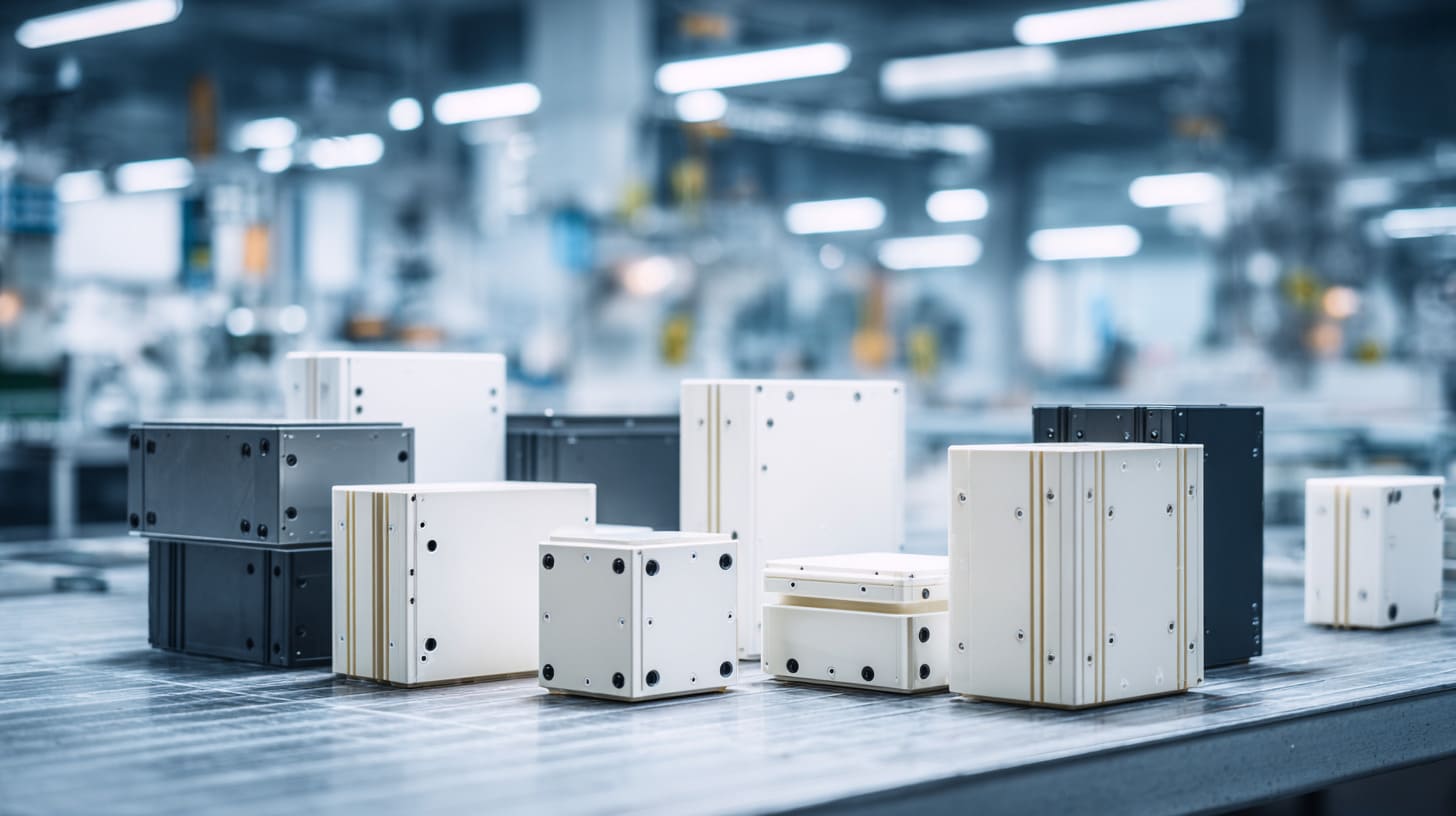
In real OEM work, it is easy to design the “perfect” enclosure that survives everything and then learn that the price kills the project.
My daily job is to sit between the ideal engineering solution and the real budget. That means I think in trade-offs, not in absolutes.
Over-specification vs under-protection
Two types of pain:
- Under-protection
- Cheaper at first
- Expensive in the field with failures and redesigns
- Over-specification
- Safe on paper
- Hard to win orders because costs are too high
We aim for enough protection, not maximum protection.
| Decision style | Pros | Cons |
|---|---|---|
| Over-specify everything | Very safe in most conditions | High cost, heavy, complex production |
| Under-specify | Cheap at start | High risk of failure and redesign |
| Balanced by real risks | Better cost–performance match | Needs more discussion and data |
Customization trade-offs
Customization always sounds attractive, but each special feature changes risk and cost.
Examples:
- Sealing vs accessibility
- More screws, deeper gaskets = better sealing
- But service becomes slower and operators may skip steps
- Cooling vs protection
- Vents and fans improve cooling
- They also open doors to dust and moisture
- Windows and indicators
- Help operators see status quickly
- Add potential leak paths and UV exposure
I like to map these as simple questions:
- Who needs access, with what tools, and how often?
- Is it cheaper to design for easy maintenance or to design for minimal maintenance?
- Can we move sensitive parts to a safer enclosure and leave only simple interfaces exposed?
Working with manufacturers early
The best projects we run at MaidaTech start with open discussions about the environment, not just a finished drawing with a fixed rating.
When we join early:
- We can suggest different materials or geometries that fit both environment and budget
- We can highlight machining or sealing options that are realistic for production
- We can reduce the number of redesign cycles
A simple collaboration flow:
| Stage | Typical buyer action | Helpful factory input |
|---|---|---|
| Concept | Rough idea, basic environment | Material and rating suggestions |
| Design | More detail, first 3D models | Feedback on cutouts, sealing, mounting |
| Pre-production | Final drawings, sample tests | Adjustments based on test feedback |
When cost and protection are balanced, the next smart step is to ask the right questions before locking in an enclosure choice, instead of trusting that the environment is “standard.”
Practical Questions Engineers Should Ask Before Choosing an Enclosure
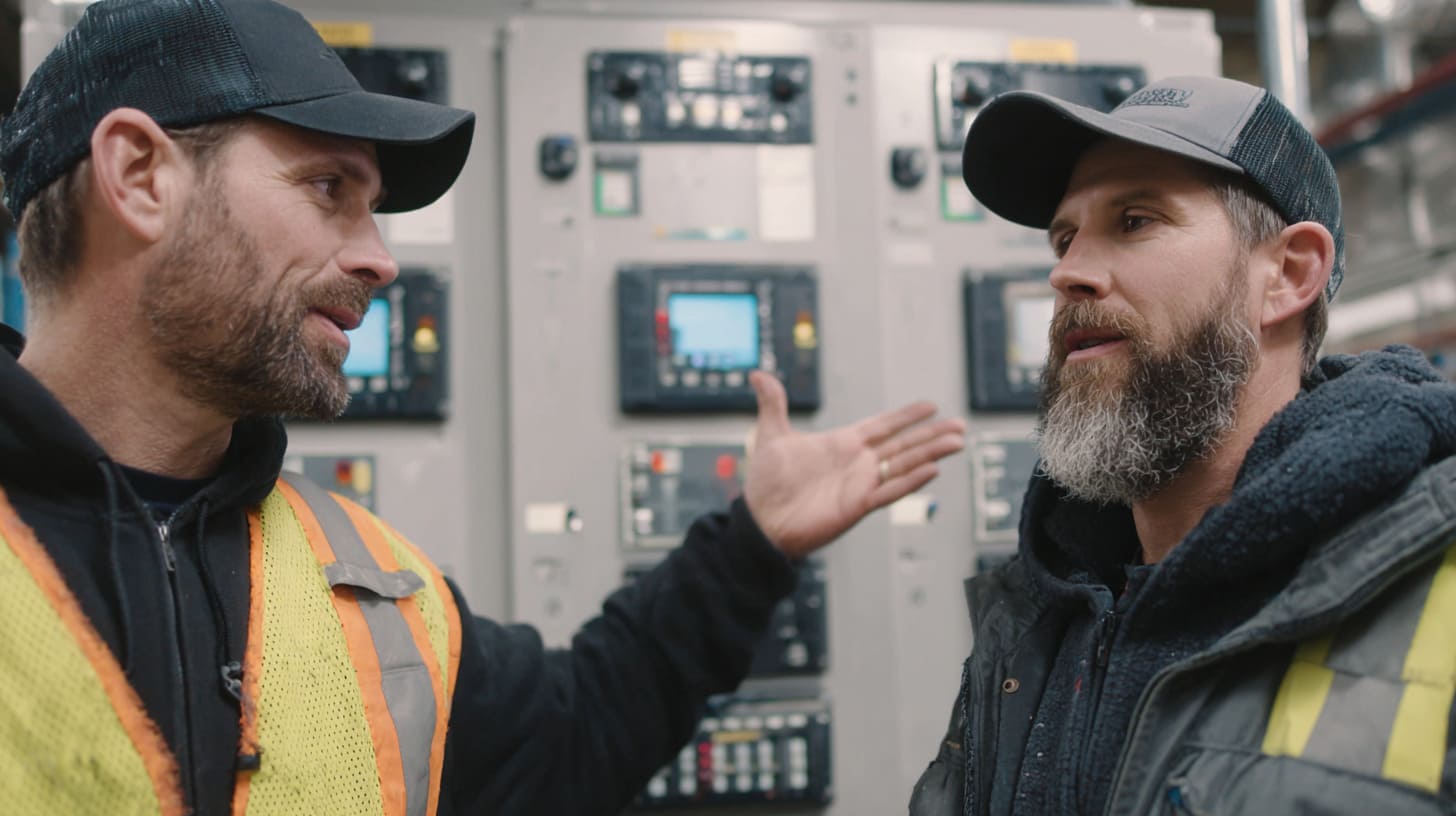
Some of my most productive meetings with buyers have nothing to do with 3D models. They are simply about asking better questions about where the box will live and who will touch it.
The difference between a failed project and a smooth project is often just a few questions that nobody asked at the start.
Drawings usually tell us dimensions, hole positions, and maybe an IP or NEMA target. They rarely tell us the real story of the room or field.
Questions I like to ask:
- What other processes run near the enclosure?
- Are there powders, fibers, or oil mist in the air?
- How exactly do people clean the area? Hose, mop, wipes, compressed air?
- What is the hottest and coldest realistic temperature?
- Is there strong sunlight or UV on the enclosure?
A simple table that helps frame the conversation:
| Topic | Common answer on drawings | Better question to ask |
|---|---|---|
| Dust | “Standard indoor” | “What does the floor look like after a shift?” |
| Water | “Occasional splashes” | “Who cleans, with what, and how often?” |
| Temperature | “Room temperature” | “Any hot equipment or cold surfaces nearby?” |
Installation and maintenance realities
An enclosure that looks perfect in CAD can be a nightmare for the people who install and maintain it.
Important questions:
- Height and accessibility: can someone safely reach it?
- Tools: do maintenance staff usually carry the right tools, or will they improvise?
- Opening frequency: once per year, once per week, several times per day?
If a door needs to be opened daily and the seal is very sensitive, I know that sooner or later the protection will degrade because people are in a hurry.
Future risk changes
Environments are not static. The factory might:
- Add a new machine that generates more dust or heat
- Change cleaning chemicals to something stronger
- Rearrange lines, bringing new risks nearer to the enclosure
Good questions include:
- Is this a pilot line or a stable production setup?
- Are there plans to move this equipment outdoors or closer to a harsher area?
- Will different teams with different habits work around the same enclosure?
When we ask these things early, we are not trying to make the project more complicated. We are trying to avoid calls one year later that begin with, “We did not expect this, but…”
All these questions lead back to the same core idea: the environment defines the enclosure, not the other way around.
Conclusion
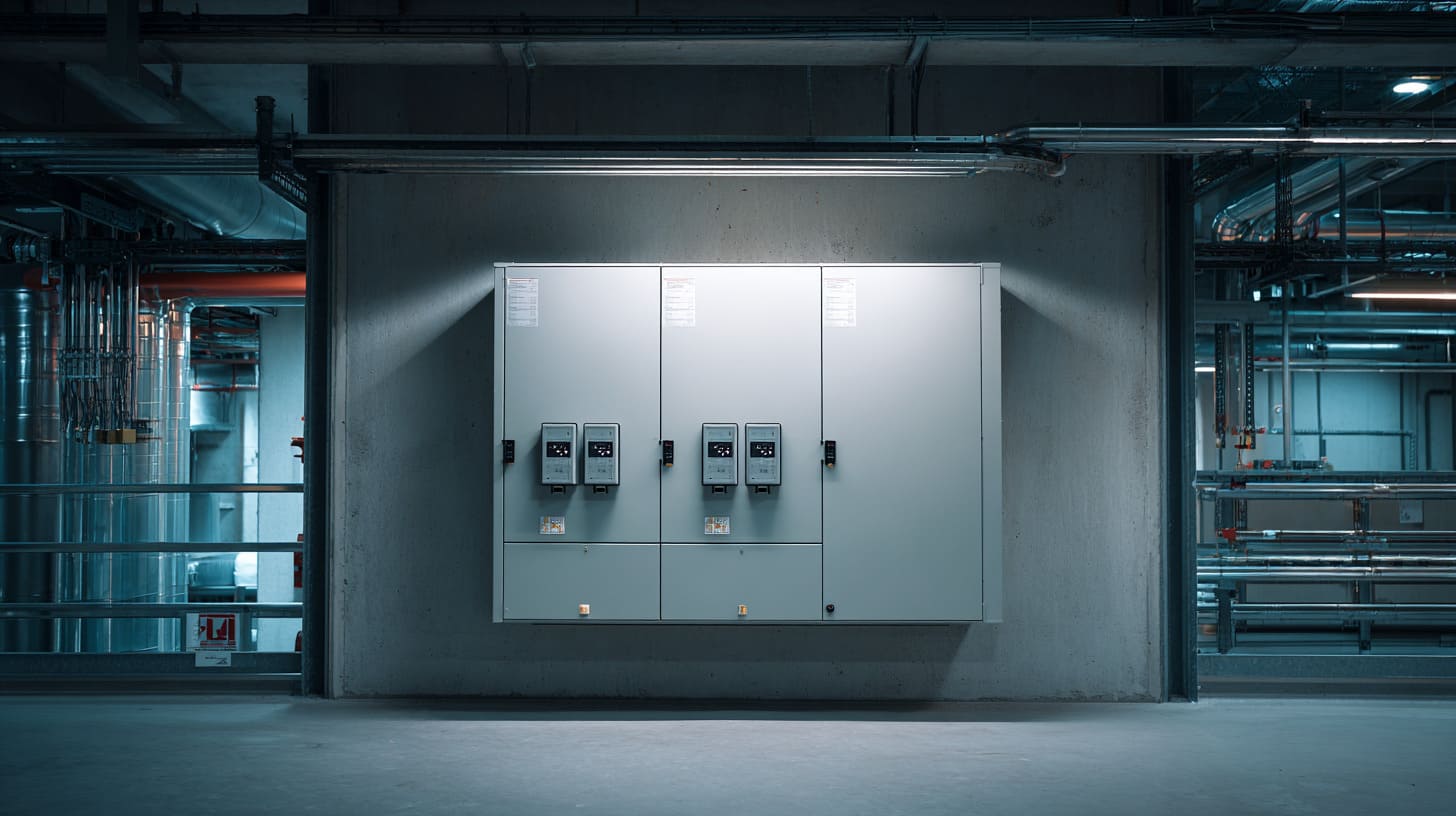
The longer I run an enclosure factory, the less I believe that enclosure selection is a “component choice” and the more I see it as a field risk decision.
I think this way because I sit between two worlds every day:
- On one side, engineers like Davide and John who design smart electronics and need an enclosure that “just works.”
- On the other side, real factory floors, outdoor sites, impatient maintenance teams, and changing cleaning habits.
When I push conversations toward dust type, washdown routines, chemicals, UV, vibration, and temperature swings, it is not because I enjoy being difficult. It is because most of the painful projects I have seen did not fail due to a wrong alloy or one missing screw; they failed because the environment was not fully understood.
I choose to put environmental risk assessment before material and rating selection because:
- It reduces surprises in the field
- It keeps cost and protection balanced instead of blindly high or dangerously low
- It respects the people who have to live with the enclosures: installers, operators, and maintenance teams
My view is simple: a good enclosure is not the one with the highest rating on paper; it is the one that quietly survives the real environment without drawing attention to itself for years.
If you are working on a new OEM or ODM project and you are not fully sure how dust, water, chemicals, temperature, or vibration will shape your enclosure choice, this is exactly the stage where a factory like MaidaTech can add value. Share the messy details of your site, not just the clean drawing. I am happy to look at your concept, ask the awkward environment questions, and help you turn those risks into a practical enclosure design that fits both your budget and your market.
You can always reach me through maidatechenclosure.com or by email if you want to discuss a real project, not just theory. For me, the most rewarding part of this work is taking someone’s idea, understanding the environment it must survive in, and building an enclosure that lets that idea succeed quietly in the background.