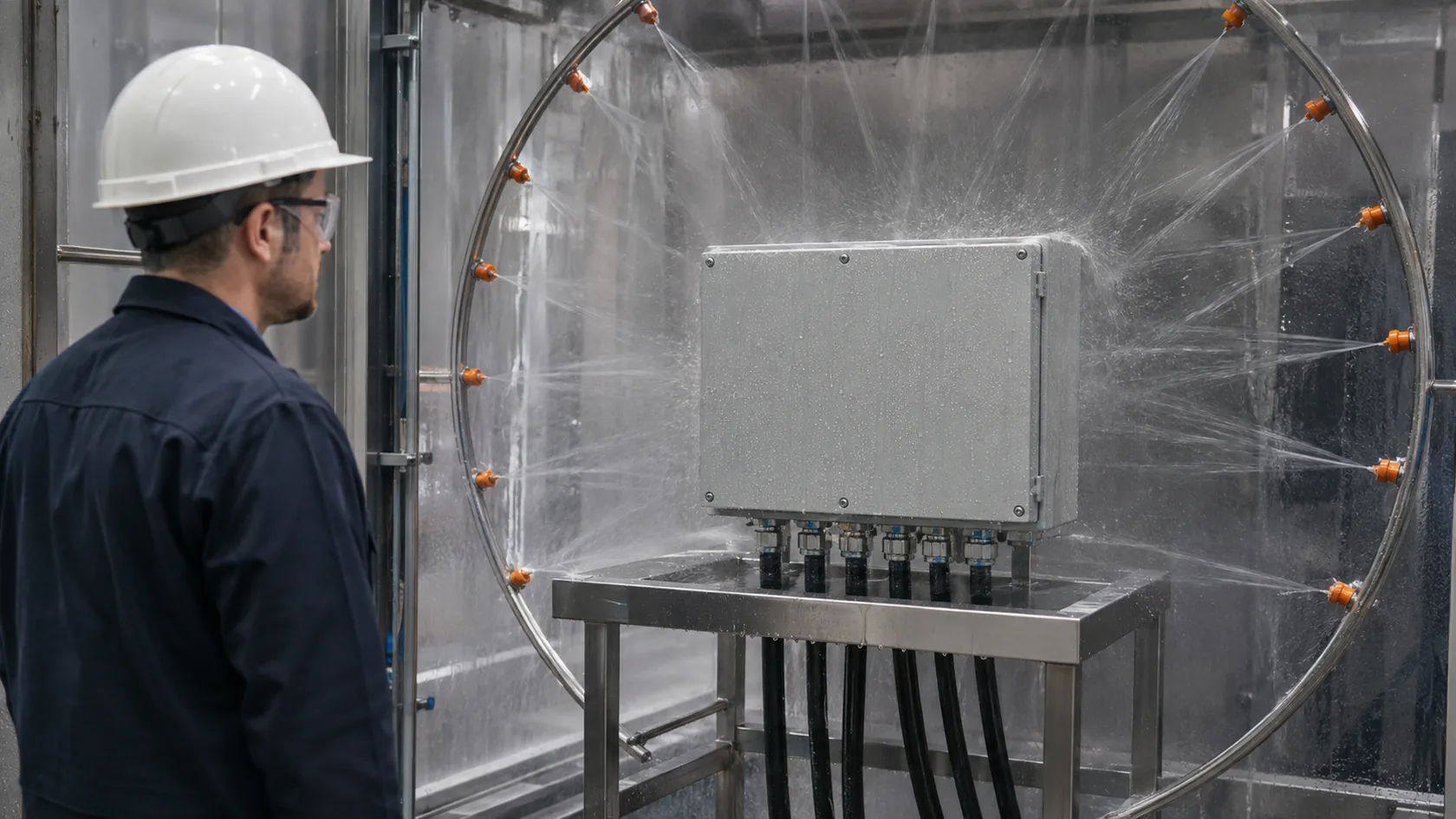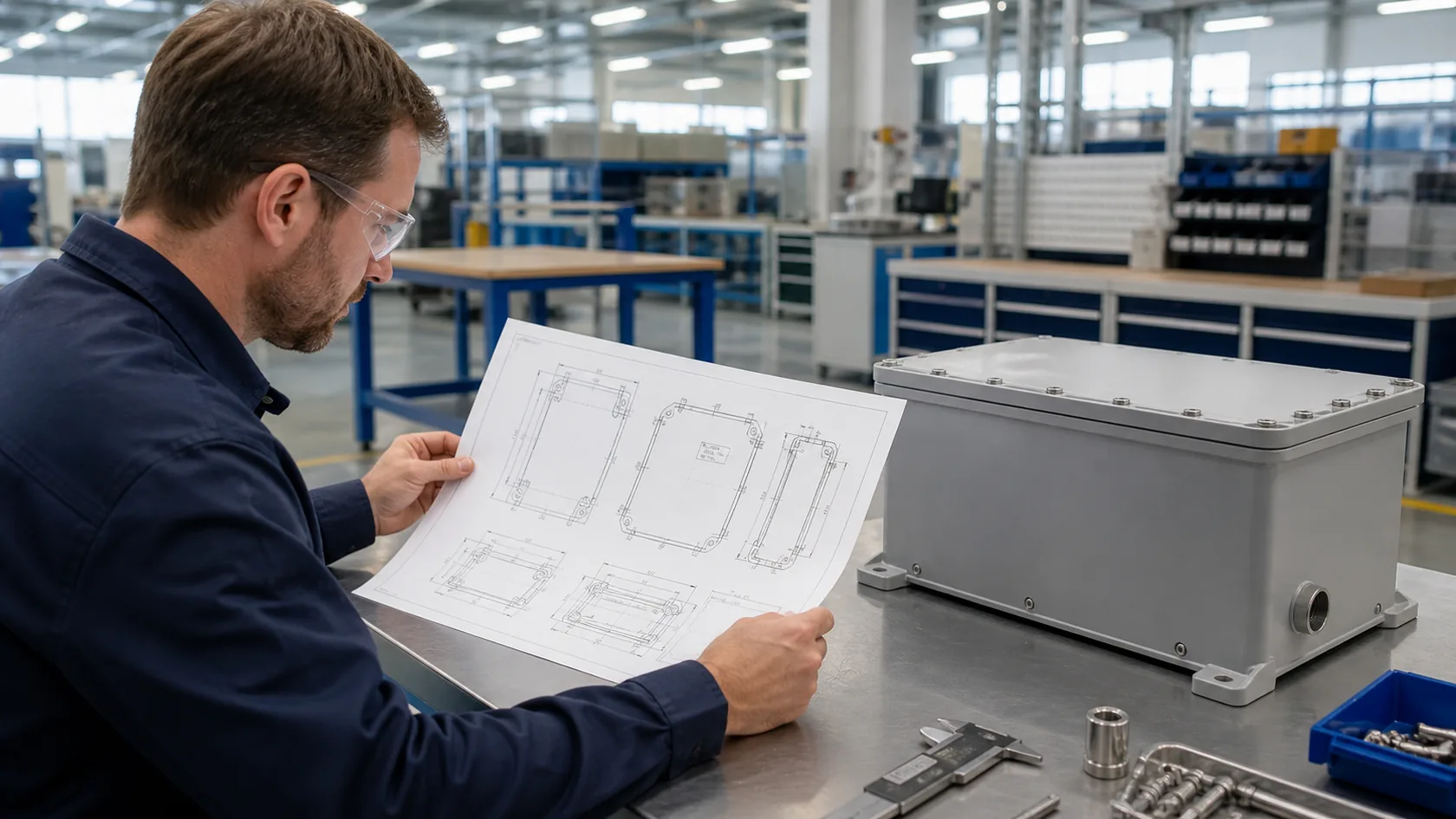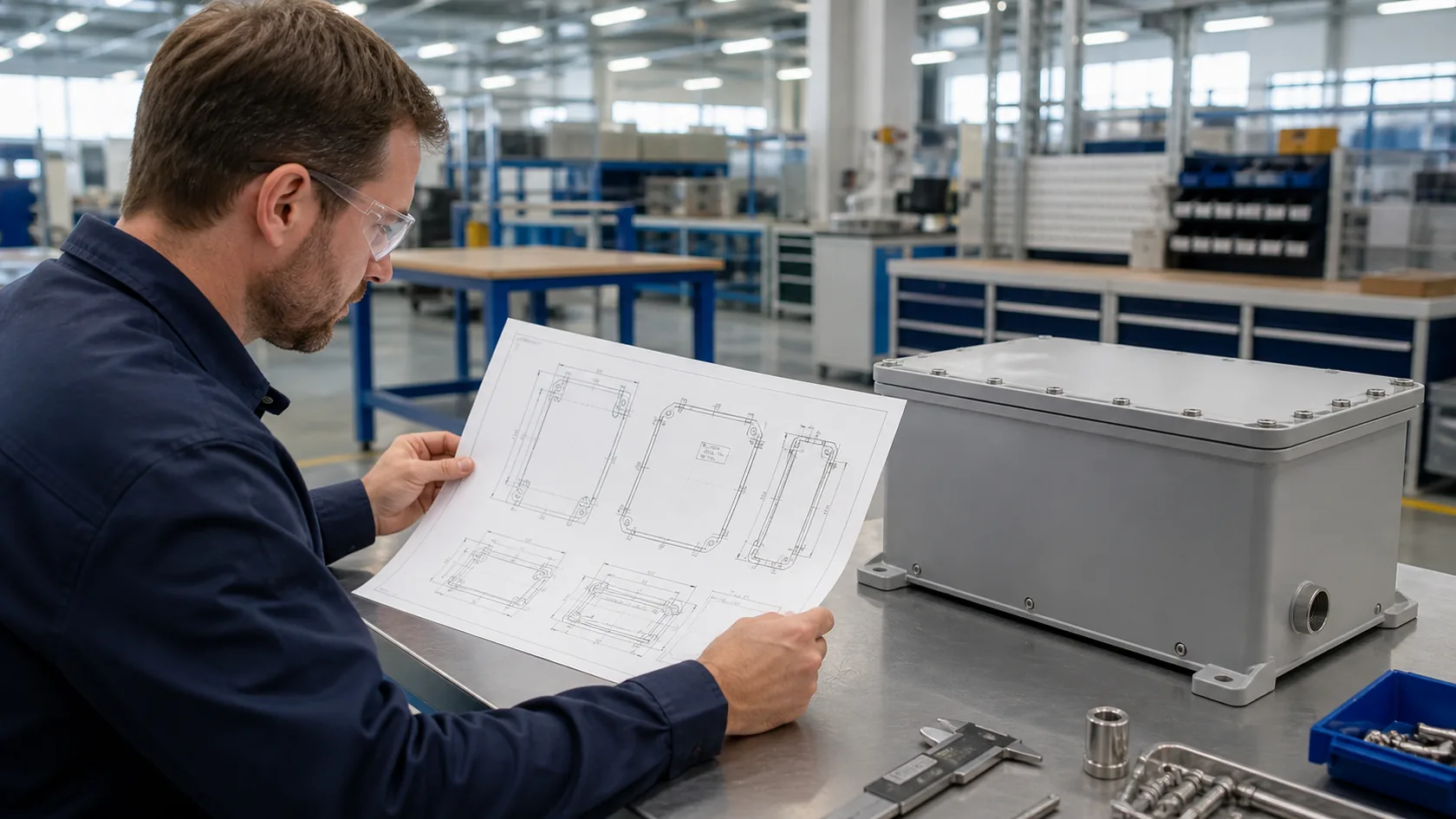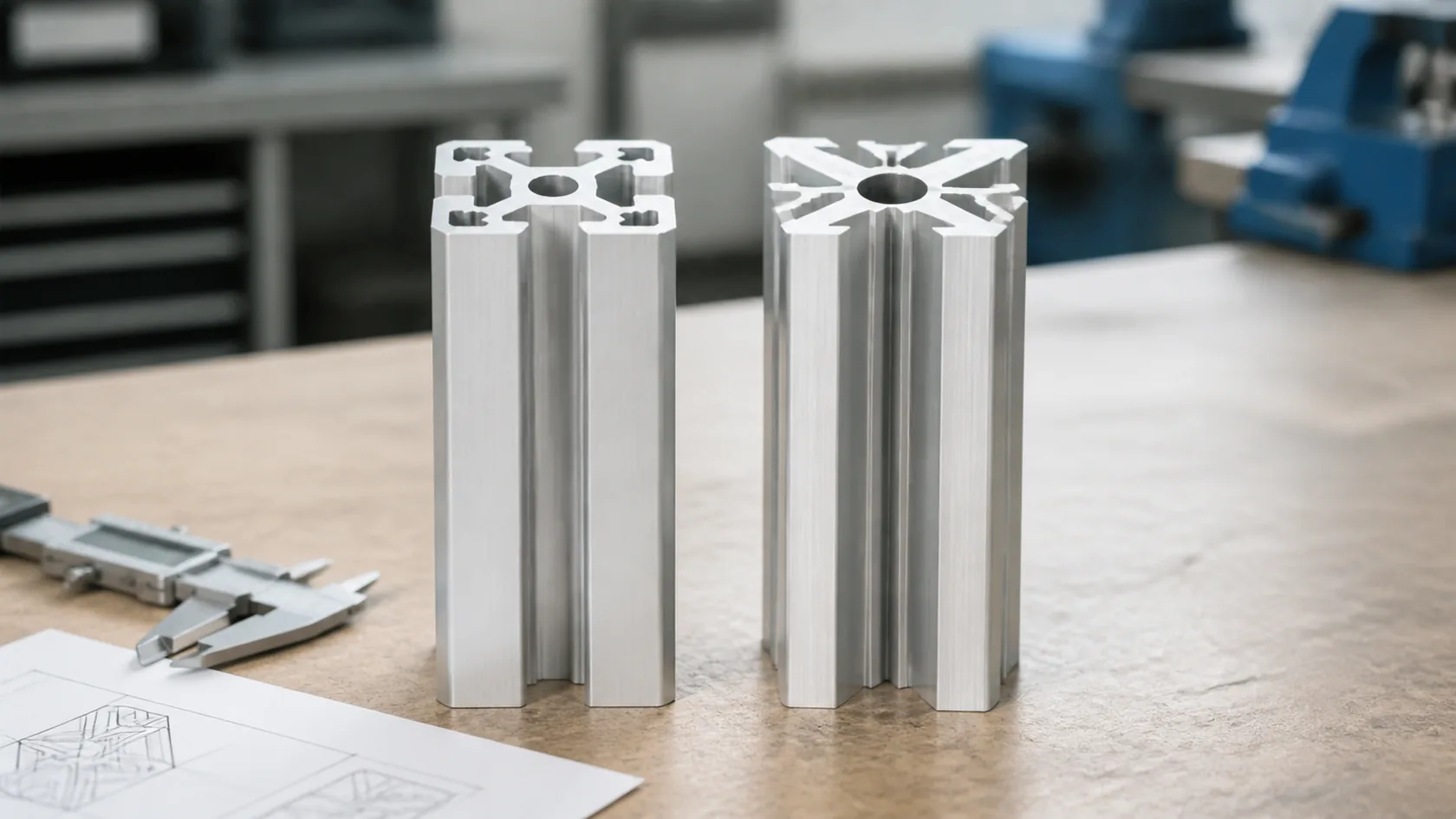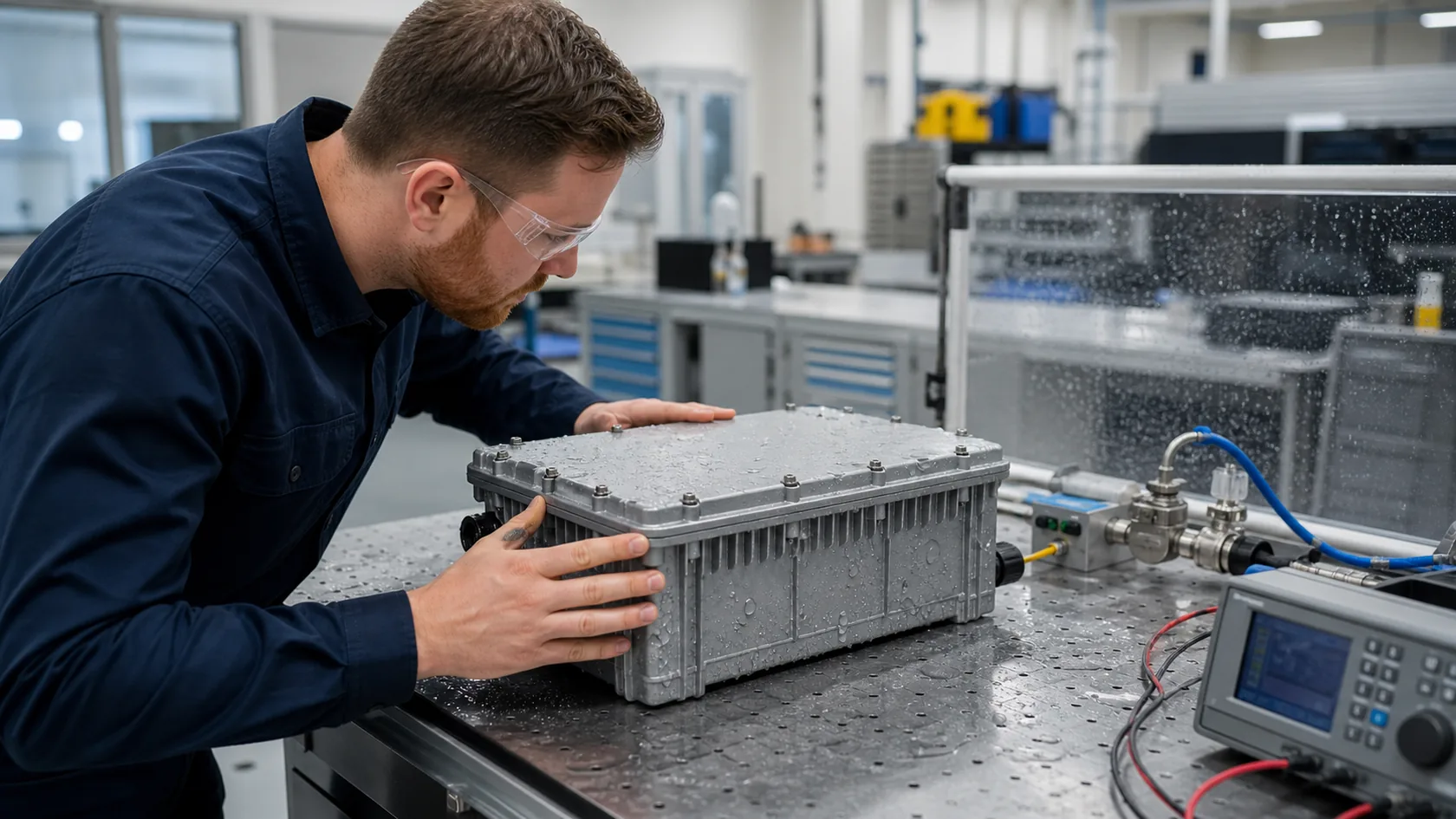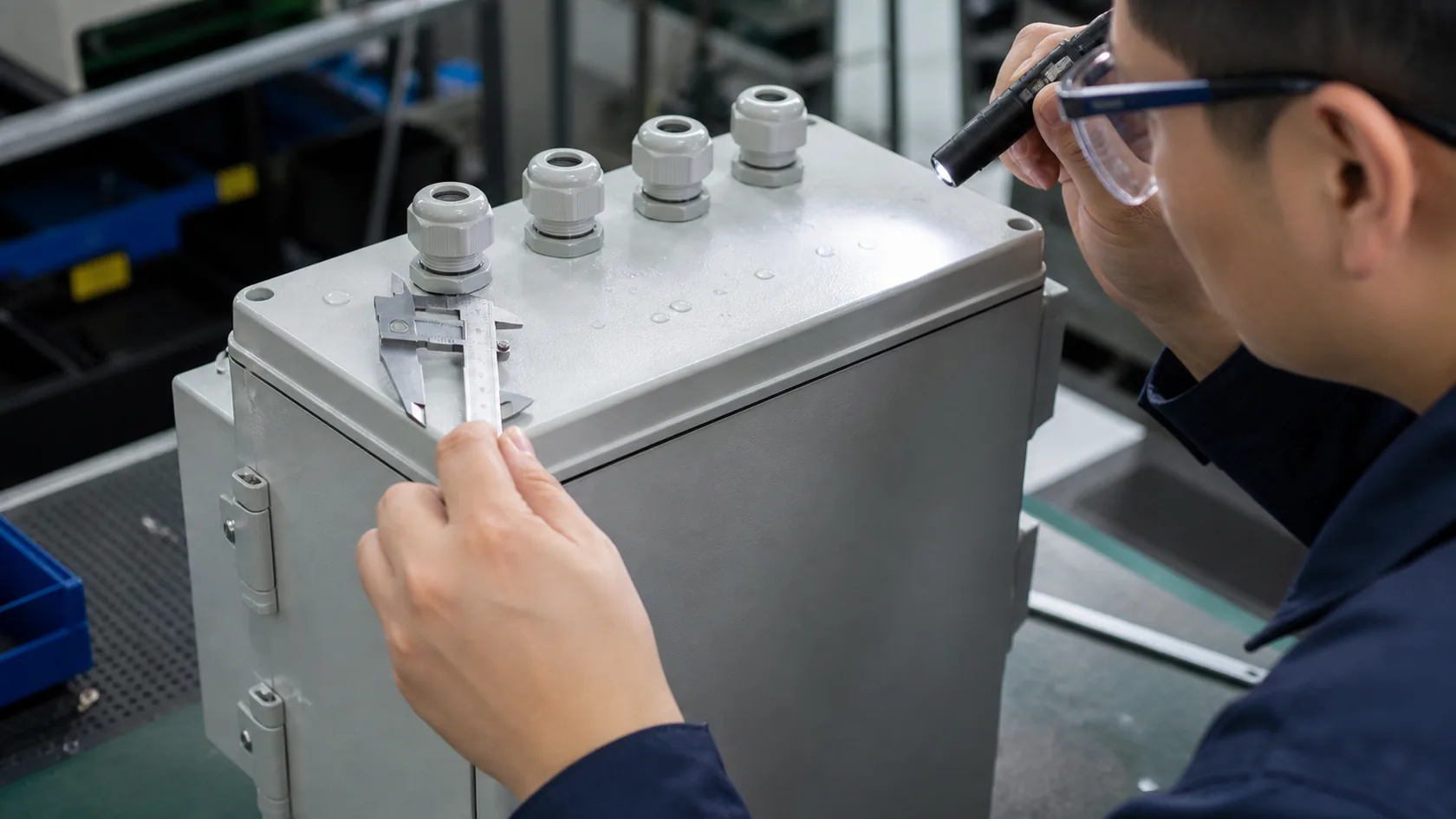
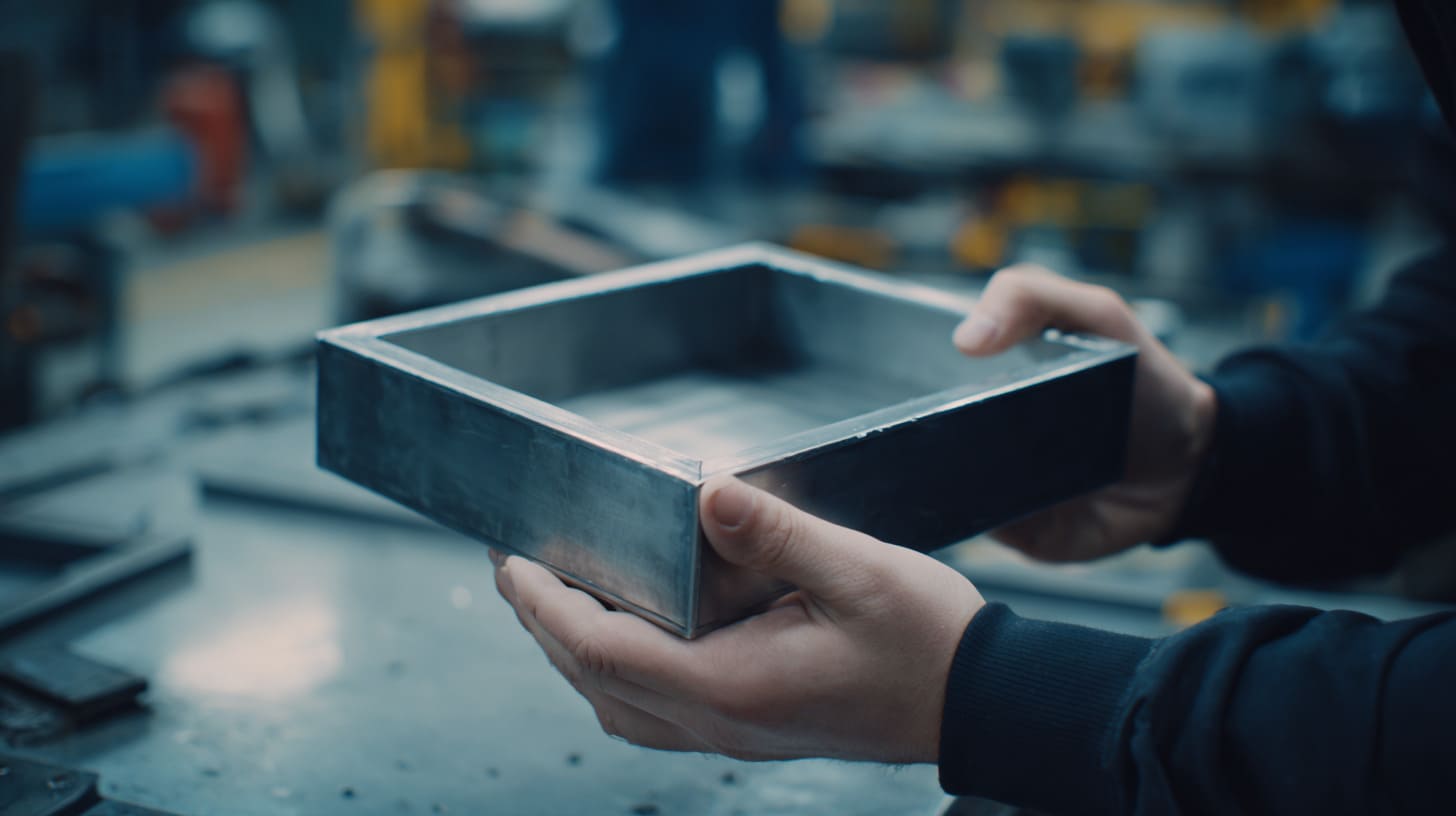
A metal enclosure drawing can look perfectly reasonable on a screen. The lines are straight. The dimensions make sense. The mounting holes are placed exactly where they should be. Yet the moment the first welded sample arrives on the table, something feels wrong.
The edges are slightly warped. The corner weld is rougher than expected. The heat mark spreads farther than the coating team can easily hide. Suddenly the enclosure still works, but it no longer looks like a product that belongs in a serious device.
That moment happens more often than people think.
When engineers like Davide send me enclosure drawings, welding rarely appears as the first concern. Most attention goes to material thickness, cutouts, mounting points, airflow, or heat sinks. Those details are important. But the welding process quietly shapes the final product in ways many people only notice when the sample is already finished.
A weld line can decide several things at once:
- whether the enclosure stays flat
- whether the corner keeps its shape
- whether grinding becomes necessary
- whether the surface finish still looks premium
That is where TIG welding usually enters the discussion.
For many precision metal products, TIG welding provides the control needed to keep the metal stable and the weld bead clean. At the same time, another name sometimes appears in conversations with engineers or older fabrication teams: Heliarc welding.
Some people treat TIG and Heliarc as different technologies. Others use the words interchangeably. I have heard buyers assume Heliarc must be a more advanced version of TIG simply because the name sounds technical.
The truth is simpler than that.
This guide explains what TIG welding really is, where the name Heliarc came from, how the welding process works, what equipment and shielding gases matter, and how manufacturers choose TIG when building precision metal products like aluminum enclosures.
My goal here is not to repeat textbook definitions. I want to walk through the process the way I see it during real projects — where welding affects cost, appearance, assembly accuracy, and sometimes even whether a product passes the sample stage.
And the best place to begin is with the basic question itself.
What Is TIG Welding?
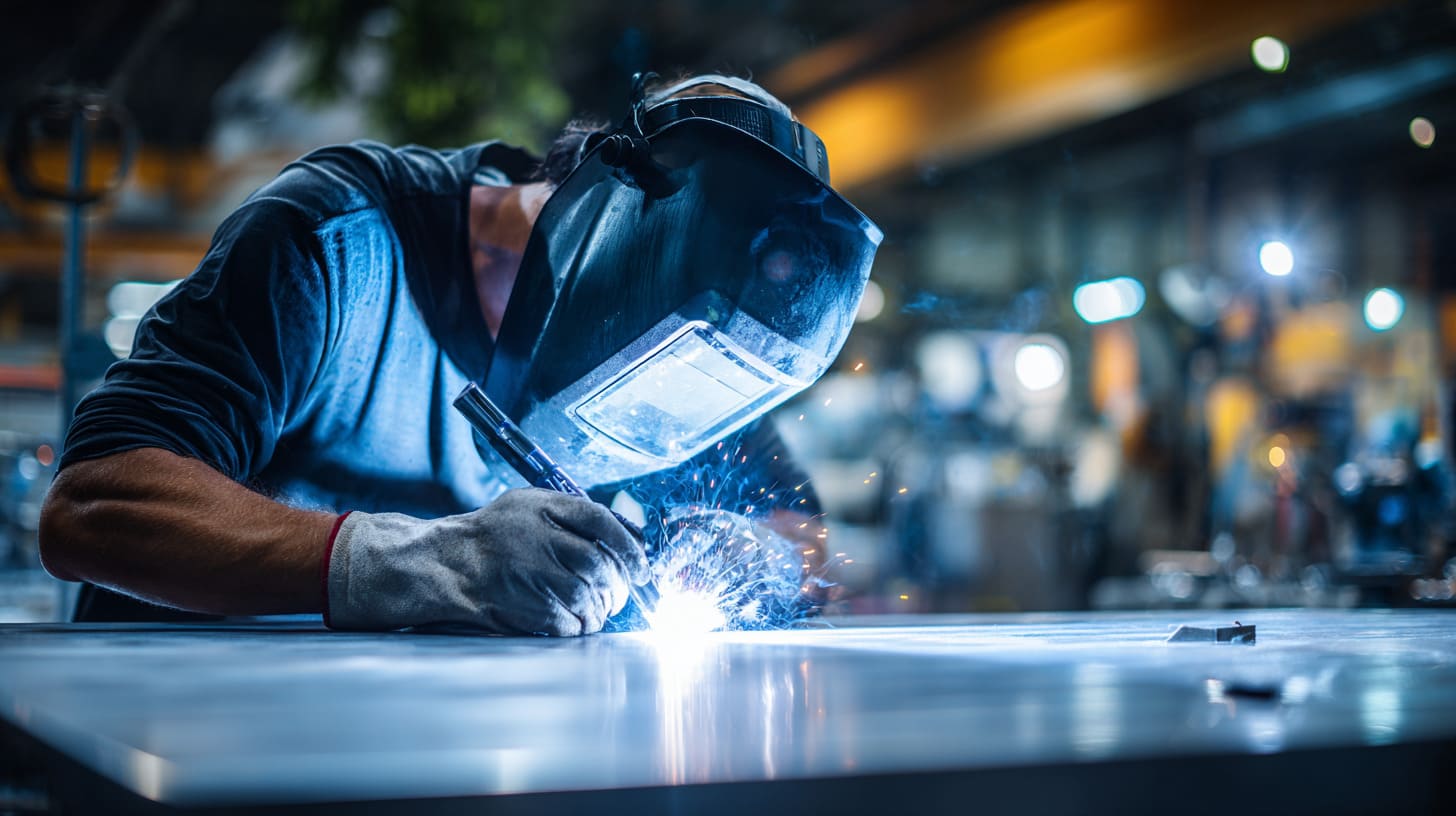
TIG welding stands for Tungsten Inert Gas welding. It is a welding process that uses a non-consumable tungsten electrode to create the arc. The heat from that arc melts the base metal. When needed, I add filler rod by hand. At the same time, an inert shielding gas, usually argon, protects the weld area from air contamination.
That is the short definition. But in real work, TIG welding means something more specific. It usually means control.
When I explain TIG welding to customers, I do not start with the abbreviation. I start with the result they care about: a neat weld bead, better control on thin metal, cleaner appearance, and less spatter than many other welding methods.
The basic idea behind TIG welding
The process sounds simple on paper:
- The machine sends current to the torch.
- The tungsten electrode creates an arc.
- The arc heats the metal.
- Shielding gas covers the weld area.
- Filler rod is added if the joint needs extra material.
Still, the quality depends on how well the operator controls heat, angle, timing, travel speed, and filler addition.
That is why TIG is respected. It is not lazy welding. It asks the operator to pay attention.
What makes TIG welding different from other methods
The main difference is that the electrode does not melt into the joint the way wire does in MIG welding. The tungsten stays there to carry the arc. The filler, if used, is separate.
This gives me more control, especially on parts that are:
- thin
- visible
- sensitive to heat
- made from aluminum or stainless steel
- expected to look clean after welding
The key components in a TIG welding system
| Component | What it does | Why it matters |
|---|---|---|
| Tungsten electrode | Creates and carries the arc | Affects arc stability and weld precision |
| Shielding gas | Protects the weld pool from air | Helps prevent porosity and contamination |
| Power source | Supplies welding current | Controls output, mode, and arc behavior |
| Torch | Holds the electrode and directs gas | Impacts comfort and access |
| Filler rod | Adds material to the joint when needed | Affects strength and compatibility |
| Foot pedal or control | Adjusts amperage during welding | Helps manage heat in real time |
Why TIG welding produces high-precision welds
TIG welding is known for precision because the welder can control heat and filler separately. That gives more room to react to the part.
I have found that thin aluminum enclosure panels are where this control really shows its value. A rough process can warp the panel, widen the heat mark, or leave too much post-work. TIG gives me a better chance to keep the part neat.
At this point, my own rule is simple: if the weld will be visible, if the material is thin, or if rework would be expensive, I look at TIG first before I even think about faster methods.
That judgment saves trouble later, especially when appearance matters as much as strength.
A lot of the confusion around TIG begins with its old name, so let me go there next.
What Is Heliarc Welding?
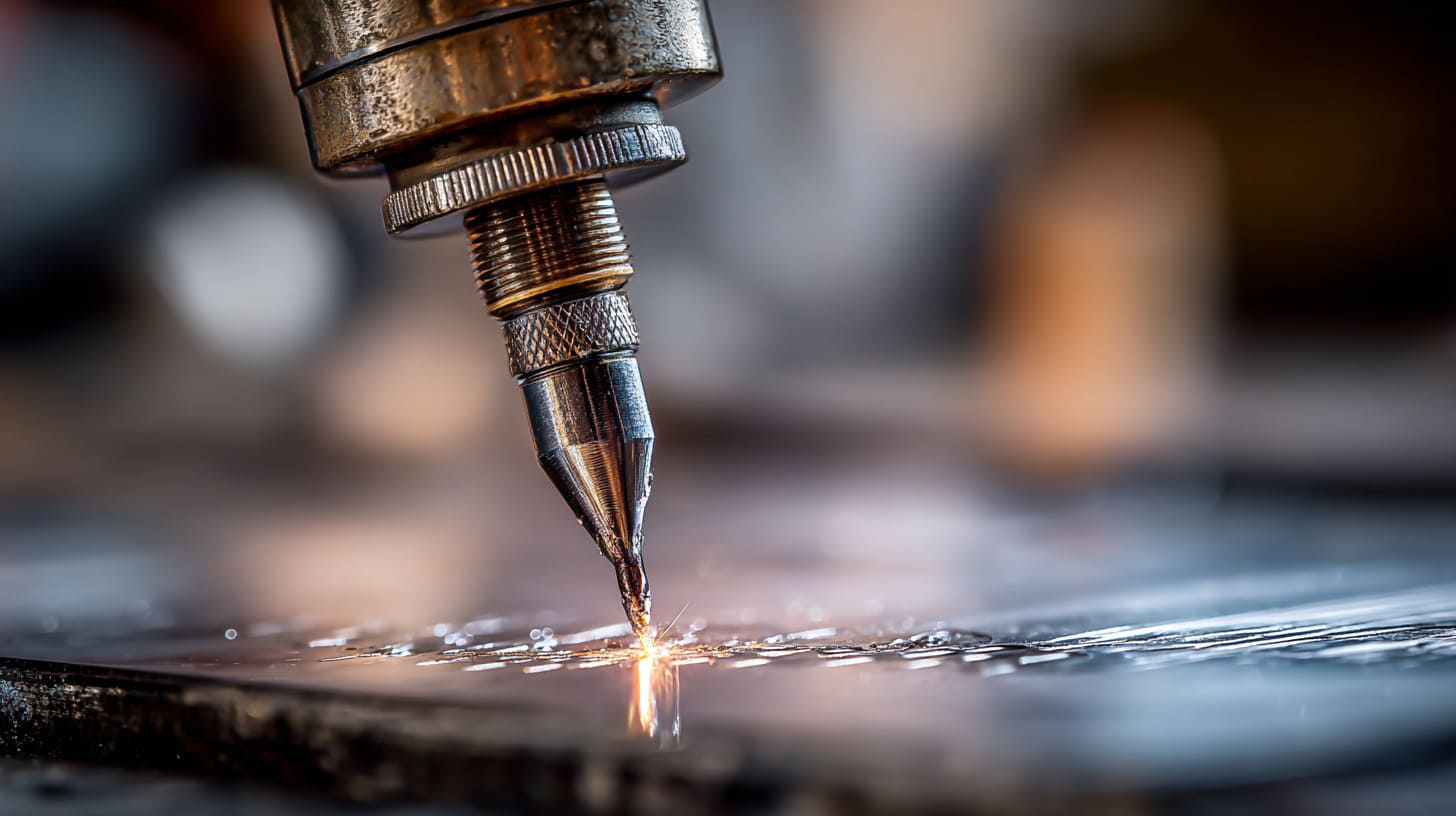
Heliarc welding is basically an older name for what we now call TIG welding.
That surprises people sometimes. The first time a buyer asked me whether Heliarc was “better than TIG,” I smiled because the question sounded technical, but the answer was mostly historical. Heliarc was a trade name that became widely used when this welding method was first developed and promoted.
Where the name Heliarc came from
The name “Heliarc” came from the use of helium as the shielding gas and the electric arc used for welding. In the early days, helium had a key role in this process, especially for metals like aluminum and magnesium.
So the name made sense:
- Heli = helium
- Arc = electric arc welding
Over time, the process expanded, gases changed, and industry language became more standardized. That is why TIG became the more common term.
Why helium mattered in early TIG welding
Helium was important because it gave a hotter arc than argon. That helped weld reactive metals and difficult materials, especially when the technology was still developing.
Back then, shielding the molten weld from the air was a big step forward. Without protection, oxidation could ruin the weld quickly. Helium helped solve that.
Why Heliarc became popular in aerospace and aluminum work
Heliarc welding grew in areas where materials were light, critical, and less forgiving. Aerospace is the classic example. Aluminum fabrication also helped make the process famous.
That makes sense to me. Aluminum is useful, but it is not easy metal for careless welding. Its oxide layer, heat behavior, and appearance demands all push the process harder. A cleaner, better-controlled method naturally got attention.
Why the name still shows up today
Some older engineers, shop owners, and technical sales people still use the word Heliarc out of habit. In some factories, the name stayed alive because the people teaching welding learned it that way decades ago.
I do not treat that as wrong. I treat it as context.
From a practical angle, when I hear “Heliarc,” I stop and check whether the person means the standard TIG process in general or whether they are specifically talking about helium-rich gas use, because that small language gap can lead to wrong assumptions about setup and cost.
That is where old terminology turns into real production risk.
Now that both names are on the table, the next question becomes very direct.
What Is the Difference Between TIG Welding and Heliarc Welding?
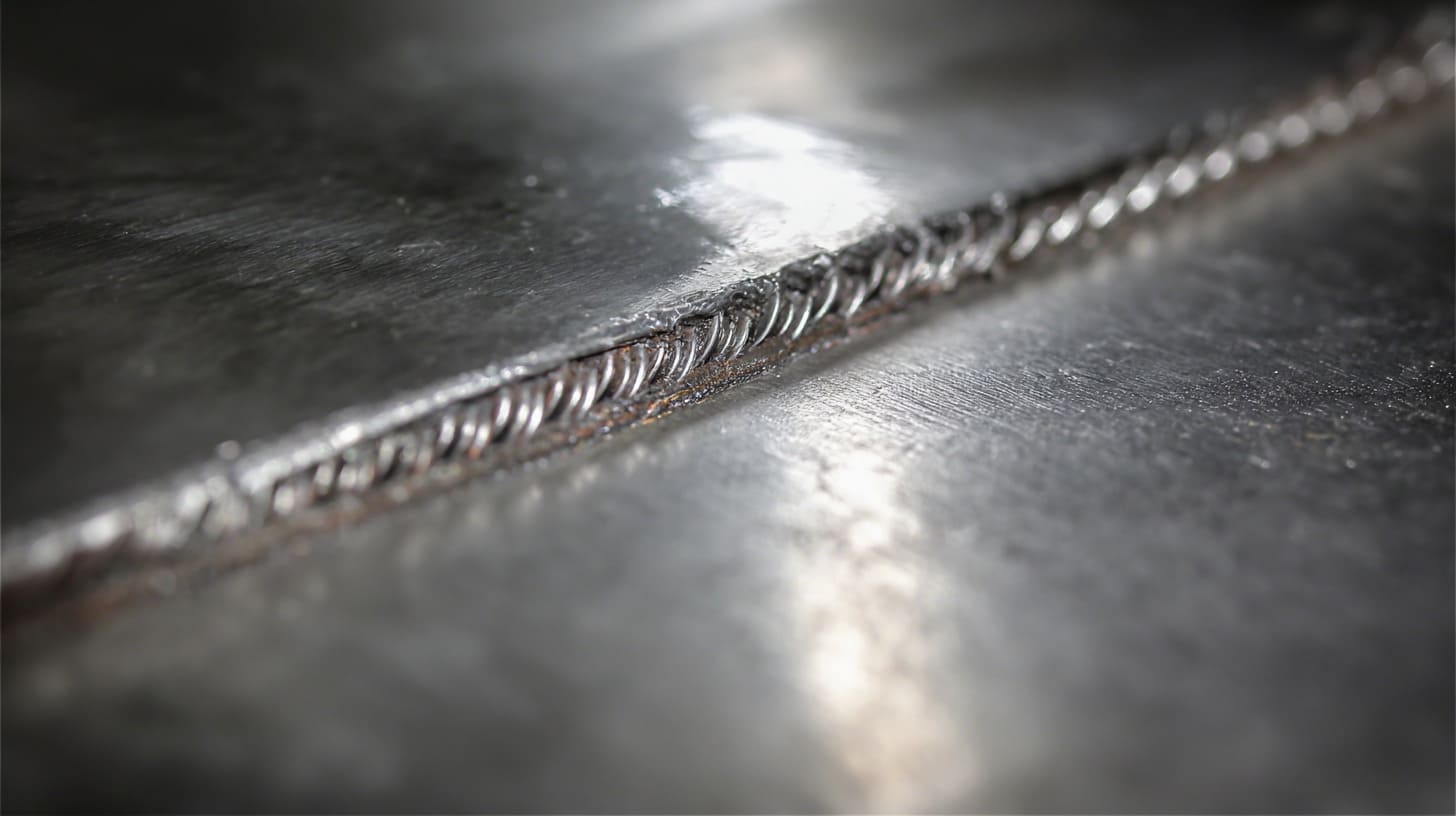
The short answer is this: TIG welding and Heliarc welding usually refer to the same welding process.
The difference is mainly in the name.
The historical difference
Heliarc is the older term. It came from a brand-based and gas-based naming history. TIG is the modern technical term used across most industries today.
So when I compare them, the difference is not usually in how the arc works. It is in how the process is described.
Why TIG replaced Heliarc in modern industry
TIG became the standard because it is clearer and more general. It describes the process without tying it to helium alone.
That matters because TIG welding today can use:
- argon
- helium
- argon-helium blends
- some special gas mixes for certain cases
If I kept calling all of that “Heliarc,” I might confuse the gas choice with the process itself.
Are they technically different?
In most real conversations, no. They are not treated as different welding methods.
Still, the wording can create a false gap. One term sounds old-school and maybe more specialized. The other sounds standard and modern. Some buyers assume that means one must be a higher-grade version of the other. That is not how I see it.
Why some people still separate the terms
There are a few reasons:
| Reason | What happens |
|---|---|
| Old habit | Senior staff still say Heliarc |
| Brand history | Trade names stay in factory language for years |
| Gas confusion | People link Heliarc only to helium shielding |
| Industry slang | Shops often keep legacy terms long after standards change |
My practical view on the difference
When I deal with buyers, drawings, and sample reviews, I use TIG welding because it is the clearest term. But I also understand Heliarc when customers use it.
What often matters more than the name is this: I do not let the discussion stop at vocabulary. I ask what metal is being welded, what finish is expected, what gas is planned, how visible the joint will be, and whether the weld needs to hold shape after machining or coating.
That is the real conversation.
A fancy-sounding process name means very little if the joint still comes out dirty, warped, or too expensive to finish.
Once the naming issue is clear, the next useful step is to look at how TIG actually works.
How Does TIG Welding Work?
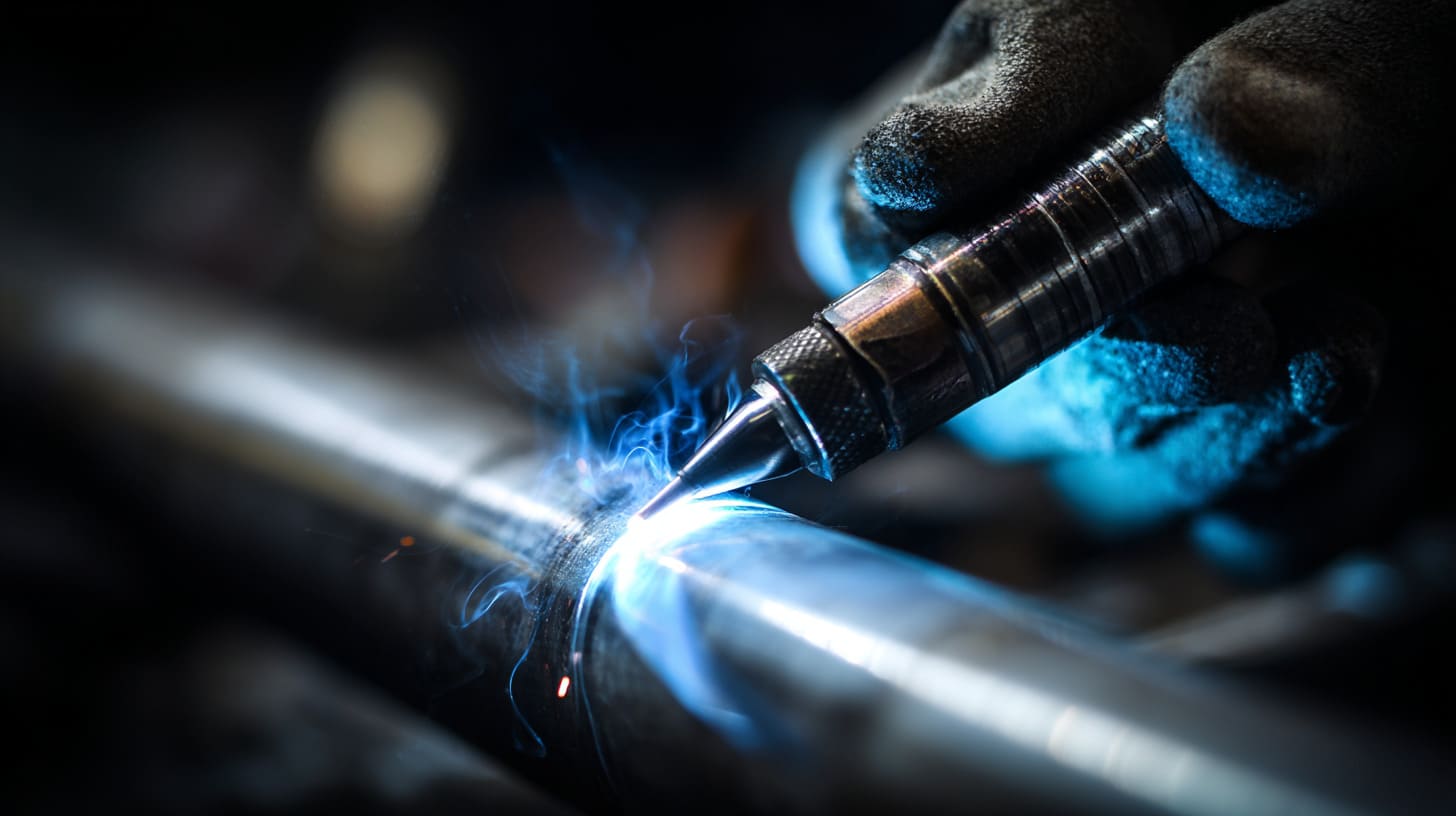
TIG welding works by creating an electric arc between a tungsten electrode and the workpiece. The arc generates heat. That heat melts the metal at the joint. Shielding gas flows around the arc and weld pool to block oxygen, nitrogen, and other contaminants in the air.
If the joint needs added material, I feed filler rod into the weld pool by hand.
Step-by-step explanation of the TIG process
Here is the process in a practical order:
- I prepare the joint and clean the metal.
- I set the machine current and select the right polarity or mode.
- I choose the right tungsten and shielding gas.
- I position the torch and start the arc.
- I move along the joint while controlling heat.
- I add filler rod if the joint needs it.
- I taper off or stop the arc carefully to avoid defects at the end.
Simple sequence. Hard to do well every time.
How the arc is created
The tungsten electrode is held close to the workpiece. The machine generates the electrical energy needed to jump the gap and form the arc. In modern machines, this often happens with high-frequency start or lift arc start.
Once the arc is stable, the heat is focused into a relatively small area. That is one reason TIG is good for precision work.
How shielding gas protects the weld pool
Molten metal reacts fast with the air. Without shielding gas, the weld can oxidize, weaken, discolor, or trap contamination.
Argon is the most common gas because it gives stable arc starting and good protection. Helium can increase heat input. Blends can balance both.
When filler metal is required
Not every TIG weld uses filler rod. Some autogenous welds join edges without extra filler. That can work on certain thin parts if the fit-up is very good.
Still, many production welds need filler to:
- add strength
- fill gaps
- improve bead shape
- support joint design needs
Why heat control is critical
Heat is the heart of TIG welding. Too little heat and penetration suffers. Too much heat and the part distorts, especially on thin materials.
I learned this very clearly on enclosure corners. A weld can look strong for five seconds and still ruin the flatness of the panel. Then the lid fit gets worse, the finishing team complains, and the sample needs rework.
That is why I never judge TIG quality by the bead alone. I also look at how the surrounding part behaved under heat, because a pretty weld on a warped enclosure is still a bad production decision.
That thought leads naturally to the tools behind the process.
What Equipment Is Required for TIG Welding?
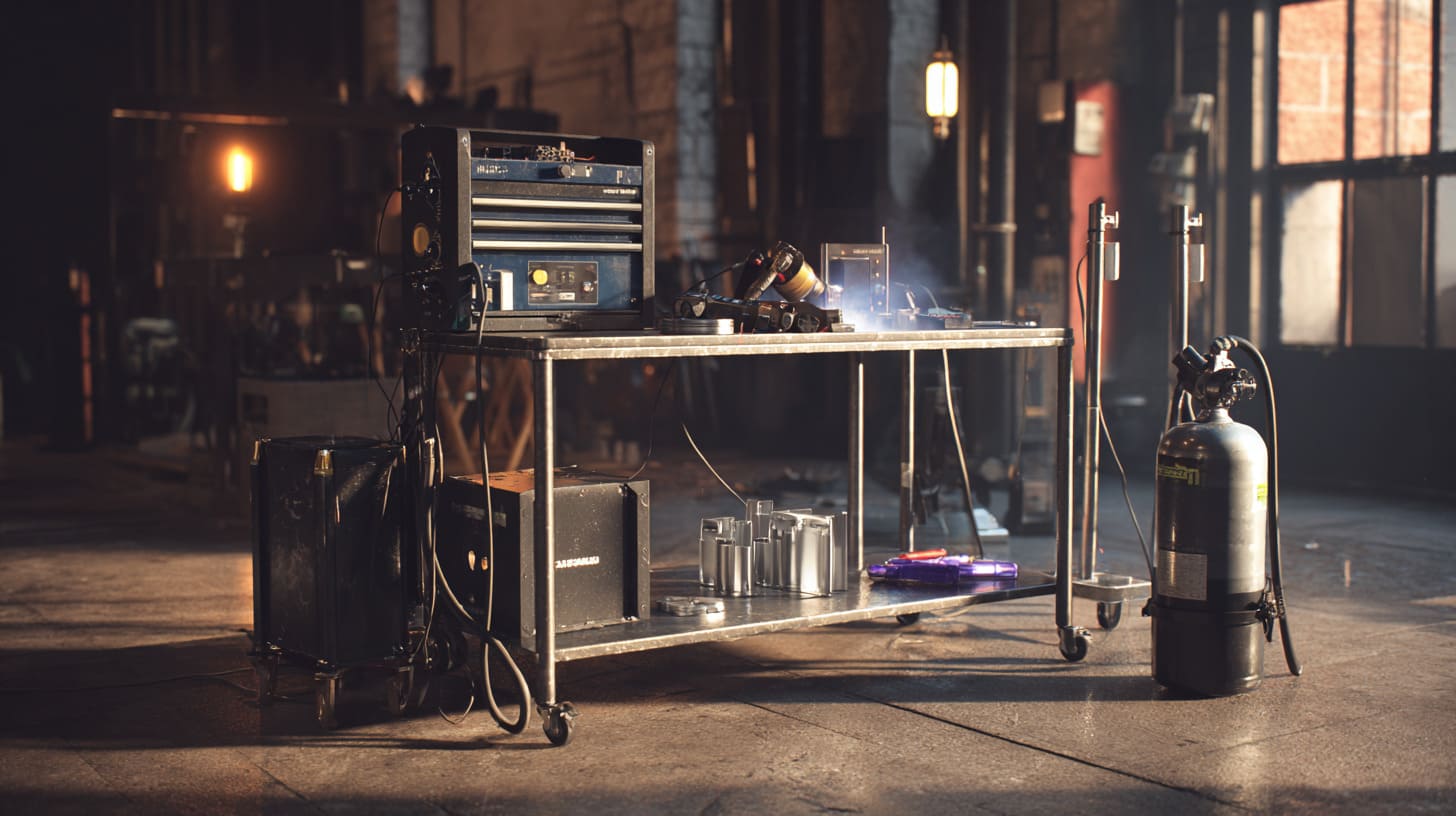
TIG welding needs more than just a machine and a torch. The equipment choice affects arc stability, operator comfort, weld appearance, heat control, and even how easy the process is to repeat from one batch to the next.
I think that matters more than many buyers realize. People often compare welding methods by labor cost only. They forget that poor equipment choice creates hidden cost through slower setup, unstable arc, rework, and inconsistent quality.
The TIG welding machine
The power source controls the welding current. Some jobs need DC. Aluminum often needs AC. Better machines give more control over arc start, pulse settings, balance, frequency, and current response.
For enclosure work, stable output matters a lot. Thin parts do not forgive wild heat swings.
TIG torch and cooling system
The torch holds the tungsten and directs gas to the weld zone. Some torches are air-cooled. Others are water-cooled.
Here is a simple comparison:
| Torch Type | Best for | Pros | Limits |
|---|---|---|---|
| Air-cooled | Light to medium duty work | Simpler, lower cost | Heats up faster |
| Water-cooled | Long runs or higher amperage | Better comfort, more stable during long welding | More setup and maintenance |
Tungsten electrodes and their types
Different tungsten types behave differently. They affect starting, arc shape, and durability.
| Tungsten Type | Common Use | Notes |
|---|---|---|
| Pure tungsten | Older AC welding setups | Less common now |
| 2% thoriated | DC welding | Strong performance, but handling needs care |
| Ceriated | AC/DC general use | Easy starting |
| Lanthanated | Very popular choice | Stable and versatile |
| Zirconiated | AC aluminum work | Good resistance to contamination |
Shielding gas equipment
Gas selection is not enough by itself. I also need proper regulators, flow control, hoses, and consistent supply. A good gas plan on paper means little if the delivery at the torch is unstable.
Foot pedal and amperage control
A foot pedal lets the operator adjust heat during welding. That is very useful on thin materials or parts with changing joint conditions.
I like foot control because it gives flexibility. If the edge fit changes a little, I can react instead of pushing the same heat blindly through the whole part.
Other items that matter more than people think
A few “small” items can quietly decide success:
- good ground connection
- clean collets and cups
- correct filler storage
- proper tungsten grinding
- clean work surface
- joint fixturing
My view is blunt here: I have seen shops blame the welder when the real problem was a weak fixture, worn torch parts, or poor gas delivery. That is why I check the setup before I judge the operator.
Bad equipment habits create fake skill problems.
Speaking of setup, shielding gas deserves its own close look.
What Shielding Gases Are Used in TIG and Heliarc Welding?

Shielding gas protects the weld from the air. That sounds basic, but the gas choice can change arc behavior, penetration, speed, bead profile, and cost.
The most common shielding gases in TIG welding are argon, helium, and argon-helium mixtures. In some special cases, small hydrogen additions are used for certain metals and conditions.
Argon: the most common choice
Argon is the standard choice for many TIG jobs. It is popular because it gives:
- easier arc starting
- stable arc performance
- good shielding coverage
- good all-around usability
For stainless steel, carbon steel, and many aluminum jobs, argon is the default starting point.
Helium and argon-helium mixtures
Helium creates a hotter arc. That can help with deeper penetration and better speed on some thicker materials. The downside is that it is often more expensive and harder to start smoothly than argon.
A mixed gas can be useful when I want some of helium’s heat benefit without going fully away from argon’s stability.
When hydrogen mixtures are used
Hydrogen is not for every job. It is used in some special TIG applications, often with stainless steel, to improve bead appearance and travel speed.
Still, it must be handled carefully. On some materials, it can create problems like cracking or porosity.
How gas affects weld quality
Here is a simple practical table:
| Gas Type | Arc Characteristics | Best for | Main Trade-off |
|---|---|---|---|
| Argon | Stable, easy to start | General TIG work | Lower heat than helium |
| Helium | Hotter arc, deeper penetration | Thicker sections, some aluminum work | Higher cost, harder starts |
| Argon-Helium Mix | Balanced performance | Mixed needs | Cost and setup complexity |
| Argon-Hydrogen Mix | Can improve speed and appearance in some stainless jobs | Specific stainless work | Not suitable for all metals |
Why gas choice is not only a technical question
Gas is also a business question. The cheapest gas is not always the cheapest final result. A more expensive gas may reduce passes, improve penetration, or cut rework. Or it may add cost without giving useful benefits on a thin enclosure seam.
That is why I do not pick gas by habit. I look at the material, thickness, joint design, weld position, appearance target, and batch size first, because a gas that looks impressive in a chart can be pointless in a real enclosure project.
And gas choice becomes even more important once different materials enter the discussion.
What Materials Can Be Welded Using TIG Welding?

TIG welding can be used on many metals. That is one reason it stays relevant across so many industries. It works well on aluminum, stainless steel, carbon steel, copper alloys, titanium, and other specialty materials.
Still, “can be welded” is not the same as “easy to weld.” That difference matters a lot.
Aluminum welding
Aluminum is one of the best-known TIG materials. It is common in electronics housings, lightweight frames, and custom enclosures.
But aluminum is not forgiving. It conducts heat fast. It has a stubborn oxide layer. It can warp easily if heat is not controlled well.
I respect aluminum. It looks friendly, but it punishes sloppy process control.
Stainless steel welding
Stainless steel responds well to TIG when appearance and cleanliness matter. It is common in medical, food-related, decorative, and industrial applications.
The weld can look very clean, but heat tint, distortion, and contamination still need attention.
Carbon steel welding
Carbon steel is also suitable for TIG, though other processes may be faster for many heavy-duty jobs. TIG is useful when the part is thin, visible, or needs careful heat control.
Copper and brass welding
These can be welded with TIG, but heat behavior and thermal conductivity change the challenge. Copper, in particular, pulls heat away fast. That can make setup and current selection more demanding.
Titanium and exotic metals
TIG is widely used for titanium and other demanding metals because it provides strong control and good shielding. Still, shielding quality becomes even more critical there.
Material comparison table
| Material | TIG Suitability | Why TIG Works Well | Common Challenge |
|---|---|---|---|
| Aluminum | High | Precision and clean appearance | Oxide layer and distortion |
| Stainless steel | High | Clean, neat welds | Heat tint and contamination |
| Carbon steel | Good | Good control on thin sections | May be slower than alternatives |
| Copper/brass | Moderate to good | Controlled weld pool | Heat absorption |
| Titanium | High | Excellent precision and shielding control | Very sensitive to contamination |
What I pay attention to before choosing TIG for a material
Material choice is not just chemistry. It is also about finish, shape, tolerance, and customer expectation. A weld on a hidden bracket and a weld on a visible front-panel corner are not the same decision.
When I review enclosure projects, I look at how the metal behaves after welding, not just during welding, because some materials may join well but create extra grinding, polishing, or coating issues that hurt the total production cost.
That bigger view changes the choice more than people expect.
Of course, material fit is only part of why TIG remains popular. Its advantages are what keep it in so many factories.
What Are the Advantages of TIG Welding?
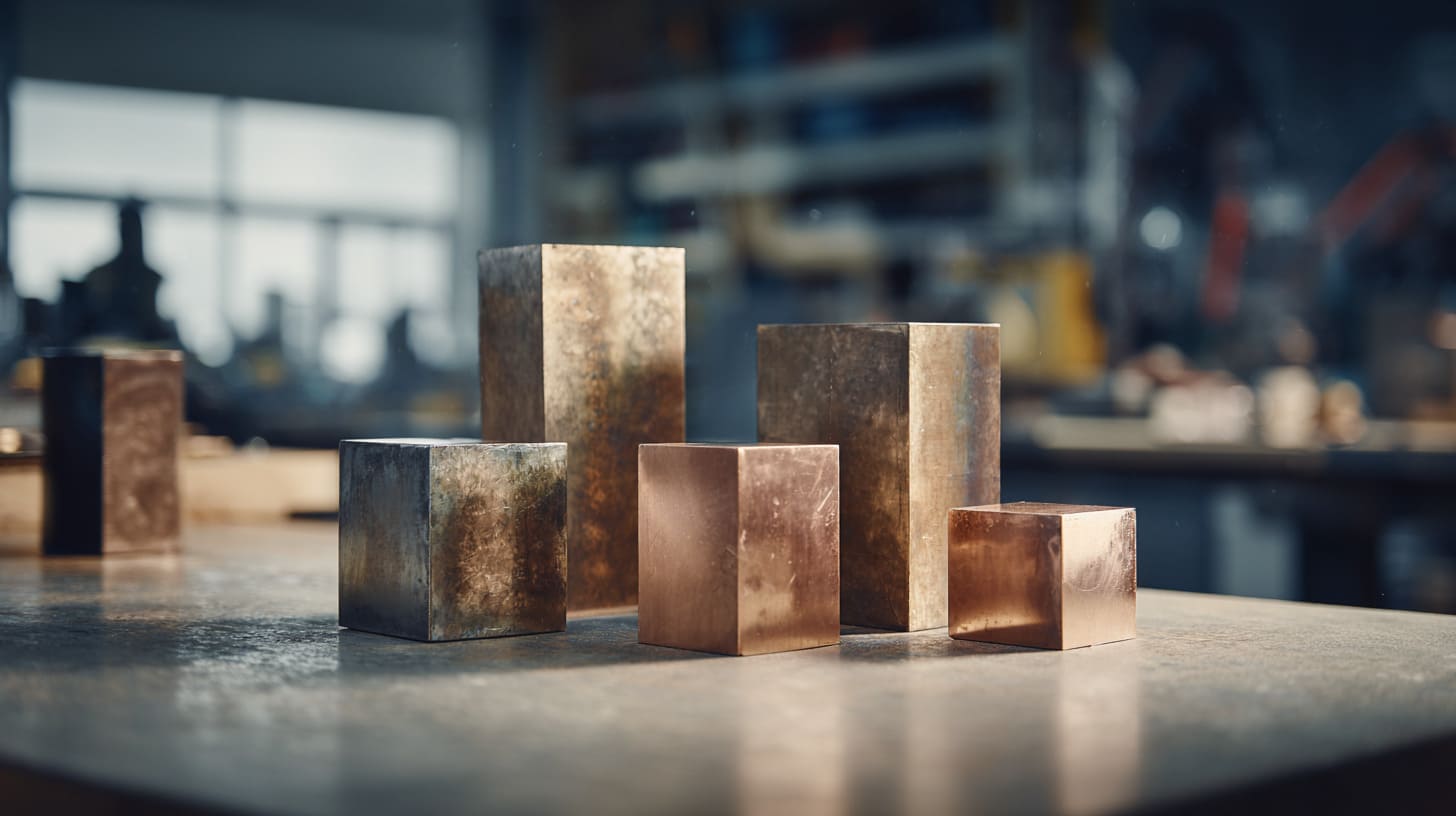
TIG welding has several clear advantages. It offers excellent appearance, strong control, clean welds, and good performance on thin or sensitive materials. That is why it remains a favorite for precision work.
Superior weld quality and appearance
This is the biggest selling point for many buyers. TIG welds can look smooth, neat, and consistent when done well. There is usually no spatter flying around the part. That helps when the weld area will remain visible.
For custom enclosures, appearance is not cosmetic fluff. It affects how premium the product feels.
Precise heat control
Because the welder controls the arc and filler separately, TIG makes it easier to manage heat carefully. That matters on thin parts, edge joints, and areas close to cosmetic surfaces.
Ability to weld thin materials
Thin sheet metal can be ruined fast by too much heat. TIG gives better control than many faster processes. That can reduce burn-through and distortion if the operator is skilled.
Clean welds without slag
TIG welding does not create slag like some other welding processes. That means less cleanup and a cleaner surface after welding.
Strong weld joints for critical work
When the process is set correctly, TIG can produce reliable, strong joints suitable for demanding applications.
Practical advantages table
| Advantage | Why it matters in real work |
|---|---|
| Clean appearance | Better for visible products and premium finishes |
| Precise heat control | Helps protect thin or delicate parts |
| No slag | Less cleanup and easier finishing |
| High weld quality | Suitable for demanding industries |
| Good on many metals | Useful across different product lines |
Why buyers care about these advantages
I have noticed that buyers rarely ask for TIG because they love welding. They ask for it because they want fewer finish problems, cleaner samples, and less risk when the product reaches their own customer.
My own decision point is simple: when the weld quality affects both function and brand impression, I lean toward TIG even if the welding time is slower, because fixing a bad-looking enclosure later is usually more expensive than welding it right the first time.
That is the nice side of TIG. But no process is perfect, and pretending otherwise leads people into bad planning.
What Are the Limitations of TIG Welding?
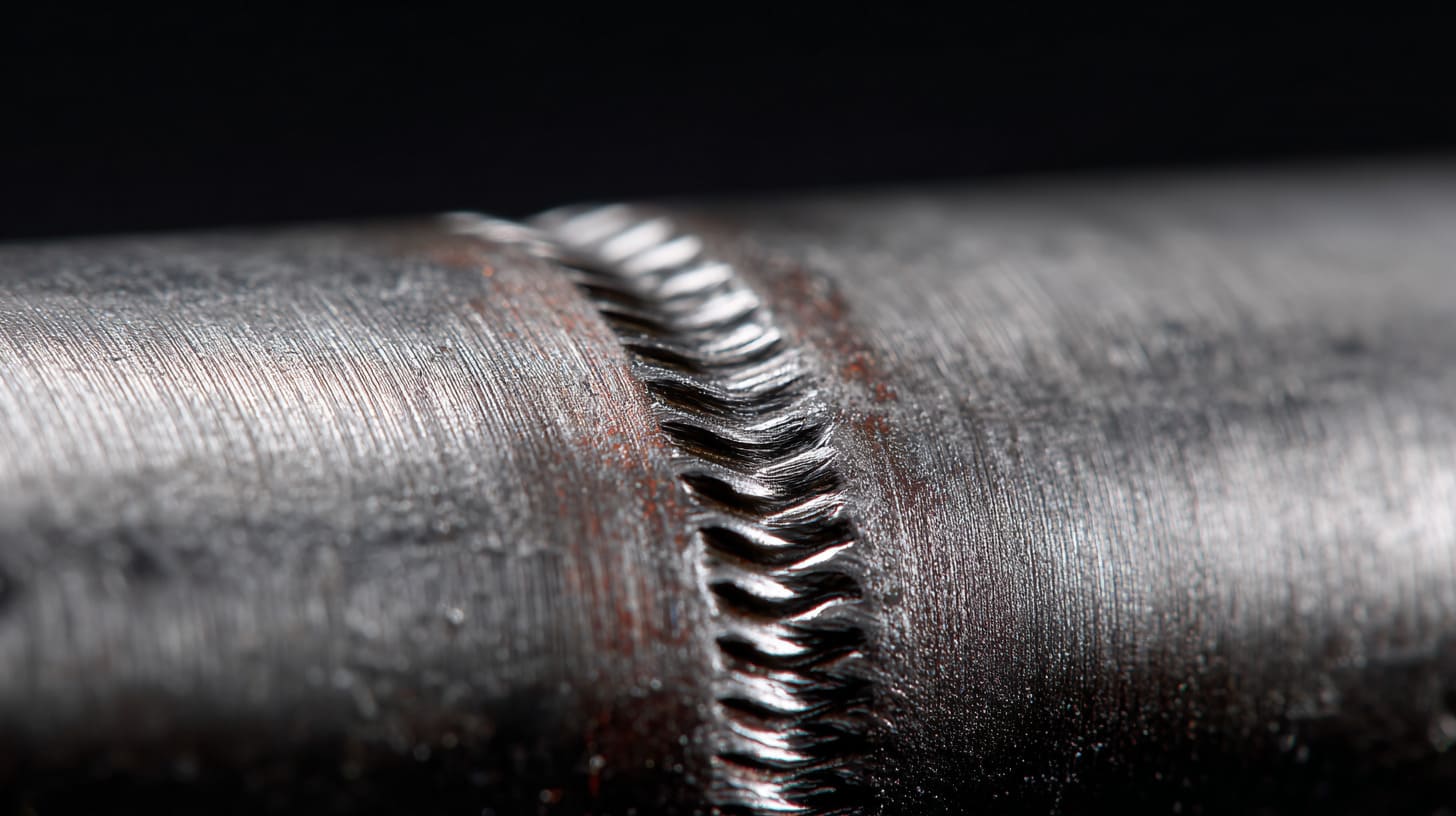
TIG welding has limits. It is slower than some other methods. It needs more operator skill. Equipment can cost more. It is also not always the best choice for thick, rough, heavy production work.
I say that openly because buyers deserve the full picture, not process worship.
Slower welding speed
TIG is often slower than MIG and other higher-deposition methods. The operator controls more things manually. That takes time.
For small-batch precision work, that can be acceptable. For high-volume basic welding, it may not be the smartest option.
Higher skill requirement
TIG welding asks for coordination, patience, and consistency. A poor operator can create defects fast. A good operator makes it look easy, which can fool people into underestimating the skill involved.
Higher equipment and operating cost
Better TIG machines, torches, gas use, and skilled labor can all increase cost. This does not automatically make TIG too expensive. It just means the process should be matched to the job.
Not ideal for every heavy structure
If the work is thick, rough, hidden, and heavily focused on speed, TIG may not be the right answer. Another process may deliver enough quality at lower cost and higher output.
Limitation table
| Limitation | Why it matters |
|---|---|
| Slow speed | Can reduce output on large batches |
| Skill dependence | Inconsistent operators create inconsistent welds |
| Higher cost | Equipment and labor can add up |
| Not best for thick heavy work | Another process may be more efficient |
The limitation people forget most
Many people treat TIG’s main downside as time. That is true, but not complete. The bigger risk is using TIG on a job that does not need it. That wastes labor and gives no useful return.
I have had to push back on projects where TIG sounded “premium,” but the joint was hidden, the material was thick enough for another process, and the budget was tight. In that case, choosing TIG would have looked careful but actually been lazy thinking.
Wrong process selection can hide inside good intentions.
That is why it helps to see where TIG is actually used most often.
Where Is TIG Welding Commonly Used in Industry?
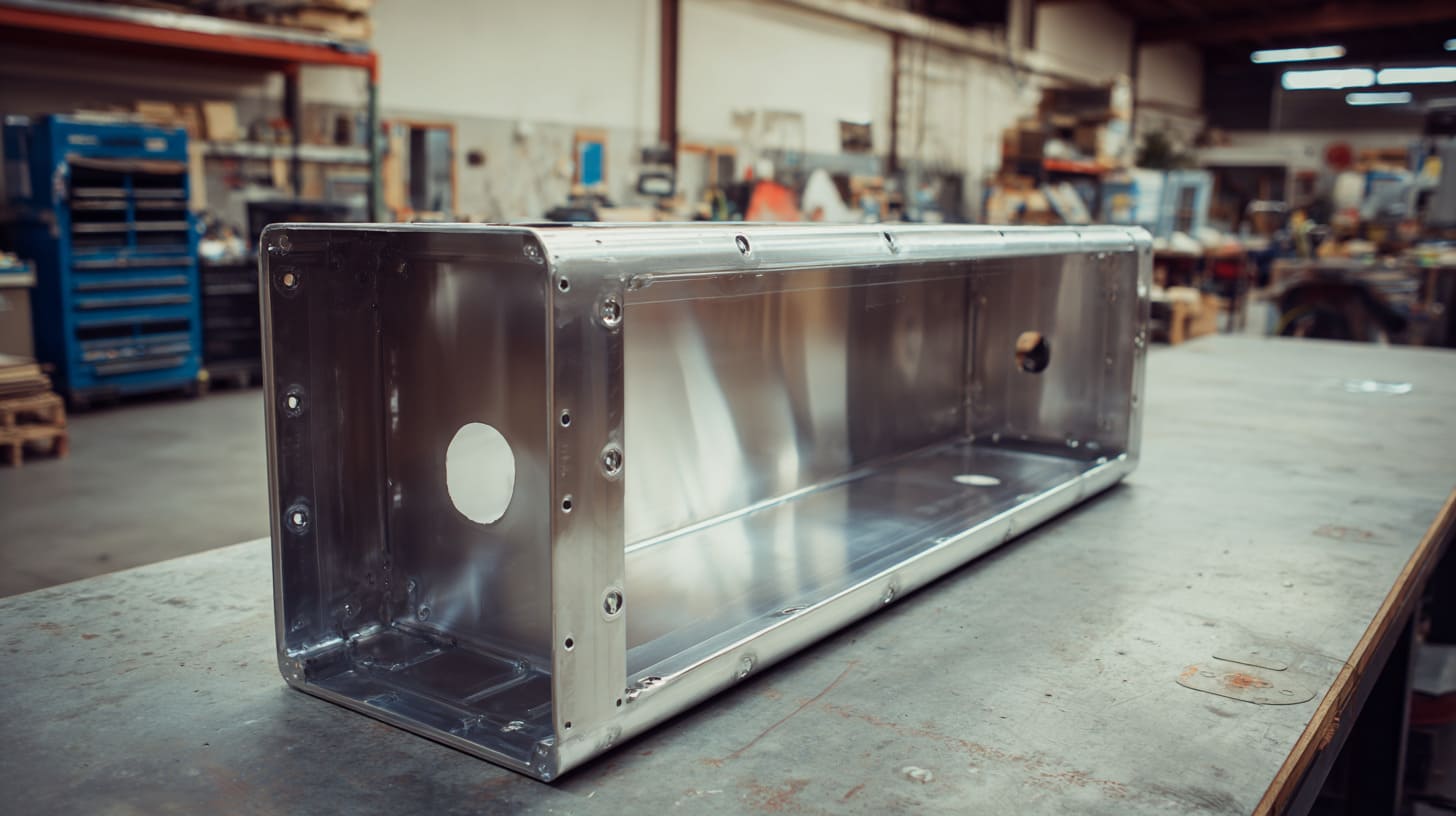
TIG welding is common in industries that value precision, cleanliness, appearance, and material control. You will often see it in aerospace, automotive components, medical equipment, electronics, and custom metal fabrication.
Aerospace manufacturing
Aerospace uses TIG because many parts are made from materials that need careful heat control and very clean welding. Strength and consistency matter a lot there.
Automotive components
TIG appears in automotive work where weld quality, thin material, or appearance matters. It is often used on performance parts, custom fabrication, and precision components.
Medical equipment manufacturing
Medical products often need clean, high-quality welds, especially when stainless steel is involved. TIG helps deliver that level of control.
Electronics and precision devices
Small housings, brackets, and precision frames often benefit from TIG because the parts are thin and appearance matters.
Custom metal enclosure manufacturing
This is the one closest to my daily work. Custom enclosures can demand:
- neat corner welding
- controlled distortion
- good post-finish appearance
- reliable seam quality
- compatibility with branding and coating
TIG fits well when the enclosure is not just a shell, but also part of the customer’s product image.
Industry use table
| Industry | Why TIG is used there |
|---|---|
| Aerospace | Precision and critical material control |
| Automotive | Quality and appearance on selected parts |
| Medical | Clean and controlled welds |
| Electronics | Thin materials and cosmetic surfaces |
| Custom enclosures | Good appearance and controlled heat |
Why TIG stays important across industries
I think TIG keeps its place because some manufacturing problems are not solved by speed alone. Some products need patience. Some need a better-looking finish. Some need welding that does not punish thin material.
When I look at a precision enclosure project, I do not ask, “What is the fastest way to join this?” I ask, “What method gives me the fewest downstream problems?” That question often leads back to TIG.
Still, buyers usually compare it with one other process first: MIG.
TIG Welding vs MIG Welding: What Is the Difference?
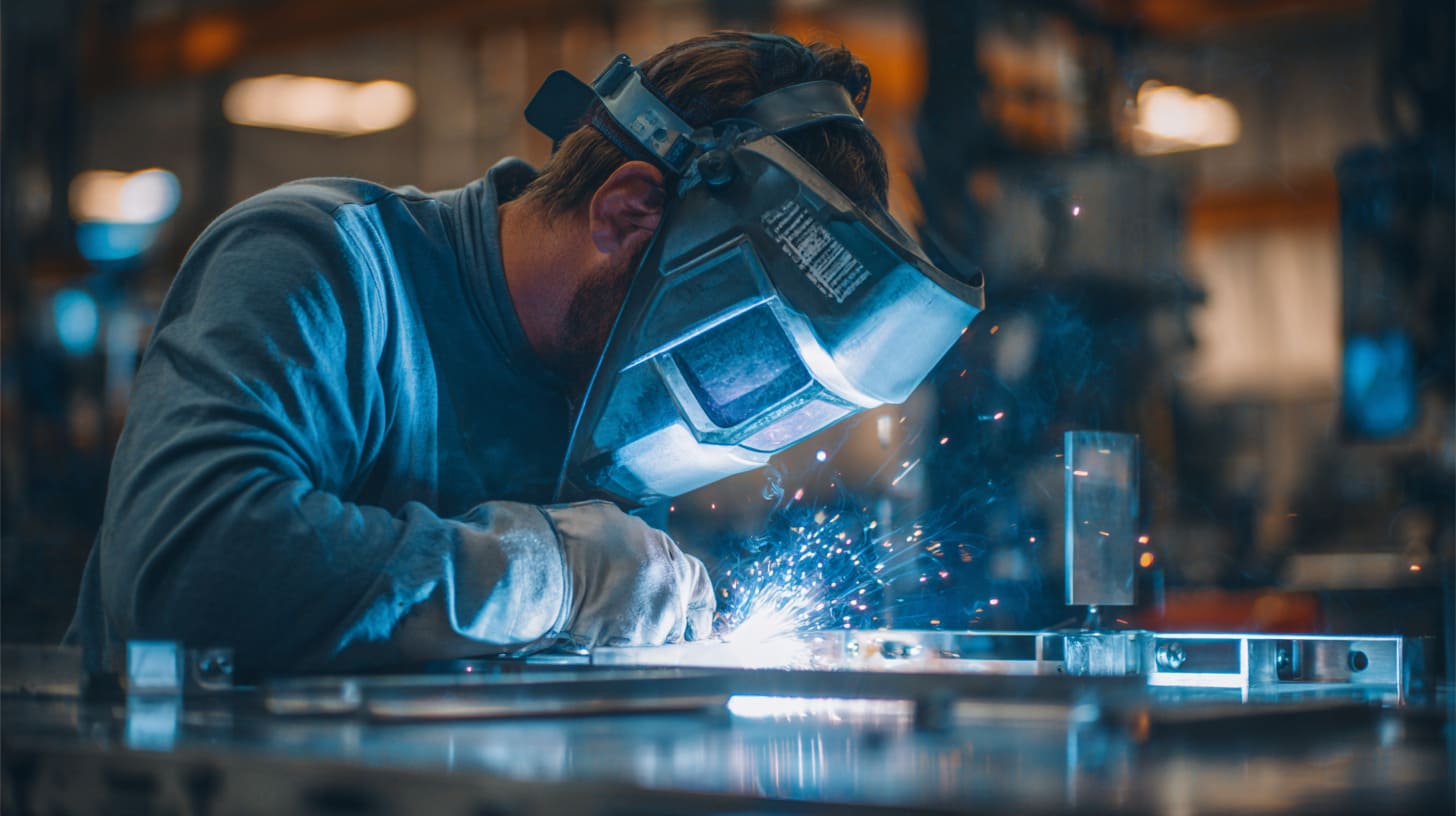
TIG and MIG are both arc welding processes, but they work in different ways and suit different production goals.
TIG uses a non-consumable tungsten electrode and separate filler when needed. MIG uses a continuously fed wire electrode that also serves as filler metal.
Process difference
TIG gives more manual control. MIG usually gives faster deposition and easier production speed.
That means the choice often comes down to precision versus speed, though that is a simplification.
Equipment difference
MIG systems feed wire automatically. TIG systems require separate torch and filler handling, unless no filler is used.
Speed difference
MIG is usually faster. That makes it attractive for larger production runs and less delicate work.
Appearance and weld quality
TIG usually wins when the weld appearance matters a lot. MIG can still produce strong welds, but the finish often needs more cleanup depending on the setup and application.
When to choose TIG over MIG
Choose TIG when you need:
- cleaner visible welds
- better heat control
- work on thinner materials
- more careful welding on aluminum or stainless steel
- a more refined finish
Choose MIG when you need:
- faster production
- lower labor time
- simpler training for many jobs
- efficient welding on thicker or less cosmetic parts
TIG vs MIG table
| Factor | TIG | MIG |
|---|---|---|
| Speed | Slower | Faster |
| Appearance | Cleaner and neater | Good, but often rougher |
| Heat control | High | Moderate |
| Skill demand | Higher | Lower to moderate |
| Thin material handling | Better | More risk of overheating |
| Production volume | Best for precision and moderate volume | Best for speed and volume |
My real-world way of choosing between them
I do not treat TIG as “better” and MIG as “cheaper.” That kind of thinking causes poor decisions. Each has a place.
When the enclosure has visible corners, thin walls, or a premium finish requirement, I usually move toward TIG. When the weld is hidden, output matters more, and the part can tolerate a rougher process, MIG may be the smarter choice.
The wrong comparison is asking which process is superior in general. The right comparison is asking which one matches the job without creating extra repair, grind, polish, or rejection cost.
And that brings us to defects, which buyers often see only after the fact.
What Are Common TIG Welding Defects and How Can They Be Avoided?
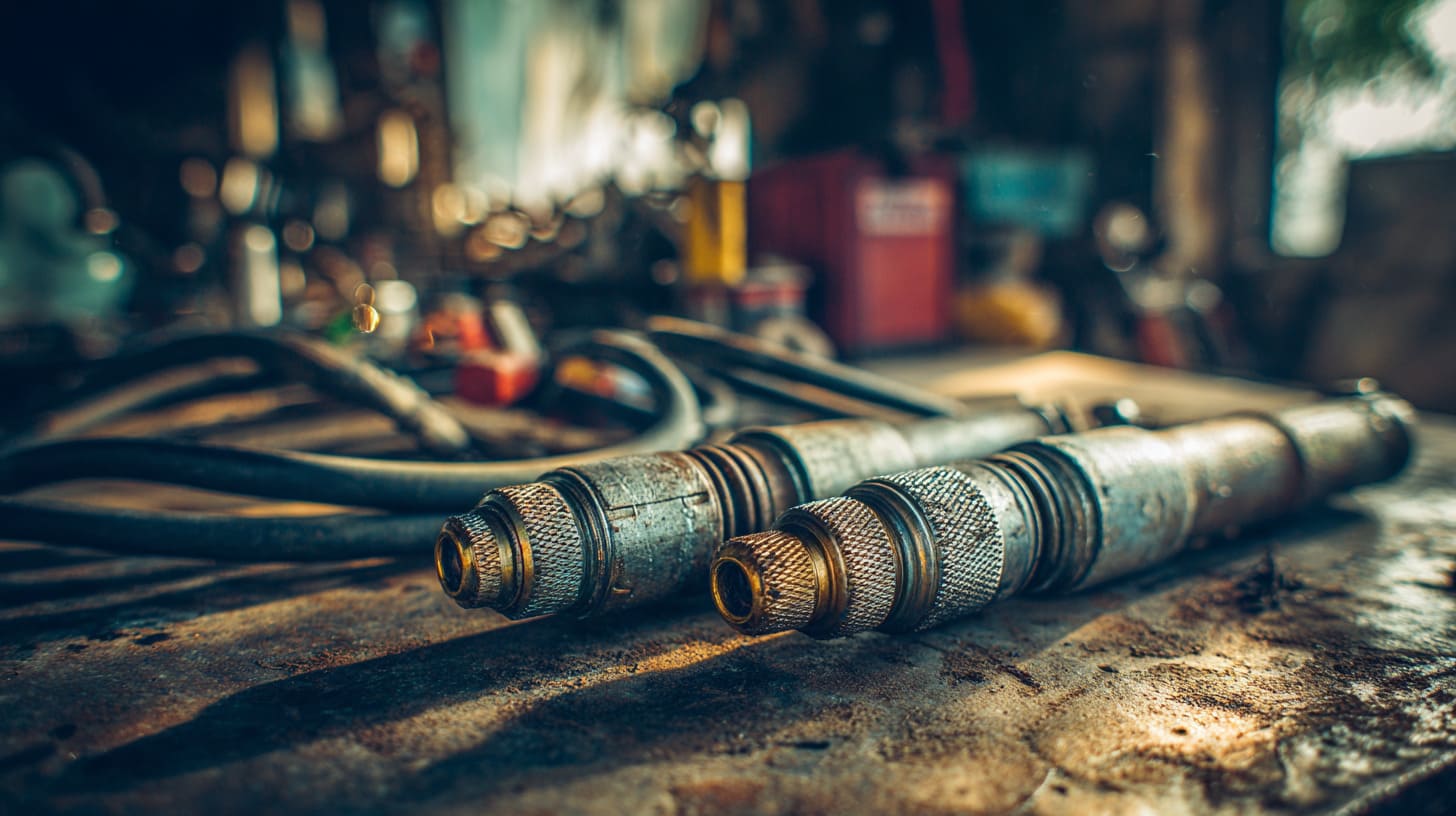
TIG welding defects include porosity, tungsten contamination, incomplete penetration, cracking, and distortion. Most of them come from poor preparation, bad parameter control, contamination, or weak technique.
The bad news is that defects can ruin both appearance and strength. The good news is that many of them are preventable.
Porosity in welds
Porosity means gas pockets are trapped in the weld. Common causes include:
- dirty base material
- poor gas shielding
- drafts in the work area
- contaminated filler rod
- moisture or oil on the surface
Tungsten contamination
This happens when the tungsten touches the weld pool or filler rod, or when it is poorly prepared. Contaminated tungsten can destabilize the arc and damage weld quality.
Incomplete penetration
If the heat is too low, travel is too fast, or joint design is poor, the weld may not penetrate enough. That weakens the joint.
Cracking and distortion
Cracking can result from filler mismatch, poor heat control, or material-specific issues. Distortion is especially common on thin parts if heat input is not managed well.
Defect causes and prevention table
| Defect | Common Cause | How to reduce it |
|---|---|---|
| Porosity | Poor shielding or dirty metal | Clean the joint and improve gas coverage |
| Tungsten contamination | Electrode touching pool or filler | Maintain torch control and regrind tungsten |
| Incomplete penetration | Low heat or bad joint prep | Adjust current and improve fit-up |
| Cracking | Filler mismatch or stress | Use correct filler and control cooling |
| Distortion | Excess heat | Use fixtures, sequence control, and lower heat where possible |
Best practices I trust most
A few habits help a lot:
- clean the metal properly
- store filler rods well
- use the right gas flow
- grind tungsten correctly
- test settings before production
- fixture thin parts carefully
- avoid rushing travel speed
The defect that hurts most in enclosure work
For me, distortion is one of the most expensive TIG problems in thin enclosure work. A weld may pass a strength check and still fail the product because the panel no longer sits flat or the cover fit changes.
That is why I never judge a welded sample only under bright light from the front. I also check edge straightness, assembly fit, and post-finish behavior, because defects do not always announce themselves in the weld bead alone.
Some hide in the geometry.
Of course, good quality is not enough if the process is unsafe.
What Safety Precautions Are Needed for TIG Welding?

TIG welding is cleaner than some other processes, but it still involves real safety risks. Arc radiation, heat, electricity, gas exposure, and hot metal all need careful handling.
I never like the phrase “just welding.” There is no “just” when heat, light, metal, and electricity are involved.
Protection from ultraviolet radiation
The TIG arc creates intense UV radiation. That can damage skin and eyes very quickly. Proper welding helmets, sleeves, gloves, and protective clothing are necessary.
Proper ventilation for shielding gases
Shielding gases are useful, but they can displace breathable air in enclosed spaces. Good ventilation matters, especially in tighter work areas.
Electrical safety
TIG welding equipment runs on electrical power that can be dangerous if cables, grounding, or machine condition are poor.
Personal protective equipment
Basic PPE includes:
- welding helmet with proper shade
- gloves
- flame-resistant clothing
- closed footwear
- eye protection for prep and cleanup
Safe handling of hot metal
Freshly welded parts stay hot longer than people expect. Thin edges and small welded zones can still burn badly.
Safety table
| Safety Area | Risk | Protection |
|---|---|---|
| Arc radiation | Eye and skin damage | Helmet, sleeves, gloves |
| Shielding gas | Poor air quality in enclosed space | Ventilation and airflow control |
| Electricity | Shock risk | Good machine maintenance and grounding |
| Heat | Burns | Gloves and safe handling habits |
| Hot work area | Fire risk | Clean work zone and awareness |
The safety habit I value most
What worries me most is not the obvious danger. It is the familiar danger. People get relaxed around a process once they see it every day. That is when shortcuts appear.
In production work, I pay close attention to habits around cable condition, local airflow, and part handling after welding, because most problems grow from routine carelessness, not from dramatic one-time mistakes.
Good welding culture is quiet. Bad welding culture is also quiet, until it costs someone.
With that in mind, let me bring this back to custom enclosure work, where process choice has to balance appearance, cost, and function.
How to Choose the Right TIG Welding Process for Custom Enclosures?
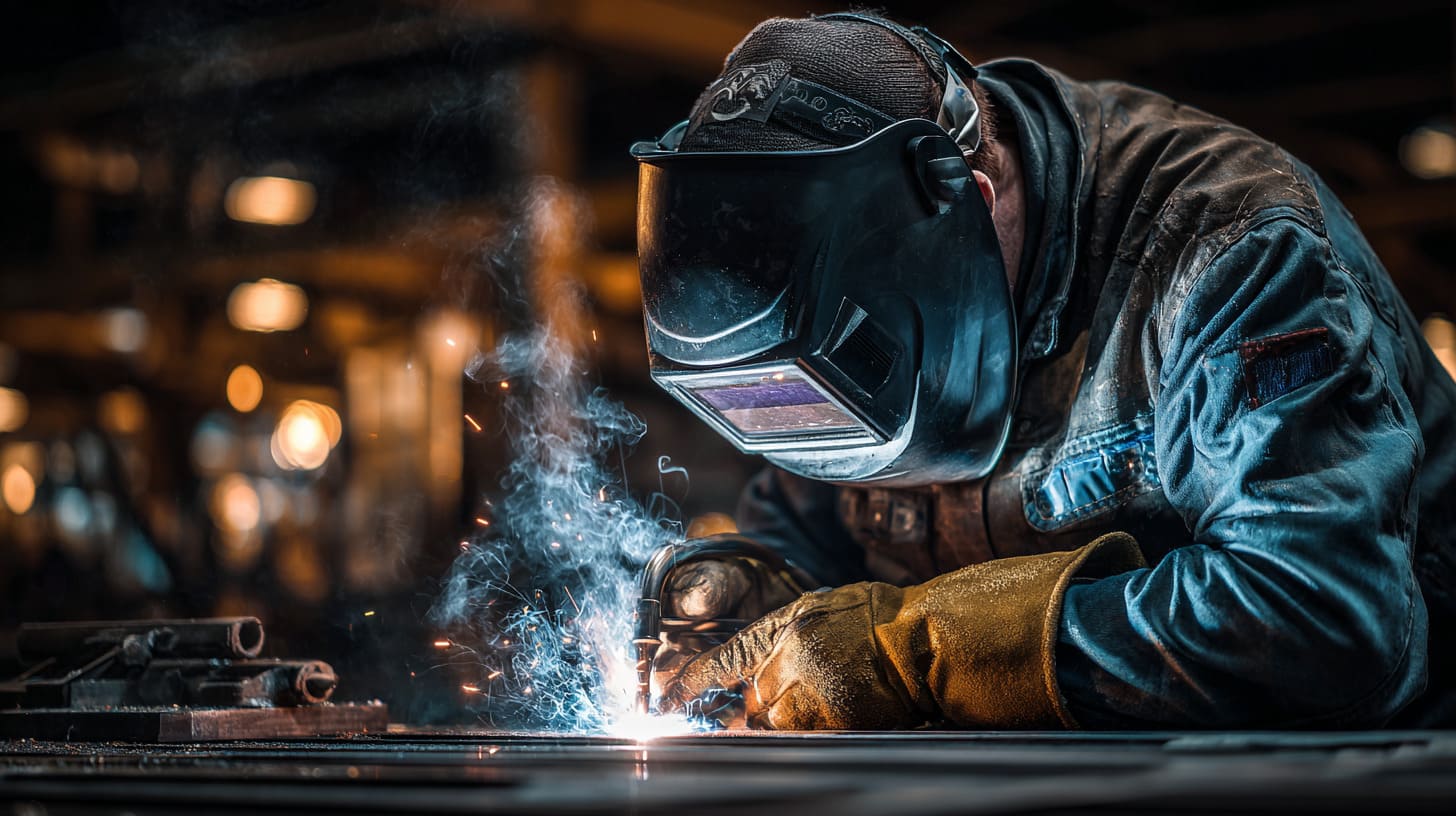
Choosing the right TIG welding process for custom enclosures means looking at more than just “Can this be welded?” I look at thickness, material type, finish quality, visible surfaces, tolerance, batch size, and total production cost.
This is where engineering meets business.
Material thickness considerations
Thin enclosure walls need careful heat control. TIG is often a strong choice there because it lowers the chance of burn-through and helps control distortion.
Still, very thin metal also demands good fixturing and a skilled operator. TIG does not remove the challenge. It gives me better tools to manage it.
Aluminum enclosure welding challenges
Aluminum is common in custom enclosures because it is light, practical, and professional-looking. But welding aluminum is not simple.
Common challenges include:
- oxide layer removal
- heat spread
- distortion
- surface marks
- finish consistency after welding
Surface finish requirements for visible enclosures
If the welded corner will stay visible after coating, brushing, anodizing, or painting, the weld quality must support that final appearance.
A rough weld can force extra grinding. Extra grinding can change shape. Changed shape can affect assembly. That chain reaction is real.
Cost vs quality in OEM manufacturing
A cheaper weld process is not always cheaper in the full project. I look at:
| Cost Factor | Why it matters |
|---|---|
| Welding time | Direct labor cost |
| Rework and grinding | Hidden labor and delay |
| Distortion risk | Assembly and scrap cost |
| Surface finish impact | Affects premium look |
| Customer complaint risk | Hurts trust and repeat orders |
Why TIG is ideal for precision electronic housings
TIG suits many electronic housings because these products often need:
- neat appearance
- dimensional control
- compatibility with finishing
- stable assembly fit
- reliable structure without rough spatter
How I decide in real enclosure projects
When a buyer sends me an enclosure drawing, I do not only ask whether TIG can do the weld. I ask whether TIG helps the whole product survive the rest of production better. That includes machining after welding, branding, coating, lid alignment, and how the case feels in the customer’s hand.
That is where process choice becomes practical, not theoretical.
For premium visible housings, TIG often earns its place. For rough hidden joints, it may not. The smart answer depends on the product, not the popularity of the welding method.
And now the whole guide comes back to a simple conclusion.
Conclusion

TIG welding and Heliarc welding are, in most real cases, the same process described with different names. Heliarc is the older name. TIG is the modern standard term. The process itself remains important because it gives precise heat control, clean weld quality, and strong performance on materials like aluminum and stainless steel.
That is why TIG keeps showing up in aerospace, medical work, electronics, automotive components, and custom metal enclosure manufacturing.
It also explains why buyers keep asking about it.
If the product needs a clean visible weld, careful control on thin metal, and a finish that still looks professional after coating or branding, TIG is often a strong choice. If the part is thick, hidden, or built around speed first, another process may make more sense. That is not a contradiction. That is good manufacturing judgment.
I have learned not to chase process labels. I look at the result the customer needs, the risks hiding in the design, and the cost that may appear later in rework, fit issues, or appearance problems. That is usually where the right decision becomes clear.
For enclosure designers, OEM buyers, and product engineers, the better question is not “Is TIG impressive?” The better question is “Does TIG fit this product, this finish, this budget, and this production goal?”
That question saves time.
That question also saves projects.
If you are working on a custom aluminum enclosure, sheet metal housing, or precision electronic case and you want a practical review of the welding approach, material choice, and enclosure design details, you can reach out to me at info@maidatech.com or visit maidatechenclosure.com. I am always happy to look at a real project and give a direct opinion based on production reality, not just theory.