Skip to content
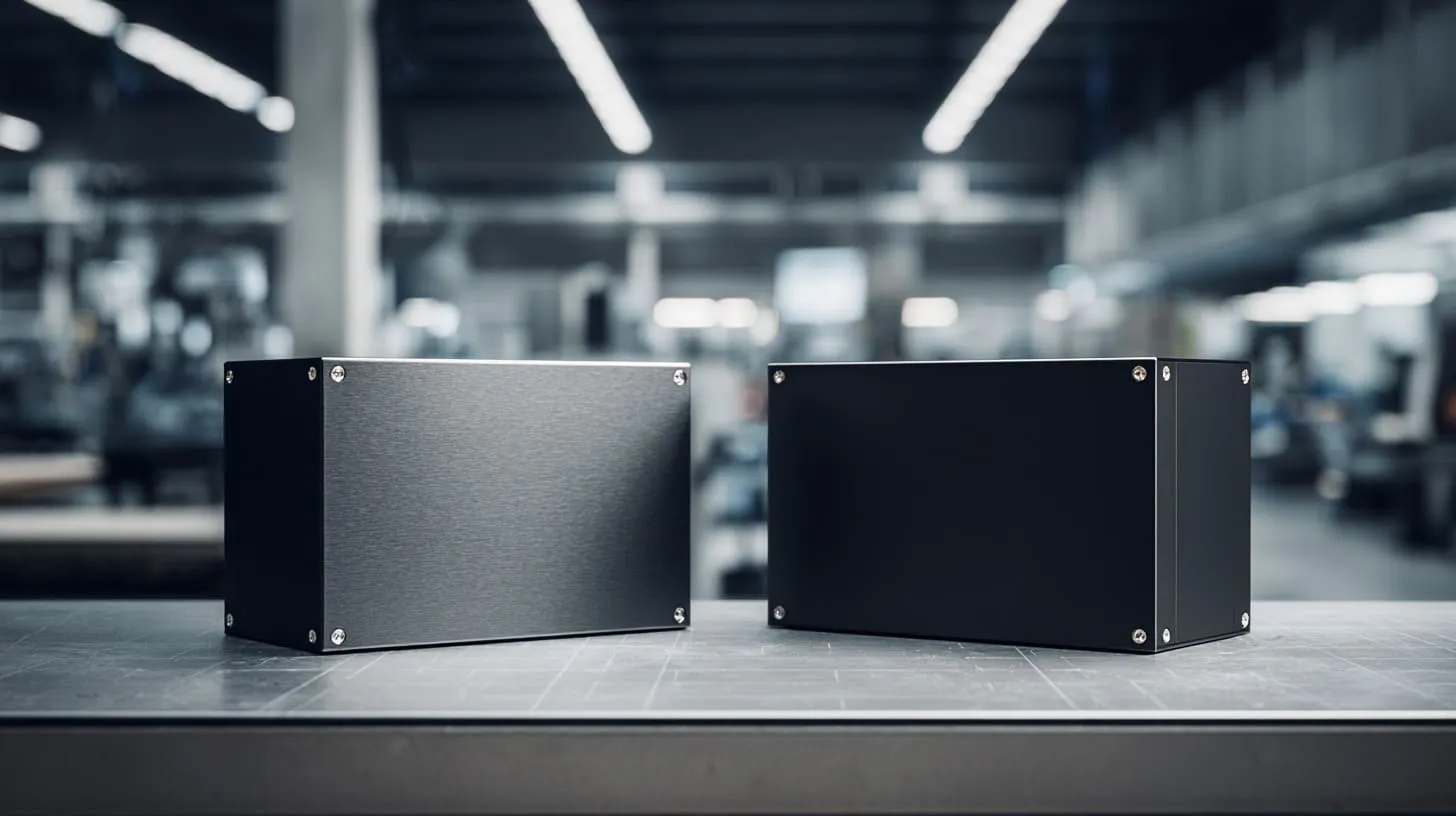
A small finish note can quietly turn into a big production problem. I have seen buyers assume thicker anodizing must be better, then find out the hard way that the answer is not that simple.
Type III is not always better than Type II in anodizing. Type III is thicker and harder, but Type II often gives better color, lower cost, easier fit control, and enough protection for many real products.
That is why I never treat anodizing type like a simple upgrade. One project needs wear resistance. Another needs clean color. Another just needs stable mass production without costly surprises. That is where the real decision starts.
What is the difference between Type II and Type III anodizing?
The names sound close, so many buyers assume the gap is small. It is not. These two finishes can push a project in very different directions.
Type II anodizing is a thinner decorative and protective finish, while Type III is a thicker hardcoat finish with higher wear resistance. The main differences are thickness, hardness, color flexibility, cost, and impact on part dimensions.
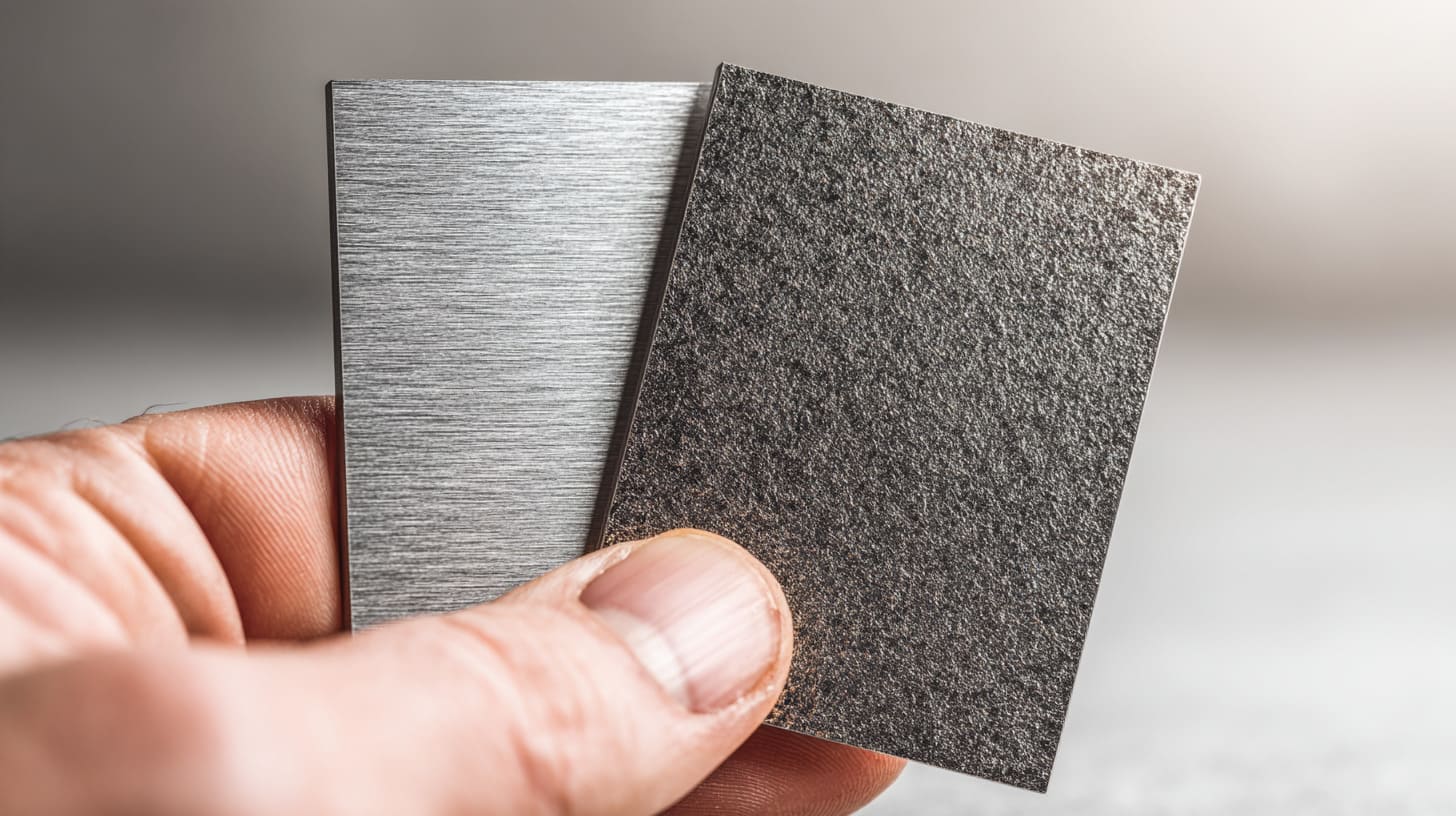
I usually explain it in plain words first. Type II is the more common finish for many electronics housings, branded enclosures, and parts where color matters. Type III is the tougher option. It is often chosen when the part will see friction, repeated contact, rough handling, or a harsher work setting.
One thing I have learned is that buyers often focus on the word harder and stop thinking there. That is risky. A harder coating can help in one area and create trouble in another.
A simple comparison helps:
| Item | Type II Anodizing | Type III Anodizing |
|---|---|---|
| Usual purpose | Decorative + protective | Heavy-duty protection |
| Typical thickness | Thinner | Thicker |
| Hardness | Good | Higher |
| Color options | Better | More limited |
| Surface feel | Cleaner, more cosmetic | More technical, sometimes darker |
| Cost | Lower | Higher |
| Dimension impact | Easier to manage | Needs more attention |
How I think about the difference
Type II is often the finish I see on products that must look neat in the hand, on a shelf, or in a product photo. Type III is more common when the part must survive more abuse than admiration.
I do not judge these two by spec sheet language alone. I judge them by what the enclosure is going to touch, how often it will be handled, and what kind of complaint is most likely to show up six months later.
Where confusion starts
A lot of confusion comes from the idea that both are “anodized aluminum,” so they should behave almost the same. But once thickness, hardness, dye response, and fit are involved, the results can be very different.
That is why I never approve the finish note before asking questions like these:
- Will the part be customer-facing?
- Does color need to match branding?
- Are there sliding parts or tight mating parts?
- Is the real risk wear, corrosion, or appearance?
- Is the part being sold as premium, industrial, or both?
When should I choose Type II anodizing over Type III?
Some projects do not need the hardest finish. They need the smartest one.
I choose Type II anodizing over Type III when appearance, color consistency, lower cost, easier machining tolerance, and standard protection matter more than maximum wear resistance. It is often the better choice for many branded enclosures and consumer-facing products.
There have been many cases where Type II was simply the cleaner answer. Not cheaper in a careless way. Better in a more balanced way.
A customer once wanted a custom aluminum enclosure with logo printing and a branded color feel. At first, the team leaned toward Type III because it sounded stronger. But the enclosure was not going into a rough field tool. It was for an electronics product handled in normal indoor use. The bigger risk was ugly color variation and fit issues, not coating damage.
That changed the choice.
The first thing that changes my mind toward Type II is not the datasheet. It is the moment I realize the product will be judged by the eye and the hand long before anyone tests its extreme wear limit.
Common cases where I prefer Type II
| Project situation | Why Type II often works better |
|---|---|
| Consumer electronics enclosure | Better appearance and color options |
| Branded housing with logo | Cleaner visual result |
| Parts with tight fit | Less coating buildup risk |
| Budget-sensitive projects | Lower finishing cost |
| Indoor equipment | Protection is often enough |
| Sample runs and fast launch | Easier to control overall outcome |
Questions I ask before choosing Type II
Does the part really need hardcoat?
Many times, the answer is no. The part needs basic protection, stable appearance, and repeatable production.
Will the finish be seen every day?
If yes, appearance matters more. Type II often wins there.
Is the product cost-sensitive?
That matters a lot in OEM and ODM work. A finish that is stronger on paper but unnecessary in real use can quietly eat margin.
Are tolerances already tight?
If yes, I get careful fast. A thicker finish can push a neat design into assembly trouble.
Type II is not a weak choice
I think this point gets missed too often. Choosing Type II does not mean taking the cheap path. Sometimes it means choosing the finish that suits the real product instead of chasing the most aggressive spec.
Is Type III anodizing more durable than Type II in real applications?
This sounds like an easy yes. In lab terms, it often is. In actual use, the answer needs more care.
Type III anodizing is generally more durable than Type II for wear, abrasion, and hard use, but real durability depends on design, edge protection, use environment, part contact points, and how the product is actually handled.
I have seen projects where Type III clearly performed better. Tools, outdoor gear, industrial handles, machine-side components—these are the obvious cases. But I have also seen projects where Type III solved a problem nobody actually had, while creating new issues in cost, fit, and appearance.
That is why I do not like blanket claims.
What makes a finish feel durable in real life is not only hardness. It is also whether the product keeps doing its job without annoying the user.
A finish can be harder and still become the wrong choice if:
- it causes fit problems
- it creates a rougher cosmetic feel
- it makes color control worse
- it adds cost without reducing actual field failure
The part that makes me slow down is usually edge behavior and contact behavior. Flat surfaces may look excellent, but corners, screw areas, and repeated touch points tell the real story much faster than brochure language does.
Real durability is broader than hardness
| Durability factor | Type II | Type III |
|---|---|---|
| Abrasion resistance | Good | Better |
| Scratch resistance | Moderate | Better |
| Visual wear over time | Can show sooner | Often lasts longer |
| User-facing cosmetic stability | Often better at start | May look more technical |
| Heavy-use mechanical contact | Less ideal | More suitable |
When Type III clearly helps
Repeated contact surfaces
If parts rub, slide, clamp, or get dragged during use, Type III can be worth it.
Tougher environments
Dust, rough tools, field handling, and repeated assembly cycles can justify Type III.
Higher-end industrial expectations
Some industrial buyers want extra wear margin even if the part is not under constant abuse.
When “more durable” can be overstated
I have had buyers ask for Type III on an enclosure that sits on a desk, gets opened twice a year, and spends most of its life looking nice near a monitor. In that case, Type III may be technically tougher, but not meaningfully better for the actual product.
That is a very different judgment from saying Type III is bad. It is not. I just want the finish to solve a real problem, not an imaginary one.
How does anodizing thickness affect performance in Type II vs Type III?
Thickness sounds like a number on a drawing. In reality, it changes both performance and manufacturability.
Anodizing thickness affects wear resistance, corrosion protection, electrical behavior, surface feel, and dimensional change. Type III is thicker, so it often improves hardness and life, but it also increases the risk of tolerance and fit problems.
This is where many enclosure projects become less forgiving. A designer sees only a small coating note. Production sees a stack of tolerance questions.
The quiet detail I pay attention to is whether the part has features that are already unforgiving before anodizing even starts. Small slots, threaded areas, mating lips, sliding covers, and close-fitting panels can all react differently once thickness increases.
Why thickness matters
A thicker oxide layer usually helps with wear and protection. That part is easy to understand.
But coating thickness also changes:
- hole size behavior
- thread feel
- mating clearance
- edge sharpness feel
- visual finish depth
- process control difficulty
Simple thickness logic
| Thickness effect | What usually happens |
|---|---|
| Thinner anodizing | Better for appearance and fit control |
| Thicker anodizing | Better for wear and hard use |
| Excess thickness on tight parts | Higher assembly risk |
| Poor planning before coating | More rework later |
Where thickness becomes a real project issue
Mating parts
A body and lid can look fine in CAD, then become tight after finishing.
Threaded features
Thread feel can change. Sometimes it gets rough. Sometimes assembly becomes less smooth than expected.
Precision openings
Ports, grooves, and fine cutouts may no longer behave like the raw machined sample.
There is one mistake I try hard to avoid: approving a sample in raw machining and feeling too relaxed about the finish later. That gap between raw part and finished part is where many avoidable problems hide.
Performance is not just “thicker is better”
For some parts, the right thickness gives enough protection without hurting fit. That balance matters more than chasing the biggest number.
Does Type III anodizing always provide better corrosion resistance?
A lot of people assume harder also means more corrosion protection in every case. That is not always how it plays out.
Type III anodizing can provide strong corrosion resistance, but it does not always outperform Type II in every application. Sealing quality, alloy choice, surface prep, design details, and environment often matter as much as coating type.
I have seen corrosion questions framed too simply. Buyers ask, “Which one resists corrosion better?” I understand the instinct. It feels like a clean question. But corrosion is rarely that polite.
If sealing is poor, if edges trap moisture, if the alloy is not ideal, or if the part sits in a harsh chemical setting, the finish type alone will not rescue the project.
The small clue I watch most is not the finish name but where water, salt, dust, and handling marks are likely to collect after real assembly, because corrosion often starts in the ignored places.
What affects corrosion resistance besides anodizing type?
| Factor | Why it matters |
|---|---|
| Sealing quality | Strongly affects final protection |
| Alloy type | Some alloys anodize and protect better |
| Surface preparation | Poor prep hurts finish quality |
| Part geometry | Trapped water can create weak spots |
| Use environment | Indoor, marine, industrial, and chemical exposure differ a lot |
Cases where Type III helps
Type III can help in rough service, especially where the part also needs wear resistance and added surface toughness. That combination can be useful.
Cases where Type II can still perform well
Indoor products
A sealed Type II finish is often fully sufficient.
Moderate outdoor use
If design and sealing are good, Type II can still perform respectably.
Products not exposed to severe abuse
Corrosion risk may be controlled more by smart design than by switching finish type.
Corrosion is a system issue
I do not like promising corrosion performance based on anodizing type alone. I want to know the alloy, the environment, the sealing, and the real use pattern first. That usually tells me more than the finish name by itself.
What are the cost differences between Type II and Type III anodizing?
The cost gap is real, but the bigger question is whether the extra spend gives useful value.
Type III anodizing usually costs more than Type II because it needs thicker coating, more process control, more time, and sometimes more production caution. The total cost difference also includes scrap risk, rework, tolerance issues, and slower throughput.
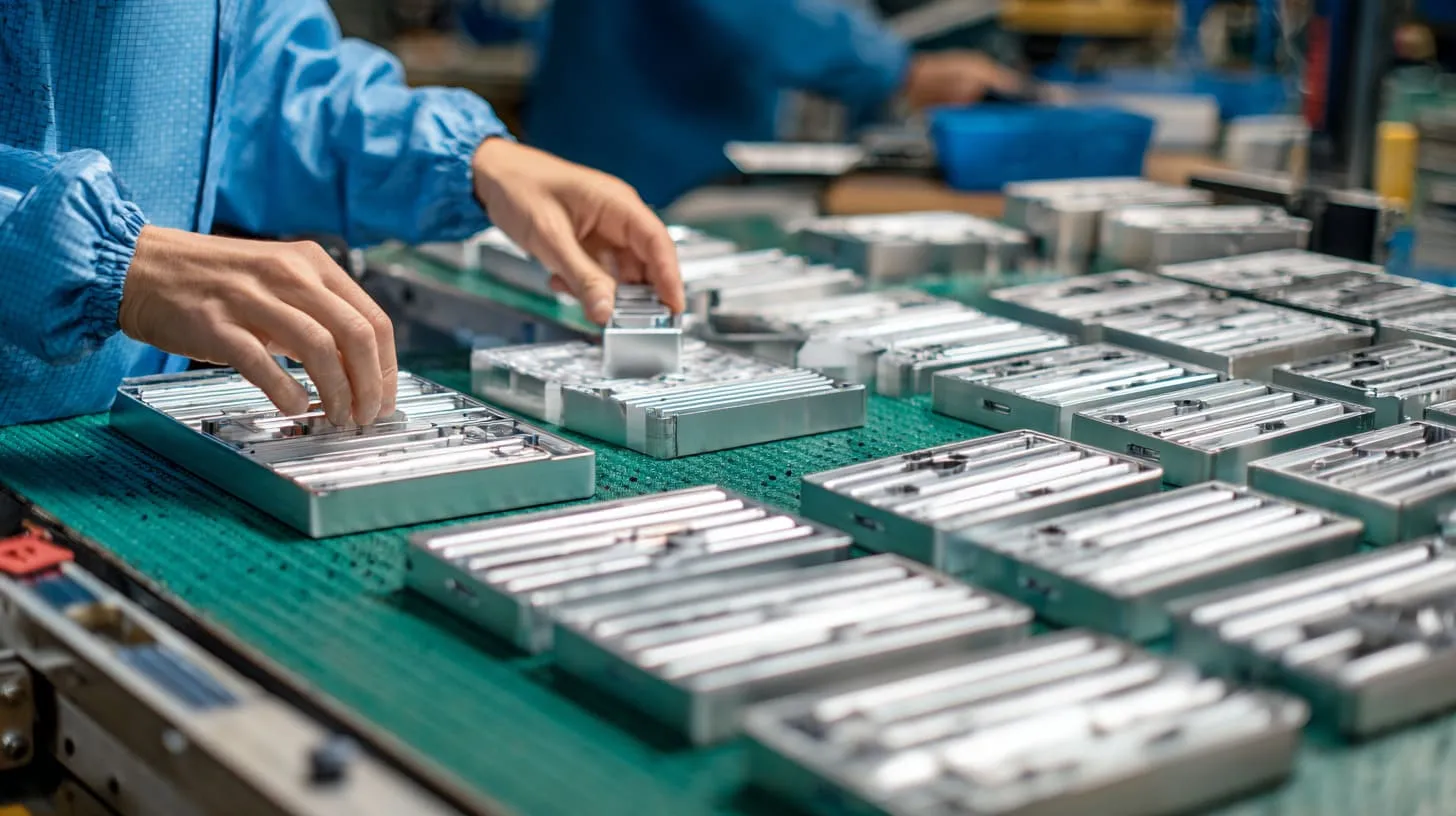
This part matters a lot in factory work. Buyers often compare only the finishing quote. I think that is too narrow.
The visible cost is the anodizing price. The hidden cost may come from slower production, more careful handling, tighter inspection, or unexpected fit corrections. Sometimes the finish itself is not the expensive part. The complications around it are.
I get cautious when the finish upgrade looks small on the quote sheet but can trigger larger hidden costs in assembly, yield, and delivery timing.
Direct and indirect cost differences
| Cost area | Type II | Type III |
|---|---|---|
| Base finishing cost | Lower | Higher |
| Color-related process complexity | Lower to moderate | Moderate to higher |
| Yield risk on tight parts | Lower | Higher |
| Rework chance from fit issues | Lower | Higher |
| Best value for cosmetic products | Better | Often weaker |
| Best value for heavy-duty use | Sometimes limited | Better |
Why Type III often costs more
More demanding process
Hardcoat work usually needs tighter control.
More caution with dimensions
More time may be spent checking whether the finished part still fits as intended.
Possible downstream cost
If a thicker finish affects assembly, the final project cost rises beyond the finishing line item.
The smarter way to look at cost
I do not ask, “Which one is cheaper?” I ask, “Which one costs less after the product ships?” That is a better business question.
A low-cost finish that fails in use is expensive. A high-cost finish that adds no useful benefit is also expensive. The good answer sits in the middle.
How does Type III anodizing impact dimensional tolerance and fit?
This is one of the most practical reasons Type III is not always the safe answer.
Type III anodizing can affect dimensional tolerance and fit more than Type II because the coating is thicker. On parts with tight clearances, threads, grooves, or mating surfaces, this can create assembly issues if it is not planned early.
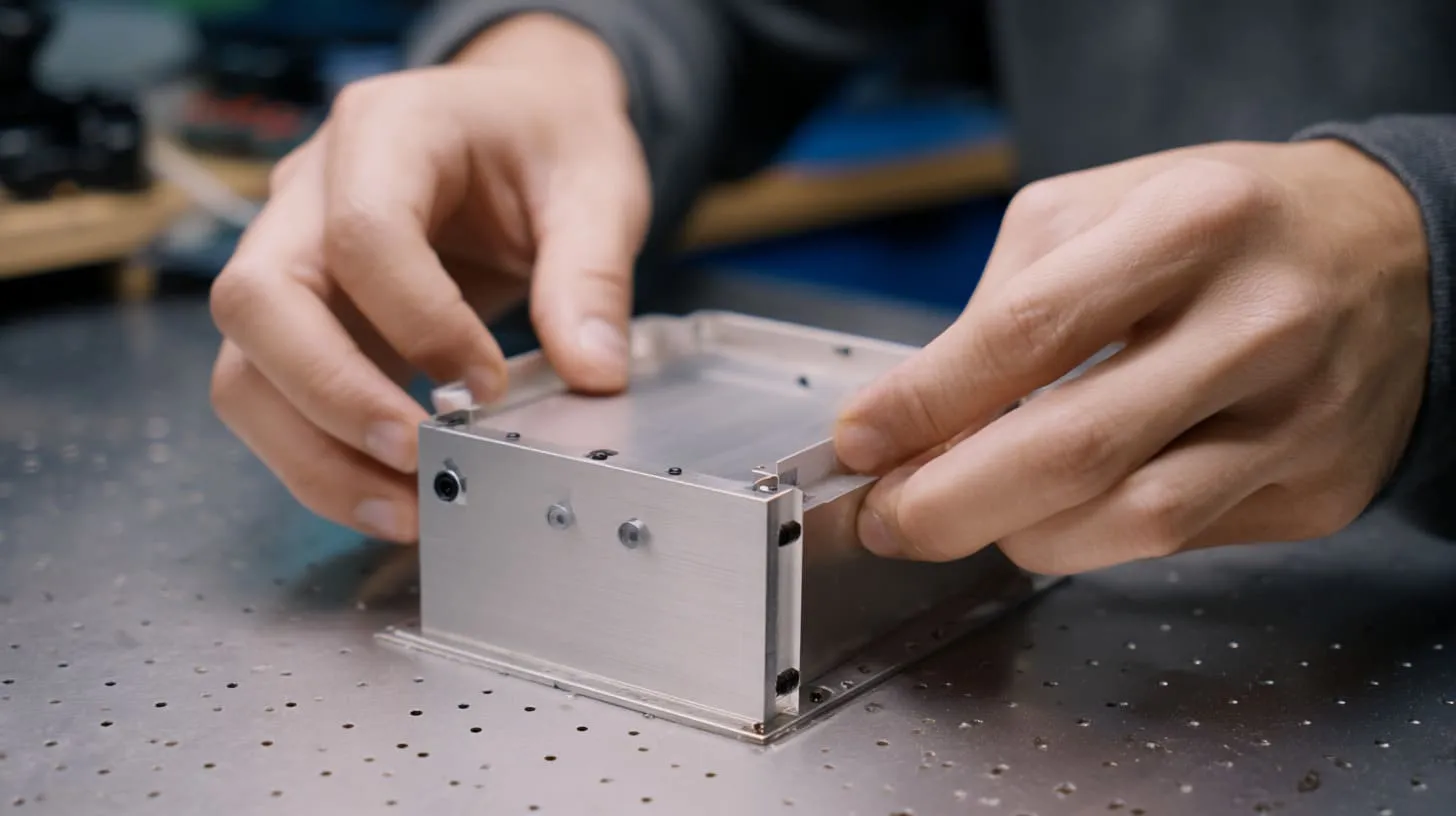
I have seen very clean enclosure drawings become frustrating projects because nobody respected this point soon enough. The raw machined sample looked great. Then the finished parts felt tighter, rougher, or simply wrong at the join.
That is not a finishing problem alone. It is usually a planning problem.
The part that often saves me trouble is checking the tolerance stack before anyone falls in love with the sample appearance, because nice samples can hide future assembly pain.
Features that need extra care
| Feature | Risk with thicker anodizing |
|---|---|
| Lid-to-body fit | Tight closing or rubbing |
| Threads | Rough engagement or poor feel |
| Sliding covers | Drag or sticking |
| Precision slots | Reduced clearance |
| Screw holes | Assembly inconsistency |
| Contact surfaces | Fit change after coating |
Where people get caught off guard
Prototype vs production gap
A raw or lightly finished prototype may not reveal what the final finish will do.
Small dimensions, big effect
A little coating growth can matter a lot on compact housings and small detailed parts.
Multiple mating components
Tolerance issues grow when several finished parts must work together.
How I reduce this risk
- review the finish before finalizing tolerances
- flag critical contact surfaces early
- adjust design where needed
- avoid assuming a raw sample predicts final fit
- confirm with finishing-aware inspection points
I have learned to treat fit risk as a design issue, not as something to fix later with luck.
Is Type II anodizing better for cosmetic appearance and color consistency?
For many visible products, yes, very often.
Type II anodizing is usually better for cosmetic appearance and color consistency because it supports a wider visual range and often produces a cleaner decorative result. It is commonly preferred when branding, shelf appeal, and visual match matter.
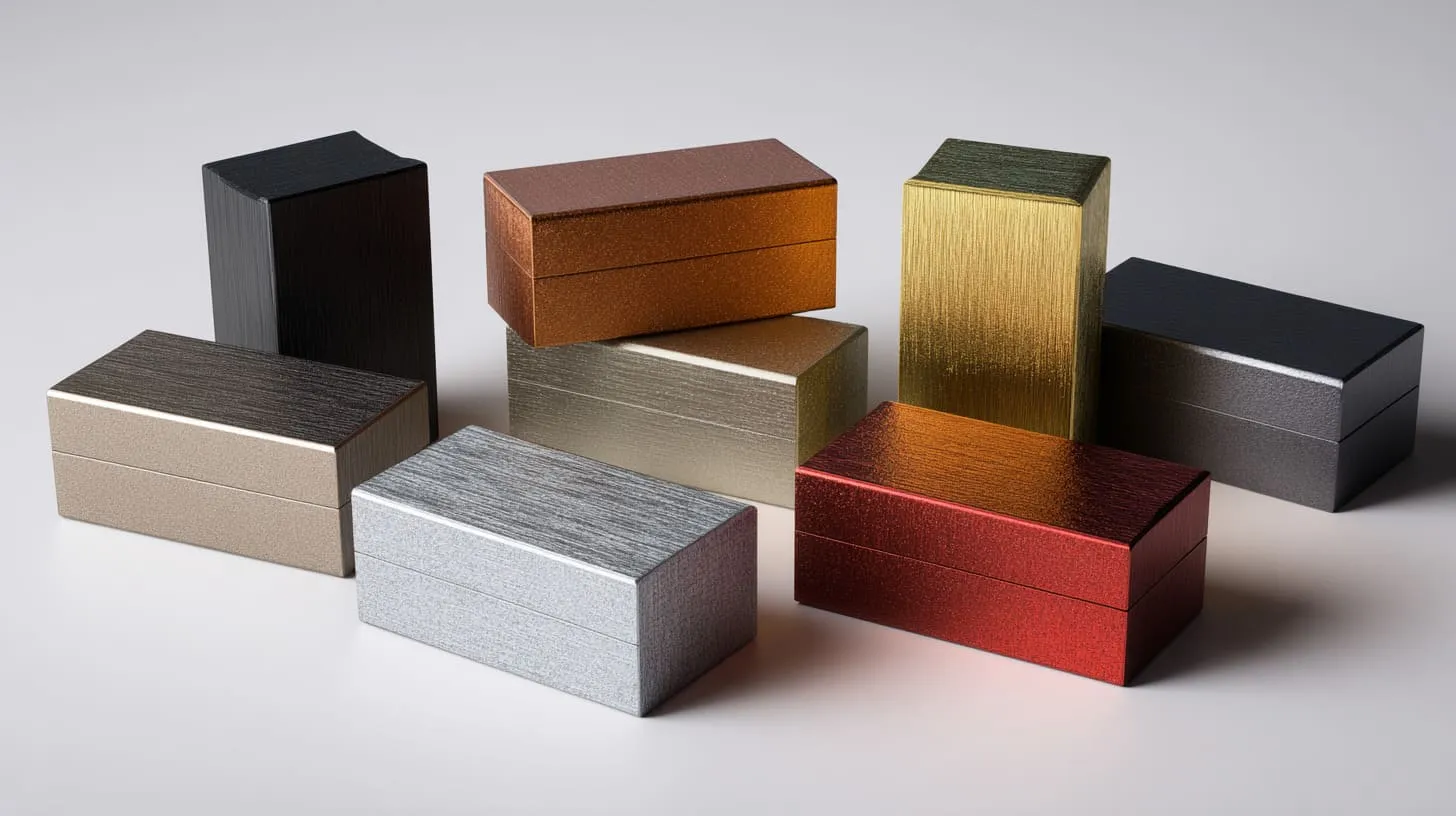
This section matters a lot for customer-facing enclosures. A product may work perfectly and still disappoint if the finish looks uneven, too dark, too dull, or slightly off from the approved sample.
I have seen buyers spend a lot of time on logo files, packaging, and industrial design, only to underestimate how strongly finish appearance shapes the first impression.
The detail I trust most is how the batch looks under normal room light, not just under factory inspection light, because customers do not judge products under lab conditions.
Why Type II often looks better
| Appearance factor | Type II | Type III |
|---|---|---|
| Decorative flexibility | Better | More limited |
| Brightness and clarity | Often better | Can be darker or more muted |
| Color consistency | Usually easier | Often harder |
| Premium cosmetic feel | Strong | Depends on part and process |
| Branding match | Easier | More difficult in some colors |
When appearance becomes the main decision
Consumer-facing electronics
A clean and consistent finish can matter more than extreme hardness.
Branded OEM products
If the customer expects a stable visual identity, Type II often gives more control.
Retail-facing products
Appearance is not a minor issue. It affects confidence, perceived value, and return risk.
Cosmetic control is practical, not superficial
I do not treat appearance like a soft issue. In many projects, a visible finish problem creates faster complaints than a technical issue the customer may never notice. That makes cosmetic consistency a real business factor.
What industries typically use Type II vs Type III anodizing?
The choice often follows how the part is used, touched, and judged in the field.
Type II anodizing is common in consumer electronics, branded enclosures, and decorative industrial parts, while Type III is often used in aerospace, defense, tools, machinery, transport, and other heavy-use applications that need stronger surface wear protection.
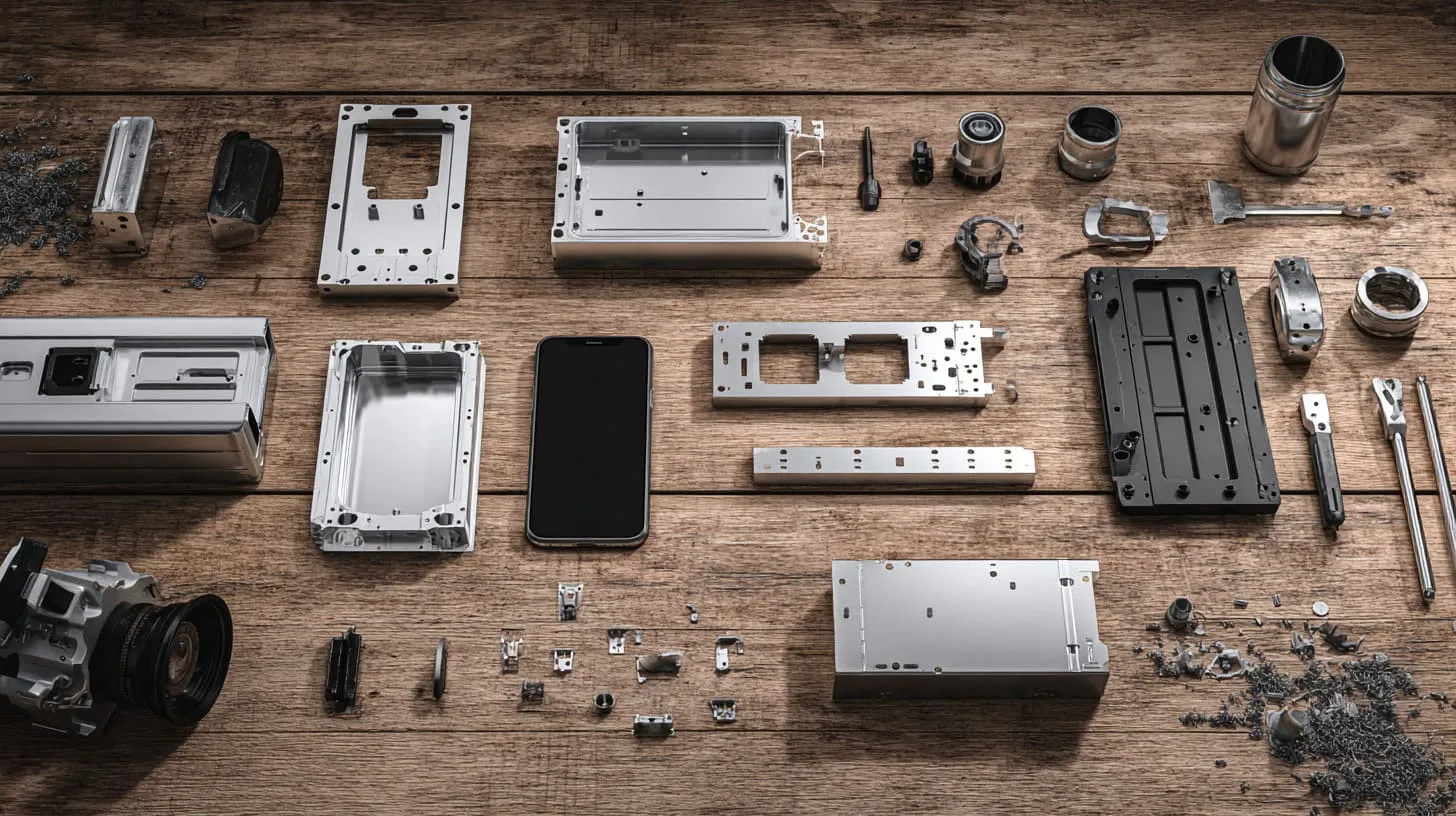
I try not to oversimplify this because industries overlap. One electronics project may need Type II. Another may need Type III if it works in a harsh setting. Still, some patterns show up again and again.
I can often predict the right finish by asking whether the product will be admired, handled, abused, or ignored once installed. That simple question reveals more than the industry label by itself.
Common industry patterns
| Industry / product type | More common choice | Why |
|---|---|---|
| Consumer electronics | Type II | Better appearance and branding |
| Instrument housings | Type II or Type III | Depends on use setting |
| Industrial machine parts | Type III | Better wear resistance |
| Outdoor equipment | Type III or well-sealed Type II | Depends on stress level |
| Aerospace components | Type III in many cases | Tougher service conditions |
| Retail and visual products | Type II | Better decorative result |
Type II industries
Electronics and branded housings
These often care about color, logo area, and visual neatness.
Display-facing industrial products
Some equipment must still look polished for sales or customer-facing use.
Type III industries
Hard-use industrial equipment
Frequent contact and rough conditions often support Type III.
Utility and field-use products
These may benefit more from durability than from cosmetic flexibility.
Industry labels are not enough
I have seen people say, “This is an industrial project, so use Type III.” That shortcut can miss the point. Some industrial products sit quietly in cabinets. Some consumer devices get handled roughly every day. Real use tells the truth faster than category names do.
Can Type II anodizing be sufficient for outdoor or industrial environments?
Yes, in many cases it can. The key is not to overpromise or under-specify it.
Type II anodizing can be sufficient for outdoor or industrial environments when the design is good, the sealing is done well, the exposure level is moderate, and the product does not face severe abrasion or impact. It is not only an indoor finish.
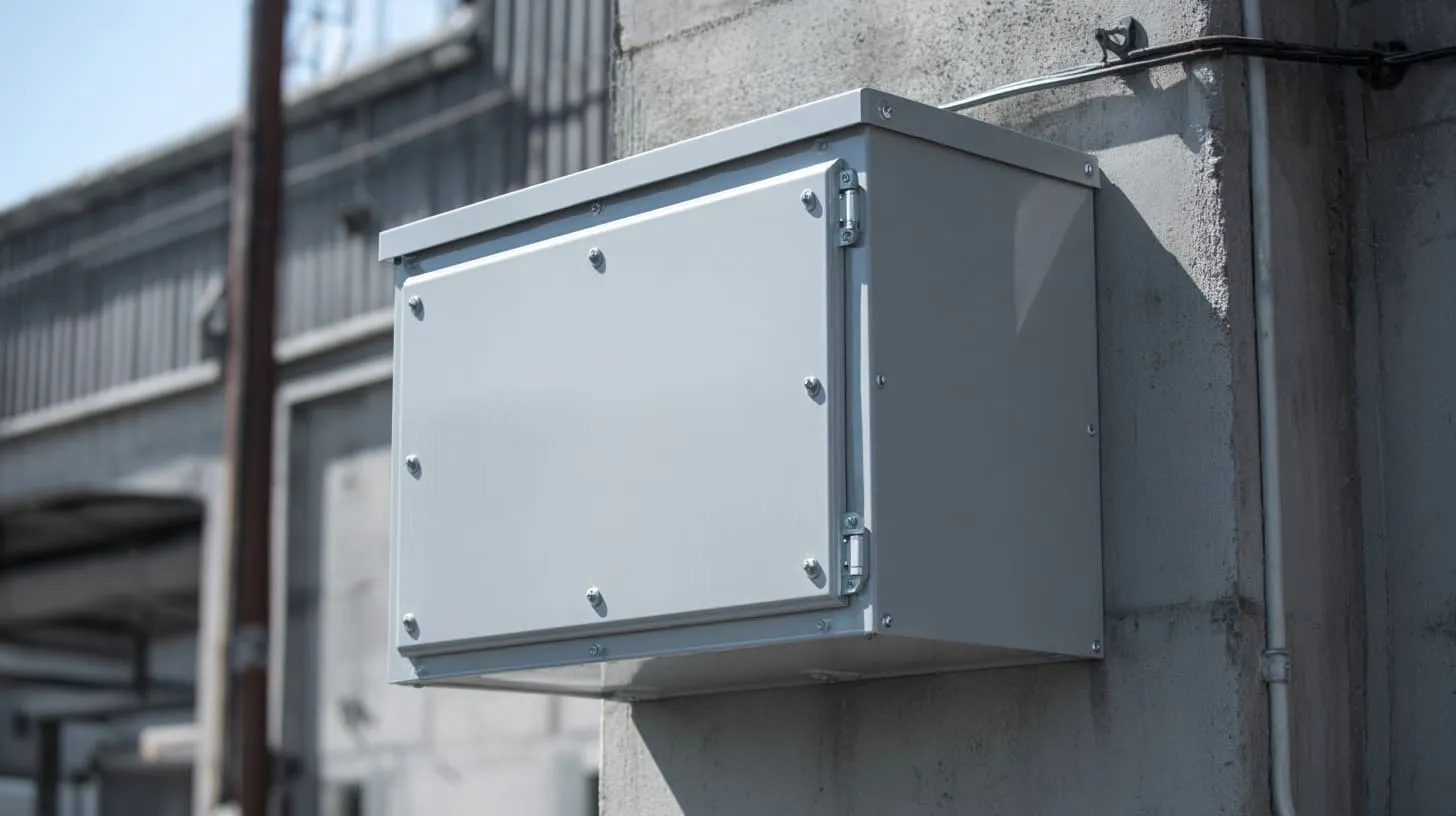
This is where I see a lot of overcorrection. A buyer hears “outdoor” or “industrial” and jumps straight to Type III. I understand why. Nobody wants failure. But not every outdoor box lives on a rough jobsite. Not every industrial enclosure gets dragged through dust and metal chips.
The mistake I try to avoid here is confusing a serious-looking environment with a truly severe one, because those are not always the same thing.
When Type II may be enough
| Environment | Can Type II work? | Notes |
|---|---|---|
| Indoor industrial cabinet | Yes | Often fully sufficient |
| Covered outdoor enclosure | Often yes | Good sealing still matters |
| Light-duty equipment housing | Yes | Depends on handling and exposure |
| Heavy abrasion outdoor use | Less ideal | Type III often safer |
| Harsh field tool or repeated impact | Usually no | Type III often preferred |
What makes Type II succeed outdoors
Good sealing
This matters a lot.
Smart product design
Water traps, exposed edges, and bad drainage can hurt performance.
Honest use analysis
A part that sees weather is not always a part that sees abuse.
What makes Type II a risky choice
- repeated friction
- harsh abrasive dirt
- frequent impact
- severe chemical or salt exposure
- unrealistic performance assumptions
I do not reject Type II too quickly for outdoor or industrial work. I just want the environment described honestly. Once that happens, the right choice becomes much easier.
Conclusion
Type III is not automatically better than Type II. I choose based on wear, fit, appearance, cost, and real use. If you are planning a custom enclosure, I suggest reviewing finish choice early before it becomes an expensive fix later.