Skip to content
In many RFQ emails I receive, one line often decides the whole enclosure direction.
It usually says: “NEMA 4X required.”
The strange part is that the environment behind this line is often not fully discussed. I see this across Davide-style engineering buyers in Europe and North America. The spec comes first. The real environment comes later.

Why NEMA 4X Is Often Misunderstood in Enclosure Selection
The gap between certification thinking and real-world environmental risk
Many buyers trust the label more than the field condition. I understand this behavior. Certification feels safe. It is easy to compare on paper. But real environments do not behave like test labs.
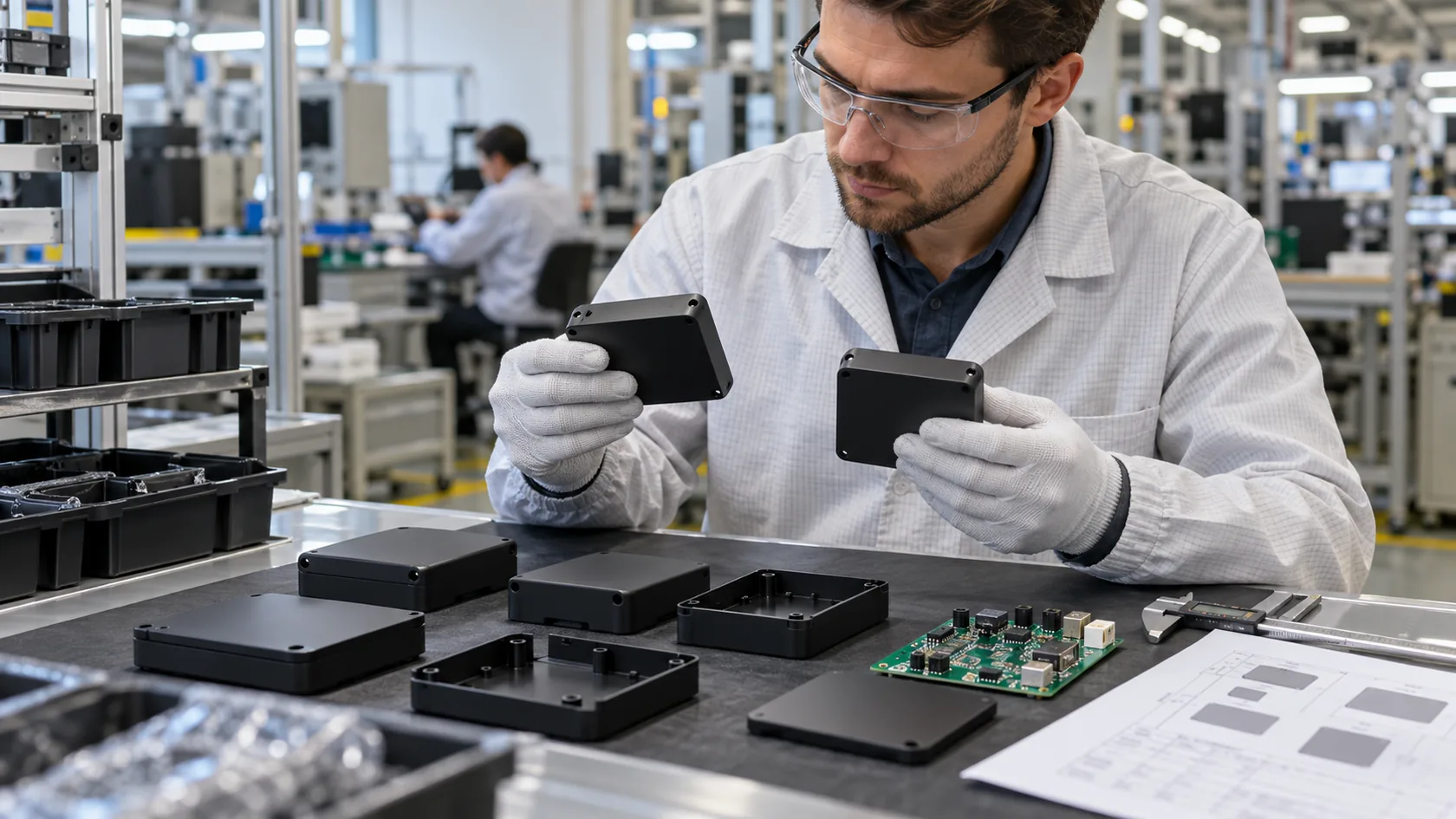
What I usually see is simple. A machine in a factory is exposed to oil mist, vibration, and cleaning chemicals. But the RFQ only says “NEMA 4X”.
In practice, I always ask what is actually touching the enclosure every day before I accept the rating as final.
Why buyers assume higher NEMA rating automatically means safer design
Some engineers think higher number means higher safety. This is not always true. NEMA 4X mainly focuses on corrosion resistance and water protection, not all risks.
I have seen cases where NEMA 4X was selected even for indoor systems with no chemical exposure. The cost went up, but the real protection need did not change.
Typical procurement mindset in industrial enclosure sourcing
Most procurement teams want to reduce risk in the simplest way. They choose a higher standard instead of analyzing details. This is common in fast-moving projects.
The problem is that enclosure selection becomes a checkbox exercise instead of engineering thinking.
What I usually check first is whether the buyer is solving a real environmental problem or just copying a past specification, because this is where cost waste quietly starts.
What NEMA 4X Actually Protects (and What It Does Not)
When I explain NEMA 4X to customers like Jackson or Davide, I often start from limits, not features. This helps avoid false confidence.
Definition of NEMA 4X in Real Engineering Terms
Difference between corrosion resistance and waterproof protection
NEMA 4X is not only about water sealing. It also includes corrosion resistance. This is where many misunderstandings start.
Waterproof and corrosion resistance are different systems. One protects from ingress. One protects from material breakdown.
A sealed box can still corrode from inside if the material choice is wrong.
What “4X” really means in terms of test conditions
The “X” stands for corrosion resistance testing, usually salt spray exposure. It does not mean chemical-proof or lifetime protection.
I often tell customers this directly. Salt spray test is controlled. Real coastal wind is not.
| Feature | NEMA 4 | NEMA 4X |
|---|---|---|
| Water protection | Yes | Yes |
| Dust protection | Yes | Yes |
| Corrosion resistance | Limited | Yes (test-based) |
| Chemical resistance | Not guaranteed | Not guaranteed |
This table often changes how engineers think about their design.
Material and Construction Requirements
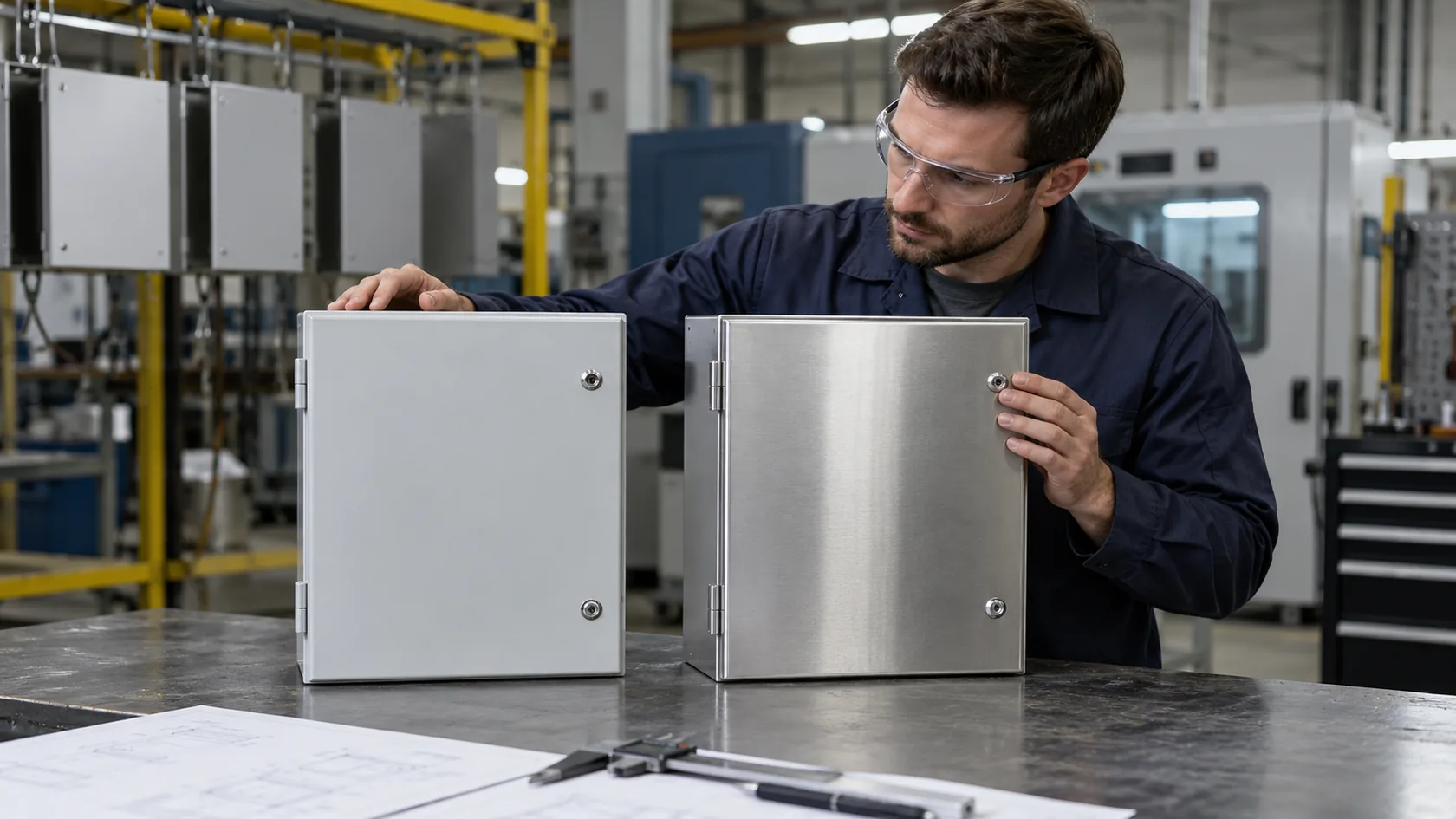
Stainless steel vs coated aluminum vs mild steel
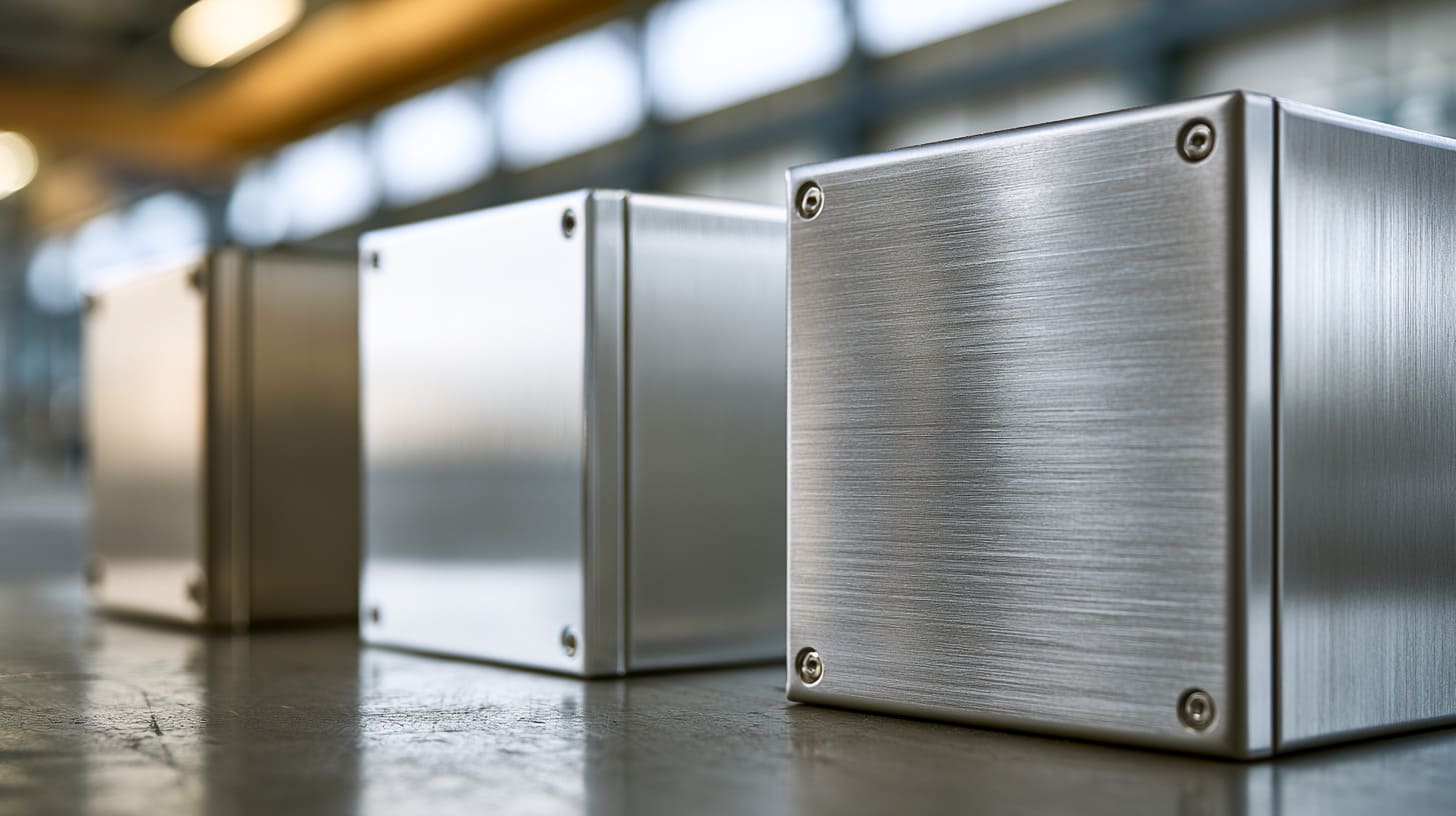
Material selection is the real cost driver. Not the rating itself.
- Stainless steel: strong corrosion resistance, high cost
- Coated aluminum: lightweight, balanced cost, needs surface control
- Mild steel: lowest cost, highest corrosion risk
In many projects, I see stainless steel selected by default, even when coated aluminum is enough.
Gasket sealing, hinge design, and enclosure integrity factors
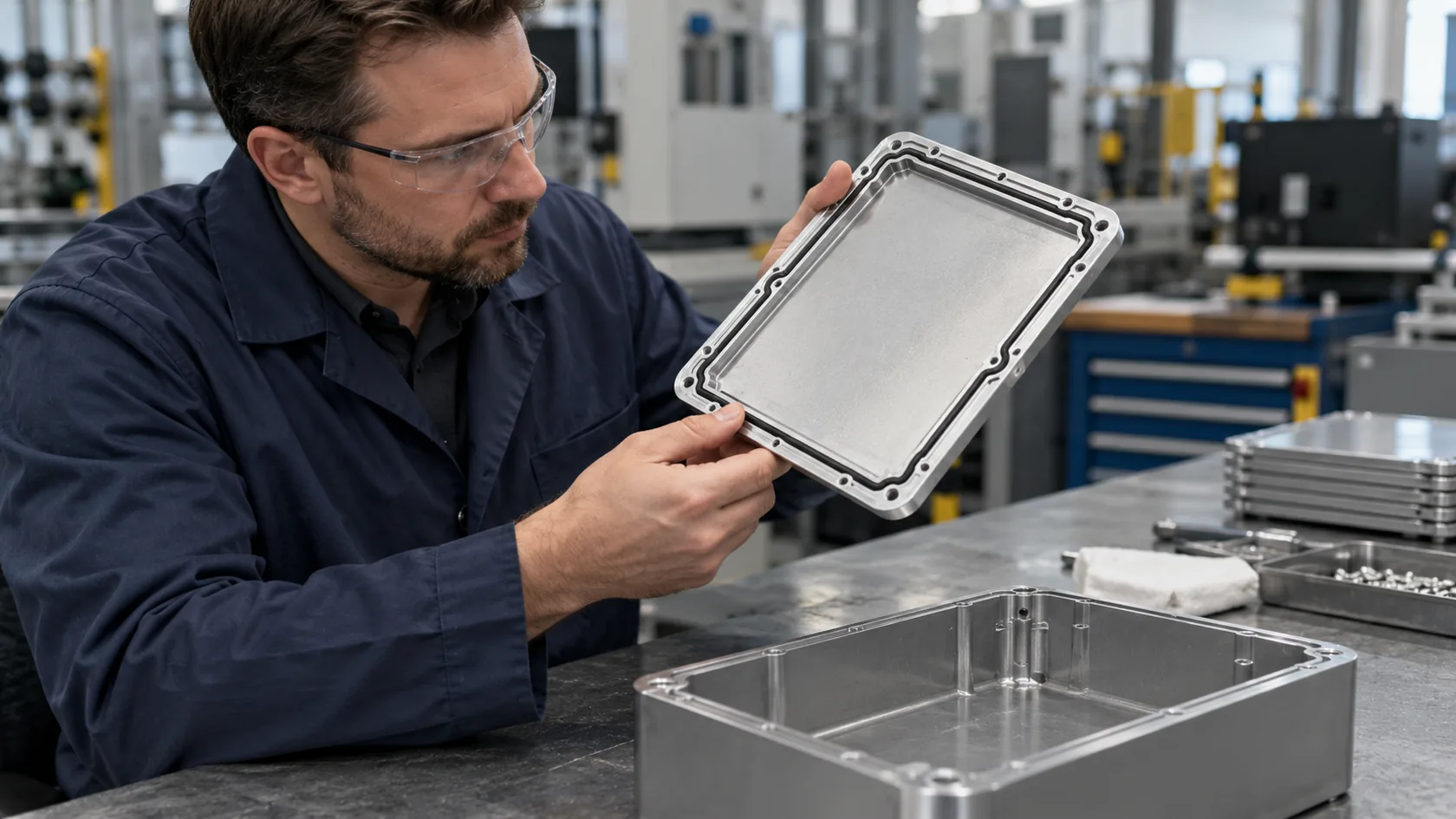
Seal design matters more than label. A weak gasket can destroy a high-rated enclosure.
I often inspect:
- Compression consistency
- Gasket aging behavior
- Hinge alignment under load
A small misalignment can create a leak path that no rating can fix.
Human judgment sentence
This is where things often go wrong when I approve a design: I do not trust material alone, I look at how the gasket behaves after repeated assembly because real failures usually start from mechanical wear, not from lab testing gaps.
Common Misinterpretations in Procurement
Confusing salt-spray resistance with full chemical resistance
Many buyers assume 4X means chemical-proof. It does not.
Industrial cleaning agents, acids, and oils behave differently from salt spray.
I once saw a system fail because coolant fluid slowly attacked the coating, even though the enclosure was NEMA 4X rated.
Overlooking installation environment differences
Same enclosure, different result.
Indoor humid factory vs coastal outdoor station leads to totally different corrosion behavior.
I often ask one simple question: “Where does water stay after rain?” The answer tells me more than the spec sheet.
Why Buyers Over-Specify NEMA 4X
Over-specification is not ignorance. It is risk control behavior. But it creates hidden cost.

“Higher Rating = Safer” Procurement Bias
Risk-avoidance behavior in engineering and purchasing teams
Buyers do not want project failure responsibility. So they choose higher rating.
It feels safer in meetings. It reduces argument.
But it often increases cost without real benefit.
Lack of field feedback during specification stage
Many specs are written before real installation feedback exists.
Engineering teams may never see how the enclosure performs after 2 years in the field.
Human judgment sentence
What I usually notice in review meetings is that no one wants to defend a lower rating decision even when the environment clearly does not require it, so the spec naturally drifts upward over time.
RFQ Simplification and Communication Gaps
Buyers using NEMA 4X as a shortcut instead of full environment analysis
Instead of describing environment, many RFQs only list standards.
This makes supplier engineering difficult.
We lose context like:
- Chemical exposure
- Temperature range
- Maintenance cycle
Missing collaboration between engineers and suppliers
Good enclosure design needs conversation.
When communication is weak, rating becomes the only language.
Industry Influence and Standard Misuse
Copying specs from previous projects without validation
Many RFQs are copied from old projects.
But environments change.
A factory upgrade can completely change corrosion conditions.
Over-standardization in global sourcing practices
Global procurement prefers standard labels.
But enclosure performance is not always standard.
Real Corrosion Risks That NEMA 4X Does Not Solve
This is the part many buyers only learn after failure.
Galvanic Corrosion Between Mixed Materials
Aluminum vs stainless steel interaction
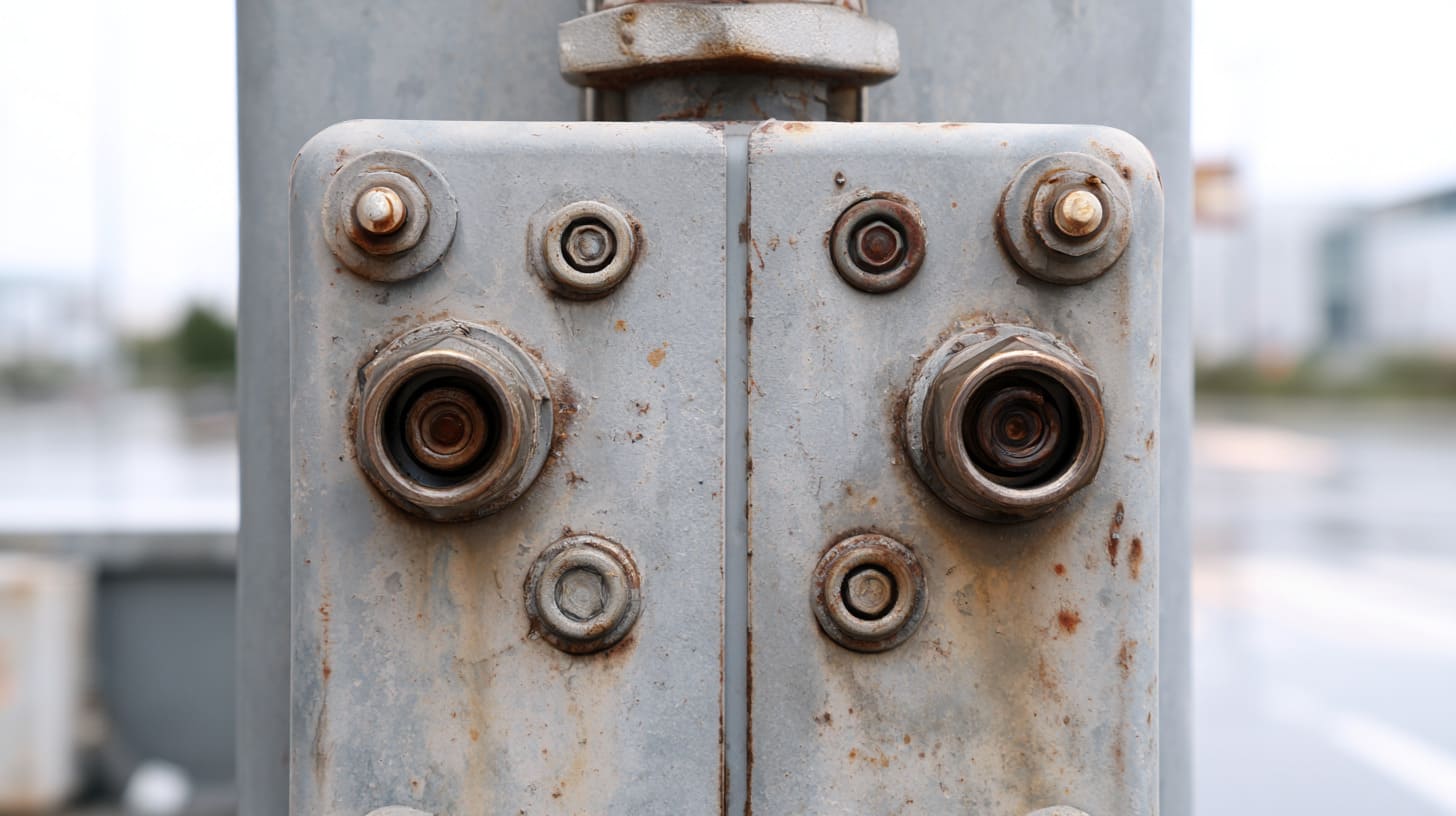
When different metals touch, corrosion can accelerate.
I often see aluminum enclosure + stainless bracket combinations fail at contact points.
Fasteners and mounting bracket corrosion points
Small screws often fail first.
They are ignored in design review but become failure origins.
Human judgment sentence
In real inspections, I usually focus on screws and mounting points first because corrosion almost always starts from the smallest contact area, not the main body panel.
Cable Entry and Sealing Failure Points
Cable glands as the weakest system element
Cable entry is the most common leak point.
Even a perfect enclosure can fail here.
Installation quality vs enclosure rating mismatch
A high-rated box does not help if installation is poor.
Torque control and sealing method matter more than label.
Chemical and Industrial Exposure Risks
Coolants, oils, solvents, and cleaning agents
These substances slowly damage coatings and seals.
Damage is often invisible at the beginning.
Limitations of surface protection systems
Coating is not permanent.
It wears under friction and chemical exposure.
Thermal Cycling and Condensation
Internal moisture buildup in sealed enclosures
Temperature changes create condensation inside.
This is often ignored.
Pressure imbalance and breathing effects
Sealed boxes still “breathe” through micro gaps.
Moisture enters and stays.
When NEMA 4X Is Actually Necessary
Not every project needs 4X. But some definitely do.

Coastal, Marine, and Offshore Environments
Salt air is continuous and aggressive. In these cases, 4X is often justified.
Food, Beverage, and Washdown Applications
High-pressure cleaning changes everything. Water force becomes a design driver.
Outdoor Utility and Telecom Cabinets
Long-term exposure to rain, dust, and pollution requires stronger corrosion resistance.
Human judgment sentence
When I approve NEMA 4X for a project, I only do it after confirming that cleaning frequency and salt exposure are both continuous, because occasional exposure usually does not justify the cost increase.
Cost Impact of Over-Specification
This is where engineering decisions become financial decisions.
Material Upgrade Cost Differences
Aluminum vs stainless steel cost escalation
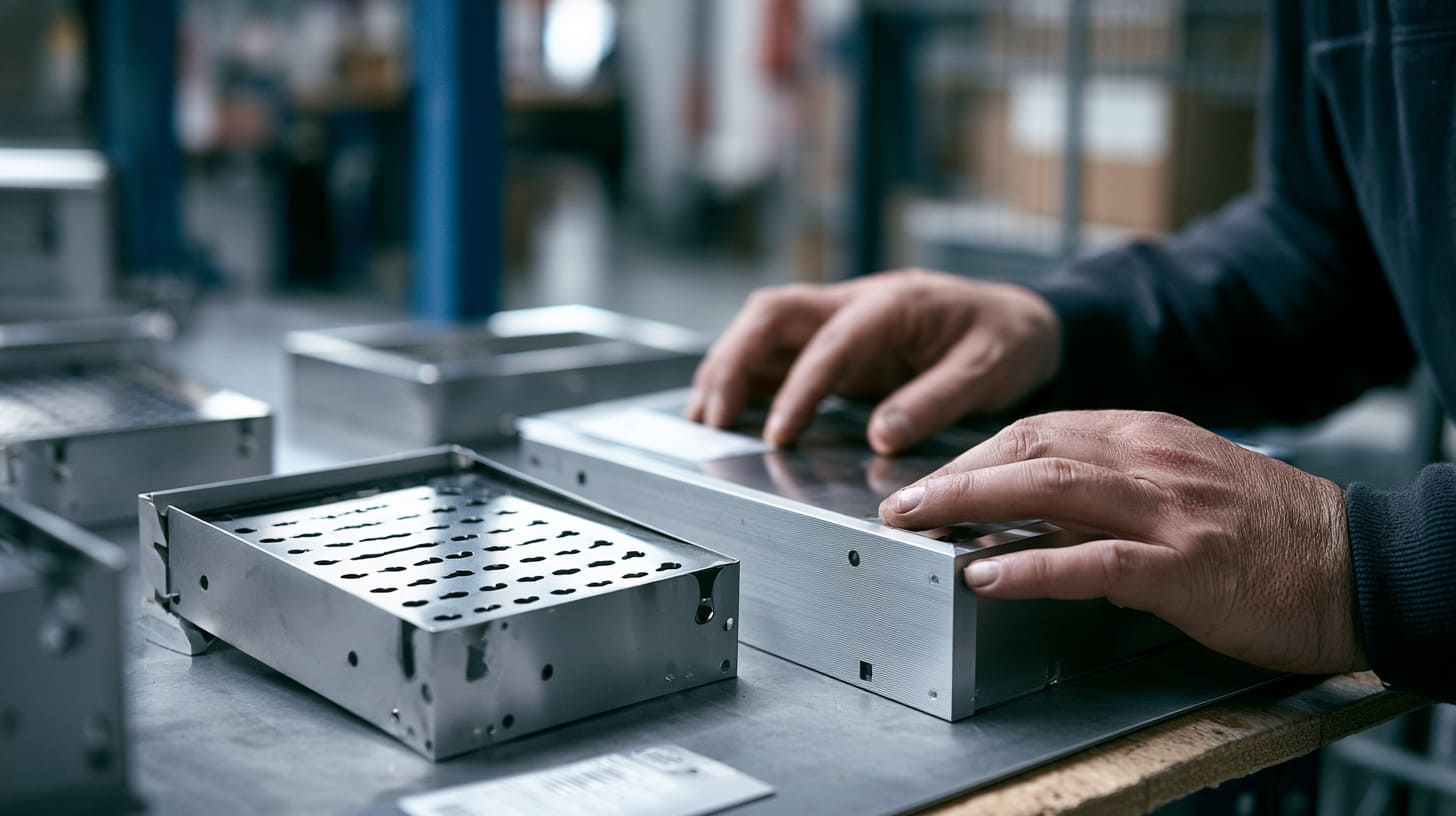
Stainless steel can significantly increase cost compared to aluminum.
Impact of SS304/316 selection on total project cost
316 is often selected “just in case,” but not always needed.
Manufacturing Complexity and Lead Time
Increased machining, welding, and finishing requirements
Stainless steel is harder to process.
This increases production time.
Supply chain delays due to higher-grade materials
Some grades have longer procurement cycles.
Hidden Lifecycle Costs
Heavier enclosures affecting mounting and transport
Weight increases installation cost.
Maintenance and replacement inefficiencies
Overbuilt systems are harder to modify later.
Better Selection Framework: From Rating to Risk Mapping
I often shift conversations from “What rating?” to “What risk?”

Step 1: Identify Real Environmental Threats
Dust, water, chemicals, UV, mechanical impact.
Step 2: Separate Protection Types
Ingress protection is not corrosion protection.
Step 3: Match Design Features, Not Just NEMA Numbers
Focus on seals, coatings, drainage, and airflow design.
Step 4: Collaborate with Manufacturers Early
Early engineering discussion reduces cost mistakes.
Human judgment sentence
What I usually do in early project review is map each environmental risk to a physical design feature instead of a rating, because this prevents over-engineering and keeps cost under control.
Conclusion
In most enclosure projects I see, the problem is not weak protection. The problem is misaligned protection.
NEMA 4X becomes a default answer when the real question is not asked.
I follow this thinking because real failure cases rarely come from insufficient rating. They come from wrong assumptions about environment, installation, and maintenance.
When I work with buyers like Davide or Jackson, I always try to shift the discussion away from labels and toward actual field conditions. This approach reduces cost, avoids overdesign, and improves long-term reliability.
Smarter procurement is not about choosing higher specs. It is about choosing the right risk to solve.
If you are currently specifying enclosures only by rating, I would strongly suggest revisiting the environment first. This small change often leads to a much better design outcome and a lower total project cost.
If you want, I can also help you turn this into a LinkedIn post series or RFQ checklist for your sales team.