Skip to content
Powder coating looks simple from the outside.
A buyer sends a drawing. A supplier gives a quote. The finish column says “powder coating.” The price looks fine. Everyone feels safe.
Then mass production starts.
The color sample looks good, but the first batch needs extra surface cleaning. The threaded holes need masking. Some covers do not fit smoothly after coating. One color needs a new powder order. The coating factory asks for more time because the batch size is too small for their schedule. The customer waits. The engineer checks the drawing again. The purchasing manager asks why the cost changed.
I have seen this kind of situation many times in custom enclosure projects.
For aluminum enclosures, sheet metal enclosures, plastic parts with metal brackets, and OEM electronic housings, powder coating is not just a surface finish. It becomes part of the design, the tolerance, the lead time, the quality control, and the final cost.
That is why I do not like to calculate powder coating only by the coating price per unit. That number is useful, but it is not enough.
Why Do Powder Coating Costs Often Exceed Initial Estimates?
Many buyers calculate powder coating in a very direct way:
| Simple Cost Thinking | Real Production Thinking |
|---|---|
| Powder coating price per piece | Preparation + masking + coating + curing + inspection |
| One finish equals one cost | Different materials and colors create different costs |
| Coating does not affect the design | Coating thickness can affect assembly and fit |
| Finish is the last step | Finish can delay the whole production schedule |
| Defects are rare | Defects can create rework, scrap, and shipment delay |
This is where many custom enclosure projects lose money quietly.
The buyer may not see the extra cost in the first quotation. The engineer may not notice the risk during design. The supplier may assume the coating process is normal. But after the order becomes large, every small detail becomes expensive.
For example, one extra masking point may not matter for 10 samples. But for 3,000 enclosures, that small masking point becomes labor, checking time, and possible mistakes.
A slightly tight screw hole may not matter before coating. But after coating, the screw may feel rough. Then someone needs to clean the thread, rework the hole, or explain the issue to the customer.
From my side, I always ask one simple question before mass production: will this coating still be easy when the order quantity becomes large? If the answer is not clear, I know the first price is not the real cost yet.
What Hidden Costs Are Included in Powder Coating Beyond the Coating Itself?
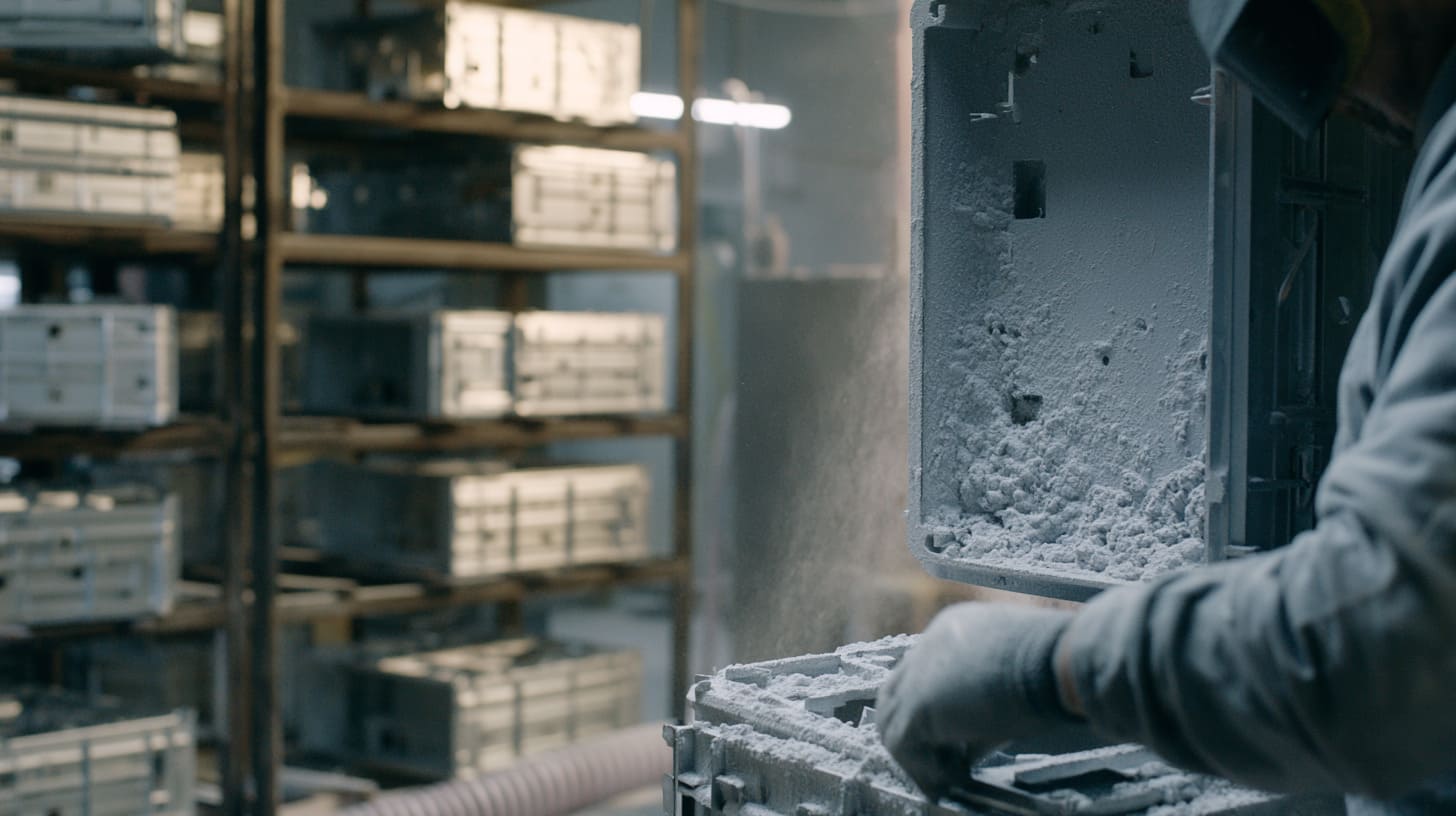
Many people think powder coating cost means the powder and the spray work.
That is only one part.
Before the powder touches the enclosure, the surface already needs work. If the surface is oily, dusty, oxidized, or uneven, the coating may look fine at first but fail later. This is why a serious factory does not treat surface preparation as a small step.
This is also why a cheap coating quote can become risky. A low price may mean less preparation, less inspection, or less process control.
One thing I check carefully is whether the part really needs a “beautiful finish” or a “working finish,” because these two ideas look similar in photos but cost very differently in production.
Surface Preparation Costs That Are Frequently Ignored
Surface preparation is the quiet cost behind powder coating.
The customer usually sees the final color. The factory sees what happens before the color.
Common preparation steps may include:
- Degreasing
- Cleaning
- Sandblasting
- Grinding sharp burrs
- Removing oxidation
- Chemical pretreatment
- Drying before coating
- Checking surface condition before spraying
For custom enclosures, the surface may not be as simple as a flat panel. There may be bends, cutouts, vents, welding marks, countersunk holes, and small corners. These areas collect oil and dust easily.
| Preparation Step | Why It Matters | Hidden Cost Risk |
|---|---|---|
| Degreasing | Removes oil from machining, bending, or handling | Poor adhesion if skipped |
| Sandblasting | Improves surface texture and coating grip | Extra labor and equipment time |
| Deburring | Removes sharp edges before coating | Coating may chip on sharp edges |
| Chemical pretreatment | Improves corrosion resistance | Higher process cost |
| Drying | Removes moisture before spraying | Pinholes or bubbles may appear |
A buyer may ask, “Why does the coating cost change? It is still black powder coating.”
But black powder coating on a clean, simple flat plate is not the same as black powder coating on a welded, bent, oily, punched sheet metal enclosure.
The color is the same. The work is not.
Material-Specific Preparation Expenses
Different enclosure materials behave differently before coating.
Aluminum is common for custom electronic enclosures. It is light, clean, and good for CNC machining. But aluminum also has oxide on the surface. If the surface is not treated well, coating adhesion can suffer.
Steel and sheet metal parts can be strong and cost-effective, but they may need rust prevention and more careful pretreatment.
Mixed-material assemblies can be more complicated. If an enclosure includes aluminum panels, steel brackets, threaded inserts, or welded parts, the preparation work may not be the same for every area.
| Material | Common Preparation Need | Cost Concern |
|---|---|---|
| Aluminum | Cleaning, oxide removal, pretreatment | Adhesion and corrosion resistance |
| Mild steel | Degreasing, anti-rust treatment, phosphating | Rust prevention before and after coating |
| Stainless steel | Surface roughening may be needed | Coating adhesion can be harder |
| Zinc-coated steel | Careful pretreatment | Surface reaction and adhesion risk |
| Mixed assemblies | Different handling for different parts | More labor and more checking |
I once saw a buyer compare two quotes and say one supplier was more expensive only because of coating. But after checking the drawing, the higher quote included surface preparation for several welded corners and masked threaded studs. The lower quote did not mention them. That lower price looked better, but it was not complete.
That is the problem with hidden cost. It does not always look like cost at the start. Sometimes it looks like a good deal.
Environmental and Compliance Costs
Powder coating is often seen as cleaner than wet paint because it uses no liquid solvent in the same way. But it still has environmental and process costs.
Factories need to manage powder waste, cleaning, pretreatment chemicals, curing ovens, and local environmental rules. For export products, buyers may also ask about RoHS, REACH, or other requirements.
For electronic enclosures, this can matter. A housing may be used in industrial control, outdoor equipment, communication devices, or consumer electronics. The final customer may ask for test reports or material statements.
| Cost Area | Why It Appears | Buyer Question to Ask |
|---|---|---|
| Powder waste | Overspray and color change cleaning | Is powder recycled or discarded? |
| Pretreatment chemical waste | Cleaning and conversion process | Is the process controlled? |
| Energy use | Oven curing needs heat | Does curing affect lead time or cost? |
| Compliance documents | Export and customer requirements | Can the supplier support RoHS or REACH needs? |
| Process records | Quality tracking | Can the batch be traced if there is a problem? |
The dangerous part is not always the cost itself. The dangerous part is surprise.
If compliance is discussed early, it can be managed. If it is requested after mass production, it can become painful.
A simple black enclosure can become a complicated project when the buyer says, “Our customer now needs coating compliance documents before shipment.”
That sentence can change everything.
How Can Powder Coating Affect Manufacturing Tolerances?
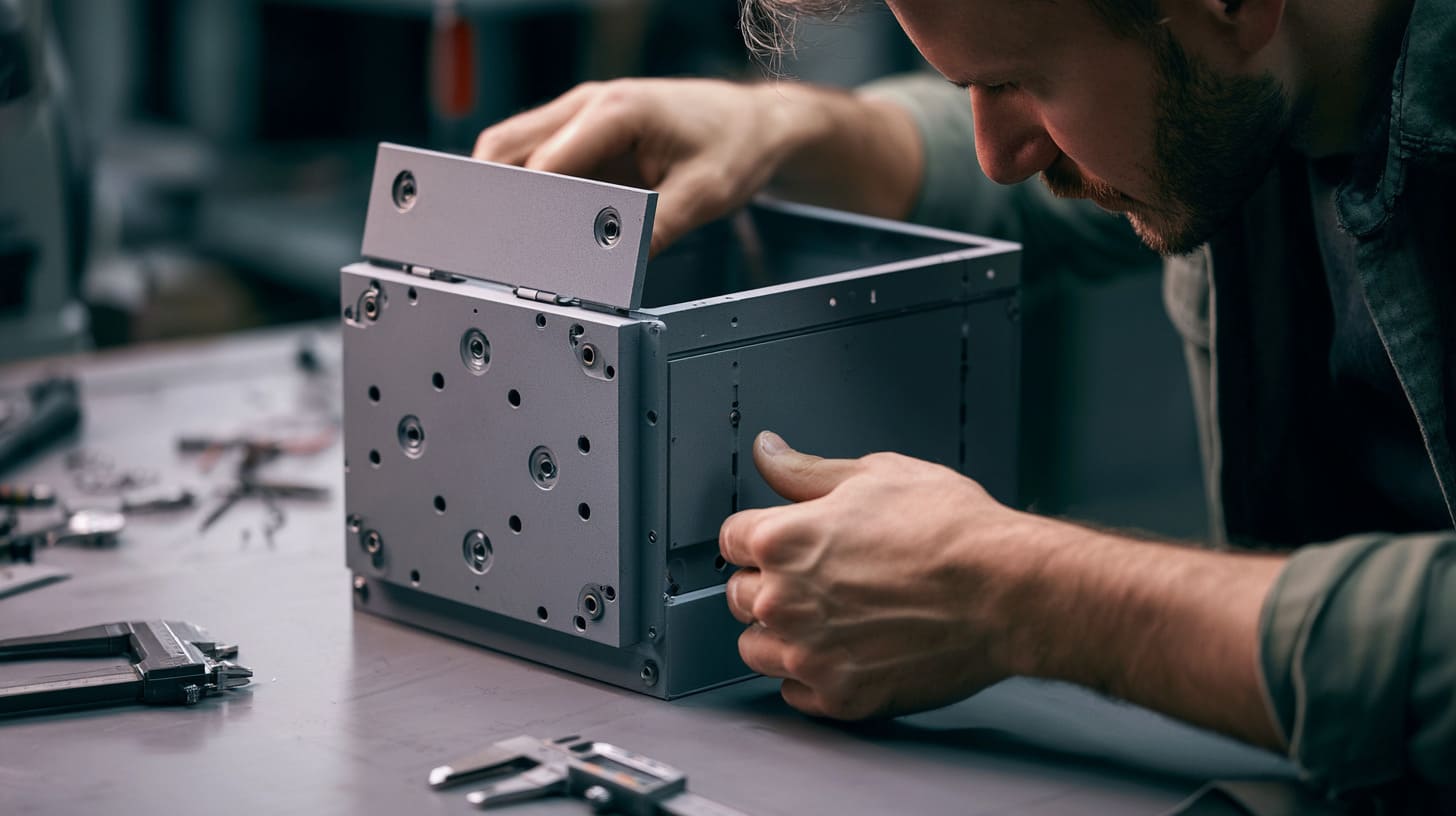
Powder coating adds thickness.
That sounds harmless until the part needs to fit another part.
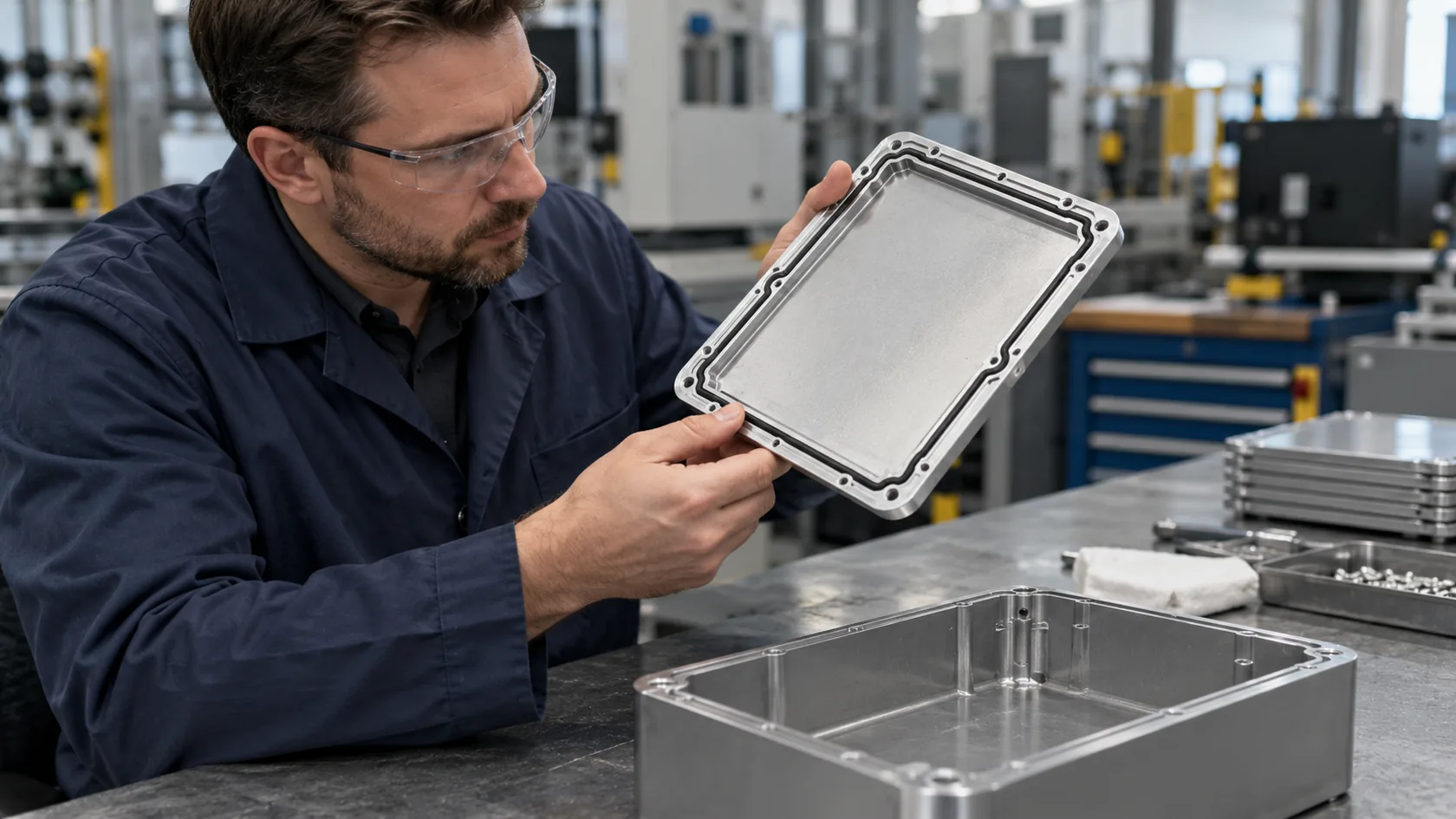
For a decorative panel, a small thickness change may not matter. For a custom electronic enclosure, it can matter a lot. Covers need to slide. Screws need to enter. PCBs need clearance. Gaskets need compression. Ports need alignment.
Powder coating does not just change the surface. It changes the relationship between parts.
The small detail I do not ignore is the inside corner, because a nice outside surface can hide a tight inside fit that will create trouble during assembly.
Coating Thickness and Dimensional Changes
Typical powder coating thickness depends on the powder type, application method, part shape, and quality requirement. In many projects, the coating can add noticeable thickness to each coated surface.
That may be fine on open surfaces. But it becomes important in these areas:
- Sliding covers
- Tight screw holes
- Internal grooves
- Hinged areas
- Snap-fit zones
- Panel overlaps
- Heat sink contact surfaces
- Grounding contact areas
Here is a simple way to think about it:
| Area of Enclosure | Why Coating Thickness Matters | Possible Problem |
|---|---|---|
| Screw holes | Coating enters the hole | Screw feels tight or thread is blocked |
| Sliding cover | Coating builds on both sides | Cover becomes hard to slide |
| PCB mounting area | Standoffs or supports get coated | PCB height may change |
| Gasket surface | Surface thickness changes compression | Waterproofing may be unstable |
| Heat transfer area | Coating can reduce direct metal contact | Thermal performance may drop |
| Grounding point | Coating blocks metal contact | Electrical grounding may fail |
A drawing may show a perfect fit before coating. But the real part is not just the bare metal size. The real part is the metal plus coating.
This is why a good manufacturing drawing should mention coating areas and masking areas clearly.
Hidden Rework Costs Caused by Tolerance Problems
Rework is one of the most annoying costs in mass production.
It does not always sound big at first. Someone says, “We just need to clean the holes.” Another person says, “We just need to polish this edge.” Then the order quantity turns that “just” into many hours.
Common rework after powder coating includes:
- Cleaning threaded holes
- Removing coating from grounding points
- Scraping coating from sliding areas
- Re-drilling blocked holes
- Re-tapping threads
- Polishing rough edges
- Replacing scratched parts after rework
| Rework Type | Why It Happens | Why It Costs More Than Expected |
|---|---|---|
| Thread cleaning | Powder enters screw holes | Manual work is slow |
| Masking correction | Masking was not clear or failed | Parts need sorting and checking |
| Edge scraping | Coating builds up on edges | Risk of cosmetic damage |
| Re-tapping | Threads become tight | Tool wear and labor cost |
| Re-coating | Surface defect after rework | Longer lead time and color risk |
Rework also creates a second risk: damage.
A finished powder coated part is already delicate in some areas. If workers handle it again, the chance of scratches, dents, and fingerprints increases.
This is why I prefer to solve tolerance risks before coating, not after coating.
Design Considerations to Avoid Costly Modifications
A good enclosure design does not treat coating as decoration only. It treats coating as a manufacturing condition.
Before mass production, I like to check these points:
| Design Check | Why I Check It |
|---|---|
| Are the screw holes masked or coated? | It affects assembly time |
| Are sliding surfaces coated? | It affects user experience |
| Are grounding points protected from coating? | It affects electrical function |
| Are heat transfer areas masked? | It affects thermal performance |
| Are tight gaps adjusted for coating thickness? | It affects fitment |
| Are sharp edges rounded? | It reduces coating chipping |
| Is the prototype tested after coating? | It reveals real assembly problems |
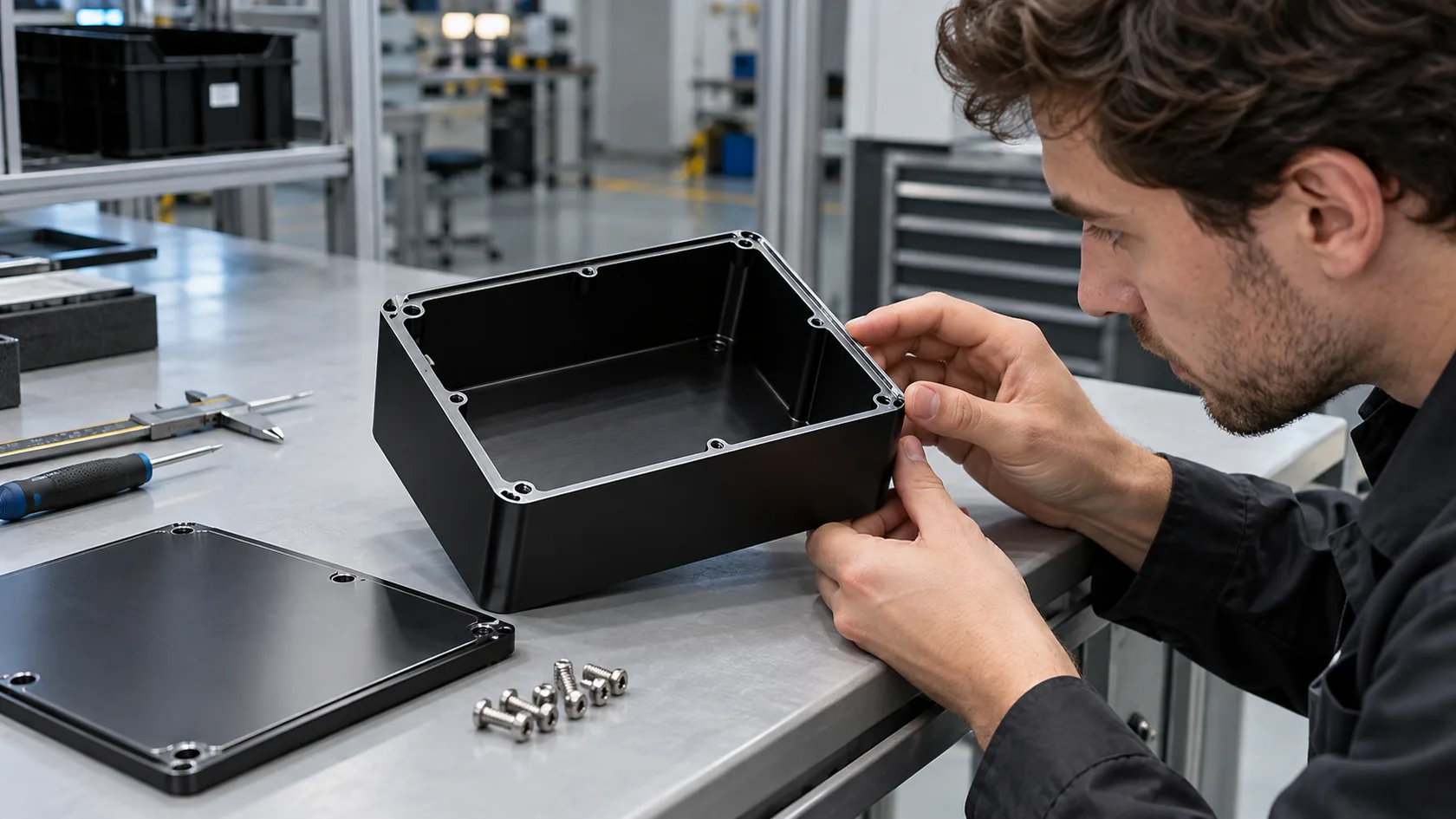
For OEM enclosure projects, I always prefer one coated prototype before mass production. A bare metal sample can check the structure, but it cannot fully check the finished product.
This is especially true when the customer sends a custom board, custom cable, or custom gasket. The enclosure may look correct, but the full assembly may tell another story.
A coating problem is often not a coating problem only. It can be a design problem wearing a black jacket.
The next hidden cost is not about size. It is about time. And time can be even more expensive than material.
Why Does Powder Coating Increase Production Lead Times?
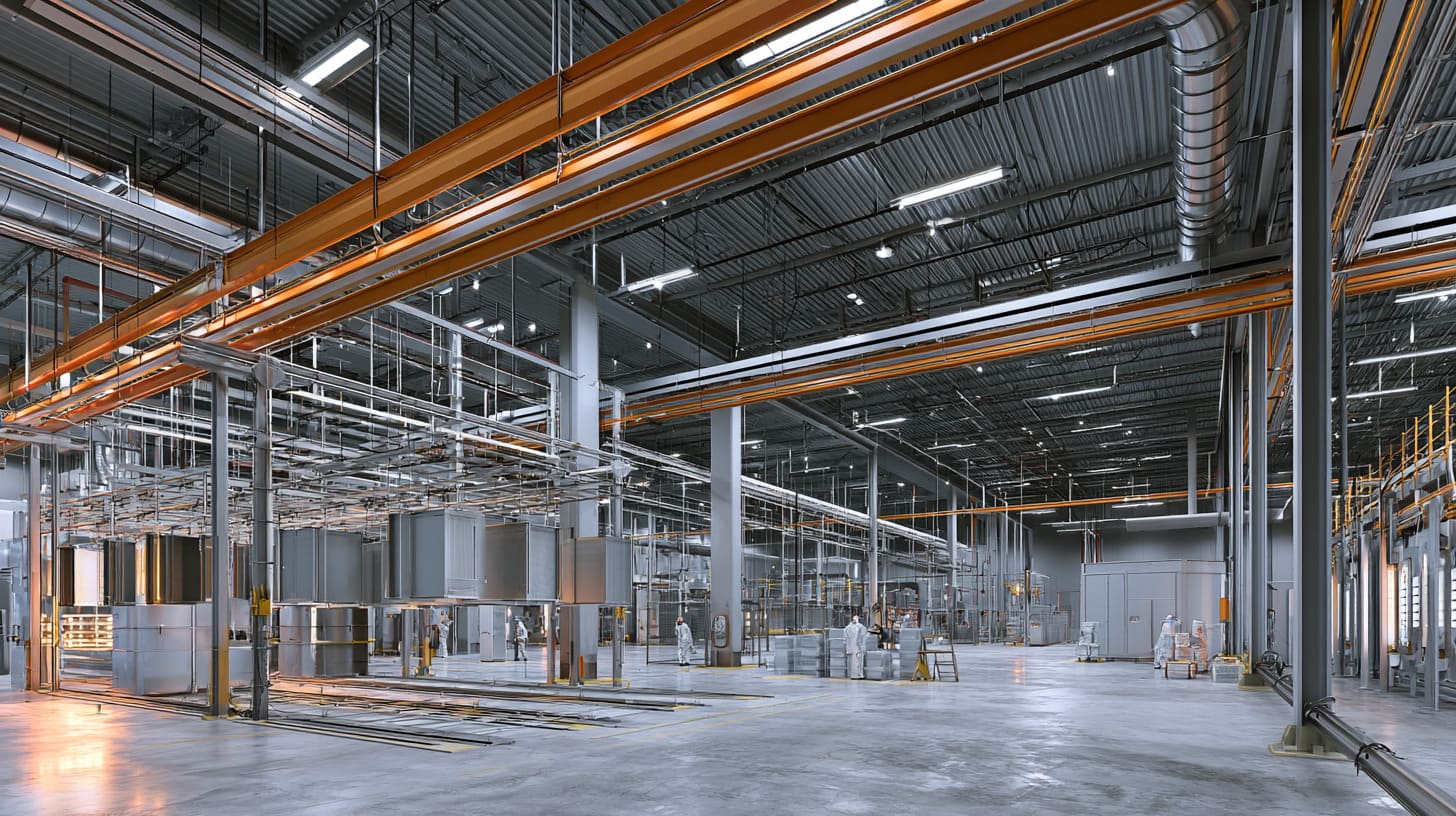
Powder coating adds steps to production.
That sounds obvious. But many buyers still plan the project as if coating happens in one quick move.
In real factory work, powder coating is not just “spray and done.” Parts need preparation. Workers need to hang them. Some areas need masking. The coating line needs the right color. The oven needs curing time. The parts need cooling. Then quality control needs checking.
Each step needs time. Each step can create delay.
When a customer pushes me for a fast shipment, I do not only check whether machining or sheet metal fabrication can finish quickly; I also check whether the coating schedule can match the shipment date.
Additional Manufacturing Steps Required
Powder coating usually follows a process flow like this:
| Step | What Happens | Time Risk |
|---|---|---|
| Surface cleaning | Oil, dust, and residue are removed | Dirty parts may need repeated cleaning |
| Pretreatment | Chemical or mechanical treatment improves adhesion | Process depends on material |
| Drying | Parts must be dry before coating | Moisture can cause defects |
| Hanging | Parts are placed on racks or hooks | Complex shapes need more labor |
| Masking | Threads or contact points are protected | More masking means more time |
| Powder spraying | Powder is applied evenly | Corners and cavities need care |
| Curing | Parts go into oven | Oven capacity affects schedule |
| Cooling | Parts cool before handling | Rushing may damage surface |
| Inspection | Finish, thickness, and adhesion are checked | Defects may require rework |
For simple parts, this process can be smooth.
For custom enclosures, it can be slower because each project is different. One enclosure may have many holes. Another may have a special color. Another may need logo printing after coating.
The finish is not always the last small step. Sometimes it becomes the center of the schedule.
Production Bottlenecks During High-Volume Orders
High-volume orders do not only increase production quantity. They also increase coordination pressure.
Powder coating factories often group jobs by color, powder type, part size, and curing condition. If your order uses a standard black or white, scheduling may be easier. If your order uses a special color, the line may need cleaning before and after the batch.
That cleaning time is not free.
| Bottleneck | What Causes It | How It Affects Cost |
|---|---|---|
| Color changeover | The line must be cleaned | More setup time |
| Oven capacity | Large parts take more space | Longer queue |
| Hanging method | Parts need stable support | More labor |
| Small batch custom color | Not enough quantity for efficient line use | Higher unit cost |
| Mixed part sizes | Different handling methods | Lower production speed |
| Quality hold | Defects need review | Shipment delay |
This is why the same coating may cost differently at different quantities.
A small order may not use the coating line efficiently. A large order may create capacity pressure. A custom color may force a special schedule.
A buyer may think mass production always reduces the unit cost. Usually it does. But if the finish is complicated, mass production can also multiply small process problems.
How Lead Time Delays Impact Overall Project Costs
Lead time cost is hard to see in a quotation.
But buyers feel it later.
If coating delays shipment, the customer may miss a product launch, an exhibition, an installation date, or an Amazon selling season. The cost is not only the factory bill. The cost can become lost sales, angry clients, urgent air freight, or extra warehouse pressure.
| Delay Type | Direct Cost | Hidden Business Cost |
|---|---|---|
| Coating line delay | Longer production cycle | Missed launch date |
| Rework delay | Extra labor | Customer loses trust |
| Color approval delay | More sample rounds | Project progress slows |
| Quality inspection hold | Shipment waits | Urgent shipping cost |
| Packaging delay after coating | Finished parts wait for packing | Warehouse pressure |
For B2B buyers, timing is often part of the product value.
A perfect enclosure that arrives late may still hurt the project.
I say this because many customers care deeply about price at the beginning. But when the deadline gets close, they care about speed more than anything. This is not a complaint. It is human nature. Deadlines make everyone honest.
So, before mass production, I always want the coating plan to be part of the production plan, not an afterthought.
And even if the schedule looks safe, quality can still turn a smooth order into a stressful one.
What Quality Risks Can Create Unexpected Expenses After Production?
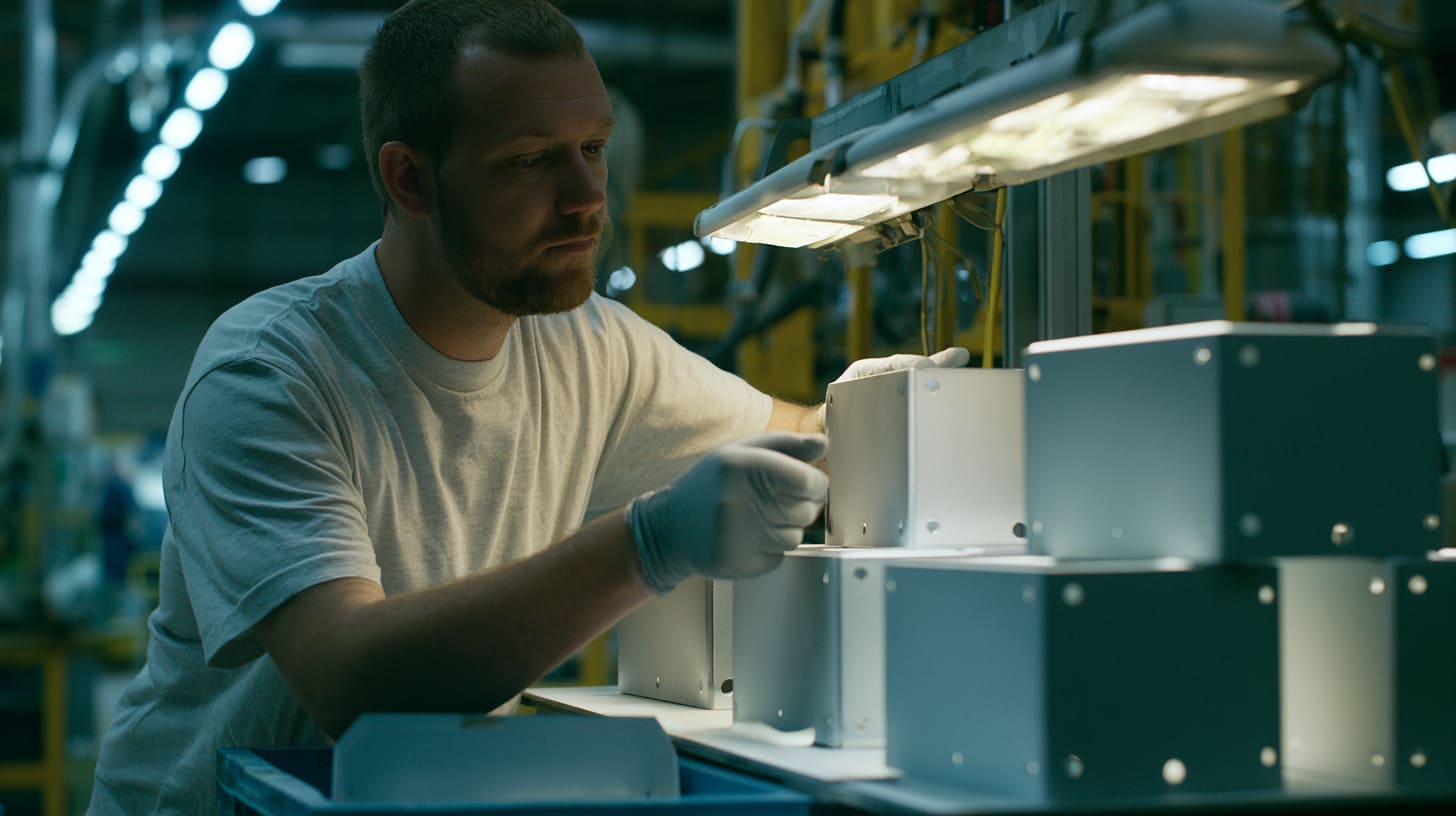
Powder coating defects are frustrating because many of them appear near the end of production.
By that time, material has already been purchased. Cutting, bending, CNC machining, welding, and assembly preparation may already be finished. If the coating fails, the factory is not fixing only a surface. The factory is protecting the value of all previous work.
This is why coating quality is not a cosmetic detail. It is a cost protection issue.
My first concern is not whether one sample looks beautiful under good light; I want to know whether the same finish can stay stable across the whole batch.
Common Powder Coating Defects
Powder coating defects can happen for many reasons. Some come from surface preparation. Some come from powder quality. Some come from spraying technique. Some come from curing conditions. Some come from part design.
Common defects include:
| Defect | What It Looks Like | Possible Cause | Cost Risk |
|---|---|---|---|
| Orange peel | Uneven surface texture | Powder type, spray setting, curing issue | Customer rejects cosmetic finish |
| Poor adhesion | Coating peels or flakes | Bad cleaning or pretreatment | Rework or scrap |
| Pinholes | Tiny holes on surface | Moisture, gas, contamination | Corrosion risk |
| Color variation | Batch color mismatch | Different powder batch or curing condition | Assembly mismatch |
| Thin coating | Weak protection | Poor spray coverage | Durability issue |
| Thick coating | Heavy build-up | Over-spraying | Fitment issue |
| Edge chipping | Coating breaks at corners | Sharp edge or poor coverage | Warranty complaints |
A defect may seem small in a photo. But for an OEM enclosure with a logo, a small defect can look serious to the final customer.
For example, a slight color difference between the top cover and bottom case may not affect function. But if the product is sold as a branded device, the customer may not accept it. The enclosure becomes part of the product image.
The Financial Impact of Quality Failures
Quality failure costs more than re-coating.
It can include:
- Sorting good and bad parts
- Reworking defective parts
- Re-coating rejected parts
- Replacing parts that cannot be fixed
- Delaying assembly
- Delaying packing
- Paying for urgent shipment
- Handling customer complaints
- Losing future orders
| Failure Point | Visible Cost | Hidden Cost |
|---|---|---|
| Cosmetic rejection | Re-coating fee | Customer loses confidence |
| Adhesion failure | Scrap or rework | Warranty risk |
| Color mismatch | Sorting labor | Batch consistency problem |
| Late defect discovery | Production delay | Urgent delivery pressure |
| Poor packaging after coating | Scratches during shipment | Replacement cost |
I have learned that quality problems are not always dramatic. Sometimes they are small and boring. A tiny scratch. A rough edge. A color difference. A tight screw.
But small and boring problems are still expensive when the order is large.
This is why I do not like to promise mass production too quickly after one beautiful sample. One sample can tell us the direction. A pilot run tells us the truth.
Inspection Methods That Reduce Risk
Inspection is not only about finding defects. It is about reducing arguments.
If the buyer and supplier agree on inspection standards early, both sides can work with less confusion.
Useful inspection methods may include:
| Inspection Method | What It Checks | Why It Helps |
|---|---|---|
| Visual inspection | Color, texture, scratches, dust | Confirms appearance standard |
| Coating thickness test | Film thickness | Checks protection and fit risk |
| Adhesion test | Coating grip to surface | Reduces peeling risk |
| Salt spray test | Corrosion resistance | Useful for outdoor or harsh use |
| Color comparison | Batch consistency | Reduces mismatch complaints |
| Assembly test | Fit after coating | Finds tolerance problems |
| Packaging test | Protection during shipping | Prevents scratches and dents |
For industrial enclosures, salt spray testing may be important. For indoor electronics, visual quality and assembly fit may matter more. For branded consumer-facing products, color consistency and surface texture may be the key.
Not every project needs every test.
That is the practical point.
Testing should match the use case. Too little testing is risky. Too much testing wastes money and time.
A good supplier should help the buyer choose the right level, not just say yes to everything.
But even with good quality, color choice can quietly change the whole cost structure.
How Do Color Choices and Custom Finishes Affect Total Costs?
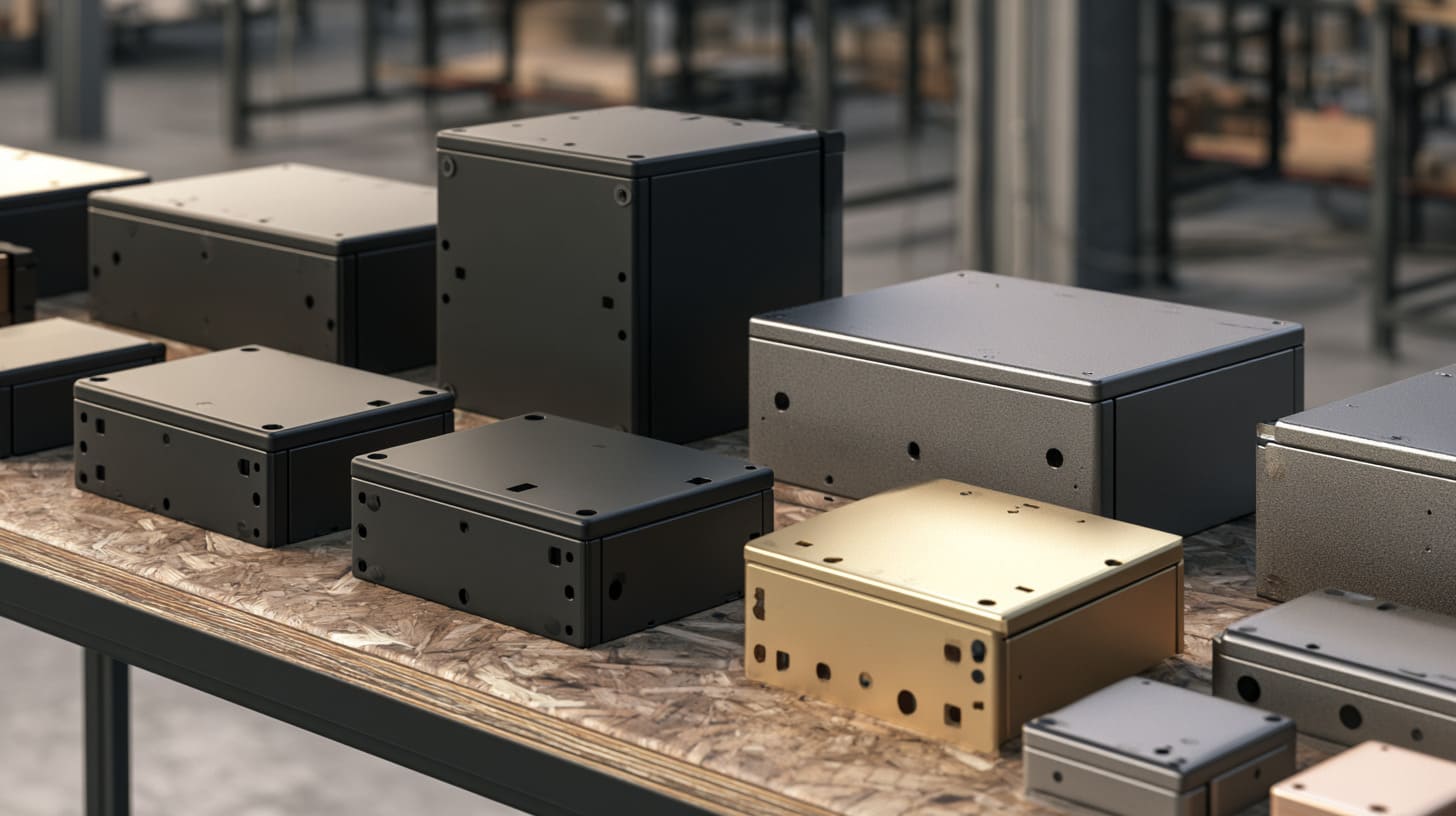
Color looks like a design decision.
In production, color is also a cost decision.
A standard black powder coating is usually easier. The coating factory may already have the powder. The line may run it often. The workers know the process. The color approval is simple.
A custom color is different. It may need color matching, new powder purchase, minimum order quantity, sample approval, and a separate production schedule.
The question I ask is simple: does this custom color increase product value enough to justify the extra work?
Why Standard Colors Are Usually Cheaper
Standard colors are cheaper because they reduce friction.
The powder is easier to source. The coating line may already run similar orders. Setup time is lower. The risk of color mismatch is lower.
| Standard Color Advantage | Why It Saves Cost |
|---|---|
| Powder is commonly available | No special purchase needed |
| Faster production scheduling | Easier to join regular coating batches |
| Lower setup cost | Less cleaning and changeover |
| Stable process | Workers already know the finish |
| Easier replacement parts | Future orders are easier to match |
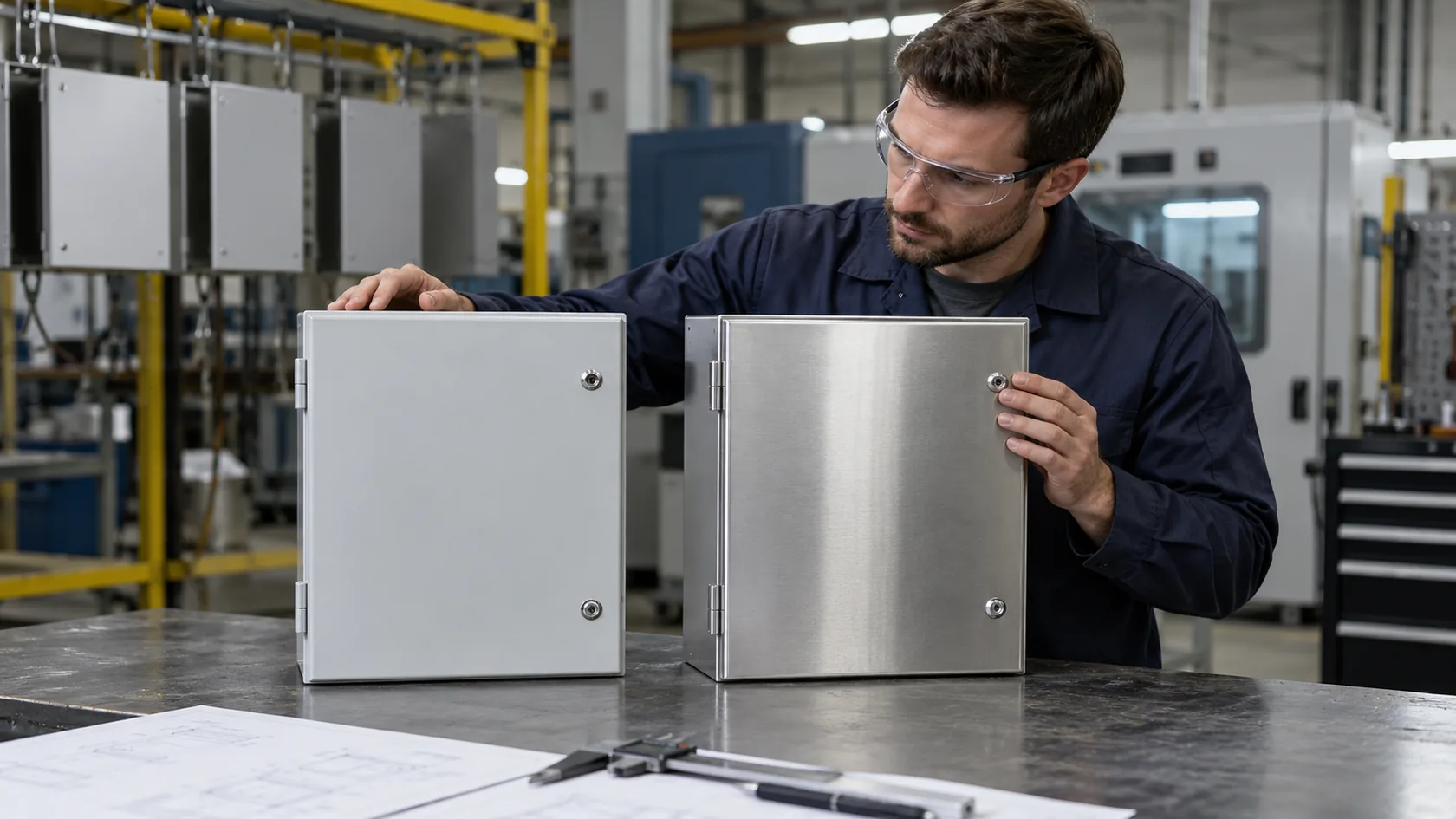
For many industrial enclosures, standard black, white, gray, or silver is enough.
The customer may care more about durability, fit, and delivery than a unique color. In that case, choosing a standard finish is not boring. It is smart.
A good product does not always need a special color. Sometimes it needs reliable delivery.
Hidden Expenses of Custom Colors
Custom colors can be useful for branding. I understand that.
If a customer sells a branded device, the enclosure color may need to match their product family. A unique color can help the product stand out. It can also make the product feel more professional.
But custom color has hidden costs.
| Custom Color Cost | Why It Happens |
|---|---|
| Color matching fee | Supplier needs to match sample or code |
| Powder MOQ | Powder supplier may require minimum purchase |
| Sample rounds | Buyer may need several approvals |
| Longer lead time | Powder must be ordered or mixed |
| Batch control | Future orders must match the same color |
| Extra inventory | Unused powder may remain after production |
| Higher rejection risk | Slight color variation may be unacceptable |
A custom color also needs clear communication.
Does the buyer provide a RAL code? A Pantone code? A physical sample? A previous product shell? A photo is not enough. Screens show colors differently. Lighting changes everything.
If a customer sends only a product image and says, “Please make it like this,” I get cautious. That request sounds simple, but it can become a long approval process.
Special Finishes That Increase Production Costs
Special finishes can make an enclosure look better. They can also add risk.
Common special powder coating finishes include:
- Textured finish
- Matte finish
- Glossy finish
- Metallic finish
- Fine sand texture
- Anti-fingerprint surface
- Multi-color coating
- Two-tone design
- Clear top coat
| Finish Type | Why Customers Choose It | Production Risk |
|---|---|---|
| Textured finish | Hides scratches and fingerprints | Texture must stay consistent |
| Matte finish | Looks modern and clean | Shows oil marks more easily |
| Glossy finish | Looks bright | Shows scratches and surface defects |
| Metallic finish | Premium appearance | Color variation can be harder to control |
| Two-tone finish | Strong branding | More masking and more labor |
| Multi-color finish | Special product identity | Higher rejection risk |
For aluminum enclosures, I sometimes suggest anodizing instead of powder coating if the customer wants a premium metal look and the part design fits anodizing. But if the customer needs a thick protective finish, strong color coverage, or outdoor durability, powder coating may still be better.
The finish should serve the product.
It should not become a beautiful problem.
This leads to an important question that many buyers do not ask early enough: is powder coating really the best choice for this project?
Is Powder Coating Always the Most Cost-Effective Finish for Mass Production?
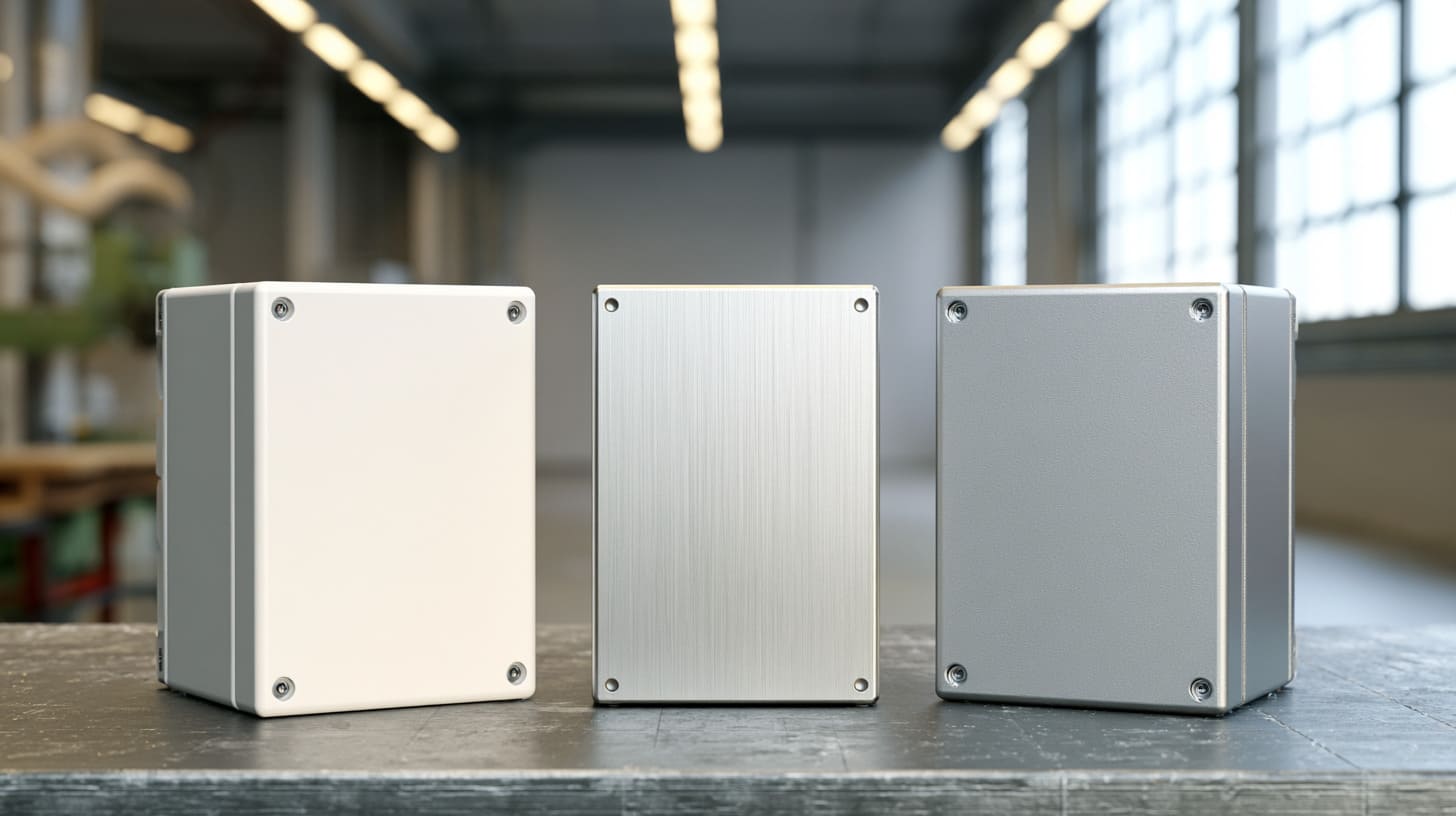
Powder coating is popular for a reason.
It is durable. It covers well. It works on many metal enclosures. It can look clean and professional. It is widely used for industrial products, outdoor equipment, electrical cabinets, and sheet metal parts.
But it is not always the best finish.
A finish should match the product use, material, order quantity, appearance requirement, and budget.
I do not choose powder coating because it is popular; I choose it only when the protection, appearance, and production flow make sense together.
Comparing Powder Coating with Anodizing
For aluminum enclosures, anodizing is often considered.
Anodizing changes the aluminum surface through an electrochemical process. It keeps a more metallic look. Powder coating adds a separate coating layer on top of the surface.
| Factor | Powder Coating | Anodizing |
|---|---|---|
| Appearance | Solid color, many finish options | Metallic look, clean aluminum feel |
| Thickness impact | Adds noticeable coating layer | Usually less build-up than powder coating |
| Color range | Wide color range | More limited and material-dependent |
| Scratch behavior | Can chip if hit hard | Surface can scratch but does not peel like coating |
| Outdoor protection | Good with correct pretreatment | Good in many aluminum applications |
| Best for | Sheet metal, industrial housing, strong color needs | CNC aluminum parts, premium metal appearance |
| Cost concern | Masking, curing, thickness control | Material quality, color consistency |
If the customer wants a black aluminum Raspberry Pi-style case with a clean metal look, anodizing may be a strong option.
If the customer wants a custom sheet metal electrical box with strong color coverage and corrosion protection, powder coating may be better.
The right answer depends on the project.
Comparing Powder Coating with Wet Paint
Wet paint is another option.
It can be useful for small batches, special colors, touch-ups, and some plastic or mixed-material situations. But it may not offer the same durability as powder coating in many industrial uses.
| Factor | Powder Coating | Wet Paint |
|---|---|---|
| Durability | Usually strong and thick | Depends on paint system |
| Environmental profile | No liquid solvent like traditional paint | Solvent and VOC concerns may exist |
| Finish flexibility | Good, but line setup matters | Very flexible for small custom jobs |
| Repair | Harder to touch up perfectly | Easier to repair small areas |
| Mass production | Efficient when process is stable | Can be slower for durable coating systems |
| Best for | Metal parts, industrial use, batch production | Small runs, special colors, complex repair needs |
Wet paint may look cheaper at first for some small orders. But for mass production metal enclosures, powder coating often becomes more stable and durable.
Still, I do not like automatic answers.
If the design has many masking areas, tight tolerances, and small batch custom colors, powder coating may not be as cheap as it first appears.
When Powder Coating Is the Best Choice
Powder coating is often a good choice for:
- Outdoor equipment enclosures
- Industrial control boxes
- Sheet metal electrical cabinets
- Custom aluminum enclosures needing solid color
- Branded OEM device housings
- High-volume parts with stable finish requirements
- Enclosures that need strong surface protection
| Project Requirement | Why Powder Coating Helps |
|---|---|
| Strong surface protection | Thick coating gives good coverage |
| Consistent brand color | Powder can provide stable solid colors |
| Industrial appearance | Finish looks clean and professional |
| Outdoor use | Good pretreatment improves corrosion resistance |
| High-volume production | Efficient if color and process are stable |
| Sheet metal enclosure | Works well on fabricated metal parts |
The main point is not that powder coating is bad.
It is not.
The main point is that powder coating must be calculated honestly. A good finish can protect the product. A poorly planned finish can damage the budget.
So how can engineers and buyers avoid these hidden costs before production starts?
How Can Engineers Reduce Hidden Powder Coating Costs Before Production?
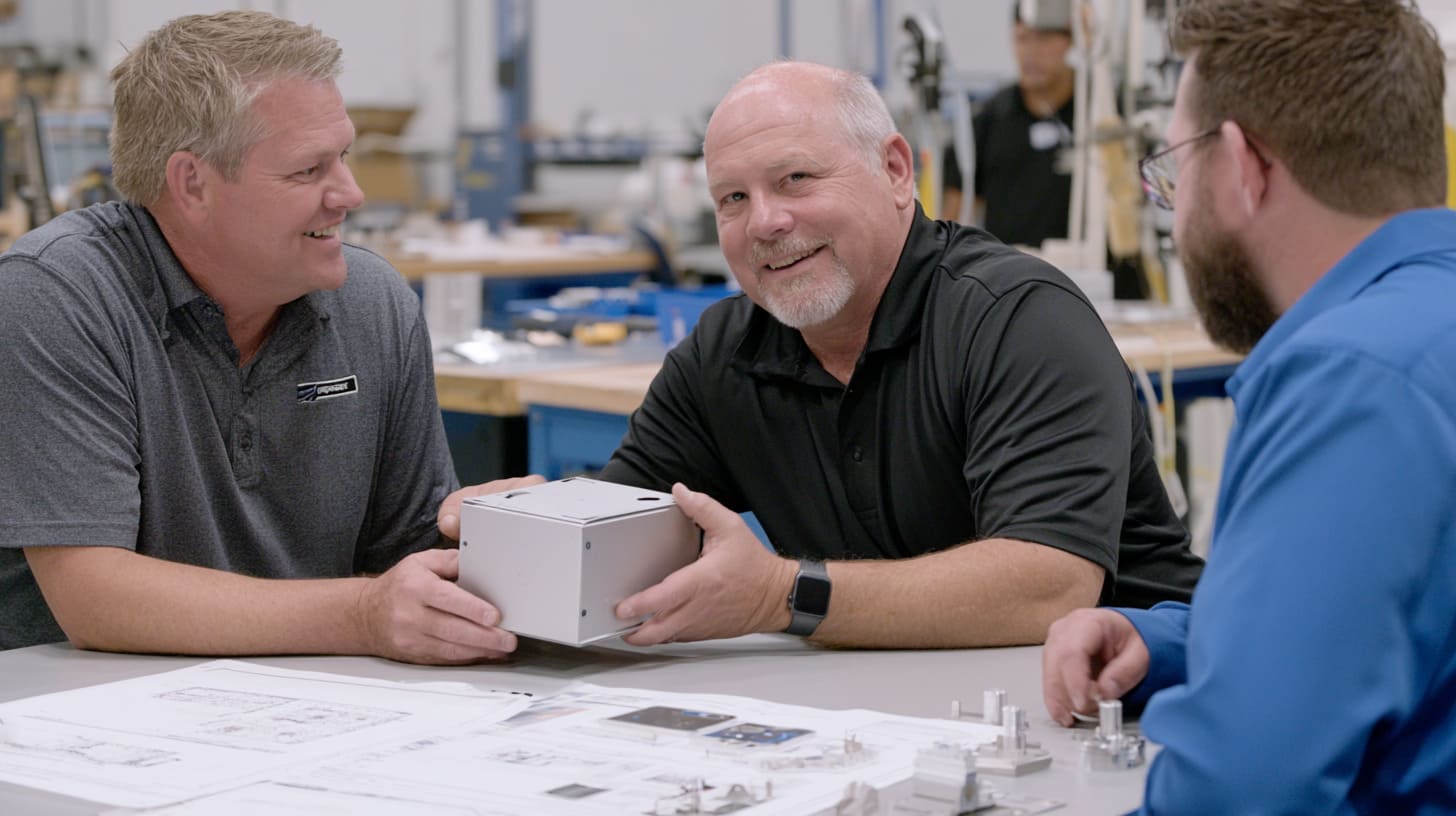
The best time to reduce powder coating cost is not after production.
It is before the drawing is released.
Once the design is fixed, many costs are already locked in. Hole positions, gaps, threads, sharp corners, masking areas, material choice, color choice, and surface requirements all affect the final cost.
Good planning does not remove all risk. But it removes many stupid surprises.
Before I accept a mass production plan, I like to check whether the design, coating method, assembly process, and delivery schedule are all looking at the same reality.
Involve the Coating Supplier Early in the Design Stage
Many coating problems begin before coating.
They begin in the design.
An engineer may design a tight gap because it looks clean. A buyer may request a custom color because it matches the brand. A supplier may quote quickly because they want to win the order. Then the coating team receives the parts and finds the real problem.
Early review helps.
| Design Topic | What to Confirm Early |
|---|---|
| Coated and uncoated areas | Which surfaces need coating? |
| Masking areas | Which holes, threads, or contact points must stay bare? |
| Color standard | RAL, Pantone, or physical sample? |
| Surface texture | Smooth, matte, fine texture, or sand texture? |
| Tolerance allowance | Does coating thickness affect fit? |
| Assembly sequence | Will coating happen before or after assembly? |
| Packaging method | How will the finish be protected during shipping? |
A supplier with real production experience may give simple but useful suggestions:
- Increase clearance slightly
- Mask grounding points
- Avoid coating inside some threaded holes
- Use standard powder when color is not critical
- Round sharp edges before coating
- Test one coated sample before mass production
- Change a finish method if another method fits better
These suggestions may not sound exciting. But they save money.
In manufacturing, boring details often protect the whole project.
Build Prototypes Before Mass Production
A prototype is not only for shape.
A prototype should test the full product experience.
For coated enclosures, I prefer the customer to test a finished sample, not only a bare metal sample. The coated sample shows real color, texture, assembly fit, screw feel, surface protection, packaging risk, and customer impression.
| Prototype Check | What It Reveals |
|---|---|
| Assembly test | Whether parts still fit after coating |
| Screw test | Whether threads need masking or rework |
| Color check | Whether the finish matches expectation |
| Surface check | Whether texture and gloss are acceptable |
| Logo test | Whether printing or engraving works well on finish |
| Heat test | Whether coating affects thermal contact |
| Packaging test | Whether surface survives shipping |
A buyer may feel a prototype slows the project. I understand that feeling.
But a failed mass production batch slows the project much more.
For a small order, the risk may be acceptable. For a large OEM order, skipping a coated prototype is like driving at night without headlights. You may still arrive, but why take that risk?
Create a Complete Cost Analysis Checklist
A good powder coating cost analysis should include more than the coating price.
Here is the type of checklist I like to use before mass production:
| Cost Area | Questions to Ask Before Production |
|---|---|
| Material | Is the material suitable for powder coating? |
| Surface preparation | Does the part need degreasing, blasting, or pretreatment? |
| Masking | Which holes, threads, contacts, or surfaces need protection? |
| Coating thickness | Will the thickness affect assembly or tolerance? |
| Color | Is it standard or custom? Is there a powder MOQ? |
| Finish texture | Does the texture increase setup or inspection needs? |
| Inspection | What tests are required? |
| Compliance | Are RoHS, REACH, or other documents needed? |
| Lead time | Does coating fit the project schedule? |
| Rework plan | What happens if defects appear? |
| Packaging | Can the coating survive shipping? |
| Future orders | Can the same color and finish be repeated? |
For MaidaTech projects, I also care about communication speed. Many of our customers are in Europe, North America, Japan, and South Korea. Time zones already create some delay. If coating details are unclear, each question may take one more day. That is expensive in a quiet way.
This is why I prefer clear drawings, clear finish notes, and early sample approval.
A good supplier should not only make the enclosure. The supplier should help the buyer avoid avoidable mistakes.
Conclusion

What Should Buyers Really Calculate Before Approving Powder Coating for Mass Production?
Powder coating is not just a color on the surface.
It is preparation. It is thickness. It is masking. It is curing. It is inspection. It is lead time. It is packaging. It is communication. It is also risk control.
I think this way because I have seen how small finish details can become big production problems. A tight screw hole looks small. A color sample delay looks small. A missed masking note looks small. A rough edge looks small.
But mass production makes small things loud.
If you order 20 samples, a small problem is a discussion. If you order 5,000 enclosures, the same problem becomes labor, delay, cost, and sometimes an unhappy customer.
That is why I believe buyers should calculate powder coating by total cost, not only by unit coating price.
Before approving powder coating for mass production, I would calculate:
| What to Calculate | Why It Matters |
|---|---|
| Surface preparation | It affects adhesion and durability |
| Coating thickness | It affects fit and assembly |
| Masking labor | It affects cost and production speed |
| Custom color cost | It affects MOQ and lead time |
| Quality inspection | It reduces rejection risk |
| Rework possibility | It protects the budget |
| Packaging protection | It prevents shipping damage |
| Schedule impact | It protects the project deadline |
| Future repeat orders | It keeps the finish consistent |
I do not write this to make powder coating sound scary. Powder coating is a very useful finish. For many custom aluminum enclosures, sheet metal enclosures, and industrial device housings, it is one of the best choices.
But it needs respect.
A finish that looks simple can carry many hidden decisions.
At MaidaTech, I prefer to discuss these details before production starts. I would rather spend more time checking the drawing, coating notes, masking points, and sample approval than spend more time explaining rework later.
If you are planning a custom aluminum enclosure, sheet metal enclosure, plastic electronic housing, or OEM branded enclosure for mass production, do not only ask, “How much is powder coating per piece?”
Ask a better question:
What will this finish really cost after preparation, tolerance control, lead time, inspection, and risk are included?
That question may save your project more money than a cheaper unit price ever could.
If you already have a drawing, sample, or enclosure idea, you can send it to MaidaTech. I can help you review the structure, finish choice, logo process, packaging method, and possible hidden production risks before you move into mass production.