Skip to content
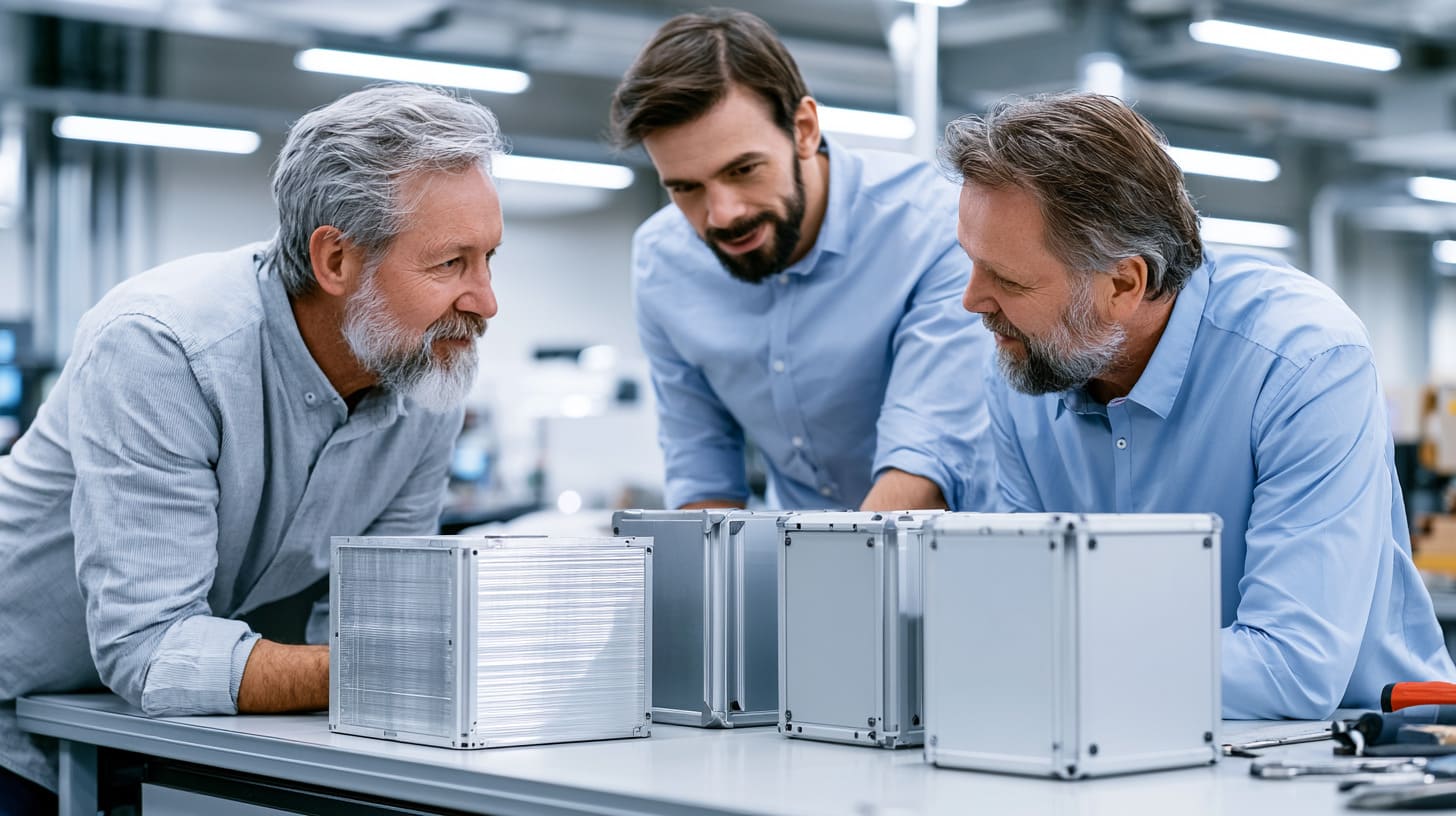
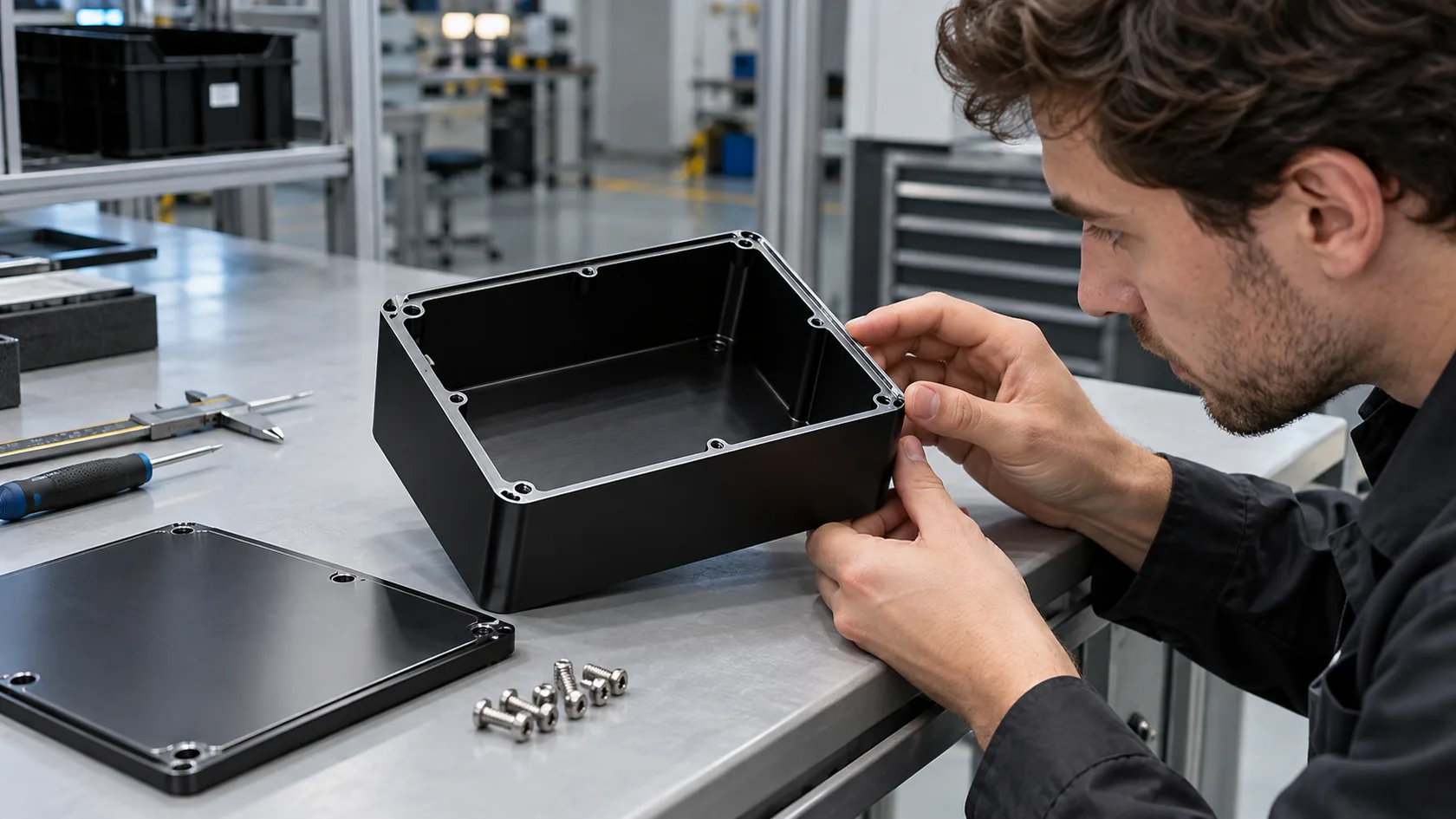
A customer once sent me a very clean aluminum enclosure drawing. The structure was not complicated. The size was normal. The machining was also easy for us. But there was one line in the requirement that made the whole project more risky:
“The finish must look premium. Please use black anodizing.”
At first, this sounds simple.
Many buyers think surface finishing is the final beauty step. They think anodizing or powder coating is only about color, texture, and appearance. But in real enclosure manufacturing, finishing is not just makeup. It can change the cost, tolerance, lead time, assembly, defect rate, and even the customer’s final product launch schedule.
I have seen projects where the CNC machining was perfect, but the anodized color was slightly different between two batches. I have also seen powder-coated parts look beautiful on the outside, but the coating made the screw holes too tight. The buyer only saw a “premium finish.” The factory saw masking, rework, rejection, and late delivery.
For custom aluminum enclosures, plastic enclosures, sheet metal enclosures, and electronic device housings, the finish should serve the product. It should not become the reason the product becomes hard to assemble or expensive to control.
I do not choose anodizing or powder coating only by asking, “Which one looks better?” I usually ask a more practical question first: Will this finish make the next manufacturing step easier or harder?
That question saves time. It also saves money.
In this article, I will compare anodizing and powder coating from the view of real enclosure manufacturing. I will not say one is always better. That is too simple. I will explain when the premium finish becomes a real production problem, and how I normally help buyers choose the safer option.
The surface may look like the last step, but it often decides whether the whole project feels smooth or painful.
What Is Anodizing?
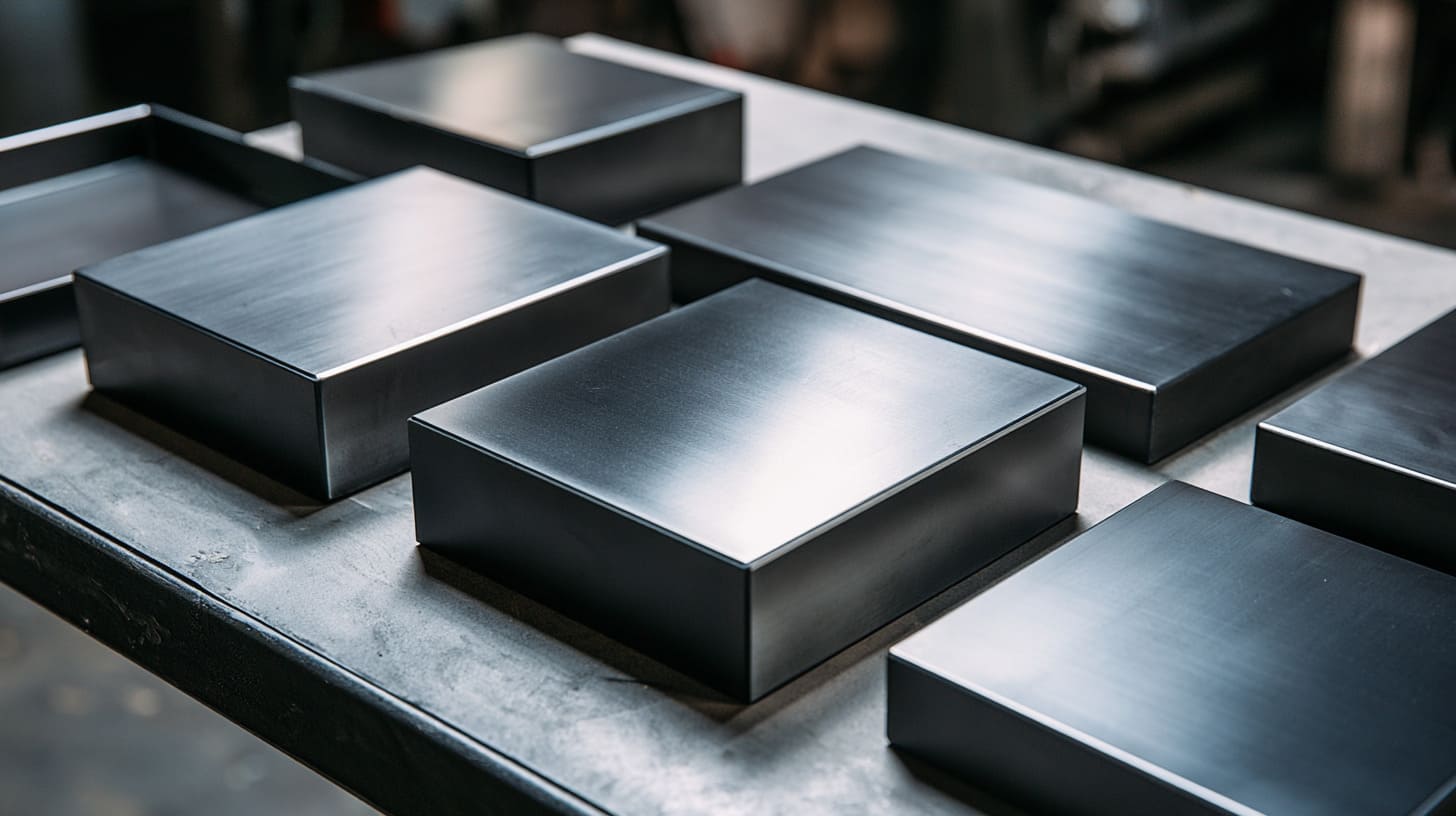
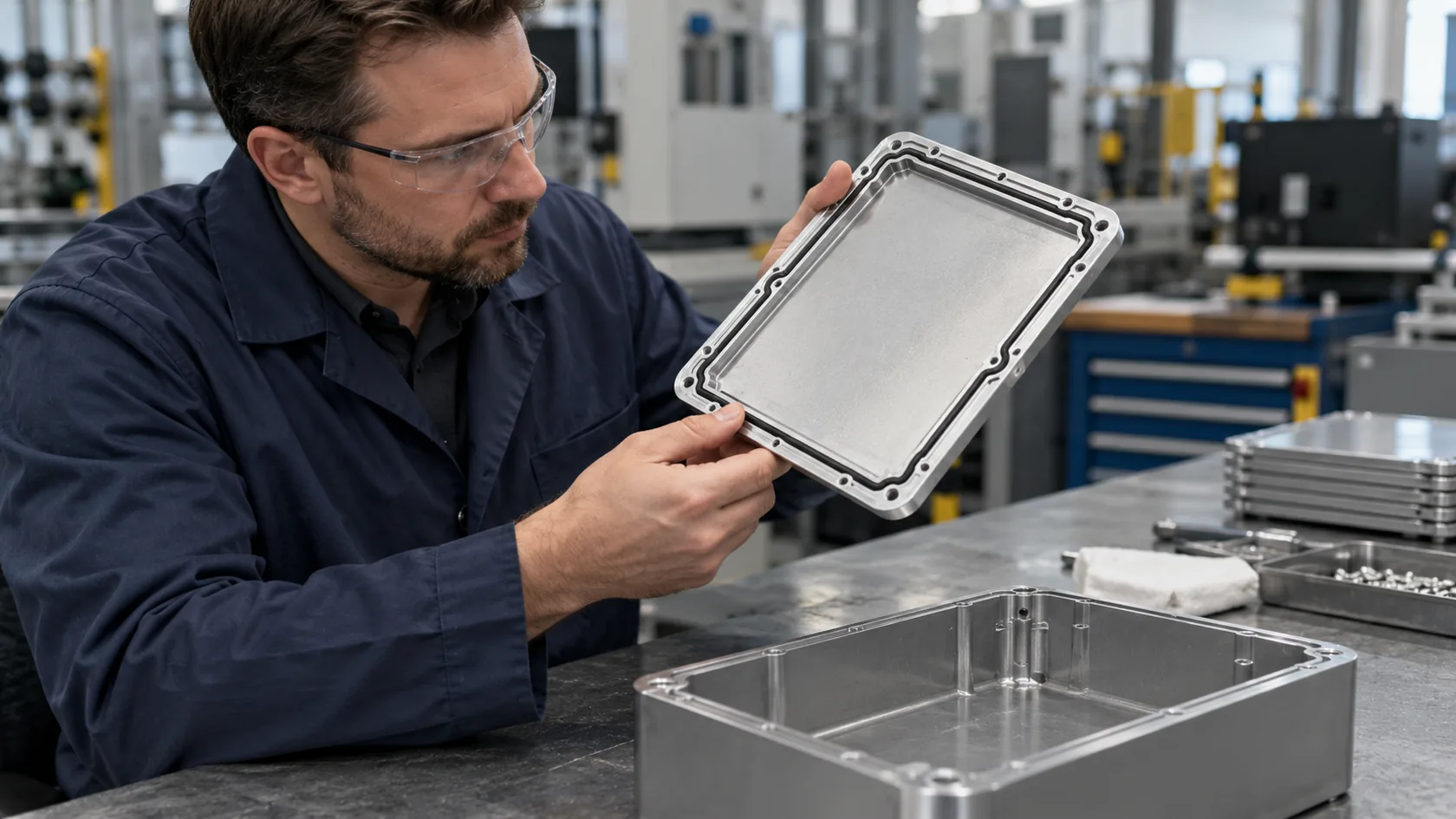
Anodizing is one of the most common finishes for aluminum enclosures. Many buyers like it because it keeps the metal feeling. It does not cover the aluminum like paint. It grows a protective oxide layer on the aluminum surface.
This is why anodized aluminum often feels clean, hard, and more “technical.” It looks like a real metal product, not a painted product.
But anodizing is not magic. It has rules. It also has limits.
Before I suggest anodizing to a customer, I always look at the aluminum grade, the surface condition, the color request, and the tolerance area, because anodizing will not hide every problem; sometimes it makes small surface problems more obvious.
How the anodizing process works
In simple words, anodizing uses an electrochemical process to create an oxide layer on the aluminum surface.
The aluminum part is cleaned first. Then it is placed in an acid bath. Electric current passes through the part. This makes the aluminum surface form a controlled oxide layer. After that, the part may be dyed into different colors and sealed.
For enclosure buyers, the key point is this:
Anodizing becomes part of the aluminum surface. It is not just a coating sitting on top.
That is why it has a different feeling from powder coating.
| Step | What Happens | Why It Matters |
|---|---|---|
| Cleaning | Oil, dust, and machining residue are removed | Poor cleaning can cause uneven finish |
| Etching or surface prep | Surface is adjusted before anodizing | It affects gloss, texture, and visible defects |
| Anodizing bath | Oxide layer forms on aluminum | It improves surface hardness and corrosion resistance |
| Dyeing | Color is added when required | Color matching can be difficult |
| Sealing | Pores are closed | It improves durability and stain resistance |
The process sounds stable, but small changes can create visible results. Different aluminum batches can absorb dye differently. Welded parts may show different tones. Sharp edges may react differently from flat surfaces.
That is why anodizing is beautiful when the design fits it, but difficult when the buyer expects perfect visual control.
Common anodizing types used for aluminum enclosures
For custom aluminum enclosures, I usually see two common types.
Type II Anodizing
Type II anodizing is common for many commercial aluminum parts. It gives a nice appearance and normal protection. It is often used for electronic enclosures, panels, covers, and consumer-style metal parts.
It works well when the product needs:
- Clean metal appearance
- Moderate wear resistance
- Color options
- Better corrosion protection than bare aluminum
- Lightweight surface treatment
For many custom enclosure projects, Type II anodizing is enough. But it is not the best choice for every harsh environment.
Type III Hard Anodizing
Type III hard anodizing creates a thicker and harder oxide layer. It is often used when the part needs stronger wear resistance.
It works better for:
- Industrial equipment
- Parts with repeated contact
- Outdoor or harsh-use components
- Mechanical parts where surface hardness matters
But hard anodizing may make color choices more limited. It can also affect dimensions more than normal anodizing. For tight assemblies, this needs attention.
| Type | Main Benefit | Common Concern |
|---|---|---|
| Type II Anodizing | Good appearance and normal protection | Color variation can happen |
| Type III Hard Anodizing | Better hardness and wear resistance | Thicker layer may affect dimensions |
| Clear Anodizing | Natural aluminum look | Surface defects may still show |
| Black Anodizing | Premium technical look | Batch color matching can be difficult |
Key advantages of anodizing
Anodizing has real value. I do not want to make it sound risky all the time. For the right aluminum enclosure, anodizing can be a very good finish.
Its main advantages are:
- It keeps the natural aluminum texture
- It does not peel like paint
- It improves corrosion resistance
- It improves surface hardness
- It looks clean and professional
- It is good for CNC-machined aluminum parts
- It can support premium branding
For example, many customers making electronic controllers, test equipment, IoT devices, audio products, or Raspberry Pi-style aluminum cases like anodizing because it gives a sharp technical look.
It says, “This product is engineered.”
That matters.
Typical industries using anodized enclosures
Anodized aluminum enclosures are often used in industries where the buyer wants both function and appearance.
| Industry | Why Buyers Use Anodizing |
|---|---|
| Electronics | Clean look and corrosion protection |
| IoT devices | Lightweight and modern appearance |
| Audio equipment | Premium metal feeling |
| Industrial control | Durable surface and easy cleaning |
| Testing instruments | Professional appearance |
| Communication devices | Good balance of weight and protection |
| Custom Raspberry Pi projects | Better heat feel and stronger metal look |
But here is the catch.
The more premium the product looks, the less tolerance the buyer has for small color differences, scratches, stains, or surface marks. This is where anodizing can become difficult.
A beautiful anodized enclosure can make a product feel expensive. But if the buyer expects every batch to look like one perfect sample, the project needs stricter control from the start.
What Is Powder Coating?
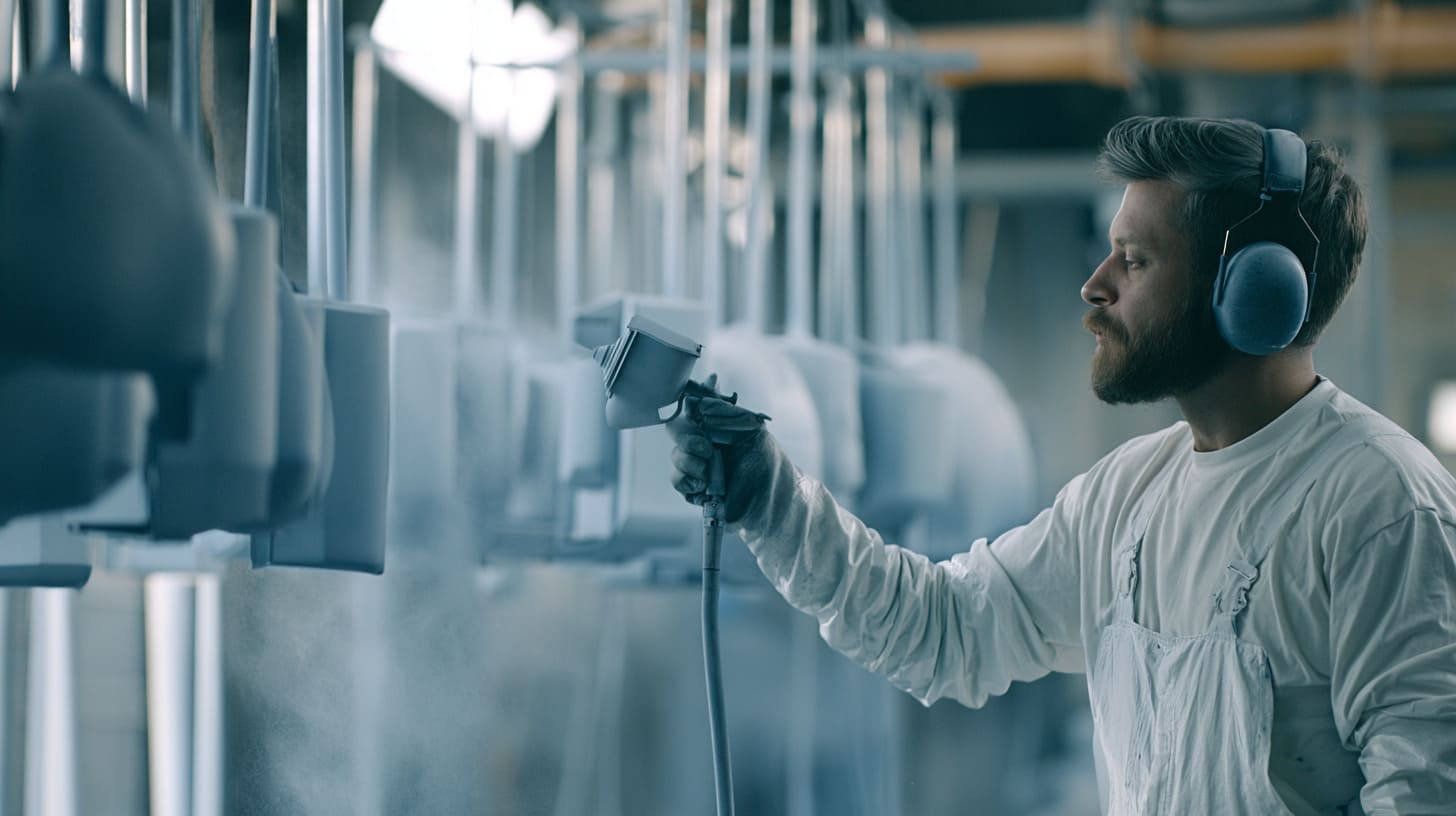
Powder coating is a dry coating process. It uses powder instead of liquid paint. The powder is sprayed onto the metal surface, then heated in an oven until it melts and forms a solid coating.
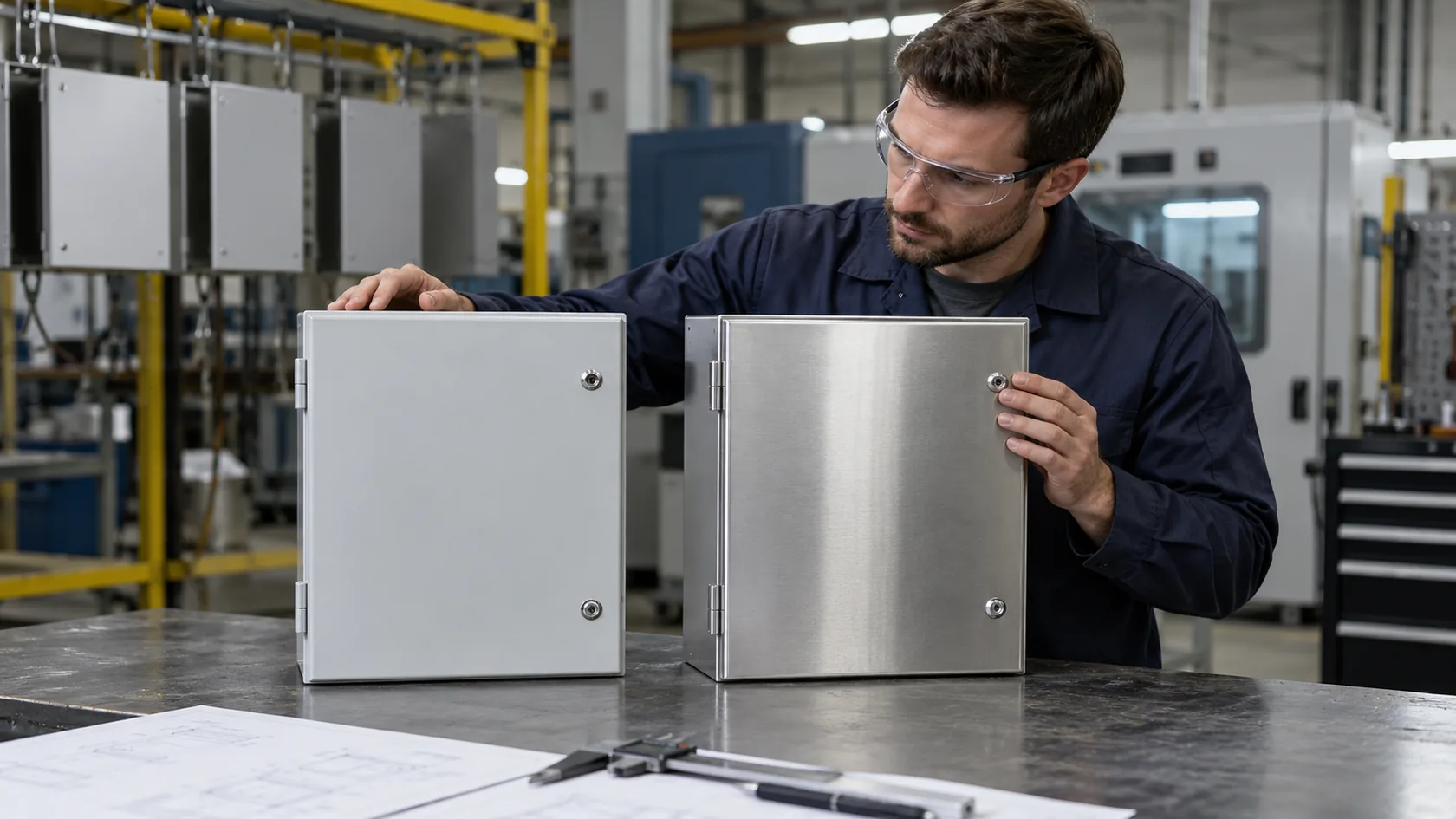
For many sheet metal enclosures and industrial boxes, powder coating is very common. It gives strong coverage. It can hide some small surface marks better than anodizing. It also gives many color and texture choices.
But powder coating is thicker than anodizing. This thickness can protect the part, but it can also create trouble.
When I see a powder coating request, I first check all screw holes, sliding areas, grounding points, and assembly gaps, because the coating does not care about the drawing; it adds thickness wherever the spray can reach.
How powder coating works
The powder coating process is easier to understand than anodizing.
First, the metal part is cleaned. Then the powder is sprayed using an electrostatic gun. The charged powder sticks to the metal surface. After that, the part goes into an oven. The powder melts and cures into a solid layer.
| Step | What Happens | Manufacturing Risk |
|---|---|---|
| Surface cleaning | Oil and dirt are removed | Poor cleaning causes peeling |
| Pretreatment | Surface is prepared for adhesion | Wrong pretreatment reduces durability |
| Powder spraying | Powder is applied to the part | Too much powder causes thick coating |
| Curing | Part is heated in oven | Heat may affect some assemblies |
| Cooling and inspection | Finish is checked | Defects may require full rework |
Powder coating is strong, but it is not always precise. That is one reason it can cause assembly problems on custom enclosures.
Common powder coating materials
Different powder coating materials are used for different environments.
| Powder Type | Best Use | Main Concern |
|---|---|---|
| Polyester | Outdoor and general industrial use | Surface texture must be controlled |
| Epoxy | Indoor corrosion protection | Poor UV resistance outdoors |
| Epoxy-polyester hybrid | Indoor equipment and office products | Not ideal for long outdoor exposure |
| Polyurethane | Smooth finish and better durability | Higher cost |
| Textured powder | Hides defects and fingerprints | May not fit premium smooth products |
For electronic enclosures, polyester and epoxy-polyester hybrid are common. For outdoor boxes, polyester is usually a safer choice because UV resistance matters.
Key advantages of powder coating
Powder coating has many practical advantages.
It can create:
- Strong color coverage
- Many colors and textures
- Good corrosion resistance
- Better hiding of small surface defects
- Lower cost for many sheet metal projects
- Good protection for steel enclosures
- A strong industrial look
It is also useful when the buyer wants a special brand color. If a customer wants red, blue, white, yellow, or a custom RAL color, powder coating is often easier than anodizing.
This is one reason powder coating is popular in electrical boxes, control cabinets, outdoor devices, and sheet metal enclosures.
Typical applications for powder-coated enclosures
Powder-coated enclosures are common in many B2B projects.
| Application | Why Powder Coating Fits |
|---|---|
| Electrical control boxes | Strong protection and color options |
| Outdoor equipment housings | Good corrosion resistance with proper powder |
| Sheet metal enclosures | Good coverage and cost control |
| Industrial devices | Durable and practical |
| Wall-mounted boxes | Easy color matching with brand or environment |
| Steel enclosures | Much better than leaving steel untreated |
| Large equipment panels | Easier visual coverage than anodizing |
Powder coating is like wearing a jacket. It protects well. It also changes the outside look. But if the jacket is too thick, your product may not move, fit, or breathe the way the drawing expected.
That is where many problems start.
Anodizing vs Powder Coating: Side-by-Side Comparison
Many buyers ask me a simple question:
“Which one is better, anodizing or powder coating?”
My honest answer is: better for what?
A finish can be better for appearance but worse for assembly. It can be better for outdoor use but worse for tight tolerances. It can be cheaper at first but more expensive after rework.
For custom enclosures, I do not compare anodizing and powder coating like two colors in a catalog. I compare them like two manufacturing decisions, because each finish changes the risk profile of the whole order.
Appearance and aesthetic quality
Anodizing keeps the aluminum feel. Powder coating covers the surface.
| Factor | Anodizing | Powder Coating |
|---|---|---|
| Metal feel | Strong | Weak |
| Color range | Limited | Very wide |
| Premium technical look | Very good | Depends on texture |
| Ability to hide defects | Low | Better |
| Batch color control | More difficult | Easier with standard colors |
If the buyer wants a premium CNC aluminum look, anodizing is usually more attractive. If the buyer wants a specific brand color, powder coating is usually easier.
But anodizing is honest. Sometimes too honest.
If the aluminum surface has scratches, machining marks, weld differences, or material variation, anodizing may show them. Powder coating can cover more of these issues.
Durability and wear resistance
Anodizing improves the surface of aluminum itself. Powder coating adds a protective layer over the metal.
| Requirement | Better Option |
|---|---|
| Scratch resistance on aluminum | Often anodizing |
| Impact resistance | Often powder coating |
| Repeated rubbing contact | Depends on coating type and thickness |
| No peeling risk | Anodizing |
| Thick protective barrier | Powder coating |
Anodizing does not peel like paint. But it can scratch. Powder coating can chip if hit hard or if adhesion is poor.
This is why I always ask how the customer’s product will be used. A desktop audio case and an outdoor industrial control box should not be judged by the same standard.
Corrosion protection
Both finishes can improve corrosion resistance. But the result depends on material, pretreatment, finish thickness, environment, and quality control.
For aluminum, anodizing gives good corrosion protection in many normal conditions. Powder coating can also protect aluminum and steel, especially when the pretreatment is done well.
For steel enclosures, powder coating is usually more common because steel needs a strong protective coating.
| Material | Common Finish Choice |
|---|---|
| CNC aluminum enclosure | Anodizing or powder coating |
| Sheet metal aluminum enclosure | Powder coating often used |
| Steel enclosure | Powder coating commonly used |
| Outdoor aluminum box | Depends on UV, salt, and design |
| High-end aluminum housing | Anodizing often preferred |
UV resistance and outdoor performance
Outdoor use changes the decision.
A finish may look good indoors, but sunlight, rain, heat, and salt air are different enemies.
| Outdoor Factor | Anodizing | Powder Coating |
|---|---|---|
| Sunlight | Good with proper process | Good with outdoor polyester powder |
| Rain | Good with proper sealing | Good with proper pretreatment |
| Salt air | Needs careful specification | Needs strong pretreatment and coating system |
| Color fading | Can happen | Can happen depending on powder type |
| Surface damage repair | Hard | Also difficult, but sometimes easier to repaint |
For outdoor products, I do not only ask “anodizing or powder coating.” I ask where the enclosure will be used. Finland, Germany, Canada, South Korea, and coastal areas all create different use conditions.
Cost considerations
Powder coating is often more cost-friendly for sheet metal enclosures and larger parts. Anodizing can be cost-effective for CNC aluminum parts, but color and cosmetic requirements can increase cost.
| Cost Item | Anodizing | Powder Coating |
|---|---|---|
| Basic finish cost | Medium | Often medium or lower |
| Color matching cost | Can increase | Usually easier |
| Masking cost | Sometimes needed | Often needed |
| Rework cost | High | High |
| Scrap risk | Can be high for cosmetic parts | Can be high for complex assemblies |
| Batch consistency control | More difficult | Easier with standard powder |
The cheapest finish is not always the lowest total cost. A cheap coating that blocks holes or chips during assembly becomes expensive very fast.
Lead time and production efficiency
Lead time depends on the finish vendor, color, order size, masking work, and inspection standard.
Anodizing may be fast for common colors like clear or black. Powder coating may be fast for standard colors and textures. But both can slow down when the buyer asks for special effects or strict cosmetic quality.
| Situation | Possible Delay |
|---|---|
| Custom anodized color | Color approval and batch matching |
| Special powder color | Powder sourcing and test panel |
| Heavy masking | More manual labor |
| Cosmetic inspection | Higher rejection and sorting |
| Rework | Extra finishing cycle |
A finish can become the bottleneck of the whole project. Buyers often focus on CNC time or sheet metal time, but the surface treatment queue can also delay shipment.
Repairability after damage
This is one of the most overlooked points.
Anodized parts are hard to repair locally. If the surface is scratched after anodizing, the mark usually stays visible. Powder coating can sometimes be touched up, but perfect repair is still difficult, especially for texture and color matching.
| Damage Type | Anodizing | Powder Coating |
|---|---|---|
| Small scratch | Hard to hide | Can sometimes touch up |
| Deep chip | Not typical peeling, but visible | May expose base metal |
| Color repair | Very difficult | Possible but not perfect |
| Full rework | Often difficult | Possible but costly |
For high cosmetic products, handling after finishing becomes very important. One careless assembly step can ruin a beautiful surface.
Suitability for custom branding and logos
Both finishes can support branding, but the method is different.
| Branding Method | Best Match |
|---|---|
| Laser engraving | Anodizing |
| Silk screen printing | Powder coating or anodizing |
| UV printing | Powder coating or anodizing |
| Debossed logo before finish | Depends on design |
| Color logo | Powder coating surface often easier |
Anodized black aluminum with laser logo can look very clean. Powder-coated enclosures with printed brand color can also look professional.
But branding must be planned early. If the logo area is too small, too close to bends, or placed on a rough texture, the result may disappoint the buyer.
A finish is not just a surface. It becomes part of the brand story. But the story still needs screws to fit, parts to assemble, and boxes to ship on time.
Manufacturing Problems Commonly Caused by Anodizing
Anodizing looks premium, but it can be strict. It rewards good design and good surface preparation. It punishes hidden mistakes.
I have seen buyers approve a beautiful black anodized sample, then feel upset when mass production parts were slightly different. The factory did not change the process on purpose. The real issue was that anodizing depends on many small variables.
When I judge anodizing risk, I do not only look at the finish name; I look at how much visual consistency the buyer expects, because “premium” usually means the customer will notice tiny differences that normal industrial users would ignore.
Color inconsistency between production batches
Color inconsistency is one of the most common anodizing problems.
Black anodizing sounds simple. But different aluminum batches, different surface preparation, different part thickness, different bath conditions, and different sealing can affect the final color.
A buyer may say:
“The sample is deep black. Why is this batch slightly gray?”
This can happen.
| Cause | Result |
|---|---|
| Different aluminum batch | Color tone may shift |
| Different surface roughness | Gloss level may change |
| Different anodizing thickness | Color depth may change |
| Large parts and small parts in same order | Different visual effect |
| Different production batch | Hard to match perfectly |
For projects where color matching is very strict, anodizing can create stress. This is especially true when the buyer wants many parts assembled together, and all visible surfaces must match.
If one enclosure has a front panel, top cover, side plates, and bottom plate from different batches, the color difference can become more obvious after assembly.
Visible defects on aluminum surface preparation
Anodizing does not hide the aluminum surface. In many cases, it makes the surface more honest.
This is good when the part is well-machined and well-prepared. But it is bad when the surface has:
- Scratches
- Tool marks
- Welding marks
- Uneven brushing
- Handling marks
- Material lines
- Small dents
Powder coating can cover some small defects. Anodizing often cannot.
| Surface Issue | After Anodizing |
|---|---|
| CNC tool marks | May remain visible |
| Scratches | Often still visible |
| Weld zones | May show different color |
| Uneven sanding | Very obvious under light |
| Fingerprint contamination | May cause stains |
This is why surface preparation cost can increase. If the buyer wants a beautiful anodized finish, the factory may need more polishing, brushing, bead blasting, or manual inspection.
That means more time and more cost.
Dimensional changes affecting tight-tolerance parts
Anodizing adds an oxide layer to the surface. Part of the layer grows inward, and part grows outward. For many general enclosure parts, this is not a big problem. But for tight-tolerance parts, it matters.
This is especially important for:
- Sliding covers
- Press-fit areas
- Precision grooves
- Threaded holes
- Connector openings
- Board mounting areas
- Close-fitting aluminum parts
| Feature | Possible Problem |
|---|---|
| Tight groove | Cover may not slide smoothly |
| Threaded hole | Screw fit may change |
| Connector cutout | Connector may become tight |
| Internal cavity | PCB clearance may reduce |
| Snap-fit area | Assembly force may increase |
For a simple box, this may not be serious. For a custom electronic enclosure with PCB, ports, thermal pads, and internal supports, small changes can matter.
The drawing should consider the finish before production. If the buyer gives final dimensions without finish allowance, the factory must ask questions early.
Difficulty achieving uniform finish on complex geometries
Anodizing works best on clean, open, simple aluminum shapes. Complex geometry can create uneven finish areas.
Difficult areas include:
- Deep recesses
- Sharp inner corners
- Blind holes
- Welded corners
- Complex CNC cavities
- Long narrow channels
- Mixed thick and thin sections
| Geometry Type | Risk |
|---|---|
| Deep cavity | Uneven anodizing effect |
| Sharp corner | Color or thickness variation |
| Long part | Possible shade difference |
| Mixed thickness | Different reaction during process |
| Hidden area | Harder cleaning and sealing |
For many electronic enclosures, this matters because the design may include internal ribs, grooves, connector windows, screw posts, and heat dissipation features.
If the product is not very cosmetic inside, this may be acceptable. But if the buyer expects every surface to look perfect, the risk increases.
Challenges with welded aluminum assemblies
Welded aluminum parts can be difficult to anodize beautifully.
The weld area and base aluminum may react differently. The filler material may not match the base material. After anodizing, the weld zone can show a different color or texture.
| Weld Issue | Anodizing Result |
|---|---|
| Different filler material | Different color tone |
| Heat-affected zone | Visible shade change |
| Grinding marks | Still visible |
| Uneven surface | Finish looks inconsistent |
| Large welded assembly | Higher cosmetic risk |
This is why I am careful when a buyer asks for welded aluminum enclosure plus premium anodizing. It can be done, but expectations must be clear.
If the product is industrial and the weld area is hidden, anodizing may be fine. If the weld area is visible and the buyer wants a high-end consumer look, the design may need to change.
Sometimes it is better to redesign the part into CNC-machined or assembled components instead of welded construction.
Increased rejection rates for cosmetic products
Anodizing can increase rejection rates when the cosmetic standard is very high.
For example, if a buyer wants black anodized enclosures for a consumer product, small defects can become unacceptable:
- Slight color difference
- Tiny scratch
- Water mark
- Fingerprint stain
- Uneven gloss
- Small handling dent
- Different shade between panels
| Product Type | Rejection Risk |
|---|---|
| Industrial internal enclosure | Low to medium |
| Outdoor control box | Medium |
| Consumer electronics housing | High |
| Premium audio enclosure | High |
| Retail-facing product | Very high |
The more visible the product is, the more strict the inspection becomes.
And here is the painful part: many anodizing defects are found near the end of production. By that time, the material has already been cut, machined, deburred, cleaned, and finished. Rejection at this stage hurts more.
That is why I always prefer to discuss cosmetic standards before mass production, not after the goods are finished.
Premium finishes can create premium problems. And the earlier we admit that, the easier the project becomes.
Manufacturing Problems Commonly Caused by Powder Coating
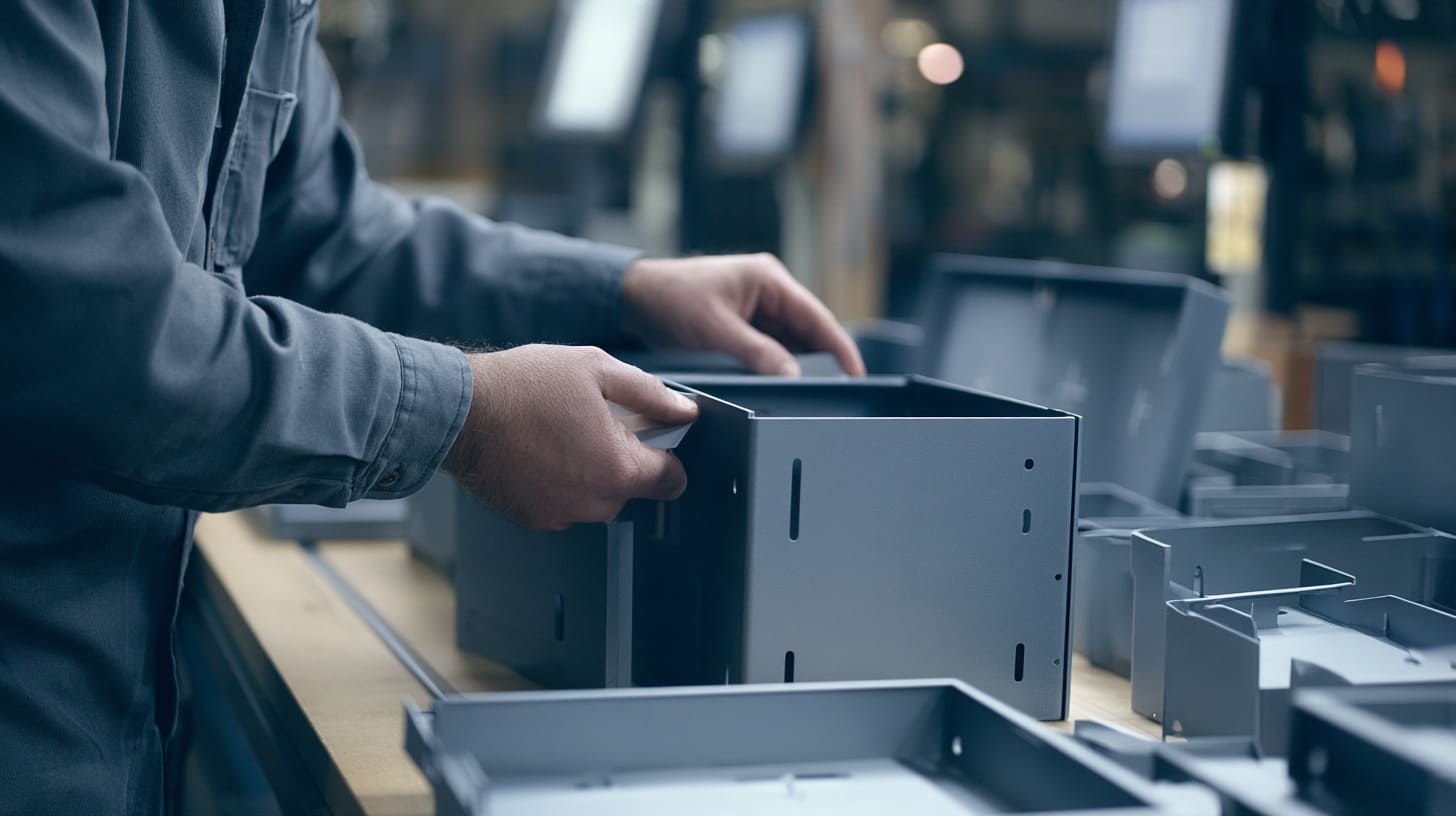
Powder coating feels safer to many buyers because it covers the surface. It can hide small marks. It gives many colors. It is widely used. But in enclosure manufacturing, powder coating can create very practical problems.
The most common issue is thickness.
Powder coating adds a layer on top of the part. That layer can be helpful on outside surfaces, but annoying inside screw holes, sliding areas, grounding points, and small assembly gaps.
The first thing I check on a powder-coated enclosure is not the outside color; I check where the coating must not go, because that is where assembly problems usually appear later.
Excessive coating thickness affecting assembly
Powder coating thickness can vary. On open flat surfaces, it may look good. But on corners, holes, and edges, the coating can build up.
This can cause problems like:
- Covers not closing smoothly
- Screws feeling too tight
- PCB not fitting correctly
- Connector holes becoming smaller
- Sliding parts getting stuck
- Gasket areas becoming uneven
| Area | Possible Powder Coating Problem |
|---|---|
| Internal slots | Parts may not slide |
| Screw holes | Screws may not fit well |
| PCB mounting area | Board height may change |
| Lid contact area | Cover may not close flat |
| Connector cutout | Port may become too tight |
For a simple industrial box, this may be easy to control. For a compact electronic enclosure, it can become a real headache.
This is why finish thickness must be considered in the design stage. If the drawing leaves no clearance, powder coating may create assembly failure.
Threaded holes and mating surfaces becoming unusable
Threaded holes are a classic powder coating trouble area.
If powder enters the threads, screws may not go in smoothly. The worker may force the screw. Then the screw may damage the thread, chip the coating, or create metal dust inside the enclosure.
None of this is good.
| Feature | Risk If Not Masked |
|---|---|
| Threaded hole | Screw cannot enter smoothly |
| Grounding point | Poor electrical contact |
| Hinge area | Movement becomes tight |
| Flat mating surface | Assembly gap appears |
| Stud or insert | Fit becomes inconsistent |
Masking can solve many of these problems. But masking adds labor. It also adds the chance of human error.
For example, if one threaded hole is missed during masking, the whole part may need rework. If the part is already packed, the problem may be found by the buyer later. That is worse.
Edge buildup and orange peel defects
Powder coating can create edge buildup. This means the coating becomes thicker around edges or corners. The part may still look acceptable from far away, but the feel and fit can change.
Orange peel is another common cosmetic issue. The surface looks slightly wavy, like orange skin. Sometimes this is acceptable for industrial products. Sometimes it looks cheap for premium products.
| Defect | What It Looks Like | Why It Matters |
|---|---|---|
| Edge buildup | Thick coating on corners | Can affect fit and appearance |
| Orange peel | Wavy surface texture | May look less premium |
| Pinholes | Small holes in coating | Can reduce protection |
| Runs or uneven coating | Thick and thin areas | Poor cosmetic quality |
| Dust particles | Small bumps | Bad for visible products |
Powder coating is not always smooth like liquid paint. Buyers should confirm the expected texture before production.
If a buyer wants a very smooth, Apple-style finish, powder coating may need stricter process control and higher cost. If the buyer accepts a fine texture industrial finish, production becomes easier.
Risk of coating chipping during assembly
Powder coating can chip if the edge is hit, if the coating adhesion is poor, or if assembly pressure is too high.
This often happens around:
- Screw holes
- Sharp edges
- Cover corners
- Hinge areas
- Clip areas
- Mounting brackets
- Connector openings
| Assembly Action | Possible Result |
|---|---|
| Tightening screws | Coating chips around hole |
| Sliding cover into slot | Coating scratches |
| Pressing parts together | Edge coating cracks |
| Installing brackets | Contact marks appear |
| Packing without protection | Corners get damaged |
Good design helps. Rounded edges help. Proper pretreatment helps. Better packing helps. But the risk does not disappear.
This is why we need to think about assembly after finishing. The part may leave the powder coating line looking perfect, but it still needs to survive assembly, inspection, packing, shipping, and the buyer’s final installation.
Rework challenges after coating defects
Powder coating defects are not always easy to fix.
If there is a small dust mark or scratch, the buyer may ask for repair. But local repair may not match the original texture and color. Full rework may require stripping the coating and coating again.
That means more time and cost.
| Problem | Rework Difficulty |
|---|---|
| Small scratch | Touch-up may be visible |
| Wrong color | Usually needs full recoating |
| Poor adhesion | Must strip and redo |
| Thick coating in holes | May need tapping or cleaning |
| Orange peel | May require process adjustment |
For tight schedules, rework can hurt badly. If the buyer has a project launch date, one extra coating cycle can create pressure.
This is why sample approval is important. The buyer should approve not only the color, but also the texture, gloss, and acceptable cosmetic standard.
Additional masking requirements increasing labor costs
Masking sounds simple, but it can become expensive when the enclosure has many functional areas.
Common masking areas include:
- Threads
- Grounding points
- Connector contact surfaces
- Bearing or hinge areas
- Heat transfer surfaces
- Label areas
- Sliding tracks
- Internal PCB support areas
| Masking Area | Reason |
|---|---|
| Grounding point | Keep electrical contact |
| Threaded hole | Keep screw fit |
| Heat sink surface | Keep thermal contact |
| Sliding track | Keep movement smooth |
| Gasket area | Keep sealing consistent |
If the design has too many small areas to mask, labor cost increases. The defect risk also increases because workers must apply and remove masking carefully.
This is a hidden cost buyers often do not expect.
Powder coating can look simple from outside. But inside the enclosure, every hole and contact point has an opinion.
When Anodizing Becomes the Wrong Choice
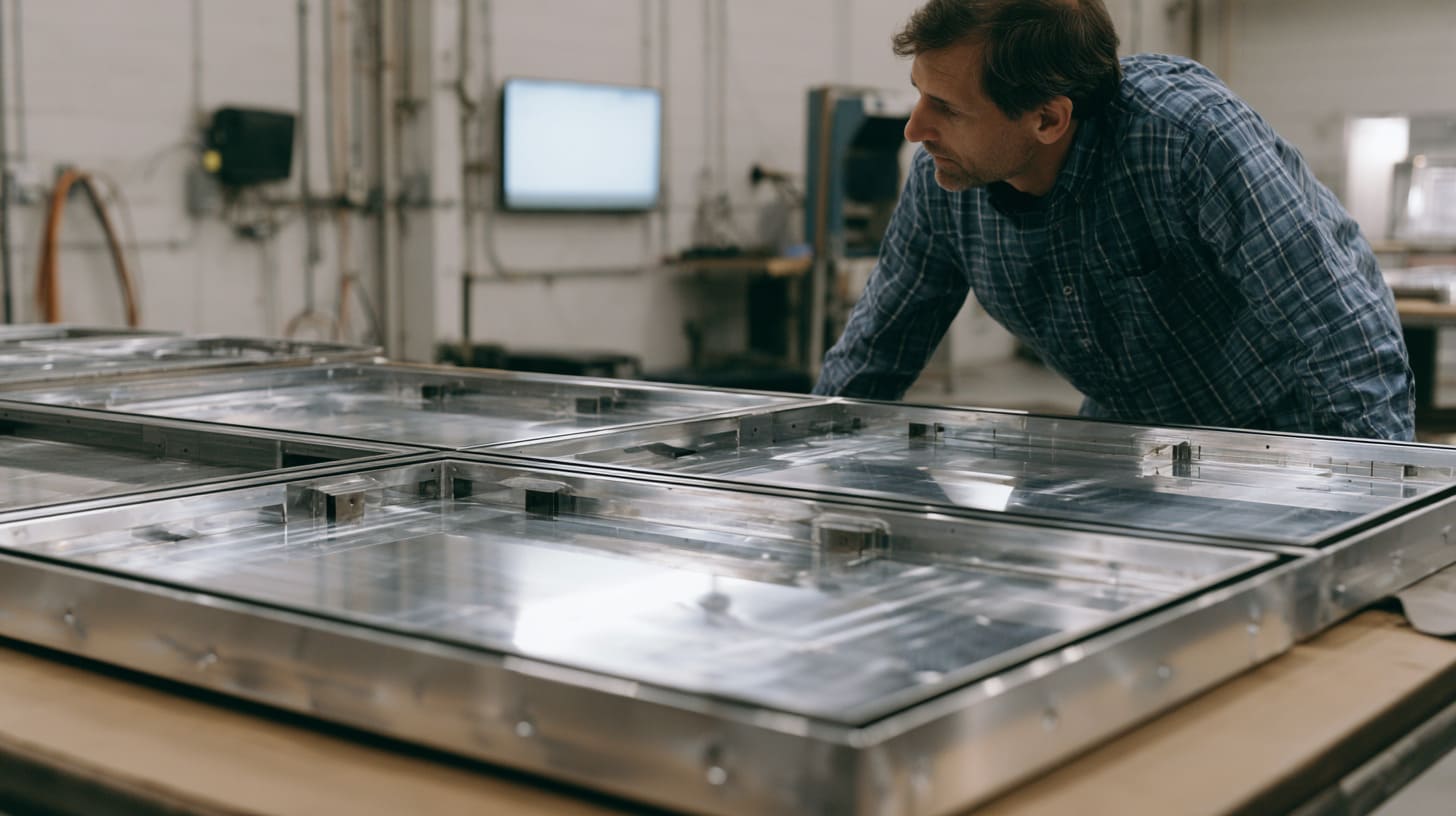
Anodizing is a good finish, but it is not always the right finish. Sometimes it creates more risk than value.
This is especially true when the buyer wants perfect color matching, low cost, welded structure, frequent changes, or large cosmetic surfaces.
A finish can be premium and still be wrong.
I become careful with anodizing when the customer cares more about perfect visual consistency than normal engineering tolerance, because anodizing gives a beautiful metal look but does not always give perfect repeatability.
Projects requiring perfect color matching
If a project requires perfect color matching across different parts and different batches, anodizing may become risky.
This is common in:
- Consumer electronics
- Premium audio cases
- Retail-facing products
- Multi-part aluminum assemblies
- Products with visible front panels and covers
- Projects with repeat orders over many months
| Buyer Expectation | Anodizing Risk |
|---|---|
| Same black color forever | Batch variation may happen |
| All panels match perfectly | Different parts may show shade difference |
| Repeat order looks like first sample | Material and process may vary |
| Logo area looks clean | Surface prep must be very stable |
If the buyer accepts a normal industrial tolerance, anodizing can work. If the buyer wants every piece to look exactly the same under strong light, the project becomes harder.
In that case, powder coating with a standard color may sometimes be more predictable.
Low-cost production programs
Anodizing is not always expensive by itself. But high-quality anodizing with strict cosmetic control can increase cost.
For low-cost production, the buyer may not have enough budget for:
- Better aluminum material control
- Extra surface preparation
- Careful handling
- Higher rejection allowance
- Cosmetic sorting
- Special packaging
| Cost Pressure | Why Anodizing Becomes Hard |
|---|---|
| Low unit price target | Less budget for surface preparation |
| High cosmetic demand | More inspection and rejection |
| Fast shipment | Less time for color correction |
| Small order quantity | Higher setup cost per unit |
If a customer wants “very cheap but perfect anodized black,” I know the project may become difficult.
There is nothing wrong with wanting a good price. I also understand buyers need profit. But the finish standard and budget must live in the same world.
Designs with multiple welded sections
Anodizing welded aluminum assemblies can create visible color differences. If the welds are hidden, this may not matter. If the welds are visible, it can become a problem.
For welded enclosures, I often suggest buyers consider:
- Powder coating
- Brushed finish with clear protection
- Design change to reduce welding
- Mechanical assembly instead of welding
- Cosmetic cover panels
| Welded Design Feature | Possible Solution |
|---|---|
| Visible weld lines | Use powder coating or redesign |
| Large welded frame | Accept industrial appearance |
| Premium front surface | Use separate CNC front panel |
| Mixed aluminum materials | Avoid anodizing if appearance is critical |
A welded structure can be strong and practical. But if the buyer also wants a luxury anodized appearance, the design and finish may fight each other.
Parts requiring frequent modifications after finishing
Some ODM projects change fast. The customer may test one board, then change the connector. Then they may change the switch position. Then they may add a logo or ventilation hole.
This is normal in product development.
But anodizing does not like late changes.
If you machine a hole after anodizing, the new cut edge will expose raw aluminum. That area will not match the anodized surface. If the part needs re-anodizing, the old finish may need stripping and reprocessing.
| Late Change | Problem After Anodizing |
|---|---|
| Add new hole | Raw aluminum edge appears |
| Enlarge connector cutout | Finish mismatch |
| Change logo | Old mark may remain |
| Modify groove | Surface becomes inconsistent |
| Rework scratch | Hard to repair locally |
For early prototypes, it may be better to use natural aluminum, simple powder coating, or even no final finish until the design is stable.
A premium finish is not always smart during the messy testing stage.
Large enclosures with strict cosmetic requirements
Large anodized parts are harder to control than small parts. Big surfaces show defects more easily. A small shade change becomes more visible across a large panel.
This matters for:
- Large instrument housings
- Rack-mounted front panels
- Long aluminum covers
- Large control enclosures
- Display equipment housings
| Large Part Issue | Why It Matters |
|---|---|
| Long surface | Uneven tone is easier to see |
| Large flat panel | Scratches are more obvious |
| Handling difficulty | Higher risk before packing |
| Batch matching | More visible after assembly |
If the customer needs a large flat cosmetic surface, we need to discuss surface preparation and inspection standards early.
Sometimes a fine-texture powder coating gives a more stable commercial result. Sometimes anodizing still works, but the buyer must accept normal process limits.
The wrong finish does not fail loudly at the beginning. It waits until the last step, then sends you a photo with a red circle around a tiny defect.
When Powder Coating Becomes the Wrong Choice
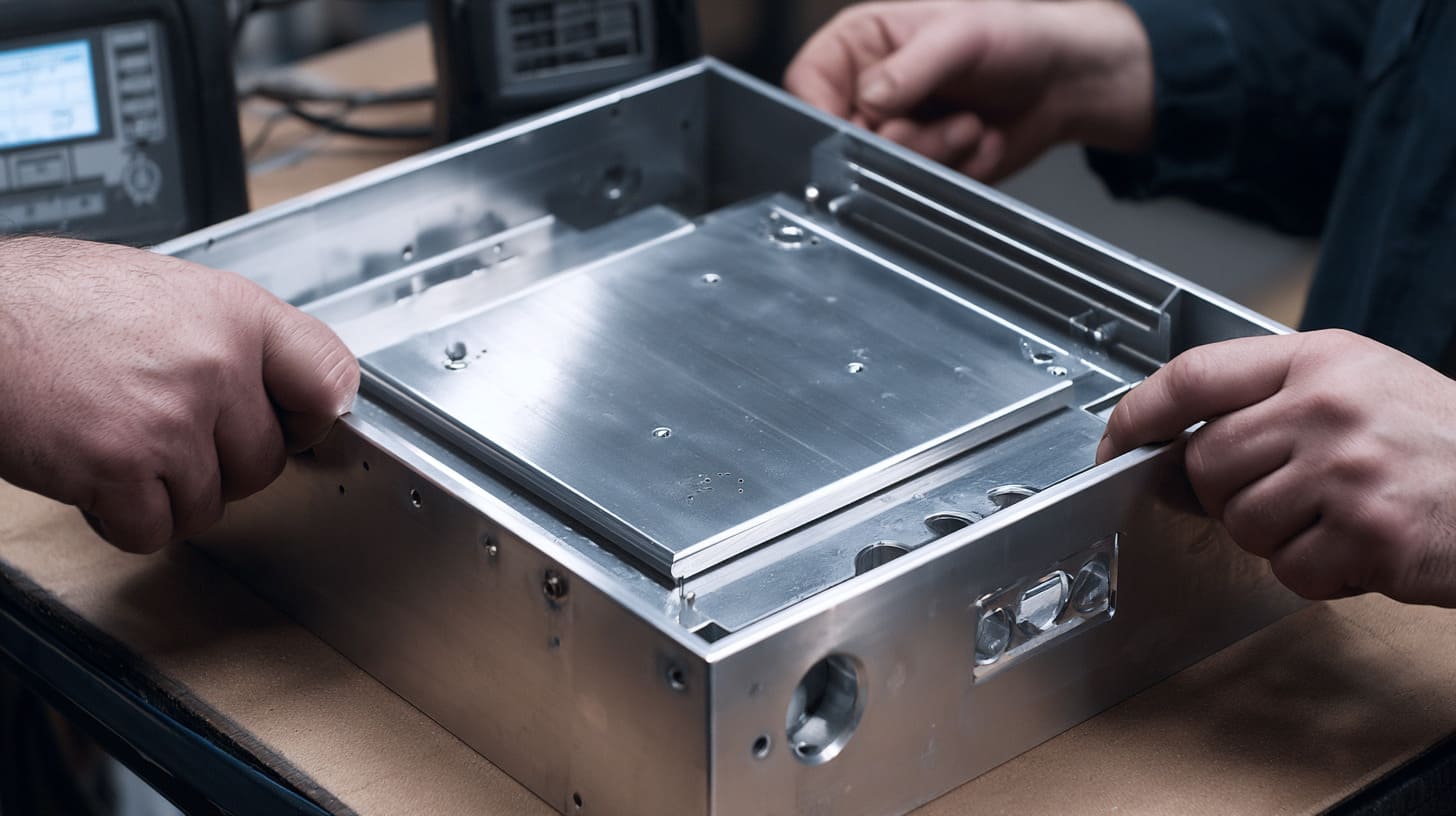
Powder coating is practical, but it can be the wrong choice when precision, conductivity, abrasion, heat, or small design features matter.
I like powder coating for many industrial enclosures. It is reliable when the design allows enough clearance and the finish is specified correctly. But I become cautious when the enclosure has many small functional details.
Before I approve powder coating for a precision enclosure, I check whether the coating is protecting the product or slowly stealing the space that the PCB, screws, connectors, and grounding points need.
Precision-machined enclosure projects
CNC-machined aluminum enclosures often have tight features. The buyer may need accurate grooves, clean connector cutouts, flat mating surfaces, and close assembly gaps.
Powder coating can interfere with these areas.
| Precision Feature | Powder Coating Risk |
|---|---|
| Tight lid groove | Lid may not slide |
| Small connector hole | Connector may not fit |
| Flat sealing surface | Gasket may not seal evenly |
| PCB support area | Board position may change |
| Small countersink | Screw head may not sit flat |
If the enclosure needs high precision, anodizing may be better because it is thinner and more integrated with the aluminum surface.
But this is not automatic. Some precision parts can still be powder coated if masking and clearance are designed well.
Applications requiring electrical conductivity
Powder coating is an insulating layer. This is good for some safety needs. But it is bad when the enclosure needs electrical conductivity.
Electronic enclosures may need conductive areas for:
- Grounding
- EMI shielding
- Contact between cover and body
- PCB ground connection
- Cable shield bonding
- Metal-to-metal contact
| Requirement | Powder Coating Concern |
|---|---|
| Grounding point | Coating blocks contact |
| EMI shielding | Coating may reduce metal contact |
| Cover-body conductivity | Contact areas need masking |
| Internal ground screw | Thread or contact area must stay bare |
| Shielded connector | Coating may interfere with contact |
This does not mean powder coating cannot be used for electronic enclosures. It means the design must include masked conductive points.
If the buyer forgets this, the enclosure may look good but fail in electrical testing.
Products exposed to abrasion and repeated contact
Powder coating can be strong, but repeated rubbing can wear it down. Sharp contact can chip it. Sliding metal parts can scratch it.
This matters for:
- Sliding covers
- Mounting rails
- Hinged parts
- Portable equipment
- Tools and test devices
- Products handled daily
| Use Condition | Possible Powder Coating Problem |
|---|---|
| Frequent handling | Gloss and surface may wear |
| Sliding contact | Coating scratches |
| Sharp tool contact | Chipping |
| Repeated screw removal | Coating damage around holes |
| Outdoor rough use | Surface impact damage |
Anodizing may be better for some aluminum parts with frequent handling because it does not chip in the same way. But if impact protection is more important, powder coating may still win.
Again, the use case decides.
Heat-sensitive assemblies
Powder coating requires oven curing. The part must handle heat during the curing process.
For bare metal parts, this is usually fine. But for assemblies with inserts, adhesives, rubber parts, plastic parts, magnets, or pre-installed components, curing heat may create problems.
| Assembly Item | Possible Heat Risk |
|---|---|
| Plastic insert | May deform |
| Adhesive | May weaken |
| Rubber gasket | May age or change shape |
| Magnet | May lose strength depending on type |
| Pre-installed electronics | Not suitable for oven curing |
This is why powder coating is usually done before final assembly.
If a buyer wants to coat an already assembled product, we need to check all components carefully. Most of the time, it is better to finish metal parts first, then assemble.
Small features and intricate designs
Small features make powder coating harder.
The powder may not reach some areas evenly. It may also build up too much in other areas. Deep corners, small holes, narrow slots, and fine patterns can all create problems.
| Small Feature | Coating Risk |
|---|---|
| Narrow slot | Coating may close the gap |
| Small hole | Diameter becomes smaller |
| Sharp inside corner | Uneven coverage |
| Fine engraved logo | Detail may become less clear |
| Thin bracket | Edge buildup becomes obvious |
If the design includes small functional features, the buyer should not choose powder coating only because the color looks nice.
The finish must respect the geometry.
A nice coating is not helpful if the customer needs a file and a screwdriver to make the product fit together.
Hidden Costs Buyers Often Overlook
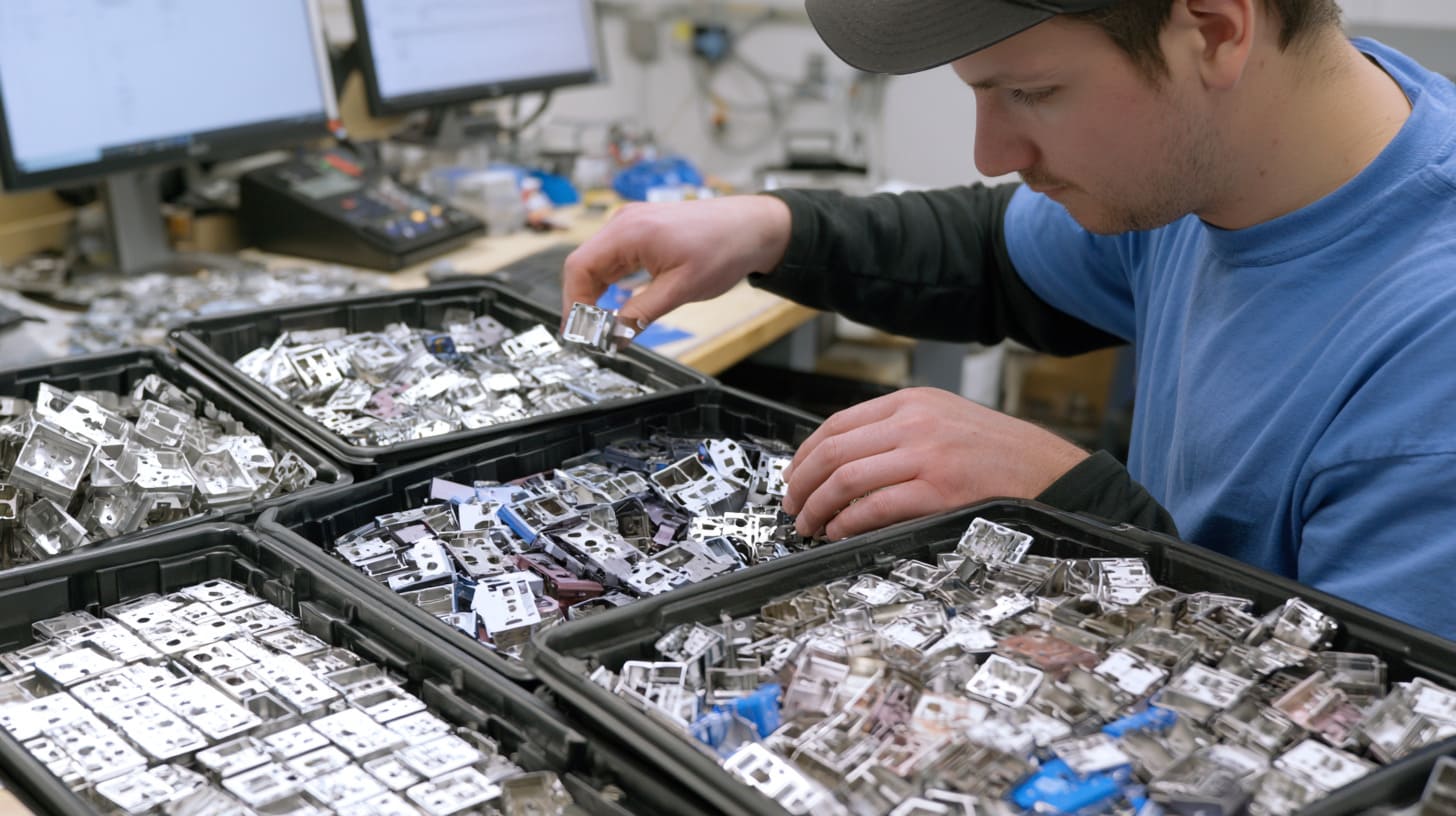
Surface finishing costs are not only shown on the quotation line. Many costs hide inside rework, delay, inspection, and communication.
A buyer may compare two prices and think one finish is cheaper. But after production starts, the real cost may change.
I usually tell buyers to look beyond the finishing unit price, because the dangerous cost is not the coating itself; it is the cost of discovering the finish problem after machining and before shipment.
Scrap and rejection costs
Scrap cost is painful because finishing happens near the end of production.
If a raw material has a defect, we can catch it early. If a machining dimension is wrong, we can inspect it before finishing. But if the finish is rejected, the part has already consumed most of the production cost.
| Rejection Stage | Cost Impact |
|---|---|
| Raw material defect | Lower cost impact |
| Machining defect | Medium to high |
| Surface finishing defect | High |
| Final assembly damage | Very high |
| Buyer rejection after delivery | Highest |
For cosmetic anodizing, rejection may come from color or surface marks. For powder coating, rejection may come from thickness, chips, orange peel, or blocked holes.
The buyer may only see “5% rejected.” The factory sees machined aluminum, labor, finishing cost, inspection time, and schedule pressure.
Extended production lead times
Finishing can add lead time in several ways.
| Cause | How It Delays Production |
|---|---|
| Color sample approval | Buyer must approve before mass production |
| Special powder order | Material sourcing takes time |
| Masking process | More manual work |
| Finish vendor queue | Parts wait for available production slot |
| Rework | Parts go through another process cycle |
| Cosmetic sorting | Inspection takes longer |
For custom OEM projects, time is often very important. A buyer may need to catch a product launch, exhibition, or customer delivery date.
If finishing requirements are not clear at the beginning, lead time becomes hard to control.
Additional quality inspections
Premium finishes require more inspection.
For normal industrial enclosures, inspection may focus on dimensions, assembly, and basic appearance. For premium anodized or powder-coated parts, inspection may include color, gloss, texture, scratches, stains, marks, and coating thickness.
| Inspection Item | Why It Matters |
|---|---|
| Color consistency | Avoid visible batch difference |
| Gloss level | Match approved sample |
| Coating thickness | Protect fit and durability |
| Adhesion | Avoid peeling or chipping |
| Surface scratches | Protect cosmetic value |
| Masking quality | Keep holes and contacts functional |
This adds labor. It also requires clear standards.
If the buyer says “surface must be perfect,” that is not a standard. Perfect under what light? At what distance? On which surface? For which product grade?
Clear inspection rules prevent arguments later.
Rework and secondary machining
Rework after finishing is expensive and risky.
Sometimes powder coating blocks a hole, so the worker must chase the thread. Sometimes anodizing creates a sharp edge color issue after a modification. Sometimes the connector cutout becomes slightly too small because of coating thickness.
| Rework Type | Risk |
|---|---|
| Retapping threads | May chip coating |
| Enlarging holes | Exposes raw metal |
| Sanding defect | Leaves visible mark |
| Recoating | May affect dimension |
| Stripping finish | Can damage part surface |
Rework is never as clean as doing it right the first time.
For this reason, we try to confirm finish requirements before mass production. We also try to make a sample when the project has high cosmetic or tight tolerance requirements.
Supply chain risks from specialty finishing vendors
Many enclosure factories do not do every surface finish in-house. Some finishing processes are done by specialized vendors.
This can create supply chain risk.
| Risk | Example |
|---|---|
| Vendor capacity | Finish shop is busy |
| Color control | Different vendor gives different result |
| Process stability | One batch is good, next batch shifts |
| Communication | Technical details get lost |
| Transport damage | Parts move between factories |
| Environmental rules | Some processes face stricter control |
Buyers may think they are only dealing with one enclosure factory. But behind the project, there may be material suppliers, machining teams, finishing vendors, packing workers, and freight forwarders.
The more special the finish, the more important coordination becomes.
Hidden costs are like small leaks. One leak is not scary. But five leaks can sink the project.
How Engineers Decide Between Anodizing and Powder Coating
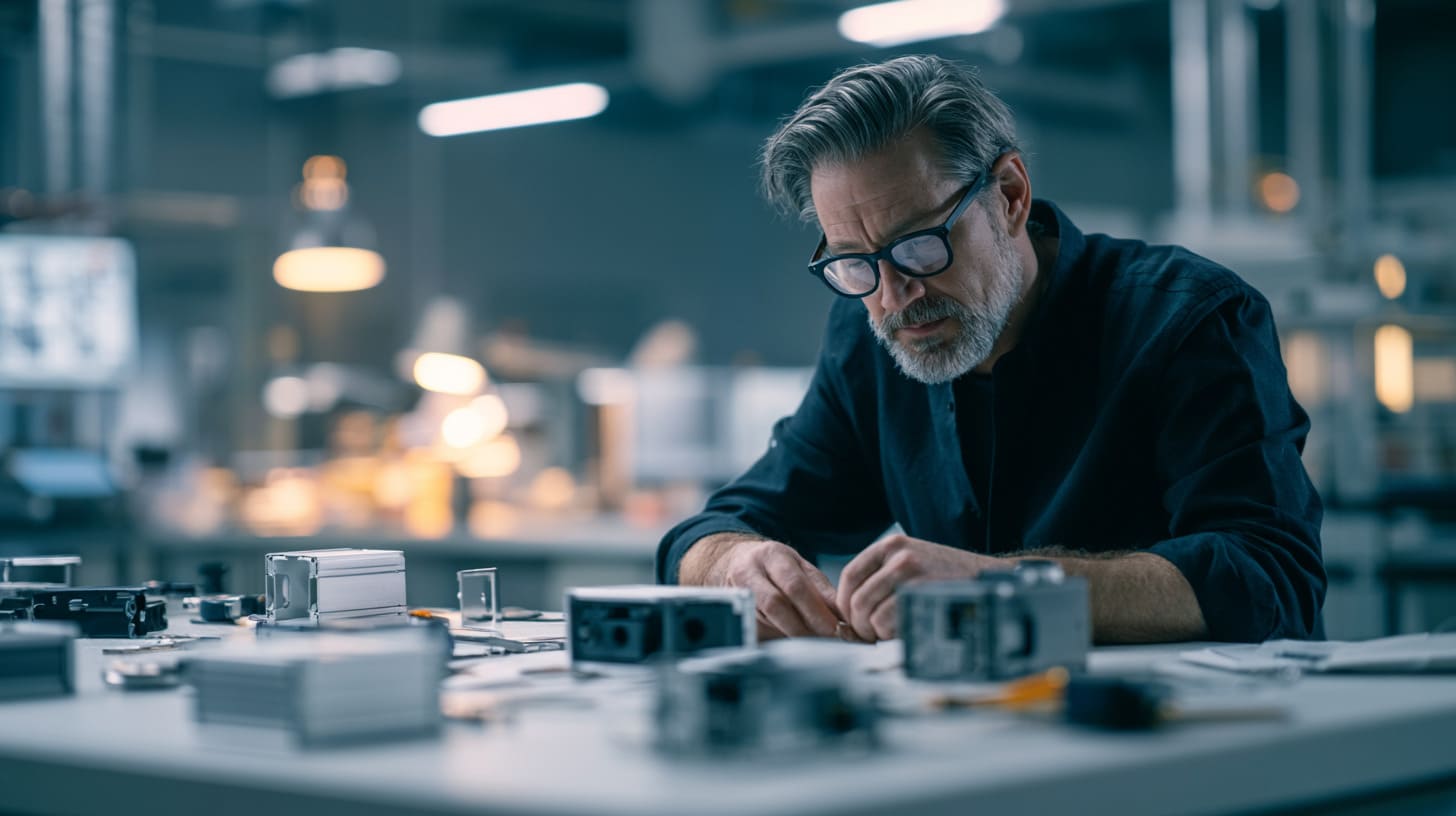
Good engineers do not choose a finish only by looking at a sample photo. They think about environment, tolerance, assembly, maintenance, budget, and real user behavior.
This is also how I try to guide customers. I do not want to sell the most expensive option. I want to choose the option that makes the project easier to produce and easier to use.
My first serious question is usually about the working environment, because the finish is not made for the factory table; it is made for the place where the enclosure will live for years.
Evaluating environmental requirements
The environment is the first filter.
Will the enclosure be used indoors or outdoors? Will it face rain, sunlight, salt air, oil, dust, heat, or cleaning chemicals?
| Environment | Finish Thinking |
|---|---|
| Indoor office | Appearance may matter more |
| Industrial workshop | Durability and cleaning matter |
| Outdoor wall-mounted box | UV and corrosion resistance matter |
| Coastal area | Salt resistance becomes important |
| Portable device | Scratch and handling resistance matter |
| High-temperature area | Coating and material stability matter |
A finish that works well in an office may fail near the sea. A finish that works in a dry warehouse may not survive a wet outdoor telecom box.
This is why I always want to know the application, not only the drawing.
Understanding dimensional tolerances
Tolerance is the second filter.
If the enclosure has loose assembly space, both anodizing and powder coating may work. If the enclosure has tight parts, the finish thickness becomes more important.
| Design Area | Question I Ask |
|---|---|
| Lid fit | Is there enough clearance after finish? |
| Screw holes | Should holes be masked or tapped after coating? |
| PCB supports | Will finish affect board position? |
| Connector openings | Will ports still fit after coating? |
| Gasket surfaces | Will finish affect sealing? |
For powder coating, we may need more clearance or masking. For anodizing, we still need to consider oxide thickness for precise areas.
A drawing without finish information is not complete. The finish is part of the dimension story.
Considering assembly requirements
Assembly tells us many hidden truths.
Some finishes look good as loose parts but fail during assembly. The worker tightens a screw, and the coating chips. The cover slides into place, and the coating scratches. The grounding point is coated, and the electrical test fails.
| Assembly Need | Finish Concern |
|---|---|
| Frequent opening | Wear around screws and covers |
| Sliding parts | Coating thickness and scratch risk |
| Grounding | Need bare conductive areas |
| Heat transfer | Need metal contact surface |
| Gasket compression | Surface flatness and thickness matter |
I like to think about assembly before finishing because the finished part still has to survive real human hands, not only a beautiful photo.
Balancing appearance with functionality
Buyers care about appearance. I understand that. A good enclosure helps the final product look professional. It can help a brand look more trustworthy.
But appearance should not destroy function.
| Buyer Priority | Possible Finish Choice |
|---|---|
| Premium metal feel | Anodizing |
| Brand color | Powder coating |
| Outdoor protection | Depends on system |
| Low cost | Often powder coating |
| Tight tolerance | Often anodizing or careful masking |
| High cosmetic consistency | Powder coating may be easier |
The best finish is the one that supports the product’s purpose.
If the enclosure is hidden inside a machine, a perfect cosmetic finish may be a waste. If the enclosure is sold as a premium retail product, surface quality may be worth the cost.
Reviewing long-term maintenance expectations
Maintenance is often forgotten.
Will the user clean the enclosure? Will it be handled daily? Will it be opened for service? Will it be installed in a dirty factory? Will it be exposed to tools?
| Long-Term Use | Finish Concern |
|---|---|
| Frequent cleaning | Chemical resistance matters |
| Field service | Screw areas may wear |
| Public use | Scratch resistance matters |
| Industrial use | Impact and oil resistance matter |
| Outdoor use | UV and corrosion resistance matter |
A finish should not only look good when new. It should still make sense after months or years of real use.
That is why the decision should not come from a catalog. It should come from the product’s life.
Engineers do not ask, “What finish is popular?” They ask, “What failure am I trying to avoid?”
Alternative Surface Finishes Worth Considering

Anodizing and powder coating are not the only choices. Sometimes the best answer is a different finish. Sometimes the best answer is a hybrid solution.
This is especially true for electronic enclosures where the product needs corrosion resistance, conductivity, branding, heat transfer, and good appearance at the same time.
I try not to force every project into anodizing or powder coating, because some enclosure problems are easier to solve when we stop treating two finishes as the only two doors in the room.
Chromate conversion coating
Chromate conversion coating is often used for aluminum when corrosion protection and electrical conductivity matter.
It does not create the same premium appearance as anodizing. But it can be useful inside electronic enclosures, especially when grounding or EMI shielding is important.
| Feature | Chromate Conversion Coating |
|---|---|
| Appearance | Usually not decorative |
| Conductivity | Better than powder coating |
| Corrosion protection | Good for many applications |
| Best use | Internal electronic parts |
| Main concern | Not a premium cosmetic finish |
For some industrial electronic enclosures, the inside may use conversion coating while the outside uses powder coating. This gives both function and appearance.
Electrophoretic coating (E-coating)
E-coating is a coating process where parts are dipped into a paint bath and coated using electric current. It can give good coverage, including more complex shapes.
It is often used in automotive and industrial applications.
| Feature | E-Coating |
|---|---|
| Coverage | Good for complex shapes |
| Corrosion protection | Good |
| Appearance | Usually functional, not always premium |
| Thickness control | Often more uniform than spraying |
| Main concern | Process availability and cost |
For some enclosure projects, e-coating can be used as a primer or protective layer. But it may not be available for every small custom order.
Brushed aluminum finish
Brushed aluminum gives a clean metal texture. It can be used before anodizing or with clear protection.
It looks professional, but it also shows direction and surface quality. If brushing is uneven, the part looks cheap.
| Feature | Brushed Finish |
|---|---|
| Appearance | Clean and professional |
| Cost | Depends on labor and size |
| Risk | Direction mismatch and scratches |
| Best use | Panels, covers, visible surfaces |
| Common pairing | Clear anodizing |
For front panels, brushed aluminum can be very attractive. But the brushing direction must be controlled, especially when several parts assemble together.
Bead blasted aluminum
Bead blasting creates a matte surface. It can reduce strong machining marks and give a soft texture before anodizing.
Many buyers like bead blasted anodized aluminum because it looks modern and less shiny.
| Feature | Bead Blasted Finish |
|---|---|
| Appearance | Matte and soft |
| Benefit | Reduces visible machining marks |
| Risk | Surface contamination or uneven blasting |
| Best use | Premium aluminum products |
| Common pairing | Anodizing |
But bead blasting also needs control. Uneven blasting can create shade differences after anodizing.
Hybrid finishing solutions
Hybrid finishing means using more than one finish or surface strategy.
Examples include:
- Powder coating outside, masked bare metal inside
- Anodized front panel with powder-coated body
- Brushed aluminum logo area with coated enclosure
- Conversion coating inside, powder coating outside
- Raw heat transfer area with coated exterior
| Hybrid Solution | Why It Helps |
|---|---|
| Anodized front panel + powder body | Premium look with cost control |
| Powder outside + bare grounding points | Protection plus conductivity |
| Clear anodized heat sink area + coated cover | Thermal and appearance balance |
| Brushed logo panel + painted enclosure | Better branding effect |
| Conversion coating inside + powder outside | EMI and corrosion balance |
Hybrid finishes are sometimes more work, but they solve real problems.
For custom OEM enclosures, this can be a smart path. The buyer does not always need the whole product to have one finish. The visible area, functional area, and hidden area can have different needs.
Sometimes the clever finish is not the most beautiful finish. It is the finish that gives every surface the job it can actually do well.
Decision Matrix: Which Finish Is Best for Your Enclosure?
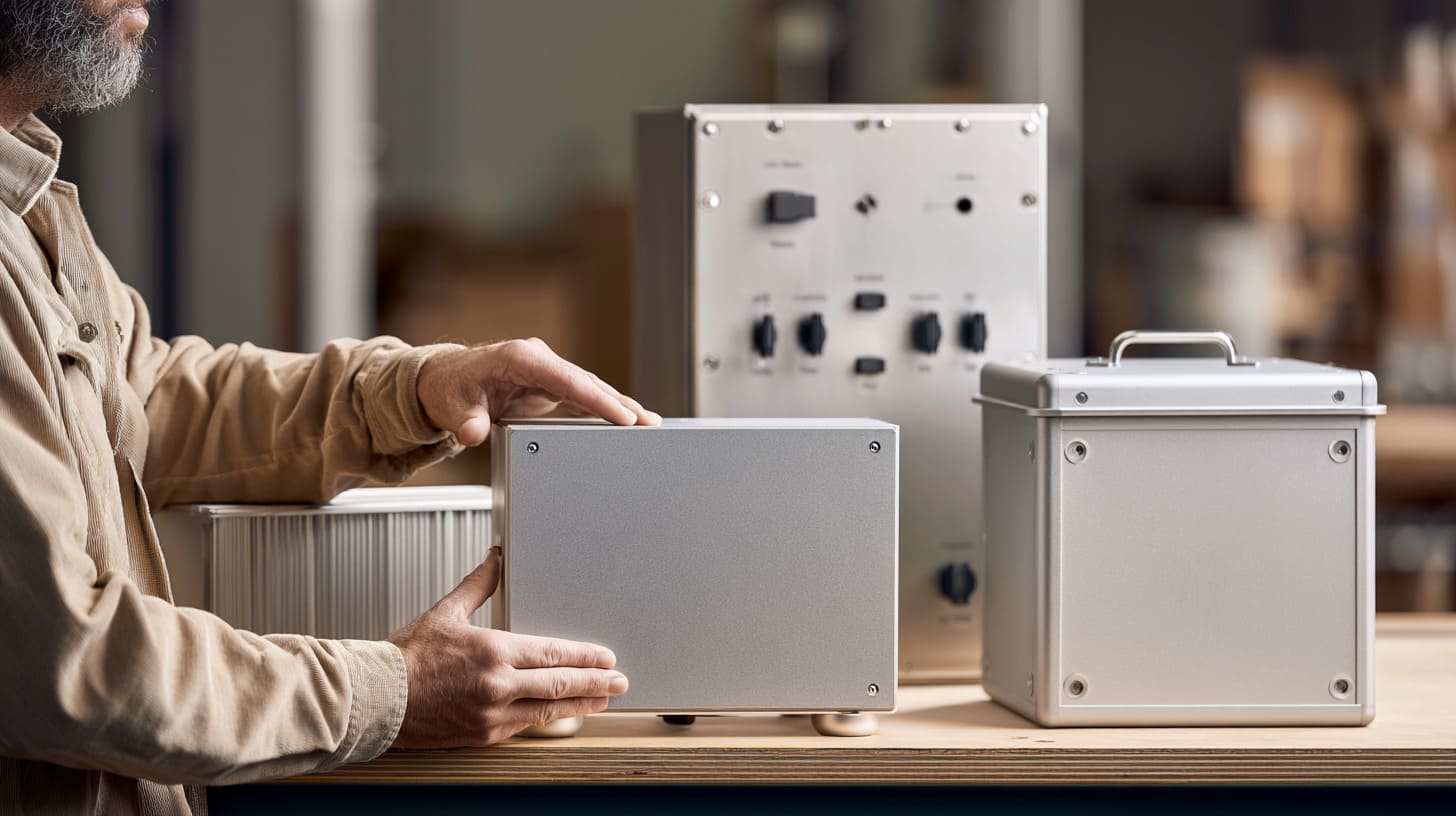
A decision matrix is useful because it forces us to stop arguing in general terms.
Instead of saying “anodizing is better” or “powder coating is better,” we match the finish to the project type.
When I help a buyer choose, I try to separate emotional preference from manufacturing reality, because the finish the buyer likes in a photo may not be the finish that survives their budget, tolerance, and delivery date.
Best choice for industrial electronics enclosures
For industrial electronics, function comes first. The enclosure may need grounding, EMI shielding, corrosion protection, and easy assembly.
| Requirement | Suggested Thinking |
|---|---|
| EMI shielding | Keep conductive contact areas |
| Indoor use | Powder coating or anodizing can work |
| Heat transfer | Avoid coating heat transfer surfaces |
| Grounding | Mask key contact points |
| Industrial appearance | Powder coating often acceptable |
For aluminum industrial electronics enclosures, anodizing can work well if the product needs a clean metal look. Powder coating can work well if color and protection matter more.
But grounding points must be planned.
Best choice for outdoor equipment
Outdoor equipment needs UV resistance, corrosion protection, and stable performance.
| Outdoor Need | Finish Direction |
|---|---|
| Strong color | Outdoor-grade powder coating |
| Aluminum metal look | Proper anodizing |
| Salt environment | Strong pretreatment and careful design |
| Rain exposure | Sealing and drainage also matter |
| Long sunlight exposure | UV-resistant finish required |
For outdoor sheet metal enclosures, powder coating with proper pretreatment is often practical. For outdoor aluminum parts, anodizing may also be suitable, but the environment must be checked.
The finish alone cannot solve poor enclosure design. Drainage, sealing, gasket design, and material choice also matter.
Best choice for consumer electronics
Consumer electronics need good appearance. Users touch the product. They see small defects. They compare colors.
| Consumer Product Need | Finish Direction |
|---|---|
| Premium metal feel | Anodizing |
| Exact brand color | Powder coating |
| Smooth luxury look | Careful process control needed |
| High cosmetic standard | Sample approval is critical |
| Repeat batch consistency | Powder coating may be easier |
For high-end aluminum products, anodizing is often attractive. But cosmetic rejection risk can be high.
If the product has several visible parts, color matching must be discussed early.
Best choice for custom OEM projects
Custom OEM projects are different because the design may still change. The buyer may test, modify, and improve the enclosure.
| OEM Stage | Finish Suggestion |
|---|---|
| Early prototype | Simple finish or no final cosmetic finish |
| Design validation | Use functional finish first |
| Pre-production sample | Confirm final finish |
| Mass production | Lock finish and inspection standard |
| Repeat orders | Keep material and process stable |
For ODM-style projects, I often suggest not rushing into expensive final finishing too early. It is better to confirm structure, PCB fit, heat, ports, and assembly first.
After the design is stable, we can choose the final finish.
Best choice for budget-sensitive products
Budget-sensitive products need practical choices.
| Budget Concern | Finish Direction |
|---|---|
| Low unit cost | Standard powder coating may help |
| Small quantity | Avoid special colors if possible |
| Simple industrial use | Do not over-specify cosmetic finish |
| Fast lead time | Choose common finish |
| Repeat orders | Use stable standard color |
A buyer may want a premium finish to improve product value. That can be smart. But if the finish causes high rejection, the budget advantage disappears.
For many B2B enclosure projects, the best finish is not the fanciest one. It is the one that meets the requirement with low risk.
Here is a simple decision table I would use:
| Project Type | Better Starting Point | Main Reason |
|---|---|---|
| CNC aluminum premium case | Anodizing | Keeps metal feel |
| Sheet metal control box | Powder coating | Good coverage and color |
| Outdoor electrical enclosure | Powder coating or anodizing | Depends on material and environment |
| EMI-sensitive device | Anodizing or masked coating | Conductivity must be planned |
| Low-cost industrial housing | Powder coating | Practical and scalable |
| High cosmetic consumer product | Depends | Sample and tolerance decide |
| Prototype with many changes | Avoid final premium finish early | Rework risk is high |
A good decision matrix does not make the decision for you. It helps you ask better questions before the wrong decision becomes expensive.
Common Questions Buyers Ask Before Selecting a Finish
Buyers often ask good questions, but sometimes the questions are too simple for the real problem.
For example, “Does anodizing last longer than powder coating?” sounds useful. But the answer depends on use, material, environment, coating quality, and maintenance.
I pay close attention to the wording of buyer questions, because a simple question often hides the real worry: cost, delivery time, customer complaints, or fear of choosing the wrong supplier.
Does anodizing last longer than powder coating?
It depends on the application.
Anodizing can last a long time because the oxide layer is part of the aluminum surface. It does not peel like paint. For aluminum parts with normal wear, anodizing can be very durable.
Powder coating can also last a long time when the pretreatment and powder type are correct. It is often strong for outdoor and industrial use.
| Condition | More Important Than Finish Name |
|---|---|
| Indoor use | Handling and scratch risk |
| Outdoor use | UV and corrosion resistance |
| Industrial use | Impact and chemical exposure |
| Consumer use | Cosmetic wear |
| Coastal use | Salt resistance and sealing |
So I do not answer only by saying one lasts longer. I ask where and how the enclosure will be used.
Which finish offers better corrosion resistance?
Both can offer good corrosion resistance, but they work differently.
Anodizing protects aluminum by improving its oxide surface. Powder coating protects by creating a barrier layer.
| Material | Common Corrosion Strategy |
|---|---|
| Aluminum | Anodizing or powder coating |
| Steel | Powder coating with pretreatment |
| Outdoor aluminum | Finish plus good design |
| Coastal use | Stronger specification needed |
| Industrial chemical area | Special coating may be needed |
For steel enclosures, powder coating is usually the more common choice. For aluminum enclosures, both are possible.
But corrosion resistance is not only the finish. Sharp edges, poor drainage, bad pretreatment, and damaged coating can all create corrosion risk.
Can anodized parts be repaired?
Small anodizing damage is hard to repair perfectly.
If the anodized surface is scratched, local touch-up usually cannot restore the original finish. The damaged area may stay visible. Full rework may be difficult and may not be cost-effective.
| Damage | Repair Reality |
|---|---|
| Light scratch | Usually still visible |
| Deep scratch | Exposes aluminum |
| Wrong color | Hard to correct locally |
| Surface stain | May not be removable |
| Batch mismatch | Usually cannot fix one part only |
This is why handling and packaging are very important for anodized parts.
For premium anodized enclosures, we need protective film, careful assembly, clean worktables, and good packing.
Is powder coating cheaper than anodizing?
Often, powder coating can be cheaper for many sheet metal products. But not always.
If powder coating requires heavy masking, special powder, strict texture control, or rework, the total cost can increase.
| Cost Factor | Powder Coating Impact |
|---|---|
| Standard color | Usually cost-friendly |
| Custom color | Higher cost |
| Many masked areas | More labor |
| Tight tolerance | More inspection and rework risk |
| Large quantity | Better cost efficiency |
| Small quantity | Setup cost matters |
Anodizing may be cost-effective for simple CNC aluminum parts. But strict cosmetic requirements can increase cost.
The better question is not “Which process is cheaper?” The better question is “Which process creates fewer problems for this design?”
Which finish is better for custom aluminum enclosures?
For custom aluminum enclosures, both finishes can be good.
Anodizing is often better when the buyer wants:
- Premium metal appearance
- Clean CNC aluminum feel
- Laser engraving
- Thin surface treatment
- No paint-like coating
Powder coating is often better when the buyer wants:
- Specific brand color
- Better coverage of surface marks
- Industrial protection
- Sheet metal enclosure finish
- Standard RAL color matching
| Buyer Need | Better Starting Option |
|---|---|
| Premium silver or black aluminum look | Anodizing |
| Custom color enclosure | Powder coating |
| Tight tolerance CNC housing | Anodizing or careful coating design |
| Outdoor industrial box | Powder coating with proper powder |
| Steel enclosure | Powder coating |
| Visible logo engraving | Anodizing with laser mark |
| Low-cost sheet metal housing | Powder coating |
For MaidaTech projects, I prefer to review the drawing first. Then I check the application, quantity, tolerance, logo method, and delivery target. After that, I recommend the finish.
The best answer is rarely one word. It is usually a small discussion before production. That small discussion can prevent a large problem later.
Conclusion
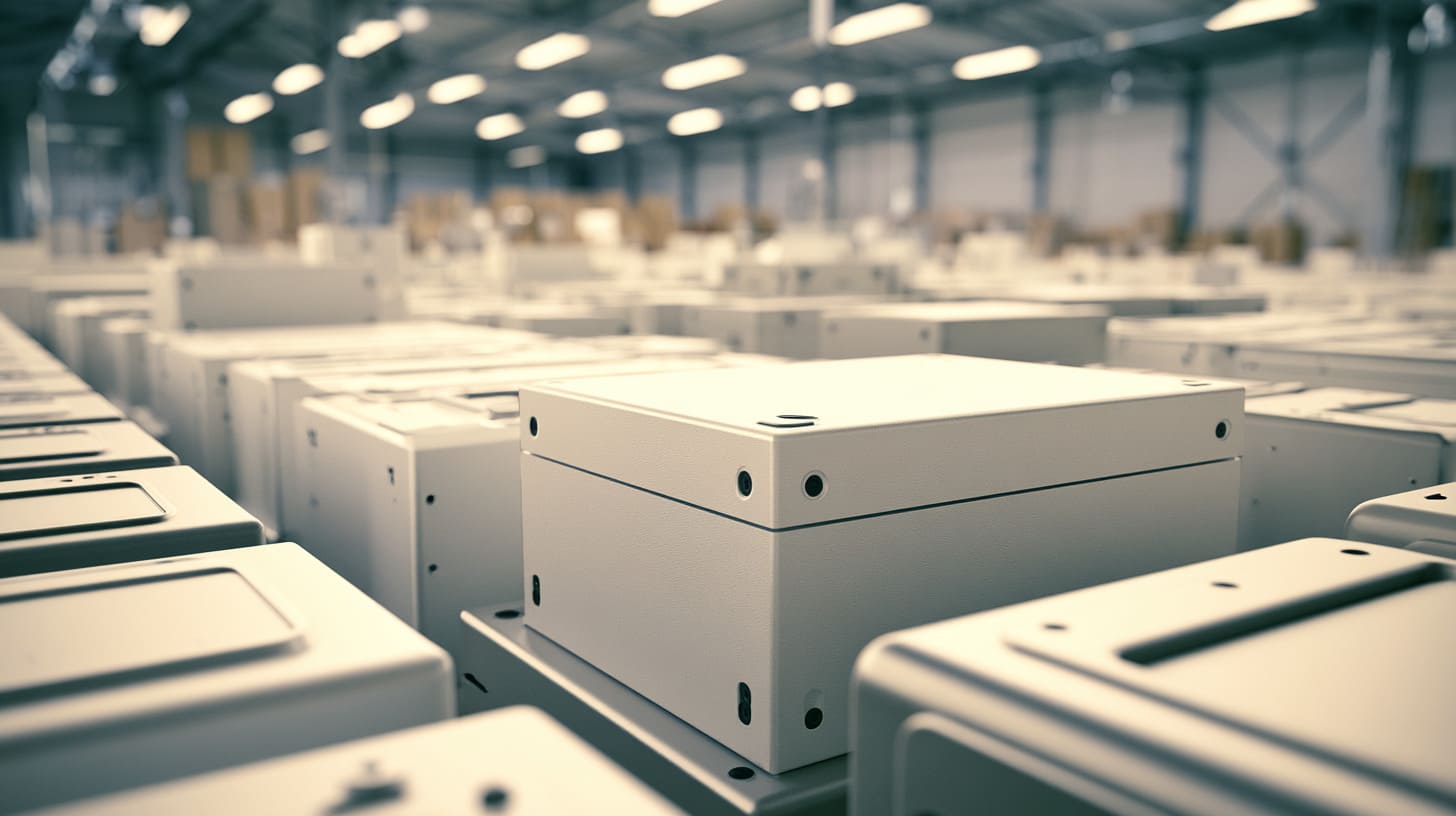
I do not believe anodizing is always better than powder coating. I also do not believe powder coating is always the safer choice.
Both finishes can be excellent. Both can also create trouble.
Anodizing gives aluminum a clean, premium, technical feeling. It is a strong choice for many CNC aluminum enclosures, front panels, electronic housings, and custom metal cases. But it can bring color variation, surface visibility, welded-area problems, and higher cosmetic rejection.
Powder coating gives strong coverage, many color choices, and practical protection. It is a good choice for sheet metal enclosures, industrial boxes, steel housings, and outdoor equipment. But it can create coating thickness problems, blocked threads, chipping, masking labor, and assembly issues.
I think this way because I have seen too many projects where the finish was chosen too late or too emotionally. The buyer wanted a beautiful surface. The factory focused on production. The drawing did not leave enough clearance. The grounding point was not masked. The anodized color did not match the sample. Then everyone had to solve the problem after the parts were already made.
That is the expensive way to learn.
My own habit is simple. Before I recommend anodizing or powder coating, I look at the product like it is already in use:
- Who will touch it?
- Where will it be installed?
- Will it face sunlight, rain, oil, or salt air?
- Does it need grounding or EMI shielding?
- Are the screw holes and connector cutouts tight?
- Is the buyer selling it as a premium product or using it inside a machine?
- Will the design change after the first sample?
- Can the budget support strict cosmetic control?
This is why I do not treat finishing as decoration. I treat it as part of engineering.
For custom aluminum enclosures, plastic enclosures, sheet metal enclosures, and OEM electronic device housings, the right finish should make the product more reliable, not more complicated.
If you already have a drawing, 3D file, sample, or only a rough idea for a custom enclosure, you can send it to us for review. At MaidaTech, we can help check the structure, material, surface finish, logo method, assembly risk, and production cost before mass production.
You can contact me at info@maidatech.com or visit maidatechenclosure.com.
A premium finish should help your product sell better. It should not become the hidden reason your project ships late.