Skip to content
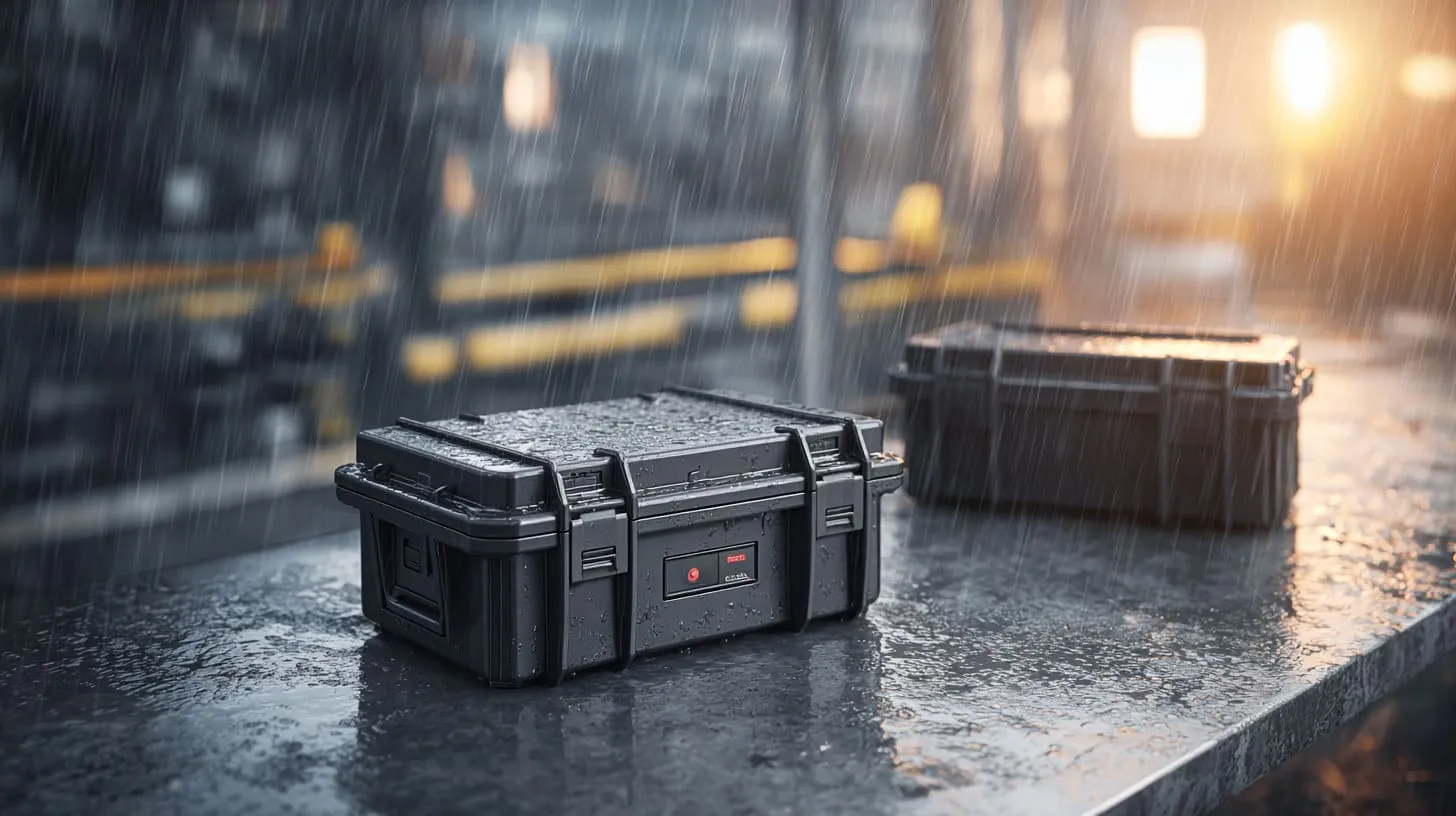
ABS looks like an easy choice for outdoor enclosures. The price is friendly. The shape is easy to mold. But outside, rain, sun, heat, and cold do not care about our cost plan.
ABS plastic can be used for outdoor enclosures, but only in mild outdoor conditions or when it has proper UV protection, sealing design, and material additives. For strong sunlight, heavy rain, cold weather, or long service life, polycarbonate or UV-stabilized materials are usually safer.
I have seen buyers choose ABS because the sample looked clean on the table. Then the real question came later: “Will this box still look and work the same after two summers outside?” That is where the material decision becomes serious.
Is ABS Plastic Waterproof for Outdoor Use?
Waterproof is a dangerous word. Many buyers use it quickly. I use it carefully, because water always looks for the smallest weak point.
ABS plastic itself does not absorb water easily, but an ABS enclosure is only waterproof when the full design supports it. The gasket, lid, screws, cable glands, wall thickness, and IP rating matter more than the material name alone.
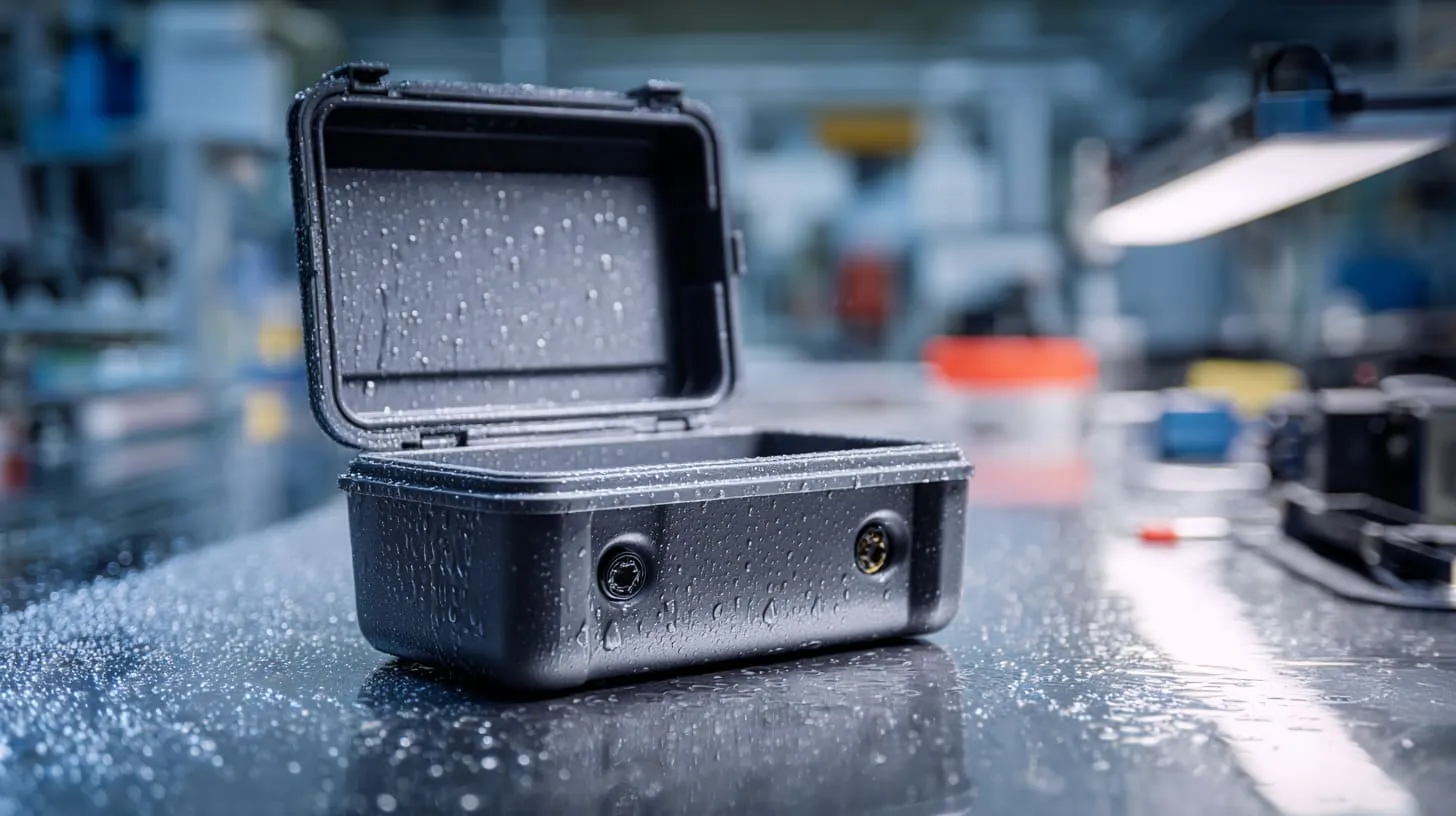
ABS can handle contact with water better than many people expect. The plastic wall will not melt or disappear after rain. That is not the main problem.
The real problem is the enclosure structure.
A plastic box usually fails at the places where different parts meet:
- Lid and base joint
- Screw holes
- Cable entry points
- Hinges
- Gasket channels
- Vent holes
- Display windows
- Wall-mounted back holes
I have learned to never judge waterproof performance by touching the outside wall only. I look at the sealing path first, because water usually enters through design details, not through the middle of a plastic wall.
ABS material vs ABS enclosure
| Question | Simple Answer | What I Check |
|---|---|---|
| Is ABS itself water-resistant? | Yes, generally | Material grade and exposure time |
| Is an ABS box automatically waterproof? | No | Lid, gasket, screw, and cable design |
| Can ABS reach outdoor IP ratings? | Sometimes | Tooling quality and sealing structure |
| Can rain enter through cable holes? | Yes | Cable gland and installation method |
| Can a poor gasket ruin the enclosure? | Yes | Gasket material, compression, and groove design |
Why enclosure design matters more than the plastic wall
A flat ABS panel may resist water well. But an outdoor enclosure is not one flat panel. It has cuts, joints, screws, corners, and openings.
That means the waterproof result depends on the full system.
For example, a buyer may ask for an ABS box for a small sensor. The box looks simple. But if the cable outlet points upward, rain can sit around the cable gland. If the gasket is too thin, the lid may not press evenly. If the screw boss is weak, the lid may loosen after months of heat and cold.
So I do not ask only, “Is ABS waterproof?”
I ask:
- Where will the enclosure be installed?
- Will rain hit it directly?
- Will it be mounted under a roof?
- Will cables enter from the top, side, or bottom?
- Does the buyer need IP54, IP65, IP66, or higher?
- Will the customer open the cover often?
A small answer can save a big headache later.
How Long Does ABS Plastic Last Outdoors?
This question sounds simple, but the answer changes fast. A shaded wall and a sunny rooftop are not the same world.
ABS may last for a few years outdoors in protected or mild conditions, but normal ABS can age faster under strong sunlight. UV-stabilized ABS or coated ABS can improve service life, but long-term outdoor projects need careful testing and material selection.
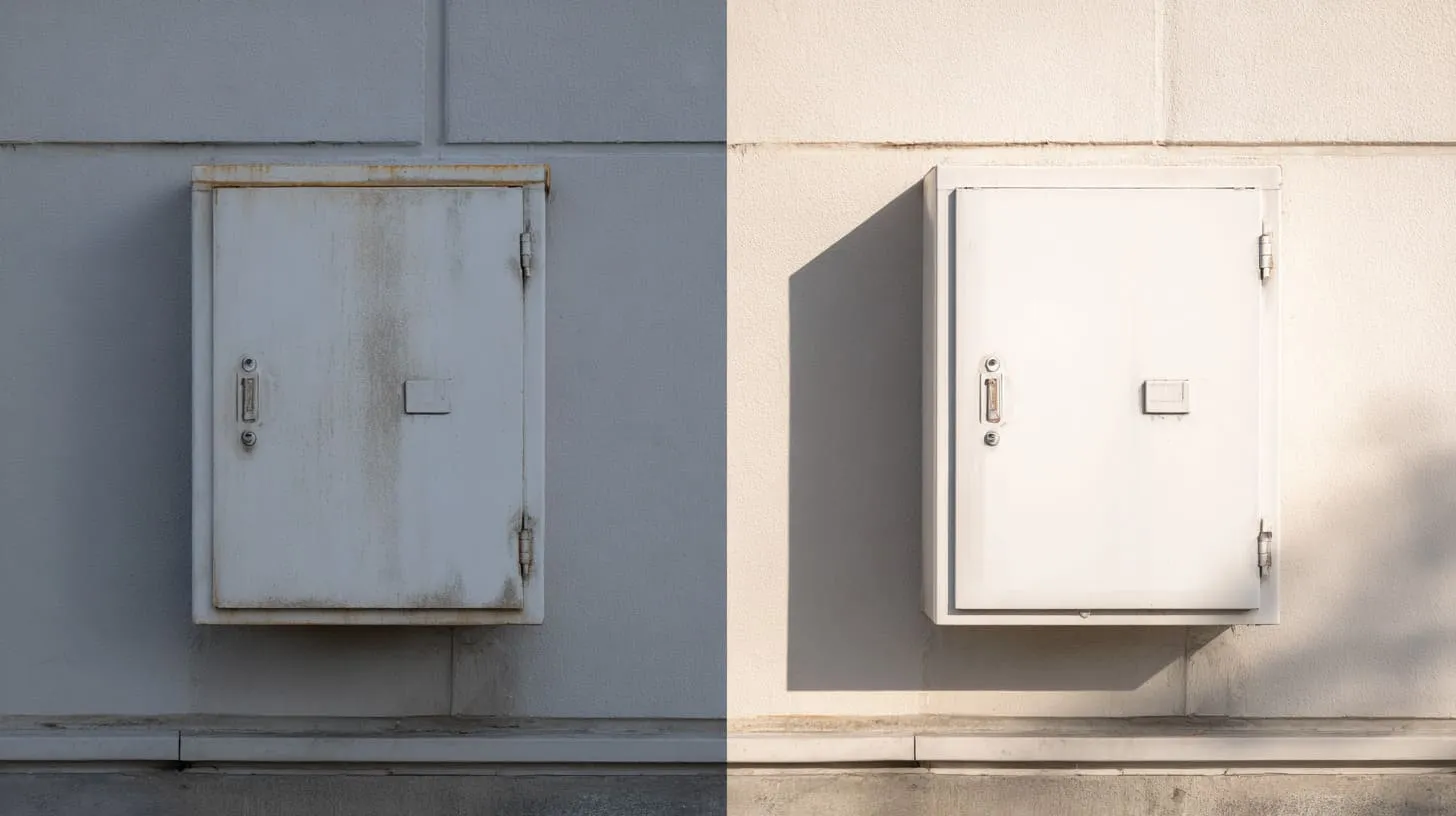
ABS can perform well indoors for many years. That is why it is popular for appliance housings, electronic parts, and plastic cases.
Outside, the story becomes less comfortable.
Sunlight, heat, rain, dust, and temperature change all work together. They do not break the enclosure in one day. They slowly change the surface and structure.
This is where I usually become conservative with promises, because a customer may hear “outdoor use” and imagine ten years, while the factory may mean “can be used outside under some protection.”
Factors that affect ABS outdoor life
| Factor | Low Risk | Higher Risk |
|---|---|---|
| Sunlight | Shaded area | Direct strong UV all day |
| Rain | Occasional splash | Heavy rain and water pooling |
| Temperature | Mild weather | Hot sun and freezing nights |
| Color | Light color | Dark color absorbing heat |
| Additives | UV-stabilized ABS | General indoor ABS |
| Installation | Under cover | Open rooftop or pole-mounted |
| Maintenance | Easy to inspect | Forgotten after installation |
Why service life is not only about material
A buyer may want a simple number. Three years? Five years? Ten years?
I understand that. Buyers need planning. Engineers need approval. Distributors need to explain the product to their market.
But outdoor life is not only a material number. It is a use condition number.
For example:
- An ABS enclosure under a building eave may work much longer.
- An ABS enclosure on a sunny farm may age faster.
- A white ABS enclosure may stay cooler than a black one.
- A UV-coated surface may slow down color change.
- A poor lid design may fail before the plastic itself fails.
A practical way to think about outdoor life
| Outdoor Situation | ABS Suitability | My Practical View |
|---|---|---|
| Indoor or semi-outdoor cabinet | Good | ABS can be cost-effective |
| Under roof, low sunlight | Usually acceptable | Use gasket and check UV grade |
| Direct rain, weak sunlight | Possible | Need better sealing |
| Strong sun every day | Risky | Use UV-stabilized ABS or PC |
| Industrial outdoor site | Often not ideal | Check impact, heat, chemicals, IP |
| Long-life public installation | Usually not my first choice | PC or metal may be safer |
ABS can work outside.
But I do not like using normal ABS for a product that must survive strong sun for many years with no service. That is asking a budget material to do a premium job.
Does UV Light Damage ABS Plastic Enclosures?
Sunlight is quiet. That makes it easy to ignore. But UV light is often the real enemy of outdoor ABS.
Yes, UV light can damage ABS plastic enclosures. Long UV exposure may cause color fading, yellowing, surface chalking, brittleness, and cracking. Outdoor ABS should use UV-stabilized material, protective coating, smart color choice, or better material alternatives.
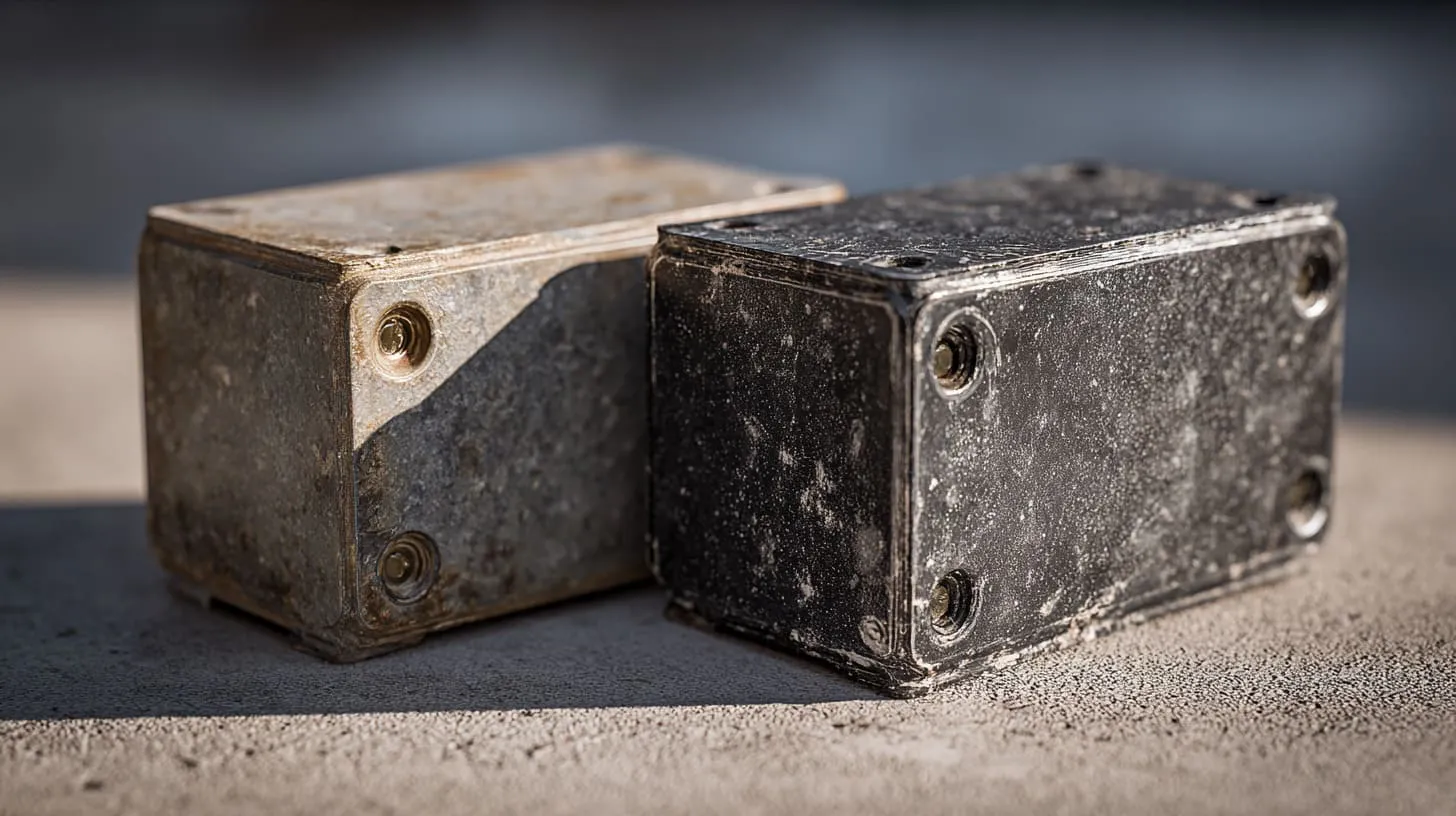
ABS is not naturally the best plastic for long UV exposure. When it stays under strong sunlight, the surface can slowly change.
At first, the change may look cosmetic.
The color becomes dull.
The black surface turns gray.
The white surface may yellow.
The shine becomes weak.
Then the bigger problem appears. The material may become more brittle. Corners may crack more easily. Screw holes may lose strength. The enclosure may still “look like a box,” but it may no longer protect the electronics like before.
The small detail I watch is the surface around screws and corners, because UV aging often shows its teeth there before the whole box looks broken.
Common UV damage signs on ABS
| UV Damage Sign | What It Looks Like | Why It Matters |
|---|---|---|
| Color fading | Black becomes gray, color loses depth | Product looks old and cheap |
| Yellowing | White or light ABS changes tone | Bad for visible products |
| Chalking | Powder-like surface feel | Surface is breaking down |
| Brittleness | Plastic feels harder and less forgiving | Higher crack risk |
| Surface cracks | Small lines near corners or holes | Water and dust risk increase |
| Weak screw areas | Bosses or holes crack | Lid sealing may fail |
Why UV damage is not only about appearance
Some buyers think UV damage means only color change.
I do not agree.
A faded enclosure may still work for a while. But UV aging can also reduce mechanical strength. That means the enclosure may fail during maintenance, shipping, impact, or screw tightening.
This is very important for outdoor electronics. The enclosure is not a decoration. It protects a PCB, battery, sensor, relay, or cable connection.
If the plastic becomes brittle, the product becomes less forgiving.
How I explain UV risk to buyers
I usually explain it in a simple way:
Normal ABS is like a good indoor worker.
It is reliable inside.
It is easy to process.
It controls cost.
But under strong sun, it needs help.
That help can come from:
- UV-stabilized ABS material
- UV-resistant coating
- Better color choice
- Thicker walls in key areas
- Smarter installation position
- A switch to polycarbonate or metal
The best decision depends on where the enclosure will live.
What Temperature Can ABS Plastic Handle Outside?
Outdoor temperature is not only the weather number on a phone. A dark enclosure under direct sun can become much hotter than the air around it.
ABS plastic usually handles normal outdoor temperatures, but heat can soften it and cold can make it more brittle. For outdoor enclosures, the real concern is heat buildup, direct sun, internal electronics, and repeated hot-cold cycles.
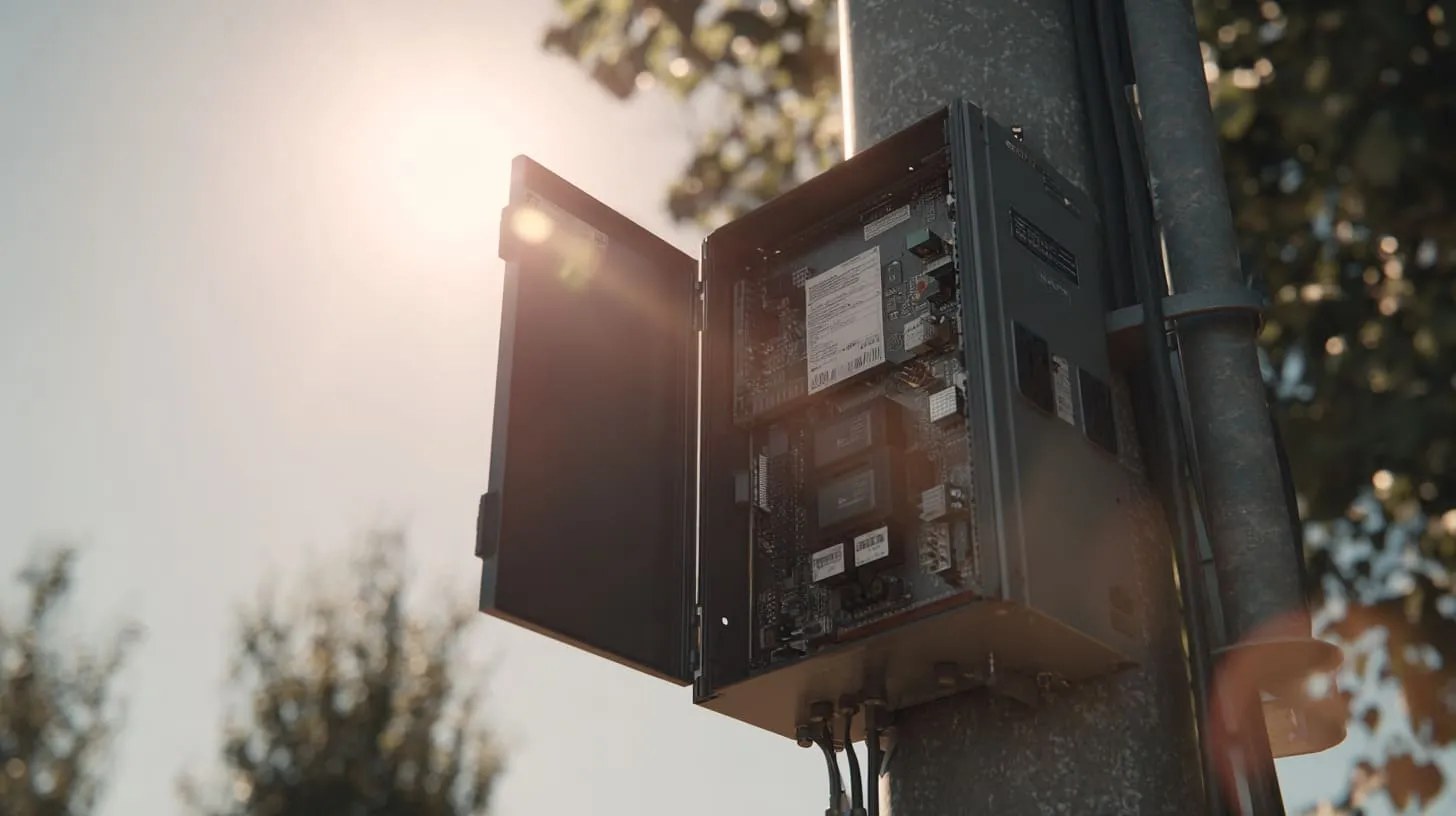
ABS has a useful temperature range for many products. It works well for indoor electronics and many semi-outdoor applications.
But outside, temperature is more complicated.
A buyer may tell me, “Our city only reaches 35°C.”
That sounds safe. But a black enclosure under direct sunlight can get much hotter than the air. If there is a power supply, PCB, battery, or LED driver inside, the internal temperature can rise again.
I do not only check the local weather; I check the color, sun direction, internal heat source, and whether hot air has any way to escape.
Outdoor temperature risks for ABS
| Condition | Risk Level | Possible Problem |
|---|---|---|
| Mild outdoor shade | Low | Usually stable |
| Direct summer sun | Medium to high | Softening, warping, faster aging |
| Dark color enclosure | Higher | Surface heat increases |
| High internal heat | Higher | PCB and plastic both suffer |
| Freezing weather | Medium | Impact strength may drop |
| Repeated hot-cold cycle | Medium to high | Seal and screw stress increase |
Heat is not only a material issue
Heat affects more than the plastic shell.
It affects:
- PCB life
- Battery safety
- Adhesive strength
- Gasket compression
- Cable gland sealing
- Screw boss stress
- Surface color
- Internal air pressure
For example, a small ABS enclosure may hold a control board. The board generates heat. The enclosure is black. The unit is mounted on a metal pole outside. In summer, the box receives direct sun for hours.
The material may not fail immediately. But the project risk grows.
Questions I ask before accepting ABS for outdoor heat
| Question | Why I Ask |
|---|---|
| What is the highest outdoor temperature? | Air temperature is the starting point |
| Will the enclosure face direct sun? | Sun can raise surface temperature |
| What color will the enclosure be? | Dark colors absorb more heat |
| What components are inside? | Electronics create internal heat |
| Is ventilation allowed? | Venting may reduce heat but lower sealing |
| Does the product need IP65 or higher? | Sealed boxes trap heat more easily |
A sealed outdoor enclosure is like a small room with no window. If heat goes in and cannot leave, the inside becomes tired first.
Can ABS Plastic Survive Rain and Sun Exposure?
Rain and sun are a difficult pair. Rain tests sealing. Sun tests material aging. Together, they test the whole enclosure.
ABS plastic can survive rain and sun exposure in limited or protected outdoor use, especially with UV-stabilized material and good sealing. But direct long-term rain and strong sunlight can cause aging, fading, brittleness, and possible water ingress.
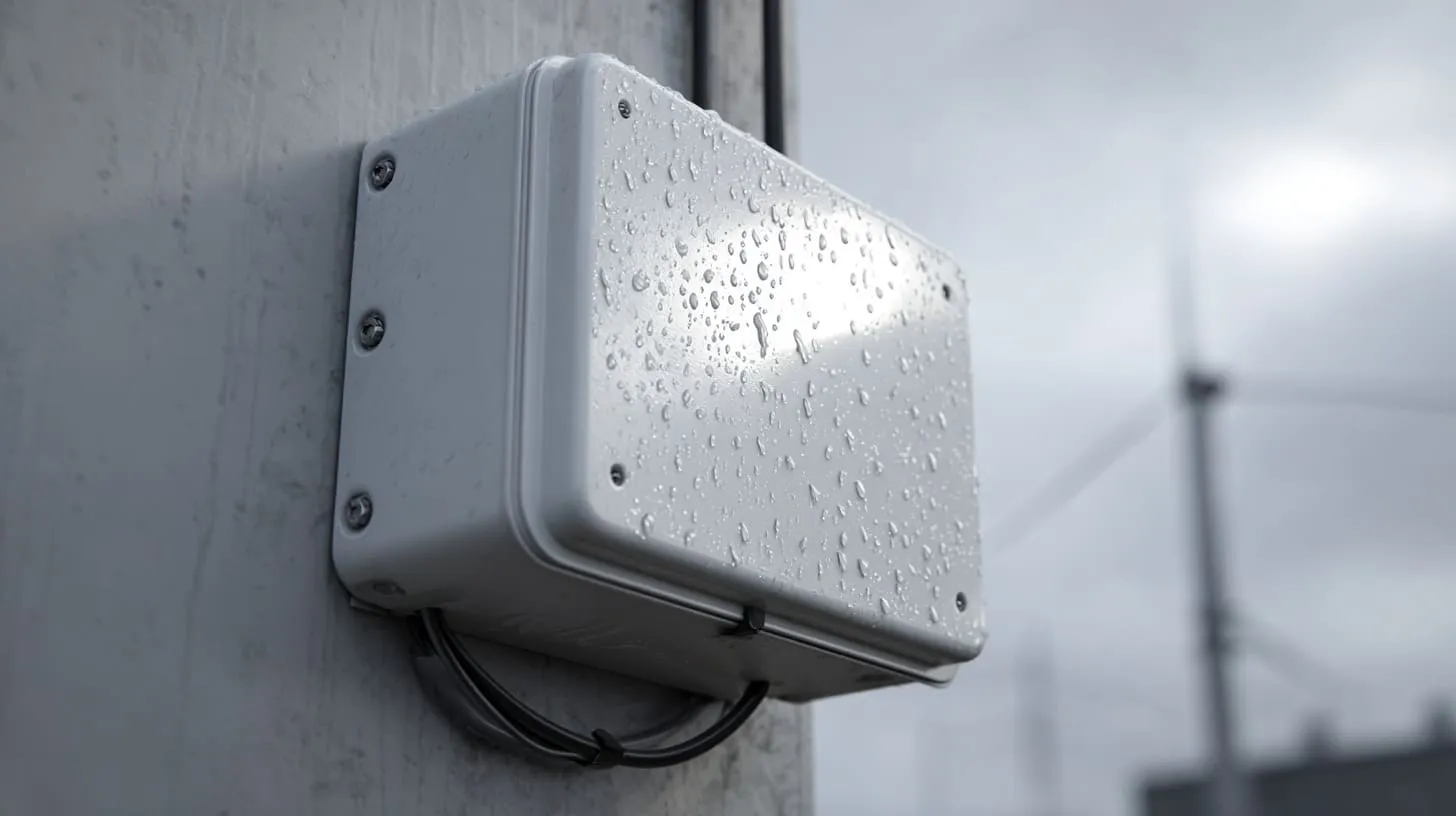
ABS does not fear a little rain in the same way paper does. But an outdoor enclosure faces more than one clean rain shower.
It faces heat before rain.
It faces dust before water.
It faces sun after water.
It faces expansion and contraction again and again.
That cycle matters.
A new enclosure may pass a simple water spray test. But after months of sunlight, the surface may age. After hot and cold cycles, the gasket may lose pressure. After maintenance, screws may be tightened unevenly.
The moment I become careful is when the buyer says “direct outdoor use” but the drawing shows no roof, no drip edge, and cable entry from the top.
Rain and sun exposure checklist
| Area | What Can Go Wrong | Better Design Choice |
|---|---|---|
| Top cover | Water sits on lid seam | Add slope or drip edge |
| Cable entry | Water follows cable path | Use bottom entry if possible |
| Gasket | Compression weakens over time | Use proper gasket groove |
| Screw holes | Cracks or leaks develop | Reinforce screw bosses |
| Surface | UV fading and brittleness | Use UV-stabilized ABS |
| Wall thickness | Warping under heat | Avoid thin weak panels |
| Color | Dark colors heat faster | Use lighter colors if suitable |
Why rain exposure depends on mounting direction
Many enclosure drawings look fine on paper. But once the box is mounted, water behaves in a very simple way.
It goes down.
It sits in gaps.
It follows cables.
It enters where pressure is weak.
If a cable enters from the top, water may run along the cable into the gland. If the lid seam faces upward, water may sit there after rain. If the enclosure is mounted flat, water may not drain well.
My practical suggestion for rain and sun
For light outdoor exposure, ABS may be acceptable if:
- The unit is under cover
- UV-stabilized ABS is used
- The enclosure has a proper gasket
- Cables enter from the bottom or side
- Water does not sit on the lid
- The color does not absorb too much heat
- The expected life is realistic
For open outdoor exposure, I become more careful. I may suggest polycarbonate, aluminum, stainless steel, or another material depending on the project.
What Are the Weaknesses of ABS for Outdoor Enclosures?
ABS is useful. I do not like attacking a material just because it is not perfect. But every material has a comfort zone.
The main weaknesses of ABS for outdoor enclosures are poor long-term UV resistance, possible brittleness after aging, lower impact strength than polycarbonate, heat sensitivity, and possible cracking in cold or stressed areas. These risks become bigger in direct outdoor use.
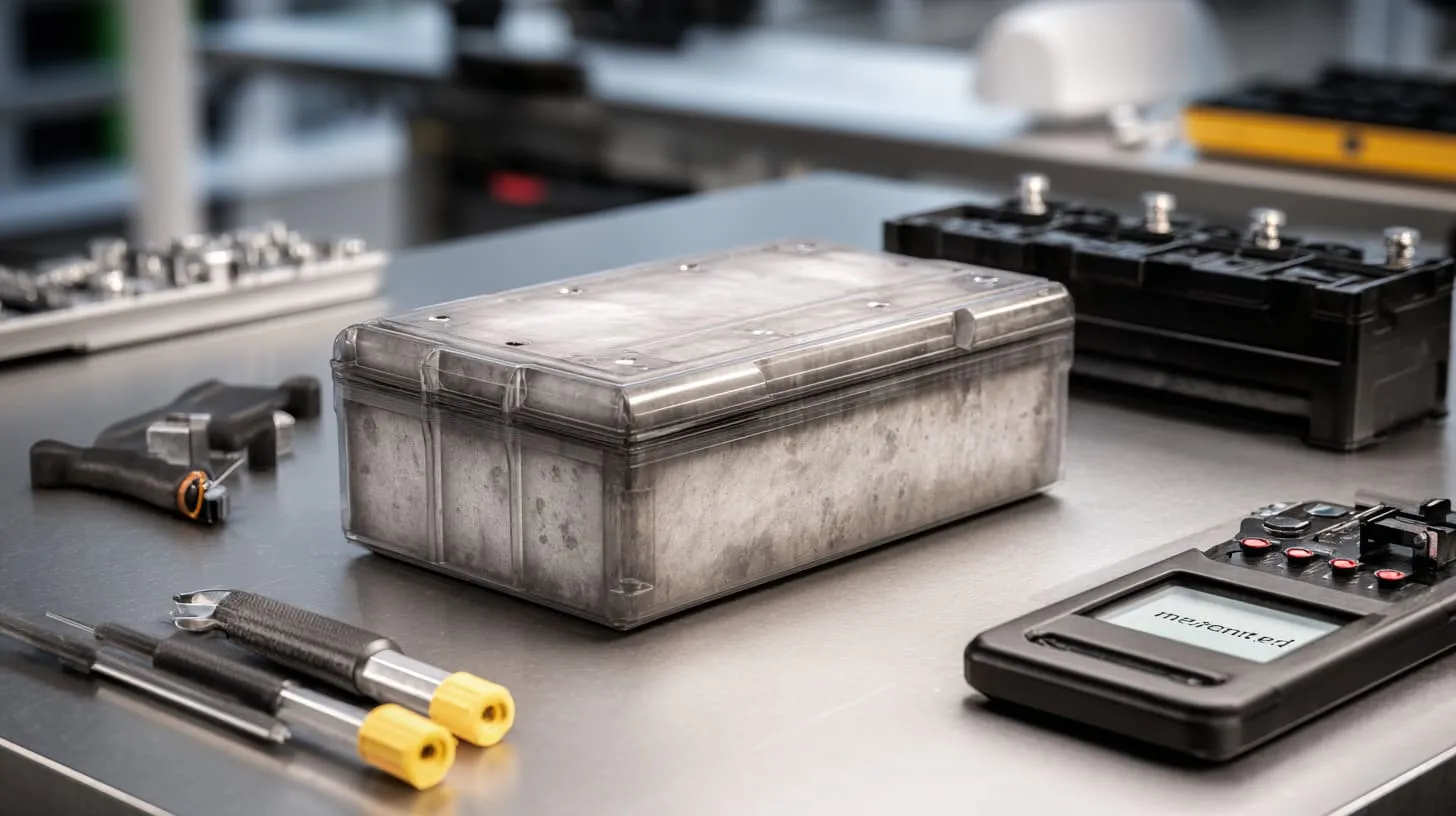
ABS is popular because it is easy to mold, easy to machine, and cost-friendly. For indoor electronic enclosures, it can be a very practical choice.
But outside, its weaknesses become more visible.
This does not mean ABS is “bad.” It means ABS needs the right job.
The mistake I try to avoid is using ABS only because it saves money today, while ignoring the replacement cost, complaint cost, and brand damage tomorrow.
Main ABS weaknesses outside
| Weakness | What It Means | Real Project Risk |
|---|---|---|
| UV aging | Sunlight damages surface over time | Fading, chalking, brittleness |
| Heat sensitivity | Hot sun can raise surface temperature | Warping or faster aging |
| Cold brittleness | Low temperature can reduce toughness | Cracks after impact |
| Lower impact strength than PC | Less strong under sudden force | Damage during use or service |
| Chemical sensitivity | Some cleaners or oils may attack it | Surface stress cracks |
| Screw boss stress | Tight screws can create weak points | Lid or boss cracks |
| Outdoor appearance aging | Surface may look old faster | Customer complaint risk |
ABS is often chosen for the wrong reason
Many projects start with this sentence:
“Can we use ABS to reduce cost?”
That is a fair question. I ask it too. Cost matters. No buyer wants to waste money.
But material choice should not stop at unit price.
Cost comparison in real life
| Cost Type | Cheap ABS Decision | Better Outdoor Decision |
|---|---|---|
| Unit price | Lower | Higher |
| Tooling risk | Normal | Normal |
| Failure risk | Higher in harsh outdoors | Lower |
| Customer complaint risk | Higher if aging appears | Lower |
| Replacement cost | Possible | Lower chance |
| Brand image | Can suffer | More stable |
| Long-term value | Depends on use condition | Usually safer |
The cheapest enclosure is not always the lowest-cost enclosure. That sentence sounds simple, but I have seen many projects learn it the hard way.
Is Polycarbonate Better Than ABS for Outdoor Enclosures?
Polycarbonate is not always needed. But for outdoor enclosures, it often gives more safety room.
Polycarbonate is usually better than ABS for outdoor enclosures when impact resistance, UV-stabilized grades, cold performance, and long outdoor service life matter. ABS is still useful for cost-sensitive, mild, or semi-outdoor applications.
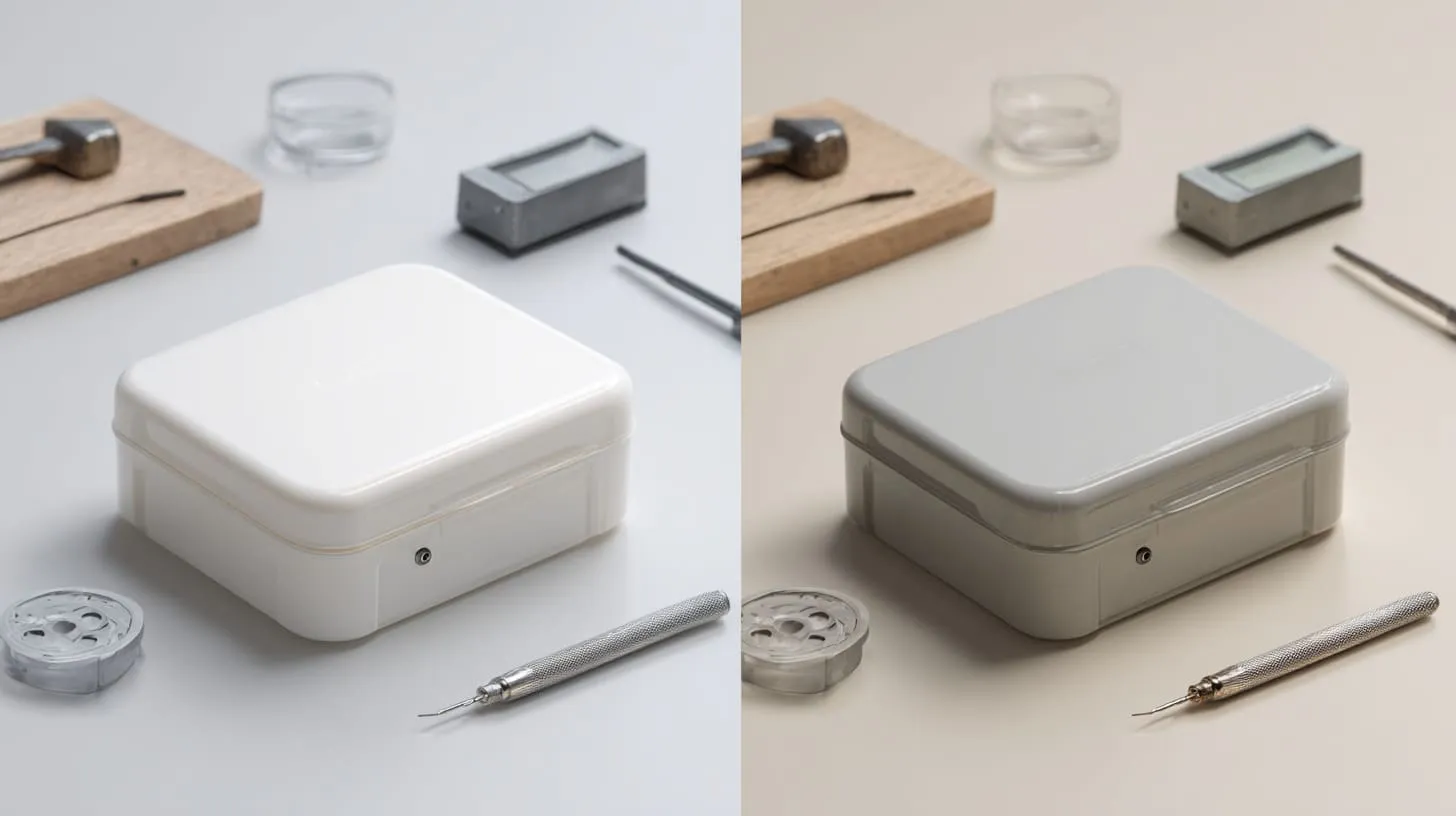
ABS and polycarbonate are often compared because both are used for plastic enclosures.
ABS wins on cost and ease of processing in many cases. Polycarbonate wins on toughness and outdoor confidence in many projects.
But I do not say polycarbonate is always better. That is too easy. Real projects need trade-offs.
When a buyer gives me a drawing, I do not jump to PC only because it sounds stronger. I first check whether the product really needs that extra strength, because over-design can also waste money.
ABS vs polycarbonate for outdoor enclosures
| Factor | ABS | Polycarbonate |
|---|---|---|
| Cost | Lower | Higher |
| Impact strength | Medium | High |
| UV resistance | Needs protection | Better with UV-stabilized grades |
| Cold toughness | Can become brittle | Usually better |
| Heat resistance | Moderate | Usually better |
| Moldability | Good | Good, but needs control |
| Appearance | Good surface | Good surface |
| Outdoor confidence | Limited unless protected | Usually stronger choice |
| Best use | Indoor, semi-outdoor, cost-sensitive | Outdoor, tough, longer-life projects |
When I would choose ABS
ABS can still be a good choice when:
- The enclosure is under a roof
- The product has short or medium service life
- Sunlight exposure is limited
- Impact risk is low
- The budget is strict
- The design does not need high strength
- UV-stabilized ABS is available
When I would choose polycarbonate
I would lean toward polycarbonate when:
- The enclosure faces direct sun
- The product must last longer outside
- Impact risk is high
- Cold weather is possible
- The enclosure protects important electronics
- The customer wants fewer after-sales risks
- The product is installed in public or industrial areas
A simple decision table
| Project Situation | My Material Direction |
|---|---|
| Indoor control box | ABS can work well |
| Outdoor under roof | ABS may work with proper sealing |
| Direct sun and rain | Polycarbonate is safer |
| Cold outdoor site | Polycarbonate is safer |
| Public installation | Polycarbonate or metal |
| Low-cost short-term use | ABS may be acceptable |
| High-value electronics | I avoid taking chances with normal ABS |
A stronger material does not fix a bad design. But a weak material can make a good design less forgiving.
How Can You Protect ABS Plastic from UV Damage?
If ABS must be used outside, the question becomes less about hope and more about protection.
ABS plastic can be protected from UV damage by using UV-stabilized ABS, adding UV-resistant coating, choosing lighter colors, increasing wall strength, avoiding direct sun installation, and designing the enclosure so water and heat do not stay on the surface.
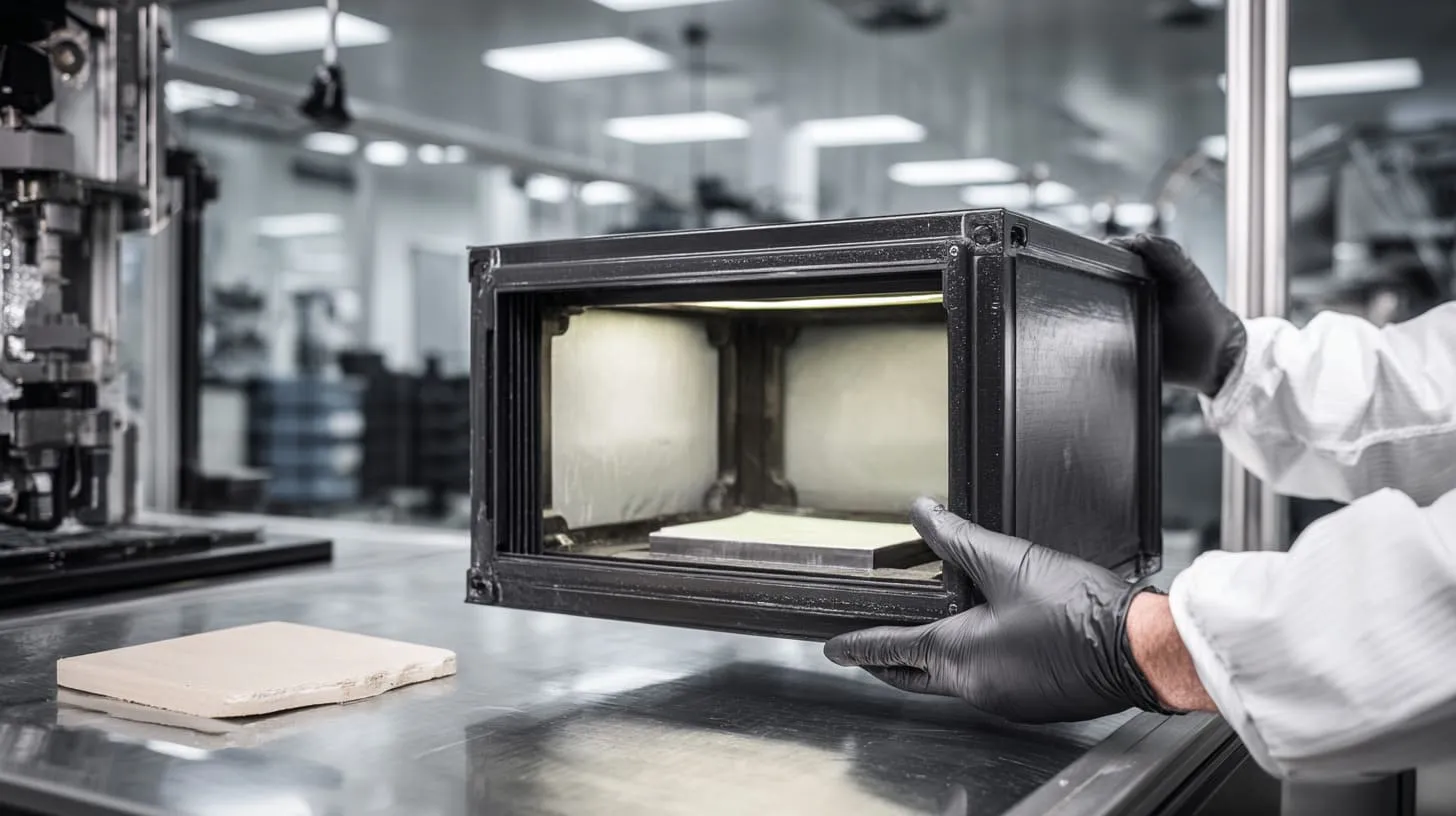
Sometimes the buyer cannot change the material. The mold may already exist. The budget may be fixed. The product may not need ten years outside. In that case, we can still reduce risk.
We cannot make normal ABS become a perfect outdoor material. But we can help it perform better.
I pay attention to the installation place first, because even a good material suffers when the enclosure is placed like a small oven under the sun.
UV protection methods for ABS
| Protection Method | How It Helps | Limitation |
|---|---|---|
| UV-stabilized ABS | Improves sunlight resistance | Still needs correct grade |
| UV coating | Protects surface | Can scratch or wear |
| Light color | Reduces heat absorption | May not match brand design |
| Surface texture | Hides small aging marks | Does not stop aging fully |
| Shade installation | Reduces UV exposure | Depends on site condition |
| Thicker key areas | Reduces crack risk | Increases material cost |
| Better drainage | Reduces water and heat stress | Needs design planning |
Use UV-stabilized ABS from the beginning
The best time to solve UV risk is before production starts.
If the buyer tells us the enclosure will be outside, I do not like using general indoor ABS without discussion. UV-stabilized ABS is a better starting point.
This may increase cost a little. But it can reduce the chance of fast fading, brittleness, and complaints.
Coating can help, but it is not magic
A UV-resistant coating can protect the surface. It can also improve appearance.
But coating has limits.
It may scratch.
It may wear.
It may add process cost.
It may need quality control.
So I treat coating as one layer of protection, not a free solution.
Design choices that reduce UV stress
Small design decisions matter:
- Avoid flat top surfaces where water and dust sit.
- Add a small slope if possible.
- Use rounded corners instead of sharp stress points.
- Avoid thin walls around screw bosses.
- Do not place cable holes where water gathers.
- Use lighter colors if the brand can accept it.
- Place the box in shade when installation allows it.
Outdoor design is not only about what material we choose. It is also about how politely we ask the material to work.
What Industries Use ABS Outdoor Enclosures?
ABS appears in many products because it balances cost, shape, and production speed. But outdoor use needs careful matching.
ABS outdoor enclosures are used in light-duty electronics, sensors, telecom accessories, control boxes, small instruments, consumer devices, and semi-outdoor equipment. They are more suitable when exposure is limited and the design does not face extreme UV, impact, or heat.
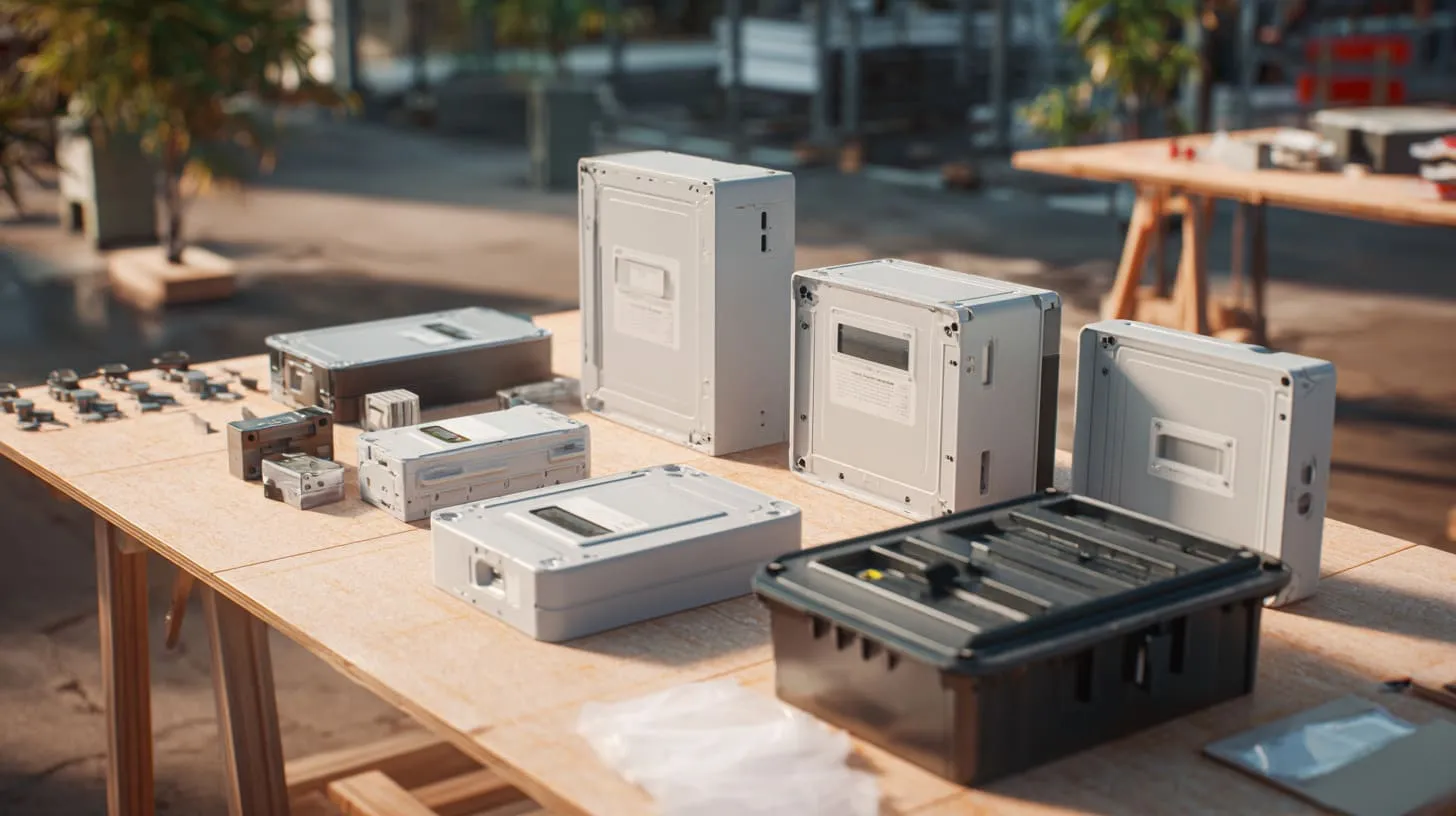
ABS can be found in many enclosure projects. For some industries, it gives a good balance between price and function.
But not every “outdoor” industry uses the word outdoor in the same way.
A garden sensor under a cover is outdoor.
A solar controller on a rooftop is also outdoor.
A warehouse wall box near a door is outdoor-like.
A roadside device in full sun is a much harder case.
I always ask what “outdoor” really means in that industry, because the same word can hide very different risks.
Common ABS outdoor enclosure applications
| Industry / Use | ABS Suitability | Notes |
|---|---|---|
| Small sensors | Possible | Better under shade |
| IoT devices | Possible | Check heat and sealing |
| Telecom accessories | Limited use | UV and heat need attention |
| Smart home outdoor devices | Possible | Appearance aging matters |
| Light control boxes | Possible | Use gasket and UV grade |
| Test instruments | Possible | Depends on impact risk |
| Agriculture devices | Risky in full sun | Dust, UV, water, and chemicals |
| Consumer outdoor gadgets | Possible | Service life expectation matters |
Why industry alone is not enough
A buyer may say, “This is for agriculture.”
That does not tell me enough.
Is it inside a greenhouse?
Is it mounted outside in a field?
Does it face pesticide spray?
Does it need IP65?
Will workers hit it with tools?
Will it be exposed to strong summer sun?
The industry gives a clue. The site condition gives the answer.
Suitable ABS outdoor use cases
ABS may be suitable for:
- Semi-outdoor sensor housings
- Small low-voltage electronics
- Covered control devices
- Short-life project boxes
- Indoor-outdoor transition areas
- Cost-sensitive custom housings
- Products with replaceable covers
Less suitable ABS outdoor use cases
ABS becomes risky for:
- Rooftop electronics
- Roadside equipment
- Marine environments
- High-impact public equipment
- Cold outdoor installations
- Long-life industrial control boxes
- Harsh sun and rain exposure
A good enclosure does not need the strongest material every time. It needs the right material for the real working place.
When Should You Avoid Using ABS for Outdoor Electronic Enclosures?
Sometimes the best engineering choice is not to force ABS into the project. A cheaper material can become expensive later.
You should avoid ABS for outdoor electronic enclosures when the product faces strong UV, long service life, high impact, freezing weather, high internal heat, strict safety rules, chemical exposure, or critical electronics that cannot fail.
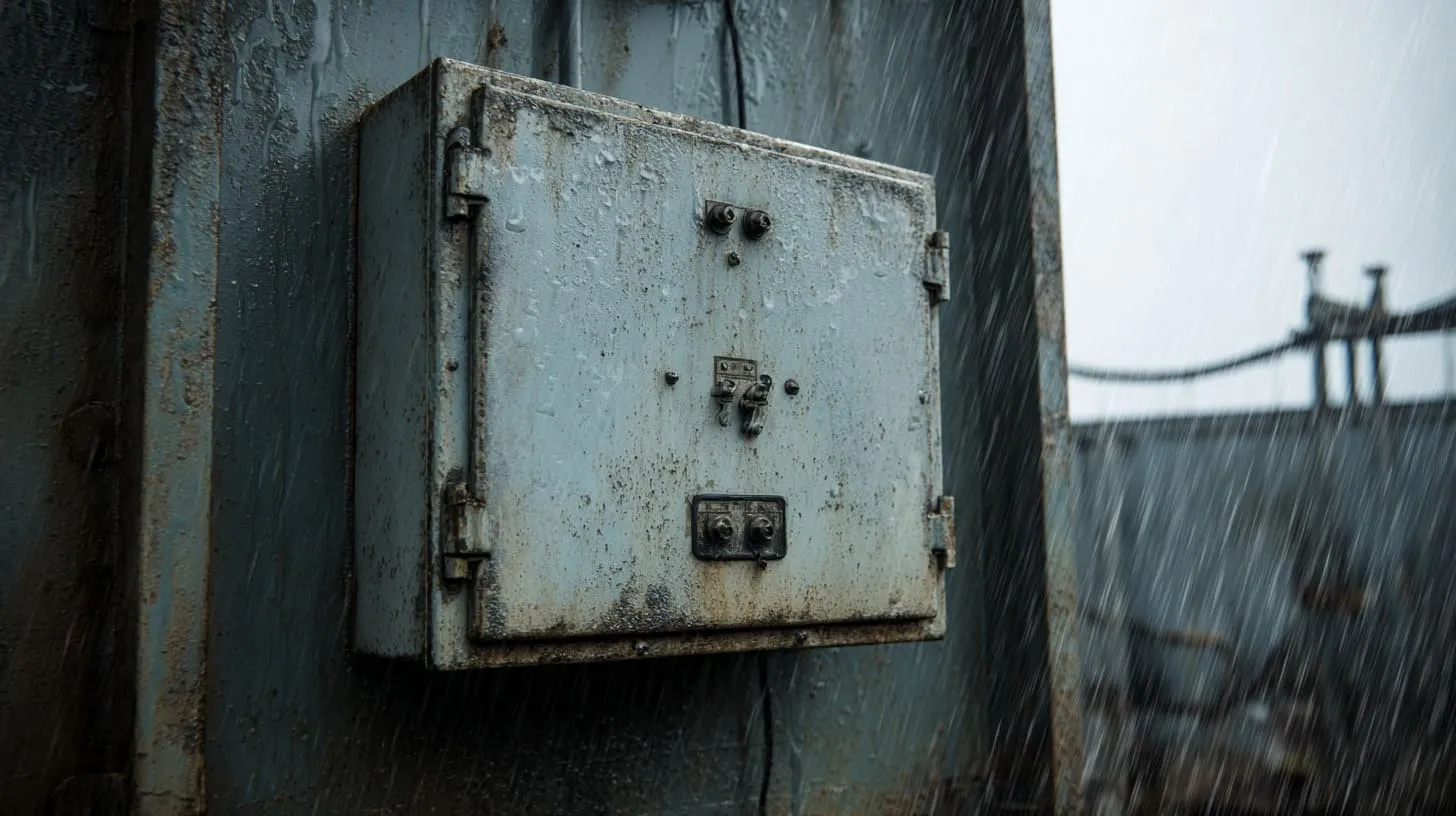
I like ABS for many projects. It is practical. It is familiar. It is cost-effective.
But I do not like using it where it has to fight too many enemies at once.
Sun.
Heat.
Cold.
Rain.
Impact.
Chemicals.
Internal electronics.
Customer expectations.
That is a long list.
The red flag for me is when the buyer wants indoor ABS pricing but outdoor industrial performance, because those two expectations often do not live in the same box.
Situations where I avoid ABS
| Project Condition | Why ABS May Be Risky | Better Direction |
|---|---|---|
| Full sun every day | UV aging risk | UV PC, ASA, metal |
| Long outdoor service life | Aging risk grows | PC or aluminum |
| High impact area | ABS may crack | Polycarbonate |
| Freezing weather | Brittleness risk | PC or suitable metal |
| Hot internal electronics | Heat buildup | Aluminum or vented design |
| Chemical exposure | Stress cracking risk | Check resistant materials |
| Public installation | Abuse risk | PC, metal, reinforced design |
| High IP requirement | Needs strong sealing design | Material + structure review |
Critical electronics need more safety margin
Some enclosures protect low-cost parts. Others protect expensive boards, power modules, communication systems, or safety-related equipment.
If the electronics are important, I prefer to leave more safety margin.
A small saving on the box may not matter if one failure causes:
- Product return
- Site repair
- Customer complaint
- Brand damage
- Delayed project
- Lost trust
My simple avoid-ABS rule
I become cautious when three or more of these conditions appear together:
- Direct sun
- Heavy rain
- Cold weather
- High internal heat
- Long service life
- High impact risk
- Expensive electronics
- Hard-to-repair installation
One risk can be managed. Many risks together need a stronger plan.
Can ABS Plastic Crack in Cold Weather?
Cold weather can make plastic less forgiving. The enclosure may look fine until someone hits it, opens it, or tightens a screw.
Yes, ABS plastic can crack in cold weather, especially if it has aged under UV, contains stress from molding or screws, or receives impact. Low temperature can reduce toughness, so cold outdoor projects need careful material and design review.
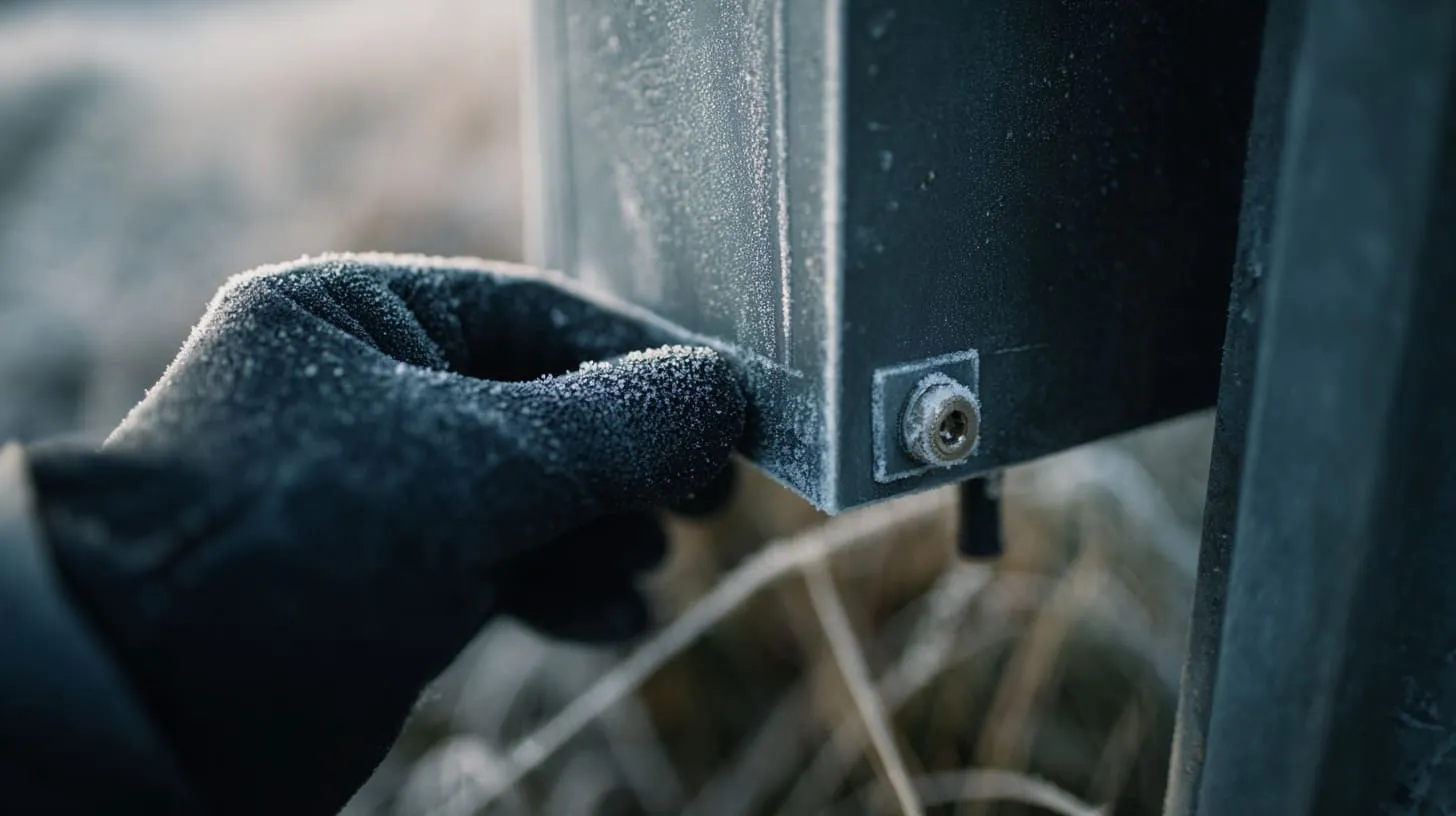
ABS can become more brittle at low temperatures. This does not always mean it cracks by itself. But it may crack more easily when stress appears.
Stress can come from many places:
- A screw tightened too much
- A lid forced open
- A worker dropping the enclosure
- A cable pulling on the wall
- A corner impact during transport
- A molded part with internal stress
- UV aging before winter arrives
I do not only ask how cold the site gets; I ask who will touch the enclosure in that cold weather, because human handling often creates the final crack.
Cold weather crack risks
| Risk Source | How It Causes Cracking |
|---|---|
| Low temperature | Reduces impact resistance |
| UV aging | Makes surface more brittle |
| Tight screws | Adds stress around bosses |
| Sharp corners | Concentrates force |
| Thin walls | Less strength margin |
| Drop impact | Sudden force breaks weak points |
| Cable pull | Stress near cable entry |
Design details that reduce cold cracking
If ABS is used in colder outdoor conditions, design becomes very important.
I prefer:
- Rounded corners
- Thicker screw bosses
- Proper screw torque
- Avoiding sharp internal corners
- Stronger wall thickness near mounting points
- Better material grade
- Testing under expected low temperature
- Avoiding normal indoor ABS for outdoor winter use
ABS vs polycarbonate in cold weather
| Factor | ABS | Polycarbonate |
|---|---|---|
| Cold impact strength | Lower | Higher |
| Crack resistance | Moderate | Better |
| UV aging effect | Can become brittle | Better with UV grade |
| Cost | Lower | Higher |
| Use in cold outdoor sites | Needs caution | Usually safer |
Cold does not forgive weak corners. A design that looks fine in a warm sample room may behave differently after one winter night.
What IP Rating Can ABS Outdoor Enclosures Reach?
IP rating is not printed by the material. It is earned by the design, tooling, gasket, and assembly.
ABS outdoor enclosures can reach ratings such as IP54, IP65, or even IP66 when designed and manufactured correctly. But ABS material alone does not decide the IP rating. The sealing structure, gasket, screw pressure, cable glands, and testing method decide the result.
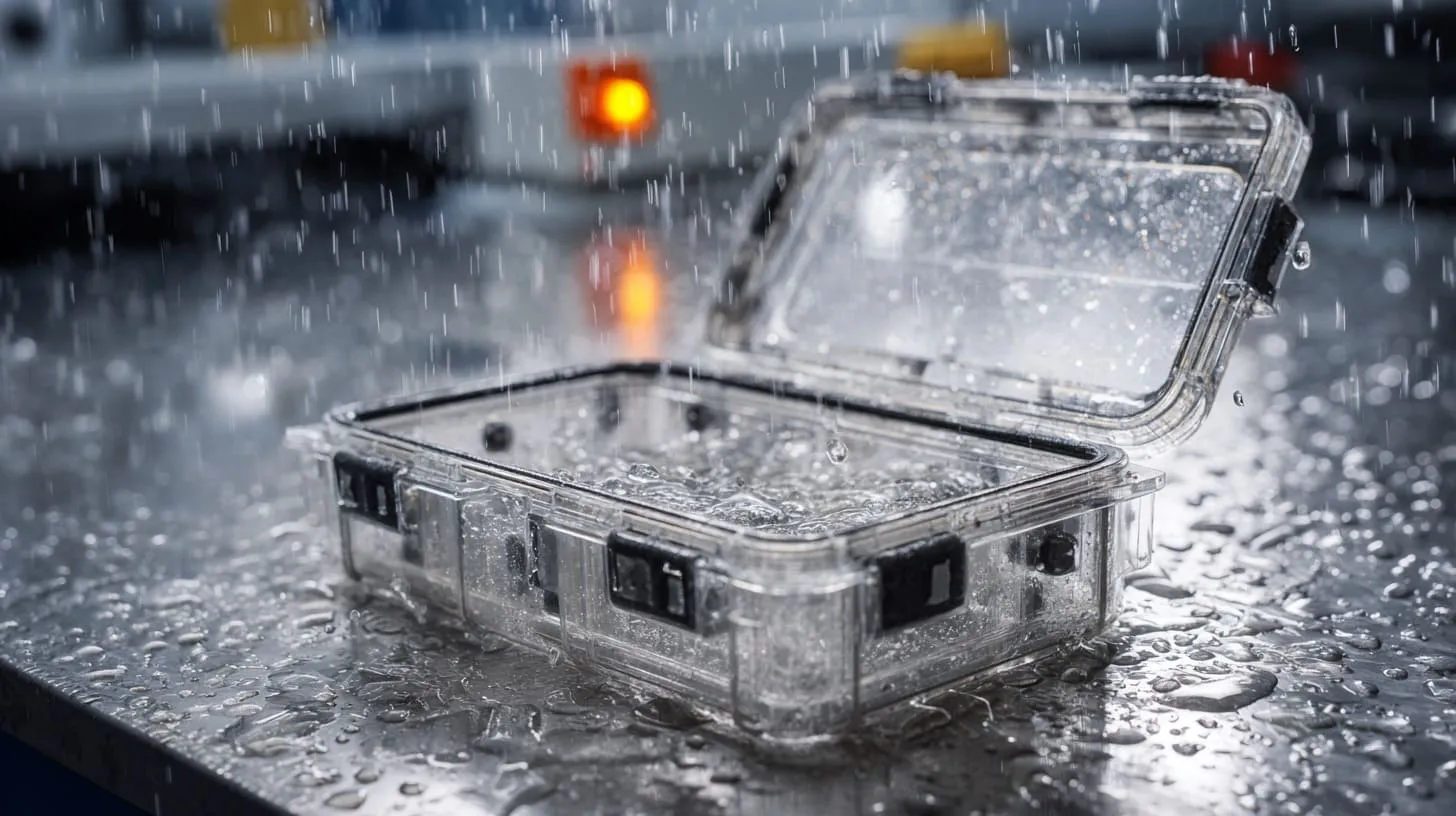
Many buyers ask, “Can ABS be IP65?”
The better question is, “Can this ABS enclosure design be IP65?”
There is a big difference.
A raw ABS material sheet has no IP rating. A finished enclosure can have an IP rating only when the full product blocks dust and water according to the testing requirement.
For IP-rated ABS boxes, I watch the gasket compression carefully, because too little pressure leaks water and too much pressure can deform the plastic over time.
Common IP ratings for outdoor enclosures
| IP Rating | Basic Meaning | Outdoor Use View |
|---|---|---|
| IP44 | Protected from splashing water | Light protection only |
| IP54 | Dust protected and splash resistant | Semi-outdoor use |
| IP55 | Dust protected and water jets | Better, but check design |
| IP65 | Dust-tight and water jet protection | Common outdoor target |
| IP66 | Dust-tight and stronger water jets | Better for harsher rain |
| IP67 | Temporary immersion protection | Needs very strong sealing |
What affects IP rating in ABS enclosures?
| Part | Why It Matters |
|---|---|
| Gasket | Main sealing barrier |
| Gasket groove | Keeps gasket in place |
| Lid flatness | Supports even pressure |
| Screw spacing | Controls compression |
| Wall stiffness | Prevents deformation |
| Cable gland | Often the leak point |
| Mounting holes | Can create hidden leaks |
| Assembly torque | Too loose or too tight causes problems |
Why IP rating can fail after production
A sample may pass. Mass production may fail.
Why?
Because small changes appear:
- Gasket hardness changes
- Screw torque changes
- Plastic shrinkage changes
- Lid warpage appears
- Cable gland installation differs
- Workers assemble too fast
- The customer drills extra holes later
That is why IP-rated outdoor enclosures need quality control, not just a nice drawing.
My IP rating advice for ABS outdoor boxes
If the buyer wants IP65 or above, I suggest checking:
- Does the mold support a stable gasket groove?
- Are the screw bosses strong enough?
- Is the lid thick enough to avoid bending?
- Are the cable entries designed properly?
- Will the customer open the lid often?
- Does the product need testing before mass production?
A high IP number on paper feels nice. A dry PCB after heavy rain feels better.
Is ABS Plastic Good for Electrical Junction Boxes?
ABS can be used for some electrical boxes, but the word “electrical” raises the standard. Safety, heat, flame rating, and compliance matter.
ABS plastic may be suitable for low-voltage or light-duty electrical junction boxes, but it must meet the required safety, flame-retardant, temperature, and IP standards. For outdoor or higher-risk electrical use, polycarbonate, fiberglass, metal, or certified enclosure materials may be better.
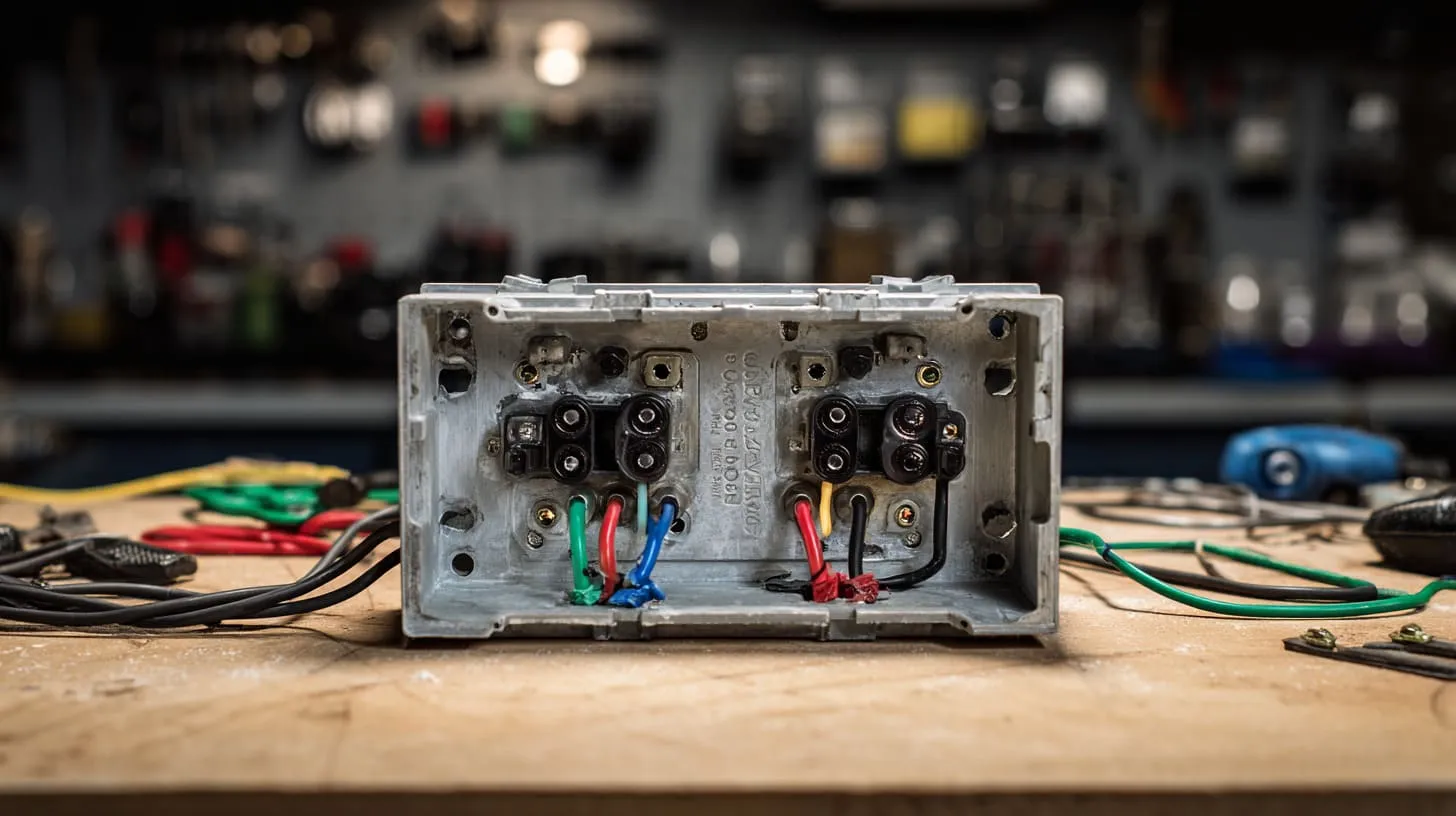
Electrical junction boxes are not only boxes. They protect connections. They reduce contact risk. They organize wires. They may face heat, moisture, dust, or human handling.
So I do not treat them like simple plastic containers.
The first thing I check is not the box shape; I check the electrical risk level, because a low-voltage sensor box and a power junction box do not deserve the same material decision.
ABS for electrical junction boxes
| Application | ABS Suitability | Notes |
|---|---|---|
| Low-voltage wiring | Possible | Use proper design and grade |
| Indoor junction box | Possible | Check flame rating |
| Outdoor low-voltage box | Possible with care | Need sealing and UV protection |
| High-voltage junction | Risky | Need certified material/design |
| Industrial power wiring | Often not ideal | Consider stronger materials |
| Hot components inside | Risky | Check heat resistance |
| Public outdoor use | Risky | Impact and safety matter |
Important checks before using ABS
| Check Item | Why It Matters |
|---|---|
| Flame rating | Electrical products may need fire safety |
| IP rating | Outdoor boxes need dust and water protection |
| UV resistance | Outdoor sunlight can age ABS |
| Temperature range | Heat can affect plastic and wiring |
| Impact strength | Boxes may be hit or opened |
| Wall thickness | Screws and terminals need support |
| Certification | Some markets need approved products |
ABS is not always wrong, but it must be controlled
For simple low-voltage devices, ABS can be practical.
For example:
- Small sensor connection box
- Indoor signal wiring box
- Covered outdoor control accessory
- Light-duty custom project box
- Prototype electronic enclosure
But for serious electrical use, I slow down. I ask more questions. I want the buyer to confirm the electrical standard in their market.
A plastic enclosure does not become safe only because it closes well. It must match the real electrical job.
Can Outdoor ABS Enclosures Be Custom Made?
Custom ABS enclosures are possible. But outdoor custom work needs more questions before the drawing becomes a mold or production file.
Yes, outdoor ABS enclosures can be custom made with specific size, wall thickness, gasket design, cable holes, mounting points, logo, color, packaging, and UV-resistant material options. The design should match the real outdoor environment before mass production starts.
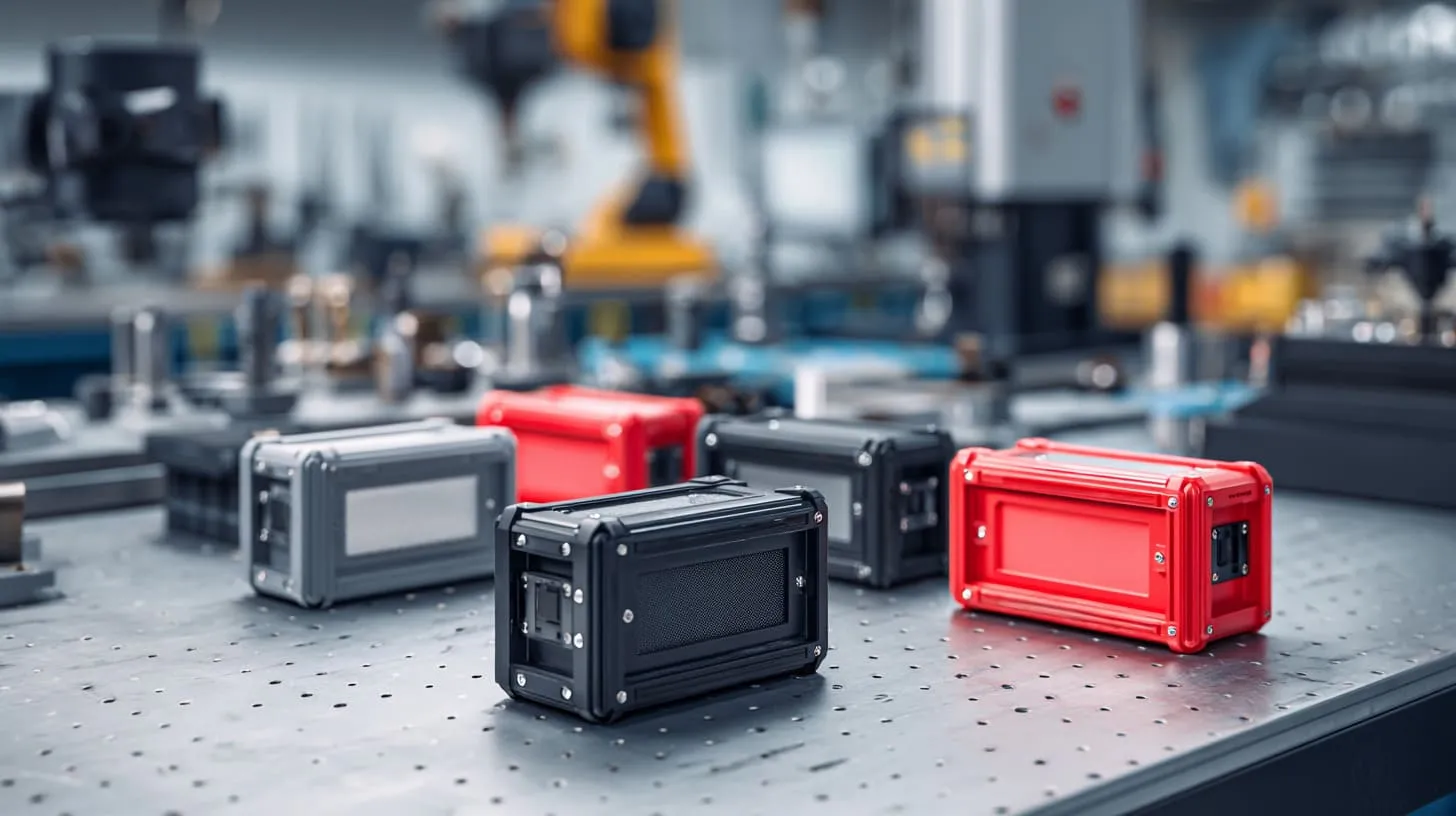
At MaidaTech, custom enclosure work usually starts with a simple file, sketch, sample, or idea. A buyer may need a case for a PCB. A product engineer may need holes in exact positions. A re-brand customer may need logo printing and packaging.
For outdoor ABS enclosures, custom work gives more control. But it also gives more responsibility.
A custom design can solve many problems, but it can also create new ones if we chase appearance and forget sealing, heat, screws, and cable entry.
Custom options for outdoor ABS enclosures
| Custom Option | Why Buyers Need It |
|---|---|
| Size and shape | Match PCB or device |
| Wall thickness | Improve strength |
| Gasket groove | Support IP rating |
| Cable holes | Fit glands and connectors |
| Mounting ears | Support wall or pole mounting |
| Internal bosses | Hold PCB or terminals |
| Logo printing | Support branding |
| Engraving | More durable mark |
| Color matching | Match product line |
| Surface texture | Improve grip and appearance |
| Packaging | Support wholesale or re-brand sales |
Custom design questions I ask early
| Question | Why It Matters |
|---|---|
| Will the enclosure face direct sunlight? | Decides UV material or coating |
| What IP rating do you need? | Controls gasket and structure |
| What is inside the box? | Affects heat and internal layout |
| Where do cables enter? | Prevents water path mistakes |
| How will it be mounted? | Controls strength points |
| Will users open it often? | Affects screw and gasket design |
| What market will it sell in? | May affect safety standards |
| What quantity do you need? | Affects process choice |
Custom ABS process direction
For custom ABS enclosures, the process may include:
- CNC prototype
- 3D printed sample
- Vacuum forming for some shapes
- Injection mold for larger quantity
- Existing mold modification
- Logo printing or engraving
- Custom gasket or seal design
- Custom packaging for re-brand buyers
When custom ABS makes sense
Custom ABS makes sense when:
- The budget matters
- The use condition is mild
- The enclosure is semi-outdoor
- The design needs many holes or bosses
- The buyer needs branding
- The project needs flexible shape
- UV protection is planned from the start
For buyers like David, John, or Jackson, the best custom enclosure is not the one that looks good only in the sample photo. It is the one that matches the real product, real customer, real installation, and real after-sales risk.
Conclusion
I use ABS outdoors only when the exposure, sealing, UV risk, and service life make sense. Send MaidaTech your drawing, and I can help check the safer enclosure direction.