Skip to content
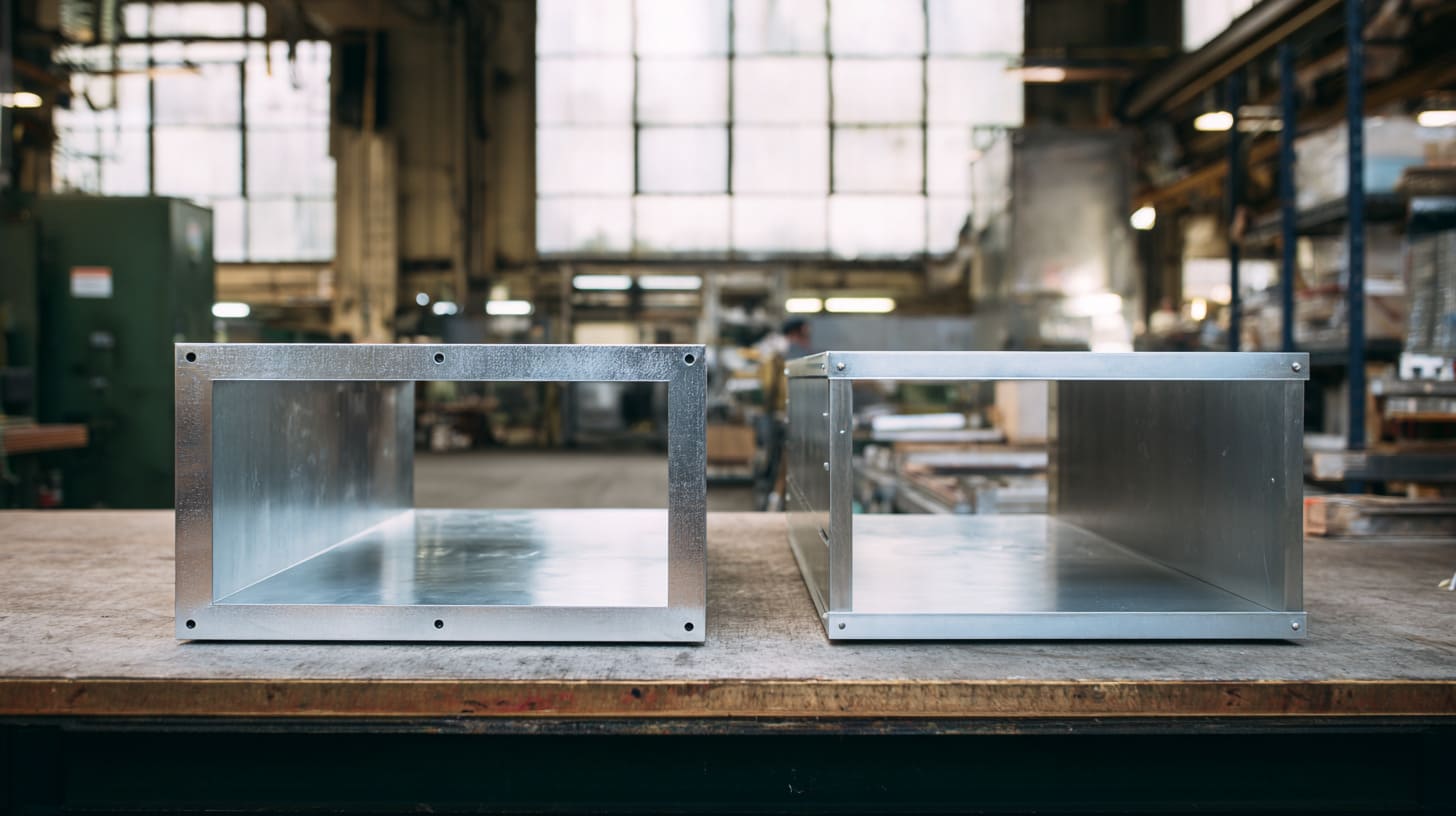
A funny thing happens in enclosure projects: people talk about materials like they are shopping choices, but the real problem is timing.
I often see the comparison between extruded aluminum frames and sheet metal show up late. It shows up after a drawing looks “done.” It shows up after the BOM is already clean. It shows up after someone says, “We just need a box.”
Then the project hits real life.
- A panel needs to open fast for service
- A cable route changes because the PCB moved 6 mm
- A buyer asks for a logo, then asks for a second logo
- A customer wants a new connector, and now the cutout shifts again
This is where things often go wrong: I can accept almost any structure, but I do not accept a structure choice made before the team agrees on changes, service access, and volume, because that choice creates hidden cost later.
This article is simple on purpose. I will not write like a textbook. I will write like a person who has watched these mistakes happen, and has to help fix them.
What this article helps you judge: what you should lock early, what you should keep flexible, and where the “obvious” choice becomes a quiet trap.
Here is the core idea I keep coming back to:
| Question | Extruded Aluminum Frame | Sheet Metal |
|---|---|---|
| Best when designs change often? | Yes | Not ideal |
| Best when volume is high and stable? | Not always | Yes |
| Best when you need fast assembly edits? | Yes | Depends |
| Best when you need clean mass-production look? | Depends | Yes |
If that table feels too neat, good. Real projects are messy. That is why engineers make mistakes here.
A small detail always pulls the truth out of the design: once you need to change one hole late, you will see which structure forgives you and which one punishes you.
Mistake 1: Assuming Strength Means the Same Thing
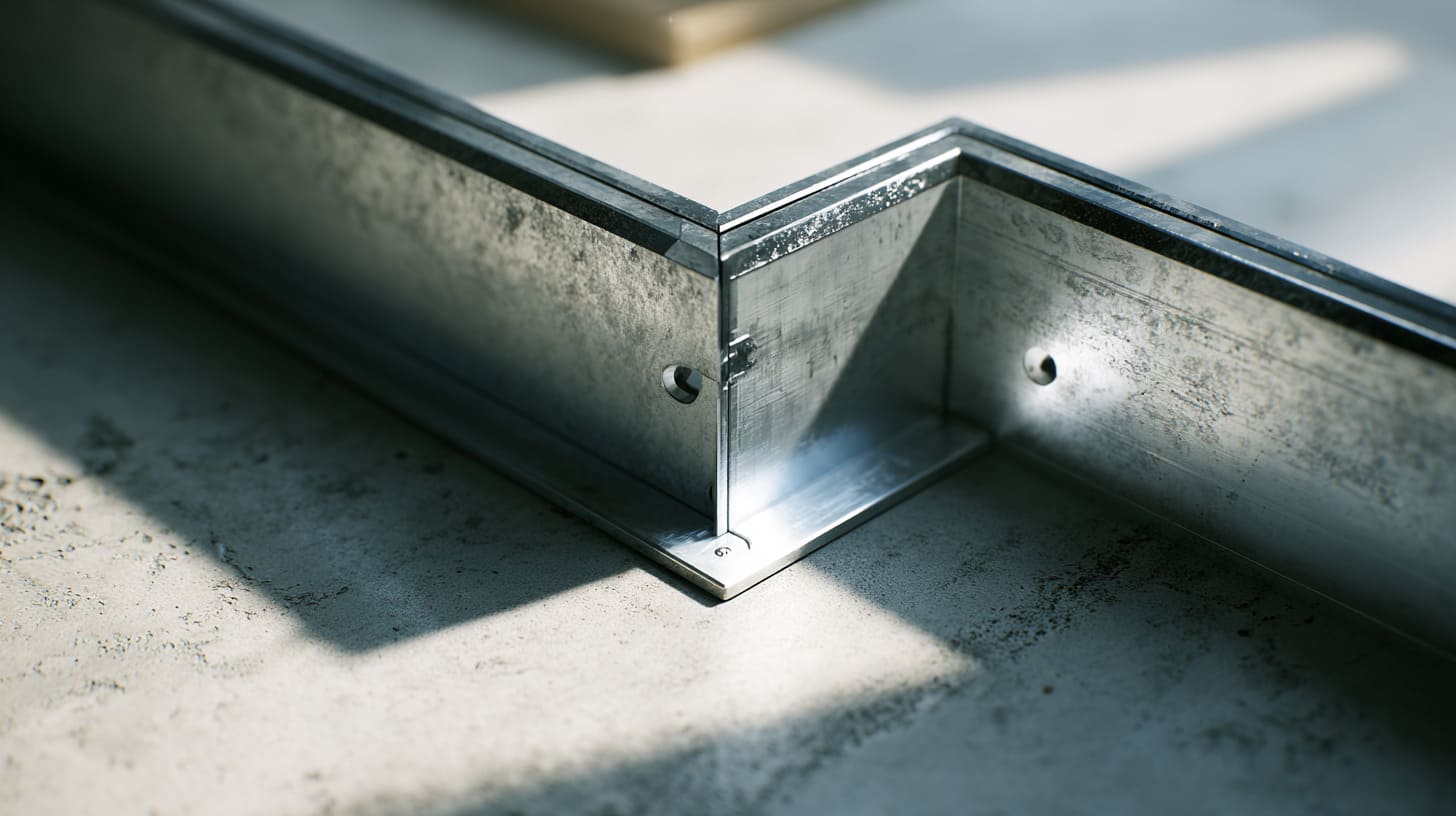
People say “strength” and they mean ten different things.
Some mean it will not bend. Some mean it will not shake. Some mean it will survive shipping. Some mean it will not warp after welding.
My decision point is very blunt: I do not trust a “strong” enclosure until I know what direction the force comes from and where the force goes, because most failures come from the wrong load path, not weak material.
Static strength vs structural rigidity
Static strength is like asking, “Will it break right now?”
Rigidity is like asking, “Will it feel solid every day for two years?”
A sheet metal box can be strong in a lab test, but it can still feel “soft” when a user pushes a panel. An extruded frame can feel rigid, even if the panels are light, because the frame carries the load.
Here is a quick way I explain it to new engineers:
| Topic | Static Strength | Rigidity |
|---|---|---|
| What it feels like | “It did not break.” | “It feels stable.” |
| Common failure | Denting, cracking | Rattle, vibration, misalignment |
| What users complain about | Damage | Noise, looseness, “cheap feel” |
Load paths in extruded frames vs bent sheet metal
Load path is just a clean way of saying: where does the force travel?
- In an extruded frame, the force often travels through the corner brackets and long profiles.
- In a sheet metal enclosure, the force often travels through bends, flanges, and fastener points.
So the risk shifts.
- Frames can get loose if fasteners are not locked well.
- Sheet metal can crack near a bend if you push stress into one corner.
I have seen a sheet metal box look perfect, then fail in shipping because one corner took the hit and the energy had nowhere else to go. I have also seen an extruded frame survive the same hit because the frame spread that load across the structure.
When “thicker sheet” fails compared to modular profiles
Thicker sheet sounds safe. It sounds like a quick fix. But thickness does not solve everything.
- Thicker sheet increases weight fast.
- Thicker sheet makes forming harder.
- Thicker sheet can still twist if the geometry is wrong.
A frame can sometimes win with shape instead of thickness.
Here is a practical comparison I use in meetings:
| “Fix” Idea | What it helps | What it can hurt |
|---|---|---|
| Increase sheet thickness | Dent resistance | Weight, cost, forming difficulty |
| Add ribs / flanges | Rigidity | Complexity, tolerance stack |
| Switch to extruded frame | Rigidity + modular change | Aesthetics, part count |
If you want one simple takeaway: strength is not one number. Strength is a story, and the story changes with how the enclosure is used.
A buyer usually notices the truth first when the unit is in someone’s hands, not when it is in CAD.
Bridge to the next section (keep reading): the first time an engineer asks me, “Can we move the cutout 10 mm?” I already know the next problem is not strength. The next problem is assembly reality.
Mistake 2: Ignoring Assembly and Modification Reality
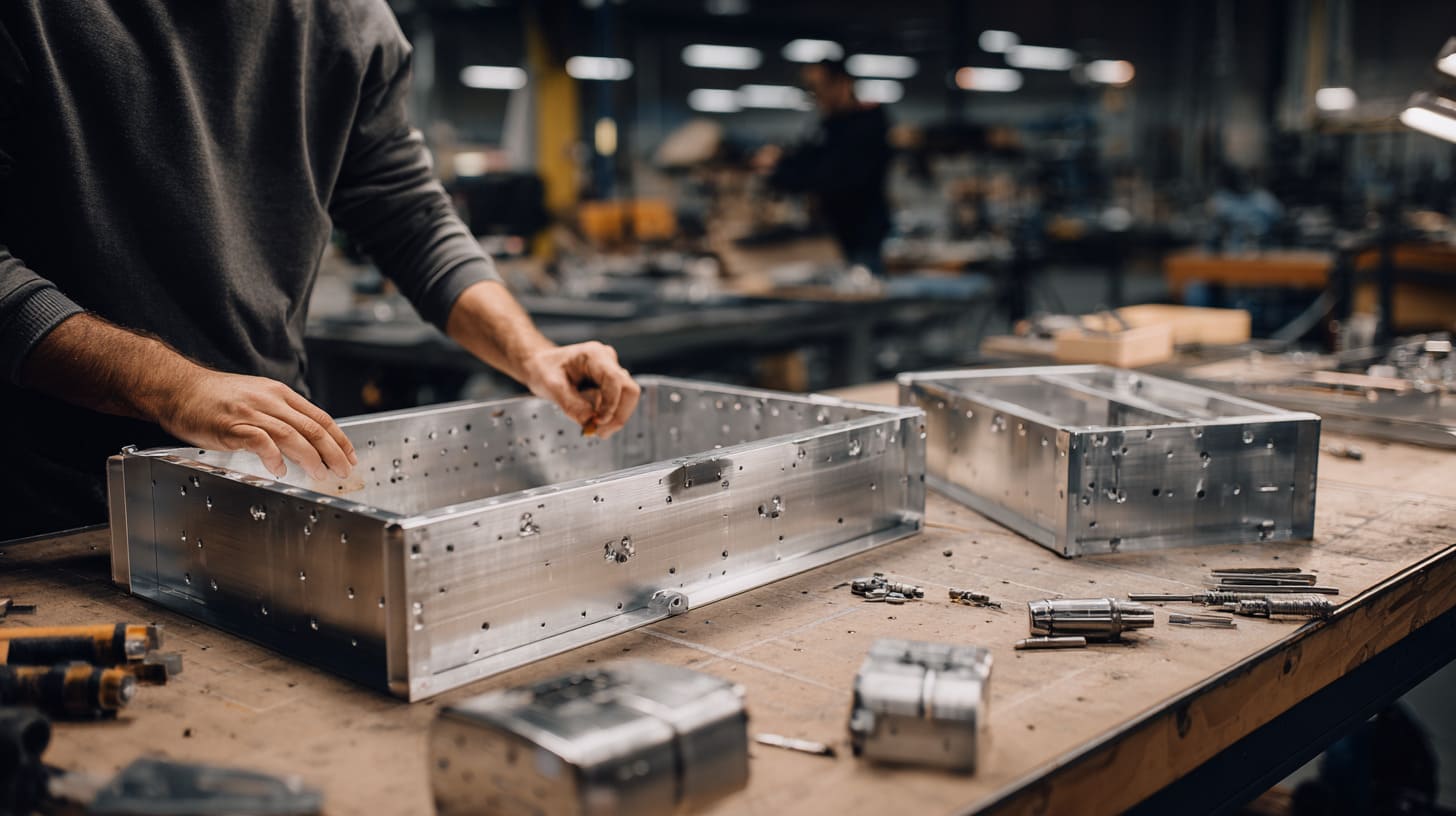
A design can be “correct” and still be painful to build.
I have worked with Davide-type buyers who send clean drawings and then ask for fast delivery. I respect that. But I also know what happens when the enclosure looks easy on paper and difficult on the bench.
The most honest rule I use is this: I judge a structure by how it behaves when someone changes their mind at the worst possible time, because that is when the project shows its real cost.
Tooling dependency in sheet metal designs
Sheet metal becomes great when the design is stable and the volume supports it.
But when the design is moving, tooling becomes a chain.
- A bend change affects fit.
- A hole move affects the punching or laser program.
- A PEM nut location change affects assembly steps.
- A welding change affects distortion and rework.
Even if you do not use “hard tooling,” sheet metal still creates process lock-in. A small change might require a new fixture, a new press brake setup, or new welding checks.
Post-production changes and field modifications
Field modification is where many engineers get surprised.
If you need to drill a new hole on-site:
- Sheet metal can flex, grab the drill, and leave burrs.
- Painted or coated sheet metal can chip and rust.
- A thin wall can deform if the user over-tightens.
With extruded profiles, field changes can be simpler:
- Panels can be swapped.
- Brackets can be repositioned.
- Cable routing can be adjusted with clips and slots.
It is not “better.” It is just more forgiving.
Why extruded aluminum tolerates late-stage design changes better
Extruded frames behave like a platform.
When John-type ODM buyers ask for redesign support, they rarely have everything fixed on day one. They test. They change. They add a port. They remove a fan. They shift a board.
A frame lets that happen without punishing every change.
Here is the comparison that saves time in real conversations:
| Change Type | Extruded Frame | Sheet Metal |
|---|---|---|
| Move a connector cutout | Swap panel or re-cut panel | Re-cut + re-finish, may affect bending |
| Add internal bracket | Add T-nut + bracket | Add studs/PEM + possible fixture changes |
| Add airflow feature | Panel vents, easy edits | May need new pattern + finish rework |
| Service access update | Add door panel | New hinge design + bend changes |
If a team expects even two rounds of change, the structure choice matters a lot more than people admit.
Bridge to the next section (keep reading): after assembly pain shows up, the next email is always about money. Not just unit price. The full cost. The cost nobody wrote down.
Mistake 3: Underestimating Total Cost Beyond Unit Price
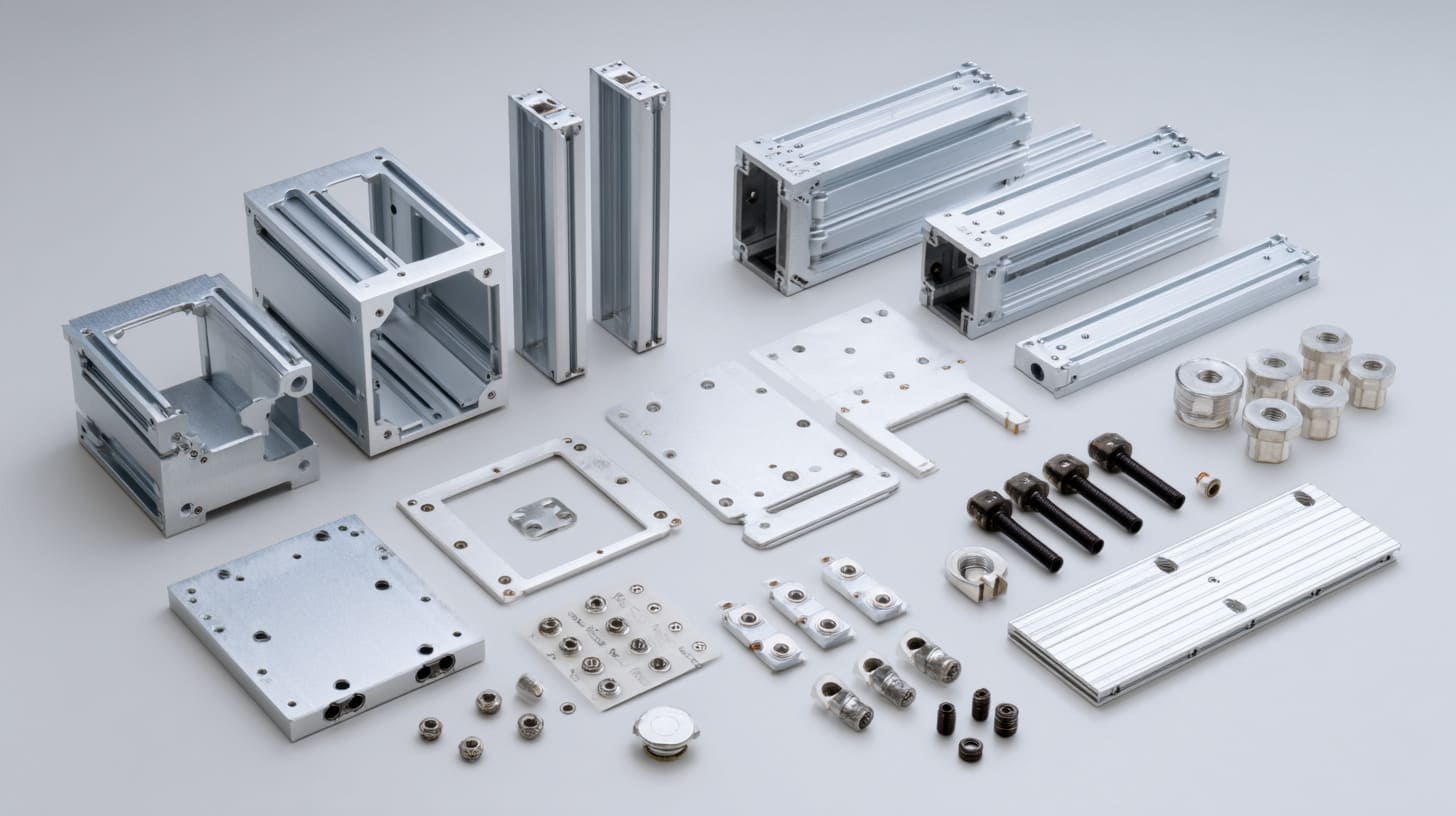
Unit price is the easiest number to argue about, so people argue about it.
But unit price is not where projects bleed.
My personal line is simple: I do not call a structure “cheap” until I count engineering hours, revision waste, and delivery risk, because those costs show up as delays and blame, not as a clean invoice.
Tooling cost vs profile reuse
Sheet metal often needs some form of setup cost.
- Programming
- Fixtures
- Forming setup
- Welding setup
- Surface treatment runs
Extruded frames need parts too:
- Profiles
- Corner brackets
- Fasteners
- Panels
- Sometimes custom machining for end plates
The key difference is reuse.
If you reuse the same profile sizes across projects, the frame system becomes more like a kit. Sheet metal becomes more custom per design, even when it looks similar.
Engineering hours and revision cycles
This is the hidden monster.
A small change in sheet metal can trigger:
- New flat pattern
- New bend allowance check
- New tolerance check
- New coating and masking details
- New assembly process notes
A small change in a frame can be:
- Swap a panel drawing
- Adjust bracket placement
- Keep the frame
Here is a simple cost map I show when teams argue:
| Cost Bucket | Often Bigger In Frames | Often Bigger In Sheet Metal |
|---|---|---|
| Part count management | Yes | No |
| Fast assembly change | No | Yes |
| Tooling/setup cost | No | Yes |
| Finish rework after change | Low | Can be high |
| High-volume unit cost | Can be higher | Can be lower |
Long-term cost of redesign, scrap, and delays
Scrap is not just material. Scrap is time.
If a sheet metal batch is wrong, the whole batch can be wrong. If a frame panel is wrong, sometimes only the panel is wrong.
So the “risk shape” changes.
- Sheet metal can be efficient, but it can create bigger failure events.
- Frames can cost more per unit, but they can reduce catastrophic scrap during change.
This is why mature teams do not ask, “Which is cheaper?”
They ask, “Which is cheaper for this stage of the product?”
Bridge to the next section (keep reading): the cost conversation always leads to volume. Someone will say, “We only need 200 units now.” Then someone else will say, “But maybe 5,000 later.” That is where the next mistake lives.
Mistake 4: Choosing the Wrong Method for Low or Medium Volume
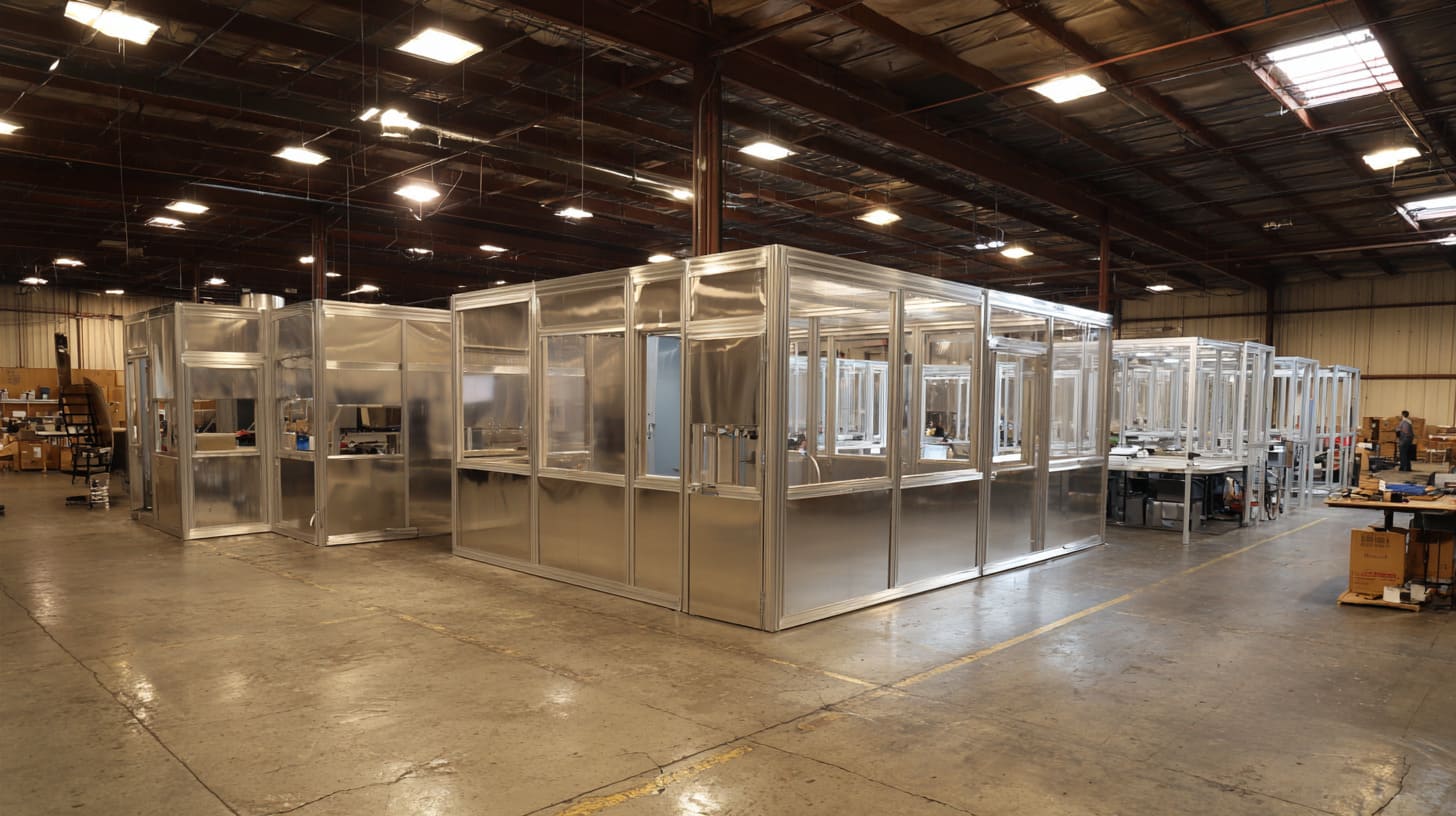
Low volume and medium volume are tricky because people imagine they are “small,” but the budget still feels big.
I make a very human decision here: I pick the method that lets the team sleep at night during the first production run, because stress and rework in early builds destroy more projects than material cost does.
Sheet metal efficiency at scale
Sheet metal can become a beautiful machine when volume is stable.
- Fast forming
- Repeatable assembly
- Strong appearance consistency
- Lower per-unit cost after setup is absorbed
But that only happens when change slows down.
Extruded aluminum advantages for prototypes and small batches
Frames can shine when:
- The design keeps changing
- The customer wants quick revisions
- The product has multiple variants
- The timeline is tight
A frame system can also support “platform thinking.” One frame size can support different panels and different internal layouts.
For buyers like Jackson (re-brand and production engineer types), variants are common. They might want:
- A standard version
- A version with extra ports
- A version with a different label
- A version with a different internal mount
That is where frames feel practical.
Break-even thinking engineers often skip
People love asking for a break-even number. I get it. It feels scientific.
But break-even is not one number. It changes with revision count.
So I prefer a simple table that forces honesty:
| Factor | If this is TRUE… | Then this often wins |
|---|---|---|
| Volume is high and stable | 5k+ and few changes | Sheet metal |
| Volume is low and changes are likely | 50–500 and revisions expected | Extruded frame |
| Many variants are planned | 3+ versions | Extruded frame |
| Cosmetics matter most | Consumer-facing look | Sheet metal |
| Assembly time must be minimal | High labor cost region | Sheet metal (if stable) |
If a team says “we will not change anything,” I smile a little. Most teams change something.
Bridge to the next section (keep reading): after volume, the next surprise usually comes from heat. A product can pass a bench test and still fail in the field because airflow and structure were treated like “later work.”
Mistake 5: Overlooking Thermal and Airflow Constraints
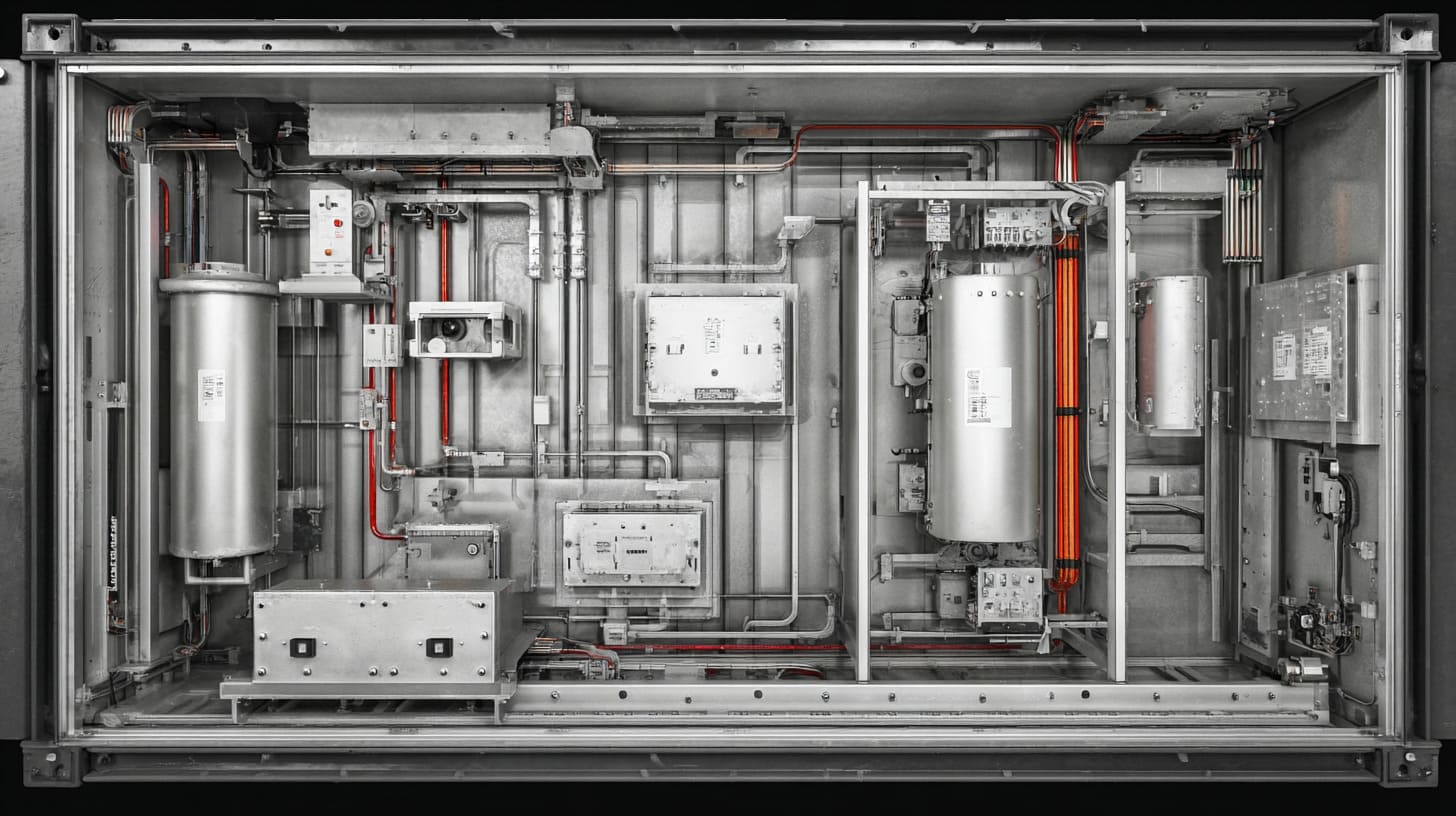
Thermal problems do not announce themselves politely. They show up as “random” failures.
I have seen boards that run fine on a desk, then fail inside a sealed enclosure in summer. People then blame the PCB, the power supply, even the firmware. The enclosure choice sits quietly in the background.
My real-world check is not fancy: I look at where heat gets trapped and where air can actually move, because a good thermal design is mostly about flow, not hope.
Heat dissipation differences
Sheet metal can help heat spread when:
- The enclosure wall is part of the thermal path
- The design uses contact points well
- The surface area is used correctly
Extruded frames can help when:
- Panels can be vented or swapped
- Internal airflow can be routed
- Heat sources can be separated by layout
But both can fail.
A solid sheet metal box with no airflow can cook a small fanless system. A frame with bad panel sealing can pull dust into sensitive electronics.
Venting, fans, and panel integration challenges
This is where details matter:
- Where do you put vents so dust does not fall directly on the PCB?
- Where do you place fans so airflow does not dead-end?
- How do you protect fingers and cables?
Frames make panel changes easier, so vent patterns can change later. Sheet metal can do vents too, but changes often trigger re-finish and re-validation.
Here is a quick guide I use for early conversations:
| Thermal Feature | Frame Impact | Sheet Metal Impact |
|---|---|---|
| Add vents late | Often easy (panel update) | Can be painful (finish, new pattern) |
| Add fan bracket | Easy with brackets | Needs studs/PEMs and access |
| Add filter | Panel-based | Needs careful integration |
| Shielding for EMI | Needs planning (panels) | Often easier by nature |
How enclosure structure affects thermal reliability
Thermal reliability is not just “peak temperature.”
It is also:
- Connector lifetime
- Plastic part creep
- Adhesive aging
- Cable insulation stability
So if a structure choice forces you into a sealed design, you must treat airflow as a first-class requirement, not a decoration.
Bridge to the next section (keep reading): once thermal is on the table, tolerance comes next. A hot system expands. A bent part shifts. Then alignment problems appear during final assembly, when nobody has time.
Mistake 6: Misjudging Tolerance and Fit-Up
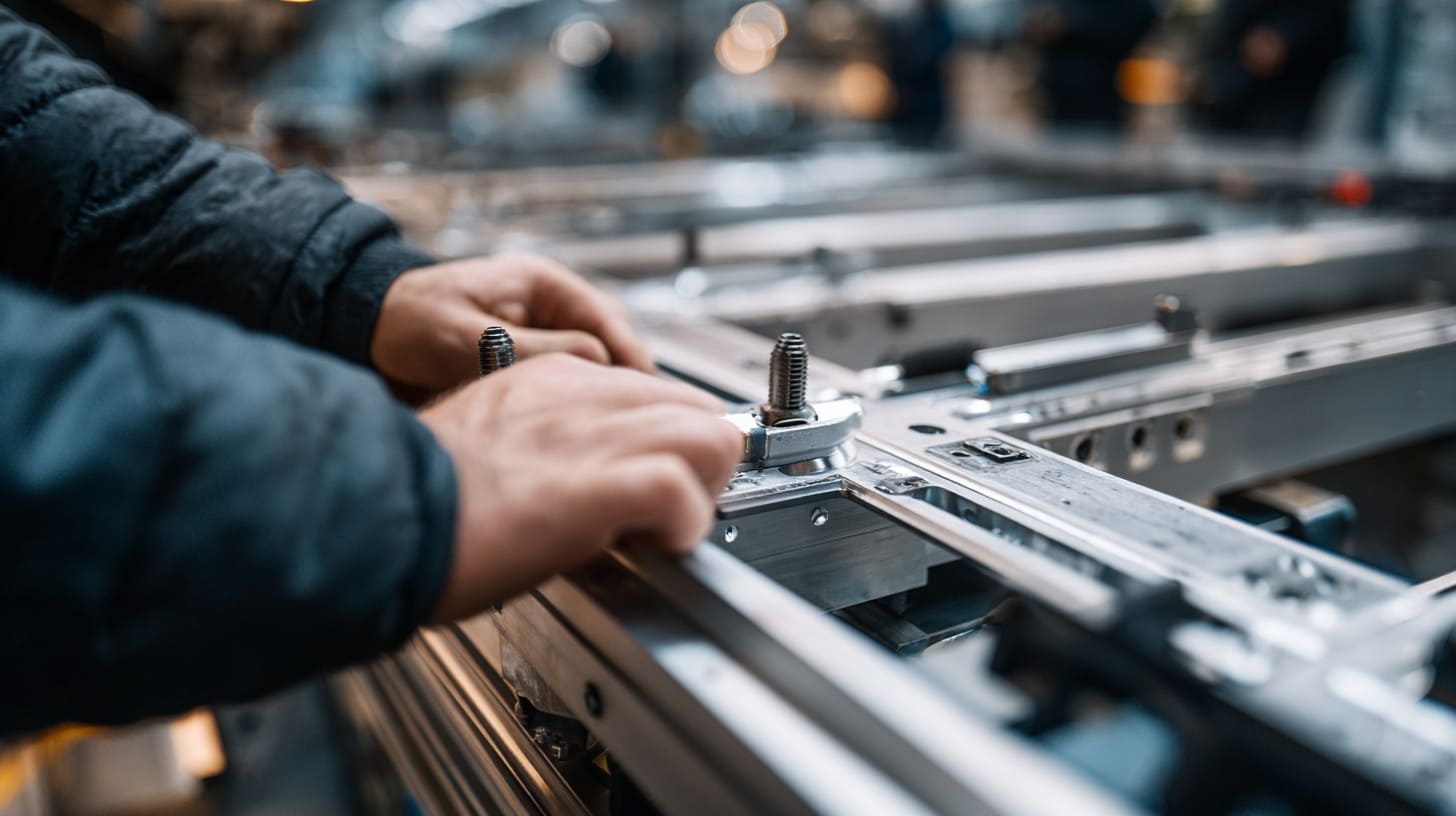
Tolerance is where “good drawings” still create bad assemblies.
The hardest part is that tolerance mistakes look small. They look like millimeters. But they create hours of rework.
I have a stubborn habit here: I do not believe an enclosure will assemble smoothly until I imagine a tired worker building it fast, because the real test is not a clean engineer bench, it is repetitive assembly under time pressure.
Cumulative tolerance in sheet metal bends
Sheet metal tolerances stack up in real ways:
- Bend angle variation
- Bend radius variation
- Hole position after forming
- Welding distortion
- Coating thickness
A single part might be in tolerance. But a full assembly can drift.
This is why some sheet metal boxes “almost fit” but not cleanly. Workers then force alignment. That is how scratches and cracked coating start.
Precision advantages of machined and cut profiles
Extruded profiles can be cut and drilled with good repeatability. The geometry stays stable along the profile length.
But frames also introduce their own tolerance stack:
- Bracket alignment
- Fastener seating
- Panel hole alignment
- Corner squareness
So frames are not magic. They just move the tolerance problem into a different shape.
Alignment issues that appear during final assembly
The most common alignment pain points I see:
- Door not closing cleanly
- Panel holes not lining up
- Internal mount points shifting
- Gasket compression uneven
A simple planning table helps:
| Assembly Feature | Typical Sheet Metal Risk | Typical Frame Risk |
|---|---|---|
| Door alignment | Warp after welding | Squareness at corners |
| Panel screw alignment | Hole drift after bends | Panel hole pattern mismatch |
| Internal standoffs | Stud position error | Bracket placement error |
| Sealing | Coating issues | Panel fit and gasket compression |
If you manage these risks early, both methods can work well. If you ignore them, both can embarrass you.
Bridge to the next section (keep reading): after tolerance, people drift into aesthetics. They start asking what looks “premium.” That is where the next trap appears: a pretty enclosure that is painful to live with.
Mistake 7: Designing for Appearance Instead of Use Case
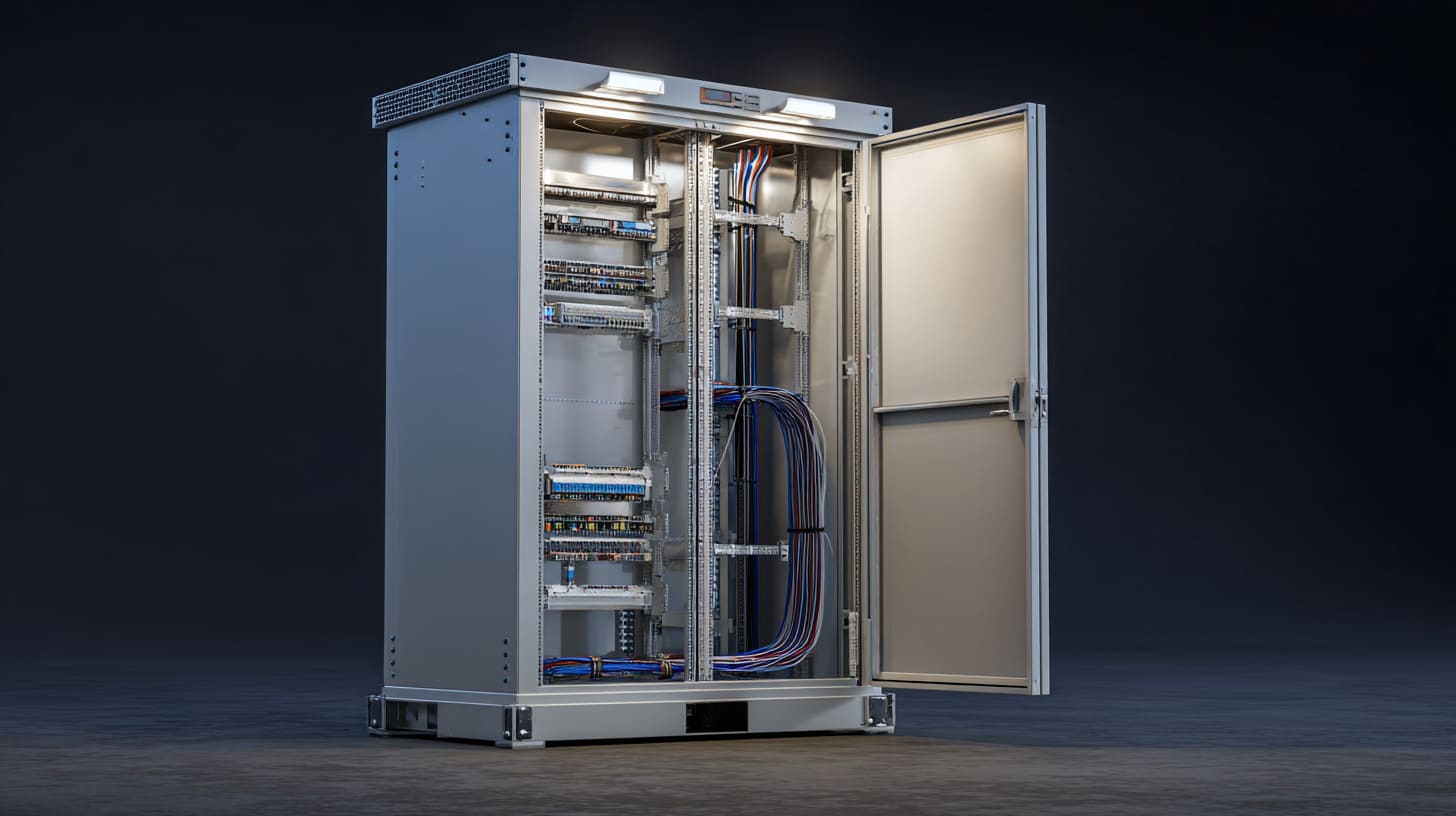
I like clean design. I also like designs that do not punish the next person who touches them.
Engineers and buyers sometimes chase a look: smooth sheet metal, hidden screws, flush panels. That can be the right choice. But it can also create a service nightmare.
My own bias is honest: I pick serviceability over perfect cosmetics when the product will be used in the field, because a customer forgives a visible screw faster than they forgive downtime.
Clean looks vs serviceability
Sheet metal often wins the clean look battle. It can feel like a finished product, not a kit.
Frames can look “industrial,” which can be good or bad depending on the market.
But service is where the truth shows up:
- Can a technician open it with basic tools?
- Can a user replace a fuse without removing eight panels?
- Can you access the PCB without cutting cables?
Panel access, cable routing, and expandability
Frames can make access simple:
- Remove one panel
- Slide out an internal plate
- Add a cable route using slots and clips
Sheet metal can also support access, but it needs planning:
- Access doors
- Removable plates
- Thoughtful cable glands
- Clearance around connectors
Here is a checklist I use to keep looks from winning too early:
| Practical Question | If “No”… | What happens later |
|---|---|---|
| Can you open it fast? | Delays | Field tech gets angry |
| Can you rework wiring without full disassembly? | Rework cost | Mistakes increase |
| Can you add one connector later? | Redesign | Schedule slip |
| Can you keep cables clean? | Mess | EMI and service issues |
Why “industrial aesthetics” can mislead decisions
“Industrial” can mean strong. It can also mean unfinished. It depends on execution.
I have seen a frame enclosure look sharp with the right panels and finish. I have seen a sheet metal enclosure look cheap because it warped and the door rubbed paint off the edge.
So aesthetics is not only method. Aesthetics is details.
Bridge to the next section (keep reading): after looks, the most stressful part arrives: delivery dates. That is where supply chain reality steps in, and the “best engineering choice” gets forced by lead time.
Mistake 8: Forgetting Supply Chain and Lead Time Risk
Lead time is the part nobody wants to talk about until they have to.
Davide-type buyers often push for speed because they have launch dates and sales windows. John-type buyers push because they have investor pressure or demo deadlines. I understand both.
My real decision rule is simple: I pick the structure that reduces the number of “single points of failure” in the timeline, because one stuck process step can freeze the whole project.
Tooling lead time vs profile availability
Sheet metal can face delays from:
- Fixture making
- Special bending tools
- Coating line scheduling
- Welding capacity
Extruded frames can face delays from:
- Profile stock availability (rare sizes)
- Custom machining queue
- Panel material lead time
But frames can also allow partial build:
- You can build frames while panels are still being cut.
- You can test fit internally before final cosmetic panels arrive.
Supplier dependency and revision bottlenecks
A revision bottleneck happens when only one supplier step can do the change.
Sheet metal designs can get trapped in:
- One specific press brake setup
- One coating process window
- One welding fixture
Frames can get trapped too, but often the bottleneck is narrower:
- One panel part
- One bracket part
- One machining operation
Here is the risk view that helps buyers:
| Risk Type | More Common Pain | Why it hurts |
|---|---|---|
| Process queue risk | Sheet metal | Multiple steps, each can delay |
| Material stock risk | Frames | Certain profiles or panels might be tight |
| Revision risk | Sheet metal | More rework across more operations |
| Partial build flexibility | Frames | You can split work and move faster |
How enclosure choice affects delivery schedules
Delivery is not only shipping speed. Delivery is:
- Confirmation speed
- Revision speed
- Rebuild speed when something is wrong
So if a project is under time pressure, structure choice is not a “design preference.” It is a schedule strategy.
Bridge to the next section (keep reading): after eight mistakes, the question becomes practical: how do you decide without arguing for weeks? I like decisions that feel calm, not clever.
How to Decide Correctly Between Extruded Aluminum and Sheet Metal
I do not believe in one “best” enclosure method. I believe in matching the method to the product stage.
What I personally do is simple: I decide based on how much change the product can tolerate and how much pain the team can tolerate, because the wrong method does not only waste money, it drains energy and trust.
Project volume and lifecycle
Ask two questions:
1) Is this a one-time project, or a platform that will grow?
2) Will the design freeze after the first batch?
If the design will freeze and volume will climb, sheet metal becomes more attractive. If the design will keep evolving, frames can keep the project moving.
Customization frequency
Customization is not just “options.” It is also:
- Different labels
- Different cutouts
- Different internal mounts
- Different cable exits
If you expect customization often, a frame can make life easier.
If customization is rare and you want clean mass production, sheet metal can shine.
Engineering resources and timeline pressure
A team with strong mechanical support and time can squeeze amazing results out of sheet metal.
A small team under pressure often needs flexibility more than elegance.
Here is a decision table I use when I want the conversation to end fast:
| Situation | My Typical Lean | Reason |
|---|---|---|
| Prototype or pilot builds | Extruded frame | Faster change, less scrap risk |
| Stable design, high volume | Sheet metal | Lower unit cost, clean repeatability |
| Many variants planned | Extruded frame | Panel-based customization |
| Harsh environments needing sealing | Depends | Both can work, but details matter |
| Tight launch schedule with unknown changes | Extruded frame | Reduces revision penalty |
I also ask one question that sounds small but saves projects:
Who will open this enclosure, and how often?
If the answer is “service tech, often,” I lean toward access and modularity. If the answer is “nobody, almost never,” I lean toward compact and clean.
Bridge to the last section (keep reading): after all these comparisons, I still like to end with a simple reason. I do not choose methods to win arguments. I choose them to reduce regret.
Conclusion

I wrote this because I have watched good engineers make avoidable mistakes, and I have felt the stress that follows.
I have seen a team choose sheet metal too early, then pay for every change like it was a penalty fee. I have also seen teams choose a frame because it felt “safe,” then realize they needed a cleaner look and lower part count for mass production. Both mistakes are human. Both mistakes are common.
Here is why I think the “better” option depends on context, not habit:
- A structure is not just a structure. It controls how change feels.
- A structure is not just cost. It controls how risk spreads.
- A structure is not just look. It controls service, heat, and assembly reality.
And here is why I personally judge the decision the way I do: I have learned that early-stage projects need forgiveness more than perfection, and late-stage projects need repeatability more than flexibility.
So I keep one mindset in my head:
1) If the design is moving, I protect the schedule by choosing a method that makes changes cheap.
2) If the design is stable, I protect the unit cost and appearance by choosing a method that scales cleanly.
3) If the team argues, I bring the decision back to service, change frequency, and timeline risk.
If you are working on an enclosure right now, I suggest one action that is easy and practical: send me your target volume, your environment, and one drawing or sketch, and tell me how often you expect changes. I can help you pick the structure with fewer surprises and faster confirmation.
You can reach me at info@maidatech.com or visit maidatechenclosure.com. I would rather help you decide early than help you repair a decision after a deadline.