Skip to content


The drawing looked clean. Cable paths were neat. Breaker count was marked. Then one small comment appeared in red:
“Main lug or main breaker?”
That single line can delay an entire project.
I have seen this question stop production schedules, not because engineers lack knowledge, but because the choice changes more than people expect. It changes enclosure depth. It changes wiring space. It changes inspection flow. It even changes how a technician reacts when something trips.
Most people treat this as a simple hardware difference. It is not. It is a system decision.
If we choose wrong, the mistake does not explode on day one. It shows up later as:
- A cabinet that runs warmer than expected
- A field technician searching for a shutoff
- An inspector asking about bonding
- A redesign request after the enclosure is already fabricated
That is why I never treat “main lug vs main breaker” as a checkbox.
Before I approve any panel type, I ask myself one practical question:
If power needs to be cut in ten seconds, where will the hand go?
That question usually tells me which direction to take.
In this article, I will break down both panel types from an OEM enclosure perspective. Not just definitions. Not just theory. I will focus on what actually matters when you are building, installing, and maintaining real equipment.
What Is a Main Breaker Panel?
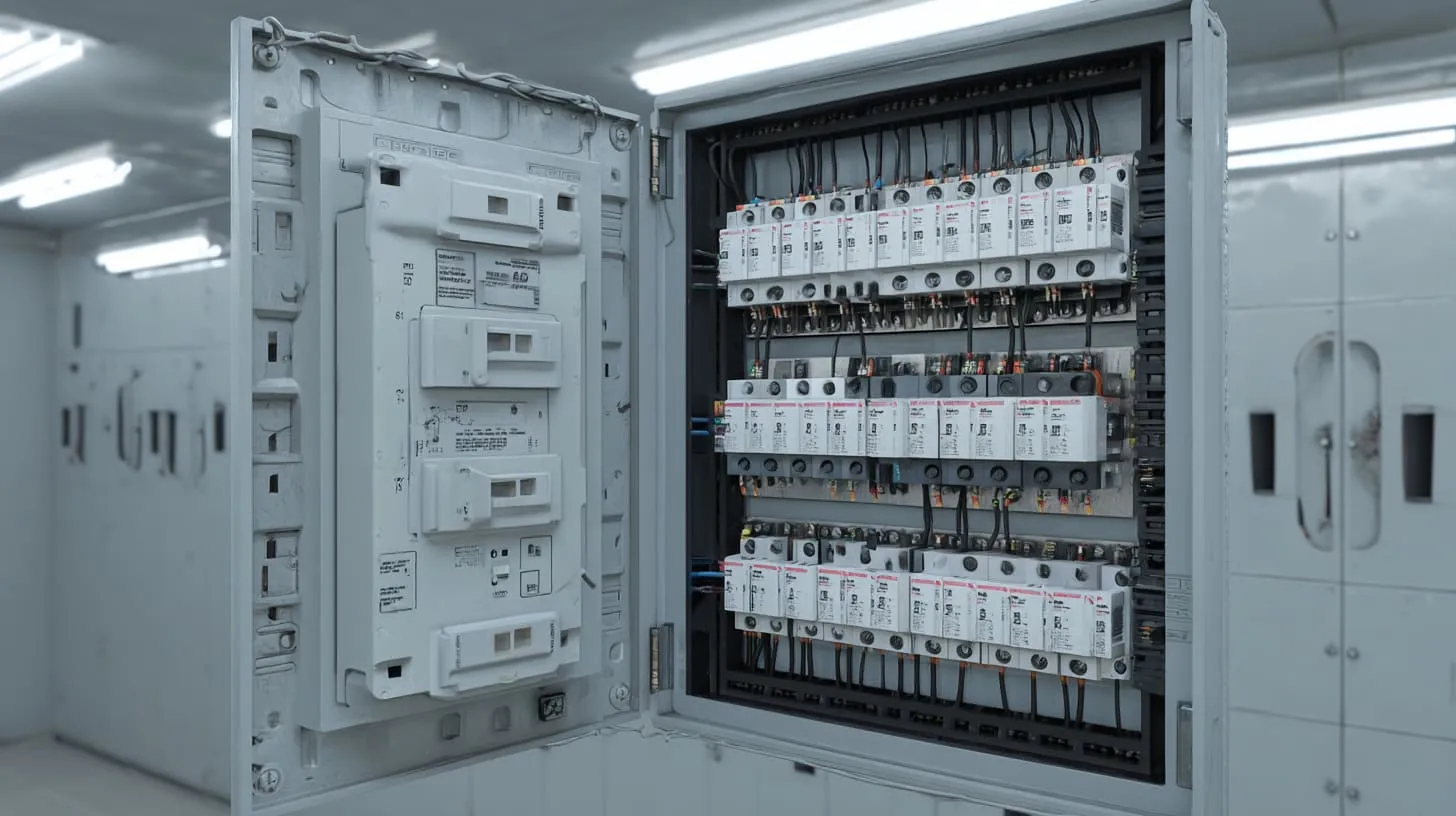
A main breakerr panel](https://ryanelec.com/electrical-panels-breakers-and-fuses/future-proof-your-home-the-benefits-of-upgrading-your-main-electrical-panel/) has a built-in main breaker. That breaker can shut off power to all the branch circuits in the panel. In many setups, it also serves as the service disconnect.
The definition sounds clean. Real projects are not always clean.
The reason people like main breaker panels is emotional as much as technical: you can see the big switch, and you feel in control.
Here is what that panel is doing in plain words:
- Power comes in.
- The main breaker is the “big gate.”
- After that gate, branch breakers split power to many circuits.
If you only remember one line, remember this: a main breaker panel carries its own “off switch.”
My personal rule is this: if I know the panel will be touched by non-expert hands (maintenance staff, store owner, general contractor), I lean toward a main breaker because it reduces “guessing under pressure.”
Definition and Core Function
A main breaker panel:
- Has an integrated main breaker (often 100A–400A in many common product ranges)
- Can disconnect the entire panel with one action
- Often sits as the primary distribution point
Key Components (and what they mean in real life)
| Component | What it does | What can go wrong in OEM builds |
|---|---|---|
| Main breaker | Shuts down power to the panel | Needs clear access; can create heat; needs correct interrupt rating |
| Bus bars | Distribute power across breakers | Overcrowding and poor clearance can create hotspots |
| Branch breakers | Protect individual circuits | Wrong space planning makes wiring messy and hard to service |
| Neutral bar | Return path for current | Mixing neutrals in subpanel setups causes inspection issues |
| Ground bar | Safety grounding path | Bonding mistakes can create “mystery” faults |
Typical Applications
You will see main breaker panels in:
- Residential primary service panels
- Small commercial buildings
- Places where a local disconnect is expected or required
Advantages (with a realistic lens)
Built-in emergency shutoff
If a technician needs to isolate quickly, the action is obvious.
Often smoother for code and inspection
Inspectors tend to like clear disconnecting means, especially in simpler installations.
Clearer fault isolation workflow
When something trips, the “big picture” is easy to read.
Here’s a small reality check, though: a main breaker is not a magic shield. If the upstream design is wrong, you can still get nuisance trips and heat issues. The panel type does not fix poor planning.
If that felt “too safe,” let’s talk about the panel that is cheaper—and gets blamed unfairly when the upstream design is sloppy.
What Is a Main Lug Panel?

A main lug panel does not have a main breaker inside. Power comes in and lands on lugs (line-side terminals). The protection and disconnecting usually happen upstream, like at a feeder breaker or a main disconnect elsewhere.
This is where people get confused.
Some buyers assume “no main breaker” means “less safe.” That is not always true. It depends on the whole system.
Here is the simple picture:
- Main lug panel = distribution only
- Upstream breaker/disconnect = protection + shutoff
What I look at first is not the panel itself. It’s this: “Is the upstream disconnect easy to find and easy to lock out?” If the upstream control is vague, a main lug panel becomes a risk in daily use.
Definition and Core Function
A main lug panel:
- Has no integrated main breaker
- Requires an upstream breaker/disconnect for protection
- Is often used as a subpanel or downstream distribution point
Key Components
| Component | What it does | Practical note |
|---|---|---|
| Main lugs | Where incoming power lands | Torque and cable size matter a lot here |
| Bus bars | Distribute power | Needs clean clearance for heat and service |
| Branch breakers | Protect branch circuits | More space can be available vs main breaker designs |
| Neutral and ground bars | Return and safety paths | Bonding rules differ between service and subpanels |
Typical Applications
Main lug panels often show up in:
- Subpanels (common)
- Secondary distribution points
- Industrial expansion circuits
- Control cabinets where a master disconnect exists upstream
Advantages (why people choose them)
Lower cost
Less hardware inside the panel.
More breaker space in the same footprint
No main breaker taking a big slot can mean more branch capacity.
Flexible for expansion
In factories, expansions happen. A main lug subpanel can be a clean add-on.
But here is the trade-off people forget: you are “outsourcing” shutdown control to upstream devices. If the site is messy, labels are missing, or the upstream breaker is far away, the panel becomes inconvenient at best, dangerous at worst.
Next, let’s put both types side by side in a way that matters for enclosure designers.
Main Lug vs Main Breaker: Structural Differences

When engineers compare these panels, they often talk like this:
- “This one has a breaker.”
- “This one has lugs.”
I prefer to compare them like a cabinet builder:
- Where does heat build up?
- Where do cables fight for space?
- Where does the technician’s hand need to go?
A decision I often make in real projects is to choose the panel type based on service behavior first, then cost second—because cost savings disappear fast when field service becomes painful.
Disconnect Mechanism
| Question | Main Breaker Panel | Main Lug Panel |
|---|---|---|
| Where do you shut off the panel? | Inside the panel | Upstream device (feeder breaker/disconnect) |
| Is shutdown obvious at the panel door? | Yes | Not always |
| Does the panel support local emergency shutoff? | Yes | Only if external disconnect is nearby |
Protection Strategy
A main breaker panel can provide local isolation, but protection still depends on correct ratings and coordination.
A main lug panel depends heavily on upstream protection:
- feeder breaker size
- interrupt rating
- coordination with downstream loads
- labeling and lockout access
If the upstream breaker is wrong, people blame the panel. But the panel is just the box where the power lands.
Space and Layout Impact
Here is what I see in enclosure builds:
- Main breaker panels often need more clearance near the main breaker area.
- Main lug panels can feel “roomier,” but the incoming cable landing still needs space.
| Layout item | Main Breaker Panel | Main Lug Panel |
|---|---|---|
| Main area footprint | Larger | Smaller |
| Cable bending room | Often tight near main breaker | Tight near lugs |
| Heat concentration | Higher at main breaker | More distributed (depends on load) |
Cost Structure
Cost is not only the panel price. It is also:
- wiring labor
- enclosure size changes
- rework risk
- inspection delay
| Cost angle | Main Breaker Panel | Main Lug Panel |
|---|---|---|
| Panel hardware cost | Higher | Lower |
| System cost risk | Lower in simple installs | Lower only if upstream design is clean |
| Rework risk | Medium (space/heat) | Medium–High (upstream assumptions) |
Now that we’ve compared structure, we need to touch the part that causes the most “surprise emails”: code and compliance.
Code and Compliance Considerations
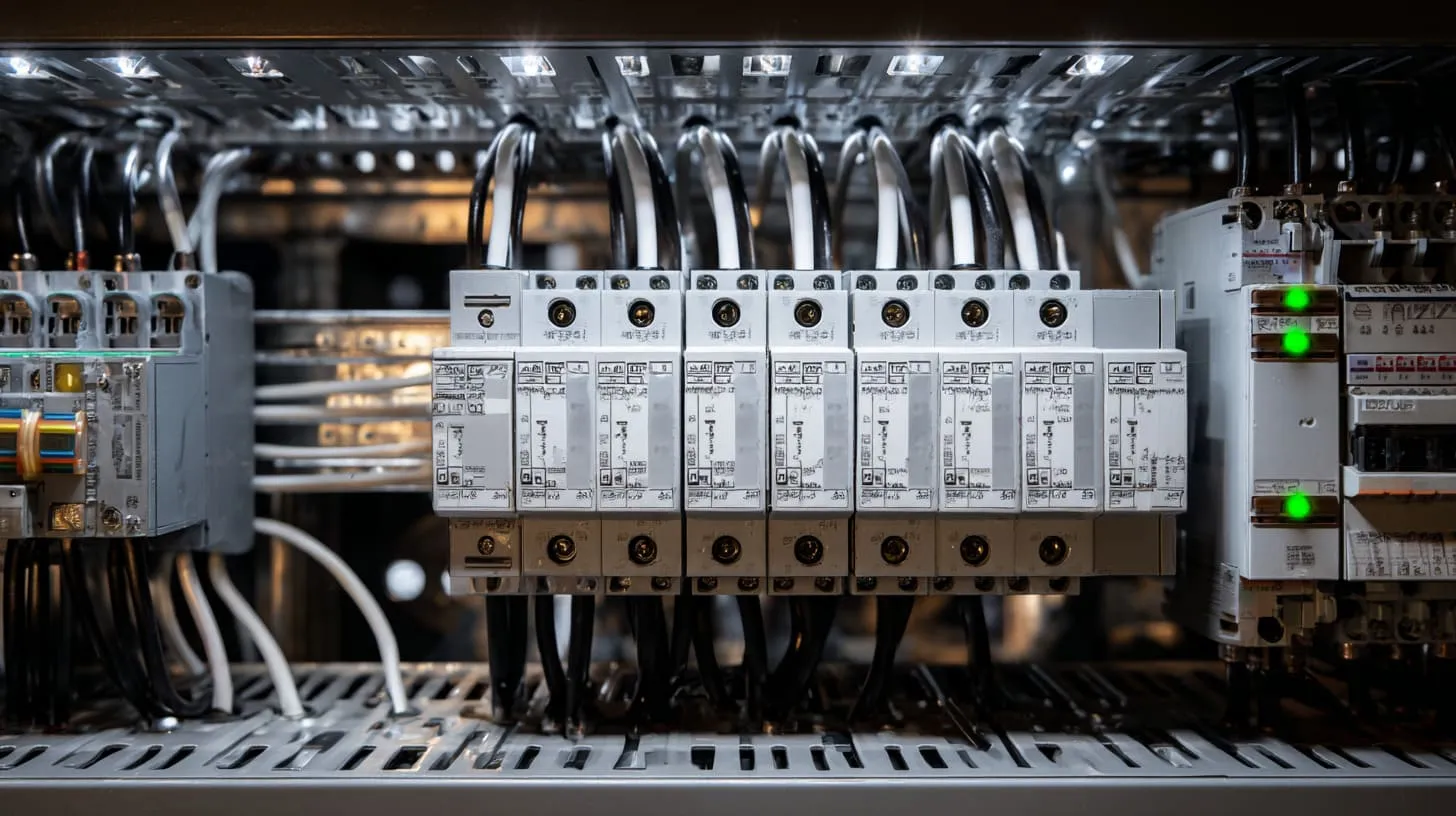
This is where projects get sensitive, because different regions interpret requirements differently, and the wording in standards can feel like a maze.
I am not a code authority for every country, and I never pretend I am. But I deal with the consequences of code misunderstandings all the time: redesigns, extra holes, added labels, changed grounding schemes.
The fastest way to lose time is to assume “main lug is fine everywhere” or “main breaker is always required.” Both are wrong in some cases.
The way I personally judge code risk is this: if the installation site is unclear or the inspector is strict, I choose the option that makes the disconnecting means obvious and easy to explain on one drawing.
NEC and Regional Code Requirements (high-level thinking)
Common code logic in many places includes:
- A service disconnect must be available (how and where depends on the installation)
- “Grouping” rules and handle limits may apply in some setups
- Local jurisdiction can add requirements
So the real question becomes:
- Is this panel acting as the service entrance equipment?
- Or is it a subpanel fed from a main disconnect elsewhere?
Service Entrance vs Subpanel Rules
This is where bonding mistakes happen.
In many typical systems:
- Service equipment may bond neutral and ground at the main service disconnect location.
- Subpanels usually keep neutral isolated from ground.
Mistakes here do not always trip instantly. Sometimes they show up as:
- weird nuisance trips
- noise issues
- “why is this ground carrying current?” questions
- inspection failures
Here’s a simple table to keep the logic straight:
| Topic | Service equipment (often) | Subpanel (often) |
|---|---|---|
| Neutral-ground bonding | Bonded at service disconnect point | Kept separate |
| Upstream disconnect | At the service | Already exists upstream |
| Main lug usage | Less common as primary | Very common |
Industrial and Commercial Standards (real-world issues)
In industrial setups, people care about:
- lockout/tagout practicality
- clear labeling
- maintenance behavior
- downtime cost
If a panel cannot be locked out easily, workers will do unsafe shortcuts. That is not theory. That is human behavior.
Next, let’s get practical: when do I recommend a main breaker panel?
When Should You Choose a Main Breaker Panel?
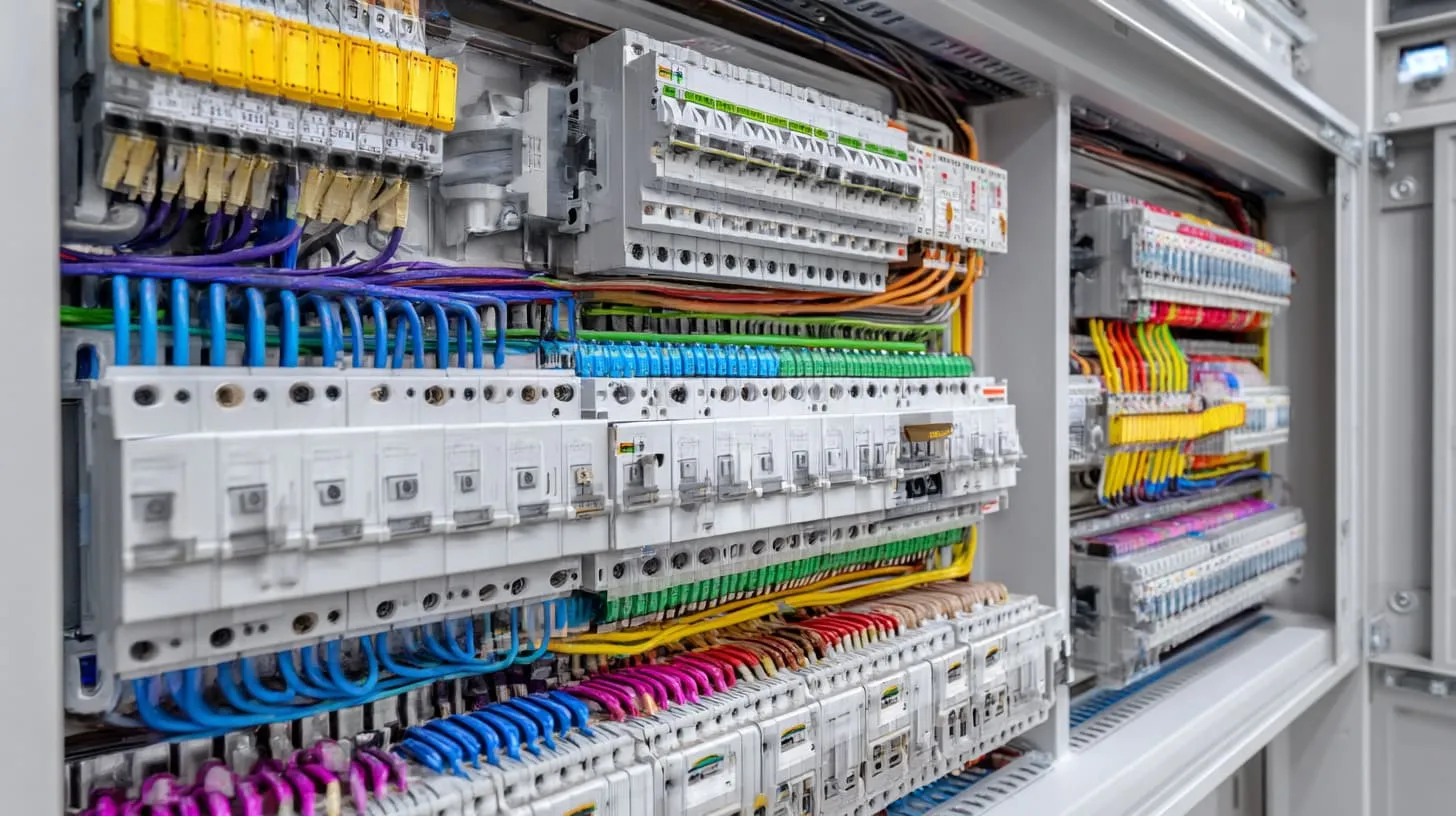
I have seen buyers choose main breaker panels even when they cost more, just to make the system simple for the end user. And honestly, that is often a smart trade.
One small story: a customer installed a system in a retail space where the staff turnover was high. The owner told me, “I don’t want people guessing which upstream breaker feeds what.” That sentence alone was enough to push the decision.
My personal decision point is this: if the person operating the panel is not an electrician, I treat clarity as a safety feature, not a luxury.
Primary Service Entry Scenarios
Main breaker panels fit well when:
- The panel is the main distribution point for the building
- There is no separate master disconnect nearby
- The system needs a clear “one switch off” function
Examples:
- Standalone buildings
- Detached workshops
- Small stores and offices
Safety-Critical Environments
If the panel door could be opened by:
- facility maintenance
- store managers
- general contractors
…then having a clear main disconnect inside the panel reduces confusion under stress.
Simplified Installation Projects
Some projects are “fast timeline” projects:
- limited design time
- quick inspection cycles
- installers want fewer surprises
A main breaker panel can reduce explanation time because it is straightforward.
To keep it grounded, here is a quick “decision table” I use:
| Situation | My lean | Why |
|---|---|---|
| First panel in building | Main breaker | Clear service disconnect story |
| Public-facing location | Main breaker | Less confusion during emergencies |
| Installer is rushed | Main breaker | Fewer steps, fewer assumptions |
But the main breaker is not always the best tool. Sometimes it is just extra cost and extra heat you didn’t need. So let’s talk about when I choose main lug instead.
When Should You Choose a Main Lug Panel?
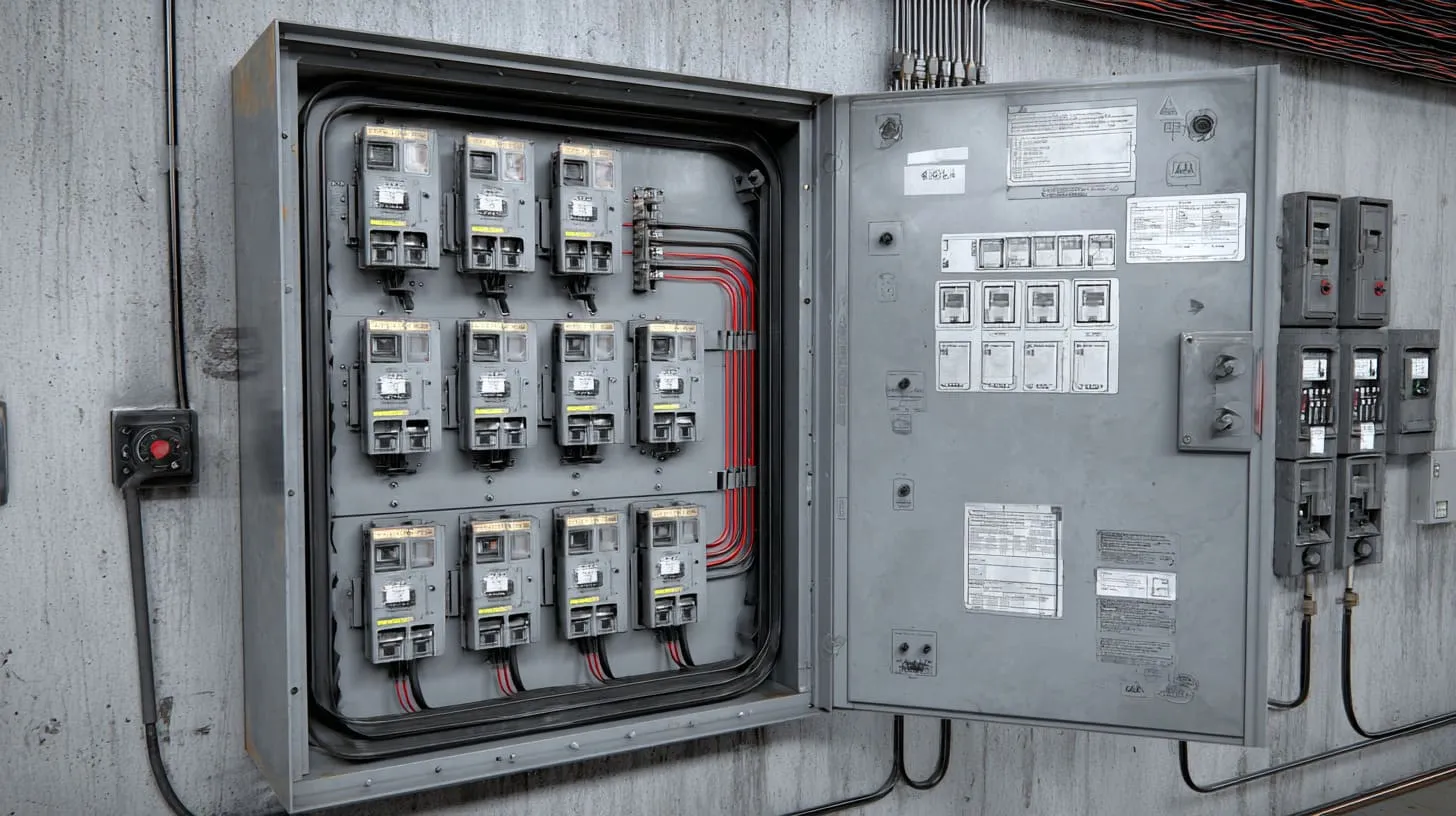
Main lug panels shine in systems that already have a clean upstream control plan. They are common in factories and expansion projects.
I have one customer who expands production lines every year. They prefer a “master disconnect + multiple downstream panels” setup. In that world, main lug panels are like adding extra “distribution arms” to a body that already has a strong heart.
Here is how I decide: if I can point to the upstream disconnect on the drawing in one second, and if it is physically accessible on site, then main lug becomes a smart option.
Subpanel Expansion Projects
Main lug is often the natural choice for:
- equipment upgrades
- added circuits for new machines
- remote distribution points
Cost-Sensitive OEM Designs
In OEM cabinet builds, cost sensitivity is real. But it must be honest cost sensitivity.
Main lug panels can help when:
- you need more branch circuits in the same footprint
- you already have an upstream breaker/disconnect
- you want simpler internal hardware
Centralized Protection Systems
Main lug panels make sense when:
- the facility has a master disconnect
- feeder breakers are clearly identified
- lockout/tagout procedures are followed
Here is the risk table I keep in my head:
| If this is true… | Main lug becomes safer | If this is missing… | Main lug becomes risky |
|---|---|---|---|
| Upstream breaker is clear and labeled | Yes | Upstream source is confusing | Yes |
| Upstream disconnect is near | Yes | Disconnect is far away | Yes |
| Maintenance is disciplined | Yes | Maintenance is “whoever is free today” | Yes |
Now that we’ve covered “when,” we should talk about what most blogs skip: enclosure engineering realities.
Engineering Decision Factors for OEM and Enclosure Designers
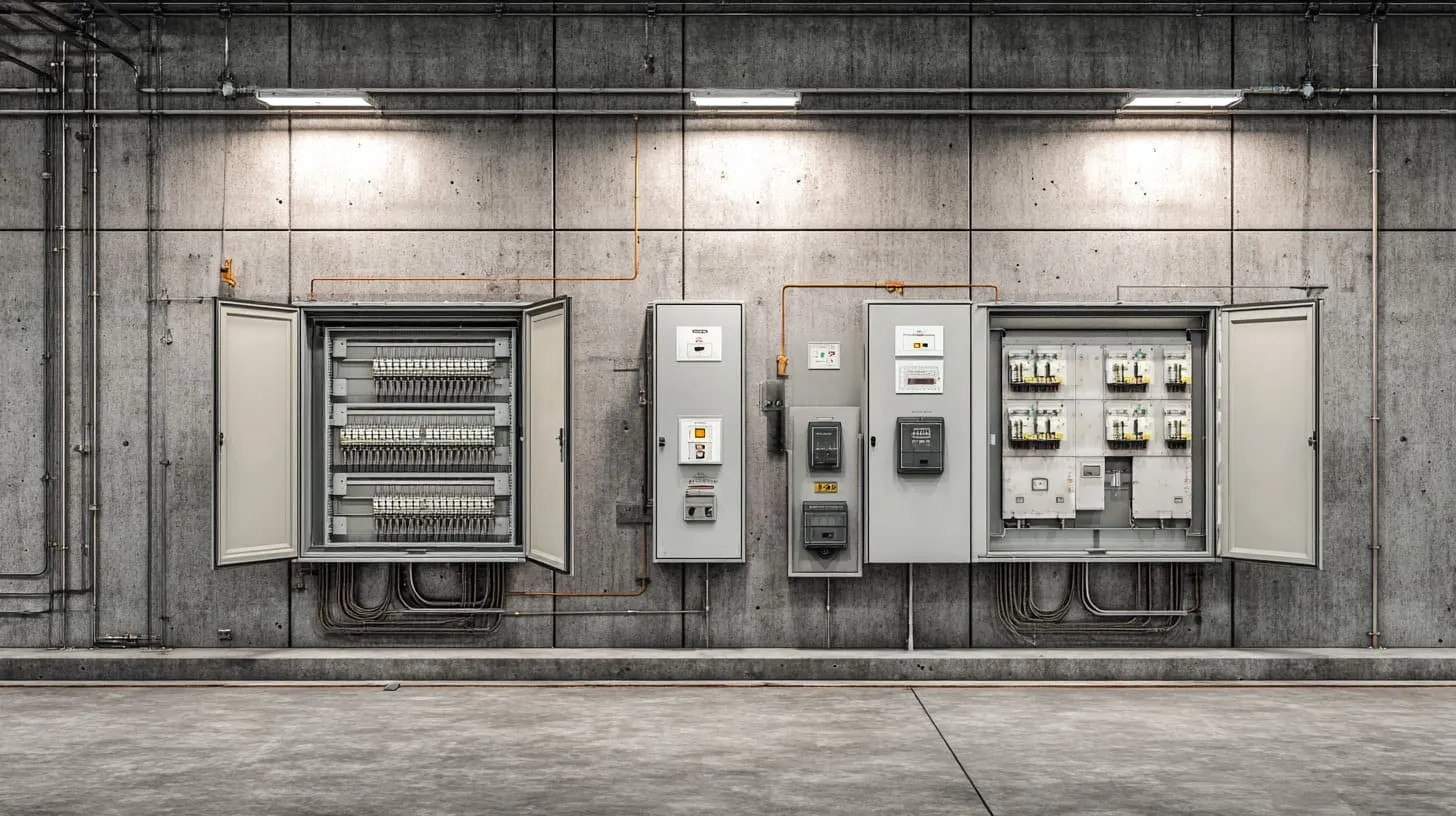
This is the part I care about because I live in enclosure space, not just panel catalogs.
A panel choice changes the enclosure in at least four ways:
- heat
- wiring room
- door layout
- service access
The decision I often make here is to treat the panel as a “living part” that needs breathing room, not as a flat rectangle on a drawing. When engineers forget that, cabinets look great on CAD and feel terrible in the field.
Thermal Management
Main breakers can generate heat under load. That does not mean they are bad. It means they need room and airflow thinking.
Things I consider:
- continuous load vs peak load
- ambient temperature inside the enclosure
- ventilation or fan planning
- spacing to nearby components
| Thermal factor | What I watch | Why it matters |
|---|---|---|
| Main breaker load | Continuous current | Heat rises quietly over months |
| Enclosure airflow | Vent/fan/no vent | Heat stacks in corners |
| Component spacing | Clearance around hot parts | Prevents local hotspots |
Space Optimization
Space problems show up at wiring time, not at drawing time.
Key checks:
- cable bending radius near lugs/breaker
- tool access for torque
- door clearance
- wire duct routing
| Space item | Common mistake | Better approach |
|---|---|---|
| Incoming cables | Too tight near entry | Plan entry position early |
| Torque access | No room for tool angle | Reserve “hand space,” not only component space |
| Door depth | Breaker hits door liner | Check real hardware depth |
Scalability
If your system might grow, the panel decision should support growth.
I ask:
- Do we need spare breaker slots?
- Do we expect new loads?
- Will the cabinet be replaced or expanded?
Maintenance and Service Strategy
Maintenance is where “cheap” becomes expensive.
Service questions I ask:
- Can a tech isolate safely?
- Is labeling readable after 3 years?
- Can the tech re-torque lugs without removing half the cabinet?
Here’s a small checklist table I share with buyers:
| Maintenance question | Why it’s practical |
|---|---|
| Where is the shutdown point? | Reduces panic during faults |
| Can it be locked out? | Prevents unsafe shortcuts |
| Is access clear with gloves/tools? | Real technicians work with real constraints |
Next, let’s talk about mistakes. Because mistakes are where people actually learn—sometimes the hard way.
Common Design Mistakes and How to Avoid Them
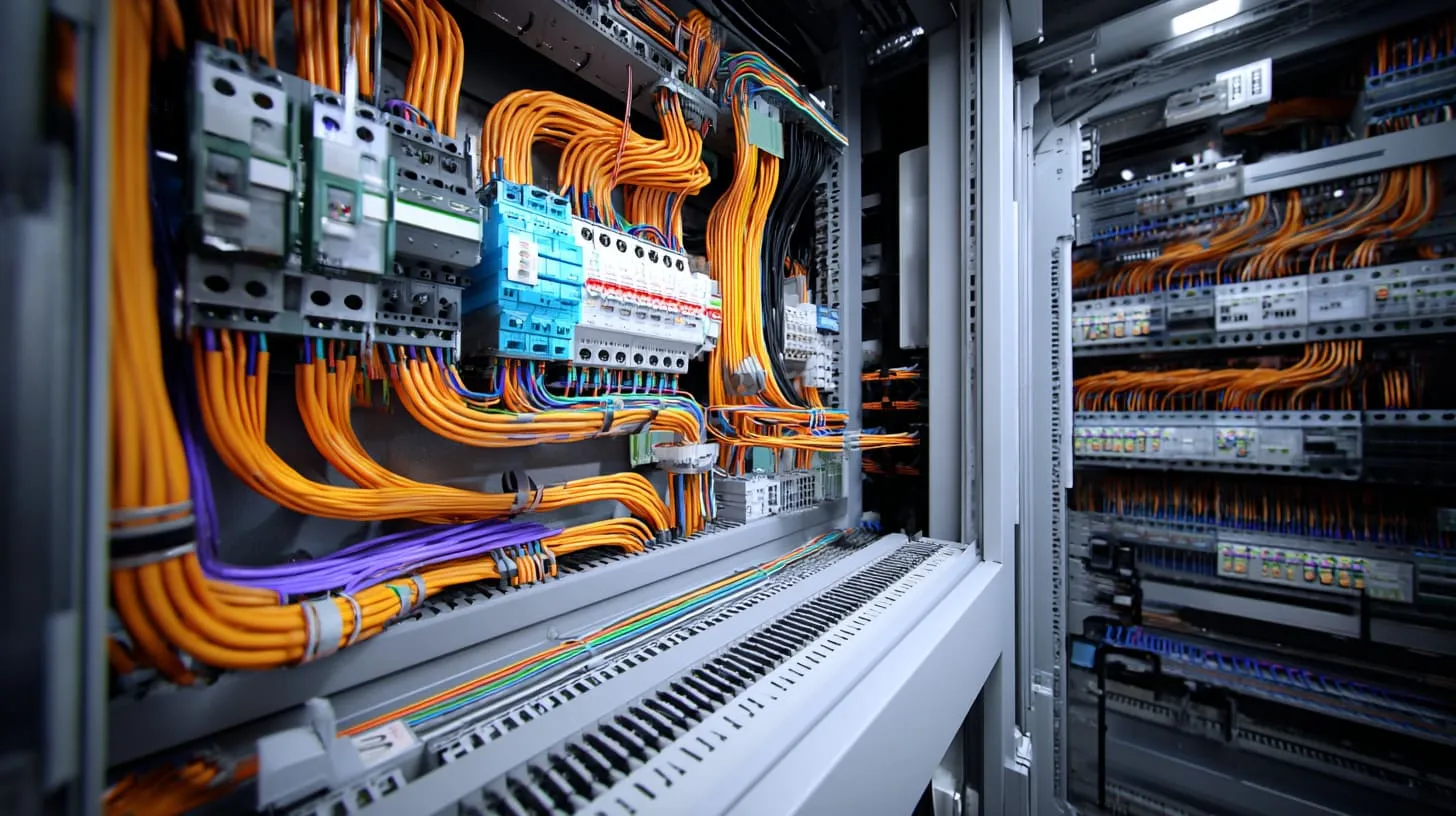
I have seen smart engineers make simple mistakes when they are moving fast. It happens.
Most mistakes come from assumptions:
- assuming the panel is service equipment when it is not
- assuming upstream protection is “somewhere”
- assuming wiring space will “work out”
My personal tell is this: when a drawing has no clear note showing the upstream disconnect and bonding plan, the project is already leaning toward confusion.
Confusing Service Panel with Subpanel
This causes grounding and bonding issues.
Common problem:
- neutral and ground tied where they shouldn’t be
- or not tied where they must be
Practical fix:
- mark service vs subpanel clearly on drawings
- specify bonding method explicitly
- add a simple wiring diagram note
| Mistake | What it causes | How I prevent it |
|---|---|---|
| Treating subpanel like service panel | Inspection fail, weird current paths | Add “SUBPANEL—NEUTRAL ISOLATED” note |
| Treating service panel like subpanel | Missing bond, safety risk | Add service disconnect bonding requirement |
Ignoring Upstream Protection Rating
This shows up with main lug panels more often.
Problem:
- feeder breaker is oversized
- coordination is poor
- fault clearing is not as expected
Fix:
- match feeder breaker to conductor size and panel rating
- confirm interrupt ratings and fault levels where needed
Underestimating Space Requirements
Space issues are boring until they stop production.
Space trouble shows up as:
- wires pressed too tight
- sharp bends near lugs
- installers cutting corners
A quick “space sanity table”:
| Area | I ask one question | Why |
|---|---|---|
| Cable entry | Can the cable bend smoothly? | Prevents stress and heat |
| Lug/breaker area | Can a torque tool fit? | Prevents loose connections |
| Door close | Does anything touch? | Prevents vibration wear |
Failing to Plan for Future Expansion
If you know expansion is likely, plan spare capacity.
Simple planning moves:
- reserve spare breaker slots
- leave wire duct space
- label unused capacity clearly
Now let’s talk about money, because panels are not chosen in a vacuum.
Cost Comparison: Short-Term vs Long-Term
People love to compare only panel price. I get it. Budgets are real.
But in OEM work, the “true cost” includes:
- labor time
- installation friction
- inspection delay
- downtime later
A judgment I often share with buyers is blunt: if saving $80 today creates one extra service call later, you didn’t save money—you just moved the cost into a worse calendar week.
Initial Equipment Cost
Main breaker panels usually cost more because:
- main breaker hardware is included
- additional internal design is required
Main lug panels can be lower cost in the panel itself.
Installation Cost
Installation cost changes with:
- wiring complexity
- access
- labeling needs
If the upstream disconnect is already planned, main lug can install cleanly.
If upstream is unclear, installation becomes slower because people keep asking:
- “Where is the shutoff?”
- “Which breaker feeds this?”
- “Is this bonded correctly?”
Lifecycle Cost
Lifecycle cost is the hidden part.
| Cost type | Main breaker panel risk | Main lug panel risk |
|---|---|---|
| Troubleshooting | Usually simpler locally | Depends on upstream clarity |
| Modifications | Moderate | Often easier if system is modular |
| Downtime | Lower in small systems | Lower only when upstream is disciplined |
If you want a fast summary for engineers and buyers, this table helps.
Practical Comparison Table

I like to show a “one-page” view before a buyer makes a decision. It prevents the project from becoming a debate about one feature.
Side-by-Side Summary
| Feature | Main Breaker Panel | Main Lug Panel |
|---|---|---|
| Built-in disconnect | Yes | No |
| Typical use | Primary service panel | Subpanel / downstream distribution |
| Hardware cost | Higher | Lower |
| Expansion flexibility | Moderate | High |
| Dependence on upstream design | Lower | Higher |
| Service convenience | High | Medium (depends on site) |
| Enclosure heat concerns | More likely near main breaker | More distributed (depends on load) |
| Best fit projects | Simple installs, public-facing | Factories, modular systems, expansions |
A small “reality check” list I use before I approve either type:
- If the upstream disconnect is unclear → I avoid main lug.
- If the panel needs to be self-contained → I choose main breaker.
- If the system is modular and disciplined → main lug often wins.
Alright, now let me wrap this up the way I actually think about it when I am on a real OEM call.
Conclusion
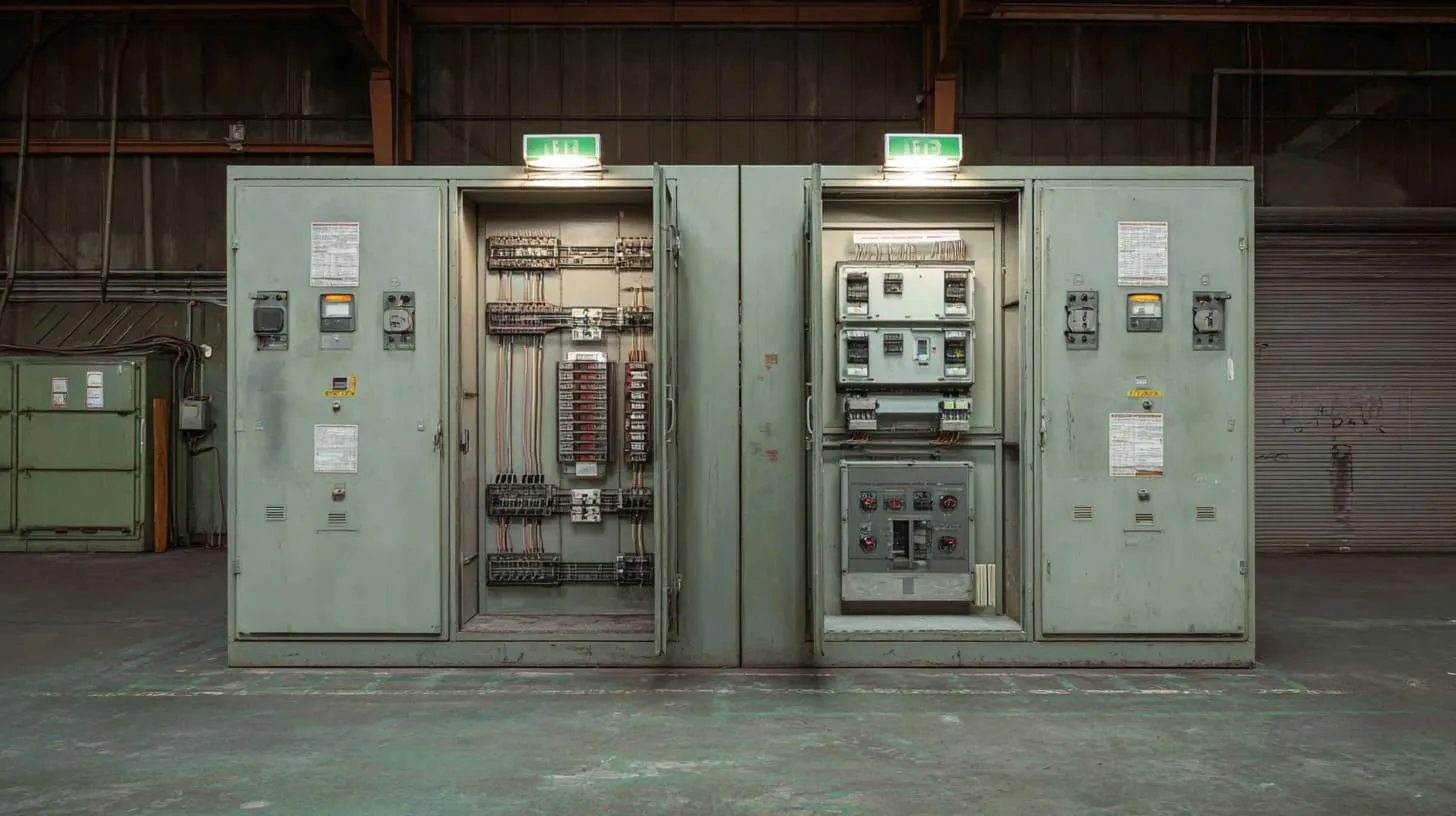
I don’t believe either panel is “better” in a universal way. I believe panel choice is a behavior decision.
I choose a main breaker panel when I want the system to be obvious in the field. One door. One big switch. Less guessing. That matters when the end user is not an electrician, when the site is public-facing, or when downtime is expensive and fast isolation is important.
I choose a main lug panel when the upstream protection plan is clean and disciplined. It can be more cost-effective, easier to scale, and better for modular factory setups. But it only stays “cheap” if the upstream labeling, lockout access, and feeder sizing are done right.
And this is why I think this way: in enclosure manufacturing, I see the same pattern again and again. The panel is rarely the real problem. The real problem is the system story people assumed but never wrote down.
If you are planning an OEM enclosure project, send me your basic setup:
- Is this service entrance or subpanel?
- Where is the upstream disconnect?
- Target current and load type
- Available enclosure size and cable entry direction
- Any expansion plan in the next 12–24 months
I can help you pick the panel type that matches real use, not only theory—and then we can design the enclosure around it so you don’t pay for surprises later.