Skip to content

A box can look like a small thing on a drawing. Then the project starts, the cable team arrives, the panel installer asks a question, and suddenly that “small thing” decides whether the job moves smoothly or turns into a slow and expensive mess.
I have seen that happen more than once. A customer sends over a layout and says, “We just need a box here.” That sounds simple. But then I look closer. Is that box there to help pull cable through a long run? Or is it there to hold splices and protect live connections? Those are not the same job. Not even close.
That is why people keep mixing up pull boxes and junction boxes. On paper, both are boxes in an electrical system. In real work, they solve different problems. If I treat them as the same thing, I can create trouble for the installer, the inspector, and the buyer at the same time.
One detail I never brush past is this: a wrong box choice usually does not fail in the brochure stage. It fails later, when cable gets damaged, space runs out, heat builds up, or the crew has to redo the install.
In this article, I want to break the topic down in a practical way. I will explain what each box does, where each one makes sense, where people often make the wrong call, and how I personally think through the choice when a customer sends us a custom enclosure request.
That sounds technical, yes. But it is also very human. Because behind every box choice, there is usually a person under pressure, a deadline getting closer, and a budget that already feels too tight.
So let me start with the one that gets misunderstood all the time: the pull box.
What Is a Pull Box?
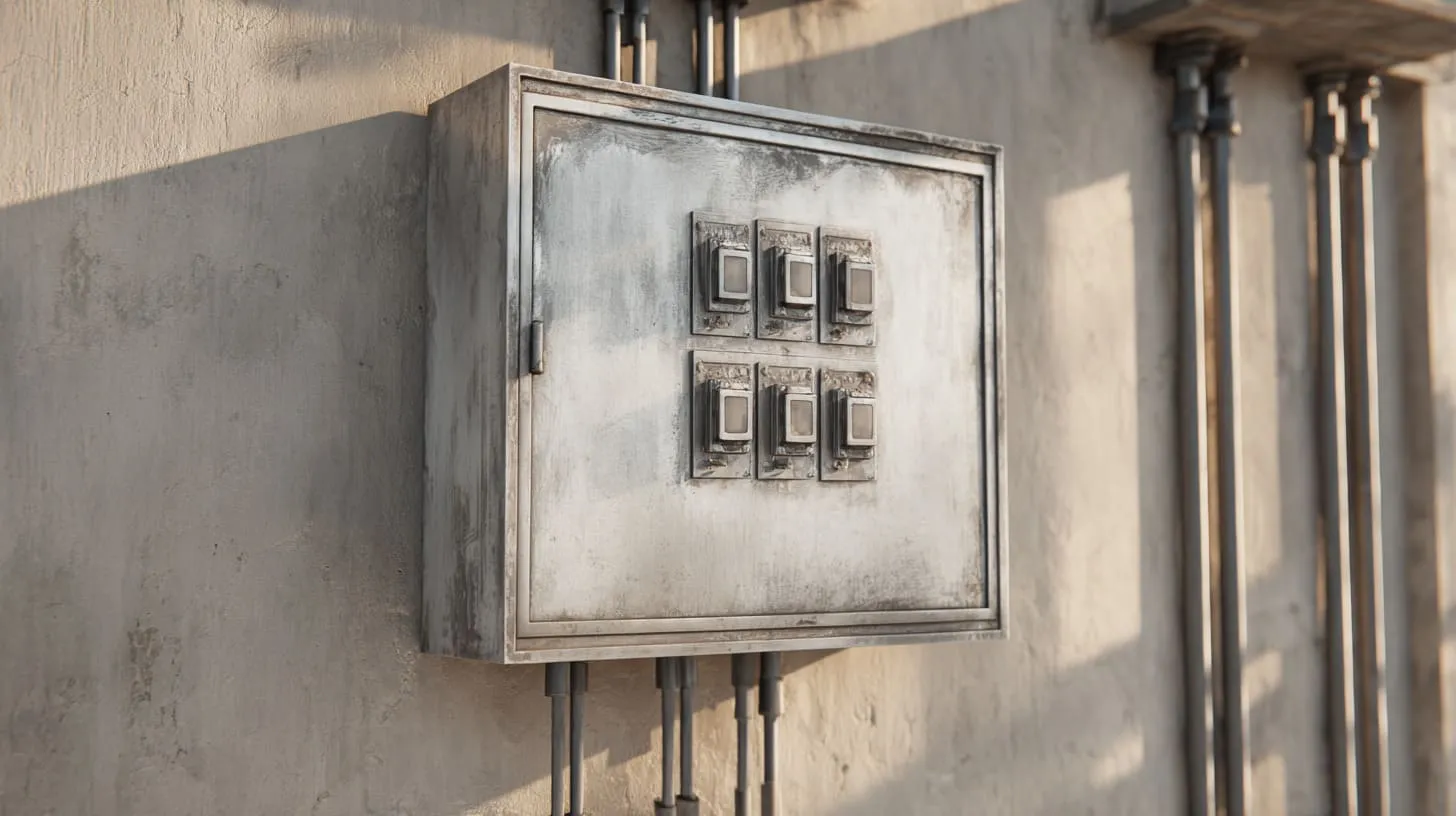
A pull box is one of those products that sounds boring until you need it badly. Then it becomes very important, very fast.
Definition and Basic Function
A pull box is an enclosure used in an electrical raceway system to help route and pull conductors through conduit. Its main job is not to hold connections. Its main job is to give space for the cable to pass through, change direction, and reduce pulling difficulty.
I usually explain it like this: a pull box is a traffic relief point for cable. It gives the installer room to manage the run without forcing the wire through an overly tight path.
That matters a lot in longer conduit systems. It also matters when the routing is not straight. A simple run on a drawing can become a headache in the field once bends, wall thickness, access limits, and wire stiffness start fighting back.
A point I often weigh carefully is cable stress, because if the run looks fine on paper but feels harsh during pulling, the installer pays the price first and the buyer pays later.
Key Design Features
A pull box is usually larger than a junction box. That extra internal space is not wasted. It is the whole reason the box exists.
Here are the main design traits I look for:
- More free internal space
- No splicing function in normal use
- Access for wire pulling and routing
- Support for directional changes
- Designed around conduit entry and cable bend behavior
The important part is this: a pull box is generally not meant to contain wire splices or terminal connections. It is there to assist cable movement, not to become a wire-joining chamber.
Straight Pulls, Angle Pulls, and U-Pulls
This is where many buyers first notice the difference in practice. Not all pulls are equal.
| Pull Type | What It Means | Why It Matters |
|---|---|---|
| Straight Pull | Cable enters one side and exits the opposite side | Usually the simplest case |
| Angle Pull | Cable changes direction inside the box | Needs more room for bend and movement |
| U-Pull | Cable enters and exits on the same wall or makes a tight return path | Often needs careful sizing and planning |
When I review a drawing, I do not just ask, “How many conduits?” I ask, “How do the cables behave inside the box?” That question saves more trouble than people expect.
Common Materials and Construction
Pull boxes come in several material options. The right one depends on the environment, corrosion risk, mechanical demands, and cost target.
Metal Pull Boxes
Metal is common in industrial and commercial work. These boxes are often chosen for strength and durability.
| Material | Strength | Corrosion Resistance | Common Use |
|---|---|---|---|
| Carbon Steel | High | Moderate | Indoor industrial areas |
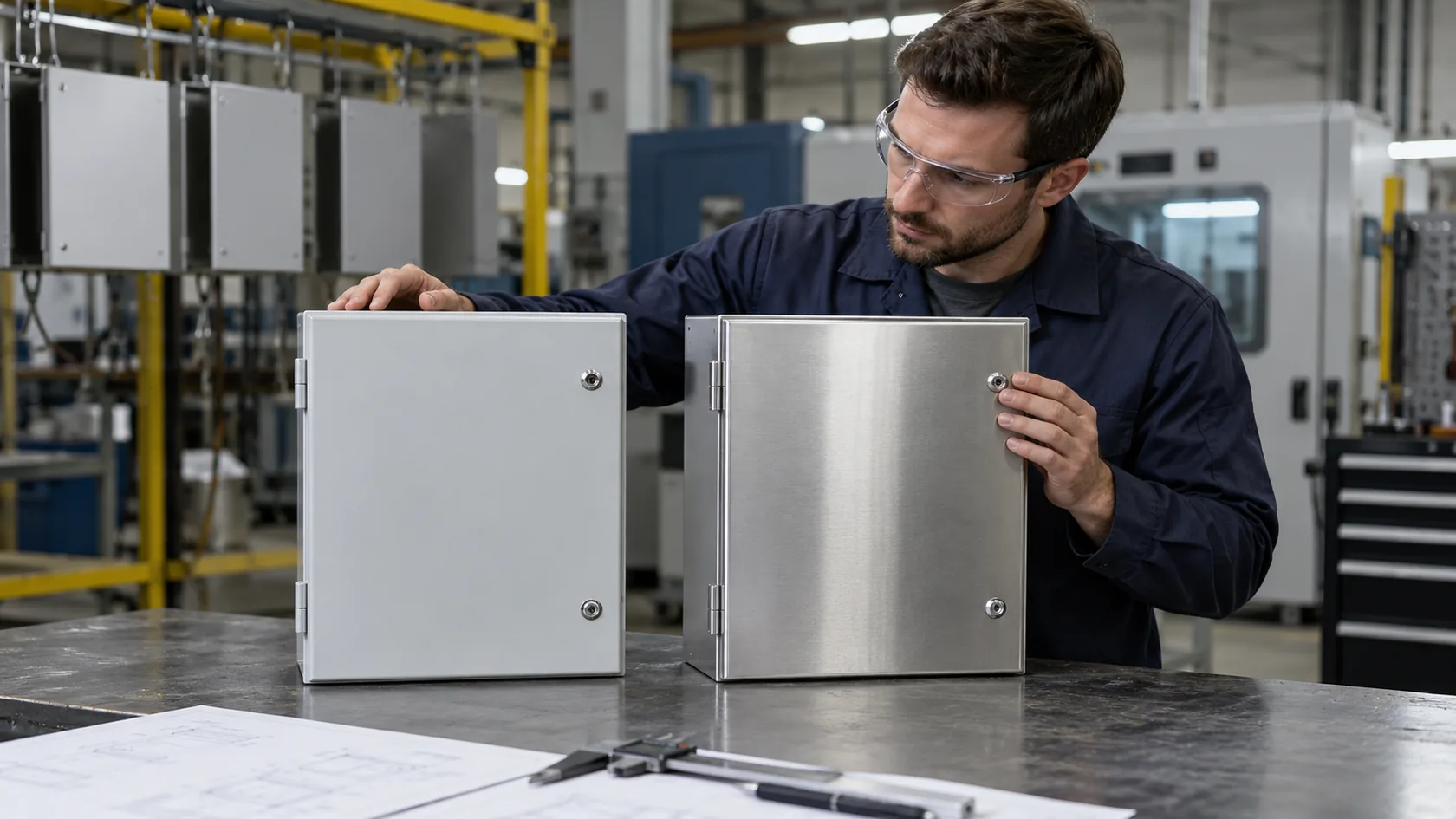
| Stainless Steel | High | Very high | Washdown, marine, harsh outdoor areas |
| Aluminum | Good | Good | Lightweight industrial and outdoor use |
I work with aluminum enclosures often, so I naturally pay attention to weight and corrosion at the same time. In some projects, shaving weight matters more than people expect, especially when mounting and shipping are part of the total cost.
Plastic Pull Boxes
Plastic pull boxes can work in lighter-duty environments. They are lighter and can resist some chemicals well. But they are not the right answer for every job.
| Benefit | Limitation |
|---|---|
| Lightweight | Lower mechanical strength in some cases |
| Good for some corrosive settings | Not ideal for all heavy industrial impacts |
| Lower cost in some designs | May not suit harsh heat or abuse conditions |
Indoor vs Outdoor Construction
Not every box lives a quiet life indoors. Some sit in dust, rain, washdown zones, or corrosive environments. So enclosure rating matters.
Common things I check include:
- IP rating
- NEMA rating
- Gasket quality
- Cover sealing method
- Wall thickness
- Mounting style
A box that looks affordable can become costly if its sealing performance does not match the site.
Typical Applications
Pull boxes are used in places where wire pulling becomes hard without relief space.
Long Conduit Runs
Long runs create friction. Friction creates pulling force. Pulling force can damage conductors, slow installation, or push installers into risky shortcuts.
Complex Routing Systems
The more bends and path changes a system has, the more useful a pull box becomes.
Industrial and Commercial Wiring
Factories, warehouses, utilities, and large commercial buildings often use pull boxes because the cable routes are more demanding than simple residential layouts.
Here is a quick view:
| Application | Why Pull Box Helps |
|---|---|
| Long conduit run | Reduces pulling stress |
| Multiple bends | Gives routing space |
| Large conductors | Supports safer handling |
| Industrial layouts | Improves installation access |
The funny thing is, once I explain pull boxes clearly to a buyer, the next question usually comes right away: “So then what exactly makes a junction box different?” That is the right question.
What Is a Junction Box?
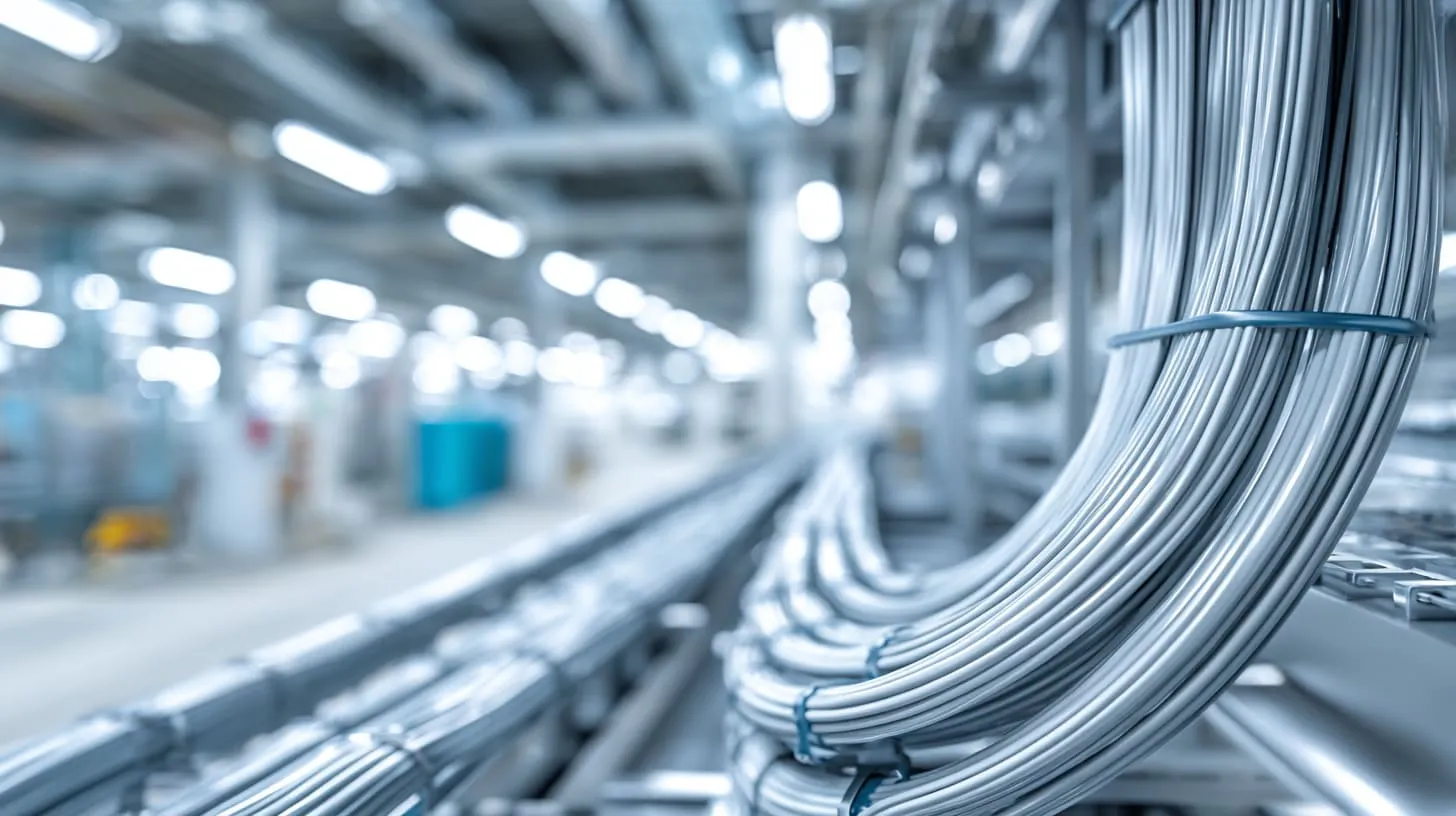
A junction box has a very different job, even though people often group it into the same mental bucket.
Definition and Core Function
A junction box is used to house and protect electrical connections. That means splices, branch points, and connection points for circuits or devices.
A pull box helps wires move. A junction box helps wires meet.
That is the cleanest way I know to say it.
I pay extra attention when someone calls every enclosure a “junction box,” because that habit can hide the real function and lead to the wrong product being ordered.
Key Structural Characteristics
A junction box is usually smaller than a pull box. It does not need large open space for cable pulling in the same way. Instead, it needs enough space for safe wire connections, proper fill, access, and protection.
Common features include:
- Cover for access and safety
- Interior space for wire splices
- Conduit or cable entry points
- Support for connectors, terminals, or wire nuts
- Design for service access
That last point matters. A junction box is not just a hidden container. It should let people inspect, repair, or modify wiring when needed.
Common Materials and Types
Junction boxes come in many forms because they serve many different markets.
Plastic Junction Boxes
Plastic boxes are common in residential and light commercial work. They are light, affordable, and easy to use in many indoor settings.
Metal Junction Boxes
Metal boxes are widely used in commercial and industrial work. They offer better mechanical strength and often fit tougher environments.
Special Types
Some junction boxes are made for more demanding conditions, such as:
- Outdoor weather exposure
- Corrosive areas
- Dust-heavy sites
- Hazardous or explosion-risk environments
| Junction Box Type | Best Fit |
|---|---|
| Plastic standard box | Residential indoor wiring |
| Metal utility box | Commercial and industrial installations |
| Weatherproof box | Outdoor exposed areas |
| Specialty sealed box | Harsh or regulated environments |
Typical Applications
Junction boxes are common in many everyday electrical systems.
Residential Wiring Systems
Homes use junction boxes for circuit branches, lighting connections, outlet wiring, and switch installations.
Equipment Connections
Machines and devices often need protected points where internal and external wiring connect.
Lighting and Switch Installations
This is a common use. The box protects the connection and keeps the system accessible for service.
| Use Case | Why Junction Box Fits |
|---|---|
| Wire splicing | Safe enclosed connection point |
| Branch circuit split | Organized routing to multiple paths |
| Light fixture connection | Protection and access |
| Device termination | Cleaner installation |
The more I work with buyers from different industries, the more I notice this problem: many people do understand the names, but they do not fully understand the consequences of using one in place of the other. That is where the real comparison starts to matter.
Pull Box vs Junction Box: What Are the Key Differences?

This is the section most people come for. And honestly, I understand why. The names sound close enough to create confusion, but the working logic is not close at all.
Functional Differences
The biggest difference is function.
- A pull box helps pull and route conductors
- A junction box houses electrical connections and splices
That sounds simple. But simple ideas often get ignored under deadline pressure.
Here is the side-by-side view:
| Feature | Pull Box | Junction Box |
|---|---|---|
| Main Job | Assist cable pulling | Hold splices and connections |
| Internal Splicing | Usually no | Yes |
| Space Priority | Wire movement and bend room | Connection safety and access |
| Typical Use | Long runs and route changes | Branching and device wiring |
My own rule is blunt: if the box is expected to become a meeting point for conductors, I stop thinking “pull box” right away.
Size and Internal Space
Pull boxes are often larger because cable movement needs room. Cables do not like sharp turns, cramped corners, or forced bends.
Junction boxes can also vary in size, of course. But their sizing logic is different. It is based more on conductor fill, splice space, device needs, and code rules for safe containment.
Why Space Matters More Than Buyers Expect
I have seen people focus on outer dimensions only. That can be misleading.
What really matters is:
- usable internal volume
- conduit entry arrangement
- bend space
- access for hands and tools
- room for future service
A box can be technically “big enough” in one sense and still be frustrating or unsafe in real work.
Code and Compliance Differences
Code requirements are one of the biggest reasons these two boxes should never be mixed up casually.
A pull box is judged by rules tied to conductor pulling and conduit layout. A junction box is judged by rules tied to splices, box fill, and accessibility.
That means the wrong choice is not just inconvenient. It can fail inspection.
| Compliance Area | Pull Box Focus | Junction Box Focus |
|---|---|---|
| Sizing basis | Pull geometry and conduit size | Fill capacity and conductor count |
| Access need | Pulling and maintenance access | Splice access and service |
| Use limit | Routing conductors | Housing connections |
I do not like taking chances with code gray areas, because what looks “close enough” during purchasing often becomes “not accepted” during inspection.
Installation Complexity
Pull boxes and junction boxes also affect labor differently.
Pull Box Installation
A pull box may need:
- more wall space
- more careful conduit layout
- more thought around cable entry direction
- more room for installers during pulling work
Junction Box Installation
A junction box may need:
- correct fill planning
- careful splice arrangement
- accessible mounting location
- suitable cover and protection
The labor difference is not always about which is harder. It is about what kind of difficulty the team will face.
Cost Comparison
People often ask, “Which one is cheaper?” I always think that is the wrong first question.
The better question is, “Which one avoids the more expensive mistake?”
Still, here is a basic comparison:
| Cost Factor | Pull Box | Junction Box |
|---|---|---|
| Material usage | Often higher | Often lower for small applications |
| Install labor | Can rise with size and routing | Can rise with splice complexity |
| Rework risk | High if undersized for pulling | High if overcrowded or misused |
| Maintenance impact | Affects cable access | Affects connection serviceability |
That is why I do not judge value by unit price alone. A cheaper box that creates labor delays, damaged wire, or inspection trouble is not cheap at all.
Once this difference becomes clear, the next practical issue shows up naturally: when should I actually choose a pull box on purpose?
When Should You Use a Pull Box?

A pull box should be used when the cable run itself needs help. That is the simplest answer. But real projects deserve a more complete one.
Long Conduit Runs
Long conduit runs increase pulling resistance. The longer the path, the more friction builds. That matters even more when conductors are thick, the conduit path is busy, or installation access is poor.
I become cautious when a drawing shows a long clean line but the site reality includes multiple bends, rough routing, or stiff cable, because those small details can turn an “easy” pull into a very expensive fight.
Why Distance Changes Everything
In theory, a cable can move through conduit. In real life, every foot adds resistance. Every bend adds more. And every installer knows there is a point where the pull stops feeling normal.
That is where a pull box helps. It creates a break point.
Complex Routing Systems
When conduit changes direction several times, pull boxes become more than helpful. They become practical protection.
Multiple Bends and Direction Changes
If the path includes angle changes, tight mechanical spaces, or turns around existing equipment, a pull box gives the system breathing room.
Without that relief point, the cable may:
- scrape too hard
- twist during installation
- suffer insulation stress
- become harder to replace later
| Routing Condition | Pull Box Need |
|---|---|
| Straight short run | Often low |
| Long run with bends | Medium to high |
| Several directional changes | High |
| Crowded industrial path | Very high |
Heavy or Thick Cable Installations
Large conductors behave very differently from smaller wires. They are heavier, stiffer, and less forgiving.
I have seen buyers underestimate this badly. On a spec sheet, the cable diameter may look manageable. In the field, the crew is wrestling with something that feels more like a rigid rope than a flexible wire.
Cable Management Matters
Big cables need:
- more bend radius
- more handling room
- more pulling care
- better layout planning
That is why pull boxes are common in higher-load systems, industrial power routes, and infrastructure work.
Industrial and Large-Scale Projects
Factories, warehouses, utility sites, transport systems, and large commercial buildings often rely on pull boxes because the wiring paths are simply more demanding.
Here is a simple guide:
| Project Type | Pull Box Suitability |
|---|---|
| Small room branch wiring | Low |
| Commercial conduit network | Medium |
| Industrial cable routing | High |
| Infrastructure and utility paths | Very high |
When I think a project may grow later, I lean toward giving the installer more routing room early, because expansion is always easier on paper than on a finished wall.
Of course, not every box exists to help pulling. A lot of boxes exist for the opposite reason: to safely contain the point where circuits join, split, or terminate. That brings us to junction boxes.
When Should You Use a Junction Box?
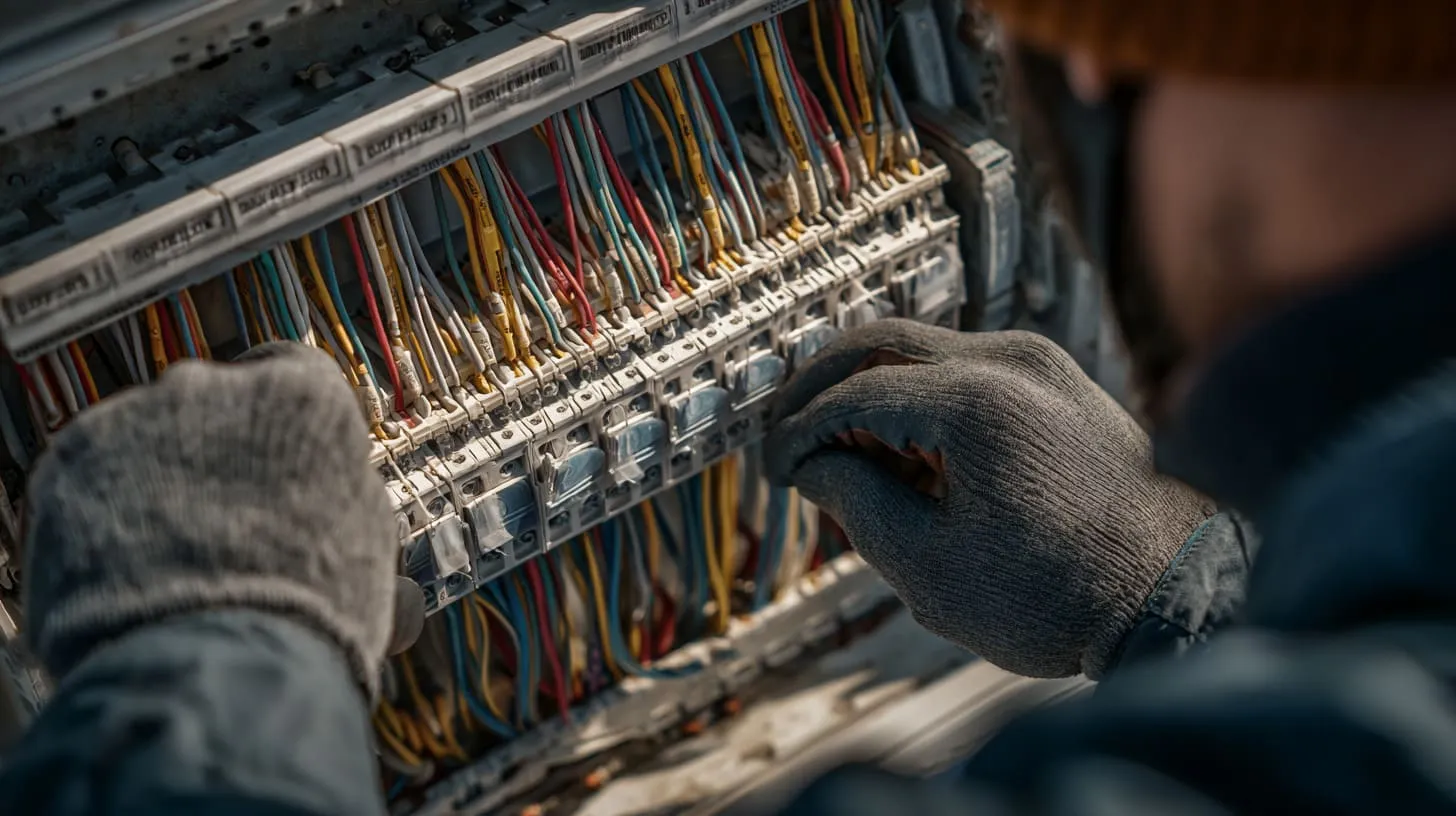
A junction box should be used when electrical conductors need to connect, splice, branch, or terminate in a protected enclosure.
Electrical Connections and Splicing
This is the core use.
If wires need to join safely, the connection should sit inside a proper box. That protects the wiring from accidental contact, mechanical damage, and environmental exposure.
I get suspicious when I see a design trying to “save space” around splices, because that usually means someone is solving a drawing problem by creating a maintenance problem.
Why Splice Protection Matters
Splices are not just connection points. They are also risk points. Poor protection can lead to:
- loose connections
- heat buildup
- harder troubleshooting
- unsafe exposure
Branching Circuits
Junction boxes are commonly used where one circuit splits into multiple directions.
That branch point needs order. Without a proper enclosure, the system becomes harder to inspect and harder to repair.
| Branching Need | Why Junction Box Helps |
|---|---|
| One feed to multiple paths | Organizes conductors |
| Future service access | Keeps point reachable |
| Safer containment | Reduces accidental contact |
Device and Fixture Connections
Lighting, switches, outlets, controls, and many field devices depend on junction boxes.
The box becomes the protected meeting point between fixed building wiring and the device itself.
Everyday but Important
This part can feel ordinary, and that is exactly why people overlook it. Ordinary electrical points fail all the time when the wrong enclosure size, wrong material, or poor layout is used.
Residential and Light Commercial Applications
Junction boxes show up everywhere in these settings because these systems need safe connection points far more often than they need cable pulling relief chambers.
| Environment | Junction Box Use |
|---|---|
| Home wiring | Very common |
| Light commercial space | Common |
| Equipment connection point | Common |
| Industrial branch connection | Common when splicing is needed |
When I review a box for connection work, I care less about “Does it fit the wire?” and more about “Can a real person work inside it safely later?” That question changes a lot.
Once people understand where each box belongs, the next issue becomes even more serious: code and safety.
Code Requirements and Safety Considerations
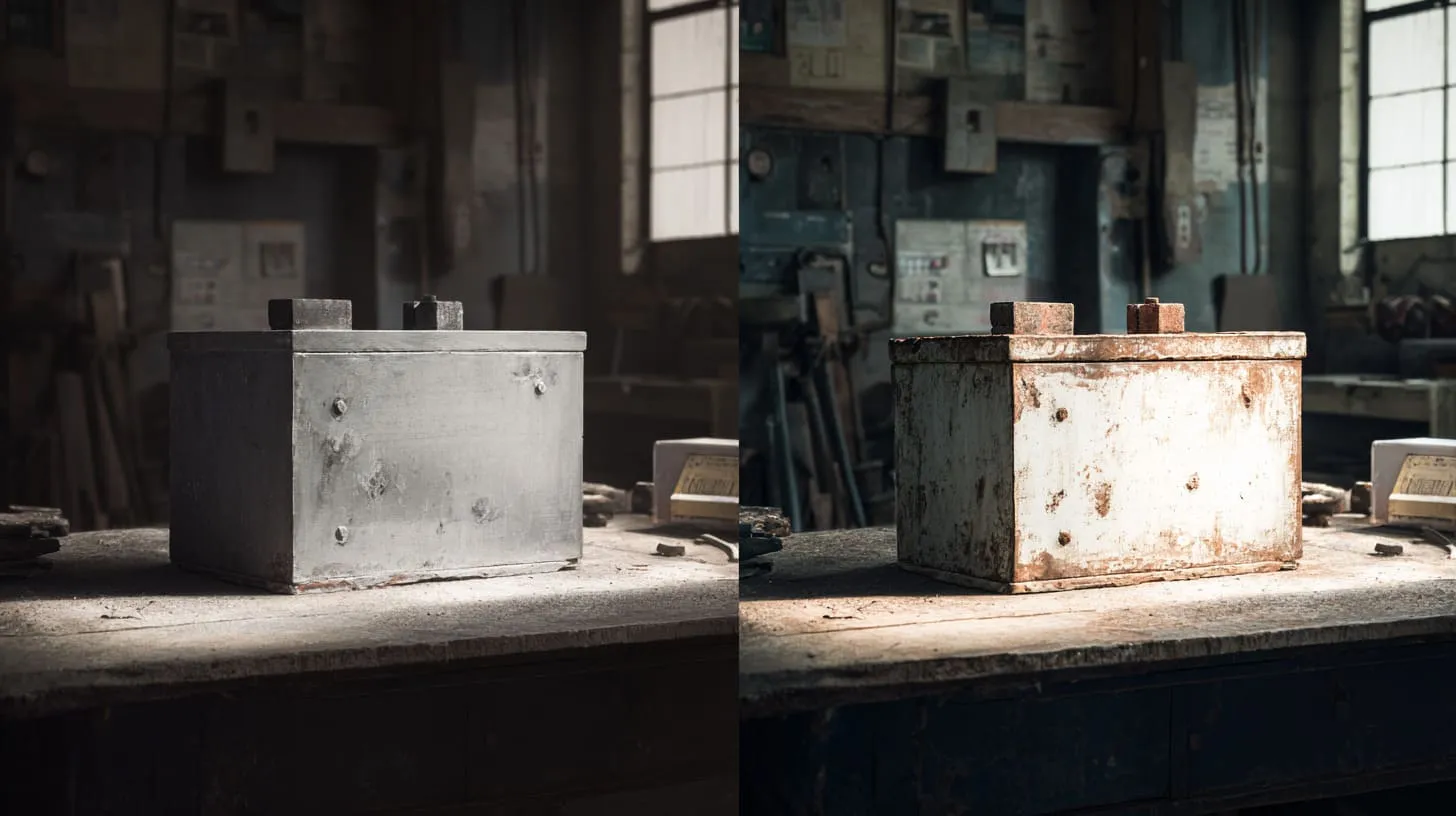
Electrical boxes are not only about convenience. They are about safety, compliance, and future service. That is why code matters so much here.
NEC Guidelines for Pull Boxes
For pull boxes, code sizing is tied to the conduit layout and conductor pulling path. Straight pulls, angle pulls, and U-pulls are not treated the same way.
That makes sense. Cable behavior is different in each case.
I never trust visual guessing with pull box sizing, because a box that looks roomy can still be wrong once conduit size and pull direction are measured against actual rules.
Why Sizing Rules Matter
A pull box that is too small can create:
- cable damage during pulling
- excess force on conductors
- poor bend conditions
- harder replacement later
NEC Guidelines for Junction Boxes
For junction boxes, code looks more at conductor fill, number of wires, connection space, and accessibility.
That means the sizing question changes. It is no longer mainly about cable pulling. It is about safe containment and workable service space.
Accessibility Is Not a Small Detail
A box should not disappear behind permanent finishes or impossible access points if it contains connections that may need inspection or service.
That sounds obvious. But on real jobs, obvious things are often the first things sacrificed for appearance or convenience.
Safety Risks of Misuse
Using the wrong box for the wrong function creates risk fast.
Overcrowding Wires
When space is too tight, conductors press against each other, splices get messy, and service work becomes harder.
Heat Buildup and Fire Risk
Poor enclosure choice can contribute to heat problems, especially where connections are cramped or poorly managed.
Maintenance and Troubleshooting Problems
A badly chosen box may not fail on day one. It may fail months later when someone tries to trace, repair, or upgrade the system.
| Misuse | Risk |
|---|---|
| Using small box for too many connections | Overcrowding and service difficulty |
| Using pull box as splice chamber without proper planning | Compliance and safety issues |
| Poor access location | Maintenance delays |
| Wrong environmental rating | Moisture, corrosion, or premature failure |
A decision I often make early is whether the box is being chosen for today’s install only or for the full life of the system, because those are not always the same thing.
Code and safety lead naturally into another practical choice buyers ask me about all the time: material.
Materials Comparison: Which Enclosure Is Better?
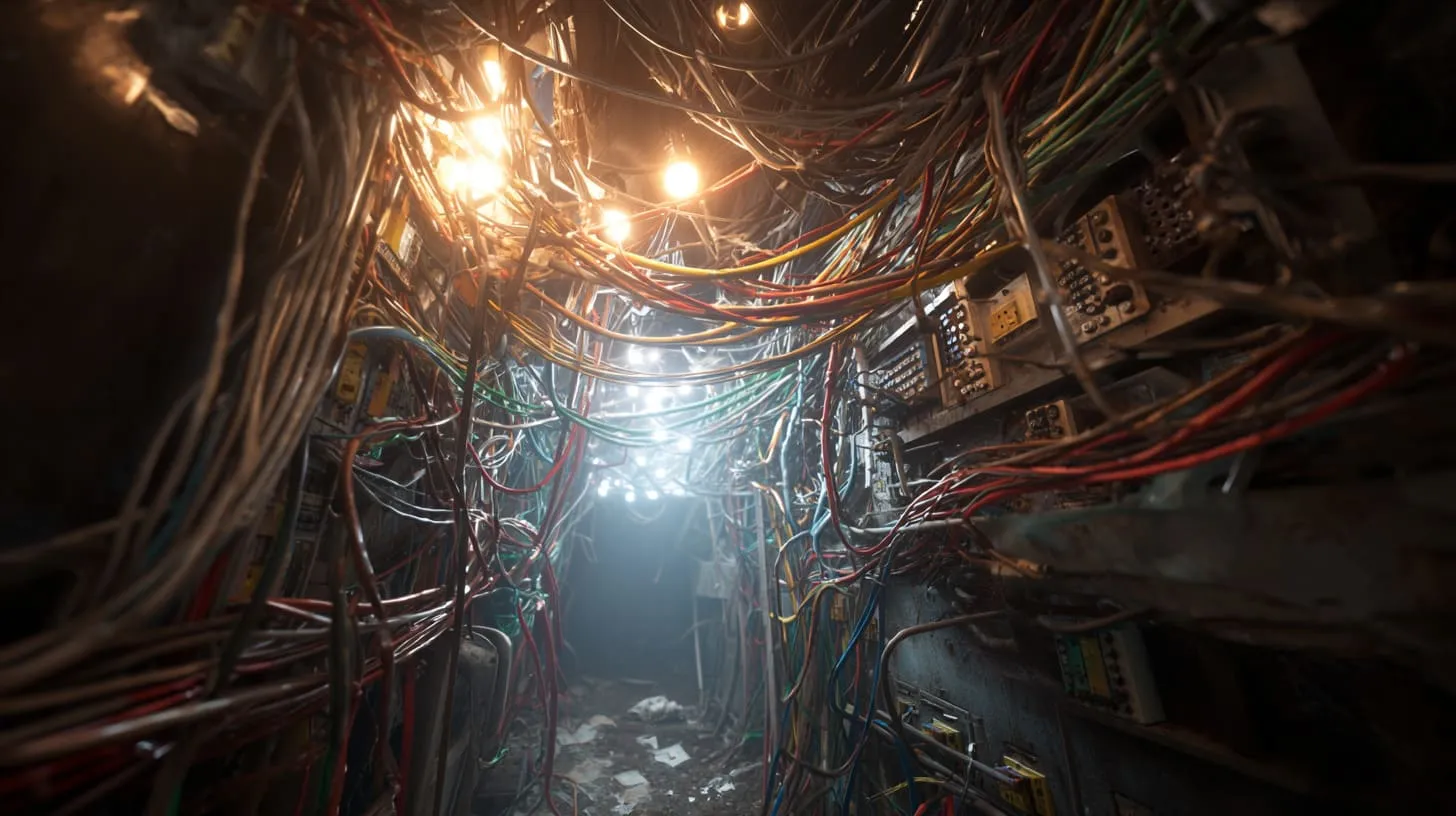
The truth is, there is no single “best” enclosure material for every pull box or junction box. There is only a better match for the job in front of me.
Metal Enclosures (Aluminum, Steel, Stainless Steel)
Metal enclosures are the first choice in many industrial and commercial settings.
Aluminum
I like aluminum for many custom projects because it gives a very nice balance. It is lighter than steel, has good corrosion resistance, and works well when the buyer wants a cleaner finish, custom machining, logo engraving, or branding work.
Steel
Steel gives strong mechanical protection. It is often a solid choice for indoor industrial settings where impact resistance matters and weight is less of a concern.
Stainless Steel
Stainless steel is the premium answer for harsh environments. It costs more, yes. But in washdown areas, corrosive plants, outdoor exposed sites, or marine conditions, that higher cost can make good sense.
| Material | Pros | Cons | Good Fit |
|---|---|---|---|
| Aluminum | Lightweight, corrosion resistant, easy to machine | Less rigid than some steel options | Custom industrial and outdoor use |
| Carbon Steel | Strong, widely used, cost-effective | Can corrode if coating fails | Indoor industrial environments |
| Stainless Steel | Excellent corrosion resistance, durable | Higher cost, heavier | Harsh and wet environments |
One thing I often weigh quietly is whether the buyer is paying for real environmental protection or just paying for a material name that sounds safer than the project actually needs.
Plastic Enclosures
Plastic enclosures are useful in many situations. They are light, cost-effective, and often suitable for residential or light commercial applications.
They also offer some good chemical resistance depending on the resin type.
But plastic has limits.
Where Plastic Works Well
- light-duty applications
- indoor controlled environments
- cost-sensitive projects
- non-heavy mechanical exposure
Where Plastic Can Struggle
- high-impact industrial areas
- some high-heat conditions
- projects needing stronger structural performance
| Plastic Box Advantage | Plastic Box Limitation |
|---|---|
| Lower weight | Lower impact resistance in some cases |
| Often lower cost | Not ideal for every heavy-duty site |
| Easy installation | Performance varies by material grade |
Environmental Considerations
Material choice is really site choice in disguise.
If the box will sit indoors in a clean room, the material need is different from a box living outdoors in rain, dust, salt, or oil-heavy air.
I usually check these factors first:
- indoor or outdoor exposure
- corrosion risk
- washdown risk
- UV exposure
- impact risk
- temperature swings
- expected service life
| Site Condition | Better Material Direction |
|---|---|
| Indoor dry space | Steel or plastic may work |
| Outdoor exposed wall | Aluminum or stainless often better |
| Corrosive environment | Stainless or resistant plastic depending on use |
| Lightweight custom install | Aluminum often attractive |
A box material decision should never be made in isolation. It should be tied to the job, the site, the labor method, and the customer’s budget logic. That is exactly why the next step matters so much: how to choose between the two box types in the first place.
How to Choose Between a Pull Box and a Junction Box
This is where theory has to become judgment. Because in real work, no one pays me to repeat definitions. They pay me to help make a good choice.
Based on Function
This is always the first question.
Are you pulling conductors through a route, or are you making electrical connections inside the box?
If the answer is pulling and routing, I think pull box.
If the answer is splicing, branching, or terminating, I think junction box.
That sounds obvious. But a surprising number of mistakes begin because nobody forced that question early enough.
Based on Project Scale
Small residential jobs and large industrial systems do not think the same way.
Small Projects
A smaller wiring layout often relies more on junction boxes because the main need is safe connection and branch control.
Large Projects
A larger industrial or commercial route may need both pull boxes and junction boxes in different parts of the same system.
| Project Scale | More Likely Need |
|---|---|
| Small room wiring | Junction box |
| Device connection point | Junction box |
| Long conduit network | Pull box |
| Large plant layout | Both depending on location |
I make better decisions when I stop asking for one universal box and start asking what each point in the system is truly expected to do.
Based on Cable Type and Size
Thin conductors behave one way. Thick heavy conductors behave another way.
Large cable size often pushes the decision toward larger pull space when routing is involved. On the other hand, even smaller conductors still need proper fill and safe access if they are being spliced.
Real-World Checkpoints
- conductor size
- conductor count
- stiffness
- bend needs
- pulling distance
- termination needs
Based on Installation Environment
The site matters almost as much as the electrical function.
A dry indoor utility space gives more freedom. A harsh outdoor industrial site does not.
That is why I do not separate box type from enclosure material, sealing level, or mounting conditions.
Based on Budget and Efficiency
Budget matters. I work in manufacturing, so I know that very well. But budget should be handled honestly.
There is a smart way to save money, and there is a foolish way.
The smart way is to match the enclosure to the actual need.
The foolish way is to buy the cheaper box first and pay for labor pain, rework, or inspection problems later.
| Decision Factor | Pull Box Signal | Junction Box Signal |
|---|---|---|
| Need to route wires | Strong | Weak |
| Need to make splices | Weak | Strong |
| Long run with bends | Strong | Weak |
| Branching circuit point | Weak | Strong |
| Service access to connections | Low priority | High priority |
After years of reviewing custom requests, I have learned that the wrong choice usually starts with one small shortcut in thinking, not one huge technical mistake. That is why I always like to talk about the common errors openly.
Common Mistakes to Avoid

People do not usually make enclosure mistakes because they are careless. Most of the time, they make them because they simplify too early.
Using Junction Boxes for Cable Pulling
This is one of the most common mistakes. A junction box may be present in the route, but that does not automatically make it a good pull point.
A cramped box used for cable pulling can create scraping, force problems, and poor wire handling.
One mistake I see too often is treating any accessible box as a pulling aid, even when its actual geometry makes the installer fight the cable instead of guide it.
Using Pull Boxes for Connections
This mistake works the other way. Someone sees a roomy pull box and thinks, “There is plenty of space, so let’s just make the splice there.”
That can lead to code and safety issues if the box is not intended or configured properly for connection use.
Big Space Does Not Equal Correct Use
A larger empty box can fool people. But enclosure purpose matters, not just enclosure volume.
Ignoring Code Requirements
This sounds basic, but it still happens. Some teams choose based on habit, old site practice, or visual guesswork.
Then inspection arrives.
Then the conversation changes.
I never like building a project around “It will probably pass,” because those are expensive words in electrical work.
Undersizing the Enclosure
Undersizing creates problems in both pull boxes and junction boxes.
In Pull Boxes
- hard pulling
- bad bend path
- cable stress
In Junction Boxes
- overcrowding
- poor splice layout
- harder maintenance
- possible heat issues
| Mistake | What Usually Happens |
|---|---|
| Using junction box as pull relief point | Cable handling problems |
| Using pull box for splices without proper design | Compliance risk |
| Choosing by lowest price only | Rework later |
| Ignoring box size details | Install and service pain |
The more custom work I do, the more I see that standard products solve many jobs well, but not every job. That is where custom enclosure work starts to make real sense.
Custom Enclosure Solutions for Pull Boxes and Junction Boxes

Standard boxes are useful. I respect that. But standard boxes are not magic. Once a project has special cable entry needs, branding needs, mounting limits, environmental demands, or unusual dimensions, custom work can be the better path.
When Standard Boxes Are Not Enough
I often hear this from buyers in a simple way: “We found something close, but not really right.”
That “close” can hide a lot of issues:
- wrong dimensions
- wrong cutout locations
- poor space use
- awkward mounting
- weak sealing for the environment
- no branding support
- hard integration with the customer’s product
I start paying close attention when the customer says they can “adapt in the field,” because field adaptation often means extra labor, inconsistent quality, and avoidable delays.
Custom Design Options
This is where a factory like ours can help more directly.
Custom enclosure options often include:
- size adjustment
- custom wall thickness
- conduit entry changes
- cutouts and machining
- mounting holes
- surface finish
- logo printing
- engraved branding
- custom packaging
| Custom Option | Why It Helps |
|---|---|
| Custom dimensions | Better fit to actual system |
| Special cutouts | Easier installation |
| Branding | Cleaner OEM presentation |
| Material selection | Better site match |
| Surface treatment | Better durability or appearance |
OEM & ODM Manufacturing Benefits
For OEM and ODM buyers, enclosure choice is rarely only about protection. It is also about product fit, production speed, and final customer experience.
For OEM Buyers
They often already have a design and need stable manufacturing, brand marking, and consistent quality.
For ODM Buyers
They may need help improving the structure, changing the layout, or redesigning around a new board or device.
I have worked with buyers who first came to us with a sketch and a rough idea, and what really helped them was not just machining the box but thinking through what would make the enclosure easier to build, install, and sell.
Working with Reliable Manufacturers
A good manufacturer does more than quote a box. A good manufacturer helps reduce uncertainty.
That can include:
- checking drawing logic
- confirming material fit
- spotting risky details early
- controlling production quality
- keeping lead times realistic
- communicating clearly across time zones
| Supplier Quality Point | Why It Matters |
|---|---|
| Fast detail confirmation | Keeps project moving |
| Drawing review support | Catches errors early |
| Stable production | Reduces inconsistency |
| Custom capability | Solves non-standard needs |
| Clear communication | Prevents delay and confusion |
For many buyers, the box itself is only half the problem. The other half is finding a supplier who does not make simple things feel difficult. I understand that deeply, because many of our customers came to us after struggling with exactly that.
And once the noise is cleared away, the final lesson becomes pretty simple.
Conclusion
Pull boxes and junction boxes may look similar at a glance, but they are built around different jobs.
A pull box is there to help conductors move through the system. It gives space for routing, direction changes, and easier pulling, especially in longer or more complex conduit runs.
A junction box is there to protect electrical connections. It gives a safe and accessible place for splices, branches, and device terminations.
That difference matters more than many people think. It affects installation speed, code compliance, service access, cable safety, long-term reliability, and total cost.
The way I see it, the smartest enclosure decision is rarely the one that looks cheapest in the catalog. It is the one that fits the real function, the real site, and the real life of the project.
If I were making the call on a live job, I would not ask only what fits today. I would ask what will still make sense when the installer touches it, when the inspector checks it, and when the maintenance team opens it years later.
If you are working on a custom project and need help choosing the right enclosure type, material, size, or structure, you can reach out to me and my team at MaidaTech. We work with custom aluminum enclosures, plastic enclosures, sheet metal enclosures, and OEM or ODM enclosure projects for buyers who want a solution that fits the real job, not just the nearest standard option.