Skip to content
A Complete Comparison Guide for Engineers, OEM Buyers & Custom Enclosure Projects
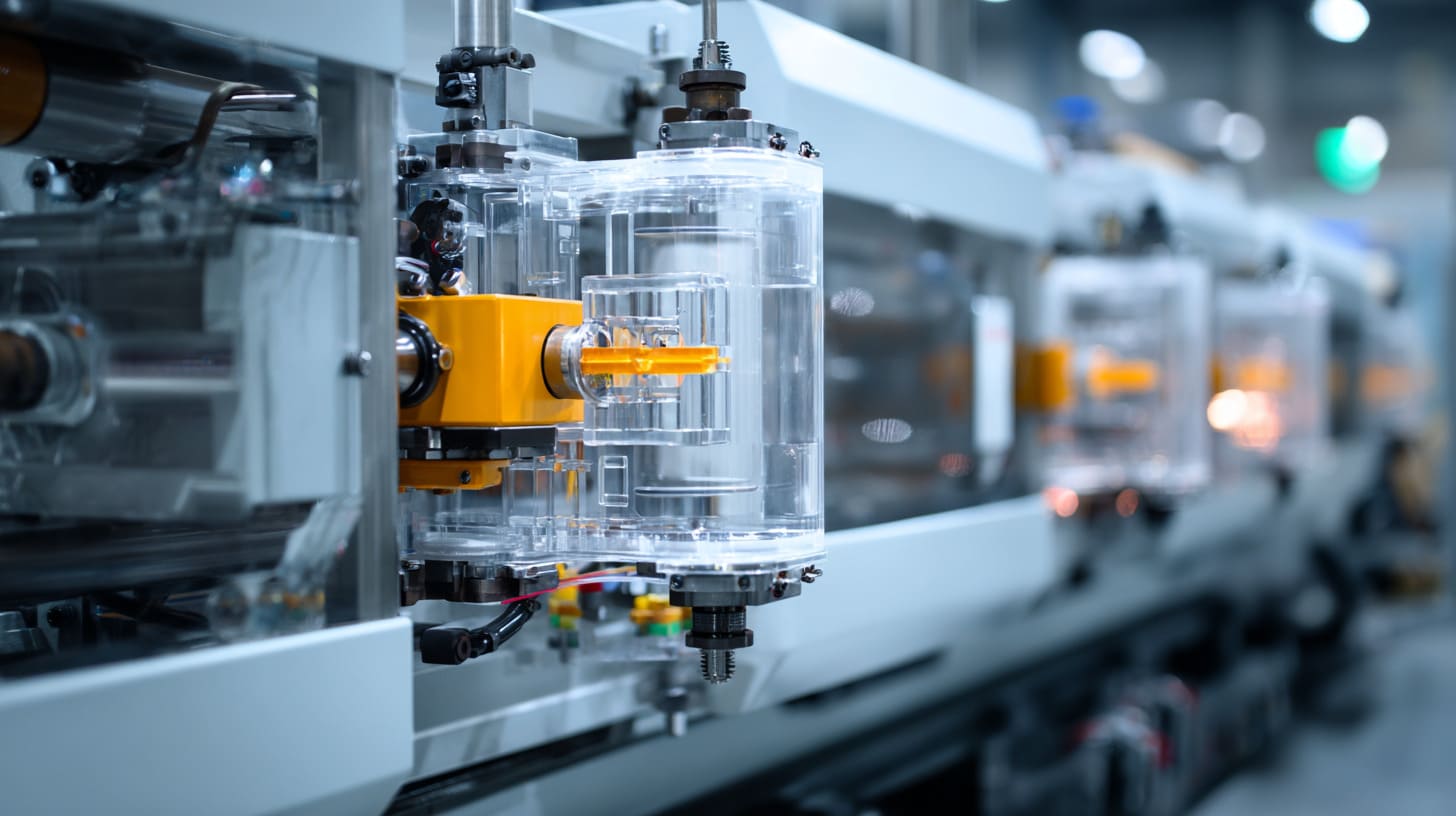
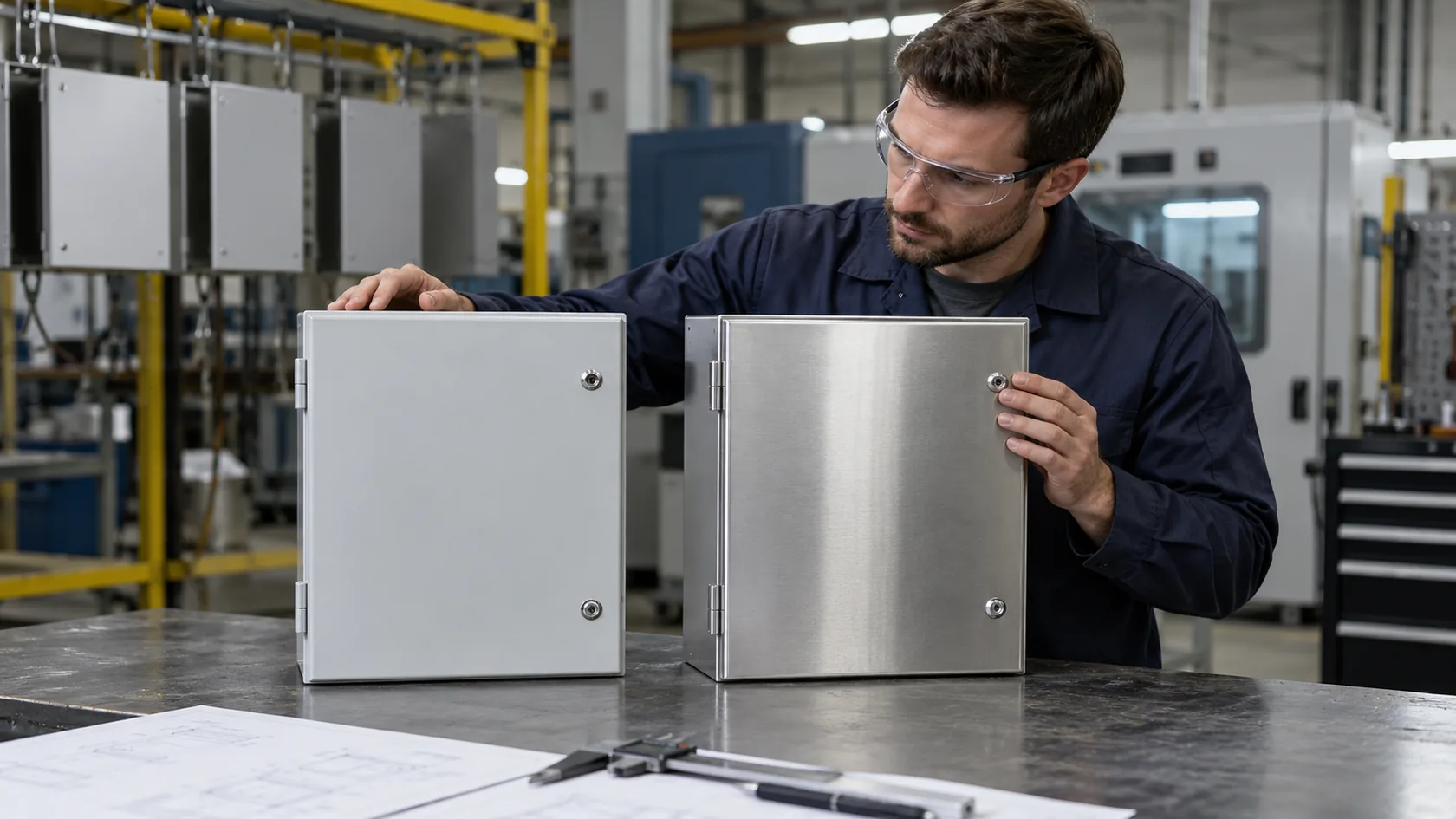
Two nearly identical enclosures sat on my desk—one fiberglass, the other polycarbonate. Both looked clean, compact, ready for deployment. But they weren’t the same. The difference wasn’t in their size or shape. It was in how they would behave once exposed to sun, rain, heat, and human hands.
A client had sent over both samples for evaluation, asking a common but critical question: “Which one should I use for outdoor sensor nodes in a coastal city?” That’s not something you guess. It’s something you test, feel, understand.
Material choice isn’t just technical—it’s strategic. And if you’ve ever been in the shoes of someone like Davide from Finland or John from Hungary, you’ll know what I mean. These aren’t just boxes. These are protective lifelines for devices that power factories, monitor crops, or manage energy systems.
In the world of industrial and electronic enclosures, fiberglass and polycarbonate plastic often go head-to-head. At a glance, they both promise strength and protection. But dig deeper, and you’ll find they react differently to sunlight, salt air, drilling tools, and even budget constraints.
Here’s what this comparison will cover:
- How each material handles durability, UV exposure, chemicals, and impact
- The cost implications for custom OEM/ODM work
- Real‑world insights on installation, modification, and lifespan
- And when one material clearly outperforms the other
Whether you’re engineering the next smart gateway, building a marine-grade controller, or sourcing for a private-label electronics brand, understanding these two materials will help you avoid costly mistakes.
Let’s start by exploring fiberglass—not as a marketing term, but as a working material with its own strengths, limits, and personality.
What Are Fiberglass Enclosures?
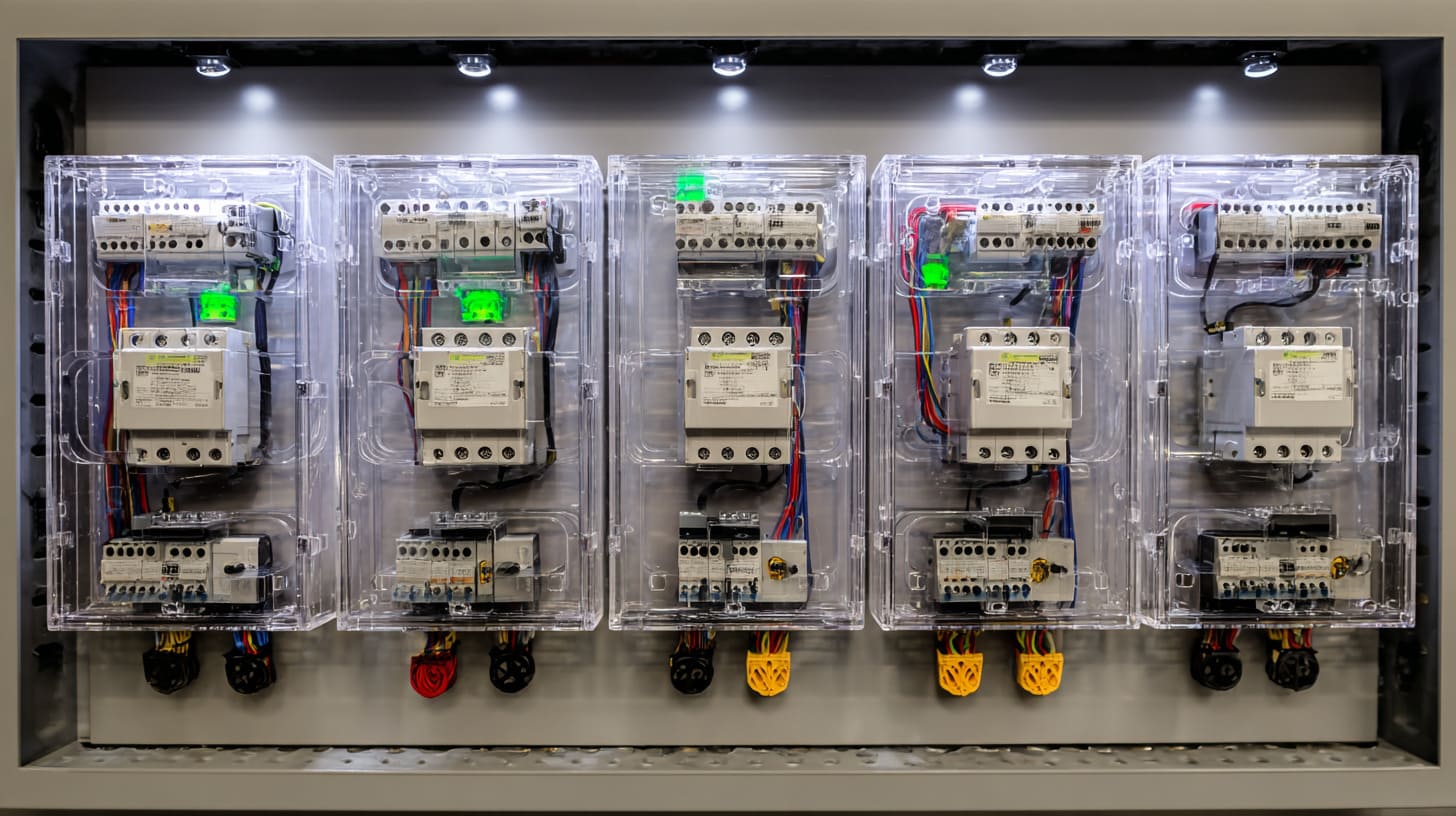
I walked through a factory once where fiberglass enclosures were lined up like soldiers. Their surfaces felt rougher than plastic—not cheap, just different. Every time I analyze this material, I remind myself it’s not about looks first. It’s about what it can survive.
Key Material Characteristics
Fiberglass enclosures use glass fiber reinforced polyester. This gives them:
- strong rigidity
- good dimensional stability
- high resistance to corrosion and chemicals
- solid performance in harsh outdoor areas
Here’s a simple breakdown:
| Property | Fiberglass Rating | Notes |
|---|---|---|
| Rigidity | High | Stiff even under heavy loads |
| UV Resistance | High | Good for long-term sunlight |
| Corrosion | Excellent | Performs well in industrial zones |
| Impact | Medium | Not as strong as polycarbonate |
How Fiberglass Enclosures Are Manufactured
The process is slower than plastic injection. It includes:
- resin mixing
- layering fiberglass sheets
- compression molding
- curing
This method gives it more rigidity, but makes small‑batch customization harder.
Common Industrial Applications
I see fiberglass often used in:
- chemical plants
- wastewater treatment
- coastal environments
- power distribution panels
- outdoor telecom boxes
Strengths and Weaknesses of Fiberglass
Strengths
- excellent corrosion resistance
- strong UV performance
- great electrical insulation
- handles harsh weather well
Weaknesses
- heavier than plastic
- can crack if hit with high impact
- customization requires more work
- rougher surface finish
When I finish explaining fiberglass to customers, they usually say, “This sounds like a tank.” In many ways, it is. But not every project needs a tank—some need something lighter and easier to modify.
And that brings me to polycarbonate, a material that often surprises people.
What Are Polycarbonate Plastic Enclosures?
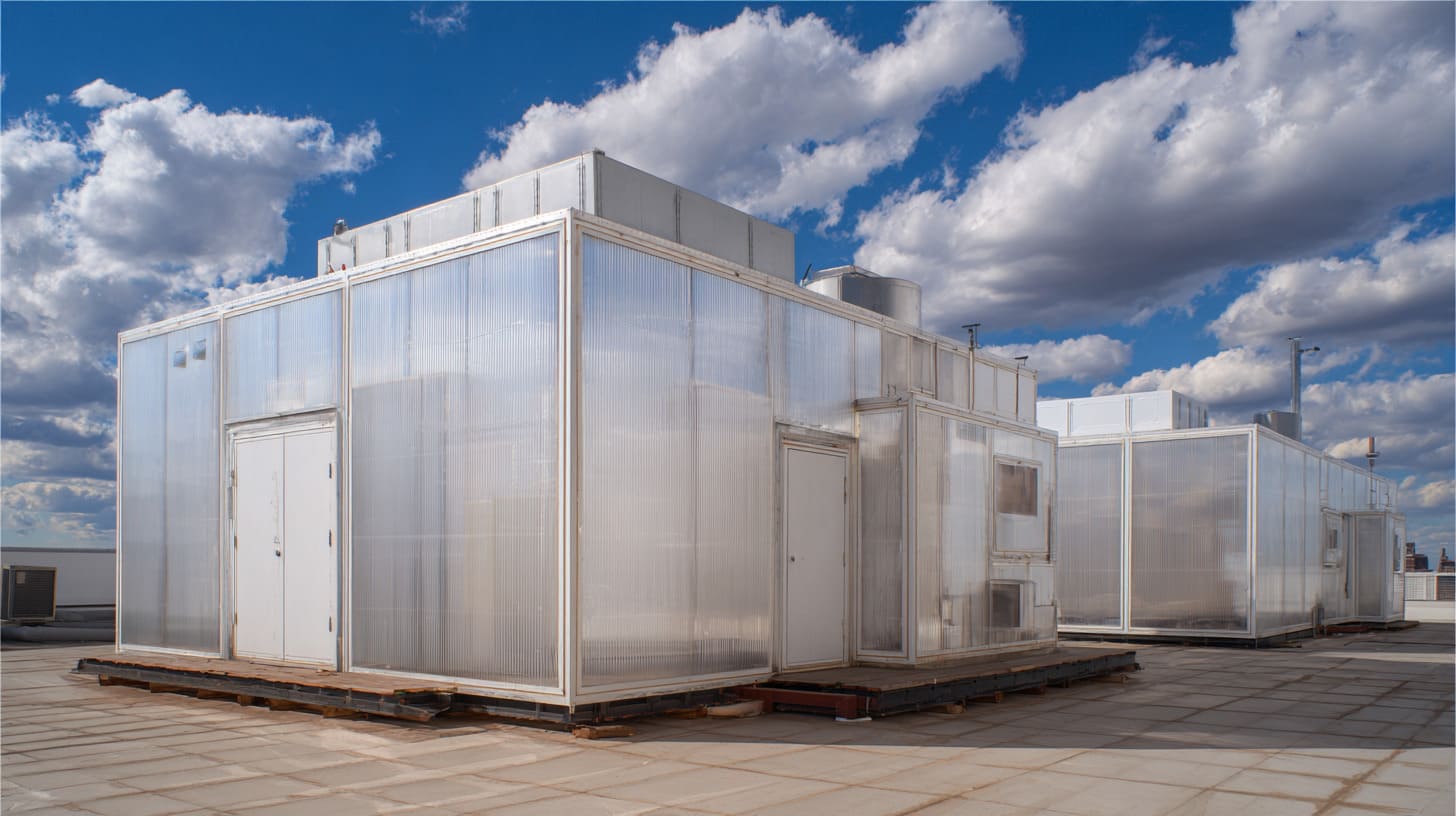
I once asked a client to drop a polycarbonate enclosure on the floor just to prove a point. It bounced. He laughed. I laughed. The fiberglass one… well, we didn’t drop that one.
Key Material Characteristics
Polycarbonate is a tough thermoplastic known for:
- strong impact resistance
- lightweight handling
- good transparency options
- easy machining and customization
| Property | Polycarbonate Rating | Notes |
|---|---|---|
| Impact Strength | Very High | One of its biggest advantages |
| UV Stability | Medium‑High | Needs proper UV additives |
| Weight | Light | Easy for field technicians |
| Customization | Easy | Great for CNC or drilling |
How Polycarbonate Enclosures Are Manufactured
Most are produced through injection molding, which allows:
- fast production
- precise detailing
- low cost for high volume
- consistent quality
Common Industrial and Electronic Applications
I see polycarbonate widely used for:
- IoT gateway enclosures
- Raspberry Pi or SBC cases
- sensor housings
- indoor control panels
- automation devices
Strengths and Weaknesses of Polycarbonate
Strengths
- extremely impact‑resistant
- easy to modify
- lightweight
- cost‑effective
- good transparency options
Weaknesses
- less resistant to chemicals
- may yellow under UV if no additives
- can deform under high heat
If fiberglass is the tank, polycarbonate is the athlete—flexible, fast, easy to move. And now that we understand both materials, it’s time to compare them directly.
Before we jump into durability, let me tell you about a project where impact resistance meant everything.
Durability Comparison: Which Material Is Stronger?
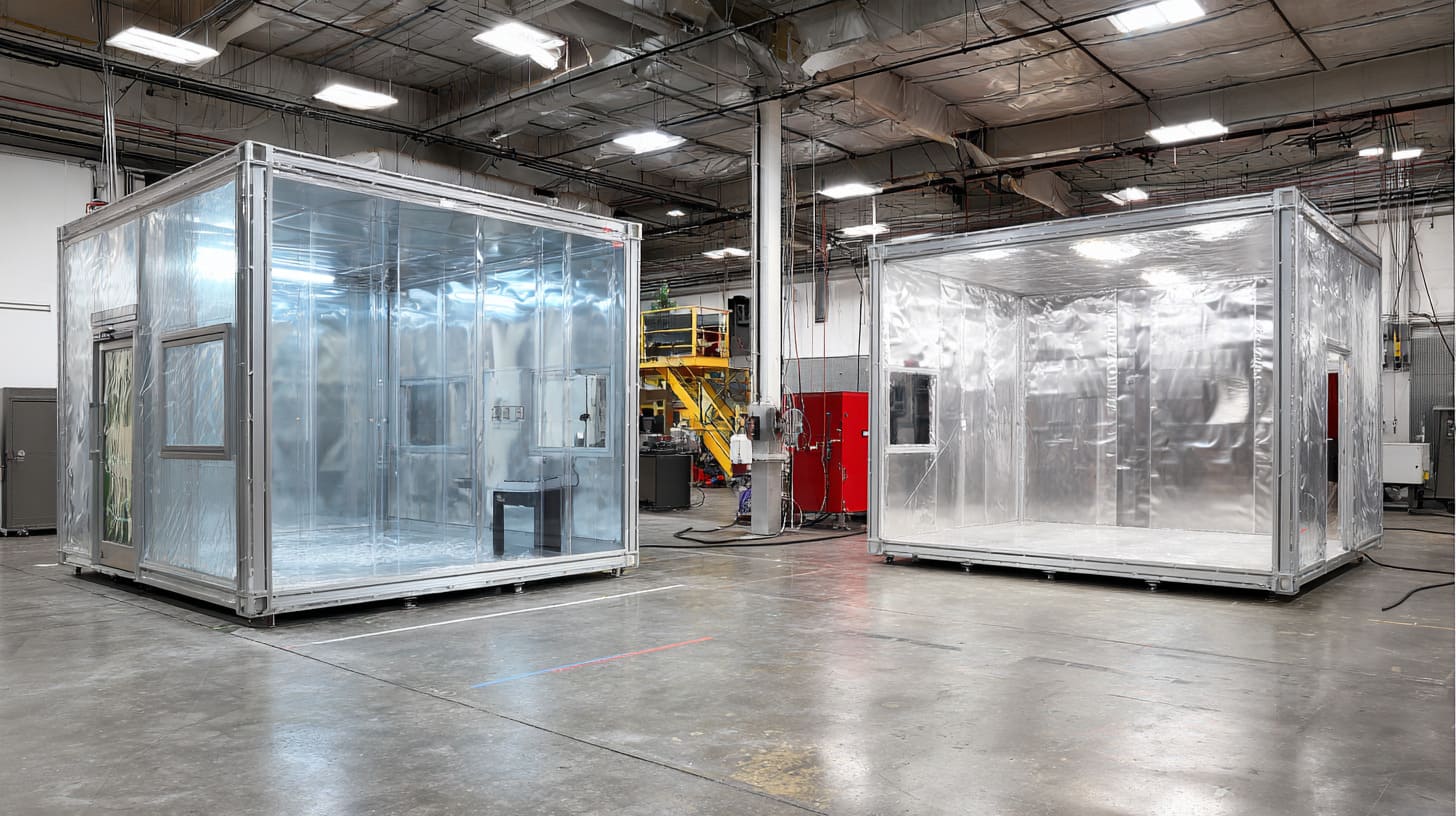
A customer once told me his field technicians treat equipment “like it owes them money.” That comment made me laugh, but I understood the worry. Durability is where projects win or lose.
Impact Resistance
Polycarbonate wins by a large margin. It absorbs force instead of cracking.
| Factor | Fiberglass | Polycarbonate |
|---|---|---|
| Drop Test | May crack | Absorbs impact |
| Flexibility | Low | High |
| Best Use | Stationary outdoor | Portable devices |
Structural Strength Over Time
Fiberglass stays stiff for years. It doesn’t soften or warp.
Polycarbonate stays strong too, but may warp slightly under long pressure.
Deformation Under Load
- Fiberglass: keeps shape under load
- Polycarbonate: may bend if overloaded
Suitability for Harsh Environments
Fiberglass is still the better choice for:
- corrosive areas
- constant sun exposure
- extreme weather
Polycarbonate shines in:
- mechanical stress
- handheld devices
- lightweight field installations
When durability is the top concern, some engineers lean toward fiberglass. Others love the impact strength of polycarbonate. It depends on the story behind the device.
Let’s talk about what the sun does next.
Weather & UV Resistance: Which One Handles Outdoor Use Better?
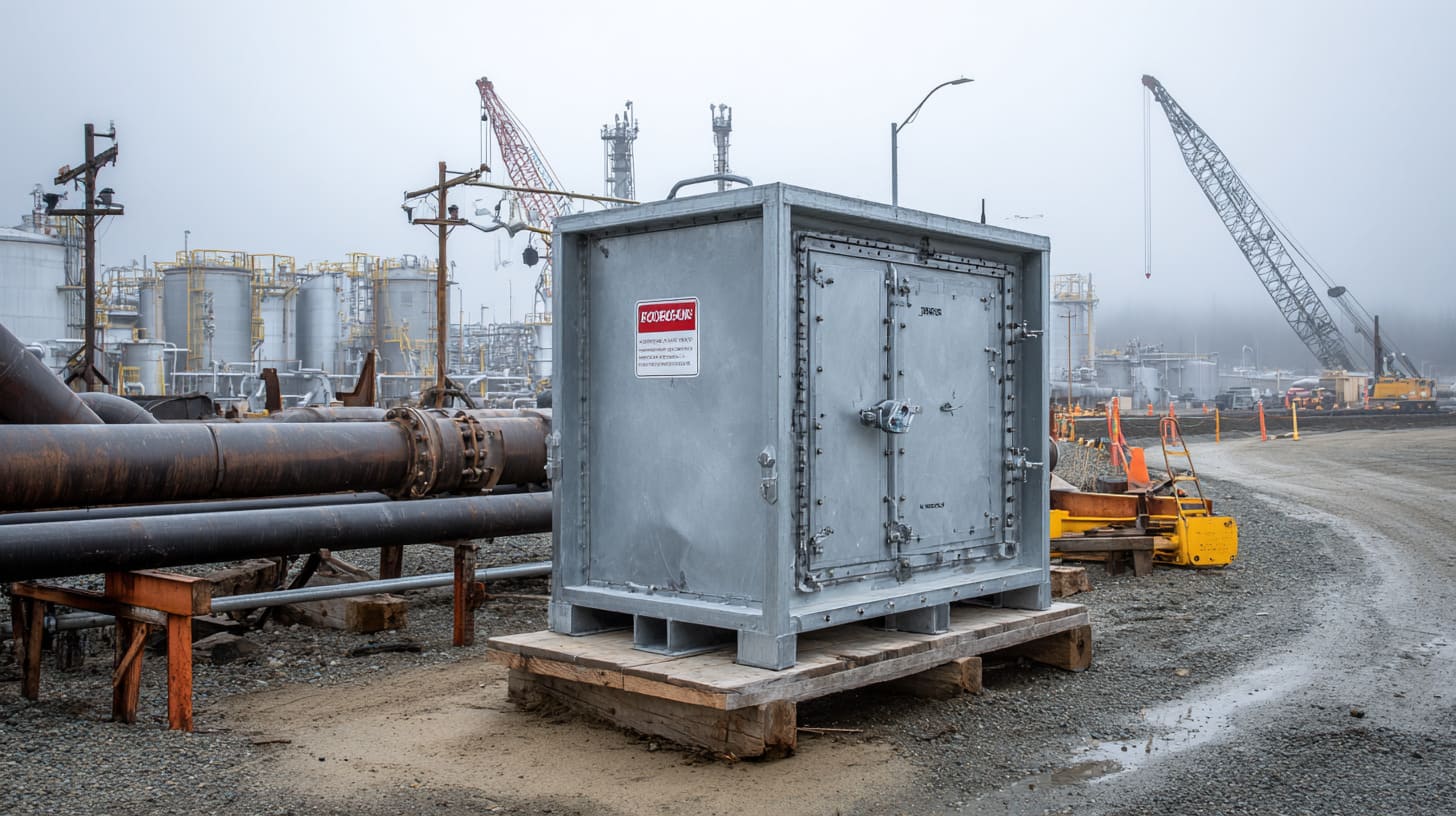
Working in South China means I see materials fail under sun faster than expected. UV is no joke.
UV Stability and Sunlight Exposure
Fiberglass handles UV very well.
Polycarbonate needs UV‑stabilizing additives.
Moisture & Rain Resistance
Both resist rain, but fiberglass performs better over long periods.
Performance in Coastal or Chemical Environments
Fiberglass is usually the preferred choice because of its corrosion resistance.
Long‑Term Outdoor Lifespan
Most engineers choose fiberglass for 10‑15+ year outdoor installations.
Polycarbonate works, but usually for lighter outdoor loads.
Now let’s take the story into more hostile places—chemical zones.
Corrosion & Chemical Resistance
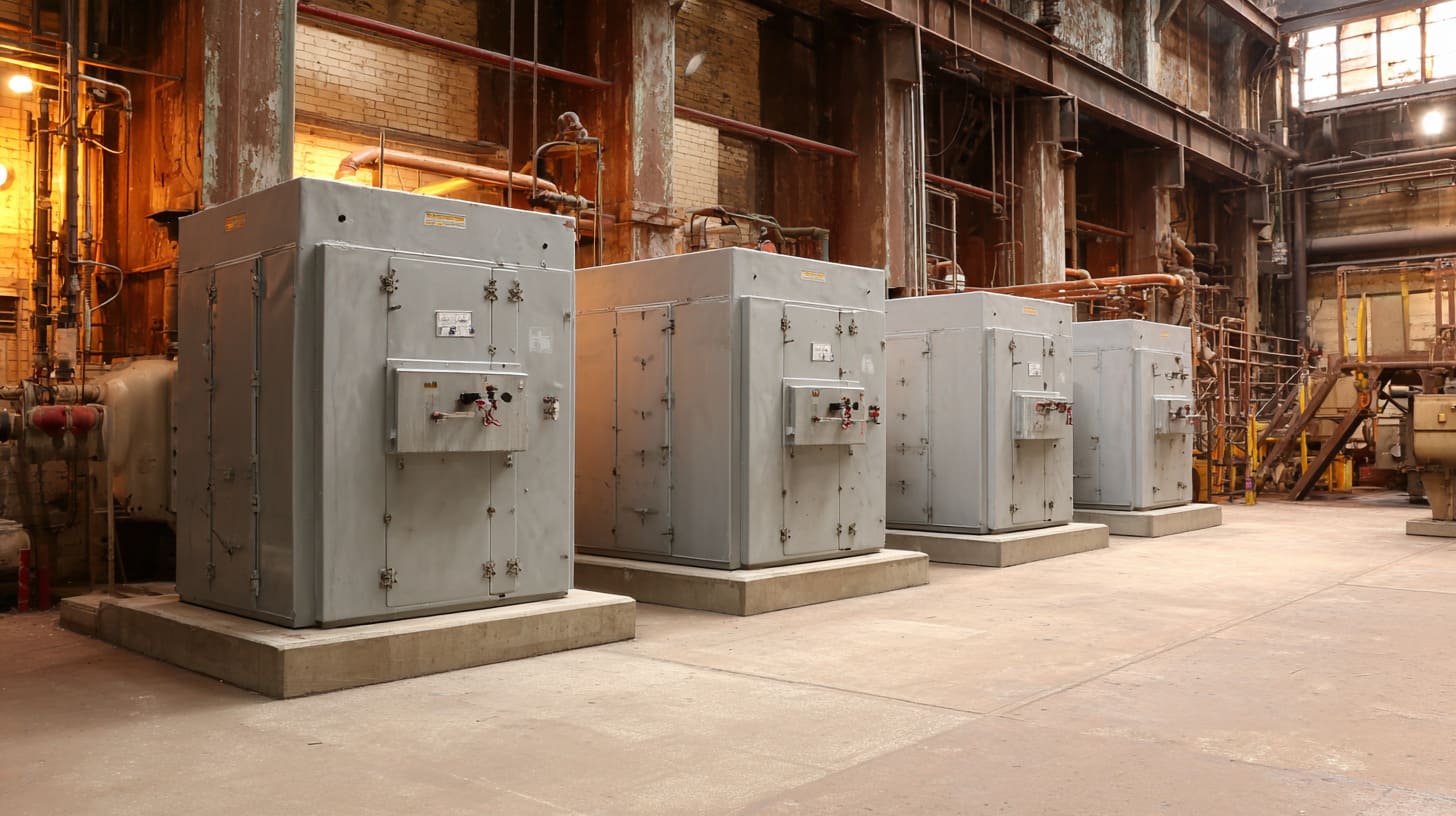
I walked into a chemical plant once and watched the steel pipes rust like they were dissolving. Yet the fiberglass enclosures looked untouched.
Fiberglass in Corrosive/Industrial Zones
Fiberglass is almost always the winner here. It resists:
- salts
- acids
- industrial fumes
- chemical mist
Polycarbonate Resistance to Solvents and Chemicals
Polycarbonate handles mild chemicals well but is weaker around:
- solvents
- acetone
- petroleum products
Which Material Performs Better in Extreme Chemical Environments?
Fiberglass.
Every time.
No contest.
Next, let’s look at heat—because some devices get far hotter than expected.
Temperature Resistance & Heat Tolerance
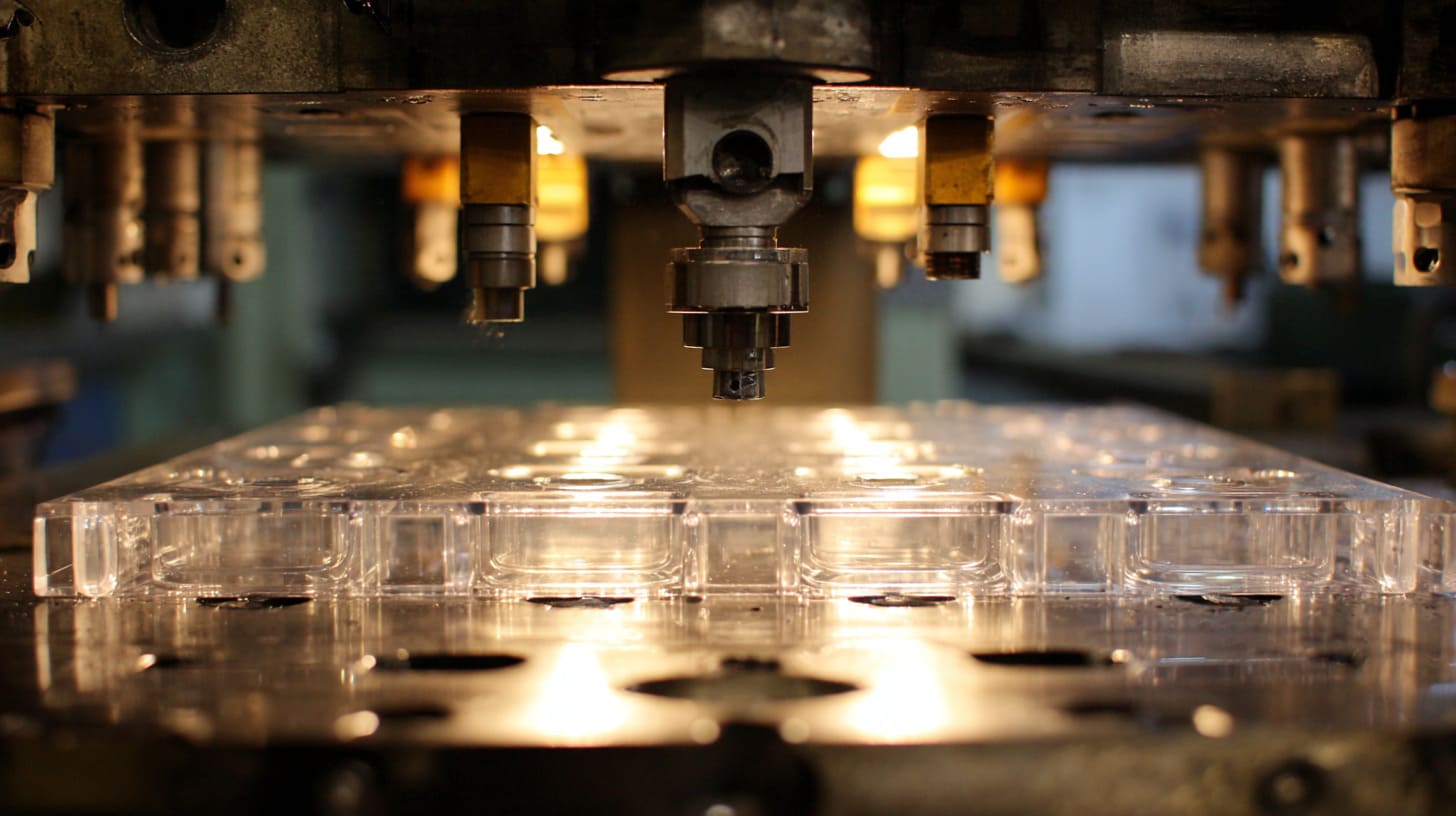
I once opened a control box in summer and felt heat hit my face like steam from a kettle. The material matters here.
Maximum Operating Temperatures
| Material | Max Temperature |
|---|---|
| Fiberglass | ~150°C |
| Polycarbonate | ~115°C |
Heat Distortion Thresholds
Fiberglass barely deforms.
Polycarbonate can soften under extreme heat.
Enclosure Performance Near Heat‑Generating Electronics
- Raspberry Pi
- SBCs
- industrial controllers
Fiberglass handles heat better.
Fire and Flame Ratings (UL94)
Both can achieve UL94 flame ratings, depending on the formulation.
When heat is part of the project, engineers usually lean back and think twice about polycarbonate.
Now let’s shift to electrical safety.
Electrical Insulation & Safety Standards
Years ago, an engineer warned me: “Electricity is quiet until it isn’t.” He was right.
Dielectric Strength
Both materials offer good insulation, but fiberglass performs better in severe conditions.
Certifications (UL, NEMA, IP Ratings)
Both can meet:
- UL
- NEMA 4X
- IP65–IP68
Suitability for High‑Voltage or Sensitive Electronic Devices
Fiberglass is often preferred for:
- high‑voltage
- industrial motors
- sensitive control systems
Now let’s talk about something every field worker feels immediately—weight.
Weight & Handling Differences
Imagine carrying enclosures up a ladder for hours. That’s where weight becomes real.
Weight Comparison
Polycarbonate is lighter by a clear margin.
Installation & Field Handling
Technicians prefer polycarbonate when:
- handling the box frequently
- installing in tight spaces
- mounting overhead
Maintenance Requirements Over Time
Fiberglass needs less maintenance in harsh conditions.
Polycarbonate needs less maintenance in typical indoor use.
Now let’s talk about something close to my heart: customization.
Customization & OEM/ODM Options (Critical for B2B Buyers)
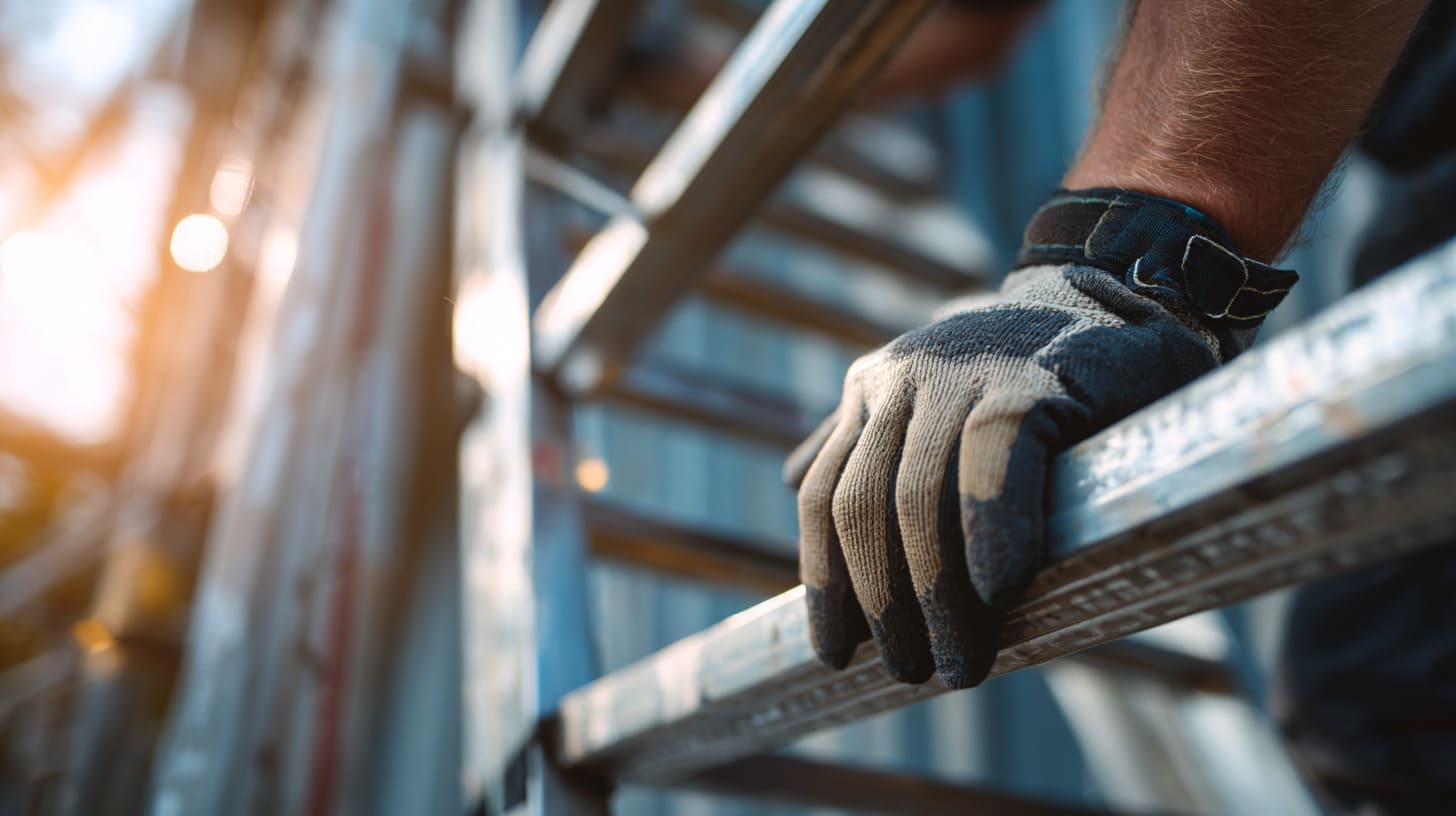
This is where my team spends most of our time—turning someone’s idea into a real enclosure.
Ease of Modification
Polycarbonate is easy to modify:
- CNC drilling
- cutouts
- engraving
- fitting modules
Fiberglass modifications take more labor.
Surface Finishing Options
Polycarbonate allows smoother finishes.
Fiberglass looks more industrial.
Logo Printing, Engraving, Branding
Both work, but polycarbonate is easier for:
- printed logos
- branding
- custom color options
Suitability for MaidaTech’s OEM & ODM Services
We work with both materials, but polycarbonate integrates better when:
- redesigning Raspberry Pi‑style cases
- doing prototypes
- adding mixed aluminum parts
Now let’s talk money.
Cost Comparison: Which Material Is More Affordable?
Cost is always the conversation where people lean forward.
Material Cost Differences
Polycarbonate is generally cheaper.
Tooling & Customization Costs
Fiberglass tooling is simpler but slower.
Polycarbonate tooling costs more upfront but faster for large runs.
Shipping, Packaging & Logistics Impact
Polycarbonate saves cost due to:
- lower weight
- lower shipping fees
Total Cost of Ownership (TCO)
Fiberglass lasts longer in harsh areas.
Polycarbonate is cheaper for indoor or light outdoor use.
Now let’s talk decision‑making.
When Should Engineers Choose Fiberglass?
Some clients come to me and say, “Vincent, I need something that won’t die outdoors.”
Situations Where Fiberglass Performs Best
- coastal areas
- chemical environments
- long‑term outdoor installations
Ideal Industries & Use Cases
- wastewater
- telecom
- power distribution
Pros & Cons Summary
| Pros | Cons |
|---|---|
| Excellent corrosion resistance | Heavier |
| Great UV stability | Harder to modify |
| High heat tolerance | Rougher finishes |
Next, let’s shift to polycarbonate’s strengths.
When Should Engineers Choose Polycarbonate?
Some projects need flexibility and easy customization.
Situations Where Polycarbonate Performs Best
- IoT devices
- electronics
- indoor/outdoor hybrid installations
Ideal Applications
- Raspberry Pi cases
- sensor hubs
- automation devices
Pros & Cons Summary
| Pros | Cons |
|---|---|
| Very impact‑resistant | Weaker to chemicals |
| Lightweight | Lower heat tolerance |
| Easy to customize | Needs UV additives |
Now let’s put everything side by side.
Side‑by‑Side Comparison Table
Fiberglass vs. Polycarbonate: Quick Specification Matrix
| Feature | Fiberglass | Polycarbonate |
|---|---|---|
| Impact Strength | Medium | Very High |
| UV Resistance | High | Medium‑High |
| Chemical Resistance | Excellent | Medium |
| Heat Tolerance | High | Medium |
| Weight | Heavy | Light |
| Customization | Medium | Very Easy |
Material Scorecard for Engineers
| Category | Winner |
|---|---|
| Outdoor Weather | Fiberglass |
| Impact | Polycarbonate |
| Chemicals | Fiberglass |
| Indoor Electronics | Polycarbonate |
Now, how does MaidaTech fit into all this?
How MaidaTech Supports Custom Enclosures in Both Categories
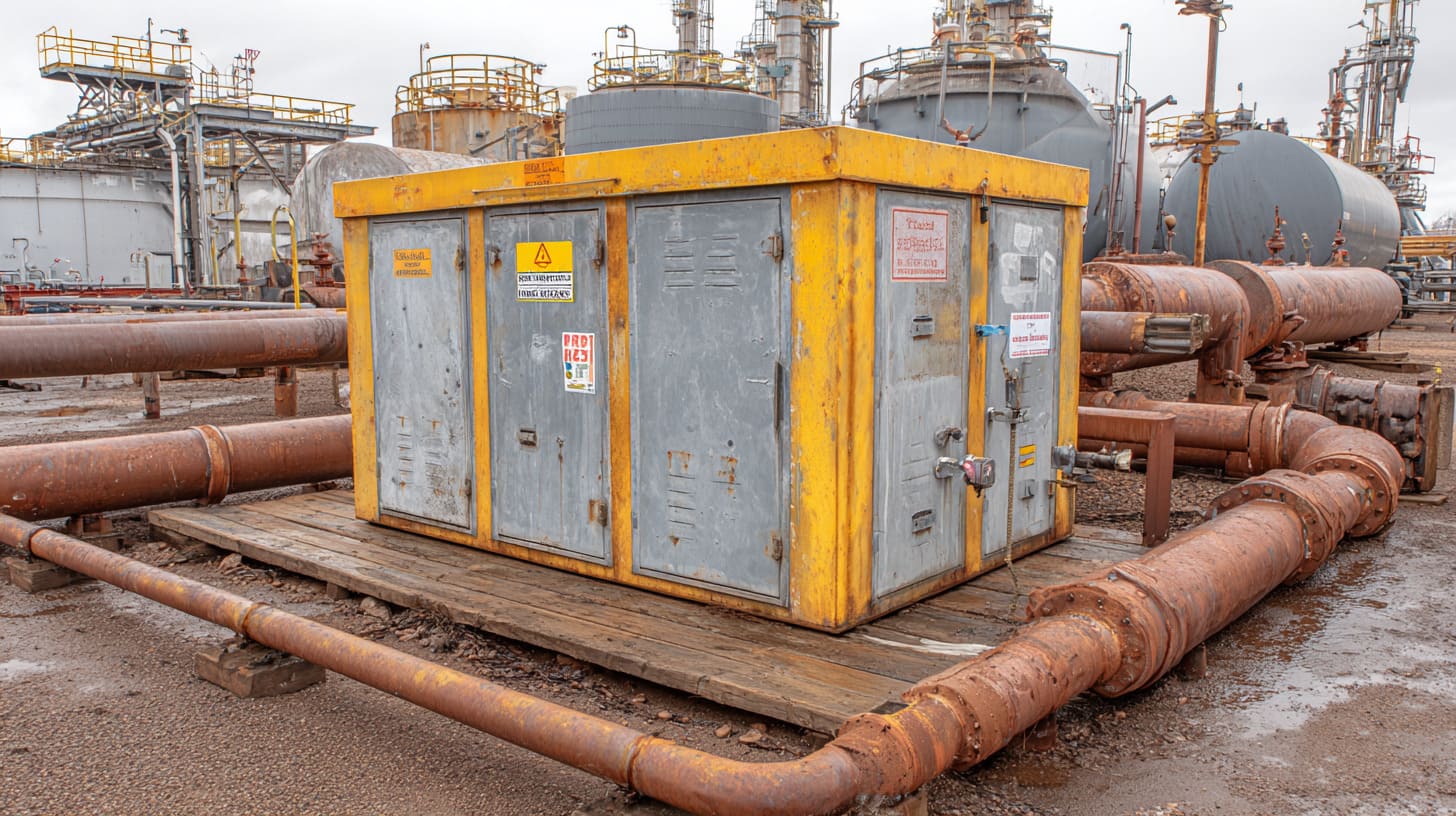
I have spent many late nights helping engineers finalize their enclosure drawings. This is the part of my job I enjoy—turning ideas into real products.
OEM & ODM Capabilities for Custom Plastic Enclosures
We support:
- custom sizing
- drilling
- logo engraving
- assembly
- packaging
Adding Aluminum Components for Hybrid Designs
Some clients mix aluminum + polycarbonate.
Others use aluminum frames with fiberglass doors.
Fast Prototyping, Engineering Support & Global Shipping
We do:
- fast communication
- detailed confirmations
- quick samples
- stable bulk production
Why Engineers Like Davide and John Choose MaidaTech
Because we solve:
- communication delays
- slow confirmation
- unclear drawings
- long lead times
And we do it with:
- direct factory pricing
- flexible customization
- strong engineering support
Now let’s bring everything home.
Conclusion
Choosing between fiberglass and polycarbonate starts with your environment, your project goals, and your long‑term expectations. Fiberglass handles tough outdoor and chemical environments. Polycarbonate suits impact‑heavy, electronics‑focused, lightweight installations.
For engineers, OEM buyers, and product developers, the right enclosure is not just a box. It is part of your story—your deadlines, your product quality, and your customer satisfaction.
If you ever need help choosing or customizing either material, feel free to reach out. My team at MaidaTech is always ready to support your next idea, your next enclosure, or your next project.
You can reach me anytime at info@maidatech.com
or visit maidatechenclosure.com.
I’ll be here—with coffee, drawings, and a fresh set of samples.